HOUSE_OVERSIGHT_023361 - HOUSE_OVERSIGHT_023415
HOUSE_OVERSIGHT_023361 is an appellate brief from the United States Court of Appeals, Second Circuit, related to the terrorist attacks on September 11, 2001.
The document is a consolidated brief from January 20, 2012, filed on behalf of plaintiffs-appellants appealing dismissals based on failure to state a claim and foreign sovereign immunity in lawsuits related to the 9/11 terrorist attacks. It lists numerous attorneys representing the plaintiffs-appellants and includes a corporate disclosure statement. The brief references the case of Ashton v. Al Qaeda Islamic Army.
Key Highlights
- •The document is related to litigation concerning the September 11, 2001 terrorist attacks.
- •Mentions al-Qaeda as a key entity.
- •Lists several attorneys and law firms involved in the case.
Frequently Asked Questions


Document Information
Bates Range
HOUSE_OVERSIGHT_023361 - HOUSE_OVERSIGHT_023415
Pages
55
Source
House Oversight Committee
Original Filename
In re TERRORIST ATTACKS ON SEPTEMBER 11 2001.rtf
File Size
1.77 MB
Document Content
Page 1 - HOUSE_OVERSIGHT_023361
In re: TERRORIST ATTACKS ON SEPTEMBER 11, 2001., 2012 WL 257568 (2012) 2012 WL 257568 (C.A.2) (Appellate Brief) United States Court of Appeals, Second Circuit. In re: TERRORIST ATTACKS ON SEPTEMBER 11, 2001. Nos. 11-3294-cv(L), 11-3407-cv(CON), 11-3490-cv(CON), 11-3494-cv(CON), 11-3495-cv(CON), 11-3496-cv(CON), 11-3500-cv(CON), 11-3501-cv(CON), 11-3502-cv(CON), 11-3503-cv(CON), 11-3505-cv(CON), 11-3506-cv(CON), 11-3507-cv(CON), 11-3508-cv(CON), 11-3509-cv(CON), 11-3510-cv(CON), 11-3511-cv(CON). January 20, 2012. On Appeal from the United States District Court for the Southern District of New York Appellants’ Consolidated Brief with Respect to Dismissals for Failure to State a Claim and Foreign Sovereign Immunity Ronald L. Motley, Robert T. Haefele, Motley Rice LLC, 28 Bridgeside Boulevard, Mount Pleasant, South Carolina 29464, (843) 216-9000; Stephen A. ¢ Elliott R. Feldman, Sean P. Carter, Cozen O’Connor, 1900 Market Street, Philadelphia, Pennsylvania 19103, (215) 665-2000, and Carter G. Phillips, Richard Klingler, Sidley Austin LLP, 1501 K Street, N.W., Washington, D.C. 20005, (202) 736-8000, Attorneys for All Plaintiffs-Appellants. Andrea Bierstein, Hanly Conroy Bierstein Sheridan Fisher & Hayes, LLP, 112 Madison Avenue, 7th Floor, New York, New York 10016, (212) 784-6400; Robert M. Kaplan, Ferber Chan Essner & Coller, LLP, 530 Fifth Avenue, 23rd Floor, New York, New York 10036, (212) 944-2200; James P. Kreindler, Justin T. Green, Kreindler & Kreindler LLP, 750 Third Avenue, 32nd Floor, New York, New York 10017, (212) 687-8181; Jerry S. Goldman, Anderson Kill & Olick, P.C., 1251 Avenue of the Americas, New York, New York 10020, (212) 278-1000, Chris Leonardo; Adams Holcomb LLP, 1875 Eye Street N.W., Suite 810, Washington, D.C. 20006, (202) 580-8820, Attorneys for All Plaintiffs-Appellants. *{ Corporate Disclosure Statement In accordance with Federal Rule of Appellate Procedure 26.1, appellants certify as follows: 11-3509 (Ashton v. Al Qaeda Islamic Army): Appellants are natural persons. 11-3503, 11-3505, 11-3506, 11-3507 (Burnett v. Al Baraka Investment & Development Corp.): Appellants are natural persons. 11-3508 (Cantor Fitzgerald & Co. v. Akida Bank Private Limited): Appellants Cantor Fitzgerald & Co.; Cantor Fitzgerald Securities; Cantor Fitzgerald, L.P.; CO2e.com, LLC (now known as Cantor C02e, LLC); and Cantor Index Limited have no parent corporation and there is no public corporation that holds more than 10% of any of them. Appellant eSpeed, Inc. (now known as BGC Partners, Inc.) has no parent corporation and there is no public corporation that holds more than 10% of it; BCG Partners, Inc. is publicly-held. Appellants Cantor Fitzgerald Associates, L.P. (now known as BGC Capital Markets, L.P.); Cantor Fitzgerald Brokerage, L.P. (now known as BGC Environmental Brokerage Services, L.P.); Cantor Fitzgerald International (now known as BGC International); Cantor Fitzgerald Partners (now known as Seminole Financial); eSpeed Securities, Inc. (now *ii known as WESTLAW HOUSE_OVERSIGHT_023361
Page 2 - HOUSE_OVERSIGHT_023362
In re: TERRORIST ATTACKS ON SEPTEMBER 11, 2001., 2012 WL 257568 (2012) Aqua Securities, L.P.); Tradespark, L.P; and eSpeed Government Securities, Inc. (now known as eSpeed Brokerage, L.P.) have no parent corporation; BGC Partners, Inc., a publicly-traded corporation, owns more than 10% of each of them. The parent company of Appellant Cantor Fitzgerald Europe is Cantor Fitzgerald, L.P.; no publicly-traded corporation owns more than 10% of it. 17-3510 (Continental Cas. Co. v. Al Qaeda Islamic Army): Appellants Transcontinental Insurance Company, Transportation Insurance Company, National Fire Insurance Company of Hartford and American Casualty Company of Reading, Pennsylvania are wholly-owned subsidiaries of plaintiff-appellant Continental Casualty Company; plaintiff-appellant Valley Forge Insurance Company is a wholly-owned subsidiary of plaintiff-appellant American Casualty Company of Reading, Pennsylvania; and plaintiff-appellant Continental Casualty Company is a wholly-owned subsidiary of CNA Financial Corp., which is publicly traded. 11-3294, 11-3407 (Estate of John P. O'Neill v. Republic of Iraq): The Estate is not a corporate entity. “i 11-3496, 11-3500, 11-3501, 11-3502 (Euro Brokers, Inc. v. Al Baraka Inv. & Dev. Corp.): Appellant BGC Brokers US, L.P. (successor to Euro Brokers, Inc.) has no parent corporation; BGC Partners, Inc., a publicly-traded corporation, indirectly owns more than 10% of it. Appellant BGC Financial, L.P. (f/k/a Maxcor Financial, Inc.) has no parent corporation; BGC Partners, Inc., a publicly-traded corporation, indirectly owns more than 10% of it. BGC Financial Asset Management, Inc. (successor to Maxcor Financial Asset Management, Inc.) dissolved December 23, 2010. Appellant BGC Information, L.P. (successor to Maxcor Information, Inc.) has no parent corporation; BGC Partners, Inc., a publicly-traded corporation, indirectly owns more than 10% of it. Seminole Financial Limited (successor to Euro Brokers Ltd.) has no parent corporation; BGC Partners, Inc., a publicly-traded corporation, indirectly owns more than 10% of it. Appellant Tradesoft Technologies, Inc. has no parent corporation, BGC Partners, Inc., a publicly-traded corporation, indirectly owns more than 10% of it. *iv Appellant Euro Brokers Financial Services Limited dissolved April 23, 2008. Appellant Euro Brokers Mexico, S.A. de C.V. has no parent corporation; BGC Partners, Inc., a publicly-traded corporation, indirectly owns more than 10% of it. Appellant Euro Brokers (Switzerland) S.A. has no parent corporation; BGC Partners, Inc., a publicly-traded corporation, indirectly owns more than 10% of it. 11-3490, 11-3494, 11-3495, 11-3511 (Federal Ins. Co. v. al Qaida): Appellants Federal Insurance Company, Pacific Indemnity Company, Chubb Custom Insurance Company, Chubb Indemnity Insurance Company, Chubb Insurance Company of Canada, Chubb Insurance Company of New Jersey, Great Northern Insurance Company, and Vigilant Insurance Company are members of the Chubb Group of Insurance Companies. Appellants’ parent organization, The Chubb Corporation, a publicly traded corporation, owns more than 10% of their stock. Appellants One Beacon Insurance Company, One Beacon America Insurance Company, American Employers’ Insurance Company, The Camden Fire Insurance Association, and Homeland Insurance Company of New York are members of the One Beacon Insurance Group. Appellants’ *v parent organization, White Mountains Insurance Group Ltd., a publicly traded WESTLAW HOUSE_OVERSIGHT_023362
Page 3 - HOUSE_OVERSIGHT_023363
In re: TERRORIST ATTACKS ON SEPTEMBER 11, 2001., 2012 WL 257568 (2012) corporation, owns more than 10% of their stock. Appellant TIG Insurance Company is a member of the Fairfax Financial Group. Appellant’s parent organization, Fairfax Financial Holdings Ltd, a publicly traded corporation, owns more than 10% of their stock. Appellants American Alternative Insurance Corporation, Great Lakes Reinsurance U.K. PLC, and The Princeton Excess and Surplus Lines Insurance Company are members of the Munich Re Group. Appellants’ parent organization, Muenchener Rueckversicherungs-Gesellschaft Aktienqesellschaft, a publicly traded corporation, owns more than 10% of their stock. Appellant Allstate Insurance Company is a member of The Allstate Insurance Group. Allstate Insurance Company is wholly owned by The Allstate Corporation, a publicly traded corporation. Appellants Boston Old Colony Insurance Company, The Continental Insurance Company, Commercial Insurance Company of Newark, NJ, CNA Casualty of California, Continental Insurance Company of New Jersey, Fidelity and Casualty Company of New York, Glens Falls Insurance Company, and National Ben Franklin Insurance Company of Illinois are *vi members of the CNA Insurance Companies. Appellants’ parent organization, the CNA Financial Corporation, a publicly traded corporation, owns more than 10% of their stock. Appellant Hiscox Dedicated Corporation Member, Ltd. is a member of Lloyds’ Syndicate 33. Appellants ACE American Insurance Company, ACE Capital V Ltd for itself and as representative of all subscribing underwriters for ACE Global Markets Syndicate 2488, ACE Bermuda Insurance Ltd, ACE INA (Canada), ACE Indemnity Insurance Company, ACE Insurance SA-NV, ACE Property & Casualty Insurance Company, Atlantic Employers Insurance Company, Bankers Standard Insurance Company, Indemnity Insurance Company of North America, Insurance Company of North America, Westchester Fire Insurance Company, Westchester Surplus Lines Insurance Company, and Pacific Employers Insurance Company are members of ACE INA Group. Appellants’ parent organization, ACE Limited, a publicly traded corporation, owns more than 10% of their stock. Appellant Woburn Insurance Ltd. is a captive insurance company, wholly owned by Viacom Inc. Appellants AXA Corporate Solutions Assurance, AXA Corporate Solutions Insurance Company, AXA Corporate Solutions Assurance UK *vii Branch, AXA Corporate Solutions Assurance (Canada), AXA RE Asia Pacific Pte. Limited, AXA RE, AXA RE Canadian Branch, AXA RE UK Ple., AXA Corporate Solutions Reinsurance Company, AXA Art Insurance Corporation, SPS Reassurance, AXA Re Madeira Branch, Compagnie Gererale de Reinsurance de Monte Carlo, AXA Versicherung AG, AXA Cessions and AXA Global Risks UK, Ltd. are members of the AXA Group. Appellants’ parent organization, AXA S.A., a publicly traded corporation, owns more than 10% of their stock *j TABLE OF CONTENTS Corporate Disclosure Statement .......eccececcsssseessseesesessseessnsecesecessessnsecaseceuseesnscsnseceseeeseeesnsecasescaseesnsecaseceaeesneseaseceatersnesenseseds i Table of Authorities oc ceccseccsssessssssessseessnseessneessnseessnseersnseessnsesssnseessnsesesnsessunsessuesescunsessuseesesseccasessaneensnseetsnseeraneeraneetansestay v Preliminary Statermennt oc ececccsecssessseesssessseeesnseceseccsceesnsecasescssessnsceaseceusessnecsnsecaseecssersnsecaseseasessnsesaseceaecsneeseseceaeesanersneeaseseasss 1 Statement Of Subject Matter and Appellate Jurisdiction ce... ceececcssessssssseeesstesseseseeseeeceseseseesneeceeeecaeersneeseteneeeerseeees 4 Statement-of Issues Presented for Review: ssscusrsmmsnmnmnannmanaumeantanmennnanar 6 Statement-of The Case sasssecusnnmnccanmneemana unnenamncmnear aera 8 Nature of the Case-and Course-of Proceedings. sasecvscesvesivssmecsaseccvseeeucsnaaeansrenuarenireentcinaaewavenwarsecvneentes 8 Disposition Below’ ssecssazecvsccecwvssvesweeaecwaveeccorccuescuwsicarsweeaneewearteeceeeqnesvunyeersveecaneernnnd eaves une rary were yaeeareowrnnndeaveerveerenneeccnueeeee: 24 WESTLAW HOUSE_OVERSIGHT_023363
Sponsored
Page 4 - HOUSE_OVERSIGHT_023364
In re: TERRORIST ATTACKS ON SEPTEMBER 11, 2001., 2012 WL 257568 (2012) Statement Of Facts os cssssssesssneesssseesssnesesnesssnsesssnsescsnsesssnsesssnsecssnsesssssecsuneessusecssssecsassecsasessuseessaseersasearsneeranseetaneseanseetanss 24 The Origins of al-Qaeda ooo eeceeccecssesesseesssesssneesnseceseeesseesnsecesecesseesnscceseccasessnecsnsecessecseessnsecaseseasersnseceseccaeesnesseseceaeessreeenseeeseseaess 24 The Role of Ostensible Charities in al-Qaeda’s Growth and Development 2.00... cccceescceesseeeeteeceeeseeeeeteeeeteneeee 28 Al-Qaeda’s Collaborators in the Financial Industry cee eecsssssseesseessseeesneeceseceseeesneeenseceseeesneeseseceseeeaeeeeneeeateeeatersneess 42 Al-Qaeda’s Additional Wealthy Financiers ....cccscccssssssssssssessseeeneecesessseesnsecaseceseeesnscsnseceaeessneesnseceseeraeeeneeeaseseatereneees 55 Summary Of ArQume nt oc eecceccseecseesssseesseeessseceseeesceesnscceseccsseesnsecaseseasersesceaseccaseesnessnseceaeesnessesecaseseaseesnseeaseseaeersneeeeseceatereeeees 59 Standard Of ROVICW o..ecssessssessssntesssseesssneesssneesssnsesesnsesesnsesesnsecssnseccunsesssnsesesseesssseessusecsassessusecsuuersuseessaseetsnseetanseetanseetansestanss 62 AL QUIMICM eee ecstecseecseessecnsecasecnscsnecsuessecesscesscasecasecnscsnscsueeseceuscesecasecasesusesueesneesecescesecasecasecnsesuscsueeseeeseeesecasecasecneeaneesetseeeseeeseensess 63 I. The District Court Improperly Dismissed the Anti-Terrorism Act Claims .......cceccessssesseeceesereeerneeenteeeees 63 A. The ATA Is Construed Broadly and Readily Encompasses Defendants’ Alleged Conduct oe 64 B. The District Court Erred In Finding that Plaintiffs Failed to Plead that Defendants Knowingly or 72 Recklessly Provided Support for Terrorisim 2... ccccsccsssssssssessstesssesssneesnsecesesessessnsecaseccaersnsesaseseaseesneesnseceneesaneesneeeaseesaess *ii 1. The District Court Applied an Incorrect, Heightened Standard In Evaluating Plaintiffs’ Pleadings 74 2. The District Court Understated and Ignored Plaintiffs’ Extensive Pleadings Addressing Defendants’ 77 Knowing and Reckless Support Of Terrorist cecccsssccssscssssesseecsesssseessneeceececeeesneeseseceaeecsnessnsecaseseaeesneeenseceaeersneeensesess (a) Al Raght Barak occ eeccssssseessessssesssnessnseseseesnecsnseceseecsseesnseceseccssessnscseseseasecsnecseseceassesnessnsecaseecaseesnsecaseceaseesneesnseceaeessneesnseseds 78 (b) Saudi American Batnk ......cccccssesssssssssssssssssesssessesssessscsssesseseuesssecasesueesnessnessssssesssesssesasesusesncsneessessssesesasesasecaseaneesneessenseesss 81 (c) Saleh Abdullah Kamel and Dallah al Baraka... ..cccsssssssssssessesssessssssssssesssesssesasesnsesnecsncessessesssessuesasesaseaneesneesnenseesss 83 (d) Dar-Al-Maal Al Islami (“DMI”) Trust ou... ecsesssssssssssesssssssesseesnecsneesncesscesesssesssecasesusesuecsncessessusesessucsasecuseaneesneesnenseesss 86 3. The District Court Failed to Draw Reasonable Inferences From Plaintiffs’ Extensive Additional 90 Pleadings Establishing Defendants’ Knowing and Reckless Support of Terrorist ccs (a) Reasonable inference based on provision of support to al-Qaeda, a notorious terrorist organization ... 91 (b) Reasonable inference based on provision of support to charities known to be fronts for al-Qaeda. ...... 93 (c) Reasonable inference based on defendants’ extensive relationship with the al-Qaeda network ............. 100 4. The District Court Failed to Accept the Truth of the Facts Alleged escecssssssssssssssesssseesesesseessseesnteceeereeeesneenees 112 C. The District Court Incorrectly Disregarded Extensive Allegations of Support to al-Qaeda by 116 Defendants Dallah al Baraka and Saleh Abdullah Kamel in the Early to Mid 1990s ooo. eccceeseeeteenteeeee II. The District Court Improperly Dismissed The Alien Tort Statute Claims Because The Statute 120 Encompasses Claims Based On Acts Related To International Terroristm oo... cccscsessseesseeeseeseeeseeeeeseeeeteeseee WESTLAW HOUSE_OVERSIGHT_023364
Page 5 - HOUSE_OVERSIGHT_023365
In re: TERRORIST ATTACKS ON SEPTEMBER 11, 2001., 2012 WL 257568 (2012) “ji A. OPlaintiffs Alleged That Defendants Violated the ATS By Intentionally Facilitating 123 International Terrorist ......cecsescssssssseessseeessneeecsneeessneesssneesesnsesssnsesesnsesssnsesssnsescsnsecsussecesseesssseccaneensaueersnneersnseersneeraneetansestay B. Acts of International Terrorism are a Violation of Customary International Law 0.00... ices 123 1. United Nations Security Council resolutions: ..eccccccccsscecsescessseecseescesssneesneeccseeeseeesesecaseeeseesneecaseseueereneeeateeeatersneess 125 2. International CONVENLIONS .eeccsscsssesssesssessseesssnsesssnsesssnsesssnsestsnsesssnsesssnecsueeeccuseecssseessueccaneensaueersnneersneeranestaneeeaneettay 126 3. Domestic Laws Of NALIONS ecceecsssccsesescsssseesseecsessseeseeeceseceseesnsecasecessesnecssseceseecsnessnsecaseceusersnsccaseccatersnessuseceaeeraersneecaseceasss 128 4. Congress and federal COUPES ecccccesccssssecseeceesscseeesneeceseccseeeseceeseceaseesnesesecestesseeesnsecaseseaseesnsecaseecaersneeeaseceneeseneesnseseds 129 C. International Terrorism Is Sufficiently Definite and of Mutual Concern to States ......ceccseceeneeneeees 132 II. The District Court Improperly Dismissed the Torture Victim Protection Act Claims 0.0... cess 135 IV. The District Court Improperly Dismissed the Negligence And Intentional Tort Claims «0... ee 139 A. The District Court Wrongly Dismissed the Negligence Claims oo... ececccesssecsseessessseeeseeeceeessseereneecnteseatersneess 140 B. The District Court Wrongly Dismissed the Intentional Tort Clatims 2... ececccsesssecseesseeseseeeeeeeceeeesseeesneeeetenseess 145 1. Plaintiffs’ Claims Are Not Time-Barred ..cecccccssssssssssseecsessseesssneeceteceseeesneesnsecesesssneesnsecaseseseesneeaseseaeereneeenteseatersneest 145 1. Plaintiffs Pleaded That Defendants Materially Supported a1-Qa0@dQ ...sccscsscseseeesssesseereseeceeesceeeeneeceteceeeneeees 148 2. Defendants Who Supported al-Qaeda Through Its Network Are Liable ..ccecccscccsseseseeeeeeceeseeeeneneeceeeneee 149 V. The Court Should Reverse The Dismissals Of NCB and the Sovereign Defendants Based Upon Doe 151 Ve BEM LQM@N vessssessssesssssessseessseesssecsnseecsnseensnseensnseesanseessnestsnsesesnsesssnsestansesesnsessunsesssnseceueeessuseessunessasessaueesaneersnseeraneeraneetanestan A. The Sovereign Defendants And NCB Were Dismissed Under Terrorist Attacks TID... 152 B. Doe Overruled Terrorist Attacks TID iecssscssssssssssssssessseessssesssnsesssnesssnsessseeecssseesssseessseccaseessaseeesneessneeranseeraneestanestan 154 *iv C. The Court Should Reverse the Dismissals of the Sovereign Defendants and NCB and Remand 155 For Jurisdictional Discovery ......cccsssssssssseessseessseseseesnsecesescseeesnsecaseceusessnecsnsecaseecsneesnsecaseseasessnsecaseseaecsneesnsecaaeeeasersneeeaseceasss COMCTUSION ose eesssesesssesssseessseessseesnseecsnseersnseecsnseessnseetsnsesssnsesesnsesssnsesesnseseunsecssnsesssnseseuteccessessseessansessuuetsnseersnseetanseessneetanseetanses 156 Certificate Of Compliance Pursuant to FRAP 32(a)(7)(A) -.sscscssesscssssseesnteccseseseeesnseceseceaseesnsecusecesseesneesnseceateseneesnseseds 160 *y TABLE OF AUTHORITIES Cases Abdullahi v. Pfizer, Inc., 130 S. Ct. 3541 (2010) oes 124 Abdullahi v. Pfizer, Inc., 562 F.3d 163 (2d Cir. 2009) oes 124, 136, 137 Abecassis v. Wyatt, 785 F. Supp. 2d 614 (S.D. Tex. 2011) ...... 68, 71, 101, 118 WESTLAW HOUSE_OVERSIGHT_023365
Page 6 - HOUSE_OVERSIGHT_023366
In re: TERRORIST ATTACKS ON SEPTEMBER 11, 2001., 2012 WL 257568 (2012) Abrahams v. Young & Rubicam Inc., 79 F.3d 234 (2d Cr. 1996) ceecccseesccscssescescsesceesesnseeeseseseeesnseseeesnseseeesnseseeesnsesenesnseeceesnseeeesnseeeteanseeet Ahern v. Cnty. of Nassau, 118 F.3d 118 (2d Cir. 1997) ou. Al Alwi v. Obama, 653 F.3d 11 (D.C. Cir, 2011) ceeeceeeeeesnees Al-Adahi v. Obama, 131 S. Ct. 1001 (2011) cneesescsseesesneeesesneees Al-Adahi v. Obama, 613 F.3d 1102 (D.C. Cir. 2010) ee Al-Bihani v. Obama, 131 S. Ct. 1814 (2011) ..eeecssessesneeeseeneees Al-Bihani v. Obama, 590 F.3d 866 (D.C. Cir, 2010) ones Almog v. Arab Bank, PLC, 471 F. Supp. 2d 257 (E.D.N.Y. QOOT) eecccssssccccsnsececcsnsecesesnseeeseseseeesnsescersnsesscesnsesccesnseseeesnseseeesnseeceesnseeeteanseeet Amaker v. N.Y. State Dep’t of Corr. Servs., 435 F. App’x 52 (2d Cir, 2011) eceeccesescscsnescescsneecescsnsecescsnseeesesnseeessseseeesesnseeesnseseersnseseeeensess Arndt v. UBS AG, 342 F. Supp. 2d 132 (E.D.N.Y. 2004) .......... Ashcroft v. Iqbal, 129 8. Ct. 1937 (2009) ..eeceecseseceesseeeeeteesteeeeee Aziz v. Alcolac, Inc., 658 F.3d 388 (4th Cir. 2011) wns Balt. & Potomac R.R. v. Fifth Baptist Church, 108 U.S. 317 (1883) eecccsesscsccsneseecesnsececcsnseeeccsnseeescsnseeecesnseeesesnseerenseseetenseseersnsescerenseseeteesess Boim vy. Holy Land Foundation for Relief and Development, 549 F.3d 685 (7th Cir. 2008) .eeccccscsssscsscseeecescseeeeesssneeeeseseeersnseseessnsess Boim v. Quranic Literacy Inst. & Holy Land Found. for Relief and Dev., 291 F.3d 1000 (7th Cir. 2002) occ Bougher v. Univ. of Pittsburgh, 882 F.2d 74 (3d Cir. 1989) .... Bovsun v. Sanperi, 61 N-Y.2d 219 (1984) .oeecceeccesesstsesceesseeeeeneenees Bowoto v. Chevron Corp., 621 F.3d 1116 (9th Cir. 2010) ........ *vi Brentwood Acad. v. Tenn. Secondary Sch. Athletic Ass’n, 531 U.S. 288 (2001) ceeeseccscssescescsneesesssnseeesesnseeesnsnsecesesnseeesnsnseersnseseerensess Galderv, Jones, 465 US: TSB COBRA): ssvssevsvasecrvscenccecereavsereressees Carpenter v. Republic of Chile, 610 F.3d 776 (2d Cir. 2010) .. Carter v. Barry; 468 F.2d.821 (2d Cir: 1972) sesssscccsescoessavsscecevecous Chambers v. Time Warner, Inc., 282 F.3d 147 (2d Cir. 2002) WESTLAW @ 2019 Thomson Reuters. No claim to original U.S. Government Works. 66 158 111,112 103 passim 111 111,112 100, 131, 132, 136 65 138 passim 103, 0109, 116, 140 140 passim 67, 71, 78 149 147 140 141 158 65 HOUSE_OVERSIGHT_023366
Sponsored
Page 7 - HOUSE_OVERSIGHT_023367
In re: TERRORIST ATTACKS ON SEPTEMBER 11, 2001., 2012 WL 257568 (2012) Clinton v. City of New York, 524 U.S. 417 (1998) cesses 94, 141 Doe v. Bin Laden, 663 F.3d 64, 2011 U.S. App. Lexis 22516 passim (2d Cir, 2011) cceeccesscssssneseescsnececcsnseeescsnseeescsnseeeenseseeesesnseeeseseseeteneeseerensess Ex parte Quirin, 317 U.S. 1 (1942) eee eecsseseesseesseeseeteceeeeeneesneenees 126 Federal Ins. Co. v. Kingdom of Saudi Arabia, 129 S. Ct. 16 2B59 (2009) ceececcscsessccsssneecesnseseeesnsesecesnsesceesnsesceesnseseeesnseceesnseeeeesnseeeeeanseses Federal Ins. Co. v. Kingdom of Saudi Arabia, 2009 WL ii, 15 1539068 (2009) ooeecccceessccsssetecessseeecesnsesceesnsesecesnsesceesnseceesnueeceesnseecteaneees Filartiga v. Pena-Irala, 630 F.2d 876 (2d Cir. 1980)... eee 126 Fin. One Pub. Co. v. Lehman Bros. Special Fin., Inc., 414 148 F.3d 325 (2d Cir, 2005) eeececcsnssssssnseescesnseeecesnseeecesnseeenesnseeceesnseesesnseees Flores v. S. Peru Copper Corp., 414 F.3d 233 (2d Cir. 2003) 126, 137 Foster v. Auburn Univ., No. 11-CV-503, 2011 U.S. Dist. 100 LEXIS 141056 (M.D. Ala. Dec. 8, 2011) ecceesecseeeeeseeeneeneeen Frontera Res. Azer. Corp. v. State Oil Co. of the Azer. Rep., 23, 156 582 F.3d 393 (2d Cir, 2009) oocececcsnsssecsscsneeeesesneeeseseeeeseseseeesnenseetensess Goldberg v. UBS AG, 660 F. Supp. 2d 410 (E.D.N.Y. 2009) .. 101, 153 Hamilton v. Beretta U.S.A. Corp., 96 N.Y.2d 222 (2001) ........ 143, 146 Holder v. Humanitarian Law Project, 130 8. Ct. 2705 (2010) 68, 71, 72 Holmes v. Lorch, 329 F. Supp. 2d 516 (S.D.N.Y. 2004)... 148 In re Chiquita Brands Int'l, Inc., 690 F. Supp. 2d 1296 (S.D. 99 Fla. 2010) .eccesescsssssssesssnsecesssnsesesnseseeesnseseeesnsesesesnseseeesnseseeesnseeeeeanseeeneansesess In re Issuer Plaintiff Initial Pub. Offering Antitrust Litig., 00 150 CTV 7804 (LMM), 2004 WL 487222 (S.D.N.Y. Mar. 12, 2004) oecccsessccccsnseecccsnseeescsnseeesesnseeesnsescersnsesseesnsesecesnseseeranseseetsnseeentanseeentensesess *vil In re Terrorist Attacks on September 11, 2001,349 F. passim Supps 20.765 (SsDANGY 2005). ssvcssscrsesvcemsenneenrenmennencenmens In re Terrorist Attacks on September 11, 2001, 392 F. Supp. passim 20 589-(S:DINGY 2005): ssc sevens enveneniamnnennivnvun In re Terrorist Attacks on September 11, 2001, 462 F. Supp. passim 20561, (S:DINGY; 2006) sccm In re Terrorist Attacks on September 11, 2001, 464 F. Supp. passim WESTLAW @ 2019 Thomson Reuters. No claim to original U.S. Government Works. 7 HOUSE_OVERSIGHT_023367
Page 8 - HOUSE_OVERSIGHT_023368
In re: TERRORIST ATTACKS ON SEPTEMBER 11, 2001., 2012 WL 257568 (2012) 24.335 (S.D.N-Y. 2006) ecceeeccceeessssseesseessneessnneessneeersnteersneeersnseensneeetan In re Terrorist Attacks on September 11, 2001, 538 F.3d 71 (2d Cir. 2008) wccccccssssssssssessssecsssesssssssssssssessnsessssssseesssessssessseesssessneesasesssess In re Terrorist Attacks on September 11, 2001, 718 F. Supp. 2d 456 (S.D.N-Y. 2010) cecceccsnesecsssseessesnseeecesnseeecesnseeeeesnseeeeesnseeeeeanseees In re Terrorist Attacks on September 11, 2001, 740 F. Supp. 2d 494 (S.D.N-Y. 2010) eeccccseeessssssseessesnseeeeesnseeecesnseeeeesnseeeeesnseeeeanseees Johnson v. Nyack Hosp., 86 F.3d 8 (2d Cir. 1996) ou. eeeeeee Kadic v. Karadzic, 70 F.3d 232 (2d Cir, 1996) vce Khulumani v. Barclay Nat’] Bank. Ltd., 504 F.3d 254 (2d Cir, 2007) ceccccsessccccsntsceccsnseeeccsnseeeccunsececcsnseeecesnseceenseseeeseanseeeseanseerenseseetensess Linde v. Arab Bank, PLC, 384 F. Supp. 2d 571 (E.D.N-Y. QOOS) eecccsessccccsneececcsnsecesesnseeesesesecesnseseersnsesseesnseseesnseseeesnsesenesnseeceesnseeeeeanseeet Luddeke v. Amana Refrigeration, Inc., 387 S.E.2d 502 (Va. 1990) eecccsessccscseecescsnsceesesnseeesesesecesnsescersnsesceesnsesceesnseseeesnseeceesnsesceesnseeeeeanseeet Matson v. Bd. of Educ. of the City Sch. Dist. of N_Y., 631 F.3d 57 (2d Cir, 2011) occeeccccsnsessscsssseecesnsesecesnsesccesnsesecesnsseccesnsseecesnssees Mohamad vy. Rajoub, 132. S. Ct. 454 (2011) nc eeeeeeeeeceesseeeeteeeees Murphy v. Islamic Republic of Iran, 740 F. Supp. 2d 51 (D.D.C. 2010) eccccesecssssetscescsneecescsnseeeccsnseeesesnseerensnseeesnsnseeeseseseeeenseseerensess Nat'l Council of Resistance of Iran v. Dep’t of State, 373 F.3d 152 (D.C. Cir, 2004) occceeesescsnsesssesnseeesesnseeecesnseeenesnseeeeesnseenesnseees Neumeier v. Kuehner, 286 N.E.2d 454 (N.Y. 1972) ccs Redding v. Edwards, 569 F. Supp. 2d 129 (D.D.C. 2008) ........ Rivera v. Heyman, 157 F.3d 101 (2d Cir, 1998) eee Salahi v. Obama, 625 F.3d 745 (D.C. Cit, 2010) veces Samantar v. Yousuf, et al., 130 S. Ct. 2278 (2010) eee *vili Schneberger v. Wheeler, 859 F.2d 1477 (11th Cir. L988), sarcasm cena enemies Sickles v. Montgomery Ward & Co., 167 N.Y.S.2d 977 (N.Y. SUP CH 1987) ccnscencnmmennencnmennencmmennennmmaennencmen Sinaltrainal v. Coca-Cola Co., 578 F.3d 1252 (11th Cir. DOO) sesceveescecswrencernccccreeepectcececeecceereeee ce seeves cree rape geerereeuauetes eer eneons WESTLAW @ 2019 Thomson Reuters. No claim to original U.S passim passim passim 150 125 139 71, 81 149 92, 115, 116, 147 98, 139, 140, 141 141 118, 153 148 100 158 103, 111, 113, 114 16 100 145 139 . Government Works. 8 HOUSE_OVERSIGHT_023368
Page 9 - HOUSE_OVERSIGHT_023369
In re: TERRORIST ATTACKS ON SEPTEMBER 11, 2001., 2012 WL 257568 (2012) Sosa v. Alvarez-Machain, 542 U.S. 692 (2004) nce Splawnik v. DiCaprio, 540 N.Y.S.2d 615 (N.Y. App. Div. 1989) eccceessccscentsccscseeeecesnseeeseseseeesnseseeesnseseeesnsesceesnsesecesnseeceesnseeeeeanseeceeanseees Strauss v. Credit Lyonnais, S_A., No. CV-06-0702, 2006 U.S. Dist. LEXIS 72649 (E.D.NLY. Oct. 5, 2006) v.cccsseseesseensen Sys. v. Masterson Mktg., No. 11-CV-695, 2011 U.S. Dist. LEXIS 135216 (S.D. Cal. Nov. 23, 2011) eccessscseeseseseeeseeeeen Thorpe v. Housing Auth., 393 U.S. 268 (1969) 0. eeseeeccsesseeeeecees U.S. Bank Nat’l Ass’n v. Verizon Commce’ns, Inc., No. 10-CV-1842, 2011 U.S. Dist. LEXIS 106657 (N.D. Tex. Sept. 19, 2011) ccccceseccscsnssseccsneecccsnseeccesnsseccesnseeccesnseeeeesnseeccennseeecennseeesees Ungar v. Palestine Liberation Org., 402 F.3d 274 (1st Cir. QOOS) crecccseesccccsneececcsnseceseseseeescsesecesnseseeesnseseesnsescesnsesecesnseseeesnseeeeesnseeeeanseeet United States v. Augustin, 661 F.3d 1105 (11th Cir. 2011) ..... United States v. Bahlul, No. 09-001, 2011 U.S. CMCR LEXIS 3 (CMCR Sept. 9, 2011) eececcsssssssneessssnseseessneeeesneeeneaneees United States v. Bin Laden, et al., 397 F. Supp. 2d 465 (SDNY. 2005) cecccseccsssetsceccsneecescsnsecesesnsecesesnseeesesnseeesnsnseersnanseersnsnseerensess United States v. El-Mezain, No. 09-1560, 2011 U.S. App. LEXIS 24216 (Sth Cir. Dec. 7, 2011) eceesescseeseessneeeeesneeeeeenees United States v. Hamdan, 801 F. Supp. 2d 1247 (CMCR DOLL) ceecccreseccscsnescescseseeesnsnsceesnsnsecesnseseeesnsesscesnseseeesnseseeesnseseeesnseseeesnseeeeeansees United States v. Kassir, No. 09-CR-356, 2009 U.S. Dist. LEXIS 83075 (S.D.N.Y. Sept. 11, 2009) ocesecseesseeseeeseeneen United States v. Smith, 18 U.S. 153 (1820) cececssssecssessessesseeeneens United States v. Yousef, 327 F.3d 56 (2d Cir. 2003)... eee United States v. Yunis, 924 F.2d 1086 (D.C. Cir. 1991)... Uthman v. Obama, 637 F.3d 400 (D.C. Cir. 2011) wc Weiss v. Nat’l Westminster Bank PLC, 453 F. Supp. 2d 609 (EDINY : 2006), sxescovearcssseceseccoveaxvsseccesecenvcaxcueccrssvceeocaxcuvecessvceeovaxeueerseeeee *ix Wultz v. Islamic Republic of Iran, 755 F. Supp. 2d 1 (DDG. ZOVO) ssvccssscevearcsseccesecceveanvueeceaseceoveancweecrssvcevocaneueecersvceeovaxeweereeeeee Yeadon v. New York Transit Auth., 719 F. Supp. 204 (SHDN EY L989) sseccovearessseceseccoveaxvsecccesnceovcaxcueccrssvceeocancueceersveeeovexewecrnseceee WESTLAW 124, 133, 136 144 101 100 158 100 141 100 passim 47 100 131, 132, 137 101 136 passim 125 111, 113, 114 passim passim 150 HOUSE_OVERSIGHT_023369
Sponsored
Page 10 - HOUSE_OVERSIGHT_023370
In re: TERRORIST ATTACKS ON SEPTEMBER 11, 2001., 2012 WL 257568 (2012) Statutes, Rules, and Regulations 10 U.S.C. § D50V(b)(24) oeceeeesscccsssseseteseecseseseseeeceeesnneseeceeeeseneseeceeceseeesses 10 U.S.C. § D50V(b)(25)(A) ceccccscsestssccssesesesesececeseseseeceecesnneseeseecesnnessss 18 U.S.C. § 233 2B eecessccccssssssssseccceseseseeeeeccsnseseeceecesnneseeceeeeseneteeeeeeesenessss ORS: CR 26 ee 18 U.S.C. § 2333(a) cceccsccccscsesstesccscesesesesececesnceseeceecesnnesteceecesnneeeeseeeensessss 18 U.S.C § 2339A occccssccccscsesnescescesnseseeecesesnsesteceecesenesteceecesenesterseeeencessss 18 U.S.C. § 2339B eeessccccsssessssccscessseseeceecesnseseeceecessnesteeeeeesnnesteeeeeeensesses 18 U.S.C. § 2339 oeeceecccscsestsssesscecesseeeceeccnsnsteceecessnesteeeeeesenesteeeeeeeesesses 28 U.S.C. § 13500 ecccceecsscccssssesetssececcssceseeceecessseseeceecessneseeceeeesnneseeeeeeeeenesses 42 Pa. Consol. Stat. § 5524(1) w.cccccesssssssssesssesssesneesneessesseersesseenees 42 Pa. Consol. Stat. § 55247) ..cccccsessssssssesssesssesneeseessesssessesseesees Antiterrorism and Effective Death Penalty Act of 1996, Pub. L. No. 104-132, § 301(a)(7), 110 Stat. 1214 (1996) eee Fed. R. Civ. P. 8(a)(2) cecssssscssssesecesnseescesnsesecesnsesecesnseeeeesnseeeersnseeeneanseees NAY. C.P.LAR. 21503) cceccssscsssstseccesnsseccesnssencesnsseccennstencennsteccennstescennsensens Other Authorities Interlocutory Decision on the Applicable Law: Terrorism, Conspiracy, Homicide, Perpetration, Cumulative Charges, 50 IL.L.M. 513, 536 (Spec. Trib. For Leb. July 2011) oes International Convention for the Suppression of the Financing of Terrorism (Dec. 9, 1999) oo eecceseesesscteseeeeeteenees Restatement (Second) of Torts (1965), § 390 ous S. Rep. No. 102-249 (1991) .eeecccesessssescstsecestescesteeceseessneersneersneersnsess S.C. Res. (Oct. 8, 2004) ..eeeccsesescssesssesescsseceneeceneesseseessnteersnseersnseersnsess *x S.C. Res. 1189, U.N. Doc. S/RES/1189 (Aug. 13, 1998) .... S.C. Res. 1214, U.N. Doc. S/RES/1214 (Dec. 8, 1998) oe §.G. Res: 1373! (Sept: 28; 2001) serscsvsvecossssvecemeesenrevyvercenemmersesen S.C, Res: 1377 (Nov: 12, 2000) ssssicssssssssecnasneninenmeraes WESTLAW 133 133 70 65 69 70, 100, 134 68, 70, 78, 100 70, 134 5, 7, 123, 138 149 149 68 76 148 130, 131 130 144 142 129 127 128 128 128 HOUSE_OVERSIGHT_023370
Page 11 - HOUSE_OVERSIGHT_023371
In re: TERRORIST ATTACKS ON SEPTEMBER 11, 2001., 2012 WL 257568 (2012) *1 Preliminary Statement Plaintiffs-Appellants are family members of the nearly 3,000 people killed in the September 11, 2001 terrorist attacks; thousands of individuals who were severely injured as a result of the attacks; and commercial entities that incurred billions of dollars of property damage and other losses as a result of the attacks (collectively “the September 11th plaintiffs” and/or “olaintiffs”). Consistent with the rights conferred upon them by the Anti-Terrorism Act (ATA), Torture Victim Protection Act (TVPA), Alien Tort Statute (ATS), and long-standing principles of common law concerted action liability, plaintiffs brought these lawsuits, which were consolidated below by the Judicial Panel on Multi-District Litigation, to hold accountable the charities, financial institutions, individuals and other parties that knowingly provided material support or resources to al-Qaeda for more than a decade before September 11, 2001, and thereby provided al-Qaeda with the means to successfully conceive, plan, coordinate, and carry out the September 11th Attacks. The district court dismissed plaintiffs’ claims against five defendants-appellees (“Defendants”) pursuant to Fed.R.Civ.P. 12(b)(6), holding that, despite the existence of remedies specifically designed for victims of terrorist attacks, plaintiffs *2 were entitled to seek no relief against those who had supported, conspired with, and/or aided and abetted al-Qaeda in carrying out the worst terrorist attack ever to take place on American soil.! This Court should reverse the district court’s rulings with respect to these Defendants -- Al Rajhi Banking & Investment Corp. (“Al Rajhi Bank”), Saudi American Bank, Saleh Abdullah Kamel, Dallah al Baraka, and Dar-Al-Maal Al Islami (“DMI”) Trust -- because the pleadings sufficiently allege that each of these Defendants knowingly provided material support and resources to al Qaeda in the years leading up to the September 11th Attacks, so that each of them is properly held accountable under the ATA, the TVPA, RICO, the ATS, and/or the common law. Taken collectively, the facts and allegations contained in the plaintiffs’ complaints, RICO and More Definite Statements, and extrinsic materials formed a vast record, spanning literally tens of thousands of *3 pages. Evaluated in a manner consistent with the standards of review for motions addressed to the adequacy of pleadings, the vast record presented by plaintiffs to the district court established that plaintiffs’ allegations were sufficient to state claims against the Defendants under the ATA and other relevant causes of action. In the face of these extraordinarily detailed and supported pleadings, which more than satisfied the requirements of Rule 8, the district court nonetheless held plaintiffs to an improper heightened pleading standard, specially applicable to cases involving allegations of terrorism. Nothing in the Federal Rules of Civil Procedure, and no precedent of this Court or any other of which plaintiffs are aware, authorized this heightened standard, nor is such a heightened standard appropriate for plaintiffs who have suffered such grievous injuries or for defendants who are alleged to have committed such heinous acts. The district court also ignored the wealth of details provided by plaintiffs in their supplemental filings, failed to credit the allegations in the pleadings, and failed to draw inferences in the plaintiffs’ favor. The court also misconstrued the scope of the Alien Tort Statute, under the erroneous belief that acts of international terrorism do not, in and of themselves, *4 violate the “laws of nations” unless they involve the hijacking of an airplane. The court also applied the wrong statute of limitations to certain of plaintiffs’ claims and misconstrued the scope of the TVPA. The combination of these errors resulted in the dismissal of all of plaintiffs’ claims against some of the most significant financial institutions that provided knowing support to al-Qaeda, enabling it to train the September 11 hijackers and plan and carry out the attacks. And, in dismissing three Defendants on the basis of sovereign immunity, the district court applied a decision of this Court that has since been overruled. This Court should reverse the judgment of the district court and hold that plaintiffs may pursue their claims against these financial sponsors of terrorism. Statement Of Subject Matter and Appellate Jurisdiction The United States District Court for the Southern District of New York had subject matter jurisdiction over these actions pursuant to 28 U.S.C. § 1330, 1331, 1332, 1350, 1367, 1407, and 1605, 18 U.S.C. §§ 1964 and 2338, and 49 U.S.C. §40101. WESTLAW HOUSE_OVERSIGHT_023371
Page 12 - HOUSE_OVERSIGHT_023372
In re: TERRORIST ATTACKS ON SEPTEMBER 11, 2001., 2012 WL 257568 (2012) Plaintiffs assert claims under the Anti-Terrorism Act, 18 U.S.C. §§ 2331 ef seg., and under the Racketeer-Influenced and Corrupt Organizations (“RICO”) statute, *5 18 U.S.C. §§ 1962 ef seg., which conferred jurisdiction on the district court through the specific grants of jurisdiction applicable to each statute and pursuant to 28 U.S.C. § 1331. In some of the underlying cases, plaintiffs and defendants were diverse, in that defendants were citizens of foreign states or of states different from the states in which plaintiffs were citizens. Plaintiffs who are not U.S. persons assert claims for violations of international law, over which the district court had jurisdiction pursuant to the Alien Tort Statute, 28 U.S.C. § 1350. The district court further had supplemental jurisdiction over plaintiffs’ common law claims pursuant to 28 U.S.C. § 1367. Where defendants claimed immunity under the Foreign Sovereign Immunities Act and plaintiffs asserted the application of one or more exceptions to immunity, the court had jurisdiction pursuant to 28 U.S.C. §§ 1330 & 1605. In addition, actions originally filed in other jurisdictions were transferred to the Southern District of New York by the Judicial Panel on Multidistrict Litigation pursuant to 28 U.S.C. § 1407. This Court has appellate jurisdiction of this matter pursuant to 28 U.S.C. § 1291. The district court dismissed defendants in this case in six orders dated January 18, 2005 Un re Terrorist Attacks on September 11, 2001, 349 F. Supp. 2d 765 (“Terrorist Attacks”) (S.D.N.Y 2005)); September *6 21, 2005 (in re Terrorist Attacks on September 11, 2001, 392 F. Supp. 2d 539 (“Terrorist Attacks IP’) (S.D.N.Y 2005)); November 20, 2006 Un re Terrorist Attacks on September 11, 2001, 462 F. Supp. 2d 561 (“SAMBA TP’) (S.D.N.Y. 2006)); December 14, 2006 Un re Terrorist Attacks on September 11, 2001, 464 F. Supp. 2d 335 (““DMI-Kamel?’) (S.D.N.Y. 2006)); June 17, 2010 Wn re Terrorist Attacks on September 11, 2001, 718 F. Supp. 2d 456 (“Terrorist Attacks IV’) (S.D.N.Y. 2010)); and September 13, 2010 (In re Terrorist Attacks on September 11, 2001, 740 F. Supp. 2d 494 (“Terrorist Attacks V’) (S.D.N.Y. 2010)).? Additional defendants remain in the case, which is still pending below. On July 14, 2011, the district court entered a partial final judgment pursuant to Rule 54(b) of the Federal Rules of Civil Procedure in favor of 75 defendants dismissed in those four orders, including each of the appellees. Plaintiffs timely filed their notices of appeal on August 9, 2011, August 10, 2011, and August 11, 2011. Statement of Issues Presented for Review 1. Whether plaintiffs’ allegations, accepted as true and with all reasonable inferences drawn from them in plaintiffs’ favor, constitute a *7 prima facie showing that each of five defendants, for purposes of 18 U.S.C. § 2333, knew that or recklessly disregarded whether al-Qaeda was the recipient of the financial and other support each defendant was providing to al-Qaeda. 2. Whether, for purposes of claims asserting violations of “the law of nations” under the Alien Tort Statute, 28 U.S.C. § 1350, such violations include acts of international terrorism or are limited to the hijacking of commercial airplanes. 3. Whether claims arising under the Torture Victim Protection Act, 28 U.S.C. § 1350 note, can be asserted against defendants who are not natural persons, including corporations and other legal entities. 4. Whether plaintiffs’ allegations, accepted as true and with all reasonable inferences drawn from them in plaintiffs’ favor, constitute a prima facie showing that defendants who provided material support to al-Qaeda owed a duty of care, in relation to negligence claims, to victims of an al-Qaeda attack in the United States. 5. Whether plaintiffs’ intentional tort claims related to the September 11, 2001 attacks in Virginia and Pennsylvania are subject to New York’s one-year statute of limitations. *8 6. Whether plaintiffs’ intentional tort claims related to the September 11, 2001 attacks in New York, Virginia, and Pennsylvania are subject to equitable tolling even if subject to New York’s one-year statute of limitations. 7. Whether the dismissals of three defendants, based on a decision of this Court construing 28 U.S.C. § 1605(a)(5), should be vacated because this Court has overruled that earlier decision since the filing of notices of appeals. Statement of The Case Nature of the Case and Course of Proceedings WESTLAW HOUSE_OVERSIGHT_023372
Sponsored
Page 13 - HOUSE_OVERSIGHT_023373
In re: TERRORIST ATTACKS ON SEPTEMBER 11, 2001., 2012 WL 257568 (2012) On September 11, 2001, members of the al-Qaeda’ terrorist organization hijacked four commercial airliners and used those planes as weapons in a coordinated attack on the United States (“the September 11th Attacks”). The September 11th Attacks were the culmination of a campaign to wage jihad against the United States, set in motion with the formation of al-Qaeda in 1988 and made possible by the massive financial, logistic, and material support provided to al-Qaeda by its collaborators and *9 sympathizers over a period of many years. That support allowed al-Qaeda to build the global infrastructure necessary to plan and conduct the September 11th Attacks. Through their suits, plaintiffs seek to hold accountable the states, purported charities, banks, organizations and individuals who knowingly provided material support or resources to al-Qaeda, thereby making the September 11th Attacks possible. Plaintiffs’ complaints assert claims under the Anti-Terrorism Act, Alien Tort Statute, Torture Victim Protection Act, and common law theories of concerted action liability. Plaintiffs initiated their respective actions between August 15, 2002 and September 2, 2004. In presenting their substantive claims and theories of jurisdiction against the defendants, and in responding to the various motions to dismiss, plaintiffs offered detailed factual allegations in their respective complaints concerning the origins of al-Qaeda, the vast infrastructure that fueled that organization’s growth and development, and al-Qaeda’s systematic and public targeting of the United States and its citizens beginning in 1988. JA3775-78.4 Within this broader framework, the *10 pleadings described the particular character of the defendants’ collaboration with al-Qaeda, and the nature of the material support and resources they provided to al-Qaeda in furtherance of its jihad against the United States. JA3602-3728, 3778-3876. Plaintiffs in virtually all cases later filed one or more amended complaints, and numerous RICO Statements and/or More Definite Statements as to individual defendants, which served to amend their respective complaints.’ Those supplemental pleadings offered additional details concerning the individual defendants’ roles in supporting al-Qaeda, based largely on the flow of new evidence and information uncovered as a result of the intensive investigations initiated following the September 11th Attacks concerning the sources of al-Qaeda’s vast financial and logistical support. On December 9, 2003, the Judicial Panel on Multidistrict Litigation issued an order transferring the Burnett action from the District of Columbia to the Southern District of New York and consolidating all then-indicated, citations to the record refer to the docket numbers on the MDL 1570 docket sheet. *11 pending cases against al-Qaeda’s material sponsors and supporters arising from the September 11th Attacks. The September 11th MDL was assigned to Judge Richard Casey, who presided over the consolidated proceedings until his death on March 22, 2007. On April 20, 2007, the September 11th MDL was re-assigned to Judge George Daniels, who has since presided over the trial court proceedings. Between 2002 and 2005, approximately 100 defendants entered appearances in the cases comprising the September 11th MDL and, with one exception, moved to dismiss the claims against them. In general terms, the defendants’ motions sought dismissal principally under one or more of the following theories: (1) lack of subject matter jurisdiction under the Foreign Sovereign Immunities Act (FSIA); (2) lack of personal jurisdiction; and/or (3) failure to state a claim. In response to defendants’ motions seeking dismissal for lack of personal jurisdiction and/or subject matter jurisdiction and under the Foreign Sovereign Immunities Act (FSIA), plaintiffs supplemented their already detailed allegations record relevant to those jurisdictional disputes through extrinsic information and evidence filed in support of their oppositions to the Defendants’ motions to dismiss. These materials *12 included, inter alia, governmental and intelligence reports, documents released in response to Defendants’ Freedom of Information Act (FOIA) requests, U.S. filings in criminal trials, Congressional testimony, analyses authored by counterterrorism experts and think tanks, Treasury Department statements concerning designations of terror sponsors and supporters pursuant to Executive Order 13224, as well as relevant public reporting. WESTLAW HOUSE_OVERSIGHT_023373
Page 14 - HOUSE_OVERSIGHT_023374
In re: TERRORIST ATTACKS ON SEPTEMBER 11, 2001., 2012 WL 257568 (2012) On January 18, 2005, Judge Casey issued his decision in Terrorist Attacks I, dismissing claims against, inter alia, the Kingdom of Saudi Arabia and several Saudi Princes on sovereign immunity and personal jurisdiction grounds. Judge Casey held that the FSIA protected the Princes from claims arising from actions undertaken in their official capacities. SPA25. The decision also dismissed claims against Al Rajhi Bank in the Burnett action for failure to state a claim, a ruling that was then extended to the remaining MDL cases by Order dated May 5, 2005. SPA57, 2548-51. On September 21, 2005, Judge Casey issued a second opinion, Terrorist Attacks IT, dismissing claims in certain of the MDL cases against two additional Saudi Princes, again on FSIA and personal jurisdiction grounds, as well as claims against the Saudi High Commission for Relief of *13 Bosnia & Herzegovina (SHC), a purported charity operating as an alter-ego of the Saudi government, also under the FSIA. SPA76-77, 81, 98. On December 16, 2005, the district court certified as final pursuant to Rule 54(b) its orders of January 18, 2005, May 5, 2005, and September 21, 2005 with respect to the Kingdom, Princes, SHC, and several other defendants, but not as to Al Rajhi Bank. Docket # 1554. Plaintiffs filed appeals as to the dismissals of the Kingdom, five Princes and SHC, and a panel of this Court issued a decision concerning those appeals on August 14, 2008. Terrorist Attacks HT, 538 F.3d 71. Affirming the dismissals of the Kingdom and SHC, the Panel held that tort claims against foreign states for injuries resulting from a terrorist attack on U.S. soil may not be brought under the FSIA’s non-commercial torts exception, 28 U.S.C. §1605(a)(5), but must instead be brought exclusively under the FSIA’s so-called State Sponsor of Terrorism exception, 28 U.S.C. §1605A. Jd. at 80-86. Because Saudi Arabia is not a designated State Sponsor of Terrorism, the Panel deemed the Kingdom and SHC immune from the September 11th plaintiffs’ tort claims. Jd. In also affirming dismissals of four of the Princes for conduct undertaken in their official capacities, the Panel ruled that individual foreign officials are entitled to *14 the protections of the FSIA. /d. at 90-92. Finally, the Panel affirmed the dismissals of all five Princes for claims arising from their personal, nongovernmental activities, holding that the exercise of personal jurisdiction over them for the claims as pled would not comport with due process. Id. at 93-95. Plaintiffs thereafter sought review by the U.S. Supreme Court of each of these three principal holdings. In response to a request from the Supreme Court, the United States filed an amicus brief on May 29, 2009, expressing its views that this Court’s reasoning was flawed with respect to each of the holdings. Br. for the United States, Federal Ins. Co. v. Kingdom of Saudi Arabia, 2009 WL 1539068 (2009). With regard to the decision’s due process analysis, the United States stated “[i]t is unclear precisely what legal standard the court of appeals applied in affirming the district court’s holding that it lacked personal jurisdiction over the Princes for their personal actions .... To the extent the court of appeals’ language suggests that a defendant must specifically intend to cause injury to residents in the forum before a court there may exercise jurisdiction over him, that is incorrect. It is sufficient that the defendant took ‘intentional * * * tortious, actions’ and ‘knew that the brunt of th[e] injury would be felt’ in the *15 foreign forum.” Jd. at *19, (quoting Calder v. Jones, 465 U.S. 783, 789-790 (1984)). Even so, the United States argued that the questions presented by the Petition did not warrant review by the Court. Jd. at *22. The Supreme Court denied the petition for review. Federal Ins. Co. v. Kingdom of Saudi Arabia, 129 8S. Ct. 2859 (2009). A few months later, the Supreme Court accepted review of another case raising the applicability of the FSIA to claims against individual foreign officials and unanimously held that the FSIA does not apply to individual officials of foreign states. Samantar v. Yousuf, et al., 130 S. Ct. 2278 (2010). This Court subsequently acknowledged that Samantar “abrogated [Terrorist Attacks IT insofar as it held FSIA applied to individual officials.” Carpenter v. Republic of Chile, 610 F.3d 776 (2d Cir. 2010). Throughout the course of the prior appeals to this Court and related proceedings before the Supreme Court, approximately 90 initial Rule 12 motions remained pending before the district court. Following Terrorist Attacks IIT, the district court directed the parties to submit supplemental briefs concerning the import of that decision to the remaining motions to *16 dismiss, as well as lists identifying those defendants’ motions as to which the holdings in Terrorist Attacks II were dispositive. In their submissions, plaintiffs conceded that Terrorist Attacks III was dispositive as to the immunity defenses asserted by the Saudi Red Crescent Society (SRC) and Saudi Joint Relief Committee for Kosovo and Chechnya (SJRC), two purported charity alter-egos of the Kingdom. As Terrorist Attacks II purported to resolve the entitlement of only senior foreign officials to FSIA immunity, plaintiffs asserted that the import of that holding as to the immunity defenses asserted by several WESTLAW HOUSE_OVERSIGHT_023374
Page 15 - HOUSE_OVERSIGHT_023375
In re: TERRORIST ATTACKS ON SEPTEMBER 11, 2001., 2012 WL 257568 (2012) remaining defendants, who allegedly held more junior positions in foreign governments, was unclear. Struggling to interpret the precise meaning of Terrorist Attacks III's personal jurisdiction holding, plaintiffs submitted that the decision could be interpreted as drawing a distinction between direct and indirect support of terrorism for due process purposes, and that Terrorist Attacks [II should not be read to allow defendants with direct ties to al-Qaeda to evade jurisdiction. Plaintiffs expressly reserved their right to argue on appeal that, among other things, a rule immunizing indirect sponsors of terrorism from the jurisdiction of U.S. courts for injuries *17 suffered in the United States on due process grounds is incorrect and inconsistent with controlling precedent. For their part, the defendants asserted that Terrorist Attacks IIT should be read to require, for purposes of due process, a showing that the defendant “intentionally provided funding to support the September 11 attacks against the United States.” R.2140, 1-2, 13. On February 4, 2009, plaintiffs filed a Notice of Supplemental Authority bringing to the district court’s attention the Seventh Circuit’s decision in Boim v. Holy Land Foundation for Relief and Development, 549 F.3d 685, 693 (7th Cir. 2008 (en banc) (Boim IID). R. 2156. In its decision, the Seventh Circuit comprehensively discussed the substantive liability standards governing civil claims under the ATA, and the findings and policies that prompted the Legislative and Executive Branches to establish a civil cause of action for the benefit of terror victims against material sponsors and supporters of terrorism. The Boim HT court held that liability under the ATA extends to any person who knowingly or recklessly provided material support or resources to the terrorist organization responsible for the plaintiff’s injuries, whether directly or indirectly, and that a plaintiff in an ATA case need not allege any specific or temporal link *18 between the defendant’s support and the attack producing the plaintiff's injury. Jd. at 688-702. On June 17, 2010, Judge Daniels issued an opinion, Terrorist Attacks IV, resolving the motions to dismiss of thirty-seven defendants, and holding that thirty-six of those defendants were entitled to dismissal for lack of personal jurisdiction. SPA152-211. The defendants dismissed through that decision included Appellees Abdullah bin Laden, Bakr bin Laden, Omar bin Laden, Tariq bin Laden, Yeslam bin Laden, Dallah Avco Trans-Arabia Co. Ltd. (Dallah Avco), DMI Administrative Services, Faisal Islamic Bank, Saleh al Hussayen, Yousef Jameel, Abdulrahman bin Mahfouz, Khaled bin Mahfouz, National Commercial Bank (NCB), Abdullah al Obeid (Obeid), Abdullah al Rajhi, Saleh al Rajhi, Suleiman al Rajhi, Schreiber & Zindel Treuhand Anstalt, Frank Zindel, Engelbert Schreiber, Sr., Engelbert Schreiber, Jr., Al Shamal Islamic Bank (Shamal), Abdul Rahman al Swailem (Swailem), Tadamon Islamic Bank (Tadamon), Abdullah Muhsen al Turki (Turki), Martin Wachter, Erwin Wachter, Sercor Treuhand Anstalt, and Asat Trust (Asat). Generally, the district court predicated the dismissals of those Appellees on its conclusions that: (1) a defendant’s indirect funding of al- *19 Qaeda through a charitable intermediary “is, under controlling Second Circuit law, of no jurisdictional import,” see SPA196; or (2) plaintiffs were required, but failed, to present allegations and facts sufficient to demonstrate the defendant’s “specific intent that [his support for al-Qaeda] be used to aid al-Qaeda in the commission of a terrorist attack against the United States, see SPA197. In certain cases, the district court went further, appearing to require allegations or facts (or even evidence) directly linking the defendant to the September 11th Attacks. See SPA194. On September 13, 2010, Judge Daniels issued another decision concerning the motions to dismiss for lack of personal jurisdiction of an additional seven defendants, and thirty-three defendants’ motions to dismiss for failure to state a claim. SPA214-253 (Terrorist Attacks V, 740 F. Supp. 2d 494). The district court granted the motions of all seven defendants seeking dismissal for lack of personal jurisdiction, thereby dismissing Appellees Abdullah Naseef (Naseef), Sulaiman al-Ali (Al), Adnan Basha (Basha), Jamal Khalifa (Khalifa), Aqeel Al-Aqeel (Aqeel), Yassin al Kadi (al Kadi), and Soliman al-Buthe (al-Buthe). SPA217-227. The reasoning in support of those dismissals generally followed that offered by the district court relative to the dismissals in Terrorist Attacks *20 TV. As a component of its rulings dismissing two of the defendants-Appellees, the district court specifically held that a defendant’s “terrorist designation” by the U.S. government for sponsoring al-Qaeda is insufficient to confer personal jurisdiction, Terrorist Attacks V, 740 F. Supp. 2d at 508, and that a defendant’s status as “a key al Qeda operative” and direct participation in several al-Qaeda plots and attacks other than 9/11 was insufficient to establish jurisdiction absent an allegation that he “played any role in the 9/11 terrorist attacks” or “had authority to steward the direction of al-Qaeda’s terrorist operation.” SPA223. Terrorist Attacks Valso granted motions to dismiss for failure to state a claim, under the Anti-Terrorism Act, of Appellees Dar al-Maal-al Islami Trust (DMI Trust), Saleh Abdullah Kamel (Kamel), and al Baraka Investment and Development Corp (al Baraka). The dismissal was primarily based on the conclusion that plaintiffs did not adequately allege that those defendants knew, or recklessly disregarded, that WESTLAW HOUSE_OVERSIGHT_023375
Sponsored
Page 16 - HOUSE_OVERSIGHT_023376
In re: TERRORIST ATTACKS ON SEPTEMBER 11, 2001., 2012 WL 257568 (2012) the recipients of their support advanced al-Qaeda’s activities -- despite plaintiffs’ detailed pleading of defendants’ extensive dealings with al-Qaeda and its network of supporting entities. The Court also granted particular defendants’ motions *21 to dismiss claims predicated on the Torture Victims’ Protection Act, the Alien Tort Statute, RICO, and common law causes of action. On October 7, 2010, the parties jointly requested that the district court enter Rule 54(b) final judgments in favor of all defendants dismissed through Terrorist Attacks IV and Terrorist Attacks V, as well as with respect to dismissals effectuated through the Terrorist Attacks I and Terrorist Attacks IT decisions, to the extent not within the scope of the January 10, 2006 Rule 54(b) judgment. Seventy-five defendants fell within the scope of that joint request. The district court granted the parties’ joint request for entry of Rule 54(b) judgments on July 13, 2011, and the clerk of court entered final judgment in favor of the seventy-five defendants pursuant to Rule 54(b) on July 14, 2011. Plaintiffs in all actions filed timely Notices of Appeal as to all Rule 54(b) defendants within the scope of their respective actions. Following the filing of plaintiffs’ Notices of Appeal, this Court issued its decision in Doe v. Bin Laden, 663 F.3d 64, 2011 U.S. App. Lexis 22516 (2d Cir. 2011) (per curiam), another of the cases comprising the September 11th MDL. In Doe, the Court held that the FSIA’s “terrorism exception, rather than limiting the jurisdiction conferred by the noncommercial tort *22 exception, provides an additional basis for jurisdiction.” Jd. at *19 (emphasis added). Therefore, the Court concluded, “the noncommercial tort exception [§ 1605(a)(5)] can be a basis for a suit arising from the terrorist acts of September 11, 2001.” Id. The Court remanded the case against Afghanistan for jurisdictional discovery. Jd. at *20-21. The Court recognized that its holding conflicted with and abrogated the prior panel’s decision in Terrorist Attacks HT, and noted that the Circuit had employed its mini-en banc procedure, whereby the new decision had been circulated to all active judges and had received no objections, including from members of the panel that decided Terrorist Attacks III. Id. at *19-20 n.10. Doe, therefore, is now the law of this Circuit, and Terrorist Attacks Iil’s holding regarding § 1605(a)(5) has been overruled. See Frontera, 582 F.3d at 400 (applying the mini-en banc process and holding that “to the extent that” an earlier opinion “conflicts with our holding today ... it is overruled’). In light of Doe, plaintiffs moved this Court to summarily vacate the dismissals in favor of defendants’ SRC, SJRC and NCB, and remand those claims for discovery, on the grounds that Doe abrogates and overrules the legal basis for those dismissals. Appellants’ Motion to Summarily Vacate *23 and Remand, Case No. 11-3294, Docket # 243, at p. 7. Those defendants sought and received an extension of time until January 23, 2012 to respond to that Motion, which remains pending as of the date of the filing of this brief. In an effort to narrow the scope of these appeals, plaintiffs in all cases agreed voluntarily to withdrew the appeals as to twenty-two defendants.° Several additional non-dispositive stipulations of dismissal were filed in individual cases as to other Appellees. As a result, these appeals now focus on the dismissals for failure to state a claim of defendants Al Rajhi Bank, Saudi American Bank (SAMBA), DMI Trust, Kamel, and Dallah al Baraka, and the dismissals for lack of personal jurisdiction of defendants Abdullah bin Laden, Bakr bin Laden, Omar bin Laden, Tariq bin Laden, Yeslam bin Laden, Dallah Avco, DMI Administrative Services, Faisal Islamic Bank, Saleh al Hussayen, Yousef Jameel, Abdulrahman bin Mahfouz, Khaled bin Mahfouz, NCB, Obeid, Abdullah al Rajhi, Saleh al Rajhi, Suleiman al Rajhi, Schreiber & Zindel Treuhand Anstalt, Frank Zindel, Engelbert Schreiber, Sr., Engelbert Schreiber, Jr., Shamal, Swailem, Tadamon, Turki, Martin *24 Wachter, Erwin Wachter, Sercor Treuhand Anstalt, Asat, Naseef, Ali, Basha, Khalifa, Aqeel, al Kadi, and al-Buthe. Disposition Below As noted above, in Jerrorist Attacks I, Terrorist Attacks Il, SAMBA I, DMI-Kamel, Terrorist Attacks IV, and Terrorist Attacks V, the district court dismissed all claims against the defendant-appellees. Thereafter, the court entered partial final judgment pursuant to Rule 54(b). This brief addresses the district court’s dismissals of plaintiffs’ ATA, ATS, TVPA, and torts claims against Al Rajhi Bank, Saudi American Bank, DMI Trust, Saleh Abdullah Kamel, and Dallah al Baraka for failure to state a claim under Rule 12(b)(6), and dismissals of the Saudi Joint Relief Committee, Saudi Red Crescent Society, and National Commercial Bank for lack of subject matter jurisdiction under the FSIA. Statement Of Facts WESTLAW HOUSE_OVERSIGHT_023376
Page 17 - HOUSE_OVERSIGHT_023377
In re: TERRORIST ATTACKS ON SEPTEMBER 11, 2001., 2012 WL 257568 (2012) The Origins of al-Qaeda As alleged in plaintiffs’ pleadings and confirmed by countless governmental investigations, al-Qaeda has its origins in the jihad against the Soviet occupation of Afghanistan, which served as a rallying point for *25 Islamic extremists in the Middle East.’ In 1980, Osama bin Laden traveled to Afghanistan to participate i the jihad, and gained prominence for his role in establishing the financial and logistical infrastructure that sustained the mujahedeen fighters. Bin Ladin understood better than most of the volunteers the extent to which the continuation and eventual success of the jihad in Afghanistan depended on an increasingly complex, almost worldwide organization. This organization included a financial support network that came to be known as the “Golden Chain,” put together mainly by financiers in Saudi Arabia and the Persian Gulf states. Donations flowed through charities or other non-governmental organizations (NGOs).° Together with Abdullah Azzam, bin Laden founded the Maktab al Khidmat (“Office of Services”) to facilitate the provision of financial and logistic support to the mujahedeen.’ Throughout the Afghan jihad, Maktab al Khidmat worked in concert with a network of purported charities and relief organizations, including the Muslim World League (“‘MWL?”), International Islamic Relief Organization (“IIRO”), Rabita Trust, Al Haramain Islamic Foundation (“Al Haramain”), Muwafaq Foundation *26 (“Muwafaq”), and the Saudi Red Crescent Society, to provide travel documents, funds, transportation, training facilities, arms, physical assets and other support to the mujahedeen.'° Fueled by donations from wealthy supporters in Saudi Arabia and the Gulf, this network of ostensible charities established a vast infrastructure to support the mujahedeen opposition to the Soviet occupation of Afghanistan." At the conclusion of the Afghan jihad, bin Laden determined that the network that supported the mujahedeen in Afghanistan should not be abandoned, but rather adapted to serve as a foundation for waging a global jihad against all of the perceived enemies of Islam, and in particular, the United States.'!? As the 9-11 Commission explained: *27 April 1988 brought victory for the Afghan jihad. Moscow declared it would pull its military forces out of Afghanistan within the next nine months. As the Soviets began their withdrawal, the jihad’s leaders debated what to do next. Bin Ladin and [Abdullah] Azzam agreed that the organization successfully created for Afghanistan should not be allowed to dissolve. They established what they called a base or foundation (al Qaeda) as a potential general headquarters for future jihad. Once al-Qaeda was established, bin Laden turned its focus towards the United States. This was not done secretly, but rather publicly, in a series of fatwas. “Bin Ladin began delivering diatribes against the United States before he left Saudi Arabia [in 1991]. He continued to do so after he arrived in Sudan. In early 1992, the Al Qaeda leadership issued a jihad against the Western ‘occupation’ of Islamic lands...[s]pecifically singling out U.S. forces for attack.”“ In a 1996 fatwa, tellingly entitled “Declaration of War against the Americans Occupying the Land of the Two Holy Places,” bin Laden asserted that “the occupying American enemy is the principle and the main cause of the situation. Therefore efforts should be *28 concentrated on destroying, fighting and killing the enemy until, by the Grace of Allah, it is completely defeated.” In 1998, bin Laden proclaimed to the world: The ruling to kill Americans and their allies - civilians and military - is an individual duty for every Muslim who can do it in any country in which it is possible to do. These fatwas ensured that those who provided support to al-Qaeda knew and understood that al-Qaeda was directing its conduct at the United States. WESTLAW HOUSE_OVERSIGHT_023377
Page 18 - HOUSE_OVERSIGHT_023378
In re: TERRORIST ATTACKS ON SEPTEMBER 11, 2001., 2012 WL 257568 (2012) The Role of Ostensible Charities in al-Qaeda’s Growth and Development Consistent with bin Laden’s plan to adapt the infrastructure developed during the Afghan jihad to build a global terrorist movement, al-Qaeda relied on the network of charities and wealthy individual donors established for the Afghan jihad to sustain its growth and development.'@ According to the United Nations Security Council Committee Concerning al-Qaeda and the Taliban: From its inception al-Qaida has relied heavily on charities and donations from its sympathizers to finance its activities. Charities provide al-Qaida with a very useful international channel for soliciting, collecting, transferring and distributing the funds it needs for indoctrination, recruitment, training, and *29 logistical and operational support. These funds are often merged with and hidden among funds used for other legitimate humanitarian or social programs. Al-Qaida supporters and financiers have also established front charity networks whose main purpose is to raise and deliver funds to al-Qaida. The roots of these charity networks stem from the anti-Soviet jihad in Afghanistan during the late 1980s. During that time, al-Qaida could draw on a number of state-assisted charities and other deep pocket donors that supported the anti-Soviet cause.'” As confirmed by internal al-Qaeda historical records seized during a 2002 raid of an al-Qaeda front charity, the partnerships forged during the Afghan jihad with the Muslim World League, International Islamic Relief Organization, and Saudi Red Crescent Society were among those seamlessly adapted to build and sustain the global infrastructure needed to support the planned jihad against the United States.'* Additional “charities,” such as al Haramain Islamic Foundation, Muwafaq Foundation, and the Saudi Joint Relief Committee, would emerge as important al-Qaeda partners as bin Laden’s organization grew and expanded its global terrorist and military operations to regions as diverse *30 as the Philippines, Bosnia, Chechnya, Kosovo, Sudan, Ethiopia, Kashmir, Somalia, Palestine, Pakistan, Yemen, Kenya, Tanzania, Egypt, Indonesia, and Malaysia.! Plaintiffs’ pleadings and other record materials describe in detail the pervasive involvement of these purported charities in knowingly and directly supporting al-Qaeda in the years preceding the September 11th Attacks.” As detailed in the record, the nature of the support provided by these organizations to al-Qaeda has taken many forms, and viewed collectively reflects their intimate, systematic, and longstanding ties to al-Qaeda. In this regard, plaintiffs’ pleadings and extrinsic evidence demonstrate that these purported charities have: (1) raised and laundered funds on behalf of al-Qaeda; (2) channeled donated. funds to al-Qaeda; (3) provided financial and logistical support and physical assets to al- *31 Qaeda; (4) permitted al-Qaeda members to use ostensible employment with their organizations as a vehicle for covertly traveling in furtherance of al-Qaeda’s operations; (5) performed reconnaissance within conflict regions on behalf of al-Qaeda; (6) served as liaisons to localized terrorist organizations on behalf of al-Qaeda, thereby assisting al-Qaeda in expanding its operational base and sphere of influence; (7) funded and facilitated shipments of arms and supplies to al-Qaeda; (8) funded camps used by al-Qaeda to train soldiers and terrorists; (9) actively recruited Muslim youths on behalf of al-Qaeda; (10) served as channels for distributing information and documentation within al Qaeda, and from al-Qaeda to the media; (11) disseminated publications designed to advance al-Qaeda’s radical Islamist ideology throughout the Muslim world and legitimize violent jihad against Christians and Jews on the grounds that they are “infidels” who do not deserve to live; and (12) openly advocated for young Muslims to take up arms against Western and democratic societies.*! Contrary to the defendants’ tireless efforts to cast plaintiffs’ pleadings as conclusory, this Court commented in relation to a prior appeal in this *32 proceeding that plaintiffs’ allegations concerning the terrorist activities of the purported charities “include a wealth of detail (conscientiously cited to published and unpublished sources) that, if true, reflect close working arrangements between ostensible charities and terrorist networks, including al Qaeda.” Terrorist Attacks IT, 538 F.3d at 76. Defendants Aqeel al Aqeel, Soliman al Buthe, Abdullah Naseef, Abdullah bin Saleh al Obaid, Abdullah Muhsen al Turki, Adnan Basha, Mohammed Jamal Khalifa, Abdulrhaman al Swailem, Suleiman al Ali (the “Charity Official Defendants”), Yassin al Kadi, and Abdulrahman bin Mahfouz served as senior officials of one or more of al-Qaeda’s front charities, and are alleged to have used their authority over those organizations to orchestrate their material support and sponsorship of al-Qaeda.” Each of these defendants is specifically alleged to have acted with knowledge that the organizations under their control were channeling *33 material support and resources to al-Qaeda, and that the support flowing to al-Qaeda from the organizations under their control would be used to support al-Qaeda’s jihad against the United States.* These allegations are corroborated by the very nature and scope of the support flowing from the charities under defendants’ control to al-Qaeda, WESTLAW HOUSE_OVERSIGHT_023378
Sponsored
Page 19 - HOUSE_OVERSIGHT_023379
In re: TERRORIST ATTACKS ON SEPTEMBER 11, 2001., 2012 WL 257568 (2012) which extended to separate branch offices throughout the world over a period of many years.“ In many cases, these partnerships grew out of the charities’ well publicized sponsorship of bin Laden and the mujahedeen in Afghanistan, a legacy which was well known to the heads of those organizations.* In the ensuing years, each of these purported charities was repeatedly and publicly implicated in terrorist activities, and yet their support for al-Qaeda continued unabated while under the leadership of defendants.” In several instances, the Charity Official defendants were directly responsible for appointing senior al-Qaeda members to positions of authority within the purported charities, a pattern that further reflects the intimacy of the partnership between those organizations and al-Qaeda. For *34 instance, while serving as the head of both the Saudi Red Crescent Society and Saudi Joint Relief Committee (““SJIRC”), Defendant Dr. Abdul Rahman al Swailem appointed Wa’el Jelaidan to serve as Director of the SJRC’s office in Pristina, Kosovo.” Jelaidan is a founding al-Qaeda member, whose ties to bin Laden date to the Afghan jihad when Jelaidan served as Director of the MWL’s office in Peshawar, Pakistan and orchestrated that purported charity’s support for the mujahedeen.* According to U.S. authorities, Jelaidan proceeded to use the SJRC as a front to “move money and men into and from the Balkans” for Osama bin Laden.” On September 6, 2002, the United States listed Jelaidan as a Specially Designated Global Terrorist pursuant to Executive Order 13224, explaining that “the United States has credible information that Wa’el Julaidan is an associate of Osama bin Laden and several of bin Laden’s top lieutenants. Julaidan has directed organizations that have provided financial and logistical support to al-Qa’ida.”” *35 The leaders of the MWL and IIRO similarly ensconced well known bin Laden associates as senior officials of those organizations, thereby providing al-Qaeda with an efficient mechanism to support its global expansion. Defendant Abdullah Naseef met personally with Osama bin Laden around the time of Al-Qaeda’s formation, and reached agreement with bin Laden at that meeting that al-Qaeda would use MWL offices to launch attacks.*! This meeting and agreement are documented in the historical records of al-Qaeda’s formation seized during the 2002 raid in Bosnia.” Naseef proceeded to leave Wa’el Jelaidan, who to Naseef’s knowledge was responsible for directing the MWL’s assistance for the Afghan mujahedeen and a founding al-Qaeda member, in his position as Director of the MWL, thus ensuring a direct channel for coordinating MWL’s collaboration with al-Qaeda.** *36 Around this same time, Naseef formed Rabita Trust, appointing Jelaidan to a senior position within that organization as well, as reflected by the Treasury Department’s own press release concerning Rabita Trust’s designation under Executive Order 13224 indicating that “Rabita Trust is headed by Wa’el Hamza Julaidan, one of the founders of al-Qaida with bin Laden. He is the logistics chief of bin Laden’s organization and fought on bin Laden’s side in Afghanistan.”* In this regard, the MWL-headed Nassef retained Jelaidan as a director of its operations for several years following the establishment of al-Qaeda, despite his close ties to bin Laden and primary role in supporting the jihad in Afghanistan.* Jelaidan’s role in the MWL allowed the nascent al-Qaeda organization to use the MWL as an “umbrella” under which the terror group’s members could operate, including using MWL offices for launching terrorist attacks.** Similarly, as head of the MWL, Naseef approved the appointment of Mohammed Jamal Khalifa, also a founding al-Qaeda member and bin Laden’s brother-in-law, to head the Philippine office of MWL subsidiary *37 ITRO.” Through that position, Khalifa used the IIRO as a platform for al-Qaeda’s expansion into Southeast Asia, providing funds and other support through the ITRO for the 1993 World Trade Center bombing and the 1995 “Bojinka” plot to simultaneously bomb multiple airplanes while in transit to the United States.** The Bojinka plot was conceived by September 11th mastermind Khalid Sheikh Mohammed, and was a precursor to the September 11th Attacks.*° Khalifa also used ITRO funds and resources to establish Abu Sayyef Group, a Philippine terrorist organization that has served as an al-Qaeda proxy in the Far East since its establishment.” Appellee Adnan Basha assumed control over the I[RO, after serving as a senior officer of its parent the MWL, in the immediate aftermath of the *38 disclosure of ITRO’s involvement in the aforementioned plots and terrorist activities, and proceeded to expand IIRO’s support for al Qaeda by providing $60 million to fund al Qaeda training camps in Afghanistan, as confirmed by a 1996 CIA Report.“! The direct involvement of Appellee Aqeel and al-Buthe in orchestrating al Haramain’s terrorist activities was also well documented. As defendant Aqeel himself stated, “[t]he [al Haramain branch] offices’ directors are employees who follow directions of the main office with regards to hiring workers at the offices and making any decisions on cooperation with any party.””’ In designating Aqeel as a terrorist in 2005, the United States asserted that “[t]hese entities and this individual [defendant Aqeel] have provided financial, material and logistical support to the al-Qaida network, Usama bin Laden or the Taliban, fueling and facilitating their efforts to carry out vile acts against innocent individuals and the civilized world.” The WESTLAW HOUSE_OVERSIGHT_023379
Page 20 - HOUSE_OVERSIGHT_023380
In re: TERRORIST ATTACKS ON SEPTEMBER 11, 2001., 2012 WL 257568 (2012) Treasury Department further stated that *39 Defendant Aqeel “controlled [al Haramain] and was responsible for all [al Haramain] activities, including its support for terrorism.” On September 9, 2004, the United States Department of Treasury designated defendant Soliman al Buthe as a Specially Designated Global Terrorist for his role with al Haramain in the United States, which the Treasury Department stated had “direct links” with bin Laden.* Defendant al Buthe was also indicted on allegations that he diverted charitable donations from al Haramain to al-Qaeda fighters in Chechnya.** Al Buthe’s role in directing al Haramain’s activities are also revealed in the record which states that a “document obtained by the U.S. government shows that in October, 1997, [al Haramain] in Saudi Arabia appointed Al-Buthe its true and lawful attorney in its name, place, and stead” and “appears to give Al-Buthe broad legal authority to act on [al Haramain’s] behalf within the United States.” *40 Plaintiffs’ allegation that defendant Yassin al Kadi co-founded Muwafaq Foundation with defendant Khalid bin Mahfouz for the specific purpose of serving as a front for al-Qaeda operations likewise enjoys support in the facts and allegations concerning al Kadi’s appointment of known terrorists to head various Muwafaq offices.** For instance, al Kadi, himself a close associate of Jelaidan, appointed Chafiq Ayadi to head the Muwafaq operations in Europe and Bosnia.” On October 12, 2001, the United States listed Ayadi as a Specially Designated Global Terrorist.°° Other Muwafaq offices throughout the world were similarly populated with al-Qaeda operatives, and al Kadi acknowledges having personally selected the managers responsible for running Muwafaq’s various offices.*! As a result of al Kadi’s deep involvement in sponsoring al-Qaeda, through Muwafaq as well as various businesses under his control or influence, the *41 United States listed him as a Specially Designated Global Terrorist on October 12, 2001.” Read in context and collectively, the allegations concerning the charities’ sponsorship of al-Qaeda while under the direction and control of the Charity Official defendants provide ample support for plaintiffs’ specific contention that each of the these defendants played a direct role in facilitating the respective charities’ sponsorship of al-Qaeda. In particular, the pleadings make clear that the charities embraced al-Qaeda’s Islamist vision and used their global infrastructures to support al-Qaeda’s jihad against the United States as an institutional matter. The institutional character of the collaboration between al-Qaeda and the purported charities is reflected by the pervasiveness of their support, which followed a common pattern at separate branch offices throughout the world. In several cases, the Charity Official defendants enhanced their organizations’ collaboration with al-Qaeda by appointing senior al-Qaeda officials to *42 positions of authority within their organizations. Further, although the charities were repeatedly implicated in terrorist activities in the years following the formation of al-Qaeda, the pattern of sponsorship continued unabated under the direction and leadership of the Charity Official defendants for a period of many years, and in many cases even after the September 11th Attacks. These allegations, and the logical inferences arising therefrom, established for purposes of the jurisdictional disputes that the Charity Official defendants engaged in tortious conduct directed at the United States. Al-Qaeda’s Collaborators in the Financial Industry Beyond the charity sector, al-Qaeda also benefited immensely from close working relationships with a number of financial institutions, many of which worked in concert with al-Qaeda’s charity sponsors and supporters to facilitate the transfer of resources to al-Qaeda operations and affiliates through the international banking system.“ By virtue of its own Islamist agenda, as well as for pragmatic reasons, al-Qaeda sought in particular partnerships with financial institutions operating under principles of Sharia compliant finance, and was successful in finding *43 willing collaborators within that industry.* As the Council on Foreign Relations observed in its report on terrorist financing, “[m]any prominent Islamic banks operate under loose regulatory oversight, in part because they are based in jurisdictions without proper controls, but also because their religious nature often allows them a greater degree of autonomy owing to obvious domestic considerations. Islamic banks regularly co-mingle funds from depositors to place them within group investments by fund managers, creating ready opportunities for anonymous money transfers and settlements. Moreover, al-Qaeda and other terrorist groups that use Islam to justify their actions are also more likely to find willing collaborators within the Islamic banking system.” Al-Qaeda’s willing collaborators within the financial industry included Defendants National Commercial Bank, Al Rajhi Banking and Investment Corp. (“Al Rajhi Bank”), Al Shamal Bank, Faisal Islamic Bank-Sudan, Tadamon Islamic *44 Bank, DMI Trust, DMI Administrative Services S.A., Saudi American Bank, and Al Baraka Investment.*’ WESTLAW HOUSE_OVERSIGHT_023380
Page 21 - HOUSE_OVERSIGHT_023381
In re: TERRORIST ATTACKS ON SEPTEMBER 11, 2001., 2012 WL 257568 (2012) The character of support provided by al-Qaeda’s sponsors in the financial industry also took several forms, but in every instance involved the knowing provision of financial services and other forms of material support to al-Qaeda. In certain cases, al-Qaeda officials were directly embedded in the infrastructures of those financial institutions, and al-Qaeda openly maintained accounts and carried out transactions with the knowledge and consent of senior officials of the financial institution in question. For example, during the period that al-Qaeda was headquartered in the Sudan under the protection of the ruling National Islamic Front regime, it openly used Defendants Al Shamal Islamic Bank (“Al Shamal’”) and Faisal Islamic Bank-Sudan (“FIBS”) to support its operations and terrorist agenda.* (Together with Defendants DMI Administrative Services S.A. (SDMI’’) and Tadamon Islamic Bank (“Tadamon”), Al Shamal *45 and FIBS are referred to herein as the “Sudanese Defendants”). According to the testimony of former al-Qaeda finance chief Jamal al Fadl, previously deemed credible by this Court,*° Al Shamal maintained accounts for Osama bin Laden and several other al-Qaeda officials, and carried out large cash and wire transactions in furtherance of al-Qaeda operations.” Al Fadl similarly testified that FIBS, which in turn is the founder of Al Shamal, partnered with al-Qaeda by mamtaining accounts for al-Qaeda and by embedding al-Qaeda officials in the infrastructure of Al Shamal.*' Tadamon also maintained accounts for al Qaeda members according to al Fadl, including an account for bin Laden’s personal bodyguard, who handled money for bin Laden and used the account for bin Laden’s activities on behalf of al Qaeda.” More frequently, al-Qaeda’s partners in the financial sector operated covertly within its global infrastructure, by providing financial services to al-Qaeda’s charity fronts with full knowledge that those accounts were being used to support al-Qaeda, and by themselves providing funds to al- *46 Qaeda, typically through their own zakat charitable contributions to al-Qaeda’s charity fronts. The allegations and record evidence relating to Al Rajhi Bank and National Commercial Bank (“NCB”) are illustrative of this pattern of support. Testifying before Congress just three weeks after the September 11th Attacks, former Central Intelligence Agency Chief of Counterterrorism Operations Vincent Cannistraro affirmed that “[t]here is little doubt that a financial conduit to bin Laden was handled through the National Commercial Bank, until the Saudi government finally arrested a number of persons and closed down the channel. It was evident that several wealthy Saudis were funneling contributions to bin Laden through this mechanism.”@ The “mechanism” through which “wealthy Saudis” channeled support to bin Laden via NCB involved large transfers to IIRO, Muwafaq Foundation, Saudi Red Crescent, SJRC and other al-Qaeda charity fronts.* Conveniently, NCB maintained accounts for many of these ostensible charities, including in particular TRO and SJRC, and promoted *47 contributions to those accounts via advertisements, with specific awareness that those entities were supporting al-Qaeda.@ At all times, NCB was aware of the terrorist activities of those purported charities, by virtue of the extensive public reporting concerning those activities in the Muslim world prior to 9/11, and by virtue of the longstanding ties between senior executives of NCB (including its Chairman Appellee Khaled bin Mahfouz and Appellee Yassin al Kadi, who was the architect of NCB’s Islamic Banking Division), and bin Laden, as described in further detail below.” (Together with NCB and Abdulrahman bin Mahfouz, Khaled bin Mahfouz and Yassin al Kadi are referred to here is ahe “NCB Defendants.”) Al Rajhi Bank played an analogous and equally important role in al-Qaeda’s financial infrastructure, by also providing financial services to al-Qaeda charity fronts including the MWL, IIRO, al Haramain, and Benevolence International Foundation.* In addition, Al Rajhi Bank funneled its own zakat contributions to al-Qaeda, via contributions to al- *48 Qaeda’s charity fronts.” Like NCB, Al Rajhi Bank was aware at all relevant times that MWL, ITRO, al Haramain and Benevolence International Foundation were fronts for al-Qaeda, again by virtue of the public reporting concerning the terrorist activities of those organizations, and because senior Al Rajhi Bank officials, including in particular the bank’s founder Suleiman al Rajhi,” were themselves important al-Qaeda benefactors with direct ties to bin Laden dating from the Afghan jihad.” Appellees DMI Trust and DMI S.A., in turn, sat at the apex of a deliberately decentralized financial network, which included Appellees Al Shamal, FIBS and Tadamon, established for purposes of “pursuing financial jihad.” Functioning as the operational arm of DMI Trust and implementing the Trust’s strategies and objectives, including its material sponsorship of al Qaeda, DMI S.A. handled accounts for al Qaeda members and primary financiers, including Wa’el Jelaidan and Yassin al Kadi, *49 siphoned off charitable donations to support al Qaeda, and used its own zakat contributions to support al Qaeda.” As referenced above, plaintiffs’ pleadings and supplemental materials allege that support for al-Qaeda’s agenda emanated WESTLAW HOUSE_OVERSIGHT_023381
Sponsored
Page 22 - HOUSE_OVERSIGHT_023382
In re: TERRORIST ATTACKS ON SEPTEMBER 11, 2001., 2012 WL 257568 (2012) from the founders and most senior officials of al-Qaeda’s partners in the financial industry, many of whom had longstanding direct ties to bin Laden, and several of whom also held positions within al-Qaeda’s charity fronts, thus placing them in a unique position to facilitate the provision of resources to al-Qaeda via the network of financial institutions and charitable organizations under their influence. In the case of Al Shamal, bin Laden was himself one of its major shareholders, having contributed $50 million in capital to the bank around the time he relocated al-Qaeda to the Sudan.” The Sudanese regime that invited bin Laden and al-Qaeda to Sudan also held a direct ownership in Al Shamal, as did Saleh Kamel, a wealthy patron of al-Qaeda’s endeavors.” Al Shamal’s Chairman was Adel Abdul Jalil Batterjee, a close bin Laden associate who also headed al-Qaeda charity *50 fronts Benevolence International Foundation and its Saudi parent, Lajnat al Bir.* Batterjee’s primary role in al-Qaeda’s support infrastructure prompted the United States to list him as a Specially Designated Global Terrorist after the September 11th Attacks.” Faisal Islamic Bank’s leadership is similarly intertwined with the al-Qaeda organization. As is true of Al Shamal, the Sudanese regime that provided safehaven and support to bin Laden and al-Qaeda held a direct interest in Faisal Islamic Bank.” Its founders included Yousef Nada, another al-Qaeda financial patron designated by the United States pursuant to Executive Order 13224, and two of its Directors, Abdullah Omar Naseef and Amin Aqeel Attas, in turn were founders of Rabita Trust, an entity also designated by the United States under Executive Order 13224 based on its role in sponsoring al-Qaeda.” *31 Tadamon and the DMI entities were similarly intertwined with al Qaeda’s leadership and other members of al Qaeda’s inner support circle. Osama bin Laden was himself a shareholder in Tadamon, and Tadamon’s other shareholders included al Qaeda material sponsors FIBS, Saleh Kamel, Al Baraka Investment, Mohammed Hussein al Amoudi, and Dubai Islamic Bank.” DMI Trust appointed Hassan al Turabi, the noted Islamist leader of the National Islamic Front who invited bin Laden to the Sudan to build al Qaeda, to serve on its Board of Supervisors, and also held direct or indirect stakes in Al Shamal, FIBS and Tadamon.*° The pleadings similarly allege that al Qaeda’s collaborations with NCB and Al Rajhi Bank were implemented by NCB Chairman Khaled bin Mahfouz and Al Rajhi Bank Managing Director Suleiman al Rajhi,*' both of *52 whom have direct ties to bin Laden.** Both bin Mahfouz and al Rajhi are identified as primary al-Qaeda sponsors on the “Golden Chain,” a document discovered during a 2002 raid of the Bosnian offices of Benevolence International Foundation that uncovered a trove of internal documents on a computer hard drive.* After careful review of the materials, U.S. intelligence agencies concluded that they were internal al-Qaeda documents, chronicling the formation of al-Qaeda and details of its financial and organizational structure.“' The Golden Chain document was found within this broader collection, and U.S. intelligence and law enforcement agencies have concluded that it is an authentic al-Qaeda document identifying al-Qaeda’s most important financial benefactors, and the individuals responsible for coordinating their contributions to al-Qaeda.@ The Golden Chain has been authenticated by former al-Qaeda *53 finance chief Jamal al Fadl, and the Treasury Department has used inclusion on the list as a basis for designating individuals pursuant to Executive Order 13224.* The authenticity of the Golden Chain as a list of al-Qaeda’s most important financiers has been widely accepted. The 9/11 Commission Monograph on Terrorism Financing cites to “a group of wealthy donors from the Persian Gulf region known as the ‘Golden Chain,’ which provided support to ... Usama Bin Ladin.”@’ The 9/11 Monograph continues: The material seized [in Bosnia] included many documents never before seen by U.S. officials, such as the actual minutes of al Qaeda meetings, the al Qaeda oath, al Qaeda organizational charges, and the “Golden Chain” list of wealthy donors to the Afghan mujahideen....* The Council on Foreign Relations Studies (“CRS”) produced a report in October 2002 that also made use of the Golden Chain. Relying on the 9/11 Commission report, the CRS report described the Golden Chain as: *34 an informal financial network of prominent Saudi and gulf individuals originally established to support the anti-Soviet Afghan resistance movement in the 1980s. U.S. officials state that this network collected funds and tunneled it to Arab fighters in Afghanistan, and later to Al Qaeda, using charities and other non-governmental organizations .... Saudi individuals WESTLAW HOUSE_OVERSIGHT_023382
Page 23 - HOUSE_OVERSIGHT_023383
In re: TERRORIST ATTACKS ON SEPTEMBER 11, 2001., 2012 WL 257568 (2012) and other financiers associated with the Golden Chain enabled bin Laden and Al Qaeda to replace lost financial assets and establish a base in Afghanistan following their abrupt departure from Sudan in 1996 The Golden Chain thus provides a list of the most significant donors to al-Qaeda. These donors, moreover, did not give money to al-Qaeda unwittingly, through an al Qaeda front masquerading as a legitimate charity; they were, rather, bin Ladin’s original list of financial backers for his al-Qaeda enterprise. The appearance on this list of Khalid bin Mahfouz and Sulaiman al Rayhi is strong evidence of their knowing and active financial support of al-Qaeda. In addition to the positions within their respective financial institutions, Khalid bin Mahfouz, Suleiman al Rajhi, and Abdullah al Rajhi also played significant roles in al-Qaeda charity fronts. As mentioned above, bin Mahfouz founded Muwafaq Foundation along with Defendant al Kadi, with the intent that it would serve as a front for al-Qaeda *55 operations.” Al Rajhi served as a Board Member of the RO, and also founded the SAAR Foundation, a U.S. based charity established by al Rajhi to support Islamic extremists.” These allegations and facts concerning their longstanding ties to bin Laden, and positions within financial institutions and charities with documented links to al-Qaeda, place bin Mahfouz and al Rayhi at the center of the al-Qaeda financial and logistic network. Al-Qaeda’s Additional Wealthy Financiers A number of other wealthy financiers and sponsors played critical roles in the advancement of the al-Qaeda enterprise, by providing much of the funding al-Qaeda needed to sustain its global operations, estimated by the U.S. government at more than $30 million per year in the period immediately preceding the September 11th Attacks. These wealthy individual sponsors included defendants Bakr bin Laden, Tariq bin Laden, Yeslam bin Laden, Omar bin Laden, Abdullah bin Laden (collectively the “Bin Laden Brothers”), Yousef Jameel, and Saleh Kamel--Bakr bin Laden, *56 Jameel, and Kamel, along with Khalid bin Mahfouiz and Suleiman al Rajhi, are identified as primary al-Qaeda financiers in the Golden Chain.” Bakr, Tariq, Omar, and Yeslam bin Laden are Osama’s half-brothers. Bakr, Tariq, and Omar are alleged to have used their positions within the Saudi Binladin Group, the bin Laden family construction empire, to channel support to their sibling Osama after he formed al-Qaeda and made clear his intent to conduct jihad against the United States.™ Consistent with those allegations, the National Commission on Terrorist Attacks’ Staff Monograph on terrorist financing confirms that Osama bin Laden continued to receive disbursements from SBG following the establishment of al-Qaeda in 1988 through 1993 or 1994, to a tune of approximately $1 million per year, until the Saudi government allegedly “forced the Bin Ladin family to find a buyer for Usama’s share of the family company.” Bin Laden used those funds to provide economic support to the National Islamic Front regime, a central component of the bargain under which the *57 NIF provided safehaven, training camps and other support for al-Qaeda.” In addition, Bakr is a member of the Golden Chain, and a primary contributor to al-Qaeda front charity TRO.” Abdullah bin Laden sponsored al-Qaeda through his roles in establishing two US branches of al-Qaeda front charities, Taibah International and WAMY USA, both of which have extensive ties to al-Qaeda. Yeslam bin Laden supported al-Qaeda through the management of Swiss bank accounts for Osama’s benefit.” Defendants Kamel and Jameel also are members of the Golden Chain.'” Both are alleged to have longstanding ties to al-Qaeda, and to have supported al-Qaeda through a variety of channels.'"' Jameel’s sponsorship of al-Qaeda flowed largely through purported charities, known to Jameel to be al-Qaeda fronts.'” Kamel also contributed generously to al-Qaeda through its known charity fronts, and also *58 supported al-Qaeda through various businesses and financial institutions under his control, including Defendant-Appellee Dalian al Baraka.’ *59 Summary of Argument The district court concluded that plaintiffs had failed to state a claim against certain defendants under the Anti-Terrorism Act WESTLAW HOUSE_OVERSIGHT_023383
Page 24 - HOUSE_OVERSIGHT_023384
In re: TERRORIST ATTACKS ON SEPTEMBER 11, 2001., 2012 WL 257568 (2012) (“ATA”), the Alien Tort Statute (“ATS”), the Torture Victims Protection Act (““TVPA”), and common law claims including negligence and various intentional torts. In each instance, the court mistakenly narrowed the scope of legal relief afforded by statute or the common law. In certain instances, it compounded that error by failing to give effect to plaintiffs’ pleadings. And throughout, the court understated and failed to acknowledge the direct nexus between the persons who facilitate an act of international terror through the provision of funding or other support, the persons who personally plan and execute a particular terrorist attack, and the persons harmed by that attack. All these errors were evident in the court’s treatment of the ATA claims. Congress intended the ATA to provide relief broadly for U.S. citizens injured by an act of international terrorism, and the district court acknowledged that recovery could be predicated on the provision of material support to a terrorist organization such as al-Qaeda when the supporter knows the nature of the recipient. The court concluded, *60 however, that plaintiffs had insufficiently pled facts establishing that defendants knew that it was al-Qaeda they were supporting. The court could reach this conclusion only by applying a clearly incorrect legal standard (requiring “extra-careful scrutiny” of terrorism allegations) and failing to acknowledge plaintiffs’ extensive allegations of defendants’ knowledge and facts making those allegations plausible. The court also failed to draw obvious, much less reasonable, inferences from plaintiffs’ allegations that placed each defendant at the center of a web of dealings with al-Qaeda members and their closest associates, and it even weighed evidence at the motion to dismiss stage, discounting important documents that had been credited by the U.S. government and independent experts. And further, the court misconstrued and arbitrarily limited the ATA, and ignored plaintiffs’ pleadings, in disregarding -- as “too remote” -- allegations that two defendants had provided extensive support to al-Qaeda in the mid-1990s. The district court adopted different, but no less improper, narrowing constructions of the Alien Tort Statute and the TVPA. The Alien Tort Statute provides a cause of action for certain violations of international law, and the court concluded that the only relevant international law norm *61 related to the hyacking of commercial airplanes. Plaintiffs had, however, pled that the relevant international law norm proscribes acts of international terrorism, which basic principles of customary international law, a considerable range of judicial decisions, and the determinations of Congress and the Executive Branch all establish as acts that violate international law for purposes of establishing an ATS claim. While plaintiffs perhaps did not adequately allege a nexus between defendants’ acts and hijacking, their allegations were clearly adequate in relation to acts of international terrorism. Similarly, the TVPA permits terrorism-related claims to be brought against “individuals,” which the district court construed as limited to natural persons and thus excluding commercial and other entities. That conclusion was incorrect, as this Court has already indicated, and in any event the U.S. Supreme Court is expected soon to offer definitive guidance on this point. As to plaintiffs’ common law claims, the district court declined to apply hornbook tort principles in concluding that defendants owed no “duty of care” to plaintiffs, who thus could not recover for claims predicated on Defendants’ negligence. It also misapplied the statute of limitation to bar recovery on tort claims by certain plaintiffs. Although *62 acknowledging that an adequately pled claim under the ATA (an intentional tort) would also suffice to establish the predicate for the common law intentional torts, the court failed as noted above to recognize that plaintiffs’ ATA claims were more than amply pled. Its dismissal of those claims, too, was thus erroneous. Finally, a change of law since the filing of notices of appeal requires vacatur of the district court’s decision dismissing three defendants. The district court applied an aspect of this Court’s decision in Terrorist Attacks IIT that has since been overruled by a subsequent decision as a result of this Circuit’s “mini-en band” process. Because those dismissals were based on the overruled portion of the opinion, and because the Court must apply current law to a pending appeal, the orders dismissing those defendants should be vacated so that the district court can apply current law to defendants’ motions. Standard of Review The Second Circuit “review[s] de novo a district court’s dismissal of a complaint pursuant to Rule 12(b)(6), construing the complaint liberally, accepting all factual allegations in the complaint as true, and drawing all reasonable inferences in the plaintiff's favor.” Amaker v. N.Y. State Dep’t of *63 Corr. Servs., 435 F. App’x 52, 54 (2d Cir. 2011) (quoting Chambers v. Time Warner, Inc., 282 F.3d 147, 152 (2d Cir. 2002)). WESTLAW HOUSE_OVERSIGHT_023384
Sponsored
Page 25 - HOUSE_OVERSIGHT_023385
In re: TERRORIST ATTACKS ON SEPTEMBER 11, 2001., 2012 WL 257568 (2012) Argument I. The District Court Improperly Dismissed the Anti-Terrorism Act Claims The Anti-Terrorism Act (“ATA”), 18 U.S.C. § 2333 ef seg., provides a cause of action for treble damages for those injured in their person, property, or business by acts of international terrorism, and it was designed especially for claims against material supporters of terrorist organizations. Plaintiffs allege that defendants knowingly provided just such material support to al-Qaeda, rendering them liable for injuries that plaintiffs suffered as a result of the September 11, 2001 attacks. The district court erroneously dismissed plaintiffs’ ATA claims against Al Rajhi Bank,' Saudi American Bank,!* Dar Al-Maal-Al-Islami Trust (“DMI *64 Trust”),'°° Saleh Abdullah Kamel,!” and Dallah al Baraka Group L.L.C. (“Dallah al Baraka’’).!° It did so primarily on the ground that plaintiffs did not adequately allege that Defendants knew that the recipients of their support advanced al-Qaeda’s activities -- despite plaintiffs’ detailed pleading of Defendants’ extensive dealings with al-Qaeda and its network of supporting entities. As shown below, the district court’s rulings are based on fundamental legal errors regarding the standard of review and appropriate treatment of plaintiffs’ allegations, misconstrue the ATA, and ignore plaintiffs’ detailed pleadings that squarely place defendants at the heart of the network of persons and organizations that supported al-Qaeda. A. The ATA Is Construed Broadly and Readily Encompasses Defendants’ Alleged Conduct The question whether a claim has been stated based on a statutorily-created cause of action turns on Congress’s intent regarding the scope and operation of the cause of action. Abrahams v. Young & Rubicam Inc., 79 F.3d 234, 237 (2d Cir. 1996). Congress without doubt intended the ATA to *65 be construed broadly and to provide a cause of action based on conduct that includes the support provided to al-Qaeda alleged in the complaints and associated pleading materials in this case. The ATA is directed at preventing and providing recovery for acts of material support to terrorism, broadly defined. Congress accomplished this purpose by “codify[ing] general common law tort principles and ... extend[ing] civil liability for acts of international terrorism to the full reaches of traditional tort law.” Boim v. Quranic Literacy Inst & Holy Land Found. for Relief and Dev. (Boim I), 291 F.3d 1000, 1010-11 (7th Cir. 2002) (per curiam). The result was a “powerfully broad” Act that ce cs 299 ce ee impos[es] ... liability at any point along the causal chain of terrorism’ ” in order to “ ‘interrupt, or at least imperil, the flow of money’ ” to terrorists. Jd. at 1011 (quoting S. Rep. 102-342, at 22 (1992) (quotation marks, emphasis, and citations omitted); see also Statement of Senator Grassley, 136 Cong. Rec. S4568-01 (1990), at $4593 (“With the enactment of this legislation, we set an example to the world of how the United States legal system deals with terrorists. If terrorists have assets within our jurisdictional reach, American citizens will have the power to seize them”). *66 Congress found it necessary to impose liability broadly because “foreign organizations that engage in terrorist activity are so tainted by their criminal conduct that any contribution to such an organization facilitates that conduct.” Antiterrorism and Effective Death Penalty Act of 1996, Pub. L. No. 104-132, § 301(a)(7), 110 Stat. 1214, 1247 (1996) (enacting 18 U.S.C. § 2339B) (emphasis added); see also Abecassis v. Wyatt, 785 F. Supp. 2d 614, 645 (S.D. Tex. 2011) (finding that “Congress’ clear intent” in the ATA was “‘to resist terrorism by cutting off the sources of funding to terrorist groups”). Such sources of funding include not only contributions to a terrorist organization, such as al-Qaeda, but also “funds [provided] ‘under the cloak of a humanitarian or charitable exercise ......” Weiss v. Nat’l Westminster Bank PLC, 453 F. Supp. 2d 609, 626 (E.D.N.Y. 2006)). This is because “[m]Joney is fungible” and, as a result, funding for nonviolent activities “frees up other resources within the organization that may be put to violent ends.” Holder v. Humanitarian Law Project, 130 S. Ct. 2705, 2725 (2010). Therefore, as recognized by the Supreme Court, “Congress’s use of the term ‘contribution’ is best read to reflect a determination that any form of material support furnished ‘to’ a *67 foreign terrorist organization should be barred, which is precisely what the material-support statute does.” Id. To these ends, the ATA broadly provides a civil cause of action for “[a]ny national of the United States injured in his or her person, property, or business by reason of an act of international terrorism.” 18 U.S.C. § 2333(a). “International terrorism” encompasses “violent acts or acts dangerous to human life that are a violation of the criminal laws of the United States or of any State,” and that “appear to be intended ... to intimidate or coerce a civilian population” or “to affect the conduct of a WESTLAW HOUSE_OVERSIGHT_023385
Page 26 - HOUSE_OVERSIGHT_023386
In re: TERRORIST ATTACKS ON SEPTEMBER 11, 2001., 2012 WL 257568 (2012) government by mass destruction, assassination, or kidnapping.” Jd. at § 2331(1). Such acts “transcend national boundaries in terms of the means by which they are accomplished ....” Id. Defendants’ alleged provision of material support to al-Qaeda and entities assisting its efforts readily falls within the ATA’s scope. The district court did not dispute that plaintiffs adequately alleged that they were injured by acts of international terrorism. See SPA214 (Terrorist Attacks V); SPA1, 52 n.39 (Terrorist Attacks I). Those injuries arose from the terrorist attacks of September 11, 2001, which were attacks using means *68 that transcend borders and that were intended to intimidate a civilian population and to affect the conduct of the United States Government. Thus, plaintiffs allege that defendants are both primarily and secondarily liable under the ATA, and the district court analyzed the claims under both theories. Compare SPA237 (Terrorist Attacks V) (finding that plaintiffs allege claims of primary liability under the ATA), with SPA52-53 (Terrorist Attacks I) (analyzing plaintiffs’ claims as alleging theories of secondary liability under the ATA). Primary liability is implicated because the plaintiffs’ injuries arose from violations of federal criminal laws that proscribe material support of terrorists, including through financing and through furthering the transborder attack of Americans within the United States. See 18 U.S.C. §§ 2339A, 2339B, 2339C, 2332B. Courts have recognized primary liability under the ATA for providing financing to terrorist organizations, even when the financing is channeled indirectly through intermediaries. See Boim v. Holy Land Found. for Relief and Dev. (Boim ITI), 549 F.3d 685, 701-02 (7th Cir. 2008) (en banc) (holding that “donors to terrorism [cannot] escape liability because terrorists and their supporters launder donations through a chain of intermediate organizations”); see also *69 Wultz v. Islamic Republic of Tran, 755 F. Supp. 2d 1, 50-54 (D.D.C. 2010) (finding liability based on support provided to an agent of a terrorist organization). In addition, the organization receiving the support need only have a connection to terrorism. Cf’ Humanitarian Law Project, 130 8S. Ct. at 2717 (“Congress plainly spoke to the necessary mental state for a violation of § 2339B, and it chose knowledge about the organization’s connection to terrorism, not specific intent to further the organization’s terrorist activities”) (emphasis added); Boim ITT, 549 F.3d at 702 (finding that Donor A cannot escape ATA liability by providing funds “to innocent-appearing organization B which gives to innocent-appearing organization C which gives to [a terrorist organization]’). Secondary liability under the ATA is present where defendants aid and abet those undertaking the terrorist act harming Americans. See, e.g., Boim I, 291 F.3d at 1010; Wyatt, 785 F. Supp. 2d at 645, 649; Wultz, 755 F. Supp. 2d at 54-57; Linde v. Arab Bank, PLC, 384 F. Supp. 2d 571, 582-85 (E.D.N.Y. 2005). In this case, plaintiffs allege that the defendants are secondarily liable under the ATA because their financing and other support activities aided and abetted al-Qaeda in terrorism. *70 Under both theories of liability, an ATA claim may be predicated on the provision of support without plaintiffs having to establish that the defendants sought to advance any particular terrorist attack -- or even terrorist activities generally -- by the entities or persons receiving that support. See, e.g., Boim HI, 549 F.3d at 692-95 (finding that a donor need only know the character of the terrorist organization to be liable under the ATA); Wuliz, 755 F. Supp. 2d at 40-41; Weiss, 453 F. Supp. 2d at 625 (“The requirement that the defendant have specifically intended to further terrorist activities finds no basis in the statute’s language”); Humanitarian Law Project, 130 S. Ct. at 2729 (money provided to a terrorist group for purportedly legitimate activities can be “redirected to funding the group’s violent activities”). Here, with an exception applicable to discrete allegations regarding two defendants,'” the district court acknowledged that plaintiffs, if they could establish that defendants acted with the requisite mental state,'!° adequately pled an ATA claim. See supra pp. 65-66 nn. 104-108. The district court also recognized that the ATA provides for recovery even if *71 the defendants did not anticipate or intend the September 11th Attacks, because it was well known during the 1990s that al-Qaeda sought to commit terrorist acts against the United States. SPA237-38 (Terrorist Attacks V); SPA20, 50 (Terrorist Attacks I). Thus, merely providing material support to al-Qaeda or a related entity with the requisite state of mind would suffice to make the defendants liable for injuries caused by al-Qaeda’s acts of international terrorism. See SPA237-39 (Terrorist Attacks V); SPA112-114 (SAMBA ID; SPA110 (DMI-Kamel). This accords with the reasoning of other courts that have addressed ATA claims. See, e.g., Boim IT, 549 F.3d at 693-94; Wultz, 755 F. Supp. 2d at 50-53; Weiss, 453 F. Supp. 2d at 627 n.15. In sum, under a theory of secondary liability, the attacks are attributed to defendants based on their support for al-Qaeda and its affiliated entities and efforts to advance its objectives. Under a theory of primary liability, the defendants’ provision of support to al-Qaeda and its affiliated entities makes them directly responsible for the resulting, entirely foreseeable terrorist WESTLAW HOUSE_OVERSIGHT_023386
Page 27 - HOUSE_OVERSIGHT_023387
In re: TERRORIST ATTACKS ON SEPTEMBER 11, 2001., 2012 WL 257568 (2012) attacks. *72 B. The District Court Erred In Finding that Plaintiffs Failed to Plead that Defendants Knowingly or Recklessly Provided Support for Terrorism The district court faulted plaintiffs’ pleadings and dismissed their ATA claims against Al Rajhi Bank, Saudi American Bank, Saleh Abdullah Kamel, Dallah al Baraka, and DMI Trust principally based on a conclusion that plaintiffs failed to state a claim with respect to a single narrow element of the ATA cause of action: the defendants’ state of mind in the course of providing support to al-Qaeda. Under a theory of either primary or secondary ATA liability, a defendant is liable if it “either knows that the organization engages in [terrorist] acts or is deliberately indifferent to whether it does or not, meaning that one knows there is a substantial probability that the organization engages in terrorism but ... does not care.” Boim IT, 549 F.3d at 693 (by analogy, giving “a small child a loaded gun would be a case of criminal recklessness and therefore satisfy the state of mind requirement”) (emphasis omitted); see also Wultz, 755 F. Supp. 2d at 50-51, 57 (finding that plaintiffs sufficiently pled that defendant had the requisite mental state to be both primarily and secondarily liable for providing banking services to a terrorist organization when plaintiffs alleged that the bank was warned by the Chinese government that its *73 services were being used by terrorists); Weiss, 453 F. Supp. 2d at 613-14 & n.4, 627 n.15 (finding that aiding and abetting liability was sufficiently pled based on allegation that defendant bank “had reason to know” that its clients were supporting terrorism). The district court held that plaintiffs’ pleadings did not adequately establish that defendants knew or had reason to know that their support, through financing and the provision of services, was being provided to persons and entities advancing al-Qaeda’s efforts. See SPA237-39 (Terrorist Attacks V); SPA112-114 (SAMBA ID); SPA110 (DMI-Kamel); SPA57-58 (Terrorist Attacks 1). In determining that plaintiffs’ pleadings were conclusory and inadequate, the district court misapplied fundamental legal principles governing the assessment of a complaint and related pleadings upon a motion to dismiss. It also dramatically understated or disregarded the scope, detail, and logic of plaintiffs’ pleadings. Four principal errors infected the district court’s analysis: (1) the district court adopted and applied a heightened pleading standard for defendants accused of supporting terrorism, disregarding the well-established Rule 12 and Rule 8 standards and ignoring Congress’s intent regarding the ATA’s scope and operation; (2) the district court understated and overlooked plaintiffs’ *74 extensive pleading allegations regarding defendants’ knowing and reckless support for al-Qaeda, which were far from conclusory and provided extensive detail; (3) the district court failed to draw all reasonable inferences from plaintiffs’ pleadings taken as a whole, which sufficiently alleged and clearly supported an inference regarding defendants’ scienter through allegations of (a) direct support for the world’s most notorious terrorist organization, al-Qaeda, (b) the publicly-known terrorism associations of the charities and entities defendants supported, and (c) defendants’ proximity to, range, and pattern of dealings with entities essential to the al-Qaeda network; and (4) far from accepting the truth of the facts alleged by plaintiffs, the district court assessed and rejected certain evidence underlying plaintiffs’ claims, and considered and credited evidence to the contrary. 1. The District Court Applied an Incorrect, Heightened Standard In Evaluating Plaintiffs’ Pleadings. The district court’s entire analysis of plaintiffs’ ATA allegations was tainted by its use of an erroneous legal standard to assess the adequacy of plaintiffs’ pleadings. A pleading need only provide a “short and plain statement of the claim showing that the pleader is entitled to relief.” Fed. R. Civ. P. 8(a)(2). “To survive a motion to dismiss, a complaint must *75 contain sufficient factual matter, accepted as true, to state a claim to relief that is plausible on its face.” Ashcroft v. Iqbal, 129 S. Ct. 1937, 1949 (2009) (quotation marks omitted). A claim is facially plausible if it includes “factual content that allows the court to draw the reasonable inference that the defendant is liable for the misconduct alleged.” Jd. The district court, however, applied a heightened standard of scrutiny to plaintiffs’ pleadings, one that has no basis in the Federal Rules and one that it created out of whole cloth exclusively for claims related to terrorism. The court found that due to “the extreme nature of the charges of terrorism, fairness requires extra-careful scrutiny of plaintiffs’ allegations as to any particular defendant, to ensure that he -- or it -- does indeed have fair notice of [the claims].” SPA55 (Terrorist Attacks I (emphasis added, brackets in original, and quotation marks and citation omitted); accord SPA108 (DMI-Kamel); SPA100 (SAMBA I). Not only is this departure from the Federal Rules a fundamental legal error, but it also accounts for and explains WESTLAW HOUSE_OVERSIGHT_023387
Sponsored
Page 28 - HOUSE_OVERSIGHT_023388
In re: TERRORIST ATTACKS ON SEPTEMBER 11, 2001., 2012 WL 257568 (2012) why the district court disregarded and failed to credit plaintiffs’ extensive, entirely adequate pleadings, see infra Point I.B.2; failed to draw reasonable inferences from those pleadings, see infra *76 I.B.3; and declined to accept the truth of the facts alleged by plaintiffs, see infra Point LB.4. Application of this heightened standard is especially misguided in light of Congress’s intent that the ATA reach just the conduct that plaintiffs allege. That is, “Congress[] clearly expressed [an] intent to cut off the flow of money to terrorists at every point along the causal chain of violence.” Boim J, 291 F.3d at 1021. Congress did this by “attach[ing] liability to all donations to foreign terrorist organizations regardless of the giver’s intent” because “foreign organizations that engage in terrorist activity are so tainted by their criminal conduct that any contribution to such an organization facilitates that conduct.” Jd. at 1027. Moreover, Congress enacted Section 2339B, a criminal provision incorporated through the ATA, out of a “concern that terrorist organizations could raise funds ‘under the cloak of a humanitarian or charitable exercise.’ ” Weiss, 453 F. Supp. 2d at 626 (quoting H.R. Rep. 104-393, at 43 (1995)). That statute was designed to “ ‘severely restrict the ability of terrorist organizations to raise much needed funds for their terrorist acts within the United States.’ ” Jd. Any effort to impose a heightened pleading standard upon terrorism-related *77 cases, as the district court did, thus “thwart[s] Congress’ clearly expressed intent.” Boim J, 291 F.3d at 1021. 2. The District Court Understated and Ignored Plaintiffs’ Extensive Pleadings Addressing Defendants’ Knowing and Reckless Support of Terrorism. Although the district court acknowledged that plaintiffs had in certain respects pled that the defendants knowingly provided support to al-Qaeda," it radically understated the scope and detail surrounding those direct allegations. Far from presenting bare conclusions, plaintiffs abundantly provided defendants with notice of the basis for plaintiffs’ claims, including their assertion that defendants sought to advance al-Qaeda’s activities. For each defendant, plaintiffs’ detailed allegations focused on the knowing or reckless nature of the provision of support to al-Qaeda. The particular allegations set forth below are in addition to plaintiffs’ extensive allegations regarding the broader context of al-Qaeda’s use and development of a financing network, the relation between the key financiers and financing mechanisms and al-Qaeda’s operations, and the integration of sources of financing into the broader social and ideological *78 network of persons and organizations that facilitated al-Qaeda’s activities. See supra pp. 29-60. (a) Al Rajhi Bank Al Rajhi Bank was founded in 1987 and “has a network of nearly 400 branch offices throughout Saudi Arabia and seventeen worldwide subsidiaries.” SPA55 (Terrorist Attacks 1). Plaintiffs’ complaints contain numerous allegations that Al Rajhi Bank knowingly provided an extensive amount of material support to al-Qaeda front charities, including the International Islamic Relief Organization (“IIRO”), the Muslim World League (““MWL”), the World Association of Muslim Youth (““WAMY”), the Benevolent International Foundation (“BIF”), the Saudi Joint Relief Committee (““SJRC”), and Al Haramain Islamic Foundation (“Al Haramain’”). See SPA55 (Terrorist Attacks I; JA1062-65, 1069-77, 3827-29. Its provision of material support included “knowingly and intentionally provid [ing] financial and bank account services” for al-Qaeda front charities and “September 11th hijacker Abdulaziz al-Omari.” JA1062-77, 1784, 2483, 3827-29.'" “Al Rajhi Bank has long known that the[se] *79 accounts ... were being used to solicit and transfer funds to terrorist organizations, including al Qaida.” JA3828. Through these bank accounts, Al Rajhi Bank “knowingly and intentionally ... facilitated [the] purchase of weapons and military equipment.” JA2483. Al Rajhi Bank also “knowingly and intentionally lent repeated material support to Al Qaeda,” including the front charities, “through, inter alia, the use of interstate and international faxes, telephones, wire transfers and transmissions, and mailings.” JA1064, 1784. The complaints further allege that Al Rajhi Bank knowingly provided material support through its involvement in raising funds for al-Qaeda’s front charities, including by making direct donations to them, JA1068-73, 2483, guiding the donations of its customers, JA1069-70, cooperating with the charities to advertise the existence of their bank accounts, XXXXXX, and managing and accounting for donations, JA1071. Donations were often made as part of the Islamic duties of zakat and haram, which include an obligation by the donor “to determine” (7.e., know) that “the ultimate *80 recipients of these WESTLAW HOUSE_OVERSIGHT_023388
Page 29 - HOUSE_OVERSIGHT_023389
In re: TERRORIST ATTACKS ON SEPTEMBER 11, 2001., 2012 WL 257568 (2012) contributions fall within one of the categories prescribed in the Quaran ....” See infra p. 98-99; JA1068-73, 2483. Moreover, by advertising these accounts, Al Rajhi Bank “provid[ed] a mechanism to allow al Qaida’s supporters to deposit funds directly into those accounts.” JA3828. Al Rajhi Bank’s operations are consistent with their support of al-Qaeda front charities. In 1999, Al Rajhi Bank was warned. by United States government officials “that their financial systems were being manipulated or utilized to fund terrorist organizations such as Al Qaeda.” SPA5S5 (Terrorist Attacks I; JA 2584-86; infra pp. 93-95. “Despite these warnings, Al Rajhi failed to adopt even the most minimal standards, [which] resulted in the use of Al Rajhi as an instrument of terror ...” SPAS55 (Terrorist Attacks J). By ignoring the most basic banking standards “designed to thwart the support of terrorist networks,” such as “anti-terrorist money laundering safeguards and ‘know your customer’ regulations,” Al Rajhi Bank willfully turned a blind eye towards the true nature of these charities. JA2483. *81 (b) Saudi American Bank" Plaintiffs’ complaints allege that Saudi American Bank has knowingly provided various forms of material support to al-Qaeda. For example, “Saudi American Bank knowingly provided material support and resources to al Qaida” by “finance [ing] many of the projects undertaken by Osama bin Laden and al Qaida in the Sudan during the years that the al Qaida leadership structure operated from that country ....” JA843-44, 3843. This included projects such as “the construction of major roads and the Port of Sudan airport.” JA3843. Saudi American Bank is also alleged to have “knowingly provided financial services and other forms of material support to al Qaida.” JA3844. It did this by “maintain[ing] accounts for many of the ostensible charities that operate within al Qaida’s infrastructure, including MWL, WAMY, IRO and al Haramain” with “know[ledge] that [these] accounts ... were being used to solicit and transfer funds to terrorist organizations, including al *82 Qaida.” JA843-44, 3843-44. “Saudi American Bank also serve[d] as the Saudi Arabia correspondent for many other banks within at Qaida’s infrastructure ....” JA843-44, 3844. Plaintiffs further allege that “Saudi American Bank facilit[ated] al Qaida’s fundraising efforts” by “advertis[ing] the existence and numerical designation of the accounts it maintain[ed] for those charities throughout the Muslim world, and provid[ing] a mechanism to allow al Qaida supporters to deposit funds directly into those accounts.” JA3844. These actions were alleged to have been done “[i]n cooperation with the charities operating within al Qaida’s infrastructure ....” JA3844. Also, plaintiffs allege that in “2000, the Saudi American Bank participated in the fund raising campaign in Saudi Arabia for collecting donations to the ‘heroes of the Al Quds uprising’ (Intifada) by providing a bank account and facilities to receive donations for a committee of charity organizations including [WAMY], [IIRO,] and al Haramain Foundation.” JA844. In addition, plaintiffs allege that “from 1996 through 2001, the Saudi American Bank funneled money to and/or from the Spanish al Qaida cell.” JA4385. *83 (c) Saleh Abdullah Kamel and Dallah al Baraka Plaintiffs’ complaints allege that Saleh Abdullah Kamel, a Saudi businessman, has knowingly provided extensive material support to al-Qaeda, both individually and through his various business entities, including Dallah al Baraka. JA3869-70. For example, the complaints allege that Kamel personally “has made substantial contributions to many of the charities operating within al Qaeda’s infrastructure, with full knowledge that those funds would be used to support al Qaida’s operations and terrorist attacks.” JA3869-70. He is also alleged to have “long provided financial support and other forms of material support to terrorist organizations,” such as al-Qaeda. JA3162. Kamel’s role as a key financial supporter of al Qaeda’s is confirmed by his inclusion on the Golden Chain. JA3164; see infra pp. 109-10. One such contribution is alleged to have occurred in 1992, when Kamel donated $100,000 to Sanabil Al-Khair, the North American financial arm of the TRO. JA3125. In addition, complaints allege that through personal investments, Kamel has provided financial support to publicly identified terrorist organizations, including by means of zakat donations requiring Kamel’s authorization. JA3173-74, 3193, 3200, 3869-70. *84 The complaints further allege that “Kamel financed and developed Dallah al Baraka and its subsidiaries to operate as profitable banking and investment institutions and to serve as financial vehicles for transferring millions of dollars to Islamic militants around the world.” JA3162, 3869-70. In fact, plaintiffs allege that “[t]he practice and policy of Dallah Albaraka ... WESTLAW HOUSE_OVERSIGHT_023389
Page 30 - HOUSE_OVERSIGHT_023390
In re: TERRORIST ATTACKS ON SEPTEMBER 11, 2001., 2012 WL 257568 (2012) [was] to provide financial support and material assistance to international terrorist organizations including al Qaeda.” JA821. This support is alleged to have begun in 1982, when both Kamel and Dallah al Baraka “direct[ed] tens of millions of dollars in funds to at least 20 non-governmental organizations, including Osama bin Laden’s Mekhtab al Khidmat, the predecessor to al Qaeda ....” JA3162. Dallah al Baraka is also alleged to have “knowingly and intentionally lent material support to Al Qaeda through, infer alia, the use of interstate and international faxes, telephones, wire transfers and transmissions, and mailings.” JA1782, 3116. Additionally, Dallah al Baraka is alleged to have “knowingly and intentionally ... maintained and serviced bank accounts held by ... Al-Haramain whose funds were earmarked and transferred to Al Qaeda.” JA1783. Dallah al Baraka also is alleged to have “provided material support for terrorism,” by “consistently and constantly launder[ing] *85 money” and “engag[ing] in illegal transactions in monetary instruments.” R.1233, p. 3. Both Kamel and Dallah al Baraka are additionally alleged to have “continue[d] to maintain joint investments, shares, finances, and correspondent bank accounts with [Al Shamal Islamic Bank] even after it was widely known that the bank was materially supporting international terrorism and that Osama bin Laden was a major investor in the bank.” JA3128. Plaintiffs further allege that beginning in 1983, Dallah al Baraka “facilitated jihad operations in the world [by] providing Osama bin Laden with financial infrastructures in Sudan ....” R.1233, Ex. A, p. 7. Dallah al Baraka also is alleged to have entered into “joint ‘symbiotic business’ investments” with “al Qaeda[’s] network of front companies, farms and factories in Sudan.” JA3135-36. And Kamel and Dallah al Baraka are alleged to have provided material support to the Spanish al-Qaeda cell, which directly funded the September 11, 2001, attacks, by permitting their use of an Al Baraka Bank Finance House in Turkey to transfer money to Osama bin Laden’s courier in Europe, Mohamed Bahaiah. JA3148. In addition, plaintiffs’ complaints allege that Dallah al Baraka’s wholly-owned subsidiary and financial arm, Al Baraka Investment and *86 Development Company (““ABID Corp.”), often acting through subsidiaries over which ABID Corp. “exercised control and direction,” “has knowingly maintained accounts” for al-Qaeda front charities, including TRO, MWL, WAMY, BIF, and al Haramain. JA1782, 3832; R.1233, Ex. A, p.6. ABID Corp. “has long known that the[se] accounts ... were used to solicit and transfer funds to terrorist organizations, including al Qaida.” JA3832. ABID has also “facilitate[d] al Qaida’s fundraising efforts by “advertis[ing] the existence and numerical designations of the accounts it maintains for th[e]se charities throughout the Muslim world, and provid[ing] a mechanism to allow al Qaida’s supporters to deposit funds directly into those accounts.” JA3832. These actions were done “[i]n cooperation” with the charities in question. JA3832. Plaintiffs’ complaints also allege that Kamel and ABID Corp. engaged in a scheme to purchase and export sesame products with businesses they “knew or should have known” were “owned and operated by Osama bin Laden.” JA3137. (d) Dar-Al-Maal Al Islami (“DMI”) Trust The complaints allege that as one of the central banking entities used by Saudi Arabia beginning in the early 1980s to “channel[1 massive financial support for the spread of ... the radical brand of Islam at the heart *87 of the al Qaida ideology,” DMI Trust “directly and through its subsidiaries and affiliates, knowingly provided material support and resources to al Qaeda and/or affiliated individuals and entities.” JA3833, 4331. One such company is DMI Trust’s wholly owned and directly controlled subsidiary, DMI Administrative Services S.A. (“DMI S.A.”), which “puts into action the investments, strategies, distributions, and policies of the DMI Trust through direct assistance to al Qaeda.” JA4985; Companion Brief at Point I.B.2.(b)(ii). Such support is alleged to have taken the form of “laundering money for al Qaeda, knowingly and intentionally providing financial services to al Qaeda (including mamtaining and servicing al Qaeda bank accounts and accounts used to fund and support al Qaeda), and/or facilitating weapons and military equipment purchases and money transfers for al Qaeda.” JA2569, 4986-87. DMI Trust is alleged to have utilized its “zakat [and haram] accounts ... to support al Qaeda ... [and] transferred money for Al Haramain.” JA2569-70, 2594-95. Plaintiffs additionally allege that “DMI [Trust] and its affiliated and subsidiary companies have known that many of the ostensible charities to which they channeled Zakat and Haraam funds were, in fact, fronts for al Qaeda [, including ITRO and MWL].” *88 JA4337. “Despite the actual knowledge that money contributed to these charities was being used to support terrorist activities, DMI and its affiliates and subsidiaries continued to send funds to these charities in the form of Zakat and Haraam contributions on their own behalf and on behalf of their investors, depositors and account holders.” JA4338. Pleadings allege not only that DMI Trust acted through its wholly owned companies, but that those companies have WESTLAW HOUSE_OVERSIGHT_023390
Sponsored
Page 31 - HOUSE_OVERSIGHT_023391
In re: TERRORIST ATTACKS ON SEPTEMBER 11, 2001., 2012 WL 257568 (2012) “facilitated financial transactions for, and advertised, maintained and serviced accounts on behalf of, several of al Qaeda’s known charity fronts, including Al Haramain ..., [IRO,] and [MWL].” JA4331. One such company that DMI Trust is alleged to have exercised “direct involvement” over is Faisal Islamic Bank of the Sudan. JA4331. Through this company and others, DMI Trust is alleged to have “entered into business partnerships with prominent al Qaeda supporters, such as the National Islamic Front, the fundamentalist regime which has ruled Sudan since 1989 and provided safe haven to Osama bin Laden and al Qaeda from 1991 through 1996.” JA4331. Specifically, Faisal Islamic Bank, and thus DMI Trust, is alleged to have provided loans and other support to the National Islamic Front and its prominent members. JA4332-33. Faisal Islamic Bank is also alleged to *89 have “actively participated in the collection of funds for certain of al Qaeda’s ‘charitable’ front organizations.” JA4337-38. Another “wholly owned subsidiary, Faisal Finance,” is alleged to have “knowingly and intentionally” held and managed accounts for multiple al-Qaeda operatives, including Wa’el Julaidan and Yasin Al Kadi, who were both designated by the U.S. Department of Treasury as Specially Designated Global Terrorists. JA3723. Plaintiffs allege that in 1998, Al Kadi’s account was identified by “the FBI’s Counter Terrorism Task Force ... as being a source of funding for Hamas terrorist, Mohamed Saleh” and it “was one of the accounts frozen after September 11, 2001.” JA3823-24. Moreover, under DMI Trust’s control, Faisal Finance continued to provide these services even after Osama bin Laden publicly acknowledged his close ties to Julaidan in 1999. JA3723. Similarly, Tadamon Bank, another DMI Trust subsidiary, has “knowingly and intentionally lent repeated material support to Al Qaeda through” the provision of “financial and bank account services to several Al Qaeda operatives.” JA1789-90, 4335, 5915. *90 3. The District Court Failed to Draw Reasonable Inferences From Plaintiffs’ Extensive Additional Pleadings Establishing Defendants’ Knowing and Reckless Support of Terrorism. Further, plaintiffs presented extensive additional allegations that permitted -- indeed, compelled -- reasonable inferences that each defendant knew or recklessly disregarded whether the recipients of their funds and services were in fact advancing al-Qaeda’s efforts. Far from applying the rule that a court must draw “all reasonable inferences” in favor of the plaintiff when resolving a motion to dismiss, Matson v. Bd. of Educ. of the City Sch. Dist. of N.Y., 631 F.3d 57, 72 (2d Cir. 2011), the district court declined to draw even the most straightforward inferences about mental state from the extensive allegations of defendants’ actions directed toward al-Qaeda and its closest supporters. Plaintiffs’ allegations, taken as a whole, place defendants at the core of the network that supported al-Qaeda, including through direct provision of funds and services to al-Qaeda itself; extensive dealings with the most notorious and widely known charities, related organizations, and individuals who are prominently involved in global jihad and supporting al-Qaeda; and a pattern of dealing with and assisting the persons and entities most closely associated with al-Qaeda. An inference of mental state is almost always derived from *91 circumstantial evidence, and here that evidence pervasively and consistently points to the conclusion that defendants knew that their support advanced the efforts of al-Qaeda. Alternatively, at a minimum, plaintiffs’ allegations establish that only a person deliberately oblivious to the nature of the parties involved, which is the essence of recklessness, could have failed to understand that the alleged actions were supporting terrorism. (a) Reasonable inference based on provision of support to al-Qaeda, a notorious terrorist organization. The defendants are alleged to have “provided critical financial and logistical support to al Qaeda in relation to that terrorist organization’s global jihad.” JA3834, 3843-44, 3870, 4314, 4331. Defendants’ provision of material support to al-Qaeda came at a time when that terrorist organization was publicly, even notoriously, known to have declared its intent to “wage war with the United States.” JA3153, 3777. Moreover, al-Qaeda had taken credit for numerous terrorist attacks that were among the most highly publicized on the planet. As the district court noted, the terrorist organization had “publicly acknowledged responsibility for, such terrorist schemes as the 1993 bombing of the World Trade Center, the 1998 attack of the U.S. embassies in Kenya and Tanzania, and the 2000 attack of *92 the U.S.S. Cole in Yemen.” SPA20, 50 (Terrorist Attacks I) (quotation marks and citations omitted). In addition, President Bill Clinton signed an Executive Order on August 21, 1998, that “block[ed] the assets of Osama bin Laden and his terrorist cells, including Al Qaeda, as international terrorists.” JA1065-66. WESTLAW HOUSE_OVERSIGHT_023391
Page 32 - HOUSE_OVERSIGHT_023392
In re: TERRORIST ATTACKS ON SEPTEMBER 11, 2001., 2012 WL 257568 (2012) These allegations and al-Qaeda’s notorious nature make plain the district court’s failure to draw a reasonable inference that the defendants had the requisite mental state of knowingly or recklessly advancing the efforts of a terrorist organization, where the pleadings contained detailed allegations that they provided material support to al-Qaeda. A stark example is the district court’s failure to infer that Al Rajhi Bank knew or had reason to know that it was providing financial services to al-Qaeda, despite plaintiffs’ allegations that United States government officials -- “William Weschler of the National Security Council and Richard Newcomb of the Office of Foreign Assets Control” -- warned Al Rajhi Bank in 1999 “that their financial systems were being manipulated or utilized to fund terrorist organizations such as Al Qaeda.” SPAS5 (Terrorist Attacks I); JA1080-81. The district court simply noted that plainti ffs failed to allege “Al Rajhi Bank implemented ‘know your customer’ rules that Al Rajhi *93 failed to follow with respect to accounts held by the Defendant charities.” SPA57 (Terrorist Attacks 1). The district court’s holding is not only inconsistent with Wultz, 755 F. Supp. 2d at 50-5, where the court inferred that the Bank of China knowingly provided financial services to a terrorist organizations based on allegations that it had been issued a warning by a Chinese official, but also is inconsistent with its own later decision. There, plaintiffs alleged that Dubai Islamic Bank provided banking services to al-Qaeda, even as the United States government had provided warnings to the United Arab Emirates in 1999, SPA199-200 (Terrorist Attacks IV). These allegations, the district court concluded, “g[a]ve rise to the inference that [Dubai Islamic Bank] intentionally and knowingly assisted al Qaeda by providing banking services ....” Jd. at 205. Similarly, the allegations against Al Rajhi Bank draw the reasonable inference that it, too, knowingly assisted al-Qaeda. (b) Reasonable inference based on provision of support to charities known to be fronts for al-Qaeda. It is also reasonable to infer defendants’ mental state based on allegations of material support to al-Qaeda front charities that were intimately involved in the al-Qaeda network and publicly known as such. The complaints allege that charities have “played a singularly important *94 role in al Qaida’s development and pursuit of tts perverse ambitions ... [and] have served as the primary vehicle for raising, laundering and distributing funds on behalf of al Qaida from its inception.” JA3778. According to the United Nations, the main purpose of al-Qaeda front charities was “to raise and deliver funds to al-Qaida.” JA3778-79. And, as a 2002 independent commission on financing of international terrorism reported: [T]he most important source of al Qaeda’s money is its continuous fundraising efforts. Al Qaeda’s financial backbone was built from the foundation of charities .... In many communities, the zakat is often provided in cash to prominent, trusted community leaders or institutions, who then commingle and disperse donated moneys to persons and charities they determine to be worthy. These widely unregulated, seldom audited, and generally undocumented practices have allowed unscrupulous actors such as al Qaeda to access huge sums of money over the years. Today al Qaeda continues to raise funds from both direct solicitations of wealthy supporters and through retail charities. Some, whose donations go to al Qaeda, know full well the terrorist purposes to which their money will be put. JA791. The pleadings allege that tt was widely and publicly known prior to September 11, 2001 that the charities supported by defendants were actually fronts for al-Qaeda. JA2483-84. For example, in September 1998, al Haramain was banned from Kenya for its involvements with the *95 bombing of United States embassies in both Kenya and Tanzania. JA2483. WAMY was identified as having been involved with the 1993 World Trade Center bombing. Jd. MWL was known to have ties to a 1995 assassination attempt on Egyptian President Mubarak and the 1998 bombings of United States embassies. Jd. TRO was implicated for its “involvement with terrorist attacks and plots in Bosnia, the Philippines, Croatia, Kenya, India, Macedonia, Jordan, India, and the 1993 World Trade Center bombing ....” JA2483-84. SIRC “publicly discussed [its] involvement with terrorist attacks in Albania, Kosovo, Egypt, Tanzania and Kenya ....” JA2484. And, BIFs was publicly linked with “terrorist activities in Chechnya, the Sudan, Bosnia and the Philippines,” and its manager in Sudan had been arrested “under suspicion of ties to al Qaida.” Jd. WESTLAW HOUSE_OVERSIGHT_023392
Page 33 - HOUSE_OVERSIGHT_023393
In re: TERRORIST ATTACKS ON SEPTEMBER 11, 2001., 2012 WL 257568 (2012) The pleadings further allege that the relationship between these charities and al-Qaeda’s terrorism was widely known and publicly reported. Throughout the 1990s, numerous media reports and statements by government officials disclosed similar facts, including the terrorist activities of al Haramain, TRO, and WAMY. JA 2596-97, 4337-38, 7891-94. For example, a major Egyptian newspaper, Rose Al Yusuf, reported in late 1992 “that the ITRO and the Bin Laden Organization in Egypt recruited and *96 sponsored more than 700 Arab operatives to travel to Afghanistan to train as jihadist terrorists.” JA2596. International media reported “that the Cairo office of the IRO was managed by the bin Laden family and Mohamad Showki Al Istanbul, who was sentenced to death in Egypt for his Islamic extremist activities.” Jd. Another newspaper reported that “Tt]he ITRO was shut down by Egyptian authorities later in 1993 or early 1994 as a result of the charity’s links to Osama Bin Laden.” Jd. An article in Rose Al Yusuf provided: Working with Palestinian Islamist Shaykh Abdallah Azzam, Bin-Ladin set up the ‘Jihad and Relief” guesthouse in Peshawar to recetve volunteers who would arrive after a short stop in the al-Ansar guesthouse in Jeddah. The route of this process passed through the unlicensed Cairo office of the [MWL], directed by Dr. Abdallah Umar Nasif. JA2596-97. In addition, public testimony from a high-level al-Qaeda operative prior to September 11, 2001, “described how Osama Bin Laden’s brother-in-law, convicted terrorist and IIRO employee, Jamal Khalifa, opened a [MWL] office in Pakistan for the use of the founders of al Qaeda to recruit, train and equip al Qaeda terrorists.” JA2597. Moreover, it is entirely reasonable to conclude that the defendants were aware of these facts based on their obligation under the Koran to *97 inquire into the source of their zakat and haram donations, many of which went to al-Qaeda front charities. See supra 47-48, 50-51, 81-82, 85, 89-90, 96; JA1070-71. That is, “[t]he Quran requires every Muslim, individuals and corporations, to give Zakat for specific charitable purposes identified in the Quaran.” JA1062. Muslims are also required to donate their haram income, which is money derived from sources such as earned interest or “impure activities such as gambling or the sale of liquor.” JA1063-64. To ensure that their zakat and haram contributions “satisfy their religious obligations under Islam,” entities making the contributions are “required to determine that the ultimate recipients ... fall within one of the categories prescribed in the Quran ....” JA1070. It is commonplace for courts to infer a defendant’s mental state from surrounding facts when analyzing a Rule 12(b)(6) motion to dismiss. See, e.g., In re Chiquita Brands Int’l, Inc., 690 F. Supp. 2d 1296, 1310 (S.D. Fla. 2010) (“ ‘knowledge may be inferred from circumstantial evidence’ ”) (quoting Schneberger v. Wheeler, 859 F.2d 1477, 1480 (11th Cir. 1988)); Foster v. Auburn Univ., No. 11-CV-503, 2011 U.S. Dist. LEXIS 141056, at *11-12 (M.D. Ala. Dec. 8, 2011) (finding that factual allegations gave rise to reasonable inference that defendant engaged in intentional conduct); Med- *98 Sys. v. Masterson Mktg., No. 11-CV-695, 2011 U.S. Dist. LEXIS 135216, at *19-20 (S.D. Cal. Nov. 23, 2011) (same); U.S. Bank Nat'l Ass’n v. Verizon Commce’ns, Inc., No. 10-CV-1842, 2011 U.S. Dist. LEXIS 106657, at *12-16 (N.D. Tex. Sept. 19, 2011) (same); Redding v. Edwards, 569 F. Supp. 2d 129, 132 (D.D.C. 2008) (same); Almog v. Arab Bank, PLC, 471 F. Supp. 2d 257, 291 (E.D.N.Y. 2007) (same). Even in the context of criminal prosecutions under Sections 2339A and 2339B, courts have held it proper to infer a defendant’s mental state based on circumstantial evidence. See, e.g., United States v. El-Mezain, No. 09-1560, 2011 U.S. App. LEXIS 24216 (5th Cir. Dec. 7, 2011) (finding that “it was logical for the jury to conclude that the defendants’ inten[ded] ... to support Hamas” as “the evidence strongly supported the inference that the defendants were connected to Hamas”); United States v. Augustin, 661 F.3d 1105, 1121 n.7 (11th Cir. 2011) (finding that “there is ample circumstantial evidence of [the defendant’s] knowledge of Al Qaeda and its terrorist activities”); United States v. Kassir, No. 09-CR-356, 2009 U.S. Dist. LEXIS 83075, at *21-22 (S.D.N.Y. Sept. 11, 2009) (finding that evidence “allowed the jury to infer that [the defendant] intended the jihad training to benefit al Qaeda”). *99 An inference that the defendants possessed the requisite mental state is particularly reasonable where, as here, the plaintiffs allege that the charities supported by the defendants were publicly known to have been involved in terrorist activities and to be affiliated with al-Qaeda. See Wyatt, 785 F. Supp. 2d at 647-48; see also Goldberg v. UBS AG, 660 F. Supp. 2d 410, 428-29 (E.D.N.Y. 2009) (finding that plaintiffs had “sufficiently pled that the defendant consciously disregarded the fact that it was supporting a terrorist organization” when various forms of public information suggested “that WESTLAW HOUSE_OVERSIGHT_023393
Sponsored
Page 34 - HOUSE_OVERSIGHT_023394
In re: TERRORIST ATTACKS ON SEPTEMBER 11, 2001., 2012 WL 257568 (2012) [the recipient] was funneling money to terrorist organizations”); Strauss v. Credit Lyonnais, S_A., No. CV-06-0702, 2006 U.S. Dist. LEXIS 72649, at *47-49 (E.D.N.Y. Oct. 5, 2006) (drawing a reasonable inference that a bank “had reason to know” one of its customers was a terrorist group based on “public investigations of” the group and discussions within the press). In Wyatt, the district court drew upon public awareness that Iraq supported suicide bombers in Israel to “infer that ... the defendants knew the[ir kickbacks to Iraq] would be used for that purpose.” 785 F. Supp. 2d at 647-48. And in Weiss, the district court inferred that defendants “had reason to know the activities of its clients because of its legal and self-imposed obligations to know its customers.” *100 453 F. Supp. 2d at 627 n.15. Here, the facts alleged establish a general public awareness that the front charities supported by the defendants had been involved in acts of terrorism and actively aided al-Qaeda, and that the defendants had an obligation to know the source of their donations. These allegations give rise to a reasonable inference that defendants possessed the requisite mental state under the ATA, namely, that they knew or had reason to know the entities they supported were fronts for al-Qaeda. (c) Reasonable inference based on defendants’ extensive relationship with the al-Qaeda network. The plaintiffs also provided sufficient allegations connecting the defendants to the center of al-Qaeda’s network of terrorism, and individuals in the midst of al-Qaeda’s network are more likely to be part of al-Qaeda and at least well placed to know the nature of its activities. See Al-Adahi v. Obama, 613 F.3d 1102, 1109-10 (D.C. Cir. 2010) (finding that petitioner’s “close connection to the al-Qaida leadership ... strengthened the probability that he was part of al-Qaida’), cert. denied, 131 S. Ct. 1001 (2011). As such, it is entirely reasonable to infer, based on plaintiffs’ allegations as a whole and in considering a motion to dismiss, that defendants provided material support to al-Qaeda with the requisite knowledge. See id. at 1105 (finding that a district court erred by analyzing *101 evidence individually, as opposed to holistically, to determine whether the petitioner was a member of al-Qaida, because certain patterns of behavior increase the likelihood that an individual is a member of the terrorist organization); see also Salahi v. Obama, 625 F.3d 745, 753 (D.C. Cir. 2010) (the court “must view the evidence collectively rather than in isolation”). As the quantity and significance of a defendant’s dealings and contacts with notorious members and supporters of al-Qaeda increase, it becomes at least reasonable to conclude that a defendant actually knows who his associates are. Plaintiffs’ allegations far exceed that threshold. For example, the pleadings allege that the chairman and managing director of Al Rajhi Bank, Suletman Abdel Aziz Al Rajhi, was a member of IRO’s board of directors and “directly participate[d] in the management, funding and operation of ... MWL and ITRO.” JA3827-28. The pleadings also allege that while Abdul Aziz Al-Kheretji served as an executive on Al Rajhi Bank’s board of directors, he “was also a Director of a terrorist front, Muwaffaq Limited.” JA1078-79. In addition, plaintiffs allege that “[d]irectors and advisory members of Al Rajhi [Bank] and its Shariah Boards share directorships and advisory positions with [al-Qaeda front] charities ....”” JA1079. One such individual was alleged to be Sheik *102 Abdallah bin Abd-al Rahman al Basam, who “simultaneously served as chairman of the Sharia Supervisory Committee in the IIRO, and as a member of the Sharia Committee of the al Rajhi Bank. He was also a member of the Holy Qura Committee of the [MWL].” JA2484-85. Plaintiffs’ allegations were corroborated by The Wall Street Journal report of the extensive contacts between Al Rajhi Bank and al-Qaeda: Islamic extremists have used Al-Rajhi Banking & Investment Corporation (ARABIC) since at least the mid-1990s as a conduit for terrorist transactions, probably because they find the bank’s vast network and adherence to Islamic principles both convenient and ideologically sound. Senior al-Rajhi family members have long supported Islamic extremists and probably know that terrorists use their bank. Reporting indicates that senior al-Rajhi family members control the bank’s most important decisions and that ARABIC’S principle [sic] managers answer directly to Suletman. The al-Rajhis know they are under scrutiny and have moved to conceal their activities from financial regulatory authorities. JA7882.'4 Based on these allegations, Al Rajhi Bank had reason to know of the charities’ “extensive sponsorship of al WESTLAW HOUSE_OVERSIGHT_023394
Page 35 - HOUSE_OVERSIGHT_023395
In re: TERRORIST ATTACKS ON SEPTEMBER 11, 2001., 2012 WL 257568 (2012) Qaida’s operations, and consequently that the accounts maintained by Al Rajhi Bank on behalf of *103 those organizations were being used to channel funds to al Qaida.” JA3828. Plaintiffs made further allegations connecting the Al Rayhi family, “which owns and controls Al Rajhi Bank,” to al-Qaeda, including that they have ties to Osama bin Laden’s personal secretary, are major donors to the SAAR network, and are closely associated with wealthy donors to Osama bin Laden identified on the Golden Chain. SPA56 (Terrorist Attacks I); JA1081-85; Companion Brief at Point LB.2(c). The district court found such allegations to be insufficient because plaintiffs did not also provide “allegation[s] that the family members were acting in furtherance of Al Rajhi Bank business.” SPA57 (Terrorist Attacks I). The district court missed the point entirely, though, in focusing on the family members’ actions and whether they furthered the bank’s business. As the D.C. Circuit found in A/-Adahi, these allegations of the family members’ affiliations and patterns of behavior paint a mosaic revealing intimate involvement with al-Qaeda. As a result, these allegations support a reasonable inference that defendants’ provision of material support to al-Qaeda was done either knowingly or recklessly. *104 The district court made the same error in finding insufficient allegations that Al Rajhi Bank provided material support to Hamas and other terrorists, including through provision of funds to Tulkarm Charity Committee, a known front for Hamas. SPAS56-57 (Terrorist Attacks I); JA1077-79. Plaintiffs also alleged that Al Rajhi Bank hosted its website with Infocom, a Texas-based company owned and operated by Mousa Marzook, a Hamas leader and designated terrorist. SPA56 (Terrorist Attacks I); JA1077-78. Infocom has provided funding to Hamas, and Al Rajhi Bank has made transfers from its accounts to Marzook and Infocom. SPA56 (Terrorist Attacks I). The district court found these allegations to be insufficient to support the ATA claim on the ground that “[p]laintiffs have not alleged any relationship between Hamas and al Qaeda or the terrorist attacks of September 11.” Jd. at 57. Again, this ignores that such allegations provide greater support for an inference that Al Rajhi Bank had the requisite mental state when providing material support to al-Qaeda, because associates of terrorists tend to be aware of and involved in numerous activities of terrorists. Allegations against the other defendants provide support for the same inference. The pleadings allege that Saudi American Bank has a close *105 relationship with the Saudi Bin Laden family and “directly and materially supported Hamas, Palestinian Islamic Jihad, and other terrorist groups in that region” by “participat[ing] in the scheme to fund terrorists in Gaza and the West Bank.” /d. at 58; JA3089. DMI Trust is alleged to have served as one of the central banking entities that, beginning in the early 1980s, Saudi Arabia used to “channel[] massive financial support for the spread of Wahhabism, the radical brand of Islam at the heart of the al Qaida ideology” by “provid[ing] material support and resources to al Qaeda ....” JA3833, 4331. The pleadings also allege that DMI Trust has extensive relationships with al-Qaeda and its closest operatives. For example, DMI Trust is the parent company of Islamic Investment Company of the Gulf, which is the parent of Al Shamal Bank. JA2570. Osama bin Laden helped establish Al Shamal Bank in 1991 by providing capital of $50 million, and it has since held accounts for numerous al-Qaeda operatives. JA2570-71. Adel Baterjee, a wealthy Saudi businessman and close associate of Osama bin Laden, is the chairman of Al Shamal Bank. JA2587. All of DMI Trust’s entities are chaired by Price Mohamed al-Faisal al-Saud, a known collaborator of al-Qaeda, who has “engaged in the sponsorship of international terrorism through [DMI *106 Trust], the Faisal Islamic Bank and Al Shamal Bank.” JA902, 2584. DMI S.A., the wholly owned and controlled subsidiary of DMI Trust, owns 100% of Islamic Investment Company of the Gulf, for which Mohamed al-Faisal al-Saud was the Chairman and Haydar Mohamed Bin Laden, the brother of Osama bin Laden, was a Director, and which is the main shareholder of Faisal Islamic Bank (Sudan). JA832, 2562. DMI Trust also appointed Hassan Abdallah Al Turabi, who has “embrace[d] an ideology of violence ...[,] promote[d] violent jihad ...[,] and encouraged radical Islamic terrorist groups such as al Qaeda” as a supervising Board of Director. JA2576-82. Youssef al-Karadawi, “the spiritual leader of the Muslim Brotherhood who promotes the ... philosophy of jihad” and “has been barred from entering the [United States] since November 1999 for his alleged support of terrorism and affiliations with al-Qaeda associates[,]” has served as a “member of the Religious Board of DMI Trust ....” JA2590-92. In addition, the pleadings allege that Saleh Abdullah Kamel “established Dallah Al Baraka as a central house for Islamic terrorism when al Qaeda first started carrying out attacks against the United States.” JA4314. Saleh Abdullah Kamel visited Sudan in 1991 with Saudi officials *107 and businessmen -- including Yassin Al-Qadi, who was named as a Specially Designated Global Terrorist on October 12, 2001 -- and entered into “symbiotic business” investments with Osama bin Laden’s entities and the government of Sudan. JA3132. Saleh Abdullah Kamel was also listed as a board member for IIRO’s WESTLAW HOUSE_OVERSIGHT_023395
Page 36 - HOUSE_OVERSIGHT_023396
In re: TERRORIST ATTACKS ON SEPTEMBER 11, 2001., 2012 WL 257568 (2012) office in Washington, DC, and he was reported to have “major investments” in Bank Al-Taqwa, a notorious Specially Designated Global Terrorist. JA3125-26, 3146. Dallah al Baraka “is a shareholder of Aqsa Islamic Bank, a bank that Israel has refused to approve, ‘citing obvious ties with known terrorists.’ ” SPA60 (Terrorist Attacks I). Both Saleh Abdullah Kamel and Al Rajhi Bank’s chairman and managing director, Suleiman Abdel Aziz al Rajhi, are alleged to have been identified in the “Golden Chain” document as one of al-Qaeda’s principal financiers. JA3164, 3866-67, 3869-70; see also supra pp. 56-60. United States intelligence agencies concluded that the seized materials were authentic al-Qaeda documents that chronicle the formation of al-Qaeda, detail its financial and organizational structure, and identify al-Qaeda’s most important financial benefactors and the individuals responsible for coordinating their contributions. See supra at pp. 54-55 nn.85-86. Jamal al *108 Fadl, a senior al-Qaeda official who defected and became a cooperating witness for the United States, has authenticated the Golden Chain document. See supra at 55 n.86. The Treasury Department has used. inclusion on that list as a basis for designating individuals as terrorist sponsors and for freezing their assets under Executive Order 13224. Id. The Golden Chain has been relied upon by the United States as an exhibit in multiple criminal cases. See supra at pp. 54-55 nn.85-86. And, the 9/11 Commission’s Final Report also relied upon the Golden Chain. See supra pp. 25-26 &n.8. These allegations, taken together, detail an extensive relationship between the defendants and al-Qaeda, giving rise to a reasonable inference that the defendants’ provision of material support to al-Qaeda was knowing or, at the very least, reckless. The reasonableness of this inference is supported by the D.C. Circuit’s judicial review of habeas petitions brought on behalf of Guantanamo Bay detainees. See, e.g., Al Alwi v. Obama, 653 F.3d 11 (D.C. Cir. 2011); Uthman v. Obama, 637 F.3d 400 (D.C. Cir. 2011); Al-Adahi, 613 F.3d at 1102; Al-Bihani v. Obama, 590 F.3d 866 (D.C. Cir. 2010), cert. denied, 131 S. Ct. 1814 (2011). In order to have a basis to continue to detain a petitioner, the United States has been required to *109 prove that a detainee was “more likely than not ... part of, or substantially supported, Taliban or al-Qaida forces or associated forces ....” Al Alwi, 653 F.3d at 15. This inquiry is fact specific and has required the court to infer, based on circumstantial evidence, a petitioner’s state of mind -- whether he was “part of” al-Qaeda. See, e.g., id. at 17-18; Uthman, 637 F.3d at 407 (“[I]t remains possible that Uthman was innocently going about his business ... [but] the far more likely explanation for the plethora of damning circumstantial evidence is that he was part of al Qaeda”); Salahi, 625 F.3d at 751-52 (“[T]he determination of whether an individual is ‘part of al-Qaida must be made on a case-by-case basis by using a functional rather than a formal approach and by focusing upon the actions of the individual in relation to the organization” (quotation marks and citations omitted)). The standard employed by the D.C. Circuit is substantially more rigorous than that required in the present case, both because the United States must establish its case by a preponderance of evidence (rather than the pre-discovery, prima facie showing required here), and because the issue is whether a defendant actually served as “part of” al-Qaeda (rather than whether it simply provided knowing support to al-Qaeda). Compare Al Alwi, 653 F.3d at 15 (government must put forward evidence proving *110 that the petitioner was “more likely than not ... part of, or substantially supported, ... al-Qaida”), with Iqbal, 129 S. Ct. at 1949 (plaintiffs’ allegations need merely “allow [] the court to draw the reasonable inference that the defendant is liable for the misconduct alleged”), and Boim ITT, 549 F.3d at 693 (required mental state under the ATA is whether defendant “kn[ew] that the organization” to which he provided material support “engage[d] in [terrorist] acts or [wa]s deliberately indifferent to whether it d[id]’”). Even applying this more stringent standard, the D.C. Circuit has consistently found that habeas petitioners were “part of” al-Qaeda. See Al Alwi, 653 F.3d at 18 (collecting cases). For example, in A/-Bihani, the court held that an individual’s presence at “Al Qaeda training camps in Afghanistan” or “Al Qaeda guesthouses ... overwhelmingly, if not definitely, justif[ies] the government’s detention ....” 590 F.3d at 873 n.2. In Uthman, the court looked at a variety of factors, including that the petitioner had attended a religious school where al-Qaeda had recruited fighters and “traveled to Afghanistan along a route used by al Qaeda recruits,” to reach the same conclusion. 637 F.3d at 403-04. And, on numerous occasions, the D.C. Circuit has reproached the district court for *111 its failure to draw reasonable inferences from a petitioner’s contacts with those associated with al-Qaeda. See, e.g., Al Adahi, 613 F.3d at 1109-10 (finding that the district court “committed ... the fallacy of the possible proof” in declining to infer that the petitioner had a close relationship with al-Qaeda’s leadership based on the possibility that the evidence showing his deep knowledge of al-Qaeda’s leadership could have been learned some other way); Salahi, 625 F.3d at 753 (finding that petitioner’s limited relationships with al-Qaeda operatives did not “independently ... prove that he was ‘part of? al-Qaida, those connections make it more likely that [he] was a member of the organization ... and thus remain relevant to the question of whether he is detainable”). WESTLAW HOUSE_OVERSIGHT_023396
Sponsored
Page 37 - HOUSE_OVERSIGHT_023397
In re: TERRORIST ATTACKS ON SEPTEMBER 11, 2001., 2012 WL 257568 (2012) Thus, even in that more rigorous context, the D.C. Circuit has squarely rejected the approach taken by the district court here (ignoring the context of a defendant’s alleged actions and examining each allegation in isolation). For example, the habeas cases repeatedly find that an inference of al-Qaeda membership may be drawn from a pattern of dealing with persons associated with al-Qaeda or from sharing characteristics with those persons. See Uthman, 637 F.3d at 407 (circumstantial evidence, in the form of repeated dealings with al-Qaeda, sufficient to establish membership) *112 (collecting cases). As the D.C. Circuit held, such “evidence tend[s] to show [the detainee’s] close relationship with these men and thus strengthen[s] the probability that he was part of al-Qaida.” Al Adahi, 613 F.3d at 1109; accord Uthman, 637 F.3d at 407 (“[detainee’s] actions and recurrent entanglement with al Qaeda show that he more likely than not was part of al Qaeda”). Just as clearly, the D.C. Circuit has recognized that courts “must view the evidence collectively rather than in isolation.” Salahi, 625 F.3d at 753. “Merely because a particular piece of evidence is insufficient, standing alone, to prove a particular point does not mean that the evidence ‘may be tossed aside and the next [piece of evidence] may be evaluated as if the first did not exist.’ ” Jd. (quoting Al-Adahi, 613 F.3d at 1105) (brackets in original). 4. The District Court Vailed to Accept the Truth of the Tacts Alleged. In considering a motion to dismiss, courts are of course under an obligation to “assume the[] veracity” of the plaintiffs’ factual allegations and to view them “in a light most favorable to the plaintiff.” Iqbal, 129 S. Ct. at 1950; Matson, 631 F.3d at 72. In addressing crucial allegations bearing directly on defendants’ state of mind, the district court failed to follow these basic principles. *113 For example, when analyzing the claims against Al Rajhi Bank, the district court rejected the truth of plaintiffs’ allegations, and instead, accepted Al Rajhi Bank’s version of events. After recounting plaintiffs’ allegation that Al Rajhi Bank had a duty to inquire into the recipients of their zakat donations, the district court noted that Al Rajhi Bank “submits it did not have a duty, or a right, to inspect the ... charities’ financial transactions to ascertain the ultimate destination of its donations.” SPAS6 (Terrorist Attacks I). The district court continued, “Al Rajhi Bank contends it had a legal and religious duty to make its charitable donations and any terrorist activity by the recipient charities was unknown to Al Rajhi Bank.” Jd. The district court then concluded that the “[p]laintiffs do not offer facts to support their conclusions that Al Rajhi Bank had to know that ... [the recipient] charities ... were supporting terrorism.” Jd. at 57. To reach this finding, the district court necessarily ignored or declined to assume the truth of plaintiffs’ express allegation that Al Rajhi Bank was “required to determine that the ultimate recipients of these contributions fall within one of the categories prescribed in the Quran for recipients of Zakat.” Jd. At the pleading stage, the court’s reasoning is error. See Iqbal, 129 S. Ct. at 1950; Matson, 631 F.3d at 72. *114 The district court also failed to follow the standards that govern review of a motion to dismiss when it rejected “as having no evidentiary value” the plaintiffs’ allegations that Saleh Abdullah Kamel and Al Rajhi Bank’s chairman and managing director, Suleiman Abdel Aziz al Rajhi, were listed on the Golden Chain. SPA247 (Terrorist Attacks V); accord SPA110 (DMI-Kamel); SPA42 (Terrorist Attacks 1). This finding is not only an impermissible rejection of plaintiffs’ allegations concerning the Golden Chain, but also is inconsistent with the findings of other courts and the Executive branch. For example, the Golden Chain -- along with other documents discovered in the same raid -- was relied upon by the Government in an Evidentiary Proffer of al-Qaeda sponsor, Enaam Arnaout, and also referenced and used as a resource in Arnaout’s sentencing hearing. See supra pp. 54-55 nn.85-86. It was cited in the 9/11 Commission’s Final Report in July 2004, see supra pp. 25-26 & n.8, and the CRS has cited it in numerous reports, see supra p. 56. The 9/11 Commission Monograph on Terrorism Financing cites to “a group of wealthy donors from the Persian Gulf region known as the “Golden Chain,” which provided support to ... Usama Bin Ladin.” See supra p. 55 & n.87. The 9/11 Monograph continues: *115 The material seized [in Bosnia] included many documents never before seen by U.S. officials, such as the actual minutes of al Qaeda meetings, the al Qaeda oath, al Qaeda organizational charges, and the “Golden Chain” list of wealthy donors to the Afghan mujahideen .... WESTLAW HOUSE_OVERSIGHT_023397
Page 38 - HOUSE_OVERSIGHT_023398
In re: TERRORIST ATTACKS ON SEPTEMBER 11, 2001., 2012 WL 257568 (2012) See supra p. 56 n.89. The Golden Chain has also been used by the U.S. Treasury Department in designating persons as Specially Designated Global Terrorists. See supra p. 55 n.86. The district court committed further error by failing to credit plaintiffs’ allegations that DMI Trust, Dallah al Baraka, and Saleh Abdullah Kamel controlled their subsidiaries that provided material support to al-Qaeda. See SPA245, 247 (Terrorist Attacks V); SPA109 (DMI-Kamel); SPA60 (Terrorist Attacks I). A plaintiff sufficiently pleads an ATA claim by alleging that the defendant provided material support to terrorists through an entity that the defendant controlled. See Wyatt, 785 F. Supp. 2d at 648 (finding that plaintiffs stated an ATA claim where they alleged that company controlled intermediary through which it provided material support). As the D.C. Circuit explained, “[w]hen one entity so dominates and controls another that they must be considered principal and agent, it is appropriate, under [the ATA], to look past their separate juridical identities *116 and to treat them as aliases.” Nat’l Council of Resistance of Iran v. Dep’t of State, 373 F.3d 152, 157 (D.C. Cir. 2004). The plaintiffs’ allegations met this standard. For example, plaintiffs allege that DMI Trust and DMI S.A. “directly participate in the oversight and management of DMI Trust’s subsidiary and associate entities.” JA4329. In addition, DMI Administrative Services, S.A. is alleged to be “a wholly owned subsidiary directly controlled by DMI Trust,” JA4330, and DMI Trust is alleged to have “direct involvement” over Faisal Islamic Bank, JA4331. Plaintiffs also allege that Kamel “headed” Dallah al Baraka and its wholly-owned subsidiary, ABID Corp., which “exercised control and direction” over numerous subsidiaries. JA1782, 3122, 3832. C. The District Court Incorrectly Disregarded Extensive Allegations of Support to al-Qaeda by Defendants Dallah al Baraka and Saleh Abdullah Kamel in the Early to Mid 1990s The district court also found that the plaintiffs had not pled “the requisite causal connection” for their ATA claims against Dallah al Baraka and Saleh Abdullah Kamel because “the alleged provision of material support” to “Osama bin Laden ... during the early 1990s ... is too remote from the 9/11 terrorist attacks ....” SPA247 (Terrorist Attacks V). This conclusion resulted from a legal error regarding the applicable pleading *117 standard and a legal error regarding the inferences that may reasonably be drawn about support for terrorism, especially against the backdrop of Congress’ intended scope of the ATA. The court also made a critical factual error that necessitates correction. First, the district court incorrectly applied a heightened pleading standard regarding this specific issue. To establish causation when an undefined period of time separates the material support alleged from the terrorist attack, the district court required that the plaintiffs plead: sufficient factual allegations of a connection between the material support provided and the acts of terrorism that caused plaintiffs’ injuries, such that a reasonable trier of fact could conclude that it was more likely than not that the support provided by the defendant assisted the terrorists in the commission of the terrorist act. Id. at 239 (emphasis added). The court’s “more likely than not” and “reasonable trier of fact” requirements are mconsistent with Igbal/ Twombly, which only require that a plaintiff plead facts that permit “the court to draw the reasonable inference that the defendant is liable for the misconduct alleged.” Jgbal, 129 S. Ct. at 1949. The district court’s standard therefore imposed a much greater burden on the plaintiffs than is permitted at this stage of the proceeding. *118 In addition, the inference that support for al-Qaeda in the early and mid 1990s contributed to al-Qaeda’s capabilities and terrorist activities only a few years later, in 2001, is entirely reasonable -- indeed, any other conclusion is unreasonable. Plaintiffs’ allegation, which must at this stage be taken as true, was that support in the years leading up to the September 11 attacks, including support for al-Qaeda in Sudan, was essential to al-Qaeda’s ability to achieve the global scale and capability WESTLAW HOUSE_OVERSIGHT_023398
Page 39 - HOUSE_OVERSIGHT_023399
In re: TERRORIST ATTACKS ON SEPTEMBER 11, 2001., 2012 WL 257568 (2012) necessary to mount a significant transborder attack. See JA3777-78. In particular, plaintiffs alleged that support during that crucial period enabled al-Qaeda to expand its footprint, train terrorists, plot and plan acts of terror, and carry out such acts around the world. JA798-800, 823, 843-44, 3783, 3836, 3871; cf SPA152 (Terrorist Attacks IV) (as the district court elsewhere acknowledged, “[s]ince its inception in the late 1980’s, al-Qaeda has relied on well-placed financial facilitators and logistical sponsors to raise, manage and distribute money and resources, enabling it to grow rapidly into a formidable international terrorist network”). Imposing ATA liability on defendants who provide this crucial formative support for a terrorist organization is clearly consistent with Congress’ intent, see supra pp. 66-73, and consistent with the nature of *119 how terrorist groups grow and become capable of undertaking attacks which, like the September 11 attacks, often take years of planning and development. See, e.g., 9/11 Commission Final Report p. 48. Thus, as the Seventh Circuit has held en banc, the ATA is predicated on the assumption that “[t]errorism campaigns often last for many decades .... Seed money for terrorism can sprout acts of violence long after the investment.” Boim IIT, 549 F.3d at 700. The court went so far as to conclude that, as a general matter, imposing liability upon “someone who with the requisite state of mind contributed to a terrorist organization in 1995 that killed an American abroad in 2045 ... would not be as outlandish, given the character of terrorism, as one might think.” Jd. at 699-700. Here, of course, a much more direct connection of a few years exists between defendants’ acts that supported the development of what became the world’s most extensive and capable global terrorist organization and that group’s execution of its most sophisticated and deadly operation. Lastly, the district court found that “[t]he United States had not even been targeted by al Qaeda” when “defendants provided [Osama bin Laden] with funding” while “in Sudan during the early 1990’s.” SPA247 (Terrorist Attacks V). This finding is blatantly incorrect. See supra pp. 28- *120 29. Osama bin Laden had been openly “singl[ing] out the United States for attack” “since 1992.” 9-11 Commission Final Report, at 48. “Plans to attack the United States were developed with unwavering single-mindedness throughout the 1990s.” Jd. II. The District Court Improperly Dismissed The Alien Tort Statute Claims Because The Statute Encompasses Claims Based On Acts Related To International Terrorism The district court dismissed the Alien Tort Statute (“ATS”) claims against a handful of defendants because it thought plaintiffs were required to, but did not, plead “factual allegations [to] support a reasonable inference that the defendant(s] purposefully aided and abetted, conspired with, or materially supported al Qaeda in the commission of an act of terrorism involving the hyacking of a commercial airplane.” SPA233 (Terrorist Attacks V). That holding is based on a mistaken assumption that the ATS authorizes, or plaintiffs alleged, only tort claims based on the hijacking of a commercial airplane in violation of international law. Neither the ATS nor plaintiffs’ complaints are so limited. Instead, the ATS permits the federal courts to adjudicate a civil action “by an alien for a tort only, committed in violation of the laws of nations or a treaty of the United States.” 28 U.S.C. § 1350. As explained below, the “laws of nations” *121 prohibit acts of international terrorism, including the provision of material support for terrorism, and is not so narrowly focused on hijacking commercial airplanes. See infra at Points II.B & C. And, plaintiffs adequately pled facts that readily support a reasonable inference that defendants knowingly and intentionally provided financing and other forms of material support to al-Qaeda to further its international terrorism. See supra Points I.B.2 & I.B.3. The ATS is a jurisdictional statute that Congress enacted as part of the Judiciary Act of 1789 on the “understanding that the common law would provide a cause of action for the modest number of international law violations with a potential for personal liability at that time,” namely “violation of safe conducts, infringement of the rights of ambassadors, and piracy.” Sosa v. Alvarez-Machain, 542 U.S. 692, 712, 724 (2004). In Sosa, the Supreme Court held that federal courts also may permit aliens to assert tort claims “based on the present-day law of nations” as long as they “rest on a norm of international character accepted by the civilized world and defined with a specificity comparable to the features of the 18th-century paradigms.” Jd. at 724-25. In making this determination, courts should consider “the potential implications for the foreign relations of the United *122 States” and should be “wary of impinging on the discretion of the Legislative and Executive Branches in managing foreign affairs.” Jd. at 727. In cases decided after Sosa, this Court has looked to three factors to determine whether a claim adequately alleges a violation of customary international law that is cognizable in a tort action under the ATS. To state an ATS claim, the alleged tort must WESTLAW HOUSE_OVERSIGHT_023399
Sponsored
Page 40 - HOUSE_OVERSIGHT_023400
In re: TERRORIST ATTACKS ON SEPTEMBER 11, 2001., 2012 WL 257568 (2012) involve a violation of a norm of customary international law that is “(1) universal and obligatory, (2) specific and definable, and (3) of mutual concern [to States.]” Abdullahi v. Pfizer, Inc., 562 F.3d 163, 177 (2d Cir. 2009), cert. denied, 130 S. Ct. 3541 (2010). As the district court recognized, SPA233 (Terrorist Attacks V), aircraft hijacking has long been recognized as a violation of international law that meets these criteria and can give rise to tort claims under the ATS. See, e.g., Kadic v. Karadzic, 70 R3d 232, 239 (2d Cir. 1996); cf United States v. Yunis, 924 F.2d 1086, 1092 (D.C. Cir. 1991). What the district court failed to recognize, however, is that the broader concept of international terrorism is also a violation of customary international law that is actionable under the ATS, and plaintiffs adequately alleged that defendants engaged in, and aided and abetted, illegal acts of international terrorism. *123 A. Plaintiffs Alleged That Defendants Violated the ATS By Intentionally Facilitating International Terrorism The Burnett plaintiffs allege that “the Defendants, individually, jointly and severally, aided and abetted, sponsored, financed, promoted, fostered, materially supported, or otherwise conspired to proximately cause the death and injury of innocent persons namely the Plaintiffs herein through and by reason of acts of international terrorism -- the heinous attacks of September 11, 2001.” JA970. “As a result and proximate cause of the Defendants’ sponsorship of terrorism in violation of the law of nations and customary principles of international law, the Plaintiffs suffered injury and damages as set forth herein.” JA972. Such allegations state a claim under the ATS because facilitation of international terrorism is a violation of customary international law that is universal, obligatory, specific and of mutual concern to States. B. Acts of International Terrorism are a Violation of Customary International Law In considering whether alleged violations of customary international law are universal, obligatory, specific and of mutual concern to States, courts consider whether the conduct is banned by international conventions and treaties ratified by an overwhelming majority of States, *124 condemned by binding United Nations Security Council resolutions, and repudiated by individual nations. See, e.g., Flores v. S. Peru Copper Corp., 414 F.3d 233, 256-57, 261-62 (2d Cir. 2003); Filartiga v. Pena-lrala, 630 F.2d 876, 881-84 (2d Cir. 1980). Because the Constitution specifically gives Congress the power to “define and punish ... Offenses against the Law of Nations,” U.S. Const., art. I, § 8, cl. 10, courts should also accord deference to Congress’s determination of what conduct constitutes an offense under the law of nations. See, e.g., Ex parte Quirin, 317 USS. 1, 26 (1942). Plaintiffs have stated valid ATS claims because international conventions, U.N. Security Council resolutions, the domestic laws of many nations, and laws enacted by Congress pursuant to its authority to define and punish offenses against the laws of nations all demonstrate that there is a universal and obligatory norm against the commission of and material support of international terrorism alleged here -- namely, transnational acts intended to cause death or serious bodily injury to civilians for the purpose of intimidating the population or compelling a government to do some act or refrain from acting. *125 I. United Nations Security Council resolutions The U.N. Security Council has adopted numerous resolutions condemning international terrorism and support for international terrorism. In 1998, for example, the Security Counsel adopted a resolution “[s]trongly condemn[ing] the terrorist bomb attacks” on the U.S. Embassies in Kenya and Tanzania on August 7, 1998 “which claimed hundreds of innocent lives, injured thousands of people, and caused massive destruction to property.” S.C. Res. 1189, U.N. Doc. S/RES/1189 (Aug. 13, 1998) at § 1. Later in 1998, the Security Council issued a resolution expressing concern about the “continuing use of Afghan territory, especially areas controlled by the Taliban, for the sheltering and training of terrorists and the planning of terrorist acts, and reiterating that the suppression of international terrorism is essential for the maintenance of international peace and security.” S.C. Res. 1214, U.N. Doc. S/RES/1214 (Dec. 8, 1998) at preamble and 7 13 (emphasis in original). In addition to the Security Council, the U.N. General Assembly has also adopted resolutions condemning intentional terrorism, including the provision of support to terrorists. See, e.g., G.A. Res. 210, U.N. GAOR, 51st Sess., Annex 1 at 6, U.N. Dec. A/RES/51/210 (1997) (declar[ing] that knowingly *126 financing, planning and inciting terrorist attacks are ... contrary to the purposes and principles of the United Nations”). WESTLAW HOUSE_OVERSIGHT_023400
Page 41 - HOUSE_OVERSIGHT_023401
In re: TERRORIST ATTACKS ON SEPTEMBER 11, 2001., 2012 WL 257568 (2012) Since the September 11th Attacks, the Security Council has continued to condemn international terrorism and the provision of material support for terrorism and to assert that it poses a serious threat to peace and security. See, e.g., S.C. Res. 1373 (Sept. 28, 2001) (deciding that States shall “[p]revent and suppress the financing of terrorist acts,” and “[c]riminalize the willful provision or collection, by any means, directly or indirectly, of funds by their nationals or in their territories with the intention that the funds should be used, or in the knowledge that they are to be used, in order to carry out terrorist acts”); S.C. Res. 1377 (Nov. 12, 2001) (declaring “that acts of international terrorism constitute one of the most serious threats to international peace and security in the twenty-first century, ... that acts of international terrorism constitute a challenge to all States and to all humanity”). 2. International conventions The Security Council has defined international terrorism in accordance with the definition used in international treaties to combat international terrorism. See, e.g., S/RES 156 (Oct. 8, 2004) (recalling that *127 acts “which constitute offenses within the scope of and as defined in the international conventions and protocols relating to terrorism, are under no circumstances justifiable ... and calls upon all States to ... ensure that such acts are punished”). One of the principal treaties to combat international terrorism is the 1999 Financing Terrorism Convention. Article 2.1 of that Convention states: Any person commits an offence within the meaning of this Convention if that person by any means, directly or indirectly, unlawfully and willfully, provides or collects funds with the intention that they should be used, in full or in part, in order to carry out: (a) An act which constitutes an offence within the scope of and as defined in one of the treaties listed in the annex;' or (b) Any other act intended to cause death or serious bodily injury to a civilian, or to any other person not taking an active part in the hostilities in a situation of armed conflict, when the purpose of such act, by its nature or context, is to intimidate a population, or to compel a government or an international organization to do or to abstain from doing any act. International Convention for the Suppression of the Financing of Terrorism (Dec. 9, 1999) (1999 Financing Terrorism Convention), 2178 U.N.T.S. 197. The 1999 Financing Terrorism Convention was signed by at least 39 nations *128 before September 11, 2011, entered into force on April 10, 2002, and now has 132 signatories and 174 parties. See United States v. Bahlul, No. 09-001, 2011 U.S. CMCR LEXIS 3, at *126-27 (CMCR Sept. 9, 2011). Most of the regional and multilateral conventions regarding terrorism employ a similar definition. See Interlocutory Decision on the Applicable Law: Terrorism, Conspiracy, Homicide, Perpetration, Cumulative Charges (Applicable Law for Special Tribunal for Lebanon), 50 I.L.M. 513, 536 (Spec. Trib. For Leb. July 2011) (discussing conventions). In addition, “all of these conventions require--through the definition of the actus reus (the material element of a crime) or by additional provisions--a transnational element to the crime.” Id. These international treaties and conventions support the conclusion that “conduct in support of terrorism [is] internationally condemned and criminal.” United States v. Hamdan, 801 F. Supp. 2d 1247, 1284 (CMCR 2011). 3. Domestic laws of nations Countries throughout the world have adopted a similar definition of terrorism in their domestic law (although in some cases the domestic definition is broader than the definition in the international conventions because it does not include the transnational element). See, e.g., Applicable *129 Law for Special Tribunal for Lebanon, 50 I.L.M. at *537-39; Bahlul, 2011 U.S. CMCR Lexis 3, at *138-148. For these reasons, at least one international court has found that there is a general opinion and practice such that international terrorism is a violation of customary international law. See Applicable Law for Special Tribunal for Lebanon, 50 1.L.M. at *535; Hamdan, 801 F. Supp. 2d at 1288-92. WESTLAW HOUSE_OVERSIGHT_023401
Page 42 - HOUSE_OVERSIGHT_023402
In re: TERRORIST ATTACKS ON SEPTEMBER 11, 2001., 2012 WL 257568 (2012) 4. Congress and federal courts United States courts have also found that there is a customary international law norm against international terrorism and the provision of material support for international terrorism. See Almog, 471 F. Supp. 2d at 284-85, 291-294 (finding plaintiffs stated ATS claims based on allegations that defendants committed acts of international terrorism that “essentially track the conduct specifically condemned in the Financing and Bombing Conventions, as well as in the ATA sections which implement those Conventions”); Bahlul, 2011 U.S. CMCR LEXIS 3, at *134-35 (rejecting argument that crime of providing material support for terrorism is a “novel domestic crime” that was not recognized or charged as a war crime before passage of the Military Commissions Act of 2006, because there is “ ‘ample evidence’ that an ‘intent’ or ‘manner calculated to influence or affect the *130 conduct of the government ... by intimidation or coercion,’ ... now constitutes ‘international custom’ ”); Hamdan, 801 F. Supp.2d at 1312 (“offense of providing material support to terrorism” is a violation of the law of war). This conclusion is reinforced and “informed by the legislative guidance provided by Congress.” Almog, 471 F. Supp. 2d at 285. Congress, acting pursuant to its Constitutional authority to define and punish violations of the law of nations, has enacted the ATA provisions creating a civil cause of action for U.S. nationals mjured by acts of international terrorism. See id. at 294; see also supra at pp. 66-72. Congress also enacted a provision of the Military Commissions Act of 2006 making it an offense to provide material support for terrorism, which is defined to include “provid[ing] material support ... for, or in carrying out an act of terrorism” and “intentionally provid[ing] material support or resources to an international organization engaged in hostilities against the United States.” 10 U.S.C. § 950v(b)(25)(A). Terrorism, in turn, is defined as the intentional killing or infliction of “great bodily harm” on protected civilians “in a manner calculated to influence or affect the conduct of the government or civilian population by intimidation or coercion, or to *131 retaliate against government conduct ....” Id. § 950v(b)(24). After an exhaustive review of the international treaties, Security Council Resolutions, and domestic laws of many nations, the U.S. Court of Military Commission Review recently held that these prohibitions on terrorism are “consistent with international norms applicable at the time” of the September 11th Attacks and “consistent with the general principles of law recognized by civilized nations.” Bahlul, 2011 U.S. CMCR LEXIS 3, at *149. Recognizing international terrorism also fully accords with Sosa’s direction to consider “the potential implications for the foreign relations of the United States” and to be “wary of impinging on the discretion of the Legislative and Executive Branches in managing foreign affairs.” Sosa, 542 U.S. at 727. Like pirates, international terrorists such as al-Qaeda are widely reviled and prosecuted by all States. Indeed, many of the most effective counter-terrorism efforts directed against organizations such as al-Qaeda, in the fields of cross-border finance and otherwise, arise through the coordinated actions of many different types of States. This unanimity of action ensures that permitting ATS claims for international terrorism reflected in the September 11th Attacks has no potentially negative implications for the foreign relations of the United States, which of course *132 has focused its own foreign affairs over the past decade on eradicating and securing international support to eradicate just this type of international terrorism. Similarly, there is no risk of impinging on the coordinate Branches. Congress has through legislation opened the doors to civil claims and to criminal prosecutions for actions that facilitate international terrorism. See 18 U.S.C. §§ 2333, 2339A-2339C; see supra at pp. 99-100 (military prosecutions); Companion Brief, at Point ILA.3. And, the Executive Branch has vigorously implemented those statutes and pursued a range of enforcement actions against the financiers, supporters, and other agents of international terrorism in a manner entirely consistent with recognition of an ATS claim for international terrorism in this context. See Companion Brief at Point I.A.3. C. International Terrorism Is Sufficiently Definite and of Mutual Concern to States As the materials set out above indicate, transborder terrorism attacks undertaken by organizations such as al-Qaeda and its associates are just the sort of definite acts of mutual concern to States that the ATS is designed to enable. Whatever the definitional difficulties at the margins, concerning fighters in internal disturbances or civil wars or political parties with fringe militarist arms, those concerns do not apply to the September 11th Attacks. *133 Nothing in this Court’s decision in United States v. Yousef, 327 F.3d 56 (2d Cir. 2003) (per curiam), requires a different result. To be sure, the court in Yousef stated that “customary international law currently does not provide for the prosecution of ‘terrorist’ acts under the universality principle, WESTLAW HOUSE_OVERSIGHT_023402
Sponsored
Page 43 - HOUSE_OVERSIGHT_023403
In re: TERRORIST ATTACKS ON SEPTEMBER 11, 2001., 2012 WL 257568 (2012) in part due to the failure of States to achieve anything like consensus on the definition of terrorism.” Jd. at 97. But it did so largely because there has been some disagreement among States on how to distinguish “terrorists” from “freedom fighters,” and because the district court had rested its holding on the Restatement (Third) of the Foreign Relations Law of the United States instead of primary sources of international law. Jd. at 98-103, 107-08. Those concerns are not present here. Any disagreement about how to characterize attacks by domestic attacks within a country by national liberation movements is inapplicable to al-Qaeda’s international terrorist attacks on innocent civilians in the United States. See Almog, 471 F. Supp. 2d at 281; Bahlul, 2011 U.S. CMCR LEXIS 3 at *128. And the primary sources of international law discussed above reveal a customary norm of international law that directly covers the acts of international terrorism alleged in these cases -- transnational attacks, *134 and the provision of material support for such attacks, on innocent civilians intended to influence the conduct of a government or population by intimidation or coercion. That norm is no “less definite [in] content ... than the historical paradigms familiar when [the ATS] was enacted.” Sosa, 532 U.S. at 732; cf Abdullahi, 562 F.3d at 184 (although there are varying definitions of piracy, it is actionable under the ATS because “ ‘whatever may be the diversity by definitions,’ ” there was a consensus “ ‘that robbery or forcible depredations upon the sea ... is piracy’ ”) (quoting United States v. Smith, 18 U.S. (5 Wheat) 153, 159-61 (1820)). Finally, international terrorism is clearly “capable of impairing international peace and security,” Mores, 414 F.3d at 249, a factor this court has found to be “important” in demonstrating that the international law norm is of “ ‘mutual’ concern to States,” and thus actionable under the ATS, Abdullahi, 562 F.3d at 185. The U.N. Security Council Resolutions specifically state as much, see supra at Point n.b.2, and the United States invaded Afghanistan because the Taliban regime had supported al-Qaeda prior to the September 11th Attacks. See Hamdan v. Rumsfeld, 548 U.S. 557 567-68 (2006) (discussing Authorization for Use of Military Force, 115 Stat. 224 (2001)). *135 For these reasons, there is a customary international norm against the commission of and provision of material support for acts of international terrorism that is sufficiently universal, obligatory, definite, and of mutual concern to States to give rise to a claim under the ATS. Thus, plaintiffs’ allegations that defendants purposefully provided financing and other forms of material support to al-Qaeda to further its terrorist mission to attack the United States and its nationals state a claim under the ATS, without regard to whether they also state a claim for aiding and abetting the September 11th Attacks. The district court therefore erred as a matter of law in dismissing the ATS claims on the ground that they failed to allege that defendants “ourposefully aided and abetted, conspired with, or materially supported al Qaida mm the commission of an act of terrorism involving the hijacking of a commercial airplane.” SPA233 (Terrorist Attacks V) (emphasis added). IU. The District Court Improperly Dismissed the Torture Victim Protection Act Claims Plaintiffs also brought claims under the Torture Victim Protection Act (““TVPA”), which provides a cause of action for victims of torture or extrajudicial killings perpetrated by “individual[s]” acting “under actual or apparent authority, or color of law, of any foreign nation.” 28 U.S.C. § 1350 *136 note. The district court dismissed plaintiffs’ TVPA claims against defendants Al Rajhi Bank, Saudi American Bank, and National Commercial Bank on the ground that corporate entities are not “individuals” who may be sued under the TVPA. SPA52 (Terrorist Attacks I) (citing Arndt v. UBS AG, 342 F. Supp. 2d 132, 141 (E.D.N.Y. 2004)). This conclusion is incorrect, and the issue is likely soon to be definitively resolved by the U.S. Supreme Court, which is considering a pending case presenting this issue. As an initial matter, this Court has already indicated that an organizational defendant can be sued under the TVPA in Khulumani v. Barclay Nat’l Bank. Ltd., 504 F.3d 254 (2d Cir. 2007). In Khulumani, the plaintiffs asserted aiding and abetting claims under the TVPA against a bank for its participation in the torture and extrajudicial killings committed by the South African apartheid regime. /d. at 259. This Court dismissed the TVPA claims on the ground that the plaintiffs failed to allege that the bank had acted under color of law, but it did not question whether the bank was a proper defendant under the TVPA in the first place. Jd. at 260. Based on Khulumani, the district court later held that a “corporation or other entity may ... be subject to liability under the TVPA for aiding and *137 abetting” a principal violator. SPA210 (Terrorist Attacks IV); accord SPA234 (Terrorist Attacks V). More importantly, the Supreme Court recently granted certiorari in Mohamad v. Rajoub, 132 8. Ct. 454 (2011), which will resolve a circuit split over whether the TVPA permits actions against non-natural persons. Compare Sinaltrainal v. WESTLAW HOUSE_OVERSIGHT_023403
Page 44 - HOUSE_OVERSIGHT_023404
In re: TERRORIST ATTACKS ON SEPTEMBER 11, 2001., 2012 WL 257568 (2012) Coca-Cola Co., 578 F.3d 1252, 1258 n.5 (11th Cir. 2009) (allowing TVPA action against corporate defendant), and Khulumani, 504 F.3d at 260, with Mohamad v. Rajoub, 634 F.3d 604, 607-08 (D.C. Cir. 2011) (holding that TVPA liability does not extend to non-natural persons), and Aziz v. Alcolac, Inc., 658 F.3d 388, 392 (4th Cir. 2011) (same), and Bowoto v. Chevron Corp., 621 F.3d 1116, 1126-27 (9th Cir. 2010) (same). In the interest of judicial economy, plaintiffs respectfully request that this Court defer deciding their appeal of the dismissal of ther TVPA claims until the Supreme Court has decided Mohamad and the Court can obtain the benefit thereafter of the parties’ views of the implications of that decision for this case. Alternatively, should Mohamad not result in an opinion or if this Court is inclined to reach a decision on the TVPA claims independently of Mohamad, it should vacate the district court’s dismissals. The TVPA *138 creates an action in tort and, therefore, should be interpreted in light of the well-established common law (and international law) presumption that organizations are liable in tort for the acts of their agents. See Balt. & Potomac R.R. v. Fifth Baptist Church, 108 U.S. 317, 330 (1883); Br. for Petitioners at 12-17, Mohamad v. Palestinian Authority, No. 11-88 (Sup. Ct. Dec. 14, 2011) (“Mohamad Br.”). Moreover, the TVPA’s use of the term “individual” comports with this presumption because this term has often been construed as synonymous with the term “person,” which has a broad legal meaning that includes organizational entities, such as corporations. See, e.g., Clinton v. City of New York, 524 U.S. 417, 428 & n.13 (1998); Mohamad Br. at 19-20 (citing cases from federals courts of appeals); see also id. at 17-18 (noting that dictionary definitions of the word “individual” often include non-natural entities). Furthermore, such a broad interpretation is consistent with the structure of the TVPA, which incorporates agency principles by imposing liability on individuals who “subject[]” a victim to torture or extrajudicial killing. /d. at 25-26. This construction also is consistent with the fact that organizational liability exists under other federal statutes that provide civil remedies to victims of torture and extrajudicial killing. See, e.g., *139 Brentwood Acad. v. Term. Secondary Sch. Athletic Ass’n, 531 U.S. 288 (2001) (permitting a section 1983 suit against an association); Ungar v. Palestine Liberation Org., 402 F.3d 274, 276 (1st Cir. 2005) (affirming ATA judgment against terrorist organizations); Murphy v. Islamic Republic of Iran, 740 F. Supp. 2d 51, 72 (D.D.C. 2010) (finding terrorist organization liable under 28 U.S.C. § 1605A(c)); see also Mohamad Br. at 30-34. Finally, the legislative history of the TVPA reveals that Congress’s use of the term “individual” in the TVPA was only to “make crystal clear that foreign states or their entities cannot be sued ....” S. Rep. No. 102-249, at 6 (1991), and that Congress repeatedly assumed that organizations would be proper defendants in TVPA lawsuits. Mohamad Br. at 43-49. For these and other reasons elaborated in the briefs before the Supreme Court in Mohamad, Congress clearly intended the TVPA to provide a remedy against a broader set of defendants that includes entities other than natural persons. IV. The District Court Improperly Dismissed the Negligence And Intentional Tort Claims Plaintiffs pleaded a number of state law tort claims against defendants subject to this appeal, including negligence, negligent infliction of emotional distress (“NIED”), intentional infliction of emotional distress (“LIED”), assault and battery, trespass, and recovery under New York’s *140 wrongful death and survival statutes. The district court wrongly dismissed claims against defendants under each of these theories of tort liability. A. The District Court Wrongly Dismissed the Negligence Claims The district court dismissed plaintiffs’ claims for negligence and NIED based on its conclusion that the plaintiffs failed to “allege or identify a duty owed to Plaintiffs” by the defendants. SPA55 (Terrorist Attacks 1; cf’ SPA232 n.6 (Terrorist Attacks V); SPA88 (Terrorist Attacks IT). The court was simply wrong about this: plaintiffs expressly alleged a duty owed and violated by the defendants. See R.3916 (“By virtue of their participation in the conspiracy to commit acts of international terrorism against the United States, its nationals and allies, including the September 11th Attack, the defendants negligently, intentionally, recklessly, willfully and wantonly breached duties of care owed to plaintiffs and the employees of plaintiffs’ insureds.””) (emphasis added). Because the district court overlooked the plain language of the pleadings, it did not conduct an analysis of whether defendants did, in fact, owe plaintiffs a duty of care. Had it done so, it would have found the duty to be manifest. In New WESTLAW HOUSE_OVERSIGHT_023404
Page 45 - HOUSE_OVERSIGHT_023405
In re: TERRORIST ATTACKS ON SEPTEMBER 11, 2001., 2012 WL 257568 (2012) York, courts determine the “threshold question” of whether a duty of care exists “by balancing factors, including [1] the *141 reasonable expectations of parties and society generally, [2] the proliferation of claims, [3] the likelihood of unlimited or insurer-like liability, [4] disproportionate risk and reparation allocation, and [5] public policies affecting the expansion or limitation of new channels of liability.” Hamilton v. Beretta U.S_A. Corp., 96 N.Y.2d 222, 232 (2001), opinion after certified question answered, 264 F.3d 21 (2d Cir. 2001) (internal quotation marks and citation omitted). A defendant may have a duty of care with respect to a third-party’s actions “where there is a relationship either between defendant and a third-person tortfeasor that encompasses defendant’s actual control of the third person’s actions, or between defendant and plaintiff that requires defendant to protect plaintiff from the conduct of others.” Jd. at 233. For example, New York recognizes the doctrine of negligent entrustment, whereby One who supplies directly or through a third person a chattel for the use of another whom the supplier knows or has reason to know to be likely because of his youth, inexperience, or otherwise, to use it in a manner involving unreasonable risk of physical harm to himself and others whom the supplier should expect to share in or be endangered by its use, is subject to liability for physical harm resulting to them. Restatement (Second) of Torts (1965), § 390. See Splawnik v. DiCaprio, 540 N.Y.S.2d 615, 616-17 (N.Y. App. Div. 1989) (citing the negligent *142 entrustment doctrine and holding defendant liable for leaving gun with suicide victim because “the supplier owes a duty to foreseeable parties to withhold the chattel from the entrustee’). Here, where defendants are alleged to have known -- or at least been on notice of facts supporting a conclusion regarding -- the terrorist nature of the al-Qaeda network they supported, the factors weigh overwhelmingly in support of a duty of care. As the Seventh Circuit has concluded, lending material support to a terrorist organization, even without knowledge of its activities, satisfies the elements of negligence. Boim IT, 549 F.3d at 693. A fortiori, providing support while knowing the character of the terrorist organization is like giving “a gun you know is loaded to a child .... [D]oing so is reckless and if the child shoots someone” the defendant “will be liable to the victim” even under the higher standard for recklessness. Id. Analogously, in Sickles v. Montgomery Ward & Co., a department store was held liable for negligence when an employee sold an air rifle to a father, knowing that it was intended as a gift to his son, and the son later shot the eye of another child. 167 N.Y.S.2d 977 (N.Y. Sup. Ct. 1957). The court found that the store clerk “should have known” it to be irresponsible *143 to sell the rifle, not only because of the “known propensities of young children in whose possession firearms are placed,” but also because the sale “was specifically proscribed by the Penal Law” and violated the “legislative policy of the State.” Jd. at 979. Nor did the fact that the defendant sold the rifle to the father, rather than the boy directly, changes the analysis. Jd. (“The naked legality of the sale to the parent, also in pari delicto, does not operate to relieve the defendant from liability.”) (emphasis added). Here, plaintiffs allege that defendants gave material support to persons and organizations they had every reason to suspect were terrorists, and did so either directly or through front institutions -- in clear violation of the United States’ policies against such actions. See Companion Brief at Point LA. The “reasonable expectations of parties and society generally” and “oublic policies affecting the expansion” of liability therefore weigh heavily in favor of recognizing a duty of care. Hamilton, 96 N.Y.2d at 232. Moreover, recognizing a duty would not give rise to a “likelihood of unlimited or insurer-like liability” or a “proliferation of claims” because the class of potential claimants is restricted to those injured by terrorist attacks and “does not extend beyond that limited class of plaintiffs to members of *144 the community at large.” Jd. at 232-33. Finally, imposing a duty of care on those who provide material support to terrorists makes sense as a matter of “risk and reparation allocation,” id. at 232, because “[d]amages are a less effective remedy against terrorists and their organizations than against their financial angels.” Boim IT, 549 F.3d at 690. As for plaintiffs’ NIED claims, the district court itself recognized that under New York law, NIED may be established under the “bystander theory,” whereby a defendant is negligent for conduct that is “a substantial factor in bringing about injuries to the plaintiff in consequence of shock or fright resulting from his or her contemporaneous observation of serious physical injury or death inflicted by the defendant’s conduct on a member of the plaintiff’s immediate family in his or her presence.” Bovsun v. Sanperi, 61 N.Y .2d 219, 223-24 (1984); see SPA54 (Terrorist Attacks I). A plaintiff need not have been physically WESTLAW HOUSE_OVERSIGHT_023405
Sponsored
Page 46 - HOUSE_OVERSIGHT_023406
In re: TERRORIST ATTACKS ON SEPTEMBER 11, 2001., 2012 WL 257568 (2012) present at the time of death or injury to recover under NIED. Bovsun, 61 N.Y.2d at 233. Here, plaintiffs -- many of them the surviving family members of 9/11 victims -- allege that the defendants’ knowing material support of al-Qaeda was instrumental in allowing the organization to develop and perpetrate the 9/11 attacks, e.g., JA3779-80, and fit easily under the bystander theory. *145 Given the express allegation of a duty of care in plaintiffs’ pleadings, the clear existence of defendants’ duty under traditional tort principles, and the deferential standard afforded to the complaint at the motion to dismiss stage, Matson, 631 F.3d at 72, the Court should vacate the dismissal of plaintiffs’ negligence and NIED claims. B. The District Court Wrongly Dismissed the Intentional Tort Claims The district court dismissed plaintiffs’ intentional tort claims for assault, battery, and ITED for a number of equally misguided reasons. 1. Plaintiffs’ Claims Are Not Time-Barred. The court first held that all of the Federal Ins. plaintiffs’ claims are barred because they were filed outside of New York’s one-year limitations period that applies to these intentional torts. SPA232 n.6 (Terrorist Attacks V); SPA210 (Terrorist Attacks IV); SPA101-02 (DMI-Kamel); SPA87-88 (Terrorist Attacks I); SPA53 (Terrorist Attacks J) (citing Holmes v. Lorch, 329 F. Supp. 2d 516, 523 (S.D.N.Y. 2004)); N.Y. C.P.L.R. 215(3) (McKinney 2002)). The court failed to recognize, however, that certain of the Federal plaintiffs’ claims arise from injuries suffered in Pennsylvania and Virginia. Applying New York choice-of-law principles, the district court should have *146 found the Virginia and Pennsylvania-based claims timely under those States’ two-year statutes of limitations. Fin. One Pub. Co. v. Lehman Bros. Special Fin., Inc., 414 F.3d 325, 331 (2d Cir. 2005) (where “jurisdiction is grounded in diversity, we apply the forum state’s choice-of-law rules”); Neumeier v. Kuehner, 286 N.E.2d 454, 457-58 (N.Y. 1972) (where the plaintiff and defendant are domiciled in different states, New York courts generally apply the law of the state where the injury occurred.); Va. Code § 8.01-243(A) (two-year default statute of limitations for personal injury claims); Luddeke v. Amana Refrigeration, Inc., 387 S.E.2d 502, 504 (Va. 1990) (under Virginia law, both intentional infliction of emotional distress and assault and battery claims are subject to a two-year statute of limitations.); 42 Pa. Consol. Stat. §§ 5524(1) (two-year statute of limitations for assault and battery actions) & 5524(7) (two-year default statute of limitations for personal injury actions); Bougher v. Univ. of Pittsburgh, 882 F.2d 74 (3d Cir. 1989) (applying two year statute of limitations to a claim for intentional infliction of emotional distress); SPA53-54 (Terrorist Attacks I) (recognizing that the Federal plaintiffs filed their complaint less than two years after the 9/11 attacks). *147 For those claims that are subject to New York’s statute of limitations, the district court should have applied equitable tolling principles. All of plaintiffs’ claims arise from the defendants’ participation in the conspiracy to conduct terrorist attacks against the United States, which was designed to hide the identity of the participants from disclosure to the outside world. As a result, the statute of limitations was tolled until the plaintiffs reasonably should have become aware of the defendants’ involvement in the conspiracy, itself a question of fact to be determined through discovery. Yeadon v. New York Transit Auth., 719 F. Supp. 204, 209 (S.D.N.Y. 1989) (If “a defendant has concealed facts that are critical to a cause of action, then the statute of limitations is tolled until plaintiff discovers or with reasonable diligence should have discovered his clain’’); In re Issuer Plaintiff Initial Pub. Offering Antitrust Litig., 00 CIV 7804 (LMM), 2004 WL 487222, at *5 (S.D.N-Y. Mar. 12, 2004). Given the clandestine nature of the conspiracy in which the defendants participated, equitable principles require that the statute of limitations be tolled. See Johnson v. Nyack Hosp., 86 F.3d 8, 12 (2d Cir. 1996) (holding that “Te]quitable tolling allows courts to extend the statute of limitations beyond the time of expiration as necessary to avoid inequitable circumstances”). *148 1. Plaintiffs Pleaded That Defendants Materially Supported al-Qaeda. WESTLAW HOUSE_OVERSIGHT_023406
Page 47 - HOUSE_OVERSIGHT_023407
In re: TERRORIST ATTACKS ON SEPTEMBER 11, 2001., 2012 WL 257568 (2012) The district court also dismissed many other non-Federal plaintiffs’ intentional tort claims for assault and battery, trespass, and wrongful death and survival on the ground that plaintiffs failed to allege that the defendants had “supported, aided and abetted, or conspired with the September 11 terrorists” in a manner that warranted liability. SPA101-02 (SAMBA J); SPA87-88 (Terrorist Attacks IT); SPA53-54 (Terrorist Attacks I). The court dismissed corresponding wrongful death and survival claims, as well as the Federal Ins. plaintiffs’ trespass claims, on the same grounds. SPA231-32, 252-53 & n.12 (Terrorist Attacks V); SPA101-02 (SAMBA J); SPA88, 98 (Terrorist Attacks IT); SPA53-54, 61-62 (Terrorist Attacks I). As the court recognized, however, because the ATA incorporates state tort law causes of action, liability under the plaintiffs’ intentional tort claims, wrongful death and survival claims, and trespass claims is necessarily coextensive with liability under the ATA. SPA88 (Terrorist Attacks IT) (“If Plaintiffs state a claim for relief under the ATA, they will have also stated a claim for wrongful death and survival, the Federal Plaintiffs will have stated a claim for trespass, and the Aston and Burnett Plaintiffs will have stated claims for intentional infliction of emotional *149 distress.”). Because the complaints state claims under the ATA for knowingly providing material support to al-Qaeda, see supra Pomt LA & LB, the district court’s dismissal of plaintiffs’ intentional tort claims -- like its dismissal of the ATA claims -- should be vacated. 2. Defendants Who Supported al-Qaeda Through Its Network Are Liable. Finally, in its most recent opinion, the district court held that the intentional tort claims against some defendants (precisely which ones, the court does not say) fail because plaintiffs “broaden the scope of liability to include those who allegedly aided, abetted, conspired and/or provided material support to other terrorist organizations that were affiliated with al Qaeda.” SPA231-32 (Terrorist Attacks V). The court appears to have concluded that because plaintiffs alleged that some defendants supported front charities and institutions in the larger al-Qaeda network that funnel money to the organization, rather than, say, wrote a check directly payable to “al Qaeda,” plaintiffs therefore have not alleged that defendants supported al-Qaeda at all. To the extent that this is what the court meant, then Judge Daniels -- who took over the MDL litigation after Judge Casey passed away -- advances a line of reasoning never endorsed by his predecessor. Indeed, *150 this line of reasoning would be contrary to the court’s own prior statements of law, if not its applications thereof. Cf SPA24 (Terrorist Attacks IT) (“The Court is not ruling as a matter of law that a defendant cannot be liable for contributions to organizations that are not themselves designated terrorists. But [the defendant must have] kn[own] the receiving organization to be a solicitor, collector, supporter, front or launderer for such an entity.”). More problematic than inconsistency, however, is the fact that the court’s rationale is incorrect. Support for a terrorist organization can be just as intentional if provided directly to the organization as if provided through an intermediary or agent certain to pass the funds to the terrorists. For this reason, courts have repeatedly recognized that material supporters of terrorism may be found liable “even where support wasn’t provided directly” to the attackers, but rather through “support to an alias or agent.” Goldberg, 660 F. Supp. 2d at 432; cf Nat’l Council of Resistance of Iran, 373 F.3d at 157-58 (“Just as it is silly to suppose” that State Department designations of terrorist organizations did not survive organizational name changes, “so too it is implausible to think that Congress” did not “authorize the Secretary to prevent” terrorist organizations “from marshaling all the same support via juridically separate agents subject to its *151 control.”). And, such a rule would have provide a ready path for terrorist organizations to shield their financiers from liability -- simply by placing having the financier contribute to a cooperative intermediary. See Companion Brief at Point I.A.3 (describing implications of excluding from liability indirectly provided support for terrorism); see Boim ITI, 549 F.3d at 690-91 (shielding a financier from liability would exclude from the operation of the law precisely those parties most likely be deterred by the prospect of liability). Plaintiffs have consistently alleged in their pleadings that al-Qaeda operates through an integrated network of institutions and individuals. E.g., R.3779-80. The district court, for its part, cited no authority in support of its “al Qaeda-only” principle, which departs from both precedent and common sense. The dismissals of plaintiffs’ tort claims predicated upon it should be vacated. V. The Court Should Reverse The Dismissals Of NCB and the Sovereign Defendants Based Upon Doe v. Bin Laden WESTLAW HOUSE_OVERSIGHT_023407
Page 48 - HOUSE_OVERSIGHT_023408
In re: TERRORIST ATTACKS ON SEPTEMBER 11, 2001., 2012 WL 257568 (2012) The Court should reverse the dismissals of three defendants -- the Saudi Joint Relief Committee and Saudi Red Crescent Society (collectively, “Sovereign Defendants”) and National Commercial Bank (“NCB”) -- and remand for jurisdictional discovery on the basis of this Court’s recent *152 holding in Doe v. Bin Laden, which abrogated the basis upon which the district court dismissed the Sovereign Defendants and NCB. Plaintiffs previously raised this argument in their separate Motion to Summarily Vacate and Remand these three defendants. See Dkt. 243. In addition to the following, plaintiffs hereby incorporate by reference the arguments in their pending Motion. A. The Sovereign Defendants And NCB Were Dismissed Under Terrorist Attacks HI. In Terrorist Attacks HI, this Court held that the Foreign Sovereign Immunities Act’s (“FSIA”) torts exception, 28 U.S.C. § 1605(a)(5), did not provide subject-matter jurisdiction over sovereign entities engaging in terrorism, as defined under the FSIA’s terrorism exception, 28 U.S.C. § 1605A, but who nevertheless could not be sued under the terrorism exception because they were not designated as state sponsors of terrorism. See 538 F.3d 71, 75. In such cases, where the terrorism exception to sovereign immunity was unavailable, the Court reasoned, the FSIA’s torts exception could not provide an independent basis of jurisdiction because claims within the scope of the terrorism exception could not be “shoehorn[ed]” into the torts exception. /d. at 89. *153 Following Terrorist Attacks ITT, plaintiffs conceded before the district court that, to the extent that Terrorist Attacks IIT were applied, the decision supported dismissal of the Sovereign Defendants because they were also sovereign entities and plaintiffs had predicated subject matter jurisdiction upon the FSIA torts exception. See R.2148-2, at 23-24; SPA159-60 & n.4. However, plaintiffs expressly reserved the right to argue on appeal that the Second Circuit panel had misstated governing legal standards and that dismissals predicated upon Terrorist Attacks IIT should be reversed. R.2148-2, at 23-24. NCB also was dismissed under Terrorist Attacks [II’s holding on the scope of the FSIA torts exception in § 1605(a)(5). SPA197-98 & n.12. The district court rejected plaintiffs’ argument that a lack of personal jurisdiction could not be the basis of dismissal because NCB was a sovereign. /d. at n.12; see Frontera Res. Azer. Corp. v. State Oil Co. of the Azer. Rep., 582 F.3d 393, 398-401 (2d Cir. 2009) (foreign states and their agents are not “persons” under the Due Process Clause, and thus not entitled to due process safeguards such as minimum-contacts personal jurisdictional analysis). Following Terrorist Attacks IIT, the court reasoned that “a potential finding as to NCB’s sovereign status would simply result *154 in NCB being immune from suit by virtue of the FSIA,” because the neither the torts exception (because the conduct alleged was terrorism) nor the terrorism exception (because NCB was not a designated sponsor of terrorism) would provide subject matter jurisdiction. SPA198 n.12. B. Doe Overruled Terrorist Attacks HT While the appeals against the Sovereign Defendants and NCB have been pending, this Court has overruled Terrorist Attacks II's holding on the scope of the FSIA torts exception, i.e., the basis for the dismissals of the Sovereign Defendants and NCB. Doe, 663 F.3d at 70-71. In Doe, this Court recognized that the “terrorism exception, rather than limiting the jurisdiction conferred by the noncommercial tort exception, provides an additional basis for jurisdiction.” Jd. at 70. Therefore, the Court concluded, “the noncommercial tort exception can be a basis for a suit arising from the terrorist acts of September 11, 2001.” Id. at 66. The Court announced that Terrorist Attacks III had been overruled in this respect pursuant to this Circuit’s mini-en banc procedure. Jd. at 70 n.10. Doe, therefore, is now the law of this Circuit. *155 C. The Court Should Reverse the Dismissals of the Sovereign Defendants and NCB and Remand For Jurisdictional Discovery Because this Court has overruled the basis of the dismissals of the Sovereign Defendants and NCB, reversal and remand is appropriate relief. See id. at 71; also see Carter v. Barry, 468 F.2d 821 (2d Cir. 1972) (per curiam) (granting motion to summarily reverse or give expedited consideration to district court’s order of dismissal). As a general rule “ ‘an appellate court must apply the law in effect at the time it renders its decision.’ ” Ahern v. Cnty. of Nassau, 118 F.3d 118, 121 (2d Cir. WESTLAW HOUSE_OVERSIGHT_023408
Sponsored
Page 49 - HOUSE_OVERSIGHT_023409
In re: TERRORIST ATTACKS ON SEPTEMBER 11, 2001., 2012 WL 257568 (2012) 1997) (quoting Thorpe v. Housing Auth., 393 U.S. 268, 281 (1969)). Here, that law has been established by Doe, an intervening decision, and Doe’s application to the Sovereign Defendants and NCB is straightforward. Cf Rivera v. Heyman, 157 F.3d 101, 102 (2d Cir. 1998) (vacating the district court’s dismissal of a claim because of “a change in the law during the pendency of th[e] appeal’). Jurisdictional discovery is necessary for both the Sovereign Defendants and NCB. Plaintiffs have raised allegations against the Sovereign Defendants that are substantively identical to the ones raised in *156 Doe, which the Court found required jurisdictional discovery.''* Cf Doe, 663 F.3d at 65, 71. Likewise, the district court previously noted the need for further jurisdictional discovery to resolve NCB’s status as a sovereign instrumentality in the first instance. See SPA12 (Terrorist Attacks I) (‘NCB submits that it is an instrumentality of the Kingdom of Saudi Arabia”). Doe makes plain that the proper course of action in such situations is to reverse and remand for such discovery. Doe, 663 F.3d at 65. Conclusion For the foregoing reasons and those provided in plaintiffs’ brief addressing personal jurisdiction, the Court should reverse the district court’s dismissal of certain defendants from these proceedings, reinstate the claims dismissed against them, and remand for further proceedings consistent with those determinations. Footnotes t The court dismissed approximately 20 defendants pursuant to Rule 12(b)(6), only five of which are the subject of this appeal. The district court also granted motions to dismiss under Rule 12(b)(2) filed by approximately 60 defendants, of which 36 are appellees herein, and further granted motions to dismiss under Rule 12(b)(1) with respect to nine defendants who claimed sovereign immunity under the Foreign Sovereign Immunities Act (“FSIA”), three of which are appellees herein. The dismissals under Rule 12(b)(2) are addressed in Appellants’ Consolidated Brief with Respect to Personal Jurisdiction (“Companion Brief’) filed concurrently with this brief. This brief addresses only the dismissals under Rule 12(b)(6) and Rule 12(b)(1). 2 A previous Rule 54(b) partial final judgment was entered with respect to certain of the defendants dismissed in Terrorist Attacks ] and Terrorist Attacks I. This Court’s decision affirming those dismissals is reported at 538 F.3d 71 (2d Cir. 2008) (‘Terrorist Attacks ITP’). 7 There is no universally accepted way to transliterate Arabic names into English. The spellings used by plaintiffs are derived from common usage in source materials, the press, or government documents. Where quoting from a document, pleading, or decision, plaintiffs have used the spelling in the original. a Citations in the form “JA#” are to pages in the Joint Appendix. Citations in the form “SPA#” are to pages in the Special Appendix. Citations in the form “R.#” are to the docket number of documents in the record on appeal. Unless otherwise ° JA1360-74, 1697-1750, 1918-25, 2119-2208, 2349-65, 2428-2547, 2559-2674, 2715-85, 2812-2954, 3085-3201, 3234-3494, 3965-4645, 4725-5369, 5471-5530, 5955-6103, 6123-6340. : The actual withdrawal has not been filed. a JA3602-04, 3776-78, 7863-64. Final Report of the National Commission on Terrorist Attacks Upon the United States (“9/11 Commission Final Report”), available at http:// www.911commission.gov/report/911Report.pdf, p. 55; JA7864; R.1015, Ex. 2 (CIA Fact Sheet, Usama Bin Laden -- Islamic Extremist Fundraiser). a JA3602-07, 3776, 7864. 18 JA3777, 7864-65, 4186-91; R.1257, Ex. 4, pp. 17-18 (United States Government’s Evidentiary Proffer Supporting the Admissibility of Co-Conspirator Statements, United States v. Enaam Arnaout, 02-cr-892, (N.D. Il.) (incorporated by reference into the Federal FAC at 4 88 [JA3782] (hereinafter referred to as “Arnaout Evidentiary Proffer”); R.963, Ex. 1, pp. 4-5, 7-8, 10-11 (1996 CIA Report); R.209, Exs. 1 and 2 (June 2004 Press Releases issued by the U.S. Department of the Treasury regarding the WESTLAW HOUSE_OVERSIGHT_023409
Page 50 - HOUSE_OVERSIGHT_023410
In re: TERRORIST ATTACKS ON SEPTEMBER 11, 2001., 2012 WL 257568 (2012) 20 21 22 23 24 25 26 27 28 29 designations of Aqeel Al Aqeel and Al Haramain Islamic Foundation); R.977, Ex. E, p. 4 (August 2002 FBI Report -- Interview with former Al Qaeda member Jamal Al Fadl); R.277, Ex. 6, p. 5 (November 29, 2001 letter from U.S. Department of the Treasury to Swiss officials regarding Muwafaq Foundation). JA3777, 4186-91, 7865. JA3777-78, 4186, 7865. 9/11 Commission Final Report, p. 56; JA7865. 9/11 Commission Final Report, p. 59; R.2059 (Order by Judge George B. Daniels holding that “1992 is the year prior to the 1993 attacks against the United States, and the year when it is alleged that Osama bin Laden and other senior al Qaeda leadership issued a formal fatwah, specifically calling for jihad against the United States and other Western allies.”). JA3630-31. JA3602-03, 3629-30, 3655-56, 3778-80, 3848-49. JA3778-79. JA3650-52, 3656-66, 3788-98, 3807-09, 3982-86, 4052-54, 4129-30, 4210-14, 4427-30, 4538-41, 7867-71, 7882-94; R.1257, Exs. 3, pp. 15-17 (Second Report of the United Nations Monitoring Group on Al Qaida) and Ex. 4, pp. 28-32 (Amaout Evidentiary Proffer). JA3673-90, 3693-3707, 3779, 3801-05, 3810, 3818, 3830, 3842, 3982, 4073-74, 4166-68, 4187-89, 4200-01, 4292, 4430, 4451-54, 4478-82, 4535, 4501-04, 4537-38, 6188-96, 7867-71, 7879-94; R.963, Ex. 1, pp. 4-5, 10-11 (1996 CIA Report); R.1257, Ex. 3, pp. 16-17 (Second Report of the United Nations Monitoring Group on Al Qaida); R.209, Ex. 2 (June 2004 Press Release issued by the U.S. Department of the Treasury regarding the designations of Aqeel Al Aqeel and Al Haramain Islamic Foundation); R.277, Ex. 6 (November 29, 2001 letter from U.S. Department of the Treasury to Swiss officials regarding Muwafaq Foundation); R.1031, Ex. 8, pp. 14-15 INTERPOL Task Force Report, Financing of Terrorism and Charities, July 2003). JA3602-3728, 3778-3821. JA3778-3821, 4139-40. JA3646-47, 3656-66, 3693-3707, 3714, 3717-22, 3802, 3812, 3818, 3862-68, 3982-86, 4166-68, 4210-14, 4451-54, 4478-82, 4496-4504, 6175-99, 7867-71, 7882-94; R.1257, Ex. 3, pp. 16-17 (Second Report of the United Nations Monitoring Group on Al Qaida); R.209, Ex. 1 and 2 (June 2004 Press Releases issued by the U.S. Department of the Treasury regarding the designations of Ageel Al Aqeel and Al Haramain Islamic Foundation); R.1039, Ex. 4, p. 1 (September 9, 2004 Press Release from the U.S. Department of the Treasury regarding the designations of Soliman Al Buthe and the U.S. branch of Al Haramain Islamic Foundation); R.277, Ex. 6, (November 29, 2001 letter from U.S. Department of the Treasury to Swiss officials regarding Yassin al Kadi and Muwatfaq Foundation). JA3982-86, 4120-4214, 4166-68, 4451-54, 4478-82, 4496-4504, 6175-99. JA3778-3821. JA3983-84, 4211-12. JA3792, 3795-96, 3803-04, 3809. JA4188-89, 4200-01, 4535; R.1257, Ex. 3, p. 17 (Second Report of the United Nations Monitoring Group on Al Qaida); R.1031, Ex. 8, p. 15 (NTERPOL Task Force Report, Financing of Terrorism and Charities, July 2003). JA3790-91, 4130, 6177-79; R.1257, Ex. 4, p. 18 (Arnaout Evidentiary Proffer). JA3810, 4188-89, 4200-01, 6180. WESTLAW HOUSE_OVERSIGHT_023410
Page 51 - HOUSE_OVERSIGHT_023411
In re: TERRORIST ATTACKS ON SEPTEMBER 11, 2001., 2012 WL 257568 (2012) 30 31 32 33 34 BS 36 37 38 39 JA3790-91, 4130, 6177-81; R.1257, Ex. 3, p. 17 (Second Report of the United Nations Monitoring Group on Al Qaida); R.977, Ex. H (September 2002 Press Release from the U.S. Department of the Treasury regarding the designation of Wa’el Hamza Jelaidan). JA3791-92; R.277, Ex. 3 (Amaout Evidentiary Proffer, Exhibit of the U.S. Government -- correspondence on MWL and IIRO letterhead discussing a meeting with Naseef and the agreement to launch attacks from MWL offices). JA3791-92. JA868-69, 2063, 3658-59, 3790-91, 4212, 4130, 6179. JA878, 1842-43, 3705, 5686. JA3790-91, 4212, 4130. JA3791-92; R.277, Ex. 3, p. 3 (Arnaout Evidentiary Proffer, Exhibit of the U.S. Government). JA3795; R.1257, Ex. 3, pp. 16 and 18 (Second Report of the United Nations Monitoring Group on Al Qaida); R.219, Ex. 1, pp. 3-8, 14 (U.S. Government’s Response Brief in Support of Decision of the Immigration Judge Denying Respondent Bail, Jn the Matter of Mohammad J. A. Khalifa Respondent, In Bond Proceedings, Case No. A29-457-661 -- stating that Khalifa, a known international terrorist, “has been providing support to terrorist groups which have undertaken bombings of civilian targets in [the Philippines], including theaters, and have kidnapped American citizens.”). JA3660-61, 3714-15, 3795, 4052-53, 4538-39; R.963, Ex. 1, p. 8 (1996 CIA Report). R.1762, Ex. 10, pp. 4-5 (Substitution for the Testimony of Khalid Sheikh Mohammed, U.S. v. Moussaoui). JA3764, 4539; R.1257, Ex. 3, p. 18 (Second Report of the United Nations Monitoring Group on Al Qaida). JA3794; R.963, Ex. 1, pp. 7-8 (1996 CIA Report). JA1776-77. R.209, Ex. 1, p. 1 (June 2004 Press Release issued by the U.S. Department of the Treasury regarding the designations of Aqeel Al Ageel and Al Haramain Islamic Foundation). cs JA2442-43; R.209, Ex. 2, p. 3 (June 2004 Press Release issued by the U.S. Department of the Treasury regarding the designations of Aqeel Al Aqgeel and Al Haramain Islamic Foundation). eS R.1039, Ex. 4 (September 9, 2004 Press Release from the U.S. Department of the Treasury regarding the designations of Soliman Al Buthe and the U.S. branch of Al Haramain Islamic Foundation). ae JA2445-46, a R.1038, p. 19. 48 JA3813, 4451, 4502-04, 4478-81, 6189-90, 7867-71; R.277, Ex. 6, pp. 4-5 (November 29, 2001 letter from U.S. Department of the Treasury to Swiss officials regarding Yassin al Kadi and Muwafaq Foundation) and Ex. 7 (German Intelligence Report, Investigation of Yassin Qadi and Muwafaq). 49 JA4480-81, 4503, 7869-71; R.277, Exs. 6, p. 5 (November 29, 2001 letter from U.S. Department of the Treasury to Swiss officials regarding Yassin al Kadi and Muwafaq Foundation) and Ex. 7 (German Intelligence Report, Investigation of Yassin Qadi and Muwafaq). op JA6189. o4 JA4502, 6189, 7868-70. WESTLAW HOUSE_OVERSIGHT_023411
Sponsored
Page 52 - HOUSE_OVERSIGHT_023412
In re: TERRORIST ATTACKS ON SEPTEMBER 11, 2001., 2012 WL 257568 (2012) a2 53 54 55 56 oT 58 59 60 61 62 63 64 65 66 67 68 69 70 id 72 a3 74 JA3818, 4478, 6175; R.1257, Ex. 3, p. 16 (Second Report of the United Nations Monitoring Group on Al Qaida); R.1762, Ex. 5, p. 7 (October 22, 2003 Testimony of Former National Security Advisor Richard A. Clarke before the U.S. Senate Banking Committee). JA3778-3780, 3782-3783, 3785-3786, 3790-3792, 3794-3795, 3802, 3808-3809, 3810. JA3821-44, 4281-83, 4352-55, 4465-69, 5891-93, 6208-20, 7863-94. JA3882. Testimony of Lee S. Wolosky to the National Commission on Terrorist Attacks Upon the United States, April 1, 2003. See also Council on Foreign Relations, Terrorist Financing, Maurice R. Greenberg, William F. Wechsler, and Lee 8. Wolosky, available at www.cfr.org/content/publications/.../ Terrorist_ Financing_TF.pdf. JA3606-16, 3708-10, 3715-28, 3827-31, 3835-38, 4281-83, 4292, 4329-43, 4352-55, 4465-69, 4478-82, 4496-4504, 5981-93, 6208-20. JA3606-16, 3835-38, 4329-42, 4352-55, 5981-93, 6208-20; R.1015, Exs. 2, pp. 1-2 (CIA Fact Sheet, Usama Bin Laden -- Islamic Extremist Fundraiser) and Ex. 3, p. 2 (March 24, 2004 Testimony of Former National Security Advisor Richard A. Clarke before the 9/11 Commission); R. 1257, Ex. 4 (Amaout Evidentiary Proffer). United States v. Bin Laden, et al, 397 F. Supp. 2d 465, 515-516, 518 (S.D.N.Y. 2005). JA3606-16, 3837-38, 4334-35, 4354, 5983-84, 6212-14. JA3835, 4333-54, 5998, 6215-17. JA6209-10, 6237-38. JA3827-31, 3715-22, 4073-74, 4281-83, 4292, 4465-69, 4478-82, 4496-4504, 6188-94, 7863-94. JA3718-19, 4073, 4498, 4883, 6191. JA3830, 3718-22, 4292, 4073-74, 4498-99, 7882-85. JA3830, 4073-74, 4292, 4498, 7884-85 JA3718, 3831, 4478, 4501, 6175-99, 7885-93. JA3716-17, 3827-28, 4281-83, 4466-71, R.1031, Ex. 8, p. 14 (INTERPOL Task Force Report, Financing of Terrorism and Charities, July 2003). JA4282-83. The other officials of Al Rajhi Bank who are defendant-appellees in this appeal are Abdullah al Rajhi, Saleh al Rajhi, and Sheik Saleh al-Hussayen. Together, these individuals and Suleiman al Rajhi are referred to as the “Al Rajhi Defendants.” JA3828, 4281-83, 4465-69. JA2569-70. JA3607, 3836-37, 4334, 4353, 5982-83, 6212; R.1015, Ex. 2, p. 2 (CIA Fact Sheet, Usama Bin Laden -- Islamic Extremist Fundraiser). JA3606-08, 3836, 4333-34, 5981, 6164, 6211. WESTLAW HOUSE_OVERSIGHT_023412
Page 53 - HOUSE_OVERSIGHT_023413
In re: TERRORIST ATTACKS ON SEPTEMBER 11, 2001., 2012 WL 257568 (2012) ie JA3609, 3780, 3838, 3868-69, 4513, 4530-31, 5982, 6212; R.1257, Ex. 4, pp. 16-17, 27 (Amaout Evidentiary Proffer); R.1030, Ex. P, p. 19 (9/11 Commission Monograph on Terrorist Financing). 76 JA3607, 4512-15, 4530, 5982, 6212; R.977, Ex. U (December 21, 2004 Press Release from the U.S. Department of the Treasury regarding the designation of Adel Abdul Jalil Batterjee). i JA4332, 5988, 6216. v8 JA3812, 3823; R.277, Ex. 5 (January 4, 2002 letter from the U.S. Department of the Treasury to Swiss officials regarding Yousef Nada); R.1031, Ex. 9 (August 29, 2002 Press Release from the U.S. Department of the Treasury regarding the designations of Yousef Nada-related entities); R.1762, Ex. 5, p. 10 (October 22, 2003 Testimony of Former National Security Advisor Richard A. Clarke before the U.S. Senate Banking Committee). 2 JA3838-39, 4365, 6208-09, 6236. So JA3724. a1 The pleadings allege that al Rajhi Bank senior officers Saleh al Rajhi, Suleiman al Rajhi’s brother and al Rajhi Bank’s Chairman, Abdullah al Rajhi, the bank’s General Manager, and Sheikh Saleh al Hussayen, a member of its Sharia Board, also participated directly and knowingly in al Rajhi Bank’s sponsorship of al Qaeda. JA828, 3715-18, 4281-83, 4465-69. By virtue of their positions and the pervasive character of al Rajhi Bank’s systematic sponsorship of al Qaeda, the allegations concerning their participation in al Rajhi bank’s sponsorship of al Qaeda are well founded. Jd. 8 JA3866-68, 4465-69, 4496-4504; R.1031, Ex. 8, pp. 14-15 (INTERPOL Task Force Report, Financing of Terrorism and Charities, July 2003). 83 JA3785-86, 3866-68, 4467, 4500-01, 4529, 6164-65; R.977, Ex. G (Exhibit to Arnaout Evidentiary Proffer -- the “Golden Chain”); R.1762, Ex. 5, p. 6 (October 22, 2003 Testimony of Former National Security Advisor Richard A. Clarke before the U.S. Senate Banking Committee). oe JA3785, 4467, 4500-01, 4529, 6164-65. BS JA3785-86, 4467, 4500-01, 4529, 6164-65; R.1257, Ex. 4, pp. 18-19 (Arnaout Evidentiary Proffer); R.1030, Ex. P, pp. 102-103 (9/11 Commission Monograph on Terrorist Financing); R.1762, Ex. 5, p. 6 (October 22, 2003 Testimony of Former National Security Advisor Richard A. Clarke before the U.S. Senate Banking Committee). 86 JA4467, 4500-01, 4514-15, 4529, 6164-65; R.977, Ex. E, pp. 23-24 (August 2002 FBI Report -- Interview with former Al Qaeda member Jamal Al Fadl). oY R.1030, Ex. P, p. 94 (9/11 Commission Monograph on Terrorist Financing). 88 R.1030, Ex. P, pp. 102-103 (9/11 Commission Monograph on Terrorist Financing). 89 R.1030, Ex. R, pp. 2-3 (CRS Report for Congress, Saudi Arabia, Terrorist Financing Issues, December 8, 2004). a JA3831, 3867-68, 4478, 4501, 6188-91, 7867. ea JA3827-28, 3866-67, 4465-66. a 9/11 Commission Final Report, pp. 169-170. aa JA3785-86. eet JA3710-14, 3845, 3870-71, 4394-4402. ES 9/11 Commission Monograph on Terrorist Financing, available at www.9-11commission.gov/staff.../911_TerrFin_Monograph.pdf. a JA4394-95, 5982-83, 6212-13. WESTLAW HOUSE_OVERSIGHT_023413
Page 54 - HOUSE_OVERSIGHT_023414
In re: TERRORIST ATTACKS ON SEPTEMBER 11, 2001., 2012 WL 257568 (2012) oF 98 99 00 01 02 03 04 05 06 07 08 09 113 114 LAS 116 JA4394, JA3662, 3665, 3671, 3677-81, 4399-4401. JA4024-30. JA3785, 3870, 4318-19, 4529. JA3832-33, 4302-05, 4314-20, 4528-45. JA3870, 4528-45. JA3724-28, 3832-33, 4302-05, 4314-20. The district court dismissed the Burnett ATA claim against Al Rajhi Bank. SPA55-57 (Terrorist Attacks I). The district court also dismissed the remaining ATA claims against Al Rajhi Bank brought on behalf of the other plaintiff groups. SPA63, 65-66. SPA99-103 (SAMBA JT; SPA57-58 (Terrorist Attacks I). The district court also denied plaintiffs’ motions for leave to amend their pleadings, SPA103-04 (SAMBA J), and for reconsideration of the denial of their leave to amend, SPA111-15 (SAMBA IN). See infra 82 n.113. SPA245 (Terrorist Attacks V). SPA246-47 (Terrorist Attacks V); SPA109-10 (DMI-Kamel); SPA59-60 (Terrorist Attacks J). SPA246-47 (Terrorist Attacks V); SPA109-10 (DMI-Kamel); SPA59-60 (Terrorist Attacks I). See infra pp. Point I.C (discussing treatment of support in mid-1990s). See infra pp. Point I.B (discussing district court’s treatment of pleadings regarding defendants’ mental state). SPA245-46 (Terrorist Attacks V); SPA106, 110 (DMd-Kamel); SPA102-03 (SAMBA I); SPAS55 (Terrorist Attacks I). A bank’s provision of banking services constitutes material support of terrorism if the services were provided “knowing or intend[ing] that such provision would generally facilitate ... terrorist activities ...” Wultz, 755 F. Supp. 2d at 44-46; see also Linde, 384 F. Supp. 2d at 588 (“[G]iven plaintiffs’ allegations regarding the knowing and intentional nature of the Bank’s activities, there is nothing ‘routine’ about the services the Bank is alleged to provide”); Weiss, 453 F. Supp. 2d at 625 (“Where the Bank knows that the groups to which it provides services are engaged in terrorist activities even the provision of basic banking services may qualify as material support” (quotation marks and citation omitted)). Contrary to the district court’s findings, SPA112-14 (SAMBA I), SPA103-04 (SAMBA J), the proposed amendments to plaintiffs’ pleadings clearly did sufficiently allege, inter alia, that Saudi American Bank had the requisite mental state when it provided material support to Osama bin Laden and al Qaeda. R.1926, pp. 3-6, n.10. Accordingly, if this court finds that the pleadings do not state a claim for relief, this Court should remand this claim for the district court to revisit its denial of the motion for reconsideration of its denial of the motion for leave to amend. This report was published subsequent to the initial briefing below, and submitted in connection with plaintiffs’ opposition to NCB’s renewed motion to dismiss. However, the facts reflected in the report were of record from the outset, as reflected in plaintiffs” pleadings as to Al Rajhi Bank. The annex lists nine treaties, including the Convention for the Suppression of Unlawful Seizure of Aircraft, done at the Hague on 16 December 1970; the Convention for the Suppression of Unlawful Acts against the Safety of Civil Aviation, done at Montreal on 23 December 1971; and the International Convention for the Suppression of Terrorist Bombings, adopted by the General Assembly of the United Nations on 15 December 1997. See R.111-2, at 71-74. In the context of the previous appeal as to Saudi Arabia, this Court noted that plaintiffs’ allegations concerning the terror sponsorship activities of the Saudi government charities “include a wealth of detail (conscientiously cited to WESTLAW HOUSE_OVERSIGHT_023414
Sponsored
Page 55 - HOUSE_OVERSIGHT_023415
In re: TERRORIST ATTACKS ON SEPTEMBER 11, 2001., 2012 WL 257568 (2012) published and unpublished sources) that, if true, reflect close working arrangements between ostensible charities and terrorist networks, including al Qaeda.” Terrorist Attacks III, 538 F.3d at 76. End of Document @ 2019 Thomson Reuters. No claim to original U.S. Government Works. WESTLAW HOUSE_OVERSIGHT_023415
Entities Mentioned
Abdallah Umar Nasif
PERSON
Name reference in documents
AA
Abdul Aziz Al-Kheretji
PERSON
Name reference in documents
AS
Abdul Rahman al Swailem
PERSON
Name reference in documents

Abdulaziz al-Omari
PERSON
9/11 hijacker
AO
Abdullah al Obeid
PERSON
Name reference in documents

Abdullah al Rajhi
PERSON
Name reference in documents
AL
Abdullah bin Laden
PERSON
Name reference in documents

Abdullah bin Saleh al Obaid
PERSON
Name reference in documents
AT
Abdullah Muhsen al Turki
PERSON
Name reference in documents

Abdullah Omar Naseef
PERSON
Name reference in documents
AB
Abdullahi
PERSON
Surname reference in documents
AM
Abdulrahman bin Mahfouz
PERSON
Name reference in documents
Abecassis
PERSON
Israeli actress and model
AB
Abrahams
PERSON
Name reference in documents
AG
Ace Greenberg
PERSON
American executive, former CEO and Chairman of Bear Stearns, who hired Jeffrey Epstein in 1976 (1927-2014)
AD
Adahi
PERSON
Name reference in documents
AB
Adel Abdul Jalil Batterjee
PERSON
Name reference in documents
AB
Adel Baterjee
PERSON
Name reference in documents
AB
Adnan Basha
PERSON
Name reference in documents
AH
Ahern
PERSON
Surname reference in documents
AI
Ahsan Iqbal
PERSON
Person referenced in documents

Al Adahi
PERSON
Name reference in documents
Al Alwi
PERSON
Name reference in documents
AF
Al Fadl
PERSON
Name reference in documents

al Kadi
PERSON
Name reference in documents
AB
Al Raght Barak
PERSON
Name reference in documents

al Rajhi
PERSON
Name reference in documents

Al Rajhi Bank
PERSON • 2 mentions
Person referenced in documents
AL
al-Rajhis
PERSON
Name reference in documents
Almog
PERSON
Name reference in documents
AL
Alvarez
PERSON
Surname reference in Epstein-related documents
AM
Amaker
PERSON
Name reference in documents
AA
Amin Aqeel Attas
PERSON
Name reference in documents
AB
Andrea Bierstein
PERSON
Name reference in documents
AB
Appellee Adnan Basha
PERSON
Name reference in documents
AA
Appellee Aqeel
PERSON
Name reference in documents
AB
Appellee Dalian al Baraka
PERSON
Name reference in documents
AM
Appellee Khaled bin Mahfouz
PERSON
Name reference in documents
AK
Appellee Yassin al Kadi
PERSON
Name reference in documents
AQ
Aqeel
PERSON
Name reference in documents
AA
Aqeel Al Aqgeel
PERSON
Name reference in documents
AR
Arnaout
PERSON
Surname or name fragment in documents
AR
Arndt
PERSON
Surname reference in Epstein-related documents

Ashcroft
PERSON
Refers to John Ashcroft, former US Attorney General, referenced in legal proceedings and policy discussions
AS
Ashton
PERSON
First name reference to multiple individuals in the documents
Audrey Strauss
PERSON
Acting U.S. Attorney for the Southern District of New York who announced charges against Ghislaine Maxwell in 2020
AU
Augustin
PERSON
First name reference to multiple individuals
AY
Ayadi
PERSON
Name reference in documents
Bahlul
PERSON
Name reference in documents
BL
Bakr bin Laden
PERSON
Saudi businessman
Barack Obama
PERSON
President of the United States from 2009 to 2017
BA
Basha
PERSON
Name reference in documents
BA
Batnk
PERSON
Name reference in documents

Batterjee
PERSON
Surname or name fragment in documents
BI
Bihani
PERSON
Name reference in documents
Bill Clinton
PERSON • 2 mentions
President of the United States from 1993 to 2001 (born 1946)
BM
bin Mahfouz
PERSON
Name reference in documents
Bin-Ladin
PERSON
Name reference in documents

Bougher
PERSON
Name reference in documents

Bovsun
PERSON
Name reference in documents
BO
Bowoto
PERSON
Name reference in documents
BU
Burnett
PERSON
Surname reference in Epstein-related documents

Carpenter
PERSON
Ambiguous surname - refers to multiple people in Epstein documents

Carter G. Phillips
PERSON
Name reference in documents
CA
Casey
PERSON
French rapper
CA
Chafiq Ayadi
PERSON
Name reference in documents
CH
Chambers
PERSON
Surname reference in Epstein documents

Chris Leonardo
PERSON
Name reference in documents
Chuck Grassley
PERSON
United States Senator from Iowa since 1981
CO
Cozen O’Connor
PERSON
Name reference in documents
DA
Dallah al
PERSON • 2 mentions
Name reference in documents
DA
Dallah Avco
PERSON
Name reference in documents

Daniels
PERSON
Ambiguous surname reference in Epstein documents

Dicaprio
PERSON
American actor and film producer (born 1974)
Donald Rumsfeld
PERSON
American politician and diplomat (1932–2021)
DB
Doug Band
PERSON
American presidential advisor
Ehud Barak
PERSON
10th Prime Minister of Israel
EL
El-Mezain
PERSON • 2 mentions
Name reference in documents
EA
Enaam Arnaout
PERSON
Syrian American
ES
Engelbert Schreiber, Sr.
PERSON
Name reference in documents
Eric Holder
PERSON
United States Attorney General from 2009 to 2015

Erwin Wachter
PERSON
Name reference in documents
FI
Filartiga
PERSON
Name reference in documents
Flores
PERSON
Surname reference in Epstein-related documents
FZ
Frank Zindel
PERSON
Name reference in documents

George B. Daniels
PERSON
United States federal judge
HA
Hamdan
PERSON
Surname reference in documents
HA
Haraam
PERSON • 2 mentions
Name reference in documents

Hassan Abdallah Al Turabi
PERSON
Sudanese religious and political leader (1932–2016)
Hassan al Turabi
PERSON
Sudanese religious and political leader (1932–2016)
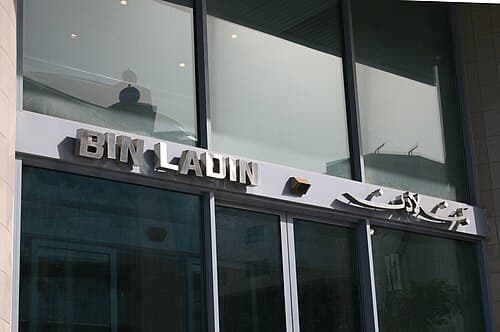
Haydar Mohamed Bin Laden
PERSON
Name reference in documents
HE
Heyman
PERSON
Surname reference in documents
Hosni Mubarak
PERSON
President of Egypt from 1981 to 2011
JG
Jack Goldberger
PERSON
American criminal defense attorney who represented Jeffrey Epstein, partner at Goldberger Weiss P.A. in West Palm Beach, Florida
JF
Jamal al Fadl
PERSON
Name reference in documents

Jamal Khalifa
PERSON
Lebanese-born American webcam model and former porn actress
JA
Jameel
PERSON
Name reference in documents
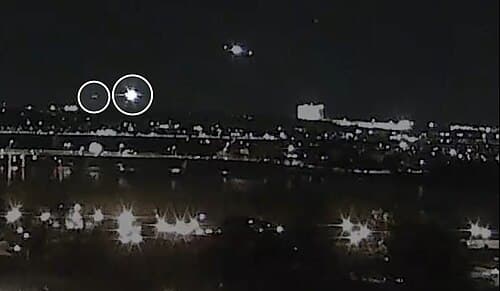
James P. Kreindler
PERSON
Name reference in documents

Jared Kushner
PERSON
American businessman and real estate investor (born 1981)
JE
Jelaidan
PERSON • 2 mentions
Name reference in documents
JG
Jgbal
PERSON
Name reference in documents
John P. O'Neill
PERSON
American counter-terrorism expert

Justin T. Green
PERSON
Name reference in documents
KA
Kadic
PERSON
Surname or name fragment in documents
KA
Kamel
PERSON • 2 mentions
Canon at the Naumburg Cathedral Chapter
Karadzic
PERSON
Name reference in documents
Kassir
PERSON
Name reference in documents
KM
Khalid bin Mahfouiz
PERSON
Name reference in documents

Khalid Sheikh
PERSON
American singer (born 1998)

Khalid Sheikh Mohammed
PERSON
Pakistani militant who was a member of al-Qaeda

Khalifa
PERSON
Lebanese-born American webcam model and former porn actress
KH
Khulumani
PERSON
South African soccer player (born 2004)
LA
Laden
PERSON
Surname reference in documents
Ladin
PERSON
Name reference in documents
Lee S. Wolosky
PERSON
American National Security Council Staff
LI
Linde
PERSON
Surname reference in documents

Lorch
PERSON
Name reference in documents
LU
Luddeke
PERSON
Name reference in documents
MA
Marzook
PERSON
Name reference in documents
MA
Matson
PERSON
Surname reference in documents
Maurice R. Greenberg
PERSON
American businessman
MB
Mohamad Br.
PERSON
Name reference in documents
MS
Mohamad Showki
PERSON
Name reference in documents
MB
Mohamed Bahaiah
PERSON
Name reference in documents

Mohamed Saleh
PERSON
Ph.D. University of California, Los Angeles 2012
MK
Mohammad J. A. Khalifa
PERSON
Name reference in documents
MA
Mohammed Hussein al Amoudi
PERSON
Saudi businessman and billionaire
MK
Mohammed Jamal Khalifa
PERSON
Saudi Arabian businessman (1957-2007)
Mousa Marzook
PERSON
Name reference in documents
Moussaoui
PERSON
Surname reference in documents

Murphy
PERSON
Ambiguous surname - refers to multiple people in Epstein documents
Naseef
PERSON • 2 mentions
Syrian–German legal scholar
NE
Neumeier
PERSON
Name reference in documents
OS
Osama
PERSON
Surname reference in documents

Osama Bin
PERSON
Name reference in documents

Osama bin Laden
PERSON
Saudi terrorist and co-founder of al-Qaeda (1957–2011)

Rajhi
PERSON
Name reference in documents
Rajoub
PERSON
Surname reference in documents
RA
Rayhi
PERSON
Name reference in documents
Richard A. Clarke
PERSON
American counter-terrorism expert; former National Coordinator for Security, Infrastructure Protection and Counter-terrorism for the United States
Richard Casey
PERSON
College basketball player (1962–1962) Fordham

Richard Kahn
PERSON
Jeffrey Epstein's accountant and estate co-executor (2005-present)

Richard Klingler
PERSON
Name reference in documents
RN
Richard Newcomb
PERSON
Recipient of the Purple Heart medal (1913–2004)
Rivera
PERSON
Ambiguous surname - refers to multiple people in Epstein documents

Robert M. Kaplan
PERSON
Researcher
Robert T. Haefele
PERSON
Name reference in documents

Ronald L. Motley
PERSON
Name reference in documents
RY
Rose Al Yusuf
PERSON • 2 mentions
Name reference in documents
Saddam Hussein
PERSON
Iraqi president, army officer and Baathist politician (1937–2006)
SA
Salahi
PERSON
Name reference in documents
Saleh Abdullah Kamel
PERSON • 2 mentions
Chairman and founder of the Dallah Al-Baraka
SH
Saleh al Hussayen
PERSON
Name reference in documents
Saleh al Rajhi
PERSON
Name reference in documents

Saleh Kamel
PERSON
Name reference in documents
Samantar
PERSON
King of Shakambhari

Sanperi
PERSON
Name reference in documents
SC
Schneberger
PERSON
Name reference in documents

Schreiber
PERSON
Surname reference in documents

Sean P. Carter
PERSON
Name reference in documents
SA
Sercor Treuhand Anstalt
PERSON
Name reference in documents
SH
Shamal
PERSON • 2 mentions
Name reference in documents
SA
Shaykh Abdallah Azzam
PERSON
Palestinian Sunni Islamic scholar and Salafi jihadist (1941–1989)
SI
Sickles
PERSON
Name reference in documents
SI
Sinaltrainal
PERSON
Name reference in documents
SP
Splawnik
PERSON
Name reference in documents
Stephen A.
PERSON
Person referenced in documents
SA
Sulaiman al-Ali
PERSON
Name reference in documents

Suleiman al Rajhi
PERSON
Name reference in documents
SU
Suletman
PERSON
Name reference in documents

Suletman Abdel Aziz Al Rajhi
PERSON
Name reference in documents
SW
Swailem
PERSON • 2 mentions
Name reference in documents
TA
Tadamon
PERSON • 2 mentions
Name reference in documents
TA
Tariq
PERSON
Surname or name fragment in documents

Tariq bin Laden
PERSON
Name reference in documents

Turki
PERSON • 2 mentions
Surname reference in documents
UN
Ungar
PERSON
Surname reference in documents
VS
vili Schneberger
PERSON
Name reference in documents
VC
Vincent Cannistraro
PERSON
American intelligence director
WJ
Wa’el Hamza Julaidan
PERSON
Saudi Arabian terrorist

Wa’el Jelaidan
PERSON
Name reference in documents
WA
Wachter
PERSON
Name reference in documents
WE
Weiss
PERSON
American multinational white-shoe law firm headquartered in New York City
Wheeler
PERSON
Surname reference in Epstein-related documents
William F. Wechsler
PERSON
Name reference in documents
WU
Wuliz
PERSON
Qing dynasty person CBDB = 61069
WY
Wyatt
PERSON
Surname reference in Epstein-related documents
Yassin al
PERSON
Syrian writer and political dissident

Yassin al Kadi
PERSON
Name reference in documents

Yassin Qadi
PERSON
Name reference in documents
Yeadon
PERSON
Name reference in documents
YL
Yeslam bin Laden
PERSON
Name reference in documents

Yousef
PERSON
Surname reference in documents
Yousef Jameel
PERSON
Name reference in documents
YN
Yousef Nada
PERSON
Iranian Christian pastor who had been sentenced to death in Tehran for practicing Christianity in Iran
YA
Youssef al-Karadawi
PERSON
Name reference in documents
YO
Yousuf
PERSON
Researcher

Yunis
PERSON
Name reference in documents

Zakat
PERSON
Surname or name fragment in documents
ZT
Zindel Treuhand
PERSON
Name reference in documents
° Al Shamal
ORGANIZATION
Organization referenced in documents
ABID Corp.”
ORGANIZATION
Organization referenced in documents
Abu Sayyef Group
ORGANIZATION
Organization referenced in documents
ACE Bermuda Insurance Ltd
ORGANIZATION
Organization referenced in documents
ACE Capital V Ltd
ORGANIZATION
Organization referenced in documents
ACE INA
ORGANIZATION
Organization referenced in documents
ACE INA Group
ORGANIZATION
Organization referenced in documents
ACE Indemnity
ORGANIZATION
Organization referenced in documents
ACE Insurance SA-NV
ORGANIZATION
Organization referenced in documents
ACE Limited
ORGANIZATION
Organization referenced in documents
ACE Property & Casualty Insurance Company
ORGANIZATION
Organization referenced in documents

Adams Holcomb LLP
ORGANIZATION
Organization referenced in documents
Akida Bank Private Limited
ORGANIZATION
Organization referenced in documents
Al Baraka Inv. & Dev. Corp.
ORGANIZATION
Organization referenced in documents
Al Baraka Investment
ORGANIZATION
Organization referenced in documents
al Baraka Investment and Development Corp
ORGANIZATION
Organization referenced in documents
al Haramain
ORGANIZATION
Organization
al Haramain Foundation
ORGANIZATION
Organization referenced in documents
Al Haramain Islamic
ORGANIZATION
Organization referenced in documents
Al Haramain Islamic Foundation
ORGANIZATION
Organization
Al Qaeda Islamic Army
ORGANIZATION
Organization referenced in documents
Al Shamal
ORGANIZATION • 2 mentions
City in Al Shamal, Qatar
Al Shamal Bank
ORGANIZATION
Organization referenced in documents
Al Shamal Islamic Bank
ORGANIZATION
Organization referenced in documents
Al-Buthe
ORGANIZATION • 2 mentions
Organization referenced in documents

al-Qa’ida
ORGANIZATION
Organization referenced in documents

al-Qaeda
ORGANIZATION • 6 mentions
Salafi jihadist organization founded in 1988
Al-Rajhi Banking & Investment Corporation
ORGANIZATION
Organization referenced in documents
Allstate Insurance Company
ORGANIZATION
Organization referenced in documents
Amana Refrigeration, Inc.
ORGANIZATION
Organization referenced in documents
Amaout
ORGANIZATION
Organization referenced in documents
American Casualty Company
ORGANIZATION
Organization referenced in documents
American Employers’ Insurance
ORGANIZATION
Organization referenced in documents
Anderson Kill & Olick, P.C.
ORGANIZATION
Organization referenced in documents
Appellant Allstate Insurance Company
ORGANIZATION
Organization referenced in documents
Appellant BGC Brokers US, L.P.
ORGANIZATION
Organization referenced in documents
Appellant BGC Financial, L.P.
ORGANIZATION
Organization referenced in documents
Appellant BGC Information, L.P.
ORGANIZATION
Organization referenced in documents
Appellant Cantor Fitzgerald Europe
ORGANIZATION
Organization referenced in documents
Appellant Euro Brokers (Switzerland) S.A.
ORGANIZATION
Organization referenced in documents
Appellant Euro Brokers Financial Services Limited
ORGANIZATION
Organization referenced in documents
Appellant Euro Brokers Mexico, S.A. de C.V.
ORGANIZATION
Organization referenced in documents
Appellant Hiscox Dedicated Corporation Member, Ltd.
ORGANIZATION
Organization referenced in documents
Appellant Tradesoft Technologies, Inc.
ORGANIZATION
Organization referenced in documents
Appellant Woburn Insurance Ltd.
ORGANIZATION
Organization referenced in documents
Appellants ACE American Insurance Company
ORGANIZATION
Organization referenced in documents
Appellants American Alternative Insurance Corporation
ORGANIZATION
Organization referenced in documents
Appellants Transcontinental Insurance Company
ORGANIZATION
Organization referenced in documents
Appellants’
ORGANIZATION
Organization referenced in documents
Appellees
ORGANIZATION
Organization referenced in documents
Appellees Al Shamal
ORGANIZATION
Organization referenced in documents
Appellees Dar al-Maal-al Islami Trust
ORGANIZATION
Organization referenced in documents
Appellees DMI Trust
ORGANIZATION
Organization referenced in documents
Aqeel Al
ORGANIZATION
Organization referenced in documents
Aqeel Al Aqeel
ORGANIZATION
Organization referenced in documents
Aqua Securities, L.P.
ORGANIZATION
Organization referenced in documents
Arab Bank, PLC
ORGANIZATION
Organization referenced in documents
Asat Trust
ORGANIZATION
Organization referenced in documents
Athletic Ass’n
ORGANIZATION
Organization referenced in documents
Atlantic Employers Insurance
ORGANIZATION
Organization referenced in documents
Avenue of the Americas
ORGANIZATION
Organization referenced in documents
AXA Art Insurance
ORGANIZATION
Organization referenced in documents
AXA Cessions
ORGANIZATION
Organization referenced in documents
AXA Corporate Solutions
ORGANIZATION
Organization referenced in documents
AXA Corporate Solutions Assurance
ORGANIZATION
Organization referenced in documents
AXA Corporate Solutions Reinsurance Company
ORGANIZATION
Organization referenced in documents
AXA Global Risks UK, Ltd.
ORGANIZATION
Organization referenced in documents
AXA RE
ORGANIZATION
Organization referenced in documents
AXA RE Asia Pacific Pte. Limited
ORGANIZATION
Organization referenced in documents
AXA RE Canadian Branch
ORGANIZATION
Organization referenced in documents
AXA Re Madeira Branch
ORGANIZATION
Organization referenced in documents
Balt. & Potomac R.R. v.
ORGANIZATION
Organization referenced in documents
Bank Al-Taqwa
ORGANIZATION
Organization referenced in documents
Bankers Standard Insurance Company
ORGANIZATION
Organization referenced in documents
Beacon Insurance Company
ORGANIZATION
Organization referenced in documents
Benevolence International
ORGANIZATION
Organization referenced in documents
Beretta U.S.A. Corp.
ORGANIZATION
Organization referenced in documents
BGC Capital Markets, L.P.
ORGANIZATION
Organization referenced in documents
BGC Environmental Brokerage Services, L.P.
ORGANIZATION
Organization referenced in documents
Board of Director
ORGANIZATION
Organization referenced in documents
Board of Supervisors
ORGANIZATION
Organization referenced in documents
Boim HT
ORGANIZATION
Organization referenced in documents
Boim ITI
ORGANIZATION
Organization referenced in documents
Bojinka
ORGANIZATION • 2 mentions
Organization referenced in documents
Boston Old Colony Insurance Company
ORGANIZATION
Organization referenced in documents
Calder
ORGANIZATION
Alexander Calder art reference or entity
Cantor C02e, LLC
ORGANIZATION
Organization referenced in documents
Cantor Fitzgerald & Co.
ORGANIZATION
Organization referenced in documents
Cantor Fitzgerald Associates, L.P.
ORGANIZATION
Organization referenced in documents
Cantor Fitzgerald Brokerage, L.P.
ORGANIZATION
Organization referenced in documents

Cantor Fitzgerald International
ORGANIZATION
Organization referenced in documents

Cantor Fitzgerald Partners
ORGANIZATION
Organization referenced in documents
Cantor Fitzgerald Securities
ORGANIZATION
Organization referenced in documents
Cantor Fitzgerald, L.P.
ORGANIZATION
Organization referenced in documents
Cantor Index Limited
ORGANIZATION
Organization referenced in documents
Charity Official
ORGANIZATION
Organization referenced in documents

Chevron Corp.
ORGANIZATION
American multinational energy corporation
Chiquita Brands Int'l, Inc.
ORGANIZATION
Organization referenced in documents
Chubb Custom Insurance Company
ORGANIZATION
Organization referenced in documents
Chubb Indemnity
ORGANIZATION
Organization referenced in documents
Cnty. of Nassau
ORGANIZATION
Organization referenced in documents

Coca-Cola Co.
ORGANIZATION
Organization referenced in documents
Commercial Insurance Company
ORGANIZATION
Organization referenced in documents
Compagnie Gererale de Reinsurance de Monte Carlo
ORGANIZATION
Organization referenced in documents
Continental Cas. Co.
ORGANIZATION
Organization referenced in documents
Continental Casualty
ORGANIZATION
Organization referenced in documents
Continental Casualty Company
ORGANIZATION
Organization referenced in documents
Counter Terrorism Task Force
ORGANIZATION
Organization referenced in documents
Credit Lyonnais
ORGANIZATION
Organization referenced in documents
Dallah
ORGANIZATION
Traditional pot for cooking Arabic coffee
Dallah al Baraka
ORGANIZATION • 2 mentions
Organization referenced in documents
Dallah al Baraka Group L.L.C.
ORGANIZATION
Organization referenced in documents
Dallah Avco Trans-Arabia Co. Ltd.
ORGANIZATION
Organization referenced in documents
Defendants National Commercial Bank
ORGANIZATION
Organization referenced in documents
Dep’t of State
ORGANIZATION
Organization referenced in documents
District Court for the Southern District of New York
ORGANIZATION • 2 mentions
U.S. District Court for the Southern District of New York
DMI Administrative
ORGANIZATION
Organization referenced in documents
DMI S.A.”
ORGANIZATION
Organization referenced in documents
DMI Trust
ORGANIZATION
Organization referenced in documents
Dubai Islamic
ORGANIZATION
Organization referenced in documents

Dubai Islamic Bank
ORGANIZATION
United Arab Emirates company

Executive
ORGANIZATION
Organization referenced in documents
Executive Branches
ORGANIZATION
Organization referenced in documents

Faisal
ORGANIZATION
Organization referenced in documents
Faisal Finance
ORGANIZATION
Organization referenced in documents
Faisal Islamic
ORGANIZATION
Organization referenced in documents
Faisal Islamic Bank of the Sudan
ORGANIZATION
Organization referenced in documents
Faisal Islamic Bank-Sudan
ORGANIZATION
Organization referenced in documents
Ferber Chan Essner & Coller, LLP
ORGANIZATION
Organization referenced in documents
Fidelity and Casualty Company
ORGANIZATION
Organization referenced in documents
Fifth Baptist Church
ORGANIZATION
Organization referenced in documents
Frontera Res. Azer. Corp.
ORGANIZATION
Organization referenced in documents
Glens Falls Insurance Company
ORGANIZATION
Organization referenced in documents
Government Works
ORGANIZATION
Organization referenced in documents
Great Lakes Reinsurance U.K. PLC
ORGANIZATION
Organization referenced in documents
Great Northern
ORGANIZATION
Organization referenced in documents
Hanly Conroy Bierstein Sheridan Fisher & Hayes, LLP
ORGANIZATION
Organization referenced in documents
Haramain
ORGANIZATION
Indonesian politician (born 1978)
Holy Land Foundation for Relief and Development
ORGANIZATION
Organization referenced in documents
Homeland Insurance Company of New York
ORGANIZATION
Organization referenced in documents
Humanitarian
ORGANIZATION
Organization referenced in documents
Humanitarian Law Project
ORGANIZATION
Organization referenced in documents
Indemnity Insurance Company of North America
ORGANIZATION
Organization referenced in documents

Infocom
ORGANIZATION
American company
INTERPOL Task Force
ORGANIZATION
Organization referenced in documents

Islamic Bank
ORGANIZATION
Commercial bank in the United Kingdom
Islamic Investment Company of the Gulf
ORGANIZATION
Organization referenced in documents
Islamist
ORGANIZATION
Organization referenced in documents
Kreindler & Kreindler LLP
ORGANIZATION
Organization referenced in documents

Lajnat al Bir
ORGANIZATION
Organization referenced in documents

Legislative
ORGANIZATION
Organization referenced in documents
Lehman Bros. Special Fin., Inc.
ORGANIZATION
Organization referenced in documents
Maxcor Financial Asset Management, Inc.
ORGANIZATION
Organization referenced in documents
Maxcor Financial, Inc.
ORGANIZATION
Organization referenced in documents
Maxcor Information, Inc.
ORGANIZATION
Organization referenced in documents
Mekhtab al Khidmat
ORGANIZATION
Organization referenced in documents

Mohamad
ORGANIZATION • 3 mentions
Organization referenced in documents
Montgomery Ward & Co.
ORGANIZATION
Organization referenced in documents
Motley Rice LLC
ORGANIZATION
Organization referenced in documents

Muslim Brotherhood
ORGANIZATION
Islamist political organization
Muwafaq
ORGANIZATION
Organization referenced in documents
Muwafaq Foundation
ORGANIZATION
Organization referenced in documents

Muwaffaq Limited
ORGANIZATION
Organization referenced in documents
N.Y. State Dep’t of Corr. Servs.
ORGANIZATION
Organization referenced in documents
Nassef
ORGANIZATION
Organization referenced in documents
Nat'l Council of Resistance of Iran
ORGANIZATION
Organization referenced in documents
Nat’l Westminster Bank PLC
ORGANIZATION
Organization referenced in documents
National Ben Franklin Insurance Company
ORGANIZATION
Organization referenced in documents

National Commercial Bank
ORGANIZATION
Saudi Arabian bank
National Fire Insurance Company
ORGANIZATION
Organization referenced in documents

National Security
ORGANIZATION
Organization referenced in documents
New York Transit Auth.
ORGANIZATION
Organization referenced in documents
Notices of Appeal
ORGANIZATION
Organization referenced in documents
One Beacon America Insurance Company
ORGANIZATION
Organization referenced in documents
Pacific Indemnity Company
ORGANIZATION
Organization referenced in documents
Palestine Liberation Org
ORGANIZATION
Organization referenced in documents
Palestinian Islamic Jihad
ORGANIZATION
Palestinian Islamist militant organization
Preliminary Statermennt oc
ORGANIZATION
Organization referenced in documents
Quranic Literacy Inst & Holy Land Found
ORGANIZATION
Organization referenced in documents
Quranic Literacy Inst.
ORGANIZATION
Organization referenced in documents
Rabita Trust
ORGANIZATION
Organisation in Pakistan
Rajhi Bank
ORGANIZATION
Organization referenced in documents
S. Peru Copper Corp.
ORGANIZATION
Organization referenced in documents
Samba
ORGANIZATION
Brazilian dance style or entity
Sanabil Al-Khair
ORGANIZATION
Organization referenced in documents
Saudi Joint Relief Committee for Kosovo and Chechnya
ORGANIZATION
Organization referenced in documents
Saudi Red
ORGANIZATION
Organization referenced in documents
Saudi Red Crescent
ORGANIZATION
Organization referenced in documents
Second Circuit
ORGANIZATION • 2 mentions
U.S. Court of Appeals for the Second Circuit
Seminole Financial
ORGANIZATION
Organization referenced in documents
Seminole Financial Limited
ORGANIZATION
Organization referenced in documents

Seventh
ORGANIZATION
Organization referenced in documents
Shariah Boards
ORGANIZATION
Organization referenced in documents
Sidley Austin LLP
ORGANIZATION
Organization referenced in documents
SPS Reassurance
ORGANIZATION
Organization referenced in documents

State Department
ORGANIZATION
Executive department of the U.S. federal government
State Oil Co. of the Azer
ORGANIZATION
Organization referenced in documents
Sth Cir.
ORGANIZATION
Organization referenced in documents
SUP CH
ORGANIZATION
Organization referenced in documents
Sup. Ct.
ORGANIZATION
Organization referenced in documents
Supreme Court
ORGANIZATION
Highest court of jurisdiction in the US
Table of Authorities
ORGANIZATION
Organization referenced in documents
Tadamon Bank
ORGANIZATION
Organization referenced in documents

Taibah
ORGANIZATION
Town in Irbid, Jordan
Tenn. Secondary Sch. Athletic Ass’n
ORGANIZATION
Organization referenced in documents
the “Golden Chain
ORGANIZATION
Organization referenced in documents
the 9/11 Commission
ORGANIZATION • 2 mentions
Organization referenced in documents
the al Rajhi Bank
ORGANIZATION
Organization referenced in documents
The Allstate Corporation
ORGANIZATION
Organization referenced in documents
The Allstate Insurance Group
ORGANIZATION
Organization referenced in documents
the Bin Laden Organization
ORGANIZATION
Organization referenced in documents
The Camden Fire Insurance Association
ORGANIZATION
Organization referenced in documents

the Central Intelligence Agency
ORGANIZATION
Organization referenced in documents
The Chubb Corporation
ORGANIZATION
Organization referenced in documents
The Continental Insurance Company
ORGANIZATION
Organization referenced in documents
The Council on Foreign Relations Studies
ORGANIZATION
Organization referenced in documents
the Court of Appeals
ORGANIZATION
Organization referenced in documents
the D.C. Circuit
ORGANIZATION
U.S. federal appeals court

the Executive Branch
ORGANIZATION
Executive branch of the U.S. government
the Muslim World League
ORGANIZATION
Organization referenced in documents

the Office of Foreign Assets Control
ORGANIZATION
U.S. Treasury Office of Foreign Assets Control
the Palestinian Authority
ORGANIZATION
Palestinian National Authority
the SAAR Foundation
ORGANIZATION
Organization referenced in documents

the Saudi American
ORGANIZATION
Organization referenced in documents
the Saudi American Bank
ORGANIZATION
Organization referenced in documents
the Saudi Binladin Group
ORGANIZATION
Organization referenced in documents
the Saudi Joint Relief Committee
ORGANIZATION
Organization referenced in documents
the Saudi Red Crescent Society
ORGANIZATION • 2 mentions
Organization referenced in documents
the Seventh Circuit
ORGANIZATION
U.S. Court of Appeals for the Seventh Circuit
the Sharia Committee
ORGANIZATION
Organization referenced in documents
the U.N. General Assembly
ORGANIZATION
Organization referenced in documents
the U.N. Security Council
ORGANIZATION
U.N. Security Council
the U.S. Treasury Department
ORGANIZATION
Organization referenced in documents
the United States Department of Treasury
ORGANIZATION
Organization referenced in documents

the United States Government
ORGANIZATION • 2 mentions
United States federal government
the World Association of Muslim Youth
ORGANIZATION
Organization referenced in documents
Thorpe
ORGANIZATION • 2 mentions
Organization referenced in documents
Time Warner, Inc.
ORGANIZATION
Former American cable telecommunications company
Tradespark, L.P
ORGANIZATION
Organization referenced in documents
Transportation Insurance Company
ORGANIZATION
Organization referenced in documents
Tulkarm Charity Committee
ORGANIZATION
Organization referenced in documents

U.S. App.
ORGANIZATION
Organization referenced in documents
U.S. Bank Nat’l Ass’n
ORGANIZATION
Organization referenced in documents

U.S. Dist.
ORGANIZATION
Organization referenced in documents

U.S. Treasury
ORGANIZATION
United States Department of the Treasury, executive department of the federal government

UBS AG
ORGANIZATION
Swiss multinational investment bank and financial services company

United Nations Security Council
ORGANIZATION
One of the six principal organs of the UN, charged with the maintenance of international peace and security
Univ. of Pittsburgh
ORGANIZATION
Organization referenced in documents
Valley Forge Insurance Company
ORGANIZATION
Organization referenced in documents
Verizon Commce’ns, Inc.
ORGANIZATION
Organization referenced in documents
Vigilant Insurance Company
ORGANIZATION
Organization referenced in documents
Wahhabism
ORGANIZATION
Organization referenced in documents
WAMY USA
ORGANIZATION
Organization referenced in documents
Westchester Fire Insurance Company
ORGANIZATION
Organization referenced in documents
Westchester Surplus Lines Insurance Company
ORGANIZATION
Organization referenced in documents
White Mountains Insurance Group Ltd.
ORGANIZATION
Organization referenced in documents

Works
ORGANIZATION
2016 song by Rihanna
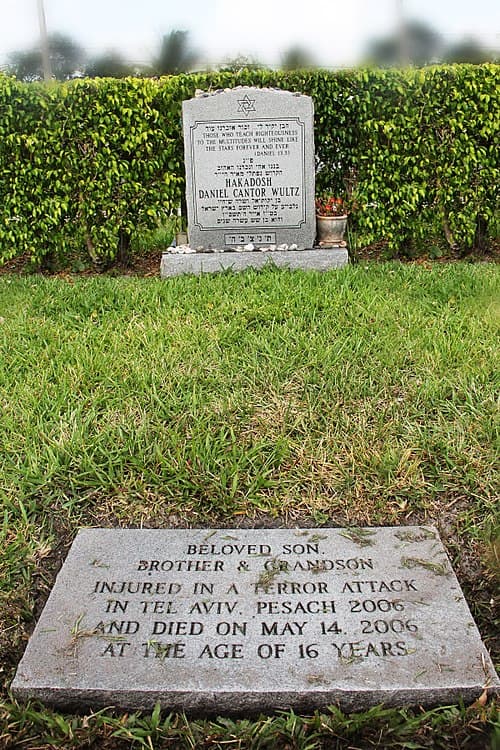
Wultz
ORGANIZATION • 2 mentions
Organization referenced in documents
Yassin al Kadi and Muwafaq Foundation
ORGANIZATION
Organization referenced in documents
Young & Rubicam Inc.
ORGANIZATION
Organization referenced in documents
Albania
LOCATION
Country in southeastern Europe

Arabia
LOCATION
Country in West Asia
Balkans
LOCATION
Geopolitical and cultural region of Southeast Europe
Bosnia
LOCATION
City in Bosnia and Herzegovina
Cairo
LOCATION
Capital city of Egypt
Chechnya
LOCATION
Federal subject of Russia, republic of Russia

Croatia
LOCATION
Country in Central Europe
E.D.N.Y. 2007
LOCATION
Location referenced in documents

Ethiopia
LOCATION
Country in the Horn of Africa
Gulf
LOCATION
Province of Papua New Guinea
Hague
LOCATION
City in the Hague, Netherlands

Hartford
LOCATION
City in and capital of Connecticut, United States

Illinois
LOCATION
State of the United States of America

Istanbul
LOCATION
Largest city in Turkey
Jeddah
LOCATION
City in Saudi Arabia

Kashmir
LOCATION
Disputed territory between China, India and Pakistan

Kenya
LOCATION
Country in Eastern Africa

Kosovo
LOCATION
Country in southeastern Europe
Lebanon
LOCATION
Country in West Asia
M.D. Ala.
LOCATION
Location referenced in documents

Macedonia
LOCATION
Country in southeastern Europe

Malaysia
LOCATION
Country in Southeast Asia

Montreal
LOCATION
Largest city in Quebec, Canada
Mount Pleasant
LOCATION
Location referenced in documents
N.D. Il
LOCATION
Location referenced in documents

New York
LOCATION • 2 mentions
Most populous city in the United States
New York City
LOCATION
Most populous city in the United States
Newark
LOCATION
City in Essex County, and largest city in New Jersey, United States

Peshawar
LOCATION
Capital of Khyber Pakhtunkhwa Province, Pakistan
Philadelphia
LOCATION
1993 film by Jonathan Demme

Philippines
LOCATION
Archipelagic country in Southeast Asia
Pristina
LOCATION
Capital and the largest city of Kosovo
Reading
LOCATION
Historic market town in Berkshire, England
Republic of Chile
LOCATION
Location referenced in documents
S.D.N.Y. 1989
LOCATION
Location referenced in documents
Saudi Arabia
LOCATION
Country in West Asia

Somalia
LOCATION
Sovereign state in Africa

South Carolina
LOCATION
State of the United States of America
Southeast Asia
LOCATION
South-eastern region of Asia

Sudan
LOCATION
Country in Northeast Africa

Tanzania
LOCATION
Country in East Africa
the Far East
LOCATION
Region in the Far East
the Persian Gulf
LOCATION
Body of water between Iran and Arabian Peninsula
U.S.S.
LOCATION
Location referenced in documents

United Arab Emirates
LOCATION
Country in Western Asia

United States
LOCATION • 4 mentions
Country located primarily in North America

Uthman
LOCATION • 2 mentions
Location referenced in documents
Washington, D.C.
LOCATION
Capital city of the United States of America
West Bank
LOCATION
Territory in the Middle East

Yemen
LOCATION
Country in West Asia
Statistics
Pages:55
Entities:510
Avg. OCR:92.4%
Sponsored