HOUSE_OVERSIGHT_012747 - HOUSE_OVERSIGHT_012897
Evilicious
Document HOUSE_OVERSIGHT_012747 is a government record from the House Oversight Committee, consisting of 151 pages, and appears to be related to the subject of 'Evilicious'.
This document includes front matter from a book titled 'Evilicious' by Marc D. Hauser. The book seems to explore the causes of evil, drawing on historical events such as the Holocaust and the dictatorships of Milton Obote and Idi Amin in Uganda. The author also touches on the capacity for human kindness, contrasting it with the horrors of evil.
Key Highlights
- •The document is from the House Oversight Committee.
- •The document includes front matter from Marc D. Hauser's book 'Evilicious'.
- •The book explores the causes of evil, referencing historical events and personal experiences.
- •Mentions both the horrors of evil and the capacity for human kindness.
Frequently Asked Questions
Books for Further Reading

Perversion of Justice: The Jeffrey Epstein Story
Julie K. Brown
Investigative journalism that broke the Epstein case open

Filthy Rich: The Jeffrey Epstein Story
James Patterson
Bestselling account of Epstein's crimes and network
Relentless Pursuit: My Fight for the Victims of Jeffrey Epstein
Bradley J. Edwards
Victims' attorney's firsthand account
Document Information
Bates Range
HOUSE_OVERSIGHT_012747 - HOUSE_OVERSIGHT_012897
Pages
151
Source
House Oversight Committee
Original Filename
Evilicious.pdf
File Size
1.50 MB
Document Content
Page 1 - HOUSE_OVERSIGHT_012747
es | o o Explaining our taste for excessive harm Marc D. Hauser Viking/Penguin HOUSE_OVERSIGHT_012747
Page 2 - HOUSE_OVERSIGHT_012748
For Jacques and Bert Hauser, my parents, my friends, and my reminder that life should be lived to its fullest Hauser Evilicious. Front matter 2 HOUSE_OVERSIGHT_012748
Page 3 - HOUSE_OVERSIGHT_012749
Pleasure is the greatest incentive to evil. — Plato To witness suffering does one good, to inflict it even more so. — Friedrich Nietzsche Man produces evil as a bee produces honey. — William Golding Hauser Evilicious. Front matter HOUSE_OVERSIGHT_012749
Sponsored
Page 4 - HOUSE_OVERSIGHT_012750
Dear reader, Having lived in Uganda and spoken with people who escaped from the savagery of the brutal dictators Milton Obote and Idi Amin, having heard stories of my father’s childhood as a Jew running through Nazi occupied France, and reading past and present-day accounts of genocide, I am familiar with the horrors of evil. I have also been a student of human nature, trained as a scientist. These experiences have propelled me to study the causes of evil, attempt to make some progress in explaining it to myself, and hopefully to you. There is a great urgency to understanding this problem. None of us can afford to passively watch millions of individuals lose their homes, children, and lives as a result of malice. Sloth is asin, especially when we live in a world where cultures of evil can so easily erupt. Tam also familiar with and deeply moved by human kindness, our capacity to reach out and help strangers. When my father was in a boarding school in the south of France, hiding from the Nazis, a little girl approached him and asked if he was Jewish. My father, conditioned by his parents to deny his background, said no. The girl, sensing doubt, said “Well, if you are Jewish, you should know that the director of the school is handing Jewish children over to the Nazis.” My father promptly called his parents who picked him up, moved him to another village and school, and survived to tell the story. This little girl expressed one of our species’ signature capacities: the ability to show compassion for another person, even if their beliefs and desires are different. In preparation for writing this book, I read transcripts and descriptions of thousands of horrific events, listened to personal stories of survivors from financial ruin and war, worked with abused children who were crucified by unfit parents, and watched both fictional films and documentaries that portrayed psychopaths, dictators of totalitarian regimes, and their hapless victims. As one often does in these circumstances, I developed a tougher skin over time. But I have never lost track of the human travesties that result from evil. As my father’s story suggests, I have also not lost sight of the fact that we are a species that has done great good, and will continue to do so in the future. Nonetheless, to provide a sound and satisfying explanation of evil we must avoid falling into more romantic interpretations of the human condition. Our best protection is science. This is the position I will defend. The topic of evil is massive. This is, however, a short book, written without exhaustive references, in-depth descriptions of our atrocities, and comprehensive engagement with the many theories on offer to explain evil. What I offer is my own explanation of evil, of how it evolved, how it develops within individuals, and how it affects the lives of millions of innocent victims. It is a minimalist explanation of evil that is anchored in the sciences. I believe, as do many scientists, that deep understanding of exceptionally complicated phenomena requires staking out a piece of theoretical real estate with only a few properties, putting to the side many interesting, but potentially distracting details. This book extracts the core of evil, the part that generates all the variation that our history has catalogued, and that our future holds. Sincerely, Nu eon— Hauser Evilicious. Front matter 4 HOUSE_OVERSIGHT_012750
Page 5 - HOUSE_OVERSIGHT_012751
Acknowledgements I wrote this book while my cat, Humphrey Bogart, sat on my desk, staring at the computer monitor. Though he purred a lot, and was good value when I needed a break, he didn’t provide a single insight. Nor did our other pets: a dog, rabbit, and two other cats. For insights, critical comments on my writing, comfort, and endless love and inspiration, there is only one mammal, deliciously wonderful, and without an evil bone in her body — my wife, Lilan. Mare Aidinoff ... a Harvard undergraduate who joined me early on in this journey, digging up references, collecting data, arguing interpretations, sharing my enthusiasm, while offering his own. Kim Beeman and Fritz Tsao ... my two oldest and closest friends. They have some of the richest minds around. Their knowledge of film, literature and the arts is unsurpassed. Their capacity to bring these riches to the sciences is a gift. Noam Chomsky... for inspiration, fearless attacks on power mongering, and friendship. Errol Morris... for heated discussion, camaraderie, and insights into evil through his cinematographic lens and critical mind. Many colleagues, students, and friends provided invaluable feedback on various parts of the book, or its entirety: Kim Beeman, Kent Berridge, George Cadwalader, Donal Cahill, Noam Chomsky, Jim Churchill, Randy Cohen, Daniel Dennett, Jonathan Figdor, Nick Haslam, Omar Sultan Haque, Lilan Hauser, Bryce Huebner, Ann Jon, Gordon Kraft-Todd, Errol Morris, Philip Pettit, Steven Pinker, Lisa Pytka, Richard Sosis, Fritz Tsao, Jack Van Honk, and Richard Wrangham. My agent, John Brockman...not only a great agent but a wonderful human being who supported me during challenging times. My editors at Viking/Penguin, Wendy Wolff and Kevin Doughten. Tough when needed. Supportive when needed. A unique blend. The book is all the better for it. Hauser Evilicious. Front matter re) HOUSE_OVERSIGHT_012751
Page 6 - HOUSE_OVERSIGHT_012752
Table of Contents Prologue. Evilution Chapter 1. Nature’s secrets Chapter 2. Runaway desire Chapter 3. Ravages of denial Chapter 4. Wicked in waiting Epilogue. Evilightenment Hauser Evilicious. Front matter 6 HOUSE_OVERSIGHT_012752
Sponsored
Page 7 - HOUSE_OVERSIGHT_012753
Prologue: Evilution “There is no such thing as eradicating evil [because] the deepest essence of human nature consists of instinctual impulses which are of an elementary nature... and which aim at the satisfaction of certain primal needs.” -- Sigmund Freud I was drowning. This was not the first time. It was also not because I was a poor swimmer. I was 14 years old. A boy named Lionel James, who was the same age but twice my size, was shoving my head under water, roaring with laughter as I struggled to gasp some air. I usually managed to avoid Lionel in the pool, but sometimes he got the best of me while I was playing with friends. Lionel wasn’t the only one who bullied me in junior high school. He was part of an evil three pack, including Ronnie Paxton and Chris Joffe, each much larger and stronger than I. Almost daily they locked me inside of the school’s lockers, bruised my arms by giving me knuckle-punches, and gave me purple-nurples by twisting my nipples. This was no fun for me. For James, Paxton, and Joffe it was delicious enjoyment. Sometimes, while I was locked in my locker, my math teacher would let me out and then ask “Why do you get yourself into these situations?” Though I had great respect for my teacher’s math abilities, and actually had a crush on her, she was socially daft. Did she think I asked to be packaged up in the locker by my tormenters? It was sheer humiliation. One day my mother noticed the bruises. Horrified, she asked what happened. I reluctantly told her the story. She said we were going to talk with the principal. I told her I would prefer water drip torture. She understood and we never went to see the principal. The person who rescued me from my misery was my father, a man who had lived through the war as a child, running from village to village to escape the Nazis, and in so doing, confronted thuggish farm boys whose weight far exceeded their IQ. My father, upon hearing that I didn’t want to go to school anymore, offered a compromise: he would pick me up for lunch every day if I kept going to classes. I agreed, relishing the idea of escaping the lunch-time scene at school where James, Paxton and Joffe pummeled me at will without getting caught. Hauser Prologue. Evilution 7 HOUSE_OVERSIGHT_012753
Page 8 - HOUSE_OVERSIGHT_012754
A month passed. I felt better. My father told me that it was time to go back to lunch at school, but with a plan, one centered around the notion of respect. The only way to command it from my tormenters was to fight back. “But Dad,” I said, “if I hit them, they will crush me.” “They might,” he said, “but you will have gained some respect, and they may turn their attention to someone else.” It seemed like a remarkably stupid idea. But my father lived through a war and fought his way to respect among the thugs in every village school. I decided to give it a go. I went back to school. Soon thereafter, I found myself standing behind Paxton who displayed biceps bigger than my head. I figured I had only one shot. I tapped him on the shoulder and swung as hard as I could, hitting him square in the chest. What aim. What perfection. What wasted energy. With no more than a flinch, Paxton looked down at me, fury in his face, and grunted “What’s up with you?” With tears running and lips trembling, I sputtered “I can’t take it anymore. You, Joffe, and James are constantly lad hitting me and locking me in the lockers. I can’t take it!” And then, as if his entire brain had been rewired, serotonin surging to provide self-control, dopamine flowing to shift his sense of reward, the hulk spoke: “Really? Okay, we’ll stop.” And just like that, Paxton, Joffe and James stopped. No more locker games, no more bruises. They even saw me as a useful resource, someone who could help them pass some of their exams. From victim to victory. I was fortunate. Many are not. Thousands of children throughout the world are persecuted in a similar way but never fight back or if they do, are crushed for trying. Some are pushed so hard that they commit suicide, tragedies that increasingly make headline news reports. The fact that bullies often torment their victims for personal gain, cause great harm, and often enjoy the experience — as did Lionel James — fits well with a common view of evil. On this view, we think of someone as evil if they inflict harm on innocent others, knowing that they are violating moral or legal norms, and relishing the abuse delivered. But what of bullies who, due to immaturity or brain deficits, simply don’t understand the scope of moral boundaries? What if they impose great harm on their victims, but don’t enjoy the experience? What if the victims are not entirely innocent, such as those who double-time as bullies? We can debate questions like these on philosophical grounds, attempting to refine what, precisely, counts as an act of evildoing as opposed to some mere moral wrong, like breaking a promise or having an affair while married. Many have. I don’t believe, however, that this is how we will achieve our deepest understanding. Instead, I turn to the sciences of human nature, focusing on cases where people directly or indirectly cause excessive harm to innocent others as the essence of evil. To explain this form of evil, we must dissect the underlying psychology, the brain circuits that generate this psychology, the genes that build brains, and the evolutionary history that has sculpted the genetic ensemble that makes us distinctively human. This is the approach I pursue. If ’m nght about this approach, not only will we gain Hauser Prologue. Evilution 8 HOUSE_OVERSIGHT_012754
Page 9 - HOUSE_OVERSIGHT_012755
a deeper understanding of how and why our species has engaged in evildoing, but we will learn about our own individual vulnerability to follow suit. This prologue provides a sampling of the central ideas minus the rich evidence and explanations that follow in the four core chapters of this book. A brief history of malice Homo sapiens, the knowing and wise animal, has logged an uncontested record of atrocities, despite moral norms prohibiting such actions: no other species has abducted innocent children into rogue armies and then killed those who refused to kill, tossed infants into the air as targets for shooting practice, gang raped women to force them to carry the enemy’s fetus to term while destroying the souls of their powerless husbands, and mutilated and burned men to death because more humane forms of killing were less effective and enjoyable. These are horrific acts. They abound globally and across the ages. Many scholars have judged them as evil. Despite the pervasiveness of these atrocities, evil is commonly perceived as a defect, an unfortunate malignancy that has engulfed and metastasized within our species’ essential goodness. Evil is also denied, relegated to mythology, the delusional imagination of a few madmen, the propaganda of imperialist nations, or the result of a rare mutation. Perhaps because of these impressions, we have an obsessive fascination with evil, evidenced by our fertile capacity to create and then consume films about genocide, cunning rapists, master criminals, corporate raiders, psychopaths and serial killers. We are of two minds, wanting to hide from the atrocities of evil while feeding our insatiable appetite for more. To understand evil is neither to justify nor excuse it, reflexively converting inhumane acts into mere accidents of our biology or the unfortunate consequences of bad environments. To understand evil is to open a door into its essence, to clarify its causes. In some cases, understanding may force us to exonerate the perpetrators, recognizing that they harbored significant brain damage and as a result, lacked self-control or awareness of others’ pain. In other cases, understanding will reveal that they knowingly caused harm to innocent others, relishing the devastation left behind. By describing and understanding an individual’s character with the tools of science, we are more likely to make appropriate assignments of responsibility, blame, punishment, and future risk to society. To understand evil requires facing our species’ sustained record of atrocities, laying out a variety of cases for inspection. Former Reverend Lawrence Murphy was responsible for over two hundred instances of sexual abuse, luring innocent deaf children in with a saintly smile. Charles Manson, the illegitimate son of a sixteen year old woman and the self-proclaimed father of dozens of runaway women, was responsible for the brutal death of five people by means of 114 knife jabs, while also prostituting his Hauser Prologue. Evilution 9 HOUSE_OVERSIGHT_012755
Sponsored
Page 10 - HOUSE_OVERSIGHT_012756
lovers, beating his wife, selling drugs, and stealing cars. Former Chairman of the NASDAQ stock exchange, Bernard Madoff, was responsible for initiating a Ponzi scheme involving money laundering, perjury, and mail fraud that caused thousands of people to suffer financial ruin. Jane Toppan, born Honora Kelley, was an American nurse who was responsible for killing over 30 patients by drug overdose, stating in her testimony that she experienced a sexual thrill when she held dying patients, and that her goal in life was to kill more innocent people than anyone else in history. Former military specialist Charles Granger was responsible for forcing nudity and sex among the Iraqi prisoners of Abu Ghraib, putting individuals on dog leashes, depriving them of their senses with head bags, and piling naked bodies into photographed still lifes, orchestrations that led to the ultimate humiliation and dehumanization of these prisoners. Depending upon how we think about the problem of evil, we might consider the individuals noted above as minor evildoers or not evil at all because the harms were rather insignificant, because their goal wasn’t to directly harm anyone and then enjoy the trail of damage, or because they lacked the mental capacity to assume responsibility for the atrocities committed. These individuals pale in comparison with the most unambiguously radical evildoers of the 20-21* century — the dictators Idi Amin, Francisco Franco, Adolf Hitler, Kim Jong-il, Slobodan Milosevic, Pol Pot, Josef Stalin, Charles Taylor, and Mao Zedong. These men were responsible for the brutal deaths of approximately 80 million people combined. Most were mentally healthy, at least in terms of clinical diagnoses. Many relished their atrocities. All devised over-the-top means of ending lives. Whether by enticing or coercing their followers to torture, gang rape, and butcher human flesh, they went beyond what was necessary to get rid of unwanted others. These are excessive harms, carried out with excessive techniques. In this book, I will not only explore these extreme cases, but more mundane ones as well. Each case helps shape our understanding of what propells some individuals to cause harm on small or large scales, while others avoid it entirely, despite temptations to the contrary. Why and How? To explain the landscape of human atrocities, from Reverend Lawrence Murphy to Mao Zedong, we need an account of why we evolved this capacity and how it works. I will explain both of these problems using the theories and evidence of science. Why? Evil evolved as an incidental consequence of our unique form of intelligence. All animals show highly specialized abilities to solve problems linked to survival. Honey bees perform dances to tell others about the precise location of nutritious pollen, providing an information highway that lowers the Hauser Prologue. Evilution 10 HOUSE_OVERSIGHT_012756
Page 11 - HOUSE_OVERSIGHT_012757
costs of individual foraging challenges. Meerkats teach their young how to hunt dangerous but energy- rich scorpion prey, providing an education that bypasses the risks of trial and error learning. Humans unconsciously wrinkle their noses and pull back their lips into an expression of disgust that communicates information about disease-ridden and toxic substances, thereby lowering the costs of sickness to others who might be exposed. Each of these specializations involve exquisitely designed neural circuits and sensory machinery. Each specialization is used for one and only one problem — except in humans. Animal thoughts and emotions are like monogamous relationships, myopically and faithfully focused on a single problem for life. Human thoughts and emotions are like promiscuous relationships, broad-minded and liberated, free to couple as new problems surface. Unlike any other animal, the thoughts and emotions we use to solve problems in one domain can readily be combined and recombined with thoughts and emotions from other domains. This is powerful, providing great flexibility in addressing novel problems, some of which we create for ourselves. Disgust provides an example. Disgust originally evolved as an adaptive response to detecting substances that are toxic to our health, especially substances that are outside of the body but should be inside: feces, urine, blood, and vomit. Within the circulation of a promiscuous brain, however, disgust journeys to distant problems, including the moral attitude of vegetarians toward meat eaters, our revulsion toward incest, and abhorrence of gratuitous torture. This journey involves the same brain mechanism that serves original disgust, together with new connections that give voice to our moral sense. Promiscuity enables creativity. What the sciences reveal is that the capacity for promiscuous thinking was realized by evolutionary changes in the number of newly wired up brain areas. By increasing these connections, it was possible, for the first time, to step outside the more narrow and specialized functions of each particular brain area to solve a broader range of problems. Though we don’t know precisely when these changes occurred, we know they occurred after our split from the other great apes — the orangutans, gorillas, bonobos and chimpanzees. We know this from looking at both the brains of these species, as well as the ways in which they use tools, communicate, cooperate, and attack each other. Not only are there fewer connections between different regions of the brain, but their thinking in various domains is highly monogamous, faithfully dedicated to specific adaptive problems. Empowered by our new, massively connected and promiscuous brain, we alone migrated into and inhabited virtually every known environment on earth and some beyond, inventing abstract mathematical concepts, conceiving grammatically structured languages, and creating glorious civilizations rich in rituals, laws, and beliefs in the supernatural. Our promiscuous brain also provided us with the engine for evil, but only as an incidental consequence of other adaptive capacities, including those that evolved to harm others for the purpose of surviving and reproducing. Hauser Prologue. Evilution il HOUSE_OVERSIGHT_012757
Page 12 - HOUSE_OVERSIGHT_012758
All social animals fight to gain resources, using highly ritualized behaviors to assess their opponents and minimize the personal costs of injury. Changes in hormone levels and brain activity motivate and reward the winners, and minimize the costs to the losers. In a small corner of the landscape of aggressive fighting styles are an elite group of killers, animals that go beyond harming their opponents to obliterating them: ants, wolves, lions, and chimpanzees. When these species attack to kill, they typically target adult members of neighboring groups, using collaborative alliances to take out lone or otherwise vulnerable victims. The rarity and limited scope of this form of lethal aggression is indicative of monogamous thinking, and tells us something important about the economics — especially the costs and potential rewards of eliminating the enemy, as opposed to merely injuring them. Killing another adult is costly because it involves intense, prolonged combat with another individual who 1s fighting back. The risks of significant personal injury are therefore high, even if the potential benefit is death to an opponent. As the British anthropologist Richard Wrangham has suggested, animals can surmount these costs by attacking and killing only when there is a significant imbalance of power. This imbalance minimizes the costs to the killers and maximizes the odds of a successful kill. Still, the rarity of killing reinforces an uncontested conclusion among biologists: all animals would rather fight and injure their opponents than fight and obliterate them, assuming that obliteration is costly to the attacker. In some cases, we are just like these other animals — killophobic. Historical records, vividly summarized by Lieutenant Colonel Dave Grossman in his book On Killing, reveal that in some situations, soldiers avoid killing the enemy even though they could have. For example, despite the fact that Civil War regiments had the potential to kill 500-1000 individuals per minute, the actual rate was only 1-2 per minute. This suggests that under some conditions, killing another when you can see the whites of their eyes is hard. But as the history of genocides reveal, we have evolved ways to bypass this limitation, making us killophilic in a variety of situations. Our brain’s unique capacity for denial is one of the liberating factors. By recruiting denial into our psychology’s artillery, we invented new ways of perceiving the enemy or creating one, distorting reality in the service of feeding a desire for personal gain. Denial, like so many aspects of our psychology, generates beneficial and toxic consequences. Self-deceiving ourselves into believing that we are better than we are is a positive illusion that often has beneficial consequences for our mental and physical health, and for our capacity to win in competition. Denying others their moral worth by reclassifying them as threats to our survival or as non-human objects is toxic thinking. When we deny others their moral worth, the thought of killing them is no longer aversive or inappropriate. If we end someone’s life in defense of our own, we are following our evolved capacity for survival. When we destroy a parasite, we are also protecting our self-interests to survive. And when we destroy an inanimate object or lock it away, there is no emotional baggage because we have bypassed the Hauser Prologue. Evilution 12 HOUSE_OVERSIGHT_012758
Sponsored
Page 13 - HOUSE_OVERSIGHT_012759
connection to individual nghts; we have cut out morality as the governor. This suite of transformations, enabled by our promiscuous brain, allowed us to occupy a unique position within the animal kingdom as large scale killers. Chimpanzees only kill adults when there are many attackers against one victim, with the vast majority of kills focused on individuals outside of their own group; most kills within the group are aimed at infants, where the costs to the attacker are low. Though humans also kill members of enemy groups when there are many against one —a pattern that is common among hunter-gatherers and other small- scale societies — we depart from this narrow pattern in terms of numbers and the array of potential victims. When humans kill, we go at it with many against many, one against one, and even one against many, including as victims both those outside of our group and those within, young and old, same and opposite sex, and mating partner and competitor. Add the chimpanzee’s adaptive capacity for coalitionary killing to the promiscuous capacity of the human brain, and we arrive at a uniquely aggressive species, one capable of inflicting great harm on others in any context. Though the modern invention of scud missiles and stealth bombers undoubtedly enriched our capacity to kill on a large scale by putting distance between killers and victims, these weapons of mass destruction were not necessary. Today, we need only travel back a few years to 1994 to witness the machete genocides of Rwanda, a painful memory of our capacity to wipe out close to a million people in 100 days with hand to hand combat. This is excessive harm, enabled by our ability to use denial to minimize the perceived costs of killing another person and to motivate the anticipated benefits. Denial turns down the heat of killing another and turns us into callous predators. Evolutionary changes in the connections to the brain’s reward system provided a second, cost- offsetting step, allowing us to move into novel arenas for harming others. When an animal wins a fight, the reward circuitry engages, providing a physiological pat on the back and encouragement for the next round. This same circuitry even engages in anticipation of a battle or when watching winners. The reward system is important as it motivates competitive action in situations that are costly. There is one situation, however, where the reward system is remarkably quiet, at least in all social animals except our own: detecting and punishing those who attempt to cheat and free-ride on others’ good will. Punishment carries clear costs, either paid up front in terms of resources expended on physically or psychologically attacking another, or paid at the end if the victim fights back or retaliates. These costs can be offset if punishers and their group benefit by removing cheaters or teaching them a lesson. Among animals, punishment is infrequently seen in vertebrates, especially our closest relatives the nonhuman primates. When it is seen, the most common context is competition, not cooperation. Like lethal killing, then, punishment in animals tends to be restricted to a narrow context. Like lethal killing, punishment in animals is psychologically monogamous. Hauser Prologue. Evilution 13 HOUSE_OVERSIGHT_012759
Page 14 - HOUSE_OVERSIGHT_012760
Punishment in humans is emblematically promiscuous. We castigate others whenever they violate a social norm, in both competitive and cooperative situations, targeting kin and non-kin. Punishment is doled out by the individual directly harmed and also by third party onlookers. We use both physical and non-physical means to discipline cheaters, including ostracism. Punishment’s landscape is vast. The idea I develop here, building on the work of scholars in economics, psychology, and anthropology, is that our species alone circumvented the costs of punishment as an incidental consequence of promiscuity, including an intimate coupling between the systems of aggression and reward. As several brain imaging studies reveal, when we either anticipate or actually punish another, or even witness punishment as a mere bystander, our reward circuitry delivers a honey hit. Delivering just deserts, or watching them delivered, is like eating dessert. We absorb the costs of punishment by feeling good about ratting out the scourges, banishing them from society, and sometimes from life itself. Ironically, as the economist Samuel Bowles has suggested based on mathematical models and a synthesis of the historical record, punishment can strengthen solidarity and cooperation within the group, while simultaneously enhancing antagonism and prejudice toward those outside the inner sanctum. Ironically, the psychology that benefited cooperation among like-minded others may also have functioned to destroy those who have different beliefs and values. The emergence of promiscuous punishment was a momentous event in human history, a celebration of exquisite brain evolution and adaptive design. But this achievement carried a hidden cost, a debt that we continue to pay: A mind capable of feeling good about punishing in the name of virtue is a mind capable of doing bad to feel good. It is a mind that finds real or simulated violence entertaining and seeks ways to satisfy this interest. It is a mind that enjoys watching others suffer while singing O Schadenfreude. It is a mind that is capable of feeling good about killing others who are perceived as parasitic on society. It is a mind that can override the anticipated costs of killing by fueling a taste for killing. Desire, denial, aggression and reward are each associated with specific psychological processes, distinct evolutionary histories, and specific adaptive problems. When processed by a promiscuous brain, these systems connect in ways that are both beneficial to human welfare and deeply deleterious. How? Evil occurs when individuals and societies allow desire for personal gain to combine with the denial of others’ moral worth to justify the use of excessive harms. Everyone has desires, resources they want and experiences they seek. Our desires motivate us into action, often to fulfill personal needs or to help others. We all desire good health, fulfilling relationships, and knowledge to explain the world. Some also desire great wealth and power, each culture weighing in on its signature vision of what counts: money, land, livestock, wives, and subordinates. The desire system motivates action in the service of Hauser Prologue. Evilution 14 HOUSE_OVERSIGHT_012760
Page 15 - HOUSE_OVERSIGHT_012761
rewarding experiences. Some actions have benign or even beneficial consequences for the welfare of others, while others have malignant and costly consequences. Exquisite studies pioneered by the American cognitive neuroscientist Kent Berridge have uncovered the core elements of pleasure, including distinctive systems of wanting, liking and learning. We, and hundreds of other species, often want things we like, and like things we want. This is, obviously, an adaptive coupling. Thanks to experiments at the level of genes, neurons, and behavior, we can tease apart these three systems. Thanks to naturally occurring situations, we can watch these systems come unglued over the course of addictions, leading to the paradoxical and maladaptive situation of wanting more and more, but liking the experience less and less. Addictions, as archetypal examples of excess, provide a model for thinking about evil and its trademark signature of excessive harm. The paradoxical decoupling between wanting and liking is seen most clearly in studies of obesity in rats and humans, where individuals develop skyrocketing desires for food, but fail to experience comparable pleasure from eating. By definition, those who become obese are prone to eat in excess. One reason they do is because eating, or even seeing images of food, no longer delivers the same honey hit to the brain as in their pre-obesity days. The reward system turns off when we turn to excess. This is adaptive because nothing in excess is good. But because the wanting system runs independently, the adaptive response by the liking system has the unfortunate consequence of making us want more even though we enjoy it less. The proposal I develop in this book is that the same process is involved in evil, especially its expression of excessive harm. It is a process that is aided by denial. Everyone engages in denial, negating certain aspects of reality in order to manage painful experiences or put forward a more powerful image. But like desire, denial has both beneficial and costly consequences for self and others. When we listen to the news and hear of human rights violations across the globe, we often hide our heads in the sand, plug our ears, and carry on with our lives as if all is okay on planet Earth. When doctors have to engage in slicing into human flesh to perform surgery, they turn off their compassion for humanity, treating the body as a mechanical device, at least until the surgery is over, and the patient awakes, speaks and smiles. When we confront a challenging opponent in an athletic competition or military confrontation, we often pump ourselves up, tricking our psychology into believing that we are better than we are. Denial turns down the heat of emotion, allowing a cooler approach to decision making and action. But doctors in denial concerning the moral worth of others can be convinced to carry out heinous operations for the “good” of science or the purity of their group, and military leaders in denial of an opponent’s strength can lead their soldiers to annihilation. Individuals in denial can reject different aspects of reality in the service of reward, whether it is personal gain, avoiding pain, or enabling the infliction of pain on others. Hauser Prologue. Evilution 15 HOUSE_OVERSIGHT_012761
Sponsored
Page 16 - HOUSE_OVERSIGHT_012762
In a competitive world with limited resources, our desire system never rests. This is a good thing as it motivates us to take care of our self-interests and strive for bigger and better. But a desire system that never sleeps is a system that 1s motivated to accrue ever larger coffers or power. To satisfy this inflationary need is often not possible without harming others, either directly or indirectly. To offset the costs of harming another, desire recruits denial. This is a recipe for evil and the creation of excessive harms. It is a recipe that takes two, often benign and highly adaptive ingredients that are essential for motivating action and promoting survival, and combines them into an explosive outcome. Seen in this way, our capacity for evil is as great as our capacity for love and compassion. Evil is part of human nature, a capacity that can’t be denied. What I will show is both how this capacity works, and how some of us, due to biological inheritance and environmental influence, are more likely to end up as evildoers. Historical material on the lives of Franz Stangl and Adolf Eichmann, leaders in the Nazi annihilation of Jews, illustrates how desire and denial combine within individual minds to create excessive harms. Although this is a historical example, focused on the lives of only two men, stories like theirs have been recounted hundreds of times, all over the globe and across time. This pattern points to common mechanisms, identified in detail by the sciences of human nature. Stangl was a politically motivated man with a burning desire to climb to the top of the Nazi hierarchy. A clear path opened when he was appointed commander of the Polish prison Treblinka. Unbeknownst to Stangl, Treblinka was one of the Nazi’s concentration death camps. To fulfill his desire for power therefore required harming thousands of others, or more accurately, commanding Nazi soldiers to harm others on his behalf. But since Stangl had no burning desire to harm the Jews, he dehumanized them, transforming living, breathing, feeling, and thinking people into lifeless “cargo” — his own expression. Stang] was dry-eyed as officers under his command killed close to one million Jews, one third of them children. The reward? Power and status within the Nazi hierarchy. The death of innocent Jews was a foreseen consequence of Stangl’s desire for power, not his direct goal. Eichmann, Lieutenant Colonel in the Nazi regime, was considered one of the central architects of the Final Solution, the master plan for the extermination of Jews. Eichmann denied Jews their humanity by championing the pamphlets and posters that portrayed them as vermin and parasites. This dehumanizing transformation empowered Eichmann’s belief that cleansing was the only solution to German integrity and power. Eichmann’s reward? Elimination of the Jews. Unlike Stangl, killing Jews was rewarding. As the historian Yaacov Lozowick stated “Eichmann and his ilk did not come to murder Jews by accident or in a fit of absent-mindedness, nor by blindly obeying orders or by being small cogs in a big machine. They worked hard, thought hard, took the lead over many years. They were the alpinists of evil.” Hauser Prologue. Evilution 16 HOUSE_OVERSIGHT_012762
Page 17 - HOUSE_OVERSIGHT_012763
Stang] and Eichmann: two different routes into evil. Both possible and both equally lethal to humanity. This is a lean explanation of why evil evolved and how it develops within individuals and societies. It is an explanation that strips evil down to its root causes, focusing on the core psychological ingredients that enable us to violate moral norms and cause excessive harms to innocent others. A difficult journey This book takes you on a journey into evil. It is a story about our evolutionary past, our present state of affairs, and the prospects for our future. It is as much a story about you and me, as it is about all of our ancestors and future children. It is a story about the nature of moral decay and the prospects of moral growth. It is story about society’s capacity to engineer great harm, and about our own individual responsibility to avoid joining in. Explaining how our genes create brains that create a psychology of desire and denial that leads to excessive harms provides a satisfying explanation for the landscape of evil. It explains all varieties of evil by showing how particular genetic combinations can create moral monsters and how particular environmental conditions can convert good citizens into uncaring killers and extortionists. This explanation will not allow us to banish evil from the world. Rather, it will enable us to understand why some individuals acquire an addiction to feeling good by making others feel bad, and why others cause unimaginable harm to innocent victims while flying the flag of virtue. This, in turn, will help us gain greater awareness of our own vulnerabilities by monitoring the power of attraction between desire and denial. Hauser Prologue. Evilution 17 HOUSE_OVERSIGHT_012763
Page 18 - HOUSE_OVERSIGHT_012764
Endnotes: Prologue. Evilution Recommended books: There are numerous books about evil, most written by philosophers, theologians, historians, political scientists, and legal scholars. The following recommendations are for books about evil written by scientists. They are terrific, I have learned a great deal from them, and some of their ideas powerfully enrich the pages between these covers. Baumeister, R. F. (1999). Evil. Inside human violence and cruelty. New York, W.H. Freeman. Baron-Cohen, S. (2011). The Science of Evil. New York, Basic Books. Oakley, B. (2007). Mean Genes. New York, Prometheus Books. Staub, E. (2010). Overcoming Evil. New York, Oxford University Press. Stone, M. H. (2009). The Anatomy of Evil. New York, Prometheus Books. Zimbardo, P. (2007). The Lucifer Effect. New York, Random House. Notes: * For a philosophical account of the nature of goodness that treats evil as a deviation from our species’ repertoire, see Philippa Foot Natural Goodness (2001, Oxford, Clarendon Press). * For an explicit, philosophical argument for the connection between pleasure and evil, see Colin McGinn‘s Ethics, Evil and Fiction (1997, Oxford, Oxford University Press). For a comprehensive discussion of evil by a philosopher, including important critiques of the existing literature, see John Kekes’ The Roots of Evil (2007, Ithaca, Cornell University Press) * On lalling throughout history: Wrangham, R.W. & Glowacki, L. (in press). Intergroup aggression in chimpanzees and war in nomadic hunter-gatherers: evaluating the chimpanzee model. Human Nature; Bowles, S. (2009). Did warfare among ancestral hunter-gatherers affect the evolution of human social behaviors? Science, 324, 1293-1298; Choi, J.-K., & Bowles, S. (2007). The coevolution of parochial altruism and war. Science, 318, 636-640; Grossman, D. (1995). On killing: the psychological costs of learning to kill in war and society. New York, NY: Little, Brown. * For a summary of research on desire, especially the elements of wanting, liking and learning, see Berridge, K.C. (2009). Wanting and Liking: Observations from the Neuroscience and Psychology Laboratory. Inquiry, 52(4), 378-398; Kringelbach, M.L., & Berridge, K.C. (2009). Towards a functional neuroanatomy of pleasure and happiness. Trends Cognitive Science 13(1), 479-487. * The most serious treatment of Stangl can be found in the penetrating interview by Gitta Sereny (1974, Into that Darkness: From Mercy Killing to Mass Murder. London: Random House). There have been different treatments of Adolf Eichmann, most famously by Hannah Arendt in her Hichmann in Jerusalem: A report on the banality of evil. (1963, New York, Viking Press). Arendt’s perspective on Eichmann as an ordinary gentleman who simply followed orders has been seriously challenged, suggesting that he was anything but a banal evildoer; the quote by Holocaust scholar Yaacov Lozowick is one illustration of the more generally accepted view that Eichmann was a radical evildoer with heinous intentions to Hauser Prologue. Evilution 18 HOUSE_OVERSIGHT_012764
Sponsored
Page 19 - HOUSE_OVERSIGHT_012765
exterminate the Jews. He may have lived a calm and peaceful existence outside of his day job at Nazi headquarters, but this was no ordinary citizen. Quotes: * Quote by Lozowick on Eichmann and banality of evil: Lozowick, Y. (2002) Hitler’s Bureaucrats: The Nazi Security Police and the Banality of Evil. New York, Continuum Press, p. 279. Hauser Prologue. Evilution 19 HOUSE_OVERSIGHT_012765
Page 20 - HOUSE_OVERSIGHT_012766
Chapter I: Nature’s secrets Nature hides her secrets because of her essential loftiness, but not by means of ruse. — Albert Einstein In Charles Darwin’s day, biologists unearthed the mysteries of evolution by means of observation, sometimes accompanied by a simple experiment. This was largely a process of documenting the patterns of variation and uniformity that nature left behind. Only breeders were directly involved in manipulating these patterns, using artificial selection to alter the size, shape, coloration, and lifespan of plants and animals. The Darwins of today continue this tradition, but with new tools, informed by understanding of the genetic code and aided by technical developments in engineering, physics, chemistry, and computer science. These tools allow for deeper penetration into the sources of change, and the causes of evolutionary similarities and differences. They also enable biologists to change the course of evolution and the patterns of development by turning genes off or turning novel ones on, and even creating synthetic organisms in test tubes — a wonderful playground for understanding both questions of origin, change, and extinction. The Darwins of today are cowboys, trailblazing a new frontier of understanding. But like the frontier of the early American wild west, nature holds many secrets and surprises. Sometimes when we break through nature’s guard, we gain fundamental truths about the living world, knowledge that can be harnessed to improve animal and human welfare. But sometimes when we break through, we create toxic consequences and ethical dilemmas. Tampering with nature is risky business as there are many hidden and unforeseen consequences. In 1999, the molecular biologist Joe Tsien and his team at Princeton University tampered with mother nature. Their discovery, published in a distinguished scientific journal, soon filled the newspapers, radio airwaves, and even a spot on Dave Letterman’s late night television show. Tsien manipulated a gene that was known to influence memory, causing it to work over time. This created a Hauser Chapter 1. Nature’s secrets 20 HOUSE_OVERSIGHT_012766
Page 21 - HOUSE_OVERSIGHT_012767
new line of mice with a special accessory: an upgraded memory and learning system. When these new and improved mice ran through an IQ test, they outperformed normal mice. Tsien pulled off an extraordinary engineering trick, creating a lineage of smarter mice. This is cowboy science, showing the power of genetic tampering to open the door to evolutionary changes. In a world of competition, one would imagine that selection should favor these smart mice who have better recall of essential foraging routes, previous social interactions, and places to rest out of harm’s way from predators. But in biology, there are always trade-offs. Benefits in one area of life are often accompanied by costs in others. Several months after Tsien’s report, a follow-up study of the same memory-enhanced mice appeared in print, also in a distinguished scientific journal. But this time there was no media fanfare. The new work was carried out by Min Zhuo at Washington University, an ex-member of Tsien’s lab and a co- author of the original paper. Zhuo’s new paper confirmed that memory-enhanced mice were indeed smarter, but also showed that they were more sensitive to pain, licking their wounds more and for longer periods of time than normal mice. Though it is unclear whether Zhuo’s results reveal heightened pain sensitivity, stronger memories for pain, or some combination of these and other processes, what is clear is that the engineering that led to smarter mice led to much more. Tsien and Zhuo’s work shows that even with targeted, artificial changes in the underlying biology, unanticipated consequences are common. It also shows that deep within the biology of every organism lies hidden capacities and potential for change. Unleashing these sub rosa capacities can have both beneficial and costly consequences for the individual and group. The idea I develop in this chapter is that our capacity for evil evolved as an incidental, but natural consequence of our uniquely engineered brain. Unlike any other species, our brain promiscuously combines and recombines thoughts and emotions to create a virtually limitless range of solutions to an ever-changing environment. This new form of intelligence enabled us to solve many problems, but two are of particular interest given their adaptive consequences: killing competitors and punishing cheaters in a diversity of contexts. But like the painful fall-out from artificially engineering a smarter mouse, so too was there fall-out from the natura/ engineering of a smarter human: a species that experiences pleasure from harming others. This is part of the recipe for evil. This chapter sets out the evidence to support the idea that evil evolved as an incidental consequence of our brain’s design. I begin by discussing the two general processes that landed us in the unforeseen and uninhabited niche of evildoers: the evolution of byproducts and promiscuous connections within the human brain. Because these are general processes, we will take a short reprieve from matters specifically evil. Hauser Chapter 1. Nature’s secrets 21 HOUSE_OVERSIGHT_012767
Sponsored
Page 22 - HOUSE_OVERSIGHT_012768
What’s it for? About 50 million years ago, a family of insects — the Phylliinae — evolved a distinctive piece of anatomy: a body that looks like a leaf. They also evolved the capacity for catalepsy or statuesque stillness. Their leafy body is so exquisitely designed that even predators with superb search images are fooled as they walk or fly by. But from the fact that the leafy body provides these insects with an invisibility cloak, and the fact that this enables them to escape predation, we cannot conclude that the leafy body evolved for predator evasion. What something is used for today may be different from what it evolved for — the difference between current utility and original function. To show that the leafy body evolved for predator evasion, we need to know more, which we do. For one, the leafy body is paired up with a requisite behavioral adaptation: turning to stone. If leaf insects fluttered about as actively as any other insect, their motion alone would cry out to the predators. Optimal effectiveness requires acting like aleaf. But acting like a leaf without the leafy body has its own independent benefits, paying off in terms of predator evasion, as well as sneaking up on potential mates. It would therefore make good sense if stillness evolved first followed by a leafy body. This is precisely what evolution’s record reveals. The adaptive advantage that comes from statuesque stillness and a leafy camouflage can only be measured against the backdrop of today’s predator line-up. If some future-predator evolves more sophisticated abilities to discriminate real leaves from faux leaves, the Phyllinae will be out of luck. This new pressure from predators will, in turn, push for new evasive tricks, thus initiating the classic cycle of predator-prey evolution. What is adaptive for the Phylliinae today, may not be adaptive tomorrow. The comparative study of the Phylliinae raises a class of questions posed by all evolutionary biologists, independently of their taxonomic biases or interests in physiology, morphology, or behavior: How did it originally evolve? What adaptive problem did it solve? Did it evolve to solve one adaptive problem, but over time shift to solve another — a case of what the late evolutionary biologist Stephen J. Gould referred to as an exaptation? Does the exaptation generate profits or losses for survival and reproduction? Is the trait associated with byproducts, incidental consequences of the evolutionary process? What effects, if any, do these byproducts have on survival and reproduction? These questions apply with equal force to evil as they do to language, music, mathematics, and religion. The fact that evil, relative to a leafy body, is more difficult to define, harder to measure, and impossible to experiment upon — at least ethically — doesn’t mean we should take it off the table of scientific inquiry. What it means is that we must be clear about what we can understand, and how we can distinguish between the various interpretations on offer. When we explore the evolution of evil, what are we measuring and what evidence Hauser Chapter 1. Nature’s secrets 22 HOUSE_OVERSIGHT_012768
Page 23 - HOUSE_OVERSIGHT_012769
enables us to distinguish between adaptive and non-adaptive explanations? To answer this question, let us look at two illustrative examples that are more challenging than leafy coverage in insects: the evolution of tameness and religion. Sheep, goats, cows, cats, and dogs are all domesticated animals, created by the forces of artificial selection. All have been transformed from a wild type to an animal that not only lives with us, but sometimes lives for us as food. All are more relaxed, less fearful, and less stressed in the presence of humans than their wild ancestors. Many of these animals seek human companionship. These are the trademark features of tameness. They are also consistently associated with other features that never entered into the breeder’s calculations: floppier ears, curlier tails, more mottled fur, greater sensitivity to human communication, reduced response to predators, earlier sexual maturation, smaller brains, and higher levels of serotonin — a chemical messenger of the brain that regulates self-control. Some of these features appear directly relevant to tameness, whereas others appear entirely irrelevant. For example, serotonin is critically linked to self-control which is critically linked to an animal’s ability to suppress aggression when threatened, which is critically linked to building a life with humans. Mottled fur is not critically linked to any of these benefits. Domestication leads to a pastiche of characteristics, some indicative of the domesticator’s goals and others orthogonal to it. How does the process of domestication, and artificial selection in particular, generate both desired and unanticipated traits? In most cases of animal domestication, we know little about how the wild type changed because the only available information is either anecdotal or based on loose archaeological reconstructions. Consider the domestication of dogs from wolves, and especially the variability among dog breeds. Though it is clear that humans throughout history have bred dogs to serve particular functions, including herding, aggressive defense, and companionship, each of these personality styles is linked to other behavioral and physiological traits. For example, breeds with high activity levels are smaller than breeds with low activity levels, aggressive breeds have higher metabolic rates than docile breeds, and obedient breeds live longer than disobedient breeds. Does selection for aggressiveness cause an increase in metabolic rate or does selection for higher metabolic rate allow for heightened aggressiveness. Because these are all correlations, we don’t know which trait pushed the other to change or whether both traits were favored at the same time. There are two situations that provide a more clear-cut understanding of which feature was favored by selection and which emerged as an incidental byproduct: controlled experiments and domestication efforts that resulted in unambiguously undesirable traits. In the 1950s, the Russian biologist Dmitry Belyaev set out to domesticate the wild silver fox. Over several generations, he selectively bred those individuals who were most likely to allow a human experimenter to approach and hand them food. After Hauser Chapter 1. Nature’s secrets 23 HOUSE_OVERSIGHT_012769
Page 24 - HOUSE_OVERSIGHT_012770
45 years of selective breeding he got what he aimed for: a population of tame foxes, less fearful of humans and more interested in playing with them. But Belyaev also got much more than he aimed for: these tame foxes had floppier ears, curlier tails, smaller brains, higher serotonin levels, and much sharper social skills than their wild relatives. These tame foxes acquired the same package that virtually all other domesticated mammals had acquired: some desired and desirable traits and some surprises. Belyaev’s study shows that even under highly controlled laboratory conditions, artificial selection leaves a trail of unanticipated consequences, traits that come along for the ride. This link between desired and unanticipated features arises because the genes that create these features are like coupled oscillators: changes in the expression of one gene directly link to changes in the expression of others. At the level of the traits — the gene’s expressions — some have no impact on survival or reproduction, while others may increase or decrease these aspects of fitness. We can illustrate this point by looking at an example from dog breeders. Several hundred years ago, dog breeders used artificial selection to create snub-nosed breeds such as the pug, bull dog, and boxer. The idea was to satisfy our aesthetics for diminutive noses, and reduce the size of the dog’s classically large protuberance. Over the course of several generations of picking the smallest-nosed members of the litter, pugs, bull dogs, and boxers emerged. But they also emerged with an unanticipated and maladaptive health problem: all of these breeds have a harder time breathing and staying cool than full-nosed or snouty dogs. No breeder would select for respiratory problems or an inability to stay cool. These traits emerged as costly byproducts of selection for a diminutive nose, and more abstractly, as a byproduct of our aesthetics. As in Tsien’s experiments on memory enhanced mice, when we tamper with nature, we can cause great harm. Research on the evolution of religion provides my second example of how to think about adaptations and byproducts. The different types of religion are like the different dog breeds: distinctive in many ways, but with a large number of shared traits in common. Most religions have a set of rules for group membership and expulsion, ritual practices, and beliefs in the supernatural. These commonalities suggest to some scholars that religion evolved to solve a particular problem, one that all humans confront. That problem is large scale cooperation among unrelated strangers, a topic I pick up in greater detail further on in this chapter. Other species cooperate, usually with a small number of individuals, mostly close kin. As the size of potential cooperators grows, and genetic relatedness among individuals within the group shrinks — adding more unfamiliar strangers to the mix — the potential risks of cooperating with a cheater increases. Religion, and its core features, evolved to diminish this risk and increase the odds of developing a society of stable cooperators. Viewed from this perspective, religion is an adaptation — in the evolved for sense. For those scholars who favor the idea of religion as adaptation, supporting evidence comes from Hauser Chapter 1. Nature’s secrets 24 HOUSE_OVERSIGHT_012770
Sponsored
Page 25 - HOUSE_OVERSIGHT_012771
analyses of historical data together with experiments. Religious groups show higher levels of cooperation, often over longer periods of time, than many other organized, but non-religious groups. Religious groups also tend to last longer as groups than non-religious organizations or institutions. Cooperation among religious groups 1s often facilitated by punishment or the implication of punishment from a deity. In a study of 186 societies by the biologist Dominic Johnson, analyses showed that those who believed in a strong moralizing god, capable of doling out punishment, engaged in higher levels of cooperation, including paying taxes, complying with norms, and repaying loans. These observations are complimented by experiments showing that people are more generous about giving away their money ina bargaining game, and less likely to cheat, when they think about words associated with religion — divine, God, spirit, sacred, prophet — than when they think about neutral words. For example, in the dictator game, involving two anonymous players, one decides how much of a pot of money to give to the other. The recipient has no say, and is thus stuck with whatever the donor offers. In general, donors give either nothing or about half. When primed to think about religion, donors are more likely to give than keep the entire pot, and give more as well. The implication of these results is that the religiously-minded feel that they are being watched. Cueing up words that are indicative of their religious beliefs, heightens their vigilance and their moral obligations. Religion fuels altruism and fends off the temptation to cheat. All of the observations and experiments discussed above are fascinating and relevant to understanding the role of religion in past and present societies. But this evidence is irrelevant for understanding the evolutionary origins of religion. It is irrelevant because it can’t determine whether religion originally evolved to solve the problem of large scale cooperation among strangers or whether it evolved for other reasons but was then used in the context of cooperation. This alternative explanation sees religion as an exaptation. No one doubts that religion provides social cohesion. No one doubts that religion also sends a buzzing reminder to the brain’s moral conscience center. But from a description of what it does today, or even in the distant past, we can’t conclude that it evolved for this purpose. That religious organizations show higher levels of cooperation than non-religious groups doesn’t mean they evolved for cooperation. We also can’t conclude that religion’s effectiveness as social glue relies on uniquely religious psychological thoughts and emotions. Though the creation of and belief in supernatural powers may be unique to religion, other foundational beliefs and emotions are shared across different domains of knowledge: young children attribute intentions, beliefs and desires to unseen causes, including the movement of clouds and leaves; non-religious moral systems use punishment to embarrass, recruit regret, and fuel shame; like many religions, non-religious institutions also attempt to reprogram the thoughts and beliefs of its members — think of all the global rebel operatives that brainwash innocent children into becoming child soldiers. Religion helps itself to non-religious psychology. The utility of Hauser Chapter 1. Nature’s secrets 25 HOUSE_OVERSIGHT_012771
Page 26 - HOUSE_OVERSIGHT_012772
religion looks like a case of exaptation — an expression of human thoughts and emotions that originally evolved to solve problems other than cooperation, but once in place were swiftly adopted for solving problems of cooperation. Further evidence in support of religion as exaptation comes from a follow-up to the dictator game experiment discussed above. If you swap religious words for non-religious but moral words such as civic, duty, jury, court and police, you get the same results: people give more money when thinking about these morally-pregnant, but non-religious words. It is also the case that if you paste up a photograph of eyes next to a money box for coffee, people give more than with a photograph of flowers. What these two studies show is that words and images that make us think about others, especially the possibility that others are watching, turns us into bigger spenders. These psychological transformations are not, however, specific to religion. Some may think that God is watching, but they and others may also think of a white- bearded, gavel-wielding, atheistic judge. We learn three important lessons from the study of tameness and religion, lessons that will propel our discussion of evil. First, distinguish what something evolved for from what it is used for. Second, dissect complicated traits down into their component parts as the parts, together with their inter- dependence, may have different evolutionary histories. Third, the combination of independently evolved capacities can lead to novel adaptations and possibilities. Some combinations lead to altruistic and humane compassion toward those we don’t know. Others lead to virulent hatred and annihilation of those we do know. The brain’s promiscuity is a driving engine for both the good, the bad, and the ugly. From the shackles of monogamy to the freedom of promiscuity Many years ago, some American friends of mine were married in a small village in Tanzania. After the wedding, they went to a local official who was responsible for providing a marriage certificate. On the certificate were three choices, indicative of the type of marriage: Monogamous, Polygynous, and Potentially Polygynous. My friends chuckled, but aimed their pen with confidence at Monogamous. Before they could ink the certificate, however, several Tanzanian men shouted out “NO! At least Potentially Polygynous. Give yourself the option.” Right, the option. The freedom to explore. Among social animals, only a few species pair bond for life, or at least a very long time. This fact is equally true of the social mammals: less than 5% of the 4000 or so species are strictly monogamous. For these rare species, most of their efforts to think, plan, and feel are dedicated to their partner; what’s left over goes into finding food and avoiding becoming dinner. Life is much more complicated for the rest of the social animals. Their social and sexual relationships are more promiscuous, less stable and less Hauser Chapter 1. Nature’s secrets 26 HOUSE_OVERSIGHT_012772
Page 27 - HOUSE_OVERSIGHT_012773
predictable. This unpredictability is partially responsible for changes in the brain. Promiscuous mating systems demand more flexibility, creativity and out of the box thinking. The anthropologist Steve Gaulin explored the idea that a species’ mating system is directly related to its capacity to think. Gaulin started by looking at two closely related species of voles, one monogamous and the other polygynous. In the polygynous vole, males typically mate with multiple females. To achieve this kind of mating success, males have large territories that encompass many smaller female territories. In the monogamous species, the male and female share the same territory, with mating restricted to the couple. These differences in mating system and space usage have two direct consequences: relative to the monogamous male vole, the polygynous male vole must travel much further in a day than the females and must recall where the female territories are located. For a polygynous male vole, mating success depends on long day trips, visiting each of the female territories. For the monogamous male vole, there are no physical or memory challenges as the female is virtually always nearby. Given the costs to a polygynous male vole of forgetting where the females live, there should be strong selection on the memory system. Gaulin confirmed this prediction by showing that polygynous male voles outcompete females of their species in a maze running competition, and also have larger memory systems than females. In the monogamous vole, there are no sex differences in maze running or memory. Gaulin’s work provides a gorgeous example of how evolutionary pressures can act on the brain to create differences in psychological capacity. Other examples abound, including evidence that fruit eaters have larger brains than leaf eaters, primates living in large social groups have larger frontal lobes than those living in smaller groups, and bats living in open habitats have smaller brains than those living in complex closed habitats. In each case, a particular ecological or social pressure — finding ripe fruit, updating the status of numerous social relationships, avoiding obstacles while in flight — sculpts differences in brain anatomy and function. Some of these pressures favor extreme specialization and myopia, whereas others favor a broader vision. Relative to every healthy member of our species, all other animals have tunnel vision. When our ancestors began to migrate out of Africa, the diversity of environments and social opportunities favored generalists with a broad and flexible vision. To appreciate the significance of the human revolution in brain engineering, consider three cases of myopic, but highly adaptive intelligence in other animals, cases that lack the signature of intellectual promiscuity; these cases are of particular interest because they represent the kinds of examples that caused Darwin to doubt the beneficence of God, to reflect upon the cruelty of nature, and to ponder the problem of evil: * The wasp Ampulex compressa tackles a specific species of cockroach, inserts a first stinger into its body to cause leg paralysis and eliminate fighting, then a second Hauser Chapter 1. Nature’s secrets 27 HOUSE_OVERSIGHT_012773
Sponsored
Page 28 - HOUSE_OVERSIGHT_012774
stinger into the brain that causes intense auto-grooming followed by three weeks of lethargy. During this down time, the cockroach turns into a living meal for the wasp’s larvae. *A Brazilian parasitoid wasp of the family Braconidae, lays its eggs inside a particular species of caterpillar, and once the larvae are fully developed, they hatch out of the caterpillar. Though it is strange enough for caterpillars to function like incubators, these innocent larvae were anything but innocent while developing inside the caterpillar. Once the larvae hatch, they are treated to an unprecedented level of care from the caterpillar who, Gandhi-like, foregoes all eating and moving to protect its adopted young, including violent head-swings against any intruder. The wasp has effectively brain- washed the caterpillar, hijacking its evolved instincts to care for its own young. *A solitary wasp in the genus Sce/iphron selectively feeds on the dangerous and much larger black widow spider, using two tricks: it secretes a substance that is like Teflon, allowing it to move into a spider’s web without getting stuck; next, it flails around in the web to attract the spider, and once the spider is positioned above in kill mode, the wasp launches its stinger, piercing the spider right through the brain. End of black widow. If the wasp makes the slightest mistake, end of wasp. The capacity that has evolved in these wasps is myopically focused on one problem, and one problem alone. Despite the mind control and deception that is part of their evolved competence, they don’t deploy these skills in any other context. This highly adaptive and monogamous pattern of thinking runs throughout the animal kingdom and across different contexts, including male cleaner fish that attack female cleaner fish who violate the rules of mucus-eating from their clients, but do not deploy such draconian measures in other situations; birds that feign injury to deter predators from their nest, but deceive in no other context; cheetah mothers who demonstrate to their cubs how to bring down prey, but never provide pedagogical instructions in other relevant domains of development; and monkeys that understand how to use tools generously provided by humans but never create any of their own. Like other animals, we too are equipped with adaptive capacities that evolved to solve particular problems. Unlike other animals, however, these same adaptive specializations are readily deployed to solve novel problems, often by combining capacities. Like wasps, we deceive, manipulate and parasitize others, often cruelly. But unlike wasps, we don’t use these abilities with one type of victim in one context. As long as the opportunity for personal gain is high relative to the potential cost, we are more than willing to deceive, manipulate, and parasitize lovers, competitors and family members. When we attack rule violators, not only do we do so in the context of cheaters who eat but don’t pay, but also deadbeat dads Hauser Chapter 1. Nature’s secrets 28 HOUSE_OVERSIGHT_012774
Page 29 - HOUSE_OVERSIGHT_012775
who fail to care for their young, cads who have extramarital affairs, and trigger-happy murderers who take the lives of innocent people. What changes in the brain enabled us, but no other species, to engage in promiscuous thinking? To understand what changed in the brain, it is useful to paint a few broad-stroke comparisons, and then narrow in on the details. We know, for example, that brain size changed dramatically over the course of our evolutionary history, ultimately reaching three times the size of a chimpanzee’s brain with the appearance of the first modern humans some 100-200,000 years ago. From the archaeological evidence, we can infer that some aspect of the internal workings of the brain — not simply size — must have changed at about the same time in order to explain the appearance of a new material culture of tools with multiple parts and functions, musical instruments, symbolically decorated burial grounds, and cave paintings. Before this period, the material culture of our ancestors was rather uncreative, with simple tools and no symbolism. The new material culture was heralded by a mind unlike any other animal. No other animal spontaneously creates symbols, though chimpanzees and bonobos can be trained to acquire those we invent and attempt to pass on. No other animal creates musical instruments or even uses their own voice for pure pleasure. No other animal buries its dead, no less memorializes them with decorations; ants drag dead members out of their colony area and deposit them in a heap, though this is driven by hygiene as opposed to ceremonial remembrance and respect. Only a species with the capacity to combine and recombine different evolved specializations of the brain could create these archaeological remains. This period in our evolutionary history marks the birth of our promiscuous brain. The brain sciences have helped us see the fine details of this new species of mind. The comparative anatomists Ralph Holloway, James Rilling, and Kristina Aldridge have analyzed brain scans and skull casts of humans and all of the apes: chimpanzees, bonobos, gorillas, orangutans, and gibbons. This sample represents approximately 15 million years of evolution, and includes considerable diversity in mating systems, dietary preferences, use of tools, group size, life span, locomotion style, communication system, aggressiveness, and capacity for cooperation. Thus, gibbons are monogamously pair bonded, live in small family groups in the upper canopies, swinging and singing to defend their territories, never use or create tools, are omnivorous, restrict cooperation to within the family group, and show little aggression. Gorillas are folivores or leaf eaters, live in harem societies, knuckle walk on the ground, rarely use or make tools in the wild, show aggression primarily between harems, communicate with a diversity of sounds, and show limited cooperation even under captive conditions. Chimpanzees are promiscuous, omnivores who hunt for meat on the ground and in the tree tops, create a diversity of tools that are culturally distinctive between regions, communicate with a diversity of sounds, are lethal killers when they confront individuals from a neighboring community, and are cooperative especially in competitive situations. Despite this diversity, nonhuman ape brains are much Hauser Chapter 1. Nature’s secrets 29 HOUSE_OVERSIGHT_012775
Page 30 - HOUSE_OVERSIGHT_012776
more similar to each other than any one is to a human brain. What changed since we split off from our ape cousins is both the overall geometry of the brain in terms of the relative size of different components, as well as the connections both within and between these components. Some of the most spectacular changes evolved within the frontal and temporal lobes, as well as their connections to other areas of the brain involved in the control of emotion and stress. These circuits play a critical role in decision making, self control, short-term memory, social relationships, tool use and language. For detail, and further evidence of the importance of connectivity in promiscuous thinking, we turn to brain imaging studies of healthy adults, developing children, and patient populations that lack the signature of promiscuity. Consider tool use. Though a wide variety of nonhuman animals use tools, only humans create tools that combine different materials, have multiple functioning parts, can be used for functions other than the one originally designed, and function in the context of survival, reproduction, and leisure. These properties are the signature of a promiscuous brain. When we look at the material culture of the most sophisticated animal tool user — the chimpanzee — we see tools that use a single material, have only a single functional part, are only designed for one function, and the function set is strictly limited to survival or reproduction. Something as simple as a pencil, beyond the chimpanzees’ wildest imagination, consists of multiple materials (rubber, wood, lead, metal), was designed for writing but can be used for poking or keeping hair up in a bun, and has two functional parts (lead for writing, rubber for erasing). When you put a human subject in a brain scanner and record activity during observations of tool use, what you see is an orchestrated coordination between different and connected brain regions. There is activity in regions carrying out spatial analyses, motor behavior, goal directed assessments, and object recognition, and much of this activity is fed forward to the frontal areas for storage in working memory as well as judgment and evaluation. A healthy adult brain is a heavily connected brain. Promiscuity results from a network of interconnected brain regions. Even resting brains show signs of promiscuity. When you lie down in bed and close your eyes, but before you drift off to sleep, your brain — assuming you are an adult and healthy — shows activity in a family of inter-connected brain regions called the default network. This is your brain at rest, but it is anything but at rest. Some of the most active areas involve those that are engaged when we evaluate social relationships, consider what others believe and desire, who they are, and how we might interact in the future. This same default network looks very different in children, as well as in the elderly: it is much less connected. Growing up is connecting up. Growing old is disconnecting. We gain promiscuous thinking as we mature and lose it as we age. If connection is key, then disorders of the mind or physical insult should result in predictable loss of promiscuity. A brain imaging study of individuals with autism is revealing. Individuals with autism fall along a spectrum, from low to high functioning. Though this spectrum captures important Hauser Chapter 1. Nature’s secrets 30 HOUSE_OVERSIGHT_012776
Sponsored
Page 31 - HOUSE_OVERSIGHT_012777
differences, all inflicted with this developmental disorder have difficulty understanding the beliefs, intentions and emotions of others, and often become hyper-aroused when seeing, hearing, or touching rather unremarkable objects or events. All of these capacities require a system that can integrate multiple sources of information. During brain scanning, individuals with autism show a striking reduction in activity in an area called the insula and its connection to both the somatosensory cortex and amygdala. The insula is an area of the brain that is like a traffic cop, responsible for coordinating the flow of information in the brain, both where it is coming from and where it should go. The somatosensory cortex handles our body’s response to the world, including its state of arousal. The amygdala plays a key role in emotional processing, and more generally, in generating positive or negative assessments about the value of an experience. With the traffic cop asleep, and the body’s arousal and emotional hubs dormant, it is no wonder that those with autism lack empathy, can’t understand what it means for someone to be in love, are befuddled by deception, and find the bombardment from our media-intense world truly overwhelming. The lack of connectivity among those with autism is proof that connectivity is necessary for promiscuous thinking. Once we evolved our massively connected, promiscuous brain, tool use, communication, mathematics, music, and morality were transformed. No longer were we constrained to think within the confines of the evolved context. We could take aspects of an ancient psychology that evolved for one problem and use it for new purposes, some beneficial to us individually and as members of a group, and some costly to our own and others’ survival. Consider our capacity to defend members within a group against attack from individuals outside the group. Many, perhaps even the majority of religious groups have carried out this mission, some with violence such as the Catholic-Protestant conflict in Ireland, and some with tranquility such as the Tibetan’s plea for peace amidst a powerful Chinese oppressor. The process starts, however, with an ancient system that we share with all socially living animals. To survive and reproduce, individuals cooperate with members of their own group and defend their resources against members of neighboring groups. All animals, humans included, recognize group members by distinctive markings or recalling features associated with specific individuals. We transformed this evolutionarily ancient capacity into a distinctively human one by combining it with our systems of language, morality, and beliefs. This combination allows us to use symbols to demarcate those within our group from those outside, to tie these symbols to distinctive beliefs, values, and emotions, and to use these different psychological systems to caricature the other as buffoon, vermin, parasite, or inanimate cargo. This combinatorial process allows us to cleanse the in-group by annihilating the out-group. It allows us to increase cooperation within a group while ramping up the defenses to take out enemies living outside the group. This strategy is simple and effective. First, convince one group of people that another group has a set of undesirable traits, Hauser Chapter 1. Nature’s secrets 31 HOUSE_OVERSIGHT_012777
Page 32 - HOUSE_OVERSIGHT_012778
features that will undermine the success of the in-group. This has the effect of tightening the bonds within the group. Next, convince the in-group that those undesirable qualities make the others less-than- human and barely nonhuman. Next, make sure that the nonhuman mascot for the out-group is vile, abhorrent, and disgusting. This ingredient is critical as it guarantees that each member of the in-group will feel a surge of disgust every time it sees or hears of the out-group. Once disgust is in motion, there is only one additional step: either destroy or purge the other of its vile qualities. Destruction is not only permissible, but morally obligatory, carried out guilt-free because the mind has taken the other out of the moral domain and into the domain of property — either dispensable, controllable or transformable. Taking out the other is rewarding. Harm feels good. Our uniquely promiscuous minds invented dehumanization, using a recipe of adaptive ingredients — defense against an enemy, disgust as a response to noxious and unhealthy substances, and creative language use. This is a dangerous idea, one I develop in chapter 3. It is one of many capacities that enabled us to uniquely imagine new ways of inflicting excessive harm on others. It is a capacity that, nonetheless, has a deep evolutionary history. HARMING OTHERS, version 1.0: non-lethal behavioral routines All animals are motivated to secure resources that will enable them to survive and reproduce. At the most basic and universal level, this is what life is all about. Gaining access to resources enables individuals to accrue more resources, live longer, and produce more offspring. The path to acquiring resources is complicated by two facts of life that were central to Darwin’s insights into the process of evolution: resources are limited and individuals must compete with others from the same and different species for these resources. Competition is the breeding ground for aggression — the most basic means of harming others. Aggression is a natural outcome of living in a social world where supper, sex, and space never come prepared on a silver platter. Here I explore the core properties of non-lethal aggression, a manner of harming others that is part of every animals’ behavioral repertoire. This discussion sets the stage for understanding how evolution’s R&D operation enabled a transformation of the non-lethal form of aggression into a lethal form, and ultimately, into an excessively lethal form that is the trademark of human evil. It also shows how the social norms guiding animal aggression evolved into moral norms, and thus, why we perceive some forms of aggression as deeply wrong, unethical and grotesque. Consider life on Earth before human existence, say 10 million years ago. Our closest living relatives the chimpanzees and bonobos are living in the forests of Africa, and so too are dozens of other Hauser Chapter 1. Nature’s secrets 32 HOUSE_OVERSIGHT_012778
Page 33 - HOUSE_OVERSIGHT_012779
primates, mammals, birds, reptiles, amphibians, fish, and insects. And of course, there are animals populating every other continent and the seas that surround them. Among the social animals — those living in groups — the common form of aggression is one-on-one, and the context is typically competition over food, a place to rest, or access to a mate. Sometimes the aggression is initiated as an attack and sometimes it is in self-defense. Sometimes it 1s highly ritualized and planned, and sometimes it is areactive free-for-all. Sometimes it occurs within the group and sometimes between. Severe injuries arise, but deaths are rare. The aim is to resolve a competitive dispute by means of non-lethal aggression, and if possible, non-physical contact. If someone dies it is because an injury leaves them incapacitated or vulnerable to disease. It is not because their opponent aimed to kill. The ubiquity of non-lethal aggression points to a suite of common biological ingredients, a core set of neurobiological, hormonal and psychological adaptations that constrain how animals fight. It all starts with one individual perceiving a valuable resource that is within reaching distance of a competitor. What launches a first move and subsequently guides the process to its completion with a winner and a loser? In some species there are rules of thumb that deflate any aggressive instincts before they are launched, even though there are clear competitive interests. For example, in territorial lizards and birds, if an emigrating individual lands in an area and sees or hears another individual vigorously displaying — push-ups with colorfully flashing neck sacs in lizards, vocal arias in birds — they move on. The rule: territory owners win, no questions asked. Another rule of thumb arises in species organized around either permanent or breeding-only harems: one male and many females. Two classic cases are the well-studied hamadryas baboons of Ethiopia and the elephant seals of California. In both species, males are much larger than females, with elephant seals providing an extreme case — the harem master can be ten times bigger than the females he mates with. In hamadryas, no one challenges the male over access to the females in his harem. Competition arises in acquiring females into a harem, a process that starts early, with individual males recruiting juvenile females. In elephant seals, either one or a few males completely monopolize the mating among the often hundred or more females within the harem. These males rule. As evidenced by genetic fingerprinting, virtually all of the offspring are sired by 1-3 males. No mating competition. Competition arises when the young turks try to wear down the harem master through repeated challenges over the season. Eventually, often over the course of several mating seasons, the harem master loses a fight and hangs up his gloves. Dominance hierarchies provide another set of rules or norms that guide competition, and thus aggression. In general, irrespective of the species, high ranking animals outcompete low ranking animals for access to resources. If the spread between two individuals within the hierarchy is large, the subordinate acts like a migrating lizard or bird landing in a resident’s territory: no contest, no competition, no fighting. If the spread is less, say two individuals who hold adjacent positions within the hierarchy, Hauser Chapter 1. Nature’s secrets 33 HOUSE_OVERSIGHT_012779
Sponsored
Page 34 - HOUSE_OVERSIGHT_012780
then other factors enter into the calculation. This is where things get interesting as these other factors determine the start and end of a contest. Insights into the dynamics of aggressive competition emerged in the late 1970s and early 1980s due to two fundamental developments within evolutionary biology. The first involved a marriage between economic game theory and evolutionary biology. This marriage was set up by the British evolutionary biologist John Maynard Smith who recognized that for any competitive interaction, there are different strategies, each with different payoffs. Some strategies are more costly, but return greater benefits. Others are more conservative and less costly, but return smaller benefits. How well any given strategy does depends on its frequency in the population, and thus, on whether the particular strategy is dominant or rare. For example, consider a baboon troop with 20 adult males. Imagine that one of the males decides to bare his canines, stand up on his two hind legs, and charge whenever anyone comes near him and he is eating. This male is displaying his intent to attack at the slightest provocation. One could imagine that this would be very effective, especially if he is the only one displaying in this way. But if this display pattern spreads, and all 19 other males do the same thing, then this strategy fails as it no longer distinguishes among the 20 males in the troop. What evolutionary game theory tells us is that the effectiveness of a strategy depends on how common it is within the population. Power comes, in part, from being not too common or predictable. The second development involved signaling theory, and a challenge to the traditional approach that considered animal signals as truthful messengers of information. On the traditional view, when a monkey bares his canines, he is signaling his motivation to attack. When a dog puts his tail between his legs, he is signaling his submissive status. When a bird gives an alarm call, she is telling others that a predator is nearby. When a human smiles, he is conveying his desire for friendship. The new signaling theory presented a challenge to this honest view of communication. Why, for example, wouldn’t individuals lie, deceiving others into believing that they were really tough, meek, in danger, or friendly, only to take advantage of the situation and gain added resources. Why, for example, wouldn’t a baboon who was actually afraid, put on a tough-guy show and scare off his opponents? Why wouldn’t a dog who was actually tough, send a submissive signal at the start of the interaction, cause his opponent to lower his guard, and then attack? Why wouldn’t a bird send an alarm in the absence of danger, knowing that others will run for cover and leave all the food behind — no competition? Why wouldn’t a human who actually wanted to lure in an innocent victim for robbery send a seductive smile? This line of questioning, developed by the British evolutionary biologists Richard Dawkins and John Krebs, led to a number of studies showing that animals are engaged in a much more complicated and dynamic dance when they compete. Static properties of the animal — its height, weight, tail length, antler size — indicate its raw, unfakeable ability to fight or what biologists call Resource Holding Potential or RHP. A deer with a large Hauser Chapter 1. Nature’s secrets 34 HOUSE_OVERSIGHT_012780
Page 35 - HOUSE_OVERSIGHT_012781
set of antlers has paid the costs of growth, and is thus, a serious opponent with considerable strength. A tall, heavy, long-tusked elephant bull has spent the time and energy to bulk up, and can throw this weight around in a fight. Added on to an animal’s RHP are dynamic properties, features that require energetic investment in the moment such as the loudness or duration of a vocalization, or the height of a jump display. These dynamic properties form the foundation of competitive interactions, and the raw material for assessments. When a resource is up for grabs, and no simple rule of thumb or RHP factor trumps, animals assess each others’ displays, working out whether to flee or escalate. What, if anything in a display, reflects the signaler’s true capacity and motivation? The Israeli evolutionary biologist Amotz Zahavi provided a simple, yet far-reaching explanation of honest signaling. Honesty, in the animal world, is simply about prediction. When a kob standing on his territorial mound charges toward another, to what extent does this display predict that he will continue the attack if the opponent doesn’t flee? Is he all smoke or does the display accurately predict the follow- through? When a mantis shrimp uses his powerful claw to thump the sand at an intruder, will he go further, thumping the intruder who continues to advance? Zahavi’s solution was based in economics: signals are honest if and only if they are costly to produce, where cost is relative to current condition or health. If every kob can charge even if they are blowing smoke, the charge display carries no weight. It is pure puffery and dishonest. If every mantis shrimp can thump with its appendage, and does so regardless of its current power, then sand thumping loses value. For a charging display or sand thumping to carry value, they have to be costly to produce and only those in good enough condition should be able to tolerate the costs. Numerous studies support Zahavi’s insight, including work on insects, crabs, birds, and gazelles, as well as hunter-gatherers and religious institutions. Hunter-gatherers do it by showing off and sharing their large prey capture, whereas religions do it by showing their commitment to long and involved ritual displays. The vast majority of animal competition is settled by means of non-lethal aggression. Animals adopt different strategies, use rules of thumb, and engage in assessment in order to minimize the costs of battle. This is version 1.0 of HARMING OTHERS. This version operates within every animal, humans included. Over time, some animals evolved hormonal and neural upgrades that changed how individuals experienced the thrill of victory and the agony of defeat, as well as changes in their willingness to take risks. These upgrades inched animals closer to lethal aggression, pushed some right into it, and others over the top. Hauser Chapter 1. Nature’s secrets 35 HOUSE_OVERSIGHT_012781
Page 36 - HOUSE_OVERSIGHT_012782
HARMING OTHERS, version 1.1: microcontrollers In any competitive situation, whether it is animals working out a strategy for maximizing the odds of obtaining food or humans working out a strategy for maximizing the odds of check mating an opponent’s king, someone will walk away as the winner and someone as the loser. Winning feels good and losing feels bad. Winning fuels confidence, losing lowers self-esteem. Depending on the opponent, including what they look like and whether they are familiar or unfamiliar, it is possible to gauge the likelihood of winning or losing in advance. Depending on the individual’s prior history of wins and losses, and details of his or her personality, some individuals will embrace the challenge of a high risk-high payoff strategy whereas others will adopt a low-risk low payoff strategy. Winning, losing, and taking risks are all mediated by differences in hormone levels, neurochemicals, and patterns of brain activation. Some of these differences are set by the individual’s biology, some change over the course of a year, some within a day, and some within the period of a brief glance that allows for an opponent to assess the competition. These physiological processes are the microcontrollers that regulate an individual’s motivation to fight or flee, as well as the sense of reward and loss that accompanies winning and losing. These microcontrollers adaptively regulate the capacity to harm, at least until they malfunction. Malfunctions, whatever their cause, can convert healthy, defensive, competitive, and justifiable harms into over the top excessive and unethical harms. One of the primary microcontrollers is the hormone testosterone. Though it is commonly assumed that testosterone is a male hormone, it is also present in females, though at lower concentrations. Testosterone plays an essential role in both sexual and aggressive behavior in all social animals. Testosterone surges when males defend their territories, and also, when they recruit sexually available females. Stronger surges occur when individuals are challenged by competitors who want their territory, food, mates, or position within a hierarchy. What this shows is that testosterone motivates animals within the arena of competition. Testosterone also surges again after an individual wins a fight, and drops following a loss. This is highly adaptive as it motivates winners to keep defending their resources, and motivates losers to give up and minimize future costs. Across a wide variety of species, humans included, winners are two times more likely to win the next fight whereas losers are five times less likely to win the next fight. These winner-loser effects are mediated by testosterone. In our own species, among male and female athletes, in sports including soccer, tennis and judo, winners show higher testosterone levels than losers. This effect even holds in non-physical competition, such as chess and stock trading. In a study of day traders on the London Stock Exchange, those making the highest profits had the highest levels of testosterone. Even those who are simply witnesses to a winning competition show increases in testosterone, including Hauser Chapter 1. Nature’s secrets 36 HOUSE_OVERSIGHT_012782
Sponsored
Page 37 - HOUSE_OVERSIGHT_012783
cichlid fish spectators observing a winning fight, and soccer spectators seeing their team win the World Cup. What many volumes of experiments reveal is that testosterone plays a fundamental role in social behavior across the animal kingdom, motivating individuals to defend their resources, acquire additional resources when possible, develop confidence following victory, and gracefully walk away following defeat. Testosterone influences behavior, and behavior influences testosterone. If an individual experiences a challenge, this causes an increase in testosterone. The increase in testosterone heightens confidence and risk-taking to defend the resources. Heightened confidence and risk-taking are often associated with winning fights. Winning fights increases testosterone, bringing us full circle to the challenges of social living. Testosterone is joined by several other microcontrollers, including at least one additional hormone — cortisol — two neurochemicals — serotonin and dopamine — and several brain areas that are affected by these hormones and neurochemicals. Our understanding of this assemblage, beautifully synthesized by the psychologist Jack van Honk, accounts for both our adaptive and sometimes highly maladaptive capacity to harm others. Cortisol mediates the stress response in fish, reptiles, birds, and mammals, including all ages of human mammals. When fear kicks in due to aggressive challenges from a dominant individual or from the appearance of a predator, cortisol rises. When individuals confront uncertainty, cortisol rises. When cortisol levels are high, individuals are more sensitive to punishment and more likely to avoid social interactions. Flipping the polarity around, when cortisol levels are low, individuals are more aggressive, more reward focused, and less sensitive to punishment. Testosterone and cortisol therefore play within the bodies of animals like two children sitting on opposite ends of a see-saw. When testosterone is up and cortisol is down, individuals are primed to harm others and take risks. When testosterone 1s down and cortisol is up, individuals are risk averse, less likely to harm and more likely to engage in fnendly social behavior. Serotonin, as noted earlier in the discussion of domestication, is primarily involved in self- control. High serotonin levels are associated with behavioral inhibition, whereas low serotonin levels are associated with disinhibition or impulsivity, as well as heightened aggression. Dopamine is linked to the experience of reward, both in terms of predicting when it will occur and in motivating behavior that maximizes the odds of obtaining the goods. When animals reach their goals or expect to obtain them, including food, mating, or winning a fight, the brain delivers a surge of dopamine. In humans, taking a drug that increases the amount of dopamine, causes people to believe that they will feel more elated about an event in the future. Hauser Chapter 1. Nature’s secrets 37 HOUSE_OVERSIGHT_012783
Page 38 - HOUSE_OVERSIGHT_012784
Testosterone modulates these brain chemicals, suppressing serotonin in the service of heightening aggression, and ramping up dopamine to add to the already reinforcing properties of testosterone. But like dopamine, testosterone is also directly linked to the reward system. Mice will work a response lever to deliver testosterone, and humans become addicted to it. If you inject testosterone into a mouse while it is moving about, the location associated with the injection becomes tagged as a favorite spot in the landscape, a place to revisit. Drug abusers and gamblers, two personality profiles associated with heightened experience of reward and poor self-control, have elevated levels of testosterone and dopamine. Twirling inside the brains and bodies of all social animals is a physiological ballet that controls the capacity to harm others. This choreography links harming others with the experience of reward. In some animals, the link between harm and reward was upgraded to a capacity for lethal aggression. HARMING OTHERS, version 1.5: upgrade to lethal aggression All social animals have evolved the capacity for aggression, using it to fight members of their own species for food, land, and sex. For virtually all animals, winning a fight means chasing away or injuring a competitor, but not killing them. There are, however, three situations in which animals kill, two are broadly distributed across the animal kingdom and one is extremely rare. In virtually every taxonomic group of animals — insects, reptiles, amphibians, fish, birds, and mammals — there are predators and prey. Predators are not merely aggressive, but designed to kill prey species for the purpose of survival. Also common is infanticide, situations in which adults kill infants. Infanticide is often committed by males who have recently entered a group with infants sired by other males. By killing these infants, not only does the newcomer obliterate the competition’s fitness, but he effectively reboots the female’s sexual receptivity. Both predation and infanticide entail significant asymmetries in size or weaponry between attacker and victim, making the kill relatively cost-free. Rare in the animal kingdom are cases where attacker and victim are from the same species, both adults, and thus, comparable in size and weaponry. This kind of killing — call it adulticide — only occurs in a small number of species, but the attacks are sufficiently frequent to count as part of the repertoire: ants, lions, wolves, chimpanzees and humans. The rarity of adulticide raises important questions about the evolutionary pressures that favored this upgrade to harming others, as well as the mechanisms that evolved to make it possible. Battles among ant colonies are notorious for their organized attacks, designed to kill the enemy and minimize costs. Watching ant colonies battle it out piques the imagination, recalling the classic face offs between British and French brigades, each side lined up in strategic formation, divided into ranks, set up to protect the land and royalty. In his book Life in the Woods, the American writer and nature lover Henry David Thoreau, writes that the ant battles were “deadly combat ... without any noise... I never Hauser Chapter 1. Nature’s secrets 38 HOUSE_OVERSIGHT_012784
Page 39 - HOUSE_OVERSIGHT_012785
learned which party was victorious, nor the cause of the war: but I felt for the rest of that day as if I had had my feelings excited and harrowed by witnessing the struggle, the ferocity and carnage, of a human battle before my door.” What is distinctive about ant battles and the deaths that ensue is that they are coordinated, with success driven by group size. As the biologist Eldridge Adams has demonstrated, bigger groups are more likely to win, more likely to kill a higher number of their smaller opponents, and less likely to incur any fatalities. Despite the similarities between ant and human battles, two differences undermine the usefulness of this analogy for understanding the evolution of lethal aggression in humans: ants are only a very distant evolutionary cousin, subject to extremely different pressures of social life, and their cooperative efforts are largely among individuals who are virtual genetic clones. When humans go to battle, cooperation is largely among unrelated individuals who are complete strangers. Of the small sample of species committing adulticide, chimpanzees are our best bet as they are closer evolutionary cousins and they join forces with kin and non-kin. To get a sense of lethal aggression in chimpanzees, consider the following description by the anthropologist David Watts and his colleagues concerning an attack by males of the Ngogo community of Uganda (emphasized words are mine): [Field Assistant] G. Mbabazi found 12 adult and three adolescent males, 10 of which had participated in the boundary patrol 2 days before ... in the eastern part of the Ngogo chimpanzees’ territory. They started another boundary patrol by quickly and quietly moving south and then east. At 0830 hr, they moved east through a field of elephant grass (Pennisetum purpureum), then reentered the forest and went toward the spot where BT, LO, and MO [three adult male chimpanzees] had been displaying 1 day before and the area where Ngogo males had patrolled the day before that. As they reentered the forest, the Ngogo chimpanzees met chimpanzees from another community. The neighboring chimpanzees were feeding quietly on Pseudospondias microcarpa fruit in the same tree under which BT, LO, and MO had displayed. G. Mbabazi could not ascertain the precise number of chimpanzees from the neighboring group, but he saw at least two females with infants, one juvenile, and one adult male that immediately fled northeast with the Ngogo chimpanzees in pursuit. The Ngogo chimpanzees caught up to the strange adult male after chasing him for about 100 m and surrounded him. Adult Ngogo male EL began to pummel the intruder, and adults BF, BRU, LO, and MO quickly joined him. The strange male tried to escape down a small hill but could not elude these five Ngogo males and others that joined them. The Ngogo males, led by EL, continued to beat, bite, and kick him for 20 min, and dragged him farther down this hill into a small stream valley about 50 m away from the spot of his initial capture, where he died during or shortly after the attack. All of the Ngogo males remained in the area after the stranger was killed. Several circled his body and some sniffed it, while others sat nearby. ...Careful inspection showed that the victim suffered wounds across his entire body ... including a deep gash to the bone on the left humerus and a deep puncture on the left side of the thorax near the heart. The only missing body part was the victim’s testes, which were recovered 50 m away, near where he was initially captured (2006, p.g., 166). Watts’ description captures several important features of adulticide in chimpanzees — both at the same field site and others throughout Africa — and in other species. The lethal attacks are explicitly proactive and planned. This is important because many cases of non-lethal aggression are reactive and impulsive, and studies of human and nonhuman aggression reveal different brain mechanisms underlying these two forms of violence. When chimpanzees attack, they use stealth to sneak up on the victim, and Hauser Chapter 1. Nature’s secrets 39 HOUSE_OVERSIGHT_012785
Sponsored
Page 40 - HOUSE_OVERSIGHT_012786
then relentlessly hunt them down. When they catch the victim, the attack is brutal, focused on body parts that are necessary for moving, communicating and reproducing. The attackers commonly have a numerical advantage over the victims, a ratio of at least three to one. This power imbalance reduces the costs of the attack by making it almost impossible for the victim to retaliate. Proof of this cost-benefit analysis comes from the fact that the attacking party rarely incurs injuries, whereas the victims rarely escape alive. The benefit of these attacks is that the attacking community gains access to additional resources by weakening the competitive strength of their neighbors. In a well documented case from Jane Goodall’s site in Gombe, Tanzania, one chimpanzee community literally eliminated their competitors in the neighboring community, absorbing the remaining individuals and land. Though such attacks are certainly not a daily affair, they occur with sufficient frequency and benefits to create a selective advantage for the winners. The suite of behaviors that accompany coalitionary killing in chimpanzees has led several scientists, most notably Wrangham, to argue that this form of lethal aggression in chimpanzees is an adaptation, with deep parallels to human warfare. On this view, we inherited the upgrade to version 1.5 lethal aggression. The claim that our capacity for killing, especially in war, is an evolved adaptation, is anathema to many, scholars in the humanities and social sciences. The visceral antagonism is triggered by the belief that biological explanations imply inevitability, and provide an excuse for the atrocities we create. For these scholars, war, and more generally, the high levels of killing observed among human populations, are recent, cultural concoctions, born out of human intelligence, the invention of projectile weapons, and high population density, to name a few. From this perspective, biology plays no meaningful role in our understanding of human violence. From this perspective, killing in chimpanzees looks nothing like killing in humans. This attitude echoes the famous 1986 Seville Statement on violence in which a group of distinguished scientists, including the ethologist Robert Hinde, the geneticist John Paul Scott, and the biological anthropologist Richard Leakey, sidelined biology with the following five statements: 1. "It is scientifically incorrect to say that we have inherited a tendency to make war from our animal ancestors." 2. "It is scientifically incorrect to say that war or any other violent behaviour is genetically programmed into our human nature." 3. "It is scientifically incorrect to say that in the course of human evolution there has been a selection for aggressive behaviour more than for other kinds of behaviour." 4. "It is scientifically incorrect to say that humans have a ‘violent brain'." 5. "It is scientifically incorrect to say that war is caused by ‘instinct’ or any single motivation." Hauser Chapter 1. Nature’s secrets 40 HOUSE_OVERSIGHT_012786
Page 41 - HOUSE_OVERSIGHT_012787
These claims led to the rather dreamy-eyed utopian conclusion that “Just as ‘wars begin in the minds of men’, peace also begins in our minds. The same species who invented war is capable of inventing peace. The responsibility lies with each of us.” In essence, understanding our biology will not contribute to understanding violence and war because we invented war as well as peace, woven out of nurture’s cloth and her infinite tapestry of cultural potential. These kinds of claims about the role of biology in human behavior are at best incoherent, and at worst plain wrong. They are also dangerous because they imply a view of human nature that is infinitely plastic, unconstrained by both universal features of our biology, as well as individual differences that predispose some to extreme violence and others to extreme altruism. What makes the Seville Statement, and other claims like it incoherent is a set of false attributions to biologists about the role of biology. Statements 2-5 are accurate in that it is incorrect to say that war or violence are genetically programmed, subject to stronger selection than other kinds of behaviour, built into the brain as a violent brain, and based on instinct with a single, inevitable output. But I don’t know any biologists who believe statements like these. The biologist Peter Marler famously spoke of singing in birds as an instinct to learn, while the evolutionary psychologist Steven Pinker described the Chomskyan insight into language as the /anguage instinct. A bird’s instinct to learn does not mean that there is a one- to-one, inflexible mapping between genes or brain circuits and a specific type of song. All songbirds have the potential to acquire their species’ song, and in some birds, such as mockingbirds and parrots, this capacity extends to acquiring the sounds of other animals and even inanimate sounds. But if there is no input at all, or if the bird is deafened, the output is deficient in structure, unrecognizable as a species- specific song. The same holds for the language instinct. Instincts are biological biases that constrain the range of potential variation. Biology differentiates songbirds from birds that don’t learn their songs. This same biology allows some birds to learn one song and use it for life, and allows other birds to acquire a variety of different sounds for use in singing. The biology doesn’t determine the specific content ofa song. The content is determined by what the bird hears, constrained by what its bird brain and syrinx will process and reproduce. To a large extent, language is no different. Our biology allows us, but not any other species, to acquire language. This same biology sets up constraints, due in part to what our brains can keep in memory, what our ears can hear, and what our larynx can produce. Like songbirds, the specific content of what we say, whether with a French or Vietnamese accent, is determined by where we live and who we listen to. If there is any intelligible sense of genetically programmed or instinct, whether for violence, language, sex, or mathematics, it is that our biology provides us with the capacity to acquire these domains of knowledge and expression. This doesn’t mean that violence, language, sex or mathematics are inevitable or fixed in their expression. There are thousands of languages, ways of having sex, and forms Hauser Chapter 1. Nature’s secrets 41 HOUSE_OVERSIGHT_012787
Page 42 - HOUSE_OVERSIGHT_012788
of mathematical expression. There are also thousands of ways of being violent, and equally, ways of counteracting such violence. But none of this takes away from the importance of biology, especially its role in constraining the form that these expressions take in different environmental settings. To think otherwise is just wrong. The debate about version 1.5 of lethal aggression gains interest if we restrict the conversation to the similarities and differences between chimpanzee and human killing. Similarities speak to our shared evolutionary history, including the mechanisms we inherited and the pressures that favored this form of violence. Differences speak to both changes in our biology and the environments we confronted and created. Those who argue that the comparison between human and chimpanzee killing lacks any analytical value come from two different camps. On the one hand are anthropologists such as Robert Sussman and Brian Ferguson who suggest that chimpanzee killing is infrequent, has little benefit in terms of resources or competition, and is restricted to populations that are either artificially provisioned by humans or crowded in by us. They also suggest that the archaeological evidence for human warfare doesn’t really begin until about 12,000 years ago. As Ferguson notes “To argue that war is a result of some sort of innate predisposition to wage it requires that war be practiced throughout our prehistoric past.” This date, so Ferguson continues, is too recent to invoke natural selection as a cause, and leaves unexplained why there is no earlier evidence of massive killing if our last common ancestors had this capacity. These criticisms either fly in the face of contradictory evidence or have little to do with the original ideas. Concerning chimpanzee killing, the evidence comes from multiple sites in East and West Africa, including sites with no provisioning and no crowding from humans. Further, analyses by Wrangham and his colleagues show that humans living as hunter-gatherers or subsistence farmers on the continents of Africa and South America, engage in coalitionary killing, using stealthy raids and imbalances of power to minimize the costs and maximize the benefits. Looking at 32 different small scale societies, calculations of the median death rate were between 164-595 per 100,000 per year. Looking at 9 chimpanzee communities spanning 5 populations in Tanzania, Uganda, and Ivory Coast, the rate was 69-287 per 100,000 per year. Chimpanzees fall well within the range of human hunter-gatherers and subsistence farmers. This evidence not only shows parallels between chimpanzees and human societies living under conditions most like our ancestors, but also provides a resounding rejection of the view that chimpanzee killing is infrequent and of trivial importance. If the rates of killing are comparable, then either they are trivial for both species or trivial for neither. Given that both chimpanzees and human hunter-gatherers live in small groups, killing even a few individuals can have a dramatic effect on their capacity to defend resources. Hauser Chapter 1. Nature’s secrets 42 HOUSE_OVERSIGHT_012788
Sponsored
Page 43 - HOUSE_OVERSIGHT_012789
A further parallel between chimpanzees and small scale human societies comes from analyses of two extreme warring societies, the Waorani of New Zealand and the Yanomamo of Venezuela. Though violence accounts for between 40-55% of all deaths in these two groups, attackers appeared immune to injury, with no more than 5% dying in battle, and often no deaths at all. Chimpanzee attackers are likewise immune to injury, due in large part to the strategic use of imbalances of power. The parallels between chimpanzees and humans living in small scale societies supports the idea that similar pressures favored the capacity for coalitionary killing in both species. Does this mean that each of these species should always kill in this way, and thus, as argued by Ferguson, the archaeological record should be chock full of deaths by coalitionary attackers? To argue for this position is to misunderstand the nature of an adaptation, and the arguments put forth by Wrangham as well as the evolutionary psychologists Martin Daly, Margo Wilson, and David Buss. As I discussed earlier on in this chapter, adaptations are contingent upon particular environmental circumstances. What is adaptive today need not be tomorrow. This is why it is not only unsurprising to see variation in the frequency of coalitionary killing among chimpanzee sites, among humans living in small scale societies, and among modern day humans who sometimes kill their spouses, stepchildren, and rivals, but predicted by evolutionary theory. Adaptations are economically efficient solutions to particular social or ecological problems. If those problems or pressures change, the original adaptation may have no impact on survival or a negative impact. A hiatus in the archaeological record — assuming this is the last word — is interesting with respect to the conditions that might favor or select against coalitionary killing, but in no way undermines the logic of an evolutionary adaptation, one shared by chimpanzees and humans. The second camp arguing against the parallels between humans and chimpanzees is defended by the economist Samuel Bowles and his colleagues. Unlike the anthropologists, Bowles is entirely sympathetic to biology but sees fundamental differences in the pattern of human killing and warfare. To explain these differences he invokes two important attributes of human societies that have only weak parallels in other species: large scale cooperation with unrelated others from the same group, together with hatred, symbolic labeling, and the motivation to hurt all others outside the group. These two factors, what Bowles calls parechial altruism, may have paradoxically generated both greater levels of cooperation within groups and higher rates of warfare between groups. Those groups with the best cooperators acquired the greatest resources and experienced the fewest losses due to cheaters and other morally corrosive rogues. This power and inward-looking favoritism led to self-defensive emotions and behaviors, ultimately leading to lethal aggression toward those with different beliefs and values. Thus parochialism and altruism co-evolved, hand in hand, breeding prejudice as a result of group safety. This evolutionary handshake resulted in warfare and our unique capacity as killers. Bowles’ analysis is interesting and consistent with my explanation of how we evolved the Hauser Chapter 1. Nature’s secrets 43 HOUSE_OVERSIGHT_012789
Page 44 - HOUSE_OVERSIGHT_012790
capacity for evil. For both Bowles and I, certain aspects of our capacity to harm others emerges as an incidental byproduct of other capacities, and once this dynamic emerges, the combination of these capacities can evolve and change. What Bowles’ analysis misses, however, is the fact that parochial altruism could well be true, and so too could our shared capacity for killing with chimpanzees. As noted above, rates of killing among chimpanzees and several small scale societies are comparable, and so too are the costs and benefits to attackers and victims. This argues in favor of a shared history, and a shared adaptation. It does not mean that all aspects of killing in humans are similar, or that the human mind froze in a chimpanzee state with regard to its capacity to kill. It most definitely did not freeze. Unlike the lethal attacks by chimpanzees that are restricted to cases where groups attack lone victims, primarily from neighboring groups, we wreak havoc on a massive scale, with one on one, many against many, and one against many, including victims within and outside our core group. Unlike chimpanzees, even our young children have an appetite for violence that can be nurtured, as evidenced by the brutality of child soldiers around the globe. Unlike chimpanzees, individuals will sacrifice themselves for an entire group as evidenced most recently by suicide bombers in the Middle East. Unlike chimpanzees, we derive great pleasure from watching others suffer, from watching violent movies, seeing other animals fight, and imagining the decimation of an enemy. Our minds also generate ideological reasons to motivate violence at extraordinary scales — again, think of suicide bombers taking their lives for a God, as well as the reward of an idyllic afterlife. And when our minds break down, or when we are afflicted with particular disorders early in life, we are capable of experiencing bizarre appetites for violence, including the joy of eating the flesh of murdered victims, having intercourse with dead bodies, and asking for bondage and whippings to enhance sexual pleasure. These novel and unanticipated ways of harming others are the result of new hardware that has evolved only once in the history of this planet. HARMING OTHERS, version 2.0: requires Homo sapiens hardware We depart from the pattern of adulticide seen in other animals because of our promiscuous brain. The idea is not that our brains evolved for killing in these unique ways, but rather, that our unique style of thinking led to novel ways of harming as an incidental consequence. The hardware that is our brain enabled new ways of harming others, building on specialized adaptations, some shared with other species and some uniquely human. The result is a brain that can develop a peculiar appetite for harming others. To see how version 2.0 runs on our distinctively human hardware, let’s return to some of the core microcontrollers that I discussed a few sections back. Recall that there are hormones like testosterone that surge when individuals win a competition, whether this involves the physical fighting of deer using Hauser Chapter 1. Nature’s secrets 44 HOUSE_OVERSIGHT_012790
Page 45 - HOUSE_OVERSIGHT_012791
their antlers, humans using their fists, or chess masters using their minds. Along with testosterone’s increase is an increase in dopamine, a decrease in cortisol and serotonin, and a decrease in frontal lobe activity and control. Within the environment of a promiscuous brain, this physiological ballet affects our sense of fairness, empathy, moral conscience, attitude toward retribution and justice, as well our willingness to engage in lethal aggression. Brain imaging studies reveal that the prefrontal cortex plays an essential role in regulating our aggressive instincts, when it’s working. When individuals respond aggressively to an unfair offer in a bargaining game, testosterone levels rise and activity decreases in a part of the prefrontal cortex associated with self-control. Thus, testosterone’s effectiveness in human aggression is facilitated by a loss of control. Damage within this region of the brain causes abnormal aggressive responses to not only direct insult, but even such trivial matters as being offered a lowish offer in the ultimatum game discussed earlier. Anatomical and functional abnormalities within this region of the frontal lobes are also associated with aggressive pathology, such as psychopathology. There are also individual differences in aggressive tendencies among healthy people, due in part to differences in the patterns of activity between the right and left prefrontal cortices. Heightened activity on the left is associated with greater sensitivity to reward, lowered sensitivity to punishment, and considerably stronger aggressive responses to threatening stimuli, such as an angry face. This is not simply a correlation, as evidenced by studies that experimentally either suppress or increase activity in one hemisphere compared with the other. For example, if you contract your right hand you will increase activity in the left hemisphere of the brain; conversely, contracting the left hand increases activity in the right hemisphere. Subjects contracting the night hand in an experimental setting showed more aggressive responses to insult than did subjects contracting the left hand. The next time someone shakes a fist at you, check whether it is the right or left hand. If the person is from a different group and holds a fundamentally different suite of ideological beliefs, which hand is clenched is the least of your worries. Favoritism toward those who are like us, combined with hatred toward those who are not, is common in animals. As noted above, in-group favoritism or parochialism can lead to heightened levels of cooperation within groups, while simultaneously increasing the level of hostility towards those outside. Our promiscuous brain facilitated this co-evolutionary process, inviting the hormone oxytocin into the mix. Among mammals, including humans, oxytocin is released in females during labor and breastfeeding, and in both males and females during social bonding and parenting. This has led many to think of oxytocin as the cuddle hormone or love drug. Floating within the human brain, oxytocin boosts trust in games of cooperation, and greatly increases our ethnocentric biases. The Dutch psychologist Carsten De Dreu and his colleagues ran a series of experiments that required male subjects to spray oxytocin or a control up their noses. When oxytocin shoots up the nose, it goes straight to the brain. Relative to the Hauser Chapter 1. Nature’s secrets 45 HOUSE_OVERSIGHT_012791
Sponsored
Page 46 - HOUSE_OVERSIGHT_012792
control group, those who sniffed oxytocin perceived in-group members as more likeable, more human, more richly endowed with social emotions such as embarrassment, contempt, humiliation and admiration, and more worthy of saving in an emergency. Oxytocin increases our sense of camaraderie toward those within the inner sanctum, which can result in greater animosity toward those outside. Oxytocin may therefore facilitate our ability to take out the competition even if this means killing another human being. Oxytocin is two-faced, cuddling with its left profile and harming with its right. This is a small sampling of the ways in which our promiscuous brain enables new forms of harm, including killing other adults. We didn’t invent lethal aggression. We share this capacity with a small group of animals that also kill other adults. But whereas these other species typically restrict their lethal attacks to situations in which one group greatly outnumbers another, typically targeting adults from a neighboring group, we evolved far beyond this monogamous approach. We adopted the cost-benefit analysis that drives killing in other animals and applied it to killing in a virtually limitless space of homicidal opportunities. We kill when we outnumber our opponents or are outnumbered by them, attacking individuals within and outside our core group. We kill spouses, ex-lovers, stepchildren, those who believe in God and those who don’t, the wealthy and the poor, kin and non-kin, and even ourselves if the cause is good enough. Virtually anything goes. Our promiscuous brains opened a Pandora’s box of harmful means, including the capacity to address a multitude of injustices. This is a capacity that is inherently good, but incidentally bad. It is a capacity that evolved in response to growing pressures to balance inequities and take care of those who attempt to cheat society. It is a capacity that enabled us to engage in punishment in a broad range of contexts, righting wrongs and opening a new path to feeling good about harming others. Incidental justice Cooperation is ubiquitous in the animal kingdom, occurring in a wide range of situations. Humans are no exception. Like ants, humans also bring resources to their queen — think England. Like scrub jays, humans work with extended family members to rear the next generation of offspring — think Mormons. Like dolphins, human males form super-coalitions to gain access to females — think the Yanomami Indians of South America, where men raid neighboring villages to take their women. And like chimpanzees, humans cooperate to monitor their borders, often capturing and killing intruders — think Palestine and Israel. But human cooperation is distinctive in two ways: we frequently cooperate with Hauser Chapter 1. Nature’s secrets 46 HOUSE_OVERSIGHT_012792
Page 47 - HOUSE_OVERSIGHT_012793
large numbers of genetically unrelated strangers, and punish those who cheat by free-riding on others’ good will. The challenge to any cooperative enterprise is to avoid getting suckered by free-riders who cheat and add little or no help. As group size grows, the opportunity to cheat and get away with it grows as well given the challenges of storing information about reputation. How do individuals and groups avoid this sucker problem? When nonhuman animals cooperate with members of the same species, they typically target kin. Helping kin provides a buffer against the sucker’s costs because investing in kin means investing in genetic posterity. Helping relatives, even at a cost, translates to helping ones genes move on into the next generation — an insight developed by the British evolutionary biologist William D. Hamilton. When cooperation involves unrelated others, nonhuman animals attempt to circumvent the sucker’s problem by working with a small number of familiar others whose reputation is known, targeting contexts where all participants benefit more from working cooperatively than working alone. These mutual benefits help offset the costs of cooperation. By restricting cooperation to relatives or small numbers of unrelated but familiar group members, animal societies have buffered themselves from extreme cheating. This is significant because cheaters arise in a variety of contexts where there are rules of engagement, including both cooperative and non- cooperative situations. For example, both lions and chimpanzees cooperate in group defense against dangerous neighbors. Some individuals cheat by lagging behind, or failing to join in altogether. In societies organized around hierarchies, low ranking animals sometimes cheat by attempting to eat more than their fare share or by reproducing when their societal norms explicitly forbid it. Interestingly, cheaters in cooperative situations such as those in lions and chimpanzees, never suffer any adverse consequences from the dominants. In contrast, cheaters in competitive situations such as those that arise in hierarchical societies, are punished. Nonhuman animals thus have the capacity to recognize and change rule breakers. And yet, these capacities are not applied in the context of cooperative interactions. Monogamous thinking rules. When it comes to enforcing fairness in cooperation, the fundamental barrier for animals lies with the economics of punishment. Punishment is costly. When a cheater is detected and attacked, there is always the possibility that he will retaliate. Cheaters, even when caught, need not surrender without a fight. Punishment therefore requires the capacity to surmount an immediate cost, while recognizing the possibility that any benefit could be greatly delayed. For example, lashing out against a lion laggard or a chimpanzee cheater might cause each to join in on future cooperative ventures, but this is a delayed benefit, and it may never materialize. This adds another potential opportunity cost. As Shakespeare so deftly noted “Defer no time, delays have dangerous ends.” Hauser Chapter 1. Nature’s secrets 47 HOUSE_OVERSIGHT_012793
Page 48 - HOUSE_OVERSIGHT_012794
Waiting for a future benefit, whatever its currency, is hard for all animals, humans included. Studies of rats, birds, monkeys, apes, human children and adults show that individuals perceive future gains as less valuable than immediate, but smaller gains. For example, give any one of these animals a choice between one piece of food and ten, and they will pick the ten. More is better than less, except if you are a dieting human. Now give them a choice between one piece available immediately and ten pieces available after some delay. Virtually every animal shifts to the one piece, with the only comparative difference linked to the length of the delay — a few seconds for rats, birds, most monkeys, young children, and adults with frontal lobe damage, a few minutes for some apes, older children and some adults. Everyone is, to some extent, pulled by the hedonistic now. The future loses its luster when a tasty alternative is just within reach. This is in part due to the uncertainty associated with the future, and in part, the sheer temptation to take what is in front of us. Unique evolutionary changes in the human brain allowed us to exert much greater patience, overriding the pull of the hedonistic now. These changes didn’t evolve for punishment, but they were readily deployed by this system of justice. We rely on creative strategies to place value on the future, including putting resources away so that we can’t use them — think savings accounts — and making verbal commitments that bind us to the future — think about the social embarrassment of failing in front of friends. These strategies help diminish the emotional pull of taking what is immediately available, allowing future benefits to gain in attractiveness. This is a brain that can wait for the delayed benefits of punishment. The brain changes that facilitated our capacity to delay gratification were accompanied by others that further offset the costs of punishment: our brains reward us with a feel-good feeling when we pay the costs of punishment. For the first time in evolutionary history, the physical and psychological costs of punishment were at least partially offset by the pleasure of justice served, whether delivered directly or witnessed from afar. When we punish or get even with those who have acted badly, we feel a hedonic high, an experience captured by the metaphor “revenge is sweet but not fattening.” As demonstrated by the economist Ernst Fehr, this is more than a metaphor. When we hand someone his just deserts, punishing someone for cheating, lying, or breaking a promise, our brain responds as if we handed ourselves just desserts, activating brain circuitry associated with reward. In one study, two subjects played a monetary exchange game in which one player — the donor — decided how much of a pot of money to give to another. A third player observed, out of view, the outcome of the exchange. In some cases, observers witnessed a fair division of the money and in other cases, an unfair division in which the donor kept a disproportionate amount of the total. The observer then faced a difficult decision: leave the two players with their take-home earnings or use personal funds to take away money from the donor, returning it to Hauser Chapter 1. Nature’s secrets 48 HOUSE_OVERSIGHT_012794
Sponsored
Page 49 - HOUSE_OVERSIGHT_012795
the bank. Taking money away from the donor is a form of costly punishment. It is costly in two ways: the punisher loses money he could have kept, and the donor loses money that he unfairly kept in his previous exchange. When donors kept a significantly larger portion of the original sum, observers punished, paying the costs. They also reported feeling good about taking down the cheapskates. Where was this honey hit to the brain coming from? To figure this out, Fehr and his colleagues put people in a brain scanner and used a technique called Positron Emission Tomography or PET. This type of scanning provides a picture of how much glucose is used up by different brain areas during a task. Higher glucose consumption occurs when there is higher activity in a brain region. When punishers decided to punish a selfish donor, glucose consumption increased in a region of the brain associated with reward: the dorsal striatum. This region is also active when you eat ice cream, earn money, and solve an unexpected problem. Punishers incurred a financial cost, but gained emotional elation and internal reward. It turns out that giving someone his just deserts feels like eating dessert, but without the caloric gain. When distinctively promiscuous punishment evolved, it transformed our capacity to cooperate and to maintain conformity to social norms. It provided us with the tools to not only repair a puncture in the system of norms, but to feel good about the costs personally incurred. When we punish, we have served justice and served ourselves a helping of the brain’s rewards. The fossil record doesn’t capture when we evolved the capacity to punish, as skulls and bones, stone tools, and even paintings are silent on why someone received a spear through the head — perhaps punished for a wrong doing or perhaps an enemy, a competitor interested in the same resources, or a suspected lover. No one will ever know. What we do know is that other primates never punish cheaters who break the norms of cooperation, whereas hunter-gatherers dotting the continents do. Though people living today as hunter-gatherers are not perfect replicas of what life was like way back when, they indicate that before we had sophisticated technology, agriculture, and permanent residences, we had the capacity to minimize the costs of the sucker’s problem. Whenever this capacity emerged in human evolution, it provided a critical part of the solution to the problem of large-scale cooperation among unrelated strangers. With many eyes on the look out for cheaters, and a capacity to take out or ostracize the free riders, cooperation emerged as a stable solution to problems that are unsolvable at an individual level, including group defense and the acquisition of costly resources. Punishment enabled humans to live in large, stable cooperative societies, many of whom are unrelated strangers. This momentous event in the history of cooperation carried with it a serious cost, bringing aggression and reward into closer proximity, with the costs of attacking others overshadowed by the benefits. As I discuss in greater detail in the next chapter, this economic transformation created, as an Hauser Chapter 1. Nature’s secrets 49 HOUSE_OVERSIGHT_012795
Page 50 - HOUSE_OVERSIGHT_012796
incidental consequence, a hunger to watch violence and to see it as entertainment. It allowed our feelings of inequity and envy to morph into schadenfreude, retaliation, and spite. It allowed us to enjoy violence as perpetrators and spectators. It allowed us to put our money on feeling good about righting an injustice. Why oh why? Why did evil, expressed as excessive harm to innocent others, evolve? The answer lies, so I suggest, ina special property of the human brain. Some time after we diverged from a chimpanzee-like common ancestor, the human brain was remodeled to allow promiscuous connections between previously unconnected circuits. Promiscuity enabled us to explore new problems using a combination of older, but nonetheless adaptive parts. Some of these novel explorations led to highly adaptive consequences, as when we developed the ability to self-deceive in the service of pumping ourselves up to do better in the context of competition; or when we invented new technologies to solve difficult environmental problems, such as using spears to capture prey at a distance; or, when we acquired the know-how to stockpile and enhance resources such as food, water and fertile land that are critical to individual survival and reproduction; or when we evolved the richly textured social emotions of jealousy, shame, guilt, elation, and empathy, feelings that motivate individuals to recognize the importance of others’ well-being and interests and to correct prior wrongs; or, when we tapped into the rich connection between reward and aggression to punish cheaters trying to destabilize a cooperative society. But these same adaptive explorations also resulted in incidental costs that have destroyed the lives of innocent individuals. The capacity to deny others’ moral worth enabled us to justify great harms, including self-sacrifice as living bombs designed to annihilate thousands of non-believers. The capacity to create advanced weaponry enabled us to kill at a distance, thereby avoiding the aversiveness of taking out those staring back. The capacity to stockpile resources led to the growth of greed, increasing disparities anong members of society, the inspiration to steal, and heightened violence both to defend and to obtain. The capacity to experience social emotions such as jealousy led to blind rage and a driving engine of homicide, including cuckolded lovers who kill their spouses and stepparents who kill their stepchildren. The capacity to feel good about harming others enabled us to recruit this elixir in the service of causing excessive harm in any number of novel contexts, from ethnic cleansings to bizarre fetishes that include self-mutilation. And the list goes on. This is the yin and yang of promiscuous thinking. This is the natural history of evil, its ancestry and adaptive significance. This evolutionary explanation sets the stage for unpacking the recipe for evil, how it develops within individuals and societies, ingredient by ingredient. Hauser Chapter 1. Nature’s secrets 50 HOUSE_OVERSIGHT_012796
Page 51 - HOUSE_OVERSIGHT_012797
Endnotes: Chapter 1 Recommended books Bloom, P. (2010). How Pleasure Works. New York, Norton Press. Coyne, J. A. (2009). Why Evolution is True. New York, Viking Press. French, P. (2001). The Virtues of Vengeance. University of Kansas Press. Goldhagen, D.J. (2009). Worse than War. New York, Public Affairs. Kekes, J. (2005) The Roots of Evil. Ithaca, Cornell University Press. Kiernan, B. (2007). Blood and Soil: A World History of Genocide and Extermination from Sparta to Darfur. New Haven, Yale University Press. McCullough, M.E. (2008). Beyond Revenge. John Wiley & Sons. Pinker, S. (2011) The Better Angels of Our Nature. New York, Viking Press Wrangham, R.W., & Peterson, D. (1996). Demonic Males: Apes and the Origins of Human Violence. Boston, Houghton-Mifflin. Notes: * Smarter and more painful mice: Wei, F., Wang, G.-D., Kerchner, G. A., Kim, S. J., Xu, H.-M., Chen, Z.-F., & Zhuo, M. (2001). Genetic enhancement of inflammatory pain by forebrain NR2B overexpression. Nature, 4,2; Tang, Y.-P., Shimizu, E., Dube, G. R., Rampon, C., Kerchner, G. A., Zhuo, M., & Tsien, J. Z. (1999). Genetic enhancement of learning and memory in mice. Nature, 401: 63-69. * Insects that play leaf: Wedmann, S., Bradler, S. & Rust, J. (2007). The first fossil leaf insect: 47 million years of specialized cryptic morphology and behavior., Proceedings of the National Academy of Sciences 104(2): 565-569. * Evolving tameness: Trut, L. N. (1999). Early canid domestication: the farm-fox experiment. American Scientist, 87, 160-169; Hare, B., Plyusnina, I, Ignacio, N., Schepina, O., Stepika, A., Wrangham, R. W., & Trut, L. N. (2005). Social cognitive evolution in captive foxes is a correlated by-product of experimental domestication. Current Biology, 15(3), 226-230; Udell, M., Dorey, N., & Wynne, C. (2009). What did domestication do to dogs? A new account of dogs' sensitivity to human actions Biological Reviews, 85(2): 327-345; Galibert, F., Quignon, P., Hitte, C., & Andre, C. (2011). Toward understanding dog evolutionary and domestication history., Current Reviews in Biology 334(3), 190-196; Careau,V., Réale, D., Humphries, M.M., & Thomas, D.W. (2010). The pace of life under artificial selection: personality, energy expenditure, and longevity are correlated in domestic dogs. American Naturalist 175(6), 753-758. * What’s religion for? Boyer, P. (2001). Religion explained: The evolutionary origins of religious thought. New York, Basic Books; Wilson, D.S. (2002). Darwin's Cathedral. Chicago: University of Chicago Press; Sosis, R., & Bressler, E.R. (2003). Cooperation and commune longevity: a test of the costly signaling theory of religion. Cross-cultural Research, 37(2), 211-239; Norenzayan, A, & Shariff, A. F. (2008). The origin and evolution of religious prosociality. Science, 322(5898), Hauser Chapter 1. Nature’s secrets Sl HOUSE_OVERSIGHT_012797
Sponsored
Page 52 - HOUSE_OVERSIGHT_012798
58-62; Banerjee, K., Huebner, B, & Hauser, M.D. (2010). Intuitive Moral Judgments are Robust across Variation in Gender, Education, Politics and Religion: A Large-Scale Web-Based Study. Journal of Cognition and Culture, 10, 253-281; Henrich, J., Ensminger, J., McElreath, R., Barr, A., Barrett, C., Bolyantz, A., Cardenas, J. C., Gurven, M., Gwako, E., Henrich, N., Lesorogol, C., Marlowe, F., Tracer, D., Ziker, J. (2010). Markets, religion, community size, and the evolution of fairness and punishment. Science 327(5972), 1480-1484; Pyysiainen, I., & Hauser, M. (2010). The origins of religion: evolved adaptation or by-product? Trends in Cognitive Sciences, 14(3):1- 6; Sosis, R. (2009). The adaptationist-byproduct debate on the evolution of religion: Five misunderstandings of the adaptationist program. Journal of Cognition and Culture, 9(3), 315— 332. * Promiscuity: Aldridge, Kristina. (2011). Patterns of differences in brain morphology in humans as compared to extant apes. Journal of Human Evolution, 60(1), 94-105; Bruner, E., & Holloway, R. L. (2010). A bivariate approach to the widening of the frontal lobes in the genus Homo. Journal of Human Evolution, 58, 138-146; Ebisch, Sjoerd J H, Gallese, Vittorio, Willems, Roel M, Mantini, Dante, Groen, Wouter B, Romani, Gian Luca, Bekkering, Harold. (2010). Altered intrinsic functional connectivity of anterior and posterior insula regions in high-functioning participants with autism spectrum disorder. Human Brain Mapping, 32(7), 1013-1028; Gaulin, S.F., Fitzgerald, R.W., & Wartell, M.W. (1990). Sex differences in spatial ability and activity in two vole species (Microtus ochrogaster and M. pennsylvanicus). (1990). Sex differences in spatial ability and activity in two vole species (Microtus ochrogaster and M. pennsylvanicus)., 104(1), 88-93; Evolution of spatial cognition: sex-specific patterns of spatial behavior predict hippocampal size. Jacobs, L.F., Gaulin, S.F., Sherry, D.F., & Hoffman, G-E. (1990). Evolution of spatial cognition: sex-specific patterns of spatial behavior predict hippocampal size., 87(16), 6349-6352; Ioannides, Andreas A. (2007). Dynamic functional connectivity. Current Opinion in Neurobiology, 17(2), 161-170; Jackson, Margaret C, Morgan, Helen M, Shapiro, Kimron L, Mohr, Harald, & Linden, David E J. (2010). Strategic resource allocation in the human brain supports cognitive coordination of object and spatial working memory. Human Brain Mapping, 32(8), 1330-1348; Meyer-Lindenberg, Andreas. (2009). Neural connectivity as an intermediate phenotype: Brain networks under genetic control. Human Brain Mapping, 30(7), 1938-1946; Peeters, R, Simone, L, Nelissen, K, Fabbri-Destro, M, Vanduffel, W, Rizzolatti, G, & Orban, G A. (2009). The representation of tool use in humans and monkeys: common and uniquely human features. Journal of Neuroscience, 29(37), 11523-11539; Preuss, Todd M, Caceres, Mario, Oldham, Michael C, & Geschwind, Daniel H. (2004). Human brain evolution: insights from microarrays. Nature reviews Genetics, 5(11), 850-860; Rilling, J. K., Barks, S., Parr, L. A., Preuss, T., Faber, T., Pagnoni, G., Votaw, J. (2007). A comparison of resting state brain activity in humans and chimpanzees. Proceedings of the National Academy of Sciences, 104, 17146- 17151; Rilling, J. K., Glasser, M., Preuss, T., Max, X., Zhao, T., Hu, X., & Behrens, T. (2008). The evolution of the arcuate fasciculus revealed with comparative DTI. Nature Neuroscience, 11, 426-428; Rozin, P. (1999) Pre-adaptation and the puzzles and properties of pleasure. In: Well/- being: The foundations of hedonic psychology. Eds., D. Kahnemann, E. Diener & N. Schwarz. Russell Sage; Hauser, M. (2009). Origin of mind. Scientific American.Stevens, Michael C, Pearlson, Godfrey D, & Calhoun, Vince D. (2009). Changes in the interaction of resting-state neural networks from adolescence to adulthood. Human Brain Mapping, 30(8), 2356-2366; van den Heuvel, Martijn P, Mandl, René C W, Kahn, René S, & Hulshoff Pol, Hilleke E. (2009). Functionally linked resting-state networks reflect the underlying structural connectivity architecture of the human brain. Human Brain Mapping, 30(10), 3127-3141. * Evil wasps, monogamous thinking, and Darwin’s worry: Haspel, G., & Libersat, F. (2004). Wasp manipulates cockroach behavior by injecting venom cocktail into prey central nervous system. Acta Biological Hungary, 55, 103-112.; Keasar, T., Shefdfer, N., Glusman, G., & Libersat, F. Hauser Chapter 1. Nature’s secrets 52 HOUSE_OVERSIGHT_012798
Page 53 - HOUSE_OVERSIGHT_012799
(2006). Host-handling behavior: an innate component of foraging behavior in the parastaoid wasp Ampulex compressa. Ethology, 112(7), 699-706; Wedman, S., Bradler, S., & Rust, J. (2007). The first fossil leaf insect: 47 million years of specialized cryptic morphology and behavior. Proceedings of the National Academy of Sciences, 104(2), 565-569; Harvey, J.A., Brezemer, T.M., Gols, R., Nakamatsu, Y., & Tanaka, T. (2008). Comparing the physiological effects and function of larval feeding in closely-related endoparasitoids (Braconidae: Microgastrinae). Physiological Entomology, 33(3), 217-225; Polidori, C., Matteo, F., Pesarini, C., & Francesco, A. (2007). Factors affecting spider prey selection by Sceliphron mud-dauber wasps (Hymenoptera: Sphecidae) in northern Italy. Animal Biology, 57(1), 11-28. * Fighting but not killing: Bradbury , J. & Vehrencamp, S. (1998) Principles of Animal Communication. Sinauer Associates; Espmark, Y., Amundsen, T., & Rosenqvist,G. (2000). Animal Signals. Tapir Academic Press; Hauser, M.D. (1996) The Evolution of Communication. MIT Press; Krebs, J., & Dawkins, R. (1984). Animal signals: mind-reading and manipulation. In: Behavioural ecology, pp. 380-402, Sinauer Press; Maynard Smith, J. & Harper, D. (2003) Animal signals. Oxford University Press; Searcy, W.A. & Nowicki, S. (2010). The Evolution of Animal Communication. Princeton University Press; Zahavi, A. & Zahavi, A. (1999). The Handicap Principle. Oxford University Press. * An elite group of killers: Beckerman, S., Erickson, P., Yost, J., Regalado, J., Jaramillo, L., Sparks, C., Iromenga, M.(2009). Life histories, blood revenge, and reproductive success among the Waorani of Ecuador. Proceedings of the National Academy of Sciences, 106(20), 8134-8139; Durrant, R. (2011). Collective violence: An evolutionary perspective. Aggression and Violent Behavior, 16(5), 428-436.; Durrant, R., & Ward, T. (2011). Evolutionary explanations in the social and behavioral sciences: Introduction and overview. Aggression and Violent Behavior, 16(5), 361- 370. Elsevier Ltd.; Ferguson, R. B. (2006). Tribal, “Ethnic,” and Global. Jn: The Psychology of Resolving Global Conflict: From war to peace, volume I, Nature vs Nurture (Ed. M. Fitzduff, C.E. Stout; Lawrence Erlbaum Ass), 1-15; Ferguson, R. B. (2011). Tribal Warfare. In: The Encyclopedia of War (ed. G. Martel, Blackwell Publ, Oxford, pp. 1-13; Heinze, J., & Weber, M. (2010). Lethal sibling rivalry for nest inheritance among virgin ant queens. Journal of Ethology, 29(1), 197-201; Kelly, R. C. (2005). The evolution of lethal intergroup violence Proceedings of the National Academy of Sciences of the United States of America, 102(43), 15294-15298; Roscoe, P. (2007). Intelligence, Coalitional Killing, and the Antecedents of War. American Anthropologist, 109(3), 485-495; Sussman, R.W. 1999. The myth of man the hunter, man the killer and the evolution of human morality (evolutionary and religious perspectives on morality). Zygon 34: 453-472 Tobena, A. (2011). Suicide Attack Martyrdoms: Temperament and Mindset of Altruistic Warriors. In: Pathological Altruism (ed. B. Oakley), Oxford University Press, 1-20; Watts, D. P., Muller, M., Amsler, S. J., Mbabazi, G., & Mitani, J. C. (2006). Lethal intergroup aggression by chimpanzees in Kibale National Park, Uganda. American journal of primatology, 68(2), 161-180; Wrangham, R. (1999). Evolution of coalitionary killing. Yearbook of Physical Anthropology 42: 1-30; Wrangham, R. W. (2011). Chimpanzee violence is a serious topic: A response to Sussman and Marshak’s Critique of Demonic Males: Apes and the Origins of Human Violence. (Vol. 1, pp. 29-50). Global Nonkilling Working Papers; Wrangham, R. W., & Glowacki, L. (2011). Intergroup aggression in chimpanzees and war in nomadic hunter-gatherers: evaluating the chimpanzee model Human Nature, pp. 1-53; Wrangham, R. W., & Wilson, M. L. (2006). Collective Violence: Comparisons between Youths and Chimpanzees. Annals of the New York Academy of Sciences, 1036(1), 233-256; Wrangham,, R. W., Wilson, M. L., & Muller, M. N. (2005). Comparative rates of violence in chimpanzees and humans. Primates, 47(.), 14-26. Hauser Chapter 1. Nature’s secrets 53 HOUSE_OVERSIGHT_012799
Page 54 - HOUSE_OVERSIGHT_012800
* The evolution of cooperation and punishment in animals: Clutton-Brock, T.H (2009). Cooperation between non-kin in animal societies. Nature, 462, 51-57; Clutton-Brock, T.H., & Parker, G.A. (1995). Punishment in animal societies. Nature, 373, 209-216; Hauser, M.D. (2006). Moral Minds. Harper Collins; Jensen, K. (2010). Punishment and spite, the dark side of cooperation. Philosophical Transactions of the Royal Society B: Biological Sciences, 365(1553), 2635-2650; Stevens, J.R, & Hauser, M.D. (2004). Why be nice? Psychological constraints on the evolution of cooperation. Trends in Cognitive Sciences, 8(2), 60-65. * Cooperation, punishment, and feeling good, see: Boyd, R, Gintis, H, & Bowles, 8. (2010). Coordinated punishment of defectors sustains cooperation and can proliferate when rare. Science, 328(5978), 617-620; Boyd, R., Gintis, H., Bowles, S., & Richerson, P.J. (2003). The evolution of altruistic punishment. Proceedings of the National Academy of Sciences, USA, 100, 3531-3535; Boyd, R., & Richerson, P.J. (1992). Punishment allows the evolution of cooperation (or anything else) in sizeable groups. Ethology and Sociobiology, 113, 171-195; Carlsmith, K. M., Wilson, T. D., & Gilbert, D. T. (2008). The paradoxical consequences of revenge. Journal of Personality and Social Psychology, 95 (6), 1316-1324; de Quervain, D.J-F., Fischbacher, U, Treyer, V., Schellhammer, M., Schnyder, U., Buck, A., & Fehr, E. (2004). The neural basis of altruistic punishment. Science, 305, 1254-1258; Fehr, E., & Gachter, S$. (2002). Altruistic punishment in humans. Nature, 415, 137-140; Gachter, S, Renner, E, & Sefton, M. (2008). The long-run benefits of punishment. Science, 322(5907), 1510; Henrich, J., & Boyd, R. (2001). Why people punish defectors weak conformist transmission can stabilize costly enforcement of norms in cooperative dilemmas. Journal of Theoretical Biology, 208(1), 79-89; Henrich, J., Ensminger, J., McElreath, R., Barr, A., Barrett, C., Bolyantz, A., Ziker, J. (2010). Markets, religion, community size, and the evolution of fairness and punishment. Science, 327(5972), 1480-1484; Henrich, J., McElreath, R., Barr, A., Ensminger, J., Barrett, C., Bolyantz, A., Ziker, J. (2006). Costly punishment across human societies. Science, 3/2, 1767-1770; Herrmann, B, Thoni, C, & Gachter, S. (2008). Antisocial punishment across societies. Science, 319(5868), 1362-1367; Rockenbach, B., & Milinski, M. (2006). The efficient interaction of indirect reciprocity and costly punishment. Nature, 444(7120), 718-723; Sigmund, K., Hauert, C., & Nowak, M. (2001). Reward and punishment. Proceedings of the National Academy of Sciences, 989), 10757- 10762; Trivers, R.L. (1971). The evolution of reciprocal altruism. Quarterly Review of Biology, 46, 35-57. Quotes Watts, D. P., Muller, M., Amsler, S. J., Mbabazi, G., & Mitani, J. C. (2006). Lethal intergroup aggression by chimpanzees in Kibale National Park, Uganda. American journal of primatology, 68(2), 161-180; quote: p.g., 166 Seville Statement on Violence, Spain, 1986: http://portal.unesco.org/education/en/ev.php- URL_ID=3247&URL_DO=DO_TOPIC&URL_SECTION=201.html Ferguson, R. B. (2006). Tribal, “Ethnic,” and Global. Jn: The Psychology of Resolving Global Conflict: From war to peace, volume 1, Nature vs Nurture (Ed. M. Fitzduff, C.E. Stout; Lawrence Erlbaum Ass), 1-15.; quote: p.g. 45 Hauser Chapter 1. Nature’s secrets J4 HOUSE_OVERSIGHT_012800
Sponsored
Page 55 - HOUSE_OVERSIGHT_012801
Chapter 2: Runaway desire The desire of being believed, or the desire of persuading, of leading and directing other people, seems to be one of the strongest of all of our desires. — Adam Smith In 1999, an investment officer in a management firm had a gut feeling that something was wrong in a corner of the securities market. Based on calculations from the stated investment strategy for the fund, the returns were not only orbiting outside the financial stratosphere, but were mathematically impossible. The officer contacted the Securities and Exchange Commission, outlined the problem, and asked them to look into it. No reply. Year after year, the officer continued to contact the SEC about this case, explaining that it was potentially lethal, that he had no personal investments in the fund, and had never been an employee. No reply. Then, in 2007, he sent the SEC a 17-page report, showing why there was only one plausible conclusion: the stated strategy for the fund was a fraudulent cover up for a massive money- making scheme. Eventually, in 2008, the brains behind this scheme was ousted, escorted to a life in prison as number 61727-054, and welcomed to his new home by a community of like-minded white-collar criminals. Meet HARRY MARKOPOLOS — the investment officer — MADOFF SECURITIES — the seductive investment opportunity — and BERNARD MADOFF — the genius behind one of the most spectacular Ponzi schemes in recorded history. Whistleblowers started warning the SEC as early as 1992, but no one listened. Madoff was making money hand over fist by pocketing new investments and if needed, using some of these to pay off individuals wishing to redeem their funds. Ponzi schemes work as long as new investments exceed the number of investors wishing to redeem their own investments. And for Madoff, this balancing act worked for 16 years. Then, as in the Bible’s Book of Joshua, the walls came tumbling down, with Jericho riding in to hand Madoff a 150-year prison term for the financial murder of his trusting clients. Altogether, these innocent and trusting people lost approximately $65 billion dollars, all because one man allowed his desire for wealth and power to run out of control. Or so it seemed. Hauser Chapter 2. Runaway desire 55 HOUSE_OVERSIGHT_012801
Page 56 - HOUSE_OVERSIGHT_012802
Were those who put their money in Madoff securities entirely innocent? Or, like Madoff, did they too allow their desire for more wealth to run wild? Was Madoff’s desire for extreme wealth that far off the curve of human variation? And if he was off, who or what do we blame? Could some quirky feature of Madoff’s genome, together with the brain states it orchestrates, have pushed him over the edge into a universe of unreasonable and even irrational desires? Does it matter that Madoff grew up in a world in which the rich get richer despite the direct or indirect harm caused to innocent others? Many have speculated answers to these questions, based on little or no evidence, and certainly no scientific evidence. But what matters most about case studies such as this is that they raise the kinds of questions that science can answer. What matters is that it is possible to run a Ponzi scheme. It is possible because there are humans like Madoff who are driven by the desire to accumulate great wealth, despite the personal risks and costs to others. It is possible because the world is populated by people who are willing to throw critical reasoning to the wind in the face of a tempting offer to make a huge amount of money. It is possible because people will take risks either without considering the potentially horrific consequences to innocent others, or by trivializing them. As far as we know, Madoff never intended to put his friends and family members in a state of financial ruin. As far as we know, many invested in his securities knowing that investments can fail. As far as we know, some must have been suspicious, at least for a while, about how their investments could consistently yield such over the top returns when nothing else has or seemingly could. Madoff is certainly to blame for creating a fraudulent investment opportunity, but so too are the many who trusted him without question, happy to make absurdly high returns. Did Madoff cause excessive harm? Yes. Were those harmed innocent victims? Not entirely. None were forced to invest, and all invested with at least some knowledge that the promised returns were off the charts. This is not innocence. This is desire run amuck while self-control and reason fly standby. Madoff was morally wrong, but not evil, at least not on my accounting of the ingredients of evil. Madoff’s case illustrates the power of desire to stampede reason. As the essayist James Thurber remarked, “Love is blind, but desire just doesn’t give a good goddamn.” Madoff didn’t give a good goddamn. How does a system like this get going, and then sometimes go wrong, very wrong? It all starts with the elements of pleasure. P for pleasure Imagine that scientists have just announced the discovery of a center in the brain that manages our experience of pleasure. Imagine further that they have invented a consumer device that, for only $49.99, Hauser Chapter 2. Runaway desire 56 HOUSE_OVERSIGHT_012802
Page 57 - HOUSE_OVERSIGHT_012803
enables you to ramp up or down the activity in the pleasure center. Want to get a bit more out of your dinner, a movie, tennis stroke, work, or sex? Flip the switch. Want to buffer yourself from the pain of ostracism, a romantic break up, or a colonoscopy? Flip the switch. Would you buy it? Ifso, what would you use it for, and would you be a habitual user? Would you worry about any side effects? Might using this device become addictive, or worse, either destroy the feeling of pleasure altogether or push you into a never-ending quest for satisfaction, with each dollop of pleasure leaving you wanting a bigger dollop next time around. This may seem like science fiction, but it’s closer to non-fiction. Over fifty years ago, scientists working with rats, implanted electrodes into in a region of the brain called the nucleus accumbens. The electrodes were connected to a switch. If the rat pressed the switch, it activated the electrode and thus stimulated this brain area. The rats indeed pressed, over and over again, some at a rate of 2000 presses per hour, with no external reward or threat of punishment. Pressing the switch was the reward, or at least the vehicle to what appeared to be the experience of reward. Pressing the switch was addictive. These scientists had discovered a critical part of the circuitry of pleasure, in rats! The rats discovered a pleasure switch, something they wanted to experience over and over and over again. Soon after this discovery, clinicians started using deep brain stimulation to treat individuals with neurological complications, including Parkinson’s patients suffering from loss of motor control, patients experiencing sustained pain, Tourette’s patients suffering from motor tics and obsessive-compulsive problems, and even a patient in a coma who had lost, but then slowly recovered the capacity to name and grasp objects. Similar to the rat work, the technique involves implanting an electrical pulse generator within a targeted brain region. When the generator is turned on, it stimulates activity in previously malfunctioning regions. But as with genetic manipulations and the unknown space that characterizes the genomic universe, so too is the situation unchartered in the neuronal universe. Two patients suffering from chronic pain were implanted with impulse generators and subsequently developed profound addictions to the stimulation. In addition to relatively successful pain reduction, both patients experienced an enhanced desire for sex, including erotic feelings. One of these patients self-stimulated so often that she forgot to wash, change clothes, and adhere to family commitments. What happened? Did the clinicians treating these patients hit the pleasure center? When stimulated, what actually changed in the minds of these patients? Did they simply want more sexual arousal, suggesting that stimulation turned up the gain on their desire for sex? Or, did stimulation change what they /ike, a shift in the sense of pleasure that accompanies sex, and in this case, the anticipation of sex? Or perhaps it changed both wanting and liking, especially since we often want things we like? These observations of how humans and rats respond to brain stimulation show that particular areas of the brain are linked to pleasure, especially the motivation to obtain rewarding experiences. These Hauser Chapter 2. Runaway desire 57 HOUSE_OVERSIGHT_012803
Sponsored
Page 58 - HOUSE_OVERSIGHT_012804
observations also reveal that when these areas are activated, they can result in addictive, uncontrollable behaviors that are toxic to self and others. They suggest that areas of the brain associated with desire can run out of control. But to understand how the brain motivates us to want some things but not others, how it creates the experience of /iking, and how it enables us to want things we like by /earning about the world, we must turn to experiments on nonhuman animals, brain scans of healthy humans, the mechanics of mind-altering drugs, conscious and unconscious influences on our choices, and the sad stories of individuals with uncontrollable urges to eat, drink, snort, shoot up, and gamble. This is the evidence that scientists, especially the American cognitive neuroscientist Kent Berridge, have gathered to explain the three core elements of pleasure: wanting, liking, and learning. Often, but not always, the experiences we want or desire are the experiences we like. Often, but not always, the experiences we like are rewarding and good for our health. Often, but not always, we are aware of the experiences we like, and make rational plans to experience them again. Often, but not always, our rational plans to experience what we like makes us happy. Often, but not always, we find ways to maintain our happiness by using self-control to moderate our exposure to pleasurable experiences. The offen refrain refers to the fact that the systems involved in wanting, liking, and learning work in this way most of the time. The but not always refrain is a tip off to exceptions that speak to interesting aspects of the machinery. For example, though we most often want things we like, we can want things we don’t like and like things we don’t want. I want to lift weights, do push-ups and sit-ups to stay fit, but I don’t really like doing any of these exercises. I like the Porsche Boxster sportscar, but don’t want one because it is a gas guzzling environmental nightmare and inconveniently small for a family car. The fact that wanting and liking can mount a unified front or conflict with each other shows that it is important to look at the glue between them, which is learning. Learning allows us to work out our values, setting up a preference profile for what we desire in the people we interact with, the places we visit, the objects we handle, and the events we experience. Learning allows us to predict situations that generate pleasure or pain. Though we are conscious of many of these processes, and can actively influence them, unconscious processes are also at work. These systems of the brain link us to our evolutionary past, and to animals without language but clearly expressed likes and dislikes. Evolution has endowed all animals with unconscious wanting systems — brain circuitry that motivates individuals to seek resources that enable survival and reproduction. For young mammals, still dependent upon parental care, their desires are simple: milk and warmth from their mothers, and depending on the species, additional warmth and protection from fathers; for the record, the human father is an oddity among primates, as no other ape and virtually no other monkeys express a paternal instinct. With growth and independence, desires shift to other resources that can satisfy hunger and thirst, accompanied by sexual and social status desires. Though driven by unconscious operations, the behaviors Hauser Chapter 2. Runaway desire 58 HOUSE_OVERSIGHT_012804
Page 59 - HOUSE_OVERSIGHT_012805
that result are often strategic, dependent upon changes in climate, other competitors, who happens to be in a bad mood, and who is sexually active. In a variety of species, from dung beetles to deer, biologists have developed mathematical models that accurately predict how long an individual should wait for a sexual partner or feed in a food patch. The accuracy of these models shows that individuals’ desires for resources linked to survival and reproduction are captured by lawful principles or rules. This is important because it means we understand how the machine underlying behavior works. It means we understand how animals make certain choices. Understanding how wanting works is straightforward. In both humans and nonhuman animals, we can measure what individuals approach when we give them a choice, as well as how much effort they are willing to exert while approaching and gaining access to a particular object or experience. For example, in studies that explore whether captive animals are provided with sufficient housing conditions, an experimenter presents individuals with a choice of rooms, one consisting of the typical housing environment and the others by the addition of goods believed to be of interest. To enter a given room requires opening a door. To determine how much an individual really wants what is in another room, the experimenter ramped up the difficulty of opening each door. In studies of captive hens and mongoose, individuals exerted considerable effort to open some doors but not others. Hens rammed into doors opening onto a chipped wood floor, whereas mongoose did the same for a pool of water. These are items they want, but do not get in captivity. What about liking? It may seem, at first blush, that because liking is a subjective experience, that there are no clear objective ways to measure it. My likes are my own. You can’t possibly know what it is like to be me. If you can’t know what it is like to be me, then we can’t possibly know what it is like to be a mongoose, mouse or monkey. There are, however, ways of measuring liking and disliking that are reliable, objective, and consistent across species. In many animals, including human babies who can’t speak and human adults who have lost this capacity due to brain injury, there are distinctive behaviors that are consistently linked to positive experiences and others linked to negative ones. For example, in mice, monkeys, and human babies, tasting something sweet like sugar causes a lot of lip licking, whereas tasting something bitter such as quinine causes mouth gaping, nose twitching, and arm flailing. These similarities show that evolution has been conservative, maintaining the same underlying mechanisms for handling likes and dislikes. These similarities have enabled scientists to understand how the brain systems involved in wanting and liking can change together or separately, even though they can’t help us understand the harder problem of what, in particular, it is like for a given mouse, monkey or man to like something. To understand the machinery that drives rodent wants or desire, Susana Pecifia and Kent Berridge took advantage of the genetic technique that Joe Tsien —mentioned in the last chapter — used to create Hauser Chapter 2. Runaway desire 59 HOUSE_OVERSIGHT_012805
Page 60 - HOUSE_OVERSIGHT_012806
smart mice. Recall that Tsien jazzed up a gene’s expression to improve memory and learning. In contrast, Pecifia and Berridge quieted a gene that controls the amount of dopamine floating around in between neurons. With this gene silenced, dopamine levels increased. Compared with normal mice, these dopamine-plus mice consumed twice as much food and water, and learned much faster where food was located within a maze. But when it came to measuring licking as liking, the dopamine-plus mice were no different from normal mice. Dopamine is therefore essential for the wanting system, but not the liking system. This conclusion has been supported by many other studies, of mice and men, in the context of eating and drug addiction — two topics that I will shortly revisit. To understand what rodents like, Pecifia and Berridge injected an opioid drug — similar to opium from poppy plants — into two brain regions associated with reward — the nucleus accumbens and the ventral pallidum. Not only have studies of rodents, monkeys, and humans revealed that these areas are associated with reward — recall the brain stimulation studies — but they contain sub-regions known as hedonic hotspots — zones tuned to particular kinds of stimulation, designed to jazz up the liking element of pleasure. Following injection, individuals licked four times more often in response to sugar as the non- injected individuals, but did not show a difference in wanting. The opioid injections also caused a decrease in the aversiveness of bitter quinine, as evidenced by a decrease in mouth gaping. Turning on these hedonic hotspot ramped up the pleasure of sweets, and diminished the displeasure from bitters. Together, the Pecina and Berridge studies highlight the independence of wanting and liking, and the ways in which the brain — or a clever experimenter playing with it — regulates the elements of pleasure. How does the brain figure out what’s hot and what’s not, delicious or disgusting? It’s one thing to desire a particular experience, and another to derive pleasure from the experience. But the world is not set up with labels that indicate which objects and events are pleasurable and which distasteful. Every object and event has particular properties that, depending on the animal’s sensory ability, can be seen, heard, tasted, smelled, or touched. For all organisms, there are receptors within each of the sensory modalities that are biased to prefer some things over others. This is why no human baby has to be taught to dislike bitter things and like sweet things. From the very first encounter, sugary solutions trigger tongue protrusions and licking, whereas bitter solutions trigger a gaping mouth. We have evolved, as have other animals, sensory systems that are tuned to prefer some things and dislike others, right from the start. These initial biases guide the learning process, facilitating acquisition of new knowledge in some cases, making it almost impossible in others, and setting a course to self-destruction in yet others. Try teaching a young child that the taste of sweet chocolate is disgusting while the taste of bitter endives is delicious. Try teaching cocaine addicts to turn off the magnetic pull of white powder, or convincing alcoholics that the clinking sound of ice in a glass isn’t meaningful. Try teaching rogue soldiers involved in genocide Hauser Chapter 2. Runaway desire 60 HOUSE_OVERSIGHT_012806
Sponsored
Page 61 - HOUSE_OVERSIGHT_012807
that the parasitic enemy shouldn’t be exterminated. This is where scientific explanation gains considerable interest, helping us understand how we develop anticipatory pleasures and past-oriented regrets, struggle to change from habitual rewards, and acquire irrational desires for experiences we no longer enjoy — a problem that appears to maintain most forms of addiction. Humans go to restaurants and bees to flowers because both are associated with food. Within these broad categories, there are good restaurants and flowers, as well as bad ones, where good and bad are determined by experience. The experience can be direct, as when food 1s actually consumed, or indirect as when humans listen to an animated friend describe a restaurant’s menu and bees watch a hive mate dance, providing a description of the flower’s location and quality. Once the association between food and location is established, simply seeing the restaurant or flower triggers a cascade of neural and chemical activity in the brain linked to reward and the anticipation of pleasure. The restaurant and flower are cues that predict food. If you walked into your favorite restaurant and found that they sold fertilizer rather than food, you would be heartbroken. If you haven’t been to the restaurant in a long time, but memorialized your previous experience as a gastronomic high, you will be deeply disappointed if your first bite doesn’t live up to the standards you anticipated. This mismatch between anticipated and experienced reward will lead to a cascade of brain activity — indicative of an error. The primary engine driving the experience of reward, including predicting when it will occur and with what kind of intensity, is the dopaminergic system, a network of brain areas that releases dopamine in most invertebrates and vertebrates, including the human vertebrate. Many natural behaviors trigger dopamine, including male songbirds singing to attract females, rhesus monkeys seeing a red light that has been associated with a soon to be delivered shot of juice, and humans cooperating with each other. Many unnatural behaviors and objects can also trigger dopamine. Animals trained to press a switch for food, will often become obsessively attracted to the switch, caressing and biting it even in the absence of food; humans with addictions to cigarettes, food and gambling, will often obsessively fondle an empty cigarette carton, fork, and deck of cards, respectively. But these correlations leave open the question of whether dopamine causes the anticipation or experience of reward, or flows from these experiences. To tackle the causality problem requires experiments, either directly changing dopamine concentration or comparing individuals who, due to genetic differences, show differences in dopamine levels. We know from studies of rodents and monkeys that selectively increasing dopamine with drugs results in heightened wanting of food if there are cues to foraging, or sex if opportunity knocks. The Israelian cognitive neuroscientist Tali Sharot pursued a similar approach with healthy humans subjects. She first asked individuals to rate how happy they would be if they vacationed in 80 possible destinations. Then, some subjects took a placebo while others took L-dopa, a drug that selectively increases the release Hauser Chapter 2. Runaway desire 61 HOUSE_OVERSIGHT_012807
Page 62 - HOUSE_OVERSIGHT_012808
of dopamine. Later, these same subjects imagined what it would be like to actually vacation in these places, and rated their imagined experience. Those on L-dopa felt they would be much happier, revealing the power of dopamine to cause changes in our experience of reward. Complimenting these experimental results are studies showing that genetic variation in the expression of dopamine in humans are closely tied to impulsive behaviors and behavioral disorders. Thus, individuals with genetic variants that result in higher levels of dopamine are more likely to engage in compulsive gambling and eating, leading to addictions. The anticipation of heightened pleasure leads these gamblers, eaters, and abusers to want more and more. This work shows that dopamine is necessary for monitoring and guiding our desire for reward, with evidence of individual differences that start with our biology. This is a highly adaptive system. But changes in dopamine can also cause our desire for reward to runaway, like a brakeless trolley. This is a highly maladaptive process. This flip between adaptive and maladaptive that we see within the dopaminergic system is, by now, a familiar brain routine. It provides, I believe, the means to explain all manners of excess, from the desire for food and money to drugs and violence. Obesity and drug addiction are disorders of excess. They are disorders of insatiable desire. There are many paths to obesity and addiction, but all ultimately point to changes in the reward system. In humans born with deficient levels of the hormone leptin, overeating and obesity are common outcomes. When these individuals view images of food during a brain scanning session, they show lower levels of activity in the striatum than non-leptin deficient individuals. The striatum 1s an area that is rich in dopamine and an essential part of the reward system. This may, at first, seem paradoxical: how could those who eat to excess not show an excess of activity in the striatum, and thus, an over-the-top experience of reward upon seeing food? The answer lies in studies of rodents and humans. Whether it is obese rats or obese people, both show compulsive eating, but lower levels of expression of dopamine in the striatum. If you silence a key dopamine gene in rats, you can quickly turn them into food junkies, driven by an unsatisfied wanting system. Overeating, like over-drugging, turns the reward dial down. This is an adaptive response, except when it operates in the mind of a food or drug junky. Though the reward hits are small and unnoticeable, the wanting system remains highly motivated, triggered by the same cues. What food and drug junkies want is more hits, but the reward system isn’t delivering. This causes them to want even more. What the work on obesity and addiction tell us is that independently of how people get started on the path to fulfilling their desires, and whatever leads them to over-consume, consumption loses its luster. The brain is smart: excess is bad and thus the reward systems turns off. But because the wanting or desire system is independent from the reward system, and has evolved insurance against a complete shut down, Hauser Chapter 2. Runaway desire 62 HOUSE_OVERSIGHT_012808
Page 63 - HOUSE_OVERSIGHT_012809
it continues to drive desire. Because the reward system isn’t delivering the goods, excess unfolds driven by a wanting system that is looking for pleasure in all the wrong places. When we were hunters and gatherers, excess was an unborn concept. We lived on the edge then, enjoying scraps of whatever kill arrived on the fireplace, together with the tubers gathered up on the day. We, at least many of us in the West, live in a world that has a 24/7 cafeteria of food and drugs. It is a want it-have it culture. As work in molecular biology shows, and as I will pick up in chapter 4, some of us start off more vulnerable than others, susceptible to sampling from the cafeteria at all hours of the day and night. The combination of a heavily marketed environment and a biological susceptibility to excess, is a losing combination for the consumer. The work on addiction provides a template for thinking about how individuals and societies ignite a path to excessive harms. In the same way that excessive eating gets going and going out of control when the dopamine system drives an irrational desire to want more and more food that is liked less and less, so too is excessive harm often driven by a similar decoupling between wants and likes. Individuals start with a desire to acquire wealth, to physically harm those who are unlike them, or taste the sweetness of revenge against someone who acted unfairly. These desires are often linked to an experience of pleasure or the anticipation of pleasure. But as such actions and their consequences accumulate, the pleasure derived diminishes, as money is acquired just for the sake of having more, while individuals are injured, maimed, or killed because this is the policy that must be pursued. Liking 1s no longer part of the equation, leaving cold desire to do its work at the expense of innocent others who get in the way. To develop this idea, and especially the link to excessive harm, I have to fill in a missing piece in our discussion of desire. Everything I have discussed in this section has focused on individuals and their core corporal needs for survival — or in the case of drugs, recreation. I haven’t said a word about how desire works in the social arena, whether the same systems are in play when we compare our own desires and resources with others, or with other opportunities. When desire is motivated by what others have or have achieved, are the same processes in play as when we eat, drink, or gamble? These are important questions as the desire to accumulate great wealth or to harm others is often motivated by comparison shopping, assessing what others have relative to our own status. The most primal starting point for comparison shopping is the world of hierarchies, a world where the desire to dominate rules. Power hungry Whether you are observing a social insect, fish, lizard, bird, rat, whale, monkey, or human, males are bigger and bolder, more boisterous, brash and brazen, and more motivated to get into a brawl than females. Though biologists don’t define the sexes based on these differences, they use them to understand Hauser Chapter 2. Runaway desire 63 HOUSE_OVERSIGHT_012809
Sponsored
Page 64 - HOUSE_OVERSIGHT_012810
what drives competition for valuable resources and what determines the criteria for dominance status. Biologists define the sexes based on differences in the gonads, the reproductive organs that generate eggs and sperm, and the corresponding effects of sex-specific selection on the mind, body, and behavior. Females are those with larger, more costly gonads, where cost is defined on the basis of how much energy is invested in production. Think eggs versus sperm. This difference sets up an immediate competition, especially for species that have parental care. Once you invest in a big expensive egg, you don’t want to lose your investment. You want to protect it, avoiding harm and minimizing risk. On the other hand, if your investment is small, you are not only freer to take risks, but favored to do so. These ideas started with Charles Darwin. One hundred years later, they were developed in exquisite detail by the American evolutionary biologist Robert Trivers. Combined, they provide an explanation for why, in most species including our own, males compete with each other for access to females — the most valuable and limited resource — and why females are picky, expressing an aesthetic preference for males of a particular quality. Selection favors parts of the body and brain associated with dominant males and picky females. Dominant males win fights against other males, and thus gain access to females. Dominant males take risks and are more aggressive. Picky females hold out for the best males, those who provide the most desirable resources. Picky females are patient, waiting for males with good genes, access to prime real estate, and the protective skills and motivation to defend them and their young. These are qualities linked to high status. These are qualities associated with the ability to obtain and control resources. These are the qualities that females desire. Male desire for dominance is therefore nurtured by female desire for dominant males. Like appetites, these desires seek satisfaction. Like appetitive addictions that create devastating consequences for individuals, groups and nations, so too can our appetite for domination. Recall from the last chapter that testosterone and cortisol play a teeter-totter role in aggressive competition. When testosterone is high and cortisol is low, the motivation to fight and defend one’s resources 1s high. These two hormones, and the brain areas they impact, fuel the desire to maintain a competitive edge. Recall further that winners experience an increase in testosterone, and losers a decrease, and that testosterone is addictive. Testosterone is therefore part of the system that links the desire to outcompete and gain dominance status with the rewarding experience of winning and achieving high rank. To attain high rank, including a competitive advantage over others with respect to food and mating opportunities, requires social knowledge. How tough is the alpha baboon or boss in a company, and what kind of support do they have from other individuals in the group? How sexually receptive are females when their hormonal cycles tilt them into a period of potential conception? What other males are interested in these females? Attaining and maintaining high rank also requires attention to cues that are Hauser Chapter 2. Runaway desire 64 HOUSE_OVERSIGHT_012810
Page 65 - HOUSE_OVERSIGHT_012811
continuously changing, including where someone is looking and parts of the body that signal power and sexual availability. The American neuroscientist Michael Platt carried out a clever series of experiments to understand how much male rhesus monkeys value different kinds of social information and how much they will pay to obtain it. As in our discussion of wanting and liking, Platt nghtly assumed that rhesus monkeys would value most what they like most, and that they would pay the highest price for what they are most motivated to acquire. Each monkey watched a slide show with viewing options akin to pay-per-view television. Ona given trial, they could watch one of two images for as long as they liked, each viewing option associated with a particular amount of juice. For each pair of images, one delivered more juice than the other. Given that these were thirsty monkeys , they should prefer more juice over less juice. If monkeys have no interest in the images per se — because they have no value — then their viewing preferences should be strictly determined by where they can get the most juice. If, on the other hand, the images have value, and some images are more valuable than others, then they may be willing to look at an image that delivers less juice over an image that delivers more. This is costly viewing. This is paying for watching. Evidence for such preferences would reveal that rhesus monkeys value the social information that comes from the image over the juice itself, a surprising result given that juice is a primary reward whereas the image is only a secondary reward, indicative of things to come. Consistently, these male monkeys had two favorite channels, preferring those showing pictures of high ranking individuals and close-ups of female hindquarters. They preferred these over images of low ranking individuals, despite the fact that this choice often cost them the opportunity to drink more juice. Platt's findings show that monkeys are motivated to acquire information about socially relevant situations, including information about dominance and sex. Their motivation or desire to obtain this information is high, as evidenced by the fact that they are willing to pay acost. Keeping an eye ona dominant is of value as dominants pose a threat, especially one staring at you. Keeping an eye on a female’s hindquarters is also of value as it can signal sexual receptivity: in rhesus monkeys, as in many other monkeys and apes, the area around the vagina either swells, turns red, or both when females are ovulating. This is important information for males in their attempts to court and mate females. I will quickly pass over the potential implication of these results for thinking about the origins of pornography. Humans also value social information, with many hours in a day devoted to obtaining such information through gossip. Many of us live in a world where dominance matters, whether it is climbing to the top of a corporate chain or attaining the title of heavyweight champion of the world. Individuals seek high status because of the physical and health benefits that accrue. In such societies, our sense of self is based on our comparison with others. It is also based on a strong sense of independence, autonomy, assertiveness, and uniqueness. In other societies, the self dissolves into the other, with an Hauser Chapter 2. Runaway desire 65 HOUSE_OVERSIGHT_012811
Page 66 - HOUSE_OVERSIGHT_012812
emphasis on inter-dependence, commonness, and openness to change in response to authority. These differences in self-perception show up when we attend to faces of familiar individuals. Chinese subjects, representative of a collectivistic and inter-dependent society, responded more quickly to seeing their boss’s face than seeing their own face. In contrast, American subjects responded more quickly to their own face than to any other person’s face, including that of their boss. Like Platt’s monkeys, therefore, we too place value on social information. Unlike Platt’s monkeys, our sense of value in the social domain is modulated by our cultural upbringing. This modulation, and the brain states that accompany it, shows up in direct comparisons of individuals who are motivated to attain high dominance status with those who are motivated to create equality. The American social psychologist Joan Chiao used survey information to establish two groups of individuals based on those who preferred to live in an egalitarian society and those who preferred a hierarchical society. These individuals then entered a brain scanner and viewed pictures of people experiencing pain. Two areas, both associated with the personal experience of pain and the perception of pain in others, were highly active. But these areas were less active in those who preferred hierarchies than those who preferred egalitarianism. This finding, as Chiao notes, is consistent with the idea that in an egalitarian society, empathy for others well-being is essential. In egalitarian societies, seeing someone who has less or is being harmed by another, should motivate a desire to redress the imbalance and reduce the harm. In a dog-eat-dog hierarchical society, where dominants outcompete subordinates and inequities are part of life, concern for those at the bottom is a sign of weakness. These results show how cultural influences can shape brain activity, leading some to develop deep desires for dominance and inequities, whereas others develop deep desires for equality. These brain areas heighten our sensitivity to what others have, what we desire, and how our desires are modulated by what others have. These comparisons motivate us to improve our status either by working harder — a good thing — or taking down those above us —a bad thing. I'll have what she’s having One of the most famous lines in movie history was delivered by Estelle Reiner in When Harry Met Sally, a comedy produced by her son Rob Reiner. While Estelle is seated at a table in a delicatessen, Sally — played by Meg Ryan — fakes having an orgasm to show Harry — played by Billy Crystal — that he can’t tell the difference between fakes and the real deal. Overhearing Ryan’s performance, Estelle turns to the waiter and says “I’ll have what she’s having.” This is comparative shopping, cashing in on Hauser Chapter 2. Runaway desire 66 HOUSE_OVERSIGHT_012812
Sponsored
Page 67 - HOUSE_OVERSIGHT_012813
someone else’s subjective experience to guide our chosen experiences. Orgasms and eating are two of the great pleasures in life, whether you live in Tokyo, Toronto, Toulouse, Tehran or Timbuktu? I doubt any healthy human adult would debate this. What can be debated is what counts as the ultimate orgasm or food experience. It can be debated both among friends and inside our own minds, influenced by personal experience and our knowledge of what else is available, or might be. Consider potato chips. As a snack, potato chips generate a revenue in the United States of about $6-7 billion dollars each year, relying on the slicing and frying of about 2 billion pounds of potatoes. These facts make clear that most Americans love potato chips, and are motivated to consume them. Like other salty snacks, it is hard to eat just one. The American psychologist Carey Morewedge and his collaborators ran an experiment to find out how much people love potato chips, and whether their anticipated fondness for this delicious crisp changes in the face of other options. Subjects sat at a table in front of a bowl of potato chips and an alternative food that was visible, but out of reach. The alternative was either a highly undesirable snack such as sardines, or a highly desirable one such as Godiva chocolate. After subjects contemplated what it would be like to eat each of these foods, they then rated how much they would enjoy them. This is like the study I described in the pleasure section where subjects rated how much they would enjoy different vacation destinations, but without the comparison between one clearly good and one clearly bad spot. Both focus on the anticipation of a pleasurable experience. Subjects’ ratings of potato chip deliciousness soared when sardines were on offer, and plummeted in the presence of chocolate. Context matters. What is clearly delicious when there is nothing else on the table, loses or gains in deliciousness when the table fills up with other delectable or disgusting alternatives. What’s happening to our pleasure detector, and especially our anticipated reward system, in the potato chip experiment? Are we incapable of understanding what makes us happy, unable to figure out what is or is not delicious, or are we fickle? What Morewedge’s experiment reveals is that deliciousness, like ugliness, stubbornness, and obsequiousness, is a judgment, judgments are always relative or comparative, and as such, based on some standard that is either present in the moment, stored away in our memories, or anticipated in the future. When Estelle Reiner uttered her famous line, she was using Meg Ryan’s orgasmic expression of delight as a comparative metric. When we compare food items or wine or pretty faces or sporty cars, we recruit our brain’s resources, especially the circuitry involved in attention, emotion and memory. Whether we say that potato chips are the best snack, or better than sardines, we have made a comparison that requires our attention, our capacity to keep at least two items in memory, and a way of emotionally tagging each of the items. This comparison-shopping taxes our mental resources, recruiting them away from the job of evaluating one snack, and leading to a distorted Hauser Chapter 2. Runaway desire 67 HOUSE_OVERSIGHT_012813
Page 68 - HOUSE_OVERSIGHT_012814
evaluation of desirability. Morewedge’s experiments point to a mismatch between how delicious something is and how delicious we think it will be, or how delicious we thought it was. It reveals a distortion in our capacity to anticipate — or forecast in the words of the American social psychologist Daniel Gilbert — how we will feel, and in particular, how much we will like the experience. This is a problem for the elements of pleasure that I laid out earlier in this chapter, as we expect the system that links wanting and liking to be well honed, even optimized to make sure that we really want things we really like. Is this distortion something to expect across the board, independently of context, or is it specific to our food? Is the social domain similarly vulnerable to a distorted view of anticipated pleasure? Consider revenge. When someone transgresses over the borders of social norms, either harming us or those we care about, we often seek revenge, motivated to even things up. We often imagine that revenge will make us feel better, providing a honey hit to the brain that will satisfy our desire to redress an imbalance. But is this the outcome we consistently achieve when we follow through on a plot of revenge or, as Sir Frances Bacon noted over three hundred years ago, might “A man that studieth revenge, keeps his own wounds green, which otherwise would heal, and do well.” In more modern and plain English, might our desire for revenge inoculate us against healing, creating an illusion that we will feel better? If so, revenge looks like an addictive process, with wanting unhinged from liking. The American psychologist Kevin Carlsmith set up an experimental game that allowed each subject within a group to contribute money to a public good. At the end of one round, the bank multiplied the total by a pre-determined amount, divided this total by the number of players, and then redistributed this amount to each player. In this game, the best for each player in the group is to contribute to the common pot because this maximized the returns. However, the best strategy for an individual is to defect, holding on to the initial endowment while reaping the rewards of everyone else’s generous contributions. Those who opt out of cooperation in a public good situation stand to benefit, especially in a world with no punishment. Carlsmith created an experimental world of punishment for some players, but not all, and then explored how punishment contributed to a subject’s feelings. Some could pay to punish, some witnessed the consequence of another’s punitive act, and some had no exposure to a game involving punishment. When given the opportunity to punish the defector, most people punished. Everyone, both punishers and non-punishers alike, expected punishment to feel good. They were wrong. Both punishers and those who witnessed punishment felt worse, with the act of punishment compounding the bad feelings. The fact that the witnesses felt worse, as opposed to better, may seem at odds with our experience of schadenfreude, of enjoying another’s misery. Shouldn’t the witnesses have rejoiced upon discovering that the offenders were slapped with a punitive fine? In our own personal experience with Hauser Chapter 2. Runaway desire 68 HOUSE_OVERSIGHT_012814
Page 69 - HOUSE_OVERSIGHT_012815
schadenfreude, as well as in studies that I will explore in a few sections, witnesses learn of a misfortune that happens to another but this news has no direct bearing on the witness. In Carlsmith’s experiments, the witnesses learn of a misfortune, but the offender’s defection has a direct bearing on the witness in terms of money lost. Thus, although punishment may feel good, the benefit may not make up for the lost income. Everyone in Carlsmith’s experiments also believed that punishment would cause people to think less about the offender. They were wrong again. Punishers, but not those who simply witnessed punishment, ruminated more about the selfish offenders. Rumination led to more bad feelings. These bad feelings led to more rumination, giving birth to a vicious cycle of feeling bad and ruminating about those who cheated them of some money. Rumination heightened the comparative difference in resources. Carlsmith’s findings are paradoxical and disturbing. Paradoxically, they suggest that in some situations, our expectations about the feeling of punishing an immoral act are inverted from the feelings we feel following punishment: rather than feeling a happy high, we feel a depressing low, often accompanied by increasing anger. In the context of punishing a free-rider who stiffed the group, everyone expects to feel a tingle of delicious delight, but many end up feeling angry instead. The entire polarity of the emotion has switched, with rumination and anger dominating our thoughts. This is a dangerous state to enter. Faced with the strong belief and desire that revenge should feel good, but lacking any confirmation, we are moved to find new evidence. With anger at the helm, there is only one solution: escalate the level of punishment, and continue to do so until it feels good. This is precisely the pattern I described above for obesity: the wanting system continues to search for liking and reward, but fails, and thus continues. Whether it is an unsatisfied desire for food or revenge, the unfortunate consequence is an escalation to excess. Evil isn’t far behind, fueled by a variety of situations in which we fail to obtain what we want. The great leveler We are often envious of those who have what we desire, whether it is good looks, money, a warm supportive family, or a better tennis stroke. Envy can motivate us to change our looks, find careers that will improve our finances, seek relationships that will provide additional support, and pick up a few extra tennis lessons to win the next match. Unfortunately, envy can quickly turn, as desire and a deep sense of inferiority transform into insatiable cravings to acquire whatever is necessary to gain superiority. Envy thus wears two masks, one benign and inspirational, the other malignant and destructive. As the writer Dorothy Sayers noted, envy “is the great leveler; if it cannot level things up, it will level them down.” Hauser Chapter 2. Runaway desire 69 HOUSE_OVERSIGHT_012815
Sponsored
Page 70 - HOUSE_OVERSIGHT_012816
Envy emerges out of our sense of fairness, fueled by competition. It is part and parcel ofa hierarchical society. When we envy someone, we have detected a difference or inequity between our own condition and that of another. We want what someone else has, presumably because we like what they have. Wanting and liking are in harmony. Recognition of the inequity fuels competition to redress the imbalance. This sense of fairness appears early in child development, changing in systematic ways as a function of a culture’s norms. The Swiss economist Ernst Fehr, who led the brain imaging studies of punishment and reward discussed in Chapter 1, assembled a team of developmental psychologists to test for evidence of fairness in young children ages 3-8 years old. Fehr was especially interested in when children recognize a disparity or inequity in the distribution of resources, and what they are willing to do, if anything, to redress the imbalance. The experimenter paired up each child with a partner of the same age who was either from the same school or a different school; the school distinction was set up to look at in-group versus out-group differences which, as discussed in chapter 1, can lead parochial altruism — the paradoxical result of greater cooperation among group members and greater hatred and violence toward those outside. Though each child knew about their partner’s age and school affiliation, they never saw their partner. Each child therefore knew only that they were playing with someone from their school or someone unfamiliar to them. Each child played three different games. In each game, the experimenter told one child to decide how to distribute a fixed amount of candy. In the prosocial game, the decider either takes one candy and gives one to the partner or takes one candy and gives nothing to the partner. If children are sensitive to inequities and want to share in order to make things fair, they should pick the 1-1 option; picking the 1-0 option doesn’t affect the decider, but dings the partner. In the envy game, the decider has a choice between 1-1 and 1-2. As in the prosocial game, the decider gets the same amount of candy with both options, but preserves equity with 1-1. Picking 1-1 also reveals that the child has an aversion to others having more, even when there is no personal cost. In the third, sharing game, the decider has a choice between 1-1] and 2-0. Here again, the decider gets candy in both cases, but the 2-0 option tempts the desire for more, both personally and relatively. On the one hand, a greedy child will want more candy, and so 2 wins over 1. But picking the 2-0 option also leads to a greater difference with the partner, while robbing them of an opportunity for any candy. If fairness prevails, deciders should pick 1-1. If selfishness prevails, motivated by competition, they should pick 2-0. Across all three games, there was an increasing tendency from age 3 to 8 years old for children to pick the fair distribution (1-1). Across all ages and games, children were most likely to pick the fair distribution when playing against familiar than unfamiliar schoolmates. What these results reveal, together with many other similar studies, is that children are sensitive to the distribution of goods at an Hauser Chapter 2. Runaway desire 70 HOUSE_OVERSIGHT_012816
Page 71 - HOUSE_OVERSIGHT_012817
early age, but with important developmental changes in play. There is a tendency for children to both recognize inequities early in life, but to act selfishly when possible. The envy game shows this beautifully. When another child could receive more, children rejected this option even though it wouldn’t cost them directly: the decider always gets just one candy. Though no one has yet worked out what causes a developmental shift from more to less selfishness, most agree that it is driven by maturation of brain regions guiding self-control, together with social factors that make young children increasingly aware of and sensitive to their own and others’ reputations. Fehr’s studies also show that playing fair is not just about the distribution of resources, but about who gets them. Early in life, children have already carved up the world into those they know and those they don’t. This division drives their thinking and feeling, and in cases like this, their sense of fairness. Young children are well on their way to developing parochial altruism. Fehr’s research, and the majority of studies on the child’s developing sense of fairness, focus on children living in large-scale Western societies. Most of the work on fairness in adults is similarly focused on large scale societies. The precise structure of these societies may directly impact how individuals decide when to share, what commodities enter into the distribution, and whether sharing depends on effort invested, needs, and power. As noted in the last section, those who support an egalitarian society are more likely to feel empathy toward those in pain than those who support a hierarchical society. Individuals who are more empathic are also more altruistic. Hunter-gatherer societies tend to be more egalitarian, and highly cooperative. These differences predict further differences in how those living in small-scale societies, including the hunter-gatherers and subsistence farmers of Africa, Asia, and South America, should respond to unfair exchanges. The American anthropologist Joseph Henrich and his colleagues presented a set of bargaining games to adults living in different small-scale societies across the globe. Though the subjects in this study played a number of different games, the basic goal was similar to those deployed by Fehr in his studies of children and adults: under what conditions will individuals choose to share an equal as opposed to an unequal distribution of resources? Consider the ultimatum game. One individual decides how to distribute a fixed amount of money to an anonymous partner; in the Henrich games, he always used the local currency and an amount that was appropriate for the society. The partner had two options: keep what is on offer or reject it. Rejection is costly to both players as they leave empty handed. Rejection is both an expression of sour grapes for what could have been — a fair offer — and punishment for selfish behavior. In large scale societies, offers typically range from 40-50% of the initial pot, and rejections are common for offers less than about 20%. Hauser Chapter 2. Runaway desire 71 HOUSE_OVERSIGHT_012817
Page 72 - HOUSE_OVERSIGHT_012818
Across the globe, most people in these small scale societies offered some amount of the initial pot. Across the globe, most people rejected really low offers. This shows the universal signature of fairness: an expectation of sharing resources and a no-tolerance view of greed. Cultures differed with respect to how much they shared and whether they rejected. Some societies offered, on average, close to 40%, while others offered as little as 15%. Some societies accepted virtually all offers, whereas others rejected both low and even high offers. Even in more egalitarian societies, therefore, there 1s sensitivity to unequal distributions. Even in egalitarian societies, there is a willingness to punish those who act unfairly, greedily taking more than their fair share. The work I have discussed on fairness is only a fraction of the growing body of scientific evidence. What this research reveals is that a sense of fairness is part of human nature, appearing early in development, but guided by experience toward a particular cultural form. When our desire for fairness or equity combines with our competitive drive, envy often follows. Studies of the brain show how envy is generated from this combination. When healthy subjects sit in a brain scanner and learn about other individuals who have what they desire, there is considerable activity in the anterior cingulate, and more activity in those who feel more envious. This is not the envy center of the brain. There is no such area. But the recruitment of the anterior cingulate in other social situations helps us understand what is going on more generally in the case of envy. The anterior cingulate activates when we experience pain from social exclusion, but not when we witness such pain in others. It is one of the areas that was activated in Chiao’s work on the differences in pain empathy for those supporting either an egalitarian or hierarchical society. The anterior cingulate is also involved when our minds are pulled in two different directions, a situation that arises when we are forced to choose between two conflicting moral options — for example, a duty to save the lives of many versus the prohibition of killing one person to save the lives of many. There is a common thread here that unites these different experiences. Like our experience of social exclusion, envy is also a form of social pain and to some, deeply painful, as it reveals a sense of deficiency in acquiring resources. Envy also represents a situation in which our positive sense of self conflicts with the negative sense of self engendered by social comparison. Our brain — and the anterior cingulate in particular — informs us that we are less accomplished when compared with others. Envy is socially imposed pain generated by comparison shopping. Envy highlights what we don’t have, which fuels the system of desire, which seeks satisfaction. Unsatisfied, envy runs wild. Unsatisfied, wanting keeps hunting for pleasure. Schadenfreude delivers some prey. Hauser Chapter 2. Runaway desire 72 HOUSE_OVERSIGHT_012818
Sponsored
Page 73 - HOUSE_OVERSIGHT_012819
O Schadenfreude On February 15, 1978, a relatively unknown boxer with few professional fights, stepped into the Las Vegas boxing ring and snatched the world heavyweight champion title from Muhammad Ali. Ah, along with his entourage of managers, coaches and fans were shocked, though no one denied that he lost. The unknown boxer was Leon Spinks. His only prior claim to fame, and ticket to a shot at Ali, was an Olympic gold medal two years earlier. With this win, not only did Spinks enjoy the heavyweight belt of champions, but a cash prize of $350,000 and a promise of $3.8 million for the rematch with Ali. But this meteoric rise to the top fizzled into a meteoric crash, driven by women, alcohol, sports cars, and a lack of training. Leon Spinks, aka “Neon Leon,” was living the fast life, and rapidly losing his status as a respected sports hero. Moments before his rematch with Ali, he cruised the streets of New Orleans on top of a limousine while smoking a joint. He was flaunting his nonchalance, making fun of Ali’s age, and carrying on about his ability to take the old champ without a single work out. When he entered the ring, Ali was ready. Though the match went the full fifteen rounds, it was no contest. Ali won. Newspaper writers and boxing fans celebrated the return of their champion, and mocked the downfall of an ephemeral, arrogant, and out of control hero. After losing to Ali in the rematch, Neon Leon crashed further, losing all of his earnings, taking on odd jobs for minimum wage, losing a son in a gang fight, and suffering defeat after defeat in the boxing arena. From envied millionaire sports star to bankrupt fool and the laughingstock of the boxing world. When the envied fall down, we perversely enjoy the knock out. This is schadenfreude, a German word that describes the joy we feel in witnessing another’s misfortune. Though the emotion is universally understood, recognized in our written records at least as far back as Aristotle, the German language is one of the few to capture the feeling by tapping the brain’s promiscuity, combining the word for harm (schaden) with the word for joy (freude). Like envy, schadenfreude is a social, comparative emotion. It erupts when those we envy fall down, when someone we dislike meets his comeuppance, and when a misfortune is deserved. But like envy, schadenfreude presents two faces, one elevating and virtuous, the other deflating and divisive. We should feel good when a person is caught crossing a moral line, committing an injustice. Such feelings not only reinforce our own adherence to moral norms, but encourage us to punish those who transgress. Such feelings instill courage in the service of expressing moral outrage. As Robert F. Kennedy stated “Moral courage is a rarer commodity than bravery in battle or intelligence.” Schadenfreude in this positive sense is the inner voice of moral courage. At the same time, it can also be the inner voice of moral disengagement, providing justification for an observed harm. Hauser Chapter 2. Runaway desire 73 HOUSE_OVERSIGHT_012819
Page 74 - HOUSE_OVERSIGHT_012820
When this happens, our promiscuous brain has worked its combinatorial magic, causing us to feel good when we witness someone else’s misfortune. Schadenfreude, like envy, causes us to self-evaluate, looking inside of ourselves to assess our net worth relative to others. We know from a large body of studies, several carried out by the American social psychologist Roy Baumeister, that when an individual’s sense of self-worth is threatened, especially those individuals with more narcissistic and overly confident personalities, aggression often follows. The more personally threatened we feel, the more pleasure we should feel when someone else suffers. The Dutch psychologist Wilco van Dijk tested this idea with two simple experiments. In both experiments, subjects filled out a questionnaire that they believed evaluated their intellectual strengths. Upon completion and scoring of the questionnaire, some were told that they had utterly flopped, scoring in the lowest 10% of all subjects, while others were told that they performed brilliantly, scoring in the upper 10%. Next, all subjects read a scenario in which someone suffers a misfortune. For example, in one scenario, a student rents an expensive car to show off at a party, but then drives the car into a river, not only damaging the car but requiring the fire department to tow it out. Those whose sense of self-worth was threatened by the abominable test score were more likely to say that they felt good about the misfortune, including smirks and laughter in response to the show off who submerged his rented car. These results powerfully show that schadenfreude serves the beneficial function of hoisting our own self- worth. When our self-worth has been challenged, for whatever reason, we feel better knowing that someone else is worse off, regardless of context or direct relevance. Our desire to see others suffer so that we may feel better can escalate to absurd levels, especially when it is fueled by ideology. Beliefs can blind us to the cost-benefit analysis, motivating us to see harm done to those outside of our inner sanctum even if it hurts us as well. Religious and political ideologies are two of the hotspots that can drive entirely irrational desires and absurd attributions. The American psychologist Richard Smith explored whether an individual’s political convictions influenced the intensity of schadenfreude when witnessing a member of another party suffer, including cases where society at large also suffers. Smith initiated the study prior to the US Presidential elections in 2004 involving Republican George W. Bush and Democrat John Kerry; during this period, the Republicans controlled both executive branches of the government. Each subject — all college undergraduates — provided information about party affiliation and strength of support for the policies and beliefs of their party. Next, every subject read and provided reactions to short newspaper articles describing tragicomic moments for the two candidates, one in which Bush fell off his bicycle while riding, and the other involving Kerry wearing a bizarre space outfit during a visit to NASA. Last, subjects read and reacted to an article describing job losses and the economic downturn facing the nation — an article meant to capture an objective cost to all members of society, irrespective of party affiliation. Hauser Chapter 2. Runaway desire 74 HOUSE_OVERSIGHT_012820
Page 75 - HOUSE_OVERSIGHT_012821
Unsurprisingly, Democrats expressed more pleasure from reading about Bush’s bicycle accident, whereas Republicans were more joyful over Kerry’s bizarre space suit. Surprisingly, Democrats also expressed pleasure from reading about the economic downturn, and more pleasure than the Republicans who were more likely to express negative feelings about this situation. Thus, despite the fact that the economic downturn hurt everyone, the Democrats expressed pleasure over the added damage this inflicted on the Republicans —— who they held responsible — and conversely, the added benefit it brought to the Democrats who could wag their fingers. In a second study, Smith found that Democrats experienced more schadenfreude than Republicans over the number of casualties reported out of the Iraq war, even though Iraqis were certainly not preferentially targeting Republicans. The pleasure they experienced was entirely driven by the fact that this was a war sponsored by a Republican government, and thus, the fatalities could be blamed on the Republicans. From a Democrat’s perspective, even though everyone loses when soldiers die in war, it is a bigger loss for Republicans, and thus, a bigger gain for Democrats. With schadenfreude, it is all about comparative shopping. It is all about satisfying our desires relative to others. As noted above, schadenfreude appears to emerge strongly when an individual’s misfortune is deserved. To explore what is happening in the brain when such pleasure is experienced, and the situations that might trigger it, the German cognitive neuroscientist Tania Singer set up a study involving healthy men and women. In the first phase, subjects played a bargaining game for money against an unfamiliar partner; prior to the game, and unbeknownst to the subject, Singer set things up so that the partner played cither fairly or unfairly. After the game, each subject entered a scanner, and watched their partner receive a painful shock to the hand. Predictably, Singer discovered that both men and women liked the fair players better than the unfair players, and showed more empathy to fair players when they were shocked. Proof of empathy was read off the images of brain activation, especially the brain circuitry known to be involved in pain empathy, and mentioned earlier in my discussion of Joan Chiao’s work on social hierarchies: the insula and anterior cingulate. Unpredictably, Singer discovered that the level of activity in this pain empathy circuitry was reduced when men — but not women — saw unfair players receive pain. She also observed that in men — but not women — there was increased activity in the nucleus accumbens — an area mentioned earlier on that, in rats, monkeys and humans is consistently associated with the experience of reward and liking. The more individual men desired revenge for an unfair offer, the more activity they showed in this reward area. Singer’s findings are joined by many others showing that the nucleus accumbens, together with other reward areas, are activated in a wide variety of situations in which we gain from others’ pain. But because these same areas also respond to non-social, non-comparative experiences, such as eating, we Hauser Chapter 2. Runaway desire 7d HOUSE_OVERSIGHT_012821
Sponsored
Page 76 - HOUSE_OVERSIGHT_012822
come back to a critical point in this chapter: areas that evolved for one function are readily recruited for others, especially in a promiscuous brain like ours. As long as something makes us feel good, whether it is winning, eating, social comparison, or harming another, the reward areas of the brain turn on. Schadenfreude is one of the mind’s ambassadors, enabling us to journey from a state of inferiority to superiority. It enables “imaginary revenge” in the words of German philosopher Friedrich Nietzsche. Like envy, it is highly adaptive, focusing our attention on inequities. Like envy, it is also maladaptive, rewarding us when the inequity is not only addressed, but results in another’s failure and misery. If failure is associated with violence, including death, so be it. The brain is poised to inspire our desire to harm or witness harm in order to feel good. An appetite for violence Billions of people, perhaps all humans, have had vivid fantasies about sex, violence, or sexual violence. Are these fantasies like food fantasies, cravings that need to be satisfied? Or, as some theories would have it, are sexual and violent fantasies satisfying on their own, playing a cathartic role, releasing energy and thus, reducing the need to act out? Seung-Hui Cho was born in South Korea and then moved to the United States with his parents. During his first three years in college, both students and professors in his literature and theatre courses described his writings as disturbing and disgusting, and his actions toward other students as ominous and frightening. One professor noted that his creative pieces “seemed very angry,” while another demanded that he be removed from the class. A classmate noted that his plays were “really morbid and grotesque...I remember one of them very well. It was about a son who hated his stepfather. In the play, the boy threw a chainsaw around and hammers at him. But the play ended with the boy violently suffocating the father with a Rice Krispy treat.” Cho was advised to seek counseling. He didn’t. No one followed up. A professor aware of his often inappropriate comments and behavior contacted members of the administration. No response. Several women alerted the campus police after Cho stalked them. No disciplinary action was taken despite his repeated offenses. As in the SEC’s tin ear to the alarms surrounding Madoff’s dubious securities, so too was everyone at Cho’s university deaf to his alarming behavior in class and out. During his senior year, Cho wrote an essay describing his anger toward rich kids, the unfairness of life, and his own misery. He also described a revenge fantasy, packed with images of retaliation toward those who had what he lacked. He sent his reflections along with excessively violent photographs and videotapes to the New York headquarters of NBC news. Under a photograph of bullets he provided the caption “All the [shit] you've given me, right back at you with hollow points." Hauser Chapter 2. Runaway desire 76 HOUSE_OVERSIGHT_012822
Page 77 - HOUSE_OVERSIGHT_012823
On April 16, 2007, Cho dressed up in army fatigues. He left his dormitory and killed 32 people and wounded 25 others with a semi-automatic Glock 19 pistol filled with hollow-point bullets, designed to cause more tissue damage than traditional bullets. Cho then shot himself in the temple, ending his life and the Virginia Tech massacre. Cho’s case provides a horrifying example of how fantasies of violence can lead to real life enactments and a trail of blood. It also provides a counter-example of the catharsis view: Cho’s fantasies about violent revenge did not make him feel better. It made him feel worse and more violent — a pattern supported by dozens of studies. Normally raised children as young as seven years old are more likely to act aggressively toward their peers if they are self-absorbed in a world of aggressive fantasy, and this 1s especially the case for children who witnessed violence or were subjected to it. Adult men and women are more likely to crave violence after reading an argument in favor of the cathartic magic of violent fantasies than after reading a manifesto against catharsis. Men who engage in aggressive sexual fantasies are more likely to engage in aggression, but only if they are narcissists. Men who engage in deviant sexual fantasies are more likely to enact these fantasies, but only if they exhibit signs of psychopathy. Psychopathy and narcissism are like Siamese twins, inseparable. What these studies show is that those who are self-absorbed and play with violent or sexual fantasies, are most likely to take these imaginary worlds onto the real world stage. Further evidence of the connection between violent fantasies and violent actions comes from studies by the German psychologist Thomas Elbert who studied child soldiers brainwashed into joining the ranks of the Lord’s Resistance Army, Northern Uganda’s rebel group. Since its inception in 1987, the LRA has recruited 25-65,000 children, starting with boys and girls as young as 10-12 years old. In detailed interviews and analyses of now retired child soldiers, Elbert discovered that those who had more experience with killing developed stronger, appetite-driven fantasies of killing, a hunger that had to be fulfilled by real killing. As one ex-child soldier noted “The more we killed, the more we acquired a taste for it. If you are allowed to act out this lust it will never let you go again. You could see the lust in our greed popping eyes. [...| It was an unprecedented pleasure for everyone.” Not only was fantasy converted into killing, but the more they killed, the less they experienced any trauma in later life. Unlike the droves of veterans who have been returning from Iraq and Afghanistan, and suffer from post-traumatic stress disorder or PTSD, these child soldiers developed an immunity. Many of the veterans from Iraq and Afghanistan had no interest in killing, and deemed the war unnecessary. In contrast, these child soldiers were brain washed into believing that killing was necessary, and a sign of importance. Killing that is justified is rewarding, whether the justification is real or the product of self-deception. When self- deception joins the fray — as I further develop in chapter 3 — killing is not only rewarding but virtuous. Hauser Chapter 2. Runaway desire 77 HOUSE_OVERSIGHT_012823
Page 78 - HOUSE_OVERSIGHT_012824
Cho’s case 1s not the exception, but the rule: persistent fantasies, whether sexual, violent, or sexually violent, are often played out in real life. When people voice their fantasies, we should open our ears. When therapists, especially those influenced by the catharsis view of the mind, encourage their patients to engage in aggressive fantasies to release their pent up energy, we should bring forward malpractice suits as they are accomplices to crime. What kind of mind is most likely to rev up the fantasy world to supersonic levels and then unleash it in the service of excessive harm? Lust murderers — individuals with a craving for the bizarre and degenerate —provide one answer to this question. Lust murderers are typically repeat offenders or serial killers. The serial nature of their crimes comes from the fact that they are motivated by recurrent fantasies that create recurrent cravings. They are, effectively, addicted to violence. Their fantasies often entail some kind of paraphilia — an extreme and abnormal sexual arousal to objects, people or situations — played out through some form of sadism — a persistent pattern of sexual or non-sexual pleasure from humiliating, punishing and harming others. Here again we see the promiscuous human mind at work, seamlessly blending pleasure and violence, animate and inanimate attractions, sometimes with benign origins, but often with malignant outcomes. Thus, the pleasure derived from humiliation may develop out of the more common, normal and less harmful pleasure we experience from mockery and humor. Humiliation is just a small step away in a mind that derives joy from others’ demise. The paraphilias, like many of the other disorders that appear within the Diagnostic and Statistical Manual of Mental Health, fall along a continuum from rather benign forms of voyeurism to erotophonophilia, the vicious and sadistic killing of an mnocent victim in order to achieve ultimate sexual satisfaction. Regardless of the particular object or situation driving the paraphilia, individuals become addicted. Like other addictions, including those associated with food, drugs, and alcohol, paraphilic addicts experience withdrawal. Dangerously for the world around them, the erotophonophilic or lust killer harbors sadistic paraphilias, including flagellation — the need to club, whip or beat someone — anthropophagy — the desire to eat human body parts — picquerism— a craving to stab someone or cut off their flesh, focusing especially on genitals and breasts — and necrosadism — a yearning to have sexual contact with the dead. Although these desires may seem unimaginable, they reveal one facet of the human mind’s potential — a potential that was fully realized in the mind of Jeffrey Dahmer who flagellated, cannibalized, dismembered, and engaged in necrophilia with his 17 victims. Such disordered minds are part of the human condition, one that stretches from individuals who never cache in on their fantasies to those who not only deliver, but develop — as in addictions to food and drugs —— deeper and deeper desires for harming others without the rewards that come from such harm. When wanting and Hauser Chapter 2. Runaway desire 78 HOUSE_OVERSIGHT_012824
Sponsored
Page 79 - HOUSE_OVERSIGHT_012825
liking part company, with liking falling dormant due to sensitization, wanting grows in intensity, seeking but failing to find satisfaction. So begins an appetite for violence, one that can turn into a craving. A craving to impress Gazelles on the Serengeti plains of Tanzania sometimes move in an exceptionally bizarre way. With legs rigidly extended, they bounce up and down like kangaroos. There is no obvious function associated with this movement. If anything, it appears energetically wasteful. If these gazelles lived in tall grass, one might think that the bouncing was designed to better see or be seen. But the Serengeti plains are flat and the grass is short. Gazelles can see for miles in this habitat and so can everything else that shares this gorgeous part of the planet with them. This includes the lions, leopards and cheetah that think of gazelles as breakfast, lunch and dinner. Why would a gazelle advertise like this? Why alert predators to your location and availability? Why not use the coloration of your fur to blend into the color scheme of the savannah, moving swiftly but imperceptibly? We can explain the gazelle’s bizarre movements — called stotting — by thinking economically, using Zahavi’s honest signaling theory that I described in Chapter 1. Whenever evolutionary biologists see a behavior that is costly, they immediately search for a potential benefit. The reason is simple: behaviors that tax an individual's chances of survival and reproduction are ultimately weeded out by the force of natural selection. There must be some benefit to the individual or to others in order to neutralize the costs. Given the ostentatious nature of the gazelle’s stotting, who benefits and how? Since the behavior is eye-poppingly interesting to human observers, one assumes that it is eye-popping to other animals on the Serengeti plains as well. Gazelles typically stot when they detect danger which, in the Serengeti, means leopards, lions and cheetah. If gazelles stot to alert other gazelles, then most gazelles should stot, at least some of the time. This is because all gazelles are vigilant, should have multiple opportunities to see these predatory cats, and should benefit from an alarm signal. But this is not what we observe. Instead, stotting seems to be reserved for those in good shape. When gazelles stot, they appear to be sending a cease and desist signal to any observant cat. If this is the gazelles’ message, then cats should selectively chase non-stotters over stotters. And when cats turn a blind eye to stotting gazelles and chase them, they should have less success than when they chase non-stotters. Stotters are turbo-charged. Stotting is simply their way of showing off. These expectations are supported by the British biologists Claire Fitzgibbon and Tim Caro who spent hundreds of hours watching gazelles and predatory cats. What they reveal is that stotting is an honest signal of condition or quality. Only gazelles in good condition can tolerate the costs of stotting. Hauser Chapter 2. Runaway desire 79 HOUSE_OVERSIGHT_012825
Page 80 - HOUSE_OVERSIGHT_012826
Stotting handicaps the individual, imposing a significant cost on the ability to move. But the cost paid is relative to the individual’s condition. Without the cost and the ability to manage it, everyone could stot. And if everyone could stot, the cats would quickly figure out how meaningless it is and look for other cues to vulnerability. Stotting appears excessive, but in fact is an honest signal of power. It is, to borrow a phrase from the economist Thorstein Veblen, "conspicuous consumption." By flaunting their superior condition, throwing away resources just because they can, these stotting gazelles benefit in the long run, living longer and leaving more offspring who will inherit their qualities. These ideas carry over into human behavior, from big spenders to, I suggest, big harmers. The American anthropologist James Boone has suggested that human magnanimity evolved as did stotting, as an honest signal of wealth and power. It represents a desire to impress through wastage. Handicap yourself in the short run to benefit your wealth and status in the long run. Big tippers don't tip 1n private, but in the presence of those who can admire their lavish tips. Hunter-gatherers who bring home large prey from a day of hunting don't make cryptic deposits for others, but make sure that their offerings are public. The Mayan pyramids were not built for personal enjoyment behind walled enclosures, but in the open, visible to potential enemies as displays of excessive power to create something really big and costly. Rappers such as JayZ, Puff Daddy, and 50 cent don't have absurdly lavish cribs with a six pack of sports cars because this is what they like, but because this is what they can show offon MTV. Flaunting, even at a substantial cost, provides a path to power. This is a club whose motto reads “Impress with excess.” My suggestion is that excessive harms work as honest signals of wealth and power. Here we combine the HOW of evil— discussed in this chapter — with the WHY of evil — discussed in chapter 1. When millions are raped, slashed, burned, chopped up, gored, and dropped out of planes before dying, there are only two possible explanations: the evildoer is clinically mad with no sense of moderation or a healthy schemer who has allowed desire to run wild. The schemers are like stotting gazelles, wanting to impress others of their awesome powers by performing high risk displays. The schemers deploy proactive, premeditated, and cold violence — like predators. As the sociologist Wolfgang Sofsky noted in his commentary on the Nazi concentration camps “Individuals demonstrated commitment by acting, on their own initiative, with greater brutality than their orders called for. Thus excess did not spring from mechanical obedience. On the contrary; its matrix was a group structure where it was expected that members exceed the limits of normal violence.” Unfortunately for society — past, present and future — the Nazis are not an isolated case. When Slobodan Milosevic, Radovan Karadic, and Ratko Mladic launched their ethnic cleansing initiative, they didn’t just displace or kill Albanians and Croatians, they raped their women, old and young, in front of husbands, fathers, and grandfathers — and then killed man Hauser Chapter 2. Runaway desire 80 HOUSE_OVERSIGHT_012826
Page 81 - HOUSE_OVERSIGHT_012827
of them. Admiral Luis Maria Mendia, one of the leaders in Argentina’s “Dirty war,” convinced victims to board a plane under the pretext of a freedom flight, and then once in flight, were thrown out of the plane, adding sheer terror to the brutality of their death. Accounts such as these litter the pages of history. They reveal that the desire to impress with excess is part of human nature. What we have learned in this chapter is that our biology hands us the tools for excess, and hands some of us more than our fair share. This does not mean that we will or must use such tools. It also doesn’t mean that the tools were designed for excess. Some are endowed with genes that predispose to sensation-seeking and risk-taking, others to brain circuitry and chemistry that create an insatiable desire for reward. Different environments either encourage this biology or discourage it, a topic that occupies chapter 4. As the eighteenth century poet William Blake remarked “The road to excess leads to the palace of wisdom... for we never know what is enough until we know what is more than enough.” To more deeply understand how our desires runaway to excess, we need to understand how the mind facilitates this process. We need to understand the role of denial. We need to understand how individuals and groups dehumanize the other and self-deceive themselves into believing that those unlike them represent a threat to their purity and power. We need to understand how desire and denial combine to pave the way to excessive harms. Hauser Chapter 2. Runaway desire sl HOUSE_OVERSIGHT_012827
Sponsored
Page 82 - HOUSE_OVERSIGHT_012828
Endnotes: Chapter 2 Recommended books Bloom, P. (2010). How Pleasure Works. New York: W.W. Norton. E. Staub (2010). Overcoming Evil. Oxford University Press. Notes: * Mr. Greed, Bernie Madoff: Fishman, S. (2009). Bernie Madoff, Free at last. New York Magazine, vol. June, pp. 1-20; Henriques, D.B. (2011). From Prison, Madoff Says Banks ‘Had to Know’ of Fraud. New York Times, February, 1-3; J. Creswell & L. Thomas, New York Times, 1/24/2009 * Stimulating the brain: Berridge, K. C. (2009). Wanting and liking: Observations from the Neuroscience and Psychology Laboratory. Jnquiry, 52(4), 378-398; Kringelbach, M., & Berridge, K. C. (2009). Towards a functional neuroanatomy of pleasure and happiness. Trends in Cognitive Sciences, 13, 479-487; Kringelbach, M., & Berridge, K. C. (2010). The functional neuroanatomy of pleasure and happiness. Discovery Medicine, 9(49), 579-587; Olds, J. (1956) Pleasure centers in the brain. Sci Am, 195:105-16; Olds J & Milner P. (1954) Positive reinforcement produced by electrical stimulation of the septal area and other regions of rat brain. J Comp Physiol Psychol 47:419-27. Portenoy, R. K., Jarden, J. O., Sidtis, J. J., Lipton, R. B., Foley, K. M., & Rottenberg, D. A. (1986). Compulsive thalamic self-stimulation: a case with metabolic, electrophysiologic and behavioral correlates. [Case Report]. Pain, 27(3), 277-290. * Wanting, learning and liking: Pecifia S, Cagniard B, Berridge KC, Aldridge JW, Zhuang X. 2003. Hyperdopaminergic mutant mice have higher “wanting” but not “liking” for sweet rewards. J Neurosci 23:9395—402; Pecifia, S., Smith, K. S., & Berridge, K. C. (2006). Hedonic hot spots in the brain The Neuroscientist 12(6), 500-511. * Dopamine in and out of control: Chen, T., Blum, K., Mathews, D., & Fisher, L. (2005). Are dopaminergic genes involved in a predisposition to pathological aggression?:: Hypothesizing the importance of. Medical Hypotheses, 65(703-707); Di Chiara, G., & Bassareo, V. (2007). Reward system and addiction: what dopamine does and doesn't do. Current Opinion in Pharmacology, 7, 69- 76; Doya, K. (2008). Modulators of decision making. Nature Neuroscience, 11(4), 410-416; Dreher, J.-C., Kohn, P., Kolachana, B., Weinberger, D. R., & Berman, K. F. (2009). Variation in dopamine genes influences responsivity of the human reward system. Proceedings of the National Academy of Sciences, 106(2), 617-622; Everitt, B. J., Belin, D., Economidou, D., Pelloux, Y., Dalley, J. W., & Robbins, T. W. (2008). Review. Neural mechanisms underlying the vulnerability to develop compulsive drug-seeking habits and addiction Philosophical Transactions of the Royal Society B: Biological Sciences, 363(1507), 3125-3135; Everitt, B. J., & Robbins, T. W. (2005). Neural systems of reinforcement for drug addiction: from actions to habits to compulsion Nature Neuroscience, 8(11), 1481-1489; Grigorenko, E. L., De Young, C. G., Eastman, M., Getchell, M., Haeffel, G. J., Klinteberg, B. A., Koposov, R. A., et al. (2010). Aggressive behavior, related conduct problems, and variation in genes affecting dopamine turnover. Aggressive Behavior, 36(3), 158-176; Johnson, P. M., & Kenny, P. J. (2031). Dopamine D2 receptors in addiction-like reward dysfunction and compulsive eating in obese rats. Nature Publishing Group, 13(5), 635-641; Sabbatimi da Silva Lobo, D., Vallada, H., & Knight, J. (2007). Dopamine genes and pathological gambling in discordant sib- Hauser Chapter 2. Runaway desire 82 HOUSE_OVERSIGHT_012828
Page 83 - HOUSE_OVERSIGHT_012829
pairs. Journal of Gambling Studies, 23, 421-433; Sharot, T., Shiner, T., Brown, A. C., Fan, J., & Dolan, R. J. (2009). Dopamine Enhances Expectation of Pleasure in Humans. Current Biology, 19(24), 2077-2080; Volkow, N. D., Wang, G.-J., & Baler, R. D. (2011). Reward, dopamine and the control of food intake: implications for obesity Trends in Cognitive Sciences, 15(1), 37-46; Walter, N., Markett, S., & Montag, C. (2010). A genetic contribution to cooperation: Dopamine-relevant genes are associated with social facilitation. Social Neuroscience 6: 289-301. * Desire for dominance: Boksem, M. A. S., Kostermans, E., Milivojevic, B., & De Cremer, D. (2011). Social status determines how we monitor and evaluate our performance. Social Cognitive and Affective Neuroscience; Chiao, J. Y. (2010). Neural basis of social status hierarchy across species. Current Opinion in Neurobiology, 20(6), 803-809. Elsevier Ltd; Chiao, J. Y., Mathur, V. A., Harada, T., & Lipke, T. (2009). Neural Basis of Preference for Human Social Hierarchy versus Egalitarianism. Annals of the New York Academy of Sciences, 1167(1), 174-181; Deaner, R. O., Khera, A. V., & Platt, Michael L. (2005). Monkeys pay per view: adaptive valuation of social images by rhesus macaques Current Biology, 15(6), 543-548; Klein, J. T., Deaner, R. O., & Platt, Michael L. (2008). Neural correlates of social target value in macaque parietal cortex Current Biology, 18(6), 419-424; Liew, S., Ma, Y., & Han, S. (2011). PLoS ONE: Who's afraid of the boss: Cultural differences in social hierarchies modulate self-face recognition in Chinese and Americans. PLoS ONE, 6(2), 1-8; PLoS ONE, 4(5), 1-8; Watson, K. K., & Platt, M L. (2008). Neuroethology of reward and decision making. Philosophical Transactions of the Royal Society B: Biological Sciences, 363(1511), 3825-3835. *Envy and schadenfreude: Almas, I., Cappelen, A. W., Sorensen, E. O., & Tungodden, B. (2010). Fairness and the Development of Inequality Acceptance. Science (New York, NY), 328(5982), 1176-1178; Blake, P. R., & Mcauliffe, K. (2011). “I had so much it didn't seem fair”: Eight-year- olds reject two forms of inequity. Cognition, 120(2), 215-224; Combs, D. J. Y., Powell, C. A. J., Schurtz, D. R., & Smith, R. H. (2009). Politics, schadenfreude, and ingroup identification: The sometimes happy thing about a poor economy and death. Journal of Experimental Social Psychology, 45(4), 635-646; Dvash, J, Gilam, G, Ben-Ze'ev, A, Hendler, T, & Shamay-Tsoory, S.G. (2010). The envious brain: The neural basis of social comparison. Human Brain Mapping. 31(11): 1741-1750; Fehr, E., Bernhard, H., & Rockenbach, B. (2008). Egalitarianism in young children Nature, 454(7208), 1079-1083; Leach, C.W., & Spears, R. (2008). A vengefulness of the impotent: the pain of n-group inferiority and schadenfreude toward successful out-groups. J Pers Soc Psychol, 95(6), 1383-1396; Shamay-Tsoory, $.G., Fischer, M., Dvash, J., Harari, H., Perach-Bloom, N. & Levkovitz, Y. (2009). Intranasal administration of oxytocin increases envy and schadenfreude (gloating). Biol Psychiatry, 66(9), 864-870; Shamay-Tsoory, S.G, Tibi- Elhanany, Y, & Aharon-Peretz, J. (2007). The green-eyed monster and malicious joy: the neuroanatomical bases of envy and gloating (schadenfreude) Brain, 130, 1663-1678; Takahashi, H, Kato, M, Matsuura, M, Mobbs, D, Suhara, T, & Okubo, Y. (2009). When Your Gain Is My Pain and Your Pain Is My Gain: Neural Correlates of Envy and Schadenfreude. Science, 323, 937-939; van de Ven, N., Zeelenberg, M., & Pieters, R. (2009). Leveling up and down: the experiences of benign and malicious envy. Emotion, 9(3), 419-429; van de Ven, N., Zeelenberg, M., & Pieters, R. (2010). Warding Off the Evil Eye: When the fear of being envied increases prosocial behavior. Psychological Science, 21(11): 1671-1677; Van Dijk, W.W. Ouwerkerk, J.W., Goslinga, $., Nieweg, M., & Gallucci, M. (2006). When people fall from grace: reconsidering the role of envy in Schadenfreude. Emotion, 6(1), 156-160; Van Dijk, W. W., Ouwerkerk, J. W., Wesseling, Y. M., & van Koningsbruggen, G. M. (2011). Towards understanding pleasure at the misfortunes of others: the impact of self-evaluation threat on schadenfreude Cognition and Emotion, 25(2), 360-368. Hauser Chapter 2. Runaway desire 83 HOUSE_OVERSIGHT_012829
Page 84 - HOUSE_OVERSIGHT_012830
* Lustful violence: Gellerman, D.M, & Suddath, R. (2005). Violent fantasy, dangerousness, and the duty to warn and protect. Journal of the American Academy of Psychiatry and Law, 33, 484-495; V_J. Gerberth. (1998). Anatomy ofa lust murder. Law and Order Magazine, 46 (5), pp. 1-6; Gray, N, Watt, A, & Hassan, S. (2003). Behavioral indicators of sadistic sexual murder predict the presence of sadistic sexual fantasy in a normative sample. Journal of Interpersonal Violence, 18, 1018-1034; Smith, C.E, Fischer, K.W, & Watson, M.W. (2009). Toward a refined view of aggressive fantasy as a risk factor for aggression: interaction effects involving cognitive and situational variables. Ager. Behav., 35(4), 313-323; Crombach, A, Weierstall, R, Schalinski, I, Hecker, T, Ovuga, E, & Elbert, T. (2010). Social status and the desire to resort to violence -- a study on former child soldiers of Uganda. Ager. Behav., 1-24; Elbert, Thomas, Weierstall, Roland, & Schauer, Maggie. (2010). Fascination violence: on mind and brain of man hunters. European archives of psychiatry and clinical neuroscience, 260 (Supp 2), $100-S105; Ruf, M., Schauer, M., Neuner, F., Catani, C., Schauer, E., & Elbert, T. (2010). Narrative exposure therapy for 7- to 16-year-olds: a randomized controlled trial with traumatized refugee children. J Trauma Stress, 23(4), 437-445; Schaal, S., & Elbert, T. (2006). Ten years after the genocide: trauma confrontation and posttraumatic stress in Rwandan adolescents. Journal of Traumatic Stress,, 19(1), 95-105; Weierstall, R, Schaal, 8, Schalinski, I, Dusingizemungu, J, & Elbert, T. (2010). The thrill of being violent as an antidote to posttraumatic stress disorder in Rwandese genocide perpetrators. Journal of Traumatic Stress, 1-30. Quotes: Child soldiers: cited in A. Crombach et al. (2010) Social status and the desire to resort to violence -- a study on former child soldiers of Uganda. Aggressive Behavior pp. 1-24 The Nazis and excess: W. Sofsky (1993). The Order of Terror. Princeton University Press, New Jersey, p.228 Hauser Chapter 2. Runaway desire S84 HOUSE_OVERSIGHT_012830
Sponsored
Page 85 - HOUSE_OVERSIGHT_012831
Chapter 3: Ravages of denial Self denial is not a virtue: it is only the effect of prudence on rascality. -- George Bernard Shaw In October of 1980, a 39 year old man walked into the Royal Melbourne Hospital in Australia, having suffered a gun shot to the left side of his skull. Once the medical team removed the bullet fragments and cleared the blood clot, the man was able to speak. He had shot himself, aiming at his second head. Yes, his second head. This man believed that he had two heads, his own and the head of his dead wife’s gynecologist. Before his wife died in a car accident, he believed that she was having an affair with her gynecologist. At night, the second head spoke, accompanied by voices from Jesus and Abraham who confirmed the existence of the second head. As the patient expressed to the interviewing doctor “The other head kept trying to dominate my normal head, and I would not let it. It kept trying to say to me I would lose, and I said bull-shit.” “I am the king pin here” it said and it kept going on like that for about three weeks and finally I got jack of it, and I decided to shoot my other head off.” Over a two year period, the perception of the second head disappeared. The attending neuropsychologist, David Ames, described the case as an example of schizophrenia-induced delusional bicephaly — a distortion of reality that creates a false belief of two heads. Cases like this are bizarre. But like many neuropsychological reports, they force us to reevaluate our perception of reality, what’s normal and what’s distorted, what’s adaptive and what’s maladaptive. The Australian patient who developed delusional bicephaly was suffering from the loss of his wife. Loss and suffering motivate explanation, along with something or someone to blame: Was it really an accident? Why her? Why not me? What if she had stayed home that morning? What if I had been driving with her? Was she distracted by her lover? Was he in the car? These questions represent gaps in a narrative, holes that we attempt to fill, often by distorting reality. Distortions of reality are common. Even the healthiest among us create stories designed to Hauser Chapter 3. Ravages of denial 85 HOUSE_OVERSIGHT_012831
Page 86 - HOUSE_OVERSIGHT_012832
explain a puzzle in our lives or to help us through trauma. These stories are narratives that provide new truths by denying particular elements of reality. They represent the mind’s method of filling in gaps, providing justifications for what we can’t explain or wish to explain in a different way. This is an adaptive feature of the human mind, one that is uniquely human. But this same feature can be used to justify immoral and atrocious behaviors, the kind that lead to excessive harms. When we distort reality by treating others as non-human, perceiving and judging them as animals, parasites, or machines, we have armed ourselves with a weapon that enables great harms by removing the moral consequences of our actions. Animals, parasites and machines are outside of our moral concerns, so we shouldn’t feel guilty, or wrack our conscience when we end their lives or ability to move. Animals, parasites and machines don’t have rights, and thus, we have no obligation to them. Similarly, when we distort reality by means of deception and self-deception, we have armed ourselves with weapons that enable desire to run wild. Self-deception generates overconfidence. Overconfidence enables us to pursue our desire for power, freed from the reins that pull us back, away from costly interactions. Self-deception allow us to convince ourselves and deceive others that we are under attack, threatened by those who are unlike us. Under the circumstances, we are justified in using self-defense, even if this leads to annihilating the enemy. Often, self-deception combines with dehumanization to maximize the effectiveness of the distortion, paving an unobstructed path for runaway desire. Denial enables desire to achieve satisfaction, minus the moral conscience. These are the ideas that I will explore in this chapter. Before discussing the scientific evidence that explains how the brain distorts reality by dehumanizing and self-deceiving — two core elements of denial —— we must understand how the brain creates the reality of humanization, a process that imbues some things but not others with human qualities and moral worth. This is an important problem as it shapes our perception of evil, who can cause excessive harm and who can suffer from it. Rocks can cause great pain — as in landslides — but we don’t hold them responsible for the harm caused because they lack intentions, beliefs, goals, and desires. Rocks can also be crushed, pulverized into sand by humans working in a quarry. But rocks are neither innocent nor victims as they have no moral worth, no capacity to suffer, and no ability to intentionally harm another. If not rocks, what? iHuman Earthquakes, viruses, chimpanzees, children, and psychopaths can all cause harm to others, including humans and other animals. We might be tempted to think that only psychopaths are rightfully classified as evildoers because they are the only ones that can cause excessive harm to innocent others with harm as a goal. But this begs the question of what we mean by excessive, innocent, and goal. Hauser Chapter 3. Ravages of denial S86 HOUSE_OVERSIGHT_012832
Page 87 - HOUSE_OVERSIGHT_012833
Earthquakes, viruses, chimpanzees, and some children often cause excessive harm to innocent others, at least if the focus is on numbers and the way in which death arises. The earthquake that reached a magnitude of 7.0 on the Richter scale and demolished the capital of Haiti in 2010 took the lives of approximately 200,000 people, all innocent and undeserving of this natural disaster. This is excess beyond what any psychopath has ever achieved. The Spanish Flu found its way into the bodies of innocent people from the Arctic to the Pacific Islands from 1918 to 1920, and killed over 50 million people — a death toll that is at least four times higher than what Hitler caused during his reign, and comparable to that achieved by Mao Ze-Dong during his. As noted in chapter 1, chimpanzees kill at a rate that approximates many hunter-gatherer groups. When they kill, the frenzied attacks are over the top, involving gruesome dismemberment of their victims by biting into the face, ripping off testicles and dislocating limbs. By the age of 15 years, Willie James Bosket Jr had committed some 200 armed robberies, stabbed 25 innocent victims, kicked a boy off of a roof to his death, and killed two men following a failed robbery, all “for the experience.” At the level of outcomes, these are all horrific cases of lives lost, with some excessive in terms of numbers and others in terms of means. We can eliminate earthquakes and other natural disasters from the list of evildoers by noting that they don’t have, as their goal or as a foreseen consequence, the elimination of lives, innocent or not. They don’t have goals at all. This also eliminates them from the class of victims, assuming the day comes when scientists can kill off earthquakes, cyclones, hurricanes, blizzards and so on before they pick up enough steam to cause great harm. One might think that viruses, and their virulent partners the parasites, lack goals because they lack brains. This intuition is correct anatomically, but incorrect conceptually. As the American philosopher Daniel Dennett has noted, the beauty of Darwin’s theory of natural selection is that it provided a way of giving nature competence without comprehension. Thus, viruses and parasites have goals without understanding at all. To survive and reproduce, they have evolved exquisite chemical and electrical machines that harvest all of their host’s resources. And if making a living requires killing the host, so be it. They do so without shedding a tear. No guilt, no remorse. Chimpanzees, on the other hand, have goals and brains that represent them. When chimpanzees kill, their goal is not food. Their brutal attacks are motivated by a desire to outcompete their rivals and absorb additional resources; no one knows if they feel guilt or remorse. Willie Bosket’s goal was to rob two men, but when he failed, he turned to gratuitous violence, for the experience. Bosket certainly could, as a human, feel guilt and remorse, but all reports indicate he didn’t. We can eliminate parasites and viruses from the list of evildoers and evilreceivers by noting that they lack an understanding of right and wrong, and are incapable of suffering. Chimpanzees are a harder case. They live in societies with norms and respond aggressively to norm transgressions, as occurs when a high ranking male beats a lower ranking male for trying to steal food or a mating opportunity. Hauser Chapter 3. Ravages of denial 87 HOUSE_OVERSIGHT_012833
Sponsored
Page 88 - HOUSE_OVERSIGHT_012834
Chimpanzees also suffer, experiencing pain from both physical attacks and social loss. But getting angry at something or someone and feeling pain from a physical or social assault are different from getting angry because someone’s behavior was morally wrong, and suffering from a morally toxic action. I get angry at my computer all the time, swearing when it crashes, and even smacking it on its backside. But there is no moral harm. In this sense, there is no evidence that chimpanzees have a sense of right and wrong, and that the pain they experience is linked to a sense of how one ought to behave. Chimpanzees can’t be evildoers, but they certainly can, and have been evilrecipients. There is also an important difference between violently harming another and knowing it is wrong, and harming another because it is wrong. The latter fits at least one view of evil, a kind of radical evil in which harm is created for harm’s sake, because it is rewarding. When Willie Bosket killed those two men, he was certainly old enough to know the difference between right and wrong. He most likely killed knowingly, perhaps for the generic experience of shooting someone, but perhaps not with a desire to harm for harm’s sake. Then again, when he noted that he killed for the experience, perhaps this was the experience of pleasure from harming another. Was Willie Bosket responsible for his shootings? The answer to this question depends on how we think about Bosket’s options, and the link between cause and effect. At the simplest level, Bosket caused the death of the two men in the same way that a swinging wrecking ball can cause the death of two men. But the wrecking ball can’t be held accountable or responsible in the same way that Bosket can. Wrecking balls lack options and lack the capacity to predict the consequences of their actions. Bosket had options, could foresee the consequences of his actions, and had the capacity to act upon his options. Or did he? We know that the frontal lobes of the brain play an important role in self-control and emotional regulation. We also know that this area of the brain is not fully mature until people reach their mid- twenties. Bosket was, therefore, operating with an immature brain. His actions were, in some ways, like the wrecking ball, driven by inertia. Perhaps the frustration of failing to achieve his goal — robbery — caused a dizzying chemical reaction in his brain, causing a flood of emotions, blinding his capacity to think rationally. Paraphrasing the Slovenian philosopher Slavoj Zizek, these electrochemical storms in Bosket’s brain caused him to deposit his conscience at the door. Like the husband who finds his wife in bed with her lover and kills them both on the spot, Bosket committed a crime of passion. On this account, not only is he not evil, he is pardonable. Immaturity is a mitigating factor when we evaluate a crime. It is why, in many countries, there is one legal system for youths and another for adults. It is why, in countries with the death penalty, such as the United States, youths are immune. With maturity comes a heightened capacity to control ones actions, or at least, to gain better self-control and thus, to take responsibility for what one does. This Hauser Chapter 3. Ravages of denial 88 HOUSE_OVERSIGHT_012834
Page 89 - HOUSE_OVERSIGHT_012835
means that maturation eventually legitimizes individuals as potential evildoers. It does not, however, cause a shift in our sense of evilrecipients. Willie Bosket may not have been an evildoer, but he certainly could have been an evilrecipient. What about psychopaths, people like Charles Manson and Ted Bundy? Pop culture tells us that they are depraved, heinous, immoral monsters, deliberately causing harm to others, and often with a delicious twinkle in their eye. But what if I told you that several recent studies of psychopaths indicate that they know the difference between right and wrong? When judging the moral permissibility of different actions, such as harming one person to save the lives of many, psychopaths’ judgments are often like yours and mine, nuanced, varying depending upon the outcomes and the means by which they are achieved. This is a rational, albeit largely unconscious understanding of right and wrong. This makes psychopaths nothing like earthquakes, viruses, chimpanzees, or young children. It also means that they don’t have bad moral principles, but rather, ones that are like yours and mine. What if I further told you that before they develop into fully licensed-to-kill or extort psychopaths, many have an early history of torturing pets and bullying other kids. What if I further told you that when they cooked the cat in the microwave or bloodied little Johnny’s face with their fist, that the consequences of their actions left them cold —no guilt, remorse, or shame. Nothing. And what if I told you that these people are born with a different brain chemistry and structure than you or I, leading to poor self-control and an emotionally callous view of the world? If this medical report 1s correct, and I believe the scientific evidence supports it, then psychopaths lack the ability to see alternative options and act on them. They also lack the resources for self-control. Given this evidence, psychopaths are not evil at all, though the consequences of their actions are often excessively heinous. Given this evidence, not one member of our initial list would count as evildoers, though chimpanzees, children and psychopaths would all count as potential evilrecipients. What this discussion highlights is that our perception of evildoers and evilrecipients is influenced by our sense of what it means to be human. Though evildoers and evilreceivers overlap in their capacities to think and feel, there are differences, captured by Aristotle’s distinction between moral agents — those who have responsibility for others well being —and moral patients — those who deserve moral consideration and care from moral agents. The distinction gains scientific credibility thanks to a set of studies by the American psychologists Kurt Gray and Daniel Wegner. In one experiment, a large internet population compared the qualities of different things, including humans at different stages of development — fetus, baby, child, and adult — an adult human in a vegetative state, a dead human, nonhuman animals — frog, pet dog, chimpanzee — God, and a socially savvy robot. Subjects judged different pairings of these things on a wide range of dimensions, including which was more likely to develop a unique personality, feel embarrassed, suffer pain, distinguish right from wrong, experience Hauser Chapter 3. Ravages of denial 89 HOUSE_OVERSIGHT_012835
Page 90 - HOUSE_OVERSIGHT_012836
conscious awareness, exert greater self-control, plan ahead, develop fears, feel pleasure, and erupt into rage. Subjects also provided their personal opinions on which individual, within the pair, they liked most, wanted to make happy or destroy, was most deserving of punishment, and most likely had a soul. I assume that everyone reading about the design of this study has already formed an opinion about some of the comparisons. Presumably everyone believes that a living adult is more consciously aware than a dead person, fetus, dog, and robot. Presumably everyone believes that all animals feel more pain than a dead human or a robot. And presumably everyone would rather make a dog happy than a frog, and would be more likely to allocate souls to fetuses, babies, and adult humans than to robots and frogs. But are we more conscious than God? Does a chimpanzee feel more embarrassed than a baby? Can a person in a vegetative state feel more pleasure than a frog or robot? What dimensions, if any, cause us to lasso some things together but not others? What things cluster together and why? As a reminder: this study is about our intuitions, not about what scientists have discovered about the minds and emotions of these different things. Adding up the large set of responses produced a map or landscape defined by two dimensions: experience and agency. Experience included properties such as hunger, fear, pain, pleasure, rage, desire, consciousness, pride, embarrassment, and joy. Agency included self-control, morality, memory, emotion recognition, planning, communication and thinking. Experience aligned with feelings, agency with thinking. With these dimensions, we find God at one edge, high in agency and low in experience. On the opposite side, huddled together on the landscape, defined by low agency and high experience, we find fetuses, frogs, and people in a vegetative state. High in both agency and experience were adult men and women. Robots and dead people were low on experience and in the middle for agency, whereas dogs, chimpanzees, and human kids were high on experience and middling on agency. This landscape not only helps us understand how people classify these different entities, but also plays a more active role in guiding individuals’ judgments to punish, provide pleasure, and avoid harm. If you have to harm something, pick an entity low in experience, such as dead people and robots who can’t suffer. If you have to punish something, pick an entity high in agency, such as living adults who recognize the difference between right and wrong and have the capacity for self-control. What this work shows is that people have strong intuitions about which things are morally responsible as agents and which are deserving of our moral concerns as patients. Moral patients are high in experience, and can thus suffer as victims, innocent or not. This is why many countries have created laws against harming nonhuman animals, including restrictions on which animals can serve in laboratory experiments, what can be done to them, and how they should be housed. This is also why we don’t do experiments on fetuses, newborns, adults in a vegetative state, or humans with neurological disorders that knock out aspects of their experience and agency. Once something enters the arena of moral patients, we Hauser Chapter 3. Ravages of denial 90 HOUSE_OVERSIGHT_012836
Sponsored
Page 91 - HOUSE_OVERSIGHT_012837
tend to leave them within this arena even if they lose particular capacities. Conversely, if scientists discover that an organism outside the arena of moral patient-hood has capacities of experience and agency that are on a par with those inside the arena, this evidence often promotes their legal status and protection. Such was the fate of the octopus, an invertebrate once classified by Aristotle as “stupid”, but now elevated to the company of much smarter animals that solve novel problems, deploy trickery, and show some evidence of being aware of their behavior. As such, they are one of the few invertebrates to enjoy heightened protection and care when they are kept in captivity. Moral agents are high in agency, meaning that they can distinguish right from wrong, exert self- control in the context of selfish temptation, can be blamed and punished, and are expected to care for moral patients. Moral patients are high in experience, including especially the capacity to feel pain. Both moral agents and patients have moral worth. But as in all entities that have worth or value, some are more valuable than others. So it is with moral worth. This is where departures from humanness get interesting, dangerously so. When we strip individuals of their moral worth, denying them qualities that define humanness, we have entered a world of distortion and denial that facilitates and justifies excessive harms. Across many studies, individuals consider themselves to be more human — as defined by the dimensions of experience and agency — and to have greater moral worth than other individuals. When individuals are socially ostracized and excluded from a group, they judge themselves as less human, and so do the spectators who observe the ostracism. Individuals judge members of their own group to be more human and morally worthy than those outside the group, no matter how small or broad the group is. What counts is our overall sense of how we compare to others, and the dimensions used to calibrate this similarity metric. The Australian social psychologist Nick Haslam carried out several experiments to determine how our rating of a group’s humanness influenced how much we praise, blame and protect them, as well as whether we believe that rehabilitation or punishment is most appropriate after they have done something wrong. Haslam based his study on the idea, supported by the law, science, and our folk intuitions that we blame, praise and punish only those who do bad things on purpose as opposed to by accident. Conversely, we favor rehabilitation in those cases where we believe that the person can right a wrong, learning a lesson from a prior transgression. Subjects started by rating several different social groups along different dimensions of humanness. Though Haslam’s dimensions were slightly different from those used by Gray and Wegner, they generally corresponded to experience and agency, including compassion, warmth and a sense of community on the one hand, and reason, self-control, civility, and refinement on the other. The target social groups were associated with negative or positive stereotypes such as the homeless, mentally disabled, athletes, politicians, doctors, lawyers, gays, and different religious groups. Next subjects imagined that a member of one of these groups had acted morally or immorally, or had been mistreated in Hauser Chapter 3. Ravages of denial 91 HOUSE_OVERSIGHT_012837
Page 92 - HOUSE_OVERSIGHT_012838
some way. Then they decided whether the person should be praised for a particular moral act such as returning a wallet, considered responsible for an immoral act such as breaking a promise, helped out for mistreatment such as being pushed out of line by a person in a hurry, and punished or rehabilitated for wrongful behavior. Haslam’s results generated a landscape of humanness very much like Gray and Wegner’s. Those groups rated highly in terms of agency, were more likely to be blamed and punished. Those groups rated high in experience were more likely to be praised, protected, and placed into rehabilitation. Those groups perceived as more emotional, compassionate and warm — components of experience — were praised more, whereas those perceived as more civil and rational — components of agency — were praised less. Overall, the more a group tilts toward the experience end of the spectrum, the more we see them as moral patients, deserving of our care and compassion. The more a group tilts toward the agency end of the spectrum, the more we see them as moral agents, having responsibilities and duties to act morally. Haslam’s findings are not only of great conceptual interest, shaping our understanding of the defining qualities of being human, but also figure into everyday political and legal decision making. When do we believe a person has the right to vote, drive responsibly, drink alcohol reasonably, and serve an adult as opposed to a youth sentence for a crime? In the United States, the age cut off for considering the punishment of a crime under the jurisdiction of a juvenile court proceeding ranges from 16-19 years. Juvenile sentences are lighter than adult sentences, and rarely include life in prison or the death penalty. Though there is an arbitrariness to these age cut offs, and no good reason why states should differ, the decision to treat youths differently not only maps on to our intuitions but to the attributes that psychologists such as Haslam, Gray and Wegner have discovered. Treating an individual as a youth is more likely to trigger the dimension of experience in jury members and thus, more likely to trigger a sense that the individual should be protected and given the opportunity to change through rehabilitation. This fits with scientific evidence that an immature brain is a more plastic brain, capable of change. It also fits with the evidence that an immature brain is a brain with less self-control and critical reasoning — both components of the agency dimension. These less than fully human qualities on the agency dimension, balanced by more qualities on the experience dimension, provide youths with an automatic entry ticket into the arena of moral patients. Moving outside of the arena of moral patienthood and into that of moral agency requires a change in perception. It requires us to see individuals as acting responsibly, controlling temptation, and understanding the distinction between right and wrong. It is for these reasons that our legal system, and the courts that carry out its principles, must consider psychological differences. Classifying individuals as adults or juveniles drags with it a massive psychology that is biased toward responsibility, blame and punishment on the one hand and protection, intervention, and rehabilitation on the other. The same biases Hauser Chapter 3. Ravages of denial 92 HOUSE_OVERSIGHT_012838
Page 93 - HOUSE_OVERSIGHT_012839
are also engaged when we consider adults with developmental disorders or brain injury, as these deficits are often associated with selective loss of either components of agency or experience, and sometimes both. As demonstrated by the work of Kurt Gray, Andres Martinez, and others, labeling someone a psychopath, autistic, or schizophrenic effectively pigeon holes the individual into a class of individuals with less than fully human qualities. This is a good thing when it focuses us on protection, intervention and rehabilitation. It is a bad thing when it allows us to morally disengage because those lacking the full compliment of qualities associated with agency and experience are less morally worthy. Humanness drives our moral concerns and our sense of others’ moral worth. When we lower our sense of another’s value, we are willing to violate our sense of the sacred, engaging in trade-offs that are normally taboo. Experiments by the American psychologists Philip Tetlock and Jonathan Haidt help us see what is sacred by asking individuals what they would pay to do something sacrilegious. If something is sacred, of great moral worth either personally or to your group, could you be paid off by a wealthy investor to give up the object or engage in an act against it? For each of the acts below, think about your payoff point in dollars from $0 (for free) to $1million, including the option of saying that you would never do it for any amount of money. Keep in mind that if you choose to carry out an act and receive payment you will not suffer any consequences: * Kick a dog in the head, hard. * Sign a secret but binding pledge to hire only people of your race into your company * Burn your country’s flag in private * Throw a rotten tomato at a political leader that you dislike. * Get a one pint transfusion of disease-free, compatible blood from a convicted child molester. If you are like the subjects in these experiments, the mere process of considering a payoff, even for a short period of time, will have turned your stomach into knots and triggered a deep sense of disgust. This is because violating the sacred is akin to violating our sense of humanness. It is playing with the devil, accepting a Faustian offer of money to strip something of its moral worth. As Haidt notes, even though it is sacrilege to accept payment across different moral concerns, including avoiding harm, acting fairly, and respecting authority, different experiences can modulate the aversion we feel when we imagine such transgressions. Women typically demand more money for each of these acts than men, and more often reject them as taboo. Those who lean toward the conservative end of the political spectrum either ask for more money or consider the act taboo when compared to liberals, and this was especially the case for questions focused on acting against an in-group (race), an authority figure (political leader), or ones purity (blood transfusion). What this shows is that our cultural experiences can distort what we consider Hauser Chapter 3. Ravages of denial 93 HOUSE_OVERSIGHT_012839
Sponsored
Page 94 - HOUSE_OVERSIGHT_012840
morally worthy or sacred. It shows how easily we can flip our values in the face of tempting alternatives. The scientific evidence presented in this section shows that our decisions to treat others according to different moral principles or norms is powerfully affected by our sense of what counts as another human being. What counts includes at least two important dimensions, one focused on agency and the other on experience. These dimensions determine whether we blame or praise someone, punish or rehabilitate them, and ultimately, include or exclude them from the inner circles of moral agents or moral patients. Those who fall outside these two inner circles are morally worthless. Those who are morally worthless can be destroyed or banished. Some things are justifiably excluded and fit with our general sense of reality — rocks, dirt, cardboard boxes, plastic balls, and pieces of glass. Other things are excluded because they don’t fit with our values of what reality should be. This is where distortion and denial enter the process. This is where we create walls around members of one group in order to keep others out. This is where we express partiality instead of the impartiality that Lady Justice champions with her two balanced scales and blind fold-covered eyes. This is where we exclude others from our inner sanctum in order to justify great harms. How is the inner sanctum set up and put into action over a lifetime, sometimes for legitimate causes and sometimes for illegitimate and unconscionable causes? Populating the inner sanctum Elie Wiesel, the Nobel Peace Laureate and Holocaust survivor, remarked that “anti-Semitism is the most ancient form of prejudice.” This claim may well be true of human written history, but is most definitely false if one considers the fact that all social animals and human societies, including the hunter-gatherer groups that are descendants of people that predated the Jews, hate some individuals and love others. Prejudice, though often based on deep seated ideological biases and stereotypes that humans invent, is, at root, a form of partiality. Every social animal, either extinct or alive today, expresses partiality. This is a highly adaptive and ancient psychology, promoting the care of young, investment in mates, and escape strategies against enemies. Humans are no different, except for the role that our promiscuous brains play in fueling partiality with ideology and symbolism. Sometimes when we express our partiality it is for the noble cause of caring for our children and for defending ideological beliefs surrounding humanitarian causes, including defense of basic human rights. Sometimes when we express our partiality, it is for the ignoble cause of destroying others. How does human partiality begin? Do babies express preferences for certain social categories? How does their experience sculpt new categories? How is the inner sanctum populated, enabling us to preferentially help those within and harm those outside? Hauser Chapter 3. Ravages of denial 94 HOUSE_OVERSIGHT_012840
Page 95 - HOUSE_OVERSIGHT_012841
At birth, newborns preferentially listen to their native language over a non-native language. Soon thereafter, infants prefer to listen to their native dialect over a non-native dialect, and look longer at their own race than another race. This shows that they can discriminate between different languages, dialects, and racial groups. But do they form social preferences based on these distinctions? Would a young baby or child prefer to take a toy from an unfamiliar person who speaks the same or different language, from the same or different race? To answer these questions, the American psychologist Katharine Kinzler put 5 months old babies to a test. Babies born into mono-racial and mono-lingual families sat on their mother’s lap in front of two monitors, each presenting short video clips of different people. After watching the videos, Kinzler created a bit of magic. The people in the monitor appeared to emerge from the 2D image and offer the baby a toy. The trick: a real person, hidden beneath the monitor, synchronized her reach with the reach in the monitor. Who would the baby choose given that both people offered the same toy? Babies preferred people speaking the native over non-native language, and native-accent over the non-native accent. At this young age, however, they showed no preference for native over non-native race. Thus, early in life the connection between discrimination and social preference is well established for language, but not race. When do things change for race? Kinzler carried out another series of experiments on race with one group of 2.5 year old children and a second group of 5-year olds. Though the methods were somewhat different, they both focused on the child’s preferences, including who they would share toys with and who they would prefer as friends. The 2.5 year olds showed no preferences, whereas the 5 year olds preferred their own race. Race is therefore a slowly developing category, at least in terms of its impact on social preferences, and especially when contrasted with both language and accent. Kinzler took these studies one step further to explore whether there is anything like a hierarchy among these social categories and the features that define them. What’s more important to a young child building an inner sanctum of trusted others —race, language, or dialect? Would they rather interact with someone of the same race who speaks a foreign language or someone of a different race who speaks the native language? Using similar procedures, Kinzler showed that by 4-5 years of age, language trumps race. Children would rather interact with someone from a different race speaking the same language than someone of the same race speaking a foreign language. Why would language trump race? Kinzler's answer relies on an idea developed by the American evolutionary psychologist Robert Kurzban. Imagine a hunter-gatherer in South Africa, living during the earliest stages of our evolutionary history. As individuals searched for food to eat, areas to sleep, water to drink, and places to avoid, they came across other individuals. These individuals were always members of the same race. Racial differences did not emerge until relatively late in human evolution, well after our Hauser Chapter 3. Ravages of denial 95 HOUSE_OVERSIGHT_012841
Page 96 - HOUSE_OVERSIGHT_012842
ancestors took their first steps out of Africa. If we are thinking about an evolved psychology for bonding with members of our own group and fighting those outside, our ancestors would have been blind to race as it was not yet an emergent property of our species. Language was, however, a property of our species, and one that varied across populations. A hunter-gatherer walking the plains of South Africa would indeed have run into people speaking either a completely different language, or the same language with a different dialect. New languages are not easily acquired, and nor are new dialects. It takes real talent to speak a new language or dialect without a trace of ones origins. Thus, like the stotting gazelles, magnanimous spenders, and healthy evildoers discussed in chapter 2, the native languages and dialects we speak are honest signals of social group membership. Honesty is supported by the costs we pay to acquire them. Cheating is hard because there is a start-up cost associated with perfecting the natural rhythm of a second language or novel dialect. The babies in Kinzler’s experiments tell us something important: race and language are both important social categories and discriminable from an early age. But language trumps race as a feature because it is a better predictor of membership within the inner sanctum, at least early in life. Ultimately, both language and race allow us to close off some from the inner sanctum and allow others in. Ultimately, our allegiance to our native language and race can fuel our hatred toward those who look different and speak in different tongues. Closed doors As adults, we tend to rely on rules of thumb to guide our social interactions, including who we trust and who we distrust. We tend to trust those we know more than those we don’t know. Within the circle of those we know, we believe those who are more like us than those who are unlike us, using fixed body features — race, height, hair color — flexible psychological features — food preferences, sports’ interests, religious beliefs — and features that are flexibly constrained — language and intelligence. Together, these different dimensions cause us to close the door on some and open it to others. Language is particularly interesting. If you can’t understand someone because they don’t speak your language or because their accent is too heavy, then the issue is not trust, but comprehension. But what if you can understand the person perfectly well, but they speak with a foreign accent, either one from a different country (e.g., a French speaker speaking English) or one from the same country but a different region (e.g., a Southern accent in the northeast of the United States)? Hauser Chapter 3. Ravages of denial 96 HOUSE_OVERSIGHT_012842
Sponsored
Page 97 - HOUSE_OVERSIGHT_012843
Subjects in an experiment first listened to people reading trivia, such as “A giraffe can go without water longer than a camel can,” and then judged whether the sentence was true or false. If the sentence was read in a foreign accent, subjects were more likely to say that it was false than if it was read in the native accent. Subjects voiced this opinion even though the experimenter told them that the reader was not expressing an opinion, but merely reading the passage as instructed. In a second experiment, British subjects listening to a non-guilty plea by a person on trial were more likely to judge the person as guilty if he committed a blue collar crime and spoke with a non-standard British accent (e.g., Australian). In contrast, they were more likely to judge a white collar criminal as guilty if he spoke with a standard British accent. Even within the class of British accents, biases emerged: subjects from the Worcester region were more likely to judge supposed criminals as guilty if they spoke with a Birmingham accent than with a Worcester accent. Together, these studies paint a bleak picture: accents from an out-group are perceived as less truthful than others, and in the context of a criminal case, more guilty as well. Accents are learned early in life, and once in place, are both clear markers of your origins and difficult to undue. As such, they are honest indicators of at least one dimension of group membership. What about dimensions that can readily be acquired at any point in life, and just as easily dropped? How do these influence not only our perception of those who share these dimensions in common, but how we treat them? In the last chapter I discussed a study by Tania Singer in which both men and women showed more pain empathy — as revealed by activation in the insula region of the brain — when they watched a cooperator experiencing pain. Further, men showed a reduction of activity in this area when a cheater experienced pain, and increased activity in a reward area— the nucleus accumbens. This pattern fits well with the research on human and nonhuman animals showing that winning, and watching winners win, triggers a choreographed ballet of physiological responses associated with reward. Singer took this work further, asking whether an individual’s support for a sport’s team might similarly modulate both the feeling of pain empathy as well as reward. Subjects, all soccer fanatics, sat in a scanner and watched as a player from their favorite team or a rival experienced pain. Next, Singer provided subjects with three options for interacting with these players: help them by personally taking on some of the pain they would receive, letting them take on all the pain but watch a video as distraction, or let them take on all the pain and watch as it happens. Option one is costly altruism, two is blissful ignorance, and three is schadenfreude. In parallel with the earlier work on fairness, here too Singer observed greater pain empathy when the favorite team player experienced pain than when the rival experienced pain. She also observed that subjects were more likely to help favorite team players by taking on some of their pain, but more likely to watch rivals receive pain. The higher the activation level in the insula, the more they took on their favorite team player’s pain session — the more they helped. When they watched rivals experience pain, Hauser Chapter 3. Ravages of denial 97 HOUSE_OVERSIGHT_012843
Page 98 - HOUSE_OVERSIGHT_012844
there was significant activation in the nucleus accumbens. They felt an immediate honey hit, joy over the rival’s pain. The higher the activation in this reward area, the more likely they were to choose the option of watching the rival experience pain — like watching a public execution and cheering for just deserts. These results show that individual differences in our compassion toward others in pain predicts our willingness to help them. It reveals another dimension, like language, that biases our sense of justice, both in our judgments and in our behavior. Conversely, individual differences in our joy over others’ misery predicts our willingness to allow others to suffer, suppress our instincts to help and, I suggest, facilitate our capacity to harm. Similar response patterns arise in the context of race —a feature of group membership that is fixed at birth. As noted earlier, babies stare longer at faces of people from the same race than from people ofa different race, and by the pre-school years, are more likely to show social preferences for peers and adults of the same race. In brain imaging studies, specific areas activate when we process faces as opposed to other objects, and one tenth of a second later, other associated regions activate when we process race. This rapid activation occurs whether we are consciously engaged in classifying faces by race or not; for example, the same areas activate even when we are forced to focus on gender or familiarity. This shows that from the brain’s perspective, we don’t have an option of processing a person’s race. The brain automatically and unconsciously hands us this information, like it or not. The fact that we process race automatically gains importance based on a powerful set of behavioral studies showing that virtually every person, independently of their explicit avowals of non- racist attitudes, holds implicit or unconscious racist biases. Using a research tool developed by the social psychologists Tony Greenwald and Mahzarin Banaji called the Implicit Attitudes Test or IAT, subjects see different faces or read different descriptions of people, and then make evaluative judgments about these people. Often, the presentations are rapid so that there is little or no time to reflect upon the evaluation. For example, in a study focused on race, subjects first classified photographs of people’s faces as either Caucasian or Black. Next they classified words into those associated with good positive meaning — joy and friend — and those with bad negative meaning — hate and bomb. In the third and critical step, subjects saw faces and words together and, using a rule provided by the experimenter, struck one of two keys on a keyboard as fast as possible: for example, strike the #1 key if you see a Black face and a good word, but the #2 key if you see a Caucasian face and a good word. The intuition here is that if certain faces and words are more strongly associated, because this is what people have learned over time, then they will press the relevant key faster than for weaker associations. Results from several studies confirm this intuition. For example, Caucasian subjects who explicitly deny racist attitudes are nonetheless slower to respond when Black, as opposed to Caucasian faces are associated with good words, and faster to respond when Black, as opposed to Caucasian faces are associated with bad words. These patterns hold Hauser Chapter 3. Ravages of denial 98 HOUSE_OVERSIGHT_012844
Page 99 - HOUSE_OVERSIGHT_012845
even when subjects respond to names commonly associated with Caucasian and Black people. A quick skim through the many blogs commenting on this work reveals a common refrain that makes the key point: many that have taken this test, whether focusing on race, sexual orientation, or political affiliation, opine that the test must be invalid because they explicitly disavow any groupish biases. But that’s the point! What we disavow explicitly has less impact than we would like on what we hold implicitly. If our implicit system champions one view of racism and our explicit system another, then we are continuously faced with an epic conflict. To resolve this conflict, and enable the explicit system to emerge triumphant, requires self-control, keeping the implicit system quiet. Studies of the brain provide interesting insights into this process. Recall that when we experience conflict, regardless of its content, there is activation in the anterior cingulate. When we exert self-control, regardless of content, there is activation in particular regions within the prefrontal cortex. When we feel threatened by a dangerous animal or person, there is activation in the amygdala. These three brain regions tell an interesting story about how we process race. When Caucasian subjects view faces of Black as opposed to Caucasian people staring at them, there is greater activation in the amygdala. This racial difference disappears if subjects view photos of faces looking away or with eyes closed. It is the potentially threatening aspect of a face staring at you that engages the racial difference. If you briefly flash faces at Caucasian subjects so that they are unaware of them, there is stronger activation in the amygdala for Black than Caucasian faces. But if you present the faces for long enough, allowing them to enter conscious awareness, the amyegdala’s pattern of activity goes away, replaced instead by strong activation in the anterior cingulate and prefrontal cortex. Staring longer at someone from a different race triggers a sense of conflict and engages the system of self-control, pushing down our implicit racism to enable more explicit neutrality and equality. What this work shows is that understanding our attitudes and actions toward those of the same and different race requires consideration of implicit and explicit components. Think of this process like a hand pushing down on an automatic watering fountain. The machinery that produces the pressure to push water out of the holes in the fountain operates without concern for what happens outside in the world. The hand that pushes down is under human control, consciously guided, perhaps with the aim of simply spreading the water or feeling its’ coolness on a hot day. Though the hand may try to control the movement of the water, it may only do so to some extent, guided by the power of the automatic engine below. Thus, we have an automatic bottom up mechanism and a controlled top down mechanism. So it is with race. The bottom up mechanism operates automatically, pushing forward our implicit prejudice. The top down mechanism attempts to exert control, when and where it can, to avoid looking racist, sexist, or what have you. Somewhere, the two meet, creating a personality profile that is more explicitly racist, Hauser Chapter 3. Ravages of denial 99 HOUSE_OVERSIGHT_012845
Sponsored
Page 100 - HOUSE_OVERSIGHT_012846
sexist, or X-ist in some cases than others, either because the individual lacks top down control or because they decide to relinquish it. In parallel with Singer’s work on the relationship between pain empathy and our classification of others as fair-minded cooperators or narcissistically-minded cheaters, so too does race influence our expression of compassion toward those in pain. Both Caucasian, Black and Asian subjects showed stronger activation in the pain-related areas of the brain when viewing individuals from the same race experience pain than when viewing individuals of a different race. When Black subjects played a computerized game involving social ostracism, they showed stronger activation in areas of the brain involved in social pain when excluded by Caucasian players than when excluded by Black players. When others suffer and we have the opportunity to help them, we are more likely to help those of the same race, and feel good about it as evidenced by activation of brain areas involved in reward. Our biases, both implicit and explicit, influence our compassion toward others and our motivation to help. This statement is true whether we are looking at evidence from young children or adults, and using measures that assess sensory perception, behavioral judgment, or activity patterns in the brain. Beginning with an evolutionarily ancient brain system that was designed to distinguish friendly ingroup members and antagonistic outgroup members, we populate the inner sanctum with people who we perceive as most like us, using both fixed and variable features. With time, the walls surrounding this sanctum close, attributing the full richness of human nature to those within, and bleaching it from those outside. Bleaching humanity Draw an imaginary circle around yourself with a diameter of about fifty feet. Now imagine packing this circle with people, forming an expanding set of concentric circles that radiates out from those closest to you to those you don’t know at all. Based on social network analyses by sociologists such as Nicholas Christakis, the majority of people within the inner circles will be like you in a number of ways, including their race, religion, political affiliation, food preferences, and aesthetics. This includes family members and close friends, but also those we work with, vote for, and play with. As you travel from the inner core to the outside, you will find less in common. Some in the outer core will not only have less in common, but as noted earlier in this chapter based on work by Gray, Wegner and Haslam, will be perceived as less human, stripped of dimensions of experience and agency that define humanity. Some will appear like objects, others like animals. When we transform others into objects, we have stripped away core aspects Hauser Chapter 3. Ravages of denial 100 HOUSE_OVERSIGHT_012846
Page 101 - HOUSE_OVERSIGHT_012847
of human nature, including emotional sensitivity, warmth, and flexibility. When we transform others into animals, we have stripped them of uniquely human qualities such as rationality, self-control, moral sensibility, and civility. Of those who are like animals, some will seem like kin to the domesticated form and thus controllable as property; others will seem like wild animals and thus dangerous, dirty and deserving of elimination. However we engage this process, we have bleached individuals of their humanity. This process, one that occurs in both everyday life and in cases of conflict, has allowed us to treat the mentally and physically disabled like animals, to consider women as sexual property, justify slavery and slave wages, deny certain races the opportunity to vote and receive education, and mandate ethnic cleansing. Before I describe a shocking set of experimental findings on dehumanization, consider first a snapshot into some of our historical attitudes, shared across many countries and cultures. Before we knew much about human evolution and the causes of variation, scientists made sweeping statements about the relationship between brain structure and differences in intelligence and behavior among men, women and the variety of races. It was commonly believed that, compared with white men, women and all other races had smaller brains, approximating our cousins the apes. Listen to Gustave LeBon, a distinguished social psychologist, writing in 1879: In the most intelligent races, as among the Parisians, there are a large number of women whose brains are closer in size to those of gorillas than to the most developed male brains. This inferiority is so obvious that no one can contest it for a moment; only its degree is worth discussion. All psychologists who have studied the intelligence of women, as well as poets and novelists, recognize today that they represent the most inferior forms of human evolution and that they are closer to children and savages than to an adult, civilized man. They excel in fickleness, inconstancy, absence of thought and logic, and incapacity to reason. Without doubt there exist some distinguished women, very superior to the average man, but they are as exceptional as the birth of any monstrosity, as, for example, of a gorilla with two heads; consequently, we may neglect them entirely. By elevating white men to the gold standard of perfection, it was easy to see everyone else as a degenerate form of God’s creation or, in biological terms, of arrested evolution, with non-Caucasian races showing greater affinity to our furry cousins the apes. Looked at today, backed by our understanding of genetics and the evolutionary process, these accounts are absurd and offensive. Sadly, despite efforts to clean up our explicit racist and sexist attitudes, overwhelming evidence reveals that the brain holds dear a suite of unconscious prejudices that serve to dehumanize those unlike us. Now the shocking experiments. The American social psychologist Jennifer Eberhardt dared to ask whether US citizens unconsciously associate Black people with imagery ofd apes, using the disturbing history of this association as her jumping off point. In parallel with the studies of race Hauser Chapter 3. Ravages of denial 101 HOUSE_OVERSIGHT_012847
Page 102 - HOUSE_OVERSIGHT_012848
presented in the last section, Eberhardt was also interested in the possibility that if people carry this association around in their head, they do so unconsciously, despite explicit avowals that they are not at all racist. And if they carry this association around unconsciously, how does it impact upon their judgments and actions? In one experiment with both Caucasian and non-Caucasian subjects, Eberhardt used a technique called subliminal priming. Subliminal priming involves rapidly presenting pictures, sounds or other experiences under the radar of awareness and then presenting material that falls within our radar. If the two experiences are similar, the unconscious version affects subjects’ perception of the conscious one. For example, if you first prime people by flashing the picture of a woman’s face, subjects then respond faster to faces of women than to faces of men. In other words, despite the fact that subjects are unaware of the prime, it affects their judgments. Eberhardt first primed subjects with photographed faces of Caucasian or Black people or an unrecognizable non-face. They then watched a short movie that started off with an unrecognizable object that looked like it was covered by dense snow. As the movie progressed, the snow lifted, making it easier to recognize the object as a line drawing of either a duck, dolphin, alligator, squirrel or ape. Subjects stopped the movie as soon as they recognized the animal. Compared with Caucasian faces and non-faces, priming with Black faces caused subjects to stop the movie much sooner for apes, but not for any other animal. Compared with non-faces, priming with Caucasian faces caused subjects to stop the movie much /ater for apes, but not for any other animal. This suggests that Black faces made it easier to identify apes, whereas Caucasian faces made it harder to identify apes, with no comparable effects for any other animals. Caucasian and non-Caucasian subjects showed the same pattern of response, and so too did individuals with and without strong, explicit racial attitudes. Although the similarity among Caucasian and non-Caucasian subjects is of interest, and suggests that the association is held even among those who were perhaps less strongly associated with this form of dehumanization, there were relatively few Black subjects in this non-Caucasian group. This first set of experiments suggests, therefore, that among a racially heterogeneous group of educated Stanford undergraduates, individuals carry an unconscious association between Black people and apes, and thus, an unconsciously dehumanized representation of another human being. Given the animal form of this dehumanization, the implication from Haslam’s work is that Caucasians associate Blacks with less rationality, civility, and self-control, in essence, less uniquely human qualities. These are remarkable and disturbing findings. They can’t be explained by some superficial similarity between human faces and animals because Eberhardt found the same results when she presented either line drawings or words of animals. Had Eberhardt used actual photographs of animals, subjects could have used similarity in skin color or nose shape — for example, seeing a black human face would prime seeing a black ape face because both have the color black in common. Line drawings and Hauser Chapter 3. Ravages of denial 102 HOUSE_OVERSIGHT_012848
Sponsored
Page 103 - HOUSE_OVERSIGHT_012849
written words cut the legs out of this account. Eberhardt’s results suggest that apes are associated with the socio-cultural, racial category “Black.” These findings reveal a deep seated, dehumanized representation that is readily triggered even in highly educated people. But perhaps they are less disturbing then we might imagine. not so bad if the take home message is that we are closet racists with antiquated theories of evolution or God’s design. Outside of these artificial studies, we are well educated citizens who keep our isms tucked away, locked up in our unconscious. Unfortunately, the unsettling feelings that many will have to these studies are exacerbated by an additional set of results collected by Eberhardt, linking unconscious impressions to harmful actions. Caucasian male subjects watched a video of a policeman using force to subdue a suspect who was either Black or Caucasian. When primed with an ape drawing, but not that of a tiger, subjects were more likely to say that the policeman was justified in subduing the Black suspect than the Caucasian suspect. We are more than closet racists. We are out of the closet, armed for prejudice and dehumanization. To unconsciously think that Blacks are more like apes than other racial groups is to strip them of characteristics that are uniquely human. As Haslam notes, when we dehumanize others in this particular way, we no longer see them as human, but as incompetent wild animals or immature children lacking in intelligence, etiquette, rationality, and moral wherewithal. This mode of dehumanization is ancient, reflected in the writings and paintings of European explorers who encountered indigenous cultures in Asia, Australia, and Africa. Dehumanizing others into objects is equally ancient, unflattering and dangerous. In one study, American adults were told to focus on either the physical appearance or personality of the actress Angelina Jolie and the ex-governor of Alaska and presidential hopeful Sarah Palin — both famous personalities within the United States. When subjects focused on appearance as opposed to personality, they judged both Jolie and Palin as relatively lacking in traits of experience or human nature. Jolie and Palin were seen as objects. In other studies, carried out by Haslam, subjects judged objectified men and women as less capable of suffering and less deserving of moral compassion and protection, reinforcing the age old attitude we once held toward slaves, and that many hold today toward prostitutes. When people become property, they fall outside of the circle of moral patients. Studies of the brain provide further support for these dehumanizing transformations, and highlight, once again, both the beneficial and malignant consequences of our mind’s promiscuity. Brains without borders Dehumanization enables doctors to treat their patients — human or nonhuman animal — as mechanical Hauser Chapter 3. Ravages of denial 103 HOUSE_OVERSIGHT_012849
Page 104 - HOUSE_OVERSIGHT_012850
devices that require repair. This allows for cool-headed, rational, and skillful surgeries, while fending off the humanizing emotions of compassion and empathy. This is adaptive. This is a transformation that enables doctors working in war-torn areas or regions afflicted with a disease outbreak, to treat hundreds of suffering patients as if they were treating inert cars on an assembly line. Good doctors allow their compassion and empathy to return as their patients regain awareness. Bad doctors maintain their cool, detached manner, insensitive to the physical and psychological pain of their waking patients. Bad doctors continue to perceive their patients like cars on the assembly line. Really bad doctors see their patients like cars that were created for personal R&D. Recall from earlier sections that when we see someone else in pain, particular areas of the brain activate as we imagine their suffering. Many of the same areas of the brain also activate when we personally experience pain. This is the circuitry for pain empathy. The French cognitive neuroscientist Jean Decety showed that when physicians look at video clips of people experiencing pain from a needle prick, this circuit is suppressed relative to non-physicians. For physicians, it’s as if they were watching a needle prick a pillow. Though we don’t know how much experience was necessary or sufficient to cause the physician’s lack of pain empathy, or the extent to which physicians are physicians because they were born with less empathy, Decety’s findings point to individual differences in our capacity to feel what others feel and the potential modulating role of experience. Several studies now show that based on individual experience, the human brain readily flip-flops between empathy and callousness. In two similarly designed experiments, one recording from pain related areas in the brain, and the other from a motor area associated with the hand, Caucasian and Black subjects watched a video of a needle penetrating a human hand. Consistently, subjects showed weaker activation in the pain and motor areas when watching the needle penetrate the hand from another race. This lowering of pain empathy and motor response for the out-group was greatest for subjects with the highest implicit or unconscious racial biases, as measured with the IAT tool noted earlier. These studies of the brain, like the behavioral studies I discussed earlier, add to the idea that we have a racial bias for pain empathy. We feel others’ pain, but only for those who share the same race. But since, by definition, we look more like those from within our racial group than those outside it, perhaps the bias is less about race and more about those that don’t look like us. To explore this possibility, Black and Caucasian subjects saw a needle penetrate a violet-colored hand. Violet hands are not only different, but far more different than either black or white hands in terms of our experience of skin coloration. Nonetheless, the activation pattern in the brain matched the subject’s own race. When we feel less compassion for someone of another race, it is because of racial biases, not because of superficial differences in appearance. Color is simply a cue that reminds us of our prejudice. Hauser Chapter 3. Ravages of denial 104 HOUSE_OVERSIGHT_012850
Page 105 - HOUSE_OVERSIGHT_012851
The fact that we feel less empathy for people in pain if they fall outside our inner sanctum suggests that we have dehumanized them, stripping away dimensions of experience that humanize those within the sanctum. These are the dimensions associated with emotion, and when taken away, cause us to perceive the other as an object. Since objects can’t feel pain or joy, we can’t share in their experience because they lack experience altogether. If that is the case, then when we perceive any human group that has been dehumanized in this particular way, there should be little to no activity in those areas of the brain associated with thinking, feeling, wanting, and believing. To explore this possibility, the social psychologist Susan Fiske placed subjects in a brain scanner and presented photographs of either extreme out-group members, such as the homeless and drug addicts, or photographs of other groups such as the elderly, middle-class Americans, and the rich. When viewing the extreme out-group, not only did Fiske see little activity in an area critically related to self-awareness and the process of thinking about others thoughts and emotions — the medial prefrontal cortex — but she also observed an intense increase of activity in the insula, a brain area that is recruited when we experience disgust. Fiske’s results highlight the dangers of dehumanization. Once we turn off areas of the brain that are involved in thinking about others’ thoughts and emotions, and turn on areas involved in disgust, we have set ourselves up for moral disengagement. As the distinguished American psychologist Albert Bandura has documented through decades of research, moral disengagement allows people to justify harm by transforming lethal motives into morally justified and even benevolent ones. Moral disengagement allows us to excuse ourselves from moral responsibility, either disregarding the harm imposed or convincing ourselves that it was justified, even obligatory. In several international studies of school-aged children, results consistently show that those who are most morally disengaged are most likely to engage in various forms of aggression, including bullying and repeated criminal offenses. These same children are also least likely to engage in helpful behavior, revealing that moral disengagement dispenses with the typical process of self-censure and sanctioning that we carry around when we are morally engaged. Ina study of American prison personnel involved in death penalty sentences, executioners were more morally disengaged than support staff or prison guards. Executioners were more likely to dehumanize the convicted prisoner and provide moral and economic justifications. Executioners also felt less guilt because they had developed a narrative to justify their actions, one that ascribed complete fault and responsibility to the victim. Support staff flipped in the opposite direction, fully involved with the weighty moral issues associated with ending someone’s life. In a study of people’s political attitudes, those with strong right wing authoritarian views, commonly associated with fascism and submission to authority, were more likely to support war by means of morally disengaging. In particular, they were most likely to support war by justifying its necessity and trivializing the harm that will necessarily arise — for Hauser Chapter 3. Ravages of denial 105 HOUSE_OVERSIGHT_012851
Sponsored
Page 106 - HOUSE_OVERSIGHT_012852
example, invading another country is not aggressive, but designed as a pre-emptive strike to protect group interests. Moral disengagement enables behaviors that are either immoral, illegal, or counter to deeply rooted intuitive prohibitions against harming others. It is a process that has the beneficial consequence of empowering soldiers to go to war under just causes, as well as the toxic consequence of empowering rogue leaders to carry out genocide under unjust causes. It is a process that allows us to hibernate from our moral responsibilities. It is a form of self-deception, a partner to dehumanization in the denial of reality. But self-deception, like deception of others, is not always harmful. In fact, it is often highly adaptive. Angelic denial In a nationally televised address in 2005, the Iranian President Mahmoud Ahmadinejad pronounced that the Jews had "created a myth in the name of the Holocaust and consider it above God, religion and the prophets." Judge Daniel Schreber believed that his brain was softening and that he was turning into a woman in order to form a sexual union with God. During a doctor’s visit, a man reported that his pet poodle had been replaced by an impostor, masquerading as if he was the real deal. Judge Patrick Couwenberg stated under oath that he received the Purple Heart for military operations in Vietnam, and soon thereafter carried out covert missions in Southeast Asia and Africa as a CIA agent. The pilots of Air Florida flight 90 ignored signs from their dashboard indicating engine trouble and then proceeded to crash into a bridge, killing 74 of the 79 people on board. In 2008, while Hilary Clinton was running for President of the United States, she regaled admiring supporters with stories of her international experience, including her visit to Bosnia in 1996 where her plane was forced to land “under sniper fire”, followed by a rapid evacuation for cover. When I was a teenager, I often walked onto the tennis court thinking that I was John McEnroe, serving and volleying like the world’s number one player. Each case above tells the story of a person who acted as if the world was one way even though it wasn’t. The Holocaust and its trail of atrocities were real, confirmed by thousands of scarred survivors and the relatives who have heard their accounts. Judge Couwenberg was never in Vietnam, never earned a Purple Heart, and never had a connection with the CIA. There are no pet poodle impostors. Our brains don’t soften, though they do deteriorate with age. When dashboard indicators suggest engine trouble, better to be safe than sorry when you are responsible for the lives of many people. Hilary Clinton landed in the exceptionally safe airport of Tuzla where she was warmly greeted by US and Bosnian officials. I am no McEnroe. Hauser Chapter 3. Ravages of denial 106 HOUSE_OVERSIGHT_012852
Page 107 - HOUSE_OVERSIGHT_012853
In each of these cases, there was a mismatch with reality. The person harbored a false belief, but believed it was true. In some cases, the mismatch was due to psychosis, some kind of delusion or malfunctioning of the brain. These people didn’t know that their beliefs were false. In other cases, the mismatch resulted from an intentional lie or distortion, a process that is adaptive, designed to promote self-confidence and manipulate others. When I conjured up images of McEnroe, I momentarily deceived myself. I believed it helped my game. I never thought I was McEnroe. I carried my self-deception honestly. When Hilary Clinton misreported her trip to Bosnia, perhaps she misremembered or perhaps she distorted her memory to convince voters that she had what was necessary to run the country — toughness and international experience. Unfortunately for Clinton, her comment about Bosnia was accompanied by other distortions, which led the American essayist William Safire to write “Americans of all political persuasions are coming to the sad realization that our First Lady... is a congenital liar.” Some cases of self-deception are harmless and even beneficial, as in my illusion of tennis grandeur. Others are only mildly harmful, as in Clinton’s distortion of her political experiences. And yet others are deeply harmful, as when leaders such as Ahmadinejad deny the suffering of millions. The problem is that anyone can harness the power of self-deception for ill gotten gains. Why does our mind play tricks on us, allowing us to believe things that are false? Why didn’t evolution endow us with a reality checking device that 1s vigilant 24/7? The answer here parallels the refrain carried throughout this book: like its evil sister dehumanization, self-deception is Janus-faced, showing both an adaptive and maladaptive side. Self-deception allows us to protect ourselves from the reality of a current predicament or loss. Self-deception allows us to provide a better personal marketing brand to defeat our competitors in attracting mates and garnering other resources. Self-deception may even be critical to the functioning of a healthy and safe society: in a study of male criminal offenders, those with the lowest levels of self-deception with respect to their own self-worth showed the highest levels of recidivism. There is, however, a fine balancing act, revealing the slippery slope from adaptive to maladaptive: as studies by Roy Baumeister reveal, individuals with the highest self-esteem and the most overblown sense of themselves are also the ones most likely to lash out with extreme violence when someone threatens the reality of their stature. The evolutionary biologist Robert Trivers was the first to identify the adaptive significance of self-deception and its connection to deception. As he insightfully notes in his book The Folly of Fools, what appears completely irrational about self-deception evolved as a consequence of selection to deceive competitors: “To fool others we might be tempted to reorganize information internally in all sorts of improbable ways and to do so largely unconsciously.” The most effective self-deceiver acts without any sense of his true motives. He is on autopilot, driven by a purely self-interested mind. No checks and balances. Here, I build on this idea. I will show you how studies of pathology and healthy brain function Hauser Chapter 3. Ravages of denial 107 HOUSE_OVERSIGHT_012853
Page 108 - HOUSE_OVERSIGHT_012854
illuminate the mental chicaneries that lead us down the road to self-deception. As with the dangers of dehumanization and its role in denying reality, so too is self-deception a dangerous state of mind, allowing individuals to inflict great harm while feeling aligned with the angels. What did William Safire have in mind when he called Hilary Clinton a congenital liar? Congenital refers to a trait that is present in utero, at birth or soon thereafter. Congenital disorders, diseases, or anomalies typically refer to defects caused by a combination of genetic and environmental problems. A cleft lip is an example of a congenital anomaly, one that appears at birth as a gap in the upper lip. Because we don’t have detailed records of Hilary Clinton’s life as a child, it is hard to say whether her lying was congenital in the same way that a hair lip is congenital. We can rule out the in utero and at birth periods because Hilary, like all other children, was not born speaking or lying. These capacities mature. That she developed a tendency to exaggerate and distort is consistent with other reports. She falsely claimed that she was centrally involved in the creation of a Children’s Health Insurance Program, an initiative that was actually created by Senators Ted Kennedy and Orin Hatch. She also claimed that she played a significant role in the Good Friday Agreement for Northern Ireland, a comment that Nobel laureate Lord William David Trimble described as “a wee bit silly.” When Safire described Clinton as a congenital liar, what he was referring to was the habitual pattern of fabrication. When patterns of the mind become habits, they are hard to break. Each distortion, rehearsed over and over, becomes part of the fabric of truth. It is a life story that starts as fiction and ends up as non-fiction in the mind of the story-teller. We can begin to understand this transformation by looking at the clinician’s notebook. For more than 100 years, psychiatrists have described a syndrome known as pathological lying. If lying is pathological, it must deviate from some norm. The psychiatrist Charles Dike sums up the essence of this disorder: Pathological liars can believe their lies to the extent that, at least to others, the belief may appear to be delusional; they generally have sound judgment in other matters; it is questionable whether pathological lying is always a conscious act and whether pathological lars always have control over their lies; an external reason for lying (such as financial gain) often appears absent and the internal or psychological purpose for lying is often unclear; the lies in pathological lying are often unplanned and rather impulsive; the pathological liar may become a prisoner of his or her lies; the desired personality of the pathological liar may overwhelm the actual one; pathological lying may sometimes be associated with criminal behavior; the pathological lar may acknowledge, at least in part, the falseness of the tales when energetically challenged; and, in pathological lying, telling lies may often seem to be an end in itself. Hauser Chapter 3. Ravages of denial 108 HOUSE_OVERSIGHT_012854
Sponsored
Page 109 - HOUSE_OVERSIGHT_012855
What seems most critical to the pathology is the lack of control which leads to repetitive lying over a long period of time. Compared with run of the mill liars, pathological liars often seem unaware that they are lying and do so many times a day as part of their daily habit. In the same way that birds have to fly and fish have to swim, pathological liars have to lie. If pathological liars are unaware of their lies and incapable of controlling themselves, then they are not responsible for the harm they impose. They have no choice. Unbeknownst to them, their brain has been hijacked by a creative fiction writer. They are following a script, but have no sense of its author. Dike’s summary is based on a loose and eclectic set of clinical observations. Several clinicians thus debate whether habitual lying counts as pathology and thus, whether it is worthy of an entry into the Diagnostic and Statistical Manual of Mental Disorders. For example, how can the clinician establish pathology given the evidence that healthy people lie about twice a day, physicians lie about 40-80% of the time to help their patients gain better health care, and lying within an experimental context increases as subjects generate more lies? My own sense is that despite the difficulty of defining the pathology with precision, clinicians have identified individuals that lie with every breath and often identify psychopaths by their calculated conning. These observations sharpen our approach to understanding the seeds of deceit and self-deception in the non-pathological condition. For example, does excessive and sustained lying stem from a specific problem associated with recognizing the truth or does it grow from a more general problem with self-control? Or, does the habitual liar suffer from an emotional deficit such that when he or she lies, there are no feelings of guilt and shame? Without these emotional regulators, it is impossible to learn from the harm caused. When healthy people distort the truth, they often feel bad. When healthy people think about distorting the truth, they often think about the potential harm and then silence the option to lie in favor of the truth. Perhaps unhealthy people never hear these emotional alarms. The mind sciences have begun addressing these issues. The American neuroscientist Adrian Raine reported that individuals with a history of repeated lying and con-artistry have structurally different brains from non-liars, including individuals with a history of anti-social problems. Habitual liars have more white matter in the frontal lobes, but less grey matter. White matter consists of axons and myelin. The axon 1s the part of a nerve cell that carries information. It is like the electric cable that runs from the power station. Myelin covers the axon, at least in healthy individuals. It is like the fat around your bones, protecting and insulating neurons. Fat helps keep us warm. Myelin helps neurons transmit information. The grey matter consists of nerve cell bodies, which lack myelin. The function of grey matter is to connect up the neurons to transmit information between areas of the brain. Raine suggests that the increase in white matter gives habitual liars the upper hand when it comes to lying, helping them suppress the truth, control their emotions, and mind read what others believe and Hauser Chapter 3. Ravages of denial 109 HOUSE_OVERSIGHT_012855
Page 110 - HOUSE_OVERSIGHT_012856
desire. The decrease in gray matter allows habitual liars to lie without feeling guilty. The messaging center that sends healthy subjects moral reminders about the virtues of truth, is shut down or barely audible within the mind of a pathological liar. The brain of a pathological liar allows for the ultimate poker face. The brain of a healthy individual allows us to perfect the poker face by repeating a distorted narrative, converting a lie into a self-justified truth. This is dangerous denial. When we lie, either to manipulate someone else or ourselves, we distort the truth. We can either do this on the fly or use a narrative held in long-term memory. When Hilary Clinton told her supporters that she had to dodge bullets in Bosnia, she either lied in the moment to convey a stronger image or she developed this distortion over a long period of time. In the first instance, she knew that her comment about Bosnia was false. She was deceptive, but not self-deceived. In the second case, she was self- deceived and most likely unaware. Her narrative was so clear that she could picture running for cover without the usual welcoming party. Several studies now reveal that both forms of lying engage brain areas associated with self-control and conflict— the right backside of the prefrontal cortex and the anterior cingulate. This makes sense. To tell a lie, either to oneself or another, requires controlling what we know about reality to convey an alternative reality. When we hold both versions of this narrative in mind, there is conflict. As we rehearse one version more than the other, the conflict dissipates. The more we rehearse, the more we push this narrative into long term memory. The more we push this narrative into long term memory, the more it becomes part of what we believe is true. The more we believe it is true, the more we hold onto a narrative that can be used to justify our actions. The imaging results fit well with our understanding of which brain regions are involved in self- control, conflict, memory, and social knowledge. To understand which regions are either necessary or sufficient for representing truths and lies, we turn to a technique called ‘ranscranial direct current stimulation. This method allows researchers to safely increase or decrease activity in a brain area through electrical stimulation. Think of this technique as a volume knob on an old fashioned radio. Turn it clockwise and you amplify the signal. Turn it counter-clockwise and you quiet the signal. When the German neuroscientist Ahmed Karim and his colleagues applied this technique to the right backside of the prefrontal cortex, and decreased activity, healthy subjects were better at telling lies, lied without guilt, and were less stressed out as measured by the sweatiness of their skin. This pattern mirrors the natural state of pathological liars. Absent the circuitry in the brain that exerts self-control over our distortions, Karim turned healthy subjects into conscience-free, poker-faced, liars. If self-deception and deception are not only part of normal brain function, but adaptive processes, then what makes this system turn toxic? What tips the brain over to the dark side, allowing self-deceptive illusions to empower the individuals and groups to cause great harm? Hauser Chapter 3. Ravages of denial 110 HOUSE_OVERSIGHT_012856
Page 111 - HOUSE_OVERSIGHT_012857
lam God! Across the globe, in Eastern and Western cultures, clinicians have reported a consistent pattern of psychotic delusion, typically associated with schizophrenia: many believe that they are God, God’s messenger, or the Devil, equipped with extraordinary, invincible powers. This is the same disorder that led the Australian gentleman we encountered at the start of this chapter to believe that he had two heads and heard the voices of Jesus and Abraham. Estimates reveal a greater number of cases among Catholic than Islamic or Protestant societies, and the fewest among Hindu societies, although experts are uncertain as to why such particular biases exist. The interesting point 1s that there are individual differences in the expression of religious delusions that are at least partially mediated by the particular beliefs and customs of the religion. Religious delusions are also held with greater conviction than other delusions, more resistant to change, and often result in self-mutilation or harming others; when harm occurs, it follows the narrative from a religious text, plucking out eyes or cutting off genitals as the means to cleansing sins. What makes religious delusions like these, in which the individual has created a narrative of supreme confidence and power, different from non-delusional, non-psychotic forms of distortion? In a Gallup poll, 10% of the Americans surveyed claimed they had spoken with the devil. In several psychological experiments, healthy non-psychotic subjects consistently report that they are smarter than most, more attractive, and more likely to win than lose an athletic competition. Though some of these people are correct — they are in fact smarter, more attractive, and better competitors — most are wrong and yet believe they are right. What this research reveals is that we all suffer, some more than others, from positive illusions — biases that distort our sense of confidence, control, and invincibility These illusions differ from delusions in that they are less fixed, more flexible, and more amenable to change. Delusions are highly maladaptive, a signature of brain dysfunction, and the source of great suffering. Positive illusions, in contrast, are often highly adaptive, generating the confidence necessary to take on great challenges and challengers, convincing an audience or a group of opponents that we are stronger, smarter, and sexier. Positive illusions have been linked to direct mental and physical health benefits, including evidence that distorted optimism can slow disease progression. Positive illusions are, as noted by the biologists Richard Wrangham, Robert Trivers, and Dominic Johnson, a form of self-deception with considerable evolutionary benefits. But like the runaway capacity of desire, so too can our illusions of grandeur runaway. When this occurs, illusion and delusion are virtually indistinguishable. What was once a narrative centered on the grandiose belief of being god-like has been transformed into the belief of being God, leading individuals and groups to engage in extreme extortion or violence, not only blind to Hauser Chapter 3. Ravages of denial iil HOUSE_OVERSIGHT_012857
Sponsored
Page 112 - HOUSE_OVERSIGHT_012858
obvious risks but incredulous that there would be any risks. This is denial. This is another way in which we close off our senses to reality in order to create our own imagined reality. How does this process get started? It is not until the age of about 18-24 months that we acquire the ability to recognize ourselves in a mirror. It is not until a couple of years later that we have a sense that our own beliefs can sometimes differ from others that we interact with. It is not until this time that we develop the capacity to deceive, along with a powerful suite of social emotions that enable us to feel embarrassed, envious, and elated. These feelings link up our sense of self with our sense of others. These are comparative feelings and beliefs, and they feed back to who we are, either building up our self-confidence or crushing it. When my daughter Sofia was ten years old, she announced that she will one day go to Brown University — attracted by their course offerings and the fact that Emma Watson, aka Hermione Granger of Harry Potter fame, was a student — be rich and have five children — she wanted more siblings and has always had a taste for the luxurious — obtain a veterinarian degree — my wife is a veterinarian and we have five pets — open a restaurant — I love to cook— and be an Olympian in gymnastics — sports run in our family. Sofia was not delusional, but brimming with uncalibrated confidence. Her confidence was uncalibrated because she had no sense of what it takes to get into Brown, become rich, take care of five kids, obtain a vet degree, open a restaurant, and win gold. My wife and I would be horrid parents if we burst her bubble. We would be irresponsible parents if we didn’t, over time, describe the exciting challenges associated with each of these desirable goals. Developing a sense of self depends on at least two capacities: looking inwards at what we know and are capable of doing, and looking outwards at what others know and are capable of doing. When we look inwards, if we honestly open our eyes to the richness of our autobiography, we will recognize cases where we have succeeded and those in which we have failed. This history reveals our knowledge and ignorance, our strengths and weaknesses, and our capacity to exert control or meld to external forces. When we look outwards, again with an honest, panoramic perspective, we learn about those who know more or less than we do, about those we can outcompete and those we lose to in defeat, and about situations that undermine our capacity for self-control. Distortion enters these personal narratives when we either lack information or filter it in some way, consciously or unconsciously. The British criminology scholar Mandeep Dhami examined positive illusions in criminals incarcerated in prisons within the United States and the United Kingdom. Because recidivism levels are high among convicted criminals, with 40-60% of offenders re-convicted after 1-3 years from release, it is important to understand risk factors. One possibility is that criminals believe that their prior offense was just a one-off event or bad luck, and that, of course, they will never engage in crime again, having learned their lesson and feeling fully confident in their capacity to lead a crime-free life. Based on a sample of Hauser Chapter 3. Ravages of denial 112 HOUSE_OVERSIGHT_012858
Page 113 - HOUSE_OVERSIGHT_012859
over 500 prisoners from medium security prisons, 60-80% believed that they would find a place to live as well as employment once released, whereas less than 30% felt that they would commit another crime. Prisoners also felt that they were much less likely to commit another crime than other prisoners. Thus, whether prisoners were evaluating their own chances of success or their success relative to others, they were living with a distorted narrative. The shorter the criminal record, the more distorted the narrative. Repeated experience with crime appears to anchor the narrative in a more realistic assessment of the future. Certain experiences can also enhance positive illusions by giving individuals an unrealistic sense of self-control, along with a distorted expectation that future outcomes are highly deterministic. For example, people who are wealthy, highly educated, part of a dominant group, or citizens within a society that values independence, are more likely to believe that they have control over the future and are more likely to express optimism and high self-esteem. These attitudes often lead to a boosted sense of control and an illusory sense of control over future outcomes. The American psychologist Nathanael Fast ran a series of experiments to further explore the relationship between power and illusory control, specifically asking whether subjects endowed with power expect control over outcomes that are strictly due to chance or that are unrelated to the domain of power. Across each study, whether subjects recalled a personal situation where they were in power or had to imagine being in power, they were more likely than those in a subordinate position to express confidence about the outcome of rolling a six-sided die, predicting the future of a company, and influencing the results of a national election. Power and winning distort, a tale that has been told and retold countless times in the annals of industry and warfare. As the American business administration scholars Francesca Gino and Gary Pisano note, the business world is full of cases where leaders and leading companies crash because they fail to examine the causes of success. They assume, for example, that their success is entirely due to their brilliance, control over the market, and the weakness of the competition, as opposed to a shot of good luck. So too goes the story of unexamined war victories, as supremely confident generals discount relevant information about their opponents, leading battalions on a death march. Our willingness to accept victories without question stands in direct contrast with our motivation to scrutinize failures, drilling down for explanations or causes. When we lose or fail in some way, the negative emotions accompanying this experience focus our attention on working out an explanation. When we win, we bask in the glory, fueled by the brain’s chemicals and the body’s hormones. This physiological orchestration sets up the positive illusion of overconfidence, a winning card in many competitive arenas, and a disaster in others. Recall from chapter 1 that our brains, and the brains of other animals, are configured to reward victory with a cascade of hormonal and neurobiological changes. Winning delivers a shot of testosterone, and so too does observing others win. Winning also delivers a shot of dopamine, further generating a Hauser Chapter 3. Ravages of denial 113 HOUSE_OVERSIGHT_012859
Page 114 - HOUSE_OVERSIGHT_012860
honey hit to the brain when we shine. There is evidence that schizophrenia is associated with a dysfunctional dopamine system, which might help explain the overconfidence in their beliefs, especially beliefs in powerful religious icons. Winning boosts confidence, which increases the chances of winning again. This is a highly adaptive cycle that can lead to overconfidence. Dominic Johnson took advantage of the research on human and animal competition to explore the link between overconfidence, testosterone, and war within the context of a simulated game. Each subject played the role of a leader in a country at war with another over diamond resources. The goal of the game was to accrue the highest level of resources or defeat the neighboring country. Though war games ona computer can not capture the full reality of war, the fact is that military specialists throughout the world use simulations to prepare combatants for some of the strategic and emotional problems they will confront. Most subjects judged that they would outcompete their opponents, and this was exacerbated in males relative to females. Those who believed that they would whip their opponents actually had the worst records, suggesting that they were not only uncalibrated but that their distortion of reality led to costly outcomes. Those with the highest expectation of victory had the highest testosterone levels and were most likely to launch unprovoked attacks on their opponents. Whether in real life or in the simulated world of computer games, brimming overconfidence can lead to a distorted sense of risk and the odds of victory in war — or any competitive arena. Though this is a costly strategy, there are clear evolutionary benefits under conditions explained by Trivers and Johnson. Self-deception is favored when opponents have imperfect information about their strengths and weaknesses, and where the payoffs are high relative to the costs. Self-deception leads individuals to go for it, convincing themselves and others that the risks are low, the gains are great, and the standard social norms are no longer applicable. This is a dangerous form of denial, recruiting moral disengagement to justify horrific means and ends. This is a piece of the psychology that can facilitate the process of runaway desire. This is a piece of the psychology that enables individuals to cause great harms. My goal in this book has been to find the universal core of evil, the elements or ingredients that are shared across all cases of evil. My suggestion is that the mixture of desire and denial are both necessary and sufficient ingredients in the recipe for evil. All other ingredients are flourishes, creative additions that do not take away from the universal core. Within each of us is a recipe for causing excessive harm and for expressing exceptional compassion. We have choices. But as evidence accumulates from the sciences, it has become increasingly clear that some of us have fewer choices than others. Some of us are equipped to resist the temptations of a culture of evil, while others fall prey. This is the story of our species. This is our story. Hauser Chapter 3. Ravages of denial i14 HOUSE_OVERSIGHT_012860
Sponsored
Page 115 - HOUSE_OVERSIGHT_012861
Endnotes: Chapter 3 Recommended books: Baron-Cohen, S. (2011). The Science of Evil. New York: Basic Books. Hamburg, D. (2008). Preventing Genocide. Denver: Paradigm Publishers. Johnson, D. P. (2004). Overconfidence and war. Cambridge, Harvard University Press. Kelman, H.C., & Hamilton, V.L. (1989). Crimes of Obedience: toward a social psychology of authority and responsibility. New Haven: Yale University Press. Mikulincer, M., & Shaver, P.R. (Eds.). (2011). The Social Psychology of Morality. Washington: American Psychological Association. Staub, E. (2010). Overcoming Evil. New York: Oxford University Press. Trivers, R. (2011). The Folly of Fools: The Logic of Deceit and Self-Deception in Human Life. New York: Viking Press. Notes: * Delusions, confabulations and the fabric of belief: Ames, D. (1984). Self shooting of a phantom head. The British Journal of Psychiatry, 145(2), 193; McKay, R. & Dennett, D. (2009) The evolution of misbelief. Behavioral and Brain Sciences vol. 32 pp. 493-561; Hirstein, W. (2005) Brain Fiction, Cambridge, MIT Press. * iHuman: Bastian, B., Laham, $.M, Wilson, S., Haslam, N., & Koval, P. (2011). Blaming, praising, and protecting our humanity: The implications of everyday dehumanization for judgments of moral status. British Journal of Social Psychology, 50(3), 469-483; Graham, J., & Haidt, J. (2011). Sacred values and evil adversaries: a moral foundations approach. In M. Mikulincer & P.R. Shaver (Eds.), The Social Psychology of Morality; pp. 11-32, Washington ,American Psychological Association; Gray, H M, Gray, K, & Wegner, D M. (2007). Dimensions of Mind Perception. Science, 315(5812), 619-619; Gray, K, & Wegner, D M. (2011). Morality takes two: dyadic morality and mind perception. In M. Mikulincer & P.R. Shaver (Eds.), The Social Psychology of Morality, pp. 109-128, Washington ,American Psychological Association; Gray, K., Jenkins, A., Heberlein, A. S., & Wegener, D. M. (2011). Distortions of mind perception in psychopathology. In Proceedings of the National Academy of Sciences, 108: 477-479; Haslam, N., Bastian, B., Laham, S., & Loiugham, S. (2011). Humanness, dehumanization, and moral psychology. In M. Mikulincer & P.R. Shaver (Eds.), The Social Psychology of Morality, pp. 203-218, Washington, American Psychological Association; Loughnan, Steve, Leidner, Bernhard, Doron, Guy, Haslam, Nick, Kashima, Yoshihisa, Tong, Jennifer, & Yeung, Victoria. (2010). Universal biases in self-perception: Better and more human than average. British Journal of Social Psychology, 49(3), 627-636; Martinez, A., Piff, P., Mendoza- Denton, R., & Hinshaw, S. P. (2011). The power ofa label: Mental illness diagnoses, ascribed humanity, and social Rejection. Journal of Social and Clinical Psychology, 30(.): 1-23. * Populating the inner sanctum: Cosmides, L., Tooby, J., & Kurzban, R. (2003). Perceptions of race. Trends in Cognitive Science, 7(4), 173-179; Kinzler, K.D, Corriveau, K.H, & Harris, P.L. (2011). Children's selective trust in native-accented speakers. Developmental Science, 14(1), 106-111; Kinzler, K.D, & Spelke, E.S. (2011). Do infants show social preferences for people differing in race? Cognition, 119(.), 1-9; Kinzler, K.D., Dupoux, E., & Spelke, E.S. (2007). The native language of social cognition. Proceedings of the National Academy of Sciences of the United States of America, 104(30), 12577-12580; Kinzler, K.D, Shutts, K., Dejesus, J., & Spelke, E.S. (2009). Accent trumps race in guiding children's social preferences. Social Cognition, Hauser Chapter 3. Ravages of denial 115 HOUSE_OVERSIGHT_012861
Page 116 - HOUSE_OVERSIGHT_012862
27(4), 623-634; Kurzban, R, Tooby, J., & Cosmides, L. (2001). Can race be erased? Coalitional computation and social categorization. . Proceedings of the National Academy of Sciences, 98(26), 15387-15392; Markus, H.R. (2008) Pride, prejudice, and ambivalence: toward a unified theory of race and ethnicity. American Psychologist, 63 (8), 651-70. * Prejudiced language: Dixon, J, Mahoney, B, & Cocks, R. (2002). Effects of regional accent, race, and crime type on attributions of guilt. Journal of Language and Social Psychology, 21(2), 162-168. Lev-Ari, Shin, & Keysar, Boaz. (2010). Why don't we believe non-native speakers? The influence of accent on credibility. Journal of Experimental Social Psychology, 46(6), 1093-1096. * Unconscious attitudes and prejudice: Avenanti, A, Sirigu, A, & Aglioti, S.M. (2010). Racial Bias Reduces Empathic Sensorimotor Resonance with Other-Race Pain. Current Biology, 20, 1018- 1022; Balas, B., Westerlund, A., Hung, K., & Nelson, C.A. (2011). Shape, color and the other- race effect in the infant brain. Developmental Science, 14(4), 892-900; Banaji, M.R. (2001). Implicit attitudes can be measured. In H.L. Roediger, J.S. Nairne, I. Neath & A. Surprenant (Eds.), The Nature of Remembering: Essays in Honor of Robert G. Crowder. Washington: American Psychological Association; Correll, J, Wittenbrink, B, Park, B, Judd, C.M, & Goyle, A. (2010). Dangerous enough: Moderating racial bias with contextual threat cues. Journal of Experimental Social Psychology, 47, 184-189; Chiao, JY, & Mathur, V.A. (2010). Intergroup Empathy: How Does Race Affect Empathic Neural Responses? Current Biology, 20(11), R478- R480; Dunham, Y, Baron, A, & Banaji, M. (2008). The development of implicit intergroup cognition. Trends in Cognitive Sciences, 12(7), 248-253; Gutsell, JN, & Inzlicht, M. (2010). Empathy constrained: Prejudice predicts reduced mental simulation of actions during observation of outgroups. Journal of Experimental Social Psychology, 46, 841-845; Hein, G, Silani, G, Preuschoff, K, & Batson, CD. (2010). Neural responses to ingroup and outgroup members’ suffering predict individual differences in Costly Helping. Neuron, 68, 149-160; Ito, T.A, & Bartholow, B.D. (2009). The neural correlates of race. Trends in Cognitive Sciences, 13(12), 524- 531. Masten, C.L, Telzer, E.H, & Eisenberger, N.I. (2011). An FMRI investigation of attributing negative social treatment to racial discrimination. Journal of Cognitive Neuroscience, 23(5), 1042-1051; Xu, X., Zuo, X., Wang, X., & Han, S.. (2009). Do you feel my pain? Racial group membership modulates empathic neural responses. Journal of Neuroscience, 29(26), 8525-8529. * Dehumanization: Baron-Cohen, S. (2011). The Science of Evil. New York: Basic Books; Cheng, Y, Lin, CP, Liu, HL, Hsu, YY, Lim, KE, Hung, D, & Decety, J. (2007). Expertise modulates the perception of pain in others. Current Biology, 17(19), 1708-1713; Decety, J. (2009). Empathy, sympathy and the perception of pain. Pain, 145(3), 365-366; Decety, J, Michalska, KJ, Akitsuka, Y, & Lahey, BB. (2009). Atypical empathic responses in adolescents with aggressive conduct disorder: a functional MRI investigation. Biological Psychology, 80(2), 203-211; Decety, J, Yang, C, & Cheng, Y. (2010). Physicians down-regulate their pain empathy response: An event- related brain potential study. Neuroimage, 50(4), 1676-1682; Jackson, P., Meltzoff, A., & Decety, J. (2005). How do we perceive the pain of others? A window into the neural processes involved in empathy. Newroimage, 24(3), 771-779; Fiske, S. (2009). From dehumanization and objectification to rehumanization. Annals of the New York Academy of Sciences, 1167, 31-34; Goff, P, Eberhardt, J, Williams, M.J, & Jackson, M.C. (2008). Not yet human: Implicit knowledge, historical dehumanization, and contemporary consequences. Journal of Personality and Social Psychology, 94(2), 292-306; Haslam, N. (2006). Dehumanization: An integrative review. Personality and Social Psychology Review 10(3), 252-264; Haslam, N, Kashima, Y, Loughnan, 8, Shi, J, & Suitner, C. (2008). Subhuman, inhuman, and superhuman: contrasting humans with nohumans in three cultures. Secial Cognition, 26(2), 248-258; Lammers, J, & Hauser Chapter 3. Ravages of denial 116 HOUSE_OVERSIGHT_012862
Page 117 - HOUSE_OVERSIGHT_012863
Stapel, D. (2010). Power increases dehumanization. Group Processes & Intergroup Relations, 14(1), 113-126; Moller, A.C, & Deci, E.L. (2009). Interpersonal control, dehumanization, and violence: A self-determination theory perspective. Group Processes & Intergroup Relations, 13(1), 41-53; Viki, G T, Zimmerman, A, & Ballantyne, N. (2010). Dehumanization and attitudes towards the ill-treatment and social exclusion of Muslims: The mediating role of perceived symbolic threat. Manuscript, 1-14. * Moral disengagement: Bandura, A., Barbaranelli, C., Caprara, G., & Pastorelli, C. (1996). Mechanisms of moral disengagement in the exercise of moral agency. Journal of Personality and Social Psychology, 71, 364-374; Bandura, A. (2002). Selective moral disengagement in the exercise of moral agency. Journal of Moral Education, 31(2), 101-119; Bandura, A. (2004). The role of selective moral disengagement in terrorism and counterterrorism. Jn: Understanding terrorism: Psychosocial roots, causes, and consequences, Eds, F.M. Mogahaddam, A.J. Marsella, Washington, APA Press, 121-150; Jackson, L. E., & Gaertner, L. (2010). Mechanisms of moral disengagement and their differential use by right-wing authoritarianism and social dominance orientation in support of war. Aggressive Behavior, n/a—n/a. doi:10.1002/ab.20344; Kelman, H.C. (1973). Violence without moral restraint: reflections on the dehumanization of victims and victimizers. Journal of Social Issues, 29, 25-61; Kelman, H.C., & Hamilton, V.L. (1989). Crimes of Obedience: toward a social psychology of authority and responsibility. New Haven: Yale University Press; McAlister, AL, Bandura, A, & Owen, SV. (2006). Mechanisms of moral disengagement in support of military force: The impact of Sept. 11. Journal of Social and Clinical Psychology, 25(2), 141-165; Obermann, M.-L. (2011). Moral disengagement in self- reported and peer-nominated school bullying. Aggressive Behavior, 37, 133-144; Osofsky, MJ, Bandura, A, & Zimbardo, PG. (2005). The role of moral disengagement in the execution process. Law and Human Behavior, 2A), 371-393; Shulman, E. P., Cauffman, E., Piquero, A. R., & Fagan, J. (2011). Moral disengagement among serious juvenile offenders: A longitudinal study of the relations between morally disengaged attitudes and offending Developmental Psychology. do1:10.1037/a0025404 * Lies and self-deception: Carrion, R.E., Keenan, J.P., & Sebanz, N. (2010). A truth that's told with bad intent: an ERP study of deception. Cognition, 114(1), 105-110; Dike, C., Baranoski, M, & Gniffith, E.E.H. (2005). Pathological lying revisited. Journal of the American Academy of Psychiatry and Law, 33, 342-349; Ekman, P., Friesen, W.V., & O'Sullivan, M. (1988). Smiles while lying. Journal of Personality and Social Psychology, 54, 414-420; Greene, J. D, & Paxton, J. M. (2009). Patterns of neural activity associated with honest and dishonest moral decisions. Proceedings of the National Academy of Sciences of the United States of America, 10630), 12506-12511; Grubin, D. (2005). Commentary: getting at the truth about pathological lying. J Am Acad Psychiatry Law, 33(3), 350-353; Hayashi, A., Abe, N., Ueno, A., Shigemune, Y., Mori, E., Tashiro, M., & Fujii, T. (2010). Neural correlates of forgiveness for moral transgressions involving deception. Brain Res, 1332, 90-99; Karim, A. A., Schneider, M., Lotze, M., Veit, R., Sauseng, P., Braun, C., & Birbaumer, N. (2010). The truth about lying: inhibition of the anterior prefrontal cortex improves deceptive behavior. Cerebral Cortex, 20(1), 205-213; Mameli, F., Mrakic-Sposta, S., Vergari, M., Fumagalli, M., Macis, M., Ferrucci, R., Priori, A.. (2010). Dorsolateral prefrontal cortex specifically processes general - but not personal - knowledge deception: Multiple brain networks for lying. Behavioral and Brain Sciences, 211(2), 164-168; McKay, R.T, & Dennett, D.C. (2009). The evolution of misbelief. Behavioral and Brain Sciences, 32, 493-561; Mele, Alfred. (2010). Approaching self-deception: How Robert Audi and I part company. Consciousness and Cognition, 19(3), 745-750; Otter, Z., & Egan, V. (2007). The evolutionary role of self-deceptive enhancement as a protective factor against antisocial cognitions. Personality and Individual Differences, 43, 2258-2269; Sweetser, E. (1987). The Hauser Chapter 3. Ravages of denial 117 HOUSE_OVERSIGHT_012863
Sponsored
Page 118 - HOUSE_OVERSIGHT_012864
definition of "lie": an examination of the folk models underlying a semantic prototype. In D. Hollard & N. Quinn (Eds.), Cultural Models in Language and Thought. New York: Cambridge University Press; Talwar, V., & Lee, K. (2002). Development of lying to conceal a transgression: children's control of expressive behaviour during verbal deception. International Journal of Behavioral Development, 26, 436-444; Verschuere, B, Spruyt, A, Meijer, E.H., & Otgaar, H. (2011). The ease of lying. Consciousness and Cognition, xxx, yyy-zzz. dol: doi:10.1016/j.concog.2010.10.023; * I’m God!: Bhavsar, V., & Bhugra, D. (2008). Religious delusions: finding meanings in psychosis Psychopathology, 41(3), 165-172; Fast, N. J., Gruenfeld, D. H., Sivanathan, N., & Galinsky, A. D. (2009). Illusory control: a generative force behind power's far-reaching effects. Psychological Science, 20(4), 502-508; Dhami, M. K., Mandel, D. R., Loewenstein, G., & Ayton, P. (2006). Prisoners’ positive illusions of their post-release success. Law and Human Behavior, 30(6), 631-647; Fast, N. J., Gruenfeld, D. H., Sivanathan, N., & Galinsky, A. D. (2009). Illusory control: a generative force behind power's far-reaching effects Psychological Science, 20(4), 502-508; Johnson, D. D. P., & Fowler, J. H. (2011). The evolution of overconfidence. Nature, 477(7364), 317-320; Johnson, D. D. P., Weidmann, N. B., & Cederman, L.-E. (2011). Fortune favours the bold: An agent-based model reveals adaptive advantages of overconfidence in war. PLoS ONE, 6(6), e20851, doi:10.1371/journal.pone.0020851.¢004; Lou, H. C., Skewes, J. C., Thomsen, K. R., Overgaard, M., Lau, H. C., Mouridsen, K., & Roepstorff, A. (2011). Dopaminergic stimulation enhances confidence and accuracy in seeing rapidly presented words Journal of Vision, 11(2), 1-6. doi:10.1167/11.2.15; McDermott, R., Tingley, D., Cowden, J., Frazzetto, G., & Johnson, D. D. P. (2009). Monoamine oxidase A gene (MAOA) predicts behavioral aggression following provocation Proceedings of the National Academy of Sciences, 106(7), 2118-2123; Moore, D. A., & Healy, P. J. (2008). The trouble with overconfidence Psychological Review, 115(2), 502-517; Robbins, R. W., & Beer, J. S. (2004). Positive illusions about the self: short-term benefits and long-term costs. Journal of Personality and Social Psychology, 80(2), 340-352; Seeman, P. (2007). Dopamine and schizophrenia. Scholarpedia, 2(10), 3634. doi:10.4249/scholarpedia.3634; Siddle, R., Haddock, G., Tarrier, N., & Faragher, E. B. (2002). Religious delusions in patients admitted to hospital with schizophrenia. Social Psychiatry and Psychiatric Epidemiology, 37(3), 130-138; Wrangham, R.W. (1999). Is military incompetence adaptive? Evolution and Human Behavior, 20, 3-17; Zhu, F., Yan, C.-X., Wang, Q., Zhu, Y.-S., Zhao, Y., Huang, J., Zhang, H.-B., Gao, C.-G., & Li, S.-B. (2011). An association study between dopamine D1 receptor gene polymorphisms and the risk of schizophrenia. Brain research, doi:10.1016/j.brainres.2011.08.069 Quotes * Racist, white male superiority: published in Gould, S.J. (1980). "Women's Brains" in The Panda's Thumb, New York, W.W. Norton. Pages 152-159. * Holocaust denier, Iranian President Mahmoud Ahmadinejad: http://www.washingtonpost.com/wp- dyn/content/article/2005/12/14/AR2005 121402403 html * Hilary Clinton as congenital liar: W. Saffire, 1996, Blizzard of lies, New York Times, http://www.nytimes.com/1996/01/08/opinion/essay-blizzard-of-lies.html * The adaptive logic of self-deception: Trivers, R. The Folly of Fools: The Logic of Deceit and Self- Deception in Human Life, New York, Viking/Penguin Press. * Clinical liars: Dike et al. (2005). Pathological lying revisited. Journal of the American Academy of Psychiatry and Law, 33 pp. 342-349; quote on p. 342 Hauser Chapter 3. Ravages of denial 118 HOUSE_OVERSIGHT_012864
Page 119 - HOUSE_OVERSIGHT_012865
Chapter 4: Wicked in waiting The wicked are estranged from the womb: they go astray as soon as they be born, speaking lies. — Bible, Psalm 53:8 Growing up is a lottery. No one has a say over their genes or their parents, including the environment that is created on their behalf. For individuals raised in poverty, abused by parents or abandoned by them, there may come a time when it is possible to purge the past, rise above it, and lay down new tracks. Success in this endeavor depends upon biological potential and the environment’s toxicity. Though every healthy human being acquires the same basic biological ingredients, individual differences in how our biology expresses itself can either provide immunity against toxic environments or deep vulnerabilities. The unlucky ones inherit genes that predispose to sensation-seeking and risk-taking, callous and unemotional attitudes toward others, weak self-control, and narcissistic leanings. With this lottery ticket, it takes little to trigger the mindset of an evildoer. And yet some resist. An impressive accumulation of scientific evidence helps explain the source of these individual differences, including its role in sculpting different personality profiles that either deviate greatly from societal norms or follow them to perfection. What’s normal? Much of our fascination with evil stems from the distinct impression that evildoers are anomalies. Their actions are inhuman, unimaginable, rarely witnessed, and detrimental to our species’ survival. This impression carries with it an assumption about what is expected or typical of our species, as well as what is possible. It assumes that evildoers have thoughts, feelings, and desires that fall outside of the repertoire of an average human being. Their actions are unimaginable because most human minds lack the capacity Hauser Chapter 4. Wicked in waiting 119 HOUSE_OVERSIGHT_012865
Page 120 - HOUSE_OVERSIGHT_012866
to imagine butchering human bodies. Like so many simple claims that go unchallenged, we should be puzzled by this one. We should ask: what’s normal? The evolutionary history of each species’ brain does not provide a complete account of what the brain can do. Consider again a topic from chapter 1: domesticated dogs and their ancestors, the wolves. Though dogs live with humans, and are often raised by them, they never acquire a human language. In this sense, the domesticated dog is just like the wolf. But what dogs can do, with greater facility than any wild wolf, is understand a variety of human gestures such as pointing and the movement of our eyes. This capacity emerged following a period of human domestication. Wolves were not part of this selective regime. But, and this is the most interesting twist in the story, wolf puppies raised by human caretakers develop into adults that can read pointing and looking extremely well. This tells us that even wolves evolved the potential to read human gestures, but only human environments favor this skill. This tells us that what animals express is not necessarily indicative of their potential. To uncover their potential, we must alter the environment or wait for such changes to happen naturally. When we ask What's normal), we are asking two questions: what is the evolved repertoire and what is the evolved capacity? The evolved repertoire tells us something about the relationship between a species’ biology and the environments that have shaped their behavior. The evolved capacity tells us about a reservoir of behaviors that may only emerge in novel environments. What’s normal human behavior? The same distinctions apply to us as to dogs and wolves, with the extra complication that our species adds because of historical twists and turns orchestrated by legal, political, ethical, religious, and medical points of view. History presents us with hundreds of cases where an accepted normal mutated into abnormal, or where abnormal transformed into normal. During the Italian Baroque —a period of decadence that started in the late 16th century and ended in the early 18th century — some 500,000 boys were castrated in order to freeze their youthful voices for the enjoyment of others. These castrati formed an essential part of music culture, of what people expected and wanted. For many of these young boys, not only did castration end their reproductive careers, but often, their lives. As the 18th century drew to a close, so too did castration in the name of art. What was normal then is perceived as abnormal and heinous today. The same story can be told for other sexual practices, including female genital mutilation, circumcision, and homosexuality. In the United States, homosexuality was considered a disease before the 1970s, with its own entry in the Diagnostic and Statistical Manual of Mental Disorders. Thanks to an underground movement of gay psychiatrists and the work of Evelyn Hooker who discovered that the manual’s classification entry was based entirely on clinical interviews of gay prisoners, homosexuality has been freed from its jail sentence as a mental disease — as abnormal. Hauser Chapter 4. Wicked in waiting 120 HOUSE_OVERSIGHT_012866
Sponsored
Page 121 - HOUSE_OVERSIGHT_012867
When clinicians diagnose individuals with a mental disorder, they are making a statement about deviance, about what falls within and outside the range of normal mental states. Unfortunately, there are no clear categories, no bright lines separating normal from abnormal or uncommon. As the distinguished American psychologist William James noted, however, studying “the abnormal is the best way to understand the normal.” Let’s follow this logic. Consider the developmental disorder of autism. This disorder, typified by difficulties understanding what others believe and feel, ranges from individuals who appear locked out of the world, rocking back and forth to their own internal rhythm, to high functioning individuals such as Professor Temple Grandin, who not only teaches college-level courses, but has done wonders as a spokesperson for autism and for the animal welfare movement. This range already tells us that autism is represented by a spectrum, once identified by purely behavioral measures, but joined today by genetic and neurobiological markers. The genetic evidence is particularly helpful for explaining the observed variation. For example, the MAOA gene, located on the X chromosome, is involved in the regulation of social behavior and has different forms that map to differences in brain activity and stress physiology. The different forms correspond to the number of copies of the genetic material. This copy number is, in turn, partially responsible for the spectrum of autism observed, especially the degree of social dysfunction, including stress and aggression. Once we admit to a spectrum, and begin to pinpoint the factors that push individuals to stand on one end or the other, we must admit to admitting virtually everyone onto this spectrum. All of us, at some point in our life, have lacked sensitivity to the feelings and beliefs of others. All of us have been self-absorbed and locked out from the rest of the world. All of us have failed to express empathy and compassion to others. All of us have been a bit abnormal in this sense. All of us fall, on occasion, within the spectrum of autism as well as other disorders of the mind such as psychopathy. Like autism, psychopathy is not one neat and tidy disorder, but a spectrum. Diagnostically, psychopaths are impulsive, narcissistic, and lacking in social emotions such as empathy, remorse, and guilt. These behaviorally defined characteristics are complimented by genetic and neurobiological markers, some pointing to risks in the pre-school years, and linked to the same MAOA gene noted above. The spectrum that defines psychopaths ranges from hyper-smart, calculating, and powerful politicians to low IQ, downtrodden, serial murderers. Everyone of us occasionally shows our psychopathic face: self- absorbed, impatient, manipulative, and uncaring. What is abnormal, then, is living with these characteristics, all the time. Clinically diagnosed psychopaths, like clinically diagnosed individuals with autism, have the characteristic traits as stable components of their personality. An honest clinician will tell you, however, that stability is difficult to define, and so too are the essential traits. An honest brain scientist will also tell you that, despite the observation that psychopaths have hyperactive dopamine brain Hauser Chapter 4. Wicked in waiting 12] HOUSE_OVERSIGHT_012867
Page 122 - HOUSE_OVERSIGHT_012868
circuits that may drive sensation seeking, along with smaller frontal lobe circuits that may minimize their sensitivity to punishment and the capacity for self-control, these differences are statistical. What “statistical” means is that if you were to stack up all of the brains with hyperactive dopamine circuits and smaller frontal lobes into one pile, most, but not all would be from psychopaths. You would also find psychopaths in the pile of brains showing normal dopamine activity and average-sized frontal lobes. These brain differences are interesting, but they are not yet like fingerprints, absolutely and uniquely distinctive and diagnostic of a disorder. Such honesty reveals the challenges we face in answering the simple question What’s normal? Lawyers, judges and juries face the same problem as clinicians, often relying upon documents such as the DSM to determine when someone has acted outside the range of normal behavior. But for legal cases, there are two relevant layers of the normalcy problem. The first concerns whether the supposed criminal was sane or insane. An insanity defense requires evidence of a disease or defect of the mind. It requires evidence that the individual lacked the capacity to appreciate the criminal nature of the act as well as the capacity to conform. This is the part that relies on the DSM, as well as clinicians who can testify based on their expertise. The second concerns a more general understanding of what a prototypical or normal human would or could do in a given situation. The idea seems straightforward enough, but as I mentioned above, is only deceptively straightforward. Crimes of passion provide a useful illustration of the challenges we face, especially with respect to understanding how harm is ignited in the face of moral norms against it. Highlighting the truism that love makes you crazy, the crime of passion defense is invoked for cases where, in the heat of the moment, an individual finds and kills his or her spouse in bed with a lover. The defining feature of a crime of passion is that it was not planned and most people faced with the same situation would act similarly, unable to control their emotions. The crime of passion defense seems straightforward. Like autism and psychopathy, however, it too relies upon a diagnosis of what a prototypical or average person would do in the same situation. This diagnosis requires an understanding of two difficult mental states: planning and self-control. Planning involves imagining the future, time traveling to a new world, dreaming up what we might do and how we might feel. We plan in the short and long term, filling up our mental sticky notes with to-do lists. Self- control enters into planning because what we imagine for ourselves — what we desire — 1s often inappropriate or unethical because it harms others or ourselves. As noted in chapters 2 and 3, the capacity to keep desire in check relies on moral engagement. Moral engagement requires self-control. Moral disengagement requires denial in order to loosen the grip of self-control and enable desire to have its way. Hauser Chapter 4. Wicked in waiting 122 HOUSE_OVERSIGHT_012868
Page 123 - HOUSE_OVERSIGHT_012869
When Lorena Bobbitt cut off her husband John Bobbitt’s penis, she fulfilled her desire to harm another. She carried out this gruesome act despite the moral and legal sanctions against it. But she did not plan this act in advance, and nor did it occur in the heat of the moment, triggered by finding her husband in bed with a lover. It followed in the wake of his repeated philandering, attempted rape and psychological abuse. As an act, it fell between the cracks of a long-term plan and a reflexive response — it was hatched on the night of the fatal attack, triggered by seeing a carving knife in the kitchen. Lorena either lost self-control for that fatal moment or she was in complete control, aware of what she was about to do and justified by her own moral convictions, believing that harming John was just deserts. John was most definitely not innocent. The jury delivered a “not guilty” decision, appealing to a crime of passion defense. This decision effectively excused Lorena’s harmful act as normal and justified given the mitigating circumstances. When we consider the nature of evil, we must pause to consider our own biases and prejudices about what’s normal. We must ask about the human potential, about our evolved capacities and our ability to behave in novel ways in novel environments. When we say that a person, group or nation is evil, we are saying something important about human nature, about our capability as a species. We are saying something important about the relationship between nature and nurture. Evil eggs and corrosive coops How much do career criminals cost? Estimates from the United States suggest that if you can prevent a high risk child from entering this career, you save $1.5-2 million in costs of education, mental health, and criminal fees. Educational facilities such as the Penikese Island School in Massachusetts, where I have had the privilege of working, spend about $100,000 per student per year to keep high-risk teens off the streets and out of jail. Based on statistics collected by the Federal Bureau of Investigation, approximately 100,000 individuals under the age of 18 years were arrested in 2007 for violent crimes — murder, forcible rape, and aggravated assault. If we had nurtured and educated these teenagers before they committed such crimes, we would have saved close to $100,000,000,000. Violent crime prevention pays. How does a career of violent crime start? Are there early warning signs? How early? How much starts with the egg and how much with the coop in which it was raised? Early scientific interests in this chicken and egg problem can be traced to the efforts of the Italian physician and psychologist Cesare Lombroso. In 1876, he published his magnum opus 7he Criminal Man. This was a serious, scholarly book aimed at understanding “whether there is a force in nature that causes crime.” Based on measurements of both anatomical and psychological characteristics, Lombroso Hauser Chapter 4. Wicked in waiting 123 HOUSE_OVERSIGHT_012869
Sponsored
Page 124 - HOUSE_OVERSIGHT_012870
concluded that criminals were born not made. Their defining features were throwbacks to our evolutionary ancestors, dehumanized by biological defects. Modern man was civilized and elegant. Criminal man was barbaric, a savage with slanted forehead, jutting jaw, and excessively long arms. Criminal man was more ape-like than human-like. Because the cause of these differences was biological, Lombroso argued that a life of crime was inevitable. Change through rehabilitation was hopeless. To protect society, these natural born criminals had to be taken out of society, either locked up or executed. These ideas formed the basis of several eugenics’ movements, with the aim of weeding out the undesirable, less than human elements of society, be they less intelligent, from a non-Caucasian racial group, or from a culture with different religious beliefs. Lombroso’s theory of criminality was soon rejected as scholars from a variety of different disciplines unearthed its racial stereotypes and shoddy methods, including a failure to include the many people with slanted foreheads, jutting jaws, and long arms who never committed crimes, and those with statuesque anatomy who did. This initiated a general skepticism and even fear of biological explanations, causing a swing in the opposite direction. Criminals were not born but made by corrupt societies. Humans are not born with biologically encoded scripts for behaving with malice or virtue. Rather, we are born with blank slates, waiting for society to inscribe its distinctive signature. So began a pendulous swing from nature to nurture. Though the oscillation continues to this day, there is increasing appreciation, perhaps especially in the arena of criminology, that both nature and nurture make important contributions. This change comes, in part, from a far greater understanding of genetics, combined with long term studies of how humans and other animals develop within environments that are either nurturing or damaging. Consider the MAOA gene that I mentioned in the last section. This gene produces an enzyme that goes by the same shorthand of MAOA, or MonoAmine Oxidase A. MAOA is evolutionarily ancient, shared with other animals, and has two different forms — /ow and high — that influence the level of serotonin as well as the brain areas involved in social evaluation and emotional regulation. Early evidence for the critical role of this gene in social behavior emerged from a study that knocked it out of operation. Ifyou knock out the MAOA gene in mice, they quickly become hyper-hyper-aggressive. These genetically transformed mice have no capacity to regulate their social behavior. Consequently, all interactions are treated as confrontational and handled by aggressive attacks. These results are consistent with a large body of work in animals showing that heightened aggression and low levels of serotonin go hand in hand. These results are also consistent with work on humans. In, 1993, the Dutch biologist Hans Brunner analyzed the genetics of a large, extended family. Some individuals within this family were born with a defect that silenced the operation of the MAOA gene; they were like the mice who had this gene silenced. Relative to others in the family, these individuals had a pronounced history of violence, Hauser Chapter 4. Wicked in waiting 124 HOUSE_OVERSIGHT_012870
Page 125 - HOUSE_OVERSIGHT_012871
including murder, rape, and arson. Oddly, although this work provided one of the cleanest links between genes and violence in humans, it slid under the radar of scientific attention, only to be resuscitated and enriched about ten years later. The behavioral geneticists Avshalom Caspi and Terry Moffitt studied a large population of young boys over several years. Though boys and girls have the MAOA gene, its effect on behavior is easier to study in boys because they have only one copy whereas girls have two, one for each of their two X chromosomes. For each boy, Caspi and Moffitt collected information on the presence and frequency of their antisocial behavior and whether they were raised by parents who were caring, mildly abusive, or severely abusive. For each boy, they also noted whether they had the low or high expressing form of MAOA. Caspi and Moffitt’s results provided a textbook example of nature’s interaction with nurture. If the parents were caring, the genes made no difference in their child’s personality or behavior. If the parents were mildly abusive, the boys with the low activity form were nine times more likely to fight, steal, bully, and defiantly break rules. For those boys with severely abusive parents and the low activity form of MAOA, 85% developed into violent, delinquent criminals. What these findings tell us is that in humans, it makes little difference which form of MAOA you have if you grow up with nurturing parents. But if you grow up with abusive parents, your genes make all the difference in the world. Those with the low expressing form are more likely than not to develop into delinquents, whereas those with the high expressing form are more likely than not to develop immunity. By a double dose of bad luck, one shot from the genes and one from the environment, some have a high probability of entering into the pool of potential evildoers. The German neuroscientist Andreas Meyer-Lindenburg took the genetic work one step further, linking the particular form of MAOA up to differences in the brain. Those with relatively poor social regulation and the low expressing form of MAOA had significantly smaller brains, specifically in regions associated with the control of emotion and social behavior — the amygdala, anterior cingulate, and prefrontal cortex. These individuals also had less connectivity between these regions, harking back to the importance of promiscuity both between humans and other animals, but also within our own species. Less connectivity translates to less control by the frontal areas of the brain over emotion-relevant areas such as the amygdala. When individuals with the low expressing form viewed angry or fearful facial expressions, the emotionally-relevant brain areas went into hyper-drive, whereas those areas involved in regulating emotions hibernated. Thus, in contrast with individuals who have the high expressing form of MAOA, those with the low expressing form are overwhelmed by emotionally charged experiences, lacking the mental brakes to stay cool. By luck of the draw, the low expressing form of MAOA builds a child that is Hauser Chapter 4. Wicked in waiting 125 HOUSE_OVERSIGHT_012871
Page 126 - HOUSE_OVERSIGHT_012872
more likely to get angry and violent in the face of frustration and other emotional challenges, whereas the high expressing form builds a child that is walled off, immune to the same challenges. MAOA is crucial not only in long term human development, but also in everyday, ephemeral social interactions. In a laboratory study, an experimenter offered subjects the opportunity to earn up to $10 on a vocabulary quiz. Once they finished the quiz, they learned that an anonymous person in another room either took some of their earnings or left it alone. With this information in hand, the quiz-taker could either vindictively punish the person by giving them some hot sauce or they could cash out of the game and recover the money lost. In other words, they could either vindictively burn their opponent or recover their losses at no cost. In reality, there was no partner in the other room. When subjects with the low expressing form of MAOA lost most of their earnings, they were far more likely to deliver the hot sauce than those with the high expressing form; they were also most likely to deliver the highest amount of the sauce. Like long-term parental abuse, even short-term provocation invoked in a laboratory environment can cause those with the low expressing form of MAOA to act out and attack. As with all genes that have different forms, the number of individuals with the low expressing form of MAOA varies by population, including different ethnic and culturally identified groups. Caucasian and Hispanic males show some of the lowest frequencies at 34 and 29 % respectively, whereas Maori, Pacific Islander, and Chinese males show the highest at 56, 61, and 77% respectively. In a study of over 1000 men, individuals with the low expressing form of MAOA were more likely to be in violent gangs, and once in gangs, were more likely to use guns and knives than individuals with the high expressing form. Variation in the frequency of these two forms is interesting as it provides the signature handiwork of natural selection. When the frequency of one form goes up, the most likely explanation is that this form benefits the individual carriers. When the frequency goes down, there is a hidden cost. In light of this teeter-tottering of frequencies, the Maori are of interest. As celebrated by many New Zealanders today, the Maori were a highly adventurous and warring people. Individuals who took risks and fiercely defended their resources were heroes. Heroes may have been carriers of the low expressing form of MAOA. Heroes often leave more offspring, who were also carriers of the low expressing form. In the Maori environment, selection may well have favored this form of the gene. The important point is that different environments will favor different frequencies of the two forms of MAOA. This helps explain both the cause of individual differences and the challenges we face in confronting cultures of violence that are fueled by nature and nurture. Many other labs have followed up on Caspi and Moffitt’s long term, developmental study. Most find the same relationship between the MAOA gene and antisocial behavior. Others add to this account by showing how different genes and early appearing physiological differences contribute to a highly aggressive and antisocial starting state. In one study, the German psychologist Alexander Strobel put Hauser Chapter 4. Wicked in waiting 126 HOUSE_OVERSIGHT_012872
Sponsored
Page 127 - HOUSE_OVERSIGHT_012873
subjects in a brain scanner and invited them to play a bargaining game where they could punish someone who acted unfairly to them — personal revenge — or punish someone who acted unfairly to someone else — impersonal punishment. For each subject, Strobel also collected information on a gene called COMT Met. This gene has three different forms, linked to differences in activity level in the frontal lobe of the brain, which are linked to differences in the levels of dopamine, which are linked to differences in the experience of reward. Given the different forms of COMT Met, at least part of what we experience as the feeling of reward or gratification was determined by our parents, and our parent’s parents, and their parent’s parents, all the way back to our ape-like cousins who evolved this gene. When Strobel looked at the brain scans of his subjects, he found that the same circuitry was engaged for personal revenge and impersonal punishment, with significant activity in the striatum — a reward area — as well as in the insula — an area involved in the feeling of disgust. When we detect an injustice, we feel disgusted, a feeling that may motivate our desire for retribution. The striatum finishes off the process, rewarding us for our punitive response, and wiping out the negative feeling of disgust. Importantly, individuals with the high expressing form of COMT Met, and thus, higher levels of dopamine, showed stronger activation in the striatum, and were more likely to punish those who act unfairly. Strobel suggests that those with the high expressing form punished more because they anticipated a higher level of reward. If this explanation is right, it has profound consequences for how we think about individual participation in the policing of norms and the honey hits associated with aggression. Some people will have a natural bias to shy away from punishment, not because they fail to see the importance of ratting out cheaters, but because they don’t anticipate feeling good about it. Others will be prone to punish even the most minor infractions because they feel empowered and good about it. Those who are empowered to punish because it feels good have forged a stronger association between aggression and reward. Unbeknownst to these individuals, they started life with a bias, one that colored their willingness to harm others. This bias is joined by many others that I discuss in the next few sections. The take home message is that if you are born male, endowed with certain genetic variants such as the low activity form of MAOA, and experience physical and psychological abuse by your parents, the odds of delinquency are frighteningly high. That’s the bad news. The good news is that if you are born male, have the high activity variant of the MAOA gene, and experience physical and psychological abuse by your parents, you are vaccinated by nature against the harms of your unfortunate nurture. The problem, of course, is that you have no say over which endowment you get, nor over the kinds of parents you receive. One of the reasons I have worked through this case study of genetic constraints and environmental sculpting is to provide an antidote to the often polarized views that have dominated much of the historical and psychological literature on evil. Many of the earliest, and most famous psychological Hauser Chapter 4. Wicked in waiting 127 HOUSE_OVERSIGHT_012873
Page 128 - HOUSE_OVERSIGHT_012874
experiments were related in one way or another to Hannah Arendt’s thoughts about Adolf Eichmann and the fact that good people are capable of horrific things: the banality of evil. Hiding behind every average Joe is a person equipped with an engine of malice. Banality is the veil of evil. Thus, the American psychologist Stanley Milgram showed that normal people were capable of shocking innocent others when an authority figure told them to do so; of course, there were no shocks, but the subjects believed they were real. Similarly, the American psychologists Solomon Asch and Philip Zimbardo showed that normal people followed group attitudes and instructions, bleating like mindless sheep, no reflection, no critical thinking, no concern about the consequences of their actions. In Zimbardo’s study — the famous Stanford prison experiments — run of the mill undergraduates playing the role of prison guards turned into little dictators, mentally and physically abusing their run of the mill undergraduates playing the role of prisoners. Together, these studies seemed to support a blank slate view of the mind, a tablet waiting for inscription by the local culture, with no constraints on the written matter. A closer look at many of these studies reveals far more variation in how individuals responded, suggesting that differences in their genetic make-up and personal experience either facilitated their willingness to follow authority and ideology or prevented it. Many subjects in both the Milgram and Zimbardo studies refused to follow the orders or rules of the game. Those who refused tended to identify more with the victim and less with the authority figure or ideology. This suggests important differences in the capacity to experience empathy and compassion for another. Studies by the cognitive neuroscientist Esse Viding show that by the pre-school years, some children have a diminished capacity for empathy, expressing a deeply callous and unemotional character. These children exhibit severe conduct problems, especially violence. These children lack remorse and an awareness of others’ distress. They are cold, heartless kids. If they have a twin, they are more likely to share this callous-unemotional personality than two unrelated children, revealing the trademark of a powerful genetic engine. More boys than girls fall on the high end of this callous-unemotional scale — where high translates to colder and more callous. Those who score highest on the scale engage in more direct physical bullying than those who score lower. High scorers lack the skills to modulate their behavior following direct or anticipated punishment. These individuals also show reduced activity in the amygdala, a part of the brain that is critically involved in regulating emotion, especially the assignment of a positive or negative value on our actions and experiences. These individual differences persist into adulthood. These are the kind of individual differences that can explain why some followed Milgram and Zimbardo’s instructions to perfection, while others resisted, exerting self-control. Hauser Chapter 4. Wicked in waiting 128 HOUSE_OVERSIGHT_012874
Page 129 - HOUSE_OVERSIGHT_012875
The sweetness of control When humans and other animals travel the road to excess, whether for food consumption, violence, power, or sex, it is either because they gave in to an in-the-moment impulsive itch or because a history of losing self-control turned into an addictive habit. What causes us to lose our sense of moderation, allow our mental brakes to slip, and give in to temptation? What causes our preferences to inconsistently and irrationally shift over time, allowing seductive offerings to win? If you are the eminent social psychologist Roy Baumeister who has contributed fundamental insights into the nature of evil, the answer is simple: sugar. Love it. Want it. Need it. When we work hard, focusing on a difficult problem or trying to figure out the best decision, exhaustion strikes. Part of our exhaustion comes from the fact that we have depleted a critical resource: sugar, or more precisely, glucose. When the availability of this resource diminishes, we also lose self- control. This is why the loss of self-control has a cycle that follows the time of day, with the greatest losses occurring late rather than early: diet breakers are more likely to pig out in the evening than early in the morning; shoppers are more likely to buy impulsively as the day moves on; impulsive crimes and relapses of addiction are evening affairs; judges are more likely to dole out punishment at the end of a day in court than when they start a new day. Dozens of experiments show that if you have to exert self- control in one context it taxes your capacity to exert self-control in another. For example, if you ask subjects to avoid laughing while watching a comedy routine, avoid thinking about a white bear, or avoid eating chocolates now to have radishes later, these same subjects will squeeze a hand grip for a shorter period of time than subjects who never contended with the various self-control tasks. When you deplete your personal resources, you lose your grip, opening yourself up to binge eating, unnecessary violence, sexual promiscuity, and drug relapses. How do we know that glucose is responsible? If you give people a milkshake with real sugar before they have to take a hard test involving self-control, they do better than if you give them a milkshake with an artificial sweetener. If you first make people take a test that taxes their attention, and causes their glucose to drop, they do worse on a subsequent test, including the hand grip squeezing test. In an extraordinary series of experiments and observations, the American psychologist Nathan DeWall found that subjects who drank lemonade with glucose were less likely to respond aggressively to an insult than subjects who drank lemonade with artificial sweetener; individuals with diabetes — who have difficulty regulating blood glucose, and thus have less of it— reported higher levels of aggression on a questionnaire than non-diabetics; within the United States, those states with higher numbers of diabetics showed higher crime rates; and countries with a higher frequency of a genetic disorder that lowers glucose levels showed higher killing rates both in and out of war. Hauser Chapter 4. Wicked in waiting 129 HOUSE_OVERSIGHT_012875
Sponsored
Page 130 - HOUSE_OVERSIGHT_012876
To accept DeWall's striking results, it is necessary to accept one connection between self-control and aggression and a second between glucose and self-control: SELF-CONTROL DOWN ~ AGGRESSION UP GLUCOSE DOWN ~ SELF-CONTROL DOWN That aggression often follows from a loss of control is backed up by considerable evidence, including clinical studies that link lack of inhibition in psychopaths to extreme violence. Also of interest is the fact that impulsive aggression is more likely to arise when individuals are drunk than sober. Alcohol, as we all know, lowers our inhibitions, but also lowers glucose in both the brain and body. Though scientists such as Baumeister and DeWall have not yet worked out in detail how glucose is used or replenished in the context of self-control, there are far too many studies using different methods and subjects to ignore this relationship. Minimally, these studies indicate that we should think about self-control like a resource, something that can be used up and replenished, something that can be depleted, tipping the scale toward violence. One of the interesting implications of DeWall’s work is that individual differences in glucose availability are coupled with individual differences in self-control. Diabetes shows a high level of heritability, meaning that some individuals are more likely to develop this problem than others simply based on what genes they receive from their parents. The prevalence of diabetes is on the rise in many countries, with some estimates suggesting that by 2025, there will be 325,000,000 diabetics world wide, more than double current estimates. The genetic disorder that lowers glucose levels arises because of a deficiency in a key enzyme, glucose-6-phosphate-dehydrogenase. This is one of the most common enzyme deficiencies in the world, affecting over 400,000,000 people, and in many cases, triggered by the consumption of fava beans. As with variation in the frequency of MAOA, so too can variation in this glucose-related gene be subject to selection pressures, especially given its link to violence. Once again, we see nature and nurture contributing to individual variation and cultural differences in our capacity to harm others. Together, these observations of glucose-related disorders speak to a disconcerting reality: we are born with inherent differences in the availability of key resources guiding self-restraint. Some of us start off life better equipped to control our frustrations, wait for future gains, and moderate our temper. These early differences can have long lasting and disastrous effects later in life, a point supported by a study that began forty years ago with four year-old children presented with a marshmallow. The American social psychologist Walter Mischel recruited four year old children to his laboratory and sat them down at a table with two objects: a marshmallow and a bell. He then told each Hauser Chapter 4. Wicked in waiting 130 HOUSE_OVERSIGHT_012876
Page 131 - HOUSE_OVERSIGHT_012877
child that he was going to leave the room. If they wanted to eat the marshmallow, they only had to ring the bell. But, as Mischel informed them, if they waited for his return, he would bring them more marshmallows. Mischel took out his stopwatch and recorded how long each child waited before ringing the bell. Some children rang the bell almost immediately, leaving Mischel no time to leave the room. Others waited. This isn’t surprising. Some children are impulsive, others are impatient, and this shows up early in life. What is surprising is that these early appearing personality types held steadfast, impacting later life decisions and actions. The more impatient types were more likely to be involved in juvenile delinquency, have poor grades, abuse drugs, get divorced, and lose their jobs. For women who developed eating disorders, those who were more patient were more likely to be anorexic, whereas those who were more impulsive were more likely to be bulimic. When the American developmental psychologist B.J. Casey put these now 40-somethings inside a brain scanner, the patient ones showed stronger activation in the prefrontal areas of the brain when viewing happy and fearful faces, revealing stronger self-control over their feelings. In contrast, when the impatient ones viewed the same stimuli, not only was there a weaker response in the prefrontal region but a stronger response in the ventral striatum when viewing happy faces. The striatum, as noted earlier, is involved in the experience of reward. For the impatient types, seeing something positive is like eating candy, something that is hard to ignore. The patient types regulate this feeling, transforming the heat of the moment into a cool experience. The impatient types are overwhelmed by this feeling, giving into temptation. This work adds to the genetic evidence reviewed earlier, showcasing both the importance of individual differences in self-control, and the stability of these differences as distinctive personality types. Individual differences in self-control are also relevant to levels of recidivism in youths who have committed a crime, and thus tie us back to the beginning of this chapter and the costs of a career criminal. Career criminals are individuals who repeatedly commit crimes. They lack self-control. This is important for judges, juries and society as we want to know in advance who is most likely to commit another crime if we release them back out onto the streets. The American sociologist Matt DeLisi presented a self- control survey to approximately 800 juvenile youths, ages 12-17 years, each with a criminal record. Those who scored one standard deviation from the mean on this survey, and thus were more impulsive than most, were five times more likely to become career criminals. Five times. Self-control on its own accounted for about 80% of the variation in recidivism among these delinquents; the remaining 20% was accounted for by factors that one might think would be much more important, including mental health, education, gender, and socioeconomic background. As DeLisi concludes, these results suggest that measures of self-control provide a reliable predictor of the likelihood of repeating a crime. They provide a Hauser Chapter 4. Wicked in waiting 131 HOUSE_OVERSIGHT_012877
Page 132 - HOUSE_OVERSIGHT_012878
measure of risk, a factor that both juvenile and adult courts should be using to determine their sentencing, especially the individual’s future dangerousness. Individual differences in glucose metabolism, together with relative differences in brain activity, lead to stable differences in self-control. But there’s more, both luck of the draw genetic effects and clinical distortions. Recall that the low expressing form of the MAOA gene results in lower levels of serotonin which, in turn, leverages less control over aggressive impulses. There is another gene — SLC6A4 — that also comes in two forms and regulates the level of serotonin. The short form of this gene gives you less serotonin, is commonly found in pathological gamblers and psychopaths — two heavily male-biased disorders that are associated with impoverished impulse control. Psychopaths also have relatively smaller frontal lobes , especially within a region that has a high density of serotonin neurons. Psychopathy is joined by a family of impulse control disorders that also implicate dysfunction of the serotonin system, including kleptomania (stealing), pyromania (burning), trichotillomania (hair pulling), and oniomania (shopping). Like glucose, serotonin plays a lead role in our capacity for self-control. When serotonin is sidelined from the performance, any number of impulsivity problems may emerge. What I have said thus far is only a partial accounting of the biological ingredients that figure into our capacity for self-control. What this partial recipe tell us is that regardless of the situation, some individuals are inoculated against the pull of authority and group ideology and others are susceptible. If you missed the inoculation clinic in utero, you are more susceptible to temptations and excesses, including excessive violence. This is important for our interpretation of the real world and of the famous psychological experiments by Milgram, Zimbardo, and others in which seemingly good people carried out unambiguously horrid things. Some individuals carry a genetic skeleton that resists the push and pull of charismatic leaders and powerful isms. These people will not be pushed into doing bad things. Others, faced with the exact same situation, will find their skeleton buckling, tempted to take risks and lash out when the going gets tough. Invisible risks Several years ago, Ira Glass, the brilliant radio show host of This American Life, delved into the topic of superheroes. One episode focused on a question that has become part of my repertoire for dinner parties, especially those in need of a conversational catalyst: if you could become a superhero with one power, which would you take — the ability to fly or to be invisible? Most people have a rapid-fire, confident response to this question, while others reflect a bit, often engaging themselves in a public debate over their conflicted views. What is interesting about people’s answer to this question, independently of whether they pick flying or invisibility, is that they rarely talk about using their power to do good in the Hauser Chapter 4. Wicked in waiting 132 HOUSE_OVERSIGHT_012878
Sponsored
Page 133 - HOUSE_OVERSIGHT_012879
world! The flyers talk about how cool it would be to vacation anywhere in the world, zip to work or school, or have fun soaring like an eagle. The invisibility types talk about sneaking into stores and taking clothes or music they like, eavesdropping on conversations, and playing tricks on family members and friends. What is even more interesting about these particular answers is how they divide into pure hedonism — flying — and pure vice — invisibility. With invisibility you can take risks at no cost, except for the cost that soon becomes apparent to many of these newly donned superheroes: even if they don’t get caught, they still did something bad, morally bad. This ratchets up their guilt. With this realization, and a dip into the dark side, comes an about face, with some picking flying instead of invisibility. Rarely do people stick with invisibility, but see how they might deploy their power for virtuous purposes. Rarely do these superheroes realize that they can be real heroes, using their invisibility to gain covert information about terrorist organizations, elicit drug traders, pedophilic priests, or abusive parents — minus the risks. In real life, there are risks associated with every decision, some clear from the start and others only clear in hindsight. As with self-control, a growing body of evidence shows that there are individual differences in risk-taking: some are risk-averse, some risk-prone, and some seemingly risk-blind, unaware that they are taking risks at all. Some of these differences are evident early in life. Some of these differences are strongly associated with crime later in life. Some of these differences provide insights into the invisible risks that individuals and societies confront, risks that can cause great harms. Research on clinical populations with antisocial disorders, most notably those with a clinical diagnosis of psychopathy, reveals a major cause of their high risk, costly, and violent behavior: a failure to experience fear, anxiety, or stress in response to highly evocative images and sounds. In contrast with healthy populations, psychopaths are emotionally blasé about the things in the world that can cause harm or result in punishment. The problem lies in the fact that psychopaths, both adults and those identified as candidates early in childhood, fail to learn about the dangers in life. Their failure to learn is caused by a reduction in size and activity of two critical and connected brain areas: a region of the frontal cortex and the amygdala. When this system works efficiently, it allows individuals to learn about the sounds, smells, and sights that are associated with bad things in the world. When this system works well, individuals learn to avoid antisocial, immoral, and illegal acts by developing anxiety and fear over the possibility of punishment and personal injury. When this system works poorly, as is the case in psychopaths, individuals act as if there are no dangers or risks of punishment — a disposition that enables inappropriate actions. But psychopathy covers a broad spectrum, with problems that all of us confront at some point in our lives, some of us even repeatedly. This is important as it forces us to look at non-clinical populations for the causes of individual differences in risk-taking, especially our reactivity to dangerous events. Studies carried out over several decades, in a wide variety of cultures, reveal that children begin life with distinctive temperaments. Some are mellow, blasé about events that are startling to many. Hauser Chapter 4. Wicked in waiting 133 HOUSE_OVERSIGHT_012879
Page 134 - HOUSE_OVERSIGHT_012880
Others are high strung and reactive, responding with heightened fear to the same startling events. Others fall somewhere in between these two poles. What is surprising is the fact those with the flattest response to evocative images and sounds are the most likely to become violent delinquents in young adulthood. In a remarkable study, Adrian Raine and his colleagues presented 1,795 three year olds with two different sounds while recording the sweatiness of their palms; the sweatier the palms, the greater the stress and fear. One sound was always associated with a second and highly aversive noise, while the second sound was always played alone. When you pair a neutral sound, such as a pure tone, with a nasty sound, simply hearing the pure tone will make your skin crawl; the pure tone predicts what is coming, and what is coming is not pleasant. When Raine revisited these same individuals twenty years later, those with serious criminal records involving drug abuse, dangerous driving violations, or violence, had the driest palms at the age of three years. In another study, focusing specifically on violence, Raine measured the sweatiness of a different group of three year olds and then looked at their aggressiveness five years later. Once again, those with the driest palms at three years were the most aggressive at eight years. In the absence of a system that enables individuals to learn about danger, the brain and body act as if they were shrouded in an invisibility cloak, blind to the risks of crossing either moral or legal lines. Raine’s findings fit well with the marshmallow study. In the same way that those who were most impatient in the pre-school years were also most likely to exhibit signs of delinquency in early adulthood, so too were those who were most blasé about fearful stimuli as children most likely to exhibit delinquency in adulthood. Both studies reveal the stability of personality traits. Both studies suggest that at the level of groups of individuals, as opposed to specific individuals, the blasé-impatient types represent a greater threat to our welfare. The point about groups is important. These studies do not allow us to look at an individual’s record and conclude that because he could only wait for 3 seconds before eating the lone marshmallow, and almost fell asleep when presented with loud banging noises, that he is without doubt headed for a life of crime. We also can’t conclude that because patience and reactivity to fearful stimuli can be measured as early as three years old, that these personality traits are entirely genetic and fixed. In fact, other studies carried out by Raine show that if you ramp up the nutrition, exercise, and mental stimulation of children between the ages of 3-5 years, you can reduce adult criminal offenses by 35%. What we can conclude from these findings is that there are significant individual differences that affect who is willing to take risks and who isn’t. We can conclude that there is a strong biological component that constrains the individual’s options. We can conclude that those who start early in life without an understanding of the dangers in the world, act as if they live in a risk-free world. Molecular biologists provide an increasingly precise understanding of how these individual differences start, pointing to genes that bias some individuals to take extreme risks, including the risk of violating social norms and laws by violently attacking another human being. Hauser Chapter 4. Wicked in waiting 134 HOUSE_OVERSIGHT_012880
Page 135 - HOUSE_OVERSIGHT_012881
There are many situations where taking a risk pays off, whether we think of stealth military operations, chancy shots in the final seconds of a basketball game, or significant investments in an up and coming stock option. Playing it safe pays off. But those who stick their necks out and take a chance, may bring home significant gains. It is because of these competing strategies and potential payoffs that evolutionary biologists have imagined that selection could maintain both personality types within a population — a point noted earlier for the MAOA and glucose-related genes. If selection has worked in this way, then there must be genetic variation that allows for both strategies. To date, the strongest evidence comes from a family of genes associated with the regulation of dopamine, with the memorable acronyms of DAT1, DRD2 and DRD4; each of these genes is associated with different forms, each form associated with different levels of dopamine. Recall from chapter 2 that dopamine plays an essential role in our experience of reward, including how motivated we are to get it and what we anticipate based on our understanding of the situation — have we been rewarded in the past, how often, and how much? The idea here is that those who carry genes that output a higher level of dopamine may weight rewards more heavily and thus, show risk-blindness; for these individuals, the eye is on the prize, not the path or obstacles to this prize. Across a number of studies, results show that variation in the expression of these genes is associated with high-risk, low self-control behaviors, including pathological gambling, substance abuse, sensation seeking, and financial investments. For example, in two separate studies, individuals with different variants of the DRD4 gene played a financial investment game involving real money. In one, designed by Joan Chiao, subjects decided to invest in either a risky asset with variable returns or a riskless asset with consistent returns. In the second study, the Swedish economist Ana Dreber and the American anthropologist Corin Apicella allowed subjects to either walk away with an initial starting pot of money, or to invest some of it ina risky asset. Those with the DRD4 variant that expresses higher levels of dopamine were more likely to pursue the risky investment. What this work reveals is that part of the variation we observe among people who make risky investments, drink too much alcohol, and gamble with their income, is due to variation in the dopamine family of genes. These are hidden risks that come to life thanks to molecular biologist’s microscope. What also comes to life is the fact that these same genes are relevant to violence, causing some to strike out even though there are significant risks and terrible consequences. In several studies, using an American health data base of several thousand adolescents, results consistently show a relationship between particular variants of the dopamine genes and violence. For example, the sociologist Guang Guo examined the relationship between violent delinquency — involving use of guns and knives — and variation in DRD2 and DAT1 among 2,5000 individuals ages 12-23 years. DRD2 was of particular interest because medical records and clinical trials reveal that administering Hauser Chapter 4. Wicked in waiting 135 HOUSE_OVERSIGHT_012881
Sponsored
Page 136 - HOUSE_OVERSIGHT_012882
haloperidol — a DRD2 dopamine antagonist — helps control aggression in psychotic patients. Guo found that levels of violence were about twice as high for one variant of the DRD2 gene than others, and about 20% higher for a particular variant of the DAT1 gene. These genetic variants cause differences in dopamine, which cause differences in expected and experienced reward, which cause differences in perceived risk, which cause differences in the odds of getting in a fight and harming others. These are not genes for aggression, violence or evil. There are no such genes. Rather, they are genes that change our perception of risk. Because risk is related to all sorts of decisions, these genes can affect the odds that we directly harm others. They are part of the story of individual differences, and part of the story of why some are more likely to engage in evildoing. Everything I have discussed thus far focuses on actions, on how the psychology of desire and denial combine to fuel behaviors that lead, directly or indirectly, to excessive harms. I have also explained how different biological ingredients predispose us toward different degrees of self-control, and thus, differences in our ability to omit particular actions. This sense of omission is a virtue, a sign of resisting temptation. But can omissions be a sign of vice, of resisting an action that is called for? Can omissions ever reach such a scale that we would consider individuals or societies as evil omitters? The sin of sloth. What’s worse: 1) giving a lethal overdose to someone suffering from an incurable disease or allowing this person to die by removing life support? 2) pushing someone in front of a runaway truck to stop the truck and save the lives of five others or allowing someone to walk in front of the truck instead of warning them? 3) pouring a toxic chemical into your competitor’s drink in order to make him sick or allowing your competitor to drink the toxic chemical that was placed on the table by someone else? Even though all of these situations seem quite bad, most people have a gut feeling that the actions are worse than the omissions. They also feel that when we omit life support, fail to warn someone of a runaway truck, or remain silent about a toxic drink, that we are less responsible for the consequences that unfold. Dozens of studies, using hundreds of different examples, and thousands of subjects, support what our gut expresses: we are captive to an omission effect. Even when we understand that the consequences are precisely the same — the suffering patient dies, the truck kills the person, the toxic chemical makes the competitor sick — and so too are the person’s goals and intentions — eliminate suffering, save five people, take out the competitor — we are seduced to believe that action is worse than omission or that doing harm to another is worse than allowing harm to occur. The omission effect lays bare a tension between unconscious, spontaneous intuition and conscious, reflective thought. On the one hand, there are potentially good reasons why we evolved this Hauser Chapter 4. Wicked in waiting 136 HOUSE_OVERSIGHT_012882
Page 137 - HOUSE_OVERSIGHT_012883
intuition. It is a heuristic or rule of thumb that may be right much of the time. When I do something, as long as it is not by accident, my intentions and goals are more clear cut than when I fail to do something or allow it to happen. If I punch you and your arm bruises, the causality is clear: I caused your arm to bruise. Iam responsible for this harm. I should be punished. If I stand by as someone is about to punch you, but don’t deflect the punch when I easily could have, it feels odd to say that I caused your arm to bruise. It also seems strange to say that Iam responsible and should be punished. By not deflecting the punch, I allowed the harm to occur. I could have prevented it from happening, but I am not obliged to. As social creatures, we have been designed to pick up on cues that reliably classify people into friends and enemies. Friends intentionally help us while enemies intentionally harm us. Actions showcase our intentions better than omissions. The omission effect also makes sense in terms of personal responsibility. Not only do our guts tell us that actors are more responsible for outcomes than omitters, but our guts also tell us that it is hard to hold others responsible for their omissions. As I sit and write these words, I am committing heinous acts of omission: I am not currently giving money to any charities, am not scheduled to teach in the dozens of refugee camps around the world, and am not volunteering for any of the peace keeping armies sponsored by the UN. Iam also guilty of many other minor crimes of omission, including the failure to consistently give my change to homeless individuals, and the failure to spend time in homes for the elderly and mentally handicapped. As I sit, Irack up countless harms of omission. It is hopefully the absurdity of this comment that shows why there is a fracture in the arm that connects omissions to responsibility. In a large scale society, it is impossible for us to hold people responsible for their omissions. There are far too many reasons, often good ones, why people don’t act. The universe of reasons for acting is smaller. If the omission effect arises because it is virtually impossible to hold omitters responsible in a large scale society, than what about small scale societies including the hunter-gathers of our past, and the tiny hamlets and villages that dot many countries, both developed and developing? When the number of people that you know and interact with is small, does the omission effect vanish? In a fish bowl community, you should be able to hold all of the other fish responsible for their actions and omissions because you know what they are up to. To explore this idea, the psychologist Linda Abarbanell and I ran a study with a rural, small scale Mayan population, living in the Chiapas region of Mexico. Every individual listened to a reading of a moral dilemma. Each dilemma described an action or an omission that resulted in harming one person, but saving the lives of many. Subjects judged the moral permissibility of the action or omission. Unlike thousands of adults on the internet who judged similar dilemmas, as well as other Mayans living in a city, individuals in this small scale Mayan population perceived no moral difference between Hauser Chapter 4. Wicked in waiting 137 HOUSE_OVERSIGHT_012883
Page 138 - HOUSE_OVERSIGHT_012884
actions and omissions. The omission effect evaporated, with the moral weight of an action perceived to be on a par with an omission. The Mayan study is but one example. It suggests some flexibility in our perception of actions and omissions, and shows how cultural differences can create individual differences. When our social world is relatively small and circumscribed, we can keep tabs on everyone. By keeping tabs, we can hold others responsible for their actions and their omissions. As the American psychologists Jon Haidt and Jonathan Baron have shown, this psychology can be recreated in the laboratory by creating scenarios in which the individuals are either unfamiliar or familiar. When there is a relationship between the individuals — family, friends, team members — and thus, some degree of familiarity, the omission effect weakens. The omission effect is not an obligatory state of the human mind. It is a common tendency, a way that our brains lean, especially in unfamiliar contexts. In patients with obsessive compulsive disorder, the omission effect is as strong as it is in healthy subjects, except for familiar cases of harm that are directly relevant to them, such as the excessive washing behavior that is the trademark of this clinical disorder. The fact that certain situations can cause us to lean in different directions has important policy implications: even when corporations, institutions, or other organizations grow large, we should always segregate these masses into smaller divisions, and make the issues personally relevant. Every member of one division should hold all others within its division responsible or accountable. Further, efforts should be made to foster familiarity across divisions, enabling not only a level of responsibility but of respect and trust. By recreating the psychology of small scale societies, and making potential harms relevant, we may help bypass the omission effect, allowing us to hold people responsible for their omissions. This, in turn, may reduce the number of individuals who live as passive bystanders. Familiarity and relevance may well be the necessary catalysts for converting bystanders into active whistle blowers, defenders, and rescuers. When bystanders remain passive, watching the world go by, it is often because they believe that their actions won’t make a difference or think that the costs of heroism are too high. This is, again, an issue of responsibility. It raises the question of when we ought to act. The distinguished Australian philosopher Peter Singer has spent a lifetime pushing this issue in the context of charitable donations, culminating most recently in his book The Life You Can Save. The key idea, taken from a utilitarian perspective where outcomes as opposed to rules or principles motivate our moral actions, is that we ought to give a fraction of our incomes to those lacking basic access to food, shelter and health care. Standing by as bystanders when there are 1.4 billion people in a state of abject poverty is morally wrong. The logic seems perfectly reasonable, especially given the fact that humanitarian organizations have helped reduce the number of people living in poverty by .5 billion within the last 20 years. But then we learn of another Peter Singer idea: if the three richest men alive today — Carlos Slim Helu, Bill Gates, and Warren Buffett Hauser Chapter 4. Wicked in waiting 138 HOUSE_OVERSIGHT_012884
Sponsored
Page 139 - HOUSE_OVERSIGHT_012885
— worth a total of 153.5 billion dollars, were to give up one third of their net worth, they could solve world hunger. On a personal level, they would barely notice this donation. With this knowledge, why should I bother to give a penny? This is one example of apathy regarding our motivation to help others. What propels individuals to shift from passive bystanders who can allow harm to occur to active contributors? Classic studies by the American psychologists John Darley and Bibb Latane reveal the ingredients for bystander action. Whether it is helping someone having a seizure, being molested, or in danger of suffocation from smoke, we are more likely to help when alone than when in a group. We are also more likely to help when we recognize the situation as a crisis and think that there are plausible solutions. These are all characteristics of the situation. There are also characteristics of the mdividual bystander, including their level of compassion and empathy toward others, their capacity to identify with the victim, and their self-control. For example, people who intervene in cases of child abuse, as opposed to the passive bystanders, are more likely to have been abused as children, more likely to perceive a solution, more likely to feel responsibility to intervene, and more likely to experience the weight of guilt for not intervening. We are back to individuals differences. We are back to the egg and coop, and their joint contribution to helping or harming others. We are back to the established genetic differences in compassion, risk-taking, and self-control that combine with a history of experience to create some who sit and watch and others who actively participate. We are more likely to pardon bystanders because we tend to see omissions as less bad than actions, and omitters as less responsible for the consequences than actors. This is a dangerous effect. Bystanders are part of the equation of evil. As noted by the American genocide scholar and psychologist, Ervin Staub, bystanders start out as passive players on the side lines, but are rapidly transformed into perpetrators. The transformation starts with the challenge of maintaining passivity while watching other humans suffer; to maintain this observer status requires suppressing empathy for the sufferers, while recognizing that they are in the minority and you, the bystander, are with the majority. To avoid feeling guilty for not feeling empathy, bystanders distance themselves even further from the victims. Distancing 1s an adaptive response as any association with the victims could put a bystander in harm’s way. But like so many other psychological states discussed in this book, distancing leads to dehumanization. Dehumanization leads to moral disengagement and greater justification for the perpetrators. Justification lends cheering support for violence. This is the final transforming step, from passive bystander to active participant. Recall that on my account of evil, evildoers either have a desire to cause harm directly or desire something good, recognizing that it will cause harm indirectly. This is true of actions and omissions. For example, keeping a secret, even if pressured into spilling the beans, is a good thing because it upholds a Hauser Chapter 4. Wicked in waiting 139 HOUSE_OVERSIGHT_012885
Page 140 - HOUSE_OVERSIGHT_012886
promise, and thus, the relationship. But if keeping the secret results in innocent lives lost or ruined, then this is a bad thing. Not telling — an omission — indirectly can cause harm. This is the situation that has confronted the Catholic Church over the past twenty years. During the tenures of Popes John Paul II and Benedict XVI, some 4,000 priests sexually abused some 10,000 innocent children. This is unquestionably an underestimate. This is excessive harm. Popes John Paul Il and Benedict XVI, together with their cardinals and bishops, assumed the role of bystanders. They were aware of the rampant cases of child rape among the clergy. They could have acted. Their omissions are archetypal examples of the sin of sloth. By omission, they are responsible for excessive harm and should be held legally accountable. This process has begun as evidenced by the decision in October of 2011 to indict Bishop Robert Finn for failing to report a priest who took pornographic photographs of young girls. Though Finn was only charged with a misdemeanor, this case opens opens a legal floodgate. It is an opening that should allow prosecutors, around the globe, to indict bishops, cardinals, and the Pope for evil omissions. It should empower the parents and children who have suffered to rise up and demand justice for allowing excessive harm to occur. It should cause everyone to express outrage over the fact that allowing priests to rape innocent children perpetuates a cycle of pedophiles as those who have been abused are likely to abuse others. The leaders of the church have not only commited a crime of omission, but have helped perpetuate a culture of harm. Hauser Chapter 4. Wicked in waiting 140 HOUSE_OVERSIGHT_012886
Page 141 - HOUSE_OVERSIGHT_012887
Endnotes: Chapter 4 Recommended Books Chagnon, N. (1996). Yanomamo. 5th Edition. Harcourt Brace. Goldhagen, Daniel Jonah. (2009). Worse Than War. New York: Public Affairs. Jones, A. (2010). Genocide: a comprehensive introduction. New York: Routledge. Kiernan, B. (2007). Blood and Soil: A world history of genocide and extermination from Sparta to Darfur. New Haven: Yale University Press. Milgram, S. (1974). Obedience to Authority: An experimental view. New York: Harper & Row Publishers, Inc. McCullough, M. (2008). Beyond Revenge: The evolution of the forgiveness instinct. Jossey-Bass, New York Singer, P. (2010). The Life You Can Save. New York: Random House. Wittenbrink, B. & Schwarz, B. (2007). Implicit Measures of Attitudes. Guilford Press. Zimbardo, P. (2007). The Lucifer Effect: Understanding how good people turn evil. New York: Random House. Key references * What’s normal: Cohen, I. L., Liu, X., Lewis, M. E. S., Chudley, A., Forster-Gibson, C., Gonzalez, M., Jenkins, E. C., et al. (2011). Autism severity is associated with child and maternal MAOA genotypes Clinical genetics, 79(4), 355-362. * Eggs and coops: Alia-Klein, N, Goldstein, R, Kriplani, A, & Logan, J. (2008). Brain Monoamine Oxidase A Activity Predicts Trait Aggression. Journal of Neuroscience, 28(19), 5099-5104; Baler, Ruben D., Volkow, N.D., Fowler, J.S., & Benveniste, H. (2008). Is fetal brain monoamine oxidase inhibition the missing link between maternal smoking and conduct disorders? Journal of Psychiatry & Neuroscience : JPN, 33(3), 187; Beaver, K.M, DeLisi, M., Vaughn, M.G., & Barnes, J. C. (2010). Monoamine oxidase A genotype is associated with gang membership and weapon use. Compr Psychiatry, 51(2), 130-134; Bukholtz, J.W, & Meyer-Lindenberg, A. (2008). MAOA and the neurogenetic architecture of human aggression. Trends in neurosciences, 31(3), 120-129; Derringer, J., Krueger, R.F., Irons, D.E., & Iacono, W.G. (2010). Harsh discipline, childhood sexual assault, and MAOA genotype: an investigation of main and interactive effects on diverse clinical externalizing outcomes. Behav Genet, 40(5), 639-648; Enoch, M-A., Steer, C.D, Newman, T.K., Gibson, N., & Goldman, D. (2010). Early life stress, MAOA, and gene- environment interactions predict behavioral disinhibition in children. Genes Brain Behav, 9(1), 65-74; Fergusson, D. M., Boden, J. M., Horwood, L. J., Miller, A. L., & Kennedy, M. A. (2011). MAOA, abuse exposure and antisocial behaviour: 30-year longitudinal study The British journal of psychiatry ; the journal of mental science, 198(6), 457-463; Gibbons A. (2004) American Association of Physical Anthropologists meeting. Tracking the evolutionary history of a “warrior” gene. Science 304:818; Lea, R, & Chambers, G. (2007). Monoamine oxidase, addiction, and the “warrior” gene hypothesis. J. New Zealand Medical Association, 120(1250), 1- 5; Meyer-Lindenberg, A., Buckholtz, J.W., Kolachana, B., Hariri, A., Pezawas, L., Blasi, G., Weinberger, D.R. (2006). Neural mechanisms of genetic risk for impulsivity and violence in humans. Proc Natl Acad Sci, 103(16), 6269-6274; Sebastian, C L, Roiser, J P, Tan, GC Y, Hauser Chapter 4. Wicked in waiting 14] HOUSE_OVERSIGHT_012887
Sponsored
Page 142 - HOUSE_OVERSIGHT_012888
Viding, E, Wood, N W, & Blakemore, S-J. (2010). Effects of age and MAOA genotype on the neural processing of social rejection. Genes Brain Behav, 9(6), 628-637; Tikkanen, R., Auvinen- Lintunen, L., Ducci, F., Sj6berg, R.L., Goldman, D., Tihonen, J., Virkkunen, M. (2010). Psychopathy, PCL-R, and MAOA genotype as predictors of violent reconvictions. Psychiatry research. doi: 10.1016/,.psychres.2010.08.02; Williams, L.M, Gatt, JM, Kuan, $.A., Dobson- Stone, C. Palmer, D.M., Paul, R.H., Gordon, E. (2009). A polymorphism of the MAOA gene is associated with emotional brain markers and personality traits on an antisocial index. Neuropsychopharmacology, 34(7), 1797-1809. * Banality, situationism, and authority: Zimbardo, P.G. (2004). A situationist perspective on the psychology of evil: Understanding how good people are transformed into perpetrators. In: The social psychology of good and evil, A. Miller (ed), NY, Guilford, 1-23; Haslam, S.A., & Reicher, S. (2007). Beyond the banality of evil: three dynamics of an interactionist social psychology of tyranny. Pers Soc Psychol Bull, 33(5), 615-622; Russell, N. (2010). Milgram's obedience to authority experiments: Origins and early evolution. British Journal of Social Psychology 50: 140- 162; Sabini, J, & Silver, M. (2007). Dispositional vs. Situational Interpretations of Milgram's Obedience Experiments:" The Fundamental Attributional Error”. Journal for the Theory of Social Behaviour, 13(2), 147-154. * Selling albino body parts in Africa: Dave-Odigie, C.P. (2010). Albino killings in Tanzania: Implications for security. Peace Studies Journal, 3(1), 68-75; http://www.telegraph.co.uk/news/worldnews/africaandindianocean/tanzania/768795 1/Seven-new- albino-killings-in-Tanzania-and-Burundi.html; http://www.bbc.co.uk/news/world-africa- 11001791; * On self-control, glucose, and aggression: Baumeister, R.F. (2002). Yielding to temptation: Self-control failure, impulsive purchasing, and consumer behavior. Journal of Consumer Research, 28(A), 670-676; Baumeister, R.F., & Alquist, J. (2009). Is There a Downside to Good Self-control? Self & Identity, 82), 115-130. Baumeister, R.F. (2002). Yielding to temptation: self-control failure, impulsive purchasing, and consumer behavior. Journal of Consumer Research, 28, 670-676; DeLisi, M., & Vaughn, M. G. (2007). The Gottfredson-Hirschi Critiques Revisited: Reconciling Self-Control Theory, Criminal Careers, and Career Criminals. International Journal of Offender Therapy and Comparative Criminology, 52(5), 520-537; DeWall, C, Baumeister, R, & Stillman, T. (2007). Violence restrained: Effects of self-regulation and its depletion on aggression. Journal of Experimental Social Psychology 43: 62-76; Gailliot, M. T, & Baumeister, R. F. (2007). The Physiology of Willpower: Linking Blood Glucose to Self-Control. Personality and Social Psychology Review 11(4), 303-327; Muraven, M, Tice, D.M, & Baumeister, R.F. (1998). Self- control as limited resource: Regulatory depletion patterns. Journal of Personality and Social Psychology, 74(3), 774-789; Vohs, K. D., Baumeister, R.F., Schmeichel, B.J., Twenge, J.M., Nelson, N.M., & Tice, D.M.. (2008). Making choices impairs subsequent self-control: a limited- resource account of decision making, self-regulation, and active initiative. J Pers Soc Psychol, 94(5), 883-898; Dewall, C.N., Deckman, T., Gailliot, M.T., & Bushman, B.J. (2011). Sweetened blood cools hot tempers: physiological self-control and aggression. Aggressive Behavior, 37, 73- 80; DeScioli, P., Christner, J., & Kurzban, R. (2011). The omission strategy. Psychological Science, 22(4), 442-446. * Invisible risks: Fairchild G, Passamonti L, Hurford G, Hagan CC, von dem Hagen EAH, van Goozen SHM, Goodyer IM, Calder AJ: Brain structure abnormalities in early-onset and adolescent-onset conduct disorder. Am J Psychiatry 2011; 168:624—633; Gao, Y., Baker, L. A., Raine, Adrian, Wu, H., & Bezdjian, S. (2009). Brief Report: Interaction between social class and risky decision-making Hauser Chapter 4. Wicked in waiting 142 HOUSE_OVERSIGHT_012888
Page 143 - HOUSE_OVERSIGHT_012889
in children with psychopathic tendencies. Journal of adolescence, 32(2), 409-414; Gao, Y., Raine, Adrian, Venables, P. H., Dawson, M. E., & Mednick, S. A. (2010). Association of poor childhood fear conditioning and adult crime 7he American journal of psychiatry, 167(1), 56-60; Glenn, A. L., Raine, Adrian, Venables, P. H., & Mednick, S. A. (2007). Early temperamental and psychophysiological precursors of adult psychopathic personality. Journal of Abnormal Psychology, 116(3), 508-518; Isen, J., Raine, A., Baker, L., Dawson, M., Bezdjian, S., & Lozano, D. I. (2010). Sex-specific association between psychopathic traits and electrodermal reactivity in children. Journal of Abnormal Psychology, 119(1), 216-225; Raine, A, Venables, P., Dalais, C., Mellingen, K., Reynolds, C., & Mednick, S. (2001). Early educational and health enrichment at age 3-5 years is associated with increased autonomic and central nervous system arousal and orienting at age 11 years: Evidence from the Mauritius Child Health Project. Psychophysiology, 38, 254-266. * Sins, slots, and omissions: Abarbanell, L., & Hauser, M.D. (2010). Mayan morality: An exploration of permissible harms. Cognition, 115(2), 207-224; Baron, J, & Ritov, I. (2009). Protected values and omission effect as deontological judgments. Psychology of Learning and Motivation, 50, 133- 167; Baron, J., & Ritov, I. (2004). Omission effect, individual differences, and normality. Organizational Behavior and Human Decision Processes, 94, 74-85; Cushman, F., Knobe, J., & Sinnott-Armstrong, W. (2008). Moral appraisals affect doing/allowing judgments. Cognition, 308, 281-289; Haidt, J., & Baron, J. (1996). Social roles and the moral judgment of actions and omissions. European Journal of Social Psychology, 26, 201-218; DeScioli, P., Christner, J., & Kurzban, R. (2011). The omission strategy. Psychological Science, 22(4), 442-446. * Bystanders: Banyard, V. L. (2008). Measurement and correlates of prosocial bystander behavior: the case of interpersonal violence. Violence Vict, 23(1), 83-97; Darley, J M, & Latane, B. (1968). Bystander intervention in emergencies: diffusion of responsibility. J Pers Soc Psychol, 8(4), 377- 383; Latané, B, & Darley, J M. (1968). Group inhibition of bystander intervention in emergencies. J Pers Soc Psychol, 10(3), 215-221; Melde, C, & Rennison, C.M. (2010). Intimidation and street gangs: Understanding the response of victims and bystanders to perceived gang violence. Justice Quarterly, 27(5), 619-666; Monroe, K.R. (2008). Cracking the code of genocide: The moral psychology of rescuers, bystanders, and nazis during the Holocaust. Political Psychology, 29(5), 699-735; Staub, E. (2003). The psychology of bystanders, perpetrators, and heroic helpers. Jn: The Psychology of Good and Evil: Why Children, adults and groups help and harm others, NY, Cambridge University Press, pp. 291-324. Hauser Chapter 4. Wicked in waiting 143 HOUSE_OVERSIGHT_012889
Page 144 - HOUSE_OVERSIGHT_012890
Epilogue: Evilightenment Educate your children to self-control, to the habit of holding passion and prejudice and evil tendencies subject to an upright and reasoning will, and you have done much to abolish misery from their future and crimes from society. — Benjamin Franklin Charles Darwin observed that of all the differences between humans and other animals, one capacity reigns supreme: we alone have the ability to contemplate what others ought to do. We alone are endowed with a moral imperative to reflect, consider, and imagine alternatives. We alone are impelled to be dissatisfied with the status quo, urged to contemplate what could be and ultimately what must be. This capacity creates a fundamental principle of human existence and enlightenment: we alone invest in the survival of the /east fit. We give money to those in abject poverty, risk our lives to help others in areas of conflict, adopt abandoned children, nurture individuals with extreme disabilities, and care for the elderly. This principle fuels our humanitarian efforts. Sadly, it is a necessary response to another unique difference between humans and other animals: we alone have the ability to inflict great harms on our own species and many others. We alone are responsible for creating work for those in the humanitarian sector. We alone are evil. We also have an opportunity to begin a new volume of humane history. We have the chance to harness our understanding of the past in order to present our children with the gift of knowledge and the prospects of a healthier future. We should— no, we must — teach our children what we have learned about the causes of corporate corruption, the desire for ethnic cleansing, and the combined forces of nature and nurture to create excessive suffering and lifeless flesh. These are topics that should be presented early on in education rather than waiting for heady discussions at the university. We owe the next generation the best education from our generation. The best education will come from confronting history, exposing human nature, and supporting cultural variation while fighting to demolish totalitarian regimes that limit or eliminate basic human rights. I write this sentence following on the eve of Egypt's inspiring revolution, a revolution led by educated people who refused to allow the dictator Hosni Mubarak to ruin their country and their children's future. The people of Egypt, like the people of many countries who rallied in the Arab spring of 2011, refused to be eternal victims. This is a lesson that must spread to every corner of the globe. It is a lesson of hope. It is a lesson to all evildoers to beware. I have taken you on a journey into evil’s core, penetrating with scientific evidence and explanation. Though we have traveled to distant lands, traversed vast spans of time, and encountered wildly different cultures, the key idea is that this nchness was generated from a few essential ingredients. This is a minimalist approach to a difficult and highly variegated problem. I end our journey by taking stock of the essential ideas and reflect on some of the broader implications. Retracing our steps In the beginning, before there were bald, bipedal, big-brained, babbling humans, there were hairy, quadrupedal, bitsy-brained, barking bonobos. These animals, clearly clever, have survived for over 6-7 million years, despite attempts by our species to demolish their habitat. But — and this is a significant Hauser Epilogue. Evilightenment 144 HOUSE_OVERSIGHT_012890
Sponsored
Page 145 - HOUSE_OVERSIGHT_012891
but — in the millions of years that encompass their evolutionary history, bonobos have remained virtually unchanged. They are still hairy, quadrupedal, bitsy-brained and barking. They still live in the jungles of Africa. Not a single bonobo, or its close relative the chimpanzee, has ever taken a step out of Africa the way that members of our species did some 60-100,000 years ago. In fact, not a single bonobo or chimpanzee has ever ventured across national borders within the continent to explore new opportunities or develop new cultures. Not a single bonobo or chimpanzee has even moved out of the forests and on to the beaches or deserts or alpine environments of Africa. Not one. When we took our steps out of Africa, we did so with confidence, ready to tackle new environments, create novel tools, engage in rituals to commemorate the dead, build fires to cook food and keep warm, join hands with unrelated strangers in the service of cooperation, and create oral histories that could be passed on to generations of children. What enabled this celebratory migration was a cerebral migration. Not only did our brain get much bigger than the one housed within bonobo and chimpanzee skulls, it evolved into an engine that generates an unlimited combination of thoughts and feelings. We uniquely evolved a promiscuous brain. What does promiscuity buy? In a word: “creativity.” It enables regions of the brain that evolved for highly specialized functions to intermingle with other regions of the brain to create new ways of thinking and new ways of experiencing what we see, hear, touch, taste and feel. A promiscuous brain paved the way for awe-inspiring bursts of creativity in art, music, literature and science. A promiscuous brain enabled Bach and Bono, Picasso and Pollock, Shakespeare and Shaw, and Descartes and Darwin. A promiscuous brain enables us to imagine things we have never directly experienced, to create once unimaginable worlds, including blissful heavens and living hells. My focus in this book has been the infernos we create for other human beings, here on this earth. What I have argued is that we got here by accident. When our brains allowed us to combine familiar thoughts and feelings to create virgin ideas, it enabled us to feel good about doing bad. It enabled us to incur the costs of punishing others while reaping the rewards of marching to the moral high ground. It enabled us to solve the problem of large scale cooperation with unrelated strangers. This was a fundamental breakthrough in mental life, a spectacular benefit, and the target of strong selection. But benefits often carry hidden costs. When punishment triggered a honey hit to the brain, violence and reward formed an eternal bond. We now carry the burden of a brain that engages in denial in order to satisfy our desires. When these concepts couple, the odds of conceiving excessive harms is virtually guaranteed. Sometimes this malicious offspring is intended and at other times it is foreseen. Either way, the world has been populated with evildoers in waiting. Either way, our world hosts a species that has the creative capacity to financially ruin, mutilate, rape, burn, torture, and extinguish millions of lives. Often, this potential is realized. My aim in this book has been to explain evil to better understand its origins, not to justify or promote it. My aim has been to explain evil to clarify its root cause, to alert others to its early warning signs, and to pave the way to a more humane existence. I have suggested that evil, expressed in the form of excessive harms, is caused by two ingredients: desire and denial. These are psychological states. On their own, they are often inert. When combined, they are often explosive. Desires. We all have them, from birth till death, from a desire for perpetual maternal warmth to a desire for eternal life. Some of our desires change over the course of our lives while others stay the same. We all desire good health and happiness. We differ, however, in what counts as good health and happiness. Many of us experience, at least once in our life, the desire to harm another. Our desire to harm ranges from the mundane — uttering a sarcastic comment about someone’s looks or telling a racist joke — to the horrific — creating corrupt corporate schemes or policies of ethnic cleansing. Sometimes what we desire is rather benign, but linked to foreseeable atrocities. Sometimes our desires are toxic, as when we plot to extinguish a culturally distinctive group. On one reading, President George W. Bush may well have initiated the wars in Afghanistan and Iraq as retaliatory attacks on terrorists, designed to protect American interests and well-being. But he brought much of our nation on board by weaving a web of lies and feeding a cowboy mentality of revenge rather than nurturing compassion and understanding. The consequences, clearly foreseen at the time, have been excessive. As a nation, we did not pursue an eye- for-an-eye revenge. We had a different algorithm in mind, on the order of 30,000 eyes for an eye. Hauser Epilogue. Evilightenment 145 HOUSE_OVERSIGHT_012891
Page 146 - HOUSE_OVERSIGHT_012892
Approximately 3,000 innocent victims died in the 9-11 attacks. As of early 2011, some where between 900,000 to over a million soldiers and civilians have died in Afghanistan and Iraq due to the war. This is excessive. This is no longer revenge. This is senseless brutality. On one reading, Pope Benedict XVI kept his knowledge of pedophilic priests quiet and confidential in order to forgive them and protect the church. But this seemingly benign desire led to a disaster, one that was foreseeable: continued sexual assault on thousands of innocent children and for many, a loss of trust in the church and their moral and spiritual leader. Discoveries by molecular biologists, neuroscientists, and psychologists reveal important individual differences in our capacity to fuel desire, differences that constrain the paths we take from birth until our last breath. Some individuals are more risk-prone, some are impatient, and some gain a greater hit of dopamine in anticipation of reward, thereby doping themselves on the brain’s pharmaceutical offerings. Some are born with a set of genes that diminish the capacity for self-control. These individuals start with lower levels of serotonin. These individuals, if raised by abusive parents, have a higher probability of taking someone’s head off if they are challenged. Some individuals are born with low stress levels. These individuals are more likely to be sensation-seekers, voracious desirers who will stop at nothing less than the spectacular, even if this means the spectacularly violent. None of these biological catalysts operate in a vacuum. All of these biological catalysts feed off of particular environments that we create. Geological and climatic factors create savannahs, oceans, and mountains. We create slums, refugee camps, and totalitarian regimes. We are responsible for creating toxic environments and equally responsible for cleaning them up. How we think about individual responsibility in cases of brain damage, developmental disorders or innate differences in the starting state of our neurochemistry is a different problem, one that I will touch upon in the last section. Denial. We all engage in it, at least some of the time. Like the psychology of desire, our engagement with denial is sometimes benign and often beneficial as a coping mechanism. We dehumanize in order to buffer ourselves from the pain of another’s pain. We self-deceive in the service of boosting self-confidence and self-esteem. When doctors turn their patients into machines that require repair, they have deployed an adaptive mechanism that keeps empathy at bay when it is unnecessary. Good doctors, the ones that we all want, turn empathy back on when their patients awake from surgery, flesh and blood pulsating, thoughts and emotions humming. Bad doctors never turn empathy back on. Evil doctors, such as Carl Clauberg who injected liquid acid in the uterus of Jewish prisoners as part of a Nazi inspired sterilization program, not only lack empathy for their patients, but see them as vermin or parasites that require extermination in the name of science and the preservation of our species. Denial has transformed other human beings into nonhuman forms, from inert objects to wild animals and parasites. Denial has allowed military leaders and airplane pilots to ignore clear signs of trouble, marching thousands to their death. When this happens, moral responsibility checks out. Denial provides individuals and nations with a certified license to maim, rape, burn, mutilate and kill without feeling guilt, shame or remorse. As with desire, the sciences provide a rich offering of evidence to explain how and why we engage in denial, either by means of dehumanizing others or self-deceiving ourselves. Both dehumanization and self-deception have a clear evolutionary logic. Dehumanization is a mechanism that enhances an individual’s competitive edge by making hatred and killing easier. Hatred and killing are the essential and ancient ingredients for defending the in-group and effacing the out-group. Sometimes, soldiers would rather avoid killing the enemy. But when dehumanization of the enemy takes hold in the mind of a soldier or civilian, killing is not only easy, but addictive. The brain’s inhibitory mechanisms, processed by circuitry in the frontal lobes, shut down. Other brain regions involved in working out what people believe and intend, enter into hibernation. With these circuits on leave, so too is our moral conscience. When the mind runs its dehumanization software, abstinence from killing is like withdrawal from a drug. Killing is satisfying. Killing is delicious. Self-deception evolved in the service of deception. By functionally fooling ourselves into believing that we are stronger, wiser, and more competent, we can convince others to go along for the ride, to work for us or work against a fictional enemy. Like dehumanization, this has both adaptive and Hauser Epilogue. Evilightenment 146 HOUSE_OVERSIGHT_012892
Page 147 - HOUSE_OVERSIGHT_012893
maladaptive consequences. Brain imaging studies show that different circuits turn on when we lie about long held personal stories as opposed to lies about in-the-moment situations. When we distort reality, either omitting information or twisting it to create a false belief, we have to inhibit the way things are to create an illusion of the way we wish them to be. In each case, there is conflict between one version of reality and another. In each case, the electrical and chemical choreography of the brain recruits its braking mechanism, stifling one piece of knowledge in the service of lifting another to the surface of our lips. We perfect this capacity over the course of development. Some are born lacking this capacity. Others have a system that is out of control, unable to distinguish truths from falsehoods. Somewhere along this spectrum are healthy members of society who have the potential to justify themselves and a society of willing listeners about the importance of becoming willing executioners, a phrase coined by the historian Daniel Goldhagen to describe Germans involved in the Holocaust. Desire + Denial. We all carry out this sum easily, often automatically and unconsciously. When we are pushed by a desire to eliminate others or to achieve some other goal, we call on denial to justify both extraordinary means and exceptional ends. We convince ourselves that we are morally in the right and that extermination or manipulation are our only options. We convince ourselves that the other is an object or animal, emotionally inert or unrecognizable. We shrink our moral circle, creating a culture of indifference. We convince ourselves through self-deception that the other is a threat. When we feel threatened, we raise our hackles in self-defense. When self-defense steps forward it recruits violence, justified by the belief that fighting back is not only right, but obligatory. Once violence starts, supported by a moral imperative, uncontrollable escalation follows, leaving a trail of dead bodies, raped women, and abducted children. Desire couples with denial. Once this liaisons forms, it evolves, grows and feeds on itself. We have arrived at excessive harms. We have arrived at evil. What can we do? How can we harness our understanding of evil to predict when it might occur again? Can we reduce future danger? Future dangerousness Why do we allow 16 year olds to drive in many parts of the United States, but prevent them from drinking alcohol until 21 and from renting a car until 25? Why must the President of the United States be at least 35 years old, but members of the House of Representatives can enter at 25? If 16 is the magic number for driving, why isn't it also the magic number for drinking, voting, becoming president, marrying without parental consent, joining the military, and being executed for a felony murder? Or why not make 21 the magic age for all age-restricted behaviors and positions? This would make sense in terms of our biology: it is precisely around the age of 21 that our frontal lobes have matured more completely, thereby providing us with a more functional engine for self-control. Or, why not question why we have a legal age at all? Why not have a brain scan for frontal lobe maturation along with a test for self-control that would allow some pre-16 year olds to drive, but might prevent some post-21 year olds from drinking? And if you are in favor of the death penalty — I'm not — than why not detach it from age altogether and look at the individual's moral competence and capacity for self-control? These are hard questions. How we answer them will have resounding implications for law and society. When a legal system decides that someone can drive, drink, vote, kill, run for president, marry, and die as a penalty for crime, it has constrained human behavior based on a statistical evaluation of psychological capacity. In each case, our assignment of age-appropriateness indicates that we believe the person is responsible for his or her actions and thus, his or her future actions. It also indicates that those under age are not responsible for their actions. We grant permission to drive at 16 years of age because we believe that most 16 years olds are capable of driving responsibly, now and in the future. We believe that a person who committed a heinous crime at the age of 18 is responsible for harming others and is likely to do so in the future. He or she is thus eligible for the death penalty, at least in some states within the United States. In contrast, we believe that someone at the age of 17 is still developing and has the potential to change. In this sense, we hold them less responsible for their actions. Hauser Epilogue. Evilightenment 147 HOUSE_OVERSIGHT_012893
Sponsored
Page 148 - HOUSE_OVERSIGHT_012894
Looking out at the tapestry of age-limited situations reveals a rather eclectic pastiche. In many of these cases, the cut-off age seems both arbitrary and inappropriate given the statistics. Consider the legal driving age. Is it the case that 16 year olds are responsible drivers? 16 years olds have higher crash rates than any other age group in the United States, are more likely to die in a car crash than the average of all other age groups, and car crashes are the leading cause of death among 16 year olds. North Dakotans believe that 14 year olds can drive a car. They may have fewer drivers on the road, but that doesn’t mean that a 14 year old won’t hit them or drive off the road after irresponsibly drinking. Why not keep all youths off the road until 21 when the statistics on fatal car crashes drop? Or why not follow the lead of car rental agencies and wait for the 25" birthday? There are at least two common answers to the driving age problem, both utilitarian: in farming communities, and other environments where children work with their parents, it is essential to have children driving as soon as possible; and throughout the country, many parents look forward to the day when their children can drive, thereby alleviating the need for their private chauffeur service. There is no question that these are benefits. But if the cost is death to the child and others, the economics just don’t work out. One option would be to lower the legal driving age for those communities or situations in which parents demonstrate the significance of young children driving for their financial security and well being. Those without this justification must wait until they are 21, frontal lobes matured and the novelty of intoxication lowered. The most interesting and relevant age-related issue is when someone is treated as an adult as opposed to a juvenile criminal. Within the United States, most states set the bar at 18 years, but some as young as 16. Where a state sets its bar determines whether or not the individual is eligible for the death penalty or a life sentence, as well as a host of social services. Many states with the bar currently set below 18, including my own state of Massachusetts, are presently debating whether the age limit should be raised. For some, the issue is simply one of parity: this is not an issue where states should differ, and thus everyone should be with the majority at 18 years. Others add to this discussion by arguing that it should be 18 because of brain maturation. Although it is absolutely the case that a more mature brain brings with it better self-control and less sensation-seeking or risk-taking, there is no evidence of a reliable difference between 16, 17 and 18 year olds. Some 16 year olds are remarkably patient and risk- averse whereas some 18 years olds are remarkably impulsive and risk-prone. If this is to be a meaningful discussion about future risks, plasticity, and the opportunity for rehabilitation, it will have to grapple with the scientific evidence that is presently on offer. When we use age to distinguish between legally permissible and forbidden actions, we have acknowledged that our biology and upbringing represent mitigating factors. We believe that juvenile crimes are forgivable and their actions correctable. In fact, their crimes are forgivable because their actions are correctable. Once we admit nature and nurture into the legal calculus concerning our youths, we must also allow such factors to guide our decisions about adults with developmental disorders, brain damage, and different genetic make-up. Yet, the law seems to have a double standard: youths lack free will, whereas adults have it, even if it is somewhat diminished. But if we believe that juveniles lack a sufficiently mature capacity for self-control, planning and thinking about alternative options, then we must recognize that fully mature adults can lose these capacities as they naturally age, and can lose them at any age if they suffer from brain damage. We must also wrestle with the fact that some people are born with a genetic constitution that makes them more vulnerable to addictions, sensation-seeking, violence, and a lack of compassion. Perhaps they too should be banned from driving, voting, drinking, marrying and military combat. When do we look at the excessive harms caused by individuals or groups and hold them responsible? When do we punish them to pay for their crimes and fend off future atrocities? The law often invokes the notion of future dangerousness as a means of evaluating risk. So too does the public and media. The general presumption is that for certain kinds of offences, there is a predictably high level of recidivism, of doing the same thing over and over again. But the implication of this judgment is that those who are deemed guilty are, in some way, not responsible for their future. Their future is determined for them. In fact, it is so determined that the law is willing to make a confident wager and send these criminals to prison or to their death. On this view, someone who has already Hauser Epilogue. Evilightenment 148 HOUSE_OVERSIGHT_012894
Page 149 - HOUSE_OVERSIGHT_012895
repeated a crime is more likely to repeat than someone who has only committed a crime once. On this view, those who engage in certain kinds of crimes, such as child molesters and rapists, are more likely to repeat because it is “in” their system. Unfortunately, both folk perception and legal analysis of future dangerousness are based on weak evidence, unfounded assumptions, or both. Consider sexual offenders. Their crime is intentional, frequently repeated, and aimed at innocent victims. Given that many sexual offenders repeat their offenses, it has the appearance of inevitability, of a process that is highly determined. Because many sexual offenders were abused as children, some experts conclude that we should blame their parents. Other experts believe that particular situations either promote or support sexual offenders, including the church and medical exam rooms. And yet other experts, including the psychiatrist Boris Schiffer, reveal brain differences among pedophiles, including especially the areas involved in reward and self-control. Together, these observations suggest that the combination of a deviant nature and toxic nurture have led to a more deterministic universe. In this universe, sexual offenses are inevitable or so highly probable that we should lock up offenders and post their crimes in every county’s registry, and if possible, as replacements for flamingo lawn art. If this assessment of sexual offenders is right, how should we think about responsibility, blame, and punishment. If sexual offenders can’t help themselves, how should we assign blame? How should we assign an appropriate level and form of punishment, if punishment is even appropriate? Studies of recidivism among sexual offenders generate rates as low as 15% and as high as 80%. These studies also reveal that recidivism rates differ for incest perpetrators, rapists, and child molesters. These numbers tell us that even child molesters don’t always repeat their crimes. They also tell us that sexual offences should not be lumped, but split apart into their underlying causes and triggers. Like the high odds favoring a horse with a distinguished lineage and top rated jockey, there are high odds favoring repeated sexual molestation in an individual who was sexually abused as a child and enters the clergy. Does this mean that we should all bet on this one horse or forget the race altogether? Does this mean that we should lock up the priest before he has an opportunity to enter his parish? No and No. Neither horse racing nor sexual molestation are that easily determined. Future success and future dangerousness are probabilistic. They represent our best guesses. When the law determines that someone is at high risk of committing a future offense, it doesn’t really care whether the individual is perfectly healthy or brain damaged. It cares about risk. In terms of blame and punishment, however, the law cares about the perpetrator’s brain. The law cares about a person’s capacity to act rationally and independently. It is this capacity that allows us to assign responsibility. It is this capacity that drives many theories of blame and punishment, including the Australian legal scholar Michael Moore’s massive treatise Placing Blame. These are reasons why scientific understanding of future dangerousness is important for law and society. Armed with these ideas about future dangerousness, we can return to the list of potential evildoers that I mentioned in the prologue. This list included individuals who caused relatively minor harms such as Reverend Lawrence Murphy and Charles Manson, as well as those who committed much more major harms such as Idi Amin and Mao Zedong. Whether we consider these individuals and their acts as evil is orthogonal to the fact that each one posed a great risk to society. Each of these individuals would have been judged as high risk for causing future danger. Only some of these individuals should have been punished if punishment is guided by our understanding of responsibility and blame. Only those individuals who can take responsibility for their actions and change should be punished. On this view, all of the dictators were rightly blamed and punished. And so too were Jane Toppan, Bernard Madoff, and Charles Granger. In contrast, although Lawrence Murphy should have been locked up as opposed to exiled to a cottage, both Murphy and Charles Manson are more difficult to assess in terms of responsibility, and thus, the appropriateness of punishment. No one would want them walking the streets today, free to rape innocent children or create a cult of murderers. But for the law to evolve, we need better tools to evaluate the biological underpinnings of diminished capacity. These measures, still in the early stages of development, will help refine our understanding of risk, guide our clinical interventions, and contribute to the construction of a safer society. As we move forward, we must also recognize the rapidly changing landscape, and the future dangerousness of globalization, especially its capacity to breed evildoers. Like authority, conformity, Hauser Epilogue. Evilightenment 149 HOUSE_OVERSIGHT_012895
Page 150 - HOUSE_OVERSIGHT_012896
dehumanization, and self-deception which each have both beneficial and toxic personalities, so too does globalization. Globalization has integrated developing countries into the global economy and allowed them to profit from new resources and advances. But globalization has also fragmented these countries by giving them access to resources that corrupt, such as arms for guerrilla leaders and rogue armies. What has changed in the twenty-first century, perhaps as early as the 1990s, is a new form of war, one that is tied to the signature of evil and its expression as excessive harm. No longer are wars confined to state borders, restricted to states and their legitimized militaries, financed by governments and tax revenues, and focused on combatants. Instead, the new wars of the twenty-first century have entirely porous boundaries, are funded by private organizations, run by grass-root groups, and motivated by the use of horrific means to achieve equally horrific ends, including torture, rape, mutilation, and the use and abuse of civilians, women, children and men alike. As a result, international law is effectively, ineffective. Those running these new wars are outside of international law. The consequence of the new wars extends beyond the travesties experienced by those living in these hot spots to the humanitarian aid workers and journalists who attempt to help the victims. Humanitarian aid is often pirated by rogue militias, and journalists are frequently killed or badly injured. We must therefore face the sad reality that as we ended the twentieth-century and initiated the twenty- first, casualties to non-combatant civilians shifted from few to many. We must face the reality that combating evil will require new laws and new protections for those who risk their lives to aid victims and give voice to their often silent suffering. Evil ever after? We won't eradicate evil. Why? Because the capacity for evil is rooted in human nature, born of a promiscuous mind that enables ideas and feelings to flip between beneficial and toxic. Though we institute programs and practices that promote the beneficial, living within every human mind is a toxic neighbor, waiting to move in. Adhering to authorities is beneficial in that great leaders are energizing, empowering, creative, and a source of guidance into a brighter future. But even great leaders can turn toxic, imposing corrosive ideologies and eliminating basic human rights. Conformity is beneficial in that we want to live in a society where norms are followed, providing stability and cooperation. But conformity is toxic when it leads to blind faith and uncritical thinking. Dehumanization is beneficial in allowing us to carry out medical procedures and live with certain kinds of human suffering. But dehumanization is toxic when it facilitates ethnic cleansing by shrinking the moral circle, turning atrocities into virtuous offerings. Tolerance and pluralism are beneficial in that they lead to respect and concern for others’ attitudes and desires. But tolerance and pluralism are toxic when they breed apathy and a willingness to stand by as passive bystanders. My diagnosis of evil is not meant to be defeatist, but realist. It is only through an acknowledgment of our biology and the environments it has created — and can create — that we can look for solutions to ameliorate the human condition. We are all vulnerable to walking on the wrong side. We are fallible. We are also enormously creative, capable of great change. Like no other species, we relentlessly seek novelty. No one wants to be like his or her predecessor. Whether it is a new culinary tradition, extreme sport, technological innovation, musical genre, or weapon of destruction, our search for novelty is an indestructible component of human nature. Our journey into the nature of evil has come to an end. Bombarded by the sheer magnitude of lives lost or damaged beyond repair, it is natural to deaden our senses and choke our feelings in the hope of finding solitude and peace. As painful as a re-awakening is, we must remember the individuals that make up these massive atrocities. Reflecting upon the loss of his son who was murdered by the Lord's Resistance Army, an 80 year old Ugandan chief summed it up— "We have been forgotten. It’s as if we don’t exist." We must never forget. We must never deny our potential to cause horrific pain and suffering while finding ways to forgive and express deep compassion. We must never give up on humanity. Hauser Epilogue. Evilightenment 150 HOUSE_OVERSIGHT_012896
Sponsored
Page 151 - HOUSE_OVERSIGHT_012897
Endnotes: Epilogue Recommended Books: Glover, J. (2000). Humanity. Yale University Press. Grossman, D. (1996). On Killing. New York: Back Bay Books. Moore, M.S. (2010). Placing Blame. Oxford University Press. Quotes: * Human Rights Watch Report, 2010, “The Trail of Death” Hauser Epilogue. Evilightenment 151 HOUSE_OVERSIGHT_012897
Entities Mentioned
AC
A. Crombach
PERSON
A. Miller
PERSON
AS
A. Surprenant
PERSON
AB
Abarbanell
PERSON
Abraham
PERSON
Hebrew patriarch according to the Hebrew Bible
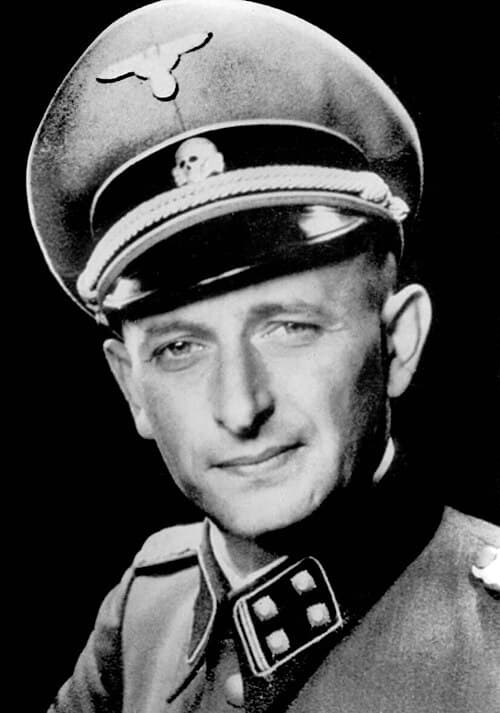
Adolf Eichmann
PERSON
German-Austrian SS officer and one of the major organizers of the Holocaust (1906–1962)
Adolf Hitler
PERSON • 2 mentions
Dictator of Germany from 1933 to 1945, main instigator of World War II and leader of the Holocaust (1889–1945)
Adrian
PERSON
Costume designer (1903-1959)
AR
Adrian Raine
PERSON
British psychologist

Ahmadinejad
PERSON
6th President of the Islamic Republic of Iran from 2005 to 2013

Ahmed Karim
PERSON
English-Ghanaian rapper
AK
Akitsuka
PERSON
Albert Einstein
PERSON
German-born theoretical physicist (1879–1955)
Alberto Gonzales
PERSON
80th United States Attorney General

Aldridge
PERSON
Aldridge JW
PERSON
Alexander Strobel
PERSON
King of Macedonia and conqueror of Achaemenid Persia (356–323 BC)
AL
Alfred
PERSON

Almas
PERSON
Finnish singer-songwriter

Amotz Zahavi
PERSON
Israeli evolutionary biologist (1928-2017)
AM
Amsler
PERSON
AD
Ana Dreber
PERSON
AA
Andreas A.
PERSON
AM
Andreas Meyer-Lindenburg
PERSON
AM
Andres Martinez
PERSON
American journalist

Angelina Jolie
PERSON • 2 mentions
American actress, humanitarian and filmmaker (born 1975)

Ann Jon
PERSON
Arendt
PERSON
Aristotle
PERSON
4th-century BCE Classical Greek philosopher and polymath
AC
Avshalom Caspi
PERSON
Israeli-American psychologist

Ayton
PERSON
B. Oakley
PERSON
Australian writer
B.
B.J.
PERSON

Baler
PERSON
Farm machine for creating hay or straw bales
BA
Banaji
PERSON
Bandura
PERSON

Banerjee
PERSON
Indian American economist
BA
Banyard
PERSON
BA
Baranoski
PERSON
BA
Barbaranelli
PERSON
BA
Barks
PERSON

Barnes
PERSON
District in the London Borough of Richmond upon Thames, England

Baron
PERSON
1961 utility aircraft family
BA
Barrett
PERSON
BA
Bartholow
PERSON
BA
Bassareo
PERSON
BA
Batson
PERSON
Human settlement in Hardin County, Texas, United States of America
BA
Baumeister
PERSON
Beaver
PERSON
BE
Beckerman
PERSON
BE
Behrens
PERSON
BE
Bekkering
PERSON
Belyaev
PERSON
Benedict XVI
PERSON
265 th pope of the Catholic Church (2005–2013)
Benjamin Franklin
PERSON
American polymath and statesman (1706–1790)
Benveniste
PERSON
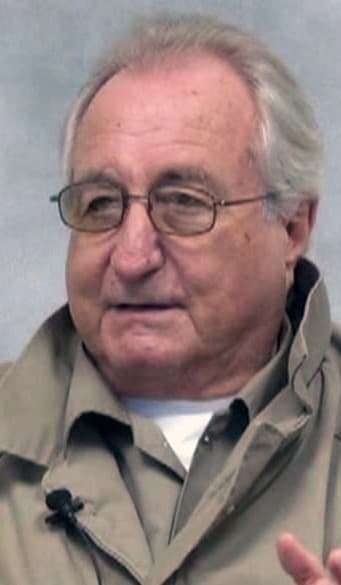
Bernard Madoff
PERSON
American fraudster and financier (1938–2021)
BE
Bernhard
PERSON
Bernie Madoff
PERSON
American fraudster and financier (1938–2021)
BE
Berridge
PERSON
Berridge KC
PERSON
BH
Bert Hauser
PERSON
BE
Bezdjian
PERSON
BH
Bhavsar
PERSON
BH
Bhugra
PERSON
Union Council in Sindh, Pakistan
BL
Bibb Latane
PERSON
United States social psychologist
Bill Clinton
PERSON
President of the United States from 1993 to 2001 (born 1946)
Bill Gates
PERSON
American businessman, investor, and philanthropist (born 1955)

Billy Crystal
PERSON
American actor, comedian, writer, producer, director and television presenter (born 1948)
BL
Blake
PERSON
BL
Blakemore
PERSON
BL
Blasi
PERSON
BO
Boden
PERSON
British clothing retailer
BO
Boksem
PERSON
BO
Bolyantz
PERSON
BS
Boris Schiffer
PERSON
Researcher
BO
Bosket
PERSON
BO
Bowles
PERSON
BO
Boyer
PERSON
BR
Brezemer
PERSON
BF
Brian Ferguson
PERSON
American football coach (born c. 1975)
BR
Brunner
PERSON
BH
Bryce Huebner
PERSON
Researcher (ORCID 0000-0001-5096-6397)

Buckholtz
PERSON
BU
Bushman
PERSON

C. A. J.
PERSON

Caceres
PERSON

Calhoun
PERSON

Cappelen
PERSON
CA
Caprara
PERSON
Macchinista
CA
Cardenas
PERSON
Carey Morewedge
PERSON
Researcher (ORCID 0000-0001-7502-9279)
Carl Clauberg
PERSON
Carlos Slim Helu
PERSON
Mexican business magnate and investor
CA
Carlsmith
PERSON
Carrion
PERSON
CD
Carsten De
PERSON
Researcher
CA
Casey
PERSON
French rapper
CA
Caspi
PERSON

Catani
PERSON

Cauffman
PERSON
Cesare Lombroso
PERSON
CH
Chambers
PERSON
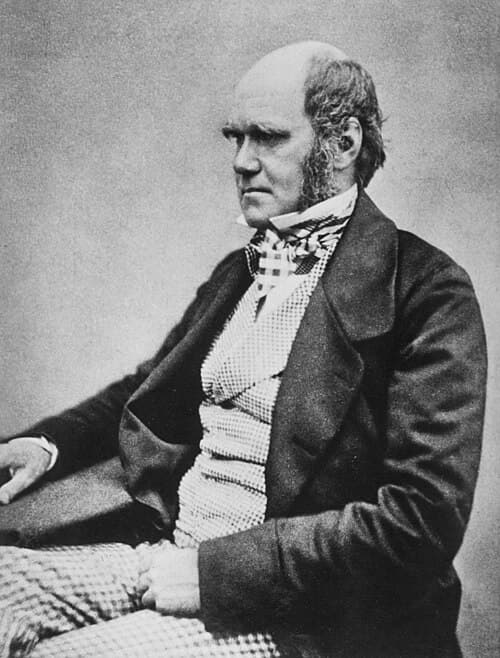
Charles Darwin
PERSON
CD
Charles Dike
PERSON
CG
Charles Granger
PERSON
Canadian politician (1912–1995)
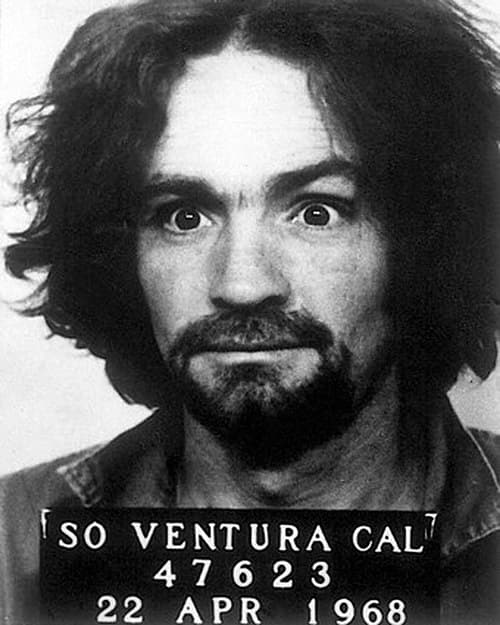
Charles Manson
PERSON
American criminal and cult leader (1934–2017)

Charles Taylor
PERSON
22nd president of Liberia

Cheng
PERSON
Chinese family name (鄭 / 郑)
CH
Chiao
PERSON
CJ
Chris Joffe
PERSON
CH
Christakis
PERSON

Christner
PERSON
CH
Chudley
PERSON
CF
Claire Fitzgibbon
PERSON
Researcher (ORCID 0000-0001-7241-2387)
CO
Cocks
PERSON
CO
Colin
PERSON
Male given name
CA
Corin Apicella
PERSON
CO
Cosmides
PERSON
American psychologist
CW
Courtney Wild
PERSON
1997 British biographical film directed by Brian Gilbert

Couwenberg
PERSON

Cowden
PERSON
CR
Cremer
PERSON
CR
Crombach
PERSON

D. A.
PERSON
D. Kahnemann
PERSON
D.
D.J-F.
PERSON
DA
Dalais
PERSON
DA
Dalley
PERSON
Daniel Dennett
PERSON
American philosopher (1942–2024)

Daniel Gilbert
PERSON
American psychologist and writer

Daniel Goldhagen
PERSON
American author and academic (born 1959)
Daniel H.
PERSON
American business writer
Daniel Jonah
PERSON
American author and academic (born 1959)
Daniel Schreber
PERSON
DW
Daniel Wegner
PERSON
American psychologist
Dante
PERSON
DA
Darley
PERSON

Dave Grossman
PERSON
American author and law enforcement trainer
Dave Letterman
PERSON
DA
Dave-Odigie
PERSON
DA
David Ames
PERSON
Actor
David Buss
PERSON
American evolutionary psychologist
David E J.
PERSON
DW
David Watts
PERSON

Dawson
PERSON
City in and the county seat of Terrell County, Georgia, United States
DE
Deaner
PERSON

Decety
PERSON
American neuroscientist
DE
Deckman
PERSON
DE
Dejesus
PERSON
DeLisi
PERSON
Dennett
PERSON
Family name
Descartes
PERSON

Dhami
PERSON

Dixon
PERSON
City and county seat of Lee County, Illinois, United States

Dmitry
PERSON
Male given name (Дмитрий)
DO
Dolan
PERSON
Family name
DJ
Dominic Johnson
PERSON
Saint Lucian pole vaulter (* 1975)
Donal Cahill
PERSON
DO
Dorey
PERSON
DO
Doron
PERSON
City mentioned only by Pliny and located in Cilicia Tracheia
Dorothy Sayers
PERSON
Dreher
PERSON
Botanist
DU
Ducci
PERSON
Japanese drummer
DU
Durrant
PERSON
DU
Dusingizemungu
PERSON
Dustin Hoffman
PERSON
American actor (born 1937)
DV
Dvash
PERSON
ED
E. Diener
PERSON
EA
Eastman
PERSON
EB
Eberhardt
PERSON
EB
Ebisch
PERSON
EC
Economidou
PERSON
EF
Ed. M. Fitzduff
PERSON
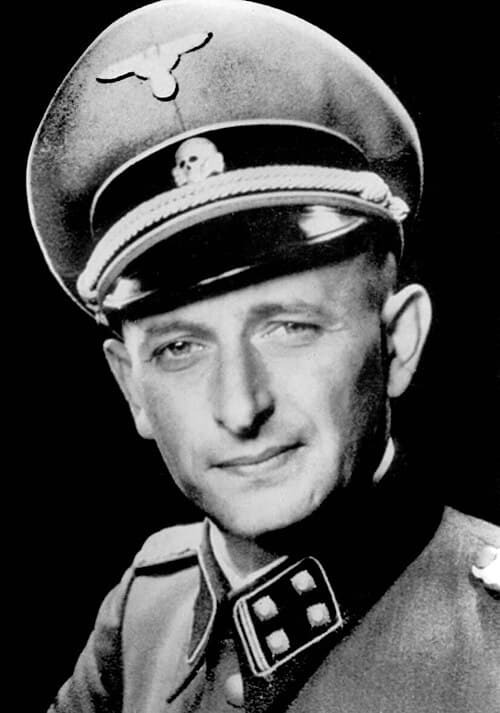
Eichmann
PERSON
2007 film by Robert Young
Ekman
PERSON

Elbert
PERSON
Eldridge Adams
PERSON
Elie Wiesel
PERSON
Romanian-born American writer, professor, political activist, Nobel laureate, and Holocaust survivor (1928-2016)
Emma Watson
PERSON
English actress, model and activist (born 1990)
EN
Ensminger
PERSON
Erickson
PERSON
Ernst Fehr
PERSON
Austrian economist
Errol Morris
PERSON
American filmmaker and writer (born 1948)
ES
Ervin Staub
PERSON
American psychologist
EV
Esse Viding
PERSON

Estelle
PERSON
British musician
ER
Estelle Reiner
PERSON
American actress and singer
EH
Evelyn Hooker
PERSON
Psychologist famous for demonstrating homosexuality is not a mental disorder (1907-1996)
Everitt
PERSON
British neuroscientist
EV
Evilution
PERSON
FA
Faber
PERSON
FA
Fagan
PERSON

Ferrucci
PERSON
FI
Fischbacher
PERSON
FI
Fischer
PERSON

Fishman
PERSON
Mexican professional wrestler
FI
Fiske
PERSON
FI
Fitzgerald
PERSON
FO
Foley
PERSON
City in Baldwin County, Alabama, United States

Fowler
PERSON
Frances Bacon
PERSON
FG
Francesca Gino
PERSON
Italian-American behavioral scientist
FR
Franco
PERSON
Franz Stangl
PERSON
Austrian-born SS officer, commandant at first Sobibór extermination camp and then Treblinka extermination camp (1908-1971)
FR
Frazzetto
PERSON
Friedrich Nietzsche
PERSON

Friesen
PERSON
FT
Fritz Tsao
PERSON
FU
Fujii
PERSON
FU
Fumagalli
PERSON
G. Martel
PERSON
GM
G. Mbabazi
PERSON
GA
Gachter
PERSON
GA
Gaertner
PERSON
Gailliot
PERSON
GA
Galibert
PERSON
GA
Galinsky
PERSON

Gallese
PERSON
GA
Gallucci
PERSON
Gandhi
PERSON
GP
Gary Pisano
PERSON
American economist
GA
Gaulin
PERSON
GE
Gellerman
PERSON
Swedish politician (1926-1987)
George Cadwalader
PERSON

George W. Bush
PERSON • 2 mentions
President of the United States from 2001 to 2009
GE
Gerberth
PERSON
GE
Geschwind
PERSON
Family name
GE
Getchell
PERSON

Gian Luca
PERSON
Panamanian pornographic actor
GI
Gilam
PERSON

Gilbert
PERSON
City in Maricopa County, Arizona, United States
GI
Gintis
PERSON
Botanist
GS
Gitta Sereny
PERSON
Austrian publicist and writer (1921–2012)
Glasser
PERSON
American musician
Glenn Dubin
PERSON
American businessman
GL
Glover
PERSON
GL
Glowacki
PERSON
GN
Gniffith
PERSON

Godfrey D
PERSON
Taiwanese-Canadian actor and model (1984-2019)
GO
Goldhagen
PERSON
GO
Goldstein
PERSON
Family name
GK
Gordon Kraft-Todd
PERSON
Researcher ORCID ID = 0000-0003-1220-9269
Greed
PERSON

Greene
PERSON
Grigorenko
PERSON
GR
Groen
PERSON
GR
Grossman
PERSON
Family name
GR
Grubin
PERSON
GR
Gruenfeld
PERSON
Guang Guo
PERSON
Ph.D. Princeton University 1991
GU
Gurven
PERSON
GU
Gutsell
PERSON
GW
Gwako
PERSON
HR
H.L. Roediger
PERSON
Haddock
PERSON
Haeffel
PERSON
HA
Hagan
PERSON
Haidt
PERSON
Hannah Arendt
PERSON
German-American political theorist and philosopher (1906–1975)
HA
Harada
PERSON
HA
Harald
PERSON

Harari
PERSON

Hariri
PERSON
HA
Harold
PERSON
Male given name

Harper
PERSON
American professional wrestler (1979–2020)
HM
Harry Markopolos
PERSON
Whistleblower who exposed the Madoff investment scandal

Harry Potter
PERSON
1997–2007 fantasy book series by J. K. Rowling
Harvey Weinstein
PERSON
American film producer and sex offender (born 1952)
HA
Haslam
PERSON
Hassan
PERSON
Male given name (حسن)
Hauert
PERSON

Hauser
PERSON
Family name
Hauser Evilicious
PERSON
HA
Hayashi
PERSON

Healy
PERSON
Heberlein
PERSON
HE
Hecker
PERSON
German-Austrian musician (born 1975)
Heinze
PERSON

Helen M
PERSON
Indian film actress and dancer of Anglo-Burmese descent
HE
Hendler
PERSON
HE
Henrich
PERSON

Henriques
PERSON
Brazilian association football player
Henry David Thoreau
PERSON
Hermione Granger
PERSON
HE
Herrmann
PERSON

Hillary Clinton
PERSON • 2 mentions
American politician and diplomat (born 1947)
HI
Hinshaw
PERSON
HI
Hirstein
PERSON

Hitte
PERSON

Holloway
PERSON
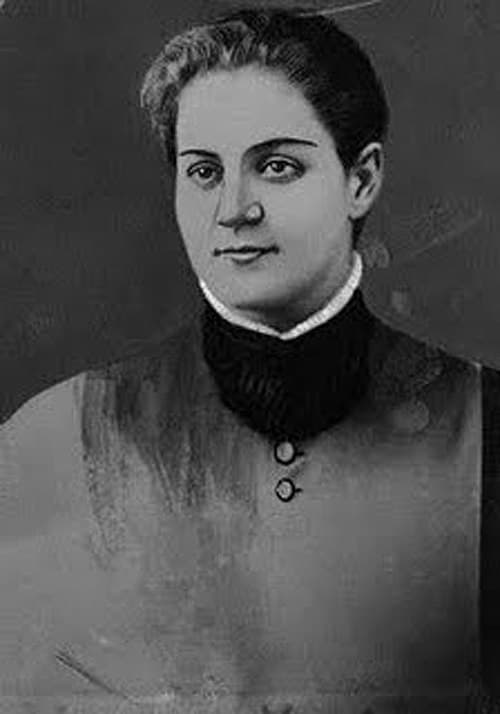
Honora Kelley
PERSON
Hosni
PERSON
Hosni Mubarak
PERSON
President of Egypt from 1981 to 2011

Huang
PERSON
Chinese family name (黃/黄)
HU
Huebner
PERSON
Humphrey Bogart
PERSON
IN
I. Neath
PERSON
Idi Amin
PERSON
President of Uganda from 1971 to 1979
IG
Ignacio
PERSON
IN
Inzlicht
PERSON
IO
Ioannides
PERSON
Ira Glass
PERSON
American radio personality
IR
Iromenga
PERSON

J.S. Nairne
PERSON
Jack Van Honk
PERSON
Researcher
JA
Jacques
PERSON

James Bond
PERSON
Series of books about a British spy
James Rilling
PERSON
Researcher
James Thurber
PERSON
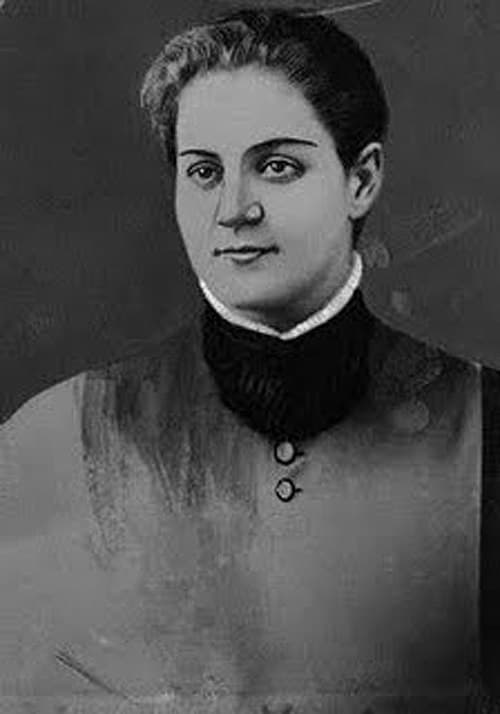
Jane Toppan
PERSON
Janus
PERSON
JA
Jaramillo
PERSON

Jarden
PERSON
Jean Decety
PERSON
American neuroscientist
Jeffrey Dahmer
PERSON
American serial killer (1960–1994)

Jenkins
PERSON
Continuous integration tool
JE
Jennifer
PERSON
Female given name
JE
Jennifer Eberhardt
PERSON
American psychologist

Jensen
PERSON
Danish professional League of Legends player

Jesus Christ
PERSON
Central figure of Christianity (6 or 4 BC – AD 30 or 33)
JC
Jim Churchill
PERSON
JC
Joan Chiao
PERSON
JT
Joe Tsien
PERSON
Joffe
PERSON
John Bobbitt
PERSON
John Brockman
PERSON • 2 mentions
American literary agent
JD
John Darley
PERSON
American psychologist (1938–2018)
John F. Kennedy
PERSON
President of the United States from 1961 to 1963 (1917–1963)

John Kerry
PERSON • 2 mentions
American politician and diplomat (born 1943)

John Krebs
PERSON
American racing driver and team owner
John Maynard Smith
PERSON
British theoretical evolutionary biologist and geneticist (1920-2004)
John Paul II
PERSON
264th pope of the Catholic Church (1978–2005)
John Paul Scott
PERSON
American bank robber (1927–1987)
JO
Johnny
PERSON
Male given name

Joi Ito
PERSON
Japanese-American activist, entrepreneur, and venture capitalist
Jon Haidt
PERSON
JF
Jonathan Figdor
PERSON

Jonathan Haidt
PERSON
American social psychologist (1963-)
Josef Stalin
PERSON

Joseph Henrich
PERSON
American evolutionary biologist

K. M.
PERSON
KA
Karim
PERSON
Male given name

Kashima
PERSON
KK
Katharine Kinzler
PERSON

Keenan
PERSON
Kekes
PERSON
KE
Kelman
PERSON
KB
Kent Berridge
PERSON
American psychologist (1957-)

Kerchner
PERSON
KC
Kevin Carlsmith
PERSON

Kevin Doughten
PERSON

Keysar
PERSON
Australian Muslim spokesman
KH
Khera
PERSON
KI
Kiernan
PERSON
KB
Kim Beeman
PERSON

Kim Jong-il
PERSON
Supreme Leader of North Korea from 1994 to 2011
KL
Kimron L
PERSON

Kinzler
PERSON
KL
Klinteberg
PERSON
KN
Knobe
PERSON
KO
Kolachana
PERSON
KO
Koposov
PERSON
KO
Kostermans
PERSON
KO
Koval
PERSON
KR
Kringelbach
PERSON
KR
Kriplani
PERSON
KR
Kristina
PERSON
Kristina Aldridge
PERSON
KG
Kurt Gray
PERSON
Researcher (ORCID 0000-0001-5816-2676)
KU
Kurzban
PERSON
LT
L. Thomas
PERSON
School inspector
LA
Laham
PERSON
LA
Latane
PERSON
Latane Temple; b. 1914; painter, collector; Houston and Galveston, Tex
Lawrence Murphy
PERSON
Research psychologist at NIOSH
LE
Leach
PERSON

Leidner
PERSON

Lena Dunham
PERSON
American writer, director, actress, and producer (born 1986)
Leon Spinks
PERSON
American boxer (1953–2021)
LE
Lesorogol
PERSON
LE
Levkovitz
PERSON

Lilan
PERSON
Linda Abarbanell
PERSON
Academic
Lionel
PERSON
American radio personality
Lionel James
PERSON
American football player (1962–2022)
LI
Lipke
PERSON

Lipton
PERSON
LO
Logan
PERSON
2017 film directed by James Mangold
LO
Loiugham
PERSON
Lombroso
PERSON
LO
Lorena
PERSON
Lorena Bobbitt
PERSON
LO
Lotze
PERSON
LO
Loughnan
PERSON
LO
Lozano
PERSON
LO
Lozowick
PERSON
Luis Maria Mendia
PERSON
Argentine admiral
MM
M. Mikulincer
PERSON
MA
Macis
PERSON
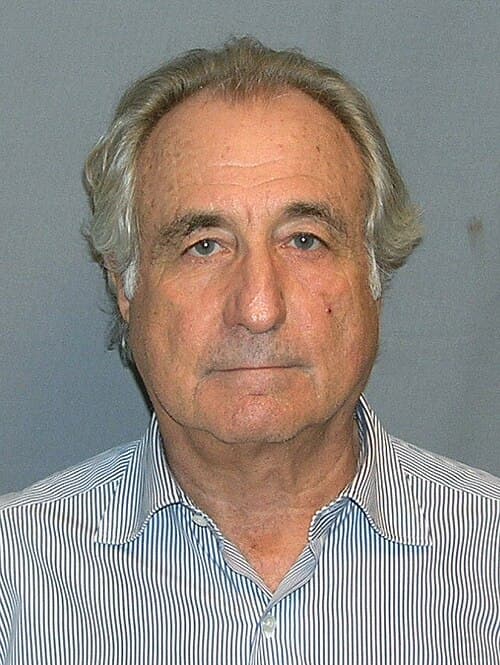
Madoff
PERSON
2016 American miniseries
MA
Maggie
PERSON
2015 film by Henry Hobson
Mahmoud Ahmadinejad
PERSON
6th President of the Islamic Republic of Iran from 2005 to 2013
MA
Mahoney
PERSON

Mahzarin Banaji
PERSON
Indian American social psychologist
MA
Mameli
PERSON
MD
Mandeep Dhami
PERSON
MA
Mandel
PERSON
MA
Mantini
PERSON
Mao Zedong
PERSON • 2 mentions
1st chairman of the Chinese Communist Party and founder of the People's Republic of China (1893–1976)
Marc D. Hauser
PERSON
American biologist
MR
Marc Rich
PERSON
American commodities trader (1934–2013)
MA
Mare Aidinoff
PERSON

Margaret C
PERSON
American comedian and actress (born 1968)
MW
Margo Wilson
PERSON
Canadian psychologist (1942-2009)
MF
Maria Farmer
PERSON
American visual artist
MA
Mario
PERSON
Fictional character in the Mario video game franchise
MA
Markett
PERSON
MA
Markus
PERSON
Marlowe
PERSON
MA
Marshak
PERSON

Martijn P
PERSON
Photographer
MD
Martin Daly
PERSON
Canadian psychologist
Martin Nowak
PERSON
Austrian scientist
MW
Martin Weinberg
PERSON
American attorney (born 1946)
MA
Mathews
PERSON
MA
Mathur
PERSON

Matsuura
PERSON
MA
Matteo
PERSON
Male given name
Maynard Smith
PERSON
MB
Mbabazi
PERSON
Researcher
MC
McCullough
PERSON
Family name
ME
Mednick
PERSON
Meg Ryan
PERSON
ME
Melde
PERSON
Mellingen
PERSON
ME
Meltzoff
PERSON
Michael Cohen
PERSON
American former attorney and former Republican official
Michael Jackson
PERSON
American singer, songwriter, record producer, and dancer (1958–2009)
ML
Michael L.
PERSON
Biologist
Michael Moore
PERSON
American filmmaker and author (born 1954)
MP
Michael Platt
PERSON
British hedge fund manager

Michael Wolff
PERSON
American author, essayist, and journalist
MI
Michalska
PERSON
MI
Milgram
PERSON
Family name
MI
Milinski
PERSON

Milivojevic
PERSON
Milton Obote
PERSON

Min Zhuo
PERSON
Canadian neuroscientist
MI
Mischel
PERSON
MI
Mitani
PERSON
MO
Mobbs
PERSON
MO
Moffitt
PERSON
American psychologist and criminologist (born 1955)

Monroe
PERSON
Parish seat of Ouachita Parish, Louisiana, United States

Mouridsen
PERSON
MR
Mrakic
PERSON
Muhammad Ali
PERSON
American boxer (1942–2016)
MU
Muraven
PERSON

Murphy
PERSON
NS
N. Schwarz
PERSON
NA
Nakamatsu
PERSON
Nathanael Fast
PERSON
NE
Nelissen
PERSON

Neon Leon
PERSON
NE
Neuner
PERSON
NI
Nicholas
PERSON
Male given name
NH
Nicky Haslam
PERSON
English interior designer and socialite

Nigel Farage
PERSON
British right-wing politician (born 1964)
Noam Chomsky
PERSON • 2 mentions
American linguist and activist (born 1928)

Norenzayan
PERSON
NE
Nu eon—
PERSON
O'
O'Sullivan
PERSON
OB
Obermann
PERSON
OK
Okubo
PERSON

Oldham
PERSON

Omar Sultan Haque
PERSON
Orin Hatch
PERSON
OS
Osofsky
PERSON
OT
Otgaar
PERSON

Otter
PERSON

Ouwerkerk
PERSON
OV
Overgaard
PERSON
Ovuga
PERSON
PS
P.R. Shaver
PERSON
Pablo Picasso
PERSON
Spanish painter and sculptor (1881–1973)
PA
Pagnoni
PERSON

Palin
PERSON
Family name
PA
Passamonti
PERSON

Pastorelli
PERSON
Dutch racing driver
Paul Ryan
PERSON
Speaker of the United States House of Representatives from 2015 to 2019
PE
Pearlson
PERSON
PS
Pecifia S
PERSON
PE
Pecina
PERSON
PE
Peeters
PERSON
PE
Pelloux
PERSON
PE
Pesarini
PERSON
PM
Peter Marler
PERSON
British-American behavioral biologist
Peter Singer
PERSON
Australian moral philosopher (born 1946)
PE
Peterson
PERSON
Family name
PE
Pezawas
PERSON

Philip Pettit
PERSON
Irish philosopher and political theorist
Philip Tetlock
PERSON
American professor in democracy and citizenship
Philip Zimbardo
PERSON
American social psychologist, author of Stanford Prison Experiment (1933–2024)
PF
Philippa Foot
PERSON
English philosopher (1920–2010)
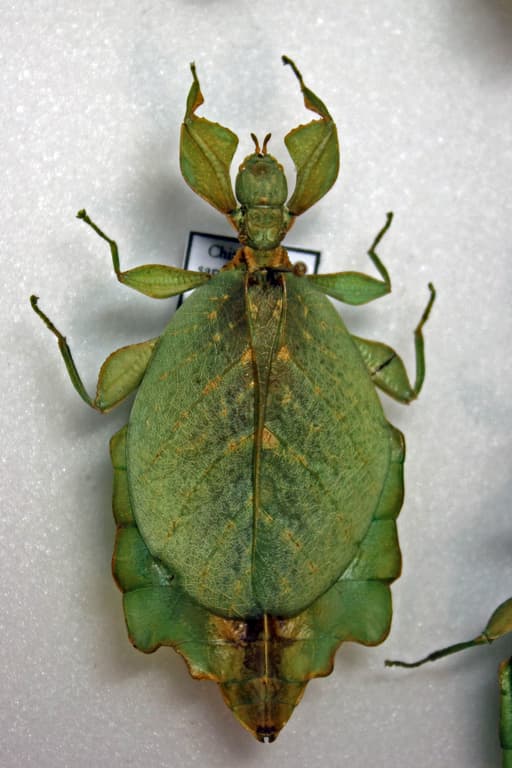
Phylliinae
PERSON
PI
Piquero
PERSON
Plato
PERSON
4th-century BCE Greek philosopher
PL
Platt
PERSON
Family name
PL
Plyusnina
PERSON

Pol Pot
PERSON
Former General Secretary of the Communist Party of Kampuchea (1925–1998)
PO
Polidori
PERSON
Pollock
PERSON
PO
Portenoy
PERSON
PH
Power hungry
PERSON

Preuschoff
PERSON
PR
Preuss
PERSON

Prince Andrew
PERSON
Third child of Queen Elizabeth II and Prince Philip, Duke of Edinburgh (born 1960)

Priori
PERSON
Religious houses that rank immediately below abbeys and are presided over by a prior or prioress
Puff Daddy
PERSON
PY
Pytka
PERSON
PY
Pyysiainen
PERSON
Finnish cognitive science of religion scholar
QU
Quignon
PERSON

Radovan Karadic
PERSON
Bosnian Serb politician, psychiatrist and poet convicted of genocide
RA
Raine
PERSON
RH
Ralph Holloway
PERSON
American anthropologist (1935–2025)
RA
Rampon
PERSON
RC
Randy Cohen
PERSON
American writer

Ratko Mladic
PERSON
Convicted war-criminal and former general of the Bosnian Serb military (1991-1996)
RÉ
Réale
PERSON
RE
Regalado
PERSON
RE
Reicher
PERSON
René C W
PERSON
Researcher
RS
René S
PERSON
French composer (1903–1993)
RE
Rennison
PERSON
RE
Reynolds
PERSON
Richard Dawkins
PERSON • 2 mentions
English ethologist, evolutionary biologist and author (born 1941)
RK
Richard Kahn
PERSON
Radio station in Roy, Utah
Richard Leakey
PERSON
Kenyan paleoanthropologist, conservationist, and politician (1944-2022)
Richard Smith
PERSON
English actor, writer, musician, and television presenter
RS
Richard Sosis
PERSON

Richard Wrangham
PERSON
British Primatologist
Rilling
PERSON
German choral conductor
RI
Ritov
PERSON
Rizzolatti
PERSON
Italian neuroscientist (born 1937)
Rob Reiner
PERSON
American actor and director (born 1947)
RO
Robbins
PERSON
Village in United States of America
RA
Robert Audi
PERSON
American philosopher
Robert F. Kennedy Jr.
PERSON
American politician, environmental lawyer, anti-vaccine activist, and conspiracy theorist (born 1954)
RF
Robert Finn
PERSON
Catholic bishop
Robert G. Crowder
PERSON
Psychologist
RH
Robert Hinde
PERSON
British zoologist (1923–2016)
RK
Robert Kurzban
PERSON
American psychologist
Robert Mueller
PERSON
Sixth director of the FBI; American attorney
RT
Robert Trivers
PERSON • 2 mentions
American evolutionary biologist and sociobiologist
RO
Rockenbach
PERSON

Roel M
PERSON
Dutch musician
RO
Roepstorff
PERSON
RO
Roiser
PERSON
Particle physicist at CERN

Romani
PERSON
RO
Roscoe
PERSON
RO
Rottenberg
PERSON
Roy Baumeister
PERSON
American social psychologist
RO
Rozin
PERSON
RD
Ruben D.
PERSON
Researcher
Russell Sage
PERSON
Sabini
PERSON
SA
Safire
PERSON

Sally
PERSON
American actress
Samuel Bowles
PERSON
American economist
Sauseng
PERSON
Austrian musician
Schaal
PERSON

Schadenfreude
PERSON

Schalinski
PERSON
SC
Schauer
PERSON
SC
Schellhammer
PERSON
Victim of National Socialism, born January 21, 1918
SC
Schepina
PERSON
SC
Schneider
PERSON
Family name
SC
Schnyder
PERSON
SC
Schurtz
PERSON
SE
Sebanz
PERSON
Sebastian
PERSON
American stand-up comedian and actor

Seeman
PERSON
Indian politician and actor; leader of Naam Thamilar Party

Sefton
PERSON
Seung-Hui Cho
PERSON
South Korean mass murderer; perpetrator of the Virginia Tech massacre (1984-2007)
SH
Shapiro
PERSON
Family name
SH
Shariff
PERSON
Researcher

Sharot
PERSON
SH
Shaver
PERSON
Sherry
PERSON
SH
Shigemune
PERSON
Researcher

Shimizu
PERSON

Shiner
PERSON
SH
Shulman
PERSON
SH
Shutts
PERSON

Siddle
PERSON
SI
Sidtis
PERSON
Researcher
Sigmund Freud
PERSON
Austrian neurologist and founder of psychoanalysis (1856–1939)
Silani
PERSON
Ancient Greek writer and sculptor

Simone
PERSON
American actress and singer
Singer
PERSON
German mycologist (1906–1994)
SI
Sirigu
PERSON
SI
Sivanathan
PERSON
Tamil journalist in Sri Lanka
SH
Sjoerd J H
PERSON
Researcher (ORCID 0000-0001-5726-1584)
SK
Skewes
PERSON
Slavoj Zizek
PERSON
Slobodan Milosevic
PERSON
Yugoslav–Serbian politician (1941–2006)

Sofia
PERSON
Capital city of Bulgaria
SA
Solomon Asch
PERSON
Polish-American psychologist (1907-1996)
SO
Sorensen
PERSON
SO
Sosis
PERSON
Sicilian medallist

Spears
PERSON
SP
Spelke
PERSON
SP
Spinks
PERSON
Stangl
PERSON
SM
Stanley Milgram
PERSON
American social psychologist (1933–1984)
ST
Stapel
PERSON
ST
Staub
PERSON

Stephen J.
PERSON
British particle physicist
ST
Stepika
PERSON
SG
Steve Gaulin
PERSON

Steven Pinker
PERSON • 2 mentions
Canadian-American cognitive psychologist, linguist, and author, an advocate of evolutionary psychology and the computational theory of the mind
ST
Stevens
PERSON
Artist
ST
Stillman
PERSON
ST
Strobel
PERSON
American microbiologist
SU
Suddath
PERSON
SU
Suhara
PERSON
Botanist
Suitner
PERSON
Austrian conductor (1922-2010)
SF
Susan Fiske
PERSON
American psychologist

Susana Pecifia
PERSON
SU
Sussman
PERSON
Family name
SW
Sweetser
PERSON

Tali Sharot
PERSON
Cognitive neuroscientist
TA
Tanaka
PERSON

Tania Singer
PERSON
German neuroscientist (1969-)
TA
Tarrier
PERSON
TA
Tashiro
PERSON
Ted Bundy
PERSON
American serial killer (1946–1989)
Ted Kennedy
PERSON
United States Senator from Massachusetts from 1962 to 2009
Temple Grandin
PERSON
American doctor of animal science, author, and autism activist
Terry Moffitt
PERSON
TL
The great leveler
PERSON

Thomas Elbert
PERSON
German neuropsychiatrist
TH
Thomsen
PERSON
TH
Thoni
PERSON
Thorstein Veblen
PERSON
TI
Tihonen
PERSON
TI
Tikkanen
PERSON
TC
Tim Caro
PERSON
Evolutionary ecologist

Tingley
PERSON
TO
Tobena
PERSON
TM
Todd M
PERSON

Tony Greenwald
PERSON
American psychologist
TO
Tooby
PERSON
Family name

Tracer
PERSON
TR
Treyer
PERSON
TS
Tsien
PERSON
TU
Tungodden
PERSON
UD
Udell
PERSON
VK
van Koningsbruggen
PERSON
VA
Vanduffel
PERSON

Vaughn
PERSON
VE
Vehrencamp
PERSON
Venables
PERSON

Vergari
PERSON

Victoria Beckham
PERSON
English businesswoman, fashion designer and singer

Viktor Orbán
PERSON
Prime Minister of Hungary (1998–2002; 2010–present)
VD
Vince D.
PERSON
VI
Virkkunen
PERSON
VI
Vittorio
PERSON
VO
Votaw
PERSON
WS
W. Saffire
PERSON
W. Sofsky
PERSON
WM
Walter Mischel
PERSON
Austrian-born Jewish American psychologist

Warren Buffett
PERSON • 2 mentions
American investor, entrepreneur and businessman
WA
Wartell
PERSON

Watts
PERSON
Neighborhood of Los Angeles, California, United States
WE
Weber
PERSON
German badminton player
WE
Wedmann
PERSON
WE
Wegener
PERSON
Weierstall
PERSON
Wendy Wolff
PERSON

Wesseling
PERSON
WE
Westerlund
PERSON
Swedish astronomer (1921–2008)

Wilco van Dijk
PERSON
WI
Willems
PERSON

William Barr
PERSON
77th & 85th United States Attorney General (born 1950)
William Blake
PERSON
English poet and artist (1757–1827)

William D. Hamilton
PERSON
British racing driver

William David Trimble
PERSON
First Minister of Northern Ireland from 1998 to 2002
William James
PERSON
William Safire
PERSON
American journalist and presidential speechwriter (1929–2009)
William Shakespeare
PERSON
English playwright and poet (1564–1616)
WB
Willie Bosket
PERSON
WJ
Willie James Bosket Jr
PERSON

Wolfgang Sofsky
PERSON
Scottish professional wrestler
Wouter B
PERSON
Belgian actor
WR
Wrangham
PERSON

Wynne
PERSON
YL
Yaacov Lozowick
PERSON
Israeli historian
Yanomamo
PERSON

Yeung
PERSON

Yoshihisa
PERSON

Zahavi
PERSON
Danish philosopher (1967-)
ZE
Zedong
PERSON
Researcher
ZE
Zeelenberg
PERSON
Dutch psychologist
ZH
Zhang
PERSON
Family name
ZX
Zhuang X.
PERSON
Ziker
PERSON
Zimbardo
PERSON
American social psychologist, author of Stanford Prison Experiment (1933–2024)

Zygon
PERSON
Acta Biological Hungary
ORGANIZATION
Aggression and Violent Behavior
ORGANIZATION
Am J Psychiatry
ORGANIZATION
American Psychologist
ORGANIZATION
Scientific journal
Amundsen, T., & Rosenqvist,G.
ORGANIZATION
APA Press
ORGANIZATION
Association of poor childhood
ORGANIZATION
Back Bay Books
ORGANIZATION
Baron-Cohen
ORGANIZATION

Basic Books
ORGANIZATION
American book publisher
Behavioral and Brain
ORGANIZATION
Journal
Behavioral and Brain Sciences
ORGANIZATION
Biol Psychiatry
ORGANIZATION
Scientific journal
Biological Psychology
ORGANIZATION
Blackwell Publ
ORGANIZATION
Boston, Houghton-Mifflin
ORGANIZATION
British Journal of Social Psychology
ORGANIZATION

Brown University
ORGANIZATION
Private university in Providence, Rhode Island, United States

Cambridge, Harvard University Press
ORGANIZATION
Clarendon Press
ORGANIZATION
Publishing imprint
Clutton-Brock
ORGANIZATION
Compr Psychiatry
ORGANIZATION
Continuum Press
ORGANIZATION

Cornell University
ORGANIZATION
American university press
Corriveau, K.H
ORGANIZATION
Current Biology
ORGANIZATION
Scientific journal
Current Opinion in Neurobiology
ORGANIZATION
Current Opinion in Pharmacology
ORGANIZATION
Darley, J M
ORGANIZATION
Darwin's Cathedral
ORGANIZATION
Developmental Science
ORGANIZATION
Discovery Medicine
ORGANIZATION
Eds, F.M. Mogahaddam
ORGANIZATION
Ethology and Sociobiology
ORGANIZATION
European archives of psychiatry and clinical neuroscience
ORGANIZATION
European Journal of Social Psychology
ORGANIZATION
Evilightenment
ORGANIZATION

Evolution and Human Behavior
ORGANIZATION
Journal
Fabbri-Destro
ORGANIZATION

Fairchild G
ORGANIZATION
FBI
ORGANIZATION
Fehr, E.
ORGANIZATION
Fischer, K.W
ORGANIZATION

Fortune
ORGANIZATION
American business magazine
Gachter, S$.
ORGANIZATION

Gallup
ORGANIZATION
American analytics and advisory company
Gatt, JM
ORGANIZATION
Gray, H M
ORGANIZATION
Group Processes & Intergroup Relations
ORGANIZATION
Harcourt Brace
ORGANIZATION
Harper & Row
ORGANIZATION
American publishing company

Harper Collins
ORGANIZATION
House of Representatives
ORGANIZATION
Lower house of the United States Congress
Hulshoff Pol, Hilleke E.
ORGANIZATION
Human Nature
ORGANIZATION
Hurford G
ORGANIZATION
Inquiry
ORGANIZATION
J Comp Physiol Psychol
ORGANIZATION
J Trauma
ORGANIZATION
J. Creswell
ORGANIZATION
J. New Zealand Medical Association
ORGANIZATION
Jacobs
ORGANIZATION
Coffee brand
John Wiley & Sons
ORGANIZATION
American baseball player (1857-1926)
Jossey-Bass
ORGANIZATION
Journal for the Theory of Social
ORGANIZATION
Journal of Abnormal Psychology
ORGANIZATION
Journal
Journal of adolescence
ORGANIZATION
Journal of Cognition and Culture
ORGANIZATION
Journal of Cognitive Neuroscience
ORGANIZATION
Journal of Consumer Research
ORGANIZATION
Journal
Journal of Ethology
ORGANIZATION
Journal of Experimental Social
ORGANIZATION
Journal of Experimental Social Psychology
ORGANIZATION
Journal
Journal of Gambling Studies
ORGANIZATION
Journal of Human Evolution
ORGANIZATION
Journal of Interpersonal Violence
ORGANIZATION
Journal of language and Social Psychology
ORGANIZATION
Journal of Moral Education
ORGANIZATION
Journal of Neuroscience
ORGANIZATION
Journal of Personality and Social
ORGANIZATION
Journal
Journal of Social and Clinical Psychology
ORGANIZATION
Journal of Social Issues
ORGANIZATION
Journal of the American Academy of Psychiatry and Law
ORGANIZATION
Journal of Theoretical Biology
ORGANIZATION
Journal
Journal of Traumatic Stress
ORGANIZATION
Journal of Vision
ORGANIZATION
Justice Quarterly
ORGANIZATION
Kelman, H.C., & Hamilton, V.L.
ORGANIZATION
Knight
ORGANIZATION
Lahey, BB
ORGANIZATION
Law and Human Behavior
ORGANIZATION
Law and Order Magazine
ORGANIZATION
Lawrence Erlbaum Ass
ORGANIZATION
Lev-Ari, Shin
ORGANIZATION

Linden
ORGANIZATION
City in Union County, New Jersey, United States

Little, Brown
ORGANIZATION
American publishing company founded in 1837
M. Mikulincer & P.R. Shaver
ORGANIZATION
MADOFF SECURITIES
ORGANIZATION
Masten, C.L, Telzer, E.H, & Eisenberger, N.I.
ORGANIZATION

MIT Press
ORGANIZATION
American university press
Moller, A.C, & Deci, E.L.
ORGANIZATION

Nasdaq
ORGANIZATION
American fully electronic stock exchange
Nature Neuroscience
ORGANIZATION
Journal
Nature Publishing Group
ORGANIZATION
Nature reviews Genetics
ORGANIZATION
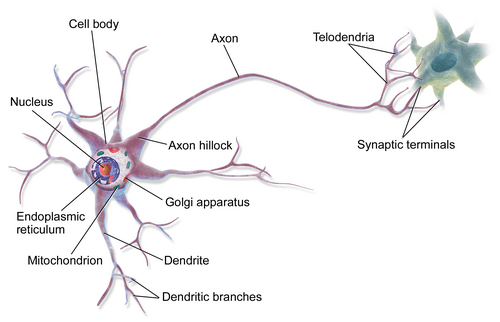
Neuron
ORGANIZATION
Journal
Norton Press
ORGANIZATION
Olds J
ORGANIZATION

Panda
ORGANIZATION
2016 song by Desiigner
Paradigm Publishers
ORGANIZATION
Pathological Altruism
ORGANIZATION
Peace Studies Journal
ORGANIZATION
Pers Soc Psychol Bull
ORGANIZATION

Personality and Social
ORGANIZATION
Original song written and composed by Harold Logan, Lloyd Price
Personality and Social Psychology Review
ORGANIZATION
Political Psychology
ORGANIZATION

Porsche
ORGANIZATION
German automobile manufacturer specializing in high-performance sports cars, SUVs and sedans, owned by Volkswagen AG

Princeton University
ORGANIZATION
Independent publisher with close connections to Princeton University
Proc Natl Acad Sci
ORGANIZATION

Prometheus Books
ORGANIZATION
American publishing company
Psychological Review
ORGANIZATION
Scientific journal

Psychological Science
ORGANIZATION
Journal
Psychology of Learning and Motivation
ORGANIZATION

Public Affairs
ORGANIZATION
Academic discipline

Quarterly Review of Biology
ORGANIZATION
Literary and political periodical (London, 1809-1967)
Random House
ORGANIZATION
American general-interest trade book publisher
Roland
ORGANIZATION

Routledge
ORGANIZATION
British multinational academic publisher founded in 1836
Scientific American
ORGANIZATION
American popular science magazine
Sigmund
ORGANIZATION

Silver
ORGANIZATION
Sinauer Associates
ORGANIZATION
Sinauer Press
ORGANIZATION
Smith, C.E
ORGANIZATION
Sosis, R., & Bressler, E.R.
ORGANIZATION
Sparks
ORGANIZATION
The British
ORGANIZATION
The British Journal of Psychiatry
ORGANIZATION
the Catholic Church
ORGANIZATION
the London Stock Exchange
ORGANIZATION

the National Academy of Sciences
ORGANIZATION
the New York Academy of Sciences
ORGANIZATION
the Securities and Exchange Commission
ORGANIZATION
The Social Psychology of Morality
ORGANIZATION
Tice, D.M
ORGANIZATION
Trends in Cognitive Sciences
ORGANIZATION
Scientific journal
Trends in neurosciences
ORGANIZATION
University of Kansas Press
ORGANIZATION

University of Oxford
ORGANIZATION • 2 mentions
Publishing arm of the University of Oxford

Van Dijk
ORGANIZATION
Viki, G T
ORGANIZATION
Viking Press
ORGANIZATION
American book publisher
Viking/Penguin
ORGANIZATION
Viking/Penguin Press
ORGANIZATION

Virginia Tech
ORGANIZATION
Public university with the main campus in Blacksburg, Virginia
W.H. Freeman
ORGANIZATION
In Colonial America, a person who is not enslaved

W.W. Norton.
ORGANIZATION
Washington ,American Psychological Association
ORGANIZATION
Washington University
ORGANIZATION
Private research university in St. Louis, Missouri, United States
Williams, L.M
ORGANIZATION
Wood, N W
ORGANIZATION
Yale University Press
ORGANIZATION
University press associated with Yale University
Yearbook of Physical
ORGANIZATION

Alaska
LOCATION
State of the United States of America

Berlin
LOCATION
Federated state, capital and largest city of Germany

Birmingham
LOCATION
City in the West Midlands, England
Bosnia
LOCATION
Chiapas
LOCATION
State of Mexico
Darfur
LOCATION
Region of Sudan

Denver
LOCATION
Consolidated city-county and capital of Colorado, United States

Earth
LOCATION
Third planet from the Sun in the Solar System

Ecuador
LOCATION
Sovereign state in South America

Ethiopia
LOCATION
Country in the Horn of Africa

Francisco
LOCATION
266th pope of the Catholic Church (2013–2025)
Ghraib
LOCATION
Maghrebi shortbread cookie
Gombe
LOCATION
State in northern Nigeria
Goslinga
LOCATION

Guilford
LOCATION
Town in New Haven County, Connecticut, United States

Haiti
LOCATION
Country in the Caribbean Sea

Hamburg
LOCATION
City and state in the North of Germany

Ithaca
LOCATION • 2 mentions
City in Tompkins County, New York, USA, enclosed by the town of the same name
Jericho
LOCATION
City in West Bank, Palestine
Kibale National Park
LOCATION
National park in Uganda
N.D.
LOCATION

New Haven
LOCATION
City in Connecticut, United States

New Orleans
LOCATION
Largest city of the state of Louisiana, United States

New Zealand
LOCATION
Island country in the southwest Pacific Ocean
Northern Ireland
LOCATION
Part of the United Kingdom situated on the island of Ireland
Northern Uganda
LOCATION

Rwanda
LOCATION
Country in East Africa
Serengeti
LOCATION
Geographical region in Africa

South Africa
LOCATION
Country in southern Africa

Southeast Asia
LOCATION
South-eastern region of Asia
Sparta
LOCATION
City-state in ancient Greece

Tanzania
LOCATION
Country in East Africa

Tehran
LOCATION
Capital city of Iran
the Ivory Coast
LOCATION
the Pacific Islands
LOCATION
Timbuktu
LOCATION
City in Mali

Tokyo
LOCATION
Capital and largest city of Japan

Toronto
LOCATION
Capital and largest city of the province of Ontario, Canada

Toulouse
LOCATION
French commune and city in Haute-Garonne, Occitania
Tuzla
LOCATION
City in Federation of Bosnia and Herzegovina, Bosnia and Herzegovina

Uganda
LOCATION
Country in east Africa

United Kingdom
LOCATION
Country in north-west Europe

United States
LOCATION • 2 mentions
Country located primarily in North America

Vegas
LOCATION
City of Clark County, and largest city in state of Nevada, United States

Venezuela
LOCATION
Country in South America

Vietnam
LOCATION
Country in Southeast Asia
Volkow
LOCATION
Worcester
LOCATION
County seat city in Worcester County, Massachusetts, United States
Statistics
Pages:151
Entities:920
Avg. OCR:95.1%
Sponsored