Back to People & Entities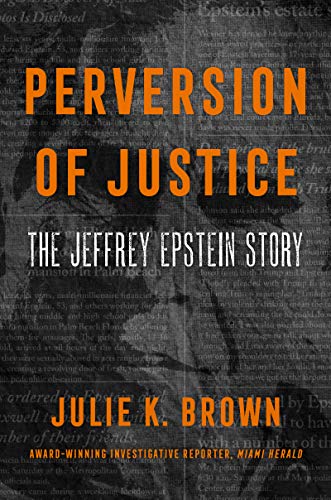
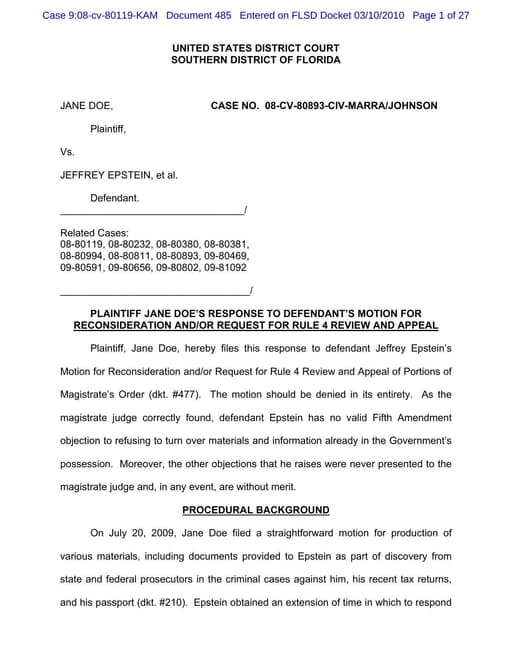
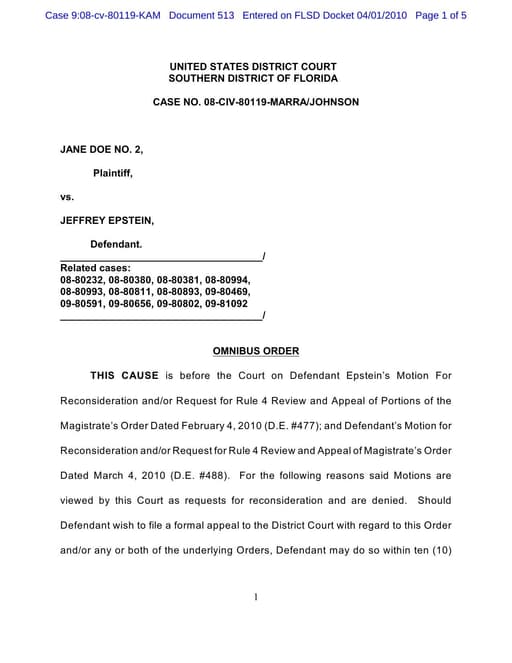




the Eleventh Circuit
Organization
Also known as:
Eleventh CircuitThe Eleventh Circuitthe Seventh Circuit
217
Total Mentions
216
Documents
2,478
Connected Entities
U.S. Court of Appeals for the Eleventh Circuit
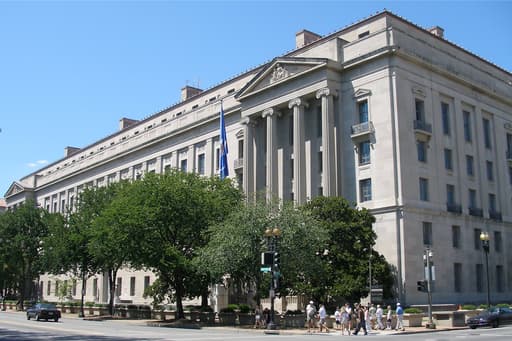
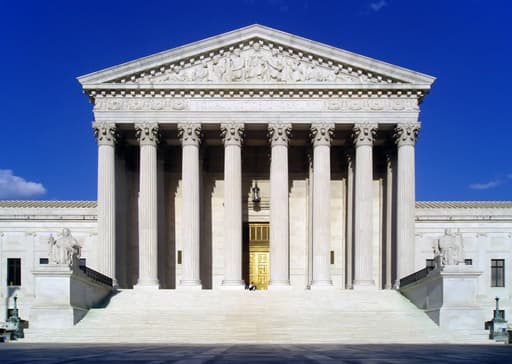
The Eleventh Circuit is the federal appellate court that heard multiple appeals related to Jeffrey Epstein's victims' efforts to enforce their rights under the Crime Victims' Rights Act (CVRA), ultimately ruling against the victims in a controversial 2021 decision.
The Eleventh Circuit appears extensively in legal documents as the appellate court handling victim appeals and establishing legal precedents governing civil procedure in Epstein-related litigation. References include its rulings on stays of civil proceedings, discovery standards for tax returns, adverse inferences from Fifth Amendment assertions, and jurisdictional questions. Most significantly, mentions reference the circuit's case law that was cited by lower courts deciding motions in victim lawsuits against Epstein. The circuit became the venue for Jane Doe petitions seeking mandamus review of district court decisions denying remedies to crime victims.
Key Highlights
- •Heard the landmark Crime Victims' Rights Act case where victims sought to invalidate Epstein's secret non-prosecution agreement, ruling 7-4 in 2021 that the CVRA does not apply before criminal charges are filed
- •First federal circuit court to find that CVRA rights do not apply pre-charge, despite acknowledging the facts were 'beyond scandalous—they tell a tale of national disgrace'
- •Multiple Jane Doe plaintiffs filed mandamus petitions in the Eleventh Circuit seeking review of district court orders denying their requested remedies
- •Circuit's existing precedents on civil procedure were frequently cited in Epstein litigation, including standards for stays pending criminal proceedings, discovery of tax returns, and service of process requirements
Frequently Asked Questions
Related Links
Books for Further Reading
Perversion of Justice: The Jeffrey Epstein Story
Julie K. Brown
Investigative journalism that broke the Epstein case open
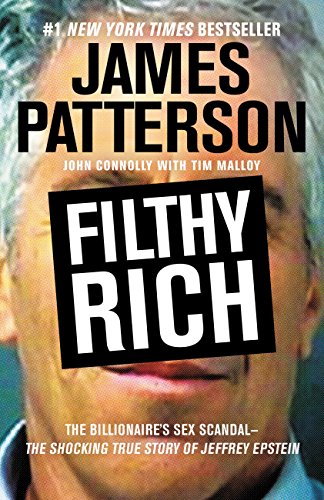
Filthy Rich: The Jeffrey Epstein Story
James Patterson
Bestselling account of Epstein's crimes and network
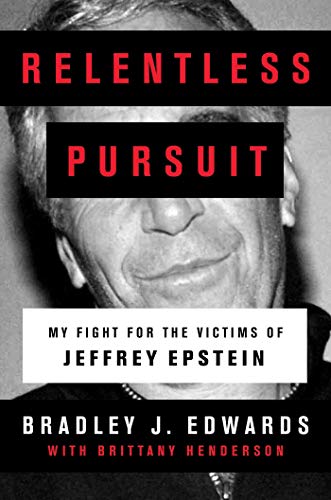
Relentless Pursuit: My Fight for the Victims of Jeffrey Epstein
Bradley J. Edwards
Victims' attorney's firsthand account
Document Mentions (20 of 216)
2 mentions
Donuts, Inc. v. Mary’s Donuts, Inc., 2001 WL 34079319 (S.D. Fla. 2001), in which the Court applied the higher standard. These cases do not consider the Eleventh Circuit’s opinion in Maddow, and the federal judges in this District over the past five years since Pendlebury have consistently rejected the “compelling nee
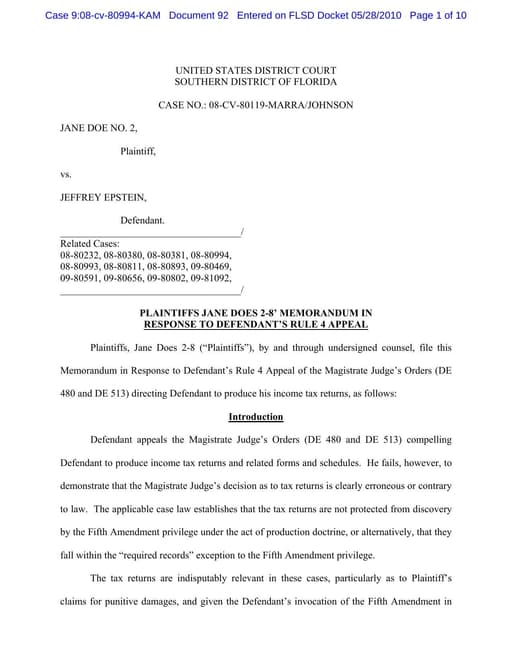
“a compelling need for the tax returns exists because the information contained therein is not otherwise available.” (Appeal, p. 24). However, in the Eleventh Circuit this heightened burden has been rejected. “[T]he Eleventh Circuit does not require a showing of compelling need before tax information may be obtai
1 mention
s.") (emphasis added). One district court within the Eleventh Circuit, facing the identical issue with a pending state
1 mention
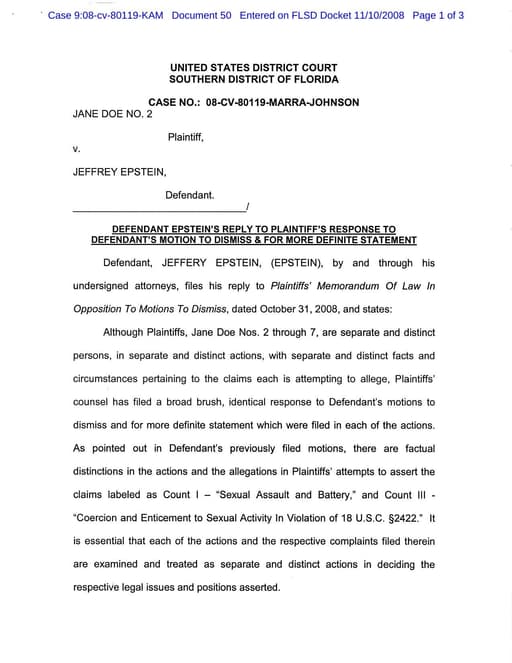
he pleading standard formulated by the United States Supreme Court in Bell Atlantic Corp. v. Twombly, 127 S.Ct. 1955 (2007). In discussing Twombly, the Eleventh Circuit in Watts v. Fla. International Univ., 495 F.3d 1289, 1295 (11 th Cir. 2007), noted - "The Supreme Court's most recent formulation of the pleading s
Sponsored
1 mention
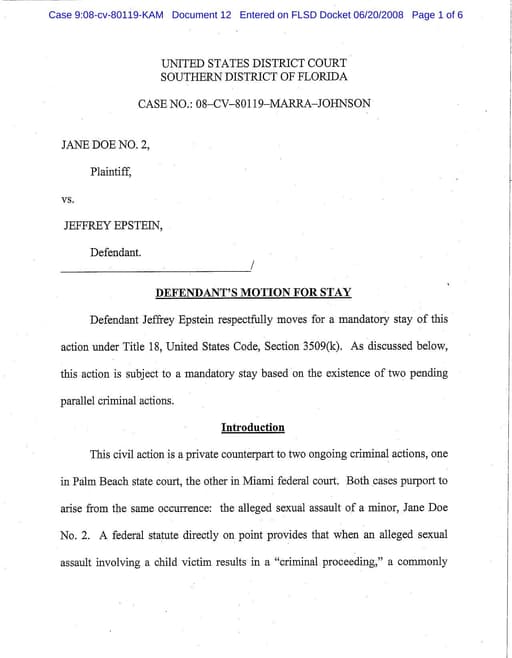
--pending" is ''[r]emaining undecided; awaiting decision .... " Black's Law Dictiona,y 1154 (8th ed. 2004 ). The United States Court of Appeals for the Eleventh Circuit routinely relies on Black's Law Dictionary for the definition of statutory terms, including in criminal cases. See e.g., United States , •. Young,
1 mention
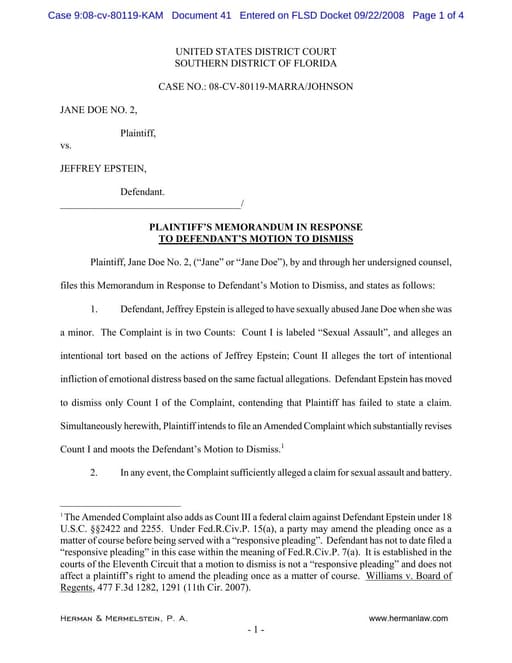
Defendant has not to date filed a “responsive pleading” in this case within the meaning of Fed.R.Civ.P. 7(a). It is established in the courts of the Eleventh Circuit that a motion to dismiss is not a “responsive pleading” and does not affect a plaintiff’s right to amend the pleading once as a matter of course. W
1 mention
rom conceivable to plausible. . . .” Id. Since Twombly, courts and commentators have grappled with the case’s meaning and scope. Courts within the Eleventh Circuit have held that Twombly did not alter the standard for dismissal under Rule 12(b)(6) in the typical case. See, e.g., CBT Flint Partners, LLC v. Good
Sponsored
1 mention
t “ ‘special circumstances’ so require in the ‘interests of justice.’ ” United States v. Lot 5, Fox Grove, 23 F.3d 359, 365 (11th Cir. 1994). In the Eleventh Circuit, the “special circumstances” which may support a stay are limited. The fact that the Defendant may “risk a non-criminal disadvantage by remaining
1 mention
garding stays of civil actions is well-settled in the Eleventh Circuit. In United States v. Lot 5, Fox Grove, Alachua Co
1 mention
d). Citing to U.S. v. Lot 5, Fox Grove, supra, the Southern District Court, Florida, m Ventura v. Brosky, 2006 WL 3392207 (S.D. Fla. 2006), stated- The Eleventh Circuit has also created a test for these circumstances, stating that where there exists a concurrent civil and criminal proceeding, a court must stay a ci
Sponsored
1 mention
t “ ‘special circumstances’ so require in the ‘interests of justice.’ ” United States v. Lot 5, Fox Grove, 23 F.3d 359, 365 (11th Cir. 1994). In the Eleventh Circuit, the “special circumstances” which may support a stay are limited. The fact that the Defendant may “risk a non-criminal disadvantage by remaining
1 mention
ff has exercised diligence and good faith in attempting to serve Defendant Epstein with process. Accordingly, entry of default is appropriate.”). The Eleventh Circuit is clear, however, that “actual notice of a suit does not dispose of the requirements of service of process.” Jackson v. Warden, FCC Coleman-USP,
1 mention
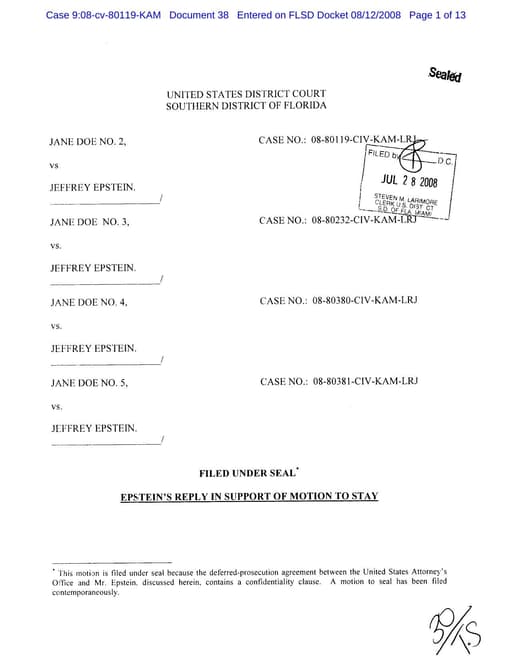
, Inc., 866 F. Supp. 536, 540 (M.D. Fl. 1994)). As this Court has previously explained: The law regarding stays of civil actions is well-settled in the Eleventh Circuit. In United States v. Lot 5, Fox Grove, Alachua County, Fla, 23 F.3d 359, 363- 65 (11th Cir. 1994) (“Lot 5"), the Court articulated the following prin
Sponsored
1 mention
(11th Cir. 1996), the district court drew an adverse inference when claimants to real property refused to answer questions regarding the property. The Eleventh Circuit affirmed that decision, explaining that "[t]his Court has held ... that the trier of fact may take an adverse inference against parties to a civil
1 mention
ets to establish a fund with which to satisfy a potential judgment for money damages is not an appropriate exercise of a federal district court's 1 The Eleventh Circuit in Rosen "rejected appellees' suggestion that they successfully invoked the district court's equitable jurisdiction through their requests for any a
1 mention
0 L.Ed.2d 90 (1974) (a well-pleaded complaint may proceed even if it appears "that a recovery is very remote and unlikely"). In discussing Twombly. the Eleventh Circuit in Watts v. Fla. International Univ., 495 F.3d 1289, 1295 (11 th Cir. 2007), noted - "The Supreme Court's most recent formulation of the pleading s
Sponsored
1 mention
1206, 1207 & 1209 (11 Cir. 1981) (en banc), 1 th the Eleventh Circuit adopted as binding precedent the decisions of the
1 mention
e to the payment of the debt due." Id. 3 give plaintiffs ten days notice prior to the transfer of any assets in excess of $500). Additionally, as the Eleventh Circuit explained in Rosen: In actions at law, plaintiffs in Florida possess an adequate, exclusive prejudgment remedy for the sequestration of assets under
1 mention
nown as and Located at 6469 Polo Pointe Way, Delray Beach, Fla., 444 F.Supp.2d 1258, 1263 -1264 (S.D.Fla. 2006). This Court should likewise follow the Eleventh Circuit’s ruling in Maddow and treat the tax return information as discoverable under ordinary standards. See also Shearson Lehman Hutton v. Lambros, 135 F.
Sponsored
1 mention
ing to tax returns, however, has been rejected in the Eleventh Circuit. See Maddow v. Proctor & Gamble Co., Inc., 107 F.
HOUSE_OVERSIGHT_012135 - HOUSE_OVERSIGHT_012196
1 mentionSource: House Oversight Committee
s to engage in a criminal sex act or (b) that Owens was under the age of 18.) (emphasis added). Again, none of these factors is present in this case. The Eleventh Circuit’s interpretation of the statute makes perfect sense: were § 1591 not limited in this fashion, it would threaten to criminalize a host of localized beha
Page: HOUSE_OVERSIGHT_012196 →Sponsored
Connected Entities(20 of 2,478)
Jeffrey Epstein
PersonAmerican sex offender and financier (1953–2019)
210 docs210 co-mentions
JD
Jane Doe
PersonPseudonym for anonymous victims/witnesses in Epstein legal proceedings
178 docs178 co-mentions
Kenneth Marra
PersonAmerican judge
148 docs148 co-mentions
United States
LocationCountry located primarily in North America
124 docs124 co-mentions
Scarlett Johansson
PersonAmerican actress (born 1984)
110 docs110 co-mentions
Bradley Edwards
PersonAmerican attorney who represented Epstein victims, author of Relentless Pursuit
104 docs104 co-mentions
the Southern District
LocationFederal judicial district in New York City
88 docs88 co-mentions
JG
Jack Goldberger
PersonAmerican criminal defense attorney who represented Jeffrey Epstein, partner at Goldberger Weiss P.A. in West Palm Beach, Florida
80 docs80 co-mentions
LB
Leon Black
PersonAmerican billionaire businessman (born 1951)
78 docs78 co-mentions
Paul Cassell
PersonUnited States federal judge
75 docs75 co-mentions
Department of Justice
OrganizationUnited States Department of Justice, federal executive department responsible for law enforcement
69 docs69 co-mentions
Alexander Acosta
PersonAmerican attorney and politician, 27th U.S. Secretary of Labor (born 1969)
60 docs60 co-mentions
MF
Maria Farmer
PersonAmerican visual artist
59 docs59 co-mentions
George W. Bush
PersonPresident of the United States from 2001 to 2009
57 docs57 co-mentions
FBI
OrganizationFederal Bureau of Investigation, domestic intelligence and security service of the United States
54 docs54 co-mentions
A. Marie Villafana
PersonFormer Assistant U.S. Attorney, lead federal prosecutor in the 2008 Epstein case
53 docs53 co-mentions
MW
Martin Weinberg
PersonAmerican attorney (born 1946)
50 docs50 co-mentions
Jay Lefkowitz
PersonAmerican lawyer
47 docs47 co-mentions
Supreme Court
OrganizationHighest court of jurisdiction in the US
46 docs46 co-mentions
RB
Roy Black
PersonAmerican lawyer (1945–2025)
42 docs42 co-mentions