HOUSE_OVERSIGHT_016420 - HOUSE_OVERSIGHT_016505
KMBT_C654e-20190114185410
HOUSE_OVERSIGHT_016420 is a government record from the House Oversight Committee pertaining to Jeffrey Epstein.
This 86-page document includes a Notice of Motion by NYP Holdings, Inc. to unseal appellate briefs related to Jeffrey Epstein's case in the Supreme Court of the State of New York, Appellate Division — First Department. It also contains an affidavit of service by John Browning. The document references various individuals and entities related to Epstein and his legal proceedings.
Key Highlights
- •Notice of Motion to unseal appellate briefs in Jeffrey Epstein's case
- •Mentions of Jeffrey Epstein, Ghislaine Maxwell, and Donald Trump
- •Involvement of NYP Holdings, Inc. in seeking to unseal court documents
Frequently Asked Questions


Document Information
Bates Range
HOUSE_OVERSIGHT_016420 - HOUSE_OVERSIGHT_016505
Pages
86
Source
House Oversight Committee
Date
January 14, 2019
Original Filename
NY POST PROPOSED FILING 1-15-19.pdf
File Size
3.67 MB
Document Content
Page 1 - HOUSE_OVERSIGHT_016420
SUPREME COURT OF THE STATE OF NEW YORK APPELLATE DIVISION — FIRST DEPARTMENT x THE PEOPLE OF THE STATE OF NEW YORK, : App. Div. No. 6081 Respondent, ; On Appeal from New York Supreme Court, : New York County, Index No. 30129/10 - against - : (Pickholz, J.) JEFFREY E. EPSTEIN, ; Defendant-Appellant. x NOTICE OF MOTION BY NYP HOLDINGS, INC. TQ UNSEAL APPELLATE BRIEFS PLEASE TAKE NOTICE that, upon the accompanying affirmation of John M. Browning swom to on January 11, 2019, together with the exhibits annexed thereto, the accompanying memorandum of law and all pleadings and proceedings heretofore had herein, non-party movant NYP Holdings, Inc., by its undersigned counsel, will move this Court at a term thereof to be held at the Appellate Division Courthouse located at 27 Madison Avenue, New York, New York 10010, on January 21, 2019, at 10:00 a.m., or as soon thereafter as counsel may be heard, for an order unsealing the briefs in the above-captioned appeal. PLEASE TAKE FURTHER NOTICE that answering papers, if any, shall be served upon the undersigned on or before the last date permitted by CPLR 2214. 4848-4442-5859v.1 3930033-000039 HOUSE_OVERSIGHT_016420
Page 2 - HOUSE_OVERSIGHT_016421
Dated: New York, New York January 11, 2019 Respectfully submitted, DAVIS WRIGHT TREMAINE LLP Robert D. Balin John M. Browning 1251 Avenue of the Americas, 21st Floor New York, NY 10020-1104 Telephone: (212) 489-8230 Facsimile: (212) 489-8340 Email: [email protected] [email protected] Attorneys for Non-Party Movant NYP Holdings, Inc. 4848-4442-5859v.1 3930033-000039 HOUSE_OVERSIGHT_016421
Page 3 - HOUSE_OVERSIGHT_016422
SUPREME COURT, APPELLATE DIVISION FIRST DEPARTMENT oe eer Ee a 7" THE PEOPLE OF THE STATE OF NEW YORK, . App. Div. No. 6081 Respondent, On Appeal from New York ; ; Supreme Court, New York ~- against - : County, Index No. 30129/10 : (Pickholz, J.) JEFFREY E. EPSTEIN, : : AFFIDAVIT OF SERVICE Defendant-Appellant. : STATE OF NEW YORK ) ) ss.: COUNTY OF NEW YORK ) JOHN BROWNING, being duly sworn, states, I am not a party to the action, am over 18 years of age and reside in Kings County, New York. On January 14, 2018, I served a true and correct copy of the annexed by mail in the custody of Federal Express directed to the following: Martin Weinberg 20 Park Place, Suite 1000 Boston, MA 02116 Karen Friedman Agnifilo Assistant District Attorney - New York County One Hogan Place New York, New York 10013 David Aronberg State Attorney 15" Judicial Circuit — Palm Beach County Florida 401 North Dixie Highway West Palm Beach, FL 33401 Dexter Lee Assistant U.S. Attorney Southern District of Florida 99 N.E. 4th Street Miami, FL 33132 Dated: New York, New York 4848-4442-5859v.1 3930033-000039 HOUSE_OVERSIGHT_016422
Sponsored
Page 4 - HOUSE_OVERSIGHT_016423
January 11, 2019 Sworn to before me this 11th day of January, 2019 Notary Public ORETTA E. PERRY notary Publis, State ot a York 0. 4-48; Qualified in Kings Cou 3 Commission Expires Sonat ls pler, 4848-4442-5859v.1 3930033-000039 HOUSE_OVERSIGHT_016423
Page 5 - HOUSE_OVERSIGHT_016424
SUPREME COURT OF THE STATE OF NEW YORK APPELLATE DIVISION — FIRST DEPARTMENT THE PEOPLE OF THE STATE OF NEW : App. Div. No. 6081 YORK, : Respondent, : AFFIRMATION OF JOHN M. : BROWNING IN SUPPORT OF - against - : MOTION TO UNSEAL JEFFREY E. EPSTEIN, : On Appeal from New York Supreme Court, Defendant-Appellant. : New York County, Index No. 30129/10 (Pickholz, J.) John M. Browning, an attorney duly admitted to practice before the Courts of the State of New York, affirms the following under penalties of perjury: 1. I am an associate of Davis Wright Tremaine LLP, attorneys for non-party movant NYP Holdings, Inc., publisher of the New York Post (the “Post”) and I submit this affirmation in support of the Post’s motion to unseal the briefs filed by the parties in the above-captioned appeal. 2. The grounds for unsealing the appeal briefs in this action are set forth in the accompanying memorandum of law. I submit this affirmation to annex relevant documents and to state facts that are relevant to this motion, of which I have personal knowledge. 3. Annexed hereto as Exhibit A is a true and correct copy of an article written by Julie K. Brown and published by the Miami Herald on November 28, 2018, entitled “Cops worked to put serial sex abuser in prison. Prosecutors worked to cut him a break.” 4. Annexed hereto as Exhibit B is a true and correct copy of an article written by Rebecca Rosenberg and Danika Fears, which was published by the Post on January 7, 2015, entitled “DA’s office ‘went easy’ on sex offender Epstein.” 4840-5788-8644v. 1 3930033 -000039 HOUSE_OVERSIGHT_016424
Page 6 - HOUSE_OVERSIGHT_016425
os Annexed hereto as Exhibit C is a true and correct copy of an article written by Rebecca Rosenberg, Larry Celona, Susan Edelman and Isabel Vincent, which was published by the Post on December 1, 2018, entitled “Manhattan DA sided with pedophile billionaire after botching investigation.” 6. On or about December 4, 2018, Post reporter Susan Edelman contacted Danny Frost, Director of Communications for Manhattan District Attorney Cyrus Vance Jr., and requested copies of the briefs filed by the District Attorney’s office in the above-captioned appeal. Ms. Edelman stated that names of victims could be redacted before the briefs were disclosed. a Mr. Frost responded that he could not provide Ms. Edelman with copies of the briefs because they were filed under seal pursuant to N.Y. Civil Rights Law 50-b and that the District Attorney’s office could only release the briefs, even with victims’ names redacted, if this Court ordered the briefs to be unsealed. 8. Mr. Frost further indicated by email that “[i]f the Post petitions the court, and the court asks the People for our position, we will not oppose the petition for a redacted brief” (emphasis in original). A true and correct copy of that email correspondence is annexed hereto as Exhibit D. 9. On or about December 18, 2018, I contacted Jay Lefkowitz, who represented appellant Jeffrey Epstein in the above-captioned appeal. Mr. Lefkowitz told me that he no longer represents Mr. Epstein and referred me to Martin Weinberg, who currently acts as counsel for Mr. Epstein. 10... On or about December 20, 2018, I spoke with Mr. Weinberg and explained the nature of the Post’s motion to unseal the redacted briefs and the position taken by the Manhattan 4840-5788-8644y. 1 3930033-000039 HOUSE_OVERSIGHT_016425
Sponsored
Page 7 - HOUSE_OVERSIGHT_016426
District Attorney. Mr. Weinberg told me that he was unable to take a position on the Post’s motion without first reviewing it and reserved the right to file an opposition, if necessary. 11. | On December 21, 2018, the Post filed a motion requesting an order unsealing the appellate briefs and directing the Manhattan District Attorney’s Office to produce copies with the names of victims redacted (the “December 21 Motion”). 12. On or about December 28, 2018, the Manhattan District Attorney’s Office filed an affirmation in response to the Post’s motion, signed by Assistant District Attorney Karen Friedman Agnifilo and dated December 28, 2018 (the “DA Affirmation”). A true and correct copy of the Affirmation is annexed hereto as Exhibit E. 13. On January 2, 2019, I spoke with Ms. Friedman Agnifilo to discuss the DA Affirmation. Ms. Friedman Agnifilo told me that there had been a miscommunication by Mr. Frost and that the District Attorney’s Office did oppose the December 21 Motion. Ms. Friedman Agnifilo also told me that, in the view of the District Attorney’s Office, the Post should give notice of their motion to unseal the appeal briefs to the prosecutors in Florida that handled the prosecution that led to Mr. Epstein’s conviction for solicitation of prostitution from a minor. The Post disagrees with that position but nevertheless decided to moot any procedural issues related to requirements to notify the Florida prosecutors. Ms. Friedman Agnifilo subsequently informed me that the agency in Florida responsible for Mr. Epstein’s prosecution was the Palm Beach County State Attorney’s Office. 14. On January 3, 2019, I received an email from Mr. Weinberg stating that “after consideration of your request for the unsealing of the appellate briefs with redactions of certain identities, we take no position on behalf of Mr. Epstein.” A true and correct copy of that email is annexed hereto as Exhibit F. 4840-5788-8644v. 1 3930033-000039 HOUSE_OVERSIGHT_016426
Page 8 - HOUSE_OVERSIGHT_016427
15. On January 4, 2019, the Post filed a letter with this Court voluntarily withdrawing the December 21 Motion without prejudice to refile in order to moot the procedural issues raised by the Manhattan District Attorney’s Office with respect to furnishing notice to prosecutors in Florida. A true and correct copy of that letter is annexed as Exhibit G. 16. Onor about January 10, 2019, I contacted the Palm Beach County State Attorney’s Office to inform it of the Post’s intention to file a motion to unseal the appellate briefs and to inquire about where to send a copy of the motion. A member of the Office of State Attomey David Aronberg instructed me to send a digital copy of the motion to e- [email protected] and to send a paper copy to the State Attorney’s main offices. 17. On or about January 10 and January 11, 2019, I spoke with Sarah J. Schall, Special Counsel to the U.S. Attorney in the Southern District of Florida, to inform her Office of the Post’s intention to file a motion to unseal the appellate briefs and to inquire about where to send acopy of the motion. Ms. Schall instructed me to send a digital copy of the motion papers to her email address and to forward hard copies to Dexter Lee. Dated: New York, New York January 11, 2019 JOHN M. BROWNING 4840-5788-8644v. 1 3930033-000039 HOUSE_OVERSIGHT_016427
Page 9 - HOUSE_OVERSIGHT_016428
EXHIBIT A HOUSE_OVERSIGHT_016428
Sponsored
Page 10 - HOUSE_OVERSIGHT_016429
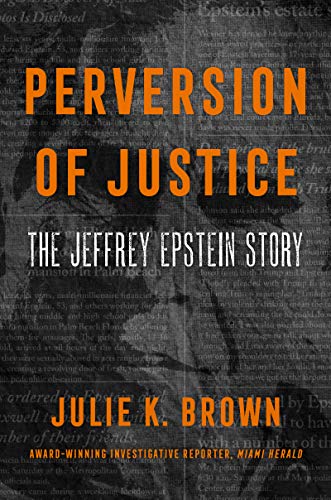
Cops worked to put serial sex abuser in prison. Prosecutors worked to cut him a break BY JULIE K. BROWN NOV. 28, 2018 PERVERSION of JUSTICE A decade before #MeToo, a multimillionaire sex offender from Florida got the ultimate break. HOUSE_OVERSIGHT_016429
Page 11 - HOUSE_OVERSIGHT_016430
Palm Beach, Florida November 2004 Jane Doe Michelle Licata climbed a narrow, winding staircase, past walls covered with photographs of naked girls. At the top of the stairwell was a vast master bed and bath, with cream-colored shag carpeting and a hot pink and mint green sofa. The room was dimly lit and very cold. There was a vanity, a massage table and a timer. A silver-haired man wearing nothing but a white towel came into the room. He lay facedown on a massage table, and while talking on a phone, directed Licata to rub his back, legs and feet. Micelle Licata, is one of the over 100 middle school and high school-aged girls that Palm Beach billionaire, Jeffrey Epstein, is accused of sexually assaulting. Licata, now an adult living near Nashville, recalls her experience with HOUSE_OVERSIGHT_016430
Page 12 - HOUSE_OVERSIGHT_016431
Epstein at his Palm Beach mansion while she was a sophomore at Royal Palm Beach High School. EMILY MICHOT [email protected] After he hung up, the man turned over and dropped his towel, exposing himself. He told Licata to get comfortable and then, in a firm voice, told her to take off her clothes. At 16, Licata had never before been fully naked in front of anyone. Shaking and panicked, she mechanically pulled off her jeans and stripped down to her underwear. He set the timer for 30 minutes and then reached over and unsnapped her bra. He then began touching her with one hand and masturbating himself with the other. “I kept looking at the timer because I didn’t want to have this mental image of what he was doing,”’ she remembered of the massage. “He kept trying to put his fingers inside me and told me to pinch his nipples. He was mostly saying ‘just do that, harder, harder and do this. ...’ ” After he ejaculated, he stood up and walked to the shower, dismissing her as if she had been in history class. It wasn’t long before a lot of Licata’s fellow students at Royal Palm Beach High School had heard about “a creepy old guy” named Jeffrey who lived in a pink waterfront mansion and was paying girls $200 to $300 to give him massages that quickly turned sexual. Eventually, the Palm Beach police, and then the FBI, came knocking on Licata’s door. In the police report, Licata was referred to as a Jane Doe in order to protect her identity as a minor. HOUSE_OVERSIGHT_016431
Sponsored
Page 13 - HOUSE_OVERSIGHT_016432
Palm Beach home of registered sex offender, Jeffrey Epstein. PEDRO PORTAL [email protected] There would be many Jane Does to follow: Jane Doe No. 3, Jane Doe No. 4, Jane Does 5, 6, 7, 8 — and as the years went by — Jane Does 102 and 103. Long before #MeToo became the catalyst for a women’s movement about sexual assault — and a decade before the fall of Harvey Weinstein, Bill Cosby and U.S. Olympic gymnastics doctor Larry Nassar — there was Jeffrey Edward Epstein. Epstein, a multimillionaire hedge fund manager whose friends included a constellation of entertainers, politicians, business titans and royalty, for years lured teenage girls to his Palm Beach mansion as part of a cult-like sex pyramid scheme, police in the town of Palm Beach found. The girls arrived, sometimes by taxi, for trysts at all hours of the day and night. Few were told much more than that they would be paid to give an old mana massage — and that he might ask them to strip down to their underwear or get naked. But what began as a massage often led to masturbation, oral sex, HOUSE_OVERSIGHT_016432
Page 14 - HOUSE_OVERSIGHT_016433
intercourse and other sex acts, police and court records show. The alleged abuse dates back to 2001 and went on for years. Palm Beach multimillionaire Jeffrey Epstein is a free man, despite sexually abusing dozens of underage girls according to police and prosecutors. His victims have never had a voice, until now. BY EMILY MICHOT | JULIE K. BROWN In 2007, despite ample physical evidence and multiple witnesses corroborating the girls’ stories, federal prosecutors and Epstein’s lawyers quietly put together a remarkable deal for Epstein, then 54. He agreed to plead guilty to two felony prostitution charges in state court, and in exchange, he and his accomplices received immunity from federal sex-trafficking charges that could have sent him to prison for life. He served 13 months in a private wing of the Palm Beach County stockade. His alleged co-conspirators, who helped schedule his sex sessions, were never prosecuted. The deal, called a federal non-prosecution agreement, was sealed so that no one — not even his victims — could know the full scope of Epstein’s crimes and who HOUSE_OVERSIGHT_016433
Page 15 - HOUSE_OVERSIGHT_016434
else was involved. The U.S. attorney in Miami, Alexander Acosta, was personally involved in the negotiations, records, letters and emails show. Acosta is now a member of President Donald Trump’s Cabinet. As U.S. secretary of labor, he has oversight over international child labor laws and human trafficking and had recently been mentioned as a possible successor to former U.S. Attorney General Jeff Sessions, who resigned under pressure in early November. It was reported on Thursday, a day after this story posted online, that he was no longer in the running. _ a 4 Alex Acosta, Federal Attorney, speaks during a press conference celebrated during the opening sesion of South Florida Anti-Gang Summit at Miami Hilton Hotel on Sept. 29, 2008 in Miami, FI. (Cristobal Herrera/Sun Sentinel/TNS) CRISTOBAL HERRERA 7NS The Miami Herald analyzed thousands of pages of court records and lawsuits, witness depositions and newly released FBI documents, and also identified more than 80 women who say they were victimized. They are scattered around the HOUSE_OVERSIGHT_016434
Sponsored
Page 16 - HOUSE_OVERSIGHT_016435
country and abroad. Until now, those victims — today in their late 20s and early 30s — have never spoken publicly about how they felt shamed, silenced and betrayed by the very people in the criminal justice system who were supposed to hold Epstein accountable. “How come people who don’t have money get sent to jail — and can’t even make bail — and they have to do their time and sit there and think about what they did wrong? He had no repercussions and doesn’t even believe he did anything wrong,” said Licata, now 30. Micelle Licata, is one of the over 100 middle school and high school-aged girls that Palm Beach billionaire, Jeffrey Epstein, is accused of sexually assaulting. Licata, now an adult living near Nashville, recalls her experience with Epstein at his Palm Beach mansion while she was a sophomore at Royal Palm Beach High School. EMILY MICHOT EM/[email protected] Licata is among 36 women who were officially identified by the FBI and the U.S. Attorney’s Office as victims of Epstein, now 65. But after the FBI case was closed HOUSE_OVERSIGHT_016435
Page 17 - HOUSE_OVERSIGHT_016436
in 2008, witnesses and alleged victims testified in civil court that there were hundreds of girls who were brought to Epstein’s homes, including girls from Europe, Latin America and former Soviet Republic countries. But Acosta and Epstein’s armada of attorneys — Harvard professor Alan Dershowitz, Jay Lefkowitz, Gerald Lefcourt, Jack Goldberger, Roy Black, Guy Lewis and former Whitewater special prosecutor Kenneth Starr — reached a consensus: Epstein would never serve time in a federal or state prison. READ NEXT LOCAL | Sex abuser Jeffrey Epstein was surrounded by powerful people. Here’s a sampling NOVEMBER 28, 2018 8:00 AM POLICE UNDER PRESSURE There were really just two people willing to risk their careers to go after Epstein: Palm Beach Police Chief Michael Reiter and Detective Joseph Recarey. For Reiter, business tycoon Jeffrey Epstein wasn’t any more formidable than any of the other 8,000 or so wealthy and powerful people living on the island. Police had handled sensational cases involving wealthy residents before — from the murders of heiresses to the rape case involving William Kennedy Smith, of the Kennedy family. The easternmost town in Florida, Palm Beach is a 10.4-square-mile barrier island between the Intracoastal Waterway and the Atlantic Ocean populated by some of the richest people in the country. President Trump has his “winter White House” in Palm Beach, and the town makes news as much for its glitz as it does for its unusual efforts to preserve its well-mannered image, like banning shirtless joggers. But it was a little surprising, even to Reiter, to learn that one of its residents had a revolving door of middle and high school girls coming to his gated compound throughout the day and night. HOUSE_OVERSIGHT_016436
Page 18 - HOUSE_OVERSIGHT_016437
In their first on-the-record media interviews about the case, Reiter and Recarey revealed new details about the investigation, and how they were, in their view, pressured by then-Palm Beach State Attorney Barry Krischer to downgrade the case to a misdemeanor or drop it altogether. Former Palm Beach County Police Detective Joe Recarey was the lead detective on the solicitation-of-minors case against billionaire Jeffrey Epstein. EMILY MICHOT [email protected] Between March of 2005 — when the case was opened — and seven months later, when police executed a search warrant at Epstein’s home, Recarey had identified 21 possible victims, according to a copy of the unredacted police report obtained by the Herald. By the time police felt they had enough evidence to arrest Epstein on sex charges, they had identified about 35 possible underage victims and were tracking down at least a dozen more, the police report said. HOUSE_OVERSIGHT_016437
Sponsored
Page 19 - HOUSE_OVERSIGHT_016438
“I was surprised at how quickly it snowballed. I thought at some point there would be a last interview, but the next victim would supply me with three or four more names and the next one had three or four names and it just kept getting bigger and bigger,” Recarey said. By then, word had gotten back to Epstein from some of the girls that they had been questioned by police. Epstein hired famed lawyer Alan Dershowitz. “Alan Dershowitz flew down and met privately with Krischer,”’ Recarey said. “And the shenanigans that happened, I don’t think I’ve ever seen or heard of before.” Police reports show that Epstein’s private investigators attempted to conduct interviews while posing as cops; that they picked through Reiter’s trash in search of dirt to discredit him; and that the private investigators were accused of following the girls and their families. In one case, the father of one girl claimed he had been run off the road by a private investigator, police and court reports show. Support investigative journalism The Miami Herald obtained thousands of FBI and court records, lawsuits, and witness depositions, and went to federal court in New York to access sealed documents in the reporting of "Perversion of Justice." The Herald also tracked down more than 60 women who said they were victims, some of whom had never spoken of the abuse before. Your digital subscription, starting at $0.99 for the first month, supports investigative journalism like this. CLICK TO SUBSCRIBE Several of the girls said they felt intimidated and frightened by Epstein and Sarah Kellen, the millionaire’s assistant and alleged scheduler of massages, who warned them not to talk to police, according to the police report. Dershowitz, in an interview with the Herald, said he had nothing to do with gathering background on the girls — or in directing anyone to follow the police, or the girls and their families. HOUSE_OVERSIGHT_016438
Page 20 - HOUSE_OVERSIGHT_016439
“T’m not an investigator. My only job was to negotiate and try the case when it comes to trial,” he said. He nevertheless convinced Krischer that the girls would not be credible on the witness stand, according to Reiter and Recarey. The defense team’s investigators compiled dossiers on the victims in an effort to show that Epstein’s accusers had troubled pasts. Dershowitz met with Krischer and Recarey, sharing with them the results of an investigation into one of the girls, described by Dershowitz as “an accomplished drama student” who hurled profanities at his investigator at “a furious pace.” HOUSE_OVERSIGHT_016439
Page 21 - HOUSE_OVERSIGHT_016440
10/27/99 - OPINION - Barry Krischer; P.B.Co. State Attorney. (AM) “Our investigation had discovered at least one of her websites and I am enclosing some examples ... the site goes on to detail, including photos, her apparent fascination with marijuana, ’’ Dershowitz wrote in an undated letter to Recarey. He also disputed the claim that one of the defense team’s private investigators had misrepresented himself as a police officer. Recarey stood his ground. “His attorneys showed us a MySpace page where one of the girls was holding a beer in her hand, and they said, ‘oh look, she is underage drinking,’ ”’ Recarey recalled. “Well, tell me what teenager doesn’t? Does that mean she isn’t a victim because she drank a beer? Basically, what you're telling me is the only victim of a sexual battery could be a nun.” Krischer and the lead state prosecutor on the case, Assistant State Attorney Lanna Belohlavek, began to dodge Recarey and Reiter’s phone calls and emails, and they dragged their feet on approving subpoenas, Reiter and Recarey said. HOUSE_OVERSIGHT_016440
Sponsored
Page 22 - HOUSE_OVERSIGHT_016441
“Early on, it became clear that things had changed, from Krischer saying, ‘we’ll put this guy away for life,’ to ‘these are all the reasons why we aren’t going to prosecute this,’ ”’ Reiter said. Krischer, who is now retired and in private practice, did not respond to multiple requests from the Herald for comment. Belohlavek also did not respond to an email sent to her office. “It became apparent to me that some of our evidence was being leaked to Epstein’s lawyers, who began to question everything that we had in our probable cause affidavit,’ Reiter said. The day of the search on Oct. 20, 2005, they found that most of Epstein’s computer hard drives, surveillance cameras and videos had been removed from the house, leaving loose, dangling wires, according to the police report. But the girls’ description of the house squared with what detectives found, right down to the hot pink couch and the dresser drawer of sex toys in Epstein’s bathroom. Reiter said his own trash was disappearing from his house, as his life was put under Epstein’s microscope. Private investigators hired by Epstein’s lawyers even tracked down Reiter’s grade school teachers, the former chief said. Questions were raised about donations that Epstein had made to the police department, even though Reiter had returned one of the donations shortly after the investigation began. Recarey, meanwhile, said he began to take different routes to and from work, and even switched vehicles because he knew he was being tailed. “At some point it became like a cat-and-mouse game. I would stop at a red light and go. I knew they were there, and they knew I knew they were there. I was concerned about my kids because I didn’t know if it was someone that they hired just out of prison that would hurt me or my family,” Recarey said. Despite relentless political pressure, Reiter and Recarey soldiered on, and their determination yielded evidence that supported most of the girls’ allegations, the former cops said. They had phone records that showed Epstein and his assistant, HOUSE_OVERSIGHT_016441
Page 23 - HOUSE_OVERSIGHT_016442
Kellen, had called many of the girls. Epstein’s flight logs showed that the calls were made when Epstein was in Palm Beach. They obtained dozens of message pads from his home that read like a who’s who of famous people, including magician David Copperfield and Donald Trump, an indication of Epstein’s vast circle of influential friends. There were also messages from girls, and their phone numbers matched those of many of the girls Recarey had interviewed, Recarey said. They read: “Courtney called, she can come at 4, or “Tanya can’t come at 7 p.m. tomorrow because she has soccer practice.” They also found naked photographs of underage girls in Epstein’s closet, Recarey said. There were also witnesses: Two of Epstein’s butlers gave Recarey sworn interviews, confirming that young girls had been coming and going at the house. One of the butlers, Alfredo Rodriguez, told Recarey that when he was tasked with cleaning up the master bath after Epstein’s sessions with the girls, he often discovered sex toys. Once, he accidentally stumbled on a high school girl, whom he identified, sleeping naked in Epstein’s spa, he testified in a 2009 court deposition. Rodriguez said he was given the job of paying the girls, telling Recarey that he was “a human ATM machine” because he was ordered by Epstein to keep $2,000 on him at all times. He was also assigned to buy the girls gifts. Rodriguez gave Recarey copies of pages from a book that Epstein and his staff kept with the names and phone numbers for many of the Palm Beach County girls, Recarey said. Rodriguez, however, held onto the bulk of Epstein’s “little black book,” and in November 2009 tried to sell it for $50,000 to an undercover FBI agent posing as a victim’s lawyer. He was arrested and sentenced in 2012 to federal prison, and died three years later following an illness. The book — listing personal phone numbers for a cavalcade of Epstein’s powerful friends and celebrities — eventually became public as part of a civil lawsuit. It listed more than 100 female names and phone numbers under the headings “massage’’ in every city where Epstein had homes. HOUSE_OVERSIGHT_016442
Page 24 - HOUSE_OVERSIGHT_016443
In May 2006, Recarey drew up probable cause affidavits, charging Epstein, two of his assistants and one recruiter with sex-related crimes. Instead, Krischer took what Recarey said was the unusual step of referring the case to a state grand jury. Epstein was indicted in state court on a minor charge of solicitation of prostitution. Recarey said Krischer told him he didn’t believe Epstein’s accusers, and only two of them were called before the state grand jury investigating the case — even though police had lined up more than a dozen girls and witnesses at that time. Believing that the case had been tainted, Reiter — that same month, May 2006 — took a very public stance against Krischer, writing a letter, which was released to the news media, calling on Krischer to remove himself from the case. The chief then referred it to the FBI, which opened its own investigation in July 2006, FBI records show. Reiter said he was effectively blackballed in some Palm Beach circles as a result of going over Krischer’s head, and their relationship, once strong, would never be the same. Reiter has no regrets about what he did. “There are challenges here that don’t exist in a lot of other places because of the affluence in the community, but the only way I could approach this case was that none of that matters. The truth is still the truth. The facts are the facts. Everybody is treated the same.” In the years that followed, several of the victims obtained lawyers and filed civil lawsuits against Epstein. About two dozen lawsuits were filed, starting in 2008. The early cases were particularly brutal for his victims, the court records show. The girls faced fierce grilling from another pack of Epstein’s civil attorneys, who questioned them about their boyfriends, drinking, drug use, social media posts, their parents and even their medical histories. One girl was asked about her abortions, and her parents, who were Catholic and knew nothing about the abortions, were also deposed and questioned. HOUSE_OVERSIGHT_016443
Sponsored
Page 25 - HOUSE_OVERSIGHT_016444
Licata said the questions from Epstein’s civil lawyers were so intimate that she became paranoid that people were following her. “His lawyers were just in my life inside and out. They asked if I had a baby, if I had an abortion, ‘did you sleep with 30 different guys’ and ‘do you think that played a part?’ I said, ‘you're going to come at me like that when you represent a guy who is doing this to hundreds of girls? How do you sleep at night?’ ” BROOKLYN TO PALM BEACH Jeffrey Epstein was born in Brooklyn, the son of a New York parks department worker. In one of several depositions he gave as part of the lawsuits filed against him, he said he attended the Cooper Union school for the advancement of science and art and then studied physics at New York University. But he never obtained a degree, instead going on to teach at the Dalton School, an elite K-12 private academy on Manhattan’s Upper East Side. Various news profiles over the years have speculated about how he made his vast fortune, calling him an “International Moneyman of Mystery’’ and “The Talented Mr. Epstein.” He then struck out on his own, opening J. Epstein & Co. His fortunes improved when he became a financial advisor for Leslie Wexner, founder of The Limited stores and owner of Victoria’s Secret brands. Later, Epstein would boast that he would manage the portfolios of only those clients who had $1 billion or more.This much is known: He got his start on Wall Street after being offered a job by the father of one of his students. At Bear Stearns, he became a derivative specialist, applying complex math formulas and computer algorithms to evaluate financial data and trends. Through Wexner, he acquired a seven-story stone mansion that is considered the largest private residence in Manhattan — a 21,000-square-foot fortress with heated sidewalks that spans the entire block on 71st Street between Fifth and Madison Avenues. He also owns a 10,000-acre ranch, named “Zorro,”’ in New Mexico, a private island called “Little St. James’ in the Virgin Islands, the $13 million house in Palm Beach, a Gulfstream jet and, at one point, owned a Boeing 727. HOUSE_OVERSIGHT_016444
Page 26 - HOUSE_OVERSIGHT_016445
HOUSE_OVERSIGHT_016445
Page 27 - HOUSE_OVERSIGHT_016446
e = sad Si, = a E Virginia Roberts says she was used as a sex slave for Jeffrey Epstein for years starting at the age of 16. Roberts says that Epstein also lent her out to some of his wealthy, powerful acquaintances for sex. COURTESY OF VIRGINIA ROBERTS He has never been in the Forbes 400 list of the wealthiest Americans, largely because the magazine has never been able to determine the source or the size of his wealth. He has been dogged by questions about his financial dealings. A former business partner, Steven Hoffenberg, sued him in 2016, claiming that Epstein was the mastermind behind a $500 million Ponzi scheme that Hoffenberg was imprisoned for in 1995. Hoffenberg served 18 years for the scam, but he later dropped the lawsuit against Epstein. In August, two of Hoffenberg’s former investors rekindled the lawsuit against Epstein, but the case was dropped in October. Epstein and his associate, British-born socialite Ghislaine Maxwell, were also accused in a 2015 federal civil suit of organizing underage sex parties on his private plane, nicknamed “The Lolita Express,” and at Epstein’s various homes. Maxwell, who has never been charged with wrongdoing, has denied allegations made in the lawsuit that she was Epstein’s “madam.” The suit, filed by victim Virginia Roberts, was settled in 2017. ‘ ‘ Mie 2s 8 | F € HOUSE_OVERSIGHT_016446
Sponsored
Page 28 - HOUSE_OVERSIGHT_016447
Virginia Roberts was working at Mar-a-Lago when she was recruited to be a masseuse to Palm Beach hedge fund manager Jeffrey Epstein. She was lured into a life of depravity and sexual abuse. BY EMILY MICHOT &% | JULIE K. BROWN It was Epstein’s contacts with powerful and famous people that first propelled him into the public spotlight. In 2002, he flew former President Bill Clinton, actor Kevin Spacey, comedian Chris Tucker and others to South Africa on his private jet as part of a fact-finding AIDS mission in support of the Clinton Foundation. But Epstein, a Clinton donor who contributed hundreds of thousands of dollars to Democratic candidates and causes, realized that his Democratic connections weren't going to help him in 2006, when the federal prosecutor was Acosta, a conservative Republican appointed during the George W. Bush administration. ENTER KENNETH STARR Epstein’s tactic: hire the most aggressive and politically connected lawyers that his money could buy. At the top of his list: Kenneth Starr, a Republican icon because of his pursuit of Bill Clinton during the Whitewater investigation, which led to the impeachment (but not conviction) of the president after it was revealed he’d had sex with a young White House intern. Like Acosta, Starr had worked at the prestigious law firm Kirkland & Ellis. Epstein also tapped Jay Lefkowitz, also of Kirkland, who worked as a domestic policy advisor and later as a special envoy to North Korea during the George W. Bush presidency. HOUSE_OVERSIGHT_016447
Page 29 - HOUSE_OVERSIGHT_016448
HOUSE_OVERSIGHT_016448
Page 30 - HOUSE_OVERSIGHT_016449
Independent Counsel Kenneth Starr speaks to the San Antonio Bar Association in San Antonio, Friday afternoon, May 1, 1998. With his own fight over executive privilege raging in secret, Starr today drew parallels between his plight and Watergate prosecutors. (AP Photo/Eric Gay) ERIC GAY AP Epstein also hired Bruce Reinhart, then an assistant U.S. attorney in South Florida, now a U.S. magistrate. He left the U.S. Attorney’s Office on Jan. 1, 2008, and went to work representing Epstein’s employees on Jan. 2, 2008, court records show. In 2011, Reinhart was named in the Crime Victims’ Rights Act lawsuit, which accused him of violating Justice Department policies by switching sides, implying that he leveraged inside information about Epstein’s investigation to curry favor with Epstein. Reinhart, in a sworn declaration attached to the CVRA case, denied the allegation, saying he did not participate in Epstein’s criminal case and “never learned any confidential, non-public information about the Epstein matter.” The U.S. Attorney’s Office has since disputed that, saying in court papers that he did possess confidential information about the case. Contacted for this story, Reinhart, in an email, said he never represented Epstein — only Epstein’s pilots; his scheduler, Sarah Kellen; and Nadia Marcinkova, described by some victims as Epstein’s sex slave. Reinhart also pointed out that a complaint filed against him by victims’ lawyer Paul Cassell was dismissed by the Justice Department. HOUSE_OVERSIGHT_016449
Sponsored
Page 31 - HOUSE_OVERSIGHT_016450
Bruce E. Reinhart, Member, McDonald Hopkins LLC. (PRNewsFoto/McDonald Hopkins LLC) PR NEWSWIRE HOUSE_OVERSIGHT_016450
Page 32 - HOUSE_OVERSIGHT_016451
That same year, 2011, more girls continued to come forward, including Roberts, who claimed in a British tabloid story that Epstein directed her — while she was underage by Florida standards — to have sex, not only with him, but with other powerful men, including his attorney, Alan Dershowitz, and Prince Andrew. Dershowitz and Andrew denied her claims, but after she filed a sworn affidavit in federal court in Miami, the ensuing news media firestorm forced Acosta, then dean of the law school at Florida International University, to explain why he’d declined to prosecute Epstein. In a written, public statement on March 20, 2011, Acosta asserted that the deal he struck with Epstein’s lawyers was harsher than it would have been had the case remained with the state prosecutor, Krischer, who favored charging Epstein with only a misdemeanor prostitution violation. Acosta also described what he called a “year-long assault’ on prosecutors by Epstein’s “army of legal superstars” who, he said, investigated individual prosecutors and their families, looking for “personal peccadilloes”’ to disqualify them from Epstein’s case. Dershowitz, in an interview, denied that Epstein’s lawyers would ever investigate prosecutors. Documents nevertheless show that Acosta not only buckled under pressure from Epstein’s lawyers, but he and other prosecutors worked with them to contain the case, even as the FBI was uncovering evidence of victims and witnesses in other states, FBI and federal court documents show. A 53-page federal indictment had been prepared in 2007, and subpoenas were served on several of Epstein’s employees, compelling them to testify before a federal grand jury. The court records reveal that emails began to fly back and forth between prosecutors and Epstein’s legal team. Those emails show that federal prosecutors kept acquiescing to Epstein’s demands. Prosecutors allowed Epstein’s lawyers to dictate the terms of each deal that they drew up, and repeatedly backed down on deadlines, so that the defense essentially controlled the pace of the negotiations, the emails and letters show. HOUSE_OVERSIGHT_016451
Page 33 - HOUSE_OVERSIGHT_016452
It’s clear, from emails and other records, that prosecutors spent a lot of time figuring out a way to settle the case with the least amount of scandal. Instead of charging Epstein with a sex offense, prosecutors considered witness tampering and obstruction charges, and misdemeanors that would allow Epstein to secretly plead guilty in Miami instead of in Palm Beach County, where most of the victims lived, thereby limiting media exposure and making it less likely for victims to appear at the sentencing. “Tve been spending some quality time with Title 18 [the U.S. criminal code] looking for misdemeanors,” the lead prosecutor, A. Marie Villafafia, wrote to Epstein’s lawyers on Sept. 13, 2007, adding that she was trying to find “a factual basis” for one or more non-sex-related crimes to charge him with. The email chain shows that prosecutors sometimes communicated with the defense team using private emails, and that their correspondence referenced discussions that they wanted to have by phone or in person, so that there would be no paper trail. “Tt’s highly unusual and raises suspicions of something unethical happening when you see emails that say ‘call me, I don’t want to put this in writing.’ There’s no reason to worry about putting something in writing if there’s nothing improper or unethical in the case,” said former federal prosecutor Francey Hakes, who worked in the Justice Department’s crimes against children unit. On Sept. 24, 2007, another agreement was reached, but Epstein still wasn’t happy with it, emails show. Lefkowitz continued to pressure the U.S. Attorney’s Office to keep the agreement secret, even though under the Crime Victims’ Rights Act, prosecutors were required to inform the victims that a plea deal had been signed. “We ... object to your sending a letter to the alleged victims,” Lefkowitz wrote on Nov. 28. “... Any such letter would immediately be leaked to the press, your actions will only have the effect of injuring Mr. Epstein and promoting spurious civil litigation directed at him. We also request that if your office believes that it must send a letter to go to the alleged victims ... it should happen only after Mr. Epstein has entered his plea.” == as HOUSE_OVERSIGHT_016452
Sponsored
Page 34 - HOUSE_OVERSIGHT_016453
The girls who were abused by Jeffrey Epstein and the cops who championed their cause remain angry over what they regard as a gross injustice, while Epstein's employees and those who engineered his non-prosecution agreement have prospered. BY MARTA OLIVER CRAVIOTTO & | EMILY MICHOT & | JULIEK.BROWN & By December, Epstein had still not agreed to a date for his plea hearing, and was technically in violation of the September agreement, which required him to appear in court by November, Acosta noted in a letter to Kenneth Starr in December 2007. “The [U.S. attorneys] who have been negotiating with defense counsel have for some time complained to me regarding the tactics used by the defense team,” Acosta wrote. “It appears to them that as soon as resolution is reached on one issue, defense counsel finds ways to challenge the resolution collaterally. ... Some in our office are deeply concerned that defense counsel will continue to mount collateral challenges to provisions to the agreement, even after Mr. Epstein has entered his guilty plea and thus rendered the agreement difficult, if not impossible, to unwind.” And that’s exactly what happened. HOUSE_OVERSIGHT_016453
Page 35 - HOUSE_OVERSIGHT_016454
Villafafia frequently showed her frustration. “T thought we had worked very well together in resolving this dispute. ... I feel that I bent over backwards to keep in mind the effect that the agreement would have on Mr. Epstein,”’ Villafafia wrote to Epstein attorney Lefkowitz on Dec. 13, 2007. HOUSE_OVERSIGHT_016454
Page 36 - HOUSE_OVERSIGHT_016455
By then the deal had been signed for two months, and Jeffrey Sloman, Acosta’s top assistant, told Lefkowitz he intended to begin notifying Epstein’s victims. An indignant Lefkowitz wrote to Acosta: “You ... assured me that your office would not ... contact any of the identified individuals, potential witnesses or potential civil claimants and their respective counsel in this matter.” As the months went on, with the agreement still in limbo, federal prosecutors once again began to prepare indictments against Epstein, court records show. The FBI investigation briefly resumed, and additional witnesses were interviewed in New York and New Mexico, the records show. In January 2008, several Epstein victims were sent letters informing them that the FBI investigation was “ongoing”’ as negotiations to finalize the plea bargain continued behind the scenes. Starr finally appealed to the Justice Department in Washington, challenging federal jurisdiction of the case, but in May 2008, the Justice Department affirmed Acosta’s right to prosecute. “STILL AFRAID OF EPSTEIN’ In recent court filings, the government was forced to answer questions about its negotiations, finally admitting in 2013 that federal prosecutors had backed down under relentless pressure by Epstein’s attorneys. “The government admits that, at least in part as a result of objections lodged by Epstein’s lawyers to victim notifications, the [United States Attorney’s Office] reevaluated its obligations to provide notification to victims and Jane Doe #1 was HOUSE_OVERSIGHT_016455
Sponsored
Page 37 - HOUSE_OVERSIGHT_016456
thus not told that the USAO had entered into a non-prosecution agreement with Epstein until after it was signed,” wrote Assistant U.S. Attorney Dexter Lee. Said Hakes, the former federal prosecutor: “I have never heard of a case where federal prosecutors consult with a defense attorney before they send out standard victim notification letters. To negotiate what the letters would say and whether they would be sent at all suggest that the victims’ rights were violated multiple times.” Starr’s aggressive advocacy for Epstein against allegations of improper sexual behavior was in stark contrast to the path he took investigating then-President Clinton. The Starr Report, the summary of his findings in the Whitewater investigation, which started as a probe of a land deal gone sour and veered into an investigation of sexual misconduct, savaged the president for his involvement with White House intern Monica Lewinsky and was the basis for impeachment. Starr himself would face criticism in 2016 — he stepped down as president of Baylor University amid allegations that he and other university officials mishandled sexual assault allegations brought by female students against members of the school’s football team. The Herald reached out to Starr, through certified letter and through a spokesman for his current law firm, the Lanier Firm, but did not receive a response for this story. Palm Beach police detective Recarey, one of the most highly decorated officers on the Palm Beach Police Department, called the Epstein case the most troubling of his 23-year career. “Some of the victims were — and still are — afraid of Epstein,” he said as part of a series of interviews with the Herald earlier this year. Privately, Reiter and Recarey said, they held onto a hope that Epstein would be brought to trial someday, but they said that that notion had faded. “T always hoped that the plea would be thrown out and that these teenage girls, who were labeled as prostitutes by prosecutors, would get to finally shed that label and see him go to prison where he belongs,”’ Recarey said. HOUSE_OVERSIGHT_016456
Page 38 - HOUSE_OVERSIGHT_016457
Recarey died in May after a brief illness. He was 50 years old. More from the series | rlow a future Trump Cabinet member gave a serial sex abuser the @eal of a lifetime HOUSE_OVERSIGHT_016457
Page 39 - HOUSE_OVERSIGHT_016458
EXHIBIT B HOUSE_OVERSIGHT_016458
Sponsored
Page 40 - HOUSE_OVERSIGHT_016459
DA's office ‘went easy’ on sex offender Epstein By Rebecca Rosenberg and Danika Fears January 7, 2015 | 2:38am Jeffrey Epstein Gregory P. Mango Jeffrey Epstein may be a convicted pedophile and accused sex- slave master — but that didn’t stop him from getting some tender loving treatment from the Manhattan DA's Office. Prosectors went to bat for the billionaire pervert at a 2011 legal hearing, asking a judge to cut the filthy- rich felon a break on the severity of his sex- offender status, according to court documents. ADA Jennifer Gaffney supported a request by Epstein — who allegedly peddled $15,000-a-night teen “sex slaves” to rich men like Britain’s Prince Andrew — that he only be listed as a Level 1 pervert during a hearing in Manhattan Supreme Court, according to legal transcripts. The sicko investment magnate has just finished serving 13 months of an 18-month sentence in Florida for soliciting a minor girl for prostitution. The hearing was to determine what kind of offender status he would have in New York, where he keeps a vacation home. The city ADA argued that since “there was only an indictment for one victim,” Epstein shouldn’t have to register as Level 3 — which would require he travel to New York every 90 days and check in with cops. HOUSE_OVERSIGHT_016459
Page 41 - HOUSE_OVERSIGHT_016460
Judge Ruth Pickholz was flabbergasted. She couldn’t understand why the DA would want to go easy on Epstein, after the New York State Board of Examiners of Sex Offenders recommended the Level 3 status because there was more than just the one victim for which he pleaded guilty. “I have to tell you, I’m a little overwhelmed because | have never seen the prosecutor's office do anything like this,” the judge said at the hearing. Despite the DA’s arguments, Pickholz slapped Epstein with Level 3 status, which was upheld on appeal. “The strong evidence that the offenses against the other victims did occur outweighs any inferences to be drawn from the manner in which this case was prosecuted in Florida,” the New York Court of Appeals said in its ruling. When asked for comment, the DA’s Office referred The Post to court documents stating that the prosecution's position was based “largely on the mistaken notion” that only the formal charges against Epstein could be factors in the decision. The jet-setting financier has been making headlines in recent days after Virginia Roberts, 30, claimed he pimped her to Britain’s Prince Andrew. Prince Andrew has denied the accusations against him. FILED UNDER JEFFREY EPSTEIN, PRINCE ANDREW, VIRGINIA ROBERTS Recommended by HOUSE_OVERSIGHT_016460
Page 42 - HOUSE_OVERSIGHT_016461
EXHIBIT C HOUSE_OVERSIGHT_016461
Sponsored
Page 43 - HOUSE_OVERSIGHT_016462
METRO Manhattan DA sided with pedophile billionaire after botching investigation By Rebecca Rosenberg, Larry Celona, Susan Edelman and Isabel Vincent December 1, 2018 | 8:47pm | Updated Jeffrey Epstein The Manhattan DA's office once went to bat for billionaire pervert Jeffrey Epstein, after botching a review of his sex crimes and swallowing his lawyers’ claim that “there are no real victims here,” records obtained by the Post show. Assistant DA Jennifer Gaffney, then-deputy chief of Cyrus Vance Jr’s sex-crimes unit, in January 2011 asked a Manhattan judge to downgrade Epstein’s status in the New York sex-offender registry from the most-dangerous Level 3 to least-restrictive Level 1. The judge was stunned. “| have never seen the prosecutor’s office do anything like this,” Manhattan Supreme Court Justice Ruth Pickholz toid Gaffney. “| have done many [cases] much less troubling than this one where [prosecutors] would never make a downward argument like this.” Pressed by the judge, Gaffney admitted that she never spoke to the Florida U.S. Attorney who handled a sprawling sex-crime investigation into the financier. HOUSE_OVERSIGHT_016462
Page 44 - HOUSE_OVERSIGHT_016463
“tL don't think you did much of an investigation here,” Pickholz said. “| am shocked.” Vance's mishandling of the Epstein hearing has come under new scrutiny after a Miami Herald report last week revealed a secret “non- prosecution agreement” in Florida that buried evidence Epstein had allegedly pimped out 80 girls and young women to his rich and powerful pals. The DA's office insists Vance “was not aware” of the hearing until years later and had nothing to do with it. “Our prosecutor made a mistake,” Vance spokesman Danny Frost said of Gaffney. Gaffney, a prosecutor working in the Harvey Weinstein probe, left the DA's office in September. She declined to comment. A DA insider said the office was unaware of Epstein’s secret plea deal in Florida, and never investigated his sexcapades in NYC. Some law enforcement sources don’t believe Vance had no clue that his office had a sex-offender case involving a Manhattan mogul with close ties to Democrats. “This is very unusual,” one said. “There is no way Vance didn’t know. The question is why — and who asked for the favor.” The FBI found Epstein recruited girls as young as 13, many runaways, from Florida, New Mexico, the Caribbean and New York, and paid them for nude massages that often led to sex, the Herald reported. Some girls worked for a Manhattan modeling agency and lived in a nearby apartment owned by Epstein. But Miami U.S. Attorney Alexander Acosta — now President Trump’s labor secretary — sealed a 53-page federal indictment that could have sent Epstein to prison for life, the Herald reported. Instead, Acosta let Epstein plead guilty to procuring a person under 18 for prostitution. Sentenced to 18 months, he served just 13 — most of it in his tony Palm Beach office. Epstein was required to register as a sex offender in New York because one of his many homes is in Manhattan. In the Jan. 18, 2011 hearing, Gaffney argued the evidence didn’t justify the harshest status. “There is only an indictment for one victim,,” she said. “If an offender is not indicted for an offense, it is strong evidence that the offense did not occur.” Pickholz rejected Gaffney’s arguments and gave Epstein the highest sex-offender status — Level 3. When Epstein appealed, Vance’s office admitted it had misread the law. The appellate court upheld Pickhoiz, saying Epstein “committed multiple offenses against a series of underage girls,” and that the victim in his indictment “was only one of defendant’s many victims.” FILEDUNDER BILLIONAIRES, DISTRICT ATTORNEYS, JEFFREY EPSTEIN, PEDOPHILES, SEX OFFENDERS Recommended by HOUSE_OVERSIGHT_016463
Page 45 - HOUSE_OVERSIGHT_016464
EXHIBIT D HOUSE_OVERSIGHT_016464
Sponsored
Page 46 - HOUSE_OVERSIGHT_016465
From: Frost, Danny <[email protected]> Date: Thu, Dec 6, 2018 at 5:27 PM Subject: RE: request To: Susan Edelman <[email protected]> Hi Sue, Regarding your first question: pursuant to Civil Rights Law § 50-b, our office’s practice in appellate sex crimes matters is to file documents under seal. This is not particular to People v. Epstein; it is routine across our appellate filings. My understanding is that it is also the Appellate Division’s (the court's) practice to maintain such seal. That being said, | have discussed your second question with our attorneys. If the Post petitions the court, and the court asks the People for our positon, we will not oppose the petition for a redacted brief. Thanks. Danny Frost Director of Communications Manhattan District Attorney Cy Vance, Jr. 212-335-9400 // @ManhattanDA From: Susan Edelman [mailto:[email protected]] Sent: Thursday, December 6, 2018 9:12 AM To: Frost, Danny <[email protected]> Subject: Re: request Hi Dan, Please explain why the DA's office didn't file a redacted brief, but rather covered up all the facts. If we filed a petition for a redacted brief, would the DA's office fight it or cooperate? Thank you, Sue Susan Edelman HOUSE_OVERSIGHT_016465
Page 47 - HOUSE_OVERSIGHT_016466
Reporter 1211 Avenue of the Americas, New York, NY, 10036 917-584-7675 [email protected] On Wed, Dec 5, 2018 at 3:45 PM Frost, Danny <[email protected]> wrote: Hi Sue — the document was filed under seal. | cannot violate the seal and provide it to you. (off the record please) You may wish to petition the court, or have the Post’s lawyer send our lawyers something. We've reached the end of me being able to help — it’s sealed. Danny Frost Director of Communications Manhattan District Attorney Cy Vance, Jr. 212-335-9400 // @ManhattanDA From: Susan Edelman [mailto:[email protected] Sent: Wednesday, December 5, 2018 3:06 PM To: Frost, Danny <[email protected]> Subject: Re: request Right, but the law allows for the redaction of victim names. Where does it say the whole document is denied? Susan Edelman Reporter 1211 Avenue of the Americas, New York, NY, 10036 917-S84-7675 [email protected] HOUSE_OVERSIGHT_016466
Page 48 - HOUSE_OVERSIGHT_016467
On Wed, Dec 5, 2018 at 3:02 PM Frost, Danny <[email protected]> wrote: Hi Sue - this is prescribed by Civil Rights Law § 50-b. Danny Frost Director of Communications Manhattan District Attorney Cy Vance, Jr. 212-335-9400 // @ManhattanDA From: Susan Edelman [mailto:[email protected]] Sent: Wednesday, December 5, 2018 2:58 PM To: Frost, Danny <[email protected]> Subject: Re: request Hi Dan, So it was a unilateral decision by the DA to seal the document? There was no hearing or opportunity to object? Thank you, Sue Susan Edelman Reporter 1211 Avenue of the Americas, New York, NY, 10036 917-584-7675 [email protected] On Wed, Dec 5, 2018 at 2:55 PM Frost, Danny <[email protected]> wrote: Hi Sue — we do not have a court order; rather, we are bound by the Civil Rights statute cited on the cover page. Thanks. HOUSE_OVERSIGHT_016467
Sponsored
Page 49 - HOUSE_OVERSIGHT_016468
Danny Frost Director of Communications Manhattan District Attorney Cy Vance, Jr. 212-335-9400 // @ManhattanDA From: Susan Edelman [mailto:[email protected]] Sent: Wednesday, December 5, 2018 1:47 PM To: Frost, Danny <[email protected]> Subject: Re: request Thanks,, Is there a specific date? Do you have a court order sealing the document? Susan Edelman Reporter 1211 Avenue of the Americas, New York, NY, 10036 917-584-7675 [email protected] On Wed, Dec 5, 2018 at 1:44 PM Frost, Danny <[email protected]> wrote: August 2011 Danny Frost Director of Communications Manhattan District Attorney Cy Vance, Jr. 212-335-9400 // @ManhattanDA From: Susan Edelman [mailto:[email protected]] Sent: Wednesday, December 5, 2018 1:38 PM To: Frost, Danny <frostd@ dany.nyc.gov> Subject: Re: request HOUSE_OVERSIGHT_016468
Page 50 - HOUSE_OVERSIGHT_016469
P.S. What is the date of this document? Susan Edelman Reporter 1211 Avenue of the Americas, New York, NY, 10036 917-584-7675 [email protected] On Wed, Dec 5, 2018 at 1:02 PM Susan Edelman <[email protected]> wrote: Thanks, Danny, Is there a judge's order sealing this document? Or is it just stated by the DA's office. It's unclear on this cover page. Sue Susan Edelman Reporter 1211 Avenue of the Americas, New York, NY, 10036 917-584-7675 [email protected] On Wed, Dec 5, 2018 at 12:55 PM Frost, Danny <[email protected]> wrote: Attached, thanks. Danny Frost Director of Communications Manhattan District Attorney Cy Vance, Jr. 212-335-9400 // @ManhattanDA HOUSE_OVERSIGHT_016469
Page 51 - HOUSE_OVERSIGHT_016470
From: Susan Edelman [mailto:[email protected]] Sent: Wednesday, December 5, 2018 12:41 PM To: Frost, Danny <[email protected]> Subject: Re: request Hi Dan, It's for my information -- not publication. Thanks much, Sue Susan Edelman Reporter 1211 Avenue of the Americas, New York, NY, 10036 917-584-7675 [email protected] On Wed, Dec 5, 2018 at 12:38 PM Frost, Danny <[email protected]> wrote: Hi Sue — would | be sending the cover page for publication, or for your information? | am happy to send it to you not-for-publication, but if you intend to publish it, | need to check with our lawyers. Thanks. Danny Frost Director of Communications Manhattan District Attorney Cy Vance, Jr. 212-335-9400 // @ManhattanDA From: Susan Edelman [mailto:[email protected]] Sent: Wednesday, December 5, 2018 12:35 PM To: Frost, Danny <[email protected]> Subject: Re: request Hi Danny, HOUSE_OVERSIGHT_016470
Sponsored
Page 52 - HOUSE_OVERSIGHT_016471
Thanks. Can you send me a POF of the cover page? Who issued that order? We always get such court documents -- with the names and ID of victims redacted. The whole document is not withheld. Sue Susan Edelman Reporter 1211 Avenue of the Americas, New York, NY, 10036 917-584-7675 [email protected] On Wed, Dec 5, 2018 at 12:28 PM Frost, Danny <[email protected]> wrote: Hi Sue — I’ve confirmed that the brief is filed under seal. It contains the following header on the cover page: “Pursuant to Civil Rights Law § 50-b, the identities of the victims, who are the victims of sex offenses, shall be confidential, and this document shall not be made available for public inspection.” Accordingly we must decline your request. Thanks. Danny Frost Director of Communications Manhattan District Attorney Cy Vance, Jr. 212-335-9400 // @ManhattanDA From: Susan Edelman [mailto:[email protected]] Sent: Tuesday, December 4, 2018 6:34 PM To: Frost, Danny <[email protected]> Subject: request Hi Danny, Following up on the Epstein case: HOUSE_OVERSIGHT_016471
Page 53 - HOUSE_OVERSIGHT_016472
Can you send me the DA's appellate brief in the sex-offender registry case? | understand you may have to redact the names of any victims. Please let me know as soon as possible. Thank you, Sue Susan Edelman Reporter 1211 Avenue of the Americas, New York, NY, 10036 917-584-7675 [email protected] This email communication and any files transmitted with it contain privileged and confidential information from the New York County District Attorney's Office and are intended solely for the use of the individuals or entity to whom it has been addressed. If you are not the intended recipient, you are hereby notified that any dissemination or copying of this email is strictly prohibited. If you have received this email in error, please delete it and notify the sender by return email. HOUSE_OVERSIGHT_016472
Page 54 - HOUSE_OVERSIGHT_016473
EXHIBIT E HOUSE_OVERSIGHT_016473
Sponsored
Page 55 - HOUSE_OVERSIGHT_016474
SUPREME COURT OF THE STATE OF NEW YORK APPELLATE DIVISION: FIRST DEPARTMENT THE PEOPLE OF THE STATE OF NEW YORK, AFFIRMATION IN RESPONSE Respondent, TO MOTION -against- JEFFREY E. EPSTEIN, N.Y. Co. Ind. No. 30129/10 Defendant-Appellant. Cal. Date: December 31, 2018 KAREN FRIEDMAN AGNIFILO, an attomey duly adrnitted to practice before the courts of this State, affirms under penalty of perjury that: 1. I am an Assistant District Attorney, of counsel to CYRUS R. VANCE, JR, District Attomey of New York County, and I submit this affirmation on behalf of the People in response to a motion filed by non-party movant NYP Holdings, Inc. (the “Post”) to “unseal” the appellate briefs from 2011, pertaining to the adjudication of defendant Jeffrey E. Epstein as a Level III sex offender under the Sex Offender Registration Act (“SORA”). Civil Rights Law § 50-b pécviles that the identities of the victims of sex offenses must remain confidential and that documents bearing identifying information should not be wale available for public inspection. Despite those protections, the Post seeks copies of the -appellate briefs, with the names or initials of Epstein’s sex crimes victims redacted, for use in reporting about the procedural history underlying defendant’s SORA adjudication. HOUSE_OVERSIGHT_016474
Page 56 - HOUSE_OVERSIGHT_016475
Ze In order to protect the privacy interests of victims of sex crimes, the plain language of Civil Rights Law § 50-b prohibits production to the public of the appellate briefs, which would reveal the identities of many of defendant’s sex crime victims. To be sure, the statute provides for a matrow exception to the confidentiality requirement, permitting disclosure, by court order, of information for “good cause” and upon “notice to the victim... and the public officer ot employee charged with the duty of prosecuting the offense.” Civil Rights Law § 50-b(2)(b). We note that dhe prosecuting agencies for defendant’s underlying sex crimes are the federal and local prosecutot’s offices in Florida, where defendant was charged. By all appearances, the Post has yet to furnish the requisite notice to either the appropriate prosecuting agencies or to the victims themselves. And to the extent that the Post is unable to furnish notice to the victims, this Office, which was not the prosecuting agency, is not in a position to do so. 3. In any event, and in keeping with the People’s obligation under Civil Rights Law § 50-b to protect the privacy of the victims of sex crimes, we cannot agree to the wholesale production of the People’s appellate brief or even to a production of the People’s brief with redactions of the names or initials of Epstein’s victims.1 However, if this Court is inclined to grant the Post’s motion, we would not oppose producing a copy of the People’s brief, with substantial redactions necessary to protect the identities of the victims but keeping ' According to the Post’s filing, they have contacted defendant’s currerit counsel, who has reserved the right to oppose the disclosure of defendant’s appellate brief. HOUSE_OVERSIGHT_016475
Page 57 - HOUSE_OVERSIGHT_016476
intact those portions of the brief that recount the procedural history of the SORA hearing, the portion of the brief that is seemingly of interest to the Post. Dated: New York, New York December 28, 2018 Assistant District Attorney (212) 335-9000 cc: Davis Wright Tremaine LLP . John M. Browning 1251 Avenue of the Americas, 21st Floor New York, New York 10020-1104 HOUSE_OVERSIGHT_016476
Sponsored
Page 58 - HOUSE_OVERSIGHT_016477
SUPREME COURT OF THE STATE OF NEW YORK APPELLATE DIVISION: FIRST DEPARTMENT THE PEOPLE OF THE STATE OF NEW YORK, Respondent, Defendant-Appellant. AFFIRMATION IN RESPONSE TO NON-PARTY MOTION N.Y. County Ind. No. 30129/10 Cal. Date: December 31, 2018 CYRUS R. VANCE, JR. District Attorney New York County One Hogan Place New York, New York 10013 (212) 335-9000 Karen Friedman Agnifilo Assistant District Attomey Of Counsel HOUSE_OVERSIGHT_016477
Page 59 - HOUSE_OVERSIGHT_016478
EXHIBIT F HOUSE_OVERSIGHT_016478
Page 60 - HOUSE_OVERSIGHT_016479
Browning, Jack _ = From: Martin G. Weinberg <[email protected]> Sent: Thursday, January 03, 2019 8:14 AM To: Browning, Jack; ‘Maksim Nemtsev' Ce: Balin, Robert; [email protected] Subject: RE: Motion to Unseal Epstein Appeal Briefs [EXTERNAL] Jack, after consideration of your request for the unsealing of the appellate briefs with redactions of certain identities, we take no position on behalf of Mr Epstein. | appreciate your courtesy in providing me with more time to respond given the holidays. Let me know if this email suffices. Thanks, Marty Martin G. Weinberg, Esq. 20 Park Plaza, Suite 1000 Boston, MA 02116 off - 617 227 3700 fax - 617 338 9538 cell - 617 901 3472 information from the Law Office of Martin G. Weinberg, P.C., and may be privileged. The information is intended for the use of the addressee only. If you are not the addressee, please note that any disclosure, copying, distribution, or use of the contents of this message is prohibited. From: Browning, Jack [mailto:[email protected]] Sent: Thursday, December 27, 2018 10:13 AM To: Martin G. Weinberg <[email protected]>; 'Maksim Nemtsev' <[email protected]> Cc: Balin, Robert <[email protected]> Subject: RE: Motion to Unseal Epstein Appeal Briefs Marty, Please find attached a scan of the signed signature page. Best regards, Jack HOUSE_OVERSIGHT_016479
Sponsored
Page 61 - HOUSE_OVERSIGHT_016480
From: Martin G. Weinberg <[email protected]> Sent: Thursday, December 27, 2018 8:55 AM To: Browning, Jack <[email protected]>; 'Maksim Nemtsev' <menemtsev @gmail.com> Cc: Balin, Robert <[email protected]>; [email protected] Subject: RE: Motion to Unseal Epstein Appeal Briefs [EXTERNAL] Jack, my local counsel in NY (we are filing for pro hac vice) has advised that the Court Clerk may require a signature on the Stipulaion. Out of an abundance of caution, can you sign and return and we will file today. Thanks, Marty “From: Browning, Jack [[email protected]] Sent: Wednesday, December 26, 2018 12:19 PM To: Maksim Nemtsev <[email protected]> Cc: Martin G. Weinberg <[email protected]>; Balin, Robert <[email protected]> Subject: RE: Motion to Unseal Epstein Appeal Briefs Maksim, Please find attached a copy of the stipulation with some minor edits, which you can go ahead and file/serve. If you do ultimately file an opposition, please serve us with copies via email. Best regards and happy holidays, Jack From: Maksim Nemtsev <[email protected]> Sent: Wednesday, December 26, 2018 10:33 AM To: Browning, Jack <[email protected]> Cc: Martin G. Weinberg <[email protected]> Subject: Motion to Unseal Epstein Appeal Briefs [EXTERNAL] Hi Jack, Attached is a draft Stipulation to adjourn the return date to January 7, 2019. Answering papers will be due January 4 and reply papers will be due January 6. We are also enlisting the assistance of local counsel to sponsor Marty's pro hac vice petition. We will provide you with copies of the motion papers once they are prepared. Let me know if you have any questions. Happy Holidays. Thank you, Max Nemtsev 20 Park Plaza, Suite 1000 Boston, MA 02116 (617) 227-3700 (347) 251-4800 (cell) HOUSE_OVERSIGHT_016480
Page 62 - HOUSE_OVERSIGHT_016481
EXHIBIT G HOUSE_OVERSIGHT_016481
Page 63 - HOUSE_OVERSIGHT_016482
rt] Tremaine LLP New York, NY 10020-1104 Robert D. Balin (212) 489-8230 tel (212) 489-8340 fax [email protected] January 4, 2019 VIA HAND DELIVERY eed ‘ sit Clerk of Court yp 4, Supreme Court of the State of New York . apr: pW Appellate Division, First Department 6 cosy 201. 27 Madison Avenue SUE E\e2) New York, NY 10010 Re: Motion to Unseal Briefs (with Names of Victims Redacted) in People v. Epstein, N.Y. Co. Index No. 30129/10 (Appellate Division No. 6081 Dear Sir or Madam: We wnite on behalf of non-party movant NYP Holdings, Inc., publisher of the New York Post (the “Post”), to withdraw the motion filed by the Post on December 21, 2018 seeking an order to unseal the briefs submitted by the parties in the above-captioned appeal (with the names of victims redacted). Pursuant to NYCRR § 1250.2, we write to inform the Court that the Post hereby withdraws its pending motion without prejudice and expressly reserves the right to refile the motion. See NYCRR § 1250.2(a) (“Withdrawal of Motion. A moving party may file a written request to withdraw a motion at any time prior to its determination”). The Post intends to refile its motion for an order unsealing the briefs (with appropriate redactions), but has withdrawn its pending motion in response to an affidavit submitted by the office of the Manhattan District Attomey on December 28, 2018. That affidavit asserts that the Post was required, but failed, to provide notice of the unsealing motion to “prosecutor’s offices in Florida” before proceeding with its motion. While the Post firmly believes that it satisfied its obligations by serving the Manhattan District Attorney’s office with a copy of its unsealing motion, it wishes to avoid and moot any dispute with the District Attorney’s office over whether the notice requirements of the relevant statute were met. Accordingly, the Post will refile its motion to unseal next week and, at that time, will serve its motion papers on the relevant Florida prosecutors, as well as on the parties to the appeal. 4844-9920-0645v. | 3930033-000135 Anchorage | Bellevue | Los Angeles | New York Portiand | San Francisco | Seattle | Washington, D.C HOUSE_OVERSIGHT_016482
Sponsored
Page 64 - HOUSE_OVERSIGHT_016483
January 4, 2019 Page 2 Respectfully yours, Davis Wright Tremaine LLP 2D Robert D. Balin ce: Assistant District Attommey Karen Friedman Agnifino (by email) Martin G. Weinberg, Esq. (by email) 4844-9920-0645y.1 3930033-000135 HOUSE_OVERSIGHT_016483
Page 65 - HOUSE_OVERSIGHT_016484
SUPREME COURT OF THE STATE OF NEW YORK APPELLATE DIVISION — FIRST DEPARTMENT THE PEOPLE OF THE STATE OF NEW YORK, : App. Div. No. 6081 Respondent, ; On Appeal from New York Supreme Court, : New York County, Index No. 30129/10 ~ against - (Pickholz, J.) JEFFREY E. EPSTEIN, Defendant-Appellant. MEMORANDUM OF LAW IN SUPPORT OF MOTION BY NYP HOLDINGS, INC TO UNSEAL APPELLATE BRIEFS DAVIS WRIGHT TREMAINE LLP Robert D. Balin John M. Browning 1251 Avenue of the Americas, 21st Floor New York, New York 10020-1104 Telephone: (212) 603-6410 Counsel for Non-Party Movant NYP Holdings, Inc. 4811-372 1-9459y.3 3930033-000039 HOUSE_OVERSIGHT_016484
Page 66 - HOUSE_OVERSIGHT_016485
TABLE OF CONTENTS Page PRELIMINARY STATEMENT scsucsssxercscususssansscanacocnantivenmmsenesnnun vasnmmonsnntaliveansuenn shan a avasieecniertant l FACTUAL BACKGROUND .......cccescsssessssesesescsccsseesseeseesccssessecessessestessssaeeeseseesseesesaceasecaeseeesesaseees 3 A. Epstein’s Conviction for Sex Crimes and Designation as a Level Three Sex COS HD Eg secrete ere peeenrocerses poor mares ateenarmsevmanemacevcemceneel Temuaratenaaapeewmnencnemmomarcegrige 3 B. TRS PA PDEA: .z.......c-2.-enenennncnnncncnnncsunenomunednntneansZ noo tectte i oSe Ue OeRReeeen ois SERRTSa ener eaaeaws 4 CG Media Interest in New York and Florida Prosecutors’ Lenient Handling of Epstein’s Case.......cceccscccsecessscessccsesesscessecsseseseesssessesessssseeseeeeseeesseeseesesesaueeseesseeeaseess 5 D. The Post’s Efforts to Obtain the Appellate Briefing Filed with the First Department...........ccsscccccsscccesssrsccesssscessencecessusecenenseceeseusesesseesesseuseecsensesesseusecessneeees 8 ARGUMENT 11 I. THE POST HAS THE RIGHT TO MOVE THIS COURT FOR AN ORDER UNSEALING THE APPELLATE BRIEFING .........ccccccsscsscescceseseeeetecsesseeeeeseseeeseeeeeanees 1] Il. GOOD CAUSE EXISTS TO UNSEAL THE APPELLATE BRIEFS ............cccseceeeeeeees 12 60082) en ae 17 481 1-3721-9459v.3 3930033-000039 HOUSE_OVERSIGHT_016485
Sponsored
Page 67 - HOUSE_OVERSIGHT_016486
TABLE OF AUTHORITIES Page(s) Cases Brown & Williamson Tobacco Corp. v. FTC, pai SNC, is ee 14 Daily News, L.P. v. Wiley, 126 A.D.3d 511, 6 N.Y.S.3d 19 (1st Dep't 2015) oe ee eeeeeeseeseeseeseseeseeseeeseceeeeeeeeeeeseeseees 11 Danco Labs., Ltd. v. Chem. Works of Gideon Richter, Ltd., 274 A.D.2d 1, 711 N.Y.S.2d 419 (1st Dep't 2000) oo. eeeeseseeseeseeeeeseeeteeseeeseeseeeees 13, 15 Globe Newspaper Co. v. Superior Court, 457 U.S. 596 (1982)... eeeceesescesseseeseeseeseescscesceseescesceesseeseecseeseseeseeseeaeaseeaeeacseeseesseateaseeeases 13, 14 In re Application of National Broad. Co., 635 F.2d 945: (2a Cit, 1 980) secs ecenoneneseenecuasaemuaenicinarimmewunpennialvinsivao nn aseraee ct vteae ran ast ROERNENY 13, 12 In re Associated Press v. Bell, 70 N.Y.2d 32, 517 N.Y.S.2d 444 (1987) oo. ccsessesssseseeseeseeeeseescescesceseesceseseesceeesaeeeeacseeseenseatees 13 In re Capital Newspapers Div. of Hearst Corp. v. Moynihan, 125 A.D.2d 34, 512 N.Y.S.2d 266 (3d Dep’t 1987), aff'd on other grounds, 71 N.Y.2d 263, 525 N.Y.S.2d 24 (1988) .....e eecesceseeseeseesesceseeeeecseescseeseeseeaesaeseeaeeeeseesceateaeeeeas 11 In re Herald Co. v. Weisenberg, 59 N.Y.2d 378, 465 N.Y.S.2d 862 (1983) oo... eessesceseesseecseesceesessecseesescescasasaceaceeeseecseesseases 11 Mancheski v. Gabelli Grp. Capital Partners, 39 A130 499, 835 N.Y Sd 595 (2d EX t DOT ) rc cncaceceunemnnwnensuaxosnseanecacananesesssesvemunnemanens 11 Maxim, Inc. v. Feifer, 145 A.D.3d 516, 43 N.Y.S.3d 313 (1st Dep’t 2016) oe ee seesceeeeeeeeeseeseseeseeeeeeeseeaeeaees 11, 16 N.Y. Times Co. v. United States, AUB Ss PLB UIT cera gece ieee eee rere oe wel rare otanelv ene Ccenias ees 13 Nixon v. Warner Commc’ns, Inc., OS CUBR tay OLY.) En a a ee en eee ee ene ae eee 13 People v. Burton, 189 A.Dd 532, 397 N.Y S 2d 48 (id Dept 1993) crsncncasuceeuuessummeansceeracerveumuameneess 13, 16 People v. Epstein, 89 A.D.3d 570, 933 N.Y.S.2d 239 (Ist Dept 2011) oo. ee eeeseesceeeecssesseeeeceeseeeceetseeeeees passim ii 4811-3721-9459v.3 3930033-000039 HOUSE_OVERSIGHT_016486
Page 68 - HOUSE_OVERSIGHT_016487
Press-Enterprise Co. v. Superior Court, 44 USS. SOL (UGB ca coca. 0.00 caus canes hn cn ocean RRR RRIEMERR ED 14 Press-Enterprise Co. v. Superior Court, A478 U.S. 1 (1986)... eececsssescssseeseeseeeesseeseeseeeseseseesaeesseesesecessessseesesseseeesecaesaeeaeseseanseaesaneeaseass 13 Richmond Newspapers, Inc. v. Virginia, 448 U.S. 555 (1980)... eeeesecsceesesseeeseeseecseseeceseeseessesseseeeeseesaeesseaessesoeeseeeesceeseeesesenseeeeates 13, 14 Constitutions EUS. Consts Siti TD secscenassmarscemnensnenaaseemancaenscnomes se smammnmmsemmcns es cassie dena ean Rar 13 N.Y. State Const. art. 1, § 8.0... cccccsssscssssscccsssencccssssncecesssnseecsssensecsesusecsesseesseseesessusessseneecsnnaesessaes 13 Statutes N.Y Civ Rights, Law $50 ceceneneensien arene nase ann rere nas passim N.Y. Civ. Rights Law § 50-b(1) ..........cecccsscscscsecesccecstsccesssecesceeveceesesseecsecessceeeseeessseeeseeessseeeseeessseeese 4 RY. iv Rights. Geo 9 B02) cecresrgae cesta ememest ath eet denelaremmr ater ac tacge tera eran ance 1,4, 11 Other Authorities 22 NYCRR! § 125051 (6)(3) cscaceszes cazsezeswnen orem creceeesweareras crass ecuenses ess cocensen tenets crave creninseotseten caw 1,11, 12 Samuel Goldsmith, Jeffrey Epstein Pleads Guilty to Prostitution Charges, N.Y. Post (June 30, 2008), available at https://nypost.com/2008/06/30/jeffrey- epsicinepleadsenuiltyste-prostitulionacANGGs) seccncaensaemnansennememsevavenmenedamnensennaraenmemmenmmnimencent 6 Jennie Suk Gersen, Why Didn’t the Manhattan DA Prosecute the Trumps or Harvey Weinstein, NEW YORKER (Oct. 13, 2017) available at https://www.newyorker.com/news/news-desk/wh y-didnt-manhattan-da-cyrus- vance-prosecute-the-trumps-or-harvey-WeiNstein ...........:ccsscssscsssssssessscseesssesseeeseecsseesseeseeeeens 13 ili 481 1-3721-9459v.3 3930033-000039 HOUSE_OVERSIGHT_016487
Page 69 - HOUSE_OVERSIGHT_016488
Non-party movant NYP Holdings, Inc., publisher of the New York Post (the “Post”), respectfully submits this memorandum of law in support of its motion, filed pursuant to 22 NYCRR § 1250.1(e)(3) and N.Y. Civil Rights Law § 50-b(2)(b), for an order unsealing the briefs filed by the parties in the above-captioned appeal (the “Appeal”) with the names of victims of sex crimes redacted. PRELIMINARY STATEMENT The Post seeks to unseal court documents that will shed light on why the Manhattan District Attorney’s Office initially sought lenient treatment of billionaire financier and convicted pedophile Jeffrey Epstein. In 2008, Epstein pled guilty to soliciting prostitution from a minor, but there has been suspicion since that time — voiced by members of the judiciary and the press alike — that prosecutors gave Epstein preferential treatment because of his wealth and his political connections to powerful men like Donald Trump, Bill Clinton, and Prince Andrew. The handling of criminal proceedings against Epstein by federal prosecutors in Florida and thereafter by the Manhattan District Attorney’s office has come under renewed scrutiny after the Miami Herald published a series of investigative articles beginning November 28, 2018, including an article reporting recently that “prosecutors worked to cut him a break” despite strong evidence that he had abused 80 girls and young women. As part of its own news reporting on the New York proceedings against Epstein, the Post seeks to unseal the briefs filed in this Appeal, in which this Court held that Epstein had to register as a level three sex offender in New York, which is the category reserved for highest-risk offenders. See People v. Epstein, 89 A.D.3d 570, 570, 933 N.Y.S.2d 239, 240 (1st Dep’t 2011). During the Appeal, Epstein argued that his sex offender status should be downgraded to a lower level while the District Attorney’s Office argued that the level-three designation was appropriate. 4811-372 1-9459v.3 3930033-000039 HOUSE_OVERSIGHT_016488
Sponsored
Page 70 - HOUSE_OVERSIGHT_016489
The District Attorney’s position on appeal, however, was in stark contrast to what it argued in proceedings before the lower court, which was that Epstein “should be adjudicated a level one offender” (7.e., lowest risk) in spite of the damning evidence establishing that “defendant committed multiple offenses against a series of underage girls.” /d. at 570-71, 933 N.Y.S.2d at 240. The public has the right to know why the Manhattan District Attorney’s Office switched its legal position on appeal and what justifications it advanced in its brief to explain its initial request for lenient treatment of Epstein. Similarly, the briefing submitted by Epstein, which confronted the District Attorney’s arguments on appeal, may shed additional light on why the District Attorney changed course on appeal. Despite the obvious public interest in knowing this information, the briefs were filed wholly under seal pursuant to New York Civil Rights Law section 50-b — which protects the anonymity of sex abuse victims — and not a single word of either party’s briefs is available to the public. Since the District Attorney’s Office has made it clear that it will not release any portion of any of the appellate briefs filed in this action without clear instructions from this Court, the Post respectfully requests an order unsealing the briefs and directing the District Attorney to provide the Post with copies redacted only to the extent necessary to preserve the anonymity of victims. As a threshold matter, the Rules of this Court and the common law both guarantee the Post’s right to move this Court for an order unsealing court documents (POINT I, supra). And the Post easily demonstrates the “good cause” required to overcome sealing of documents under section 50-b. Simply put, the presumption of openness that governs judicial proceedings in this State is at its zenith because the documents sought by the Post are highly relevant to allegations of prosecutorial missteps and favoritism by the office of the District Attorney in a case involving a powerful sex offender (POINT II, supra). The Post is mindful, however, of the importance of 4811-3721-9459v.3 3930033-000039 HOUSE_OVERSIGHT_016489
Page 71 - HOUSE_OVERSIGHT_016490
maintaining anonymity for the victims of sexual assault and respectfully requests that this Court also direct the District Attorney’s Office to redact the names of any victims before serving the Post with copies of the redacted appellate briefs. The Post further requests that this Court order the District Attorney’s Office to provide the Post with copies of the redacted briefs within seven days of entry of its order granting this motion. FACTUAL BACKGROUND A. Epstein’s Conviction for Sex Crimes and Designation as a Level Three Sex Offender In June 2008, a Florida Court sentenced Jeffrey Epstein to eighteen months in prison after he pleaded guilty to soliciting prostitution from a fourteen-year-old girl. Affirmation of John M. Browning dated December 21, 2018 (“Browning Aff.”), Ex. A. After serving thirteen months of his sentence, Epstein was released and required to register as a sex offender in New York, where he owned property and sought to reside. /d. Ex. B. The New York State Board of Examiners of Sex Offenders (““NYBSO”) recommended that Epstein be designated a level three sex offender — which is the level reserved for the most dangerous sexual predators — because investigators in Florida had found compelling evidence that Epstein had abused scores of underage girls, despite only pleading guilty to solicitation of a single minor. Epstein, 89 A.D.3d at 570, 933 N.Y.S.2d at 240. Remarkably, New York Assistant District Attorney Jennifer Gaffney ignored the NYBSO recommendation and asked the trial court tasked with deciding Epstein’s sex-offender status to designate him as a level one offender only, which is the least-restrictive category possible and is typically applied to offenders who pose the lowest risk of committing further crimes. Jd. ADA Gaffney argued that, since “there was only an indictment for one victim,” Epstein should not be placed under the heavy scrutiny required for the most dangerous class of abusers. /d. Ex. B. For 481 1-3721-9459v.3 3930033-000039 HOUSE_OVERSIGHT_016490
Page 72 - HOUSE_OVERSIGHT_016491
their part, Epstein’s lawyers argued that the lowest designation should be applied because “there are no real victims here.” Jd. Ex. C. In January 2011, the judge presiding over the sex-offender registration proceedings, Justice Ruth Pickholz, rejected ADA Gaffney’s arguments and designated Epstein as a level three sex offender. Epstein, 89 A.D.3d at 570, 933 N.Y.S.2d at 240. Ata hearing preceding her ruling, Justice Pickholz told the Assistant District Attorney that she had “never seen the prosecutor’s office do anything like this” and further stated that she had “done many [cases] much less troubling than this one where [prosecutors] would never make a downward argument like this.” Jd. Ex. B. When ADA Gaffney was questioned about whether she knew Epstein had sexually abused other minors, Gaffney admitted that she had never spoken to the federal investigators in Florida who had reached the conclusion that Epstein was a serial abuser of underage girls. Id. Ex. C. B. The Appeal Epstein subsequently commenced this Appeal, seeking to overturn the trial court’s ruling that he is a level three sex offender. The appellate briefs submitted by Epstein and the Manhattan District Attorney were filed under seal, pursuant to New York Civil Rights Law section 50-b. /d. 47. That statute protects the anonymity “of any victim of a sex offense” by requiring any “court file . .. which tends to identify such a victim” to be filed under seal. N.Y. Civ. Rights Law § 50-b(1). The statute further provides, however, that court documents filed under seal shall be disclosed if a movant “demonstrates to the satisfaction of the court that good cause exists for disclosure to that person.” /d. § 50-b(2)(b). In a decision filed on the public docket (the “Decision’’), this Court affirmed Epstein’s level three offender status because the lower “court properly relied on highly reliable proof of criminal conduct for which defendant was neither indicted nor convicted.” Epstein, 89 A.D.3d at 4 4811-3721-9459v 3 3930033-000039 HOUSE_OVERSIGHT_016491
Sponsored
Page 73 - HOUSE_OVERSIGHT_016492
570, 933 N.Y.S.2d at 240. Specifically, the “evidence . . . established that [Epstein] committed multiple offenses against a series of underage girls,” who “were brought to [Epstein’s] home to provide ‘massages’ that led to very serious sex crimes.” Jd. at 570-71, 933 N.Y.S.2d at 240. . Although the Manhattan District Attorney’s briefing remains under seal, the Decision indicates that “the People [took] a different position on appeal from the position they took before the hearing court.” Jd. at 571, 933 N.Y.S.2d at 241. This Court did not, however, unseal any of the appeal briefs or provide a detailed summary of the parties’ respective arguments. The public and the press are thus left in the dark as to what exactly the District Attorney’s Office and Epstein wrote in their respective appeal briefs. It appears that the District Attorney’s Office may have taken the position that ADA Gaffney had “mistakenly conceded [before the lower court] that the conduct for which defendant was not indicted should not be considered, and that defendant should be adjudicated a level one offender.” /d. at 572, 933 N.Y.S.2d at 241. The Decision also states that this Court rejected Epstein’s argument that the District Attorney “should be estopped” from changing position on appeal and also rejected Epstein’s “remaining claims” as being “improperly raised for the first time on appeal.” Jd. The public has the right to know more than these sketchy details, however, particularly when the arguments advanced by the parties on appeal clearly discuss the decision taken by the Manhattan District Attorney’s Office to abruptly change its earlier position that Epstein was deserving of lenient treatment. C. Media Interest in New York and Florida Prosecutors’ Lenient Handling of Epstein’s Case The handling of Epstein’s prosecution in Florida and the subsequent sex offender registration proceeding against in him New York have both been the subject of legitimate public interest and intense controversy. In the Florida proceedings, the prosecutors were criticized for allowing Epstein to enter into a seemingly favorable plea deal. For instance, as the Post reported 4811-372 1-9459yv.3 3930033-000039 HOUSE_OVERSIGHT_016492
Page 74 - HOUSE_OVERSIGHT_016493
at the time, the Florida judge sentencing Epstein “was critical of two of the deal’s conditions, indicating she thought he was getting special treatment by being allowed private counselling for his sex offender treatment and to serve time in county jail instead of state prison.” Samuel Goldsmith, Jeffrey Epstein Pleads Guilty to Prostitution Charges, N.Y .POST (June 30, 2008), available at https://nypost.com/2008/06/30/jeffrey-epstein-pleads- guilty-to-prostitution-charges/. Another serious concern was that Epstein’s status as a billionaire investor with powerful connections — including close relationships with Bill Clinton, Donald Trump, and Prince Andrew — may have influenced prosecutors to give Epstein unduly favorable treatment and to turn a blind eye to the extent of his sexual abuse of minors. /d. There has also been critical reporting on how the Manhattan District Attorney’s Office handled Epstein’s sex offender registration hearings in New York. After the Post obtained copies of the transcript of the status hearing before Justice Pickholz, it published an article on January 7, 2015, entitled “DA’s office ‘went easy’ on sex offender Epstein.” /d. Ex. B. In that article, the Post reported that “Prosecutors went to bat for the billionaire pervert at a 2011 legal hearing, asking a judge to cut the filthy-rich felon a break on the severity of his sex-offender status ....” Jd. In addition to reporting the contents of the hearing transcript, Post reporters also sought to discover why the District Attorney initially sought lenient treatment for Epstein and, as part of its investigation, reached out for comment from the District Attorney’s Office. As the article reported, the spokesman for the District Attorney did not give a detailed response on the record but referred the Post instead to the portion of the Decision stating “that the prosecution’s position was based ‘largely on the mistaken notion’ that only the formal charges against Epstein could be factors in the decision.” Jd. The Post was unable to obtain copies of the briefs filed 4811-372 1-9459v.3 3930033-000039 HOUSE_OVERSIGHT_016493
Page 75 - HOUSE_OVERSIGHT_016494
with the First Department — which would provide a more fulsome explanation of the District Attorney’s position — because those documents remained under seal. The prosecution of Epstein has remained in the news and was recently the subject ofa wide-ranging investigation by the Miami Herald, which was published on November 28, 2018. Id. Ex. A. One of several in-depth feature articles published by the Miami Herald was entitled “Cops worked to put serial sex abuser in prison. Prosecutors worked to cut him a break.” Jd. In that article, the Miami Herald reported that investigators uncovered evidence that Epstein had abused “over 100 middle school and high school aged girls,” but “despite ample physical evidence and multiple witnesses corroborating the girls’ stories, federal prosecutors and Epstein’s lawyers quietly put together a remarkable deal for Epstein.” Jd. Epstein agreed to plead guilty to soliciting an underage prostitute “in state court, and in exchange, he and his accomplices received immunity from federal sex-trafficking charges that could have sent him to prison for life. Jd. More troubling still, Epstein’s case file was sealed — including a detailed criminal complaint — so that “no one . . . could know the full scope of Epstein’s crimes and who else was involved.” Jd. The Miami Herald’s reporting has also had serious political ramifications. As the Miami Herald has reported, “[t]he U.S. attorney in Miami, Alexander Acosta, was personally involved in the negotiations” back in and around 2008. Jd. Ex. C. Acosta subsequently became “a member of President Donald Trump’s cabinet” and currently serves as the Secretary of Labor. Id. Since the Miami Herald published its expose, some members of Congress have demanded an investigation into what led to the slap-on-the-wrist punishment for Jeffrey Epstein. See, e.g., Anthony Man, Florida Democrats want investigation into Trump cabinet member’s role in handling Epstein case, SOUTH FLORIDA SUN SENTINEL (Dec. 4, 2018) available at 4811-3721-9459v.3 3930033-000039 HOUSE_OVERSIGHT_016494
Sponsored
Page 76 - HOUSE_OVERSIGHT_016495
https://www.sun-sentinel.com/news/politics/fl-ne-jeffrey-epstein-alex-acosta-investigation- 20181204-story.html. The Post has also persisted with its own investigation into whether the Manhattan District Attorney’s Office was unduly lenient when it advocated in favor of registering Epstein as a level one sex offender. On December 1, 2018, the Post published an article entitled “Manhattan DA sided with pedophile billionaire after botching investigation.” Jd. Ex. C. Following up on its prior reporting, the Post reported Justice Pickholz’s denial of ADA Gaffney’s efforts to register Epstein as a level one offender and then asked the District Attorney’s Office to account for the “mishandling of the Epstein hearing.” Jd. In response to questions from the Post, the District Attorney’s Office insisted that ADA Gaffney simply “made a mistake.” Jd. A spokesman also claimed that Manhattan District Attorney Cyrus Vance “‘was not aware’ of the hearing until years later and had nothing to do with it.” Jd. But, as the Post also reported, “[s]ome law enforcement sources don’t believe Vance had no clue that his office had a sex-offender case involving a Manhattan mogul with close ties to Democrats.” Jd. Unsealing of the First Department appeal briefs in this case is crucial so that the public and the press may more fully understand why Epstein was initially offered level one offender status despite the overwhelming evidence that he was a serial sexual abuser of children. D. The Post’s Efforts to Obtain the Appellate Briefing Filed with the First Department On December 4, 2018, Post reporter Sue Edelman contacted the Director of Communications for District Attorney Cyrus Vance, Jr. and requested a copy of the appellate brief filed by the District Attorney’s Office. Jd. {9 6-8. In making this request, Edelman specifically stated that the District Attorney’s Office could redact the names of any victims of sexual abuse before forwarding the brief. Jd. Edelman’s request was denied, however, because the District Attorney’s Office has taken the position that the brief was filed under seal in its 8 4811-3721-9459v.3 3930033-000039 HOUSE_OVERSIGHT_016495
Page 77 - HOUSE_OVERSIGHT_016496
entirety pursuant to N.Y. Civil Rights Law section 50-b and could not be released — even with the names of victims redacted — without an order from this Court. /d. Nonetheless, the District Attorney’s Office stated in an email that it would “ot oppose” the Post’s motion requesting that a redacted brief be produced. /d. Ex. D. Counsel for the Post also contacted counsel for Epstein to ascertain his position on the disclosure of the appellate briefs. /d. On December 20, 2018, Mr. Epstein’s lawyer stated that he would not take a position until he had an opportunity to review the brief and reserved his right to oppose. Counsel for Epstein later informed counsel for the Post that “after consideration of your request for the unsealing of the appellate briefs with redactions of certain identities, we take no position on behalf of Mr. Epstein.” /d. Ex. F. On December 21, 2019, the Post moved this Court for an order unsealing the appellate briefs and directing the Manhattan District Attorney’s Office to produce copies of the briefs with the names of victims redacted (the “December 21 Motion”). On January 2, 2019, counsel for the Post received an affirmation signed by Assistant District Attorney Karen Friedman Agnifilo, dated December 28, 2018, which opposed the December 21 Motion. After telling the Post that it “will not oppose the petition for a redacted brief,” the District Attorney’s Office argued that the December 21 Motion should be denied on two grounds. First, the District Attorney’s office faulted the Post for supposedly failing to “furnish the requisite notice” to “the prosecuting agencies for defendant’s underlying sex crimes,” as required by section 50-b of the New York Civil Rights Act. fd. Ex. E92. According to the Manhattan District Attorney, the Post should have notified “the federal and local prosecutor’s offices in Florida, where defendant was charged” (and presumably not the Manhattan District Attorney’s Office). ! ' The Post firmly disputes the District Attorney’s contention — which is not supported by any authority — that section 50-b requires the Post to serve any prosecutor who touched Epstein’s case in Florida in order to unseal documents 9 481 1-3721-9459v.3 3930033-000039 HOUSE_OVERSIGHT_016496
Page 78 - HOUSE_OVERSIGHT_016497
Second, Assistant District Attorney Friedman Agnifilo objected to unsealing any portion of the appellate briefs and wrote that “we cannot agree ... even to a production of the people’s brief with redactions of the names or initials of Epstein’s victims.” Jd. 43. She further noted, however, that “if this Court is inclined to grant the Post’s motion, we would not oppose producing a copy of the People’s brief, with substantial redactions necessary to protect the identities of the victims but keeping intact those portions of the brief that recount the procedural history of the SORA hearing.” Jd. Although the Post does not agree that section 50-b requires it to notify Florida prosecutors of its intention to move this Court to unseal briefs filed by the Manhattan District Attorney in a New York sex offenders proceeding, it nonetheless voluntarily withdrew the December 21 Motion on January 4, 2019 to moot the issue and bypass an easily avoidable procedural dispute. Counsel for the Post has contacted the Palm Beach State Attorney’s office and the United States Attorney’s Office for the Southern District of Florida (collectively, the “Florida Prosecutors”) to apprise them of its intention to refile this motion to unseal the appellate briefs with the names of victims redacted. /d. f{ 17-18. The Post will also serve the Florida Prosecutors with copies of this motion. Having mooted the procedural objection raised by the Manhattan District Attorney, the Post now refiles its motion respectfully requesting an order unsealing the appellate briefs and directing the District Attorney’s Office to provide the Post with copies — with the names of victims redacted — within seven days of the entry of its order. filed by New York prosecutors in a New York court as part of proceedings to register Epstein as a sex-offender in New York State. The statute requires a movant to furnish notice to “the public officer ... with the duty of prosecuting the offense.” N.Y. Civ. Rights Law §50-b. Here, the Manhattan District Attorney’s Office had “the duty of prosecuting the offense” on behalf of the People of New York — i.e., the sex-offender registration proceedings against Epstein in this State — and there is no question that the Post provided the Manhattan District Attorney with adequate notice of the December 21 Motion. 10 481 1-372 1-9459v.3 3930033-000039 HOUSE_OVERSIGHT_016497
Sponsored
Page 79 - HOUSE_OVERSIGHT_016498
ARGUMENT Despite the Manhattan District Attorney’s apparent opposition to releasing any of portion of the appellate briefs, good cause exists to unseal briefs with victims’ names redacted because the handling of Epstein’s designation as a sex offender by New York prosecutors — including the appellate arguments regarding that designation — are of paramount public concern and should be open to public scrutiny. I. THE POST HAS THE RIGHT TO MOVE THIS COURT FOR AN ORDER UNSEALING THE APPELLATE BRIEFING As a threshold matter, the Practice Rules of this Court permit non-parties (like the Post) to submit “[a]pplications for sealing and unsealing documents . .. by motion.” 22 NYCRR § 1250.1(e)(3). The Post’s right to petition this Court for an order unsealing the appellate briefs is further buttressed by the rule that “affected members of the media should be given the opportunity to be heard” before a Court takes the drastic step of sealing court proceedings, filings or dockets. In re Capital Newspapers Div. of Hearst Corp. v. Moynihan, 125 A.D.2d 34, 38, 512 N.Y.S.2d 266, 269 (3d Dep’t 1987), aff'd on other grounds, 71 N.Y.2d 263, 525 N.Y.S.2d 24 (1988). See also Mancheski v. Gabelli Grp. Capital Partners, 39 A.D.3d 499, 501, 835 N.Y.S.2d 595, 597 (2d Dep’t 2007) (“[{P]rior to issuance of an order to seal judicial documents, the court is obligated, where possible, to afford news media an opportunity to be heard.”) (citing Inre Herald Co. v. Weisenberg, 59 N.Y.2d 378, 383, 465 N.Y.S.2d 862, 864 (1983)); Maxim, Ine. v. Feifer, 145 A.D.3d 516, 43 N.Y.S.3d 313 (1st Dep’t 2016) (reversing order denying motion of press entities to intervene for purpose of seeking access to filed motion papers and other court records). In addition to guaranteeing the Post’s right to move this Court to unseal documents, New York law also requires this Court to make “specific findings to support its determination” before 11 4811-3721-9459v.3 3930033-000039 HOUSE_OVERSIGHT_016498
Page 80 - HOUSE_OVERSIGHT_016499
limiting public access to judicial records or proceedings. Daily News, L.P. v. Wiley, 126 A.D.3d 511, 515, 6 N.Y.S.3d 19, 24 (1st Dep’t 2015) (before sealing records, courts “must adhere strictly to the procedures set forth in the controlling case law including affording a full opportunity by any interested members of the press to be heard, and making specific findings to support its determination .... [T]rial court[s]... cannot... seal evidence and transcripts merely because the parties are consenting to same and the case has obtained notoriety.”). Therefore, in the unlikely event that this Court declines to grant the Post’s motion to unseal, either in part or in toto, the Post respectfully requests that this Court issue a written order setting forth the grounds for its decision. Il. GOOD CAUSE EXISTS TO UNSEAL THE APPELLATE BRIEFS The appellate briefs should be disclosed because they are highly relevant to the public’s understanding of whether the Office of the Manhattan District Attorney ~ whose fundamental mission is to protect the people of this State — initially showed undue deference to a dangerous pedophile, who is unusually rich and well-connected. New York Civil Rights Law section 50-b permits courts to disclose court documents relating to the commission of a sexual offense whenever a showing is made that “good cause exists for disclosure.” N.Y. Civ. Rights Law § 50-b. See also 22 NYCCR § 1250.1(e)(3) (permitting the “unsealing [of] court records . . . upon good cause shown”). Good cause clearly exists for disclosing the appellate briefs because they contain a full explanation for why the District Attorney’s Office argued before the lower court that Epstein should be registered as a level one sex offender before changing position on appeal. See Epsiein, 89 A.D. at 571, 933 N.Y.S.2d at 241. The appellate briefs may also shed light on the extent of “the evidence . . . that [Epstein] committed multiple offenses against a series of underage girls,” which the District 4811-3721-9459v.3 3930033-000039 HOUSE_OVERSIGHT_016499
Page 81 - HOUSE_OVERSIGHT_016500
Attorney’s Office apparently disregarded or was not aware of in the proceedings before the lower court. Jd. Not only are the appellate briefs subject to the strong presumption of openness that applies to all judicial documents but there is also an intense public interest in disclosing these specific documents because they will shed light on why the District Attorney’s Office initially took the controversial decision to argue in favor of lenient treatment of Epstein.? As Justice Burger wrote, “[p]eople in an open society do not demand infallibility from their institutions, but it is difficult for them to accept what they are prohibited from observing.” Richmond Newspapers, Inc. v. Virginia, 448 U.S. 555, 572 (1980). “Only a free and unrestrained press can effectively expose deception in government. And paramount among the responsibilities of a free press is the duty to prevent any part of the government from deceiving the people... .” N.Y. Times Co. v. United States, 403 U.S. 713, 717 (1971) (Black, J. concurring). In short, the appellate briefs should be unsealed so that the Post can inform the public about the decisions taken by the District Attorney’s Office with respect to Epstein so that the public can decide whether there was anything careless or improper about those decisions. The need for transparency and public understanding of why the District Attorney’s Office handled the Epstein case the way it did is heightened by the fact that District Attorney Vance has faced criticism over claims that his office gives favorable treatment to rich and powerful men ? The presumption of openness is grounded in the U.S. and New York Constitutions as well as deeply-entrenched common law rules that govern this Court. The First Amendment to the United States Constitution and article I, section 8 of the New York State Constitution both recognize the presumptive right of the public and press to access and inspect court records. Press-Enterprise Co. v. Superior Court, 478 U.S. 1 (1986); Globe Newspaper Co. v. Superior Court, 457 U.S. 596 (1982); In re Associated Press v. Bell, 70 N.Y.2d 32, 517 N.Y.S.2d 444 (1987). In addition to being well established under the federal and state constitutions, the right of access to court records “‘is also firmly grounded in common law principles.” Danco Labs., Ltd. v. Chem. Works of Gideon Richter, Ltd.,274 A.D.2d 1, 6, 711 N.Y.S.2d 419, 423 (1st Dep’t 2000) (citing inter alia Nixon v. Warner Commc’ns, Inc., 435 U.S. 589, 597 (1978)). See also People v. Burton, 189 A.D.2d 532, 535-36, 597 N.Y.S.2d 488, 491-92 (3d Dep’t 1993) “a common-law presumption” favors public access to court records); /n re Application of National Broad. Co., 635 F.2d 945, 949 (2d Cir. 1980) (“[T]he common law right to inspect and copy judicial records is beyond dispute.”) (citation omitted). 13 4811-3721-9459v.3 3930033-000039 HOUSE_OVERSIGHT_016500
Sponsored
Page 82 - HOUSE_OVERSIGHT_016501
accused of sexual abuse. As the New Yorker reported, DA Vance declined to charge Harvey Weinstein with a sex crime in 2015 even though investigators collected ample evidence that he had groped an actress without consent. See Jennie Suk Gersen, Why Didn’t the Manhattan DA Prosecute the Trumps or Harvey Weinstein, NEW YORKER (Oct. 13, 2017) available at https://www.newyorker.com/news/news-desk/why-didnt-manhattan-da-cyrus-vance-prosecute- the-trumps-or-harvey-weinstein. Even after the emergence of the #Me Too movement and the indictment of Harvey Weinstein on rape charges, the Manhattan District Attorney’s Office has continued to face criticism for failing to prosecute the Weinstein case aggressively enough. Id. District Attorney Vance is an elected official who wields an immense amount of discretion over prosecutions. The people of New York have the right to scrutinize how his office treated this case involving a rich and well-connected sex offender, especially in light of allegations that other notable sexual predators have benefitted from the apparent deference of prosecutors. To put it bluntly, the appellate briefs should be released immediately to avoid any impression of impropriety caused by continued secrecy. There is also a strong interest in disclosing the appellate briefs to enable the public to review for itself the arguments that led this Court to issue the Decision affirming Epstein’s status as a level three sex offender. By ensuring public access to the courts and enabling public discussion of the functioning of the judiciary, the news media help “the public to participate in and serve as a check upon the judicial process — an essential component in our structure of self- government.” Globe Newspaper Co., 457 U.S. at 606. As courts have recognized time and again, “[w]ithout access to the proceedings, the public cannot analyze and critique the reasoning of the court.” Brown & Williamson Tobacco Corp. v. FTC, 710 F.2d 1165, 1178 (6th Cir. 1983). Thus, “[o]penness . . . enhances both the basic fairness of [a] trial and the appearance of fairness 14 481 1-3721-9459v.3 3930033-000039 HOUSE_OVERSIGHT_016501
Page 83 - HOUSE_OVERSIGHT_016502
so essential to public confidence in the system.” Press-Enterprise Co. v. Superior Court, 464 U.S. 501, 508 (1984) (citing Richmond Newspapers, 448 U.S. 569-71). For this reason, the appellate briefs should be unsealed so that the public has the benefit of seeing the very statements and arguments that formed the basis of this Court’s Decision. It is especially important to provide a transparent view into these judicial proceedings because suspicions have already been raised about how the District Attorney’s Office handled Epstein’s case. When, as here, “issues of major public importance are involved, the interests of the public as well as the press in access to court records ‘weigh heavily’ in favor of release.” Danco, 274 A.D.2d at 8, 711 N.Y.S.2d at 425 (citation omitted). This constitutional presumption of open access to court records requires “the most compelling circumstances” to justify any restriction upon that right. Jn re Application of Nat’l Broad. Co., 635 F.2d at 952. Here, it is impossible to conceive of any circumstances that might justify wholesale sealing of relevant court documents that are necessary to understand how prosecutors and this Court handled a matter of such intense public concern. The interest of Epstein’s victims to remain anonymous can be satisfied by directing the District Attorney’s Office to redact the names of victims before disclosing the appellate briefs. To be clear, the Post has no interest in identifying victims of sexual assault who wish to remain anonymous. It does, however, have a right to know why the Manhattan District Attorney abruptly changed position after initially arguing that Epstein should be treated leniently. The District Attorney’s Office has indicated that it “would not oppose producing a copy of the People’s brief ... keeping intact those portions of the brief that recount the procedural history of the SORA hearing, the portion of the brief that is seemingly of interest to the Post.” Browning Aff. Ex. E. With all due respect to the District Attorney, the Post is simply not in a position to 13 4811-3721-9459v.3 3930033-000039 HOUSE_OVERSIGHT_016502
Page 84 - HOUSE_OVERSIGHT_016503
evaluate whether the proposed redactions are reasonable. Because the Post cannot review any part of the briefs, it is impossible for the Post to know whether the information it seeks is in the procedural history section of the People’s brief or in other parts of the briefing filed in the Appeal. Moreover, courts must order narrow redactions where possible to avoid overbroad sealing. See, e.g., Burton, 189 A.D.2d at 535-36, 597 N.Y.S.2d at 491 (requiring courts to “consider less drastic alternatives to sealing the records which would adequately serve the competing interests”); Maxim, Inc., 145 A.D.3d at 518, 43 N.Y.S.3d at 316 (“We recognize that it may be easier for the parties and the motion court to seal an entire court record, rather than make a determination on a document by document basis about sealing, but administrative convenience is not a compelling reason to justify sealing.”). In keeping with this State’s strong preference against wholesale sealing of documents, section 50-b expressly permits this Court to release judicial documents after ordering redactions “as it deems necessary . . . to preserve the confidentiality of the identity of the victim.” N.Y. Civ. Rights Law § 50-b. Since the only information protected by the statute is identity of Epstein’s victims, the Post respectfully requests an order directing the District Attorney to redact only the names of Epstein’s victims.’ Since the Post does not seek the names of victims of sexual abuse and agrees that these names should be redacted before the appellate briefs are disclosed, there should be no need under the statute to provide notice “to the victim or other person legally responsible for the care of the victim.” N.Y. Civ. Rights Law § 50-b(2). But to the extent such notice is necessary, the Post is unable to notify any of the victims on its own because it has no knowledge of which victims (if any) may be identified in the requested documents. If the statute requires victims to be notified 3 Without the benefit of reviewing the appellate briefs, the Post is not in a position to evaluate whether the briefs contain other information that might identify Epstein’s victims, such as home addresses. While the Post would not object to the District Attorney’s Office making good faith redactions of genuinely identifying information, these redactions should be narrowly tailored and no more expansive than is necessary to protect the victims’ identities. 16 4811-372 1-9459v.3 3930033-000039 HOUSE_OVERSIGHT_016503
Sponsored
Page 85 - HOUSE_OVERSIGHT_016504
even if their names will not be disclosed, the Post respectfully submits that either the Manhattan District Attorney or the Florida Prosecutors should provide notice promptly. To require the Post to notify victims itself — without any ability to discover who those victims are — would be an absurd result that defeats the purpose of the unsealing provision of section 50-b, which allows “any person” to file an application requesting that information be unsealed for “good cause.”* In sum, the strong presumption of openness that governs New York courts compels the conclusion that the appellate briefs in this action must be unsealed (with the names of any victims of a sexual offense redacted). CONCLUSION For the reasons set forth above, the Post respectfully requests an order unsealing the appellate briefs, which directs the District Attorney to provide counsel for the Post with copies of these documents, with the names of victims redacted, within seven days of the issuance of this Court’s unsealing order. Dated: New York, New York January 11, 2018 Respectfully submitted, DAVIS WRIGHT TREMAINE LLP DZ fv) | Robert D. Balin John M. Browning 1251 Avenue of the Americas, 21st Floor New York, NY 10020-1104 Telephone: (212) 489-8230 Facsimile: (212) 489-8340 Email: [email protected] [email protected] Attorneys for Non-Party Movant NYP Holdings, Inc. By: 4 In its affidavit filed in opposition to the December 21 Motion, the Manhattan District Attomey indicated that “to the extent that the Post is unable to furnish notice to the victims, this Office, which was not the prosecuting agency, is not in a position to do so.” Browning Aff. Ex. E. The Post has mooted this objection by refiling its motion and providing the Florida Prosecutors with notice of its intent to unseal the appeilate briefs with victims’ redacted. 17 481 1-3721-9459v.3 3930033-000039 HOUSE_OVERSIGHT_016504
Page 86 - HOUSE_OVERSIGHT_016505
HOUSE_OVERSIGHT_016505
Entities Mentioned
A. Marie Villafana
PERSON
Former Assistant U.S. Attorney, lead federal prosecutor in the 2008 Epstein case
AE
Adam Edelman
PERSON
Israeli-American skeleton racer and bobsledder
AG
Agnifilo
PERSON
Surname or name fragment in documents
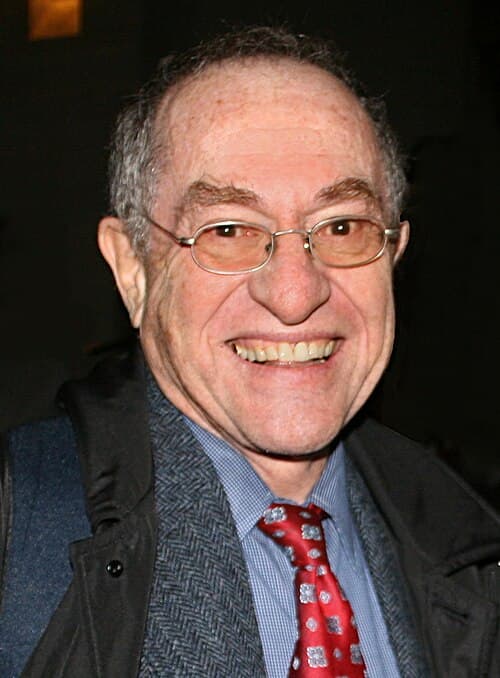
Alan Dershowitz
PERSON • 2 mentions
American lawyer, author, and art collector (born 1938)
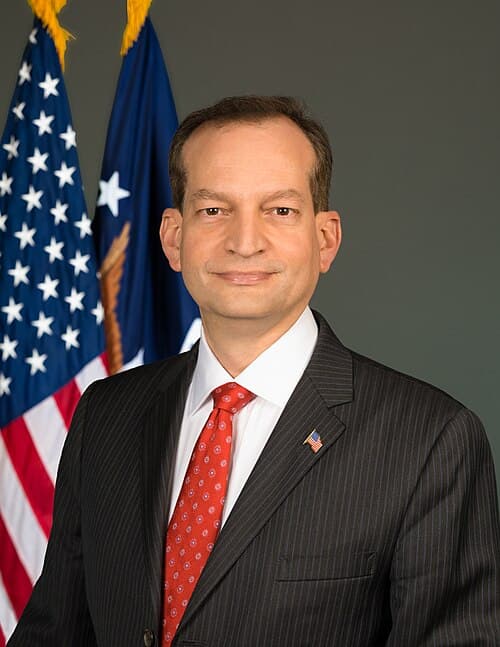
Alexander Acosta
PERSON • 3 mentions
American attorney and politician, 27th U.S. Secretary of Labor (born 1969)

Alfredo Rodriguez
PERSON • 2 mentions
Jeffrey Epstein's former butler and house manager (2004-2005), convicted of obstruction of justice for attempting to sell Epstein's contact book, died 2014
AV
Ann Marie C. Villafafia
PERSON
Ann Marie Villafaña, former Palm Beach County prosecutor in original Epstein case
Anthony Hopkins
PERSON
Welsh–American actor and director (born 1937)
Anthony Man
PERSON
Name reference in documents
BA
Balin
PERSON
Surname or name fragment in documents

Barry Krischer
PERSON • 2 mentions
Former Palm Beach County State Attorney who oversaw the initial Epstein prosecution (2005-2006)
Bill Clinton
PERSON • 2 mentions
President of the United States from 1993 to 2001 (born 1946)
Bill Cosby
PERSON
American actor and comedian
BB
BROOKLYN TO PALM BEACH
PERSON
Name reference in documents

Browning
PERSON
Surname reference in Epstein-related documents
BR
Bruce E. Reinhart
PERSON
Federal magistrate judge in Southern District of Florida, presided over Epstein case proceedings
BU
Burger
PERSON
Surname reference in documents
BU
Burton
PERSON
Surname reference in Epstein-related documents
Chris Tucker
PERSON
American actor and comedian

Cynthia Nixon
PERSON
American actress and politician
CYRUS R. VANCE, JR
PERSON
American lawyer, District Attorney of New York County
Cyrus Vance
PERSON
United States Secretary of State from 1977 to 1980

Cyrus Vance Jr
PERSON
Founder of the Achaemenid Empire (559–529 BC)
DF
Danika Fears
PERSON
Name reference in documents
DA
Danin
PERSON
Surname reference in documents
David Aronberg
PERSON
Person referenced in documents
Dexter Lee
PERSON
Assistant U.S. Attorney who argued for keeping Epstein non-prosecution agreement sealed

Donald Trump
PERSON • 4 mentions
President of the United States (2017–2021, 2025–present)
EM
Emily Michot
PERSON
American journalist
EG
Eric Gay
PERSON
French politician
EA
ERIC GAY AP
PERSON
Name reference in documents
Feifer
PERSON
Name reference in documents
FH
Francey Hakes
PERSON
Person referenced in documents
FR
Freedman
PERSON
Surname reference in Epstein-related documents
Gaffney
PERSON
Surname reference in documents

George W. Bush
PERSON • 2 mentions
President of the United States from 2001 to 2009
Gerald Edelman
PERSON
American biologist (1929–2014)
GL
Gerald Lefcourt
PERSON • 2 mentions
American lawyer
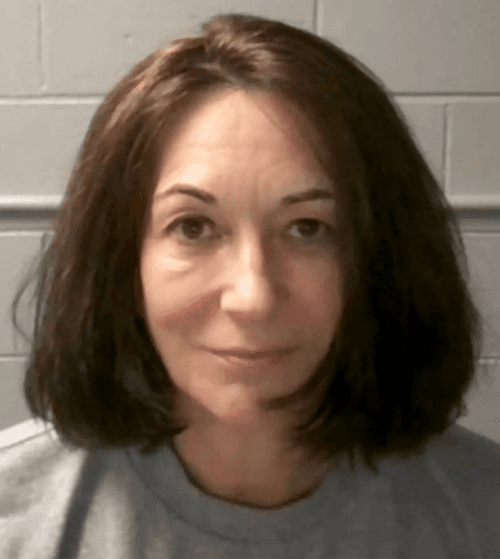
Ghislaine Maxwell
PERSON • 3 mentions
British socialite and sex trafficker, daughter of Robert Maxwell, accomplice of Jeffrey Epstein

Goldsmith
PERSON
Surname reference in Epstein-related documents
Gregory P. Mango
PERSON
Name reference in documents
HA
Hakes
PERSON
Sea-king, viking pirate
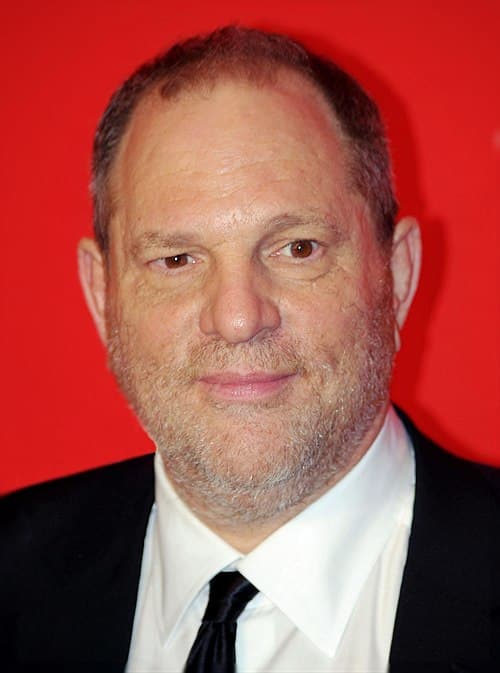
Harvey Weinstein
PERSON • 3 mentions
American film producer and sex offender (born 1952)
IV
Isabel Vincent
PERSON
Canadian journalist
JD
J. Jane Doe
PERSON
Name reference in documents
JG
Jack Goldberger
PERSON • 2 mentions
American criminal defense attorney who represented Jeffrey Epstein, partner at Goldberger Weiss P.A. in West Palm Beach, Florida
JE
James Eisenberg
PERSON
Person referenced in documents
JD
Jane Doe
PERSON
Pseudonym for anonymous victims/witnesses in Epstein legal proceedings
Jay Lefkowitz
PERSON • 2 mentions
American lawyer
JA
Jd. ADA
PERSON
Name reference in documents
JE
Jd. Edelman
PERSON
Name reference in documents
JE
Jd. Ex.
PERSON
Name reference in documents
JC
Jd. Ex. C.
PERSON
Name reference in documents
JA
Jd. Ex. C. Acosta
PERSON
Name reference in documents
Jeff Sessions
PERSON • 2 mentions
American politician and lawyer (born 1946)
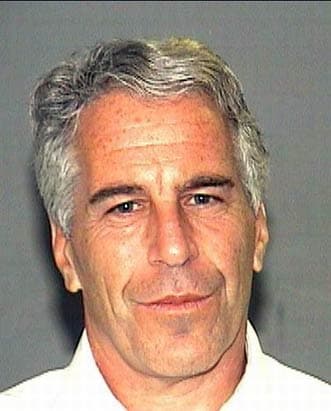
Jeffrey Epstein
PERSON • 7 mentions
American sex offender and financier (1953–2019)
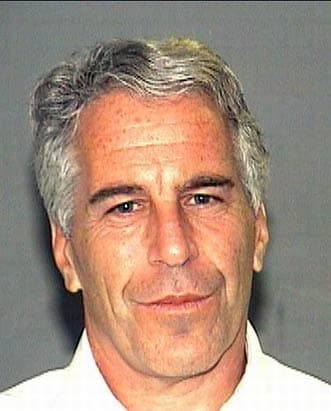
Jeffrey Sloman
PERSON
Federal prosecutor, referenced in Epstein case legal proceedings
JG
Jennie Suk Gersen
PERSON
Name reference in documents
Jennifer Gaffney
PERSON
Person referenced in documents
JR
Joe Recarey
PERSON • 3 mentions
Former Palm Beach Police detective who led the original investigation of Jeffrey Epstein (died 2018)
John F. Kennedy
PERSON
President of the United States from 1961 to 1963 (1917–1963)

John M.
PERSON
Name reference in documents
John M. Browning
PERSON
Name reference in documents

Julie K. Brown
PERSON
American journalist
KF
Karen Friedman
PERSON
Wife of mobster Henry Hill
KA
Karen Friedman Agnifilo
PERSON
American attorney and legal commentator
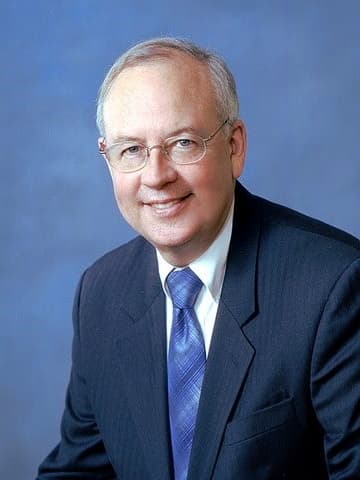
Ken Starr
PERSON • 2 mentions
American judge and educational administrator (1946–2022)
Kevin Spacey
PERSON • 2 mentions
American actor (born 1959)
LB
Lana Belohlavek
PERSON
Person referenced in documents
LA
Lanna
PERSON
Indianized state centered in present-day Northern Thailand from the 13th to 18th centuries

Larry Celona
PERSON
Person referenced in documents
Larry Nassar
PERSON
American serial child sexual abuser and physician
Les Wexner
PERSON • 2 mentions
American billionaire, chairman and CEO of the L Brands
LE
Lewin
PERSON
Surname reference in documents

Maksim
PERSON
Russian singer
MN
Maksim Nemtsev
PERSON
Name reference in documents
MA
Mancheski
PERSON
Name reference in documents
Marc Rich
PERSON
American commodities trader (1934–2013)
MC
Marta Oliver Craviotto
PERSON
Name reference in documents
MW
Martin Weinberg
PERSON • 4 mentions
American attorney (born 1946)
MN
Max Nemtsev
PERSON
Name reference in documents

Michael Reiter
PERSON
American security advisor and former Palm Beach, Florida, police chief
ML
Michelle Licata
PERSON • 2 mentions
Person referenced in documents

Monica Lewinsky
PERSON • 2 mentions
American activist and writer (born 1973)
Moynihan
PERSON
Surname or name fragment in documents
NM
Nadia Marcinkova
PERSON • 3 mentions
Commercial pilot and flying instructor
Paul Cassell
PERSON • 2 mentions
United States federal judge
Pedro Portal
PERSON
Name reference in documents
PP
POLICE UNDER PRESSURE
PERSON
Name reference in documents
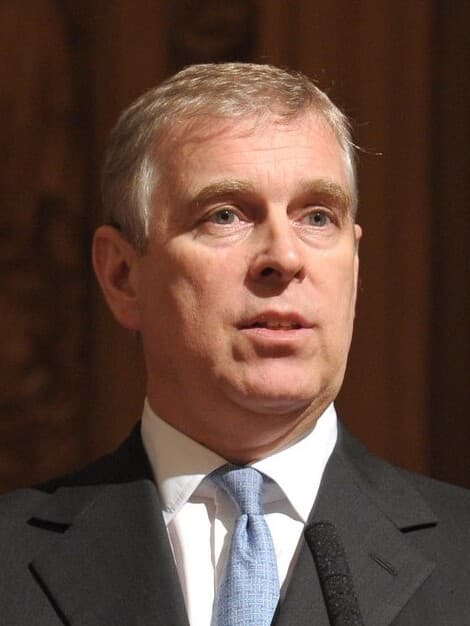
Prince Andrew
PERSON
Third child of Queen Elizabeth II and Prince Philip, Duke of Edinburgh (born 1960)
RR
Rebecca Rosenberg
PERSON
Researcher
RH
Reinaldo Herrera
PERSON
Venezuelan journalist (1930s–2025)

Reinhart
PERSON
Refers to Bruce Reinhart, former federal prosecutor who became Palm Beach County judge in Epstein case
Richard Nixon
PERSON
President of the United States from 1969 to 1974 (1913–1994)
Robert D. Balin
PERSON
Name reference in documents
RS
Robert s
PERSON
Person referenced in documents
RB
Roy Black
PERSON
American lawyer (1945–2025)
Ruth Pickholz
PERSON • 2 mentions
Person referenced in documents
SA
Samuel
PERSON
First name reference to multiple individuals in Epstein-related documents
Samuel Goldsmith
PERSON
Name reference in documents
SS
Sarah J. Schall
PERSON
Name reference in documents
Sarah Kellen
PERSON • 3 mentions
American assistant to Jeffrey Epstein, named as unindicted co-conspirator in 2008 non-prosecution agreement
SC
Schall
PERSON
Name reference in documents
Steven Hoffenberg
PERSON • 2 mentions
American fraudster
SE
Sue Edelman
PERSON
Canadian politician

Susan Edelman
PERSON
Name reference in documents

Tanya
PERSON
First name reference to multiple individuals in the documents
Vance
PERSON • 2 mentions
Surname reference in Epstein-related documents

Virginia Giuffre
PERSON • 2 mentions
Advocate for sex trafficking victims (1983–2025)
William Kennedy Smith
PERSON
American physician; younger son of Jean Kennedy Smith and Stephen Edward Smith
Appeal
ORGANIZATION
Organization referenced in documents
Application of National Broad. Co.
ORGANIZATION
Organization referenced in documents
AUB Ss
ORGANIZATION
Organization referenced in documents

Baylor University
ORGANIZATION
Private Baptist university in Waco, Texas, United States
Board of Examiners of Sex Offenders
ORGANIZATION
Organization referenced in documents
BRIEFS DAVIS WRIGHT TREMAINE LLP
ORGANIZATION
Organization referenced in documents
Brown & Williamson Tobacco Corp.
ORGANIZATION
Organization referenced in documents
Browning Aff.
ORGANIZATION
Organization referenced in documents
Browning Aff. Ex. E.
ORGANIZATION
Organization referenced in documents
Capital Newspapers Div. of Hearst Corp.
ORGANIZATION
Organization referenced in documents
Chem. Works of Gideon Richter, Ltd.
ORGANIZATION
Organization referenced in documents

Clinton Foundation
ORGANIZATION
Non-profit organization in the USA
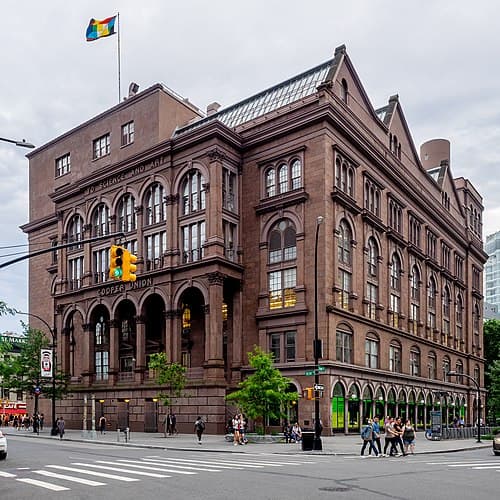
Cooper Union
ORGANIZATION
Private college in New York City
Danco
ORGANIZATION
Organization referenced in documents
Davis Wright Tremaine LLP
ORGANIZATION
Organization referenced in documents
Department of Justice
ORGANIZATION • 2 mentions
United States Department of Justice, federal executive department responsible for law enforcement
District Court for the Southern District of New York
ORGANIZATION
U.S. District Court for the Southern District of New York

Edelman
ORGANIZATION
American public relations and marketing consultancy firm

FedEx
ORGANIZATION
American multinational delivery services company

Florida International University
ORGANIZATION
Public research university in Westchester, Florida, United States
Globe Newspaper Co.
ORGANIZATION
1908 United States Supreme Court case
Go Stores
ORGANIZATION
Organization referenced in documents
Ist Dept
ORGANIZATION
Organization referenced in documents
J. Epstein & Co.
ORGANIZATION
American-British sculptor (1880–1959)
Kirkland & Ellis
ORGANIZATION
American international law firm

Labour
ORGANIZATION
Centrist social democratic political party in the United Kingdom
Manhattan Supreme Court
ORGANIZATION
Organization referenced in documents
Miami Hilton Hotel
ORGANIZATION
Organization referenced in documents
N.Y. Civil Rights Law
ORGANIZATION
Organization referenced in documents
NON-PARTY MOTION N.Y. County Ind. No.
ORGANIZATION
Organization referenced in documents
Non-Party Movant NYP Holdings, Inc.
ORGANIZATION
Organization referenced in documents
NYP Holdings, Inc.
ORGANIZATION
Organization referenced in documents

People
ORGANIZATION
American weekly magazine devoted to celebrity and human-interest

Press-Enterprise Co.
ORGANIZATION
1936 Yorktown-class aircraft carrier
Prosecutors
ORGANIZATION
Organization referenced in documents
Ps Office
ORGANIZATION
Organization referenced in documents
Richmond Newspapers, Inc.
ORGANIZATION
1980 United States Supreme Court case

Royal Palm Beach High School
ORGANIZATION
High school in Palm Beach County, Florida, United States
Second Circuit
ORGANIZATION
U.S. Court of Appeals for the Second Circuit

Sentinel
ORGANIZATION
Mutant-hunting robot in Marvel Comics
Superior Court
ORGANIZATION
Florida state trial court
Supreme Court of the State of New York
ORGANIZATION
Organization referenced in documents
the Appellate Division
ORGANIZATION
Organization referenced in documents

the Lanier Firm
ORGANIZATION
Organization referenced in documents
the Law Office of Martin G. Weinberg, P.C.
ORGANIZATION
Organization referenced in documents
The Miami Herald
ORGANIZATION
American daily newspaper
The New York State Board of Examiners of Sex Offenders
ORGANIZATION
Organization referenced in documents
the Office of Watergate
ORGANIZATION
Organization referenced in documents
the Palm Beach County State Attorney's Office
ORGANIZATION
Organization referenced in documents
the United States Attorney’s Office
ORGANIZATION
Organization referenced in documents
Tremaine LLP
ORGANIZATION
Organization referenced in documents
U.S. Attorney's Office
ORGANIZATION
U.S. federal prosecutors office
VIA HAND DELIVERY
ORGANIZATION
Organization referenced in documents

Victoria's Secret
ORGANIZATION
American retailer of lingerie
Warner Commc’ns, Inc.
ORGANIZATION
Organization referenced in documents

Whitewater
ORGANIZATION • 2 mentions
Organization referenced in documents

Wiley
ORGANIZATION • 2 mentions
American multinational publishing company
Anchorage
LOCATION
Consolidated city-borough, and largest city in Alaska, United States of America
Bellevue
LOCATION
City in King County, Washington, United States
Kings County
LOCATION
County in California, United States
Kirkland
LOCATION
City in King County, Washington, United States
Miami U.S.
LOCATION
Location referenced in documents

Nashville
LOCATION
Capital and largest city of Tennessee, United States

New York
LOCATION
Most populous city in the United States
New York City
LOCATION
Most populous city in the United States

North Korea
LOCATION
Sovereign state in East Asia
Portiand
LOCATION
Location referenced in documents
Royal Palm Beach
LOCATION
Village in Palm Beach County, Florida, United States of America
San Antonio
LOCATION
City in Bexar, Comal, and Medina counties in Texas, United States, that is the seat of Bexar County

Seattle
LOCATION
City in and county seat of King County, State of Washington, United States
Southern District of Florida
LOCATION
Federal judicial district in Florida
Soviet Republic
LOCATION
System of government in which state power belongs to soviets (workers' councils)
the Atlantic Ocean
LOCATION
Atlantic Ocean
the Intracoastal Waterway
LOCATION
Location referenced in documents

U.S. Virgin Islands
LOCATION
Unincorporated territory of the United States of America
Upper East Side
LOCATION
Neighborhood in Manhattan
Statistics
Pages:86
Entities:186
Avg. OCR:92.6%
Sponsored