HOUSE_OVERSIGHT_021247_sub_001 - HOUSE_OVERSIGHT_021346
Document Information
Bates Range
HOUSE_OVERSIGHT_021247_sub_001 - HOUSE_OVERSIGHT_021346
Pages
100
Source
House Oversight Committee
Original Filename
BeliefInUnseenPowers_Book.pdf
Document Content
Page 1 - HOUSE_OVERSIGHT_021247
Page |1 nes ” > ble . on Ss S wel! a tady scientific 2 developgMas! N W Cacioppo --> worked sini MOL ork representedNusbaum tubtimann > LLC mb CLS geographical boundariesdisciplinary epistemological’ gEPley or < 2 vis lo’ forcesBrowning sociality health £-§ SY § Z comfort §PreainctsSS ERS | ~ESmallecety Ss 955 Oinnovative Berntson6 EE 29 a! Invisible Forces and Powerful Beliefs: Gravity, Gods, and Minds By the Chicago Social Brain Network FT Press Upper Saddle River, NJ HOUSE_OVERSIGHT_021247
Page 2 - HOUSE_OVERSIGHT_021248
Invisible Forces and Unseen Powers: Gravity, Gods, and Minds Preface 1. Invisible Forces Operating on Human Bodies Gravity is an invisible force that holds us to the surface of the earth, and the fact that gravity is invisible does not place it beyond scientific scrutiny. Similarly, humans are a quintessentially social species whose need for social connection produces invisible forces on our brain, behavior, and biology that are subject to scientific investigation. Among these are forces that compel us to seek trusting and meaningful connections with others and to seek meaning and connection with something bigger than ourselves. The story of these invisible forces speaks to who we are as a species. From Selfish Genes to Social Brains 2. The Social Nature of Humankind The human brain has evolved under the guidance of selfish genes to produce more than a brain that is capable of powerful, isolated information processing operations. The human brain also evolved with inherent capacities for social cognition, compassion, empathy, bonding, coordination, cooperation, values, mortality and a need for social connection that extends beyond kin and even other mdividuals. From Inclusive Fitness to Spiritual Striving 3. Science, Religion, and a Revised Religious Humanism The dialogue between science and religion, if properly pursued, can usher in a new era of religious humanism in the leading world religions. Their central beliefs and practices largely would remain intact, but their views of nature and their concerns with health and well- being would be refined through their conversations with the sciences. How this model would work is discussed in terms of the relation between love and health in Christian theology — especially the tension between the agape, caritas, and eros models of Christian love. The Status of the Body Politic and the Status of the Body Itself 4. Health by Connection: From Social Brains to Resilient Bodies Most people feel socially connected most of the time. Felt connectedness is typically taken for granted, but the effects of its absence, as experienced in feelings of isolation, demonstrate that our evolutionary heritage as a social species has potent implications for health and well-being. From Relationships to People and Groups to Relationships with God 5. Psychosomatic Relations: From Superstition to Mortality It has long been recognized that mental states can impact health and well being, but the causal pathways have only recently begun to be understood. Thoughts, beliefs and attitudes can have powerful effects on physiological functions, health and disease. Examples range from superstitious beliefs associated with voodoo, bone pointing, or other black rituals to the more positive states associated with spirituality. The present essay considers these disparate psychological states and how they might translate into physiological effects having real health implications. The Mind and Body Are One 6. The Suspension of Individual Consciousness and the Dissolution of Self and Other Boundaries A special case of social interaction concerns two or more individuals engaging in temporally coordinated HOUSE_OVERSIGHT_021248
Page 3 - HOUSE_OVERSIGHT_021249
actions that imply particular timing patterns such as synchrony or rhythmic turn taking such as applauding in unison or the ‘wave’ that is produced by thousands of individual sports fans in a stadium. A model to explain such synchronized behavior is proposed in terms of the neural processes that are jointly recruited. One of the main implications suggested by this model is that taking part in or being part of a synchronized social interaction gives rise to a qualitative shift in subjective experience due to the difficulty of applying an individual centered explanation to collectively produced spontaneous co-action. You and I as One 7. Action at a Distance: The Invisible Force of Language Language forms the fabric of our social institutions and makes tangible the nature of our relationships. Although the function of language 1s typically viewed in terms of the information content that it provides, some of the social function of language may depend on the way it affects us. The idea of language impact — how language directly affects our emotions and social connections — may be fundamental to the way the social brain functions to connect people. Systems and Signals for Social Coordination 8. Hidden Forces in Understanding Others: Mirror Neurons and Neurobiological Underpinnings Specific brain regions in the monkey contain individual brain cells, or neurons, that respond to both observation and execution of identical hand and mouth actions. Brain imaging in humans has demonstrated that our brains have similarly localized regions with similar properties. These areas respond to execution of goal-directed actions of the hand and mouth and during observation of the same or similar actions. Interestingly, these brain regions in the human are also responsive to observation and imitation of facial movements, and appear to be sensitive to their emotional content. Connecting and Binding Social Brains and Minds 9. Empathy and Interpersonal Sensitivity Empathy is thought to play a key role in motivating prosocial behavior, guiding our preferences and behavioral responses, and providing the affective and motivational base for moral development. While folk conceptions of empathy view it as the capacity to share, understand and respond with care to the affective states of others, neuroscience research demonstrates that these components can be dissociated. Empathy is not a unique characteristic of human consciousness, but it is an important adaptive behavior that evolved with the mammalian brain. However, humans are special in the sense that high-level cognitive abilities (language, theory of mind, executive functions) are layered on top of phylogenetically older social and emotional capacities. These higher level cognitive and social capacities expand the range of behaviors that can be driven by empathy. Seeing into My Mind and Other Minds 10. Seeing Invisible Minds Other minds are inherently invisible. Being able to "see" them requires learning about other minds, attending to other minds, and projecting one’s own mind onto others, and seeing minds in other agents can mean the difference between treating others as humans versus as objects. Inferring Minds When None Can be Seen 11. Anthropomorphism: Human Connection to a Universal Society HOUSE_OVERSIGHT_021249
Sponsored
Page 4 - HOUSE_OVERSIGHT_021250
The human motivation for social connection extends beyond the boundary of the human in the (often misunderstood) religious language of anthropomorphism. In this chapter, an infamous sermon from colonial America—‘Sinners in the Hands of an Angry God’—1s used to illustrate the way anthropomorphic language works to incorporate human society in a web of ethical obligations that connect to the natural environment and, by imaginative extension, to the universe as a whole. Personifications of God 12. How Does God Become Real Becoming a person of faith is not so much about acquiring certain beliefs but about learning to use one’s mind in particular ways; the often intensely private experience of God is built through a profoundly social learning process. Belief and Connection 13. Theological Perspectives on God as an Invisible Force The beliefs that religious individuals hold about the way God operates in human life are potential factors affecting perceived social isolation. My paper discusses a specific type of such belief that is common in the history of Christian thought: the belief that God 1s an invisible force of a rather impersonal sort working for the good in everything that happens. The paper argues that this sort of belief has as great or greater potential than belief in God as a personal friend to give one the sense that one is never alone, but the conception of God as pervasive can also lead to inattention and disconnection. The Elusiveness of Meaningful Connection 14. Visible Efforts to Change Invisible Connections Despite the human need for social connection, many individuals are lonely because they are unable to create meaningful social bonds. Interventions designed to reduce loneliness have not been successful, suggesting that a better understanding of loneliness, social connection, and the obstacles to forming meaningful connections with others is needed. Reflections on Invisible Connections 15. Social Brain, Spiritual Medicine? Science and religion are mextricably intertwined in the practice of medicine. Science has provided modern medicine with extraordinary diagnostic and therapeutic capacities that can be employed to care for patients. Religions provide a fuller vision for the worthiness of caring for the sick, a framework to guide the application of medical science in that endeavor, and practices that strengthen the human capacity for treating patients as the mindful persons they are. Invisible Forces 16. Epilogue Invisible forces that connect individuals to society, or to each other, have effects at both ends of the connection. As humans we are fundamentally individual and fundamentally social. We encompass both the pursuit of rational self interest of Homo economicus and the pursuit of approval, belonging, and intimacy of Homo socialis, the former grounded in eros, the latter in agape. These forces acting together represent a signature feature of Homo sapiens (the wise ones) and have contributed a record of influence and impact— both positive and negative —that is unmatched in biology. HOUSE_OVERSIGHT_021250
Page 5 - HOUSE_OVERSIGHT_021251
i belief Spicy ™ effects ¢ ated Empath C haores “connectinae & =~ humans" 2. model Christian mnect su Seance — Be bnpliegbions 4 g 3? * QD) powerful | a3 vestate jor: Ss) = = states | Connections nication. 9 & ers fungi ce ons Sarees nection aon i 5 gf ‘c 2 DES fe Soci invisible es" a o$r sé _ well-bein; 3 typically a ate & Preface We view our past through a reverse telescope, making it seem like contemporary events are a much larger part of our history than they are. Hominids have been estimated to have evolved about 7 million years ago, with our species having evolved only within approximately the last 1% of that period. The human brain was sculpted by evolutionary forces over tens of thousands of years, whereas the human achievements we take for granted, such as civilizations, law, and art, have emerged only during the past few thousands of years. A mere 300 years ago, theology and philosophy were the principal disciplinary lenses through which the world was viewed, and from which explanations and instruction were sought. Advances in science over the past 300 years have transformed how we think, act, and live. Nearly every aspect of human existence, ranging from agriculture, commerce, and transportation to technology, communication, and medicine, has been transformed by contemporary science. We have no hesitation to accept scientific explanations of physical entities being influenced by invisible forces such as gravity, magnetism, and genes. But when human mentation and behavior are the objects to be explained, deterministic scientific accounts seem to many to be less satisfying. Page |5 For some, science and modernity are akin to the apple in the Garden of Eden, responsible for our fall from Grace. For others, theology and religion represent little more than the stuff of superstition with no place in an educated society. About six years ago, we had the opportunity to create a most unusual group of scholars to examine questions about the invisible forces acting on, within, and between human bodies. Superb scholars who individually had made major contributions to their own disciplinary field — fields as divergent as neuroscience and medicine to philosophy and theology — were invited to form an interdisciplinary network of scholars to consider such questions. The development of these discussions even over the first few meetings truly astonished us all. We decided to share what we learned through the present book, which represents a different perspective, one in which our understanding of human nature is enriched by serious insights and scrutiny that each perspective has to offer. Theology and religion have always relied on unseen forces as the basis for explanations of human behavior and experience. Science has been able to explicate those forces even if along different lines than originally conceived. As we start to consider some of the more complex aspects of human nature, science and theology may be able to work together to shed light on some of these complexities. We begin this preface and each chapter with a word cloud produced using Wordle at http://www.wordle.net. In the case of this preface, it illustrates key concepts that are found in this book. In the case of the chapters, the word cloud in each provides a visualization of HOUSE_OVERSIGHT_021251
Page 6 - HOUSE_OVERSIGHT_021252
the key terms and ideas expressed in that chapter. Each chapter, in turn, represents a contribution led by a particular member to the network but broadened to reflect the interactions of the network on that topic. Perusal of the word clouds across chapters makes the flow of ideas more visible. Together, the chapters speak to who we are as a species and the nature of the invisible forces that make us such a unique species. For instance, humans seem to strive for social connections in a variety of ways from friendships to identification with groups to religious affiliations. A major thesis of this book is that we are fundamentally a social species, and that this journey is less a march toward isolation and autonomy 6 Page than it is a march to competence, interdependence, coordination, cooperation, and social resilience. Guiding us through this journey are our social brains, which have evolved to create anything but a blank slate at birth. We owe a debt of thanks to many for their contributions and support over the years, but we owe special thanks to Barnaby Marsh for approaching us with the idea of forming such a network and for his many contributions to the network, and to the John Templeton Foundation for their support and for their encouragement to pursue questions, ideas, and conclusions of our science regardless of where they led. HOUSE_OVERSIGHT_021252
Sponsored
Page 7 - HOUSE_OVERSIGHT_021253
ple i scholars ej re sosition & ods processes = is pe nities aes me seth eR lactionseg Ve es i, ne ne ed es jue Chapter 1' Invisible Forces Operating on Human Bodies We may believe we know why we think, feel, and act as we do, but various forces influence us in ways that are largely invisible to our senses. Gravity is an invisible force that holds us to the surface of the earth, and magnetism is an invisible force that we use in everyday life. The fact that gravity and magnetism are invisible to us does not place them beyond scientific scrutiny. Similarly, there are a host of forces that, over the course of human evolution, have emerged to influence our thoughts, emotions, and behaviors. Because many of these forces are ' The Chicago Social Brain Network is a group of more than a dozen scholars from the neurosciences, behavioral sciences, social sciences, and humanities who share an interest in who we are as a species and the role of biological and social factors in the shaping of individuals, institutions, and societies across human history. The scientists and scholars in the Network differ in background, epistemologies, beliefs, and methods. After five years of working together, we found a common set of themes to have emerged in our work despite the differences among us. These themes, which provide a different perspective on how we might think about human history, experience, and spirituality, are examined here and explored in more detail in subsequent chapters. Page |7 elemental, we will be dealing with an area of human behavior that has also been addressed for centuries by various religions. Among these are forces that compel us to seek trusting and meaningful connections with others and to seek meaning and connection with something larger than ourselves. The story of these invisible forces speaks to who we are and what our potential might be asa species. In short, it is the story of the human mind. The mind can be thought of as the structure and processes responsible for cognition, emotion, and behavior. It is now widely recognized that many structures and processes of the mind operate outside of awareness, with only the end products reaching awareness, and then only sometimes. But clearly we know a great deal about the mind from what we experience through our senses. It is just commonsense that we know the shape or color of an object from simply seeing it. Or do we? It is obvious that the tops of the tables depicted in the top panel of Figure | differ in size and shape. You may be surprised to learn that your mind is fooling you, that the tops of the table are precisely the same size and shape. If you don’t believe it, trace and cut a piece of paper the size of one table ra top and \ then place it over the other. Self- evident truths can sometimes be absolutely false. HOUSE_OVERSIGHT_021253
Page 8 - HOUSE_OVERSIGHT_021254
The science of the mind is not unique in this regard. As the historian Daniel Boorstin (1983, /) noted: Nothing could be more obvious than that the earth is stable and unmoving, and that we are the center of the universe. Modern Western science takes its beginning from the denial of this commonsense axiom... Common sense, the foundation of everyday life, could no longer serve for the governance of the world. When “scientific” knowledge, the sophisticated product of complicated instruments and subtle calculations, provided unimpeachable truths, things were no longer as they seemed.” (p. 294) And just as the observation that we roam on stable ground led to the incorrect inference that we are the center of the universe, so too is the modern notion that the human brain is a solitary, autonomous instrument whose connections with other brains is a matter of deliberate choice and of no real import. The human brain, the organ of the mind, is housed deep within the cranial vault, where it is protected and isolated from others, so it may seem obvious that the brain is a solitary information processing device that has no special means of connecting with other brains. But we are fundamentally a social species. Faces, expressive displays, and human speech receive preferential processing in neonate as well as adult brains. When a person feels rejected by others, their brain shows the same pattern of activation as when they are exposed to a physically painful stimulus. Permit a person to cooperate with others, and their brain shows the same pattern of activation as when they are given a rich reward such as delicious food or drink. We may not be aware of it, but human evolution has sculpted a human need for social connection, along with neural circuits and hormonal processes that enable and promote communication and connection across brains. As we shall see in the chapters to follow, our sociality is an important part of who we are as a species and it plays an important though often invisible role in the operations of our brain and our biology. Among the questions we examine is whether our social brain also contributes to the ubiquitous human quest for spirituality. The Chicago Social Brain Network For hundreds of years, theology and philosophy were the hub disciplines of scholarship, and other fields of inquiry orbited around this dyad and were tightly constrained by it. Over the past three centuries, the sciences have come into their own, displacing theology and philosophy at the center of the academic universe. In so doing, they have produced extraordinary advances in everyday life. People may reminisce about the good old days, but thanks to science and technology the amount of total income spent on the necessities of food, clothing, and shelter dropped from 80% in 1901 to 50% in 2002/2003. Yet there remains an inchoate sense that something is missing in our lives, something intangible and elusive. Science has improved our material lives, but improvements in material life may not be enough to optimize human well being. Can these two very different ways of seeing the world be used HOUSE_OVERSIGHT_021254
Page 9 - HOUSE_OVERSIGHT_021255
synergistically to shed new light on the human mind? In the Fall of 2004, we established an ongoing network of more than a dozen scholars unbounded by disciplinary precincts, geographical borders, or methodological perspectives to set aside antagonisms that had grown up between science and humanities in order to explore this question. These Network scholars hail from disciplines as disparate as psychology, neurology, theology, statistics, philosophy, internal medicine, anthropology, and sociology. Each of these scholars was well known in their own field and were busy with other obligations, but it was the opportunity to achieve a deeper, more comprehensive discussion of the human mind that made it worth the time and effort it required to be part of the Network. Although various members of the Network interact on a daily or weekly basis, the entire Network convenes twice annually for a four-day retreat to discuss each other’s research, to critique each other and to learn from one other. Scientific analyses characterized by rigorous experimental designs and data analytic strategies are interlaced with rich philosophical, theological, and historical analyses of the same questions about invisible forces that act on us all. The dialogue between the Network scientists and the scholars from the humanities and theology is bidirectional. For instance, the beliefs and behavior described in the humanities and theology are rich in hypotheses that can now be tested empirically, and the measures and methods of the behavioral sciences and neurosciences now permit rigorous investigation of some of these hypotheses. Each of the Network members brings a unique perspective to the study of the human mind, and the provocative story of the mind that is emerging from the collective efforts of the Network is the subject of this book. The Network is unconventional in other ways, as well. Traditionally, scientists and scholars work together to achieve a common understanding and a consensus position. We quickly learned that we did not need to come to a consensus to benefit tremendously from the dialogue on the capacity and motivation for the ubiquitous human quest for sociality and spirituality. For instance, there is no consensus within the Network on whether there is a God, and we do not seek here to provide the final word on what science and the humanities each have to say to the other about the human mind. Instead, our purpose is to illustrate the possibility and importance of engaging others whose views we may not share in a serious dialogue on such topics. Among the lessons we as a Network have learned are: 1. that some questions about human nature and our social and spiritual aspirations have been asked by humankind for thousands of years. Accordingly, there may be more to be gained from engaging in a collaborative process of thinking about these questions than from demanding simple and immediate answers. We discuss what we see as possible answers to questions about our nature and strivings, but the value in stating these positions is to have clear positions from which to move thinking and research forward. Thus, our purpose in writing this book is to articulate ideas to be shaped and refined, not to provide the final word. HOUSE_OVERSIGHT_021255
Sponsored
Page 10 - HOUSE_OVERSIGHT_021256
De that one need not agree with a position to perform a deep and thorough analysis of the arguments for and against the position. Objectivity in thought and analysis are keys to reaching a deep understanding of a topic. By taking a position, developing arguments for and against the position, then taking the opposite position and doing likewise, we develop the capacity to be more dispassionate and powerful thinkers — and gain deeper insight into a topic. that one need not reach agreement with someone to learn a great deal from discussions with them or to make significant advances in addressing a complex question. The salve of affirmation can lead us to seek like-minded others and to denigrate and avoid those who disagree with us. Although this may provide temporary comfort, it does little to help address deep divisions or solve problems with which we must deal in an increasingly complex and diverse world. There are inherent tensions between the sciences and the humanities, and these tensions have led to a polarization of views, an “it’s my way or the highway” approach toward those holding divergent points of view. The contents of this book illustrate an alternative possibility. The Network is a very interdisciplinary group, and the perspectives captured in the subsequent chapters reflect some of the same tensions with which other books dealing with science and religion have dealt — and Page |10 from which they have not benefitted. The tensions reflect deep and enduring differences in the way in which scholars in the humanities, the social sciences, and the sciences think about theory, methods, and evidence. These differences can test one’s mettle but if acknowledged, respected, embraced, and pursued, they result in a richer, more innovative and synergistic collaborative effort. In the case of our Network, this was neither easy nor quick, but it was achieved through a mutual respect and exchange of ideas and a shared conviction regarding the importance of the Network’s combination of approaches from the humanities and the sciences. In a sense, our Network is a microcosm of the structure that exists in our society. If these tensions are embraced and used to their full catapultic effect, one can make progress on serious problems, transforming not only how we think about the problem, but also how we think about those who hold different or opposing views. that the insights or advances we can achieve need not be our or our opponent’s position, or a less-than optimal compromise between the two, but rather they can be truly innovative, building on and transcending both initial positions. The specific forms of such creative and transcendent solutions are difficult to articulate in advance but there is a thought process — characterized by clarity, openness, constructive criticism, and synthesis — that HOUSE_OVERSIGHT_021256
Page 11 - HOUSE_OVERSIGHT_021257
increases the likelihood one will reach such solutions. All of the perspectives discussed in this book have been transformed through this process. Background In pursuing the tandem lines of inquiry of science and the humanities, the Network itself serves as an example of the human capacities and emergent processes that can derive from collective social structures and actions. In the chapters to follow, the Network examines the nature and power of unseen forces ranging from human co- regulation to physiological effects of spiritual beliefs. The exchanges across disciplinary perspectives suggest that the “dominion of the solitary individual” is insufficient to understand the human mind or to optimize human health and well being. To understand human nature and the human mind, one may need to appreciate human needs and capabilities that have not been given due attention. Homo sapiens are a social species, which means there are emergent organizations beyond individuals that contribute to the ability of our species to survive, reproduce, and care for our offspring sufficiently long that they too survive to reproduce. As a consequence, evolutionary forces have sculpted neural, hormonal, and genetic mechanisms that support these social structures. Among the possible consequences explored in this book are that: 1) people are not the entirely self-interested, short-term thinking, rational decision makers assumed by the mythical creature, Homo economicus, and 2) some of the amorphous dissatisfaction and chronic diseases that characterize contemporary society may be, in part, the consequence of the denial of the differences between Page |1l the nature of these two beings. Existing scientific studies of religion have established the pervasiveness of religious beliefs and practices and an association between these beliefs or practices and physical as well as mental health. Religious beliefs and practices have also contributed to failures to heed life-saving medical advice and to the horrendous treatment of others. It will be through the serious investigation of such beliefs and practices, not through their denial, that we may ultimately be able to identify which aspects of these beliefs and practices are beneficial, for what individuals and in what contexts, and through what specific mechanisms. Recent research has made it patently clear that William James (1890, p. 442, 2) underestimated the faculties of human infants when he suggested that their first sensory experiences were a “blooming, buzzing confusion.” But what James’ sentiment did capture is the overwhelming complexity and uncertainty that exists in the child’s environment, and the inherent difficulty in making sense of that complexity from scratch. Our drive to make meaning is irrepressible---and when we do not understand the forces that drive our actions, we invent narratives that make these invisible forces feel more predictable and understandable even if only in hindsight. But we do not do it alone. Adults as well as children must explain the uncertainty and ambiguity of natural phenomena (calamities of weather, death and reproduction) as well as social phenomena (human agents) in order to operate effectively. But not all actions are perceived as being equivalent. Forces operating on objects to compel action, as when gravity causes rocks to slide down a mountain, are HOUSE_OVERSIGHT_021257
Page 12 - HOUSE_OVERSIGHT_021258
viewed as external causes. Forces operating on human bodies to produce action, in contrast, are viewed as reflective of purpose, driven not only by external causes but, more importantly, by abstract reasons such as goals, aspirations, and destiny. The meaning- making proclivities of humans are so irrepressible that when external forces operate on human bodies to produce a significant impact on humankind, even the causes of the actions of these human bodies tend to be regarded in terms of more abstract purposes and reasons. The anthropomorphic description of hurricanes is a caSe in point. Actions of objects have causes, whereas actions of humans have reasons. Invisible forces that operate on humans but that appear to operate independent of human agency have been the subject of religious speculations for centuries. These invisible forces include: internal neural and biological forces (e.g., homeostatic processes, autonomic activity) that exert regulatory forces which are largely hidden from conscious experience or control; strong emotions that seem to arise apart from conscious human intention (e.g., rage, fear, empathy); phenomena such as dreams or hallucinations that seemingly operate independent from the human will; motivations, biases, inclinations, predilections (such as anthropomorphism, ambiguity avoidance, preference for simple explanations, etc.) whose presence is so universal that, like language, the capacities for their development or expression may have an evolutionary basis; individual beliefs (such as the belief that there is a reality outside our head/we are not dreaming; the belief in human freedom; in values such as equality, etc), attitudes, preferences, Page |12 goals, or intentions; aggregated beliefs that result in social norms, values, religion, culture, and social movements; and codified forces such as decrees, rules, alliances, and laws. Before the enlightenment of the 18th century, many scholars believed that thought was instantaneous and that action was governed by an indivisible mind separate from the body. Ifa palpable cause for a person’s behavior could not be identified, the Divine or some counterpart constituted a more agreeable explanatory construct than invisible forces acting through scientifically specifiable mechanisms. Unparalleled advances in the sciences have occurred since the dawn of the Enlightenment, including the development of scientific theories about magnetism, gravity, quantum mechanics, and dark matter that depict invisible forces operating with measurable effects on physical bodies. During this same period, serious scientific research on invisible forces acting within, on and across human bodies was slowed and underfunded in part because the study of the human mind and behavior was regarded by many in the public and in politics as soft and of dubious validity. The result is that many still regard the mind and behavior as best understood in terms of the actions of non-scientific agents, such as a god or gods, and the manifestations of mental illness as the result of a failure of individual will —a denial of the possibility that invisible forces (that is, forces that are tractable scientifically but of which a person is not normally aware) can affect mind and behavior. One could try to explain away the gap in scientific knowledge about invisible forces by referring to the conception of science and religion as HOUSE_OVERSIGHT_021258
Sponsored
Page 13 - HOUSE_OVERSIGHT_021259
systems of knowledge that are in opposition. This approach is common and evident in a spate of contemporary books that take the position that science and religion represent competing ways of understanding the world and that science (or religion) is the one and only valid way of understanding human behavior and the world around us (3-8). For instance, in 7he God Delusion, Richard Dawkins places specific Judeo- Christian theological doctrines under the scrutiny of science only to find that none passes scientific muster. The vast majority of people from all educational backgrounds continue to harbor strong religious beliefs that affect their daily decisions and behavior, with both good and ill effects. These religious belief systems most commonly bump into scientific claims around invisible forces. When science opens up opportunities to improve the human condition by providing a more complete understanding of the causes of events, their measurable effects, and possible interventions— ranging from valid science education to medical advancements based on stem cell research — these opportunities are often threatened by the application of specific religious beliefs to these endeavors. Scientific research to understand religion and religious belief systems may be a more productive response than broad denouncements by scientists of any who hold such beliefs. Conversely, when religion opens up opportunities for improving the human condition by questioning the emphasis on short-term self-interests at the expense of the collective, providing a more complete understanding of the human need to attribute meaning to events and their effects, and identifying possible interventions— ranging from the Page |13 provision of tangible support to individuals in need, to the promotion of healthy lifestyles and ethical behavior— scientific research to understand these influences may again be a more productive response than broad denouncements by scientists that such beliefs are irrational. Indeed, the question of whether God exists is of much less scientific interest, and of much more questionable scientific merit (how would one scientifically falsify such a claim?), than the question of the causes, consequences, and underlying mechanisms for the observable human behaviors affected by invisible forces--- whether they be physical (gravity), social (groups), or perceived spiritual (gods). Contemporary science explains many of these phenomena but also points to the human capacities and emergent processes that derive from collective social structures and actions and, underlying the emergence of these structures, the human need for meaning- making and connecting to something beyond oneself. The dominant metaphor for the scientific study of the human mind during the latter half of the 20" century has been the computer — a solitary device with massive information processing capacities. Computers today are massively interconnected devices with capacities that extend far beyond the resident hardware and software of a solitary computer. The extended capacities made possible by the internet can be said to be emergent because they represent a whole that is greater than the simple sum of the actions that are possible by the sum of the individual (disconnected) computers that constitute the internet. The telereceptors (e.g., eyes, ears) of the human brain have provided wireless broadband HOUSE_OVERSIGHT_021259
Page 14 - HOUSE_OVERSIGHT_021260
interconnectivity to humans for millennia. Just as computers have capacities and processes that are transduced through but extend far beyond the hardware of a single computer, the human brain has evolved to promote social and cultural capacities and processes that are transduced through but that extend far beyond a solitary brain. To understand the full capacity of humans, one needs to appreciate not only the memory and computational power of the brain but its capacity for representing, understanding, and connecting with other individuals. That is, one needs to recognize that we have evolved a powerful, meaning making social brain. Social species, by definition, create structures beyond the individual— structures ranging from dyads and families to institutions and cultures. These emergent structures have evolved hand in hand with neural and hormonal mechanisms to support them because the consequent social behaviors (e.g., cooperation, empathy, altruism, etc.) helped these organisms survive, reproduce, and care for offspring sufficiently long that they too reproduced. From an evolutionary perspective then, the social context is fundamental in the evolution and development of the human brain. The observable consequences of these higher organizations have long been apparent, but we are only now beginning to understand their genetic, neural, and biochemical basis and consequences. To fully delve into these complex behaviors, science needs to deal with the invisible forces that shape human life, whether it is in the form of physical, biological, or psychological forces. For instance, anthropomorphism, the irrepressible proclivity to attribute Page |14 human characteristics onto nonhuman objects to achieve meaning, predictability, and human connection, is beginning to be subjected to productive multi-level scientific analysis. Experimental studies have shown that manipulations which increase feelings of social isolation without the possibility of resolving these feelings through human interaction have the compensatory effect of increasing people’s tendency to anthropomorphize, including heightened beliefs in God. This scientific work has implications for understanding claims regarding the success of religious practices such as solitude as paths to feeling closer God. Research on anthropomorphism has now identified developmental, situational, dispositional, and cultural factors that modulate people’s tendency to anthropomorphize nonhuman agents ranging from technological gadgets to animals to gods, and the neural mechanisms underlying this transconfiguration of nonhuman objects into human-like agents are beginning to be revealed. Guided by the insights from these new scientific theories of anthropomorphism, historical analyses may be worthwhile to determine whether concepts of god have changed across time and cultures such that god was created in the image of the believer rather than vice versa. Xenophanes (6th century B.C., cited in 9), for instance, was apparently the first to use the term “anthropomorphism” when describing the similarities between religious agents and their believers, noting that Greek gods were invariably fair skinned and blue-eyed whereas African gods were invariably dark skinned and dark-eyed (joking that cows would surely worship gods that looked strikingly cow-like). Brain imaging research has confirmed HOUSE_OVERSIGHT_021260
Page 15 - HOUSE_OVERSIGHT_021261
that anthropomorphism is associated with the activation of the same prefrontal areas that are active when people think about themselves or project themselves onto others. Conclusion Just as critically, the study of invisible forces requires a discussion of the method that successful teams use to work together as they cross disciplinary boundaries. Over the past few decades, there has been a demonstrable shift from the individual genius as the source of scientific and scholarly breakthroughs to interdisciplinary teams. This shift in the production of cutting-edge knowledge has been documented in all fields of scholarly activity, ranging from mathematics and theoretical physics to the humanities. This shift has both made possible and been necessitated by a need to understand complex behaviors. Although this project is primarily about the ways that scientists seek to study the impact of invisible forces, it will also reflect the methodologies that these researchers use so that their work is not constrained by common knowledge. The philosophy of science also looks different when dealing with simple causality (one-to-one relations) than with complex causality. Affirmation of the consequent, a logical error in which a given cause for an effect is inferred based on the observation of the effect, does not lead to a scientific error when there is but a single cause for the observed effect. However, as scientific inquiry addresses increasingly complex phenomena, and increasingly complexly determined phenomena, the philosophy of science needs to become more nuanced. A core challenge is to develop a “science” of identification and Page |15 aggregation of these invisible forces at different levels. Related research questions include why they exist, and measures of robustness. One of our central goals is to demonstrate not only that considerations of these forces matter, but that that they can matter a lot. There also are questions of value and ethics that could be implicated: descriptive knowledge, models, awareness of causal relationships, and so on, might not be enough to answer some kinds of questions, especially those related to value and purpose, which are the very energies that animate and invigorate real human systems. Economics comes close with its proxy measure of value based on the distribution of scarce resources and people’s varying need for these resources. But this theory comes up short in many instances where other values are at play that are beyond markets, such as in assessing the value of a human life, or whether all lives are of equal value. It is an especially poor model for helping us understand something as simple as the value of articles of sentimental value, such as family photographs, which may have little or no market value at all. Thus, how do we best understand the “sentiments” that are important in the real world? The members of the Network have worked beyond the boundaries of disciplinary borders, geographical precincts, and epistemological comfort zones to develop a rigorous but innovative approach to the study of the human mind, sociality, spirituality, health, and well being. The Network members represented in this book are Gary Berntson from Ohio State University, Don Browning from the HOUSE_OVERSIGHT_021261
Sponsored
Page 16 - HOUSE_OVERSIGHT_021262
University of Chicago, John Cacioppo (Network Director) from the University of Chicago, Farr Curlin from the University of Chicago Medical Center, Jean Decety from the University of Chicago, Nick Epley from the University of Chicago Booth School, Clark Gilpin from the University of Chicago, Louise Hawkley from the University of Chicago, Tanya Luhrmann from Stanford University, Chris Masi from the University of Chicago Medical Center, Howard Nusbaum from the University of Chicago, Giin Semin from the University of Utrecht, Steve Small from the University of Chicago Medical Center, Kathryn Tanner from the University of Chicago, and Ron Thisted from the University of Chicago Medical Center. The biography of each along with an explanation for the essay each presents is provided at the beginning of each of their essays on invisible forces. References 1. D. J. Boorstin, The Discoverers. (Random House., New York, 1983). Page | 16 W. James, The principles of psychology. (Holt, New York, 1890). R. Dawkins, Zhe God delusion. (Bantam, London, 2006). D. C. Dennett, Breaking the spell: Religion as a natural Phenomenon. (Penguin, New York, 2006). S. Harris, The end of faith: Religion, terror, and the future of reason. (W. W. Norton, New York, 2004). S. Harris, Letter to a Christian nation. (Vintage Books, New York, 2006). C. Hitchens, God is not great: How religion poisons everything. (Hachette Book Group, New York, 2007). D. Mills, Atheist universe: The thinking person’s answer to Christian fundamentalism. (Ulysses Press, Berkeley, CA, 2004). J. H. Lesher, Xenophanes: Fragments. (University of Toronto Press, Toronto, 1992). HOUSE_OVERSIGHT_021262
Page 17 - HOUSE_OVERSIGHT_021263
From Selfish Genes to Social Brains The Chicago Social Brain Network was established to examine how science might inform us about our fundamental human nature, including the apparently irrepressible quest for connection with a higher understanding and organization. Science can describe what religion does in rigorous ways that benefit religion, and religion can serve a meaning-making function that science itself disclaims. This is not to say that science can address the existence of God. Our Network instead focuses on the consequences of believing in such a mind and of seeing into that mind. In the next chapter, John Cacioppo, a social neuroscientist, draws on work on evolutionary theory, sociobiology, and evolutionary psychology to examine the implications of the selfish gene hypothesis for Homo sapiens. He shows how the notion of the selfish gene has been joined with political theory, consumerism, and economics to produce a dominant modern image of humans summarized by the phrase “what is best for me is best for the society.” Without rejecting the selfish gene view, Cacioppo shows how it evolves in humans into what he calls the “social brain’— a large cerebral cortex and an interconnected limbic lobule that together are sensitive to the complexities of physical and social environments. Central to this complexity is the long period of dependency of the human infant and the interdependencies of adult humans for survival especially in hostile environments (e.g., warfare). For the selfish gene to contribute its DNA to the ongoing gene pool, the individual must not only reproduce but also cooperate with others to assure that his or her Page |17 offspring also grow to maturity and reproduce. This leads to natural selection choosing those genes and capacities that contribute to cooperation, reciprocity, attachments, and generosity. Over the millennia of human evolution, this process has created the social brain and made humans a unique social animal. HOUSE_OVERSIGHT_021263
Page 18 - HOUSE_OVERSIGHT_021264
is gi d.eeneeS ‘¢ Ser nes ne y §5 connection huddle, @ alse @ ike eoples: structure sce first i collective eS oe ted beyond long:ts 6 whe mene sel ‘Steaks humans: “Emperor “ei0 survive #BeN€S |S ‘connections. oe tan enough htymnani B! § witeu fe @ feel | wires @ ~~ adaptive capacity ti 3 swim relationships efit beh aviors meaning New Chapter 27 * The lead author is John T. Cacioppo, Ph.D., the Tiffany and Margaret Blake Distinguished Service Professor in the Departments of Psychology and Psychiatry and the Director of the Center for Cognitive and Social Neuroscience at the University of Chicago. He is a co-founder (with Gary Berntson) of the field of social neuroscience, a past president of the Association for Psychological Science and a recipient of numerous awards mcluding the National Academy of Sciences Troland Research Award and the American Psychological Association Distinguished Scientific Contribution Award. Cacioppo’s research concerns the neural, hormonal, genetic, and behavioral mechanisms underlying the operation and maintenance of the emergent structures that characterize social species generally and humans in particular. He has published more than 400 scientific articles and 16 books, including Loneliness: Human nature and the need for social connection (2008, Norton Books) and Handbook of neuroscience for the behavioral sciences (2009, John Wiley & Sons). Cacioppo is also the Director of the Chicago Social Brain Network. Cacioppo has been interested both in the similarities and the differences between humans and other species. Human social cognition, emotion, behavior, and executive functioning — that is, our social brain — are especially sophisticated compared to those found in other species. Research in the neurosciences sometimes focuses so much on mechanisms divorced from the social settings and functions they may have evolved to serve in social species such as our own that the generalizations to humans are inaccurate. Animal models permit experimental control and interventions that cannot be carried out in humans, but understanding the implications of this work for the human brain and biology depends on explicit Page |18 The Social Nature of Humankind Social species, by definition, are characterized by the formation of structures (e.g., dyads, families, tribes, cultures) that extend beyond an individual. Although we may revere the rugged individualist, we are fundamentally a social species. I begin by discussing some of the invisible evolutionary forces that led members of our species to band together to form such structures. I then consider how selfish genes (e.g., through anthropomorphism, /) might have led to social brains and why the social connections and structures created by humans are especially powerful and flexible. Finally, I describe a nonintuitive way of thinking about the absence of satisfactory social connections (i.e., loneliness), mention how and why chronic loneliness can be so harmful, and discuss how our need for social connection motivates us to search for meaning and connections beyond ourselves and other individuals. One implication that is explored here, and in more detail in the essays to follow, is that genetic and cultural adaptations, not human ignorance, may be fueling the search for meaning and connection with a transcendent entity or being. Mythic Individualism For at least the past century, we have celebrated the power and intellectual might of the solitary genius. This includes individuals such as Thomas Edison who brought electrical power to individual households, transforming night into day; Henry Ford who introduced the mass production of comparison to and knowledge of the rich benefits of human social interaction and feelings of connection. This essay addresses this gap in our thinking about the genetic, neural, and hormonal processes that constitute our brain and body and in doing so provides a different perspective on who we are as a unique biological species. HOUSE_OVERSIGHT_021264
Sponsored
Page 19 - HOUSE_OVERSIGHT_021265
automobiles, changing how we transported and consequently how and where we worked and lived; Charles Darwin who argued that the difference in mind between humans and other species, great as it is, is one of degree and not of kind; and Albert Einstein who surmised a relationship between energy and matter, opening a universe of possibilities that previously was virtually unimaginable. As a result, the cultural focus moved from a focus on the social group — the family, neighborhood, or society — toward the autonomous individual. Forty years ago, the dominant metaphor for the human mind was the digital computer, complete with inputs, filing and memory systems, limited processing resources, and outputs. Evolutionary theory focused on the selfish gene and, by extension, on the individual whose purpose for living was to survive long enough to reproduce. Milton Friedman influenced economic theory and government policies for decades by positing that people, being fundamentally rational, are motivated first and foremost by self interests, and the adage of “united we stand, divided we fall” was supplanted by the notion that what is best for the me is best for the society. Moving from an economy based on manufacturing for the masses to one based on catering to idiosyncratic consumer interests further fueled a focus on the preferences of the autonomous individual. One can certainly find evidence in humans and other species for the view of life being best understood in terms of self-interest. Sardines, for example, swim in what appears to be synchronized schools until approached by a predator, at which time they dart about so chaotically that they create what appears Page |19 to be a large, tumultuous ball with a mind of its own. The rule governing the behavior of this dynamic and adaptive collective action can be explained entirely in terms of self-interests. Each fish is driven to swim to the middle, where it is less likely to be eaten by the hungry predator. Sardines are born with the capacity to swim, find food, and avoid predators. If they survive long enough to reproduce, their genes will be part of the gene pool for future generations. That is, if those who are genetically predisposed to swim to the middle are more likely to survive predation, then the genetic predisposition to swim to the middle will become a characteristic of a larger percentage of sardines in future generations. The sardine ball is an example of a more general phenomenon, in which the choices made by members of a group endow the collective with properties that are consistent, predictable, and purposive enough that we can speak of them as “behaviors” of the group, even though the collective actions of the group are not directed by any of the individual members. This phenomenon can be called “emergent,” because the properties or behavior of the group are not determined by any individual but arises from the collective behaviors of the individuals who constitute the group. Social structures like the sardine ball have evolved because the sardines whose genes compelled them to swim to the middle in the presence of predators were more likely to survive to reproduce, thereby contributing these genes to this species’ gene pool. According to the National Science Foundation’s Tree of Life project, there are anywhere between 5 million and 100 million species on HOUSE_OVERSIGHT_021265
Page 20 - HOUSE_OVERSIGHT_021266
Earth, only 2 million of which have been identified thus far. Most of the species identified are either born with the capacity to find sustenance and avoid predation sufficiently well that some survive long enough to reproduce, or they are born in such large numbers that some survive long enough to reproduce. It is the ability of such organisms to reproduce that determines what genes constitute the gene pool for the future generations of that species. These genes in turn, shape the structure and function of the organisms that constitute a species. This reasoning led George Williams (2) to suggest a half century ago that traits (i1.e., behavioral tendencies) which benefit the group at the expense of the individual would evolve only if the process of group- selection was great enough to overcome selection within groups. He further suggested that group selection is nearly always weak, so that group-related adaptations do not exist (3). Richard Dawkins (/) popularized the notion that traits which evolve are adaptive at the gene level through his use of the metaphor of the selfish gene. Genes serve their own selfish interests in the sense that whatever the contributions made by a gene, or set of genes, to an organism’s structure and function would be passed on to the next generation if and only if the gene made its way to the gene pool. Survival of the fittest now had a biological basis. United We Stand, Divided We Fall 2 Charles Darwin did not know that genes were the mechanism through which structures and behaviors evolved, but an important component of his original theory was the notion of survival of the fittest. Darwin was also puzzled by the observation that many individual organisms made themselves Page |20 less fit so that the group might survive. Subsequent generations of evolutionary biologists realized that even though genes might act as if selfish, the vehicle responsible for the transport of these genes to the gene pool occasionally extended beyond the individual or parent to kin and even to unrelated members of groups. More specifically, in some cases the superorganismal structures formed by social organisms represent naturally selected levels of organization above individual organisms (4). Consider the example of the Emperor penguin (Aptenodytes forsteri). Emperor penguins typically reside near their food source of squid, shoaling fish, and small crustaceans but in early winter they gather into breeding colonies (rookeries) up to 60 miles inland in April and May during the Antarctic winter. They search for their mate from the previous year, and go through a courtship ritual before mating. The female lays only one egg in May or June, which coincides with the start of the bitter Antarctica winter. The Emperor penguins are thought to have developed this unusual winter breeding behavior to permit the chick to grow to independence the following summer, when food is plentiful. Ensuring the chick survives that long is a collective enterprise, with the vehicle responsible for the chick surviving long enough such that it too can reproduce not being solely the mother or the father but also the huddle. The birthing of the egg leaves the mother depleted, so she must return to the seaside to feed while the father assumes responsibility for the incubation of the egg during the winter. An egg from an Emperor penguin will quickly freeze if left exposed to harsh winter conditions of the Antarctica, so the HOUSE_OVERSIGHT_021266
Page 21 - HOUSE_OVERSIGHT_021267
transition of the egg from beneath the warmth and safety of the mother to atop the feet and under a fold of feathered abdominal skin of the father requires a bit of coordination on the part of the two. Even this is not sufficient for the genes of this pair to find their way into the gene pool. The conditions of the Antarctic winters are among the least hospitable on earth, with winter temperatures dipping below -60 degrees Celsius and winds reaching 120 mph. To protect themselves from the wind and cold, the male penguins huddle together, spending much of their time sleeping to conserve energy. In this harsh environment, survival of the chicks depends on the shared warmth and protection of the huddle, not the individual. The group as a whole is more likely to survive if each penguin and chick shares in the warmth and protection of the collective structure, which means selective pressures exist to promote cooperation to maintain the integrity of the huddle. More generally, for species born to a period of utter dependency, the genes that find their way into the gene pool are not defined solely or even mostly by likelihood that an organism will reproduce but by the likelihood that the offspring of the parent will live long enough to reproduce. As in the case of the Emperor penguins, one consequence is that selfish genes evolved through individual-level selection processes to promote social preferences and group processes, including reciprocal social behaviors, that can extend beyond kin relationships (e.g., 5). Examples of such selection processes in humans exist, as well (e.g., 6, 7). The environmental challenges facing Emperor penguins, as daunting as they are, pale by comparison to the Page |21 complexities facing the human species. Indeed, the social brain hypothesis posits that the social complexities and demands of primate species contributed to the rapid increase in neocortical (1.e., the outer layer of the brain) connectivity and intelligence (8). Warfare among ancestral hunter-gatherers appears to have contributed to group selection for human social behaviors, especially altruistic behaviors (5). As Darwin (1871) noted: A tribe including many members who, from possessing a high degree of the spirit of patriotism, fidelity, obedience, courage, and sympathy, were always ready to aid one another, and to sacrifice themselves for the common good would be victorious over most other tribes; and this would be natural selection. (p. 166) Moreover, deducing better ways to find food, avoid perils, and navigate territories has adaptive value for large mammals, but the complexities of these ecological demands are no match for the complexities of social living (especially in hostile between-group social environments), which include: recognizing ingroup and outgroup members; learning by social observation; recognizing the shifting status of friends and foes; anticipating and coordinating efforts between two or more individuals; using language to communicate, reason, teach, and deceive others; orchestrating relationships, ranging from pair bonds and families to friends, bands, and coalitions; navigating complex social hierarchies, social norms and cultural developments; subjugating self-interests to the interests of the pair bond or social group in exchange for the possibility of long term benefits for oneself or one’s group; recruiting support to sanction HOUSE_OVERSIGHT_021267
Sponsored
Page 22 - HOUSE_OVERSIGHT_021268
individuals who violate group norms; and doing all this across time frames that stretch from the distant past to multiple possible futures (9). Consistent with this hypothesis, measures of sociality in troops of baboons have been found to be highly correlated with infant survival, and cross-species comparisons have shown that the evolution of large and metabolically expensive brains is more closely associated with social than ecological complexity (9). Our survival depends on our connection with others. Born to the most prolonged period of utter dependency of any animal, human infants must instantly engage their parents in protective behavior, and the parents must care enough about their offspring to nurture and protect them. If infants do not elicit nurturance and protection from caregivers, or if caregivers are not motivated to provide such care over an extended period of time, then the infants will perish along with the genetic legacy of the parents (J0). Our developmental dependency mirrors our evolutionary heritage. Hunter/gatherers did not have the benefit of natural weaponry, armor, strength, flight, stealth, or speed relative to many other species. Human survival depended on collective abilities, not on individual might. Selfish Genes, Social Brains It is the gene that is obligatorily selfish, not the human brain. Genes that promote behaviors that increase the odds of the genes surviving are perpetuated. One implication of this simple insight is that evolution can be viewed as the competition between genes using individuals and social structures as their temporary vehicles. The genetic constitution of Homo Sapiens in the long Page |22 run derives not solely from the reproductive success of individuals, but also from the success of their children to reproduce. Hunter/gatherers who did not form social connections and who did not feel a compulsion to return to share their food or defense with their offspring may have been more likely to survive to procreate again, but given the long period of dependency of human infants their offspring may have been less likely to survive to procreate. The result is selection that strongly favors the ability to process information that could contribute to the formation and maintenance of social capacities and connections — that is, a social brain. These social capacities evolved hand in hand with genetic, neural, and hormonal mechanisms to support them because the resulting social behaviors helped humans survive, reproduce, and care for offspring sufficiently long that they too survived to reproduce (//-1/3). Relative to other animals, the striking development of and increased connectivity within the human cerebral cortex, especially the frontal and temporal regions, are among the key evolutionary developments in this regard. The cerebral cortex is a mantle of between 2.6 to 16 billion neurons with each neuron receiving 10,000 to 100,000 synapses in their dendritic trees (e.g., 14). The expansion of the frontal regions in the human brain contributes to the human capacities for reasoning, planning, performing mental simulations, theory of mind, and thinking about self and others. The temporal regions of the brain, in turn, are involved with aspects of social perception, memory, and communication. The means for guiding behavior through the environment emerged prior to neocortical expansion. HOUSE_OVERSIGHT_021268
Page 23 - HOUSE_OVERSIGHT_021269
The evolutionarily older systems also play a role in human information processing and behavior, albeit in a more rigid and stereotyped fashion. The intricately interconnected neocortical regions of the frontal lobes are involved in self control, which permits the modulation of these older systems and the overriding of organismal hedonistic impulses for the benefit of others (/5). Evidence across human history provides overwhelming support for the supposition that humans are fundamentally social creatures (/3). Even in contemporary times in which autonomy is revered, the average person has been estimated to spend nearly 80% of waking hours in the company of others, most of which is spent in small talk with known individuals (/6). These estimates have been supported in more detailed assessment using the day- reconstruction method to determine how people spend their time and how they experienced events in their lives on a daily basis (17). The results of these daily assessments indicate people spend only 3.4 hrs alone, or approximately 20% of their waking hours. The time spent with friends, relatives, spouse, children, clients, and coworkers is rated on average as more inherently rewarding than the time spent alone (/7). Respondents indicate that their most enjoyable activities are intimate relations and socializing — activities that promote bonding and high quality relationships, whereas their least enjoyable activities are commuting and working. These results are consistent with survey data. When asked “what is necessary for happiness?” the majority of respondents rate “relationships with family and friends” as most important (J8), although we certainly do not always act like this is most important. It Page |23 is surprisingly easy to overlook the evident. Noticing the Unusual, Overlooking the Obvious On January 15, 2009, US Airways Flight 1549 departed from New York’s LaGuardia Airport for Charlotte, North Carolina when it struck a flock of geese during takeoff. Both engines were disabled, and the heavy aircraft quickly lost the power it needed to stay aloft, but Capt. Chesley Sullenberger somehow managed a controlled descent into the Hudson River. The media dubbed the ditching of the plane and the survival of all 155 passengers and crew the miracle on the Hudson, and Sullenberger was duly heralded as a hero. The ability to control the descent of an 84-ton plane without engine thrust is not something with which humans are naturally endowed. Sullenberger was not a novice, of course. He is a U.S. Air Force Academy graduate who flew F-4 fighter planes while in the Air Force, has 40 years of flight experience, and holds a commercial glider license and glider instructor rating. As remarkable as was his achievement relative to what one might normally expect in this situation, however, Sullenberger’s efforts were not sufficient for the miracle on the Hudson to be achieved. When Flight 1549 came to a stop in the frigid Hudson River, the passengers and crew scrambled to the wings and inflatable slides of their slowly sinking aircraft. Local commercial vessels from the New York Waterway and Circle Line fleets responded almost immediately, with the first of the vessels reaching the plane within four minutes. The crews of the various vessels worked together to rescue the passengers and crew of Flight HOUSE_OVERSIGHT_021269
Page 24 - HOUSE_OVERSIGHT_021270
1549, and various volunteers and agencies offered medical assistance. These rescue efforts were not motivated by personal or commercial self-interests, and none of the commercial vessel captains was lauded as a hero. Their efforts received less attention because their actions were precisely what we expect of one another. It is the unusual, not the commonplace, that is noticed. On March 13, 1964, Kitty Genovese parked near her home in Kew Gardens, New York, and proceeded to her residence in a small apartment complex. Winston Moseley, a business machine operator who later confessed that his motive was simply to kill a woman, overtook Genovese and stabbed her twice in the back. Genovese screamed, “Oh my God, he stabbed me! Help me!”, a call that was heard by neighbors. When one neighbor shouted at the attacker, “Leave that girl alone,’ Moseley ran away. Genovese, who was wounded and bleeding, moved toward the apartment building slowly and alone. Moseley returned approximately 10 minutes later and searched for Genovese. Finding her nearly unconscious in a hallway of the building, he continued his knife attack on her and sexually assaulted her. The entire attack unfolded over about half an hour, and yet no one responded. The first clear call for help to the police did not occur until minutes following the final attack, and Genovese died in an ambulance en route to the hospital. The number of people who were aware of some aspect of the attack was estimated to be from a dozen to more than three dozen. One unidentified neighbor who saw part of the attack was quoted in a New York Times article as saying “T didn’t want to get involved.” (/9). The notion that people might not go to the Page |24 aid of another, even a stranger, in dire need led to public outrage. Decades of research led to the conclusion that the ambiguity of the situation and the diffusion of responsibility were contributing factors. These two news stories illustrate, in very different ways, how invisible forces sculpted by evolution and cultivated by the environment act on our species. When commercial boat captains act against their own financial interests to rescue others on a sinking aircraft, we think nothing of it because we believe it is what any individual in the same situation would naturally do. When observers of a brutal attack do nothing to aid the victim, we are horrified because we believe it goes against who we are as a species. Humans are not motivated solely by self interests but rather we work together and help one another when in need. We survive and prosper in the long term through collective concerns and actions, not by solely selfish pursuits (20). Danger Signals The stories of the sardine ball and the penguin huddle suggest that it is dangerous to be on the social perimeter. Living on the perimeter threatens the lives and genetic legacy of humans, as well. Epidemiological studies have found that social isolation is not only associated with lower levels of happiness and well being but with broad based morbidity and mortality (2/). Moreover, humans are such meaning- making creatures that perceived social isolation is at least as important a predictor of adverse outcomes on human health and well being as is objective social isolation (22). Writers may spend long periods by themselves, but the envisioned readers make this time feel HOUSE_OVERSIGHT_021270
Sponsored
Page 25 - HOUSE_OVERSIGHT_021271
anything but isolated. High school graduates who leave family and friends for the first time to attend college, on the other hand, typically experience intense feelings of social isolation even though they are physically around more people than before they left home. Caspi and colleagues (23) found that perceived social isolation in adolescence and young adulthood predicted how many cardiovascular risk factors (e.g., body mass index, waist circumference, blood pressure, cholesterol) were elevated in young adulthood, and that the number of developmental occasions (i.e., childhood, adolescence, young adulthood) at which participants felt socially isolated predicted the number of elevated risk factors in young adulthood. Perceived social isolation is known more colloquially as loneliness, which in early scientific investigations was depicted as “a chronic distress without redeeming features” (24, p. 15). Loneliness may feel like a painfully miserable, hopeless, and worthless state, but we have found it has a specific structure and a valuable adaptive function. Research on the ways in which people describe themselves when asked the question, “Who are you?”, reveals three basic dimensions (25): (1) a personal, or intimate, self, the “you” of your individual characteristics; (2) a social or relational self, which is who you are in relation to the people closest to you—your spouse, kids, friends, and neighbors; and (3) a collective self, the you that is the member of a certain ethnic group, has a certain national identity, belongs to certain professional or other associations, and a member of the fan club for certain sports teams. Similar to the relational self, this part of the self is social but what makes this self Page |25 distinct is that these are broader social identities, linked to larger social groups rather than individual members of the groups. When we examined the dimensions underlying loneliness/social connectedness, we found the same three basic dimensions (26): (1) intimate connection/isolation refers to the perceived presence/absence of anyone in your life who affirms you as a valued person; (2) relational connection/isolation refers to the perceived presence/absence of quality friendships or family connections; and (3) collective connection/isolation refers to the perceived presence/absence of a meaningful connection with a group or social stimulus (e.g., school, team) beyond other individuals. When you perceive you are part of a valued group (collective connection), for instance, you may be more inclined to agree with other group members, even on beliefs that may seem irrational, than when you are thinking of yourself as a unique individual. Given that human survival and prosperity depends on inclusion in and participation with a social group, especially in evolutionary time when food was scarce and dangers were common, there is an adaptive benefit to having the strong and aversive response of loneliness when an individual feels his or her social connections might be weakening or broken, just as there is a benefit to having aversive signals for other conditions critical for survival. Hunger, thirst, and pain have evolved as aversive signals to prompt an organism to change their behavior in a way that protects the individual and promotes the likelihood their genes will make their way into the gene pool. The social pain of loneliness has evolved similarly — to serve as a signal that one’s connections HOUSE_OVERSIGHT_021271
Page 26 - HOUSE_OVERSIGHT_021272
to others are weakening and to motivate the repair and maintenance of the connections to others that are needed for our health and well being as for the survival of our genes (27). Physical pain is an aversive signal that evolved to motivate one to take action that minimizes damage to one’s body. Loneliness is an aversive signal that evolved to motivate one to take action that minimizes damage to one’s social body. People differ dispositionally in their sensitivity to the pain of social disconnection (1.e., feelings of loneliness; 28) just as people differ in sensitivity to physical pain. Ostracism or objective isolation in most species is associated with an early death (29). In humans, the chronic feeling of social isolation, even when the person remains among the protective embrace of others, is associated with significant mental and physical disorders (30). Chronic hunger, thirst, and pain can also have deleterious effects for, like loneliness, their adaptive value lies in their effects as acute signals, not as chronic conditions. The opposite of feeling hunger, thirst, pain, or loneliness is feeling normal, and this is the state in which most people exist most of the time. The social connections formed by humans need not be based on genetic similarities. The human species has evolved the capacity for and motivation to form relationships not only with other individuals but also with groups (e.g., a Chicago Cubs or Boston Red Sox fan) and nonhuman entities (e.g., through anthropomorphism, 3/). Team spirit and school spirit are familiar notions, and although team or school spirit refers to an invisible influence, it is an invisible influence that is no less open to rigorous scientific inquiry than are the invisible Page |26 influences of gravity or magnetic flux. In the cases of team and school spirit, this influence represents a specific form of social connection between an individual and an emergent structure. Perceived social connections are abstractions that can transcend time and space. People may feel a connection with their ancestors or family heritage even if they are the only remaining descendant, just as people can perceive personal connections with pets, cars, television characters, celebrities, and unseen spiritual entities with whom they do not actually interact. A potent component of spirituality (that does not depend on a specific religion) is the feeling of connection and purpose that come from forming a relationship with a higher being. A simple byproduct of our selfish genes and social brains may be our search for meaning in and connection with broader organizations or beings. Conclusion In 1939, the astrophysicist Sir Arthur Eddington published a book entitled The Philosophy of physical science (32). In it he describes a hypothetical scientist who sought to determine the size of the various fish in the sea. The scientist began by weaving a 2-inch mesh net and setting sail across the seas, repeatedly sampling catches and carefully measuring, recording, and analyzing the results of each catch. After extensive sampling, the scientist concluded that there were no fish smaller than two inches in the sea. The moral of Sir Eddington's analogy is twofold. First, scientific instruments are shaped by people’s intuitive theories of the phenomena to be investigated. Second, once developed, scientific expectations and instruments shape data and theory in ways more powerfully and fundamentally than are often appreciated. HOUSE_OVERSIGHT_021272
Page 27 - HOUSE_OVERSIGHT_021273
What is the relevance of this to the story of the social nature of humankind? Our research findings have led me to believe that we all have made Eddington’s error in the way we have thought about, studied, and tried to deal with an invisible force that motivates us to seek and maintain our connection with others — including the loneliness one feels when we feel important social connections are threatened or absent. Historically, the scientific perspective on loneliness was not only that it was a painful and miserable state, but that it was an aversive state with no redeeming features. All one needs to do is to reflect on the last time one felt terribly lonely, and one can appreciate the seemingly self- evident truth of this characterization. But as Sir Arthur Eddington’s story shows us, the obvious and intuitive can sometimes be very misleading. It is now widely recognized that many structures and processes of the mind operate outside of awareness, with only the end products sometimes reaching awareness. Humans have evolved to seek connections with and validation from other minds, and these social connections represent an important set of invisible forces operating on our brain and biology. The need for social connection extends beyond kin relations and beyond face to face relations to include felt connections with superorganismal entities such as teams, political parties, nations, and God. The unseen forces compelling these connections can be quantified and investigated objectively independent of one’s spiritual beliefs. Underlying these aspirations are selfish genes that have produced a social brain which activates reward regions of the brain when we cooperate effectively with others (33) or punish the perpetrators of social exploitations (34), and which activates the pain matrix in the brain when we feel rejected by others (35). When people Page |27 feel socially isolated (i.e., lonely) compared to when they do not feel lonely, they are more likely not only to perceive nonhuman objects as human- like but to believe in the existence of God (3/, 36). To understand the full capacity of and forces operating on humans, we need to appreciate not only the memory and computational power of the brain but its capacity for representing, understanding, and connecting with other individuals and with the emergent structures, fictional and real, that the brain can represent. That is, we need to recognize that we have evolved a powerful, meaning- making social brain and a need for social connection. References 1. Dawkins R. The Selfish Gene. 1976. 2. Williams GC. Natural Selection, the Costs of Reproduction, and a Refinement of Lack’'s Principle. The American Naturalist 1966; 100:687-90. 3. Wilson DS, Wilson EO. Evolution "for the Good of the Group". American Scientist 2008;96:380-9. 4. Holldobler B, Wilson EO. The superorganism: The beauty, elegance, and strangeness of insect societies. New York: W. W. Norton; 2008. 5. Bowles S. Did warfare among ancestral hunter-gatherers affect the evolution of human social behaviors? Science 2009;324:1293-8. 6. Haidt J, Patrick Seder J, Kesebir S. Hive Psychology, Happiness, HOUSE_OVERSIGHT_021273
Sponsored
Page 28 - HOUSE_OVERSIGHT_021274
10. 11. 12. 13. 14. and Public Policy. The Journal of Legal Studies 2008;37:S133-S56. Wilson DS. Evolution for everyone: How Darwin’s theory can change the way we think about our lives. New York: Delacorte Press; 2007. Dunbar R. The Human Story. London: Faber and Faber 2004. Dunbar RIM, Shultz S. Evolution in the Social Brain. Science 2007;317:1344-7. Beckerman S, Erickson PI, Yost J, Regalado J, Jaramillo L, Sparks C, Iromenga M, Long K. Life histories, blood revenge, and reproductive success among the Waorani of Ecuador. Proc Natl Acad Sci U S A 2009;106:8134- 9. Cacioppo JT, Amaral DG, Blanchard JJ, Cameron JL, Sue Carter C, Crews D, Fiske S, Heatherton T, Johnson MK, Kozak MJ, Levenson RW, Lord C, Miller EK, Ochsner K, Raichle ME, Tracie Shea M, Taylor SE, Young LJ, Quinn KJ. Social Neuroscience: Progress and Implications for Mental Health. Perspectives on Psychological Science 2007;2:99-123. Donaldson ZR, Young LJ. Oxytocin, Vasopressin, and the Neurogenetics of Sociality. Science 2008;322:900-4. Lovejoy CO. Reexamining human origins in light of Ardipithecus ramidus. Science 2009;326:74e1-8. Pakkenberg H. The number of nerve cells in the cerebral cortex 15. 16. 17. 18. 19. 20. 21. an. Page |28 of man. J Comp Neurol 1966;128:17-20. Berntson GG, Norman GJ, Cacioppo JT. Evaluative processes. In Berntson GG, Cacioppo JT editors. Handbook of neuroscience for the behavioral sciences. New York: Wiley; 2009. Emler N. Gossip, reputation and adaptation. In F. GR, A. B-Ze editors. Good gossip Lawrence, KS: University of Kansas Press.; 1994, p. 34-46. Kahneman D, Krueger AB, Schkade DA, Schwarz N, Stone AA. A Survey Method for Characterizing Daily Life Experience: The Day Reconstruction Method. Science 2004;306:1776-80. Berscheid E. Interpersonal attraction. In G. L, E. A editors. The Handbook of Social Psychology. 3 ed. New York: Random House; 1985, p. 413-84. Gansberg M. Thirty-Eight Who Saw Murder Didn't Call the Police New York Times New York; 1964. Gurerk O, Irlenbusch B, Rockenbach B. The Competitive Advantage of Sanctioning Institutions. Science 2006;312:108-11. House JS, Landis KR, Umberson D. Social relationships and health. Science 1988;241:540-5. Cacioppo JT, Patrick B. Loneliness: Human nature and the need for social connection. New York: W. W. Norton & Company; 2008. HOUSE_OVERSIGHT_021274
Page 29 - HOUSE_OVERSIGHT_021275
aoe 24. 23. 26. 27. 28. 29. 30. Caspi A, Harrington H, Moffitt TE, Milne BJ, Poulton R. Socially isolated children 20 years later: risk of cardiovascular disease. Arch Pediatr Adolesc Med 2006;160:805-11. Weiss RS. Loneliness: The experience of emotional and social isolation. Cambridge, MA: MIT Press; 1973. Brewer MB, Gardner W. Who is this “we”? Levels of collective identity and self representations. Journal of Personality and Social Psychology 1996;71:83-93. Hawkley LC, Browne MW, Cacioppo JT. How Can I Connect With Thee?. Let Me Count the Ways. Psychological Science 2005;16:798-804. Cacioppo JT, Hawkley LC, Ernst JM, Burleson M, Berntson GG, Nouriani B, Spiegel D. Loneliness within a nomological net: An evolutionary perspective. Journal of Research in Personality 2006;40:1054-85. Boomsma DI, Willemsen G, Dolan CV, Hawkley LC, Cacioppo JT. Genetic and environmental contributions to loneliness in adults: The Netherlands twin register study. Behav Genet 2005;35:745-52. Williams KD. Ostracism: The power of silence. New York: Guilford Press; 2001. Cacioppo JT, Patrick B. Loneliness: Human nature and the need for social connection. New York: W. W. Norton & Company; 2008. 31. 32. 33. 34. 35. 36. Page |29 Epley N, Waytz A, Akalis S, Cacioppo JT. When we need a human: Motivational determinants of anthropomorphism. Social Cognition 2008;26:143-55. Eddington AS. The philosophy of physical science : Tarner lectures. Cambridge: Cambridge University Press; 1939. Rilling J, Gutman D, Zeh T, Pagnoni G, Berns G, Kilts C. A Neural Basis for Social Cooperation. Neuron 2002;35:395-504. De Quervain DJF, Fischbacher U, Treyer V, Schellhammer M, Schnyder U, Buck A, Fehr E. The Neural Basis of Altruistic Punishment. Science 2004;305:1254-8. Eisenberger NI, Lieberman MD, Williams KD. Does Rejection Hurt? An {MRI Study of Social Exclusion. Science 2003 ;302:290-2. Epley N, Waytz A, Cacioppo JT. On Seeing Human: A Three- Factor Theory of Anthropomorphism. Psychological Review 2007; 114:864-86. HOUSE_OVERSIGHT_021275
Page 30 - HOUSE_OVERSIGHT_021276
From Inclusive Fitness to Spiritual Striving The notion of “selfish genes” (and, by extension, selfish organisms) was popularized in Richard Dawkins’ 1976 book by that title. Not long afterwards, an article appeared in Science that presented evidence that the most vicious members of a warlike tribe in South America had the most wives and children. The underlying notion was one of (genetic) survival of the fittest: Those warriors who were particularly vicious were more likely to contribute their genes to the gene pool. Methodological objections have left this an open question, however, and new evidence now exists that calls this interpretation into question (1): the most aggressive warriors may have more children but they have /ower indices of reproductive success than their milder brethren in part perhaps because the most aggressive warriors and their offspring are also more likely to be the targets of revenge killings. These new data are entirely consistent with John Cacioppo’s argument that the content of the human gene pool has more to do with the reproductive success of one’s offspring than one’s own reproductive success. Cacioppo argued further that this genetic selection resulted in a social brain that seeks meaning and connection with individuals and with social entities (e.g., groups) that extend beyond other individuals. In the next chapter, theologian Don Browning also embraces the concept of inclusive fitness and, through the writings of Thomas Aquinas, shows how religion serves the human need for meaning and connection through the ethics they advocate, the congregations they form, the institutions they represent and the God they serve. In his view, ? Page |30 religion serves to extend love and connection beyond kin. He further argues that new developments in the sciences and long-standing traditions in theology constitute fertile ground on which to build new and testable hypotheses regarding our fundamental human nature. 1. S. Beckerman et al., Proc. Natl. Acad. Sci. U.S. A. 106, 8134 (May 19, 2009). HOUSE_OVERSIGHT_021276
Sponsored
Page 31 - HOUSE_OVERSIGHT_021277
& eo) § religious.22: anes tog arse fic 8 me scientif ar — ‘Germes: 3" rah ifitne i 2) Sespeci ally § i 5 @) 8 dialogue § 5 Chapter 3° Science, Religion, and a Revived Religious Humanism For over 150 years there has been a vital, and often contentious, dialogue between science and religion. In recent 3 The lead author is Don Browning, Ph.D., the Alexander Campbell Professor of Religious Ethics and the Social Sciences, Emeritus, Divinity School, University of Chicago. He has interests in the relation of the social sciences to religious ethics for the purpose of addressing various challenges facing modern life. His books include Generative Man (1973, 1975; National Book Award Finalist, 1974), Religious Thought and the Modern Psychologies (1987, 2004), the co-authored From Culture Wars to Common Ground: Religion and the American Family Debate (1997, 2000), Christian Ethics and the Moral Psychologies (2006), and Equality and the Family (2007). He co-edited Sex, Marriage, and Family in the World Religions (2006), American Religions and the Family (2006), Children and Childhood in American Religions (2009), and Children and Childhood in World Religions (2009). He is the co-principal investigator with Jean Bethke Elshtain of a Templeton Foundation funded $4,000,000 New Science of Virtue project. In this essay, Browning acknowledges the antagonistic relationship that can be found between science and religion, but he proposes that the dialogue between science and religion can now be conducted on philosophical grounds that promote a new religious humanism that will honor the core ideas of the great religions, refine their view of nature, and increase the values of health, wealth, education, and general well- being. Page |31 years, new energy and fresh public interest have been injected into this conversation. This largely has come about due to the new insights into religion and ethics achieved by collaboration between evolutionary psychology and cognitive and social neuroscience. What are the likely social consequences of this new interest in the relation of science and religion? There are at least three possible answers. One might be the new atheism exemplified by the writings of Richard Dawkins, Daniel Dennett, Sam Harris, and Christopher Hitchens. In this approach, the alleged defective thinking of the world religions is exposed, and a worldview and way of life based strictly on science are offered as replacement. A second option might be the return of a hegemonic dominance of religion over science. However, polarizing rhetoric from advocates for the exclusive interpretive priority of either science or religion has long since ceased to be culturally or academically productive. Instead, through dialogue about common issues, scientific and theological thinkers may pose questions that lead to more sophisticated inquiry in both fields. Confidence in the productive possibilities of reciprocal questioning is a hallmark of the long tradition known as religious humanism. Here I illustrate the potential contribution of religious humanism by bringing recent psychological research into dialogue with the religious concept of love. What would this religious humanism be like? The major world religions would remain visible and viable as religious movements. But the contributions of science would help these religions refine their interests in improving the health, education, wealth, HOUSE_OVERSIGHT_021277
Page 32 - HOUSE_OVERSIGHT_021278
and overall well-being of their adherents. In addition, the sciences would help them refine their grasp of the empirical world about which they are, like humans in general, constantly making judgments, predictions, and characterizations. In my vision, the attitude of scientists toward religion would be first of all phenomenological; they would first attempt to describe and understand religious beliefs, ethics, and rituals in their full historical context. But their interest in explaining some of the conditions that give rise to religious phenomena would not be inhibited by either religion or the wider society. There are several different approaches to phenomenology. The perspective that I recommend follows the “critical hermeneutic phenomenology” of Paul Ricoeur. Ricoeur advocates beginning the study of religion with a phenomenology — a careful description — of the person’s or community’s words, symbols, metaphors, and narratives used to communicate the meaning of a religious experience or practice. This view assumes that we cannot describe experience directly but rather that experience is always mediated by symbols and metaphors. But Ricoeur’s phenomenology does not stop with a description of these meanings. It builds in a secondary place for science and explanation. It seeks through science to give explanatory accounts of the affects and motivations that humans bring to these words, symbols, and metaphors. If scientists followed Ricoeur’s model, they would understand the importance of beginning with description, be hesitant to skip lightly over initial phenomenological meanings, appreciate yet grasp the limits of explanation, and be reluctant to plunge into speculations, such as those of the new scientific Page |32 atheism, about the ultimate truth or falsity of religious phenomena.” On the other hand, the religions themselves can contribute to the sciences. They can do this by offering hypotheses about how social and religious ideas, behaviors, and rituals can shape experience, even neural processes, often for the good but sometimes not. The religions can offer a more generous epistemology and ontology than science is inclined to find useful for the tight explanatory interests of the laboratory or scientific survey. This too might generate new hypotheses for scientific investigation. These would be some of the ground rules for how a dialogue between science and religion might stimulate a revived religious humanism. Religious Humanisms of the Past To speak of a revival suggests that there have been many expressions of religious humanism in the past when some form of science, philosophy, and religion creatively interacted. I will limit myself to speaking primarily about Judaism, Christianity, and Islam. A synthesis between Greek philosophical psychology and Christianity can be found in the use of Stoic theories of desire by the apostle Paul, * the presence of Aristotle’s family ethic — with its implicit psycho-biology - in the household codes of Ephesians and I Colossians, * and the gospel of John’s identification of Jesus with the Platonic and Stoic idea of the pre-existent “Word.” A more intentional religious humanism can be found in Augustine’s use of the neo-Platonic Plotinus, especially in the philosophical psychology of remembrance developed in his Confessions.° But the most dramatic example of a religious HOUSE_OVERSIGHT_021278
Page 33 - HOUSE_OVERSIGHT_021279
humanism that spread simultaneously into Judaism, Christianity, and Islam can be found when the lost texts of Aristotle were discovered, translated, and appropriated by scholars from these three religions who worked at the same tables in Islamic libraries in Spain and Sicily during the ninth and tenth centuries. Richard Rubinstein in his timely book titled Aristotle ’s Children (2003) tells the story well.’ This gave rise to forms of Aristotelian religious humanism in the works of Thomas Aquinas in Christianity, Maimonides in Judaism, and Averroés in Islam. On the American scene, one sees another form of Christian humanism in the synthesis of philosophical pragmatism, with all its influence from Darwin, and expressions of liberal Christianity and the social gospel movement. * Religious humanisms have not always flourished and are subject to attacks from both fundamentalists and scientific secularists. They need constant updating and vigorous intellectual development. But at their best, they make it possible for societies to maintain strong religious communities as well as integrating symbolic umbrellas that protect the productive interaction of the scientific disciplines with the wider cultural and religious life. An Example: The Agape, Caritas, and Eros Debate Few words in the English language have such a range of everyday meanings and of serious philosophical and theological consideration as the word love. For this reason, it is an excellent candidate for scientific investigation that has potential benefits for religious practice and everyday life. Although some theologians have sought to create a sharp division between Page |33 "Christian love" and all other forms of love, the tradition of religious humanism proposes that science clarifies the workings of love in human societies and religion extends the scope of love beyond its most immediate domain of kinship. There are three major tensions in theological discussions of Christian love. They center around the two Greek words agape and eros and the Latin word caritas. A famous book titled Agape and Eros (1953) written by the Swedish theologian Anders Nygren traced the debate through Christian history. ° Nygren believed that the truly normative and authentic understanding of Christian love is found in the word agape, the Greek word used for Christian love in the New Testament. It refers to a kind of self-giving, even self-sacrificial, love that is only possible by the grace of God. '@ Nygren was particularly interested in arguing that Christian love did not build on what the Greek philosophers called eros. He claimed eros refers to the natural desires of humans to have and unite with the goods of life. This includes the goods of health, wealth, affiliation, and pleasure but it also includes the higher goods of beauty and truth. Nygren’s point, however, was that Christian Jove does not build on or incorporate eros — the natural aspirational strivings of humans. He believed he found this view of Christian love in the New Testament (especially the writing of the apostle Paul) and Martin Luther, the giant of the Protestant Reformation. Nygren was particularly interested in dismantling the classical medieval Roman Catholic view of Christian love that was often summarized with the English word charity or the Latin word caritas. Why HOUSE_OVERSIGHT_021279
Sponsored
Page 34 - HOUSE_OVERSIGHT_021280
did Nygren oppose the caritas view of Christian love? The answer is that the meaning of love as caritas did exactly what Nygren thought Paul and Luther, his theological heroes, did not do. In the classic Roman Catholic view, love as caritas builds on eros. Caritas was seen to include natural desires for health and affiliation. But the caritas view of love also held that religious education and God’s grace built on and expanded these natural inclinations to entail a self-giving benevolence to others, even strangers and enemies — an idea so central to the concept of Christian love. All of this seemed too naturalistic for Nygren. It seemed to play down the importance of God’s transforming grace. He joined other European neo-orthodox theologians of his day such as Karl Barth and Rudolph Bultmann in cutting off Christian love from eros,'' which in effect was to cut Christian love from nature and desire — the very things scientists tend to study. Beginning with Nygren’s strong view of agape and the strong supernaturalism of both Nygren and Barth, there was little room in these mid-twentieth century Protestant trends for a productive dialogue between Christian ethics and the new scientific advances in moral psychology, evolutionary psychology, and neuroscience. At the same time, however, breakthroughs in these very disciplines have led to a new reassessment of the Catholic caritas model of Christian love. But before I review in more detail how this model worked, especially in the thought of the great medieval Roman Catholic theologian Thomas Aquinas, let me turn to review some of the moral implications of insights into kin altruism and inclusive fitness emerging today Page |34 from evolutionary psychology and social neuroscience. Moral Implications of Kin Altruism and Inclusive Fitness As is well known, the idea of inclusive fitness was first put forth in 1964 by William Hamilton. '” Hamilton’s view of inclusive fitness holds that living beings not only struggle for their individual survival but for the survival of offspring and kin who also carry their genes. Their altruism is likely to be proportional to the percentage of their genes that others carry. This insight was further developed by the concept of parental investment. Ronald Fisher and Robert Trivers (1972) defined it as “any investment by the parent in an individual offspring that increases the offspring’s chance of surviving...at the cost of the parent’s ability to invest in other offspring.” '? These insights were at the core of the emerging field of sociobiology and were first brought to the wider public attention by E.O. Wilson’s Sociobiology: The New Synthesis (1975). "* But the moral implications of the concept of inclusive fitness, parental investment, and kin altruism have received competing interpretations. Richard Dawkins in his The Selfish Gene (1976) turned these ideas into a defense of philosophical ethical egoism and argued that all altruistic acts are disguised maneuvers to perpetuate our own genes. '° But there are other interpretations. Social neuroscientist John Cacioppo interprets our motives toward inclusive fitness and kin altruism as the core of human intergenerational care and the vital link between sociality and spirituality. In cooperation with his colleagues, his research on loneliness HOUSE_OVERSIGHT_021280
Page 35 - HOUSE_OVERSIGHT_021281
uses evolutionary theory on inclusive fitness to order many of his findings. From the perspective of this model of basic human motivations, loneliness can be seen as a condition that “promotes inclusive fitness by signaling ruptures in social connections and motivates the repair or replacement of these connections.” '° According to his interpretation of inclusive fitness, our gene continuity is not assured by simply having our own children. Our children also must have children as well. And this is a challenge entailing long-term expenditures of energy. To account for this, Cacioppo writes something about human infant dependency that is very close to what both the Greek philosopher Aristotle and the medieval Roman Catholic theologian Thomas Aquinas set down many centuries earlier. Cacioppo says, For many species, the offspring need little or no parenting to survive and reproduce. Homo sapiens, however, are born to the longest period of abject dependency of any species. Simple reproduction, therefore, is not sufficient to ensure that one’s genes make it into the gene pool. For an individual’s genes to make it to the gene pool, one’s offspring must survive to reproduce. Moreover, social connections and the behaviors they engender (e.g., cooperation, altruism, alliances) enhance the survival and reproduction of those involved, increasing inclusive fitness. ‘7 According to this view, the twofold interaction between inclusive fitness and the long period of infant dependency has shaped humans over the long course of evolution into the social Page |35 and caring creatures we are. Sociality is a fundamental characteristic of humans, and, according to Cacioppo, spirituality, in its various forms, is an extension of sociality. Religion is generally, although not always, good for our mental and physical health - our heart, our blood pressure, our self-esteem, and our self-control - just like having good friends and family or not being lonely are also good for our well-being. '* Cacioppo and colleagues do not equate sociality and religion; they are fully aware that religions are complex phenomena with many different doctrinal, ethical, ritual, organizational, personal, and social features that require either rigorous experimental or clinical population studies to sort out, even from the perspective of how they affect health. Nonetheless, he seems to hold that the sociality that most religions offer is a key reason for their efficacy in human well-being. Does Christian Love Build on Health? But my concern is the topic of Christian love and not simply Christianity’s contribution to mental and physical health. Although Jesus is said to have performed miracles of health, offering health in this world has never been at the core of Christianity or, for that matter, the other Abrahamic religions of Judaism and Islam. Bringing to maturity loving and self- giving persons has been the primary concern of Christianity, whether or not this contributes to health and well-being. But the question is, as I elaborated above, does Christian love build on eros - that is, our strivings for health and other goods - or come exclusively from some trans-natural source as Nygren believes the normative tradition taught? And did Christianity ever identify eros and our deepest motivations with HOUSE_OVERSIGHT_021281
Page 36 - HOUSE_OVERSIGHT_021282
something like inclusive fitness and kin altruism? Let me start with Aquinas. In the “Supplement” to his Summa Theologica I, Thomas follows Aristotle and the Roman natural-law theorist Ulpian in asserting that humans share with all animals an inclination to have offspring. '° Having said this, he then introduces a very modern sounding commentary on the uniqueness to humans of the long period of infant dependency. Notice the similarity of his argument to the words of Cacioppo above. Aquinas writes, Yet nature does not incline thereto in the same way in all animals; since there are animals whose offspring are able to seek food immediately after birth, or are sufficiently fed by their mother; and in these there is no tie between male and female; whereas in those whose offspring needing the support of both parents, although for a short time, there is a certain tie, as may be seen in certain birds. In man, however, since the child needs the parents’ care for a long time, there is a very great tie between male and female, to which tie even the generic nature inclines. *° Although there is in this quote a description of how family formation emerges at the human level, there is an implicit argument for both the fact of human infant dependency and what we today call inclusive fitness as well. But these ideas are even more evident in the next quote, although stated very much from the male point of view, a habit typical of his time. Aquinas says, “Since the natural life which cannot be preserved in the person of an undying Page | 36 father is preserved, by a kind of succession, in the person of the son, it is naturally befitting that the son succeed in the things belonging to the father.” 7! Aquinas’s main source for this insight was Aristotle’s Politics. In one place Aristotle wrote, “ In common with other animals and with plants, mankind have a natural desire to leave behind them an image of themselves.” ” However, in both Aristotle and Aquinas, such claims were not just about the importance of kin continuity, they were statements about the origin and need of long-term investments by parents at the human level. In contrast to his teacher Plato who, in his Republic, had advocated removing children from their biological parents in an effort to overcome the civil frictions created by nepotism, ~ Aristotle counters with an assertion about the origins of human care. Aristotle wrote, “That which is common to the greatest number has the least care bestowed upon it.” He believed that in Plato’s state, “love will be watery....Of the two qualities which chiefly inspire regard and affection — that a thing is your own and that it is your only one — neither can exist in such a state as this.”** This is an assertion about the importance of kin altruism in human care. Although Aquinas saw these natural inclinations as important for the formation of long-term human care, he believed that they were not sufficient for mature parental love. Powerful social, cultural, and indeed religious reinforcements were also necessary for stable parental investment to be realized. This, once again, is due, according to Aquinas, because of the many long years of human childhood dependency; human children need their parents for a very long period of time and over the course HOUSE_OVERSIGHT_021282
Sponsored
Page 37 - HOUSE_OVERSIGHT_021283
of many contingencies and challenges. This leads Aquinas to develop his theology of marriage as a way of consolidating and stabilizing parental commitment, especially paternal commitment, to their dependent children. *° Although neither Aristotle nor Aquinas presented the full intergenerational scope of Cacioppo’s interpretation of kin altruism and inclusive fitness — that it must extend to our children’s children and not just our own — both perspectives comprehended the interlocking nature of kin altruism and the well-spring of care, long-term human commitment, and hence some of the rudimentary energies of human morality. Of course, Aquinas and those who followed him supplemented these naturalistic observations with additional epistemological presuppositions that may seem strange to scientists. These included the idea that God works through nature as well as grace, hence God is present in the kin altruistic inclinations of parents and grandparents. He also assumed that in order for kin altruism to be stable, the additional social reinforcements of institutional marriage and God’s strengthening grace and forgiveness were also needed. In addition, he held - and Christianity has always taught - that Christian love includes more than kin altruism and the care of our familial offspring; it must include the love of neighbor, stranger, and enemy, even to the point of self- sacrifice. For the Christian, this was made possible by the idea that God was the creator of all humans and hence each person was a child of God and made in God’s image (imago dei). For this reason, as Kant would say on different grounds, each individual should be Page |37 treated “always as an end and never as a means only.” °° In Aquinas’s view, acting on this belief, and with the empowering grace of God, made it possible for Christians to build on yet analogically generalize their kin altruism to all children of God, even those beyond the immediate family, their own children, and their own kin. These wider assumptions may be beyond the competence of science to assess. They entail a step toward metaphysical speculation of the kind science would do better to avoid. Nonetheless, in the view of Christian love developed in Aquinas, the seeds of a religious humanism — in this case a Christian humanism —began to form. I have tried to illustrate how insights from Aristotle and Aquinas can join with insights from evolutionary psychology and social neuroscience to refine the Christian understanding of love. In pursuing this course, I join the work of Stephen Pope and others in presenting this option. ”” The kind of Christian humanism found in Aquinas makes it possible for Christianity to be enriched by the modern sciences of human nature. Aquinas’s view is strikingly different from Nygren’s representation of Paul and Luther when Nygren contends that Christian love does not build on our own natural energies, but “has come to us from heaven.”** Or again, it is very different from Nygren’s view when he writes that the Christian is “merely the tube, the channel through which God’s love flows.”” The complete discontinuity in this statement between the downward love of God and the natural extension to nonkin of human kin-altruistic impulses is stunning. And such a view as Nygren’s precludes the possibility of a religious humanism of the kind I have been describing. And it HOUSE_OVERSIGHT_021283
Page 38 - HOUSE_OVERSIGHT_021284
eliminates the possibility of the refinements to religious views of human nature that the conversation between religion and science can offer. Conclusion My argument has been that a revived religious humanism can come about through the dialogue between religion and science, particularly between religion and the psychological sciences. I have illustrated this with the issue of love in Christianity. I believe my argument could be illustrated with other religions, especially the Abrahamic religions of Judaism and Islam. As Aristotle’s influence created a kind of religious humanism in these religions in the past, the broader dialogue between science and religion may be able to do this for them in the future. But the contributions will not simply flow from science to religion. Even in this short essay, a question for science to investigate has arisen. It is this: how do religious and metaphysical beliefs extend the impulse of natural kin altruism, if at all? This goes beyond the issue of the relation of religion to health. It raises the question of the relation of religion to expansive love for the distant other. This is a good question that comes from taking the claims of religion seriously and an example of how religion can continue to feed and challenge scientific inquiry. References ' Richard Dawkins, The God Delusion (Boston, Mass.: Houghton Mifflin Co., 2006); Daniel Dennett, Breaking the God Spell (New York, NY.: Viking, 2006); Sam Harris, Letter to a Christian Nation (NY.; Alfred Knopf, 2006); Christopher Hitchens, God is not Great (NY.: Twelve, 2007). Page |38 * For a discussion of these distinctions between different forms of phenomenology, see Paul Ricoeur, Hermeneutics and the Human Sciences (Cambridge: Cambridge University Press, 1981), pp. 63-100. * Will Deming, Paul on Marriage and Celibacy (Cambridge: Cambridge University Press, 1995). Troels Engbert- Perdersen, Paul and the Stoics (Louisville, KY,: Westminster John Knox, 2000). “Aristotle, Nicomachean Ethics (New York: Random House, 1941), Bk. VIII, ch. 10. > The Interpreter’s Bible: Luke and John, Vol. 8 (Nashville, TN.: Abingdon Press, 1952), p. 465. ° Peter Brown, Augustine of Hippo (Berkeley, CA.: University of California, 1969), p. 178. "Richard Rubinstein, Aristotle’s Children (New York: Harcourt, Inc., 2003) ‘Edward Scribner Ames, Religion (Chicago: Holt, 1929). *Anders Nygren, Agape and Eros (Philadelphia, PA.: Westminster Press, 1953). 'Tbid., p. 57, 121-122. "Tbid., p. 101. "William Hamilton, “The Genetical Evolution of Social Behavior, IT” Journal of Theoretical Biology 7 (1964), pp. 17-52. "Ronald Fisher and Robert Trivers, “Parental Investment and Sexual Selection,” B. Campbell (ed.), Sexual HOUSE_OVERSIGHT_021284
Page 39 - HOUSE_OVERSIGHT_021285
Selection and the Descent of Man (Chicago: Aldine Publishing Co., 1972), p. 139. 'E.O. Wilson, Sociobiology: The New Synthesis (Cambridge, Mass.: Harvard University Press, 1975). Richard Dawkins, The Selfish Gene (Oxford: Oxford University Press, 1976). ‘John Cacioppo, “Loneliness: Conceptualization,” (In press), pp. 4-5. "Tbid., p. 5. '8John Cacioppo and J. T. Brandon, “Religious Involvement and Health,” Psychological Inquiry 13:3 (2002), pp. 22. “Larry Amhart, “Thomistic Natural Law as Darwinian Natural Right,” Ellen Frenkel, Fred Miller, Jeffrey Paul (eds.), Natural Law and Modern Moral Philosophy (Cambridge: Cambridge University Press, 2001), pp. 1-2. Aquinas, Summa Theologica, II, “Supplement,” q., 41.1. *IThomas Aquinas, Summa Contra Gentiles (London: Burns, Oates, and Washburn, 1928), 3, ii, p. 115. ” Aristotle, Politics, Richard McKeon (ed.) The Basic Works of Aristotle (New York: Random House, 1941), I, i. Plato, The Republic (New York: Basic Books, 1968), Bk. 5, pp. 461- 465. ** Aristotle, Politics, Bk. 2, chpt. 3. °° Aquinas, Summa Contra Gentiles, 3, i1, p. 115. Page |39 **Tmmanuel Kant, Foundations of the Metaphysics of Morals (New York: Bobbs-Merrill Co., 1959), p. 49. *7Stephen Pope, “The Order of Love in Recent Roman Catholic Ethics, “ Theological Studies 52 (1991), pp. 255- 288. **Nygren, Agape and Eros, p. 734. “Ibid, p. 735. HOUSE_OVERSIGHT_021285
Sponsored
Page 40 - HOUSE_OVERSIGHT_021286
The Status of the Body Politic and the Status of the Body Itself In the long history of conversations between science and religion, starting points matter. As Don Browning demonstrates through the example of Thomas Aquinas, when religions start with a desire to understand human behavior, such as the long-term human commitment between parent and child, they recognize that science might illuminate and refine that understanding. And religion, in turn, might shape social institutions that not only enhance the human drive toward social connection but also imaginatively extend its influence beyond direct kinship to influence ethical relations with neighbor and stranger. By starting with a shared interest in understanding what Browning calls “the rudimentary energies of human morality,” creative conversation between science and religion thus prompts a religious humanism, in which religion partners with science to shape models of fulfillment for human sociality. Like Browning, Louise Hawkley starts with the human quest for social connection. As humans mature, Hawkley observes, they proceed from childhood dependence not toward independence but toward interdependence. But, whereas Browning pursued the implications of interdependence for the body politic, Hawkley wants to know the consequences of interdependence for the physical body. Her research focuses on the interplay between psychological and physical factors in the human sense of social connectedness, and Hawkley finds that “feeling wanted and accepted and like one belongs are as vital to our existence as the air we breathe. “ A robust sense of social connection Page |40 reverberates throughout the human body, and its absence—in loneliness—is likely to have long-term adverse effects on personal health. HOUSE_OVERSIGHT_021286
Page 41 - HOUSE_OVERSIGHT_021287
C Ve. higher * Spare peop ple physical. @ bodys du eatin als: 4 i lle-aged ie feelings Chapter 4° Health by Connection: From Social Brains to Resilient Bodies We enter and leave the world alone, but at no time do we exist disconnected from others. The connection with the mother that begins ‘ The lead author is Louise C. Hawkley, Ph.D., a Senior Research Scientist (Assistant Professor), member of the Center for Cognitive and Social Neuroscience, and Associate Director of the Social Neuroscience Laboratory at the University of Chicago. Her research is concerned with the interplay of psychological and physiological factors, and includes the study of autonomic, neuroendocrine, immune, genetic, and behavioral processes that contribute to physical and mental health and well-being in individuals differing in perceived social connectedness. She has published numerous articles and chapters on perceived social isolation (loneliness) and its antecedents and consequences in young and aging adults. Hawkley finds awe in the significance of what it means to be a social species. Atul Gawande wrote, “We are social not just in the trivial sense that we like company, and not just in the obvious sense that we each depend on others. We are social in a more elemental way: simply to exist as a normal human being requires interaction with other people” (The New Yorker, March 2009). Hawkley believes that we are social beings to our cellular core, and even that does not capture the full extent of our sociality. For these reasons, she is increasingly uncomfortable with the term “loneliness,” a term that is laden with popular definitions and understandings that only hint at the deeper significance of our social nature. As she shows, what the study of loneliness actually reveals is that feeling wanted and accepted and like one belongs are as vital to our existence as the air we breathe. Nothing kills like being denied a socially meaningful existence. adults Page |4l in utero does not end with the physical severing of the umbilical cord but continues in a lengthy dependence on the mother or primary caregiver(s) for food and safety. Years are needed for the infant to reach physical and reproductive maturation, but as Cacioppo notes, even more importantly these years are needed for the infant to develop the social and emotional skills necessary for survival in a complex social world. We graduate from infantile dependence not to independence but to interdependence (cooperation, trust, reciprocity, etc.). That we are born to and for connection explains why feeling disconnected, isolated, and like we don’t belong can be so painful. We call these feelings loneliness. Feelings of loneliness function like physical pain or hunger or thirst; they motivate us to alleviate the social pain and to repair our sense of connectedness. This is an important adaptive function of loneliness because people who feel connected fare much better than those who feel disconnected. They are not only happier but also healthier than their more lonely counterparts. As we will see, the power of felt connectedness reverberates throughout the human body. As was aptly stated by Frederick Buechner, “You can kiss your family and friends good-bye and put miles between you, but at the same time you carry them with you in your heart, your mind, your stomach, because you do not just live in a world but a world lives in you.”’ We tend to take for granted our sense of social connectedness, but that should not blind us to its powerful, albeit invisible, influence on our lives. Its impact is best exposed when we observe the effects of its absence (i.e., loneliness) on physical and mental health and well-being. Loneliness is a Health Risk, but How? HOUSE_OVERSIGHT_021287
Page 42 - HOUSE_OVERSIGHT_021288
For research purposes, loneliness is typically measured on a continuum that ranges from not at all lonely (.e., socially connected) to very lonely. It is informative, however, to get a sense of the prevalence of loneliness when assessed as present or absent. Loneliness is a common experience; as many as 80 percent of people under 18 years of age and 30 percent of people over 65 years of age report being lonely at least sometimes. For most people, feelings of loneliness are situational and transient (e.g., geographic relocation). For as many as 15-30% of the general population, however, loneliness is a chronic state, and it is among these individuals that loneliness wreaks its greatest havoc. In a study of children followed through young adulthood, those who were highly lonely at each of three measurement occasions (i.¢., childhood, adolescence, and at 26 years of age) exhibited a significantly greater number of standard health risks. The chronically lonely individuals were more likely to have higher body mass index (BMI), elevated blood pressure, higher levels of total cholesterol, lower levels of “good” HDL cholesterol, greater concentrations of glycosylated hemoglobin (an index of impaired glucose metabolism), and poorer respiratory fitness than those who were lonely at only two or one of the measurement occasions.” In a study of older adults, loneliness predicted mortality over a 3-year period, and increased mortality was explained by the fact that lonely individuals had more chronic diseases and functional limitations.’ Higher rates of mortality in lonely individuals do not appear to be attributable to inadequate healthcare utilization: even after accounting for the presence and severity of chronic illness, Page |42 lonely individuals are actually more likely than nonlonely individuals to make use of health facilities and physicians.* Most chronic diseases (e.g., hypertension, coronary artery disease, diabetes) are the result of the interactive influences of genetic, environmental, and behavioral factors on physiological functioning. How do feelings of loneliness penetrate to a level that affects disease risk? Plausible pathways include poor health behaviors, stress-related processes, restorative “anti-stress” processes, and even differences in patterns of gene activity. In general, physiological systems exhibit redundancies and compensatory processes that minimize the immediate health effects of adverse heritable, environmental, and behavioral factors. However, subtle changes in these predisease pathways can be detected prior to the onset of manifest disease and may indicate the beginnings of a steeper downward trajectory in resilience.” Take health behaviors, for instance. Major risk factors for disease in Western society include high-calorie, high-fat diets, and sedentary lifestyles, each of which contribute to being overweight or obese. Feelings of loneliness have been associated with greater incidence of these predominantly lifestyle risk factors. In a large cross- sectional survey of adults 18 years and older, the lonely group had a higher mean BMI and a greater proportion of overweight/obese individuals than did the nonlonely group. Loneliness has been associated with lower levels of physical activity in every age group from grade school to middle-age adults. In the latter study, lonely individuals were also more likely to become inactive over time. Changes in health status also HOUSE_OVERSIGHT_021288
Sponsored
Page 43 - HOUSE_OVERSIGHT_021289
predicted an increased likelihood of becoming inactive, but the effects of loneliness were independent of changes in health status. Similarly, individuals with fewer social connections (i.e., a smaller social network) were less likely to be physically active, but the effects of loneliness on physical activity did not depend on the size of the social network. The invisible force of loneliness seems to play a unique role in this particular predisease pathway. Another commonly cited risk factor for disease is stress. In reality, “stress” refers to a family of predisease pathways, each of which may be vulnerable to the influence of lonely feelings. Loneliness is itself a source of stress, but lonely individuals also differ in their exposure to stressful events and circumstances. This is less evident in young adults than it is in older adults in whom loneliness was associated with having experienced a greater number of stressful life events in the past year (e.g., death in the family, marital crisis, change in employment status) and more sources of chronic stress (e.g., employment stress, marital stress).° In addition, lonely individuals perceive life as more stressful and less gratifying than their socially connected counterparts, even when objective indications are that lonely and nonlonely individuals do not differ in the types of activities and behaviors they engage in on a daily basis. Good quality social interactions typically ameliorate feelings of stress, but because lonely people perceive their interactions to be less positive than those of nonlonely people, they fail to derive the same benefit. Good coping strategies can also ameliorate feelings of stress, but lonely individuals are more likely to respond to stress with pessimism and avoidance than with optimism and active Page |43 engagement. And to add insult to injury, loneliness increases sensitivity to and surveillance for social threats. Anxiety, low self-esteem, and fear of negative evaluation elicit self-defensive behaviors and effectively tax cognitive resources that would normally be available to meet the demands of daily life stress. Thus, what might naively be thought of as a circumscribed problem—the feeling of loneliness and isolation—may be seen by the sufferer as a world of inescapable threat.’ How might these cognitions and perceptions influence physiology and health? As Berntson shows in his chapter, the brain regions involved in emotional and perceptual processes are intimately related to brain regions involved in the regulation of physiological systems. This is particularly evident in alterations of the functioning of the cardiovascular system in lonely individuals. In young adults, this alteration is apparent in increased resistance to blood flow in small arteries throughout the body. Increased vascular resistance is a precursor and predominant contributor to age-related increases in systolic blood pressure (SBP), a major risk factor for cardiovascular disease. In middle-aged adults, SBP is significantly higher in lonely adults than in their nonlonely counterparts. Moreover, loneliness accelerates the rate of increases in SBP,* indicating a faster decline in physiological resilience and a heightened risk for chronic cardiovascular disease. It’s as though loneliness accelerates the aging process. By virtue of extensive interconnections among the brain, peripheral nervous systems, and endocrine glands, the feelings of isolation and loneliness have a broad and HOUSE_OVERSIGHT_021289
Page 44 - HOUSE_OVERSIGHT_021290
deep reach. The hypothalamus plays a key role in enabling communication from brain to periphery. Located in the lower central region of the brain, the hypothalamus receives neural input on brain and body states (e.g., pain, sadness, fear, hunger) and in response signals brain regions that control the autonomic nervous system and the pituitary and adrenal glands. Signals to the autonomic nervous system permit modulation of heart rate, blood pressure, and numerous other factors that serve to maintain homeostasis. Signals to the pituitary gland (located at the base of the brain, just below the hypothalamus) prompt the release of hormones that ultimately permit modulation of almost every endocrine gland in the body, including the adrenal glands (one is situated on top of each kidney). The adrenal glands serve many functions, and one is to produce and secrete cortisol. Cortisol is frequently referred to as a “stress hormone” because circulating levels increase dramatically in response to any stimulus that requires, or might require, metabolic resources. Thus, cortisol increases blood sugar levels, increases blood pressure, and reduces immune responses and inflammation (hence the use of cortisone cream or injections to control inflammation of the skin after exposure to poison ivy). This complex web of physiological links may seem far removed from feelings of social isolation, but loneliness has repeatedly been observed to be a risk factor for elevated levels of cortisol, especially in the morning. For instance, in middle- aged adults, the more intense the degree of loneliness reported at day’s end over the course of three days in everyday life, the higher the spike in cortisol the subsequent morning. The conundrum is Page |44 that loneliness is associated with increased risk of chronic conditions that are characterized by heightened inflammation (e.g., atherosclerosis, elevated cholesterol levels, heart disease, diabetes, and even cognitive impairment). If cortisol dampens inflammation, why might elevated levels of cortisol in lonely individuals be associated with more rather than less inflammation? It turns out that communication among the hypothalamus, pituitary gland, and adrenal glands becomes dysregulated when chronically stimulated. Whereas cortisol effectively dampens immune and inflammatory responses on an acute basis, when circulating cortisol levels are chronically elevated, cells become resistant to its immunosuppressant and anti- inflammatory effects. This alteration happens at the level of DNA where the actions of genes in each cell of our body can be turned on (i.¢., expressed) or off. Recent evidence suggests that the effects of loneliness reach down to this level. Circulating leukocytes (white blood cells) from a small group of chronically lonely adults showed decreased expression of glucocorticoid response genes relative to expression rates in a matched group of socially connected adults. These genes are important because they activate the production of proteins that “hear” the anti- inflammatory signal sent by cortisol. Thus, despite higher levels of circulating cortisol in the lonely group, the cortisol signal may still not be heard. The lonely group also showed increased expression of genes carrying pro-inflammatory elements which, together with reduced expression of glucocorticoid response genes, provides a functional genomic explanation for elevated risk of HOUSE_OVERSIGHT_021290
Page 45 - HOUSE_OVERSIGHT_021291
inflammatory disease in individuals who experience chronically high levels of loneliness.” The effects of loneliness are not limited to an increase in health- threatening processes. Loneliness has also been associated with a decrease in health-restoring processes. Sleep is the quintessential example. Much of what feels stressful and depressing at the end of a long day is perceived differently following a good night’s sleep. Good quality sleep is the clincher. Lonely and non-lonely individuals do not differ in the amount of sleep they get, but lonely people have poorer sleep quality than do non-lonely people. They experience more micro-awakenings during the night and they awake feeling more tired and less capable of meeting the demands of the day. Poor sleep has been associated with elevated blood pressure and cardiovascular mortality, and this may help to explain the poorer health outcomes of chronically lonely individuals. In short, lonely days extend into the nights and lessen the restorative nature of sleep. Loneliness and Health: It’s Not Just Peripheral From this sampling of the widespread effects of loneliness on health, lifestyle behaviors, physiological functioning, genetic transcription, and sleep quality, it should be clear that the invisible power of felt isolation has long tentacles that have the potential to influence all of physiology. Not only physical health, but also cognitive health is compromised. Indeed, one of the most sobering findings of recent years is that loneliness places people at risk for impaired cognition and dementia." In a 4-year prospective study of initially dementia-free older adults, the risk of Alzheimer’s Disease was more than Page |45 twice as great in lonely than in nonlonely individuals. In addition, loneliness was associated with lower cognitive ability at baseline and with a more rapid decline in cognition during the 4-year follow-up. Similar results were reported for a sample of 75-85- year-old individuals over a 10-year follow-up. The effects of loneliness on cognition are evident at an even more fundamental level."' Self-regulation, or the ability to regulate one’s attention, cognition, emotion, and/or behavior to better meet social standards or personal goals, is impaired in lonely individuals. For instance, among young adults, instructions to shift auditory attention from the dominant right ear to the non- dominant left ear resulted in impaired performance in lonely relative to nonlonely individuals. Loneliness also alters emotion regulation. In middle- aged and older adults, loneliness was associated with a diminished tendency to capitalize on positive emotions, and this explained why lonely individuals were less likely than nonlonely individuals to engage in physical activity. Impaired cognitive regulation is evident in experimental studies that manipulate feelings of isolation. Participants who receive feedback that induces a sense that they are doomed to a future of social isolation perform significantly worse on tests of reasoning, behave more aggressively, and choose more tasty but unhealthy foods than other participants who receive feedback indicating a future of social connection or bad feedback of a non-social nature, namely that their future will consist of general misfortune.'* There seems to be something uniquely threatening about the prospect, and the reality, of feeling HOUSE_OVERSIGHT_021291
Sponsored
Page 46 - HOUSE_OVERSIGHT_021292
isolated, disconnected, and like one doesn’t belong. In terms of emotional health, the prospect for lonely people is increasing misery, at least over the short term. Loneliness and depressed affect tend to be thought of as synonymous, but the two are conceptually and empirically distinct. If loneliness and depression were synonymous, increases in loneliness would have no capacity to predict increases in depressive symptoms because increases in one would be exactly paralleled by increases in the other. Instead, longitudinal data have shown that loneliness predicts an increase in depressive symptoms but depressive symptoms do not predict an increase in loneliness over a one-year interval.’ Importantly, the influence of loneliness on depressive symptoms was not attributable to fewer social connections, general negativity, stress, or poor social support. These data suggest that the relevant intervention target is loneliness, and that modifying the cognitions, perceptions, and expectations of the lonely individual could help improve quality of life and overall well-being. Social Connectedness: Invisible Forces Made Visible At this juncture, having become acquainted with the burden of loneliness, it is helpful to remember that most people, most of the time, feel socially connected. They derive satisfaction and meaning from their social relationships and this makes them happier and more satisfied with life. Interestingly, happiness leads to higher levels of relationship satisfaction, indicating that happiness and relationship satisfaction feed forward to foster spirals of increasing happiness and relationship satisfaction. The general positivity that ? Page |46 ensues from happiness is also apparent in the effects of happiness on income. Happiness predicted increases in household income over a 2-year period in middle-aged adults. However, relationship satisfaction also predicted increases in household income over this time period and, remarkably, relationship satisfaction helped to explain the effect of happiness on income. It seems that happy people experience increases in income in part because of the general good will that surrounds the socially contented individual and that elicits tangible and intangible positivity from others. It is perhaps precisely because most people feel socially connected and happy that we take for granted the invisible force of social connectedness and its stabilizing and nurturing influence in all aspects of life. Only in its absence do we begin to comprehend its power. Western notions of the autonomous individual notwithstanding, human beings are “wired” for social connections and need social bonds to feel safe, valued, motivated, and competent.'* Among the lamentations expressed by some in Western societies is a concern that our autonomy and independence come at the expense of meaningful social relationships and a sense of belonging to a larger social unit. Family members are no longer obligatorily part of our social community, while Facebook friends, some of whom we know only through electronic media, are deemed essential to fulfilling our need for a sense of connectedness and belonging.’* The broadening of our social worlds has not been accompanied by maintenance, much less improvement, of the quality of our social relationships. One national study showed a threefold increase HOUSE_OVERSIGHT_021292
Page 47 - HOUSE_OVERSIGHT_021293
between 1985 and 2004 in the number of Americans who reported no one with whom to discuss important matters.'@ We are a meaning-making species, and relationships that offer security, comfort, trust, and pleasure, even if interactions are relatively infrequent, are much more effective at fostering a sense of connectedness and belonging than are more friends or more frequent interactions that fail to meet these standards. The challenge, especially for those of us who live in Western society, is to recognize that the invisible force of social connectedness has benefits for health and well-being that we ignore at our peril. Conclusion The research on loneliness highlights the need for and benefits of human connections, but it speaks even more directly to the role of beliefs about our connections. Loneliness, after all, is not about how many social relationships a person has, but is about a belief that the existing social relationships fail to satisfy a desired sense of social connectedness. All human relationships have a tangible existence in physical interactions and an invisible existence in mental representations and beliefs. This human capacity expands the range of possible relationships. For instance, humans form meaningful connections with pets, with television characters whom they have never met, and with deities who lack a material existence. We have seen the health impact of the invisible force of loneliness; do different kinds of invisible forces have different effects? References 1. Buechner, F. (1977). Telling the Truth: The Gospel as Tragedy, Comedy, and Fairy Tale (p. 3). Page |47 New York: HarperCollins Publishers. Caspi, A., Harrington, H., Moffitt, T.E., Milne, B.J., & Poulton, R. (2006). Socially isolated children 20 years later. Archives of Pediatric Adolescent Medicine, 160, 805-811. Sugisawa, H., Liang, J., & Liu, X. (1994). Social networks, social support, and mortality among older people in Japan. Journal of Gerontology, 49, S3- 13, Cheng, S. (1992). Loneliness- distress and physician utilization in well-elderly females. Journal of Community Psychology, 20, 43-56; Geller, J., Janson, P., McGovern, E., & Valdini, A. (1999). Loneliness as a predictor of hospital emergency department use. The Journal of Family Practice, 48, 801-804. . Hawkley, L. C., & Cacioppo, J. T. (2007). Aging and loneliness: Downhill quickly? Current Directions in Psychological Science, 16, 187-191. . Hawkley, L. C., Hughes, M. E., Waite, L., J., Masi, C. M., Thisted, R. A., & Cacioppo, J. T. (2008). From social structural factors to perceptions of relationship quality and loneliness: The Chicago Health, Aging, and Social Relations Study. Journal of Gerontology: Social Sciences, 63B, S375-S384. Cacioppo, J. T., & Patrick, B. (2008). Loneliness: Human nature and the need for social connection. New York: W. W. Norton & Company. . Hawkley, L. C., Thisted, R. A., Masi, C. M., & Cacioppo, J. T. HOUSE_OVERSIGHT_021293
Page 48 - HOUSE_OVERSIGHT_021294
10. 11. Iz. 13. (under review). Loneliness predicts increased blood pressure: Five-year cross-lagged analyses in middle-aged and older adults. Cole, S. W., Hawkley, L. C., Arevalo, J. M., Sung, C. Y., Rose, R. M., & Cacioppo, J. T. (2007). Social regulation of gene expression in humans: Glucocorticoid resistance in the leukocyte transcriptome. Genome Biology, 8, R189.1-R189.13. Wilson, R. S., Krueger, K. R., Arnold, S. E., Schneider, J. A., Kelly, J. F., Barnes, L. L., et al. (2007). Loneliness and risk of Alzheimer’s disease. Archives of General Psychiatry, 64, 234- 240. Cacioppo, J. T., & Hawkley, L. C. (2009). Perceived social isolation and cognition. 7rends in Cognitive Science, 13, 447-454. Baumeister, R.F., DeWall, C. N., Ciarocco, N. J., & Twenge, J. M. (2005). Social exclusion impairs self-regulation. Journal of Personality & Social Psychology, 88, 589-604; Twenge, J.M., Baumeister, R. F., Tice, D. M., & Stucke, T. S. (2001). If you can't join them, beat them: Effects of social exclusion on aggressive behavior. Journal of Personality & Social Psychology, 81, 1058- 1069. Cacioppo, J. T., Hawkley, L. C., & Thisted, R. (2009). Perceived social isolation makes me sad: Five year cross-lagged analyses of loneliness and depressive symptomatology in the Chicago Health, Aging, and Social Relations Study. Psychology and Aging, in press. Page |48 14. Dunbar, R. I. M., & Shultz, S. (2007). Evolution in the social brain. Science, 317, 1344-1347. 15. Pappano, L. (2001). The Connection Gap: Why Americans Feel So Alone. Piscataway, NJ: Rutgers University Press. 16. McPherson, M., Smith-Lovin, L., & Brashears, M. T. (2006). Social isolation in America: Changes in core discussion networks over two decades. American Sociological Review, 71, 353-375. HOUSE_OVERSIGHT_021294
Sponsored
Page 49 - HOUSE_OVERSIGHT_021295
Page |49 From Relationships to People and Groups to Relationships with God The extent and quality of our social connections can have profound consequences for our physical well- being. In her essay, Louise Hawkley explores in particular the consequences that feelings of inadequate social connection have on such physical outcomes as sleep quality, high blood pressure, reduced ability to respond to inflammation, cognitive health in aging, and cardiovascular health. While Hawkley emphasizes the relationship between the invisible forces of social connection and health and the biological mechanisms responsible for this relationship, Gary Berntson takes things one step further by exploring a person’s perceived connection with God and its effects on our basic biological systems. Many of our basic biological processes, such as breathing or maintaining sufficient blood pressure to oxygenate the brain, are reflexes that are so automatic that they become invisible to us. Berntson shows that thoughts and beliefs alter not only behaviors, but also the regulation of these reflex-like mechanisms. And he suggests that the root of these effects may lie in the way that humans and other animals maintain biological equilibrium with regulatory mechanisms that, under ordinary circumstances, keep each other in check. This theory describes a biological mechanism that could explain why Spirituality is associated with generally better health. HOUSE_OVERSIGHT_021295
Page 50 - HOUSE_OVERSIGHT_021296
its ‘Teciprocaly @ ees ‘ sympathetic | ghigher!” he artateck 4 E 2 Chapter 5° Psychosomatic Relations: From Superstition to Mortality People have many sources of information, knowledge and The lead author is Gary G. Berntson, Ph.D., a Professor of Psychology, Psychiatry and Pediatrics and a member of the Neurosciences Graduate Faculty at the Ohio State University. He is a co-founder (with John Cacioppo) of the field of social neuroscience, is a co-editor of the Handbook of Psychophysiology and the Handbook of Neuroscience for the Behavioral Sciences, and 1s the President of the Society for Psychophysiological Research. Berntson’s research focuses on the evolutionary development of the neuraxis, with special regard to levels of organization in neurobehavioral systems, affective processes and autonomic regulation. He has published over 200 articles in scientific outlets and six books. Berntson begins with the fact that knowledge, thoughts and beliefs can influence our behaviors. Behaviors, of course, are physiological processes entailing neural operations and muscular actions. Here we see a clear intersection between the psychological domain on the one hand (knowledge, thoughts and beliefs) and the physical domain (neuromuscular effector systems) on the other. But mind-body relations extend beyond the observable actions or skeletal muscles. The mind and its organ, the brain, also impact powerfully on internal bodily functions associated with the autonomic nervous system, the endocrine system, and the immune system, to name just a few. Through these interactions, psychological processes can be translated in outcomes that have powerful significance for adaptation and health. Berntson explores the processes by which thoughts can manifest in fundamental changes in internal physiology and health. Page |50 understanding. We consider the most common of these to be empirically acquired, learned facts, relations, associations, and perceptual and motor skills. Such learned associations serve as powerful determinants of thought and behavior. But other sources of information and knowledge also affect our interaction with the environment, including reflex-like (constitutionally endowed) circuits that are independent of explicit learning. Examples include central networks for pain withdrawal, hunger circuits for the ingestion of essential nutrients, social affiliation networks, and neural systems that promote maternal bonding. Each of these sources of information or knowledge can impact thoughts and beliefs, and thoughts and beliefs can impact behaviors and other bodily functions. “_.a Maori woman who, having eaten some fruit, was told that it had been taken from a tabooed place; she exclaimed that the sanctity of the chief had been profaned and that his spirit would kill her ... the next day ... she was dead.”(1) “T have seen a strong young man die .... the same day he was tapued (tabooed); the victims die under it as though their strength ran out as water. . .”(1) A superstition is a belief, based not on reason or knowledge, but on legend, magical thinking, or other non- rational basis. Beliefs color the way we perceive the world, they direct and shape our actions, and define our personalities. Beliefs are powerful determinants of action. A useful illustration of the power of beliefs comes from the parable of the HOUSE_OVERSIGHT_021296
Page 51 - HOUSE_OVERSIGHT_021297
Sultan (who had studied psychology) and his “lie-detecting” donkey. Lore has it that the Sultan was missing a valuable vase from his estate and suspected that one of his servants had stolen the piece. To identify the culprit, the Sultan gathered his servants in front of a dark room in which a donkey was tied, and then asked each of his servants if they had stolen the item. Each said “no”. The Sultan explained that inside the room was a magical donkey, specially trained to detect liars, who would bray when slapped by someone who had lied. The servants were sent into the room, one by one, and were instructed to close the door, slap the donkey and return. “When the donkey brays,” the Sultan proclaimed, “I will have my culprit”. The first servant was sent into the room and returned shortly thereafter-- tremendously relieved as the donkey had not brayed. One by one, the remaining servants entered the room and returned. The donkey had not brayed and all the servants looked quite relaxed. The Sultan was sanguine -- he knew this donkey never brayed under any circumstances. The Sultan asked the servants to show him their hands. He then pointed to one of them and declared “we have our thief,” instructing the guards to take him away. How had he identified the culprit? Rather than relying on a magical donkey, the Sultan, who recall was a student of psychology, took a more rational approach. Understanding the impact of beliefs on behavior, the Sultan had surreptitiously infiltrated powdered charcoal into the donkey’s hair. When the servants slapped the donkey, the charcoal marked their hands—with the exception of the guilty servant who had not slapped the donkey, out of a belief and associated fear that the donkey could detect a liar! Page |51 Power of Beliefs Beliefs may be potent determinants of behavior, but can they kill? And if so, how? How can these invisible, intangible entities impact health? In a now classic article published in the American Anthropologist in 1942, Walter Cannon, a leading Harvard physiologist and expert on the autonomic nervous system, proposed an answer (1). Investigating phenomena such as voodoo practices of the Haitians and “bone-pointing” among Australian aborigines, Cannon found a common feature among the victims of such rituals was a strong belief in the curse and an associated morbid fear of the outcome. That fear, he argued, could trigger a “fight-or-flight reaction” (a phrase he had earlier coined), characterized by powerful and exaggerated activation of the sympathetic nervous system. The resulting vascular constriction diminishes blood flow to critical tissues (i.e., ischemia), with consequent hypoxia (decreased oxygen) and disturbances in normal metabolism and cellular function. These reactions may be exacerbated by the lack of food and water as the victim “pines away.” Cannon argued that these reactions could become life-threatening—fulfilling the gruesome legacy of the ritual—based on a belief in the supernatural, the veracity of which is largely irrelevant. More relevant is the emotion triggered by the belief, specious as it may be. Beliefs and emotions have consequences, both behavioral and physiological. A recent example comes from the contemporary medical literature. There is now a well- documented condition, sometimes triggered by something as innocuous as a spousal argument or a surprise birthday party, which entails the hallmark clinical HOUSE_OVERSIGHT_021297
Sponsored
Page 52 - HOUSE_OVERSIGHT_021298
and physiological features of a heart attack, including chest pain, abnormalities on the electrocardiogram, and elevated cardiac enzymes (reflecting damaged heart muscle) (2). The condition has variously been termed takotsubo cardiomyopathy, left- ventricular apical ballooning, myocardial stunning, stress cardiomyopathy, or in the more vernacular parlance of the New York Times, broken heart syndrome (prompted by a medical review that was published just before Valentine’s Day). In general accord with the speculation of Cannon, broken heart syndrome appears to be triggered by an exaggerated autonomic nervous system response, characterized by sympathetic activation and high levels of the stress hormone epinephrine (adrenalin) (3). It is important to note in these cases that psychological states, as mild as they may be, are able to induce a clear and demonstrable organ pathology. Physiological abnormalities or dysfunctions underlie medical conditions, and indeed, constitute the defining features of disease states. An important question, however, is how those dysfunctions come to be. There are many ways in which disease develops — traumatic injuries, biotic infections, degenerative conditions — and the list goes on. The fields of psychophysiology, psychosomatic or behavioral medicine, and health psychology are particularly concerned with how psychological and behavioral factors impact physiological systems and thus health. Of particular interest are those psychological dimensions that uniquely impact physiology. An example comes from the study of Herpes Simplex viral infections. Herpes Simplex viruses are responsible Page |52 for cold sores (HSV type I) and genital herpes (HSV type IT). Once contracted, herpes virus infections generally remain for life, although they are characterized by periodic eruptions and remissions. During the latter, the immune system effectively dampens viral activity and the virus retreat to a more or less dormant state. Although multiple factors likely contribute to the reactivation of HSV, one trigger appears to be stress— the defacing cold sore that erupts, for example, just before the prom or an important date. Ohio State researchers sought an animal model of this reactivation, so the underlying links and mediators could be studied. Try as they might, however, the research group was unable to reactivate HSV infections in mice with standard laboratory stressors, such as restraint-stress or shock. In a collaborative effort, we pointed out that the stressors that lead to HSV reactivation in humans were often of a social nature. Indeed, for both humans and mice, social relations are central to happiness, adaptation and even survival. In light of this, a social stressor was introduced into the project (changing the housing groupings and thus disrupting established social relations). The social stress, but again not physical stressors, resulted in significant HSV reactivation (4). Psychological factors, and in this case a specific social psychological variable, uniquely impacted an important aspect of viral immunity. This early finding led to a series of studies that have elucidated physiological pathways that mediate the relationship between social stress, immune function and HSV reactivation. But, what is it that makes social stress unique and distinct from physical stressors? We have identified a probable general contributor to the differences HOUSE_OVERSIGHT_021298
Page 53 - HOUSE_OVERSIGHT_021299
between lower-level physical or homeostatic challenges and higher-level psychological and social stressors. Basic homeostatic reflexes, reflexes that keep in balance various critical bodily processes such as blood pressure, body temperature, and blood sugar, are largely hard-wired and organized at relatively low levels of the nervous system, such as the brainstem and spinal cord. An example comes from autonomic nervous system regulation of cardiovascular function. The sympathetic division of the autonomic nervous system is an activational, energy mobilization system that comes into play in the face of adaptive challenges. Sympathetic activation increases heart rate and results in peripheral vasoconstriction, both of which tend to increase blood pressure. In contrast, the parasympathetic division is an energy-conserving, deactivational brake that generally opposes the sympathetic system, yielding decreases in heart rate and blood pressure. The baroreceptor heart rate reflex is a homeostatic reflex that functions to maintain blood pressure within homeostatic limits. Unique pressure sensitive receptors in the heart and large arteries detect changes in blood pressure, and a decrease in blood pressure triggers the baroreceptor heart rate reflex, increasing sympathetic activity and reciprocally decreasing parasympathetic tone. Both effects serve to increase heart rate (and thus cardiac output) and constrict arteries throughout the body, thereby restoring the pressure perturbation. In basic reflexes, the two autonomic branches are generally regulated in this reciprocal fashion, and thus synergistically amplify the effects of the other. This is a useful mechanism to adjust to severe adaptive challenges Page |53 such as a decrease in blood pressure and compromised circulation. Although this reciprocal mode of regulation of the autonomic branches has considerable utility, and is characteristic of basic reflex organizations, it may not always be optimal. The autonomic nervous system provides the basic support for action and adjustment, and although it figures prominently in survival related functions, it also provides the basic visceral support for emotional and cognitive operations as well. It has long been recognized that cognitively demanding tasks elicit greater autonomic activation than is needed to meet the metabolic demands of the tasks. Moreover, ascending neural signals to the brain from visceral organs such as the heart and blood vessels serve to modulate and regulate cognitive activities (5). The notable early psychologist, William James, proposed that emotion is the experience of somatovisceral sensory feedback. James suggested that we do not run from the bear because we are afraid, but rather we are afraid because we run from the bear (6). Although the strong form of this theory has not been supported, it remains the case that ascending visceral signals can modulate learning, attention, and cortical/cognitive processing (5). The autonomic nervous system is not only for lower level reflexive adjustments. Indeed, it is increasingly recognized that there is a highly complex, even intricate, interaction between the autonomic nervous system and higher level brain structures (e.g., frontal cortex) involved in human behavior. Importantly, these circuits and their interactions with the autonomic nervous system are highly flexible and are not constrained by the simple organization rules that govern basal functions such as homeostasis and HOUSE_OVERSIGHT_021299
Page 54 - HOUSE_OVERSIGHT_021300
reciprocal control of the autonomic branches. Rather, higher level systems engage in highly sophisticated “banter” with the autonomic nervous system. In contrast to the reciprocal control characteristic of autonomic reflexes, higher level brain circuits exert more flexible control over the autonomic nervous system. This can include the classic reciprocal control pattern, but can also include an independent control pattern in which only the sympathetic branch or only the parasympathetic branch of the autonomic nervous system is activated, and a coactive control pattern in which both branches are activated. This greater flexibility in control may have behavioral and health significance. Beliefs about One’s Relationship with God and Autonomic Functioning Recently, we used a population- based sample of 50-68-year-old adults in the Chicago Health, Aging and Social Relations Study to examine risk factors for heart attack, a health outcome known to be influenced the autonomic nervous system. We were particularly interested in whether spirituality influenced risk for heart attack. With very few exceptions, everyone in our sample expressed a belief in God. However, individuals differed in how they perceived the quality of their relationship with God, much as individuals differ in how they perceive the quality of their relationships with other people. We defined spirituality as the degree to which a personal relationship with God was believed to offer safety, security, contentment, and love. One observation that emerged from this study was that spirituality was associated with a lower incidence of heart attack (7). This remained true after ruling out the effects Page |54 of demographics, health behaviors, body mass index, blood pressure, and other potential explanatory factors. Short of divine intervention, was there a rational explanation for this relationship? We certainly know that psychological factors can impact autonomic control, among other aspects of physiology. As considered above, when extreme or prolonged, sympathetic activation may have harmful consequences. Heightened sympathetic activation is known, for example, to predict a poorer outcome after heart attack. In contrast, parasympathetic activity may have beneficial or protective effects. From the perspective of a reciprocal model of autonomic control, high parasympathetic/low sympathetic control would be optimal whereas high sympathetic/low parasympathetic control would be considered a risk. But we also know that higher level neurobehavioral systems may not be constrained to reciprocal autonomic controls. Moreover, it has been argued that more autonomic control is better than little control, in that if affords greater capacity for adjustment of visceral functions. Could high levels of parasympathetic control, for example, mitigate the negative effects of sympathetic activation and perhaps yield an even more advantageous health outcome? To examine these questions, we developed two quantitative measures of autonomic control (7). The first was a common metric of autonomic balance (Cardiac Autonomic Balance), which represents the relative dominance of the two branches along a single autonomic continuum that ranges from purely parasympathetic control to purely sympathetic control. This metric is consistent with the classical model of HOUSE_OVERSIGHT_021300
Sponsored
Page 55 - HOUSE_OVERSIGHT_021301
reciprocal control, characteristic of reflex processes, where autonomic balance can be biased toward one or the other of the autonomic branches. High scores indicate sympathetic dominance and low scores parasympathetic dominance. Independent estimates of sympathetic and parasympathetic control were obtained using standard measurement procedures, and the level of parasympathetic control was subtracted from sympathetic control to derive a measure of Cardiac Autonomic Balance. A second metric was designed to capture an alternative mode of autonomic control (Cardiac Autonomic Regulation) that assesses the degree of relative coactivation (rather than reciprocal activation) of both branches. This is a metric that taps into the non- reciprocal regulatory influences of higher neural structures. Cardiac Autonomic Regulation scores were derived by essentially summing activities of the sympathetic and parasympathetic branches to afford a measure of total overall autonomic cardiac control. High scores indicate high activation and low scores indicate low activation of both branches of the autonomic nervous system. In the 50-68-year-old adults in our sample, spirituality was found to be associated not only with a lower incidence of heart attack, but a higher level of Cardiac Autonomic Regulation. That is, people who felt closer in their relationship with God exhibited higher overall autonomic regulation—both sympathetic and parasympathetic. This was associated, in part, with lesser diminution of parasympathetic control and a greater degree of coactivation. Moreover, Cardiac Autonomic Regulation (but not Cardiac Autonomic Balance) predicted better overall health Page |55 status and was associated with a lower incidence of heart attack. Participants who had low Cardiac Autonomic Regulation were more likely to have suffered from a heart attack. Could higher Cardiac Autonomic Regulation scores explain why spirituality was associated with less risk for heart attack? That is, could a pattern of autonomic regulation associated with spirituality explain the link between spirituality and heart attack? In order to address this question, we conducted statistical tests of these linkages. As we already knew, both spirituality and Cardiac Autonomic Regulation are associated with a lower incidence of heart attack. When the predictive effects of spirituality were statistically extracted, Cardiac Autonomic Regulation continued to be a significant predictor of a lower incidence of heart attack. However, when the linkage test was reversed and the effects of Cardiac Autonomic Regulation were extracted, Spirituality was no longer a significant predictor. This indicates that Cardiac Autonomic Regulation is a plausible mediator that may explain the relationship between spirituality and heart attack. By capturing higher levels of parasympathetic control and the associated autonomic coactivation of the sympathetic and parasympathetic branches, Cardiac Autonomic Regulation provided a critical metric that permitted the study of a previously “invisible” and mysterious link between spirituality and health outcomes. This in no way diminishes the relationship between spirituality and health, but rather offers an important hypothesis as to how spirituality may impact physiology and health status. Spirituality reflects an important aspect of the HOUSE_OVERSIGHT_021301
Page 56 - HOUSE_OVERSIGHT_021302
general domain of sociality and social relationships, a domain heavily influenced by our genetic constitution as a social species. Indeed, the importance of sociality may be more related to beliefs and attitudes about the meaningfulness of relationships than their existence or number. And again, beliefs about social relationships also have real consequences. Conclusion Beliefs impact thoughts and actions. This may be reflected in phenomena as diverse as biasing a behavioral disposition (such as slapping a donkey), coloring our perception of the environment, or determining how we perceive the quality of our social (including spiritual) relations. Psychology can also impact physiology, and physiology, in turn, can influence our thoughts and emotions. Psychophysiology is the study of these relationships, and promises to illuminate the intricacies of psychosomatic relations and the heretofore “invisible” mechanisms that mediate these links. The relations between the mind and the body, the so-called mind-body problem, are complex and still rather obscure. Nevertheless, the mind-body problem is yielding to science, and the problem it poses is progressively diminishing. Among the components of the mind- body problem yielding to rigorous scientific inquiry are the effects of spiritual beliefs including feelings of closeness to God. References 1. Cannon, W.B. (1942). “Voodoo” death. American Anthropologist, 44 (new series), 169-181. Page |56 2. Wittstein, I.S. (2007). The broken heart syndrome. Cleve Clin J Med, 74, Suppl 1, 817-22. 3. Wittstein, I.S., Thiemann, D.R., Lima, J.A., Baughman, K.L., Schulman, S.P., Gerstenblith, G., Wu, K.C., Rade, J.J., Bivalacqua, T.J., & Champion, H.C. (2005). Neurohumoral features of myocardial stunning due to sudden emotional stress. N Engl J Med, 352, 539-48. 4. Padgett, D. A., Sheridan, J. F., Dorne, J., Berntson, G. G., Candelora, J., & Glaser, R. (1998). Social stress and the reactivation of latent herpes simplex virus-type 1. Proceedings of the National Academy of Sciences, 95, 7231- 7235. 5. Berntson, G. G., Sarter, M. & Cacioppo, J. T. (2003). Ascending visceral regulation of cortical affective information processing. European Journal of Neuroscience, 18, 2103-2109. 6. James, W. (1884). What is an emotion? Mind, 9, 188-205. 7. Berntson, G. G., Norman, G., Hawkley, L., & Cacioppo, J. T. (2008). Spirituality and autonomic cardiovascular control. Annals of Behavioral Medicine, 35, 198-208. 8. Berntson, G. G., Norman, G. J., Hawkley, L. C. & Cacioppo, J. T. (2008). Cardiac Autonomic Balance vs. Cardiac Regulatory Capacity. Psychophysiology, 45, 643-652. HOUSE_OVERSIGHT_021302
Page 57 - HOUSE_OVERSIGHT_021303
The Mind and Body Are One The Cartesian view of the mind as distinct from the body persists in twenty-first century discourse as the mind-body problem alluded to by Gary Berntson. Berntson provides evidence that the mind and the body, psychology and physiology, are not independent of each other but represent different levels of organization of human organisms. Beliefs influence thoughts, behaviors, and physiology, and peripheral physiological processes signal central neural networks that influence cognitions and feelings crucial for the generation and moderation of beliefs. Spiritual beliefs are considered by some to be contentious candidates for scientific examination, yet Berntson argues that spiritual beliefs can be identified, measured, and subjected to scientific investigation in the same fashion as any other belief or invisible force. Accordingly, Berntson examines the effects of a specific spiritual belief — the belief that one has a close personal relationship with God. As documented by Berntson, this belief is associated with rather profound physiological and health effects. Whereas Berntson focuses on the influence of the mind on the body and vice versa, Giin Semin speaks of the mind in the body and, more specifically, in several bodies simultaneously. In his social cognition model, Semin challenges the limits of individual social cognition and argues that regulation and co-regulation of social behavior are distributed across brains. When several individuals exhibit spontaneous synchronized behaviors (e.g., hand- clapping), the human tendency is to invoke a “supra-individual” explanation. Semin describes a mechanism by which Page |57 the supra-individual source can be explained as shared motor representations and ongoing monitoring of observed actions that, under certain conditions, lead to dissolution of the boundary between self and other. The resulting shared experience of unity and collective identity may feel transcendental, but the mechanisms are as real and explicable as those governing individual behaviors and experiences. HOUSE_OVERSIGHT_021303
Sponsored
Page 58 - HOUSE_OVERSIGHT_021304
Chapter 6° The Suspension of Individual Consciousness and The Dissolution of Self and Other Boundaries When we watch a group of soldiers marching in formation, we see the behavior of the group synchronized. Although we can make out the 6 The lead author is Gtin R. Semin, Ph.D., an Academy Professor, Royal Netherlands Academy of Arts and Sciences, at Utrecht University, The Netherlands. He is the founding Scientific Director of the Kurt Lewin Graduate School , a past president of the European Association of Experimental Social Psychology, and the Chair of the International Committee of the Association for Psychological Science. Semin’s research is primarily driven by an interest in communication, social cognition as jointly recruited process, and language and the diverse uses that language can be put to in social interaction (ranging from the regulation of prejudice to that of interpersonal relationships) as well as the embodied grounding of meaning and communication. A puzzle that has occupied Semin much of his career is how it is possible to understand social behavior by explaining individual processes. Another puzzle has been why one should focus on stills when human behavior is a movie: behavior is self evidently dynamic and highly responsive to contextual variations. Finally, Semin has been puzzled by how tt is possible to think that all there might be to psychological processes 1s some symbolic computation taking place somewhere between the ears. As outlined in this essay, he has come to conceptualize the social in terms of jointly recruited processes rather than individual ones, social behavior as situated, and psychological processes as embodied. Page |58 individual within the group, the group seems to be an entity of its own and the individual soldier seems to have become a cog in the social machine. Mob behavior, crowds at sporting events, and soldiers in formation all suggest that when we are organized to act together, the group becomes an emergent entity that can submerge the sense of the individual self. This apparent social absorption stands in contrast to our typical experience of being autonomous, self-aware agents in the world. The dissolution of the boundary between the self and the group is one manifestation of the social brain and the mechanisms that support our ability to connect with others. Although not everyone has the experience of marching in a band or running with a mob, most people have been part of an audience at a concert or play. At the end of a particularly thrilling performance, an audience can be moved spontaneously as a group to clap wildly. In these situations, we know the feeling of surging to our feet as a collective, hands clapping and faces beaming with approval. As the clapping blooms, individual clappers merge into a synchronized unit.’"* Similarly, thousands of individual sports fans have been observed to stand and raise their hands in a synchronized fashion to produce a collective wave that travels around the stadium. In both cases, individual people act as a collective unit, a superorganismal structure, with capacities and behaviors beyond the reach of any single individual in the group. These examples are instances of behavioral uniformity in large groups. What is distinctive about these examples is that the observed behavioral synchrony can be understood in terms of HOUSE_OVERSIGHT_021304
Page 59 - HOUSE_OVERSIGHT_021305
a shared social goal. Sometimes the goal is spontaneous as in clapping to demonstrate appreciation and sometimes the goal is imposed by the situation (e.g., musicians following a musical score and instructions of a conductor, soldiers marching to the call of a drill sergeant). However, when we behave in synchrony with others, there is a sense of becoming part of something larger than ourselves. To the people engaged in spontaneously synchronized behavior, there is a clearly identifiable and seemingly individual ‘cause’ for their emergent behavior. But when a group shares the same goal—demonstrating approval—and engages in the same action—clapping—the stage is set for such behavior to become coordinated and organized even without an external agent (conductor or drill sergeant). How do those moments of spontaneous social aggregation occur? How does the social brain work to join with others to form the emergent group? We have begun to understand the underlying dynamics of how and when such phenomena are likely to occur and even how such phenomena can be potentially engineered. New insights afforded by developments in social psychology, developmental psychology, and social neuroscience have suggested the way in which our brains respond to the invisible force of social connection. These scientific developments suggest neural mechanisms that may be important to the way we interact with others. At the same time, the insights also reveal the likely conditions under which individual self merges into the group. Such situations when the sense of self is suspended contrast sharply with the modern Western notion of the individual standing apart from others. Indeed, the traditional Western focus on Page |59 individual-centered reasons, motives, intentions, and causes may be at odds with some forms of spontaneously synchronized behaviors and group action. Towards a Biology of Social Interaction Consider the perspective of an engaged spectator at a singles tennis match. Although we may be sitting distant from competitors, if we identify with one of the players we are not merely passive observers. On the contrary, our observation of the events in the game can serve to activate some of the same neural mechanisms that would be active if we were playing the game rather than just observing it. We can feel the moves, feel the impetus to defend an attack, and feel the urge to slam the ball as if we ourselves are playing, albeit without actually flailing our arms around. We may even anticipate a move by the opponent and imagine ourselves making the potential response. Research over the last 10 years or so has revealed that our brains can map the movements of other human beings onto our own bodies almost as if we were making those movements’. This ability to put ourselves in another person’s shoes makes it possible to identify with either player. By comparison to the audience, consider how this ability can serve us as one of the players. This capacity provides an important facility for anticipating our opponent’s moves allowing us to plan a response even before the opponent has completed a groundstroke. This kind of anticipation does not depend on explicit reasoning or conscious reflection—it seems to operate as an automatic mechanism **. This kind of mechanism may facilitate HOUSE_OVERSIGHT_021305
Page 60 - HOUSE_OVERSIGHT_021306
understanding the behavior of others. If your brain mirrors the neural activity in the brain of someone you see acting, this could provide a basis for understanding the motivation for the action. If your brain resonates to the observed action as if you were acting, this could call to mind previous experiences acting that way providing a memory for why you acted that way. That is, our social brain may directly resonate to the actions of others without reasoning explicitly about those actions. This kind of mechanism, through which intentions might be inferred, could then prepare responses quickly to facilitate the smooth flow of social interactions whether in a game or a dialogue. Of course, a critical aspect of such a mechanism is to differentiate our resonance to other people’s actions and the control of our own. This kind of neural system for mapping the actions and intentions of others has been identified with a network of regions called the mirror neuron system °, and this system may help to induce a degree of reflexive similarity or identification between self and other. The mirror neuron system appears to be continuously engaged unless it is actively suppressed by inhibition, so that this system may continuous monitor the behavior of ‘others’ in our social environment. Of course, mapping the movements of the opponent is useful, but certainly not sufficient to defend our position, score a point, or win a match. One needs to execute countermoves. This is the domain of the motor system in the brain, which includes regions involved in the preparation and execution of motor action. The motor system is responsible for the implementation of one’s goals and intentions to perform an action@. Thus, Page | 60 the social brain includes monitoring and motor systems that function in parallel. The mirror system puts the player in the opponent’s shoes and monitors the opponent’s actions in an anticipatory manner. Other parts of the social brain maintain the distinction between player and opponent by shaping the implementation of one’s actions, namely by engaging a counteraction. In sum, a tennis game or any social interaction depends on a complex network of brain regions that mediate perception and action, and the relationship between observed action and one’s own behavior. The overlap in brain regions responsible for these two important social functions suggests how tightly coupled and coordinated social interactions can be. However, these two systems cannot operate in isolation from our knowledge of the context in which behavior occurs. We, therefore, turn to this topic next. The Social Context In a tennis game or any social interaction (e.g., dancing, conversation), the behavior of one individual constitutes a stimulus for others. If a behavior is meaningful, then neural mechanisms responsible for social perception and social interaction are likely to be activated to engage in complementary action. In a competitive context, such as the tennis game, the motor system is engaged in the preparation and execution of complementary actions to those observed and anticipated based on the inferred goals and intentions of the competitor. However, if everyone shares the same goal, for example, as in an audience clapping, the neural systems for monitoring the actions of others and executing one’s own actions can be HOUSE_OVERSIGHT_021306
Sponsored
Page 61 - HOUSE_OVERSIGHT_021307
mutually reinforcing leading to synchrony. In any dynamic social situation observing one person’s action can initiate neural activity in another. Parts of the observer’s motor system become activated, making it possible to respond in synchrony. In fact, the specific actions that are observed are not as important as the perceived goals or intentions of the observed person. One consequence of this is that a person is sensitive to new actions in the social environment. A second is that significant actions by another person can quickly produce complementary motor responses. Thus, adaptive social behavior is a product of perceptual monitoring and motor processes. The complexity of the social environment necessitates selective responding to socially significant features of any social interaction. Such selective responding depends on the observer having particular goals for action. The identification of significant stimuli (e.g., a threatening backhand smash) activates in the competitor’s brain goal-driven decision processes that operate in parallel with continuous social monitoring and lead to a counteraction (e.g., a defensive lob) produced by the motor system. However, a linesman collecting a ball during a tennis match does not constitute a significant action for the competition and, even if observed, does not initiate any counteraction. Let us now return to the perspective of a spectator at the tennis match. While the specific movements driving the tennis match have significant implications for the players’ actions, these movements have a different implication for the spectator from whom no overt responses are warranted. If an observed action produced by someone Page |6l else does not have personal significance for an observer, the motor system does not respond in the same way at all’. The goal-dependent aspect of observing the actions of others allows us to understand and respond quickly and effectively without confusing what we do with what we see. However, in some special cases, when a group of individuals all respond together, the same motor system may operate differently. It is in these situations when we are neither observer nor respondent but part of a flock or chorus that our sense of individuated self may begin to dissolve into the larger social group. The Social Parameters for Suspended Self-Consciousness The dissolution of self-other boundaries is likely to be manifest under a specific set of conditions, which includes a strong feeling of identification with (i.e., connection between) oneself and a group of others, the absence of constraints to action by oneself or the observed others, a common goal shared by the group, and the absence of a recognized external synchronizing signal to which one can attribute any synchronized behavior. Clapping in unison following a rousing performance is amore common example. This remarkable phenomenon is evidenced despite considerable individual differences in clapping tempos. The transition to entrained clapping, whereby each clapper affects the surrounding other clappers both locally and globally, enhances the noise intensity at the moment of the clapping even though it leads to a decrease in the overall average noise intensity in the room. Synchronized behavior occurs rhythmically and one way of capturing its regularities is to model its cycles, periods, frequencies, and amplitudes '”. HOUSE_OVERSIGHT_021307
Page 62 - HOUSE_OVERSIGHT_021308
Depending on the particular behavior and interaction in question, behavioral cycles of interpersonal entrainment can range from milliseconds to hours. Indeed, this kind of interpersonal entrainment is a pervasive phenomenon not specific to human social behavior alone’, When does synchronized clapping occur? The distinctive feature of such an event is a convergence between the neural mechanisms underlying the monitoring of the movement of others and the execution of one’s own movements. The specific factors responsible for the tipping point from asynchronous to synchronous clapping are not yet known, but descriptively each individual shifts the timing of his or her subsequent clap to the perceived timing of claps by the whole collective. Thus, a continuous adjustment process emerges in the form of a collective behavior (synchronized clapping) to which each individual contributes and no single individual controls. Such continuous monitoring of the collective rather than individuals within the collective and the adjustment of one’s own movements to synchronize one’s behavior with that of the collective result in a continuous loop of performing the very same action leading to dissolution between self and other and the emergence of an entrained unit. The resulting effect is the materialization of a supra-individual behavioral phenomenon, namely extended behavioral cycles that are locked together in time. Although the emergence of clapping in unison can be regarded as a phenomenon worthy of more detailed understanding, it does not induce in its performers the necessity of searching for an explanation since the readily available account is that the Page |62 performance somehow produces synchronous clapping. There is preliminary evidence that even with no externally imposed demands prolonged synchronization emerges within pairs of people interacting or dyads’. What one finds is that despite individual differences in movements, participants entrain (tap together in time) rapidly when participants can perceive the behavior of others’. Extensive research in coordination dynamics has demonstrated that such entrainment does not depend on the intention to coordinate behavior '. 1 Studies have repeatedly shown that there is a spontaneous propensity to mimic other people (generally observed in dyads). One implication this kind of behavioral synchrony is the emergence of affective bonding — such as a feeling of rapport — both in the case of mimicry" and between the synchronized partners'”. One might conjecture that positive feelings are even stronger when more people are synchronized. The conditions that lead to behavioral synchrony can vary. It is interesting that people may be more likely to experience the dissolution of self-other boundaries when synchronization is produced without any obvious external director and is continuous. Prolonged spontaneous and unintended entrainment among three or more people may introduce this feeling, because the emergence of synchrony cannot be attributed to a single external cause. Conclusions Social interaction involving extended periods of synchronized behavior are not part of our daily experience, particularly when they involve more than two people. How do HOUSE_OVERSIGHT_021308
Page 63 - HOUSE_OVERSIGHT_021309
we understand this kind of synchrony when it occurs? In the Western intellectual tradition, we have a strong tendency to search and explain events in terms of individual agency and causation. Social events are generally understood in terms of contributions of the individual and the situation itself. The degree to which the person or the situational constraints shape the nature of the event will vary greatly. However, spontaneous and prolonged entrainment among three or more people introduces an experience that is difficult to explain by these more traditional accounts. These experiences cannot be easily reduced the actions of a single person, so an account has to be found in some source that goes beyond the individual. The powerful sense of unity and belonging that emerges from this kind of experience almost demands a different kind of explanation than we generally consider. Indeed, such feelings emerging from the synchrony of behavior may provide some of the foundation for the cultural interpretation of a transcendental experience. References 'Ne’da, Z., Ravasz, E., Brechet, Y., Vicsek, T., & Barabasi, A. L. (2000a). The sound of many hands clapping*Tumultuous applause can transform itself into waves of synchronized clapping. Nature, 403, 849 850. * Neda, Z., Ravasz, E., Vicsek, T., Brechet, Y., & Barabasi, A. L. (2000b). Physics of the rhythmic applause. Physical Review E, 61, 6987 6992. > Semin, G. R. & Cacioppo, J. T. (2008). Grounding Social Cognition: Synchronization, Entrainment, and Page |63 Coordination. In G.R. Semin & E.R. Smith (Eds.), Embodied grounding: Social, cognitive, affective, and neuroscientific approaches (pp. 119- 148). New York: Cambridge University Press * Semin, G. R. & Cacioppo, J. T. (2009). From Embodied Representation to Co- Regulation. In J. A. Pineda (Ed.). “Mirror Neuron Systems: The Role of Mirroring Processes in Social Cognition.” (pp. 107-120). Humana Press. > Iacoboni, M., Woods, R. P., Brass, M.., Bekkering, H., Mazziotta, J. C., & Rizzolatti, G. (1999) Science, 286:2526- 2528 ° Elsinger C. L., Harrington D. L., & Rao S. M. (2006). From preparation to online control: Reappraisal of neural circuitry mediating internally generated and externally guided actions. Neurolmage 31:1177-1187. ’ Baldissera, F., Cavallari, P., Craighero, L., & Fadiga, L (2001). Modulation of spinal excitability during observation of hand actions in humans, Huropean Journal of Neuroscience, 13, 190 -194. * Strogatz, S. (2003). Rhythms of nature, rhythms of ourselves. London: Allan Lane. ? Tognoli, E., Lagarde, J., DeGuzman, C. D., Kelso, J. A. S. (2007). The phi complex as a neuromarker of human social coordination. PNAS, 19, 8190- 8195. ' Oullier, O. & Kelso, J. A. S. (2009, in press). Coordination from the perspective of Social Coordination Dynamics. Encyclopedia of Complexity and System Science., 1-29. HOUSE_OVERSIGHT_021309
Sponsored
Page 64 - HOUSE_OVERSIGHT_021310
"' Jirsa, V. K., & Kelso, J. A. S. (2004) Coordination Dynamics: Issues and Trends. Springer, New York. " Dijksterhuis, A, & Bargh J. A. (2001). Advances In Experimental Social Psychology, 33, 1-40. 'S Hatfield, E., Cacioppo, J. T., & Rapson, R. L. (1994). Emotional contagion. New York: Cambridge University Press. Page | 64 HOUSE_OVERSIGHT_021310
Page 65 - HOUSE_OVERSIGHT_021311
You and I as One Any social group can be thought of as either a collection of individuals or as a single new entity with emergent, unified group behavior. When a mob forms to surge together down a street one way and then another; when a flock of birds wheels about together, closely clustered as they fly without colliding; and when an orchestra performs with highly coordinated timing, we momentarily forget about the individuals and see the collective behavior as a new, single social entity. Indeed, as Cacioppo discusses, many species seem to gather, flock, and coordinate to form such collectives. For humans there are many situations from flash mobs and sports teams to choirs and audiences, when people congregate in this way. The drive for people to affiliate and group is not sufficient on its own to produce the coordinated behavior that emerges from such a collective. Sometimes an organizing signal, like the conductor of an orchestra, can synchronize the behavior. Other times common goals and behavioral constraints can synchronize a group, as in a flock of birds. In his chapter, Giin Semin discusses how such synchrony may be self-organizing — that is, it is achieved without intention, effort, or awareness by our social brains, even when there is no clear signal or constraint. In cases of such human sociality, the group may act as though it has a single mind. Indeed, Semin approaches this issue to relate the collective behavior as an embodied consequence of individual social forces that jointly operate to satisfy our need to affiliate, and to consider how connecting behavior through synchrony may create a collective mind. Page |65 Howard Nusbaum specifically discusses a different invisible social force that has evolved with the power to bind people into a collective—language. Language is the richest social signal that has the power to move people to act and to move groups to act together. In order for language to act as a force, it must somehow affect people with sufficient social and emotional impact. As Nusbaum discusses the impact of language, it operates at a social and emotional level similar to that discussed by Semin rather than exclusively through the inferences drawn from meaning. HOUSE_OVERSIGHT_021311
Page 66 - HOUSE_OVERSIGHT_021312
symbolic connection «- _ understandir = Sentences content movements using $ information “fy linguistic = mined Omessage Oa oni OS However Chapter 7’ Action at a Distance: The Invisible Force of Language 7 The lead author is Howard Nusbaum, Ph.D., Professor of Psychology and Computational Neuroscience, and co-director of the Center for Cognitive and Social Neuroscience at the University of Chicago. He has served as the Chair of the Psychology Department since 1997. He has served as the editor for the International Journal of Speech Technology and 1s on the editorial board of Brain & Language, and has edited several books on spoken language processing. His research interests include spoken language use, mechanisms of learning and attention, and the role of sleep in learning. His recent research has investigated the social use of language and the evolution of language. In addition, he has been working on neural mechanisms of reward and economic decisions. We often think about language in terms of the information in newspapers or speeches or reports. However, language 1s basis of all our social relationships and institutions. We reward and praise with language and we shun and punish with language, perhaps more often than with any other medium. In the recent election, Democratic candidates actually gave speeches outlining different views of the importance of language in our society. One candidate held that words are simply words and only have the force that we give to them by reasoning about them. The other candidate argued that speech has the power to move people to connect and act. Nusbaum was struck by this debate because it seems to him that the power of language goes well beyond what linguists and psychologists talk about as “meaning” and that understanding the meaning of language may depend on understanding the social and emotional impact of language. In this chapter, the idea of the impact of language at a distance is explored. Page | 66 Language is one of the most important ways in which the social brain makes connections, enhances connections, and severs connections among people. Language is our primary medium of social exchange, grounding and elaborating our selves and our relationships in every conversation. However, language goes well beyond personal connections to connect us culturally through stories, songs, and shared manners of speech. Language also provides the formal framework that defines many of our social institutions. Language gives form and substance to the governance and behavior of every social institution from education to law to religion. Clearly there are many ways in which language serves to knit us together both formally and informally. For a linguist, all of these uses can be analyzed in terms of the structure of sentences and their content. However, structure and content do not, on their own merits, provide a complete picture of how language can have the impact it does on our sense of social connection. How does language move us to act, change our feelings, and connect us to others? It seems unlikely that the impact of language is simply the result of dispassionate rational inferences and conclusions drawn from a logical analysis of sentences. In 1976, Barbara Jordan, a Congresswoman from Texas, gave the commencement address at Brandeis University. Listening to her speak about the importance of public service and the importance of using talent and ability in service of one’s country was an impressive experience. Her delivery was clear and not particularly dramatic and yet the force of her speech was riveting. It was sufficient to turn a graduating senior’s mind from graduate school in HOUSE_OVERSIGHT_021312
Sponsored
Page 67 - HOUSE_OVERSIGHT_021313
psychology to (at least momentary) consideration of a career in government service. A student with the long-held intent of becoming a researcher and with no interest in politics, government, or public service might seem to be an immovable object. And yet, in that moment, Jordan’s speech had sufficient impact to make government service seem like the only path one would want to take or should ever consider. Although her points were argued well, the impact of Jordan’s speech was not simply rhetorical. John F. Kennedy’s “Ask not what your country can do for you....” and Martin Luther King, Jr.’s “I have a dream....” affected listeners deeply well beyond the cognitive strengths of a good argument. Moreover, while all these speeches were delivered beautifully and from the heart, it is not the performance of these speeches alone that can move listeners to act on behalf of others. The performance alone cannot give substance to an empty message. While there are cases in which a great performance may suggest briefly that there was content of import even in the absence of a real message, it is more likely the conjunction of message and delivery that moves people. In these speeches is a clear demonstration of the power of language. Language is more than words and more than delivery. Indeed, Cicero, in De Oratore, said that rhetoric conveys information, persuades listeners, and evokes emotion. “In the beginning was the word....” If “the word made flesh” is taken metaphorically, the power of language can be made visceral in sermons. Consider the power of Jonathan Edwards’ sermon, which Clark Gilpin’s chapter discusses, to terrify a Page | 67 congregation, to wrench them from complacency with images of torment. A sermon delivers a message, but it can do so in calm tones of instruction or with fire and brimstone. The choice and poetry of words and the cadence and intonation of speaking can draw the listener in slowly or seize the listener suddenly, the very sounds of speech painting images in the mind while igniting new inferences with literal and metaphoric descriptions. In the realm of the spiritual, there are few corporeal manifestations that can be perceived directly. Neither heaven nor hell, neither God nor the Devil can be seen or heard or touched. Preaching is needed to spell out the work of unseen hands and will and illuminate the power of the unseen. The force of that which is not seen can only be felt when transmitted directly through speech. In Phaedrus, Plato described rhetoric as the art of leading the soul. Thus it is not surprising that, while at the core of religion is a collection of beliefs and concepts and canons, the fabric and form of religion is language. Symbols and icons are certainly important, but language is the medium through which the force of theology is actualized in prayers, benedictions, sermons, and teaching. Language can reach across time and space to change minds, feelings, and behavior, encoding laws and beliefs and presenting them with a concrete reality in the here and now. This is one kind of impact from author to audience in which a kind of connection is constructed bridging minds. At the same time, in religious practices, another kind of connection is formed within a congregation. Joint recitation, responsive reading, collective listening, and understanding may serve HOUSE_OVERSIGHT_021313
Page 68 - HOUSE_OVERSIGHT_021314
to connect people in a religious service. Although joint participation in any event (such as sports or theatre) may have some of the same effect as discussed by Giin Semin, the content of language and the intent of the messages in religious practice is often focused on developing and strengthening social and spiritual connections. Everyone knows someone who moved to another country, or to another part of their own country where speech patterns differ. After a period of time, in the context of novel speech patterns, some people adopt the speech patterns around them. This kind of linguistic convergence is well documented and is moderated by social factors such as the desire to be accepted or the attempt to be persuasive.’ When people talk together, one person’s speech can impact the way another person talks in order to promote social connection. Indeed, the same kind of behavioral convergence is found over the course of conversations for other kinds of non-linguistic actions as well.” Information, impact, and understanding How does language bind us together and compel us to action, thought, and feeling? When we talk, sound vibration is transmitted from mouth to ears. Facial expressions and manual gestures punctuate, illustrate, and illuminate our speech. These acoustic and visual signals travel over space and time to the eyes and ears of the audience. The impact of such communication is true action at a distance. This notion of language as action at a distance is relatively well accepted in the scientific study of language. But in research on language and communication by psycholinguists and Page | 68 linguists, the emphasis is on the information contained within an utterance and the structure and form by which this information is presented. Research questions often focus on the variety of ways the same message can be framed and how listeners interpret such messages. But little of this work addresses the impact of the message itself. The standard view of language processing is that we hear the sounds of speech (acoustic patterns) that we translate mentally into words. The meanings of these words are determined and then the meanings combined (through our knowledge of sentence structure) to result in sentence meaning. Given that a sentence typically occurs in a context of other sentences (e.g., a sermon) or in response to other speech (e.g., a conversation), this context is then used to frame and reinterpret the sentence meaning. Metaphor, irony, sarcasm, and other figures are generally thought of as being understood later in this process although in Gilpin’s chapter the immediate power of these to affect us is quite clear. Emotion and attitudes are thought of as not understood until after the linguistic message has been determined. The impact of language on attitudes through persuasion is viewed by cognitive psychology and linguistics as occurring after the message has been understood. However, this does raise the question about whether a “message” (to be understood) is simply the linguistic properties of a sentence or the impact of the linguistic form on an audience. A very different view of language might come from considering vocal communications that often have a direct impact on an audience. HOUSE_OVERSIGHT_021314
Page 69 - HOUSE_OVERSIGHT_021315
Sometimes just listening to laughter compels listeners to laugh. Sometimes hearing a cry of terror directly imputes an instantaneous feeling of fear. Hearing someone weep can produce a feeling of sorrow and perhaps even cause one to cry. This suggests that some forms of vocal communication can elicit direct empathic sharing as Decety discusses in his chapter. These forms of vocal communication can produce direct results in listeners without following a route of symbolic reference and interpretation.? Language has typically been viewed as operating by the more symbolic route because of the linguistic claim that symbols are not the things they stand for and thus must be understood—words and sentences are not felt. However, the right insult or angry words delivered in the right way or the right praise seems to be felt directly, perhaps through the same kind of mechanisms by which empathic sharing occurs. But how is this achieved? This kind of impact of language is not a result of understanding the content of speech. It reflects social goals and motives. To the extent that this kind of social impact may parallel empathic processes, we might find that similar mechanisms are involved. Some kind of resonance must be established between a speaker and hearer, and language can serve to establish this resonance and lead to subsequent action by the hearer. This idea of a resonance in an audience does seem more compatible with the effects of vocal behavior such as laughter or crying on a listener than the symbolic interpretative view. This notion of resonance may also be useful in understanding other kinds of language impact from the fiery sermon of Page | 69 Edwards to the passionate speeches of Obama and Kennedy and King. In listening to speech that has impact, language has created a state in the listener that reflects the intention of the speaker. Whether it is fear or connection, somehow language can operate as the medium by which social and emotional psychological states get transmitted to an audience. But how does this impact get created in the social brain? Language impact in the social brain Understanding spoken language has typically been viewed as an analytic process in which sound patterns are translated into linguistic symbols by the brain. However, an alternative theory is that we understand spoken language by using our motor system to simulate what might have been said. The idea is that trying to mentally produce the speech internally (without talking) might help us understand what is said, when speech is not clear. However, this theory did not have much neural plausibility. People do not generally move their mouths overtly or even covertly while listening. The discovery of mirror neurons, examined at greater length by Steve Small in the next chapter, suggested one kind of mechanism that might instantiate this kind of process. In certain parts of the brain, involved in the control of action, some neurons that respond when making certain actions also respond when observing the same actions. This led to the inference that these neurons are involved in understanding the behavior of other people. The reasoning is simply that neural activity in the observer’s motor system that results when seeing a behavior essentially establishes the brain state that would HOUSE_OVERSIGHT_021315
Sponsored
Page 70 - HOUSE_OVERSIGHT_021316
correspond if the observer were doing the same thing. Another way to say this is that there is a resonant response in an observer’s motor system to observing a behavior and this may potentiate a degree of social coordination and connection, as discussed in Semin’s chapter. This kind of neural resonance has been shown to play a role in understanding speech when seeing a talker’s mouth move, even if the listener does not actually make any mouth movements. Mirror neurons demonstrate that observed action can produce a resonant response in an observer’s brain. Seeing a talker’s mouth move creates a motor- resonant response that aids in understanding speech sounds. However, these two observations are very different from the idea that the meaning of sentences can create a resonant response in the listener’s brain. In the case of speech, mouth movements are the actions that create speech. This might seem like a very special case. The traditional linguistic view of language is that words and sentences are symbolic: Language describing action is not action itself. Language describing emotion is not the emotion itself. The entire concept of a symbol is that a symbol denotes something, stands for something, but the symbol is not the thing itself. But it now appears that this long-held notion may be wrong. The idea that seeing an object or event gives rise to brain states that resonate with previous experiences of that thing suggests a mechanism for language understanding to go beyond symbolic interpretation. Given that there is a brain mechanism for re-experiencing actions or sensations, this same mechanism may operate even when there is just a symbolic linguistic Page |70 description. Understanding language may take place by invoking such resonant past experiences in the brain. For example, when listening to sentences about hockey action, hockey players show neural activity in their motor system which is not seen for people who are naive to hockey.’ Experience playing hockey recruits the motor system in service of understanding hockey sentences as if one were watching or playing hockey when only listening to speech. This suggests one way in which language can have a direct impact on a listener. Rather than making inferences about actions based on the meanings of sentences, understanding a sentence may be a resonant motor system response in the listener to a description of an action. If this idea is extended more broadly, language impact may come from such resonant responses. Language understanding and the impact of language may result from processes more similar to the effects of hearing laughter. Hearing a sentence may create in a listener a set of resonant responses very similar to the patterns that correspond to the actual situations being described. Such resonant responses need not be confined to the motor system and actions. Emotions such as fear or joy may be empathically evoked in listeners by speech just as a scream or laughter might. Verbal expression of attitudes may produce similar attitudinal responses in listeners. Moreover, if a listener’s resonant response is strong, there may be increased empathic overlap with the speaker, which may serve to increase social connection. To the extent that people speak together and share feelings, social connection may increase as well. HOUSE_OVERSIGHT_021316
Page 71 - HOUSE_OVERSIGHT_021317
Evolution of social connection by communication The human social brain constructs connection and understanding by anthropomorphic projection as discussed by Nick Epley in his chapter. When we observe the behavior of nonhuman entities, anthropomorphic projection may form a feeling of social connection. Social connection depends in part on empathic responses to observed action. It has been argued that this same foundation is the basis for the evolution of language as well--observed action may be the foundation for language.” A mirror neuron theory of the evolution of language starts with the assumption that we understand others by observing their actions. Communication depends on the regularization of typical actions that can be pantomimed. In principle this could lead to a kind of manual gestural system of communication akin to sign language. Hand and arm movements can depict a wide range of actions both by first- person depiction of an action such as screwing the top onto a jar and by third- person depictions such as using the fingers to portray a person walking. Hand and arm postures can depict objects such as a cupped hand representing a bowl. Combining sequences of such object and action depictions can communicate relatively complex messages even without a formal language. This is a far cry from sign languages in which the mapping between hand shapes and movements is not visually transparent in this way. But as the pressure to communicate a broader range of messages increases, a manual gestural language would have to be modified to reflect more abstract Page |71 symbols ultimately leading in the direction of a sign language. However, this kind of manual language has one major drawback. Communication depends on visual contact. In order to understand a gestural message it is necessary to see the hand movements. This limits the distances over which communication can take place. Moreover, a communication system that is effective for a group should not depend on face-to-face dyadic interaction, but allow for more broadcast communications. There is a great survival advantage in being able to maintain social connection and convey information over distances that go well beyond face-to-face communication. Many species of fish, amphibians, reptiles, birds, and mammals commonly exchange information at a distance through vocalizations. The learned songs (and some calls) of songbirds are particularly rich sources of information conveying, to the receiver, individual identity and a host of other characteristics of the sender. Some mammals exchange information at great distances through calling behavior. Humpback whale vocalizations are perceived over extremely long distances and may be used to maintain social groups at distances as great as 5 km. African elephants can recognize friends and relatives from their calls at a distance of 2.5 km. Human sheepherders keep each other company from the top of one mountain to another in the Canary Islands using a whistled language called Silbo Gomero. Whether for purposes of mating, threat, warning, or social organization, conveying information regarding location, identity and motivation, and directed at one individual or towards far-flung groups, HOUSE_OVERSIGHT_021317
Page 72 - HOUSE_OVERSIGHT_021318
vocal communication plays an important role in the social connection and behavior of a great number of vertebrate species. Thus while human vocal communication is enhanced substantially in face-to-face interaction, the evolution of speech has resulted in a system that can function even in the absence of direct visual observation. The sound of a threat or warning or distress can have substantial impact even at a distance from the speaker. Social impact and embodied language Many animals use vocalizations to maintain social group structure and to provide information relevant to a group. Even very young children use the way people speak as a marker of their social affiliation.° Such vocalizations are typically not viewed as symbolic forms that must be decoded and interpreted. Instead these vocalizations are mapped onto internal states more directly, much as human laughter may be. Although linguists and psychologists have often tried to differentiate human language from these kinds of vocalizations, language can impact us in much the same way. Perhaps language is less symbolic and more direct than scientists have thought. What does it mean for language to have impact? If we take laughter as our model, perhaps it means that language gives rise to responses that have a direct effect on our perceptual and motor systems. Sermons may terrify because they create worlds inside of the listener that seem real. We can see and hear torment and imagine the feelings of pain and suffering. This is not a symbolic interpretation but a real experience created from language. However, just as we can distinguish the pain we feel from the pain of others, Page |72 even when we have strong empathic responses, we can distinguish such created experiences from those that occur in the real world. The stronger the language, the richer the imagery, the more intense the delivery, the more salient the mentally created experience. One impact of language may be to create real feelings and sensations, imagined movement and behavior.’ When language hurts us through criticism, rejection or insult, it may do so by activating our experiences of real pain. When we are soothed by language, it may produce the same kind of endorphin effect that placebo treatments can invoke. When language binds us together, it may do so by creating the kind of shared emotional states that characterize empathy. In many respects, the linguistic view of language use does not engage these ways in which language functions. Linguistics treats language as consisting of patterns of symbols divorced from their origins in a human mouth, almost like print on a page rather than speech. But it is spoken language that the social brain evolved to use—print is a very modern invention which did not play any role in our evolution. In contrast, speech is produced from a coordinate action of muscles compressing lungs and moving tongue and jaw under the control of neurophysiology and hormones. Unlike the shape of printed letters, the sound of speech is shaped by attitude and emotion and intent, and its impact may be to transfer specific embodied states from the speaker to the listener. Conclusion Although physicists have debated the possibility of action at a distance for quite some time, the biological form of action at a distance is well established, HOUSE_OVERSIGHT_021318
Sponsored
Page 73 - HOUSE_OVERSIGHT_021319
achieved through vocal communication in an extremely broad range of behaviors and settings. The force of language is carried by the form, content, and delivery of a message. And the impact of this force may be created in the minds of an audience by the resonant invocation of past real experiences. Real pain and sorrow, real comfort and joy, real love and caring, are all part of our shared human experience. The impact of language may come by invoking resonant past experiences that can create a platonic mental moment that flickers with the shadows of those experiences. In order to understand how this process works, we need to study how brain mechanisms operate to translate the sounds of speech into the impact of language. References 1. Giles, H. (1973). Accent mobility: A model and some data. Anthropological Linguistics, 15, 87-105. 2. Lakin, J., & Chartrand, T.L. (2003). Using nonconscious behavioral mimicry to create affiliation and rapport. Psychological Science, 14, 334-339. 3. Foroni, F. & Semin, G. R. (2009). Language that puts you in touch with your bodily feelings. The multimodal responsiveness of affective expressions. Psychological Science, 20, 974-980. 4. Beilock, S. L., Lyons, I. M., Mattarella-Micke, A., Nusbaum, H. C., & Small, S. L. (2008). Sports experience changes the neural processing of action language. Proceedings of the National Academy of Sciences, 105, 13269-13272. 5. Rizzolatti, G., & Arbib, M.A. (1999). Language within our grasp. Trends in Neurosciences, 21, 188-194. Page |73 6. Kinzler, K. D., Shutts, K., Dejesus, J., & Spelke, E. S. (2009). Accent trumps race in guiding children’s social preferences. Social Cognition, 27, 623-634. 7. Shintel, H., & Nusbaum, H. C. (2007). The sound of motion in spoken language: Visual information conveyed by acoustic properties of speech. Cognition, 105, 681-690. HOUSE_OVERSIGHT_021319
Page 74 - HOUSE_OVERSIGHT_021320
Systems and Signals for Social Coordination How do we understand each other as people? Do we take people at their word, or do actions speak even louder? When moved to affiliate and to act in concert with other people as a group, we need to understand the communications and actions of others. Language can move us to action even across great distances but how does it do so? While we can observe the behavior of groups of people as coordinated, the mechanism of achieving this coordination is unseen. We may be driven socially to form groups but how does that drive function in the individual to cause us to cohere. In order to go beyond the observation and experiences we have with groups and group behavior, we need to understand what makes the engine of social connection run. At one level, we can talk about language as a force itself, as Howard Nusbaum does. We can talk about the synchronization of individual behavior as Giin Semin does. However, both of these are observations about the way individuals may become part of a group. To go beyond this we must look to our biology to understand how the machinery underneath our sociality leads to connected minds. Semin suggested one way our brains may seek to connect. Some neurons in an area of the brain that is involved in the control and planning of our actions also respond when we observe actions we have performed. Such neurons might be thought to “resonate” when seeing someone act or speak with our own experiences. Neurons that mirror actions and behavior have been thought to play a role in the process of understanding that behavior and the social connection that may form Page |74 as aresult of the resonance. In the next essay, Steve Small discusses these neural mechanisms and how they may be important in helping us understand spoken language and possibly in understanding social behavior. HOUSE_OVERSIGHT_021320
Page 75 - HOUSE_OVERSIGHT_021321
a Q s BP ronibleel ate 2D yf DQ Senctiona Ean Bee Rat Hou. reas — ° oO s havior a an nkey bs et ‘br go ote a aan derstani do 5 Al Wicbscrvine ohare erst 8"Social i He gi aa q tl rstan 6 emay'. nd € I's ios “Se ig mirrorc noi 189 oO iE )- % er? help neural Understanding elgarned, ice | Sane # chen eurons a Chapter 8° 8 The lead author is Steven L. Small, M.D., Ph.D., a Professor of Neurology and Psychology, Associate Chair for Research in Neurology, Member of the Committees on Neurobiology and Computational Neuroscience, and Senior Fellow, Computation Institute, at The University of Chicago. He is currently Director of the Human Neuroscience Laboratory and was founder of the Brain Research Imaging Center. He is an elected member of the American Neurological Association, a fellow of the American Academy of Neurology, and Editor-in-Chief of the international journal Brain and Language. Small’s research concerns the neural basis of human language and its breakdown after injury. He has published more than 120 scientific articles, primarily about human language, from the perspectives of artificial intelligence, cognitive psychology, computational neuroscience, human systems neuroscience, and clinical neurology. Human language represents a unique product of our social species and the tremendous evolution of the primate cerebral cortex simultaneously supported the development of both. Language 1s the defining feature of our species: In his 12" century volume, Guide to the Perplexed, Maimonides viewed it as tautological that man is a speaking animal, 1.c., “there is no third element besides life and speech in the definition of man”. But how does the brain implement this unique function in the context of its common ontogeny with social function? The current essay discusses the possibility that the recently discovered “mirror neurons” of the cerebral cortex of macaque monkeys play a special role in the ability of humans to understand each other with language by using a mechanism of observation and covert emulation. If the neurobiology of language were partly grounded on such systems of visual observation and imitation, this would overlap integrally with the biology of the social brain. x Bjactivity Page |75 Hidden Forces in Understanding Others: Mirror Neurons and Neurobiological Underpinnings It is one thing to perceive objects in the environment and another to understand what is perceived. A rodent that senses an apple definitely has a notion that this represents something edible. A monkey might realize that the apple can be eaten but also can be thrown. A human might perceive it as a food, an object to be propelled, a temptation that should be resisted, or something that falls out of a tree at a specific acceleration. For each individual animal or person, understanding an apple means to take the sensory perceptions of the apple and to use previous experience and knowledge to fit it into an overall context. In this way, understanding a particular apple depends on our previously having seen, touched, and smelled apples, eaten them, read about them, and perhaps even been hit by a falling or thrown apple. All of our previous experiences come to bear every time we encounter a new perception that we must make sense of, and of course, this represents virtually every moment of our waking lives. Our perceptions vary enormously from seeing simple objects (e.g., apples), taking in more complex entities (e.g., restaurants, neighborhoods), hearing noises or speech, and seeing actions (e.g., simple manual actions, sporting events). A major question for brain research is how we can possibly understand all these different kinds of input, and what brain circuits are used to do so. We assume that such an understanding means taking these inputs, weighing them against our previous HOUSE_OVERSIGHT_021321
Sponsored
Page 76 - HOUSE_OVERSIGHT_021322
experiences in some way or other, and then integrating in some way the new and old together. This integration requires constant and dynamic changes to the brain structures that represent what we know and how we use it.'! One way this could happen is that when we perceive something new, we actually re- enact in our mind’s eye the previous related perceptions. For example, if we encounter an apple — having encountered many previously -- perhaps we actually imagine (Seeing) one or more previous apples or episodes involving apples, or imagine (performing) one or more instances of biting an apple or throwing one, and/or imagine tasting and smelling one. We might also imagine hearing the word “apple”, producing the sounds of the word, seeing the written form of the word, or even hearing, seeing, or producing synonyms or related words in our first (e.g., “Granny Smith”) or second (e.g., “pomme”) languages. We propose that understanding an apple is tantamount to executing this entire set of processes, and thus, that the circuits for understanding are very complicated and take up a large portion of the brain. Of course, not all of what we understand is directly available to the senses; we can clearly understand beliefs and emotions as well as physical objects and overt actions. Brain researchers generally take the view that previous experience guides understanding of abstract concepts in much the same way that it guides the understanding of the more concrete entities. For example, we can understand the emotional states of other people by imagining being in those states ourselves. When I see someone feeling happy or sad, I can evoke examples from my own previous experience of feeling happy or sad (perhaps even for the same reasons), and Page | 76 by feeling the emotion, I can understand it. The closer my previous experience is to the perceived one, the better the “understanding”. This principle holds whether one is trying to understand objects or people. An important distinction between people and objects when trying to understand their actions is that people, but not objects, have intentions. The Social Brain The critical question for neurobiologists is how does the brain understand. In particular, we want to know whether the same brain circuits that are used when we experience things personally are also used when we try to understand another person having the same experiences, whether these experiences are concrete, like grasping a cup or hitting a baseball, or more abstract like feeling sad or fearful or in pain. We also want to know whether understanding the simple concrete perceptions and these highly complex emotional states are mediated similarly in the brain. Further, we are interested in the overlap between conscious and unconscious understanding and shared or personal understanding. One way to address these questions is to examine the brain structures responsible for specific types of personal sensations, actions, and cognitive processes, and to see if these same ones play a role when individuals attempt to understand these functions in others. Using modern techniques of physiology, experiments of this type have been conducted in both monkeys and humans, with some surprising results. It is now possible to measure brain activity of humans while having a wide range of different kinds of experiences. Such human neuroimaging HOUSE_OVERSIGHT_021322
Page 77 - HOUSE_OVERSIGHT_021323
experiments have suggested that understanding actions and objects invoke some of the same brain structures used to perform the actions and to act on the objects. With respect to actions in particular, humans sometimes use their own motor repertoire in interpreting actions, possibly by imagining or mentally simulating the perceived action. When people are asked to observe the actions of others, particularly goal-directed actions involving the hands or mouth, they seem to activate brain regions for moving the hands or mouth. Thus, there is a link between observing actions and executing actions. This has a relevance to education as well: “Understanding by doing” (1.e., by observing and then executing) has a long and valued tradition in American education’, and these recent scientific results might help us understand why this is effective. When my son was 5 years old, he was a member of a kids’ soccer team in Hyde Park, on the campus of the University of Chicago. His coach was a professor of history at the university, a woman who had never played soccer, but was a voracious reader, and in her readings on the subject, took careful note of all the methods needed to play soccer as well as the rules and regulations. She methodically took the kids through all the (theoretically relevant motor) steps needed to dribble the ball, to pass, and to shoot — flex your foot this way, bend your leg that way, keep your arms this way, etc. The kids tried to follow the verbal instructions but their motor performance was less than stellar — they learned a little bit, but they lost all of their dozen games, for a depressing 0-12 record. The next season, the same team was coached by another volunteer parent, this time an engineer from Page |77 Trinidad, who had played soccer his whole life. The instructions he gave the kids were quite different: “Follow me and do what I do”. There were no suggested foot flexions or extensions, and no specific leg movements proposed. The kids learned the skills, and won all their games. Why? The kids learned by observing a good model and then imitating what they observed the person doing, which appears to be a way to learn motor skills that is far stronger than that of explicit motor instruction. When people have strokes, a part of their brain dies, and they can lose the ability to speak or use a hand properly. We are now using this idea of imitation in a treatment program to re-educate people with strokes to use their hands better and to pronounce words better. For these imitation-based treatments, people first observe a particular hand action or speech sample on a video monitor, and then they try to produce it. In fact, they observe it over and over again for a while before they even try to do it at all. They are never told how to move their hands or mouths; they are just told to copy what they see. Over the course of six weeks, people with hand problems progress from imitating a simple grasp of a cup to picking up a telephone and dialing a number to picking up a toothbrush, brushing their teeth, and returning the brush to the sink. Those with speech problems progress from imitating simple words of a single syllable to longer less common words and even short phrases. We have already shown that these therapies have beneficial effects in a number of people and are now trying it out more extensively. There seems to be an important link between observing and executing actions. Similarly, there is a link HOUSE_OVERSIGHT_021323
Page 78 - HOUSE_OVERSIGHT_021324
between observing action and understanding emotion. This link has been most clearly demonstrated in the case of facial expressions — if I observe the muscles of the face in a position to convey an emotional state, clearly I perceive the emotion. What has been shown recently is that observing such facial expressions leads to two kinds of brain activations in the observer: The first set of regions activated are those that would be used by the observer to execute the identical face movements, just as with hand or mouth movements. However, additional regions are also active, and these are precisely the ones that would be involved if the observer were to feel the observed emotion personally. Thus the circuitry for action observation in the human brain is interdependent with parts of the brain critical for understanding more complex nuanced aspects of the world. Mirror Neurons It turns out that there may be cellular building blocks in the brain that are particularly important for observing and executing actions, and may ultimately lead to an explanation of action understanding and imitation- based learning. In fact, such structures would contribute to any form of understanding that could be partly explained by imagined re-enactment of perceived actions (e.g., seeing an emotional facial expression, hearing a cry of pain). The cells under discussion are a type of nerve cell, or neuron, discovered in the front part of the monkey brain by Professor Giacomo Rizzolatti and his colleagues at the University of Parma. The scientists trained monkeys to perform specific actions like grasping an object or licking their lips, and were performing electrical recordings in regions in the front of the Page |78 brain known to coordinate movements. These recording machines note brain activity both visually, as a graph on a screen, and auditorily, by a loud series of clicks, indicating the firing of a neuron. Rizzolatti and his team were focusing on a particular region in the front of the brain, and were having the monkey perform all sorts of hand, mouth, and eye movements to see how the brain cells were organized to make these movements happen. One day (or so the story goes), one of the researchers returned from lunch while the electrical recordings were being made, and was finishing off a cone of superb Italian gelato, when all of a sudden the recording device starting making a loud series of clicks. The returning scientist stopped licking his ice cream cone to see what was going on, and the noise stopped. When he restarted licking his gelato, the clicks resumed, and when he stopped again, they stopped. The investigators had discovered a type of neuron that was sensitive to the monkey observing a particular human action. It was not surprising that following training to perform an action, some neurons in the motor region of the brain responded while performing that action, when the same neurons would not have responded beforehand. However, it was extremely surprising to find that some of those neurons also responded vigorously when the monkey observed the very same learned actions. Through a methodical and systematic approach, this group was able to make a more elaborate and far-reaching set of observations. For a small subset of neurons, if a monkey had learned to reach for a particular object, seeing another monkey reach for the same object would cause the neuron to fire. For a different subset of neurons, if the HOUSE_OVERSIGHT_021324
Sponsored
Page 79 - HOUSE_OVERSIGHT_021325
monkey had learned to pucker up his lips, the neuron would fire both when the monkey did this or when the monkey observed another monkey (or even a human) doing this. These motor neurons have been dubbed “mirror neurons”, since they respond during both execution of action and during observation of the same action in a mirror-like fashion.’ Mirror neurons are not active during observation of an appropriate action if there is no goal (1.e., the object is absent) or when an appropriate object is presented alone. Mirror neurons have been discovered both for mouth actions and hand actions, and for both visual and auditory perception of actions. Seeing a previously learned action performed by someone else seems to resonate in some neurons in the motor system almost as if the action were being performed by the observer. It is as if the observed action stimulates some motor neurons to “remember” what it was like to perform action. Of course, this is not memory in the overt sense of conscious recollection, but rather that the experience of execution changes the response of the neurons to observation. Not all the motor neurons respond this way but a small number have been shown to respond when performing and observing an action. Such mirror neurons could provide a correspondence between the experience one has of performing an action and seeing the same action performed by others. These mirror neurons might provide one basis for understanding action. Relating actions we observe to actions we have carried out seems like an important component for comprehension. After all, we knew what we were doing when we performed an action. If that experience is somehow reinstated during observation we might Page |79 attribute our past experience as the interpretation of the present observation. Imitation when observing an action might occur because our motor system is stimulated by observing an action. Coordination of action could occur because in representing others’ actions as if they were our own, our brains may be able to compute the time when we can act without disrupting the other person. This is just the kind of process that is described in Gun Semin’s chapter when he describes how groups of people can synchronize their actions like clapping together. From monkey brains to human intention Of course, relating responses in monkey brains to human brains is neither direct nor simple. Parts of the monkey brain and and parts of the human brain that putatively correspond, while similar, are not identical in number or size or location, and probably do not do exactly the same things, since monkeys and humans have evolved to have somewhat different capacities and behaviors. Furthermore, the study of mirror neurons in monkeys is based on recording the responses of individual neurons, which is not generally possible in humans except in rare cases of medical necessity. The measures we can make on intact human brains come from the responses of many thousands of neurons, so it is difficult to make claims about neurons that respond in producing an action and perceiving the same action. This means that any claims about human mirror neurons depend on a degree of good faith and inference rather than specific empirical demonstration that individual neurons respond both to observing and executing action. HOUSE_OVERSIGHT_021325
Page 80 - HOUSE_OVERSIGHT_021326
Researchers have measured human brain responses using a variety of methods such as functional magnetic resonance imaging (fMRI), which demonstrate reliable effects of changes in neural activity by changes in blood flow. Although slower to respond than measures of electrical activity, {MRI provides evidence about where neural activity in the human brain occurs. This kind of research does show that observing action produces activity in areas of the human brain more typically associated with executing action. While there may be some disagreement about which motor areas of the human brain are active while observing or imitating action and how these would correspond to areas in the monkey brain, there is good agreement that the human motor system responds for observation and imitation of action.’ There is quite a difference between recognizing an action and understanding that action. We can see a hand move through space with an open palm oriented with the flat of the palm moving toward the surface of an object and predict where the hand will strike the object and that it will apply force to the surface of that object. But understanding the same general action as pushing a door open with the intent to enter and slapping a person in the face is quite different. A ball can be thrown in a game of catch or as a missile intended to do harm. The actions may be similar but the intentions are different. Therefore it is important that some researchers have argued that mirror neurons respond to the intention as well as the action.” However, to date there has been no clear evidence that such neurons respond to intention -- just that the sight of the action of reaching without an object to grasp, the sight of the object alone, and Page |80 the sight of the action with the object present show different patterns of brain response. The fact that such different visual experiences lead to different patterns of brain activity does not provide clear evidence that intentions or goals are somehow part of the mirror neuron response to observed action. Understanding spoken language as action understanding The potential ambiguity of action is perhaps clearest if we consider language. Talking is a form of action and understanding speech might be a form of action understanding. In talking, mouth movements are made in such a way as to create sounds that will have some affect on the listener, as discussed in Howard Nusbaum’s chapter. Listeners must understand what was meant by making those sounds. However, if someone says, “Tt’s hot in here,” or “You are a great friend,” there can be ambiguity about the meaning. Such sentences could be straightforward observations as they seem to be or they could be something very different. We can ask to have a window opened or we can make a negative social comment using exactly the same sentences. Nonetheless, there is good reason to believe that the human action system is involved in understanding speech as well as producing it. While some ambiguities in speech or behavior simply cannot be resolved without broader contextual knowledge, the motor system may be important in understanding. If you try to have a conversation in a noisy bar, looking at your friend talking makes it easier to understand what is being said. We have shown that the motor system contributes to this process of recognizing speech. When listeners can see someone’s face while talking, mouth HOUSE_OVERSIGHT_021326
Page 81 - HOUSE_OVERSIGHT_021327
movements increase activity within the motor system measured using fMRI. Furthermore, it is possible to show that the same parts of the motor system can be active in talking and in understanding speech. By analyzing which parts of the brain are active and when they become active, it is possible to show that when motor system activity in the frontal lobe of the brain precedes activity in other regions (e.g., the temporal lobe), listeners have a better understanding.° It is as if the motor system “recognizes” the speech before other parts of the brain when the talking mouth is visible to the listener. This study shows that more information about the action of producing speech (visible mouth movements) can activate the motor areas of the brain during understanding of speech. But it is also the case that understanding speech without seeing the speaker depends on the motor system. Hockey players are experts at hitting slap shots, blocking passes, and whacking each other in the head with hockey sticks. They have done these things in the real world just as monkeys in Parma have learned to reach for certain objects. When hockey players listen to sentences describing hockey action, even without seeing the speaker or the action, motor areas are active during sentence understanding and these same motor areas are not active in people without hockey experience.’ Understanding described actions appears to be influenced by the motor systems of people who have experience with those actions. Understanding action may be influenced by the experiences of our motor systems. Reading minds through action Page |81 In understanding other people, we Start with what we understand about ourselves. As Nick Epley describes in his chapter, we take this kind of egocentric perspective in understanding other people or pets or God or the behavior of inanimate objects. We know what we meant when we say something or do something and we make the same attribution to others, even nonhuman others. While this may be a good starting point for religions to help people feel connected to God, as discussed by Clark Gilpin, it may not be uniformly informative about human behavior. Behavior is not transparent for the intention of that behavior. The fact that any particular action is not necessarily unique to the intent behind it is the basis of a great deal of misunderstanding in daily interactions. As a result, even if mirror neurons help our brains recognize actions and sometimes interpret them, there are real limits to how experience- producing actions can correctly inform social understanding. In spite of this limitation, we may often do just this—assume we understand another’s actions because of what we would intend were we to do the same thing in the same circumstance. Human social understanding does suffer egocentric limitations often and to the extent that it does, something like a mirror neuron system may play a role. For example, as discussed by Jean Decety in his chapter, our ability to understand the pain of others may derive in part from the neural systems involved in our experience of pain, but goes beyond this starting point. The social brain is on one level perhaps a very egocentric brain. But the fundamental motivation to connect with others has resulted in systems built on top of these egocentric foundations. If social HOUSE_OVERSIGHT_021327
Sponsored
Page 82 - HOUSE_OVERSIGHT_021328
understanding depended entirely on past experiences of our own intentions and actions, there might be much more misunderstanding and cynicism in the world. However, the capacity to reason, hypothesize, and model possible futures may increase social understanding beyond the anchor of purely egocentric perspective. We can conceive of alternatives to our own goals and motives and relate those alternatives to the actions we observe. To some extent, this process might also involve the motor system by mentally simulating actions and anticipated responses. By imagining how we might act in some situation to achieve a goal or the alternative ways we may act given some intention, it may be possible to go beyond the limits of our own experience. Such constructive imagery may well depend on the motor system, along with other neural systems, but currently there is no scientific evidence that such a system might be linked with the operation of mirror neurons. Conclusion We are equipped to understand the world around us by relating what we perceive to our own experiences. With respect to actions in particular, our brains have specialized circuitry to relate previously executed actions to newly perceived ones, possibly by performing an internal (imagined) simulation of them. There is evidence too that we might understand the emotional states of others by a similar kind of process, whereby our brains activate circuits for experiencing the emotion as a way to understand that emotion in others. These brain mechanisms might also apply (to a greater or lesser degree) when we try to understand actions or feelings by non- human animals or even inanimate entities. This could be a partial Page |82 biological explanation of anthropomorphism, as discussed by Epley and Gilpin. Of course as humans we have the ability to go beyond these strict egocentric limitations and recognize and respond to our social connections more explicitly. This ability to go beyond the more basic grounding of the way we understand others may subserve part of the goal of some religions, discussed by Kathryn Tanner, in fostering a more abstract view of our connection to others. While a mirror neuron system might help form the basis for some aspects of social understanding, there may well be other invisible forces at work supported by these and other neural systems in our social brain. References 1. Hasson, U., Nusbaum, H. C., & Small, S. L. (2009). Task-dependent organization of brain regions active during rest. Proceedings of the National Academy of Sciences of the United States of America, 106(26), 10841- 10846. 2. Dewey, J. (1903). Democracy in Education. The Elementary School Teacher, 4(4), 193- 204. 3. Gallese, V., Fadiga, L., Fogassi, L., & Rizzolatti, G. (1996). Action recognition in the premotor cortex. Brain, 119 ( Pt 2), 593-609. 4. lacoboni, M., Woods, R. P., Brass, M., Bekkering, H., Mazziotta, J. C., & Rizzolatti, G. (1999). Cortical mechanisms of human imitation. Science, 286(5449), 2526-2528. 5. Iacoboni, M., Molnar-Szakacs, I., Gallese, V., Buccino, G., Mazziotta, J.C., & Rizzolatti, G. (2005). Grasping the intentions of others with one's own mirror neuron system. PLoS Biology, 3, 529-535. HOUSE_OVERSIGHT_021328
Page 83 - HOUSE_OVERSIGHT_021329
Page |83 6. Skipper, J. I, van Wassenhove, V., Nusbaum, H. C., & Small, S. L. (2007). Hearing lips and seeing voices: how cortical areas supporting speech production mediate audiovisual speech perception. Cerebral Cortex, 17, 2387-2399. 7. Beilock, S. L., Lyons, I. M., Mattarella-Micke, A., Nusbaum, H. C., & Small, S. L. (2008). Sports experience changes the neural processing of action language. Proceedings of the National Academy of Sciences, 105, 13269- 13272. HOUSE_OVERSIGHT_021329
Page 84 - HOUSE_OVERSIGHT_021330
Connecting and Binding Social Brains and Minds We evolved as social organisms in the context of face-to-face interaction. Much of our human biology was established before the technology of email and cell phones. As a result, our biological nature is tuned primarily to social signals and interaction that occurs in the presence of another. It takes just a moment of observation for us to know a lot about another person as a social being. We can understand other speakers easily within tens of milliseconds of experience. Our brains have developed to make this kind of social connection quickly and easily, whether through language or action. In order to understand someone else, we need to be able to understand their goals and intentions. Moreover we need to relate their behavior to our own individual and personal experience. Steve Small discusses some of the brain machinery that may allow us to translate our perception of language and observation of behavior into a form that can be related to our own use of language and action. This kind of resonance with experience, rather than elaborate inferences, may allow us to connect quickly with others, satisfying our drive for sociality. But understanding behavior and communication is not all there is to forming social connections. It is one thing to read intentions and another to feel someone’s pain. If we only could understand action and communication, an important element of human connection would be missing. In forming a collective mind, as Giin Semin discusses it, we need to have collective emotional responses. Jean Decety discusses the foundations of empathy Page | 84 and the brain machinery that supports this important capacity by providing a resonant response to the observation of another person’s distress. Although sympathy may motivate helping others, empathy may be one of the social glues that binds us together as a collective social organism. HOUSE_OVERSIGHT_021330
Sponsored
Page 85 - HOUSE_OVERSIGHT_021331
activated Chapter 9” Empathy and Interpersonal Sensitivity A young girl, after watching a televised documentary account of child hunger and suffering in Bangladesh, pleads with her parents to “do something” to help them. A new child in ? The lead author is Jean Decety, Ph.D., the Irving B. Harris Professor in the Departments of Psychology and Psychiatry, and co-director of the Brain Research Imaging Center at the University of Chicago Medical Center. He is the editor of the journal Social Neuroscience. His interests clude the investigation of the neurobiological mechanisms underpinning interpersonal sensitivity, particularly empathy and sympathy. His recent work focuses on developmental neuroscience with both typically developing children and adolescents as well as in children with deficits in empathic responding such as antisocial behavior problems. Decety has published more than 115 scientific papers, and recently edited the Social Neuroscience of Empathy (2009, MIT press), and Interpersonal Sensitivity: Entering Others’ World (2007, Psychology Press). Empathy and sympathy play crucial roles in much of human social interaction and are necessary components for healthy co-existence. Sympathy is thought to have a key role in motivating prosocial behavior, guides our preferences and behavioral responses, and provides the affective and motivational base for moral development. Although the study of these abilities has traditionally been examined using behavioral and clinical methods, recent work in social neuroscience has begun to provide compelling and novel insights on the neural mechanisms involved in interpersonal sensitivity. These developments are explored in this essay. scomponent Page |85 daycare is being ignored by the other children with the exception of one little boy who takes her hand and includes her in all his activities. These modest beginnings signal the important and ongoing role of empathy for surviving and flourishing in our social world. Empathy has been suggested to be essential to navigating the social world; it enhances our understanding of others, improves the effectiveness of our social communication, and fosters mutually satisfying social relationships. Conversely, lack of empathy or its maladaptive use causes social relationships to falter and fail. Empathy refers to our natural capacity to quickly and automatically relate to the emotional states of another person. Rudimentary forms of empathy appear early in the life course, and with maturation, empathy can be experienced by simply reading about or imagining someone else’s emotion. Empathy comes so naturally that physicians must learn to dampen their empathic pain responses when inserting a needle into a patient (1). Just because empathy comes naturally does not mean, however, that it is instantiated in a discrete brain module that is automatically activated when one witnesses another’s distress or suffering. Rather, the experience of empathy is underpinned by the combined activity of several dissociable psychobiological systems. Further, empathy can be modulated by various contextual, dispositional, and interpersonal factors. The study of empathy, using sophisticated methods from psychology, neurology, neuroimaging, and neuropsychology, provide a unique opportunity to understand the invisible power of empathy in shaping our obligatorily gregarious social nature. Defining empathy and its functions HOUSE_OVERSIGHT_021331
Page 86 - HOUSE_OVERSIGHT_021332
Empathy can be defined as our natural capacity to share, appreciate, and respond to the affective states of others. This capacity is essential for the regulation of social interactions. For instance, empathy is believed to motivate prosocial behavior and inhibit aggressive behavior (2). In addition, our ability to share the emotions of those we observe binds us to each other and fosters a collective social identity. Empathy’s invisible power is that it moves us to cooperate, coordinate our behaviors, and provide the needed care for one another. Notably, however, empathic concern does not necessarily lead to empathic behavior. First, empathy poses a paradox, as sharing of feelings does not necessarily imply that one will act or even feel impelled to act in a supportive or sympathetic way. Second, the complexity of the social and emotional situations eliciting empathic concern influences the probability and nature of the help provided. Whether and how empathic actions are expressed depends on the feelings we perceive in the other, our relationship with that individual, and the context in which we share an emotional state. Empathy is critical for complex human interactions, but this does not mean that empathy and prosocial behavior have suddenly appeared with Homo sapiens. If empathy is a potent invisible force generated by the social brain, some form of emotion-sharing should also be evident in other social species such as non-human primates. Indeed, field observations conducted by comparative psychologists and ethologists suggest that behaviors homologous to empathy can be found in non-human primates (2). Some have argued that empathy is not an all-or- nothing phenomenon, and that many Page | 86 intermediate forms of empathy exist between the extremes of mere agitation at the distress of another and full understanding of their predicaments (3). Many comparative psychologists view empathy as a kind of induction process by which emotions, both positive and negative, are shared, and which increase the probability that the protagonists will subsequently engage in similar behavior. Though certain non-human primates may share feelings between individuals, humans seem to have the unique ability to intentionally “feel for” and act on behalf of other individuals whose experiences may differ greatly from their own. Such a capacity may help explain why empathic concern is often associated with prosocial behaviors such as helping kin, and why it has been considered the foundation for altruism, the expression of empathy and caring for those who are not kin. Evolutionary biologists have suggested that empathic helping behavior evolved because of its contribution to genetic fitness (kin selection). In humans and other mammals, an impulse to care for offspring is almost certainly genetically hard-wired. Less clear, however, is whether an impulse to care for siblings, more remote kin, and similar non-kin is genetically hard-wired. The emergence of altruism is not easily explained within the framework of neo-Darwinian theories of natural selection (but see Cacioppo’s chapter on this point). Social learning explanations of kinship patterns in human helping behavior are thus highly plausible. Indeed, one of the most striking aspects of human empathy is that it can be felt for virtually any “target,” even targets of a different species (animals included). We can see a deer hurt by a passing car or the dogs locked in crates at a shelter and feel HOUSE_OVERSIGHT_021332
Page 87 - HOUSE_OVERSIGHT_021333
strongly for their pain or confinement and future. In part, this kind of empathic extension may be motivated by the kind of anthropomorphic attitudes we have about non-human entities as discussed by Nick Epley in his chapter. The fact that we are adept at “feeling for” very different others whom we can observe but not truly understand suggests that we possess a capacity to cognitively re- represent others in our mind in a way we can understand. Indeed, second-order representation is a key component of empathy in humans, and may be a useful adaptation for human survival because it maximizes the range of individuals with whom we can form a social bond. The Components of Empathy The psychological components that make up full-blown empathy are supported by distinct and separable psychobiological systems. Empathy can be decomposed into an affective component that includes the perception and sharing of an emotional state observed in another individual, and a cognitive component that includes the motivation and intention to respond. Closely related is a regulatory component that involves adjustment of one’s emotional and behavioral response. The affective, cognitive, and regulatory aspects of empathy involve interacting, yet partially non-overlapping neural circuits. The initial component in the overall process leading to empathy draws on somatic mimicry, also known as “emotion contagion.” This affective component of empathy develops earlier than the cognitive component. Affective responsiveness is present at an early age, is involuntary, and relies on mimicry and linking of actions perceived in others with actions in oneself (i.e., perception- action coupling). For instance, newborns and infants become vigorously Page |87 distressed shortly after another infant begins to cry. Facial mimicry of basic emotional expressions also contributes to affective sharing, and this phenomenon starts very early in life, by approximately 10 weeks of age. This primitive mimicry mechanism, which may be based on mirror neurons, which are sensorimotor neurons found in the premotor, motor, and posterior parietal cortex of the brain that become active when observing as well as when enacting a behavior as discussed in Steven Small’s chapter. This kind of mechanism may contribute to the development of empathy in the early preverbal period, and continues to operate past childhood. There is evidence that when we perceive emotions and actions of others, we use the same neural circuits as when we produce the same emotions and actions ourselves (e.g., watching another individual being disgusted and experiencing disgust in oneself activate similar neural circuits). For instance, viewing facial expressions triggers expressions on one’s own face, even without explicit identification of what we're seeing (4). The cognitive component of empathy is closely related to processes involved in “theory of mind” (i.e., the ability to attribute mental states to others and to understand that others’ mental states can differ from one’s own) and self-regulation. The capacity for two people to resonate with each other emotionally, prior to any cognitive understanding, is the basis for developing shared emotional meanings, but it is not enough for mature empathic understanding and concern. Such an understanding requires the observer to form an explicit representation of the feelings of another person, a process that HOUSE_OVERSIGHT_021333
Sponsored
Page 88 - HOUSE_OVERSIGHT_021334
involves additional mechanisms beyond the sharing of emotion and includes self- regulatory mechanisms to modulate the observer’s experience of negative arousal. Specifically, in order to understand the emotions and feelings of others in relation to oneself, second- order representations of the other must be consciously available and must not confuse the other with the self. The medial and ventromedial prefrontal cortices are known to play crucial roles in decoupling first-person and third- person information and maintaining representations of the other as distinct from the self (5). The regulatory component of empathy, especially regulation of internal emotional states and processes, is particularly relevant to the modulation of vicarious emotion and the experience of empathy as well as sympathy. Empathy is unlikely to lead to helping behavior if the observer is incapacitated by strong empathically evoked emotions, which is why emotional regulation is an important component in empathy. Indeed, children high in effortful control show greater empathic concern, and the tendency to experience empathy and sympathy versus personal distress varies as a function of their ability to regulate their emotions more generally. How We Perceive Other People in Pain When witnessing another person experiencing pain, the scope of an observer’s reaction can range from concern for personal safety, including feelings of alarm, fear, and avoidance, to concern for the other person, including compassion, sympathy, and care-giving. The existence of the perception-action coupling mechanism apparent in emotional contagion also seems to Page | 88 account for our ability to perceive and understand the pain of others. In the case of pain, individuals are predisposed to find distress of others aversive and learn to avoid actions associated with this distress. This is even the case in many mammalian species, including rodents. For instance, rats that had learned to press a lever to obtain food would stop doing so if their response was paired with the delivery of an electric shock to a visible neighboring rat (6). Recently, a handful of functional neuroimaging studies performed with healthy human volunteers revealed that the same neural circuits implicated in processing the affective and motivational aspects of pain in oneself account for the perception of pain in others (7). In one study, participants in a magnetic resonance imaging (MRI) scanner either received a painful stimulus or, in other trials, observed a signal that their partner, who was present in the same room, would receive the same stimulus. First-hand experience of pain resulted in activation of the somatosensory cortex, which encodes the way we feel aspects of a noxious stimulus such as its bodily location and intensity. Furthermore, the anterior medial cingulate cortex (ACC), and the anterior insula were activated during both first-hand pain and the anticipated experience of pain in someone else. These regions are responsible for the affective and motivational processing of noxious stimuli such as those aspects of pain that pertain to desires, urges, or impulses to avoid or terminate a painful experience. A number of other neuroimaging studies of empathy for pain in adults as well as in children have demonstrated that the somatosensory cortex is not activated only during first-hand pain but is also activated with the perception of other HOUSE_OVERSIGHT_021334
Page 89 - HOUSE_OVERSIGHT_021335
people in pain. Altogether, there is strong evidence to suggest that perceiving the pain of others triggers an automatic somatic sensory-motor mirroring mechanism between other and self, which activates almost the entire neural pain matrix including the periaqueductal gray, a major site in pain transmission and for processing of fear and anxiety, and the supplementary motor area that programs defensive movements in response to anticipated pain. Such a neural resonance mechanism provides a functional bridge between first-person and third-person information. It is grounded in the equivalence of self and other, which allows for analogical reasoning, and offers a possible, yet partial, route to understanding others. Of course, human empathic abilities are more sophisticated than simply yoking perceptions of the self and other. In the eighteenth century, Scottish philosopher and economist Adam Smith proposed that through imagination, “we place ourselves in his situation... enter as it were into his body, and become in some measure the same person with” (8). By means of imagination we come to experience sensations which are generally similar to, although typically weaker than, those of the other person. This capacity to engage in role-taking has been theoretically linked to the development of empathy, moral reasoning, and more generally, prosocial behavior. Unlike the motor mimicry and emotional contagion aspect of empathy, perspective-taking develops later, possibly because it draws heavily on the maturation of executive functions (1.e., processes that serve to monitor and control thought and actions, including self-regulation, planning, cognitive flexibility, response inhibition, Page | 89 and resistance to interference), functions that are predominantly centered in the prefrontal cortex which continues to mature from birth to adolescence. Theoretically, imagining the other is distinct from imagining the self: the former may evoke empathic concern (defined as an other-oriented response congruent with the perceived distress of the person in need) while the latter induces both empathic concern and personal distress (1.e., a self-oriented aversive emotional response such as anxiety or discomfort). This distinction has been supported empirically. When individuals are asked to imagine how they would feel in reaction to emotion- laden familiar situations and to imagine how a known person would feel if she was experiencing the same situations, common neural circuits are activated both for the self and the other. However, relative to imagining the self, imagining the other results in specific activation of parts of the frontal cortex that are implicated in executive control—the use of attention and working memory and decisions—and an area of the brain at the interface of the temporal and parietal lobes of the brain that is a key component of a larger network of neural circuits involved in attention (sometimes called the temporoparietal junction). Some researchers have hypothesized that the role of the frontal lobes and the temporoparietal junction is to hold separate perspectives or to resist interference against attention to one’s own perspective. In a recent functional brain imaging study (9), participants were shown pictures of people with their hands or feet in painful or non-painful situations with the instruction to imagine themselves or to imagine another individual experiencing these situations. During perception of painful situations, HOUSE_OVERSIGHT_021335
Page 90 - HOUSE_OVERSIGHT_021336
both the self-perspective and the other- perspective were associated with activation in the neural network involved in pain processing. These results reveal the similarities in neural networks representing first- and third-person information. In addition, however, the self-perspective yielded higher pain ratings and involved more extensive activation of some circuits in the pain matrix than did the other-perspective, thus highlighting important differences between self- and other-perspectives. Neuroanatomical regions and circuits form the foundation for the experience of pain in others, but they are not sufficient to explain variability in interpersonal sensitivity. Although empathetic brain circuits are activated by the mere perception of pain in others, activity in these circuits can be modulated by social, motivational, and cognitive factors. For example, observing pain in likable others (1.e., those who played a game fairly) resulted in an enhancement of empathic brain responses, whereas pain in dislikable others who played unfairly did not. Another functional MRI study (10) found that participants showed significantly greater responses in neural regions that are involved in pain perception when observing the pain of people who were not responsible for their stigmatized condition (i.e., individuals who contracted AIDS as the result of a blood transfusion) than either controls (healthy individuals) or people who were held responsible for their condition (i.e., those who contracted AIDS through illegal drug use). In addition, participants expressed more empathy and personal distress in response to the pain of people who were not responsible for their stigmatized condition as compared to controls. The Page |90 level of empathic response, therefore, seems to be influenced by motivational factors as well as the interpersonal relationship between the target and the observer. Altogether, these findings demonstrate that the similarities between affective representations of the self and the other stem from shared neural circuits that can be emulated either automatically or intentionally by the act of perspective-taking. Importantly, these findings also point to some distinctions between these two representations, distinctions that contribute to our capacity to detach ourselves from others sufficiently to make considered responses to their pain. Conclusion Empathy, the natural capacity to share, appreciate, and respond to the affective states of others, plays a crucial role in much of human social interaction from birth to the end of life. As would be expected if empathy functions to enhance social cohesion, social non- human primate species also exhibit rudimentary versions of empathy. What humans have in abundance are higher- level cognitive and social abilities (language, theory of mind, executive functions) that can be deployed to modulate empathic responses, and that are amenable to modulation by lower- level processes such as emotional contagion and mimicry. These levels of processing enable empathy to have an impact on a wide variety of human behaviors. From motivating prosocial behavior to providing the affective and motivational bases for moral development, empathy is an invisible force to reckon with when considering how humans behave toward each other. References HOUSE_OVERSIGHT_021336
Sponsored
Page 91 - HOUSE_OVERSIGHT_021337
Cheng, Y., Lin, C., Liu, H.L., Hsu, Y., Lim, K., Hung, D., & Decety, J. (2007). Expertise modulates the perception of pain in others. Current Biology, 17, 1708-1713. De Waal, F. (2009). The Age of Empathy: Nature's Lessons for a Kinder Society. New York: Harmony Books. De Waal, F. B. M. (2009). Darwin’s last laugh. Nature, 460, 175. Meltzoff, A.N., & Decety, J. (2003). What imitation tells us about social cognition: A rapprochement between developmental psychology and cognitive neuroscience. The Philosophical Transactions of the Royal Society, London, 358, 491-500. Decety, J., & Sommerville, J.A. (2003). Shared representations between self and others: A social cognitive neuroscience view. Trends in Cognitive Sciences, 7, 527-533. Church, R. M. (1959). Emotional reactions of rats to the pain of others. Journal of Comparative and Physiological Psychology, 52, 132-134. Decety, J., & Lamm, C. (2009). Empathy and intersubjectivity. In G. G. Berntson & J. T. Cacioppo (Eds.), Handbook of neuroscience for the behavioral sciences (Vol. 2, pp. 940-957). Hoboken, NJ: Wiley. Smith, Adam. The Theory of Moral Semtiments. Edited by 10. Page |91 Salvio M. Soares. MetaLibri, 2005, v1.0p. Jackson, P.L., Brunet, E., Meltzoff, A.N., & Decety, J. (2006). Empathy examined through the neural mechanisms involved in imagining how I feel versus how you feel pain: An event-related fMRI study. Neuropsychologia, 44, 752-61. Decety, J., Echols, $.C., & Correll, J. (2009). The blame game: the effect of responsibility and social stigma on empathy for pain. Journal of Cognitive Neuroscience, Epub ahead of print. HOUSE_OVERSIGHT_021337
Page 92 - HOUSE_OVERSIGHT_021338
Page |92 consequences for the way we feel and Seeing ints My Mind and Other think about and behave toward others. Minds Empathy is defined by Jean Decety as “the natural capacity to share, appreciate, and respond to the affective states of others.” Empathy rests on our ability to see into the mind of another while distinguishing it from one’s own to be in a position to cooperate, coordinate, and provide the needed care for others. The possession of empathic capacity is not sufficient to determine the precise nature of the response toward others, however. As Decety points out, whether an individual attends to and responds empathically upon observing emotion in another individual depends on, among other things, dispositional tendencies, the relationship between the individuals, and contextual constraints. Motivation to help another is also influenced by the amount of cognitive effort we are willing and able to exert to take the perspective of the other. Perspective-taking is essentially an attempt to see into the invisible mind of another. What we can’t see, we model based on our own mind and like-minded individuals. Nick Epley shows that seeing into and connecting with other minds is such a frequent operation of the social brain that the absence of others inclines people to see human minds in nonhuman entities. Whether it’s a tree, a pet, or God, ascribing mind to others endows them with the capacity to experience the same affective states we experience. This shared capacity evokes in us a tendency to feel and express empathic concern for their well-being. Unfortunately, humans do not grant all individuals, much less non-human entities, an equivalent degree of mind. Epley articulates how differences in the capacity to see mind in others have HOUSE_OVERSIGHT_021338
Page 93 - HOUSE_OVERSIGHT_021339
se emotions experielice Bane" s Social think 4's Ssceihs mn has agent actually Peop! le feel oye share wweabl . rps cite! €O y): OG "therefore Chapter 10"° Seeing Invisible Minds Shortly after taking off from LaGuardia airport in the dead of winter, the engines of US Airways flight 1549 failed after inhaling several large geese. The pilots glided their plane onto the Hudson River, where all of the '@ The lead author is Nicholas Epley, Ph.D., a Professor of Behavioral Science at the University of Chicago Booth School of Business. His research investigates people’s ability to reason about others’ minds, from knowing how one is being judged by others to predicting others' attitudes, beliefs, and underlying motivations, and the implications of systematic mistakes in mind reading for everyday social interactions. His research has appeared in more than two dozen journals, has been featured by the Wall Street Journal, CNN, Wired, and National Public Radio, among many others, and has been funded by the National Science Foundation and the Templeton Foundation. Epley has written for the New York Times, produced lectures for the Financial Times, been elected as a Fellow of the Association for Psychological Science, and is the winner of the 2008 Theoretical Innovation Prize from the Society for Personality and Social Psychology. Other minds are inherently invisible. You cannot see an attitude, smell a belief, or touch an intention, and yet you can nevertheless “see” these mental states in other people with great ease. You can even see them in agents ranging from pets to gadgets to gods. How you are able to see other minds, and how they become visible, matters because it marks the difference between treating others as human beings worthy of moral care and concern versus treating others as objects or animals. Page |93 passengers were rescued, cold, wet, and almost completely unharmed. Explained one passenger, “God was certainly looking out for us.” New Orleans Mayor Ray Nagin offered a very different assessment of God’s mind following the devastating impact of Hurricane Katrina when he explained that, “Surely God is mad at America. Surely he’s not approving of us being in Iraq under false pretense. But surely he’s upset at Black America, too.” Depending on your own beliefs, such statements will seem somewhere between insane and insightful. To psychologists, they seem impressive. They seem impressive not because they reveal a keen sense of causal inference, but rather because they reveal what may be the most impressive capacities of the social brain—the ability to reason about, or “to see,” what other minds see. Introspection enables you to know your own intentions, report on your own thoughts, feel your own pain, and recognize when you are feeling shame rather than guilt. Other minds, however, are inherently invisible. You cannot know what it is like to be another person on the inside because your skull gets in the way. The inherent invisibility of other minds poses a major problem for hard- nosed philosophers, who skeptically note that people cannot infer that other minds exist at all. Although it is surprisingly difficult for philosophers to reject the skeptical conclusion from the “other minds problem,” almost everyone else casts it aside altogether some time around the age of five. At this point people have developed such a strong capacity to think about other minds that they not only see minds in other people, but they seem to see other minds almost everywhere’. Gods can be caring or HOUSE_OVERSIGHT_021339
Sponsored
Page 94 - HOUSE_OVERSIGHT_021340
callous. Pets can be thoughtful or devious. And every now and then, computers can have a mind of their own. Having the capacity to reason about other minds enables people to form deep social connections with others, to empathize with others’ pain and share in their joy, and to anticipate others’ actions. But having a capacity and actually using it are two different things. People are not naturally inclined to see invisible things in the environment. People do not automatically see into other minds, either, but instead do so only under certain circumstances and with some psychological effort. This chapter will describe how people come to see other minds, how other minds can become more or less visible, and why the visibility of other minds matters for everyday life. Kinds of Minds Studying how people understand other minds first requires understanding how people intuitively define another mind. Research suggests that people think of minds as having two distinct dimensions, the ability to act (agency) and the ability to feel (experience)’. Mindful agency involves the cognitive activities that enable action, such as the capacity to plan, to have intentions, to engage in deliberate self-control, and to pursue one’s own goals. Conscious preferences, attitudes, and beliefs follow from these capacities. Mindful experience, in contrast, involves the cognitive activities involved in reacting to the external world, such as the capacity for self-awareness, and the experience of basic psychological states (like hunger, thirst, or pain), and other- oriented emotions (such as empathy or sympathy). Mindful experience also Page |94 involves the capacity for metacognition—the capacity to think about one’s own thoughts or emotions— exemplified in experiences such as confidence and doubt, or in secondary emotions such as shame, guilt, joy, or hope. People seem to represent these two capacities in others quite independently. A sociopath, for instance, can appear to act with a high degree of mindful agency but no mindful experience, whereas a baby might appear full of mindful experience with relatively little mindful agency. Seeing other agents as mindful essentially means seeing them as able to consciously think and/or to feel. Because you are aware of both your own thoughts and feelings, you likely consider yourself—like most people do—to be very mindful. Making Other Minds Visible Introspection provides a kind of flashlight that seems to provide direct access to one’s own agency as well as experience. Although research demonstrates that introspection is actually a process of indirect inference, it appears to us that introspection provides direct access to the workings of our own brain. It seems that we can look on the inside and fee/ when we are suffering, know when we are experiencing regret, or be aware of our intentions to lose weight. We can use our introspective abilities to make inferences about what others are likely thinking or feeling (and we very often do), but such inferences are likely to seem inherently less direct, less immediate, and less illuminating. We cannot see into other minds as clearly as we seem able to see our own. When something is difficult to see, people may doubt whether it HOUSE_OVERSIGHT_021340
Page 95 - HOUSE_OVERSIGHT_021341
actually exists, or may not see it at all. This is true of the relative difficulty that people have seeing other minds compared to one’s own, in ways that are sometimes very subtle and surprising. For instance, we tend to evaluate ourselves by consulting our mindful intentions, but we evaluate others (and their intentions) by observing their actions. We may consider ourselves to be conscientious if we planned to buy our spouse a birthday gift, but need to see an actual gift to infer that our spouse is equally conscientious. * We tend to believe that we are more likely to experience complicated mental emotions like shame, guilt, or embarrassment than are others.” We tend to believe that our own behavior will therefore be guided by moral sentiments like empathy, guilt, or compassion whereas others’ behavior is more likely driven by the relatively mindless motives of self-interest.° Other minds are more opaque than our own, and some learning, attending, seeking, and projecting is required for our brains to become fully social and see into them. Here’s how’. Learning. Children do not enter the world able to think about other minds, but they learn to do so fairly quickly. At around three months of age, children start preferentially attending to animate objects compared to inanimate objects, and at around six months of age start to distinguish between intentional (goal-directed) and unintentional (accidental) action. At this age, for instance, children will look reliably longer at a person who is reaching for a cup than to a person who is making the same reaching motion in the absence of acup. Over the next 18 months, children become more likely to mimic intentional than unintentional actions’, to follow the gaze of another person and Page |95 therefore share his or her attentional focus, and recognize that other people may have preferences that differ from one’s own. By age two, children’s social ability to read other minds seems to have already surpassed that of our nearest primate relatives, and over the next two years they pick up what appear to be uniquely human mind-reading capacities. By age five, children demonstrate the most sophisticated of mind-reading abilities—the capacity to recognize that others’ beliefsS may differ from one’s own and to use those differing (sometimes mistaken) beliefs to predict the other agent’s behavior. Variability from age five onward comes from learning more specific details about how other minds actually work, largely gathered from personal experience, religious practice, or broader cultural norms. Many psychologists and neuroscientists speculate that learning to read other minds comes from the deeply social tendency, present at birth, to mimic others’ actions. For example, Steve Small examines a neurological underpinning for mimicry, and Jean Decety argues in his essay that an inborn capacity for mimicry underlies the human capacity for empathy. Looking where others look and copying their actions is a reasonable way to copy their likely mental states as well. This egocentric method of using one’s own mental experience as a guide to other minds continues to be employed throughout adulthood, and can give insight into others’ mental states but can also lead people to overestimate the extent to which others’ minds are similar to one’s own. These biases tend to be called egocentric when reasoning about other people, and they tend to be called anthropomorphic when reasoning about HOUSE_OVERSIGHT_021341
Page 96 - HOUSE_OVERSIGHT_021342
nonpeople such as a god or a gadget or a pet. Attending. People rarely notice things in their environment unless they are specifically attending to them. Other minds likewise tend to be relatively invisible unless attention is specifically drawn to them. For instance, take a moment to think about how happy you are compared to the average American... No really, please take a moment...If you just spent some time thinking about how happy you are and no time thinking about how happy the average American is, then you are no different from the majority of people in psychology experiments who do likewise*. People can consider others’ thoughts, feelings, beliefs, or emotions, but doing so requires mental effort that is in short and limited supply. Consider, for instance, a simple experiment in which you are playing a game with another person’. Both you and the other player in this game must first choose privately to cooperate or compete with each other. If you both choose to cooperate, you both earn $5. But if the other player chooses to cooperate and you choose to compete, then you win $10 and your partner gets nothing. If you, however, choose to cooperate and the other player chooses to compete, you win nothing and your partner wins $10. If you both choose to compete, you both win a measly $2. It seems obvious in this situation that you should consider both what you would like to do, but also consider what the other player is likely to be thinking. Experimental evidence suggests that people do indeed think about the former but spend little time thinking of the latter. In a basic version of this experiment, 60% of people chose to cooperate. However, when people were simply asked to think about their Page | 96 partner’s thoughts before making their choice, only 27% chose to cooperate. If people had already been thinking about others’ thoughts, as it seems like they would naturally be doing in this situation, then a simple instruction to consider others’ thoughts would have no effect on people’s own behavior. That is not the case. This simple experiment shows that people may not naturally consider other minds even when it appears that they should. Thinking about other minds requires attentional effort. It does not necessarily come automatically. Indeed, as Tanya Luhrmann describes in her chapter, people may have to work very hard to discern other minds, such as the mind of God, even when they are actively looking for them. Seeking. If seeing other minds requires attention, then other minds are especially likely to become visible when people are motivated to think about them. There are many reasons why people might try to get into the mind of another agent, from a spouse to a pet to a god, but two are reasonably well- supported by existing research. First, people tend to think about other minds when they are trying to form a social connection with others. '° Making people feel lonely or isolated, for instance, increases the tendency to describe one’s pet as thoughtful, considerate, or sympathetic (all mindful traits). And those who are made to feel lonely are also likely to report believing in mindful supernatural agents, such as God. Second, people tend to think about other minds when they are trying to achieve some understanding and control over their environment or over another agent’s behavior.’ Concepts of mind, including attitudes, beliefs, goals, or desires, can provide compelling cause- HOUSE_OVERSIGHT_021342
Sponsored
Page 97 - HOUSE_OVERSIGHT_021343
and-effect explanations of behavior that give a sense of predictability and control. A meteorologist may know that a hurricane may strike here or there depending on environmental conditions. Lacking such knowledge, a hurricane that strikes here rather than there may lead people to invoke a mindful agent— such as a God—to explain that action. Projecting. If introspection makes your own mind visible, then you might assume that those who look similar to you on the outside might look similar to you on the inside as well. Indeed, animals that move at a humanlike speed (such as a horse) seem more mindful to people than do animals that move either much slower (such as a sloth) or much faster (such as a hummingbird).'' And an agent that look humanlike, such as a computerized avatar with human face, seems more mindful than avatars that do not look humanlike. Any parent knows how well toy makers love to capitalize on this tendency. But it is the converse of this effect that is even more interesting— other minds become less visible as the agent becomes less similar to the self. Others that differ from you in their interests, nationality, or social status are likely to be seen as less mindful—less thoughtful, less likely to experience complicated emotions, less able to experience pain or suffering—than those that are similar to you. It is little wonder, then, that the history of human conflict is filled with instances of people dehumanizing radically different others, treating them like mindless animals or objects.’ Why Minds Matter It may not be obvious to you why it matters that your neighbor, every now and then, thinks that her computer has a Page |97 mind of it’s own, that a mayor believes that God punished his city by sending a hurricane, or that you truly believe that your pet poodle is thoughtful and considerate. Some of these attributions of mind seem purely metaphorical and therefore unimportant, as ways of speaking rather than ways of believing, whereas others seem to represent genuine beliefs about the real presence or absence of another social mind. But metaphors have a way of influencing behavior in ways that are consistent with believing the metaphor to be literally true. People metaphorically refer to feeling dirty after behaving unethically, and yet washing one’s hands actually reduces the guilt that people report feeling from engaging in unethical actions.'? People are surely just speaking metaphorically when they refer to rejection as being given the cold shoulder, and yet research demonstrates that people do indeed report feeling that a room is colder after someone has just rejected them than after someone has just accepted them.'* And surely people are only speaking metaphorically when they refer to the stock market as anxious or jittery, and yet describing the market as mindful leads stock traders to believe that trends are likely to continue whereas describing the market as mindless leads traders to predict more random variability.'” Whether metaphorical or literal, seeing other agents as mindful matters because people tend to treat the agent as if it has a mind. That matters for at least three major reasons. First, mindful agents have both intentions and the capacity for self- control. Mindful agents can therefore be held responsible for their actions. Possessing a guilty mind (mens rea) is necessary for being held criminally responsible for a crime in the US, a HOUSE_OVERSIGHT_021343
Page 98 - HOUSE_OVERSIGHT_021344
precedent found in courts around the world dating back to the Middle Ages. In times past and cultures in which people did not so naturally restrict intentional capacities to other humans, animals (such as rats) and objects (such as “possessed” statues) were common targets of criminal prosecution'@"”, Increasing the extent to which other agents seem mindful also increases the praise or blame that they receive for their actions. And even diminishing the extent to which people feel in mindful control of their own behavior (e.g., by undermining people’s belief in free will), leads people to behave in ways that are consistent with diminished self-control (such as by cheating on an exam when tempted to do so).'* Second, other minds are capable of thinking, and may therefore be thinking about you. Being under scrutiny by mindful agents has two basic effects on human behavior. One is that mindful agents become sources of social influence, increasing the extent to which people behave in socially desirable ways’. Imagine, for instance, how you might behave if you found a magic ring that made you invisible... and you'll get the point. This ability for mindful surveillance to control behavior has been proposed as one of the reasons, if not the primary reason, why religious systems that posit an omnipresent deity are able to maintain such large-scale cooperative societies. The other effect of mindful surveillance is that it is mentally taxing to monitor others’ thoughts. This effortful monitoring can diminish a person’s performance on other cognitively demanding tasks”. And while waiting for a stressful event, such as giving a speech, people show less stress-related responses when in the presence of their relatively mindless pet Page |98 than when in the presence of their relatively more mindful spouse”. Finally, other minds matter because mindful agents become moral agents worthy of care and compassion’. The principle of autonomy captures this most basic of human rights—that because all people have the same minimal capacity to suffer, deliberate, and choose, no person can compromise the body, life, or freedom of another person. Agents with mindful experience, the capacity to suffer, deliberate, and choose, become those that evoke empathy and concern for well being, whereas agents without mindful experience can be treated simply as mindless objects. From debates about abortion to animal rights to euthanasia, the mindful experience of the agents in question is often either the explicit or implicit focus of debate. Making invisible minds visible, and hence more like one’s own, enables people to more readily follow the most famous of all ethical dictates—to treat others as you would have others treat you. Conclusion It is impossible for scientists to examine whether God was looking out for the passengers of flight 1549 or punishing the residents of New Orleans with Hurricane Katrina, but it is very possible to examine why people might make such inferences. These examinations have revealed a remarkable capacity to look beyond the visible behavior that the environment provides to reason about a completely invisible world of intentions and goals, of motives and beliefs, of attitudes and preferences—an invisible world of other minds. Understanding when people are likely to recognize other minds (and see into them) and when they are not is the HOUSE_OVERSIGHT_021344
Page 99 - HOUSE_OVERSIGHT_021345
key to understanding when people may be likely to invoke natural versus supernatural explanations, when gadgets can seem to have minds of their own, and when people are likely to treat their pets as people and their enemies as animals. A mind like our own, with the capacity to see into other minds, is essential for an agent to be, as we are, fundamentally social. References 1. Epley, N., Waytz, A., & Cacioppo, J.T. (2007). On seeing human: A three-factor theory of anthropomorphism. Psychological Review, 114, 864-886. 2. Gray, H.M., Gray, K., & Wegner, D.M. (2007). Dimensions of mind perception. Science, 315, 619. 3. Kruger, J., & Gilovich, T. (2004). Actions, intentions, and __ trait assessment: The road to self- enhancement is paved with good intentions. Personality and Social Psychology Bulletin, 30, 328-339. 4. Leyens, J.P., Paladino, P.M., Rodriguez, R.T., Vaes, J., Demoulin, S., Rodriguez, A.P., & Gaunt, R. (2000). The emotional side of prejudice: The role of secondary emotions. Personality and Social Psychology Review, 4, 186-197. 5. Van Boven, L., Loewenstein, G., & Dunning, D. (2005). The illusion of courage in social predictions: Underestimating the impact of fear of embarrassment on other people. Organizational Behavior and Human Decision Processes, 96, 130-141. 6. Epley, N., & Dunning, D. (2000). Feeling “holier than thou”: Are self- serving assessments produced by errors in self or social prediction? Journal of Personality and Social Psychology, 79, 861-875. Page |99 7. Epley, N., & Waytz, A. (in press). Mind Perception. In S.T. Fiske, D.T. Gilbert, & G. Lindsay, (Eds.), The Handbook of Social Psychology (5" ed.). New York: Wiley. 8. Kruger, J. (1999). Lake Wobegon be gone! The "below-average effect” and the egocentric nature of comparative ability judgments. Journal of Personality and Social Psychology, 77, 221-232. 9. Epley, N., Caruso, E.M., & Bazerman, M.H. (2006). When perspective taking increases taking: Reactive Egoism in social interaction. Journal of Personality and Social Psychology, 91, 872-889. 10. Epley, N., Akalis, S., Waytz, A., & Cacioppo, J.T. (2008). Creating social connection through inferential reproduction: Loneliness and perceived agency in gadgets, gods, and greyhounds. Psychological Science, 19, 114-120. 11. Morewedge, C.K., Preston, J., & Wegner, D.M. (2007). Timescale bias in the attribution of mind. Journal of Personality and Social Psychology, 93, 1-11. 12. Haslam, N., & Bain, P. (2007). Humanizing the self: Moderators of the attribution of lesser humanness to others. Personality and Social Psychology Bulletin, 33, 57-68. 13. Zhong, C.B., & Liljenquist, K. (2006). Washing away your sins: Threatened morality and physical clensing. Science, 313, 1451-1452. 14. Zhong, C.B., & Leonardelli, GJ. (2008). Cold and lonely: Does social exclusion literally feel cold? Psychological Science, 19, 838-842. 15. Morris, M.W., Sheldon, O.J., Ames, DR. & Young, MJ. (2007). HOUSE_OVERSIGHT_021345
Sponsored
Page 100 - HOUSE_OVERSIGHT_021346
16. 17. 18. 19. 20. EAP 22. Metaphors and the market: Consequences and preconditions of agent and object metaphors in stock market commentary. Organizational Behavior and Human Decision Processes, 102, 174-192. Berman, P. S. (1994). Rats, pigs, and statues on trial: The creation of cultural narratives in the prosecution of animals and inanimate objects. NYU Law Review, 69, 288-326. Sunstein, C.R., & Nussbaum, M.C. (2004). Animal rights: Current debates and new directions. New York: Oxford University Press. Vohs, K.D., & Schooler, J.W. (2008). The value of believing in free will: Encouraging a belief in determinism increases cheating. Psychological Science, 19, 49-54. Norenzayan, A., & Shariff, A.F. (2008). The origin and evolution of religious prosociality. Science, 322, 58-62. Buss, A. H. (1980). Self- Consciousness and social anxiety. San Francisco, CA: W.H. Freeman. Beilock, S. L. & Carr, T. H. (2005). When high-powered people fail: Working memory and "choking under pressure” in math. Psychological Science, 16, 101-105. Allen, K. M., Blascovich, J., & Mendes, W.B. (2002). Cardiovascular reactivity and the presence of pets, friends, and spouses: The truth about cats and dogs. Psychosomatic Medicine, 64, 727-739. Page | 100 HOUSE_OVERSIGHT_021346
Entities Mentioned

& Fadiga
PERSON
Name reference in documents
&K
& Kelso
PERSON
Name reference in documents
&P
& Patrick
PERSON
Name reference in documents
AL
A. L.
PERSON
Person referenced in documents
Adam Smith
PERSON
Person referenced in documents
AS
Akalis S
PERSON
Name reference in documents
AW
Al Wicbscrvine
PERSON
Name reference in documents
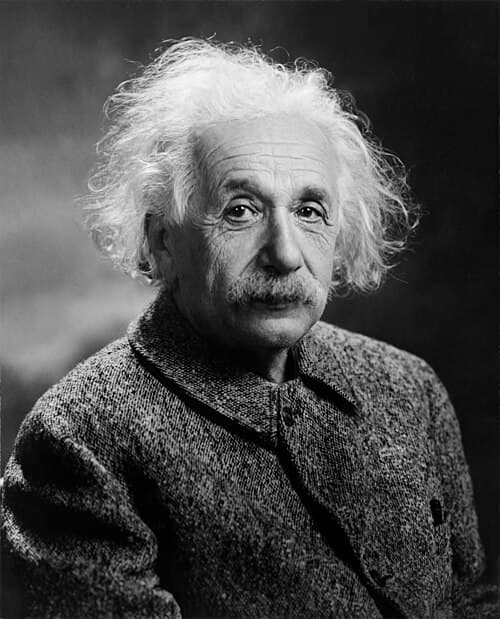
Albert Einstein
PERSON
German-born theoretical physicist (1879–1955)
AC
Alexander Campbell
PERSON
Name reference in documents
Alfredo Rodriguez
PERSON
Jeffrey Epstein's former butler and house manager (2004-2005), convicted of obstruction of justice for attempting to sell Epstein's contact book, died 2014

Amaral DG
PERSON
Name reference in documents
Anders Nygren
PERSON
Name reference in documents

Aquinas
PERSON • 3 mentions
Surname reference in documents

Arevalo
PERSON
Name reference in documents
Aristotle
PERSON
4th-century BCE Classical Greek philosopher and polymath
Arnold
PERSON
Surname reference in Epstein-related documents
Arthur Eddington
PERSON
Person referenced in documents

Augustine
PERSON
Surname reference in documents

Augustine of Hippo
PERSON
Name reference in documents

Averroés
PERSON
Name reference in documents

B. Campbell
PERSON
Name reference in documents

Baldissera
PERSON
Researcher

Barack Obama
PERSON
President of the United States from 2009 to 2017
Barbara Jordan
PERSON
American politician (1936-1996)
BM
Barnaby Marsh
PERSON
American researcher affiliated with Harvard's Center for Evolutionary Dynamics and the Institute for Advanced Study
Barth
PERSON
Surname reference in Epstein-related documents
BA
Baughman
PERSON
Name reference in documents

Beilock
PERSON • 2 mentions
Name reference in documents
BE
Bekkering
PERSON
Name reference in documents
BG
Berns G
PERSON
Name reference in documents
BE
Berntson
PERSON
Surname or name fragment in documents
Bill Burns
PERSON
American diplomat, former Director of the CIA (2021-2025), former Deputy Secretary of State

Blanchard JJ
PERSON
Name reference in documents
BL
Blascovich
PERSON
Name reference in documents
BS
Bowles S.
PERSON
Name reference in documents
Bradley Edwards
PERSON
American attorney who represented Epstein victims, author of Relentless Pursuit
BR
Breaking
PERSON
Surname or name fragment in documents
Brechet
PERSON
Name reference in documents
BM
Brewer MB
PERSON
Name reference in documents

Browne MW
PERSON
Name reference in documents

Browning
PERSON
Surname reference in Epstein-related documents

Buccino
PERSON
Name reference in documents

Buck A
PERSON
American pornographic actor (1955–2008)
Buechner
PERSON
Name reference in documents
BU
Bultmann
PERSON
Name reference in documents
BM
Burleson M
PERSON
Name reference in documents
C. Hitchens
PERSON
Name reference in documents
C. M.
PERSON
Person referenced in documents
Cacioppo
PERSON
American psychology researcher (1951–2018)
CJ
Cacioppo JT
PERSON • 2 mentions
Person referenced in documents
Cameron JL
PERSON
Name reference in documents
Candelora
PERSON
Name reference in documents
Cannon
PERSON
Surname reference in documents

Caritas
PERSON
Surname or name fragment in documents
CA
Caruso
PERSON
Original song written, composed, and performed by Lucio Dalla
CA
Caspi
PERSON
Name reference in documents
Charles Darwin
PERSON
Person referenced in documents

Cheng
PERSON
Surname reference in Epstein-related documents
Chesley Sullenberger
PERSON
American commercial airline pilot
CM
Chris Masi
PERSON
Name reference in documents

Christian Jove
PERSON
Name reference in documents
Christopher Hitchens
PERSON
English American author and journalist (1949–2011)

Ciarocco
PERSON
Name reference in documents
Cicero
PERSON
Roman statesman, lawyer, orator, and philosopher (106–43 BC)
Clark Gilpin’s
PERSON
Name reference in documents
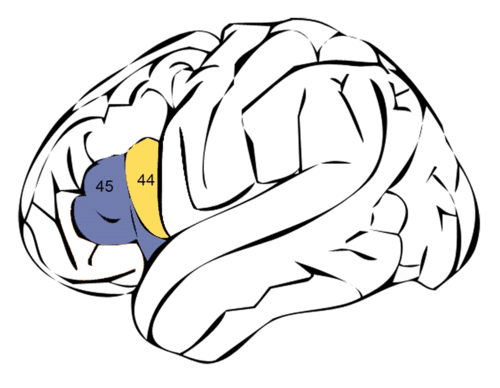
Craighero
PERSON
Name reference in documents
D. A.
PERSON
Person referenced in documents
D. C. Dennett
PERSON
Name reference in documents
D. J. Boorstin
PERSON
Name reference in documents
DM
D. M.
PERSON
Person referenced in documents
Daniel Boorstin
PERSON
American historian (1914–2004)
Daniel Dennett
PERSON
American philosopher (1942–2024)

David Cameron
PERSON
British politician (born 1966)
Dawkins R.
PERSON
Name reference in documents
DE
Dejesus
PERSON
Surname reference in documents
DE
Dewey
PERSON
Surname reference in Epstein-related documents
DC
Dolan CV
PERSON
Name reference in documents
DB
Don Browning
PERSON
Scholar on practical theology, family, marriage, and religion
DB
Doug Band
PERSON
American presidential advisor
DO
Downhill
PERSON
Name reference in documents

Dunbar
PERSON
First name reference to multiple individuals in Epstein-related documents

Dunbar R. The Human Story
PERSON
Name reference in documents
DR
Dunbar RIM
PERSON
Name reference in documents

E. S.
PERSON
Person referenced in documents
E.O. Wilson
PERSON
American biologist, naturalist, and writer (1929–2021)
ED
Eddington
PERSON • 2 mentions
Surname or name fragment in documents
EA
Edward Scribner Ames
PERSON
Name reference in documents
EO
ej re sosition & ods
PERSON
Name reference in documents
EL
Elsinger C. L.
PERSON
Name reference in documents
EG
Emler N. Gossip
PERSON
Name reference in documents
ET
Emmy Taylor
PERSON
Former assistant to Ghislaine Maxwell, appeared in Epstein flight logs and court documents
EP
Epley
PERSON
Surname or name fragment in documents
EN
Epley N
PERSON
Name reference in documents
FM
F. B. M.
PERSON
Name reference in documents

F. GR
PERSON
Name reference in documents
FA
Faber
PERSON
Surname reference in documents
FL
Fadiga, L.
PERSON
Name reference in documents

Farr Curlin
PERSON
Name reference in documents
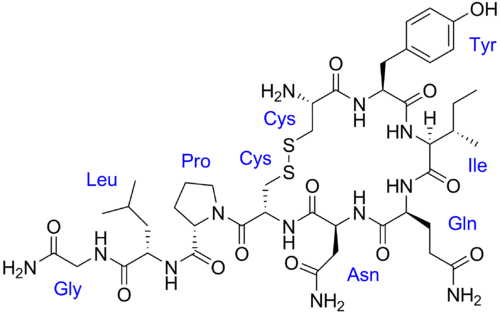
Fehr E.
PERSON
Name reference in documents
FS
Fiske S
PERSON
Name reference in documents
FO
Fogassi
PERSON
Name reference in documents
FO
Foroni
PERSON
Name reference in documents
Fred Miller
PERSON
American football player (1906-1954)
Frederick Buechner
PERSON
American Christian writer (1926–2022)
G. G.
PERSON
Person referenced in documents
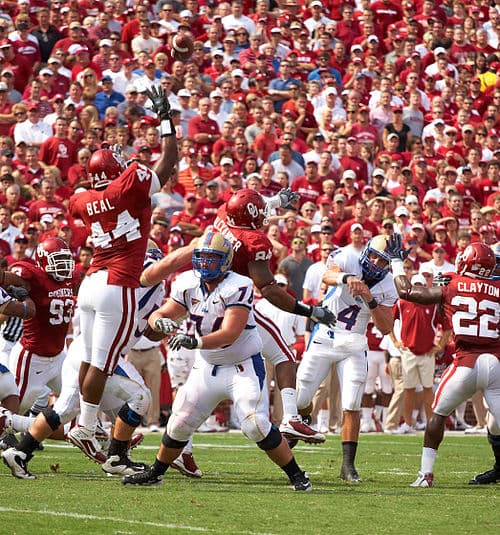
G. J.
PERSON
Person referenced in documents

G. Lindsay
PERSON
Name reference in documents

G. R.
PERSON
Person referenced in documents
Gansberg M. Thirty-Eight
PERSON
Name reference in documents
Gardner W.
PERSON
Name reference in documents

Gary G. Berntson
PERSON
American psychologist
GE
Geller
PERSON
Surname reference in Epstein-related documents
Genovese
PERSON
Surname reference in documents

Geoffrey S. Berman
PERSON
Former U.S. Attorney for the Southern District of New York who oversaw the 2019 federal indictment of Jeffrey Epstein
George McGovern
PERSON
Person referenced in documents

George W. Bush
PERSON
President of the United States from 2001 to 2009
Gerstenblith
PERSON
Name reference in documents
GS
Giin Semin
PERSON
Name reference in documents
GI
Giles
PERSON
Surname reference in Epstein-related documents
GI
Gilpin
PERSON
Surname or name fragment in documents
Grace
PERSON
Short Christian prayer said before or after eating; artistic theme
Granny Smith
PERSON
Name reference in documents
GS
Gtin R. Semin
PERSON
Name reference in documents

Gun Semin’s
PERSON
Name reference in documents
GU
Gutman
PERSON
Surname reference in documents
Haidt J
PERSON
Name reference in documents
HA
Harrington
PERSON
Surname reference in documents
HL
Harrington D. L.
PERSON
Name reference in documents
HA
Haslam
PERSON
Surname or name fragment in documents

Hatfield
PERSON
Surname reference in documents
HL
Hawkley LC
PERSON
Name reference in documents
HT
Heatherton T
PERSON
Name reference in documents
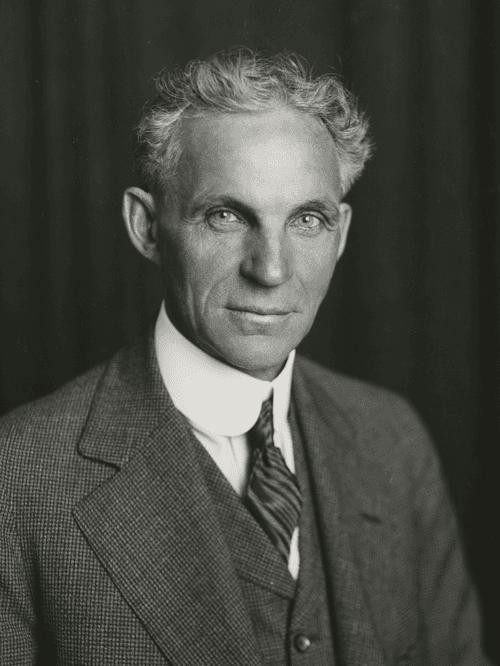
Henry Ford
PERSON
American business magnate (1863–1947)

Hudson
PERSON
Surname reference in Epstein documents

Hunter Biden
PERSON
American businessman and lobbyist (born 1970)
I. M.
PERSON
Person referenced in documents
IA
Iacoboni
PERSON
Name reference in documents
Immanuel Kant
PERSON
German philosopher (1724–1804)
IM
Iromenga M
PERSON
Name reference in documents

Irving B. Harris
PERSON
American businessman (1910-2004)
IA
IThomas Aquinas
PERSON
Name reference in documents
J. A.
PERSON
Person referenced in documents

J. A. Pineda
PERSON
Name reference in documents

J. A. S.
PERSON
Name reference in documents
JC
J. C.
PERSON
Person referenced in documents

J. F.
PERSON
Name reference in documents
J. F., Dorne
PERSON
Name reference in documents

J. H. Lesher
PERSON
Name reference in documents

J. M.
PERSON
Person referenced in documents
JT
J. T.
PERSON
Name reference in documents

J. T. Brandon
PERSON
Name reference in documents
J.
J.P.
PERSON
NER artifact: Abbreviation, likely from J.P. Morgan references
Jaramillo L
PERSON
Name reference in documents
JS
Jason Sunstein
PERSON
Person referenced in documents
JE
Jean Bethke Elshtain
PERSON
American ethicist, political philosopher, and public intellectual (1941–2013)

Jean Decety
PERSON
American neuroscientist

Jean-Luc Brunel
PERSON
French model scout (1946–2022)

Jeffrey Epstein
PERSON
American sex offender and financier (1953–2019)
Jeffrey Paul
PERSON
Ph.D., University of Washington, civil engineering, 2013

Jesus Christ
PERSON
Central figure of Christianity (6 or 4 BC – AD 30 or 33)
JI
Jirsa
PERSON
Name reference in documents

John F. Kennedy
PERSON • 2 mentions
President of the United States from 1961 to 1963 (1917–1963)
John T. Cacioppo
PERSON
American psychology researcher (1951–2018)

Johnson MK
PERSON
Name reference in documents

Julie K. Brown
PERSON
American journalist
K. D.
PERSON
Person referenced in documents

K. M.
PERSON
Person referenced in documents
K. R.
PERSON
Name reference in documents
Karl Barth
PERSON
Name reference in documents
Kathryn Tanner
PERSON
Name reference in documents

Kelso
PERSON
Surname reference in documents

Kesebir
PERSON
Name reference in documents
KC
Kilts C.
PERSON
Name reference in documents

Kinzler
PERSON
Surname or name fragment in documents

Kitty Genovese
PERSON
American murder victim
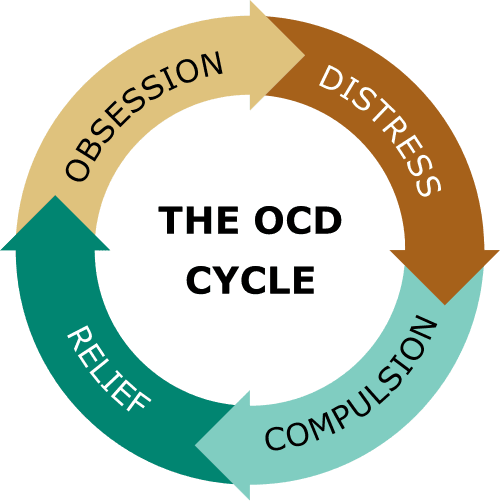
Kozak MJ
PERSON
Name reference in documents
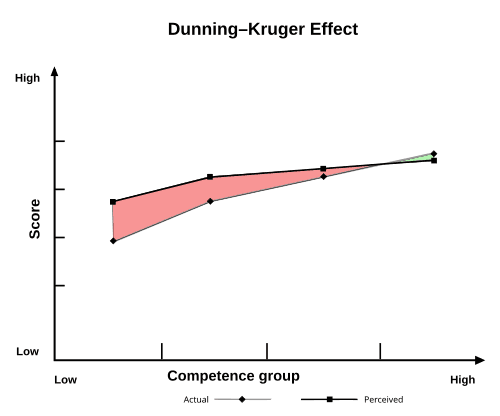
Krueger
PERSON
Surname reference in Epstein-related documents
L. C.
PERSON • 3 mentions
Person referenced in documents

L. L.
PERSON
Person referenced in documents
LE
lactionseg Ve es
PERSON
Name reference in documents

Lagarde
PERSON
Surname reference in documents

Lakin
PERSON
Surname or name fragment in documents
LA
Larry Amhart
PERSON
Name reference in documents
Lawrence Krauss
PERSON
American particle physicist and cosmologist
LB
Leon Black
PERSON
American billionaire businessman (born 1951)
Levenson RW
PERSON
Name reference in documents
LI
Liang
PERSON
Surname reference in documents
LM
Lieberman MD
PERSON
Name reference in documents
LH
Louise C. Hawkley
PERSON
Name reference in documents
LU
Luther
PERSON
First name reference to multiple individuals in the documents

Lyons
PERSON
City of France
M. E.
PERSON
Person referenced in documents
MW
M., Woods
PERSON
Name reference in documents

Maimonides
PERSON
Surname or name fragment in documents
Marc Rich
PERSON
American commodities trader (1934–2013)
MB
Margaret Blake
PERSON
Welsh writer

Martin Luther
PERSON
Name reference in Epstein documents, likely referring to Martin Luther King Jr.
ME
Meltzoff
PERSON
Surname or name fragment in documents

Mendes
PERSON
Village and archaeological site in Egypt

MetaLibri
PERSON
Name reference in documents

Michael Jackson
PERSON • 2 mentions
American singer, songwriter, record producer, and dancer (1958–2009)
MW
Michael Washburn
PERSON
Person referenced in documents
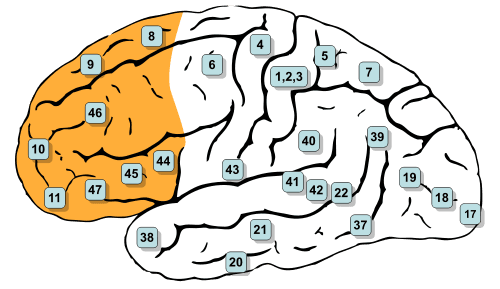
Miller EK
PERSON
Name reference in documents
Milne
PERSON
Surname reference in Epstein-related documents
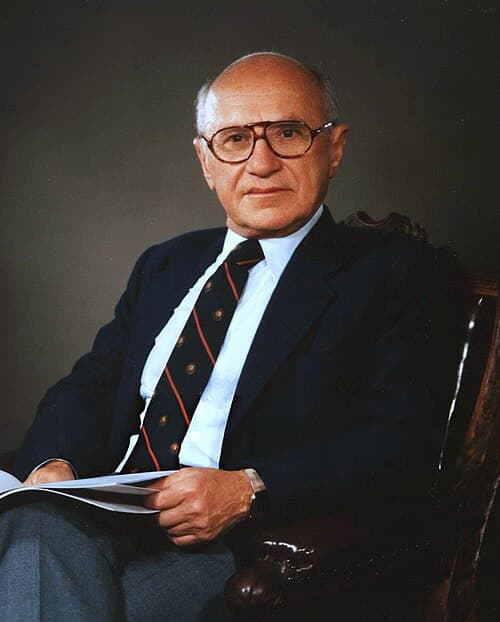
Milton Friedman
PERSON
American economist and statistician (1912–2006)
MN
Mirror Neurons
PERSON
Name reference in documents
MO
Moffitt
PERSON
American psychologist and criminologist (born 1955)

Morewedge
PERSON
Surname or name fragment in documents

Moseley
PERSON
Surname reference in documents

My Mind
PERSON
Name reference in documents
NJ
N. J.
PERSON
Person referenced in documents

Naomi Campbell
PERSON
English supermodel
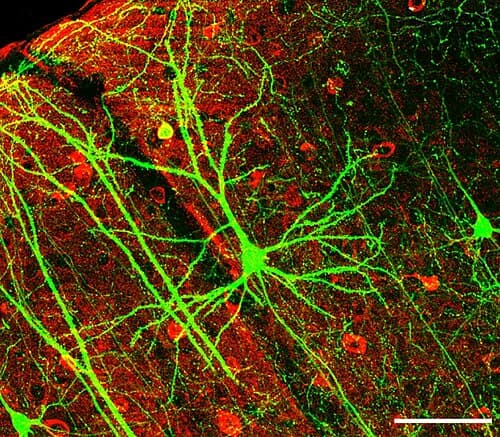
Neurology
PERSON
NER artifact: Medical specialty name misidentified as person name
NE
Nicholas Epley
PERSON
Person referenced in documents
NE
Nick Epley
PERSON
Name reference in documents

Norenzayan
PERSON
Surname or name fragment in documents
NO
Norman
PERSON
Ambiguous first name - refers to multiple Normans including Norman Romero
Norman GJ
PERSON
Name reference in documents
Norman, G.
PERSON
Name reference in documents
Nygren
PERSON
Botanist (1912-1987)

O.J.
PERSON
Surname or name fragment in documents

Oates
PERSON
Surname reference in Epstein-related documents
OK
Ochsner K
PERSON
Name reference in documents

Oliver Stone
PERSON
American film director, screenwriter, and producer (born 1946)
PS
P. S.
PERSON
Person referenced in documents
PA
Padgett
PERSON
Surname or name fragment in documents
PA
Paladino
PERSON
Surname or name fragment in documents

Patrick Seder J
PERSON
Name reference in documents
Paul Ricoeur
PERSON
French philosopher (1913–2005)
Peter Brown
PERSON
American television actor (1935-2016)
PH
Phaedrus
PERSON
Name reference in documents

Plato
PERSON
4th-century BCE Greek philosopher
Plotinus
PERSON
Name reference in documents
PR
Preston
PERSON
Surname reference in documents

Prince Charles
PERSON
King of the United Kingdom and other Commonwealth realms since 2022 (born 1948)

Quinn KJ
PERSON
Name reference in documents

R. A.
PERSON
Person referenced in documents
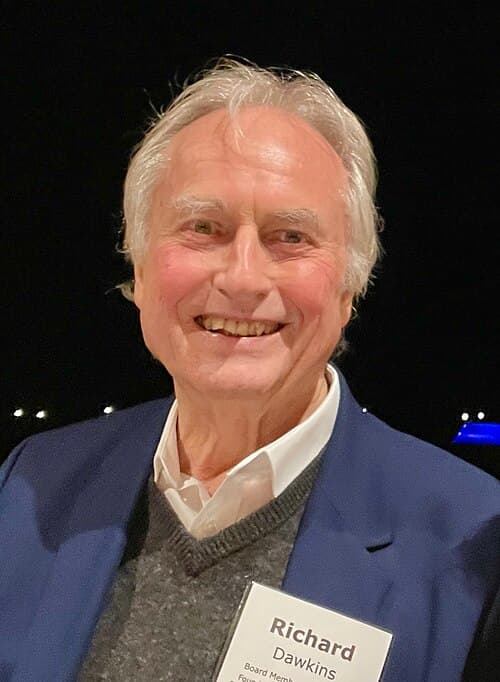
R. Dawkins
PERSON
English ethologist, evolutionary biologist and author (born 1941)

R. F.
PERSON
Name reference in documents
RM
R. I. M.
PERSON
Name reference in documents
R. L.
PERSON
Person referenced in documents
RM
R. M.
PERSON
Person referenced in documents

R. P.
PERSON
Person referenced in documents

R. S.
PERSON
Person referenced in documents
Raichle
PERSON
Name reference in documents

Rao S. M.
PERSON
Name reference in documents
Ravasz
PERSON
Name reference in documents
Ray Nagin
PERSON
American politician and businessman
Regalado J
PERSON
Name reference in documents
Richard Dawkins
PERSON • 2 mentions
English ethologist, evolutionary biologist and author (born 1941)
RM
Richard McKeon
PERSON
Name reference in documents
RR
Richard Rubinstein
PERSON
British army officer (1921–2005)
RI
Ricoeur
PERSON
Name reference in documents

Rilling J
PERSON
Name reference in documents
Rizzolatti
PERSON • 2 mentions
Italian neuroscientist (born 1937)
RT
Robert Trivers
PERSON • 2 mentions
American evolutionary biologist and sociobiologist
RT
Ron Thisted
PERSON
Name reference in documents
Ronald Fisher
PERSON
Name reference in documents
RU
Rudolph
PERSON
First name reference to multiple individuals
S. Beckerman et al.
PERSON
Name reference in documents
SE
S. E.
PERSON
Person referenced in documents
SH
S. Harris
PERSON
Name reference in documents
S. L.
PERSON
Person referenced in documents

S. W.
PERSON
Person referenced in documents

S.T. Fiske
PERSON
Name reference in documents

Salvio M. Soares
PERSON
Name reference in documents
Sam Harris
PERSON
American author, philosopher and neuroscientist (born 1967)

Samantha Power
PERSON
Irish-American academic, author and diplomat
SC
Schneider
PERSON
Ambiguous surname - refers to multiple people in Epstein documents
Schnyder U
PERSON
Name reference in documents
SC
Schulman
PERSON
Surname or name fragment in documents
SM
Se ig mirrorc
PERSON
Name reference in documents

Semin
PERSON
Name reference in documents
SH
Senctiona Ean Bee Rat Hou
PERSON
Name reference in documents
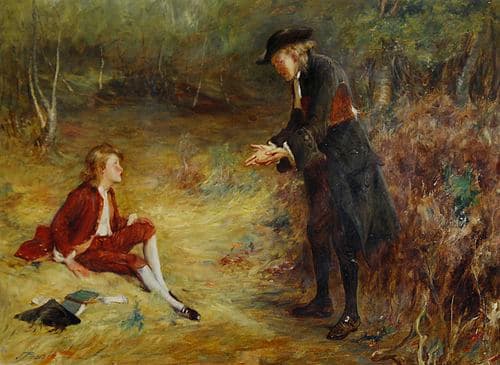
Sermons
PERSON
Surname or name fragment in documents

seth eR
PERSON
Name reference in documents
SH
Sheldon
PERSON
First name reference to multiple individuals in Epstein-related documents
SH
Shintel
PERSON
Name reference in documents

Shultz S. Evolution
PERSON
Name reference in documents
SH
Shutts
PERSON
Surname or name fragment in documents
Silbo Gomero
PERSON
Name reference in documents
SR
sini MOL ork representedNusbaum
PERSON
Name reference in documents
Stephen Hawking
PERSON
British theoretical physicist, cosmologist and author (1942–2018)
SP
Stephen Pope
PERSON
English cricketer (born 1983)
SS
Steven L. Small
PERSON
American scientist and academic
SS
Steven Small’s
PERSON
Name reference in documents
SU
Sugisawa
PERSON
Name reference in documents
Sullenberger
PERSON • 2 mentions
American commercial airline pilot
TS
T. S.
PERSON
Person referenced in documents
T.
T.E.
PERSON
Surname or name fragment in documents
TL
Tanya Luhrmann
PERSON
American anthropologist

Taylor SE
PERSON
English footballer

Thisted
PERSON
Name reference in documents
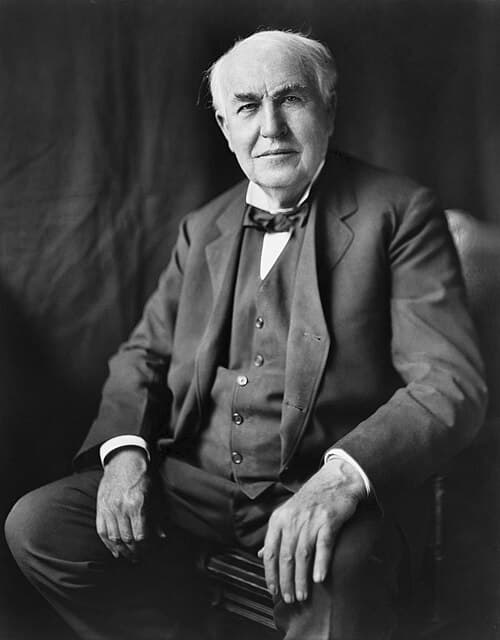
Thomas Edison
PERSON
American inventor and businessman (1847–1931)

Tiffany Trump
PERSON
American socialite, research assistant and reality television personality (born 1993)

Tracie Shea M
PERSON
Name reference in documents

Ulpian
PERSON
Name reference in documents

V. K.
PERSON
Name reference in documents

Valentine
PERSON
Name reference in Epstein documents

van Wassenhove
PERSON
Name reference in documents

Vicsek
PERSON • 2 mentions
Hungarian scientist, physicist (1948–)

W. W.
PERSON
Name reference in documents

W.B.
PERSON
Name reference in documents
WA
Waite
PERSON
Ambiguous - appears in academic citations and victim testimony in Epstein documents
Walter Cannon
PERSON
Name reference in documents
WA
Waytz
PERSON
Name reference in documents
WA
Waytz A
PERSON
Name reference in documents

Will Deming
PERSON
Name reference in documents
WG
Willemsen G
PERSON
Name reference in documents
WH
William Hamilton
PERSON
Name reference in documents
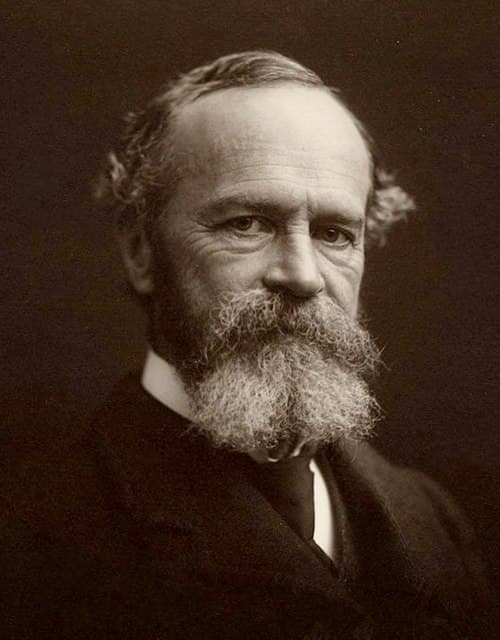
William James
PERSON
Person referenced in documents
WG
Williams GC
PERSON
Name reference in documents

Williams KD
PERSON
Name reference in documents
Wilson DS
PERSON
Name reference in documents
Wilson EO
PERSON
Name reference in documents

Wittstein
PERSON
Name reference in documents

Woody Allen
PERSON
American filmmaker, actor and comedian (born 1935)
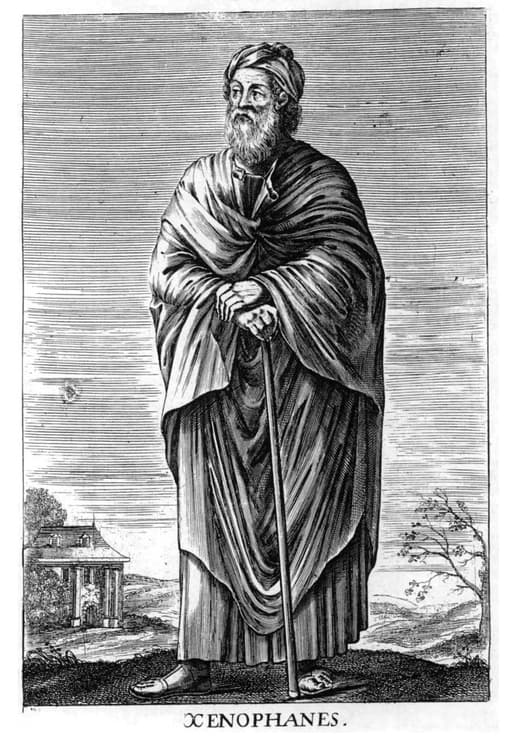
Xenophanes
PERSON
Greek Pre-Socratic philosopher (c.570–c.478 BC)
YL
Young LJ
PERSON
Name reference in documents
ZR
Z., Ravasz
PERSON
Name reference in documents
ZT
Zeh T
PERSON
Name reference in documents
ZG
Zhe God
PERSON
Name reference in documents
ZH
Zhong
PERSON
Surname or name fragment in documents
& Hawkley
ORGANIZATION
Organization referenced in documents
A., & Shariff
ORGANIZATION
Organization referenced in documents
A.N.
ORGANIZATION
Organization referenced in documents

Abingdon Press
ORGANIZATION
Publishing house of the United Methodist Church
Agape
ORGANIZATION
Organization referenced in documents
Aldine Publishing Co.
ORGANIZATION
Organization referenced in documents

Alfred Knopf
ORGANIZATION
Organization referenced in documents
American Academy
ORGANIZATION
American Academy of Arts and Sciences or related institution
American Sociological Review
ORGANIZATION
Bi-monthly peer-reviewed academic journal
Anthropological Linguistics
ORGANIZATION
Organization referenced in documents
Aptenodytes
ORGANIZATION
Organization referenced in documents
Archives of Pediatric
ORGANIZATION
Organization referenced in documents
Ardipithecus
ORGANIZATION
Organization referenced in documents

Bantam
ORGANIZATION
Any small chicken

Barneys New York
ORGANIZATION
American chain of luxury department stores

Basic Books
ORGANIZATION
American book publisher
Beckerman S
ORGANIZATION
Organization referenced in documents
Behav Genet
ORGANIZATION
Organization referenced in documents
Behavioral Medicine
ORGANIZATION
Organization referenced in documents
Berntson GG
ORGANIZATION
Organization referenced in documents

Berscheid E. Interpersonal
ORGANIZATION
Organization referenced in documents
Bivalacqua
ORGANIZATION
Organization referenced in documents
Bobbs-Merrill Co.
ORGANIZATION
Organization referenced in documents

Boston Red Sox
ORGANIZATION
Organization referenced in documents
Brain & Language
ORGANIZATION
Organization referenced in documents
C.B., & Leonardelli
ORGANIZATION
Organization referenced in documents
C.B., & Liljenquist
ORGANIZATION
Organization referenced in documents
Cardiac
ORGANIZATION
Organization referenced in documents
Cardiac Autonomic Balance
ORGANIZATION
Organization referenced in documents
Cardiac Autonomic Regulation
ORGANIZATION
Organization referenced in documents
Cardiac Regulatory Capacity
ORGANIZATION
Organization referenced in documents
Chicago Booth School
ORGANIZATION
Organization referenced in documents
Chicago Booth School of Business
ORGANIZATION
Business school at the University of Chicago
Chicago Cubs
ORGANIZATION
Organization referenced in documents
Christian Ethics
ORGANIZATION
Organization referenced in documents
Circle Line
ORGANIZATION
Organization referenced in documents
Cleve Clin J Med
ORGANIZATION
Organization referenced in documents
Community Psychology
ORGANIZATION
Organization referenced in documents
Computation Institute
ORGANIZATION
Organization referenced in documents
Computational Neuroscience
ORGANIZATION
Organization referenced in documents
Connecting and Binding Social Brains
ORGANIZATION
Organization referenced in documents
Current Biology
ORGANIZATION
Scientific journal
De Oratore
ORGANIZATION
Organization referenced in documents
De Waal
ORGANIZATION
Organization referenced in documents
Delacorte Press
ORGANIZATION
Organization referenced in documents
DeWall, C. N.
ORGANIZATION
Organization referenced in documents
Divine
ORGANIZATION
Organization referenced in documents
Divinity School, University of Chicago
ORGANIZATION
Organization referenced in documents
Donaldson ZR
ORGANIZATION
Organization referenced in documents
Erickson PI
ORGANIZATION
Organization referenced in documents
Family Practice
ORGANIZATION
Organization referenced in documents
Financial Times
ORGANIZATION
London-based daily newspaper
G. G. Berntson & J. T.
ORGANIZATION
Organization referenced in documents
G. R. & Cacioppo
ORGANIZATION
Organization referenced in documents
G., & Arbib
ORGANIZATION
Organization referenced in documents
General Psychiatry
ORGANIZATION
Organization referenced in documents
Generative
ORGANIZATION
Organization referenced in documents

Guilford Press
ORGANIZATION
Company in New York, United States
H. C.
ORGANIZATION
Organization referenced in documents

Hachette Book Group
ORGANIZATION
Publishing company owned by Hachette Livre
Handbook of Psychophysiology
ORGANIZATION
Organization referenced in documents
Harmony Books
ORGANIZATION
Organization referenced in documents
Harrington H
ORGANIZATION
Organization referenced in documents

Harvard University
ORGANIZATION
American university publishing house
Herpes Simplex
ORGANIZATION
Organization referenced in documents

Houghton Mifflin Co.
ORGANIZATION
Organization referenced in documents
Human Sciences
ORGANIZATION
Organization referenced in documents
Inclusive Fitness
ORGANIZATION
Organization referenced in documents
Invisible Force
ORGANIZATION
Organization referenced in documents
Invisible Minds
ORGANIZATION
Organization referenced in documents
J., & Chartrand
ORGANIZATION
Organization referenced in documents
J., & Gilovich
ORGANIZATION
Organization referenced in documents
J., & Lamm
ORGANIZATION
Organization referenced in documents
J., & Liu
ORGANIZATION
Organization referenced in documents
J., & Sommerville
ORGANIZATION
Organization referenced in documents
J., & Spelke
ORGANIZATION
Organization referenced in documents
J., Berntson, G. G.
ORGANIZATION
Organization referenced in documents
J., Echols
ORGANIZATION
Organization referenced in documents
J., Janson, P.
ORGANIZATION
Organization referenced in documents
J., Masi, C. M.
ORGANIZATION
Organization referenced in documents
J.C., & Rizzolatti
ORGANIZATION
Organization referenced in documents
John Wiley & Sons
ORGANIZATION
American baseball player (1857-1926)
Journal of Comparative
ORGANIZATION
Organization referenced in documents
Journal of Gerontology
ORGANIZATION
Organization referenced in documents
Journal of Research
ORGANIZATION
Organization referenced in documents
Journal of Theoretical Biology 7
ORGANIZATION
Organization referenced in documents

Judaism
ORGANIZATION
Abrahamic monotheistic ethnic religion of the Jews
K., & Wegner
ORGANIZATION
Organization referenced in documents
Kinder Society
ORGANIZATION
Organization referenced in documents
Krueger AB
ORGANIZATION
Organization referenced in documents
KS: University of Kansas Press
ORGANIZATION
Organization referenced in documents
L. C. & Cacioppo
ORGANIZATION
Organization referenced in documents
Landis KR
ORGANIZATION
Organization referenced in documents
M., Smith-Lovin
ORGANIZATION
Organization referenced in documents
Mattarella-Micke, A.
ORGANIZATION
Organization referenced in documents
Milne BJ
ORGANIZATION
Organization referenced in documents
Mirror Neuron Systems
ORGANIZATION
Organization referenced in documents

MIT Press
ORGANIZATION
American university press
Molnar-Szakacs
ORGANIZATION
Organization referenced in documents
N., & Bain
ORGANIZATION
Organization referenced in documents
N., & Dunning
ORGANIZATION
Organization referenced in documents
N., & Waytz
ORGANIZATION
Organization referenced in documents
Natural Selection
ORGANIZATION
Organization referenced in documents
Neurolmage 31:1177-1187
ORGANIZATION
Organization referenced in documents
Neuropsychologia
ORGANIZATION
Organization referenced in documents
Nicomachean Ethics
ORGANIZATION
Organization referenced in documents
Norton & Company
ORGANIZATION
Organization referenced in documents
Norton Books
ORGANIZATION
Organization referenced in documents
Nouriani
ORGANIZATION
Organization referenced in documents
Nusbaum
ORGANIZATION
Organization referenced in documents
NYU Law Review
ORGANIZATION
Organization referenced in documents
Ohio State
ORGANIZATION
Public research university in Columbus, Ohio, United States
Omessage Oa
ORGANIZATION
Organization referenced in documents
Oullier, O. & Kelso
ORGANIZATION
Organization referenced in documents
Pagnoni G
ORGANIZATION
Organization referenced in documents
Personality & Social Psychology
ORGANIZATION
Organization referenced in documents
Physical Review E
ORGANIZATION
Organization referenced in documents
Physiological Psychology
ORGANIZATION
Organization referenced in documents
PLoS Biology
ORGANIZATION
Organization referenced in documents
Psychological Inquiry 13:3 (2002
ORGANIZATION
Organization referenced in documents
Psychological Review
ORGANIZATION
Scientific journal

Psychological Science
ORGANIZATION
Journal
Psychophysiological Research
ORGANIZATION
Organization referenced in documents
Psychophysiology
ORGANIZATION
Organization referenced in documents
Random House
ORGANIZATION • 2 mentions
American general-interest trade book publisher
Recent Roman Catholic Ethics
ORGANIZATION
Organization referenced in documents
Resilient Bodies
ORGANIZATION
Organization referenced in documents

Roberto Cavalli
ORGANIZATION
Fashion designer brand
Rodriguez, R.T.
ORGANIZATION
Organization referenced in documents

Royal Society
ORGANIZATION
Organization referenced in documents
Rutgers University Press
ORGANIZATION
Organization referenced in documents
S. L. & Carr
ORGANIZATION
Organization referenced in documents
S., Rodriguez, A.P., & Gaunt
ORGANIZATION
Organization referenced in documents
Sarter, M. &
ORGANIZATION
Organization referenced in documents
Schellhammer M
ORGANIZATION
Organization referenced in documents
Schkade DA
ORGANIZATION
Organization referenced in documents
Schwarz N
ORGANIZATION
Organization referenced in documents
Social Cognition
ORGANIZATION
Organization referenced in documents
Social Connectedness: Invisible Forces
ORGANIZATION
Organization referenced in documents
Social Neuroscience Laboratory
ORGANIZATION
Organization referenced in documents
Social Psychology
ORGANIZATION
Organization referenced in documents
Sparks C
ORGANIZATION
Organization referenced in documents
Springer
ORGANIZATION
Organization referenced in documents
Summa Theologica
ORGANIZATION
Organization referenced in documents
Superb
ORGANIZATION
Organization referenced in documents
Suppl 1
ORGANIZATION
Organization referenced in documents
System Science
ORGANIZATION
Organization referenced in documents
T., & Barabasi
ORGANIZATION
Organization referenced in documents
T.J., & Champion
ORGANIZATION
Organization referenced in documents
Templeton Foundation
ORGANIZATION
Organization referenced in documents
the Brain Research Imaging Center
ORGANIZATION
Organization referenced in documents
the Center for Cognitive
ORGANIZATION
Organization referenced in documents
The Chicago Health
ORGANIZATION
Organization referenced in documents
the Chicago Health, Aging and
ORGANIZATION
Organization referenced in documents
The Chicago Social Brain Network
ORGANIZATION
Organization referenced in documents
the Committees on Neurobiology
ORGANIZATION
Organization referenced in documents
The Components of Empathy
ORGANIZATION
Organization referenced in documents
The Elementary School
ORGANIZATION
Organization referenced in documents
the Kurt Lewin Graduate
ORGANIZATION
Organization referenced in documents
the Modern Psychologies
ORGANIZATION
Organization referenced in documents

the Ohio State University
ORGANIZATION
Organization referenced in documents
the Social Brain
ORGANIZATION
Organization referenced in documents
the Social Neuroscience
ORGANIZATION
Organization referenced in documents
the Social Sciences
ORGANIZATION
Organization referenced in documents

The Wall Street Journal
ORGANIZATION
American business-focused daily newspaper
Thiemann
ORGANIZATION
Organization referenced in documents

Tree of Life
ORGANIZATION
Organization referenced in documents
Troels
ORGANIZATION
Organization referenced in documents
Twenge
ORGANIZATION
Organization referenced in documents

Ulysses Press
ORGANIZATION
Organization referenced in documents

University of California
ORGANIZATION
University system in California, United States

University of Oxford
ORGANIZATION
Collegiate research university in Oxford, England
University of Parma
ORGANIZATION
Organization referenced in documents
University of Utrecht
ORGANIZATION
Organization referenced in documents

University Press
ORGANIZATION
Student magazine of Florida Atlantic University in Boca Raton, Florida, United States

US Airways
ORGANIZATION
Former airline in the United States
Van Boven
ORGANIZATION
Organization referenced in documents
Vintage Books
ORGANIZATION
Organization referenced in documents

W. W. Norton
ORGANIZATION
American publishing company
W.H. Freeman
ORGANIZATION
In Colonial America, a person who is not enslaved
Weiss RS
ORGANIZATION
Organization referenced in documents
Westminster Press
ORGANIZATION
Organization referenced in documents

Wiley
ORGANIZATION
American multinational publishing company
Wordle
ORGANIZATION
Organization referenced in documents

Antarctica
LOCATION
Polar continent

Bangladesh
LOCATION
Country in South Asia

Berkeley
LOCATION
City in Alameda County, California, United States

Charlotte
LOCATION
City in and county seat of Mecklenburg County, North Carolina, United States

Earth
LOCATION
Third planet from the Sun in the Solar System

Ecuador
LOCATION
Sovereign state in South America
G. L
LOCATION
Location referenced in documents
Harcourt
LOCATION
United States publishing firm

Hoboken
LOCATION
City in Hudson County, New Jersey, United States

Hudson River
LOCATION
Location referenced in documents
Hyde Park
LOCATION
Hyde Park, neighborhood in London or New York
Kew Gardens
LOCATION
World's largest collection of living plants in the London Borough of Richmond upon Thames

Louisville
LOCATION
County seat of Jefferson County, Kentucky, United States

Nashville
LOCATION
Capital and largest city of Tennessee, United States

New Orleans
LOCATION
Largest city of the state of Louisiana, United States

New York City
LOCATION • 2 mentions
Most populous city in the United States

North Carolina
LOCATION
State of the United States of America

Philadelphia
LOCATION
1993 film by Jonathan Demme
Piscataway
LOCATION
Township in Middlesex County, New Jersey, United States

Sicily
LOCATION
Island in the Mediterranean, region of Italy

South Africa
LOCATION
Country in southern Africa
Ssceihs mn
LOCATION
Location referenced in documents
T.L.
LOCATION
Location referenced in documents
Teciprocaly
LOCATION
Location referenced in documents
The Republic (New York
LOCATION
Location referenced in documents

Toronto
LOCATION
Capital and largest city of the province of Ontario, Canada

Trinidad
LOCATION
Larger of the two major islands which make up Trinidad and Tobago
Upper Saddle River
LOCATION
Location referenced in documents
Statistics
Pages:100
Entities:535
Avg. OCR:94.3%
Sponsored