Back to Network



9
Shared Docs
9
Same-Page
11 / 14
Mentions
Document Mentions (9 shared documents)
4 mentions1 same-page
Page ?Same page
one pole, buried the bulky transmitter and made their way back. And it worked. Israeli intelligence could listen in to military communications on the Heights. The hitch as that the batteries had to be replaced every few weeks. Several more times, Meir and his men sneaked back into Syria to keep the bug wor
1:15 in the morning even if that meant not getting the intercept in place. And it was already past midnight. We began climbing into the heart of the Heights, planning to go around the southern edge of the Syrian base at Banias. The vegetation was sparser but we still ran the risk of making noise from the
or did I doubt that President Clinton, whom I had come to view not just as a diplomatic partner but a friend, would rise to the occasion. But as for Arafat? There was simply no way of knowing. That was why I had pressed President Clinton so hard to convene the summit. That was why, despite the misgiving
deeply, and was more determined to help us end it, than any other president before him. It was a moment of truth for the leader of the Palestinians, Yasir Arafat. The Oslo Accords of 1993, groundbreaking though they were, had created a peace process, not peace. Over the past few years, that process had been l
4 mentions1 same-page
Page ?Same page
one pole, buried the bulky transmitter and made their way back. And it worked. Israeli intelligence could listen in to military communications on the Heights. The hitch as that the batteries had to be replaced every few weeks. Several more times, Meir and his men sneaked back into Syria to keep the bug wor
1:15 in the morning even if that meant not getting the intercept in place. And it was already past midnight. We began climbing into the heart of the Heights, planning to go around the southern edge of the Syrian base at Banias. The vegetation was sparser but we still ran the risk of making noise from the
or did I doubt that President Clinton, whom I had come to view not just as a diplomatic partner but a friend, would rise to the occasion. But as for Arafat? There was simply no way of knowing. That was why I had pressed President Clinton so hard to convene the summit. That was why, despite the misgiving
deeply, and was more determined to help us end it, than any other president before him. It was a moment of truth for the leader of the Palestinians, Yasir Arafat. The Oslo Accords of 1993, groundbreaking though they were, had created a peace process, not peace. Over the past few years, that process had been l
3 mentions1 same-page
Page ?Same page
entire Golan for peace. With Rabin, Itamar Rabinovich and the rest of the team, we put together a framework limiting Syria’s military presence on the Heights. We envisaged phasing out the restrictions as Syria took steps toward the kind of peace which had proved possible with Egypt and Jordan. But indirect
be at stake for Damascus, I certainly couldn’t see the Phalangists being able to drive them out by force. The more immediate, open question involved Arafat and the Palestinians. Our other two invasion forces had driven almost all the PLO fighters out of south Lebanon, though not without costs and casualt
s, and at the dinner held at one of King Juan Carlos’s palatial estates, and, for me, a first opportunity to meet not only Arab foreign ministers but Yasir Arafat. My first, brief encounter with Arafat began a bit embarrassingly. I’d arrived a few minutes early for the conference dinner and was led into an imp
Sponsored
3 mentions1 same-page
Page ?Same page
ssad of Syria, who has refused every Israeli offer to hand back the Golan Heights. If you rule at the head of a tiny Alawite minority, why take the Heights and give away a conflict that keeps you in power? Peace at home— justice, jobs and consent—makes for peace abroad. Still, don't hold your breath. Y
president and prime minister, as an innovative breakthrough, a reversal of the strategy of their unwholesome predecessor, PLO chairman (1969-2004) Yasser Arafat. This is incorrect. Indeed, Arafat's strategy from the late 1980s, after he realized that he wasn't going to orchestrate the destruction of Israel
tive breakthrough, a reversal of the strategy of their unwholesome predecessor, PLO chairman (1969-2004) Yasser Arafat. This is incorrect. Indeed, Arafat's strategy from the late 1980s, after he realized that he wasn't going to orchestrate the destruction of Israel (Black September 1970 in Jordan and
3 mentions1 same-page
Page ?Same page
entire Golan for peace. With Rabin, Itamar Rabinovich and the rest of the team, we put together a framework limiting Syria's military presence on the Heights. We envisaged phasing out the restrictions as Syria took steps toward the kind of peace which had proved possible with Egypt and Jordan. But indirect
be at stake for Damascus, I certainly couldn't see the Phalangists being able to drive them out by force. The more immediate, open question involved Arafat and the Palestinians. Our other two invasion forces had driven almost all the PLO fighters out of south Lebanon, though not without costs and casualt
s, and at the dinner held at one of King Juan Carlos's palatial estates, and, for me, a first opportunity to meet not only Arab foreign ministers but Yasir Arafat. My first, brief encounter with Arafat began a bit embarrassingly. I'd arrived a few minutes early for the conference dinner and was led into an impr
2 mentions1 same-page
Page ?Same page
APCs in a massive motorcade from the bottom to the top of the country and back again. We dubbed it Cinerama, from the Hebrew words for Sinai and the Heights, Ramah. If there was an escalation of hostilities, the northern command's regular division would cross into Lebanon. Our role would be to take their
1967 war had turned out to be hollow words. It was time for a new generation, and a new, more direct, form of confrontation with the "Zionist enemy." Arafat had set up camp with nearly a thousand men just across the Jordan River, in a town called Karameh. From early 1968, they had been launching hit- and-
Sponsored
2 mentions1 same-page
Page ?Same page
wo decades of statehood. I believe that it would actually be more difficult for international interlocutors to persuade the Israelis to give up the Heights than to relinquish parts of east Jerusalem, one reason being that this territory is and was virtually without Syrians, except Syrian soldiers, in 1
d cruelly and bloodily. Indeed, the Assads have nursed a particular grudge against the Palestinians, almost all of them. They had little truck with Arafat and sided in the intra-Palestinian wars with the secular "socialist" schismatics who'd headquartered themselves in Syria's capital. This did not pr
2 mentions1 same-page
Page ?Same page
APCs in a massive motorcade from the bottom to the top of the country and back again. We dubbed it Cinerama, from the Hebrew words for Sinai and the Heights, Ramah. If there was an escalation of hostilities, the northern command’s regular division would cross into Lebanon. Our role would be to take their
967 war had turned out to be hollow words. It was time for a new generation, and a new, more direct, form of confrontation with the “Zionist enemy.” Arafat had set up camp with nearly a thousand men just across the Jordan River, in a town called Karameh. From early 1968, they had been launching hit- and-
2 mentions1 same-page
Page ?Same page
Sunday: fu- neral Mass Monday. Shenberg. Bernice. 84, of Boynton Beach. died Thurs- day. Boca Jewish Funerals. Boca Raton. Funeral in Ar- lington Heights. Ill. Stemthat, Solomon, 86, of Delray Beach. died Thurs- day. Neptune Society, Fort Lauderdale. Sustln, Rose, of Lake Worth, died Thursday. Rubi
with rockets as another crashed down out- side. His first taste was at age 13, back in 1970, when the Palestine Liberation Organi- zation, led by Yasser Arafat, began raining rockets on the town. In 1982. Ben-Abo was a soldier who fought in Leba- non for nearly a year in an operation that drove the PLO
Sponsored
Mutual Connections (821)
Entities connected to both Heights and Yasser Arafat
Jerusalem
LOCATION8 w/ Heights·49 w/ Yasser
George W. Bush
PERSON8 w/ Heights·47 w/ Yasser
Fatah
ORGANIZATION6 w/ Heights·43 w/ Yasser
Lebanon
LOCATION9 w/ Heights·39 w/ Yasser
Barack Obama
PERSON5 w/ Heights·41 w/ Yasser
Benjamin Netanyahu
PERSON7 w/ Heights·39 w/ Yasser
Bill Clinton
PERSON8 w/ Heights·37 w/ Yasser
Mahmoud Abbas
PERSON3 w/ Heights·38 w/ Yasser
United States
LOCATION7 w/ Heights·34 w/ Yasser
Bashar al-Assad
PERSON6 w/ Heights·35 w/ Yasser
West Bank
LOCATION4 w/ Heights·35 w/ Yasser
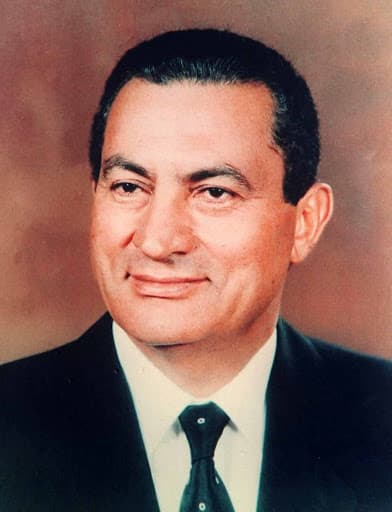
Hosni Mubarak
PERSON8 w/ Heights·30 w/ Yasser
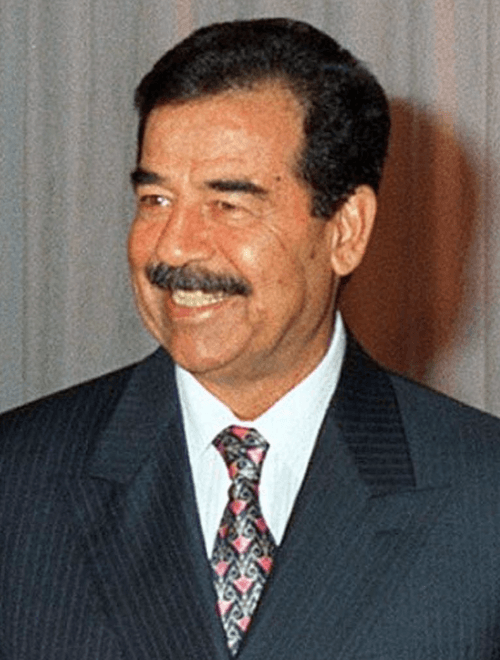
Saddam Hussein
PERSON8 w/ Heights·29 w/ Yasser
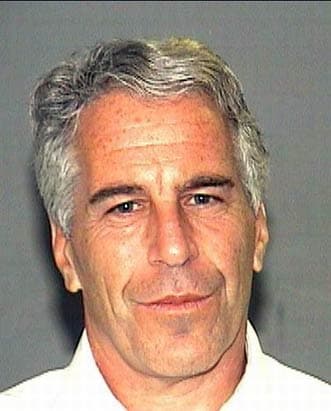
Jeffrey Epstein
PERSON4 w/ Heights·32 w/ Yasser
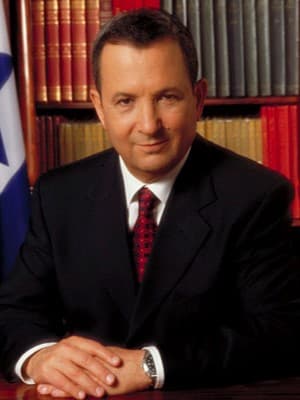
Ehud Barak
PERSON8 w/ Heights·28 w/ Yasser
Damascus
LOCATION6 w/ Heights·29 w/ Yasser
Marc Rich
PERSON4 w/ Heights·29 w/ Yasser
Cairo
LOCATION6 w/ Heights·26 w/ Yasser
the West Bank
LOCATION7 w/ Heights·23 w/ Yasser
Ramallah
LOCATION2 w/ Heights·28 w/ Yasser