Back to People & Entities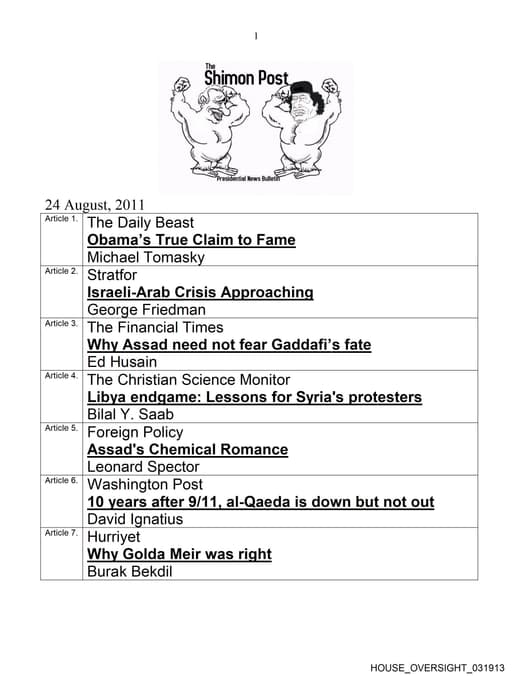
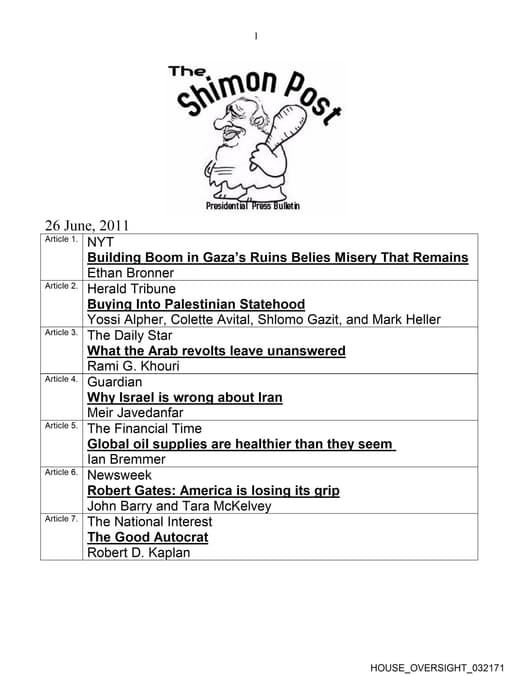
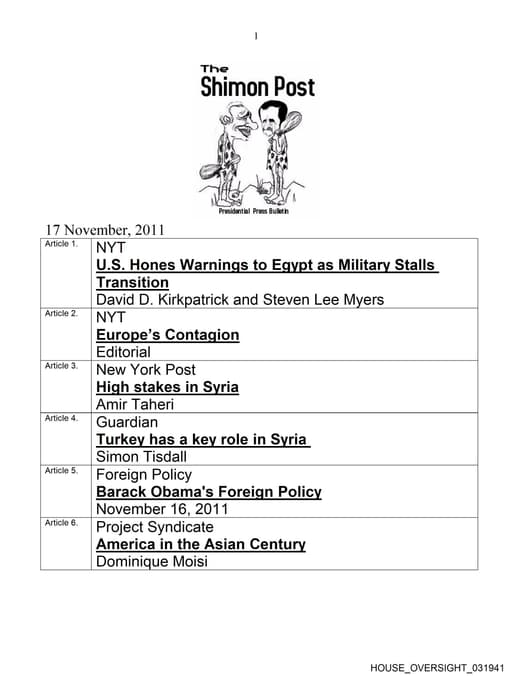
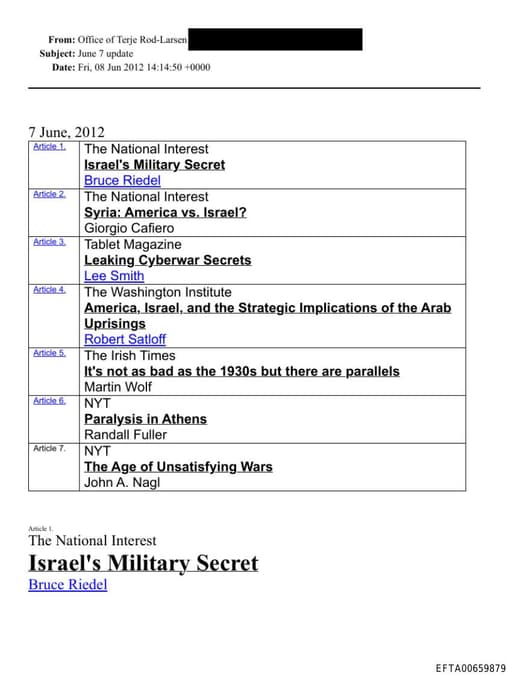






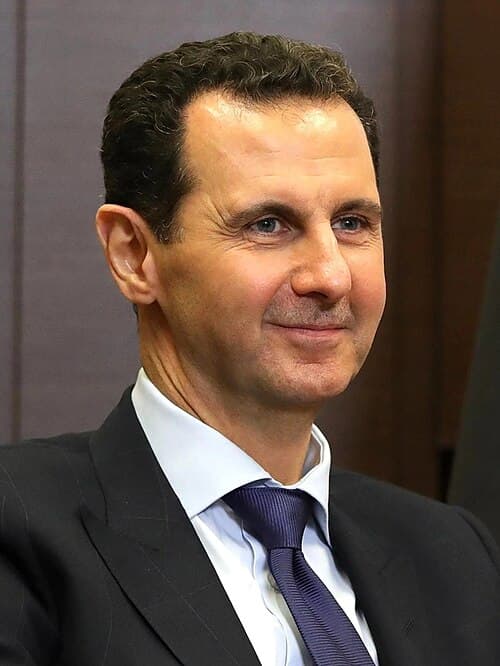
Bashar al-Assad appears in 43 documents with 85 mentions, primarily in news articles and government records from 2011-2017 discussing Middle East geopolitics, not in connection with Jeffrey Epstein's social circle or criminal activities.
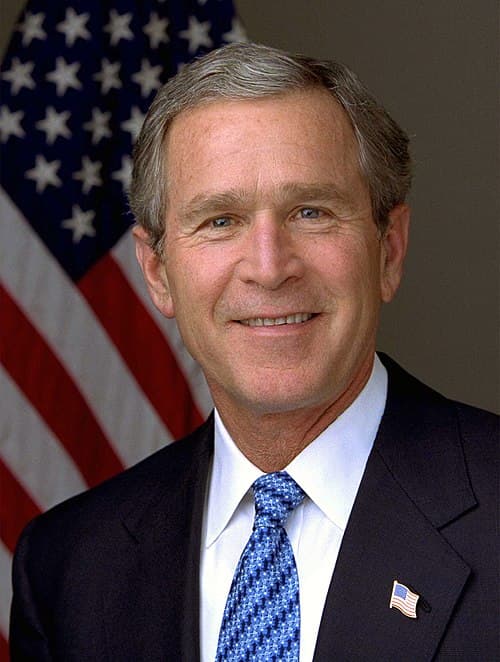
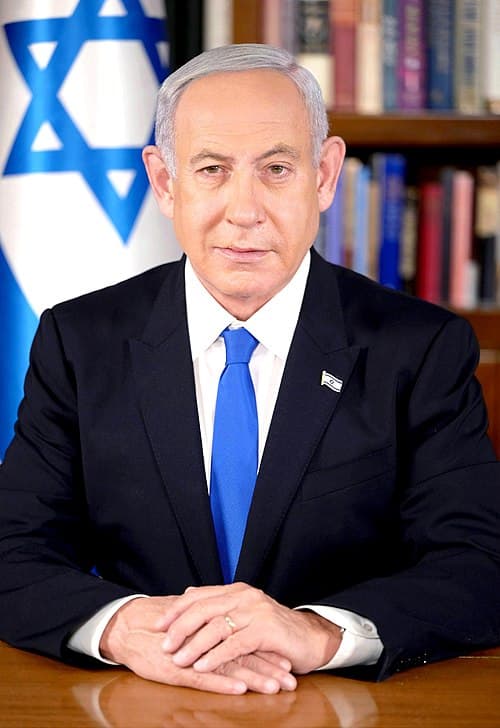
Assad appears exclusively in forwarded news articles, political analysis documents, and book excerpts discussing Syrian politics, chemical weapons use, and Middle East diplomacy. The documents are part of collections that include general news and political content from the 2010s, particularly covering the Syrian civil war, Arab Spring, and international responses to Assad's regime. He is mentioned alongside other world leaders like Barack Obama, George W. Bush, and Benjamin Netanyahu in geopolitical contexts. There is no evidence of any personal connection, communication, or relationship with Jeffrey Epstein in these documents.
Key Highlights
- •All mentions occur in news updates, political analysis, and history books discussing Syrian politics and the Arab Spring (2011-2017 period)
- •Frequently mentioned in context of chemical weapons use, international sanctions, and the Syrian civil war
- •Appears alongside other Middle East leaders in documents analyzing regional geopolitics and U.S. foreign policy
- •No flight logs, personal emails, or social connections to Epstein found - presence is purely incidental through news content
- •Documents include Middle East Update newsletters, excerpts from 'Fire and Fury' by Michael Wolff, and Freedom House reports
Frequently Asked Questions
Related Links
Document Mentions (20 of 316)
24 August.doc
4 mentionsHOUSE_OVERSIGHT_031913 - HOUSE_OVERSIGHT_031940
Aug 24, 2011Source: House Oversight Committee
ia, there is now a risk of a dangerous moment of western triumphalism. This must be resisted, especially given that the odds of overthrowing dictator Bashar al- Assad are so small. After months of holding his nerve, US president Barack Obama last week succumbed to calls from commentators and Syrian opposition leade
Page: HOUSE_OVERSIGHT_031925 →on- based Shiite organization. HOUSE_OVERSIGHT_031932 --- PAGE BREAK --- 21 So despite their many faults and deplorable record on human rights, the Assads have treated their chemical arsenal with considerable care. But as the country potentially descends into chaos, will that hold true? Let's start with
Page: HOUSE_OVERSIGHT_031933 →addafi's fate Ed Husain Article 4. The Christian Science Monitor Libya endgame: Lessons for Syria's protesters Bilal Y. Saab Article 5 Foreign Policy Assad's Chemical Romance Leonard Spector Article 6. Washington Post 10 years after 9/11, al-Qaeda is down but not out David Ignatius Article 7. Hurriyet Wh
Page: HOUSE_OVERSIGHT_031913 →EFTA00660802.pdf
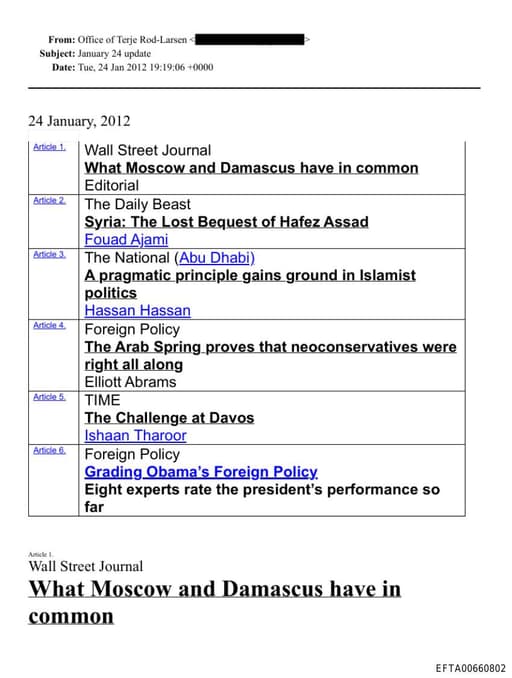
4 mentionsEFTA00660802
plot behind every popular democratic uprising. Artick 2. The Daily Beast Syria: The Lost Bequest of Hafez Assad Fouad Ajami January 23, 2012 -- Bashar, son of Hafez Assad, has a son by the name of Hafez. But as the defiance and bloodletting in £yria would seem to suggest, Bashar needn't worry abou
dispatched to prisons. The young inheritor was his father's son. A year ago, when the political hurricane known as the Arab Spring hit the region, Bashar al-Assad proclaimed his country's immunity to the troubles. He was young, the rulers challenged by their people were old, he was anti- American and anti-Isra
reign Minister Sergei Lavrov last week rejected any talk of new U.N. sanctions or arms embargo on Syria. He even defended Moscow's right to arm Mr. Assad as he kills more civilians. The business daily Kommersant reported yesterday that Russia has signed a $550 million contract to sell Syria 36 combat
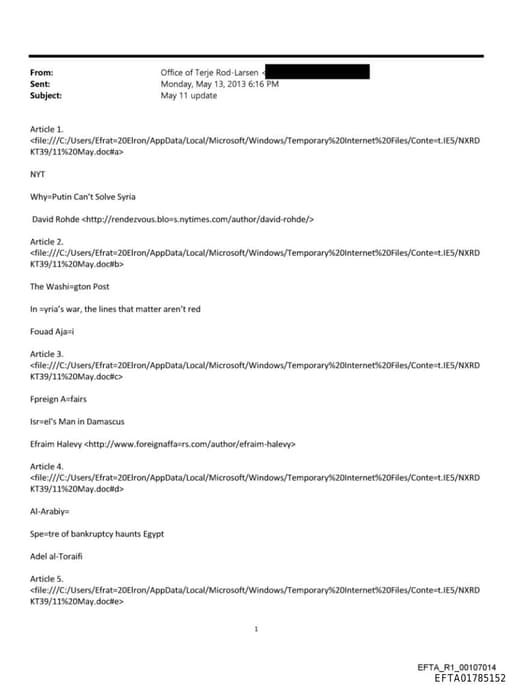
EFTA01785152.pdf
4 mentionsEFTA01785152
with Secretary of State John Kerry here this week, the =ussian foreign minister, Sergey Lavrov, hinted that Moscow might finally pressure President Bashir al-Assad of Syria to l=ave office. 2 EFTA_R1_00107015 EFTA01785153 "We are not interested in the fate =f certain individuals," Mr. Lavrov said at a late
y furt=er. Jerusalem, ultimately, has little interest in actively hastening the f=ll of Bashar al-Assad. Israel knows one important thin= about the Assads: for the past 40 years, they have managed to preserve so=e form of calm along the border. Technically, the two countries have always been at war --
e, the Alawite regime in Damascus and Hezbol=ah in Lebanon) is hell-bent on robbing them of their historic place in Iraq, their government's tilt to=ard Bashar al-Assad provided it. 5 EFTA_R1_00107018 EFTA01785156 It was a matter of time before =hese millennial conflicts were given new life by the Syrian civil w
Sponsored
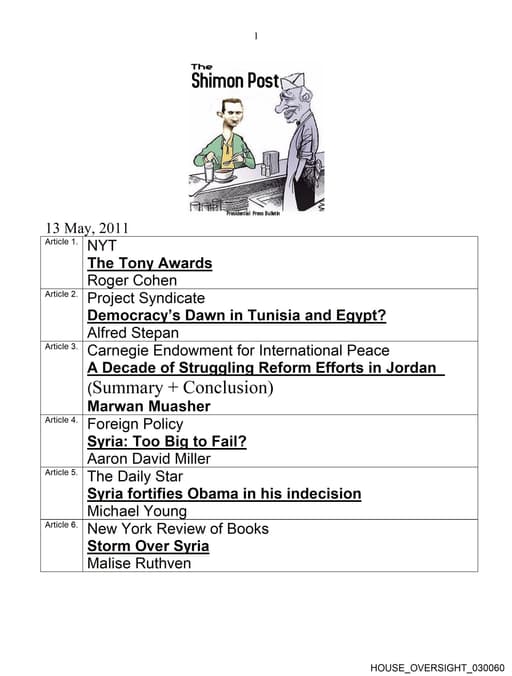
13 May.doc
4 mentionsHOUSE_OVERSIGHT_030060 - HOUSE_OVERSIGHT_030093
May 12, 2011Source: House Oversight Committee
ng different. There simply is no reform option, and there never was. Genuine reform means dislodging the bricks holding up Assad- Makhlouf authority. Bashar Assad's open-ended presidency, the crony capitalism practiced by his cousin and other members of Syria's elite, the abuse practiced by the all-powerful secur
Page: HOUSE_OVERSIGHT_030079 →regimes lying between the Atlas Mountains and the Persian Gulf. Yet unlike the Muslim Brotherhood's rebellion in Hama, which shook the government of Bashar al-Assad's father Hafez in 1982, the Facebook rebellion seems curiously faceless. There are some signs of opposition violence with "plausible reports of securit
Page: HOUSE_OVERSIGHT_030084 →oratory, you couldn't have done much better. Syria presents a profoundly different situation. U.S. policy has always been driven by the hope that the Assads would change and the fear of what might replace them if they fell. Three additional realities ensured a U.S. response quite different from the one fo
Page: HOUSE_OVERSIGHT_030074 →EFTA01301043.pdf
4 mentionsEFTA01301043
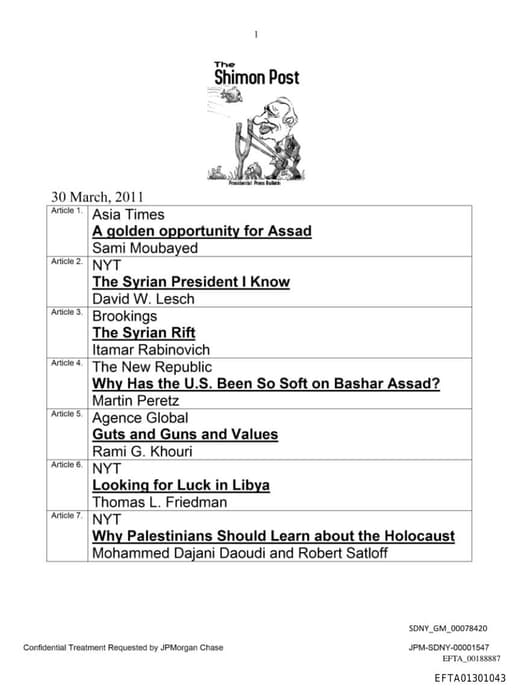
simply Hafez al-Assad's son. David W. Lesch, a professor of Middle East history at Trinity University, is the author of "The New Lion of Damascus: Bashar al- Asad and Modern Syria." SONY_GM_00078427 JPM-SDNY-00001554 EFTA_00188894 Confidential Treatment Requested by JPMorgan Chase EFTA01301050 9
conference at 6 pm on Thursday evening, in response to violent demonstrations in the southern town of Daraa near the border with Jordan. President Bashar al-Assad, she stressed, had given strict orders not to fire at demonstrators with live ammunition - and expressed his sorrow for the senseless loss of life
minority of the Alawite sect is Syria's equivalent to Saddam Hussein's clan of Tikriti Sunnis, both having ruled cruelly and bloodily. Indeed, the Assads have nursed a particular grudge against the Palestinians, almost all of them. They had little truck with Arafat and sided in the intra-Palestinian
29 March.doc
4 mentionsHOUSE_OVERSIGHT_030030 - HOUSE_OVERSIGHT_030059
Mar 29, 2011Source: House Oversight Committee
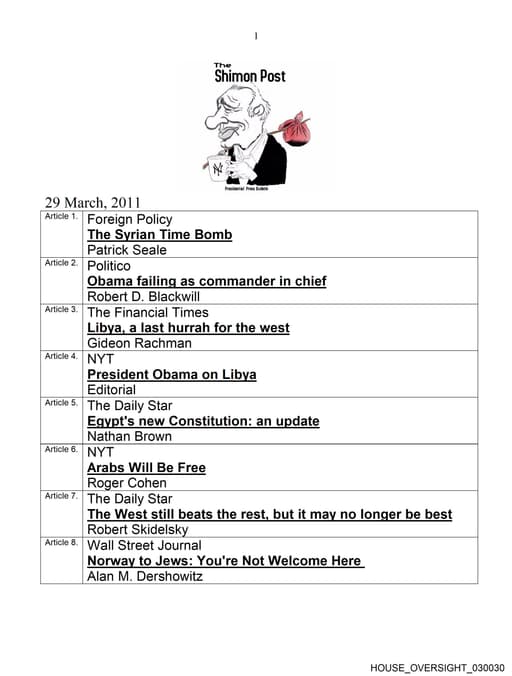
A government spokeswoman has hinted that coming reforms will include greater freedom for the press and the right to form political parties. President Bashar al-Assad is due to address the country in the next 48 hours. His speech is eagerly awaited, but it remains to be seen whether it will be enough to defuse the
Page: HOUSE_OVERSIGHT_030032 →llenged the fundamentals of Syria's security state, a harsh system of controls over every aspect of society, put in place by the late Hafez al-Assad, Bashar's father, who ruled for 30 years from 1970 to his death in 2000. By all accounts, the debate HOUSE_OVERSIGHT_030032 --- PAGE BREAK --- 4 about how
Page: HOUSE_OVERSIGHT_030032 →es been far from neutral, favoring one community over another in cynical power plays. Many Sunni Muslims in Syria and throughout the region feel that Assad's Syria has unduly favored the Alawites, a sect of Shiite Islam, who constitute some 12 percent of the population but control a vastly greater percen
Page: HOUSE_OVERSIGHT_030035 →Sponsored
syria es.docx
3 mentionsHOUSE_OVERSIGHT_030825 - HOUSE_OVERSIGHT_030828
Aug 10, 2013Source: House Oversight Committee
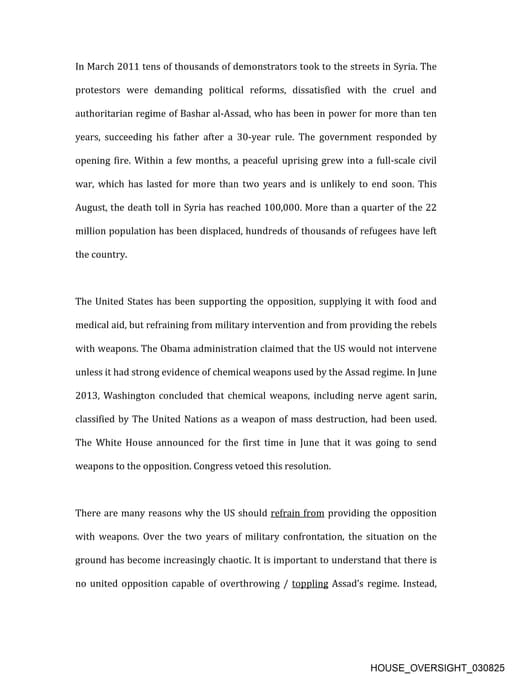
e rebels with weapons. The Obama administration claimed that the US would not intervene unless it had strong evidence of chemical weapons used by the Assad regime. In June 2013, Washington concluded that chemical weapons, including nerve agent sarin, classified by The United Nations as a weapon of mass d
Page: HOUSE_OVERSIGHT_030825 →demonstrators took to the streets in Syria. The protestors were demanding political reforms, dissatisfied with the cruel and authoritarian regime of Bashar al-Assad, who has been in power for more than ten years, succeeding his father after a 30-year rule. The government responded by opening fire. Within a few mo
Page: HOUSE_OVERSIGHT_030825 →d strong evidence of chemical weapons used by the Assad regime. In June 2013, Washington concluded that c
EFTA00678374.pdf
3 mentionsEFTA00678374
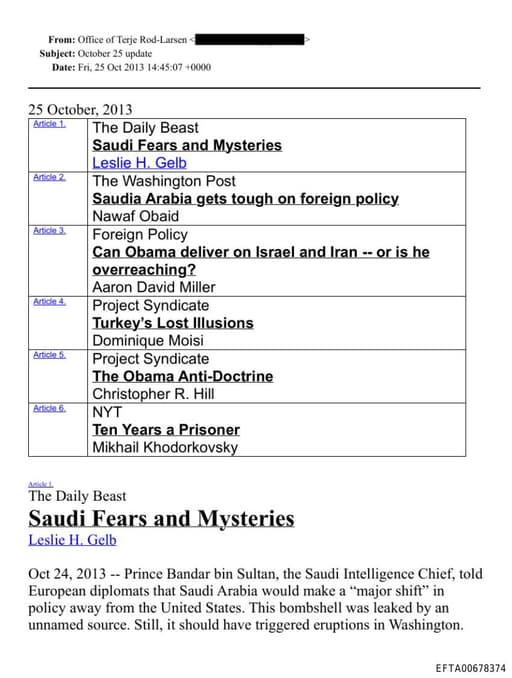
about Obama's flip-flopping on Syria —particularly the President's failure to rapidly arm Syrian rebels and conduct air strikes in retaliation for Assad's use of chemical weapons. Prince Bandar also worried about America entering a slippery slope in negotiations with Iran. Shiite Iran is enemy No. 1
Intelligence Chief and former Ambassador to the U.S., added his complaints on Tuesday. He said, "the current charade of international control over Bashar's chemical arsenal would be funny if it were not so blatantly perfidious." Perhaps the silence towards Prince Bandar's leaks reflects the mood of
al issues — the Syrian and Iranian crises. In recent months, Turkey's government has adopted an increasingly tougher stance toward Syrian President Bashar al-Assad's regime, convinced that it can only fall. The agreement recently reached by the United States and Russia is, from this standpoint, frustrating new
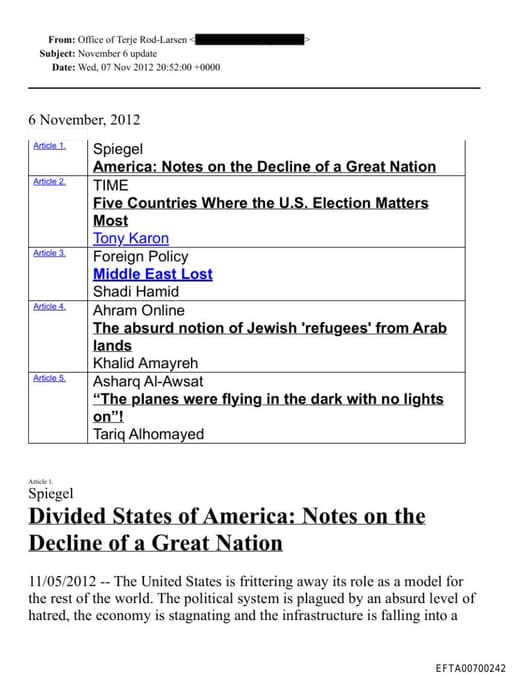
EFTA00700242.pdf
3 mentionsEFTA00700242
nd air, and as an American tank was parked close by him, when he told reporters: "Look, we have surrounded the infidels". We could even mention the Bashar al-Assad regime, which has never tired of repeating the mantra of resistance and opposition, even though its forces have ended up fighting the Syrian people
pport. The Obama administration has even actively discouraged its allies from giving rebels the very weapons they say they need to defeat President Bashar al-Assad's regime. As a member of one town's revolutionary council said: "We read in the media that we are receiving things. But we haven't seen it. We only
a greater willingness to consider arming the rebels — together with the fact that some of his advisers have expressed more hawkish policies toward Assad and his regime's key backers, Iran and Russia — may give many in the rebel camp reason to hope the Republican candidate prevails on Tuesday. 2. Isr
Sponsored
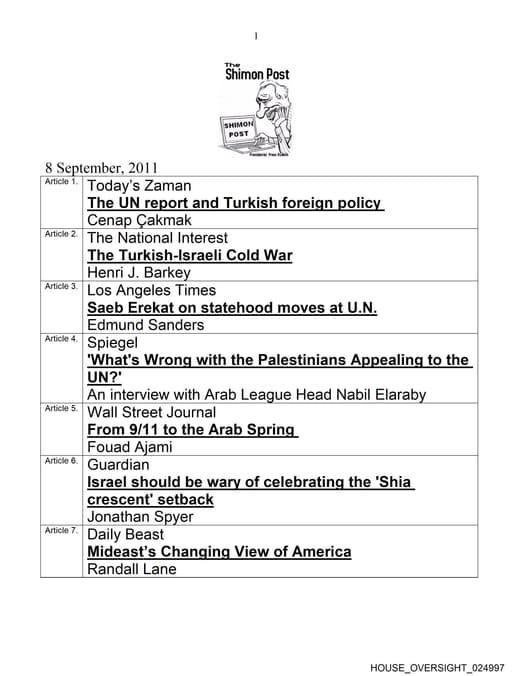
8 September.doc
3 mentionsHOUSE_OVERSIGHT_024997 - HOUSE_OVERSIGHT_025027
Sep 8, 2011Source: House Oversight Committee
a key position in the region. What happens there has a direct impact on Lebanon and Iraq. In addition, Gadhafi used heavy weapons from the start, but Assad hasn't. SPIEGEL: Yet tanks have been deployed in Hama, Homs and Latakia for some time. Elaraby: When I flew to Syria 10 days after taking office, t
Page: HOUSE_OVERSIGHT_025011 →feat in a subsequent round of fighting in 2006. In a poll of Arab public opinion taken in 2008, the three most popular leaders were Hassan Nasrallah, Bashar al-Assad and Mahmoud Ahmedinejad, in that order. But this sense of inexorable ascendancy in which the Iran-led bloc liked to cloak itself has fallen victim to
Page: HOUSE_OVERSIGHT_025020 →n, Gadhafi used heavy weapons from the start, but Assad hasn't. SPIEGEL: Yet tanks have been deployed in
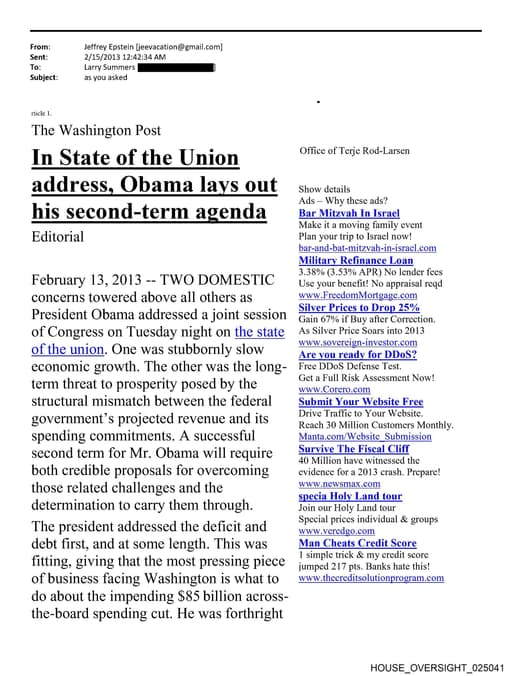
HOUSE_OVERSIGHT_025041 - HOUSE_OVERSIGHT_025093
3 mentionsSource: House Oversight Committee
y, as Alawite supporters of the regime retreat to their ancestral homeland in the northwestern region around Latakia. And there’s no sign that either Assad or his Russian patrons are paying any more than lip service to a political settlement. One potential game-changer is a request for U.S. help in trai
Page: HOUSE_OVERSIGHT_025057 →making significant gains on the battlefield this week, following an offer by their top political leader for negotiations with the regime of President Bashar al-Assad. HOUSE_OVERSIGHT_025056 --- PAGE BREAK --- This military and diplomatic news may appear positive. But Syrian sources caution that the battlefield
Page: HOUSE_OVERSIGHT_025057 →n around Latakia. And there’s no sign that either Assad or his Russian patrons are paying any more than l
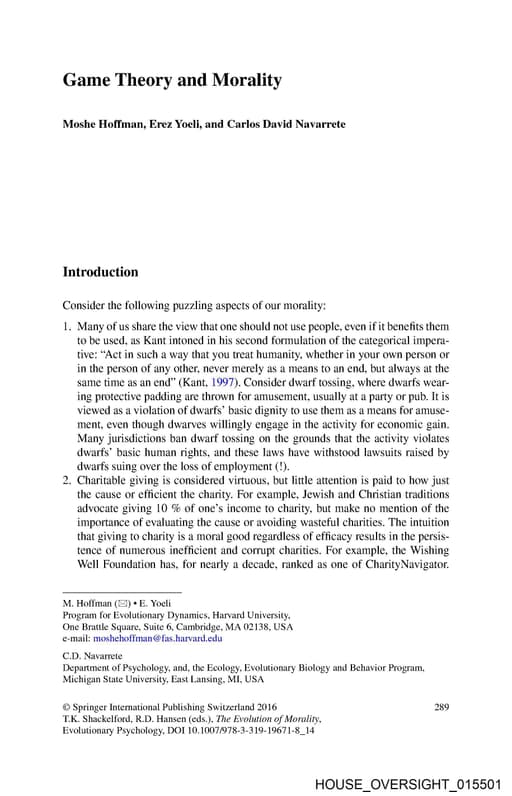
Game Theory and Morality.pdf
3 mentionsHOUSE_OVERSIGHT_015501 - HOUSE_OVERSIGHT_015528
Aug 3, 2015Source: House Oversight Committee
nsider whether a transgression was committed (did Assad use chemical weapons?), rather than focus- ing en
We say that the norm against chemical weapons is a categorical norm because those who abide by it consider whether a transgression was committed (did Assad use chemical weapons?), rather than focus- ing entirely on how much harm was done (how many civilians did Assad kill?). Other norms are similarly cat
Page: HOUSE_OVERSIGHT_015515 →not always true for continuous variables. Consider the longstanding norm against the use of chemical weapons. This norm recently made headlines when Bashar al-Assad was alleged to have used chemical weapons to kill about a thousand Syrian civilians, outraging world leaders who had HOUSE_OVERSIGHT_015514 --- PAG
Page: HOUSE_OVERSIGHT_015515 →Sponsored
Untitled attachment 248655.pdf
3 mentionsHOUSE_OVERSIGHT_023133 - HOUSE_OVERSIGHT_023197
Sep 17, 2014Source: House Oversight Committee
Resolu- tions 425 and 426. 18 June 2000 The UN Security Council confirms Israel’s withdrawal from Lebanon in a Presidential Statement. 10 July 2000 Bashar al-Assad is elected President of Syria in a nationwide referendum. 11-25 July 2000 Camp David II negotiations between Ehud Barak and Yasir Arafat. 25 July 2
Page: HOUSE_OVERSIGHT_023156 →rian peace deal that was not to come. Despite Barak offering Syrian President Hafez al-Assad 99 per cent of the Golan Heights, it still fell short of Assad’s demand for a return to the 4 June 1967 lines, and the Syria track subsequently crumbled. This put Arafat on the spot: how could he now, in front of
Page: HOUSE_OVERSIGHT_023171 →cent of the Golan Heights, it still fell short of Assad’s demand for a return to the 4 June 1967 lines, a
22 June.doc
3 mentionsHOUSE_OVERSIGHT_030156 - HOUSE_OVERSIGHT_030186
Jun 21, 2011Source: House Oversight Committee
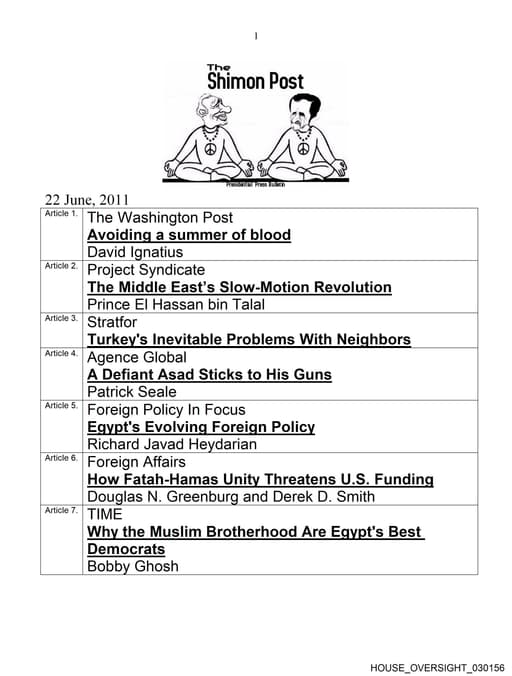
present evidence, a bloody stalemate that further destabilizes the region. It's distasteful to contemplate dialogue with leaders such as Gaddafi and Assad who, to put it bluntly, have blood on their hands. But this approach is worth exploring if it can foster a transition to a democratic government - wh
Page: HOUSE_OVERSIGHT_030158 →cases, the insurgents are seen in the West as the "good guys," battling corrupt, autocratic leaders. Personally, I wish that both Moammar Gaddafi and Bashar al-Assad would give up power tomorrow. But that doesn't seem in the cards: Both leaders have shown they're willing to kill thousands of their citizens to hang
Page: HOUSE_OVERSIGHT_030158 →emplate dialogue with leaders such as Gaddafi and Assad who, to put it bluntly, have blood on their hands
8 May.doc
3 mentionsHOUSE_OVERSIGHT_024958 - HOUSE_OVERSIGHT_024996
May 8, 2011Source: House Oversight Committee
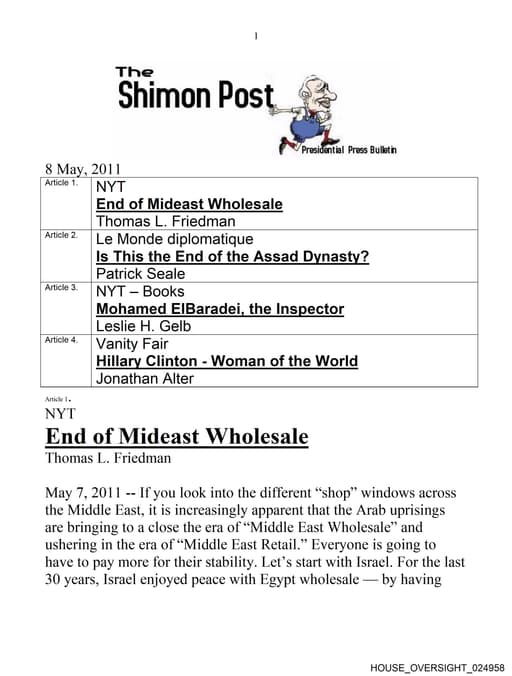
Arab autocrats, each apparently determined to be a président-a-vie. In no other part of the world have so many rulers clung so assiduously to power. Bashar appears genuinely to have believed that the Arab nationalist ideology he inherited, his opposition to Israel and his support for resistance movements
Page: HOUSE_OVERSIGHT_024963 →cal life and for that of the regime put in place in 1970 by his father, the late President Hafez al-Assad. Forty-one years in power The rule of the Assads, father and son, has now lasted 41 years, a score comparable to that of other long-lasting Arab autocrats, each apparently determined to be a préside
Page: HOUSE_OVERSIGHT_024963 →tly financed a London-based network of Bashar’s opponents to the tune of $12m between 2005 and 2010. A continuous whole It is probably fair to view Bashar al-Assad’s term of office and that of his father as a single continuous whole. Not only did Hafez al-Assad decide that Bashar should succeed him, but he also be
Page: HOUSE_OVERSIGHT_024966 →Sponsored
EFTA00676532.pdf
3 mentionsEFTA00676532
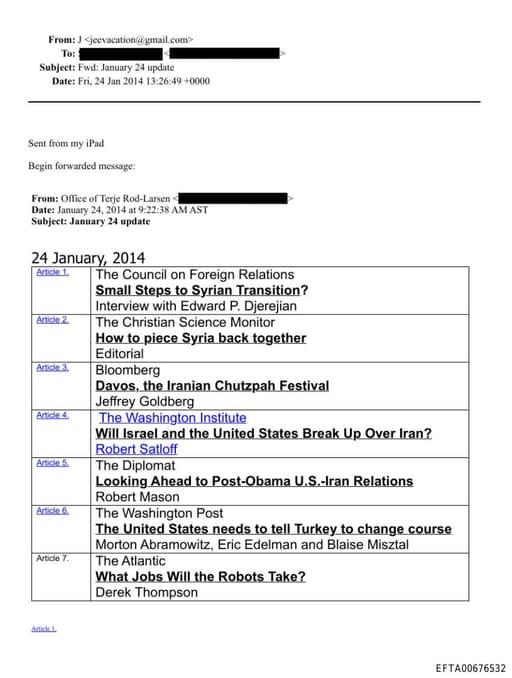
source of instability in the troubled Middle East. Is there any compromise that might appeal to all sides? The Assad government seems adamant that Bashar will not step down. The opposition is fragmented but united in demanding that the Assad regime be replaced. How would a "transition" government be
gh for this crisis to become a major source of instability in the troubled Middle East. Is there any compromise that might appeal to all sides? The Assad government seems adamant that Bashar will not step down. The opposition is fragmented but united in demanding that the Assad regime be replaced. H
w the parties to begin to discuss tradeoffs and approaches for a framework of political transition that will involve hard compromises. For example, Bashar al-Assad has consistently indicated that presidential elections scheduled for June 2014 should be adhered to. Of course, he can be expected to rig those ele
26 June.doc
3 mentionsHOUSE_OVERSIGHT_032171 - HOUSE_OVERSIGHT_032203
Jun 26, 2011Source: House Oversight Committee
e terrifying scale of Libya's Qaddafi and Syria's Assad nor stifled economic progress with such alacrity.
he state together. To be sure, Egypt's Mubarak and Tunisia's Ben Ali neither ran police states on the terrifying scale of Libya's Qaddafi and Syria's Assad nor stifled economic progress with such alacrity. But while Mubarak and Ben Ali left their countries in conditions suitable for the emergence of stab
Page: HOUSE_OVERSIGHT_032197 →other bureaucracies, and thus had no legitimacy. Marcus Aurelius was one thing; Tunisia's Zine el- Abidine Ben Ali, Egypt's Hosni Mubarak and Syria's Bashar al- Assad, quite another. Certainly, the Arab Spring has proved much: that there is no otherness to Arab civilization, that Arabs yearn for universal values ju
Page: HOUSE_OVERSIGHT_032194 →17 November.doc
3 mentionsHOUSE_OVERSIGHT_031941 - HOUSE_OVERSIGHT_031963
Nov 17, 2011Source: House Oversight Committee
A attacked the headquarters of the Air Force Intelligence Agency at Harasta near the capital Damascus. Since Hafez al-Assad, an air-force officer and Bashar's father, seized power in a coup in 1970, the AIA has been the nerve center of the regime's security system. Also this week, reports surfaced of atta
Page: HOUSE_OVERSIGHT_031949 →e of the facts on the ground suggest so. With more than 350 killed so far, November has been the bloodiest month since the uprising against President Bashar al-Assad began last spring. Defections from the army, which started as a trickle, now look like a torrent. In October, the number was around 800. The best tot
Page: HOUSE_OVERSIGHT_031949 →cent of the population. Thus, Syria's is a nationwide revolution against a minority regime. Almost all Syrians agree that the situation is untenable. Assad's policy of rule by massacre has few supporters outside his clan. Judging by the revolution's most popular slogan — "Assad Get Out!" — a majority may
Page: HOUSE_OVERSIGHT_031950 →Sponsored
HOUSE_OVERSIGHT_028675 - HOUSE_OVERSIGHT_028727
3 mentionsSource: House Oversight Committee
y, as Alawite supporters of the regime retreat to their ancestral homeland in the northwestern region around Latakia. And there's no sign that either Assad or his Russian patrons are paying any more than lip service to a political settlement. One potential game-changer is a request for U.S. help in train
Page: HOUSE_OVERSIGHT_028691 →n around Latakia. And there's no sign that either Assad or his Russian patrons are paying any more than l
making significant gains on the battlefield this week, following an offer by their top political leader for negotiations with the regime of President Bashar al-Assad. HOUSE_OVERSIGHT_028690 --- PAGE BREAK --- This military and diplomatic news may appear positive. But Syrian sources caution that the battlefield a
Page: HOUSE_OVERSIGHT_028691 →EFTA00659879.pdf
3 mentionsEFTA00659879
e Israeli concerns surrounding the collapse of Syria's Ba'athist party are legitimate. Washington should also consider the security consequences of Assad's ouster and avoid intervention in Syria. U.S. Intentions in Syria Following Syria's independence from French colonial rule, relations with the Un
rotherhood has resurrected itself to become the dominant group in the fragmented opposition movement pursuing a 14-month uprising against President Bashar al-Assad." The U.S. alliance with an Islamist organization that espouses anti-Western views may appear strange. However, this relationship is far from hist
that could make common cause with like-minded elements in Iraq and Lebanon. This is certainly not in anyone's interest ... Many in Syria, including Bashar, see the regime, more specifically the Baath party, as the last bastion of secularity against a seething rising tide of radical Islamic in Syria ..
Sponsored
Connected Entities(20 of 8,483)
Barack Obama
PersonPresident of the United States from 2009 to 2017
235 docs235 co-mentions
George W. Bush
PersonPresident of the United States from 2001 to 2009
176 docs176 co-mentions
United States
LocationCountry located primarily in North America
171 docs171 co-mentions
Lebanon
LocationCountry in West Asia
166 docs166 co-mentions
Benjamin Netanyahu
PersonPrime Minister of Israel (1996–1999; 2009–2021; since 2022)
154 docs154 co-mentions
Tehran
LocationCapital city of Iran
149 docs149 co-mentions
Bill Clinton
PersonPresident of the United States from 1993 to 2001 (born 1946)
143 docs143 co-mentions
Damascus
LocationCapital and largest city of Syria
137 docs137 co-mentions
Hosni Mubarak
PersonPresident of Egypt from 1981 to 2011
122 docs122 co-mentions
Terje Rod-Larsen
PersonNorwegian diplomat
122 docs122 co-mentions
Middle East
LocationGeopolitical region encompassing Egypt and most of Western Asia, including Iran
114 docs114 co-mentions
Tunisia
LocationCountry in North Africa
112 docs112 co-mentions
Saddam Hussein
PersonIraqi president, army officer and Baathist politician (1937–2006)
108 docs108 co-mentions
Yemen
LocationCountry in West Asia
108 docs108 co-mentions
Cairo
LocationCapital city of Egypt
108 docs108 co-mentions
Jeffrey Epstein
PersonAmerican sex offender and financier (1953–2019)
105 docs105 co-mentions
Marc Rich
PersonAmerican commodities trader (1934–2013)
105 docs105 co-mentions
Hillary Clinton
PersonAmerican politician and diplomat (born 1947)
96 docs96 co-mentions
Vladimir Putin
Person2nd and 4th President of Russia (2000-2008, 2012-present), 7th and 11th Prime Minister of Russia (1999-2000, 2008-2012), Director of the Federal Security Service (1998-1999) and Deputy Mayor of Saint Petersburg (1994-1996)
96 docs96 co-mentions
Jerusalem
LocationCity in the Middle East, holy to the three Abrahamic religions
95 docs95 co-mentions