HOUSE_OVERSIGHT_011472_sub_002 - HOUSE_OVERSIGHT_011671
Document Information
Bates Range
HOUSE_OVERSIGHT_011472_sub_002 - HOUSE_OVERSIGHT_011671
Pages
100
Source
House Oversight Committee
Original Filename
EB Draft Ch1-25 PDF Sept 10 2017-Pnum.pdf
Document Content
Page 101 - HOUSE_OVERSIGHT_011572
1967 war had turned out to be hollow words. It was time for a new generation, and a new, more direct, form of confrontation with the “Zionist enemy.” Arafat had set up camp with nearly a thousand men just across the Jordan River, in a town called Karameh. From early 1968, they had been launching hit- and-run raids, not just on the West Bank but into the Negev. Eshkol’s cabinet was initially divided on whether to attack his base in Jordan, in both an act of retaliation and a signal to King Hussein that if his army didn’t rein in Arafat’s men, Israel would take whatever action necessary. But the decisive moment came on the eighteenth of March. A school bus near Eilat, in the far south of Israel, hit a Fatah landmine, killing the driver and a teacher, and injuring 10 of the children. I was called up the night before the Israeli attack, as part of a small Sayeret Matkal contingent which was supposed to play a support role. An enormous pincer operation was mounted around the Fatah camp and Karameh itself: including a full infantry brigade, the Seventh Armored Brigade and the paratroopers’ sayeret. But the resistance they met, both from Fatah and Jordanian troops, was much fiercer than expected. One of the paratroop commandos, Mookie Betzer, who would go on to join Sayeret Matkal, told me how they landed by helicopter and immediately came under a hail of AK-47 fire. Within minutes, several of his men had been killed. Mookie was wounded. The tanks of the Seventh Brigade advanced from the south. Battling the Jordanian army, they took losses as well. Amnon Lipkin, who would also later become a friend and colleague, in both the army and Israeli politics, was in command of a unit of lightly armored French tanks called AMLs. They, too, were hopelessly outgunned. Our sayeret assignment was to block the southern entrance to Karameh as the Israeli armored force advanced. But we got bogged down in mud as we made our way from the Jordan River. By the time we arrived, hundreds of Arafat’s men had already fled the area. Arafat, too, had escaped, on the back of a motorcycle. By the time the fighting was over, some two hundred Fatah fighters had been killed. But nearly 30 Israeli soldiers lost their lives as well, and more than twice that number were wounded. Politically, the outcome was even murkier. Most of Israel was still basking in our victory in the Six-Day War. Now, we had deployed many of the same units, only to fight to what looked like a costly draw. Arafat and Fatah could claim — and soon did — that they had stood and fought, and inflicted losses on the victors of 1967. 101 HOUSE_OVERSIGHT_011572
Page 102 - HOUSE_OVERSIGHT_011573
In retrospect, given all the interruptions, I’m a little surprised that I managed to get through my university studies. My classmates helped. They were incredibly generous in going through with me what I’d missed, and sharing their notes, whenever I returned for an extended stint of reserve duty. P’ve seen interviews with university friends saying I was one of the top students in our class. But that is more generous than true. It would be fairer to say I was a good student. Working hard in the final year, I did finish in the upper quarter of the class, and several of my math and science professors strongly urged me to go on to graduate school. But my mind was made up on returning to the army. And as I balanced my studies with plans for the future during my final months, | still hadn’t given up hope that Nili would be there with me. When she returned from Paris, we had started seeing each other again. Whenever I could, I would take the bus down to Tel Aviv and spend the weekend with her. Everything I’d loved about her since that first meeting in the Airya, everything I valued in our relationship, was still there. Yet so, too, were the doubts: whether she was ready to commit herself to sharing our lives together; and whether a kibbutznik like me could ever truly fit in to her 7el Avivi world. Shortly before Karameh, she’d invited me to a Friday- night party with a group of her friends. It was the first time she was including me, as part of a couple, in her social circle. But almost from the moment we got there, I felt out of place. For her, it was just another party, one of dozens she must have been to since she was a teenager. But I immediately felt out of place. I didn’t drink. I couldn’t dance. I couldn’t help feeling like a wallflower, or an alien presence. Now, I decided there was no point in waiting and wondering. I borrowed a Jeep from an army friend, with the idea that Nili and I could spend three or four days together, driving south from Jerusalem into the Negev and the Judean desert: to be alone, to talk, to see whether we actually had a future. I wrote her a note, took the bus to Tel Aviv while she was at work, and dropped it through the letterbox. “J am going on this trip, into the desert,” it said. “Id love it if you could come with me. I think it’s important for us.” I never heard back. I felt crushed, though I tried hard to tell myself it was better to know where we stood. Years later, she told me the envelope had ended 102 HOUSE_OVERSIGHT_011573
Page 103 - HOUSE_OVERSIGHT_011574
up under a pile of mail. She hadn’t seen it until a week afterwards. She said that of course she would have come with me. She felt angry with herself, and with me too, for not simply having phoned. But since I didn’t contact her in the weeks that followed, she figured this was just another one of our times apart. Or “stupid pride”. A few months later, I heard she was engaged to be married, to a young man she’d known since their high school days at the Alliance. I had first met Nava Cohen, the woman I would go on to marry, the previous year. It was through another Cohen, though they were not related: Nechemia, my sayeret friend who was killed in the 1967 war. He invited me to Tel Aviv for a party in the spring, on the Jewish holiday of Purim, and introduced us. Nava was just nineteen, five years younger than me. I was struck not just by the fact she was attractive, but by her poise, warm-heartedness, and her obvious intelligence. But she had her boyfriend with her, and I still saw myself and Nili as life partners. Now, she was beginning her studies at Hebrew University as well, and, in a way, it was again Nechemia Cohen who brought us together. Since his death, those of us who knew him from the sayeret had been looking for a fitting way to remember and to honor him. We finally decided to set up a living memorial in his name: a Moadon Sayarim, a center to train young people from all over Jerusalem in scouting and navigation. We spent six months getting it up and running, and Nava pitched in with the work. It wasn’t until a few months after I heard of Nili’s engagement that I finally asked her on a date. We were in the university library, which had a space where you could listen to tapes through headphones. I would go to hear classical music. Nava was studying English literature, and I’d sometimes see her there, engrossed in recordings of Shakespeare with the text of Hamlet or Macbeth in front of her. Since I wasn’t shackled by the need to follow the alacks and alasses, I read the newspaper as the music washed over me. I turned to the movie section. I circled three films, drew a question mark in the margin and passed it to her. She looked puzzled for a second. Then she smiled and put a checkmark next to one of them. While we came from different backgrounds, the gap was narrower than it had been with Nili. Her parental home was in Tiberias. Her parents were from old Sephardi families, with a centuries-long history in Palestine, and were also solid Ben-Gurion Labor supporters. Her father had fought in the British army in the Second World War. He now ran the branch of Bank Leumi in Tiberias. Her mother ran a shop in what was then the city’s best hotel, the Ginton. 103 HOUSE_OVERSIGHT_011574
Sponsored
Page 104 - HOUSE_OVERSIGHT_011575
We were married there, in the spring of 1969. My parents and brothers came with two busloads of friends from the kibbutz. Avraham Arnan was there, of course. But Ahraleh Yariv and Eli Zeira, two of the military intelligence heroes of the Six-Day War, also drove up for the wedding, which touched both Nava and me, not to mention her family and our guests. Years later, as I rose higher in the ranks of the military, I would sometimes be invited to weddings by officers under my command. Remembering how much we appreciated Ahraleh’s and Eli Zeira’s gesture. I always said yes. It was only weeks after our wedding that I formally returned to Sayeret Matkal. Both Nava and I were aware of the additional pressures my military commitments might place on our family life. But she understood why I’d chosen to go back, and was supportive. As for me, I was, if anything, more certain that I’d made the right decision. Israel was clearly facing a whole new set of challenges to its security. Given the decisiveness, and speed, of our victory in 1967, there seemed no immediate danger of Egypt’s risking another full-scale war. In Israel, where Golda Meir had become Prime Minister after Eshkol’s death from a heart attack, there was also little appetite for returning to the battlefield. Yet the post-war skirmishes with the Egyptians along the Suez Canal had escalated into far more than that: what would become known as the War of Attrition. Nor could there be any doubt, after Karameh, that Fatah’s influence, militancy and determination would only grow, not least because even more radical factions within the PLO were ready to step into the breach if Arafat faltered. Israel needed to find an answer for all these threats. Uzi Yairi’s term as Sayeret Matkal commander had by now ended, but his successor was someone I knew well. Menachem Digli was the officer on whom I’d bestowed my stolen Syrian Mercedes at the end of the war. His leg was now recovered from the motorcycle accident, and I returned to the sayeret at his deputy. He delegated full responsibility to me for operational issues. I believed that the new kind of challenges we were confronting, particularly the prospect of intensified attacks from the new generation of Palestinian fedaveen, meant that the sayeret would sooner or later have to broaden its reach, moving beyond the kind of intelligence operations we’d done before the 1967 war to become the SAS-like special forces unit Avraham ultimately envisaged. But that was not 104 HOUSE_OVERSIGHT_011575
Page 105 - HOUSE_OVERSIGHT_011576
going to happen soon, if only because the intelligence missions now required were going to be a lot tougher. Israel now had control of the entire Sinai and the Golan. To tap into enemy communications, we would have to push deeper inside Egypt and Syria. Soon after my return, we began planning the sayeret’s most ambitious mission so far: targeting the main communications system between Suez City, at the southern end of the canal, and Egyptian military headquarters in Cairo. We were obviously going to have to go in by helicopter. But we faced not just the risk of being spotted on the way in. The buildup of Egyptian forces along the canal now included Soviet-made anti-aircraft missile batteries. We might easily get shot down. The mission struck the generals in the kirya as so risky as to border on the insane. But I was confident that we could make it work. I began talking to the few senior air force officers who seemed more receptive, as well as to officers in the helicopter units. Not only had I flown into the Sinai on earlier missions. I now also had a physics degree. Together, we developed a plan — using the desert terrain, and drawing on the helicopters’ maneuverability — to calculate a flight route that could avoid detection by Egyptian radar. As an extra fail-sale, I proposed using three helicopters, and three sayeret teams. Two would fly slightly higher, with the express aim of getting spotted, but still evading missile fire. They would land far away from the real target of the operation. The main team, with me in command, would also stage a pair of diversionary attacks: planting explosives on a high-voltage electricity cable, and on the main oil pipeline from Suez City to Cairo. Still, for many weeks, the answer from the Airya was no. The man who had succeeded Rabin as chief-of-staff after the war, Chaim Bar-Lev, dismissed it as “a plan built on chicken legs.” In the end, what got us the green light was a further escalation, on both sides, in the War of Attrition. In January 1970, Israeli warplanes began a series of deep-penetration bombing raids, for the first time striking targets dozens of miles, in some case hundreds of miles, back from the canal. The Israeli bombing campaign reduced the chance we’d get shot down and provided cover for our operation. Our helicopters took off after sunset, nearly skimming the water and peeling off in separate directions on the far shore. The other two aircraft headed 120 miles to the south. I led the main team of ten men. We set down a few miles south of the road from Suez City to Cairo. We unloaded a pair of Jeeps, drove off, and within an hour had placed our time-delay explosives on the electricity 105 HOUSE_OVERSIGHT_011576
Page 106 - HOUSE_OVERSIGHT_011577
tower and the pipeline. But when we reached the site of the underground communications cable, the mission literally ran into the ground. We dug for more than two hours, but still hadn’t found the cable, and our mail-order metal detector stubbornly refused to chirp out any sign of it. Just when I’d decided to call the helicopter back in to get us, it finally peeped a faint signal. I still wasn’t convinced, but as we manipulated it back and forth, it got louder. Still, my instinct was to abort. We’d placed the explosives on the electricity tower and the pipeline. That would at least divert attention from our real mission, which meant we could return in a few months and have another attempt. After all, the part of the operation that had been causing the most concern in the Airya — our ability to get deep inside Egypt undetected — had succeeded. We were nearly three hours behind schedule. Unless we worked a lot more quickly than planned, by the time we installed the communications intercept and covered our tracks, it would be daybreak. Digli and several other sayeret officers were following the mission from their command post in the Sinai, part of the intelligence base our military engineers had built after the war into a 2,400-feet-high mountain called Gebel Um-Hashiba, 20 miles back from the Suez Canal. When I radioed in to tell him I’d decided to abandon the operation, I could hear the surprise in his voice, and what seemed reluctance as well. “If that’s your judgement...” he said. But before I could reply that, yes, I felt withdrawal was the wisest course, I heard him speaking to someone whose voice I also recognized: Avsha Horan. He was the soldier on guard duty in the command post for our first intercept operation in the Sinai, the one who’d told me of how Rabin was chain-smoking and biting his nails when it appeared we might be in trouble. Now, he was a sayeret officer. Digli came back on the radio. “We can see more from here,” he said. Then, pausing, he added: “Avsha says he thinks you can still do it.” I had grown to respect Avsha’s judgement. And while Digli hadn’t explained what “more” they saw from the command post, I assumed that, since they were also following the other helicopter teams further south, they were concerned that the Egyptians had figured out at least that Israeli units were involved. Both he and I knew that it ultimately had to be my call. Whatever happened, I’d be responsible. Yet I realized that discussing it further would change nothing, and time was now what mattered most. “We’ll do it,” I told him, and signed off. We’d planned for the cable work to take something like five hours, which I knew we couldn’t afford. With all of us pitching in, sweat drenching our “Egyptian” uniforms, we managed to finish in slightly less than four. But we 106 HOUSE_OVERSIGHT_011577
Sponsored
Page 107 - HOUSE_OVERSIGHT_011578
were still behind schedule. Dawn was 25 minutes away. I radioed the helicopter pilot with a new pickup point, closer to where we’d installed the equipment though still far enough, I hoped, to avoid giving away what we’d done. Still, we barely made it. The sun was rising as the chopper began weaving among the dunes and wadis on the flight back to Israel. Looking back, we could see flames leaping up from the oil pipeline in the dim, dawn light. There could be no doubt the prize was worth it. By the time we returned, the receiving equipment at Um-Hashiba was, for the first time, picking up real-time communications at the highest level of the Egyptian military. With the War of Attrition showing every sign of getting even fiercer, it was a criticial intelligence advantage. When we landed, not only Digli, but Ahrale Yariv were there to meet us. Digli, smiling broadly, handed me a small cloth insignia. “You've earned it,” he said, adding that Bar-Lev himself had endorsed my promotion from captain to major. With the Cairo-Suez mission, and a series of other operations I helped run nearer to the canal, there now seemed every possibility that I would be chosen to succeed Digli as commander when his term expired. But that was still more than a year away, in the spring of 1971. With his agreement, I decided to use the time to do what Eli Zeira had advised me before I made my decision to return: to get experience in the regular army. The War of Attrition had created a demand for qualified officers who could command tank units, since they were playing a key role against the Egyptians along the canal. Along with about a dozen other middle-ranking officers who had volunteered to move into the armored corps, I embarked on a course covering every facet of tank warfare: how each system on an individual tank worked, how to pilot one, load in the shells, and then calibrate its main gun, aim and fire. We studied communications protocols, even tank maintenance. We were taught how to command an armored platoon — a group of three tanks — and then an armored company of eleven tanks and APCs. Finally, in July 1970, we were given command of actual companies, with the aim of deploying us against the Egyptians. My company was part of Brigade 401, in the Sinai. It was one of the several armored forces that were rotated, every three months, into action on the front 107 HOUSE_OVERSIGHT_011578
Page 108 - HOUSE_OVERSIGHT_011579
line. In a stroke of good fortune, the brigade commander was Dovik Tamari, Avraham Arnan’s first successor as commander of the sayeret. While we waited our forward deployment, due in September, he included me in his discussions with his senior officers on tactics and planning. This inevitably included the core of our existing strategy: a line of fixed fortifications which we had built on our side of the canal after the war. They were known as the Bar-Lev Line, because the chief of staff ultimately had to sign off on them. But the main impetus had come from Avraham Adan. A former Palmachnik, known as Bren, he was the overall head of the armored corps. There were strong critics of the Bar-Lev line, but few more vocal than Arik Sharon. The very qualities that had made him the perfect choice to lead Unit 101 and its successor commando units — a natural instinct to favor bold, preemptive attacks, allied with an absolute confidence in his own judgment and little time for those who challenged it — had stalled his rise up the military ladder for a few years. But now he was head of Israel’s southern command. He was convinced that in the event of another full-scale war with Egypt, the Bar- Lev line would be worse than useless. We’d find ourselves forced to defend a string of fortifications that could serve no real purpose in repelling a concerted Egyptian attempt to retake the Sinai. Arik’s preferred strategy was to let the Egyptian troops cross the canal and then confront them on terms where Israeli forces had a proven advantage: a mobile battle in the open desert. When the debate came up in our brigade strategy discussions, I said I believed Arik was right. From our recent sayeret missions, I said there was no way the Bar-Lev fortifications could protect us. I knew how easy it had been for us to operate unseen between Egyptian positions across the canal, and they were only a few hundred yards apart. On some parts of the Bar-Lev line, there were Six or seven miles between outposts. A whole Egyptian brigade could pass through. Very few in the kirya, however, seemed ready to recalibrate our strategy against the Egyptians. Only later, when the damage had already been done, would it become clear that the navy was alone in acting on lessons learned from the fighting since the 1967 war. Having lost its largest warship to a more mobile Egyptian missile boat at the outset of the War of Attrition, it began focusing on deploying mobile missile boats of its own. But the air force was showing no sign of dealing with the implications of the Egyptians’ increased anti-aircraft capability — even though we’d begun losing planes and pilots to the new surface-to-air missile batteries Nasser had received from the Soviets. And I 108 HOUSE_OVERSIGHT_011579
Page 109 - HOUSE_OVERSIGHT_011580
could see that a similar myopia, or denial, was affecting the armored corps. On patrol along the canal, I would sometimes see the hulk of an Israeli tank which had been destroyed by Soviet-made AT-3s. Known as Saggers, they were portable, allowing a single soldier to fire wire-guided missiles. Their range was nearly a mile-and-a-half, which was more than the main guns on our tanks. Yet no one appeared to have addressed the question of what would happen if the Egyptians used Saggers on an even greater scale in a future war. I remained in the Sinai through early 1971, but never led my tank company on combat operations. By the time we were due for our deployment, the War of Attrition was suddenly over. Neither we nor the Egyptians wanted a return to full-scale war. With Washington taking the lead, a cease-fire was agreed. Both sides claimed victory. But both were exhausted. Certainly, most Israelis had ceased to see a compelling reason for the 1,000 days of fighting. We had lost about 900 dead: more than in the Six-Day War. But in one respect, the Egyptians won. Under the terms of the truce, their anti-aircraft batteries were barred from a roughly 30-mile strip along the canal. Within days of the truce, however, Nasser began moving his SAM batteries forward. Before long, there were nearly 100 missile sites in the “prohibited” zone, giving the Egyptians control of 20 miles or more of the airspace on our side of the canal. Golda was incensed. So was Bar-Lev. But there was no way, and no will, to reopen the fighting and force Nasser to move the missiles back. The cease-fire took effect at midnight on August 7, 1970. I’ve never had trouble recalling the date, because of a phone call almost exactly 24 hours later. It was from my mother-in-law, to tell me Nava had gone into labor with our first child. Since I was due for deployment on the front line, we had agreed weeks earlier that the best thing would be for her to have the baby in Tiberias, so her parents could be with her. Now, I got a Jeep and raced north. I reached Tiberias the next morning. I opened the door to the hospital room and saw Nava, obviously tired but beaming, cradling our daughter Michal in her arms. I managed to stay with them for several days before returning to the Sinai. With Nava and Michal soon settled back into our apartment in the north Tel Aviv neighborhood of Ramat Aviv, I made weekend visits home whenever I could. Still, I saw nowhere near as much of our daughter’s first few months as most fathers. As Nava and I would discover even more jarringly over the next few years, that was an inescapable part of being an army officer. 109 HOUSE_OVERSIGHT_011580
Sponsored
Page 110 - HOUSE_OVERSIGHT_011581
But at least my next posting was closer to home. It was only 20 minutes from our apartment, on a former RAF base not far from Lod airport. On the First of April 1971, I was promoted from major to lieutenant-colonel, and given the assignment which, more than any other, I’d hoped for when I returned to the army. I became the commander of Sayeret Matkal. 110 HOUSE_OVERSIGHT_011581
Page 111 - HOUSE_OVERSIGHT_011582
Chapter Eight It was the same jumble of buildings in the same corner of the base where I’d reported a decade earlier, as a 19-year-old fresh from fironut, when the sayeret was still a gleam in Avraham Arman’s eye. Now, I was about to become the first of his successors to have been chosen from within the unit itself. As I called together the officers that first morning, I couldn’t be sure whether I would make a success of my two years in command. But I did know what I hoped that I, and we, would accomplish: to complete Avraham’s vision. To forge a true special- forces unit, at a time when the threats facing Israel seemed increasingly to demand one. Avraham’s initial hopes and expectations for the unit had been more than met. Sayeret Matkal had played the key role in erasing the traumas of Uri Ilan and Rotem, and restoring the morale and effectiveness of Israeli military intelligence. Time and again, operations which we said we could do — dismissed as too dangerous, or impossible, by others — proved achievable. Yet as I now told the team leaders and our other officers, this was no longer enough. Our intelligence operations still mattered. In fact, we would have to “push further” across Arab borders, deeper into enemy communications systems. Our intercepts had given Israel an important edge in the Six-Day War. I assumed — though naively, it would turn out — that they would be put to use in any future war. But if the sayeret was to retain its unique role, we had to become a fighting force as well. One reason, I didn’t even have to mention: we all remembered our frustration in 1967, when we’d been little more than bit players in the most important conflict since the establishment of the state. But for me, the main argument for change was what had happened since the 1967 war: the fact that Israel was facing a new range of security challenges which other army units, trained to engage and defeat enemy troops on the battlefield, were not equipped to meet. In the War of Attrition, we might not have lost a single inch of territory. But we had lost tanks and planes. Israeli soldiers and pilots were being held prisoner in Egypt and Syria. Arafat’s Fatah and the other armed Palestinian groups might not present a conventional threat. Yet while I’d been with my tank company in the Sinai, they were fighting a full-scale civil war against King Hussein’s army in Jordan. The catalyst: a multiple hijacking in September 1970, a sign that they were turning to non-conventional warfare, and to acts of terror. 111 HOUSE_OVERSIGHT_011582
Page 112 - HOUSE_OVERSIGHT_011583
“We’re not starting from scratch,” I assured the sayeret officers, and I could see some of them nodding in agreement. We had a proven record of success, under Avraham and the four other commanders before me. We would be able to rely on the qualities that had proved our doubters wrong in our first intelligence missions. “We have to stay true to the spirit of Sayeret Matkal,” I said. Every one of the officers knew what I meant: teamwork, the way we valued brains and creativity, more than formal lines of authority. The rigor we applied to training for, preparing for, and executing each mission. And, no less importantly, to criticizing, and trying to fix, everything that had gone wrong on an operation, or we'd failed to anticipate. Though I expected to be leading many of the operations myself, I knew that we'd succeed or fail on the strengths of the officers around me. I was incredibly fortunate on that score. Some, I already knew well from my time as Digli’s deputy. Smart, self-confident, se/f-starting officers like Amiram Levin, the stocky kibbutznik from the north with whom I’d worked most closely and most often as deputy. Avshalom Horan — Avsha — who’d convinced me to risk completing the mission on the road from Suez to Cairo. Giora Zorea, who, like me, had come up through the unit and was one of our most experienced team leaders. And Danny Yatom. Born not far from Mishmar Hasharon, but a city boy, from Netanya, he was smart, level-headed and a sure-handed organizer, and with whom I’d somehow clicked from time he arrived in the sayeret. I made him my deputy for my first year in command. There were two others as well, both related to Moshe Dayan, but with a self- assurance all their own: Uzi Dayan, the son of Moshe’s brother, who had been killed in the 1948 war when Uzi was only months old; and Mookie Betzer, who was married to Uzi’s cousin. I’m not sure which of the two joined the sayeret first. Mookie, I believe. But their family ties, far from extraordinary, were part of how Sayeret Matkal had developed from the start. It had been friends bringing friends. But also, not infrequently, a cousin bringing a cousin, or a brother bringing a brother. This was the case with two other officers, whom I knew less well at first but who would become key members of my team. In their case, it was the younger one who joined first. Binyamin Netanyahu — Bibi, as everyone called him — had been a member of Amiram Levin’s team when I was Digli’s deputy. He’d also been a part of one of our several — thankfully harmless — failures along the canal at the beginning of the War of Attrition. The plan was to cross in rubber boats held together by nylon cord, with the assistance of Shayetet 13, Israel’s 112 HOUSE_OVERSIGHT_011583
Sponsored
Page 113 - HOUSE_OVERSIGHT_011584
equivalent of the American navy SEALs. But Bibi’s dinghy got tangled up, and he found himself in the canal, being tugged down by the current. Only the SEALs, and Bibi’s mix of calm and endurance, averted disaster. When I returned as commander, Bibi had gone through officers’ school and was given a team of his own, making him one of half-a-dozen core, operational officers with whom I worked from the planning stages of every mission, through the training and the operation itself. Especially with Bibi, since he was newest to the role. He was smart, tough and, even by sayeret standards, supremely self-confident. It also was clear that he understood my determination to build the unit into a military strike force — which was one reason why he urged me to bring in his older brother. Bibi was 22 at the time. His brother — Yonatan, or Yoni — was 25. He had led a company of paratroopers in the 1967 war, before going off to university. He’d taken a bullet in the elbow while helping to rescue one of his soldiers behind Syrian lines on the Golan. “He wants to return to the army, and he’s exactly the kind of officer you want,” Bibi said. I brought Yoni in for a chat. Over the next several years, I would get to know him much better, becoming not just friends but neighbors, when he bought a flat a few floors up from ours. But even in this first meeting, I found him a contrast to his younger brother. Bibi was practical, detail-oriented. Yoni was a more complex character. He was interested in history, and philosophy. He wrote poetry. He would sometimes feel the need to get off by himself, and just think. He was a man of action, too. Taller and trimmer than Bibi, with a thick thatch of dark hair swept back from a craggy face, he was the Central Casting image of a soldier. He also had real, battlefield experience. Not only did I invite him to join Sayeret Matkal. I put him in charge of our training teams. When Danny Yatom left the following year to train as an armored officer, I made Yoni my deputy. However different in some ways, the Netanyahu brothers were close. They seemed almost driven, to excel and to succeed. As I got to know them both, I sensed that the drive did not come merely from within. It came from their upbringing, their family background, and in particular their father. Ben-Zion Miliekowsky, as he then was, studied at Hebrew University at the same time as my father, in the early 1930s, and was an impassioned supporter of Ben- Gurion’s main right-wing Zionist rival, Ze’ev Jabotinsky. My father remembered him gathering bemused groups of students during breaks from classes, standing on an upturned wooden box, and proclaiming that the Arabs would never willingly accept a Jewish state. Long before the 1948 war, and 113 HOUSE_OVERSIGHT_011584
Page 114 - HOUSE_OVERSIGHT_011585
nearly four decades before our capture of the West Bank in 1967, he insisted that we needed to create a Jewish state in all of biblical Israel: from the Mediterranean to the Jordan River. It was through Bibi and Yoni that I got to know their father. After 1948, he had led a frustrating existence. A specialist in medieval Jewish history, he could not find a place on the faculty at Hebrew University. He was convinced, perhaps with some reason, that his outspoken advocacy for Jabotinsky’s Zionism in a country defined by Ben-Gurion’s had frozen him out. He left to pursue his academic career in America, where both Yoni and Bibi spent much of their youth. He always remained bitter about what he felt were unfair, politically inspired, roadblocks to his academic advancement in Jerusalem. Though he would eventually return to Israel, he was teaching at Cornell when his sons became officers under my command in Sayeret Matkal. So there was a physical distance between father and sons. But what struck me was how large the father loomed in both of their lives. There was an almost adolescent admiration, bordering on worship. I remember once remarking to Nava that it was as if, despite all their physical self-confidence, Bibi and Yoni were tethered to their father by some mental umbilical cord. They seemed weighted down by a struggle to live up to his expectations, to right the “wrongs” done to him, and achieve the advancement and success which the young State of Israel had denied him. In a poignant postscript, decades later when Bibi first was elected Prime Minister, Ben-Zion was asked by a journalist for his reaction. “He would make a very good Minister of Hasbarah,” he replied, a Hebrew word which translates as something between public relations and propaganda. “Or Foreign Minister.” But how about Prime Minister, the reporter pressed. Ben-Zion replied: “Time will tell.” Even as we mounted intercept operations deeper into Egypt and Syria, I made sure that we trained as if we were already the broader strike force I hoped Sayeret Matkal would become. We mapped out plans for commando operations against the new kind of security challenges the country faced. We worked in detail on how we’d carry them out. We prepared rigorously to make sure we’d be ready. Yet no matter how proficient we got, there was no guarantee it would actually happen. A bit like Avraham in the unit’s infancy, I had to deal with the 114 HOUSE_OVERSIGHT_011585
Page 115 - HOUSE_OVERSIGHT_011586
frustration of trying to convince the generals in the kirya to give us the go- ahead. Some of them agreed Israel needed a specially trained commando force. But not everyone felt Sayeret Matkal could, or should, take on that role. Rafael “Raful” Eitan was perhaps the most strident. He had fought with the Palmach in 1948. He was an officer in Unit 101 and a commander of the parachutists’ Battalion 890. He was now kaizhar, in overall charge of all infantry and paratroop forces. He insisted that such work required a real sayeret, by which he meant the paratroopers. Yet the need for a special-forces unit was becoming increasingly hard to ignore. By the summer of 1971, a couple of months after I became sayeret commander, King Hussein’s army had defeated the insurgency of Fatah and a pair of even more militant partners, the Democratic Front and the Popular Front for the Liberation of Palestine. That meant a quieter eastern frontier. But the Palestinian groups rebased across our northern border in Lebanon. When Jordanian Prime Minister Wafsi al-Tal was assassinated, it proved to be the start of a series of killings and terror attacks by a new group within Fatah, called Black September. There was at least some potentially encouraging news from Egypt. When Nasser died in September 1970, he was succeeded by a less flamboyantly militant vice-president, Anwar Sadat. Yet in both Egypt and Syria, a number of our air force pilots were still being held prisoner. I felt an especially strong motivation to help bring the pilots home. They had risked their lives for us. It seemed to me we owed them the same. One of the men being held in Syria, Pini Nachmani, had a personal connection to many of us in the unit. He had worked with us on sayeret missions. I came up with a plan that, while undeniably risky, seemed to me to have every chance of success. It was to abduct a number of Syrians from an officers’ club on the western edge of Damascus. We would land in transport helicopters a few miles away and unload a pair of armored cars captured in 1967. But Raful’s view prevailed. I could not get the approval of the Airya. I did take heart from Avraham Arnan’s support. He was now Golda Meir’s counter-terrorism adviser. Also from the fact that Chaim Bar-Lev’s successor as chief of staff was an old friend of the sayeret: Dado Elazar, Avraham’s Palmach comrade from 1948. Yet winning over the remaining doubters in the kirva was obviously going to take time. As so often during my years in uniform, however, Sayeret Matkal’s birth as a special-forces unit came by force of circumstance: not in an officers’ club near Damascus, but a few miles away from our base, on a runway at Lod Airport. 115 HOUSE_OVERSIGHT_011586
Sponsored
Page 116 - HOUSE_OVERSIGHT_011587
I was sitting down to dinner with Nava a little before seven on May 8, 1972 when the phone rang. We’d just fed Michael, who was almost two, full of energy, and showed no sign of wanting to go to bed. “It’s Manno,” said the voice on the line. Brigadier General Emanuel “Manno” Shaked was Dado’s chief of operations. “A plane has been hijacked,” he said. “It’s heading for Lod. It will land in about 30 minutes. They’ve got hostages. Get to the airport. Dado and Dayan are on their way.” I called Danny Yatom and told him to get whoever was at the sayeret base to Lod as soon as possible. But most of the men were on training exercises, including one team with Yoni deep in the Negev Desert. He immediately began calling them back. When I got to the airport, I found Dayan and Dado huddling in a room below the control tower, unfurnished except for a small table in the comer. Talik was there with them. He was now head of all military operations in the kirva. Rechavam Ze’evi as well, the head of the central command area, which included Tel Aviv. So was Ahrahle Yariv, who had succeeded Meir Amit as head of military intelligence, and nodded glumly as I joined them. The plane had landed. A Sabena Boeing 707 bound from Brussels to Tel Aviv, it had been hijacked after a stopover in Vienna. All we knew at this point was that the hijackers were Palestinians and that there were about a hundred passengers on board. Dado said that, while we figured out how to respond, we had to make sure, at all costs, the plane didn’t take off again. It would presumably go to an Arab country, where we’d be powerless to act. Though only a handful of my men had arrived, I took the only officer who had, Shai Agmon, and an El Al engineer to see whether we could disable the hijacked jet. It was parked well off from the main terminal area. With the El Al man leading the way, we approached from the rear, crouching low, hoping the hijackers wouldn’t spot us. The engines were still running, but at least the deafening noise kept anyone from hearing us as we ducked under the fuselage and the engineer removed a stabilizing pin from the front wheel. It was an eerie feeling, envisaging the captive crew and passengers, and the terrorists, a few feet above our heads but knowing we were powerless to do anything more to help. Manno had called me not because I’d won my argument to expand the role of the sayeret. It was the luck of the draw. With the growing threat of terrorism, the kirva had drawn up a list of installations which might be targeted. Next to 116 HOUSE_OVERSIGHT_011587
Page 117 - HOUSE_OVERSIGHT_011588
each, they’d put the name of the military unit to be called up in an emergency. We'd been allocated Lod Airport, because our base was just 15 minutes away. Still, as I accompanied the engineer back to the control tower, I tried to work out in my mind whether we could plan, prepare and train quickly enough to mount an operation to free the plane later that night. More than a dozen members of the unit had now arrived, and more were joining us every half-hour or so. I arranged for El Al to give us a hangar and a 707 identical to the Sabena plane. Shai, Danny Yatom and I took two airline technicians with us for a closer look at the Boeing. We studied up on it as quickly as we could, beginning with the cockpit and the front door, which we saw was too high to reach without a large ladder. But making our way back, we realized the wings were low enough to climb on to. When, with the help of Danny, I clambered onto one of them, I managed to get one of the emergency doors to open by banging hard on the top end with my open fist. I asked the technicians whether we could expect the Sabena doors to give way as well. Yes, he said, but he cautioned me that on some airlines, there were passenger seats next to at least one of the two doors above each wing. Walking up into the cabin, I tried to work out how we might attack the hijackers before they were able to harm the passengers, or us. The risks were obvious. But I felt we had to be ready to act. With the rest of the sayeret still making its way to Lod, I put Danny in charge of briefing the new arrivals, familiarizing them with the 707 and preparing for the possibility of an assault operation. I also told him to get hold of a couple of dozen small, 22-caliber, Beretta pistols. I couldn’t see how we’d manage to make our way onto the plane with Uzis. We knew we’d have to get up to speed quickly on using the Berettas. None of us had trained on them. But many of the air marshals on board El Al flights were Sayeret Matkal reservists, and they did use Berettas. I told Danny to check for any sayeret marshals arriving on El Al flights and get them to join us. As | headed back to see Dado, we were nowhere close to a detailed plan on how to confront the hijackers. Nor did we have any orders. The people who would give them — Dado, Dayan and ultimately Prime Minister Meir — were still deciding how to respond. But when I reached the control tower, at about 9:30pm, the order came, if not to mount an operation, at least to make sure the sayeret was ready. “Talk to Talik,” Dado told me. “See what the options are to take over the plane if that’s the decision.” I sat down with Talik and ran through what I’d learned from my brief look at the hijacked plane and the work we’d 117 HOUSE_OVERSIGHT_011588
Page 118 - HOUSE_OVERSIGHT_011589
been doing on the Israeli 707. I told him I’d need another two hours to make sure my men had practiced climbing up on the wings and forcing open the doors, and another hour for preparations and briefings for the teams who would be participating in the operation. “By about half an hour after midnight, we’ll be ready to deploy,” I said, though from his stoic, nearly silent response I couldn’t be sure whether he was in favor of an assault. “By 0100, we’ll be ready to act.” Both of us went back to see Dado. He seemed encouraged, especially when I said we’d be ready to move by one in the morning. He told me the pilot of the plane had been in contact with the control tower. He was an RAF veteran and, though the terrorists seemed unaware of this, he was also Jewish. The hijackers were demanding more than 300 Arab prisoners be released and flown to Cairo. “And they seem quite nervous.” Returning to the hangar, I sent Shai Agmon with four soldiers to set up a lookout and sniper post about 70 yards to the side of the Sabena jet. I told him not to open fire unless they were sure there had been shooting inside the plane and could positively identify an armed hijacker. By now, we had three dozen soldiers and officers, including Uzi Dayan and his full team. I took all those who were already briefed and divided them into four groups, each with an officer and five soldiers and assigned to deal with one of the wing doors. I left the others to continue training. When midnight came, I was far from certain we could meet the 12:30 am deployment target I’d given Talik. Incoming flights had stopped for the night, and we still hadn’t managed to bring in any air marshals. I believed they would give us a crucial advantage. They knew Berettas. They also knew the inside of a 707. But I was worried about losing Dado’s trust in a sayeret operation if we failed to meet the timeline. From Shai’s lookout post to the side of the plane, I learned that the front cabin door of the plane was open. He said he’d seen a couple of hijackers walking by it, silhouetted by the dim cabin light. But otherwise, there was no sign of activity inside. I called Talik and told him I was taking my assault teams to the area behind the plane. About a half-hour later, I confirmed we were ready to begin the operation. Although the plane’s engines were off now, our approach had been masked by the drone of the generator brought in to supply power to the cabin. We were lying face-down on the tarmac, directly behind the tail of the plane but well back. Two rows of 12 men, plus me and a soldier in charge of the communications. We’d brought along four small ladders to help us onto the wings. “We want to exploit the darkness, and the sound of the generator, to cover us,” I said in my final briefing before 118 HOUSE_OVERSIGHT_011589
Sponsored
Page 119 - HOUSE_OVERSIGHT_011590
we'd left the hangar. “If they realize we’re there, we get into the cabin as quickly as possible, any way we can. The first five seconds will ne critical. Act decisively,” I told the men. “Assume that everyone else will be doing the same. Trust your instincts. You are trained for this.” But more than an hour passed as we waited for the green light to storm the plane. My main concern wasn’t that the hijackers would see us. There seemed little reason to believe one of them would suddenly decide to take a walk in the middle of the night. But sunrise was around five in the morning, and there was no way I could see mounting our assault in broad daylight. If we didn’t get the go-ahead soon, the chance would be lost. I called Talik several times, making the point that if we were going to do it, we needed to use darkness as an ally. The sayeret was a breed of night animals. Other people, even terrorists, would be less alert and effective at night. But he kept saying he needed more time. Finally, an hour before sunrise, he called back. “The big boss is on his way,” he said. I left the others and crept back to meet the Defense Minister, a good eighty yards from the plane. Dayan greeted me with a whispered hello. Ina way, his arrival reminded me of my first operation in the sayeret when, before heading north to the Golan, I'd been summoned to brief Tzvi Tzur, the chief of staff. Tzur had seemed less interested in the details than in confirming that / was confident the mission would work. Dayan, of course, had as much operational knowledge and experience as anyone in Israel. Yet it seemed to me that he, too, wanted to satisfy himself that I honestly felt we were in a position to succeed. Especially, though he never so much as hinted at this, because two of the officers I would be taking in with me, Uzi and Mookie Betzer, were members of his family. “How do you plan to do it?” he asked. I explained how we would get into the plane simultaneously, in four teams, and confront the hiyackers. I said I was confident we’d succeed, especially since darkness gave us an element of surprise, and the terrorists were bound to be tiring. “We can do it,” I said. “Better now than in daytime.” Dayan merely nodded. He stood there, silent, for another few moments. “I’Il let you know,” he said, then shook my hand and returned to the control tower. But fifteen minutes later he sent his reply, via Talik. It was brief and explicit: “Not tonight.” For the first but not the last time in uniform, I felt the frustration of finding my preparation and judgement trumped, without explanation, by a decision from above. When I got back to the control tower, I made no attempt to hide my view we should have moved against the hijackers while we had the chance. But 119 HOUSE_OVERSIGHT_011590
Page 120 - HOUSE_OVERSIGHT_011591
Dado sat me down and filled me in on what was obviously a changing situation. He said the terrorists had allowed the pilot, Reginald Levy, to come see Dayan and press their demands. He had brought with him a slab of light-yellow material to demonstrate the seriousness of the risk of saying no. When tested, it turned out to be exactly what the hijackers said it was: plastic explosive. The pilot said there were four terrorists: two men with pistols and two women with explosives and grenades. There were 95 passengers and seven crew. He’d also confirmed that none of the exits above the wings was blocked by a passenger seat. He’d returned to the plane without any clear answer from Dayan on the prisoner release. But before leaving, he revealed that his own wife was among the passengers. He asked Dayan to promise that Israel would help care for their daughter if the hijack ended tragically. By the next morning, that was looking more and more likely. Though the hijackers were still in contact with the tower, the only visible movement was the arrival of a representative of the Red Cross. The lead hijacker, who called himself Captain Rifa’at, was making increasingly forceful demands for the prisoner release. Our negotiating team did its best to buy time by giving the appearance we were considering the demand. It was Dayan who came up with the idea of going further. He told Rechavam Ze’evi, as the head of the central command area, to begin rounding up hundreds of young Israeli reserve soldiers. He wanted them dressed them in prison uniforms, and then bused to the airport, within sight of the hijacked jet. Dayan also arranged for another Boeing 707, ostensibly to take the “freed prisoners” on to Cairo. “What then?” Ze’evi asked Dayan. “We’re not really going to put them on a plane and take off!” It was after he’d had no real reply that he in effect answered his own question, inadvertently leading us to the idea of attempting a daytime attack after all. Talking to Dado and me, he said: “Since we’re going to such lengths to deceive them, why not just add another layer? Why can’t Ehud’s people take the role of the airport mechanics?” Looking at each other, Dado and I realized it was a stroke of brilliance. Dado went to share the plan with Dayan, confident that he would be no less enthusiastic, which he was. I remained with Ze’evi and his deputy to work out the details. We agreed they would take care of the pantomime with the prisoners, as well arranging for El Al to get us the ladder trucks that airline maintenance crews used, which would allow us access to the Sabena jet’s front and rear doors as well. That left me free to concentrate on preparation and training. 120 HOUSE_OVERSIGHT_011591
Page 121 - HOUSE_OVERSIGHT_011592
We had just a few hours to adapt the original plan. Although we’d trained in close-quarters fighting for my plan to attack the officers’ club near Damascus, we'd never had to use that skill in a live mission. Nor had we ever used the Berettas. While we’d disguised ourselves as enemy soldiers or military police on our intelligence operations, this would be the first time we were taking on the persona of civilian engineers, with the need to fool armed terrorists on the lookout for any sign of danger or betrayal. And for the first time in any of our major operations, we would be operating in daytime. Now that nearly all our soldiers and officers had arrived, I began arranging the final line-up of attack teams. We would need six rather than four, since the new plan would give us access to the front and rear doors. Danny now also told me that a couple of the El Al technicians had shown him a way of climbing up from inside the nose wheel into the cockpit. One of the toughest and strongest of our soldiers, Uri Koren, had tried it successfully on the El Al 707. I told Danny, Uri and another officer that they would be assigned to attack through the front door and the nose wheel. I put Uzi Dayan in charge of the tail door. The emergency doors above the wings, however, still gave us the quickest way in. I planned to command the operation from the left of the aircraft, because both the front and tail doors also faced that way. I entrusted Bibi Netanyahu and his team with breaking in through the main wing door on the far side of the plane. By noon, we got a further boost. With the resumption of incoming flights, we began collecting air marshals. One in particular raised my confidence. I knew Mordechai Rachamim well from the sayeret. He was a Yemeni Jew from Elyakhin, the moshav near Mishmar Hasharon where Baddura and the other Yemeni workers lived. He was tall, strong and athletic, naturally agile and quick to respond in situations of danger. He was also no ordinary air marshal. In 1969, he’d been posted on an El Al flight from Amsterdam to Tel Aviv. On a stopover in Zurich, four gunmen from Fatah’s main radical rival in the PLO, the Popular Front for the Liberation of Palestine, leapt out of a car, opened fire with AK-47s and began throwing grenades. The PFLP assault injured four of the crew and killed the co-pilot. Armed with his Beretta, Mordechai rushed to the cockpit window and returned fire. Seeing the attackers were too far away, he slid down the emergency chute. Once on the tarmac, he shot one of the terrorists in the head and kept the rest of them at bay. As additional air marshals arrived, I slotted each of them into an assault team in place of one of our sayeret soldiers. The next to arrive was Marco Ashkenazi, a Cairo-born veteran with whom I’d worked on a mission inside Egypt. I put 121 HOUSE_OVERSIGHT_011592
Sponsored
Page 122 - HOUSE_OVERSIGHT_011593
Mordechai on the main left-side wing door, critical for the opening moments of the assault, and added Marco to Bibi’s team on the other side of the aircraft. It was then that Yoni arrived back from Negev. He insisted on being added to one of the assault teams. In one respect, that made sense. He had more battlefield experience than almost everyone in the unit. But there was an unwritten sayeret rule never to place two brothers together in the line of fire. “It’s too late,” I told him, with an arm on his shoulder. “Bibi has already been training his team.” He went off to find Bibi. I thought there was little chance of Bibi standing down, but didn’t feel I could stop Yoni from trying. Five minutes later, they came to talk to me. Bibi said: “Yoni wants to replace me. We want you to decide.” I assumed both of them knew what Id say. “Today, it’s Bibi,” I replied. “But Yoni, this is not our last operation. I will make sure you are there the next time.” The last marshal to join us was a tall, thin redhead we always called Zur. He’d had only 15 minutes to begin training when I got word that Dado — along with Ze’evi and Ahrahle Yariv — were on their way to see a run-through. As they filed into the hangar, I quickly explained the operational plan. I showed them how we would push in the wing doors in, and then ushered them inside the 707. Two minutes later, the emergency-door teams climbed on to the wings. When I gave the agreed two-finger whistle, they stormed the plane. “OK, gentlemen,” Dado told the team leaders when it was over. “We’ve seen what we needed.” Before returning to the control tower, however, he took me aside. “You know they have explosives, right?” he said. When I said yes, his tone softened. “You don’t have much time, Ehud” he said. “Don’t waste it. BeHatzlakha.” Good luck. We still had to outfit ourselves in mechanics’ overalls, and swap the sayeret’s paratroop-style red boots for black ones. I directed all the men to conceal the Berettas on a waist-belt inside their overalls. We got acquainted with our mechanics’ toolboxes. Finally we organized our maintenance motorcade: four electronic buggies in front, towing four ladders, two short ones for the wings and taller ones for the front and rear doors. Waiting for the order to move, I said a final few words. Seeing the determination and nervous anticipation on the faces of the men around me, I began by reiterating that the first five seconds would be critical. “We all know that nothing ever happens exactly according to plan. Each and every one of us has to focus on speed, momentum and precision. No one can wait for anyone else to act. From the moment I give the signal, or if we come under fire, each team has to act as if 122 HOUSE_OVERSIGHT_011593
Page 123 - HOUSE_OVERSIGHT_011594
they have to accomplish this all on their own. A// of us must assume that. Keep cool. Stay focused. Rely on your instincts. We’re ready for this mission. And we are going to achieve it.” One minute after four in the afternoon, we got the word to go. I was in the lead buggy, consciously trying to look like a civilian, not a soldier. It was about a mile-and-a-half to the aircraft. I glanced back at the others. Like me, many of them had been awake for 30 hours or more, in some cases nearly 48 hours. The air marshals had been plucked off long-haul flights on which relaxation, much less sleep, was not an option. As before any mission, I knew everyone would be thinking about what was about to happen. They also realized that if we failed, the passengers trapped inside the plane would be at the mercy of terrorists armed with AK-47s and explosives. But I was confident that any apprehension would be overtaken by adrenalin when as the assault began. As we got closer, Shai Agmon radioed me. He said two or three people, not the terrorists, had come out of the plane. One seemed to be the Red Cross man. They were about 120 yards away from the aircraft. As soon as he’d signed off, I got word from the command post in the control tower that it was indeed the Red Cross representative, along with two of the flight crew. They’d been chosen by the terrorists to do security checks on the “maintenance” men. I brought the convoy to a halt. The Red Cross man gave each of us a fairly cursory body search before waving us on. Then, he got to Bibi. Though I had somehow failed to notice, he had left on his red sayeret boots. In Israel, that was the equivalent of a neon sign saying: “I am a paratrooper.” Although the Red Cross man noticed the boots, he at first made no comment. Then, rolling up the pants leg of Bibi’s overalls, he saw his Beretta — not inside his waistbelt, but inside the boot. The next thing I heard was an angry spurt of French as the man called the control tower. For a moment, I feared the mission was over, with potentially fatal repercussions for the hostages. But whatever explanation the Red Cross man was given — presumably by Dayan himself, who would not have held back in conveying what was at stake — it dissuaded him from taking further action. As we were returning to the buggies, the Red Cross man told me that “Captain Rifa’at” had ordered us to pull up to the generator on the side of the plane. Each of us would then have to walk forward and open the front of our overalls so he could make sure we weren’t armed. I passed back four orders to the rest of the men. First, with no exceptions, move your pistol to the back of your belt. Second: I’Il be the first to go through the inspection. Third: watch 123 HOUSE_OVERSIGHT_011594
Page 124 - HOUSE_OVERSIGHT_011595
what I do and do the same. Finally, if our cover is broken, or if you hear gunfire, we all storm the plane. I felt as I always did as an operation was about to begin. Along with the tension, I had a keen awareness of everything happening around me, almost as if | was watching things in slow motion, in high resolution. When our motorcade approached the generator, Rifa’at leaned out from the co-pilot’s window. He was pointing a pistol at us. He seemed to be in his late 20s or early 30s. He had dark hair and a moustache and the hint of a stubbly beard. We stopped beside the generator. I got out and walked toward the cockpit, halting about 10 feet away. Looking up the hijacker, I made a conscious effort to appear curious rather than worried. His eyes seemed a mix of intense focus and tension. I opened the front of my overalls. Because of the heat, I was wearing nothing else on top. He nodded his head to signal he was satisfied. I refastened the overalls and moved off. One by one, the other men passed inspection. Then we went back and brought the two smaller ladders to the side of each wing, and the “mechanics” set down to work. I delayed bringing in the large ladders so as to minimize any risk of arousing the terrorists’ suspicions. The fact that at least so far they seemed to suspect nothing was in large part down to Dayan’s misdirection plan. As we began working on the plane, the “Palestinian” prisoners were disembarking from buses about 300 yards away. As Rifa’at watched, several hundred men formed long rows. A few of them waved in his direction. The Boeing which was theoretically going to take them on to Cairo, to be followed by the Sabena jet minus the hostages, was being towed into position. One by one, our assault teams were moving into place. All that remained was for me to give a short, sharp whistle and the attack would begin. Yet just as I was raising my fingers to my mouth, I saw Bibi coming toward me from under the fuselage. He motioned to me to wait. Zur, the last of our air marshals, had a problem. Having spent 10 hours in the air on the way back to Israel, before being immediately plugged into an assault team, he had something to attend to. “He has to take a shit,” Bibi said. Can’t it wait, I asked. No, was the answer. So I said OK, leading to the most surreal “operational” moment I would witness during all my years in the military. The “prisoner release” was now in full flow. Dozens of military vehicles, and a small army of fire engines and ambulances, had also pulled to the far end of the runway, out of sight of the hijackers, in case our attack on the Sabena jet went wrong. Tel Aviv hospitals were on alert. And Zur was crouching and 124 HOUSE_OVERSIGHT_011595
Sponsored
Page 125 - HOUSE_OVERSIGHT_011596
relieving himself. He nodded in gratitude when he’d finished, and returned to Bibi’s team on the far wing. I gave him a full minute to be certain he was in place. Then I whistled. From my initial position beside the plane, I saw Danny Yatom and his team begin to move one of the tall ladders toward the front door. Shifting my eyes toward the wing doors as the “crucial first five seconds” ticked by, I saw both the ones on my side of the plane were still shut. I climbed up on the wing. When I got to the smaller, rear door I saw the main one cave inward and Mordechai Rachamim rush in. But the soldier on the other door was trembling and frozen in place. I slapped him, hard, on the back. “Move!” I shouted. Instantly, he pushed the door in and rushed inside. I then noticed Uzi and his team had still not entered from the rear. I jumped from the wing and ran toward the ladder at the back, but by the time I got there, they had made it inside, and I followed them in. Everything was over within 90 seconds. As I’d expected, the planning and training turned out to matter less than instinct and initiative. Within seconds, Uri Koren managed to get into the nose-wheel assembly. Though he couldn’t dislodge a metal-mesh panel separating it from the cockpit, he spotted the outline of a man’s foot above him, fired, and wounded Captain Rifa’at. The other members of Danny’s team in front were less lucky. With the ladder, they had no trouble getting to the passenger door, but they struggled to force it open. When they did nudge it open a crack, one of the hijackers opened fire, slightly wounding one of the men and forcing them to abandon the attempt. Mordechai went in shooting, but immediately drew fire and had to retreat. But Omer Wachman, another air marshal I’d posted on the far wing, was ina couple of seconds later. Coming face-to-face with one of the hijackers, he shot him in the head. That allowed Mordechai to get back inside. He quickly exchanged fire with the hobbled Captain Rifa’at, hitting the hijacker in the side. As Mordechai ducked down to reload his pistol, Rifa’at managed to lock himself inside one of the toilets near the cockpit. Mordechai ran after him. He fired through the bathroom door, then kicked it open and confirmed that he was dead. Rushing back toward the center of plane, he spotted the main woman hijacker, wearing a bulky explosive vest. Grabbing her hands, he reached inside the vest and yanked out the battery pack. With two of the hijackers already dead, Mordechai had now subdued the third. But knowing that there was still another woman unaccounted for, he handed her over to Bibi and Marco Ashkenazi. Bibi grabbed her by the back of her hair, but it turned out to be a 125 HOUSE_OVERSIGHT_011596
Page 126 - HOUSE_OVERSIGHT_011597
wig, which came off in his hand. As she began screaming, Marco instinctively struck her across the face, but he used the hand in which he had his Beretta. The gun went off, and the bullet grazed Bibi in his upper arm. When Uzi Dayan had finally got in through the rear door, he’d run up against a stocky, suntanned man blocking in his way, and fired — thankfully, only into his midsection. He turned out to be one of the passengers, a film- maker from Austria. Still, there was the other woman hijacker to deal with. Several of the passengers pointed to the floor just ahead of Uzi, where she lay curled up, holding a grenade with the pin out. Ordering her loudly, sternly, not to move, Uzi wrapped his hand over hers, extracted the grenade from her grasp finger by finger, replaced the pin, and had one of his men lead her out of the plane and down the stairs. All the hijackers had been either killed or captured. Tragically, in the initial crossfire, a 22-year-old passenger named Miriam Holtzberg, had been hit. Although the man whom Uzi had mistakenly shot recovered, she did not. Yet all of the remaining passengers and crew were now free and safe, alive and unharmed. I felt a mix of emotions when it was over: pride, a sense of achievement against all the odds. And huge relief at having succeeded in ending the ordeal of the captives. Without my saying so, everyone in the unit understood that my inaugural comments as commander, about our need to become a full special- forces unit, were no longer a distant wish. Still, I knew this was only one step, and I wanted to make sure we kept our feet on the ground. The day after the Sabena rescue, Israeli newspapers devoted acres of newsprint to how the operation had succeeded. Since Sayeret Matkal’s existence was still an official secret, the headline writers called us, variously, a “special” unit, a “select” unit and even in one case, because of our El Al coveralls, “angels in white.” We did, briefly, celebrate back at the sayeret base. But as with every other operation, we went through a self-critical assessment of what we could have done better. How, if we had to do another hostage-rescue operation, could we make sure none of the passengers was harmed? How could we improve co-ordination among the assault teams? And minimize the risk of shooting each other. Why had I, as commander of the operation, had to wait for someone else to suggest the idea of disguising ourselves as aircraft technicians? And why had we failed to train with Berettas and other pistols as well as Uzis? 126 HOUSE_OVERSIGHT_011597
Page 127 - HOUSE_OVERSIGHT_011598
They were not just academic issues. Even if we were never again called upon to free a hijacked airplane, I assumed we would face other operations which were equally urgent, without the weeks or even months of preparation we’d always insisted on in the past. After the Sabena operation, I emphasized the need for us to be proactive. It wouldn’t be up to us to decide which operations to do. But it was up to us to take the initiative in identifying and understanding specific threats and framing ways in which we could provide a response. Even before Sabena, barely two weeks had gone by when I didn’t go to Eli Zeira, who was in charge of the operations department of military intelligence, with a mission which I felt confident we were ready to carry out. Several of the most complex centered on the new threat posed by Palestinian groups in Lebanon. Before the civil war in Jordan, King Hussein had accused Fatah, the PFLP and the equally militant Democratic Front for the Liberation of Palestine of trying to create “a state within a state” and deliberately weakening his government. Now, they were doing much the same in Lebanon. Their headquarters buildings in southern Beirut were spawning hiyackings or terror attacks. From bases in southern Lebanon, the Palestinians were also firing Katyusha rockets into Israel. One of the operations I planned targeted Arafat. From our intelligence intercepts, we knew that a day or two after a particularly intense clash with Israeli artillery units on the Lebanese border, he would tour the area and meet with his commanders. If we were going to go after him, however, we needed to know exactly when he was coming. Fortunately, the Lebanese authorities tracked Arafat’s motorcade on these “review the troops” excursions, reporting how many cars were involved, which one he was in, and their progress. Thanks to previous sayeret missions, we could listen in. In order to ensure the operation would be on our terms, I proposed that a couple of days before we planned to move, Israeli artillery target a Fatah rocket site in an isolated area about ten miles from the border, where there was just a single road in from Beirut. I proposed landing several teams by helicopter the night before. We would lie in wait until the Lebanese army checkpoints reported that the Fatah convoy was on its way. Israeli helicopters and F-4 jets would then cut off the road on both sides, and we would ambush Arafat’s vehicle. 127 HOUSE_OVERSIGHT_011598
Sponsored
Page 128 - HOUSE_OVERSIGHT_011599
When I took the plan to Eli Zeira, he was reading an issue of the French newsmagazine /’/'xpress and snacking on salted almonds from a dish on his desk. As I ran through the reason we’d come up with the plan — the bourgeoning power of Arafat and Fatah in Lebanon — he peered at me over his reading glasses and nodded. As I set out the details of the attack plan, he listened, with no obvious sign of approval or rejection. But after I'd finished, he dismissed it out of hand. He said that Arafat was no longer the battlefield commander whose forces had fought Israel in Karameh. “He’s fat. He’s political,” he said. “He is not a target for this kind of operation.” After the Sabena hostage-rescue, Dado and the other senior officers in the kirya did seem more receptive to our trying to initiate operations, especially the plan to seize Syrian officers and trade them for the Israeli pilots. But such a mission required not just military or intelligence approval. Dayan, and possibly Golda as well, would have to sign off, and there was little immediate sign of that. But, once again, events on the ground would force the issue. Early on the morning of June 9, our intelligence intercepts gave us notice that the next day, a group of senior Syrian officers was going to make an inspection visit to the eastern part of the Lebanese border area with Israel. We would have to move quickly. Within the space of 12 hours, we’d need to plan the attack, organize, equip and brief the assault teams, make the three-and-a-half-hour drive north, and cross into Lebanon. Still, I was determined to try, which marked the start of two of my most frustrating weeks as Sayeret Matkal commander. The place where we planned to abduct the Syrians was an area I knew personally: the sparsely settled strip of land where Lebanon, Syria and Israel met, not far from where I’d helped “capture” several Syrian villages on the final day of the 1967 war. With the convoy expected to pass through the next morning, we crossed the border a little before midnight on June 9. We lay in ambush in dense vegetation a few meters off a curve in the road, further reducing the time the Syrians would have to react once they saw us. I stationed two other sayeret teams a few hundred yards away in either direction, so they could cut off the road once we attacked. But as the convoy was approaching, I was suddenly contacted by the sayeret officer we’d stationed in the command post back in Israel. He relayed a message from Motta Gur, the head of the northern command. Its intelligence unit said there was a Lebanese Army checkpoint a quarter-mile from the ambush site. Motta himself was in the south, with Dado, watching a tank exercise. So I had no way of talking to him. I replied through the officer in the command post. 128 HOUSE_OVERSIGHT_011599
Page 129 - HOUSE_OVERSIGHT_011600
“Tell Motta we know about it,” I said. “We’ve planned for it. It’s not a problem.” I figured there were at most four or five Lebanese soldiers manning the checkpoint. The last thing they’d want to do is get involved in a firefight between us and the Syrians. But Motta’s reply was unequivocal. The mission was off. When we’d climbed through a bramble-filled ravine back into Israel, I left a message for Motta. I found it hard to disguise my frustration, and my anger, at being ordered to abort the attack, especially after my assurances that the Lebanese roadblock was not a problem. Yet when we got back to the sayeret base, I realized there was more to his veto than I’d thought. He and Dado had received intelligence saying the Syrians were likely to make a series of further inspection tours of the border area, so this would not be our last chance. The next day, we received word they’d be touring the western part of the border on June 13. On the Lebanese side, it was known as Ras Naqoura, on ours as Rosh Hanirkra, where the Mediterranean coastline rose dramatically to a ridge and, once into Israel, sloped steeply down again toward Haifa. I took in two main assault teams, one led by Mookie, the other by Uzi Dayan. We hid in a tangle of bushes about halfway along the road which climbed up toward the border ridge. I stationed Bibi and his team at the bottom of the road, equipped with Uzis and rocket-propelled grenade launchers. We waited, knowing that we’d be able to see the convoy as it twisted its way up toward us. Again, I had no direct link to Motta. Yet both he and Dado were following the mission from a command post in northern Israel. We were in nearly real-time contact through a sayeret officer, named Amit Ben-Horn, right across the border. A first vehicle appeared at around 10:30 in the morning. Bibi radioed us. It was a Lebanese army armored car with a single machine-gun. It drove past and halted 150 feet on, at the point where the road began to climb. The two guys inside took out a small table and a couple of chairs and began brewing up coffee on the side of the road. “All OK,” I said when I radioed Amit to tell him. “Pre- deployment.” The convoy arrived two hours later and began to climb. “We’re taking it,” I radioed Amit. “Wait,” he replied. And as I kept pressing him for the final go-ahead, another 30 seconds passed. “Not approved,” he finally barked back at me, clearly wanting to make sure I got the message. 129 HOUSE_OVERSIGHT_011600
Page 130 - HOUSE_OVERSIGHT_011601
“What the hell is going on?” I replied, in a mix of a shout and a whisper, since I knew the convoy was getting closer. But within a minute, we spotted the lead Land Rover, which was soon past us on the way up to the ridge. It was followed by two large American cars, with the Syrian officers, and then a trailing security vehicle. It was too late. I was fuming. The convoy had passed within a couple of yards of us, moving slowly because of the incline. But, regaining my composure, | realized we’d get another opportunity, when the officers returned from their inspection visit. We now knew exactly how the convoy was deployed, and with any luck, the security men would be less alert by the end of the day. Even better, it would be beginning to get dark, perfect conditions for the ambush. But as we were waiting, Amit radioed me with a question from from Dado and Motta. “Where’s the armored car?” It’s still there, at the bottom of the road, I told them. “But there’s nothing it can do.” Bibi and his team had it in their sights. I considered not telling Amit what happened a few minutes later: a Lebanese shepherd, with a half-dozen sheep, stumbled on us. One of Uzi’s men, fluent in Arabic, tied the startled man’s arms behind his back, scattered the sheep, and told him: “It’s fine. Another hour or so, we’ll be gone, and we’ll let you go.” It turned out to be less than an hour. Forty-five minutes. During which, not once but twice, Amit told us that Dado and Motta were worried: about the armored car and now about the shepherd. I assured him everything was fine. We'd do the operation. The guys in the armored car would be helpless. If all went well, they might not even know we’d intercepted the convoy. The shepherd, like us, was just waiting for it to be over so we could all go home. Minutes later, Amit called again. He told us the convoy was on its way down. But barely 60 seconds later, he said: “It’s off. Don’t do it. Dado told me to repeat it twice so you’d understand: do not do the operation.” When we got back to the command post, not only were Dado and Motta there. Since Motta was within days of leaving to become Israel’s military attaché in Washington, they’d been joined by his successor as head of the northern command, Yitzhak Hofi. Three times, I suggested to Dado that we speak without my officers present. I did not feel it was nght to have Uzi, Mookie and Bibi hear me the generals how I felt. But Dado insisted there was no reason for them to leave. “This is a serious issue,” I said, trying to keep my emotions in check. “What happened out there is unacceptable. An effective special-forces unit cannot operate this way. For the second time in a week, you’ve made us stop an 130 HOUSE_OVERSIGHT_011601
Sponsored
Page 131 - HOUSE_OVERSIGHT_011602
operation. Both times, it was an operation that we, the ones who have to do it, knew could succeed. An operation on which the fate of three Israeli pilots depends. One of whom we know personally, and have worked with. Now, again, with no real reason, you’ve stopped us. I see this as a breach of trust.” When neither Dado nor Motta replied, I went on: “I have to tell you openly. You can’t possibly judge the situation on the ground. Only we can. And you’re behaving as if you know. You can’t know from here. There was no reason for us not to grab those officers. I don’t want to reach a point when I have to start thinking about what to report back, or not report, just to make sure we’re free to complete a mission that you ordered, after agreeing it was necessary for Israel.” No one said anything for a few moments. I could see that Uzi, Mookie and Bibi were shocked at having heard me speak in this way to three of the top commanders of the armed forces. But I meant every word. If Sayeret Matkal was to function as a special-forces unit, it needed to have the trust of those who’d authorized an operation in the first place. It was Dado who finally replied. Sort of. Trying to defuse the tension, he told us a joke from his Palmach days. “There are two bulls who come into a field full of cows. A young one and old one. The young one says to the old guy: let’s run over there to the far end of the field, where the prettiest cow is, and we can fuck her. The old bull replies: “No need to rush. Let’s go slowly, and fuck them all.” I guess we were meant to be the young bulls. I doubt Dado knew whether we’d get a third chance at the Syrian officers, though I’m sure he hoped so. A week later, we got word there would be a final inspection visit, to the central sector of the border area. Ordinarily, I would have led the operation. Now, I made an exception. To Dado’s obvious surprise, I decided to remain behind, in the command post. “A commander has to be in the best place to ensure a mission is successfully completed,” I told him. “I’ve come to the conclusion the only way I can do that is to be here with you. Because the real bottleneck isn’t out there in the field. It’s here.” I placed Yoni, who had just become my deputy, in overall command of the two main teams: Uzi Dayan’s and another led by one of our most impressive young officers, a kibbutznik named Danny Brunner. He reminded me a lot of Nechemia Cohen: he spoke little, and softly, but once an operation began was calm, clear minded and able to anticipate and avoid trouble before it materialized. Two other teams, one led by Mookie Betzer and the other by Shai Agmon, would act as blocking units, concealed half-a-mile on either side, once the main force intercepted the convoy. We chose a spot across from the Israeli 131 HOUSE_OVERSIGHT_011602
Page 132 - HOUSE_OVERSIGHT_011603
moshav of Za’arit. We equipped Yoni’s force with a pair of Land Rovers in Lebanese army colors and had them hide overnight in the moshav’s orchards, a hundred yards from the road on the Lebanese side of the frontier. The next morning, when we got confirmation the convoy was on its way, they crossed and stationed themselves on the road, lifted the hood of one of the vehicles and made as if they were trying to repair engine trouble. Both the blocking forces were in half-tracks with heavy machine-guns in case the convoy chose to stand and fight. What we didn’t count on was a Lebanese driver, ina VW Beetle as I recall, puttering along the road shortly after Yoni’s team crossed. The man waved at them. Quite rightly, Yoni let him drive on. Along with the other obvious reasons not to fire on a civilian VW, he didn’t want to alert the Syrians and their hosts there was danger ahead. But the Lebanese motorist, as well as a group of nearby farmers, were suspicious enough to deliver a warning that there were a couple of stalled Land Rovers on the side of the road. The convoy halted shortly after passing Mookie’s force, hidden in a field a few dozen yards away. Had I not been in the command post, I’m pretty sure what would have happened next. The mission would have been called off. This time, I was the one in direct contact with all three teams. Even before I gave the order, Yoni had anticipated it. He and Uzi turned west to confront the convoy. In a brief initial exchange of gunfire, one of Uzi’s men was wounded, not seriously, in the leg. But with Mookie’s team firing from behind and Yoni’s and Uzi’s men in front, the convoy was trapped, and the Syrians captured. The safest way back into Israel would have been the way the force had entered. But Yoni and Uzi realized the main imperative was to get the Syrians out as quickly as possible. At a not-inconsiderable cost to a pair of American limousines, Uzi drove each of them, with a total of five Syrian officers, through a boulder-strewn field across the border. The Syrians included three senior members of the Operations Department of the General Staff, and two from Air Force intelligence. Israel made an immediate offer to swap them for our pilots, though how enthusiastically ’m not sure. With this kind of leverage on our side, it seemed unlikely the Syrians would do further harm to our pilots. Our intelligence officers were keen to get every bit of information they could before sending the Syrians home. It would be a year later before the exchange was done. Yoni received a well-deserved tzalash for his role in the mission. 132 HOUSE_OVERSIGHT_011603
Page 133 - HOUSE_OVERSIGHT_011604
Barely two months after the ambush operation in south Lebanon, Black September seized and murdered members of the Israeli team at the 1972 Olympics in Munich. As soon as the news broke on the morning of September 5, I phoned Ahrahle Yariv as head of military intelligence. “You need to send us,” I said. I tried to persuade him that if it came down to an operation to free our hostages, Sayeret Matkal offered the best hope that it would not end in a bloodbath. We had the mind-set, the background, the training and now the experience. I also knew the German military had no special-forces unit. ’'d have been even more worried if I had known that German law barred the army from operating in peacetime. That meant any use of force would be left to the police. Ahrahle told me it was too early to say what involvement, if any, Israel might have. He’d get back in touch with a decision when it came. I called my officers together to begin planning. I decided to use the men who had been with me for the Sabena mission, including Mordechai Rachamim. We collated information from the stream of media reports from Munich and assembled a rough idea of the layout of the building the terrorists had attacked. As for the attackers, I said we had to assume there were at least half-a-dozen, that they had not just AK-47s but grenades or other explosives. And that like the Sabena hijackers, they would be prepared to die but hoping to live. All of that turned out to be true. None of it, however, could alter the reply I got from Ahrahle a couple of hours later. “We decided to send Zvika,” he said. Zvika Zamir was the head of Mossad, and he would be going only as an observer. Any operation against the terrorists would still be in the hands of German units. The German police’s bungled attempt to end the ordeal was especially painful because it was so predictable. I believe that if we had been there, at least some of the eleven Israelis killed might not have lost their lives. The Germans launched an ambush at a NATO airfield outside Munich, when the terrorists and hostages were ostensibly on their way to board a flight for Cairo. We know now that there was no properly co-ordinated plan. Too few police were deployed for the operation. They were insufficiently armed, and they lacked relevant training or experience. The result: a bloodbath. As a final insult to the memory of the murdered Israelis, although the three surviving terrorists were jailed, the 133 HOUSE_OVERSIGHT_011604
Sponsored
Page 134 - HOUSE_OVERSIGHT_011605
German government released them to meet the demands of the hijackers of a Lufthansa airliner the following month. Added to Israeli public’s shock over the massacre, there was anger at having to watch the murderers go free. In the weeks afterwards, I got occasional hints that a sustained Israeli response was underway, though I didn’t know the details. I was not aware that it was Ahrahle, at the direction of Golda herself, who was co-ordinating it. Nor that a special Mossad team was at the center of the operation. Yet from news reports of a series of attacks on suspected leaders of Black September, I, and most Israelis, assumed we were determined to convey a message which the Germans had not: that terror killings of the sort perpetrated in Munich would not go unanswered. It was not until late 1972 that I knew the full scale of the operation. We had no formal ties with the Mossad, but our intelligence work occasionally overlapped. In mid-December, the sayeret’s intelligence liaison was approached with a “theoretical question” by a couple of guys from the Mossad. Did we have the capability to attack three separate flats in a pair of apartment buildings in Beirut. I sent back my preliminary answer a few days later. I said it was possible. But there was no way I could say for sure without more information. Would the people in the apartments be armed? Were there guards outside? Was there a caretaker or concierge? Was there only one way in to the buildings, or also rear entrances? Would we be able to get a plan of the interior of the apartments? In another month, they came up with most of the answers. The buildings were fairly new, with glassed-in lobby areas and concierges. The Mossad men also gave us a fairly detailed layout of two of the three apartments. They did not know whether there were back entrances. They thought it was likely there were bodyguards, or at least some security detail posted outside. As for the people living in the apartments, all of them were likely to have at least small arms. Over the next week or so, we raised a series of other questions. Mainly, I wanted to know whether they were sure the people we’d be looking for would be at home. The Mossad officers said they were working on that, but were confident of being able to confirm this before any operation happened. Though they didn’t identify the people they were targeting, I had now learned, through Ahrahle and others, what had been pretty obvious since the Mossad’s initial approach. They were Palestinian leaders with ties to Black September. “I think it’s possible,” I finally told them. ““We’ll put a plan in place. We can finalize the arrangements if you come back and say you want us to do it.” 134 HOUSE_OVERSIGHT_011605
Page 135 - HOUSE_OVERSIGHT_011606
Nothing happened for several months. By the early spring of 1973, with my two-year term as sayeret commander winding down, I assumed the operation had been vetoed. I could understand why. As we worked on our plan, it had become clear that getting into the heart of the Lebanese capital, hitting the apartments and getting out again without starting a minor war would be by far the most difficult mission we had attempted. I did not doubt that Sayeret Matkal offered the best chance of success. But it wouldn’t be easy. I figured that whoever was making the decision had come to the same conclusion. I was on a weekend away with Nava and Michal in the Red Sea resort of Eilat when things suddenly began to move. At around noon on Saturday, I got a call from Talik’s deputy in the kirya. “Ehud,” he said, “we need you back here as soon as possible.” When I asked why, he said: “You remember how you were approached by someone with some questions, and you went back to them with a list of other questions for them to answer?” I told Nava I’d been summoned to a meeting at the chief-of-staff’s office — the kind of call of duty that both of us were now used to — and grabbed the first commercial flight north. It got the the kirya early in the evening, and joined a meeting that was already well underway. Dado was in his usual seat on the right-hand side of the table he used for staff discussions, flanked by Talik. Across from them was Manno Shaked, the officer who had phoned me to tell me about the Sabena hijacking and who had now succeeded Raful Eitan as katzhar, overall chief of the infantry and paratroopers. Beside him were the two Mossad officers with whom I’d had most of my dealings about Beirut. They were all staring at an aerial photo of the Lebanese capital, with an area marked in blue pen around a street called Rue Verdun. I entered and took one of the remaining chairs. Gesturing toward the image of Beirut, Dado turned to me. “Do you know this place?” he asked. Yes, I said. I’d seen the photo. Nodding toward the Mossad men, | said: “These two officers showed it to me.” “Do you have an idea how to do this operation?” I told him that we didn’t have a fully detailed operational plan. But I said we’d looked into the problems we'd face. “We believe we can do it.” When he asked how, I outlined the approach we’d settled on: a small force, thirteen men, plus two from Mossad to act as drivers. We would need the Mossad men to go to Beirut ahead of us, and rent a pair of nice American cars, the kind typical tourists would use. We’d land on the waterfront, well south of the most built-up parts of the city coastline, and meet up with the rental cars. When we reached the apartment blocks, three 135 HOUSE_OVERSIGHT_011606
Page 136 - HOUSE_OVERSIGHT_011607
groups of three men each would take care of the apartments. Four more would remain outside to deal with the concierges or security guards or any other interference, and to command and co-ordinate. We’d leave the same way we came in, by sea. Dado nodded. I found out later that he’d asked the same question of Manno, who had proposed a classic regular-army raid. They would block the road with ten armed paratroopers on each end with the aim of holding off resistance, while another two dozen went in to the apartments and attacked. I could only assume Dado concluded that this almost certainly wouldn’t work, at least not without major trouble. It would certainly forfeit any chance of surprise. “The mission is yours,” he said. “Manno will be in overall command, offshore. Because we’re also planning to hit several other targets.” The reason for the urgent summons was that the Mossad had confirmed all three Palestinians would be in their apartments in 10 days’ time. Everyone involved realized that — given its complexity, the obvious risks, and the inevitable unknowns — the operation could well go wrong. In fact, one reason for Dado’s “other targets” was to ensure that if it did, there would be successes elsewhere to provide a credible justification for having sent Israeli forces into Beirut. As we received further intelligence, new obstacles had to be factored in. The main one was the presence of a gendarmerie, a Lebanese police post, at the bottom end of the street, only 500 feet or so from the apartments. And we would be operating in a crowded, up-market residential area. We could only hope that at the hour we struck, most people would be in bed. Or out partying. This was, after all, pre-civil war Beirut, the “Paris of the Middle East’. In the years since, an extraordinary array of stories has grown up around the sayeret’s final and best-known mission during my term as commander, culminating in the dramatic version in Stephen Spielberg’s movie Munich. | remember reading in one earlier book, otherwise surprisingly accurate, about our five weeks of intensive training. Even the full 10 days which I thought we’d been given would have been a bonus. In fact, we had half that as a full team, since our Mossad drivers, European-born Israelis, had to make their way through Paris to Beirut as tourists, rent the cars and scout out our route from the seashore to Rue Verdun. There were four other operations planned alongside ours: three by paratroop units and one by the Shayetet 13 SEALs, against a series of Fatah and Democratic Front installations. Though all of them, like ours, would need help 136 HOUSE_OVERSIGHT_011607
Sponsored
Page 137 - HOUSE_OVERSIGHT_011608
from the SEALs in getting ashore, only one required direct co-ordination with us. This was an attack on a DFLP building a mile or so away in southern Beirut, led by Amnon Lipkin, the friend whose unit had faced one of the toughest battles at Karameh. Amnon’s paratroop force would land with us and also pile into Mossad rental cars. Our attacks would begin at the same time, with the maximum prospect of retaining the advantage of surprise. When and if we both completed the operations and got away safely, we would meet up again on the seafront. From our first meeting, the morning after Dado gave me the go-ahead, I realized I would have to make at least one change to the plan to rely on the core Sabena team. There was no way, after his exclusion from the hijack rescue mission, that I could refuse Yoni when he pressed to be included. I added him to Mookie Betzer’s force. I put the other two attack teams under a pair of young officers named Amitai Nachmani and Zvika Gilad. Both were self-confident, natural leaders. Both had other qualities I also knew we’d need: focus, and calm. I would take charge on the street outside the targeted apartments, along with Amiram Levin. With us would be Dov Bar, a Shayetet 13 officer, and our medic, Shmuel Katz. In the hangar at the sayeret base, we made mock-ups of the layout of the apartments, using bedsheets for the walls and adjusting the dimensions as further bits of intelligence came in from Mossad. But the real work involved simulating the whole operation, from the moment of our landing on jet-black rubber dinghies piloted by the SEALs. We found a new building development in north Tel Aviv with a pair of apartment blocks under construction. For two nights, we ran through the whole thing: setting off in the dinghies from a missile boat off the Israeli coast before midnight, meeting up with our Mossad drivers on shore, making our way through the center of Tel Aviv to the apartment complexes and simulating the attack. I wanted to ensure we could pull off the whole thing without anyone raising an alarm. The one problem came during the second run-through. A policeman drove by as we were “attacking” the apartments. Dado managed to convince him that reporting us to his superiors would not be an especially good idea. In our debriefing discussions after that exercise, Dado identified a major problem I’d overlooked. We would be entering Beirut dressed as civilians. Once we got to the top end of Rue Verdun, we planned to approach the apartments as if we were party-goers returning from a night on the town. “It doesn’t look right,” Dado said. “More than a dozen party people walking, all men?” Mookie 137 HOUSE_OVERSIGHT_011608
Page 138 - HOUSE_OVERSIGHT_011609
came up with the solution, one that would have the unintended effect of elevating our mission further in Israeli lore. The three least burly-looking of us would go in as women: a boyish looking guy named Lonny Rafael, Amiram Levin, and me. Still, there was another, potentially deeper concern that had yet to be addressed. In all sayeret missions, since the beginning, we knew we might end up having to fight, shoot and, if necessary, kill. Yet now we would be going in with the expectation of killing three specific men. We had black-and-white photos: Mohammed Youssef al-Najar, or Abu Youssef, an operations officer in Black September; Kamal Adwan, one of Arafat’s top military planners; and Kamal Nasser, a member of his leadership circle and his spokesman. Nominally, it was understood we would seize them and bring them back to Israel if possible. I had us exercise how we’d do that. But none of us really believed that once our teams made it into the apartments, the Palestinians would surrender. We assumed we would have no option but to kill them. The killing was not the main issue. After all, I had drawn up a plan a year earlier to target Arafat himself. Though no one in the sayeret took any pleasure in having to take a life, at the end of the day we were a part of the army. Black September, and Arafat’s Fatah more broadly, were not only at war with the existence of Israel. They were behind a campaign of terror. Certainly there was no significant public opposition, after the horror of Munich, to going after those who were deemed to be part of the operational or political direction of Black September. Our uneasiness inside the unit, however, revolved around what I’d extolled as its “spirit” when I became commander. Beyond all the specific qualities we needed to succeed in our operations, our image of ourselves was as thinking soldiers. We might sometimes find it necessary to kill, but we were not killers. As I explained to each of the men I’d be leading on the operation, the Mossad, Dado, and ultimately Golda had concluded that these three men were appropriate targets in the wake of Munich. As a battalion-level commander, I did not feel I was in a position to challenge their judgement, unless we had been ordered to carry out an attack that was clearly improper or immoral. In that case, I would have no hesitation in refusing. I said I viewed what we were being asked to do in Beirut not as an act of revenge, but a deterrent. It was a way of leaving no doubt in the minds of potential future terrorists that massacres like Munich carried a heavy price. 138 HOUSE_OVERSIGHT_011609
Page 139 - HOUSE_OVERSIGHT_011610
The more difficult question for some in the unit was how we were delivering that message: breaking into apartments in the middle of the night. Yes, each of the men was almost sure to be armed. But these flats were their homes. Very likely, members of their families would be there. If the operation went as planned, it was hard to imagine how any of the men would have a chance of surviving. My answer was that ideally we would face them on a battlefield. Yet given the nature of Black September, that was not going to happen. Mossad was right to conclude this was the only way to isolate and attack them. For Amitai Nachmani, who would be leading the attack on one of the apartments, my words were not enough. Twice, he came to see me. It was not that he didn’t trust or respect me as his commander, he said. But before leading his team into Beirut, he needed to satisfy himself that the people we were attacking, and the way we were attacking them, had been properly thought through by the people giving the orders. I told him I understood. I did not tell him that I was actually proud of him for asking — which, although I’m sure he sensed it, was an omission I regretted when he lost his life in the Sinai Desert a few months later. But I did go see Dado. I told him what Amitai had said. He needed no convincing when I urged him to address the entire Beirut team and answer their questions at our final planning meeting. He did so, explaining how and why the decision to target these three Palestinians had been reached, to the satisfaction of Amitai and the others. We set off by missile boat from Haifa on the afternoon of April ninth. To my relief, since I suffer from seasickness, the Mediterranean was calm as we headed west towards Cyprus, before circling back in the direction of the Lebanese coast after nightfall. I ran through the plan a final time with each member of the team and then joined Amiram and Lonny in transforming ourselves as best we could into credible dates for the evening. I’d vetoed dresses or high heels, in favor of flared slacks and flats. We used standard-issue army socks to pad out our bras. The Mossad had recruited a volunteer from a Tel Aviv beauty parlor to help us with our lipstick, blue eyeliner and eye shadow. The final touch was our wigs. Amiram and Lonny were blondes. I went as a stylish brunette. I’m reluctant to take issue with the Spielberg version of events, if only because he had my part played by someone undeniably better looking than I was, even as a 31-year-old. But in Munich, we are shown zooming into a crowded harbor area on a line of motor boats, changing into drag only once we ve sprinted ashore, opening fire on a dockside kiosk and shooting our way 139 HOUSE_OVERSIGHT_011610
Sponsored
Page 140 - HOUSE_OVERSIGHT_011611
into town like something out of the wild west. Had any of that happened, we would have started a small-scale war, not to mention run the very real risk of not getting out alive. In fact, we left the missile boat, Manno’s offshore command post, in motor dinghies out of earshot of Beirut and cut the engines as we got closer to the shore. All of us, including the “women”, were wrapped in ponchos to avoid showing up on Rue Verdun soaking wet. After getting out of the dinghies, we were carried ashore by the SEALs to make sure we stayed dry. All of us had loose-fitting jackets. The attack teams used them to conceal Uzis, explosive charges to blow the locks on the apartment doors if they couldn’t be forced open, a hand grenade or two and flashlights for the dash up the stairs. One member of each team had a large plastic bag, with orders to take away any easily accessible documents for Mossad analysts back home. As the mother of the brood, I also had a large purse, in which I carried our radio to communicate with the team leaders and with Manno on the missile boat if necessary. Our SEAL pilots steered us well away from the more built-up part of the seafront towards the Coral Beach, one of the private clubs on the southern end of the shoreline. Four rented station wagons were waiting, two of them for us and two for Amnon’s squad. Amnon set off toward the DFLP target. We headed north towards the center of town. In the Spielberg film, my speaking role consisted of two words, my name, as I introduced myself to my driver. In fact, we had already met: during the run-through exercises in Tel Aviv. After we got into the cars, I asked him how his scouting of the route had gone. He said basically OK, but that he’d noticed a couple of cops patrolling near the top of Verdun on one of his drive-bys. I assured him it would be fine. There would be no reason for a policeman to suspect what we were up to, or who we were. Still, I could tell he was nervous. “What’s wrong?” I asked. He hesitated before replying. “I’ve never been in a place where there’s live fire,” he said. I told him not to worry. He sti// wouldn’t be. “You’re going to be parked around the comer, until it’s over. Then, it’s just about getting home.” When we reached the top of Verdun, it was about ten minutes after one in the morning. Our cars pulled over. I took Mookie’s arm as we began walking the 150 feet or so to the first of the apartment buildings. The others followed in knots of two or three. Both Mookie and I saw a policeman approaching on the sidewalk. “Ignore him,” I whispered. We weaved a few inches to the side to let him pass. The buildings were as we’d expected, with their lobbies set back from a covered terrace in front. As the other teams made their way to the second 140 HOUSE_OVERSIGHT_011611
Page 141 - HOUSE_OVERSIGHT_011612
building, I stayed with Mookie. His job, along with Yoni in his expanded team, was to deal with Abu Youssef, the Black September operations officer. The concierge must have been on a coffee break. The lobby was empty. The door was unlocked, so they sprinted toward the interior staircase and made their way up. Adwan, the Fatah military man, and Kamal Nasser lived next door. Adwan, Amitai’s target, was on the second floor. Nasser was on the third. As the teams raced into the other building, Amiram and I posted ourselves near one of the terrace pillars, occasionally exchanging a few words of what we hoped would pass as girl talk. The SEAL officer and Dr Katz were near the top end of the street as lookouts. We seemed seconds away from what had all the makings of the operation we’d rehearsed back in Tel Aviv. The one major problem I’d expected — security guards posted outside — hadn’t materialized. We’d been told by the Mossad to look out for a grey Mercedes, but it wasn’t there. The next stage was for each team leader to press the transmit button three times on his radio. When I’d heard from all of them, I would send a signal back. Then, at the count of five, each of them was supposed to start the attack. Mookie’s signal came first. Yet before either of the other two teams checked in, the trouble began. Suddenly, the door of a red Renault flew open almost directly across the street from where Amiram and I were standing. A tall, sturdy, dark- haired man climbed out. He looked across at us. He opened his leather jacket. He pulled out a pistol and started to approach us. “in breirah,” I whispered to Amiram. “No choice.” To this day, I remember the shock on the man’s face as he watched us — a pair of 30something women — open our jackets and pull out Uzis. Fortunately for him, we’d had to make allowances for concealment in choosing our weapons. We’d left the Uzis’ stabilizing shoulder braces behind. As our first shots hit, he had half-turned to run. Though wounded, he somehow got back in the car. We kept shooting but he managed to drag himself out of the far door and roll behind a waist-high wall on the other side of the street. One of our shots obviously hit the electrical innards of the Renault, because the car horn began blaring full-blast, as if someone had set off a modern-day car alarm. So much for the element of surprise. I saw three sets of lights suddenly come on in the otherwise dark apartment buildings. They were in the flats that Mossad had identified. At least that part of the plan was intact. These were the Palestinians we were after, and it seemed they were at home. Seconds later, I heard an explosion. It was from Abu 141 HOUSE_OVERSIGHT_011612
Page 142 - HOUSE_OVERSIGHT_011613
Youssef’s apartment, the one Mookie and Yoni had been assigned. Then, bursts of gunfire from the other building. A Land Rover was approaching from the gendarmerie at the bottom of the road. We waited until it was about 50 feet away. Amiram and I opened fire, then Dov and Shmuel Katz as well. The driver lost control and crashed into the side of the Renault. There were at least four policemen inside. They, too, rolled behind the wall on the far side of the street. Using the terrace columns for cover, we kept shooting. Within a minute or so, only a couple of the cops fired back. Though the three Palestinians could not know the reason for the gunfire and the wailing of the car horn, they were now on their guard. When Mookie had blown open the door to Abu Youssef’s flat — and he, Yoni and the other two members of his team ran into the apartment — he saw the Black September man peering out from the bedroom. Mookie raised his Uzi but the Palestinian ducked inside and shut the door. All four of them fired through through the door. When they went in, they found not only Abu Youssef but his wife, both dead. When Zvika’s team burst in on Kamal Nasser, he, too, was ready. Crouching behind a desk, he raised an automatic pistol and fired, grazing one of the team on the leg. But in a burst of Uzi bullets, he, too, was killed. I suspect that Amitai’s face-to-face meeting with Dado may have saved his life. When he and his team cornered Kamal Adwan, he had an AK-47 raised and ready to fire. Without even a split second’s unconscious hesitation, Amitai fired first. His only regret afterwards was that Adwan’s wife and children saw it happen, and that when they’d blasted open the apartment door, the force blew open the door of a nearby flat, killing an elderly Italian woman. She had been one of the Mossad’s sources of information on the Beirut apartments. Mookie’s team came down first. They joined us, crouching behind the columns, as sporadic shots continued from one of the policemen behind the wall across the street. When a second police Land Rover approached, | at first signaled the others to let it pass. But when it suddenly accelerated toward us, we opened fire. It swerved, crashing into the rear bumper of the other one. The other teams were back down now. I shouted for Dov to have the drivers bring the station wagons from around the corner. When we began to pull away, a third police Land Rover appeared. It sped up behind us. Mookie tossed back a grenade. The last thing I saw as we made it to the end of the block and headed toward the seafront was the front end of the vehicle exploding. We dropped hollow, needle-sharp spikes out the window of the car as we left, so I knew that 142 HOUSE_OVERSIGHT_011613
Sponsored
Page 143 - HOUSE_OVERSIGHT_011614
any other pursuing vehicle would be in no shape to follow for very long. But we still had to avoid trouble on our way back out. I knew it would be a risk to go back to the Coral Beach, so we took the shortest route to the sea, straight out to the Corniche, the city’s main avenue along the Mediterranean. As we got closer, we could hear gunfire. Obviously, the police, and the Palestinian militias, realized something was not right. The advantage we had was that they would have no idea what had happened on Rue Verdun, who we were, or where we were going. No sooner had we joined the Corniche than I saw another police Land Rover about 200 yards ahead of us. This one had a spotlight on the roof, panning both sides of the road. I told the driver to slow down. About 100 yards or so later, reaching the place where we’d arranged for the SEALs to meet us, he and the other station wagon pulled over to the side of the road. The Land Rover kept driving. We slid down a steep embankment nearly 30 feet to the sea. Two of the three assault teams had bags full of documents as well. We swam out to the dinghies. When we had hoisted ourselves in, we headed out at first by paddle, then under engine power, to the missile boat. The whole operation had taken about a half an hour, only 10 minutes on Rue Verdun. I radioed Manno on the way to the missile boat. A half-dozen words: the agreed code phrase for “mission accomplished, targets achieved.” I could hear relief in his voice when he replied. At first, | assumed that was because they hadn’t heard from us during the operation. Our radio link to the missile boat had gone down when we entered the built-up area around the apartment blocks. Genuinely, despite Manno’s suspicion that I’d cut the connection. Yet he had other reasons to exhale when he heard we had got out safely. Amnon’s team had had a much tougher time. They met resistance from the moment they arrived at the DFLP building. Two of his men were killed, another wounded. They set off their explosive charges, but had to fight their way out. They only barely managed to escape, carrying their fallen comrades with them and linking up with another team of SEALs near the Coral Beach. It was a little before six in the morning when I got home. I was careful not to wake Nava. I’d changed out of my slacks and flats and surrendered my wig on the missile boat. But I didn’t have the energy to deal with my makeup. The next thing I remember was my wife standing by our bed as I stirred awake around noon the next day. She looked at my eye makeup and lipstick, shook her head, and smiled. She didn’t need to ask where I’d been. Israel radio had been full of news about a major operation in Beirut. 143 HOUSE_OVERSIGHT_011614
Page 144 - HOUSE_OVERSIGHT_011615
A few weeks later, my term as commander ended. The handover to my successor, Giora Zorea, turned out to be more elaborate than my arrival, though not at my instigation. With both Talik and Avraham in attendance, Dado presented me with my fifth tza/ash. It was not for Beirut. Not for the operation against the Syrian officers, or the unprecedented access our intelligence missions were providing into Egypt’s military communications. Dado said it was for all of the above. And not just for leading the unit of which I’d been a part almost from the start. It was for my part in bringing it to maturity. When I replied, I am sure everyone knew I was speaking from the heart in saying that my every moment with Sayeret Matkal had been a privilege. And that this latest commendation was an award for the achievements the whole sayeret. Dado did me another good turn. As my stint as commander drew to an end, I knew what I hoped to do next in the army: to use my tank training to work my way up the command chain in the armored corps. But like past sayeret commanders, it was assumed I would first spend time at the US Marine Corps staff college in Quantico, Virginia. I had other ideas. I wanted to exercise other parts of my mind, by doing postgraduate work at a normal American university. Dado agreed. I still had to get accepted. The first step was to take the post-graduate entry exam, the GRE. There were two parts to it. The first involved mathematics and abstract thinking, the second English language. If my fate had rested on my English grade, I’d have ended up at Quantico. I finished in the 28" percentile. But in the other part, I was in the 99.6" percentile. I applied to four universities: Harvard, Yale, MIT and Stanford. Amazingly, I got accepted by all of them. I chose Stanford, mainly because it allowed a far greater latitude in choosing my program of study. Also, the weather. In early August 1973, Nava and I joined my parents and hers on a sunny afternoon in Mishmar Hasharon to celebrate Michal’s third birthday and say goodbye. We were heading to Palo Alto, California, with every expectation of two years of intellectual stimulation, new friends, new experiences and something approximating a more normal family life. My “other” family, the Israeli army, also had reason to believe a period of new possibilities lay ahead. The threat of terror remained, of course. There had also been a brief bout of 144 HOUSE_OVERSIGHT_011615
Page 145 - HOUSE_OVERSIGHT_011616
nerves over military maneuvers by Anwar Sadat a few weeks earlier. But that had come to nothing. In no small part due to the success of the raid on Rue Verdun, Israel’s generals believed the balance of strength and security was on our side and that, at least for a while, Israel could breathe a bit more easily. But we were all about to be proven spectacularly wrong. 145 HOUSE_OVERSIGHT_011616
Sponsored
Page 146 - HOUSE_OVERSIGHT_011617
Chapter Nine The phone rang in our apartment in Palo Alto at 4:30 in the morning. We had been in the US for barely six weeks. It was the Sixth of October 1973: Yom Kippur, the holiest date on the Jewish calendar. I was still a bit groggy from the night before. We had been out at a get-to-know-you event for some of the several dozen Israelis, and several hundred American Jewish students, at Stanford. While I only vaguely recognized the voice on the other end of the line, her words instantly jolted me awake: “The boss is busy,” she said. “But he wants you to know. A war has started back home.” Her boss was Motta Gur, who was by now Israel’s military attaché in Washington and was my nominal commander for my period in the United States. “I need to talk to Motta,” I said. She passed him the phone. “I want you to know I’m going back,” I told him. Motta’s reply took my mind back 15 months, to our on-again-off-again mission to abduct the Syrian officers, with Motta and Dado in the command post, intent on reining in the “young bulls” of the sayeret. “Ehud,” he said, “from what I’m hearing, I don’t think we are missing a major war.” “What’s this we?” I said. Motta was a general, at the upper reaches of the armed forces, officially posted to Washington. I was a young officer, just starting to work my way up the chain of field command. “I can’t afford to miss even a non-major war,” I said. “Pll check in with you when I get to New York.” “Major” would turn out to be, if anything, an understatement. Yet all I knew, as I kissed Nava and Michal goodbye and got a cab to San Francisco airport, was that Israel was again at war. By the time I joined the swarm of Israelis around the El Al desk at Kennedy eight hours later, the picture was clearer, and more worrying with each new report from back home. Surprise attacks by Syria and Egypt — armies we’d not just defeated, but humiliated, six years earlier — had pinned down and pushed back our forces on the Golan Heights and in the Sinai. Without any advance call-up, many reservists were only now reaching the front lines. As hundreds of people pressed for seats on the El Al flight, I was fortunate to receive a boost up the pecking order from another man in line. Since the Sabena operation, the existence of Sayeret Matkal had become a bit less secret. Still, the identity of the sayeret commander was known to just a few people outside the unit. So skittish were the army security people that before I’d left for Stanford, 146 HOUSE_OVERSIGHT_011617
Page 147 - HOUSE_OVERSIGHT_011618
they even insisted I change my name. I was no longer Ehud Brog. I’d Hebraicized it: to Barak, which seemed near enough to the original. Among the few dozen outside the unit who did know about my role, however, were paratroopers who’d joined us on various missions. One of them now told the El Al people who I was. Not only was I given a seat on the first overnight plane back to Tel Aviv. I found myself helping the airline establish a priority for assigning seats to others: first, active officers in fighting units: armor, infantry, the air force. Then, reservists, with the emphasis on those who’d seen active service most recently. As we were waiting to board, I phoned Uzi Dayan and asked him to meet me at Lod the next morning. Then I called Motta again. “Ehud,” he said, with no trace of irony, “it is an extremely serious war. Syrian tanks are getting close to the outer fences of Nafakh” — our main command post on the Golan. “Good luck.” Uzi was waiting for me when we landed. Walking to his car, we ran into two reserve armored officers who had also just arrived home. They expected to be sent north, to help beat back the Syrian advance. When they asked me where I thought I’d be going, I said, truthfully, I had no idea. “Wherever I can help,” I said. Uzi drove us to the bor, the bunker built two floors underground in the kirya. Usually, it functioned as the day-to-day operations center. But it was where the commanders of the armed forces operated during times of war. At officers’ school, we’d heard and read about the importance of throwing the enemy “off balance”. Now, we were the ones off balance. The faces I saw around me were gray and drawn. There were dead looks in the eyes of the commanders and their staff. Some 30 hours after the surprise attack, all the self- confidence we’d felt since 1967 seemed to have evaporated. I looked into several of the rooms where, months earlier, I’d run through operational plans as sayeret commander. Inside each, a large wall map traced the course of the fighting. Israeli forces were marked in blue, the Syrians and Egyptians in red, with a timestamp for each position report scribbled at the side in black magic marker. But I saw that the latest addition was from at least twelve hours earlier. It was as if we'd lost track of what was happening, or were simply overwhelmed by the pace of events. I spoke briefly with Talik as he walked along the corridor. He looked 10 years older than when I’d last seen him. Then I spotted Ahrahle Yariv, who had been called back into military intelligence at the start of the war. Looking surprised to see me back in Israel, he pulled me close to him. “It’s important 147 HOUSE_OVERSIGHT_011618
Page 148 - HOUSE_OVERSIGHT_011619
that you came back,” he said. ““We’Il need each and every one of you to get the job done.” Then he hugged me again. It was as if, knowing I would soon be heading for the front line, he wondered whether we’d see each other again. I made my way to the office that the chief of staff used in the bunker and asked Dado’s secretary if I could see him. As she was deciding whether to let me in, he emerged. Though obviously aware of the seriousness of the situation, Dado radiated his usual calm and confidence. For the first time, I felt a bit more hopeful. “Ma nishmah, Ehud? he asked, in Israelis’ everyday greeting. “What’s up?” I told him I’d just come from the airport. “I can help in special forces, infantry, armor. Whichever is most needed.” “Leading a tank unit,” he said. ““They’ve suffered heavy losses. Go see Tzipori.” Motke Tzipori was in charge of organizing the armored units. He sent me to Julis, the training base between Tel Aviv and Beersheva, where tanks from maintenance units around the country were being brought. Once they were reasonably operational, and as more reservists arrived from abroad, I would lead a makeshift battalion to help reinforce our badly depleted forces in the Sinai. I was just one of dozens of officers, in command of thousands of tireless and courageous troops called on to try to turn the tide. Most were reservists. Many, like me, had rushed home in the knowledge that for the first time since 1948, there was the real risk Israel would be defeated. By the time I got my battle orders — October 14, the ninth day of the war — Israeli forces on the Golan, at enormous cost, had managed to turn back the Syrian attack. In this war, the men from Sayeret Matkal were not bystanders. Most of the unit joined the fightback in the north, where, under Yoni Netanyahu’s command, they took on and defeated a Syrian commando force in the heart of the Golan. Yoni himself risked his life to rescue a wounded officer from another unit behind enemy lines. In the Sinai, however, the situation remained dire. An initial counterattack, launched while I was on my way to Julis, ended up in tatters, with whole battalions all but destroyed, as our tanks came under fire from rocket-propelled grenades and, above all, the wire-guided Saggers. Israel’s main advantage in 1967 — our command of the skies — was all but gone. By moving their surface- 148 HOUSE_OVERSIGHT_011619
Sponsored
Page 149 - HOUSE_OVERSIGHT_011620
to-air missiles to the bank of the Suez Canal after the truce in the War of Attrition, the Egyptians had created an effective no-fly zone a dozen miles into the Sinai. After the failed counter-attack, with the commander of the air force warning that we were nearing our minimum “red line” number of fighter jets, Golda contacted the Americans to propose a cease-fire in the south. But having retaken the Suez Canal and pushed into the Sinai, President Sadat was in no mood to call a halt to the fighting. The only way we were going to end the war was to retake the canal and defeat the even larger Egyptian forces on the other side. To the extent that my part in war was different from other junior officers, it was because of my history in Sayeret Matkal. Other Israeli sayerets were attached to specific fighting forces. Sayeret Golan, for instance, was part of the Golani infantry brigade in the north; Sayeret 7zanhanim, was part of the paratroopers. But “matkal” is the Hebrew word for the general staff, since it was the generals in military headquarters who had allowed Avraham Arnan to create the unit. From the start, we had answered directly to the kirva, which ultimately had to approve our operations. When I rushed back from Stanford at the start of the war, I was still just a 31-year-old lieutenant-colonel. I had spent two years in command of the equivalent of an infantry battalion. But I knew, and in many cases had worked with, the men at the very top of the armed forces, including Dado, the chief of staff. So while other young reservists were reporting to their former units for assignment, my first port of call was the command bunker, where Dado himself, aware that I’d done intensive tank training before taking command of the sayeret, ensured that I would play my part in trying to turn back the Egyptian advances. I also knew, or at least had met, many of the generals plotting the counteroffensive in the command bunker in the south: Shmuel Gonen, known as “Gorodish’’, who was head of the southern command; Arik Sharon, who had left the same job for politics a few months earlier, but was now commanding a division near the canal; and Chaim Bar-Lev, the former chief-of-staff whom Golda had called back into emergency service. I even knew the bunker. It was Um-Hashiba, the command and intelligence post from which we had run Sayeret Matkal operations into Egypt after 1967. So during the last, decisive 10 days of the war, I would witness first-hand the tension among our top commanders in the Sinai, especially between Sharon and Gorodish, since Arik wasted few opportunities to suggest, rightly but not always helpfully, that his successor was woefully out of his depth. I would lead my company back across the canal with one of the other main armored brigades in the Sinai; take out Egyptian missile sites and help restore our jets’ command of 149 HOUSE_OVERSIGHT_011620
Page 150 - HOUSE_OVERSIGHT_011621
the skies; strike out alone at night, with sayeret-issue night goggles, to bring back the surviving soldiers after we realized we'd lost one of our APCs ina battle with Egyptians; and even, because I’d been there before on sayeret missions, leading a joint armored force across the Egyptian desert to complete the encirclement of Sadat’s Third Army and effectively end the war. Still, the memory which has stayed with me longest — summoning back all the miscues and misjudgements of some of Israel’s top commanders, and the terrible price paid by the men on the ground to turn things around — was the fight for an experimental agricultural facility located just a few miles back from our side of the Suez Canal. On Israeli military maps, it was called the Chinese Farm. In fact, it was Japanese experts who helped set it up in the then-Egyptian Sinai before the Six- Day War. When we captured it in 1967, deciphering the characters on the equipment had evidently proven beyond our linguistic capabilities. Thus, Chinese Farm. Now, it was back in Egyptian hands. The sprawling complex, with its web of large irrigation ditches, controlled the main transport corridor from the Sinai to the bank of the canal. Before dawn on October 16, one of the battalions in Arik Sharon’s brigade, under a veteran paratroop commander named Danny Matt, had managed to cross the canal on rubber rafts with an advance force of some 750 men and a few dozen tanks. But it was a precarious beachhead, vulnerable to Egyptian air strikes, artillery and Sagger fire. Hopes for any large-scale Israeli counterattack rested on moving forward an enormous roller bridge, and hundreds more tanks, to complete the crossing — impossible without retaking the Chinese Farm. The first I knew of the scale of Egyptian resistance there was about four in the morning on the seventeenth. I got a radio call ordering me to get my battalion ready to move, ASAP. We were attached the other main armored force, along with Arik’s, assigned to lead the crossing. It was under the command of Avraham “Bren” Adnan, the former overall commander of Israeli tank forces. “You’re going north of Tirtur 42,” Bren’s operations officer told me. Even without checking our coded map, I knew it was the road running along the upper edge of the Chinese Farm. He told me that the parachutists of 150 HOUSE_OVERSIGHT_011621
Page 151 - HOUSE_OVERSIGHT_011622
Battalion 890, under Yitzhik Mordechai, were in trouble. “Go. Find them. Help get them out.” I knew Yitzhik personally, from his years in the paratroopers’ elite Battalion 890. I knew the man who was now in overall command of the paratroopers even better: Uzi Yairi, who was in charge of Sayeret Matkal during my final years of reserve duty at Hebrew University. Helicoptered into the Sinai just hours earlier, the paratroopers had been sent to the Chinese Farm shortly before midnight. As I would soon learn, they had no more idea than I did about what they were about to face. They were told they were going in simply to clear out bands of “tank-hunters”. They weren ’t told of repeated attempts by some of Arik’s top tank, paratroop and reconnaissance units to take the farm over the previous 36 hours — attacks which had not only failed, but had cost dozens of tanks and hundreds of men. Without artillery, armor or air support, they immediately came under rifle, machine-gun, mortar and heavy artillery fire. Our job was to get them out. Ordering my men to get ready for our first combat mission of the war, I found myself face-to-face with a distraught and determined friend from military intelligence. Yishai Izhar had arrived at Bren’s headquarters the day before. When he saw me, he’d asked to join my battalion. He was a brilliant electronics engineer and was about to assume command of the technology unit in military intelligence. I told him we already had our complement of tank crews, and I knew he’d never had any armored training. So I found him a place in one of our APCs. But before joining military intelligence, he’d been a company commander in Battalion 890. Hearing that we were going to rescue his old unit, he insisted on joining me on the lead tank. I tried several times to refuse, but he said I had no moral authority to stash him in an APC when we were going in to rescue his friends and comrades. Aware that each wasted minute might cost more of the paratroopers’ lives, I relented. I told Yishai he’d be sitting across from me on the turret, right above Yasha Kedmi, another friend who, having served under me in my first tank company in the War of Attrition, had asked to join back at Julis. Yasha was our loader and radio-operator. He got Yishai a machine gun, extra magazines for his Uzi and a box of grenades. We moved out through wave-like dunes in total darkness. After the first few miles, the terrain leveled out a bit. Still, the sand was deep and the going slow. When we got within a couple of miles of where I assumed Yitzhik and his men would be, I radioed him. His voice was chilling. ““They’re very close to us, shooting,” he said. “I’ve got many wounded. Get here as quick as you can.” 151 HOUSE_OVERSIGHT_011622
Sponsored
Page 152 - HOUSE_OVERSIGHT_011623
As we got closer, I could still see no sign of them. As dawn was about break, I radioed Yitzhik to suggest he fire off a flare, but he thought that would put them at even greater mercy of the Egyptians. Instead, he tossed out a smoke grenade. We spotted it, more than a half-a-mile away, slightly below us and to our right. I ordered us forward, leaving my second tank company behind for covering fire. I led Company A, which included my most experienced tank commander, Moshe Sukenik. Immediately behind us were our APCs, including two carrying our medical team. My aim was to engage the Egyptian fire while starting to evacuate Yitzhik’s men to one of the long, dry, irrigation ditches, 600 yards behind us. We moved forward in a broad line with my command tank in the center. We held our fire until we got closer. I still couldn’t see exactly where the men of Battalion 890 were and didn’t want to risk hitting them. Only when we got within about 70 yards did I spot the first of the paratroopers. They were in groups of three or four in a thin line stretching 200 or 300 yards on either side of us. They were lying behind whatever cover they could find: a bush, a clump of debris, a small rise in the sand. Some were firing. Others were wounded. From just a few yards away, Egyptian infantrymen were raking them with rifle and machine-gun fire. They were now shooting at us as well, and we returned fire. But the Egyptians, far outnumbering Yitzhik’s men, were spread out in a network of foxholes, in some places connected by trenches. As we moved forward, I ordered my APC commander to start evacuating the paratroopers back to the irrigation ditch, with the support of a further group of courageous reservists from another nearby APC unit. A shell suddenly exploded 20 yards ahead of me. Others rained in around our tanks. The source of the fire was straight ahead, about 1,300 yards away: three SU-100s, Soviet-made World War Two “tank destroyers”. I trained the main gun of my tank on one of the SU-100s and ordered the gunner to fire. I used the battalion-wide radio frequency so the others would hear the order. But when the dust and smoke had cleared, the SU-100s were still there. I ordered a sight correction and said, again: “Fire”. Still, we missed. It was only then that I realized why. Almost none of the tanks brought brought into Julis from the maintenance units had included their “commander’s notebook” with their checklists for calibrating and firing — a major problem, since many of the reservists had last been in a tank years before. I ordered the gunners to use their telescopes, parallel to the main gun, instead. 152 HOUSE_OVERSIGHT_011623
Page 153 - HOUSE_OVERSIGHT_011624
We were being hit by small-arms and RPG fire from all sides. On the turret of our tank, Yishai and I were firing back, our Uzis on automatic, and throwing grenades. I could hear bullets pinging off the turret and the body of the tank. Then, from our far right flank, came the shoulder-mounted Saggers, honing in with their eerie blue-red glow, juddering towards us as the Egyptian soldiers corrected their trajectories. One of the missiles barely missed us, and the silky wire from its guidance mechanism was tangled over our turret. I tried using my binoculars to identify where they were coming from, but it was no use. To my right, I could see that the APCs had completed their first evacuation run and were coming back for more of Yitzhik’s men. There was a raggedness about it all: one APC, then a couple of others, then a gap, then another one or two. They were doing whatever they could, whenever they could, as the Egyptian fire continued to intensify. A few of Yitzhik’s men, whether desperate or dazed, simply stood up and starting walking west, toward the canal, only to be cut down by Egyptian gunfire. I directed Moshe Sukenik to take half the company and head toward the Saggers to try to take them out, even though we both knew that he’d have to risk heavy fire before they got close enough. He had two-inch mortars on his turret, but their range was only 500 yards, far less than the Saggers. Every 45 seconds or so, a salvo of Saggers zeroed in on our tanks and APCs. Within a couple of minutes, two of the tanks were hit. One was on fire. The SU-100 tank- destroyers were still there as well. Egyptian infantrymen were spraying us with small arms fire. The whole area was swathed in grayish smoke. Every minute or two, another tank or APC took a direct hit. There was a smell, too, which, once experienced, never leaves your memory: the scent of burnt human flesh. The fire from the foxholes was getting worse. “Run over them,” I ordered my tank driver. “Start with the foxhole in front of us.” He jerked us forward and we plowed over the first Egyptian position. “Reverse, get the one to the right,” I said. As he backed up, I was shocked to see a surviving Egyptian soldier, shrugging off a thick blanket of sand from his shoulders, raise an RPG launcher at us from just 15 feet away. We were close enough to look into each other’s eyes. I raised my Uzi and shot him before he could fire. Rifle and grenade fire continued from along the line of foxholes. A second length of the Saggers’ silk- like guidance wire tangled over our main gun. Yishai was firing at the Egyptians from the other side of the tank. We both tossed grenades in the direction of the worst of the gunfire. 153 HOUSE_OVERSIGHT_011624
Page 154 - HOUSE_OVERSIGHT_011625
It was then, suddenly, that I saw Yishai had taken a bullet in the side of his neck. Blood was spurting from the wound. His face was contorted in pain. He looked at me, raising his hands upward, as if to say: “I did my best. It’s over now.” I pressed hard on the wound, trying to stem the flow. But he slipped out of my grasp and collapsed into Yasha Kedmi’s arms. Yasha propped him up and kept trying to staunch the bleeding. I turned toward the Egyptian soldier who had shot Yishai, less than 20 feet to my left. Keeping myself as low as possible above the turret, I fired into his chest. He tumbled into the foxhole. As I kept shooting, Yasha told me Yishai was dead. “Are you sure?” I asked. When he said yes, I ordered the driver to back up. We drove a few dozen feet, to where a group of the paratroopers was taking cover. With their help, we lowered his body from the tank, and then returned to the battle. Barely ten minutes had passed since it began. Two SU-100s were now spewing smoke and out of action. The third had withdrawn. But the Egyptians were still firing. Five of our tanks had been hit. Two were on fire. One APC was smoldering, its commander severely wounded. I knew that if we stayed much longer, we would end up like other armored units during Israel’s first, failed counterattack in the early days of the war. We would risk being wiped out. As far as I could tell, all the surviving paratroopers had been brought out or had managed to hobble to the irrigation ditch. I ordered Sukenik to abandon his attempt to take out the Saggers, and we withdrew behind the irrigation ditch. It was only then that I realized that alongside two of our crippled tanks there was still a group of a dozen men: six crew members from my battalion and six of Yitzhik’s men. It took nearly two hours to get them out. We used our tank guns to try to reduce the intensity of the fire from the Egyptians around them. I ordered one of our APCs to go get them. I rounded up all our smoke grenades, and the APC crew used them to create a smokescreen, the only way I could think of to reduce the danger of being targeted by the Saggers. It worked, but it required incredible guts for the men in the APC to pull it off. The battle had required guts of every man in the battalion. They had found a way to conquer the first and most powerful enemy on a battlefield: fear. I felt it, too. But it’s easier for a commander. When you’re leading people into combat, you don’t have time to be afraid. You have to assess and evaluate, second by second, everything going on around you. You have to make instant decisions and ensure they’re being carried out. The people under your command are waiting to hear your voice, and watching your actions, too. If you lose control at any point, not only is your life at stake. Theirs are too. 154 HOUSE_OVERSIGHT_011625
Sponsored
Page 155 - HOUSE_OVERSIGHT_011626
Early that evening, we were ordered to rejoin Bren’s division to be ready for the crossing. When I reported that three of my soldiers were still missing, I was ordered to inform the commander of the battalion replacing us to find the missing men. The fight for the Chinese Farm was still not over. It would be another 12 hours before, in a co-ordinated push by a strengthened armor and infantry force, Israeli forces finally drove most of the Egyptians out. What tenuous gains we’d made until then had come at an enormous price. Of Yitzhik’s 300 men, nearly 40 were killed, and many others wounded. I’d led around 130 people into battle. More than 35 were injured. Eleven were dead, including Yishai Izhar and Motti Ben-Dror, our medical officer, killed while treating the wounded. One of our missing soldiers was found alive. The other two could only be brought home for burial. As I began to hear the details of the previous days’ fighting, I became more astonished, and angry. Israel’s tactics in the battle for the Chinese Farm had involved a series of piecemeal strikes by units obviously too small, and inadequately supported or co-ordinated, to succeed. The problem wasn’t the choice of units. No one could doubt the record of Battalion 890, or of the men Arik had sent in before Yitzhik arrived. But there was no way they were going to take the area on their own. I couldn’t understand why there wasn’t an attempt to assemble a force that might actually have been strong enough: parachutists, tanks, artillery. I felt I knew at least part of the answer from the two nights I had spent in the Um-Hashiba command post before joining Bren’s division. By dawn on October 16, the first of Arik’s men had crossed the canal. By the afternoon, although the big roller-bridge was still not ready, a smaller pontoon bridge was available. Everyone knew we needed to get control of the Chinese Farm. But all the field commanders were focused the real task, and the real prize: crossing the canal and defeating the Egyptians on the other side. Now, at least, the main crossing was underway. Bren had chanced the fact that, with Yitzhik pinned down at the Chinese Farm and the Egyptians concentrating their fire on his men and mine, he could get the pontoon bridge through. From late afternoon on October 17, his first units began to cross. On the morning of October 18, my battalion joined them. There was still fighting ahead, and we were part of it: taking out the SAM sites, engaging units of the Third Army and, with Sadat now pressing the Americans for a cease-fire and many Egyptian units clearly losing the will to fight on, racing against the clock to encircle and defeat it five days later. 155 HOUSE_OVERSIGHT_011626
Page 156 - HOUSE_OVERSIGHT_011627
When the guns finally fell silent, I had time to give full rein to my thoughts. There were obviously fundamental questions about how the war had happened, starting with why we hadn’t known ahead of time that two neighboring states were about to attack us — despite sayeret intercepts that could have given us time to call up all our reserves. Disentangling the details would take months. But we already knew the human cost of those failures. Hundreds of Israeli soldiers had been killed. The final number would be around 2,800, nearly four times our losses in 1967. Thousands were wounded, some crippled for life. Many of the dead were men whom I’d grown up with or served with, including more than 20 in my own battalion. Some of the dead in other units were close friends. I felt exhausted. I also realized that Nava, thousands of miles away in Palo Alto, and my parents on the kibbutz could still not be sure I had escaped the fate of so many others. I learned later that my parents had been making daily calls to Digli, who was working in intelligence in the kirya. Though he had no way of knowing where I was, he kept assuring them that he had checked with my commanders and that I was alive and well. Nava had been relying on American news reports and the relayed assurances from my parents, which she was seasoned enough as an army wife to treat with skepticism. I missed her badly, and little Michal. I felt the need to hear their voices. I drove to one of the brigade communications units. There was a long line in front of the radio telephone. But within a half-hour, I managed to get a crackly connection to California. Nava burst into tears when she heard my voice. I told her I was fine, and that I couldn’t wait to see her and our little girl. Then, my own eyes dampening, I reeled off the names of friends who had died. In addition to the brave men I’d lost in my own battalion, there were more than a dozen others I already knew of. A pair of brothers from Mishmar Hasharon, a couple of years younger than me, in separate units, but killed within hours of each other. Another childhood friend, from a nearby moshav, named Rafi Mitzafon. And Shaul Shalev, a gifted philosophy postgraduate and a brave tank commander whom I’d become friends with at officers’ school. He’d rescued three dozen troops from one of the Bar-Lev fortifications in the first hours of the war, only to be killed trying to get to a tank crew who had taken refuge a few miles back from the canal. I’d lost two wonderful sayeret comrades, too: Amit Ben-Horn, the soldier who’d relayed the order from Motta to abort our second attempt to abduct the Syrian officers in Lebanon, and Amitai Nachmani, the officer who had 156 HOUSE_OVERSIGHT_011627
Page 157 - HOUSE_OVERSIGHT_011628
demanded a meeting with Dado before our attack in Rue Verdun. Amit died in the fighting near Ismailia, at the northern end of the canal, as Arik Sharon’s units pushed on after the crossing. The day before the end of the war, both Amitai and Amiram Levin were part of an operation to take over the Fayid Air Base across the canal. When an Egyptian RPG hit their Jeep, Amiram was wounded. Amitai was killed. I thought, too, of Yishai Izhar: the friend struck down beside me, who I’d cradled in my arms on the top of my tank, trying to stop the bleeding. “Oh Ehud,” Nava said. “It’s like 1967 all over again.” “No,” I said. “Worse. Much worse.” A few weeks later, | was coming out of the kirya when I ran into another friend, whom I’d first met at Hebrew University. Like me, he had been a junior officer in 1967. His name was Ron Ben-Ishai. He would go on to become a top journalist, covering the military for Israel’s best-selling newspaper, Yediot Achronot. In the early autumn of 1967, we were still transfixed by the idea of being able to visit areas of biblical Israel, which for years had been under Jordanian rule. With a few other friends who were young officers, nine of us in all, Ron and I embarked on a trek from the southern edge of Jerusalem, weaving our way through the Judaean Desert toward Kumeran, on the Dead Sea. Now a very different war had come and gone. I’d fought in it. Ron, as what is now called an embedded journalist, had been with Danny Matt’s paratroopers when they’d crossed the canal. He was alongside another of Arik’s units fighting out of the bridgehead on the far bank of the canal. That both of us had seen terrible suffering over the past few weeks did not need saying. But Ron said he wanted to show me something. Fishing into his wallet, he took out a carefully folded photograph. He had taken it in 1967, just six years earlier, to mark our Judaean trek. There we were. All nine of us. Young. Full of optimism. And probably a bit full of ourselves as well. Ron and I were the only two left alive. We had won the war, and not just because our forces were now within 60 miles of Cairo, and only 25 from Damascus. We had been attacked by two huge 157 HOUSE_OVERSIGHT_011628
Sponsored
Page 158 - HOUSE_OVERSIGHT_011629
armies: one-and-a-half million soldiers. Thousands of tanks. Hundreds of fighter jets. Other, much larger nations had endured months, even years, of hell before prevailing in such circumstances: the Soviet Union, for instance, with its huge strategic depth, or France, rescued by its American-led allies, during World War Two. But any pride in having prevailed was outweighed by simple relief Israel had survived. Even that was nothing compared to the sadness felt over friends lost, and the resentment and sense of betrayal toward the generals and political leaders who had failed to prepare the country for the surprise attacks, or the initial confusion and dissension in some of our commanders’ response to the early setbacks on the ground. Dozens of meetings were held in military units after the war to talk about what had gone wrong. I was not the only young officer to notice that the higher up the command chain they went, the more unedifying they became. After we’d heard one too many senior officer fine- tuning his account with each retelling, minimizing his share for the huge losses, a new phrase entered Israeli army slang. Sipurei kravot — “battle stories” — were the words usually used to describe a normal debriefing process. That expression was now amended, to shipurei kravot. Battle improvements. I was assigned to convert my makeshift force into a regular armored training unit: Battalion 532, and that slightly delayed my reunion with Nava and Mikhal. But in their absence, I found us a larger apartment in the Tel Aviv suburb of Ramat Hasharon. Nava and I agreed that at the first opportunity, I’d return to California and we’d fly back together. I went at the end of the year. We bought a refrigerator and a washing machine for the new flat — better models, and cheaper, than those available in Israel — and came home. Those few December days in Palo Alto were a jumble of emotions. Happiness, at being back together. But also a sobering sense, now that I was outside Israel for the first time since the war, of the enormity of the threat we’d faced and the frustration and fear Nava must have felt as we’d fought to defeat it. The year-end news retrospectives we watched on American TV were full of film clips from the first hours of the war, when it looked very possible we would lose. I remember being struck by the thought that, if we had lost, if Israel had ceased to exist, ceremonies of memorial and mourning would have been held across America, probably in Stanford. But that once the shock and sadness had passed, Israel’s disappearance would not have impinged on a single NFL Sunday, or delayed a single family shopping visit to J. C. Penny. 158 HOUSE_OVERSIGHT_011629
Page 159 - HOUSE_OVERSIGHT_011630
My command of Battalion 532 lasted only a few more months. On April 1, 1974, an official commission of inquiry published its initial report on the war. It was scathing in its assessment of our intelligence failings, for which it placed the main blame the officer who had been promoted the year before as head of military intelligence: Eli Zeira, the man who had addressed us on the sayeret base before the the 1967 and so confidently predicted the outcome. It also took aim at two other commanders. Gorodish, as head of the southern command, was one. The other was Dado. As chief-of-staff, he was held ultimately responsible for the intelligence failings and for not having ordered at least a partial call-up of our reserves. In Eli’s case, I recognized the very fact of our being caught by surprise made his position untenable. In fact, as I learned more details about what had happened, I realized the commission had, if anything, understated the seriousness of his errors. In the run-up to the war, Eli had resisted multiple requests from other intelligence officers to activate what the commission called our “special sources” of intelligence: the communications intercepts we’d planted deep inside Egypt. Worse, he had indicated to the few generals who were aware of their existence that he had activated them, implying that his lack of concern about the possibility of an Egyptian was based on our intercepts. Because Dado was one of the people misled, his fall struck me as profoundly unfair. He had devoted his whole adult life to the defense of our country. After the inquiry report, he was never again the same person. He developed an obsession with fitness and exercise. Psychologists might have called it displacement activity. I wondered whether it was a kind of self-punishment. Either way, it may well have killed him. At age 50, less than three years after the war, he died of a heart attack after a day of running and swimming. Almost every level of command was thrown into flux after the inquiry report. So was the political landscape. Both Golda and Dayan bowed to growing public pressure and resigned. The premium was on finding replacements who were sufficiently experienced, but did not bear responsibility for the errors of the war. For Prime Minister, the choice fell on Yitzhak Rabin. He had strong military credentials, of course. But he had left the army and entered politics, and had been out of Israel for several years as Israel’s ambassador to Washington. He had joined Golda’s government only weeks before the war, in the relatively minor role of Minister of Labor. Much the same thing happened in the army. Only one of the generals who had been in the running to succeed Dado before 159 HOUSE_OVERSIGHT_011630
Page 160 - HOUSE_OVERSIGHT_011631
the war was unscathed: Motta Gur. He, too, had been in Washington. Within days of the inquiry report, he was called back to replace Dado as chief-of-staff. My role changed, too. Not everyone emerged from the war with his reputation diminished. The lion’s share of the credit for Israel’s eventual victory went to the rank and file of our citizen army. But in the officers’ corps, there were also examples of coolheadedness in crisis, and leadership. One was Moussa Peled, who was now made head of the armored corps. My overall wartime commander, Bren, replaced Gorodish as head of the southern command. And Dan Shomron, whose 401" armored brigade played a critical part in defeating the Egyptians, was another. Dan and I had first got to know each other well at Karameh, then during my period as sayeret commander. We would go on in the years ahead to work more closely together than almost any senior officers in the military. He was now promoted as well. He became katzhar, overall head of infantry and paratroop forces, and he recommended me as his successor in Brigade 401. Still, I knew that the Motta would have the final word, with input from the two senior officers most directly affected: Peled and Bren. I don’t think either of them had anything against me personally. But both were tank officers through and through. There were other candidates to succeed Dan who, unlike me, had spent their whole careers in the armored corps. I heard formally I was being considered as I was about to return to my battalion from Ramat Hasharon one Sunday morning. I was ordered to report to Motta’s office. When I got there, he gestured toward the small table at the side. He already had two other visitors: Moussa Peled and Bren. “You probably know you’ re a candidate for taking over 401,” he said. “These two gentlemen think you’re not yet ready. What do you say?” If ’'d had more time to prepare, I might have answered more subtly. But I did very much want to be given command of the 401 st, and had no doubt I would be a worthy and dedicated commander. “I don’t know exactly what the two gentlemen mean by whether I’m ready,” I replied. “So I have a proposal. Find a battle-tested officer whom you trust. Have him check who among the three of us, me or these gentlemen, is more familiar with the tank and its systems. Who of us knows better the terrain, in Syria or Egypt, day or night, where we have to fight? Who knows the operational requirements for an armored force, and the armored doctrine these gentlemen signed off on. Finally, which one of us has spent more time in a turret of a tank, on the battlefield, shooting at enemy forces and being shot at by the enemy?” 160 HOUSE_OVERSIGHT_011631
Sponsored
Page 161 - HOUSE_OVERSIGHT_011632
There was silence, a grave look from Peled and Bren, the hint of a smile on Motta’s face, and the meeting was over. Several days later, I was notified of his verdict. I would indeed be named the commander of the 401st Armored Brigade in the Sinai, and promoted to full colonel. Our base was a 15 miles from the canal. It was a huge expanse of sand ringed by metal fencing. We spent three months at a time in this forward deployment and three months in our rear base, 50 miles from the canal. During one of our forward deployments, Motta came on an inspection visit. He wanted to discuss how we planned defend the area near the canal in the event of a repeat of the 1973 war. I told him everything we were doing in the brigade was aimed at ensuring flexibility. I had also been thinking about some of the broader issues relating to our defenses in the south. ““No matter how good our tactics or plans,” I said, “what worries me is that we’re szil/ not looking at our overall approach to defense against Egypt. It’s as if we’ve forgotten that in 1967, when we captured Sinai, it was in order to have a buffer zone. We had /50 miles of sand between southern Israel and the canal. But when the Egyptians attacked in 1973, we defended the desert as if it was the walls of Jerusalem!” Since the 401st was one of two regular brigades on the Egyptian front, it was not easy to make the four-hour drive home to Ramat Hasharon. When I got word Nava was going into labor with our second child, I was leading a training exercise five or six miles from our base. As she was on her way to the hospital, I grabbed my car and headed north. Unlike Michal’s birth, this one was not easy. When the baby emerged, she was struggling to breathe. The immediate danger passed, but she was placed in an incubator. When I got to the hospital, Nava was asleep. I was taken to see our tiny daughter, Yael. When the nurse left, I noticed the baby’s pinkie trapped in the plastic cover of the incubator. I started banging on the window of the room. The nurse rushed back. With a look of sympathy mixed with world-weary experience of other fathers in similar panic, she raised the cover, folded Yael’s tiny hands onto her stomach, and all was well. It was another health crisis which hastened the end of my period as brigade commander. But this time, I was the one in the hospital. I nearly collapsed from high fever and exhaustion. The initial suspicion was some kind of contamination linked to the rudimentary sanitation in the Sinai. When the symptoms persisted, the doctors suggested I probably had hepatitis B. Years later, better diagnostic tools ruled all that out. I’ve never discovered what the 161 HOUSE_OVERSIGHT_011632
Page 162 - HOUSE_OVERSIGHT_011633
illness was. But for nearly six months, getting through the day, sometimes a single task, remained a struggle. I did not want to leave my command. I was still barely 18 months into the role, and anxious to get further command experience. But just as I was feeling at my weakest, there was another belated casualty from the 1973 war. This time, it was Uzi Yairi. No one could reasonably have held him responsible for the losses suffered by Battalion 890 at the Chinese Farm. I’m sure that if he’d known what happened to the Israeli forces that had already tried to take it over, he would never have allowed Yitzhik to go in without adequate armor and artillery support. Still, he blamed himself. In obvious distress after the war, he was reassigned as an operational officer in military intelligence in the kirya. He was still at his desk when Fatah terrorists landed on Tel Aviv’s seafront a little before midnight on March 4, 1975. They were spotted by a police patrol, which opened fire. The Fatah men ran from the beach, firing Kalashnikovs and tossing grenades. A block in from the sea, they burst into a modest, three-story building: the old Savoy Hotel. They shot and killed three people in the lobby and took the rest of the staff and guests hostage. Sayeret Matkal was called in. As the unit went through final preparations for their assault, Uzi showed up. He had a rifle. He was in his everyday officer’s uniform, unlike the sayeret team, which was weighted down by special-forces gear. As a former commander of the sayeret, he persuaded them he could help take out the terrorists and locate the hostages. Shortly before dawn, led by Amiram Levin, they attacked. They killed three of the Fatah men within seconds. But another terrorist set off an explosion, collapsing most of the top floor. Uzi joined a couple of the other sayeret men in search of the hostages. He was shot in the head and neck. Seven of the eight terrorists were killed, the other captured. Though five hostages were freed, five lost their lives. Uzi died on the operating table of Ichilov Hospital, a few hundred yards from the kirya. Though I doubt Uzi’s family and friends would agree, my gut feeling was always that his death was one more result, however indirect, of the shambolic way in which we’d organized our attacks on the Chinese Farm. That was part of the reason for my reluctance when Motta told me he wanted me to take Uzi’s 162 HOUSE_OVERSIGHT_011633
Page 163 - HOUSE_OVERSIGHT_011634
place in the Airya. | realized I was the only available replacement with a similar background, and sayeret experience. But I was still gaining brigade command experience. And I couldn’t help feeling the role was intended as a kind of rest- and-recovery cure because of my illness, not too different from the reason Uzi had been given the job. Still, I did need rest and recovery. Even if fully healthy, I’m not sure I could have convinced Motta to change his mind. In my weakened state, I had no chance. Skeptical though I was about the job, it opened up a new world to me. The kirya itself was not new territory. But now, I became exposed to how how the huge range of intelligence information we gathered was collated, evaluated, assessed and ultimately applied. Helping with this process was my new assignment. There were, in fact, two of us. We were both colonels and together we provided the intelligence background for military operations. I had the post on inside the military intelligence department. My opposite number was in the operations department — the more senior role, in a way, because he had a more direct link to the people actually doing the operations. He was a friend from officers’ school: Dovik Tamari’s younger brother, Shai. Once a week, Shai and I put together an assessment report. Then, we’d join Motta’s operations meeting with the general staff, often attended by the man who’d followed Dayan as defense minister, Shimon Peres. The analysis of military intelligence included separate teams for Egypt and Syria, Jordan and Lebanon, Iraq and other neighboring states, as well as other countries and superpower relations. It relied on all our raw intelligence material, from both military intelligence and Mossad, as well as academic and specialist literature. Each desk dealt not just with military issues, but political and economic developments. I was responsible, along with Shai and a few others, for bringing all this together. This meant frequent meetings with members of the analysis teams. For the first six months or so, I barely uttered a word in these sessions. I listened, not just absorbing the information but getting to understand the way the analysts worked and thought. Our whole intelligence department was responsible for drafting an annual strategic assessment for the army and the government. The final report was written by Shlomo Gazit, who had succeeded Eli Zeira as head of military intelligence. Before we sent it to print, he held a long meeting, inviting the views of all the military intelligence officers. The focus in 1976, just three years after the war, was on the risks of a new surprise attack. At the end of the discussion, however, he said: ““We know we run a real danger for the country if 163 HOUSE_OVERSIGHT_011634
Sponsored
Page 164 - HOUSE_OVERSIGHT_011635
we fail to spot the signs of a war. But has any of you asked yourselves something I find myself wondering from time to time? Is there not a similar risk if we miss the signs of an opportunity for peace?” His words stuck with me for the rest of my time in public life. They also had a strong impact on me at the time. One of the benefits of my job was that I could read the full inquiry report from the 1973 war, including the portions that had been kept classified. Some dealt with the political situation before the war. Golda had relied heavily on a “kitchen cabinet” of trusted ministers and a few close advisers. The inquiry material described how Sadat had been extending negotiating feelers before the war. And how Golda, Eli Zeira, Dado and Dayan had responded. It was like an exercise in collective reinforcement. They agreed the Arab countries would not simply go on living with the humiliation of their defeat in 1967. At some stage, they would try to regain the initiative, on the battlefield. But none appeared to think through the implications of this for our political approach. Perhaps, like Eli Zeira in 1967, they assumed a kind of historical inevitability of Israeli trtumph. Though we’d ending up prevailing in 1973, it was impossible not to wonder whether, as Shlomo suggested, we had missed the signs of a possible peace beforehand. Now, however, we were facing an escalating challenge from an enemy with no interest in peace: the armed Palestinian groups. The Democratic Front took over a school in northern Israel a half-year after the war. In March 1975, Fatah had seized the Savoy. And about a year into my posting in the Airya, the Popular Front for the Liberation of Palestine launched an even more audacious operation. It became known by the name of the airport where the ordeal ended. Entebbe. And when it began I, like Uzi Yairi, was sitting at my desk. 164 HOUSE_OVERSIGHT_011635
Page 165 - HOUSE_OVERSIGHT_011636
Chapter Ten Sunday is an ordinary working day in Israel, and the first sign that June 27, 1976 would be any different came shortly after noon. It was an urgent message from Lod Airport, now renamed in honor of David Ben-Gurion, who passed away after the 1973 war. Radio contact had been lost with Air France Flight 139 from Tel Aviv to Paris, shortly after a stopover in Athens. We couldn’t know for sure what had gone wrong. Maybe a mechanical malfunction, a glitch in the electronics, a crash. Or a hijack. But we did know there were roughly 300 passengers and a dozen crew on board. Many of the passengers were Israelis, and others were Jews from abroad. Ever since the Sabena hijacking four years earlier, whenever a civilian airliner was thought to be under attack within three hours of Israel, step-one in our response had been automatic. Sayeret Matkal was ordered to the airport. Because I’d commanded the Sabena operation — the first, and still the only, time we had attacked and freed a hijacked plane — it was probably inevitable I would take some part in figuring out how, or whether, to intervene if the Air France plane turned out to have been hijacked. But my pivotal role, as the crisis intensified, was down to a combination of factors: my broader experience as sayeret commander, the fact that I now worked in the kirya, just one floor up from the chief of staff, and, as so often, pure chance. As the sayeret assembled at the airport, its current commander —Yoni Netanyahu, my former deputy — was hundreds of miles away in the Sinai, preparing for an operation across the canal. So it was Mookie Betzer, now Yoni’s deputy, who began briefing the men for a possible hostage rescue in case the jet returned to Israel. At the kirya, we were also without our commander: Motta was in the Negev observing a major military exercise. So it was his deputy — the head of the operations branch, Kuti Adam — who buzzed me on the intercom at two in the afternoon and summoned me to his office. By now, we knew the plane had been hijacked, but that it wasn’t heading back to Israel. The terrorists had renamed it “Arafat” and it was on its way to Libya. I took the stairs down to Kuti’s office, two floors below mine, and he immediately handed me a large, black-and-white aerial photo. It showed the international airport in Benina, just outside Benghazi on the eastern edge of Libya. “Can we do anything, Ehud?” he asked me. I didn’t say no outright. But I told him that even if we had a treasure trove of intelligence about Benina — 165 HOUSE_OVERSIGHT_011636
Page 166 - HOUSE_OVERSIGHT_011637
which, I soon verified, we didn’t — the obstacles would be enormous. Unlike the Sabena jet, this one was a wide-bodied Airbus, and El Al had none of those in its fleet. Even we could find a way to make sure a sayeret team got briefed on the airliner, we’d be mounting an attack-and-rescue operation a thousand miles away. And even if we could take out the terrorists, we were almost certain to face opposition from the former army colonel who ruled Libya, Mummer Ghaddafy. The chance of success seemed slim, the risks enormous. Soon, however, Kuti’s question ceased to matter. Later Sunday night, Flight 139 took off again. Before leaving Libya, the hijackers freed a passenger: an Israeli dual national, with a British passport as well, who managed to convince them she was going into labor. We learned through her that there were four hijackers: two Arabs and two Europeans. It was a PFLP operation, but included members of the far-left West German Baader-Meinhof terror group. They forced the pilot to head for the east African state of Uganda. On Monday evening, it landed at Entebbe Airport, 20 miles outside the Ugandan capital of Kampala and just a couple of hundred yards from the shore of Lake Victoria. It was five times further away than Benghazi. Yet with each passing hour, increasingly alarming radio and television reports focused on the obvious agony of the hundreds of captive passengers. To this day, I’ve never been able to establish why it was a further 24 hours before we Started seriously to work out if there might be some way for us to free them. Prime Minister Rabin was clearly asking himself the same question, however, because on Tuesday afternoon, he called Motta in the Negev. It was now a full 53 hours after the hijacking, he said. What the hell we were doing to try to come up with a plan? Motta was immediately summoned back to Jerusalem for an emergency meeting of the government. As he was on his way back from there to the Airya, Kuti called me back down to his office. “Motta just told them that there is a military option,” he said, with a wry smile. Kuti had been a Haganah officer in 1948, in charge of the Golani brigade, head of both the northern and the southern command, and had known Motta for years. “That means we now have to find one.” I had just begun briefing a few of the analysts in my office when Motta returned. When I got to his office, Kuti waved both of us across the hallway to the big, rectangular conference room where general staff meetings were held. On the side of the room was a globe. Giving it a spin, he said: “Nw, Motta. Tell me, when you told the government we had a military option, did you even know where Entebbe is?” Motta didn’t so much as crack a smile. “We have to find a 166 HOUSE_OVERSIGHT_011637
Sponsored
Page 167 - HOUSE_OVERSIGHT_011638
response,” he said. “I’ve committed us. Ehud, I want you to check what can be done. Take whatever you need, from wherever you want. Bring me suggestions by seven tomorrow morning.” Then, he said, we would go brief the Defense Minister, Shimon Peres. I assembled a team the same way we’d prepared for special-operations missions in the sayeret: looking for information, intelligence and above all experience and insight from whoever I thought was likely to make that always- narrow difference between failure and success. My first calls went to Mookie Betzer and another of my most trusted and experienced sayeret comrades, Amiram Levin. Then I brought in Ido Ambar, the personal aide to air force commander Benny Peled, and Gadi Shefi, the commander of the Shayetet 13 SEALs. Finally, two officers from Dan Shomron’s office. Since Dan was katzhar, in overall command of paratroop and infantry forces, it was critical to keep him in the picture. I told them all that we’d be working through the night, and that I had to be able to tell Motta and Shimon by the morning whether we really could mount a rescue mission. I still thought Pd end up having to tell them no. However difficult the obstacles we’d faced with Sabena, they were almost child’s play compared to getting a sayeret assault team 5,000 miles across the continent of Africa, surprising the terrorists, freeing the hostages unharmed and getting them out. That was even assuming, as I did at that point, that we wouldn’t face armed opposition from the troops of Uganda’s increasingly tyrannical president, Idi Amin. Amin had begun to align himself politically with the Palestinians in the past few years — one reason, no doubt, the terrorists had landed there. But he had actually been on a paratroop course in Israel before taking power in 1971. We had sent officers to help train his army in the early 1970s. Now, I discovered, Mookie himself had been on one of the training missions. “Their men aren’t great fighters, at least at night,” he said, an insight of obvious relevance to planning a commando attack, if we could get that far. When Ambar, the air force aide, spoke up, I finally began to feel we might at least be able to put together the outline of a plan. He’d brought with him a copy of the standard reference book on world airports, which gave us at least a general idea of the layout of Entebbe. He also said that the air force had run a training program for the Ugandans. In Entebbe. He’d contacted one of the reserve pilots who had been on the training mission, and he was on his way to join us. Still, time was short we were nowhere near being able to recommend a specific plan of action. The hijackers had set a deadline — noon on Thursday, 167 HOUSE_OVERSIGHT_011638
Page 168 - HOUSE_OVERSIGHT_011639
July 1, now less than 36 hours away. Having moved the passengers off the plane to one of the terminal buildings, they were threatening to start killing them unless we freed a list of 53 Palestinians and PLO supporters, forty of them held in Israel and the rest in a number of European countries, and paid a ransom of five million dollars. Well past midnight, we started looking at our options. One which seemed — briefly — to hold promise drew on suggestions from Ido Ambar and Mookie. Ido’s almost rhapsodic description of the capabilities of our C-130 Hercules transport planes convinced us we could parachute in a Sayeret Matkal team, as well as vehicles for them to use on the ground. Mookie and I agreed that to ensure surprise, we would disguise the commandos as Ugandan troops, in “Ugandan” Jeeps. The final twist came with the arrival of the reserve air force officer who had been on training duty in Entebbe. He brought a reel of 8mm film from an official ceremony at the airport. At the start, a Ugandan army general could be seen arriving in a black Mercedes. “That’s it!” Mookie said. “The Mercedes. Every top Ugandan military officer has one.” We decided to swap one of our Jeeps for a jet-black limousine. Yet by daybreak on Wednesday, when I went up to brief Motto, we'd set aside the option of a parachute drop. Any initial surprise would be outweighed by the risk of exposure from the very start of the assault. We’d also gone cold on a second option, to infiltrate sayeret teams along the shore of Lake Victoria from across the nearby border in Kenya. I doubted we had enough time to navigate all the operational and diplomatic obstacles before the deadline expired. That left option three: having the SEALs, along with a core team from the sayeret, parachute onto Lake Victoria with rubber dinghies and attack the airport from on foot. We arranged to do a test parachute assault off the Israeli coast in Haifa later in the day, but if that went well, it seemed the only practical alternative. Motta and I went met Peres around 8:30am. Shimon had no first-hand military experience, having played a political role alongside Ben-Gurion from Israel’s early years. So he was not really interested in the details. But he was keen to hear our assurances that a military option did exist. He was even more intrigued when we were joined by the head of the air force, Benny Peled. Unaware of the airborne parachute drop we had been discussing overnight, Peled suggested something far more ambitious. Rather than using a single Hercules, he proposed using four of the giant transport planes to ferry in a larger force, some 200 men in all, land them on one of the runways and take over the 168 HOUSE_OVERSIGHT_011639
Page 169 - HOUSE_OVERSIGHT_011640
entire airport. Though I didn’t say so, I had my doubts it would work. It was a bit like the initial option for the Rue Verdun raid Dado had rejected: a classic ground assault which, in addition to eliminating any chance of surprise, obviously ran the risk of igniting a small ground war. But I did think that some combination of Peled’s idea and the surprise commando strike we’d been looking at might provide an answer. A few hours later, the hostages’ ordeal took a chilling turn, which soon also provided us with our first real detailed picture of the scale of the challenge we faced. In a haunting echo of the Nazis’ “selection” process in the Holocaust, the terrorists separated all the passengers with Israeli passports or Jewish names. They let the rest of them go, and allowed them to board a special Air France flight back to Paris. We immediately dispatched Amiram Levin to debrief the freed passengers. On a scrambled teleprinter line Wednesday night, Amiram came up with far more than we could have hoped for. One of released passengers was a French woman who had managed to hide the fact she was Jewish. She confirmed reports we had been getting that the hostages were being held in the airport’s former terminal building, about a mile from its newer terminal and the main runways. Other passengers revealed that the hijackers had placed explosives around the old terminal building. And that, despite my hope that Idi Amin would stand aside if we did decide to go in and rescue the hostages, his troops were helping to guard the area. So in addition to taking on the hijackers, we’d have to find a way to deal with Ugandan soldiers. In another round of discussions in my office through the late hours of Wednesday night, we finally settled on our plan: Peled’s major airborne operation, but with a Sayeret Matkal strike force, with its “Ugandan” motorcade, spearheading it. Minutes later, three other C-130s would fly in additional troops to secure the rest of the airport, deal with any Ugandan army resistance, and fly out the Israeli soldiers and the hostages. An operation on that scale naturally meant bringing in Dan Shomron. After I’d taken the plan to Kuti Adam, he briefed Dan on the full detail and called me down to see him again. Dan had left to start preparations for the operation. He’d made just one request, Kuti said: that I be in command of the sayeret force. 169 HOUSE_OVERSIGHT_011640
Sponsored
Page 170 - HOUSE_OVERSIGHT_011641
I could see why Dan had said it. Working with Mookie and the rest of my team, I’d been in charge of all the initial planning. I was in command of the Sabena assault, the only remotely similar operation Israel had attempted. Though an attempt to rescue dozens of terrified hostages in Entebbe, with both the terrorists and possibly Ugandan soldiers armed and ready, would be much harder. As Sayeret Matkal commander, I’d conceived and commanded other missions that requiring us to break new ground. But — and it was a huge but — I knew from the moment I left Kuti’s office that I would have to find a way to avoid undermining the current sayeret commander, Yoni. Dan had clearly been aware of that as well. He’d stressed to Kuti that he meant no disrespect to Yoni. “But I know Ehud,” he said. “I’ve worked with him. I want him to lead it.” Yoni was still in the Sinai. ’'d phoned him before our first overnight planning session to tell him I was bringing in Mookie and Amiram. Mookie had been giving him daily updates. But the clock was ticking. Under the initial deadline, the hijackers had threatened to begin “executions” on Thursday. Today. The deadline had now been pushed back, but only until Sunday morning —and only after Rabin felt he had no option but to drop our public refusal to consider negotiating with them. When Dan called our first operational briefing for Thursday night, Mookie sent a plane to bring Yoni back. Dan set out the plan with his customary confidence. The four Hercules would take off on Saturday evening from Sharm el-Sheikh at the southernmost tip of the Sinai, to cut the flying distance at least slightly. The first plane would land on the runway near the new terminal. Inside would be a small unit of paratroopers, the sayeret strike force, a pair of Jeeps and the Mercedes. The next Hercules wouldn’t arrive for another seven minutes: the most critical minutes of the whole operation. That was when our “Ugandan motorcade” would make its way to the old terminal, burst in and take care of the terrorists. The second Hercules would include another Sayeret Matkal team, to reinforce the attack unit and secure the perimeter of the old terminal. Hercules Number Three, a minute later, would carry a joint force of sayeret fighters, paratroopers and a Golani team. Their job would be to take over the new terminal and the rest of the airport and deal with any Ugandan army resistance. The final plane was a flying medical unit, to provide treatment for the hostages and carry them back to Israel. Yoni arrived just as Dan was finishing his presentation. He looked focused, energized, and eager to play his part. I realized it was important to explain to him the decision to place me in command. Despite our close relationship, I 170 HOUSE_OVERSIGHT_011641
Page 171 - HOUSE_OVERSIGHT_011642
knew that would be a sensitive task. We spoke only briefly before he and Mookie drove back to the sayeret base to begin more detailed preparations. Yoni was insistent that he should be in charge. I told him I understood, and I did. In his position, I would have felt exactly the same way. But for a variety of reasons, Dan wanted me in command. Still, I stressed my determination not to detract from his authority. Yoni would lead in the main assault unit. He and Mookie would choose the other officers and soldiers, decide their roles and take charge of training, briefing and logistics. I could tell he was still not satisfied. But I told him and Mookie I’d join them later that night. We could talk further, ahead of the next full briefing, which Dan had set for nine o’clock on Friday morning on the sayeret base. When they left, I joined Dan, Motta and Kuti to go see Rabin. Shimon Peres was there too. He would later say that, as Defence Minister, he was a crucial voice in pressing to go ahead with the rescue mission. He’s right, and had he been sceptical, or opposed the idea of a recuse, 1t would have made things much more difficult. But his position was far easier than the Prime Minister’s. He lacked Rabin’s hands-on command experience, his grasp of the details of what we were proposing to do and the obvious risks. All Israelis were aware of this. I the operation failed, or if we decided in the end not to attempt it, it would be Rabin who would bear the responsibility and get the blame. Even under the best of circumstances, Rabin was naturally cautious — the flipside of the meticulousness with which he ran through the fine detail of every military mission. As I remembered from when he was chief of staff, in our slightly surreal conversation about the danger of a booby-trapped communications intercept exploding as I defused it, he would focus on everything that might conceivably go wrong with an operation before approving it. Now, he was also under huge additional pressure. From the start of the hijack crisis, there had been calls from the hostages’ families to do something to end the ordeal. But as I later discovered, one of the leading scientific engineers in Israel, Yosef Tulipman, had a daughter among the passengers. Like Yitzhak, he had been a Palmachnik. He’d come to see the Prime Minister and implored him not to attempt an operation that might endager her or the others. “I demand one thing only,” he said. “Don’t go on any adventures. Do not play with the lives of these people, with the life of my daughter.” After Entebbe, there would be suggestions that Rabin’s readiness to negotiate with the terrorists had been a ploy, designed to buy time. Yet his message to us that night was that if there was a military option with a 171 HOUSE_OVERSIGHT_011642
Page 172 - HOUSE_OVERSIGHT_011643
reasonable chance of success, he would approve it. But otherwise, we could not let dozens of hostages be murdered if by talking, even deal-making, we could have saved them. He turned to Dan and asked whether there indeed was a military option with a reasonable prospect of getting the hostages out. Dan said yes. Rabin turned to me next. I agreed: we had a plan, and we felt we could make it work. Motta was a bit more hesitant. He suggested we couldn’t know for sure until we’d finished testing key parts of the operation. But for Rabin, it seemed to me Dan’s was the key voice. So he told us that he was approving it. In principle. He said he still needed answers to two questions. The first was whether it was physically possible to cross from the new terminal area, where we’d be landing, to the old terminal buidling. He was right to press us. If a retaining wall or a drainage trench had been added druing the modernization work on the airport, any element of surprise could be lost. Rabin’s second condition was that we find a way to make absolutely sure, by the time the first Hercules landed, that the hostages were still in the old terminal building. I knew why that troubled him, from a remark I’d heard him make a few years earlier when describing an American hostage-rescue raid behind enemy lines in North Vietnam. That operation went exactly as planned. Except that the POWs had been moved. I drove to see Yoni and Mookie at the sayeret base. We spent most of the meeting on the opening few minutes of the operation: the rolling out of the vehicles, the drive to the old terminal, and how to handle the possibility that we might meet Ugandan resistance. Mookie remained adamant about the Ugandans, from his time training them a few years earlier. Even if we did run into a group of Amin’s troops, even if they were armed, even if they were pointing their guns at us, even if they shout at us to stop, they “wouldn’t dare open fire on a Mercedes.” I trusted his experience. I kept emphasizing that we had to go in with the mindset of not engaging Ugandan troops unless there was no choice. If we did need to do so, we would use only small, silenced Berettas — since I’d made sure the unit trained on the Berettas after Sabena. I also raised another critical condition for success. “There will definitely be an armed presence in the control tower,” I said. We needed to designate a special unit whose sole job would be to train machine guns, rifles and grenade- launchers on the tower as soon as we got off the Hercules. “The moment that we lose the element of surprise, they open fire.” 172 HOUSE_OVERSIGHT_011643
Sponsored
Page 173 - HOUSE_OVERSIGHT_011644
Dan began the next morning’s briefing with a stage-by-stage review of how the operation would unfold. But just as he was getting to the detail of the motorcade attack, I felt a young sayeret officer tap me on the shoulder. Kuti had phoned to say I was to go see him at the kirya. “He said immediately,” the officer added, “and not to discuss it with anyone. Just to tell Dan Shomron that you’ve been taken out of the operation.” To say I was surprised would be an understatement. But I allowed myself to believe the decision to “take me out” could still be reversed. Not only was I ready to command the critical first part of the operation. I believed I was best placed to ensure it succeeded. I felt that was best for Yoni, too, due to tensions inside the sayeret of which both of us were aware. There was no officer to whom I was closer than Yoni. He had extraordinary strengths as a soldier: in the Six-Day War, in 1973, and afterwards when, with my encouragement, he’d taken command of a tank battalion in the north left almost in tatters from the Yom Kippur War. But there was more to him as well. I used to marvel how at the end of 16 hours of sayeret training, he could spend a further two or three reading history, or a novel or poetry. He always struggled between the impulse to devote his life to fighting for the State of Israel, and to studying, reading and living as a more “normal” family man. His drive to serve, and to excel, was stronger. Tuti Goodman, the young woman he’d met as a teenager and married, understood what drew him to a life in uniform. But that wasn’t what she had signed up for. At one point, Yoni asked me to speak to Tuti. She asked me to speak to him. I did my best to explain each to the other. But the gap between what each of them wanted for their lives was just too wide. Before the 1973 war, they’d separated. After the war, professionally fulfilled but personally shattered, Yoni heard that I'd found an apartment in Ramat Hasharon, and he asked me if there were other flats in the building. It turned out that the owner of the flat below ours was willing to rent it. Yoni snapped it up. Over the past year or so, with Yoni leading the sayeret and me in the kirya, we’d seen more of each another. For the first time in years, he seemed to have found a sense of peace, and fulfillment, in his personal life. That was in large 173 HOUSE_OVERSIGHT_011644
Page 174 - HOUSE_OVERSIGHT_011645
part because of Bruria Shaked, his girlfriend, whom he’d met while commanding the tank unit after 1973. While he was a thinker and a brooder and in many ways a loner, Bruria was outgoing, playful, funny and full of life. She sensed his need for a shoulder to lean on, a hand to hold at the movies or on a Saturday stroll on the beach. They made their apartment a home. The shelves creaked under the weight of Yoni’s books. Often on a Saturday, when Nava and I dropped in to see them, an old 33 rpm record would be playing on the stereo. Yoni would be sitting puffing on his pipe, reading, and smiling. But outside this domestic haven, he still struggled. He had looked forward to commanding Sayeret Matkal. But there was a growing distance between him and those he led, a kind of dissonance between these more typically Israeli youngsters and the aloof, reflective, intellectual side of their commander. There was another tension as well. Sayeret training was notoriously tough. Yoni earned the admiration of his men by participating personally in the most difficult of the exercises. But just as he pushed himself to his limits, he insisted relentlessly on seeing the same drive in them. This was a challenge all sayeret commanders faced to some extent. I had, too. But a number of the officers had gone to the kirya to urge that Yoni be replaced. He knew this. Though I tried to reassure him, telling him that every sayeret commander was different, with his own strengths and weaknesses, he became only more determined to push himself and those around him harder. No we were in the final countdown for Entebbe. It was a life-or-death mission not just for us, but the hostages, an operation in which even a second’s hesitation or tension or uncertainty could prove fatal. I was worried that the rumblings of uneasiness in the unit might prove an additional obstacle that wasn’t worth the risk. When I tried to persuade Kuti to stick with the original plan, however, he was insistent. He told me to get ready to fly not into Uganda, but to Nairobi. I'd been re-assigned to accompany a Mossad team to Kenya. Our first task would be to get the answers to the questions Rabin had asked us. Then, we would be in charge of arranging for the Kenyans to allow us to refuel the C-130s on the way out, and to set up a medical facility for any injured soldiers or hostages. During the attempted rescue, I would also be the channel of communications from the Nairobi side of the operation to Kuti, tens of thousands of feet above Entebbe in a command 707. Dan, as overall commander, would be in charge on the ground. 174 HOUSE_OVERSIGHT_011645
Page 175 - HOUSE_OVERSIGHT_011646
The Kenyans were not exactly allies of Israel. But relations between President Jomo Kenyatta’s security services and Mossad had been close for some years. I flew in with three leading Mossad men. While one of them called on the aging President Kenyatta, our main point of contact, was the head of Kenya’s security services. Since the secrecy of the mission had to be preserved, we couldn’t make advance preparations for refueling or the additional 707 which we intended to fly in as a field hospital. But he smoothed the way for us to do both, without anyone asking too many questions. The Mossad men took the lead in arranging to get Rabin’s questions answered. They contacted a pilot they knew. The pilot flew to Entebbe early on Saturday morning, circled, and, after he was cleared to land, claimed mechanical difficulties and flew out again. I had his telephoto pictures by mid- morning and phoned Rabin’s intelligence officer to let him know we’d confirmed there was a clear path to the old terminal. We still had to make sure the captive passengers were there, however. A nurse from Kampala who had been allowed to visit them made three further visits: late Saturday afternoon, then shortly after the first Hercules had taken off from Sharm al-Sheikh, and finally around nine at night. I was able to reassure Rabin that the question to his second question was also “yes”. Although all of the C-130s were already airborne, it was only then that he gave the mission the final go-ahead. As commander of Sayeret Matkal, Pd always found running an operation from a command post hugely frustrating. This was even worse. Once we got word the Israeli force was on the way to Uganda, we put in place the arrangements for refueling. If all went well, the first C-130, with Yont’s assault team and at least some of the hostages, was due to reach Entebbe and begin the assault at midnight Saturday. Assuming there were no major problems, it would take an hour at most. All / could do now, from 300 miles away, was wait. Shortly after midnight, Kuti radioed me with a terse message: the first of the Hercules had left Entebbe for Nairobi, and the command plane was returning to Israel. About quarter to one in the morning on July 4, the transport planes began their staggered arrival. When the first Hercules taxied to a halt, I went out to meet it. As its giant rear door lowered, Dan was the first person I saw. I could tell from the awkward silence, the lack of any greeting, something must have 175 HOUSE_OVERSIGHT_011646
Sponsored
Page 176 - HOUSE_OVERSIGHT_011647
gone wrong. “Ehud,” he said finally, “Yoni’s dead. We got the hostages out. But Yoni was killed.” I sought out two other friends: Mookie and Ephraim Sneh, the Battalion 890 doctor, who had been with us at the Chinese Farm. Both were obviously torn between a sense of accomplishment in having freed the hostages and the blow of losing Yoni. I asked Ephraim to take me to the front of the plane’s huge belly to see him. He was on a stretcher, covered with a blanket. I peeled it back. Yon1’s face had lost all color. But when I touched his forehead, it seemed slighty warm, almost as if there was still a spark of life inside him. I couldn’t raise Kuti by radio, so I used the landline in the airport director’s office to phone Motta. “Yoni is dead,” I told him. “Are you sure?” he asked. I said: “Yes. P’ve seen him.” Before the transport planes began leaving for Israel, I made another call. It was to Nava. She was asleep. I told her that the operation to free the hostages had succeeded. “But Yoni has been killed.” I could hear her gasp. “Listen,” I said, “you have to go downstairs. Tell Bruria. Before some army officer shows up at her door. Or worse, because they’re not married, no one may come and she’ Il hear it on the radio. Go. Tell her. Stay with her.” At first, she seemed not so much unwilling as unable to do it. “What can I say?” I said I knew how hard it would be, but that she needed to make sure Bruria heard the news from a friend. Later, Nava told me she’d waited until daybreak, not wanting to make things worse by waking her. Then, she went downstairs. She told Bruria what had happened, stayed with her, talked with her, and held her, during those first few awful hours. I found Yoni’s death even more upsetting when I learned from Mookie and others how it had happened. As the sayeret motorcade began making its way from the Hercules to the terminal, with Mookie and Yoni in the Mercedes, two Ugandan soldiers had seen them. One of the Ugandans raised his rifle. Rather than relying on Mookie’s assurances the soldier wouldn’t actually fire, Yoni and another soldier shot him with their silenced Berettas. But they’d only wounded him. In case he managed to fire back, another soldier in the Jeep behind them killed him, with his un-silenced machine gun. Now that all surprise was gone, the commandos abandoned their vehicles and began sprinting towards the old terminal. Only seconds later, still 80 yards 176 HOUSE_OVERSIGHT_011647
Page 177 - HOUSE_OVERSIGHT_011648
or so from the terminal, Yoni was hit. He’d been shot from the control tower. I realized that unexpected setbacks or slip-ups were inevitable in any operation. But the crucial first stage of the attack had not only gone wrong. It had gone wrong in exacrly the way that we had first discussed back at the sayeret base, and now Yoni was dead because of it. I had to remain in Kenya for a few more days. Though we’d rescued 102 passengers and crew, three of the hostages had been killed in the crossfire. While most of the injuries to the others were minor, we arranged to have several of the more seriously wounded taken to a Nairobi hospital. So I was unable to join the gathering of hundreds on Mount Herzl in Jerusalem for Yoni’s funeral. Or to hear Shimon Peres praise him in terms I knew must have filled his parents and Bibi, too, with enormous pride. Shimon described him as “one of Israel’s finest sons, one of its most courageous warriors, one of its most promising commanders.” The first evening I was back, however, I visited the Netanyahus at their family home in Jerusalem: Ben-Zion and Tzila, the parents; Ido, the youngest of the three children, and Bibi, who was still at MIT. It was a few nights in the shivah, the seven days of mourning, and there were dozens of other well- wishers there as well. I spoke to Bibi first, outwardly strong but I sensed still overwhelmed by their loss. Hugging him, I said the weeks ahead would be tough, not just because of Yoni’s death, but because much of the responsibility of providing emotional support for his parents, both in their sixties, would fall on his 26-year-old shoulders. This was the first time I’d met the father, Ben- Zion, face to face, but I was struck by how this balding, professorial figure seemed able to keep inside the pain and loss he must have been feeling. He did clearly know of me, both from Bibi and from the frequent letters always wrote to him at Cornell. Now, after I’d said what I could to comfort him, he asked whether we could meet again. When we did, a few days later, he was clearly conscious of the his late, lost son’s bourgeoning place in Israel’s pantheon of national heros. He asked me to be one of the speakers at Yoni’s shloshim, a commemorative event in Jerusalem which, in Jewish religious tradition, would mark the end of the first month of mourning. “You knew him well,” he said, and proceeded to stress the importance of using my remarks to explain, and elaborate on, Yoni’s powerful accomplishments and personal legacy. I thought about what he wanted, and about Yoni himself, in the days ahead. About the tragedy of his death, but also the way in which all of us now had to draw meaning, value, and ideally something of permanence from the feelings of 177 HOUSE_OVERSIGHT_011648
Page 178 - HOUSE_OVERSIGHT_011649
loss. As I prepared my notes, I also spent time working out how to square what I felt I needed to say, with what many in the audience, and certainly Ben-Zion and Bibi, would expect me to say. Not only was Yoni being mourned across Israel after Entebbe. He was being elevated — in the spirit of Shimon’s words at the funeral —to something approaching sainthood. I did not want to detract from his evolving status as national hero, or his importance as a symbol of a commando success which had, for the first time since the 1973 war, restored a measure of Israeli sense of self-confidence. A victory, over all logic and all odds. But I also wanted to find a way of capturing Yoni as he really was: a brave man, an extraordinary fighter and officer. But also a man sometimes feeling torn inside, and alone. I began with words of ancient rabbinic wisdom about the path which all of us travel from birth to death, and to whatever comes after. The quotation I chose — from the 2,000-year-old volume known as Pirkei Avot, the Ethics of our Fathers — seemed right to me. “Know where you came from: a putrid drop... Know where you are going: to a place of dust, maggots and worms... And know before whom you are destined to give your final account, the King of Kings.” I spoke of the loss of Yoni, and said it was impossible not to think about the meaning of what lay between the “putrid drop” where each of us begins our life and our final reckoning. “I believe that life is not just a sum of the hours and days between the beginning and the end. It is the content we pour into the space in between,” I said. ?d known people who were given the gift of a long life but who, by that definition, had hardly lived at all. There were also people like Yoni. He’d lived only briefly. But he had learned and loved. Fought and trained others to fight. Grappled with the most profound puzzles of existence, and yet remained open “to the wonders of a smile. A journey. A flower. A poem.” If there was any consolation for a life ended cut off at age 30, I said, that was it. But I wanted to give a more personal, nuanced picture of the life that he, and we, and lost. “Our Yoni... We have seen him torn between his passion for knowledge on the one hand, and the sense of mission and of personal fulfillment that he found in uniform. There was the Yoni of history and philosophy books: Plato and Marx. Who saw the history of Israel not just as a compendium of facts, but a source of inspiration, and a call for action. The Yoni who rebuilt a tank battalion reduced to ashes and dust on the Golan. And there was the Yoni at peace. Tranquil. At home. With his pipe and his phonograph records, out of uniform. We saw him in his hours of supreme achievement and satisfaction. We saw him, too, sometimes standing alone, with pain in his heart, biting his teeth, 178 HOUSE_OVERSIGHT_011649
Sponsored
Page 179 - HOUSE_OVERSIGHT_011650
carrying the heavy, lonely burden of commanding the very fighters who he was leading when he fell. “We have seen him on the battlefield, engaging the enemy, heading into a test of fire with courage and wisdom and his indomitable spirit — the very essence of the spirit that made possible the operation in which he would lose his life.” Because, make no mistake, I said: beyond the weapons used, the people who participated, the training and exercises before the fleet of Hercules had taken off; beyond the fine balance required in the planning, execution, and decision-making; it was “this spirit, this essence, that was tested at Entebbe.” When I saw Yoni’s family afterwards, though they thanked me for my remarks, I could see that they were still bleeding inside. I am sure that affected they way they related to Bruria. Even before Yoni met her, he had told me how hard his parents were finding his separation from Tutti. Bruria attended the funeral and the sh/oshim. But she didn’t sit with the family. I think that with the shock of his death, mixed with the pride they felt at his emergence as a national hero, they found it difficult to include her, a woman they hardly knew, in their mourning. A few weeks later, I go a call from the Netanyahu family’s lawyer, Erwin Shimron. It was an odd, rambling conversation. He seemed to insinuate that, as her and Yoni’s neighbor and friend, I was encouraging the unwelcome idea that Bruria was part of the immediate circle of the bereaved, that this mere girlfriend was somehow his widow. He wanted me to withdraw whatever mantle I might be providing, and help separate her from Yoni and his legacy. He went so far as to say that one reason he was calling me was because he didn’t want to have to take “legal steps” to make that happen. I saw no point in getting into an argument. I sensed that, while it would take time for the grief felt by those closest to Yoni to begin to heal, the issue would gradually resolve itself. But I saw even less point in leading the lawyer to believe I would do what he was suggesting. “Mr Shimron,” I told him. “I knew Yoni. I know Bruria. I do not know you. But I have a musical ear. I don’t like the undertone I hear in what you’ve been saying. I’ve seen them close up. Bruria gave Yoni, at a critical time in his life, probably more warmth than he ever received from any other human being.” 179 HOUSE_OVERSIGHT_011650
Page 180 - HOUSE_OVERSIGHT_011651
Chapter Eleven Yet despite Entebbe, the trauma of the Yom Kippur War, and the cracks it had shaken loose in Israeli society and politics, were yet to play themselves out. The hostage rescue was like a sugar rush, an intoxicating reminder that the army still had the capacity for initiative and precision, audacity and quick-fire victory — like our air strikes in the first hours of the 1967 War. But the rea/ reckoning over 1973 was about to come. It would change Israel beyond recognition, with repercussions still being felt today. It would dramatically alter the course of my life as well. I still remember the moment it hit home, on the evening of May 17, 1977. As Nava and I watched in our tiny living room in Ramat Hasharon, Chaim Yavin, the anchorman on the country’s only TV channel, was handed an exit poll from Israel’s latest national election. He began with three words: Gvirotai verabotai, Mahapakh. “Ladies and Gentlemen, a revolution.” For the first time since the state was declared, Israel’s government would not be in the hands of David Ben-Gurion or his Labor Zionist heirs. Our next prime minister would be Menachem Begin, who had inherited the mantle of Jabotinsky’s Revisionist Zionism. He’d headed its youth wing, Betar, in eastern Europe, and led the Irgun Zvai Leumi, the main right-wing militia force before 1948. Lacking the intellectual depth and subtlety of Jabotsinky —a liberal intellectual who, among other things, translated Dante into Hebrew — Begin drew his political strength from his powerful oratory, and a refusal to countenance any compromise in securing what he viewed as the ultimate goal: a Jewish state in all of biblical Palestine, from the Mediterranean to the Jordan River, with whatever military force was necessary to secure and sustain it. But perhaps Yavin should have used a different metaphor in his dramatic election-night broadcast: reidat adamah, an earthquake. Begin’s victory, after the loss of eight straight elections over three decades, was the culmination of seismic rumblings which had been building for years. The big, decisive, shock was the 1973 war. Yet this was not just because of the colossal intelligence failure, or the myriad errors of our military commanders and political leaders. It was the fundamental loss of trust in the cosy, self-perpetuating establishment that had dominated all aspects of Israeli politics, society and culture from the start: Palmachniks like Rabin and Dado; political players like Golda and Shimon Peres; Haganah veterans like Dayan and Bar-Lev; and, of course, the kibbutznik pioneers. Almost all were of East European background — 180 HOUSE_OVERSIGHT_011651
Page 181 - HOUSE_OVERSIGHT_011652
Ashkenazim — and their prominence and privilege had stoked increasing resentment among Israel’s disadvantaged Sephardi majority, with their roots in the Arab world and especially north Africa. Begin not only sensed this. While he’d never lost the formal bearing — or the accent — from his childhood in Poland, his long years in Israel’s political wilderness mirrored the wider exclusion felt by the Sephardim. The last election he had lost, in December 1973, proved too soon for the earth to part. But he told his supporters: “Even though Labour has won these elections, after something like the Yom Kippur War happens to a country, and to a government, they must lose power. They wi// lose power.” He was right. Only twice in the four decades that followed would a Labor leader defeat Begin’s Likud party: Rabin’s election victory in 1992, and mine over Bibi Netanyahu in 1999. During the first two years of Begin’s rule, however, I was 7,000 miles away. Ten days before the election, I’d gone to see Motta, and he’d agreed that I could return to Stanford, to finish what I’d barely begun when the 1973 war broke out. I had been in the army, with the one hiatus as a sayeret reservist at Hebrew University, since the age of seventeen. I did not regret committing myself to a life in uniform. But Stanford offered an extraordinary opportunity to broaden my horizons. Even in the few weeks I’d spent there before the war, I'd felt reinvigorated. It engaged a different kind of intelligence, a different part of who I was: the books, the professors. A chance to listen to, and at least try to play, beautiful music. And to spend more than a few stolen evenings or weekends with my family. The timing had nothing to do with the election. Like most other Labor Israelis, and many of Begin’s own supporters, I hadn’t expected the Likud to win. It was because I felt I'd reached a natural punctuation mark in my military career. I’d led Sayeret Matkal. I’d commanded a tank company, a battalion in 1973, and, more briefly than I’d hoped, the 401° Brigade after the war. I’d spent the last two years in the kirva. The next step up the command chain would be to lead a full armored division. But at age 35, I was probably too young, and I figured I’d have a far better chance in two years’ time. I also feared losing the chance to go to Stanford altogether. Motta’s term as chief of staff would end the following year. Among those in the frame to succeed him was Raful Eitan. Recalling Raful’s dismissive, almost sneering, opposition to my making the Sayeret Matkal into Israel’s SAS, I wasn’t exactly confident I could count on his support. 181 HOUSE_OVERSIGHT_011652
Sponsored
Page 182 - HOUSE_OVERSIGHT_011653
Reluctant though I’d been to leave the 401" for the kirya, I had particularly enjoyed the last year. I was promoted to Shai Tamari’s job, in charge of the intelligence team for our military operations, when Shai left to command a tank brigade. My office was no longer on the third floor, but in the underground bunker, the bor. I was part of nearly all high-level planning meetings, often with Motta, sometimes also including Peres. Almost everyone around the table was older than me, and outranked me by some distance. Yet with my intelligence brief, I was often the one with the most thorough command of the details. Though still just a colonel, I’d risen through Sayeret Matkal. I knew the planning process from the other side as well, having attended the same sort of meetings, from the early 1960s, to present our operations. So I was often asked, and always welcome, to weigh in on what would work, what wouldn’t, and why. My final year in the kirya also further cemented my relationship with Motta. Though as chief of staff, he tended to keep a formal distance from all but his fellow generals, he did seem to enjoy having me around. He even put me in charge of a new department of my own. Not officially. The “department” was strictly ad hoc, as was the name which Motta gave it: Mishugas. The Yiddish word for craziness. All army commanders, in all countries, receive their share of unsolicited advice. But I can’t imagine any of them gets the number, or sheer range, of wild suggestions which make their way to the Airya. Everything from levitation machines, to ideas for making tanks fly. Motta didn’t have the time to read all the letters, much less sit down with the self-styled inventors or sages who showed up in person. Still, he couldn’t be sure that a jewel of an idea wasn’t lurking inside one of them. As an insurance policy, he began sending all the letters, and every supplicant, to me. I never found the jewel. The most vivid memory I have is of a visit from a former soldier in Shaked, Israel’s Negev reconnaissance and tracking unit. He had taken up meditation, and the study of ancient civilizations. Fresh from a period of contemplation in the desert, he arrived in my office with a pamphlet he’d written. It was about special-forces strategy and training, as practiced eight centuries earlier, in the time of Genghis Khan. I listened for nearly an hour, enjoying his enthusiasm, the history lesson, and the simple weirdness of it all. I did check his facts afterwards. If nothing else, he proved an assiduous student of the Mongols. He explained to me that in their largest battles, involving tens of thousands of troops, they would designate a 182 HOUSE_OVERSIGHT_011653
Page 183 - HOUSE_OVERSIGHT_011654
commando unit of a couple of dozen men. Its sole task was to seek out and kill the enemy force’s leader. The key to their success was mind-training. Over a period of months, sometimes years, the commandos’ se/f-perception was altered. They were taught to believe that they had already died. Since their lives on earth were done, all that remained was a formal passage through the turnstile into eternal happiness, and to go out in glory. My visitor not only suggested that Israel establish exactly this kind of death-cum-suicide unit. He volunteered to train the men himself, and lead the first mission. With as straight a face as I could muster, I thanked him for taking the time to see me. But I told him his idea was probably not for us. Little did I know that a whole new kind of enemy, epitomized by Al-Qaeda and the self-styled Islamic State, would build a terrorist death cult around it. Nava and I, with three-year-old Yael, and Michal just turning seven, left for California in the late summer of 1977. The two years that followed were uplifting and reinvigorating — not just because of Stanford, but a further, utterly unexpected transformation back home soon after we’d left. It, too had its roots in the 1973 war, but on the Arab side. Before the war, Egypt’s Anwar Sadat had extended feelers about the possibility of peace negotiations, only to see them ignored. Israel won the war in the end. But the Egyptians’ surprise attack across the canal — and the panic and huge Israeli losses in the early days of the war — had shattered our aura of invincibility. Politically, Sadat had gone a long way to erasing the humiliation of 1967. That freed him to do something which — after decades of Arab-Israeli conflict — was astonishing. He travelled to Jerusalem, the capital of a country which neither Egypt nor any other Arab country even recognized. He met Begin, and he addressed the Knesset with a call for peace. It is impossible to convey to Israelis who did not live through the birth of the state, and our tumultuous early decades, the power of the emotions stirred by Sadat’s visit. It was on November 19, 1977. With my arm around Nava, I watched the live American television coverage as Sadat’s plane touched down at Ben-Gurion airport. Begin was at the center of the throng of dignitaries on hand to greet him: a who’s who of political and military leaders not just from his administration, but who had led Israel in 1967 and 1973. Golda was there. 183 HOUSE_OVERSIGHT_011654
Page 184 - HOUSE_OVERSIGHT_011655
Rabin, too, puffing furiously on his cigarette. When the erect figure of Sadat emerged, there was spontaneous applause, and a serenade from Israeli army trumpeters. Even before Sadat’s Knesset address the next day, I understood that his visit, his willingness to make the first, bold move toward a possible peace, marked just the beginning of a difficult negotiating road. But there was one passage in his speech that touched me especially. He ran through the history of how Egypt and other Arab states had not just fought Israel, but denied our right to exist as a state. “We used to brand you as so-called Israel,” he said. Now, the leader of our most important Arab enemy declared: “You want to live with us in this part of the world. In all sincerity, I tell you that we welcome you among us, with full security and safety.” The formula he proposed was straightforward. Egypt would agree to a full peace, accepting and formally recognizing the state of Israel. But Israel would have to withdraw from all Arab land captured in 1967, including “Arab Jerusalem.” We would also have to accept the “rights of the Palestinian people to self-determination, including their right to establish their own state.” Begin’s reply was more sensitive than I’d expected from a leader who, through my Labor kibbutnzik eyes, I'd always seen as an extremist, unwaveringly committed to a “greater Israel”. Though he did make it clear his views on the shape of an eventual peace differed from Sadat’s, he proposed further talks with the aim of finding an agreement both sides could live with. Still, like all Israelis, I knew he would never accept at least two of the Egyptian president’s demands: a retreat from our control of a united Jerusalem or the creation of a Palestinian state on the West Bank of the Jordan: for Begin, biblical Judaea and Samaria. On our territorial dispute with Egypt, I did believe a deal was possible. I didn’t expect us to return all of the Sinai, if only because I couldn’t see Begin agreeing to it. For security reasons, I also felt we should try to hold on to a pair of air force bases built after 1967, with American help, just a few miles over the Negev border. But as for the rest, I saw no reason not to give it back. As I’d told Motta after the 1973 war, I'd long believed Israel had lost sight of the original reason we’d held onto the Sinai after 1967. It was supposed to be a huge, sandy security buffer. If we did manage to make peace with Egypt, there was surely no reason to hold on to it. The moment of truth came almost exactly 10 months later, in September 1978. American President Jimmy Carter hosted a summit with Begin and Sadat at Camp David, in search of a “framework agreement” for final negotiations on 184 HOUSE_OVERSIGHT_011655
Sponsored
Page 185 - HOUSE_OVERSIGHT_011656
a peace treaty. Again, I was watching closely, via American TV. But as the summit was winding down, our phone suddenly rang in Palo Alto. “Ehud, how’s it going? Are you following what’s happening here? What do you think?” I recognized the voice immediately: Ezer Weizman, the former fighter pilot Begin had chosen as his defense minister. I’d known Ezer since the early 1960s, when he’d been commander of the air force and Sayeret Matkal was planning its first operations. Still, even though he had a reputation for batting ideas back and forth outside the bounds of hierarchy or chain of command, I was startled to hear from him. “What do I think about what?” I said. “The solution we’ ve arrived at here. We found there was no way but to give back everything.” The only exception was Taba, a sliver of land where the Negev met the eastern edge of the Sinai, across from the Jordanian town of Aqaba. “Was there no way to convince them, even with some kind of a land swap, to keep the two air bases?” I asked. “Believe me, we wanted to,” Ezer replied. “But no way. Not if we were going to get a peace treaty.” So I said the obvious: if that’s what was necessary for peace, there was no other choice. We were now well into our final year at Stanford. Our home was in a leafy “student village” off campus, called Escondito, for married students from abroad. Our two-storey flat was one of a row of cabin-like structures: a bit like a kibbutz, only smaller, American-style, a lot more upmarket. It had a fenced-off play area for the children and, in a common room for all the village residents, an upright piano. I found the richness of the academic environment — and the time to explore and savor it — enthralling. I’d chosen my master’s program at Stanford because it offered the chance to learn across a range of different schools and disciplines. The official home for my degree courses was the School of Engineering, in a department called ““Engineering-Economic Systems’’. Its focus was on applying mathematical modelling and analysis to decision-making in “large and complex 185 HOUSE_OVERSIGHT_011656
Page 186 - HOUSE_OVERSIGHT_011657
organizations” such as private companies or government departments. Or the armed forces of Israel. The theorists at Stanford were leaders in the field. But from the start, I was drawn to other disciplines as well: business, economics, political science, history, sociology, psychology. I studied game theory at the business school, and the evolution of political systems under the sociologist Seymour Martin Lipset. I also went to lectures by James G. March, on how psychological, social and other factors influenced decision-making. I particularly enjoyed learning from Professor Amos Tversky. Born in Haifa, he was half of an academic partnership with the psychologist Daniel Kahneman, who was also Israeli. They were investigating the effect of human bias and other subjective factors on how we perceive reality, and thus make decisions. Tversky’s work especially fascinated me, because it questioned a basic assumption in the kind of predictive formulas my own department was advancing: that we make choices rationally, calculating the outcomes of competing alternatives. Tversky had found that the human brain didn’t always work that way. For choices with a fairly obvious outcome — 90 percent of cases, say — the assumption did hold. But at the margins, the brain didn’t, or couldn’t, always gauge the implications of a decision accurately. A couple of decades later, he would also show that an individual’s choice could vary significantly depending on the way the options were presented. These behavioural and psychological approaches were at odds with what was being taught in my home faculty. Its prevailing orthodoxy was that by using specifically designed interview techniques, alongside mathematical modelling of the predicted outcomes, we could isolate the effect of human agency on how, and what, decisions were made. Yet the wider my studies had ranged, the more sceptical I became that the complexities of human decision-making could be accommodated by such models. I also saw problems in the methodology we were using. Since it was based partly on interviews with participants in the decision-making process, it seemed to me that this introduced a subjective element into our ostensibly objective conclusions. My department wasn’t enamored with my views on our modeling approach. But one of the things I most valued about my time in Stanford was that, far from discouraging my excursions into other departments, my professors combined a confidence in their own approach with a genuine open-mindedness to other ideas: the hallmark of true intellectuals, and of great universities. I got something else from my studies at Stanford, although I didn’t speak about it at the time, not even to Nava. I became aware that I had a particular 186 HOUSE_OVERSIGHT_011657
Page 187 - HOUSE_OVERSIGHT_011658
aptitude for focusing on the minute details of a problem, yet never losing sight of the /arger picture, the wider issues. From my experience as commander of the sayeret and during the 1973 war, and from watching other officers whom I respected, it struck me that this was an essential part of effective leadership. By “leadership”, at that stage in my life, I did not mean political leadership. I was thinking in terms of the army. But I’d now finished my masters degree, and it was impossible to be unaware of the political context in which I’d be returning to uniform. Since Camp David, our negotiators and the Egyptians had been trying to thrash out a formal deal. Sadat was being denounced as a traitor in the Arab world. Begin was seen by most in the outside world, and many Israelis, as dragging his feet on the negotiations and risking the chance for peace altogether. If we did manabge to sign a peace treaty, however, we would be withdrawing for the first time from land captured in 1967. That would mean finding a new approach to security in the south, as well as a new focus on the majority of our Arab neighbors who were railing against Sadat and seemed less interested than ever in making peace. In some ways, it was hard to leave our mini-kibbutz in Palo Alto. Michal, now nearly nine, had thrived, quickly learning English and ending up with a perfectly American accent which has never left her. Yael has less vivid memories of our time there. But we’d had the nearest thing to a normal family life since our first, war-truncated, time at Stanford. During the university holidays, we’d also travelled: to Canada. Mexico. Lake Tahoe. Even Las Vegas, where, thankfully, we lacked the money to chance our luck, but where my years in the sayeret suddenly came in handy. We spent the day at Circus Circus, a joint casino-and-theme park tailored for families with kids. At a shooting gallery in the amusement area, I had no trouble landing dead-center hits on a passing procession of metal geese, to the consternation of the guy behind the counter but the delight of my two young daughters. In probably the single greatest moment of parental accomplishment I’d experienced since their birth, I bagged a huge fluffy teddy bear for each of them. I returned to Israel not just with the hope, but a reasonable expectation, that I would get command of one of Israel’s two regular armored divisions: the 252, which was responsible for defending the south and, at least for now, was based 187 HOUSE_OVERSIGHT_011658
Sponsored
Page 188 - HOUSE_OVERSIGHT_011659
in the Sinai. Dan Shomron was now head of the southern command and had told me, before we headed back from California, that he’d recommended me for the post. It was an especially exciting prospect because the US-backed negotiations with Egypt did finally appear to be nearing an agreement. As commander of Division 252, I’d be coordinating and implementing Israel’s Sinai withdrawal. But I didn’t get the job, at least not on my return. Raful Eitan had indeed succeeded Motta as chief of staff, and he had the final say. I'd evidently been right to assume I would figure no higher in his estimation than I had as sayeret commander. To be fair, however, he did agree to my becoming commander of Dan’s reserve division in the south: the same 611" that Arik Sharon had led across the canal in 1973. When I took up that post in April 1979 — just days after the formal Israeli-Egyptian peace treaty was indeed signed — I was also promoted. I became a one-star general. And eighteen months later, when the regular division post came open again, I did get the nod to command the 252™". Even then, it was a close-run thing. Raful called me in to see him and said he wanted me to return to the kirya instead, in the one-star general’s post inside military intelligence. He said he had more than enough candidates for division commander, but that my previous experience meant I was the best choice for the intelligence post. I was determined to remain in the field, especially with signs that Begin, and certainly his more right-wing supports in the Likud, were already having second thoughts about the peace deal we’d struck with Egypt. In part, they feared that a withdrawal from any of the land taken in the 1967 war might create a precedent, and invite pressure, for more withdrawals. But the real buyers’ remorse centered on the fact that, as part of the initial agreement at Camp David, Begin had needed to accept a parallel framework for negotiations toward a broader peace that would include the West Bank and Gaza Palestinians. In any case, with Raful balking a second time at giving me the division command, | figured I had little to lose by fightinhg my corner, and telling him exactly what I felt. “Look, I realize that you’re chief of staff,” I said. “But don’t forget we’re both just temporarily in whatever role we hold. I’m not here as a draftee. I’m in the army by choice. It’s your decision to tell me what position you want me to take. But you can’t impose anything. I can always leave. Or I can bide my time until you leave.” Raful apparently concluded he couldn’t actually force me to take the intelligence job. With Dan having made his preference clear, he didn’t press the point. 188 HOUSE_OVERSIGHT_011659
Page 189 - HOUSE_OVERSIGHT_011660
My main responsibility as commander of the 252" was to implement the withdrawal from the Sinai. Israel had committed itself to bring all of our forces behind the 1967 border within next two years, and, along with Dan, I threw my energy into planning and implementing the terms of the treaty. But especially with Begin soon facing a reelection campaign against Labor, now led by Shimon Peres, he was keen to play to the opponents of any further negotiating concessions. He was positioning himself as the voice of military strength, and painting Peres as someone who would risk our security by going further than the separate peace with Sadat. Begin had no more experience or knowledge of military details than Shimon. But from his days in the pre-state Irgun, he’d been an unapologetic admirer of men of military action. After his victory in the 1977 election, he’d formed a government stocked with some of Israel’s best-known former generals. Not just Ezer Weizman. He’d brought back Moshe Dayan, as foreign minister. And as agriculture minister, the country’s most swashbuckingly self-confident, and controversial, battlefield commander: Arik Sharon. Begin had recently lost both Ezer and Dayan, who accused him of deliberatedly torpedoing chances of building on the peace with Egypt. But Arik was still there, four-square behind a more forceful military posture on Israel’s other fronts. As agriculture minister, he had also been the driving force in a plan for settlement “blocs” designed to encircle the main Arab towns and cities on the West Bank and foreclose any realistic prospect of a Palestinian state. After Begin’s second election victory, in June 1981, some commentators, and many in Labor, insisted that he’d won because of a dramatic surprise air strike, a few weeks before election day, against a French-built nuclear reactor outside Baghdad. I never believed that, in part because I knew from intelligence friends that the attack had been set for earlier, and was put back because of fears the plan might become public. But mostly because of what I witnessed in the heart of Tel Aviv the night before the election, when I joined one of my top officers, a Likudnik, at Begin’s final campaign rally. Shimon still had a narrow lead in the polls. I hadn’t been at his closing rally, the previous evening. But like the rest of Israel, I'd heard and read about it, in particular the warm-up act: a popular, solidly pro-Labor comedian and actor named Dudu Topaz. Greeting the crowd, he’d said what a pleasure it was that it was not full of chachachim. The word was sneering Israeli slang: for uncouth, uncultured Sephardim, not far from the equivalent of using the “n” word in America. In a single sentence, he’d managed to sum up everything the 189 HOUSE_OVERSIGHT_011660
Page 190 - HOUSE_OVERSIGHT_011661
Sephardim resented about the Ashkenazi, Labor Zionist establishment. Begin, at his rally, played it like a virtuoso. “Did you hear what they called you?” he cried. Chachachim. He slightly mispronounced the word, as if he’d never heard, much less used, it before, and that even having to repeat it made his blood curdle. “Is that what you are?” There was pandemonium. Maybe Begin would have won anyway. But it was close, just one Knesset seat between the two major parties. And win, he did. I became increasingly convinced in the weeks that followed that Begin’s second government, with Arik now moved to defense minister, would further put the brakes on any follow-up negotiations for a deal with the Palestinians. I did not yet know that Arik, in particular, had a far more ambitious, military plan to try to bury the possibility of a Palestinian state once and for all. But I did know he had his eyes on a possible thrust across our northern border into Lebanon, where Arafat and the PLO were based. There was no public mention of any of this. But several times in 1981, I was ordered to move a large part of my division onto the Golan Heights for weeks at a time: two brigades, 200 tanks and dozens of APCs in a massive motorcade from the bottom to the top of the country and back again. We dubbed it Cinerama, from the Hebrew words for Sinai and the Heights, Ramah. If there was an escalation of hostilities, the northern command’s regular division would cross into Lebanon. Our role would be to take their place in defending the Golan, and possibly follow them in. When I returned from my final episode of Cinerama in the late summer of 1981, the Sinai withdrawal was entering its final stage. I organized a full-scale military exercise on the roughly one-third of the Egyptian desert we still held, knowing that we’d no longer have the room to do so after the final withdrawal. It was the largest exercise I'd ever commanded. The advances and tactical retreats, the flanking maneuvers and ambushes and fighter jet attacks were like a very big war in a very small place. But a war game was not a real war. The Sinai was not like the Golan, or the cramped, hilly confines of Lebanon. And it was in Lebanon, the following year, that the war came. It was different from any in Israel’s history. Arik was in charge. And I would become involved in ways which began to change the way I saw not only Arik, but the political and military direction of our country. 190 HOUSE_OVERSIGHT_011661
Sponsored
Page 191 - HOUSE_OVERSIGHT_011662
Chapter Twelve My own part in the Lebanon war would change dramatically as a result of that last military exercise in the Sinai. Arik Sharon was now Minister of Defense, and he came for the final afternoon. From his experience as a frontline commander — in 1956, 1967 and 1973 — he knew the dunes and wadis and sprawling expanses of sand as well as any general in Israel. Watching our intricate mini-war draw to its close, he made no effort to hide his enthusiasm for the kind of quick, assertive battlefield maneuvers he’d long championed. But more than that, his closest aide soon began sounding me out on my views about the long-term organization, force balance and funding for the Israeli military. A few weeks later, Arik offered me a promotion: a return to the kirya, as a two- star general, to become head of planning for the armed forces. I don’t know why he chose me: the Sinai exercise perhaps, the fact he knew I'd studied “large and complex organizations” at Stanford, or maybe just the fact our paths had first crossed two decades earlier when I was in Sayeret Matkal. But even though it meant leaving my division command, especially tough since the final Sinai withdrawal was approaching, it was an offer I never contemplated turning down. Not just because of the second star on my uniform. Ever since the 1973 war, along with a few other senior officers including Dan Shomron, I had been making the case for a shift to more mobile and less vulnerable forces and weapons systems. I saw the new role as a chance to help encourage that critically important change. There was just one hitch: all senior military assignments required the formal approval of the chief-of-staff, my old friend Raful Eitan. Raful did manage to delay things for several weeks. At one point, he even brought to bear a quality I’d never suspected he had: a sense of humor. “OK, Pll agree to promote Barak,” he told Arik. The next day, he said he’d meant /itan Barak — a very good commander, by the way, who had been one of my instructors in officers’ school. Arik insisted, however. My appointment went through. And one, unanticipated result was that I didn’t just play the field command role I’d anticipated, from our Cinerama deployments, in Arik’s toweringly ambitious, ill-planned and ultimately disastrous war in Lebanon. I became part of months of planning discussions in the Airya before our tanks finally rumbled across the northern border on the morning of June 6, 1982. 191 HOUSE_OVERSIGHT_011662
Page 192 - HOUSE_OVERSIGHT_011663
My new posting came not just as momentum was building toward an invasion. It followed on the heels of a major new crisis in our peace with Egypt. Only weeks before I gave up my Sinai command, President Anwar Sadat was shot and killed by an extremist Muslim officer at the annual Cairo military parade to mark the anniversary of the 1973 war. Like many Israelis, I felt an almost familial sense of bereavement. Sadat was not just the first Arab leader to make peace with Israel. He seemed to understand us: people who were ready, willing and able to fight, but wanted above all to live unmolested and accepted by our neighbors. Yet for Begin and the Likud, I knew the assassination would cast the whole peace process into doubt. Sadat’s successor, Vice-President Hosni Mubarak, did make it clear he would abide by the peace treaty, defusing calls on the Israeli right for us to cancel our final withdrawal from the Sinai. But after Sadat’s killing, Begin and those around him seemed more determined than ever to hold the line against the wider peace negotiations agreed with President Carter and Sadat at Camp David. At Begin’s insistence, Camp David had not proposed giving the Palestinians a state, but instead “autonomy” and a locally elected “self- governing authority”. Yet that was defined as a transitional period. The elected Palestinians were to be included in negotiations for a yet-unspecified “final status” arrangement for the West Bank and Gaza. That, Begin feared, left the door ajar for something more than autonomy. Shutting that door, I would soon discover, was a big part of Arik’s ornate reasoning for invading Lebanon. Beyond the fact that my new job was a promotion, I had a personal reason for welcoming the move back to Tel Aviv. Ten days after Sadat’s assassination, I had endured a frightening few days surrounding the birth of our third daughter, Anat. The crisis was another reminder that the demands of frontline command rested not just on my shoulders, but my family’s. We had moved house again early in Nava’s pregnancy, to the suburb of Ra’anana, about 10 miles north of Tel Aviv and a few miles in from the coast. We bought one of a newly built row of small, semi-detached townhouses which, best of all, had a backyard. It was tiny by American standards, but was still a place for the girls to play. Once again, however, I wasn’t there when my daughter was born. I was rushing north as Nava went into labor. The birth itself went smoothly. By the time I got to the hospital, both baby and mother seemed happy and healthy. A few days later, however, when they were back in the townhouse and I’d returned to my division, Nava felt suddenly, desperately unwell. I shudder to think what might have happened were it not for 192 HOUSE_OVERSIGHT_011663
Page 193 - HOUSE_OVERSIGHT_011664
the fact that one of our new neighbors was a friend from my first military intelligence stint in the kirva. In almost paralyzing pain, Nava phoned him, and he rushed her to the hospital. It turned out that the doctor who delivered Anat had left part of the placenta inside. Once the mistake was discovered — as I was again speeding north — he went back in and rectified it. When I arrived, I was relieved, to put it mildly, to find Nava smiling bravely, and on her way back to full health. Still, doctor friends of mine told me that if the problem not been diagnosed and addressed quickly, she could have suffered shock, serious infection, even death. In my new role, I was nominally responsible to both the defense minister and the chief of staff, but Arik made it clear to both me and Raful that he was boss. And though my official brief was longer-term planning, almost from day-one the issue of Lebanon overshadowed all others. I knew, from Cinerama, that preparations for a possible military operation in Lebanon were underway. Yet from my first meeting with Arik and Raful, it became clear it was more than just a possibility. “Why the hell is Arafat still alive,” Arik snapped at us. He said that when he’d been commander of Unit 101, he’d never waited for the government to ask him to plan an operation. He’d plan it himself, and go to ministers for approval. When I told him that I’d done just that when I was commander of the sayeret, only to be told Arafat was “not a target,” Arik replied: well, he is now. The PLO leader’s current residence was on the southern edge of Beirut, and in the weeks ahead Arik left no doubt that he meant to go after him there. To anyone looking from the outside, there was no pressing reason to expect a war. It is true that the potential for conflict was always there. The PLO had nearly 20,000 fighters in Lebanon and hundreds of rockets capable of reaching our northern towns and settlements. The Syrians were there, too. As part of an Arab League agreement in 1976 to quell two years of terrible civil war between Lebanon’s traditionally dominant Maronite Christians and an alliance of PLO and Lebanese Muslim forces, some 30,000 Syrian troops had been brought in as the core of a peacekeeping force. But in the summer of 1981, new US President Ronald Reagan’s Mideast envoy, Undersecretary of State Philip Habib, had 193 HOUSE_OVERSIGHT_011664
Sponsored
Page 194 - HOUSE_OVERSIGHT_011665
brokered a cease-fire to halt Palestinian Katyusha rocket fire into Israel. It was generally holding. But fundamentally, Arik’s war plan was not a response to the Katyushas. It was a way of using military force to achieve Prime Minister Begin’s political aim: stopping the Camp David peace process in its tracks, and ensuring it did not go beyond the peace treaty with Egypt. And even that message was not principally intended for the Palestinians, I suspect, but for the Americans. Israel’s Labor-led governments had always calculated that we needed at least some measure of support from foreign allies, especially the US. Under Begin, we'd already bombed Saddam Hussein’s nuclear reactor without telling the Americans beforehand. Shortly after I returned to the kirya, he provoked further anger in Washington by announcing the de facto annexation of the Golan — in effect “balancing” our Sinai withdrawal with a dramatic reassertion of Israeli control over other land captured in the 1967 war. Part of Arik’s plan in Lebanon was to deliver an even more forceful riposte to any suggestion that we would give up control of the West Bank and Gaza. Yet these political aims, which I was gradually beginning to grasp in their full form through my discussions with Arik, were only part of the reason I was deeply uneasy about the plans for our Lebanon invasion. Having now spent nearly two decades in the military, I recognized that the security challenge north of the border was real. I did not believe it was inherently wrong for Begin’s government to order a pre-emptive military operation with the aim of ending it. My view, as an army officer, was that the decision on how, when and whether to go to war was for our elected government. But for that principle to work, I also believed that government ministers had to know what they were deciding. The more we geared up for an invasion, the less certain I became that Begin’s cabinet understood what we were planning to do. Arik’s original plan was codenamed Oranim: Hebrew for “pine trees”. It involved pushing deep into Lebanon, all the way up to the strategically critical road that ran between Beirut and Damascus. We would link up in Beirut with the main Maronite Christian force, the Phalangists, whom we had been supporting and training for several years. When that plan was presented to Begin’s cabinet at the end of 1981, however, most ministers opposed it. Thus was born Arik’s Plan B, so-called “Little Pines”. Its stated aim was a lot more modest. We would create a “security zone” — a 40-kilometer, or 25-mile, strip running north of the border with Lebanon. 194 HOUSE_OVERSIGHT_011665
Page 195 - HOUSE_OVERSIGHT_011666
I could see that Little Pines was a kind of fiction. All you had to do was take a map and draw in the 40-kilometer line. In the areas nearer the Mediterranean, in the western and central parts of the border area, it indeed covered territory controlled by armed PLO groups. But in the eastern sector, there were Syrian positions a mere 10 to 12 kilometers up from the border, well inside the “security zone”. Not much further north were two full Syrian divisions. That meant we’d be fighting not just the Palestinians, which was the ostensible aim of Little Pines. We would have to take on Syria. As soon as those hostilities began, we would have to destroy radar and SAM sites in the Syrian-controlled Beka’a Valley further north into Lebanon. After the first costly days of the 1973 war in the Sinai, we were not about to enter a major conflict without ensuring air superiority. Unless the Syrians retreated or surrendered, the inevitable result would be a wider conflict, not limited to dealing with Palestinian fighters in south Lebanon but paving the way for Arik to go ahead with his original plan and push all the way to Beirut. This wasn’t mere supposition on my part. In February 1982, we ran a simulation exercise in the kirya based on Plan B. The result: Little Pines became Big Pines. A clash with the Syrians proved inevitable, if only because one target even under Little Pines was the main road between Beirut and Damascus. It lay well beyond the 40-kilometer line. As the main supply route for their forces in the interior of Lebanon, it was also of critical importance for the Syrians. So any idea of a quick, limited strike to establish a security zone was fantasy. A few days later, Raful chaired a wide-ranging discussion on Lebanon. Near the end of the session, I asked him directly whether government ministers were aware that our war plan “will inevitably lead to a clash with the Syrians”. Raful hesitated for a second, but then answered briskly: “Yes.” That assurance would turn out to be untrue. But my wider concern, as the weeks passed, was Arik’s political plan, of which I was getting an ever clearer idea from him. It struck me as not just grand, but grandiose. Part of it was to obliterate Arafat as a political force, if not by killing him then by forcing him and every one of his fighters from Lebanon, a country Arik wanted to place under the unchallenged control of the most prominent of the younger generation of Christian Phalangist politicians, Bashir Gemayel. I felt all that would be challenging enough. But in Arik’s eyes, this was only part of a complete reordering of our conflict with the Arabs. He expected Gemayel’s Lebanon to openly align itself with Israel and expel all Syrian troops. As for the expelled Palestinians, they would go back to Jordan where they would resume — and, this time, win — their civil war with King Hussein. The result, with Hussein deposed, 195 HOUSE_OVERSIGHT_011666
Page 196 - HOUSE_OVERSIGHT_011667
would be a “Palestinian state” in Jordan, which would free Israel to retain open- ended, unchallenged, control of the West Bank. Even the Labor party, fifteen years into Israel’s occupation of the West Bank, was still speaking about a “Jordanian option” for an eventual political settlement with the Palestinians who lived there — though this meant a kind of confederation with Jordan under Hussein’s rule. Very few Israelis began seriously to engage with the Palestinians own separate identity or national aspirations until later in the 1980s — when I, too, would do so, amid the widespread Palestinian unrest known as the intifada. But even without a fully thought-out view on these issues, I was taken aback by Arik’s almost godlike supposition that he could use fire and brimstone, or the modern military equivalent, to remake the Middle East as he and Begin wished to see it. If only because of the tacit assumption that the outside world, and especially the Americans, would sit by and let the whole drama play out as scripted, it struck me as an exercise in self-delusion. There was also the matter of Arik’s vision of a “new” Lebanon under Bashir Gemayel’s Phalangists. Unlike the other generals in the kirya, I’d never actually met any of our “Lebanese Christian allies”. Yet a few weeks after taking up my new post, I was invited to a lunchtime discussion with a group of Phalangist officers on a training course in Israel. I emerged both unsettled and underwhelmed. They were obviously politically astute. They bandied around military vocabulary proficiently enough. But they were a bit like teenagers playing with guns: full of macho, and too much after-shave. Hardly the kind of “army” I could see as a lynchpin in Arik’s plan to redraw the geopolitical map of the Middle East. By June 1982, Arik’s invasion was a war simply waiting for a credible trigger. On the evening of June 3, Palestinian terrorists shot and critically wounded Israel’s ambassador in London, Shlomo Argov. Appalling though the attack was, as a catalyst for a full-scale invasion, it seemed unlikely to be enough for the Reagan Administration. Habib’s cease-fire terms did not include terror attacks like the one in London. It was meant to keep the PLO from firing across our northern border. Even to some Israelis, the attack on Ambassador Argov seemed more a rationale than a reason for war. But Begin summoned an 196 HOUSE_OVERSIGHT_011667
Sponsored
Page 197 - HOUSE_OVERSIGHT_011668
emergency cabinet meeting the next day. His adviser on terrorism, Gideon Machanaimi, was someone I knew well. When the cabinet convened, he pointed out to the ministers that the London terrorists were from a fringe Palestinian group led by Abu Nidal. Far from being an ally of Arafat, he had been sentenced to death by Fatah. According to Gideon, Begin wasn’t interested in the distinction. Even less so were the two leading military figures in attendance: Arik and Raful. They said all Palestinian terror was the responsibility of Arafat, and that now was the time to hit back hard. The cabinet was informed that our initial response would be limited: aerial and artillery bombardment of PLO targets throughout Lebanon. Yet Raful told the cabinet that the Palestinians would almost certainly respond with shell and rocket fire into Israel. Then, he said, we could strike more forcefully. In other words, the invasion would begin. It did. Dubbed “Operation Peace for Galilee” to convey the aim of protecting northern Israel from shell and rocket fire, it got underway at around 11 a.m. on Sunday June 6. The publicly declared aim was Little Pines: the establishment of our 40-kilometer security zone. Both Israelis and the Americans were led to believe it would be a relatively short operation aimed at destroying the PLO’s military capacity in the border area. We also said that we wouldn’t attack Syrian forces as long as they didn’t attack us. That last public pledge had particular relevance to my role on the ground. I was deputy commander of the largest of Israel’s three invasion forces, under Yanoush Ben-Gal, head of the northern command until shortly before the war. We had 30,000 troops and 600 tanks and were responsible for the “eastern sector’ — from the edge of the Golan Heights, north through the Bekaa Valley along Lebanon’s border with Syria. At first, we deliberately stopped short of Syrian forces. We deployed our main reserve division just 10 kilometers across the border, below the first Syrian positions at the bottom of the Bekaa. But despite the public assurances we were in Lebanon to establish our security zone, we had no orders to halt at the 40-kilometer line. From day one, our part of the invasion force began a pincer movement around the area of eastern Lebanon where large numbers of Syrian soldiers were based. My former Sinai division, the 252™, came down from the Golan and started making its way up alongside the Syrian border. Our other units, further inland, also began pushing northward. For the first couple of days, we did avoid a confrontation with the Syrians. Yet on June 8, day three of the war, the morphing of Little Pines into Big Pines began. 197 HOUSE_OVERSIGHT_011668
Page 198 - HOUSE_OVERSIGHT_011669
The two other Israeli invasion forces had crossed the border parallel to us, one pushing up through the steep hills and twisting valleys of central Lebanon, and the other along the Mediterranean coast. The central force was now ordered to mount an attack that would bring them within striking distance of the Beirut- Damasus road. The first skirmish came in the hilltop town of Jezzin, still barely within the 40-kilometer zone. The Syrians had a commando force and tanks in the town. An Israeli battalion was ordered in, and it took Jezzin by the evening of June 8. But it came under assault from Syrian units with grenades, RPGs and Saggers, as well as shellfire from a nearby ridge. Shortly before midnight, another unit of Israeli tanks and infantry passed through the central Lebanese village of Ayn Zhalta, to the north of Jezzin and beyond the 40-kilometer line, and began winding its way through a valley toward the Beirut-Damascus road. They waded into a Syrian ambush, and for hours found themselves in a fierce battle with Syrian units. I don’t believe Arik specifically planned to confront the Syrians in Jezzin and Ayn Zhalta. But he could not have doubted that, grven the enormous scale and range of our invasion, a clash with Syrian forces would happen at some point. Now that it had, all that remained was for him to tell the cabinet that Israeli forces had come under Syrian fire and insist, as defense minister, that the imperative for our forces on the ground was to strike back. On the afternoon of June 9, the fourth day of the war, we got the order to go on the offensive against the Syrians in the Bekaa. As our artillery pounded the southernmost SAM sites, nearly 100 Israeli jets swarmed into the Bekaa Valley and attacked Syria’s air defenses in eastern Lebanon. When a second wave screamed in an hour later, the Syrians sent up their Soviet-made MiGs to intercept them. Forty-one Syrian planes were shot down. Seventeen of the 19 SAM batteries were destroyed by the end of the day. The other two were taken out the next morning, and another 43 Syrian jets shot down. There was no longer any pretence about our war aim: to fight our way through any resistance and reach the Beirut-Damascus road. But after the Bekaa air battle, and the most serious air losses for an Arab state since 1967, Yanoush and I knew that international pressure for a cease-fire would quickly escalate. Aware we were racing against the clock, we began a co-ordinated push towards the Beirut-Damascus road. The left arm of our “pincer” was ordered to make its way toward a town called Jobb Janine. It was still some distance from the Damascus road, but an important way-station: Syrian headquarters on the western side of the Bekaa Valley. The eastern part of our pincer, the 252" 198 HOUSE_OVERSIGHT_011669
Page 199 - HOUSE_OVERSIGHT_011670
Division, advanced up the Bekaa, alongside the Syrian border, toward the town of Yanta, across from Jobb Jannine. But as it was making its way there, we got word a cease-fire had been agreed. It was set for noon the next day, Friday, June 11. The main focus of our advance shifted to a crossroads a few miles east of Jobb Janine. It was a flat, open area surrounded by hills, codenamed the Tovlano Triangle on our maps. We knew we would meet some Syrian resistance. On the way up the valley, we'd seen signs of reinforcements from inside Syria. But we had overwhelming superiority in tanks, artillery and infantry in the area, as well as full control of the air. In our command post, about five miles back from our frontline forces, Yanoush set in motion the plan for a pre-cease-fire advance to take the hills overlooking the Tovlano Triangle. It was still about eight miles short of the Beirut-Damascus road. But the idea was to establish a more secure defensive position by the time the truce took effect, and to put us in position to advance further if the cease-fire collapsed or was delayed. Shortly before sunset, Yanoush left by helicopter for a field commanders’ meeting with Raful in northern Israel. That left me in charge, alongside Yanoush’s de facto chief-of-staff, Amram Mitzna. A decorated veteran of 1967 and 1973 whom I knew well, Amram had the added distinction of being disliked by Raful almost as much as I was. Our main reserve division had been ordered to take control over the hills south of the Tovlano Triangle. One of its brigades, led by a former Sayeret Matkal soldier named Nachman Rifkind, was sent to take up a position immediately south of the triangle. Soon after nightfall, Rifkind radioed in that he was there, and that the area seemed clear of enemy forces. The divisional command post then ordered a second brigade to move toward the hills dominating the crossroads. The first sign of trouble came around midnight. From our overall command post, we were listening in on all radio traffic, and heard the second brigade report that it had come under fire while moving toward the crossroads. At first, we assumed it must be from the remnants of a retreating Syrian unit. But Rifkind, who had reported the area was clear, now said that he could see flashes of shellfire two or three miles to his north. Only the following morning did it become clear that he had not deployed immediately south of the triangle as planned. He had mistakenly halted at a hill about two miles short of there. By the time Yanoush returned to the command post a little after midnight, we were facing another problem. The battalion nearest to the south of the triangle had spotted a dozen large vehicles armed with missiles a few hundred 199 HOUSE_OVERSIGHT_011670
Sponsored
Page 200 - HOUSE_OVERSIGHT_011671
yards ahead. The missiles seemed to be pointed north, away from them. But the battalion commander was asking us for permission to open fire. “Do not open fire,” I was saying as Yanoush arrived. “I repeat: do not open fire.” When Yanoush asked me what was going on, I told him the lead unit had reported unknown vehicles with missiles and wanted to know whether it could attack. “Tell them yes,” Yanoush said. I looked first at him, then at Mitzna. “We can’t,” I said. “It’s dark. The situation is confused. We don’t know whose missiles these are. It doesn’t make sense they’d be Syrian, just sitting there, pointed north. At least give it a few minutes.” I think Yanoush would have grabbed the microphone and told the unit to fire had not Amram been there as well. Together, we convinced him to hold off. I ordered the brigade commander to get one of the battalion’s APC crews to go out on foot and get as near as possible to the missiles. It was nearly 15 minutes later when they returned. They said they’d never seen this kind of missile vehicle, but that the soldiers manning them seemed to be speaking Hebrew. It turned out to be a new ground-to- ground missile, not yet formally in service, which had been sent into Lebanon without our knowledge by the northern command. While that trouble was averted, much worse lay ahead. Yanoush asked to be brought up to date on our progress in taking control of the area around the Tovlano Triangle. We briefed him on the situation as we understood it: that Rifkind had reported the triangle was clear, but that the second brigade had still not reached it. Yanoush tried to radio the divisional commanders. When he couldn’t raise them, he ordered the brigade and battalion commanders to pick up their pace and move forward. With Yanoush back and the advance resumed, I tried to grab at least a few hours’ sleep. But around 3:45 am, a junior officer shook me awake. When I rejoined Yanoush and Amram, they told me the lead battalion was now in deep trouble. It was led by Ira Ephron, one of Dan Shomron’s best company commanders during the 1973 war. For reasons I’ve never been able to establish, Ira’s orders were not to take the hills south of the triangle as we’d planned, but to go through it to a point two miles or so north. Minutes after crossing the triangle, his tanks came under heavy fire. Hoping to escape, he kept going, only to find himself surrounded by a Syrian armored force. They were trapped near a village called Sultan Yacoub, nearly three miles north of Tovlano. Since it was early June, it would be light soon, and his predicament could only get worse. At dawn, he reported he was under heavy artillery, anti-tank missile, RPG and close-range rifle fire. The only realistic hope was to retreat. We were unable 200 HOUSE_OVERSIGHT_011671
Entities Mentioned
AN
Abu Nidal
PERSON
Palestinian militant, founder of Fatah (1937–2002)
AY
Abu Youssef’s
PERSON
Name reference in documents
AD
Adwan
PERSON • 2 mentions
Name reference in documents
AH
Ahraleh
PERSON
Name reference in documents
AY
Ahraleh Yariv
PERSON
Name reference in documents
AM
Ambar
PERSON
Name reference in documents
AM
Amiram
PERSON
Ph.D. The University of Chicago 1977
Amiram Levin
PERSON
Israeli general

Amit Ben-Horn
PERSON
Name reference in documents
Amitai
PERSON • 2 mentions
New Zealand opera singer of Samoan descent
AN
Amitai Nachmani
PERSON
Name reference in documents
Amnon
PERSON
First name reference to multiple individuals in Epstein-related documents
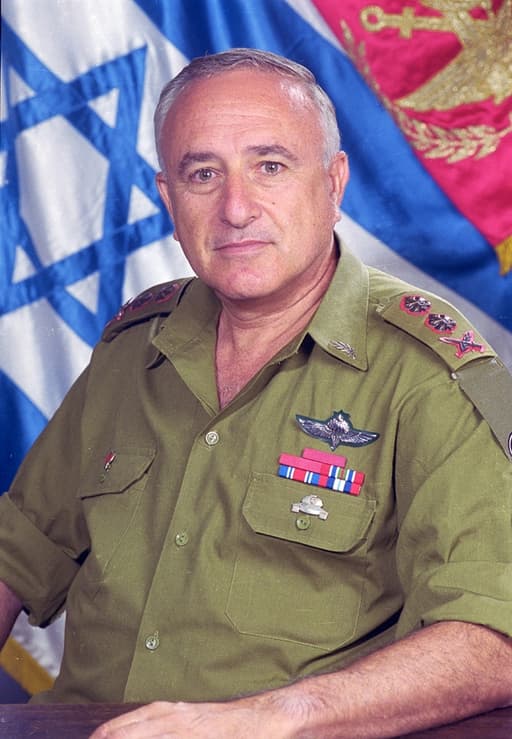
Amnon Lipkin
PERSON
15th Chief of General Staff of the Israel Defense Forces (1944–2012)
AT
Amos Tversky
PERSON
Israeli psychologist (1937–1996)
Amram Mitzna
PERSON
Israeli politician
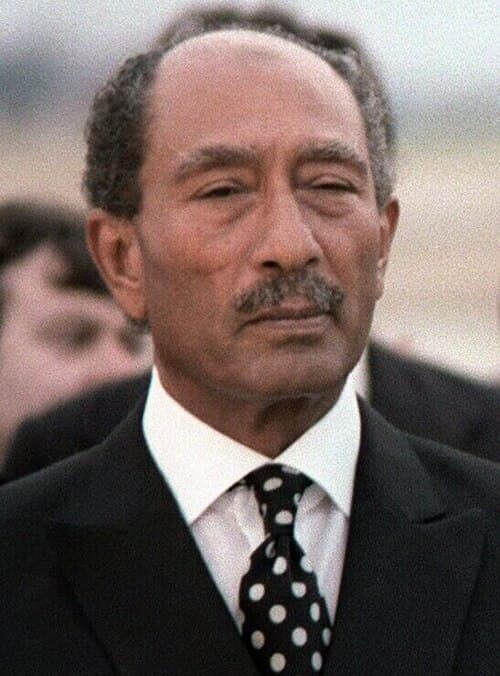
Anwar Sadat
PERSON
President of Egypt from 1970 to 1981
Arik Sharon’s
PERSON
Name reference in documents

Avraham
PERSON
Surname or name fragment in documents
AA
Avraham “Bren” Adnan
PERSON
Name reference in documents
AA
Avraham Arnan’s
PERSON
Name reference in documents
AV
Avsha
PERSON
Name reference in documents
AH
Avshalom Horan
PERSON
Ph.D. Stanford University 1982
BA
Baddura
PERSON
Surname or name fragment in documents
BA
Bar-Lev
PERSON
Name reference in documents
BG
Bashir Gemayel
PERSON
Name reference in documents
BE
BeHatzlakha
PERSON
Name reference in documents

Ben-Gurion
PERSON
Israeli politician, Zionist leader, prime minister of Israel (1948–1953, 1955–1963) - (born1886–1973)
BE
Ben-Zion
PERSON • 2 mentions
Surname or name fragment in documents
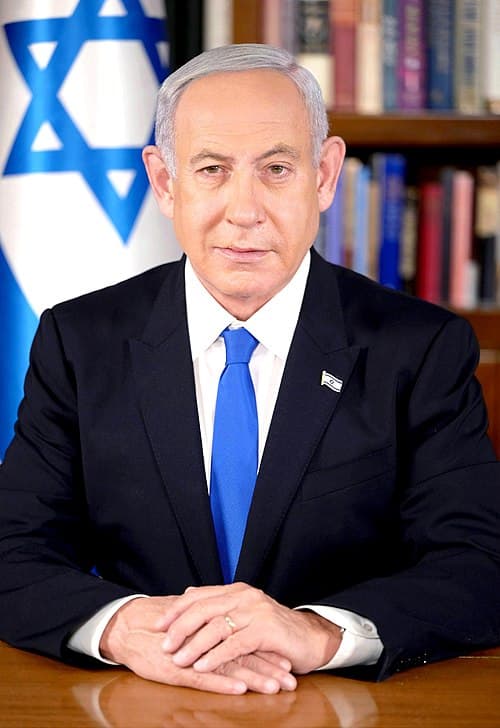
Benjamin Netanyahu
PERSON • 5 mentions
Prime Minister of Israel (1996–1999; 2009–2021; since 2022)
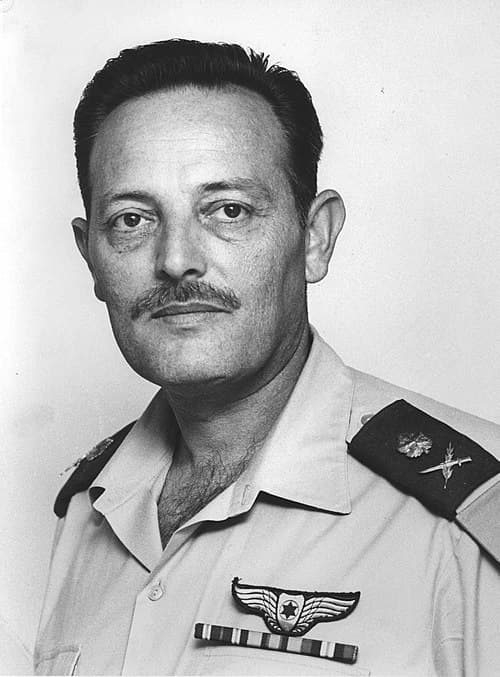
Benny Peled
PERSON
Israeli general (1928-2002)

Berettas
PERSON • 2 mentions
Surname or name fragment in documents
Bibi Netanyahu
PERSON
Prime Minister of Israel (1996–1999; 2009–2021; since 2022)
Bruria
PERSON
Researcher
Bruria Shaked
PERSON
Name reference in documents

Camp David
PERSON
Person referenced in documents
CH
Chachachim
PERSON
Name reference in documents
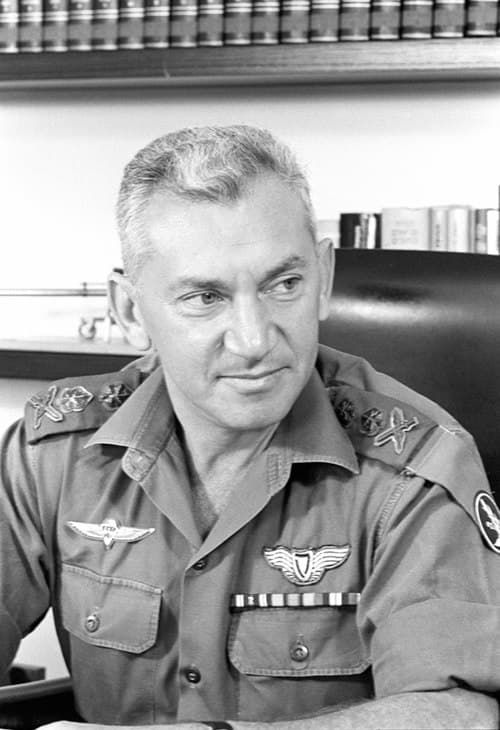
Chaim Bar-Lev
PERSON
Israeli military officer and politician (1924-1994)
Chaim Yavin
PERSON
Name reference in documents
CW
Courtney Wild
PERSON
American victim/survivor of Jeffrey Epstein who led legal battle for victims' rights

Dado Elazar
PERSON
Name reference in documents
Dan Shomron’s
PERSON
Name reference in documents
Daniel Kahneman
PERSON
Israeli-American psychologist and economist (1934–2024)

Danny Brunner
PERSON
Name reference in documents
Danny Matt’s
PERSON
Name reference in documents
Danny Yatom
PERSON
Israeli politician
Dante
PERSON
First name reference to multiple individuals in Epstein-related documents
David Ben-Gurion
PERSON
Israeli politician, Zionist leader, prime minister of Israel (1948–1953, 1955–1963) - (born1886–1973)
DA
Dayan
PERSON
Surname reference in documents
Digli
PERSON • 3 mentions
Surname or name fragment in documents
Dov Bar
PERSON
The legal profession as an institution
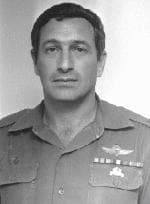
Dovik Tamari
PERSON
Name reference in documents
DK
Dr Katz
PERSON
Name reference in documents
Dudu Topaz
PERSON
Israeli comedian (1946-2009)
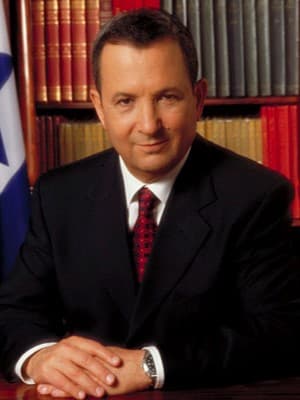
Ehud Barak
PERSON • 2 mentions
10th Prime Minister of Israel
Ehud Brog
PERSON
10th Prime Minister of Israel
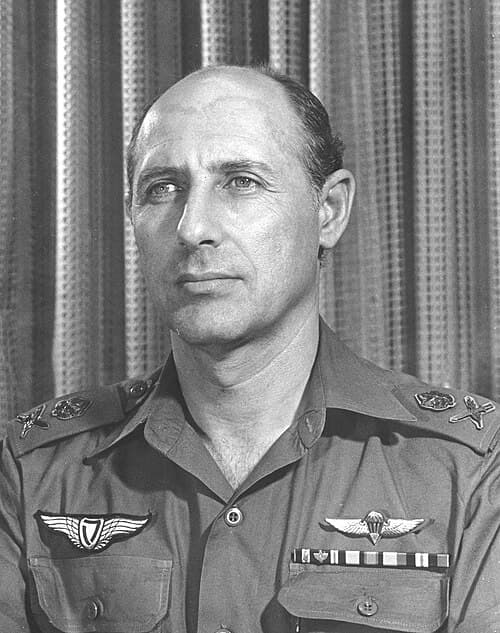
Eli Zeira
PERSON • 2 mentions
Israeli military intelligence officer (1928–2025)
ES
Emanuel “Manno” Shaked
PERSON
Name reference in documents
Ephraim
PERSON
Surname or name fragment in documents
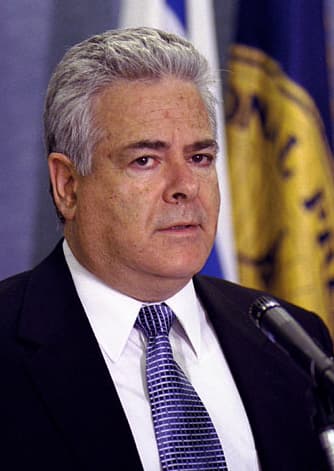
Ephraim Sneh
PERSON
Son of Joseph
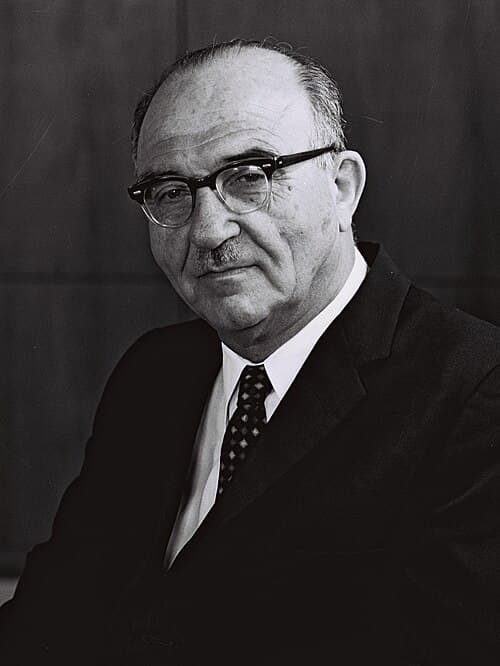
Eshkol
PERSON
Israeli psychologist
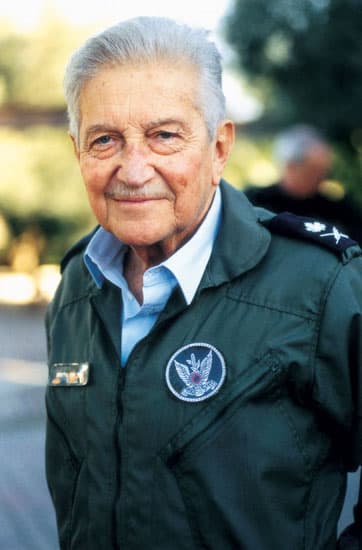
Ezer Weizman
PERSON
Israeli politiciann, 7th president of Israel (1993–2000)
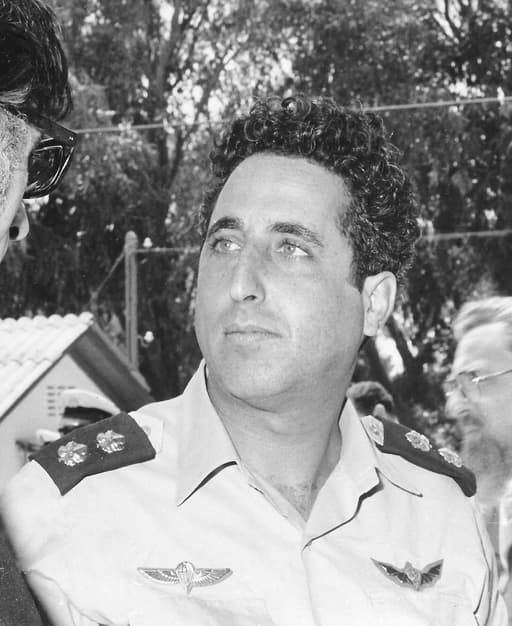
Gadi Shefi
PERSON
Israeli military personnel (1940-2017)
Genghis Khan
PERSON
Founder and first khan of the Mongol Empire (1162–1227)

George W. Bush
PERSON
President of the United States from 2001 to 2009

Gideon
PERSON
Judge in the Biblical Book of Judges
GI
Ginton
PERSON
Name reference in documents
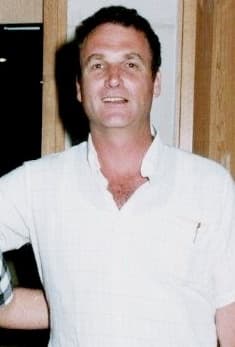
Giora Zorea
PERSON
Israeli military officer
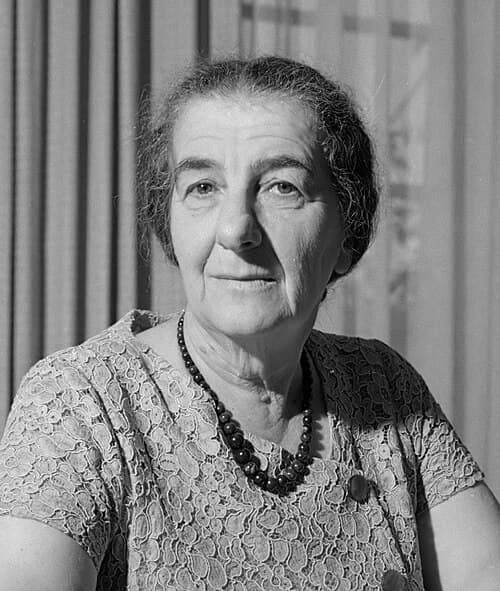
Golda
PERSON
Surname or name fragment in documents
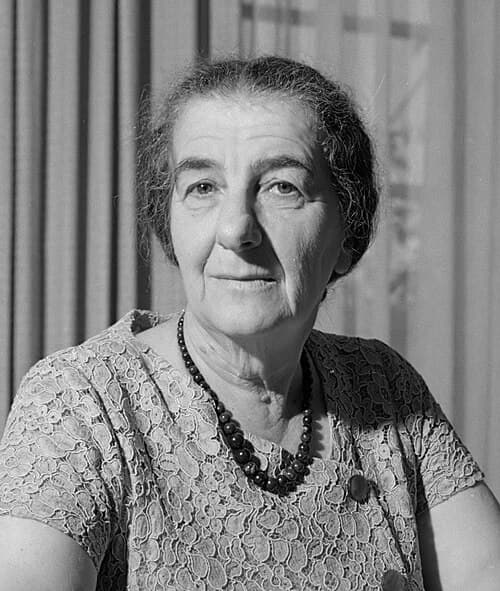
Golda Meir’s
PERSON
Name reference in documents

Gorodish
PERSON
Name reference in documents
Gurion
PERSON
Canadian academic (1925–2017)
GV
Gvirotai
PERSON
Name reference in documents
Habib
PERSON
Surname reference in documents
Hamlet
PERSON
Tragedy by William Shakespeare
Hosni Mubarak
PERSON • 2 mentions
President of Egypt from 1981 to 2011
Idi Amin
PERSON
President of Uganda from 1971 to 1979
IA
Ido Ambar
PERSON
Name reference in documents

J. C. Penny
PERSON
Name reference in documents
Jabotinsky
PERSON
Surname or name fragment in documents
James G. March
PERSON
American sociologist (1928–2018)
Jimmy Carter
PERSON • 2 mentions
President of the United States from 1977 to 1981 (1924–2024)
Jobb Janine
PERSON
Name reference in documents
John F. Kennedy
PERSON
President of the United States from 1961 to 1963 (1917–1963)
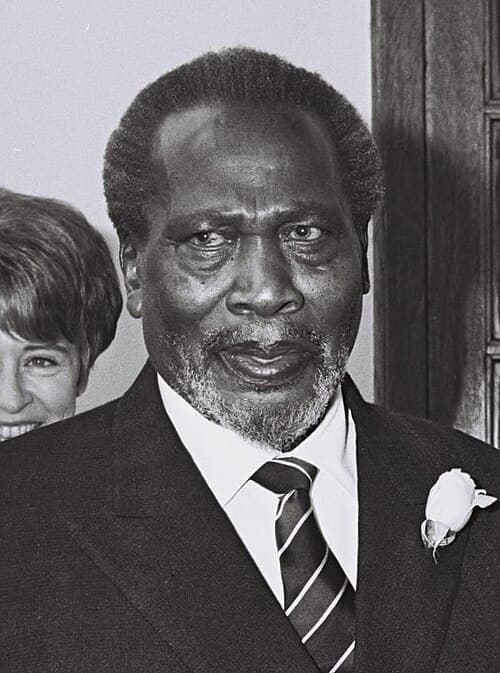
Jomo Kenyatta
PERSON
Name reference in documents
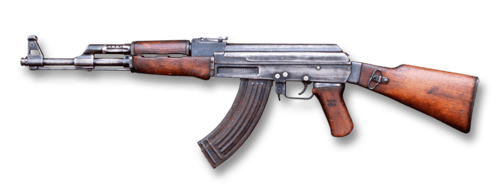
Kalashnikovs
PERSON
Surname or name fragment in documents
KA
Kamal Adwan
PERSON
Palestinian politician
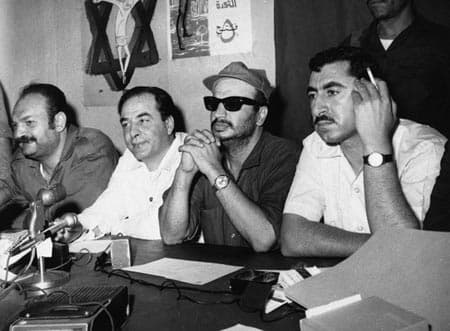
Kamal Nasser
PERSON
Palestinian writer and political leader (1924-1973)
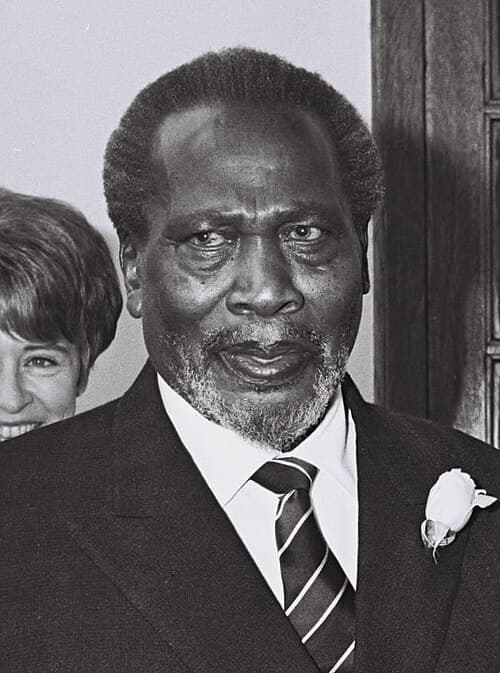
Kenyatta
PERSON
Name reference in documents
King Hussein’s
PERSON
Name reference in documents
Kuti Adam
PERSON
Name reference in documents
LB
Leon Black
PERSON
American billionaire businessman (born 1951)

Likudnik
PERSON
Surname reference in documents
LO
Lonny
PERSON
Surname reference in documents
LR
Lonny Rafael
PERSON
Name reference in documents
Macbeth
PERSON
Reference to Shakespeare's Macbeth
MA
Manno
PERSON • 2 mentions
Surname or name fragment in documents

Manno Shaked
PERSON
Name reference in documents
MA
Marco
PERSON
Episode of Better Call Saul (S1 E10)
Marco Ashkenazi
PERSON
Name reference in documents
Meir Amit
PERSON
Israeli politician (1921-2009)
Menachem Digli
PERSON
Israeli military officer
Michael Cohen
PERSON
American former attorney and former Republican official

Mikhal
PERSON
Ph.D. Bar-Ilan University 2005
Mitzna
PERSON
Israeli politician
MA
Mohammed Youssef al-Najar
PERSON
Name reference in documents

Mookie
PERSON
American reality television participant
MB
Mookie Betzer’s
PERSON
Name reference in documents
Mordechai
PERSON
Surname or name fragment in documents

Mordechai Rachamim
PERSON
Name reference in documents
MO
Moshe
PERSON
Ambiguous first name - refers to multiple people in Epstein documents
Moshe Dayan
PERSON
Israeli military leader and politician (1915–1981)
Moshe Sukenik
PERSON
Name reference in documents
MT
Motke Tzipori
PERSON
Name reference in documents
MO
Motta
PERSON
Surname or name fragment in documents
Motta Gur
PERSON
Name reference in documents
MB
Motti Ben-Dror
PERSON
Name reference in documents
Moussa Peled
PERSON
Name reference in documents
NR
Nachman Rifkind
PERSON
Name reference in documents
Nasser
PERSON
First name reference to multiple individuals in the documents

Nava Cohen
PERSON
Name reference in documents
NE
Nechemia
PERSON
Name reference in documents
Nora Ephron
PERSON
American film director and writer (1941–2012)

Omer Wachman
PERSON
Name reference in documents
Oranim
PERSON
Name reference in documents

Palmach
PERSON
Elite strike force of the Haganah in Mandatory Palestine
PE
Peled
PERSON
Name reference in documents
Philip Habib
PERSON
American diplomat (1920-1992)
PN
Pini Nachmani
PERSON
Name reference in documents
Pirkei Avot
PERSON
Name reference in documents
PB
Plan B.
PERSON
Person referenced in documents
Plato
PERSON
4th-century BCE Greek philosopher
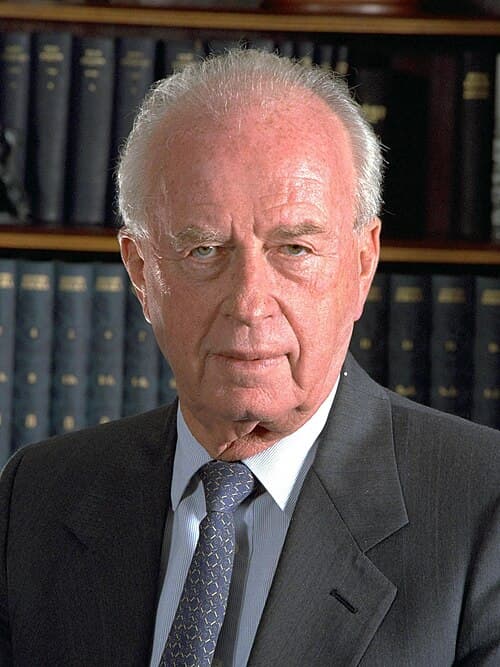
Rabin
PERSON
Surname reference in Epstein-related documents
RA
Rafael
PERSON
Ambiguous first name reference in Epstein documents
RA
Raful
PERSON
Surname or name fragment in documents
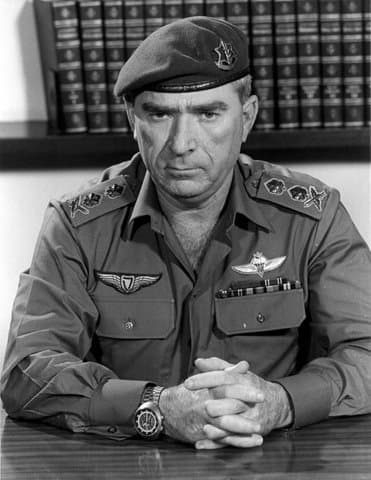
Raful Eitan
PERSON
Person referenced in documents
Rahm Emanuel
PERSON
American politician (born 1959)
RR
Recalling Raful’s
PERSON
Name reference in documents
Rechavam Ze’evi
PERSON
Israeli politician, Minister of Tourism, and Israel Defense Forces senior officer (1926-2001)
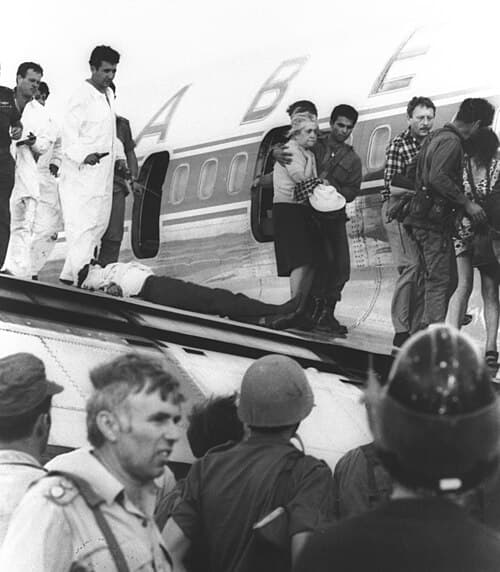
Reginald Levy
PERSON
Name reference in documents
RB
Ron Ben-Ishai
PERSON
Name reference in documents
Ronald Reagan
PERSON • 2 mentions
President of the United States from 1981 to 1989 and actor (1911–2004)
Sadat
PERSON
Arabic name
Saddam Hussein
PERSON • 3 mentions
Iraqi president, army officer and Baathist politician (1937–2006)
SA
Saggers
PERSON
Name reference in documents
SM
Sayeret Matkal’s
PERSON
Name reference in documents
Seymour Martin Lipset
PERSON
American sociologist (1922–2006)

Shai Agmon
PERSON
Name reference in documents
ST
Shai Tamari’s
PERSON
Name reference in documents
SH
Sharon
PERSON
Ambiguous first name - refers to multiple Sharons including Ariel Sharon, Sharon Churcher, and Mishmar Hasharon location
Shaul Shalev
PERSON
Name reference in documents
SH
Shimon
PERSON
First name reference to multiple individuals in the documents
Shimon Peres
PERSON • 2 mentions
Israeli politician (1923–2016) –Former President of Israel (2007–2014) and Prime Minister of Israel (1977, 1984–1986, 1995–1996)
Shimron
PERSON
Name reference in documents
SH
Shlomo
PERSON
First name reference to multiple individuals in the documents
SA
Shlomo Argov
PERSON
Israeli diplomat (1929–2003)
Shlomo Gazit
PERSON
Israeli general (1926–2020)
Shmuel Gonen
PERSON
Israeli general
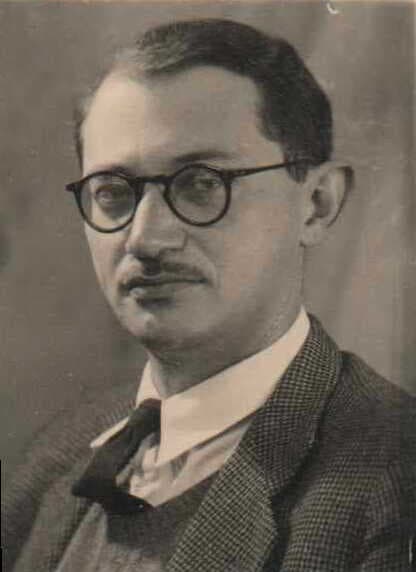
Shmuel Katz
PERSON
Israeli writer, journalist and historian (1914–2008)
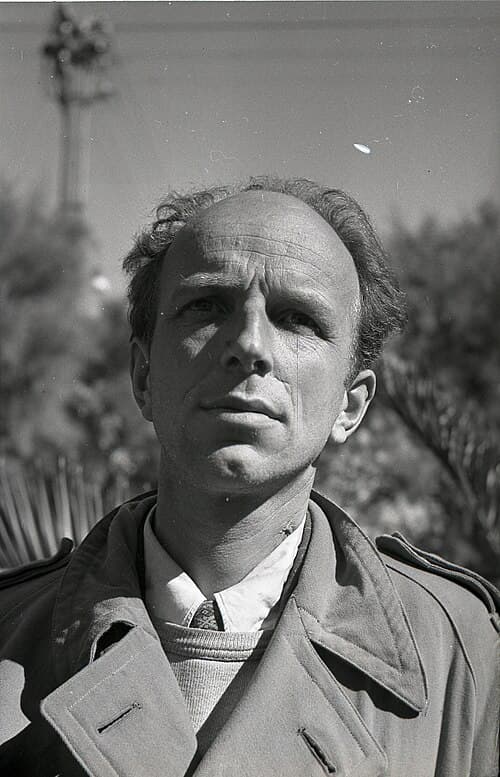
Sipurei
PERSON
Name reference in documents
Spielberg
PERSON
Surname reference in Epstein-related documents
Stephen Hawking
PERSON
British theoretical physicist, cosmologist and author (1942–2018)
Steven Spielberg
PERSON
American filmmaker (born 1946)
SU
Sukenik
PERSON
Name reference in documents

Talik
PERSON • 2 mentions
Surname reference in documents

the King of Kings
PERSON
Name reference in documents
TG
Tuti Goodman
PERSON
Name reference in documents
Tutti
PERSON
Name reference in documents
TV
Tversky
PERSON
Israeli psychologist (1937–1996)
TZ
Tzila
PERSON
Name reference in documents
Tzipori
PERSON
Name reference in documents
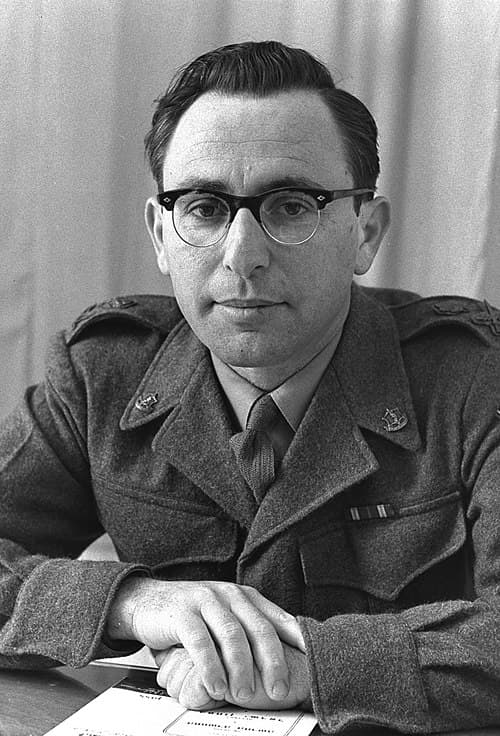
Tzvi Tzur
PERSON
Israeli politician (1923-2004)
Uri Ilan
PERSON
Israeli soldier
Uri Koren
PERSON
Name reference in documents
Uzi Dayan’s
PERSON
Name reference in documents
Uzi Yairi
PERSON
Israeli soldier
Virginia Giuffre
PERSON
Advocate for sex trafficking victims (1983–2025)
WA
Wafsi al-Tal
PERSON
Name reference in documents
William Shakespeare
PERSON
English playwright and poet (1564–1616)
YA
Yanoush
PERSON
Surname reference in documents
YB
Yanoush Ben-Gal
PERSON
Name reference in documents
YA
Yasha
PERSON
Name reference in documents
Yasha Kedmi
PERSON
Name reference in documents
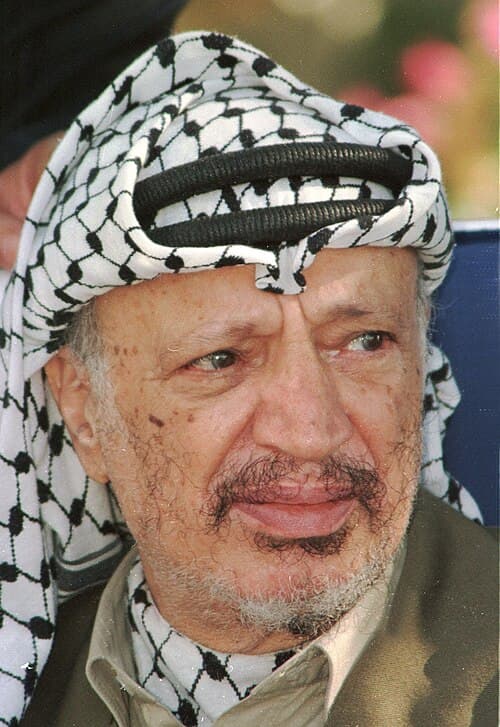
Yasser Arafat
PERSON
Palestinian political leader (1929–2004) and Former President of the Palestinian National Authority (1994-2004)
YA
Yavin
PERSON
Name reference in documents

Yishai
PERSON • 2 mentions
Israeli hematologist and researcher
YI
Yishai Izhar
PERSON • 2 mentions
Name reference in documents
Yitzhak Hofi
PERSON
Israeli military officer (1927-2014)
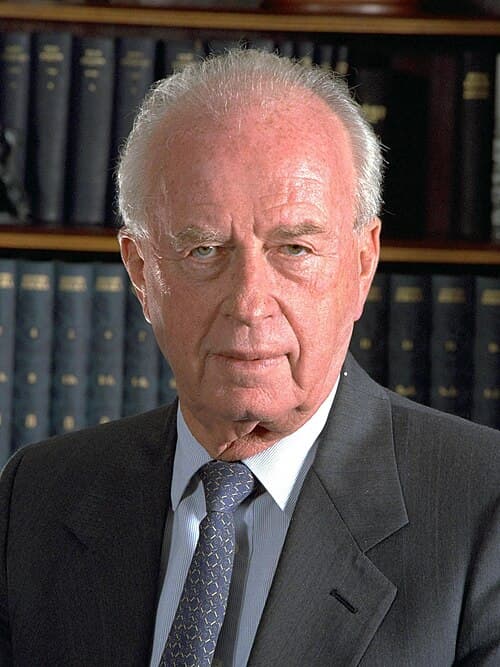
Yitzhak Rabin
PERSON
Israeli politician, statesman and general (1922–1995)
YI
Yitzhik
PERSON • 2 mentions
Surname reference in documents
YM
Yitzhik Mordechai
PERSON
Name reference in documents
Yonatan
PERSON
Researcher
YN
Yoni Netanyahu’s
PERSON
Name reference in documents
YT
Yosef Tulipman
PERSON
Name reference in documents
YO
Youssef
PERSON
Bishop of Aleppo (1931–2000)
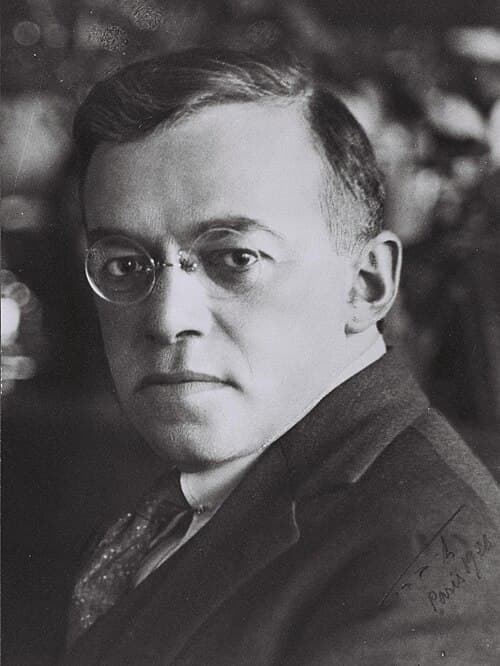
Ze’ev Jabotinsky
PERSON
Name reference in documents
ZE
Ze’evi
PERSON
Name reference in documents
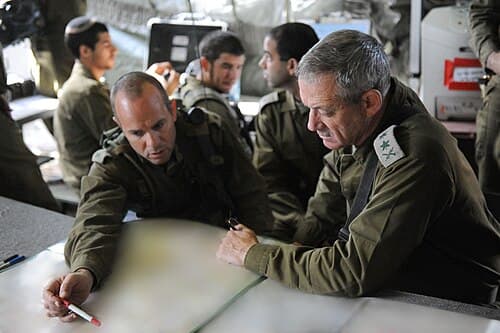
Zvika Gilad
PERSON
Name reference in documents
Ahrahle
ORGANIZATION • 2 mentions
Organization referenced in documents
Air Force
ORGANIZATION
Military branch of service primarily concerned with aerial warfare

Air France
ORGANIZATION
Flag-carrier and largest airline in France
Air France Flight 139
ORGANIZATION
Organization referenced in documents
Airbus
ORGANIZATION
European aircraft manufacturer, subsidiary of Airbus SE
Airya
ORGANIZATION
Organization referenced in documents
Alliance
ORGANIZATION
Syntaxonomic rank in phytosociology
American TV
ORGANIZATION
Organization referenced in documents
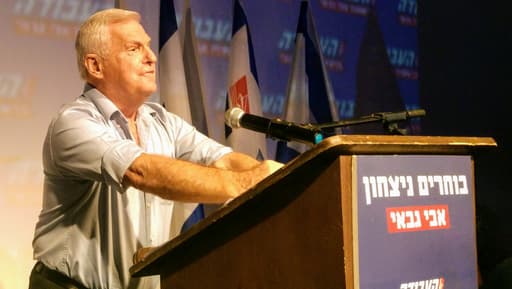
Amiram Levin’s
ORGANIZATION
Organization referenced in documents

Arab League
ORGANIZATION
League of Arab states
Bank Leumi
ORGANIZATION
Israeli commercial bank
Battalion 532
ORGANIZATION
Organization referenced in documents
Battalion 890
ORGANIZATION
Organization referenced in documents

Betar
ORGANIZATION
Revisionist Zionist youth movement founded in 1923 in Riga, Latvia, by Vladimir (Ze'ev) Jabotinsky

Central Casting
ORGANIZATION
American casting company

Cinerama
ORGANIZATION • 2 mentions
Widescreen motion picture format
Circus Circus
ORGANIZATION
Organization referenced in documents

Corniche
ORGANIZATION
Organization referenced in documents

Eitan
ORGANIZATION
Human settlement in Israel
El Al
ORGANIZATION • 2 mentions
Flag-carrier airline of Israel
Fatah
ORGANIZATION
Palestinian nationalist political party
Front for the Liberation of Palestine
ORGANIZATION
Organization referenced in documents
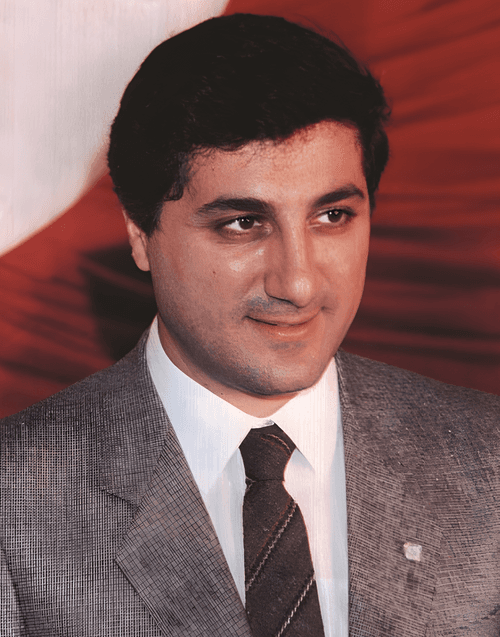
Gemayel
ORGANIZATION
Organization referenced in documents

Golani
ORGANIZATION
Israeli military infantry brigade
Golani infantry
ORGANIZATION
Organization referenced in documents
Hebrew University
ORGANIZATION
Hebrew University of Jerusalem
Hercules
ORGANIZATION • 3 mentions
Organization referenced in documents
Ichilov Hospital
ORGANIZATION
Organization referenced in documents

Irgun
ORGANIZATION
Zionist paramilitary organization (1931–48)
Irgun Zvai
ORGANIZATION
Organization referenced in documents
Islamic State
ORGANIZATION
Salafi jihadist militant Sunni Islamist group
Jabotsinky
ORGANIZATION
Organization referenced in documents
Katyusha
ORGANIZATION
Organization referenced in documents
Knesset
ORGANIZATION
Unicameral national legislature of Israel

Labour
ORGANIZATION
Centrist social democratic political party in the United Kingdom
Land Rovers
ORGANIZATION
Organization referenced in documents
Lebanese Army
ORGANIZATION
Combined military forces of Lebanon

Likud
ORGANIZATION
Israeli centre-right to right-wing political party

Lufthansa
ORGANIZATION
Flag-carrier and largest airline of Germany
Mishmar Hasharon
ORGANIZATION • 2 mentions
Kibbutz in Israel

Mossad
ORGANIZATION
National intelligence agency of Israel
Nafakh
ORGANIZATION
Organization referenced in documents
pro-Labor
ORGANIZATION
Organization referenced in documents

Red Cross
ORGANIZATION
American Red Cross humanitarian organization
Renault
ORGANIZATION
Automotive conglomerate

Rotem
ORGANIZATION
Organization referenced in documents
Sabena Boeing
ORGANIZATION
Organization referenced in documents

Savoy
ORGANIZATION
Historical region of Europe
Sephardi
ORGANIZATION
Organization referenced in documents
Seventh Brigade
ORGANIZATION
Organization referenced in documents
Shaked
ORGANIZATION
Organization referenced in documents
Shayetet
ORGANIZATION
Organization referenced in documents
the 401st Armored Brigade
ORGANIZATION
Organization referenced in documents
the Chinese Farm
ORGANIZATION
Organization referenced in documents
the Democratic Front
ORGANIZATION
Organization referenced in documents
the General Staff
ORGANIZATION
Organization referenced in documents
the Liberation of Palestine
ORGANIZATION
Organization referenced in documents
the Operations Department
ORGANIZATION
Organization referenced in documents
the Reagan Administration
ORGANIZATION
Organization referenced in documents

the Red Cross
ORGANIZATION
Organization referenced in documents

the School of Engineering
ORGANIZATION
Organization referenced in documents
the Seventh Armored Brigade
ORGANIZATION
Organization referenced in documents

the US Marine Corps
ORGANIZATION
Organization referenced in documents
Third Army
ORGANIZATION
Organization referenced in documents
Ugandan
ORGANIZATION
Organization referenced in documents

Amsterdam
LOCATION
Capital and most populous city of the Netherlands

Aqaba
LOCATION
Jordanian coastal city

Athens
LOCATION
Capital and largest city of Greece
Ayn Zhalta
LOCATION • 2 mentions
Location referenced in documents
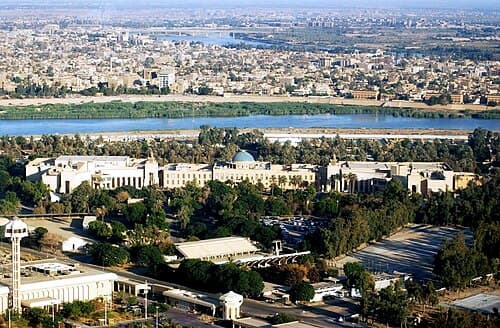
Baghdad
LOCATION
Capital city of Iraq
Beersheva
LOCATION
City in Israel
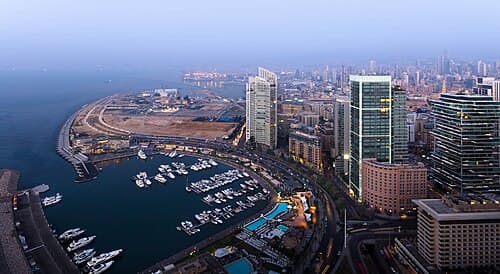
Beirut
LOCATION
Capital and largest city of Lebanon
Beka’a Valley
LOCATION
2016 video game
Bekaa
LOCATION
Location referenced in documents
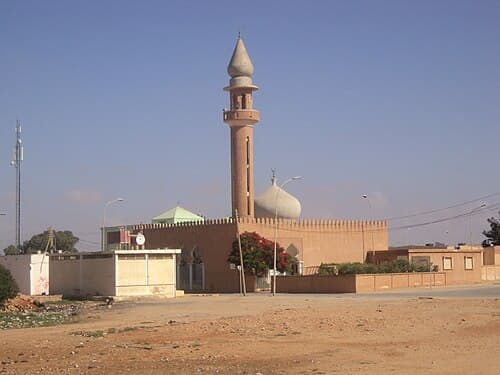
Benina
LOCATION
Basic People's Congress division in Cyrenaica, Libya
Big Pines
LOCATION
Unincorporated community in California
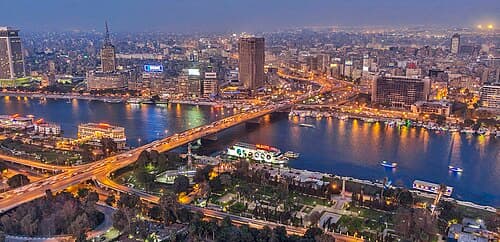
Cairo
LOCATION
Capital city of Egypt

Cyprus
LOCATION
Mediterranean island country in West Asia
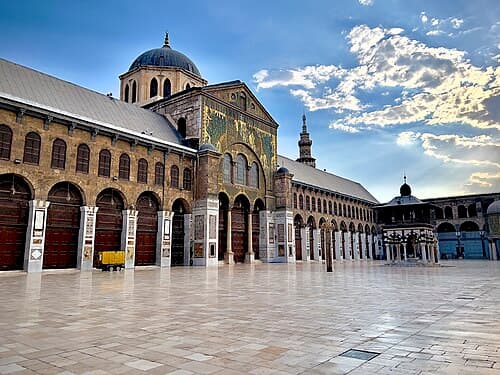
Damascus
LOCATION
Capital and largest city of Syria

Eilat
LOCATION
City in Israel
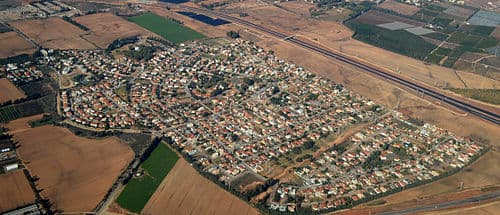
Elyakhin
LOCATION
Human settlement in Israel
Entebbe
LOCATION
Location referenced in documents

Escondito
LOCATION
Location referenced in documents
Gebel
LOCATION
Location referenced in documents
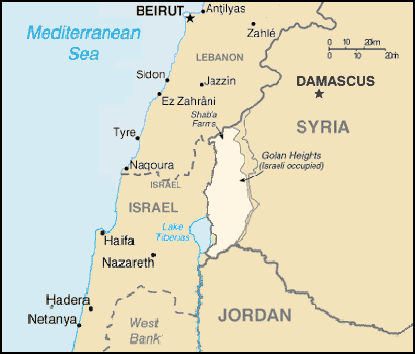
Golan
LOCATION
Territory on the Golan Heights
Haifa
LOCATION
Third-largest city in Israel
Hasbarah
LOCATION
Location referenced in documents
Heights
LOCATION
Location referenced in documents
Ismailia
LOCATION
Genus of single-celled organisms
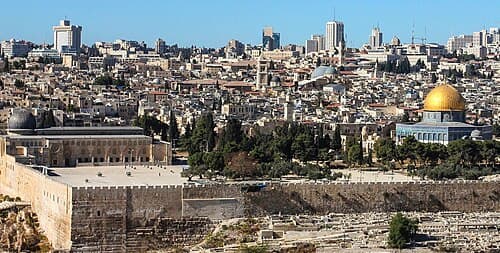
Jerusalem
LOCATION
City in the Middle East, holy to the three Abrahamic religions
Jezzin
LOCATION
Town in Lebanon
Jobb Jannine
LOCATION
Location referenced in documents
Judaea
LOCATION
Province of the Roman Empire (6–135 CE)

Julis
LOCATION
German band

Kampala
LOCATION
Capital and the largest city of Uganda
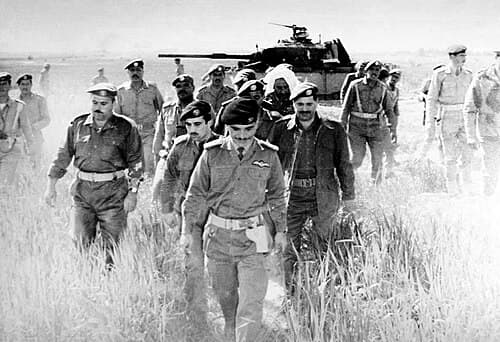
Karameh
LOCATION
Human settlement in Jordan
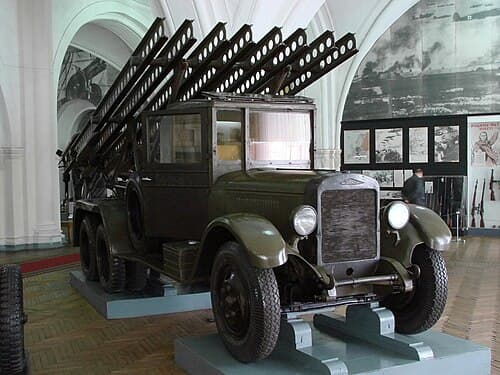
Katyushas
LOCATION
Location referenced in documents

Kenya
LOCATION
Country in Eastern Africa
Kumeran
LOCATION
Location referenced in documents

Lake Tahoe
LOCATION
Lake in California and Nevada, United States
Lake Victoria
LOCATION
Lake in east-central Africa

Las Vegas
LOCATION
City of Clark County, and largest city in state of Nevada, United States
Lebanon
LOCATION
Country in West Asia
Little Pines
LOCATION
Location referenced in documents
Mediterranean
LOCATION
Sea in southern Europe

Mount Herzl
LOCATION
Site of Israel's national cemetery in Jerusalem

Munich
LOCATION
Capital and most populous city of Bavaria, Germany

Nairobi
LOCATION
Capital city of Kenya
Negev
LOCATION
Desert and semidesert region of southern Israel
Palo Alto
LOCATION
City in Santa Clara County, California, United States

Quantico
LOCATION
FBI training facility in Virginia
Ramah
LOCATION
Human settlement in McKinley County, New Mexico, United States of America

Ramat Aviv
LOCATION
Neighborhood in Tel Aviv
Ramat Hasharon
LOCATION • 3 mentions
City in the Tel Aviv District of Israel
Ras Naqoura
LOCATION
Location referenced in documents
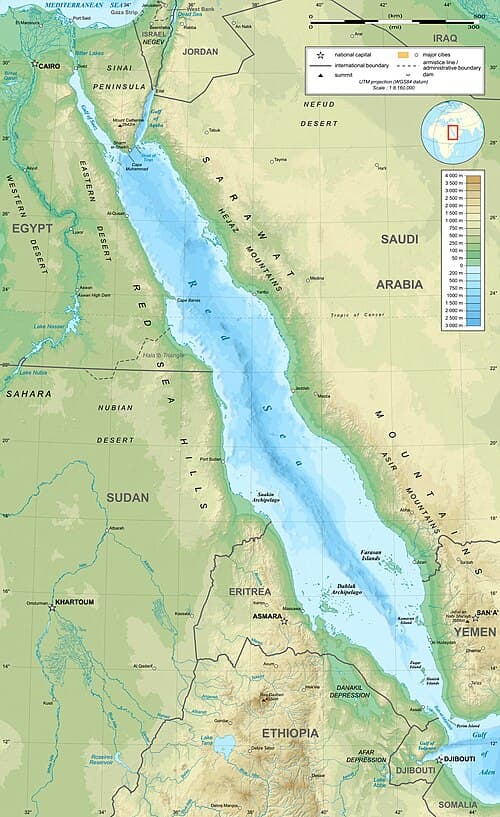
Red Sea
LOCATION
Location referenced in documents
Samaria
LOCATION
Historical region in the Levant
Sayeret Matkal
LOCATION • 2 mentions
Special forces unit of the Israel Defense Forces
Sephardim
LOCATION
Location referenced in documents
Sinai
LOCATION
Peninsula in the Middle East
Suez City
LOCATION
Location referenced in documents
Sultan Yacoub
LOCATION
Village in Lebanon
Tel Aviv’s
LOCATION
Location referenced in documents
the Bekaa Valley
LOCATION
Location referenced in documents
the Coral Beach
LOCATION
Location referenced in documents
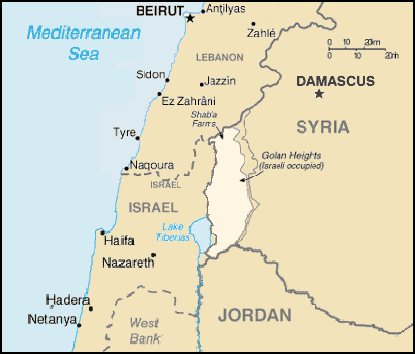
the Golan Heights
LOCATION
Territory on the Golan Heights
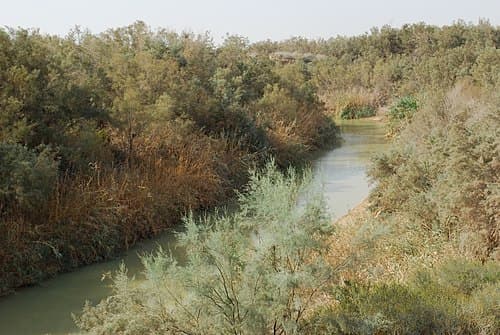
the Jordan River
LOCATION
Location referenced in documents
the Judaean Desert
LOCATION
Location referenced in documents
the Negev Desert
LOCATION
Location referenced in documents
the Sinai Desert
LOCATION
Location referenced in documents
the Soviet Union
LOCATION
Former country, now part of Russia and other nations
the State of Israel
LOCATION
Country in the Middle East
the Suez Canal
LOCATION
Location referenced in documents
the West Bank
LOCATION
Territory in the Middle East

Tiberias
LOCATION • 2 mentions
City in Galilee, Israel
Um-Hashiba
LOCATION
Location referenced in documents
united Jerusalem
LOCATION
Location referenced in documents

United States
LOCATION
Country located primarily in North America
Verdun
LOCATION • 2 mentions
Commune in Meuse, France

Vienna
LOCATION
Capital of and state in Austria
Yanta
LOCATION
Location referenced in documents
Zurich
LOCATION
Capital of the canton of Zurich, Switzerland
Statistics
Pages:100
Entities:339
Avg. OCR:95.2%
Sponsored