Back to Network

















6
Shared Docs
6
Same-Page
6 / 10
Mentions
Document Mentions (6 shared documents)
4 mentions1 same-page
Page ?Same page
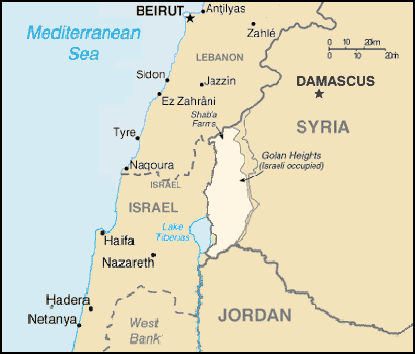
ldiers crossed the border on an intelligence mission. It had happened in 1954, and it ended in a failure even more serious than Rotem. The target was the Golan Heights, inside Syria. The special technology unit attached to military intelligence had developed a bugging device designed to be placed on a telephone pole
524 Under army regulations, training recruits got a five-day leave every few months during fironut. My first one came a bit later than usual, due to Rotem. But in April 1960, shortly before the Passover holiday, I headed back to Mishmar Hasharon. Despite my minor triumph of desert navigation, I still ha
mmon sense on all sides, ensured that a new war with Egypt was averted — at least for a further half- dozen years, until 1967. By then, the lesson of Rotem would be learned: our need to find a realiable way to tap into the battle plans of the hostile Arab states around us. And through another wholly unex
nce of intelligence, and the potential cost of Israel being taken by surprise in a future war, having been part of the top military leadership during Rotem. He was energetic, bright, and exuded an infectious sense of self-confidence and authority. He also had clout at headquarters. If he decided the time
4 mentions1 same-page
Page ?Same page
ldiers crossed the border on an intelligence mission. It had happened in 1954, and it ended in a failure even more serious than Rotem. The target was the Golan Heights, inside Syria. The special technology unit attached to military intelligence had developed a bugging device designed to be placed on a telephone pole
901 Under army regulations, training recruits got a five-day leave every few months during fironut. My first one came a bit later than usual, due to Rotem. But in April 1960, shortly before the Passover holiday, I headed back to Mishmar Hasharon. Despite my minor triumph of desert navigation, I still ha
mmon sense on all sides, ensured that a new war with Egypt was averted — at least for a further half- dozen years, until 1967. By then, the lesson of Rotem would be learned: our need to find a realiable way to tap into the battle plans of the hostile Arab states around us. And through another wholly unex
nce of intelligence, and the potential cost of Israel being taken by surprise in a future war, having been part of the top military leadership during Rotem. He was energetic, bright, and exuded an infectious sense of self-confidence and authority. He also had clout at headquarters. If he decided the time
2 mentions1 same-page
Page ?Same page
urprise attacks by Syria and Egypt — armies we’d not just defeated, but humiliated, six years earlier — had pinned down and pushed back our forces on the Golan Heights and in the Sinai. Without any advance call-up, many reservists were only now reaching the front lines. As hundreds of people pressed for seats on th
m’s initial hopes and expectations for the unit had been more than met. Sayeret Matkal had played the key role in erasing the traumas of Uri Ilan and Rotem, and restoring the morale and effectiveness of Israeli military intelligence. Time and again, operations which we said we could do — dismissed as too
Sponsored
2 mentions1 same-page
Page ?Same page
ade with him. The substance in any agreement, though politically difficult, was also more straightforward. We knew what Assad wanted: the recovery of the Golan Heights, in return for the absolute minimum level of political normalization with Israel. We knew what we wanted: security guarantees and assurances regardin
under a shadow, or been fired. Sometimes this was because of ultimately non-fatal lapses, like a botched mobilization of our reserves in 1959, or the Rotem crisis a few months later. Sometimes, it was due to lethal failures like the Yom Kippur War and Lebanon. I went to see all eight former directors wh
2 mentions1 same-page
Page ?Same page
urprise attacks by Syria and Egypt - armies we'd not just defeated, but humiliated, six years earlier - had pinned down and pushed back our forces on the Golan Heights and in the Sinai. Without any advance call-up, many reservists were only now reaching the front lines. As hundreds of people pressed for seats on the
m's initial hopes and expectations for the unit had been more than met. Sayeret Matkal had played the key role in erasing the traumas of Uri Ilan and Rotem, and restoring the morale and effectiveness of Israeli military intelligence. Time and again, operations which we said we could do - dismissed as too
2 mentions1 same-page
Page ?Same page
ade with him. The substance in any agreement, though politically difficult, was also more straightforward. We knew what Assad wanted: the recovery of the Golan Heights, in return for the absolute minimum level of political normalization with Israel. We knew what we wanted: security guarantees and assurances regardin
under a shadow, or been fired. Sometimes this was because of ultimately non-fatal lapses, like a botched mobilization of our reserves in 1959, or the Rotem crisis a few months later. Sometimes, it was due to lethal failures like the Yom Kippur War and Lebanon. I went to see all eight former directors who
Sponsored
Mutual Connections (788)
Entities connected to both the Golan Heights and Rotem
Benjamin Netanyahu
PERSON27 w/ the·6 w/ Rotem
Bashar al-Assad
PERSON29 w/ the·4 w/ Rotem
Lebanon
LOCATION26 w/ the·6 w/ Rotem
George W. Bush
PERSON26 w/ the·4 w/ Rotem
Jerusalem
LOCATION24 w/ the·6 w/ Rotem
Damascus
LOCATION23 w/ the·6 w/ Rotem
Hosni Mubarak
PERSON23 w/ the·6 w/ Rotem
Barack Obama
PERSON26 w/ the·2 w/ Rotem
Bill Clinton
PERSON24 w/ the·4 w/ Rotem
Fatah
ORGANIZATION20 w/ the·6 w/ Rotem
Sinai
LOCATION20 w/ the·6 w/ Rotem
United States
LOCATION20 w/ the·2 w/ Rotem
Yasser Arafat
PERSON16 w/ the·6 w/ Rotem
Yitzhak Rabin
PERSON16 w/ the·6 w/ Rotem
Saddam Hussein
PERSON16 w/ the·6 w/ Rotem
Golan
LOCATION16 w/ the·6 w/ Rotem
Ehud Barak
PERSON15 w/ the·6 w/ Rotem
Michael Cohen
PERSON15 w/ the·6 w/ Rotem
Mediterranean
LOCATION17 w/ the·4 w/ Rotem
the West Bank
LOCATION14 w/ the·6 w/ Rotem