Back to People & Entities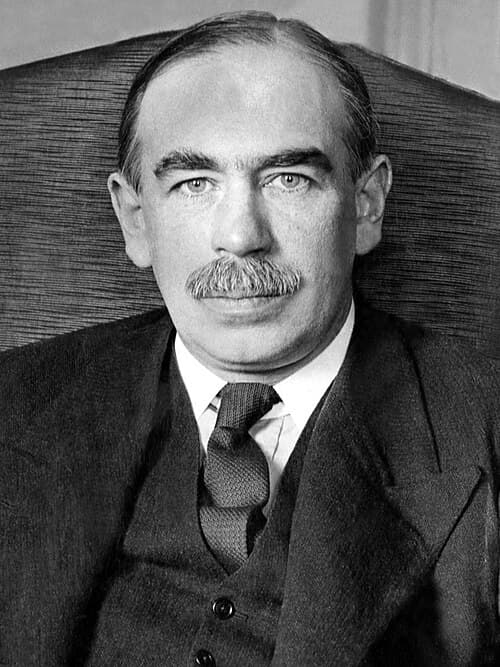
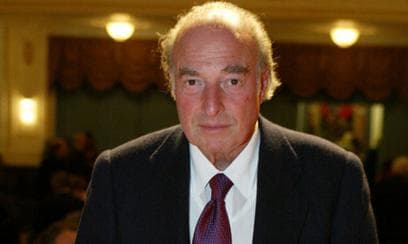
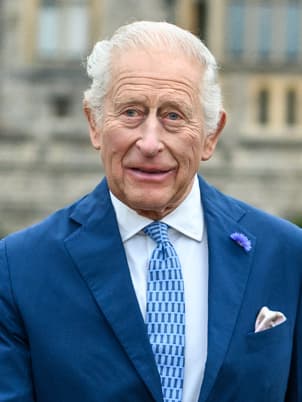
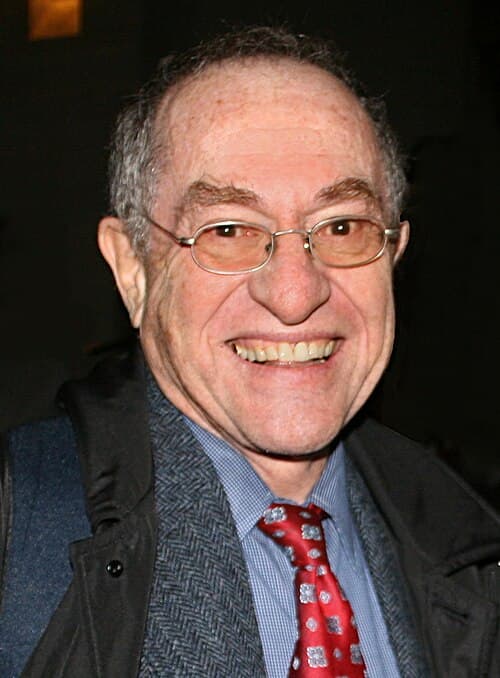
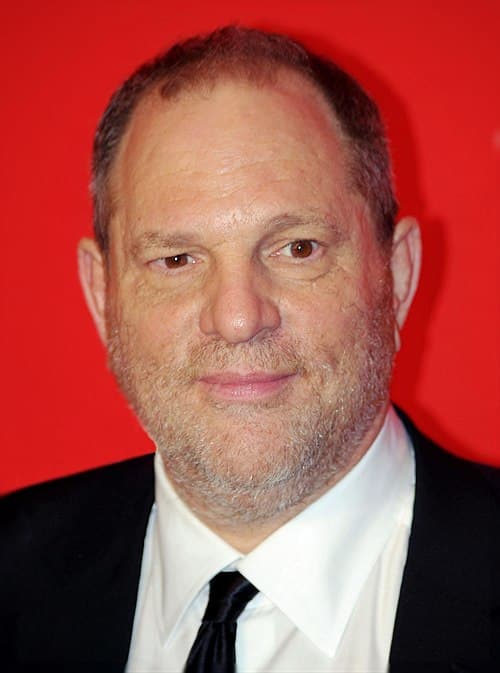





Keynes
Person
34
Total Mentions
31
Documents
830
Connected Entities
Surname reference in Epstein-related documents
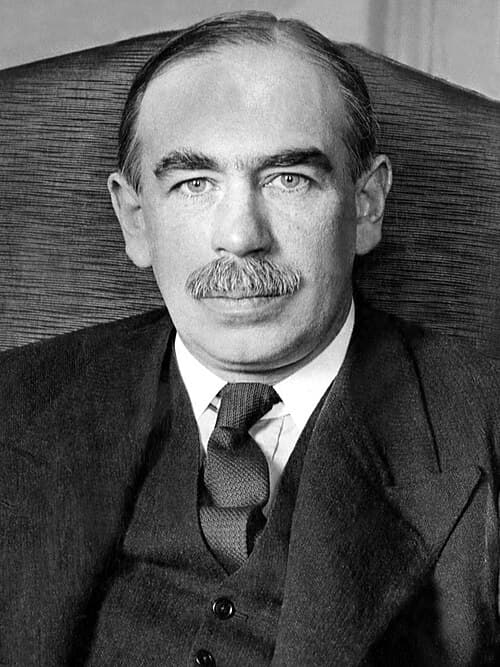
John Maynard Keynes is referenced nine times across Epstein-related government records, primarily in economic discussions rather than direct personal involvement with Epstein.
Keynes appears in substantive economic analysis within government documents, including discussions of his economic theories and predictions. However, some mentions are in automated or contextually limited settings, such as social media posts with hashtags like #keynes. None of the mentions directly connect Keynes to Epstein personally or professionally; his presence is entirely through economic commentary.
Key Highlights
- •Keynes is cited for his economic theories in multiple government records, including discussions on income inequality and investment returns.
- •Mentions include references to his essays and predictions, such as his views on productivity and capitalism.
- •No evidence of personal correspondence, financial ties, or direct involvement with Epstein; all appearances are contextual to economic topics.
- •Pattern: Recurring use of Keynes' ideas in policy-related documents, but entirely detached from Epstein's activities.
Frequently Asked Questions
Related Links
Document Mentions (20 of 31)
Free Growth and Other Surprises.pdf
2 mentionsHOUSE_OVERSIGHT_010912_sub_003 - HOUSE_OVERSIGHT_011169
Source: House Oversight Committee
b paragraph on growth. The candidates for third seem well behind. Maybe Jevons or John Rae or Leon Walras. Time has not been kind to the teachings of Keynes. I would now rank his teacher Alfred Marshall higher. I like Myrdal’s magnificent ex ante - ex post distinction. Boehm Bawerk and the Austrian school
ht also be surprised at my choice of benchmarks in verse and economics. Masefield and Mill? A consensus might have picked T. S. Elliot, say, and Lord Keynes. Masefield and Mill are likelier to be remembered as old-fashioned fuddy-duddies already outmoded when they wrote. But that’s me. I am Don Quixote. N
Free Growth and Other Surprises.pdf
2 mentionsHOUSE_OVERSIGHT_010912_sub_001 - HOUSE_OVERSIGHT_011011
Source: House Oversight Committee
vailable for business to borrow and invest. But business lacked the “animal spirits” to take such a risk ina slump. We saw the same story after 2008. Keynes’ proposal was for government to do the borrowing and investing instead. That’s part of the “fiscal policy” I described in Chapter 1. Here we tend to
saving is invested, as I use the word, but finds different returns. Saving under the mattress is investment at zero return, and drops output just as Keynes said. Investment at the current average return keeps output unchanged. That’s what Keynes meant. But investment at lower returns lowers output, and c
Free Growth and Other Surprises.pdf
2 mentionsHOUSE_OVERSIGHT_010912_sub_002 - HOUSE_OVERSIGHT_011111
Source: House Oversight Committee
t the human capital of children. But Farr deserves credit for pointing out that human capital in general capitalizes pay less invested consumption. Keynes’ teacher Alfred Marshall agreed with Farr in 1990’. As I read this passage, Marshall interpreted maintenance consumption as investment. So did B. F.
d their market value in return, as if on the books of a firm. Chapter 6: Parallels with the Firm 2/4/16 21 HOUSE_OVERSIGHT_011055 Marshall’s pupil Keynes was thoroughly a marginalist, as are economists in general today and as am I. One of the features of his General Theory of 1936 was a kind of double-
Sponsored
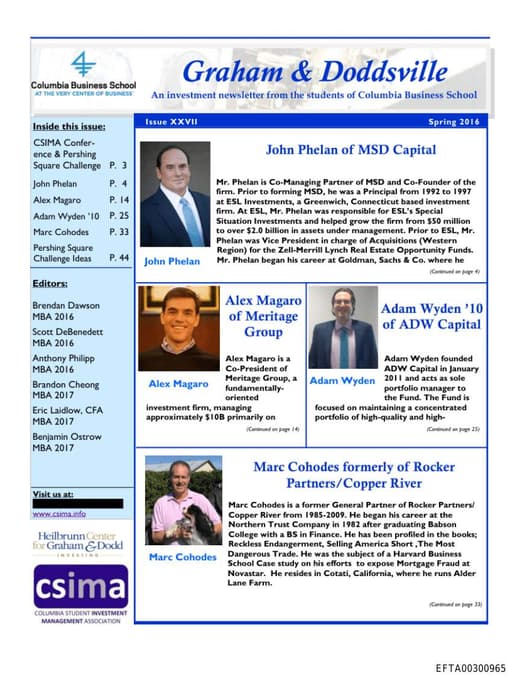
EFTA00300965.pdf
1 mentionEFTA00300965
m to be very concerned about the skeptics and again are using money to buy back their overpriced stock...good luck to them. There's that famous Keynes saying about the market staying irrational longer than you stay solvent. From a process standpoint, what do you do to ensure you don't face real
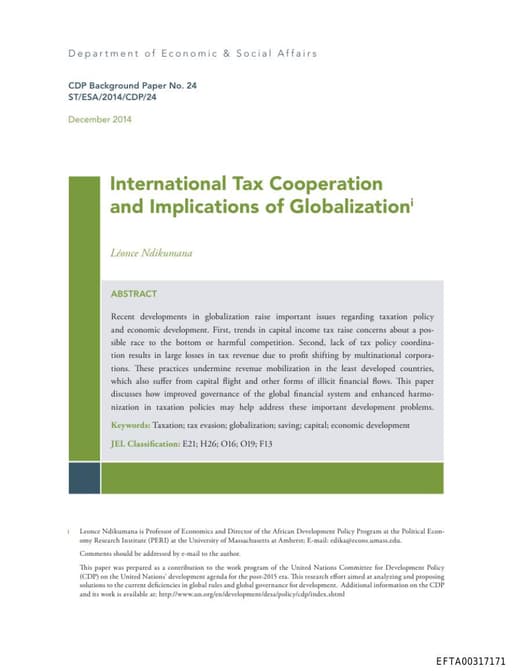
EFTA00317171.pdf
1 mentionEFTA00317171
proposed initially proposed by John Maynard Keyes and aimed at containing financial instability arising from speculative financial transac- tions (Keynes, 1936). In the same spirit James Tobin proposed in 1974 the introduction of an internation- al currency transactions tax also aimed at taming globa
EFTA00302096.pdf
1 mentionEFTA00302096
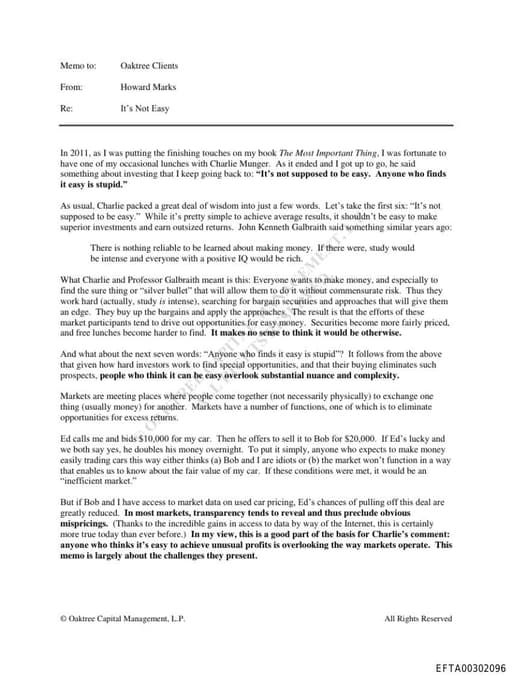
ipating what average opinion expects the average opinion to be. And there are some, I believe, who practice the fourth, fifth and higher degrees." (Keynes, The General Theory of Employment, Interest and Money, 1936). 3 0 Oaktree Capital Management, L.P. All Rights Resented EFTA00302098 Keynes cre
Sponsored
EFTA00702684.pdf
1 mentionEFTA00702684
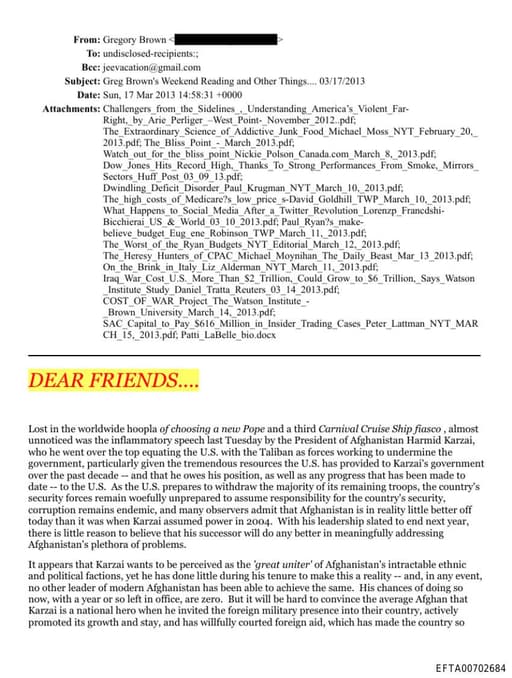
ause unemployment, especially long-term unemployment, is still unacceptably high. 'The boom, not the slump, is the time for austerity," John Maynard Keynes declared many years ago. Kurgman: He was right — all you have to do is look at Europe to see the disastrous effects of austerity on weak economies.
EFTA00601577.pdf
1 mentionEFTA00601577
Web Logs and Question Answering (WLQA2010). Malta, 22 May. 2010 Program Committee: 32st European Conference on Information Retrieval (ECIR 2010). Keynes, UK. 28-31 March. 2009 Program Committee: Web Information and Data Management. 191" International Conference on Information and Knowledge Managemen
EFTA00610276.pdf
1 mentionEFTA00610276
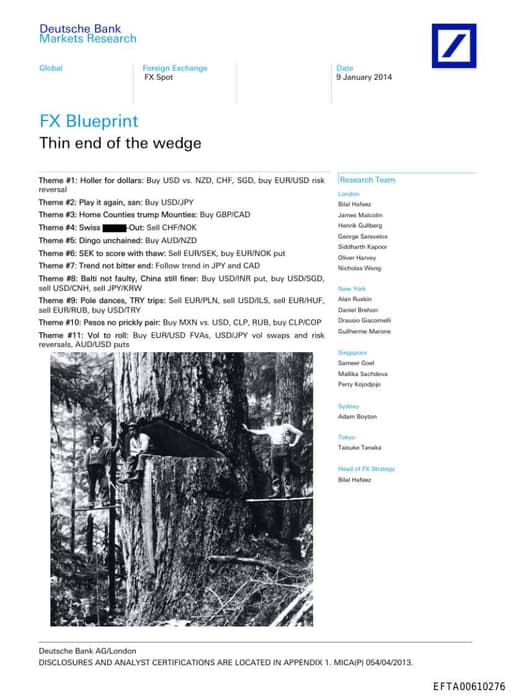
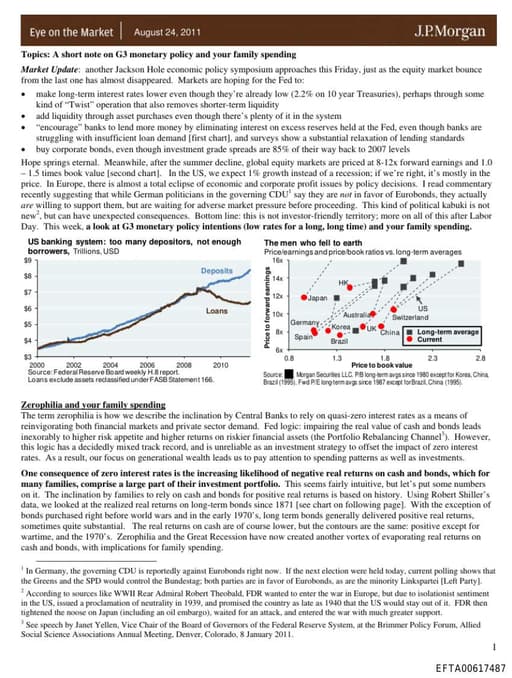
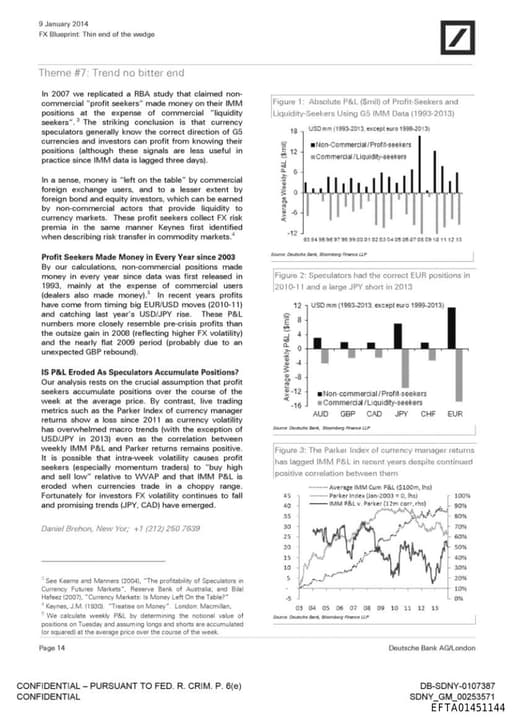
can be earned by non-commercial actors that provide liquidity to currency markets. These profit seekers collect FX risk premia in the same manner Keynes first identified when describing risk transfer in commodity markets.' Profit Seekers Made Money in Every Year since 2003 By our calculations, non-
Sponsored
EFTA00617487.pdf
1 mentionEFTA00617487
epresented the least praiseworthy qualities of the inhabitants of the New World: miserliness and fanatical practicality'''. And of course, there was Keynes warning of the paradox of thrift in his General Theory (1936). Eisenhower, aware of being seen as an "unsympathetic, reactionary fossil", was a post
EFTA00660746.pdf
1 mentionEFTA00660746
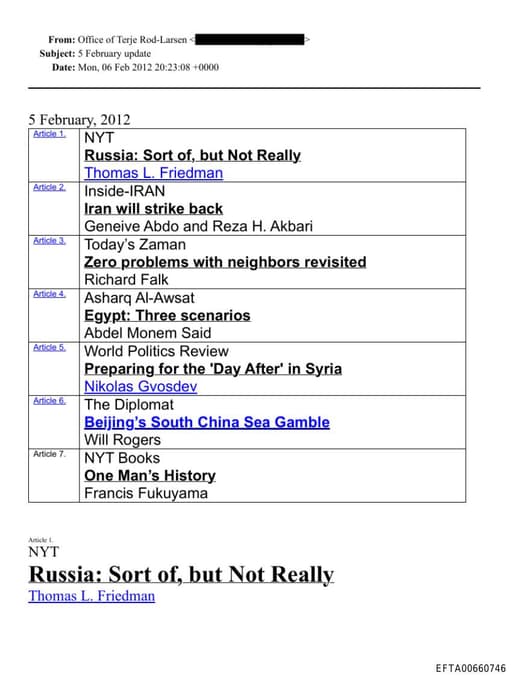
th Communism in the age of Ronald Reagan and Margaret Thatcher. He spends a great deal of time attacking Friedrich Hayek and defending John Maynard Keynes. "Thinking the Twentieth Century" concludes with a recapitulation of the defense of the welfare state made in his 2010 book "Ill Fares the Land," a
EFTA01835616.pdf
1 mentionEFTA01835616
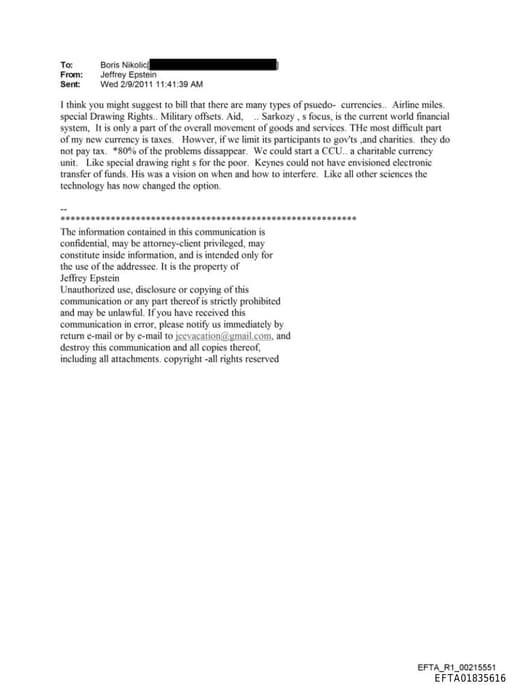
they do not pay tax. *80% of the problems dissappear. We could start a CCU.. a charitable currency unit. Like special drawing right s for the poor. Keynes could not have envisioned electronic transfer of funds. His was a vision on when and how to interfere. Like all other sciences the technology has n
Sponsored
EFTA01738231.pdf
1 mentionEFTA01738231
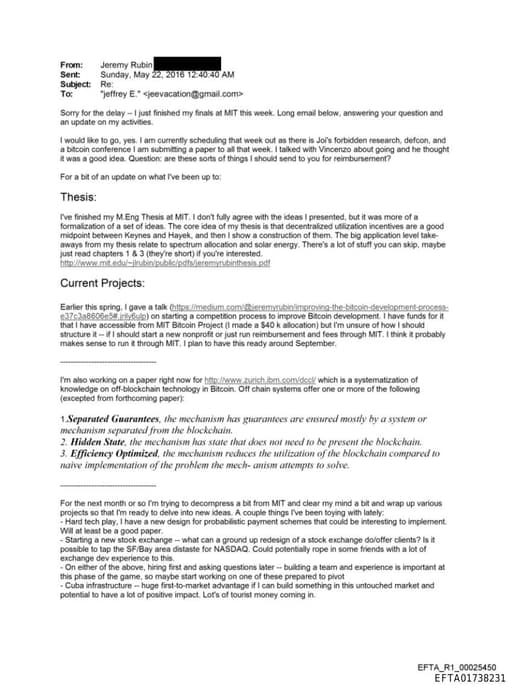
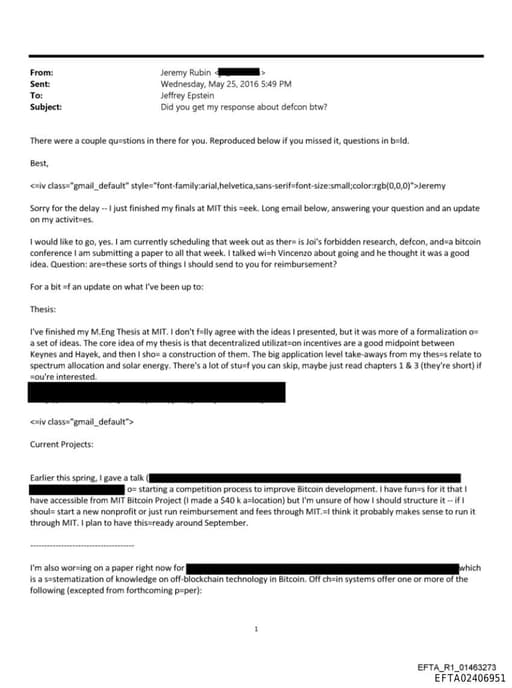
was more of a formalization of a set of ideas. The core idea of my thesis is that decentralized utilization incentives are a good midpoint between Keynes and Hayek, and then I show a construction of them. The big application level take- aways from my thesis relate to spectrum allocation and solar energ
EFTA01451144.pdf
1 mentionEFTA01451144
can be earned by non-commercial actors that provide liquidity to currency markets. These profit seekers collect FX risk premia in the same manner Keynes first identified when describing risk transfer in commodity markets.' Profit Seekers Made Money in Every Year since 2003 By our calculations, non-
EFTA02687002.pdf
1 mentionEFTA02687002
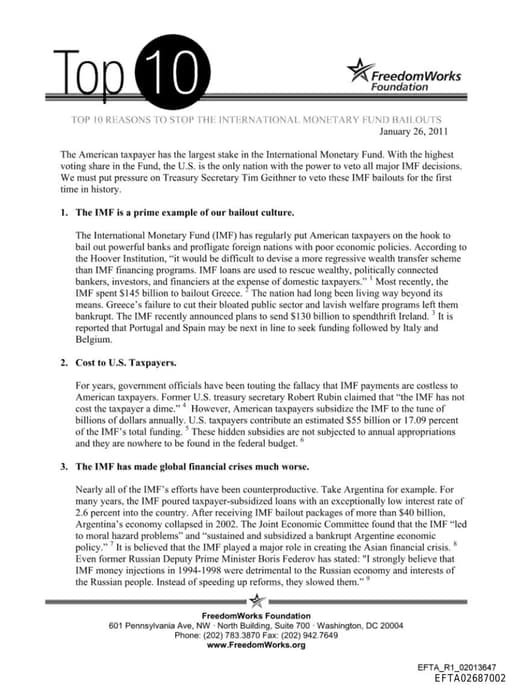
ambitious reform option would be to build on the previous ideas and develop, over time, a global currency. Called, for example, bancor in honor of Keynes, such a currency could be used as a medium of exchange—an 'outside money' in contrast to the SDR which remains an 'inside money'." "Dominique Strat
Sponsored
EFTA02406951.pdf
1 mentionEFTA02406951
was more of a formalization o= a set of ideas. The core idea of my thesis is that decentralized utilizat=on incentives are a good midpoint between Keynes and Hayek, and then I sho= a construction of them. The big application level take-aways from my thes=s relate to spectrum allocation and solar energ
EFTA02430501.pdf
1 mentionEFTA02430501
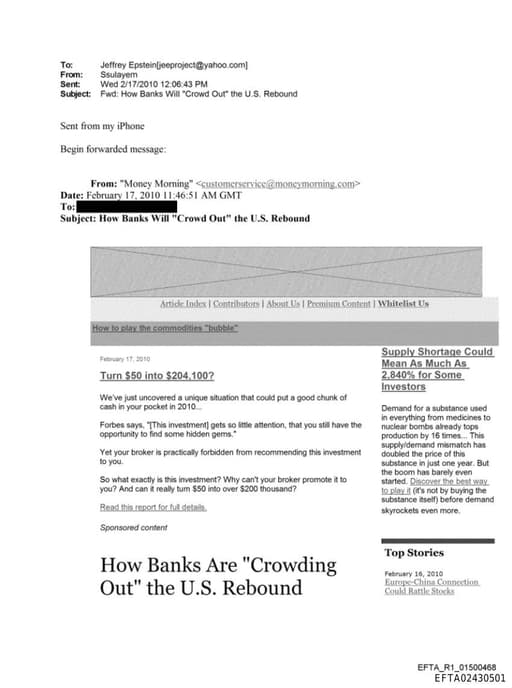
looks as if I was right - and the implications for the U.S. economy are highly worrisome. You see, the theory postulated by economist John Maynard Keynes holds that the extra spending stimulates additional output fails to address the question of where the money comes from. Government cannot create w
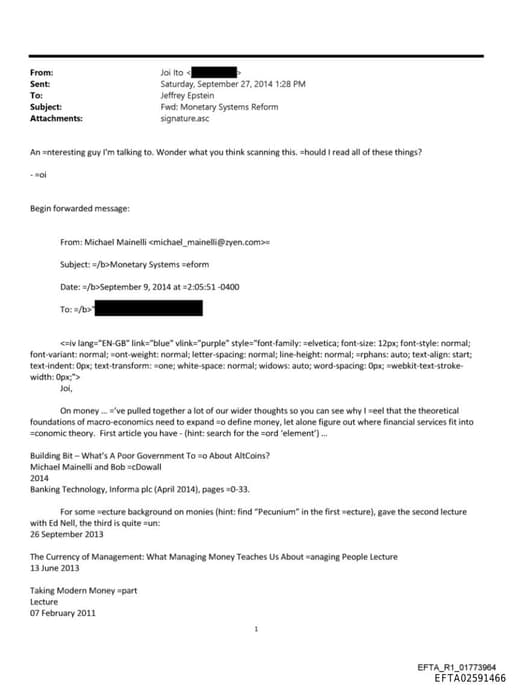
EFTA02591466.pdf
1 mentionEFTA02591466
=ong-term store of value. There are references to online materials =n him at the end of the lecture. I interestingly stumbled across =his excellent Keynes quote only a couple of years ago - "I =elieve that the future will learn more from the spirit of Gesell then from that of Marx." - Book 6, =hapter 2
Sponsored
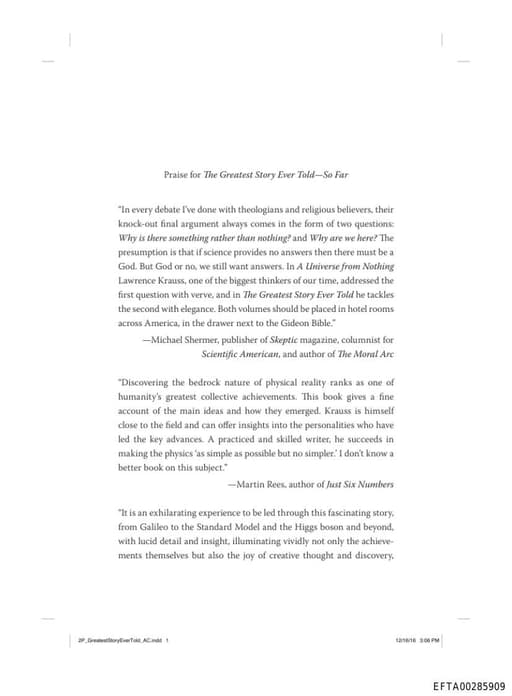
EFTA00285909.pdf
1 mentionEFTA00285909_sub_001 - EFTA00285909_100
of motion and laid the basis for his theory of gravity, both of which form the foundation of much of modern physics. Never- theless, as John Maynard Keynes pointed out: Newton was not the first of the age of reason, he was the last of the magicians, the last of the Babylonians and Sumerians, the last
EFTA00625129.pdf
1 mentionEFTA00625129_sub_001 - EFTA00625129_100
duced from retained earnings within companies. For many economists, somewhat oddly, this will be seen as a serious flaw. Since at least the time of Keynes, investment and saving have been at the heart of macroeconomic modelling, and this is true of neo-classical and other heterodox modelling, not just
Sponsored
Connected Entities(20 of 830)
George W. Bush
PersonPresident of the United States from 2001 to 2009
19 docs19 co-mentions
Marc Rich
PersonAmerican commodities trader (1934–2013)
18 docs18 co-mentions
Prince Charles
PersonKing of the United Kingdom and other Commonwealth realms since 2022 (born 1948)
13 docs13 co-mentions
Alan Dershowitz
PersonAmerican lawyer, author, and art collector (born 1938)
12 docs12 co-mentions
Harvey Weinstein
PersonAmerican film producer and sex offender (born 1952)
11 docs11 co-mentions
Ghislaine Maxwell
PersonBritish socialite and sex trafficker, daughter of Robert Maxwell, accomplice of Jeffrey Epstein
11 docs11 co-mentions
DB
Doug Band
PersonAmerican presidential advisor
10 docs10 co-mentions
Samantha Power
PersonIrish-American academic, author and diplomat
10 docs10 co-mentions
LB
Leon Black
PersonAmerican billionaire businessman (born 1951)
9 docs9 co-mentions
Jeffrey Epstein
PersonAmerican sex offender and financier (1953–2019)
9 docs9 co-mentions
John Maynard
PersonPerson referenced in documents
9 docs9 co-mentions
United States
LocationCountry located primarily in North America
8 docs8 co-mentions
Vietnam
LocationCountry in Southeast Asia
8 docs8 co-mentions
Julie K. Brown
PersonAmerican journalist
8 docs8 co-mentions
Eric Trump
PersonAmerican businessman and reality television personality (born 1984)
8 docs8 co-mentions
Renaissance
OrganizationHotel chain or entity
8 docs8 co-mentions
Bradley Cooper
PersonAmerican actor
7 docs7 co-mentions
CW
Courtney Wild
PersonAmerican victim/survivor of Jeffrey Epstein who led legal battle for victims' rights
7 docs7 co-mentions
Prince Andrew
PersonThird child of Queen Elizabeth II and Prince Philip, Duke of Edinburgh (born 1960)
7 docs7 co-mentions
Stephen Hawking
PersonBritish theoretical physicist, cosmologist and author (1942–2018)
7 docs7 co-mentions