Back to People & Entities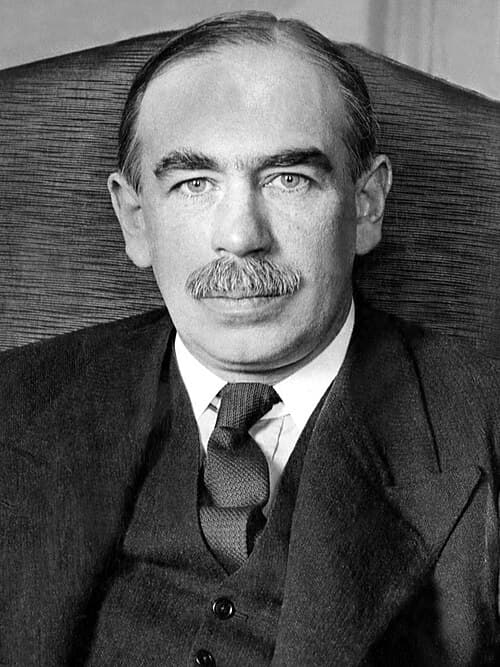

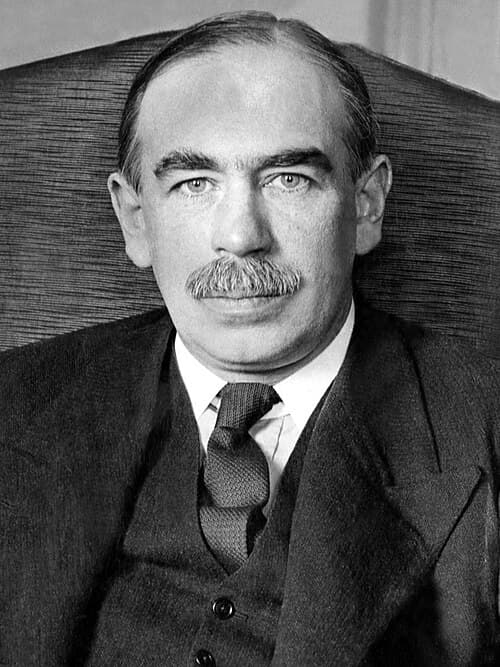




John Maynard
Person
9
Total Mentions
9
Documents
496
Connected Entities
Person referenced in documents
Document Mentions (9)
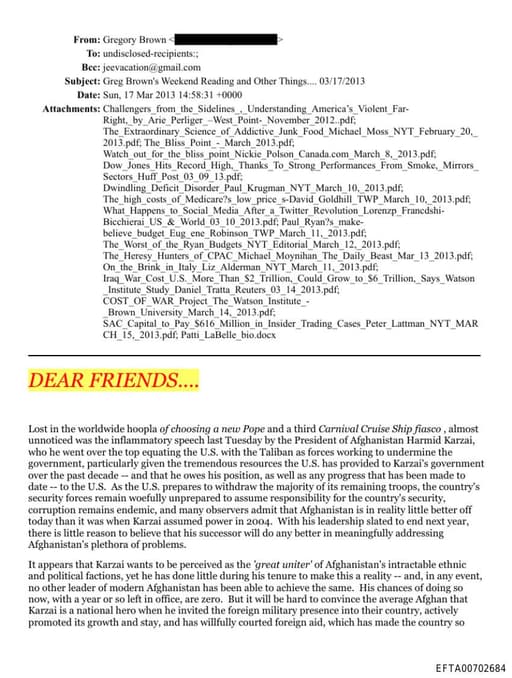
EFTA00702684.pdf
1 mentionEFTA00702684
e deficit because unemployment, especially long-term unemployment, is still unacceptably high. 'The boom, not the slump, is the time for austerity," John Maynard Keynes declared many years ago. Kurgman: He was right — all you have to do is look at Europe to see the disastrous effects of austerity on weak eco
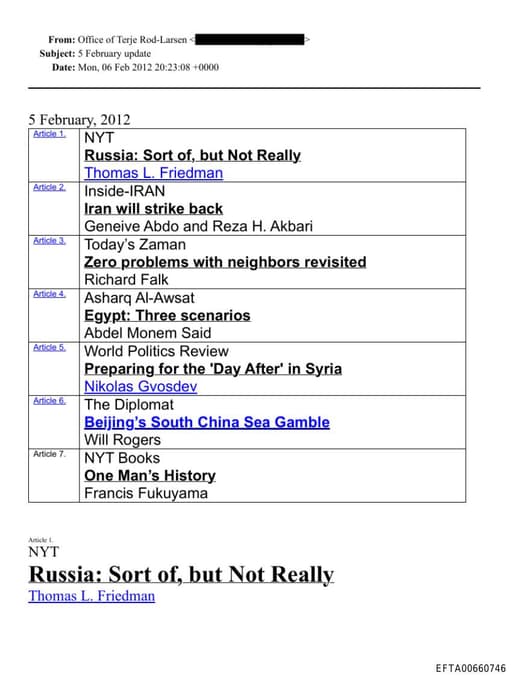
EFTA00660746.pdf
1 mentionEFTA00660746
sed along with Communism in the age of Ronald Reagan and Margaret Thatcher. He spends a great deal of time attacking Friedrich Hayek and defending John Maynard Keynes. "Thinking the Twentieth Century" concludes with a recapitulation of the defense of the welfare state made in his 2010 book "Ill Fares the L
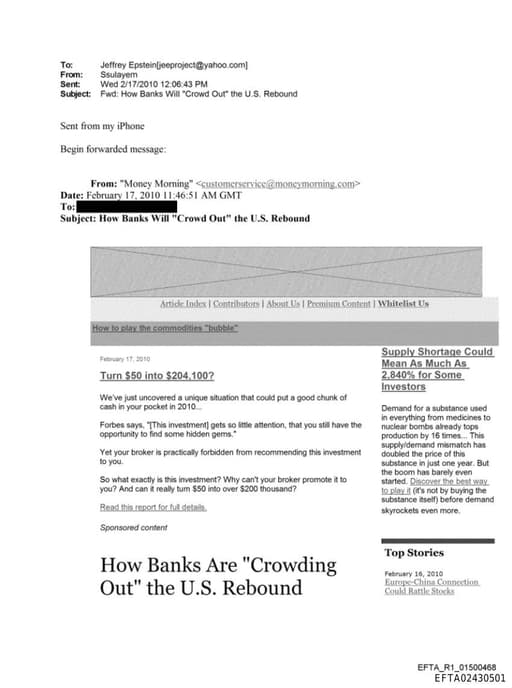
EFTA02430501.pdf
1 mentionEFTA02430501
elow, it now looks as if I was right - and the implications for the U.S. economy are highly worrisome. You see, the theory postulated by economist John Maynard Keynes holds that the extra spending stimulates additional output fails to address the question of where the money comes from. Government cannot c
Sponsored
EFTA00285909.pdf
1 mentionEFTA00285909_sub_001 - EFTA00285909_100
assical laws of motion and laid the basis for his theory of gravity, both of which form the foundation of much of modern physics. Never- theless, as John Maynard Keynes pointed out: Newton was not the first of the age of reason, he was the last of the magicians, the last of the Babylonians and Sumerians, the
Nearness.pdf
1 mentionHOUSE_OVERSIGHT_013501_sub_001 - HOUSE_OVERSIGHT_013600
Source: House Oversight Committee
he polychromatic properties of light like a talisman. In his essay called Newton, the Man, the early 20" Century Cambridge Don and economic theorist, John Maynard Keynes, said that the Newton of the chapel followed “...certain mystic clues which God had laid about the world to allow a sort of philosopher’s trea
1 mention
tually the entire world was pulled into the fire. “In the autumn of 1919, in which I write, we are at the dead season of our fortunes,” the economist John Maynard Keynes wrote after the Paris Peace Conference settled The Great War, dimly aware that an even deader season lay somewhere in the future in the form o
Sponsored
ine power. Looking back on his formative years, before Europe was ground up in the First World War, the powerfully brilliant and sensitive economist John Maynard Keynes bitterly recalled the iron certainty of his set of friends and their confident, diffident arrogance: “We were not aware that civilization was
Brockman_DeepThinking.MS.pdf
1 mentionHOUSE_OVERSIGHT_016804_sub_002 - HOUSE_OVERSIGHT_016995
Source: House Oversight Committee
ovement of goods is largely automated, as are many services. What’s left for humans to do? In 1930—long before the advent of computers, let alone AI—John Maynard Keynes wrote, in an essay called “Economic Possibilities for our Grandchildren,” that as a result of improvements in productivity, society could prod
Brockman_DeepThinking.MS.pdf
1 mentionHOUSE_OVERSIGHT_016221_sub_002 - HOUSE_OVERSIGHT_016412
Source: House Oversight Committee
ovement of goods is largely automated, as are many services. What’s left for humans to do? In 1930—long before the advent of computers, let alone AI—John Maynard Keynes wrote, in an essay called “Economic Possibilities for our Grandchildren,” that as a result of improvements in productivity, society could prod
Sponsored
Connected Entities(20 of 496)
Keynes
PersonSurname reference in Epstein-related documents
9 docs9 co-mentions
George W. Bush
PersonPresident of the United States from 2001 to 2009
8 docs8 co-mentions
Marc Rich
PersonAmerican commodities trader (1934–2013)
7 docs7 co-mentions
Eric Trump
PersonAmerican businessman and reality television personality (born 1984)
6 docs6 co-mentions
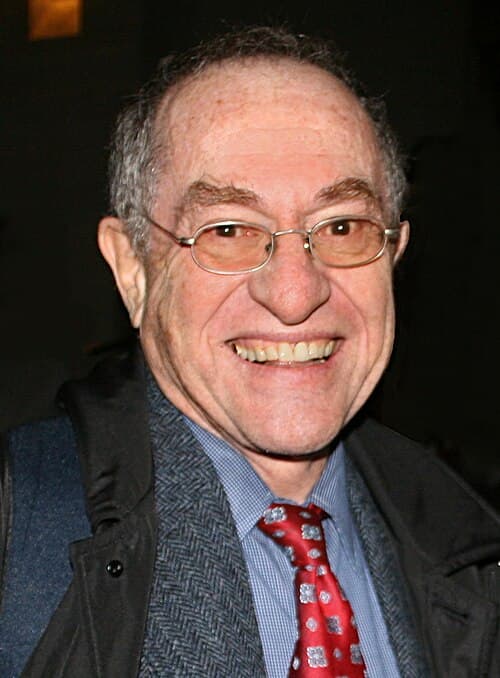
Alan Dershowitz
PersonAmerican lawyer, author, and art collector (born 1938)
6 docs6 co-mentions
Julie K. Brown
PersonAmerican journalist
6 docs6 co-mentions
DB
Doug Band
PersonAmerican presidential advisor
6 docs6 co-mentions
Vietnam
LocationCountry in Southeast Asia
5 docs5 co-mentions
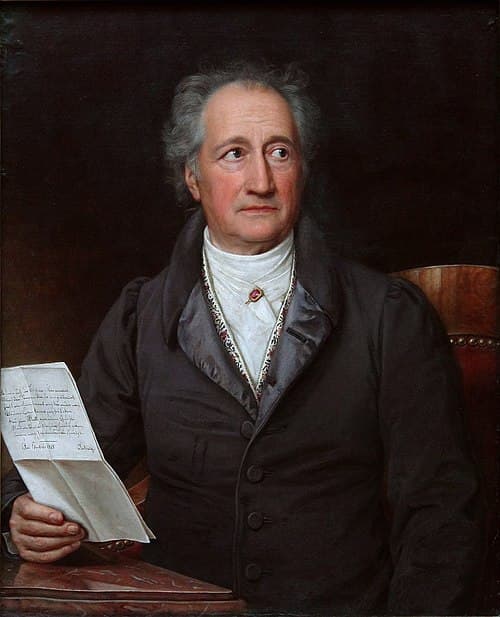
Goethe
PersonSurname reference in documents
5 docs5 co-mentions
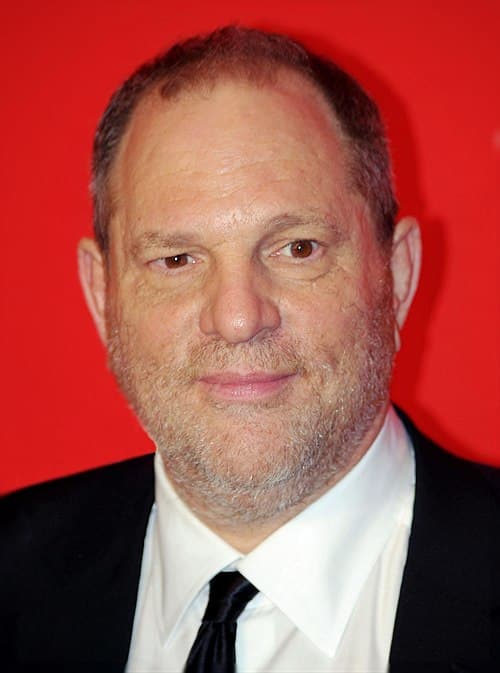
Harvey Weinstein
PersonAmerican film producer and sex offender (born 1952)
5 docs5 co-mentions
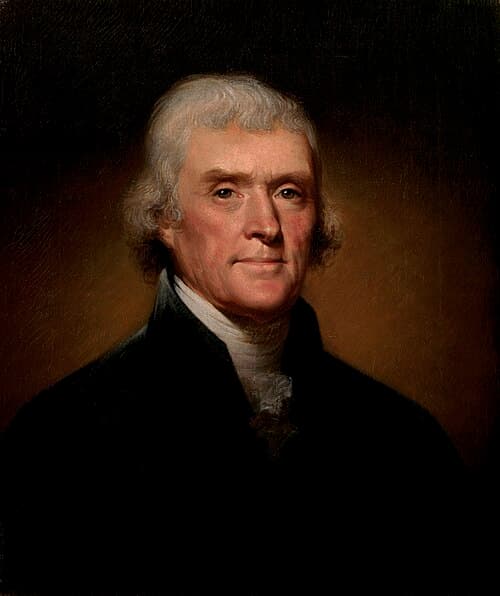
Thomas Jefferson
PersonPresident of the United States from 1801 to 1809
5 docs5 co-mentions
Prince Andrew
PersonThird child of Queen Elizabeth II and Prince Philip, Duke of Edinburgh (born 1960)
5 docs5 co-mentions
Earth
LocationThird planet from the Sun in the Solar System
5 docs5 co-mentions
Renaissance
OrganizationHotel chain or entity
5 docs5 co-mentions
Stephen Hawking
PersonBritish theoretical physicist, cosmologist and author (1942–2018)
5 docs5 co-mentions
Feynman
PersonSurname reference in Epstein-related documents
5 docs5 co-mentions
Barack Obama
PersonPresident of the United States from 2009 to 2017
5 docs5 co-mentions
Samantha Power
PersonIrish-American academic, author and diplomat
5 docs5 co-mentions
Conway
PersonRefers to Kellyanne Conway (White House advisor) in news coverage within Epstein-related DOJ documents
4 docs4 co-mentions
Barry Diller
PersonAmerican businessman
4 docs4 co-mentions