HOUSE_OVERSIGHT_020447_sub_002 - HOUSE_OVERSIGHT_020646
Document Information
Bates Range
HOUSE_OVERSIGHT_020447_sub_002 - HOUSE_OVERSIGHT_020646
Pages
100
Source
House Oversight Committee
Original Filename
Chinese influence_american interests - Hoover - 11.29.18.pdf
Document Content
Page 101 - HOUSE_OVERSIGHT_020547
88 transitioned from an authoritarian state to a democracy, leading to new calls from the island and from some of its immigrants in the United States for an independent Taiwan. Seeking to capitalize on the ever-larger number of mainlanders in the United States and to battle the nascent Taiwan independence movement, PRC authorities established organizations and Chinese-language schools to bolster their propaganda work in the United States. The Party’s United Front Work Department founded the China Council for the Promotion of Peaceful National Reunification in 1988, and within a decade it had more than one hundred chapters in sixty countries, including more than a dozen offices in the United States. Chinese officials described Chinese- language media, Chinese-language schools, and Chinese-backed organizations as the “three treasures” (==)of united front work overseas.*? Chinese-language media. By the mid-1990s, analyst He Qinglian estimated that, of the some one hundred Chinese-language newspapers in the United States, more than one-third were funded by money from the mainland.** Owners of these newspapers, seeking subsidies from Beijing, cozied up to PRC authorities with statements such as “opposing Taiwan independence and fostering peaceful unification are the glorious missions and historical responsibility of overseas Chinese publications.”*> Beijing also moved to take control of online and social media outlets. Wenxuecheng (Cu, http://wenxuecheng.com) is the most popular Chinese-language website in the United States. Launched in 1997 by a group of students from the University of Michigan, the website was sold in 2003 to a Taiwanese-American businessman*@ with investments in China. Since being purchased, Wenxuecheng has signed deals to run news from Xinhua and the China Daily.*’ There is even an unsubstantiated rumor that the purchase of the website was subsidized by $1 million from the CCP Propaganda Department. Duowei is another online source that was for years an independent Chinese-language media outlet. Among its many scoops was the prediction of the composition of the sixteenth Politburo Standing Committee. But in 2009, Duowei was purchased by a Hong Kong businessman* with substantial business interests in China, including two companies listed on the Hong Kong Stock Exchange. The businessman is a founding member of the Tsinghua University Center for US-China Relations and is also fond of writing pro-Beijing essays on China’s claims to the South China Sea. Duowei is now headquartered in Beijing. Indeed, since selling Duowei, the online news source's founder*’ has moved to Mingjing (Mirror Media), a Chinese-language web presence Media HOUSE_OVERSIGHT_020547
Page 102 - HOUSE_OVERSIGHT_020548
89 based in Canada, where he indicated that last year he received a large investment from the PRC. Since then, Mingjing has significantly modified its editorial stance, switching its focus from politics to real estate, immigration, and investing. Part of the reason for this modification appears linked to the disappearance in China of the wife of one of Mingjing’s reporters after Mingjing aired interviews with a dissident Chinese businessman.*° Beijing has also moved to tighten the ideological consistency for these papers. In 2001, the Office of Overseas Chinese Affairs and the China News Service began a biannual conference, the Forum on the Global Chinese Language Media, hosting representatives from hundreds of Chinese-language periodicals from around the world. Kicking off the first conference in 2001, Guo Zhaojin, the president of the China News Service, said a key goal of the meeting was to persuade participating Overseas Chinese media to use copy from the China News Service instead of reports from competing Chinese- language news services from Taiwan or from the West.** The conference also appears to serve as a platform for Beijing to convince critics to modify their tone and to ensure that overseas Chinese-language newspapers follow the Party’s line. Essays released during the conferences praised the censorship of views opposed by the Party and stressed the necessity of, in the words of one piece in 2015, “properly telling China’s story” (echoing Xi Jinping’s instructions). And Beijing’s efforts have had some successes. Ranked the number-five Chinese website in the United States, http://backchina.com was once an independent media voice like Duowei. But in 2017, its editors attended the ninth forum in China, and since then backchina’s reporting has become far more positive about the PRC. In 2006, the China News Service started holding an Advanced Seminar for the Overseas Chinese Language Media, for select groups of editors and reporters from overseas; a seminar in 2006, for example, focused on the correct reading of “socialism with Chinese characteristics,” while a workshop in 2010 concerned China’s policies in Tibet and Xinjiang. At the thirteenth Seminar in 2015, He Yafei, then the assistant director of the Overseas Chinese Affairs Office, argued that overseas Chinese media needed to promote the Belt and Road Initiative and essentially embrace the role of becoming a mouthpiece of the CCP promoting China’s national strategy.” Beijing also dispatched Chinese officials overseas to instruct Chinese-language media on how to “correctly” report the news. As the Beijing 2008 Olympics approached, Politburo member and head of China’s Olympic Committee Liu Qi met at the PRC consulate in New York Section 6 HOUSE_OVERSIGHT_020548
Page 103 - HOUSE_OVERSIGHT_020549
90 with representatives of the Chinese-language press to lay out China’s demands for their coverage of the event.* In a further effort to control the overseas Chinese press, the China News Service established the China News Service Overseas Center, which provides news reports, editorials, and layout for overseas Chinese media outlets around the globe. The idea behind the center was that if Beijing were to provide and package content for overseas Chinese papers, and could convince them to run it, Beijing would then completely control the message.** Given these efforts by Beijing, the space for truly independent Chinese-language media in the United States has shrunk to a few media outlets supported by the adherents of Falun Gong, the banned religious sect in China, and a small publication and website called Vision Times. According to the publisher of its New York edition, Peter Wang, Vision Times was formed expressly to address the issue of the shrinking space for independent Chinese voices in the United States. Since then, it has focused on two areas—human rights reporting and traditional Chinese culture. Wang noted that while some of the staff of the paper may be Falun Gong adherents, the paper is not a Falun Gong operation. Vision Times began its online presence in 2001, started printing a newspaper in 2005, and claims a circulation in the United States and Canada of below 60,000.* WeChat as a Source of News in the Diaspora Community China’s social media giant, WeChat, is another major source of news within the Chinese American community. But it is more than that; for many users in the United States, China, and around the world, WeChat is a digital ecosystem so ubiquitous that it constitutes a lifestyle—a drumbeat that determines the rhythms of the day. In the United States, as in China, WeChat censors news and comments in accordance with rules set by China’s Communist Party. In an analysis of WeChat articles popular in the United States, researcher Zhang Chi found that the most successful pieces skewed significantly to the right of the US political spectrum.* Zhang noted that the right-wing view on WeChat generally embraces a social Darwinist, zero-sum conception of racial politics, with Chinese in America portrayed as beaten down by a system that favors other racial groups and illegal immigrants from Latin America. One popular WeChat channel blamed the wildfires in 2017 in Northern California on an undocumented immigrant. Numerous other channels reported on alleged plans for mass riots and a civil war in the United States led by the leftist group Antifa. When a Chinese jogger was struck and killed Media HOUSE_OVERSIGHT_020549
Sponsored
Page 104 - HOUSE_OVERSIGHT_020550
91 in a DUI case in a suburb of Los Angeles, a popular WeChat channel reported that the motorist was undocumented and had committed the act to extend his stay in the United States.*” Zhang noted that another cause of concern was the fact that these WeChat channels helped foster anxiety among first-generation Chinese. As with other Chinese immigrants who rely on traditional Chinese-language media for information, the anti- American hothouse created by WeChat’s “news channels” leads to a type of resentful pro- Chinese nationalism that is ripe for exploitation by the Chinese government. WeChat may be no more slanted in its treatment of information than American media that serve domestic political extremes, but there is no precedent for the situation WeChat has created: A vast and vital community of Americans gets most of its “news” from, and does most of its communicating via, a platform known to be censored by a foreign government that opposes free speech and has been named by the US National Security Strategy as the greatest long-term security challenge the nation faces. Western Media The Chinese Communist Party has always recognized the usefulness of the overseas media (both in local languages and Chinese) as a means to get its message out. Foreign- and Chinese-language media have always served the cause of China’s revolution. For example, in the 1930s, foreign journalist Edgar Snow sang the praises of the Chinese Communist Party and specifically its chairman, Mao Zedong. The Party conducted a campaign in the United States in the 1940s to turn the American public against the regime of Chiang Kai-shek and to soften criticism of China’s Communists. Organizations such as the Institute of Pacific Relations, which provided Americans with in-depth coverage of Asia, were staffed by Communist agents and played an important role in fashioning public opinion on America’s relations with China. To be sure, these techniques were not unique to the Chinese Communist Party. The government of Chiang Kai-shek and its “China lobby” also used the overseas press to serve its purposes. In the 1950s, the KMT government conducted a campaign against pro-Communist newspapers in the United States, convincing the US government to shutter several pro-PRC outlets and expel pro-PRC journalists. The events of 1989 sparked a significant change in China’s foreign propaganda campaign. Following China’s crackdown on pro-democracy demonstrators in Beijing and other cities, China’s image sank to a low not seen by Chinese officials in decades.** China Books and Periodicals, which had been operating in the United States since the 1950s, closed its offices on Fifth Avenue in New York City. And the Foreign Languages Press Section 6 HOUSE_OVERSIGHT_020550
Page 105 - HOUSE_OVERSIGHT_020551
92 (a department of the China International Publishing Group) saw its cooperative agreements dwindle. It was then that Chinese officials revived an old tactic that the Communist Party had employed before the revolution—using friendly foreigners and pro-PRC Chinese immigrants to publicize China’s story. Chinese officials called this tactic of localizing the work of foreign propaganda, the “borrowed boat” strategy.” One such friendly American was a China scholar*@ who was for years associated with Random House. According to Huang Youyi, the chief editor of the Foreign Languages Press posted to the United States in the late 1980s and early 1990s, this American argued that for China to improve its image in the United States, it needed to work through American organizations, and so he collaborated with Huang on a book series, “The Culture and Civilization of China,” which the Yale University Press began publishing in 1997, The American’s “understanding of the US publishing industry and his friendly attitude towards China became an indispensable condition for the success of the cooperation,” Huang wrote.*! Books from the series are still given to foreign guests of the Beijing government. In a period of deep crisis for China’s reputation, Huang’s success in using foreigners to publish material beneficial to China’s image became a model for other Chinese operations. From the early 1990s, the Chinese Communist Party began to seek opportunities to cooperate with Westerners, Western media and publishing companies, and overseas Chinese to tell its story. Lack of Reciprocity It is important to compare Beijing’s efforts to “grab the right to speak” and obtain “discourse power” overseas with the efforts, and ability, of Western media organizations to access China’s market to a similar degree. For decades, those efforts have faced roadblocks placed in their path by the Chinese government. A key roadblock has been China’s ban on Western investment in media except when it involves such things as fashion, cars, and lifestyle. Private media Unlike the United States, where Chinese reporters are only restricted from entering high-security military installations, Western reporters in China are subject to a panoply Media HOUSE_OVERSIGHT_020551
Page 106 - HOUSE_OVERSIGHT_020552
93 of regulations, many of them unwritten. A 2017 report by the Foreign Correspondents’ Club of China notes that in a survey of 117 foreign journalists based in China, 40 percent felt reporting conditions had deteriorated compared to 2016, nearly half said they had experienced harassment, interference, and physical violence during their work in China, while 15 percent said they encountered difficulties during their visa renewal process and over 25 percent said they had learned that Chinese contacts had been detained and otherwise hounded by Chinese authorities for speaking with them.” China has also moved against Western media outlets on many fronts. Both Chinese- and English-language websites of the New York Times have been blocked in China since 2012 following a story detailing the wealth of the family of China’s then premier Wen Jiabao.** The English- and Chinese-language sites of the Wall Street Journal and Reuters are also blocked, and those belonging to the Financial Times and the Economist are blocked on an intermittent basis. The Chinese government has also made it difficult for resident foreign reporters to obtain and renew journalist visas. Following the New York Times’ report on Wen’s family money, China did not approve a new journalist visa for a Times reporter for three years. While the situation has improved somewhat since 2015 for resident journalists, the Chinese government still delays visa applications for journalists and uses the threat of expulsion from China as a way to pressure Western media outlets to soften their coverage of China. This is especially true of freelance journalists or independent documentary filmmakers who are dependent on onetime visas to carry out a specific assignment. Here delays and outright refusal to process visas in a timely manner have been common. There is some indication that China’s pressure tactics have paid off. In 2013, Bloomberg News was preparing to publish a report detailing connections between one of China’s richest men and members of the Politburo—the top organ in the Chinese Communist Party, when Bloomberg spiked the story. The outlet’s editor in chief, Matthew Winkler, was quoted on a conference call likening the decision to censorship of foreign news bureaus that wanted to continue to report in Nazi Germany.** Other observers noted that the real reason Bloomberg News killed the story involved the company’s substantial business interests—especially in “Bloomberg Boxes” selling access to financial information—in China. Indeed, the organization’s founder recently doubled down on China and now even headlines a new forum focusing on China’s global influence with a state-owned Chinese partner.* (Interestingly, the Section 6 HOUSE_OVERSIGHT_020552
Sponsored
Page 107 - HOUSE_OVERSIGHT_020553
94 November 2018 gathering in Beijing was cancelled by Beijing and forced to move to Singapore.) International service broadcasters Another roadblock has been China’s efforts to limit the influence of the Mandarin services of the Voice of America and Radio Free Asia. Starting in the first decade of the 2000s, the Chinese embassy in Washington, DC, and the leadership of VOA’s Mandarin service began an annual meeting to allow embassy officials to voice their opinions about VOA’s content. PRC embassy officials have also reached out to VOA hosts to convince them to be more supportive of the regime. VOA personalities have hosted events at the embassy. One of VOA’s TV editors even publicly pledged his allegiance to China at an embassy event. It is not surprising, then, that some VOA staffers interviewed for this report believe that China’s outreach campaign has succeeded in pushing the VOA Mandarin service away from programs with direct relevance to China toward programming that seeks instead to highlight American everyday life or teach American-style English to Chinese listeners. An example would be a program called Cultural Odyssey, a VOA TV series that focused on Americana, such as fried chicken, doughnuts, and national parks. For years, Cultural Odyssey ate up one-third of the Mandarin service’s travel budget. Another program featured English teacher Jessica Beinecke, which launched her on a career as an English-teaching TV personality on mainland China itself. VOA officials internally praised these programs as both “non- political and non-sensitive,” a current senior VOA staff member noted. What’s more, VOA officials sought to scale back what were perceived to be sensitive reports. After running two years of a radio series on aspects of modern Chinese history, including the Cultural Revolution and other events post-1949, VOA cut the program in 2009 despite several of those shows garnering well over three million hits each on the web. In 2011, the Broadcasting Board of Governors sought to cut 65 percent of the workforce from the Mandarin service. However, reporters and editors in the service fought back, they lobbied Congress, and the cuts were restored. In 2012, a Chinese immigrant, who was also a former Chinese dissident and a specialist on the US political system, became the first female Chinese head of the service. She was later fired over a controversial interview that drew the official ire of the PRC, which threatened repercussions.*’ Since her dismissal, VOA’s Mandarin service has resumed a pattern of avoiding stories that could be perceived to be too tough on China, according to several staffers. For example, blogs written by dissidents such as Cao Yaxue, who runs the human rights— Media HOUSE_OVERSIGHT_020553
Page 108 - HOUSE_OVERSIGHT_020554
95 related http://chinachange.org site, have been removed from the VOA website. Several prominent Chinese commentators are no longer on VOA’s lineup of analysts. Many staffers now describe VOA’s content as neither pro- nor anti-China. The emphasis, the staffers observed, is on travel, culture and language, programming the likes of which Chinese viewers can access equally well on CGTN or China’s internet. By contrast, the content of Radio Free Asia remains far more hard-hitting than its counterpart, VOA. Conclusion and Recommendations China has used America’s openness to convey its message both to English- and Chinese-speaking residents of the United States. US rules allow foreign media companies, even ones run by foreign governments, to broadcast freely via American cable and satellite networks. Unlike in China, the United States government does not block any Chinese websites, many of which are funded by the PRC government. While the Communications Act of 1934 theoretically only allows foreigners to own 20 to 25 percent of terrestrial wireless radio and TV stations, the law has been loosened considerably over the past decade, and it does not even apply to cable channels or leasing arrangements wherein a foreign entity, including one owned by a foreign government, can pay an American licensee for airtime. Chinese media outlets have used all such strategies to publicize the views of the Beijing government.** Perhaps more worrisome, China has also been successful in funding or convincing pro-PRC businessmen to fund pro-PRC media outlets in the United States that nominally appear independent so that the three most important traditionally independent Chinese-language newspapers now increasingly side with Beijing. By contrast, the Chinese government severely limits the scope of US and other Western media outlets in China and has banned Western media investment in China, except in very limited innocuous areas, such as in fashion, automobiles, investing, health, and lifestyle. The idea that a Western TV news network could lease a Chinese station and broadcast news to China around the clock—as their Chinese counterparts do here in the United States—is not even thinkable. Equally, there is no chance that a Western media company would be allowed to invest in a Chinese publication that reported mainstream news. Both the expansion of Chinese state-owned English-language media in the United States and Beijing’s increasing control of Chinese-language media outlets in the United States are very problematic for an open dialogue. For one, these media are under the Section 6 HOUSE_OVERSIGHT_020554
Page 109 - HOUSE_OVERSIGHT_020555
96 control of a foreign government, not simply a foreign individual or firm. Second, the diminishing space within America’s Chinese-language media for independent voices runs counter to the goals of a liberal society seeking a diversity of perspectives. Furthermore, the PRC’s control of Chinese-language media outlets in America and its increasingly strong position among English-language outlets provides China with the potential of mobilizing Chinese Americans and Americans alike to espouse policies counter to US interest. The constant drumbeat of anti-American reporting in pro-Beijing media outlets headquartered in the United States creates an unhealthy environment. Promoting Transparency A major challenge is the fact that China has worked successfully to mask its influence operations with respect to US media. On paper, for example, the Asian Culture and Media Group controls the pro-China SinoVision and Qiaobao as a private company. The reality is that it is staffed by people who served the state-run China News Service and were, sources insist, dispatched to the United States by the Chinese government to establish propaganda operations in the United States. Given its nominal status as a private company, taking action to shut down its operations would be fraught with even more legal and ethical challenges than those involving media corporations directly owned by the PRC. The same holds true for publications and websites that were once independent but have now increasingly fallen under the sway of the PRC. If US law protects the rights of publishers of newspapers or websites to put their personal political imprint on their enterprises, how can the US government move to deny it to those of a pro-PRC bent? At a minimum, what US authorities can do is work to establish the real ownership structure of Chinese (and other foreign) companies purchasing US-based media. Any foreign-owned or foreign-controled media (including print media), and particularly those that advance a foreign government line, should be required to register under the Foreign Agents Registration Act (FARA). Beyond FARA, there should also be a review to see whether these organizations and their employees should also register under existing lobbying laws as foreign agents. In addition, there is an argument to be made to ensure that employees of these organizations should be given a disclosure package making them aware that they are working for a foreign agent institution. Media HOUSE_OVERSIGHT_020555
Sponsored
Page 110 - HOUSE_OVERSIGHT_020556
97 Promoting Integrity Figuring out how to properly counter the PRC’s influence operations in both English- and Chinese-language media presents enormous challenges in a free society. The United States could consider restrictions on state-controlled media outlets, which would not include publicly funded broadcasters, such as the BBC, which maintain editorial independence. Failing that, the recent requirement that state-run publications, TV and radio broadcasters, and potentially their employees, register as agents of a foreign government is a partial solution.*’ And in late 2017, Russia’s RT registered as a foreign agent@@ while in September 2018, the US Justice Department reportedly also ordered CGTN and Xinhua to register as agents of a foreign power.*! When it comes to independent Chinese-language media, the US government should consider doing more to help such independent outlets survive, including using grants via the Fulbright program or other vehicles, such as the State Department International Visitors or Speakers’ Bureau. Domestically, the US government could also consider aiding the operations of independent Chinese-language media, including manufacturing credits for printing press operations, and nonprofit tax designations to allow journalism business models to survive the current transitional crisis. Private charitable foundations can also make a difference in helping independent Chinese- language media remain editorially independent and financially viable. Promoting Reciprocity The time has come for the US government to demand reciprocity for American journalists attempting to do their professional work in China. To the extent that they are prevented from doing so as a result of visa denials and restrictions of access, the US State Department should respond in kind by restricting visas and access for Chinese journalists in the United States. To the extent that American journalists experience harassment and physical violence, this should also have a bearing on the granting of visas and access to Chinese journalists. NOTES 1 He Qinglian has written the most detailed study of the Chinese-language media landscape in the United States. It is currently unpublished. 2 Troianovski, Anton. “China Agency Nears Times Square.” Wall Street Journal. June 30, 2010. https://www .wsj.com/articles/SB10001424052748 7043346045 75339281420753918. Section 6 HOUSE_OVERSIGHT_020556
Page 111 - HOUSE_OVERSIGHT_020557
98 3 Xiong, Min (Bei). “HT4e# he BRT.” 21 ee AHIG , August 17, 2010. http://finance.eastmoney.com /news/1355,2010081790350313.html. 4 “At National Meeting on Propaganda and Ideological Work, Xi Jinping Stresses That it is Necessary to Raise the Banner High, Win the Support of the People, Cultivate New personnel, Invigorate Culture, Present a Good Image, and Urges to Better Accomplish the Mission and task of Propaganda and Ideological Work Under the New Situation.” Xinhua. August 22, 2018. 5 “Xi Jinping Delivers Important Speech at Central Conference on Work Relating to Foreign Affairs,” Foreign Ministry of the PRC. November 29, 2014. http://www.fmprc.gov.cn/mfa_eng/zxxx_662805/t1215680.shtml. 6 “Xi Completes Media Tour, Stresses Party Leadership.” Xinhua. February 19, 2016. http://www.xinhuanet .com/english/2016-02/20/c_135114528.htm. 7 ‘HE Shey BRaEX , REPRERUR.” BRARWSIR. February 3, 2009. http://news.qq.com/a/20090203 /000783.htm. 8 “HH 450 (2S if ia.” RAF. 2009.7.320. http://www.mediaview.cn/article.asp?id=554. 9 The Associated Press reports from some 80 bureaus, AFP from 110, and Reuters from 150. 10 EDI’s CEO, James Su (HE), has a long history of working with state-owned Chinese media. In 1994, Su helped CCTV begin its broadcasts through the US cable-TV network. In 2011, Su was honored as a cultural ambassador at the Second Global Chinese Broadcasting Awards in Beijing. Su is a regular guest of the Chinese consulate in Los Angeles and is routinely pictured with Chinese diplomats and officials. 11 Qing, Koh Gui and John Shiffman. “Beijing’s Covert Radio Network Airs China-friendly News Across Washington, and the World.” Reuters. November 2, 2015. https://www.reuters.com/investigates/special -report/china-radio. Confirmed by Su in a 2015 interview with Reuters. 12 “Application for Consent to Assignment of Broadcast Station Construction Permit or License.” US Federal Communications Commission. https://licensing.fcc.gov/cgi-bin/ws.exe/prod/cdbs/forms/prod /cdbsmenu.hts?context=25&appn=101561101&formid=314&fac_num=10100. The application identified the Phoenix editor as Anthony Yuen. 13 Bhattacharjee, Yudhijit. “How the F.B.I. Cracked a Chinese Spy Ring.” New Yorker. May 12, 2014. https:// www.newyorker.com/news/news-desk/how-the-f-b-i-cracked-a-chinese-spy-ring. 14 “SoCal-Targeting Mexican AM Flipping to Chinese.” Inside Radio. July 10, 2018. www.insideradio.com /free/socal-targeting-mexican-am-flipping-to-chinese/article_d5c425c0-840c-11e8-889e-dfla4cd5925c -html. 15 Interviews with sources close to the deal, and Gertz, Bill, “Mexican Radio to Beam Chinese Propaganda.” Washington Free Beacon. August 13, 2018. https://freebeacon.com/national-security/mexican-radio-beam -chinese-propaganda. 16 “Petition to Deny.” US Federal Communications Commission. August 8, 2018. http://licensing.fcc.gov /myibfs/download.do?attachment_key=1487042. 17 Eller, Donnelle, “China-backed newspaper insert tries to undermine lowa farm support for Trump, trade war.” September 24, 2018. https://www.desmoinesregister.com/story/money/agriculture/2018/09/24/china -daily-watch-advertisement-tries-sway-iowa-farm-support-trump-trade-war-tariffs/1412954002. 18 “China Foreign Trade and Economic Cooperation Gazette.” Ministry of Commerce of the PRC. 2014. images.mofcom.gov.cn/bgt/201408/20140813101828934.pdf. 19 Buckley, Chris. “China Gives Communist Party More Control Over Policy and Media.” New York Times. March 21, 2018. https://www.nytimes.com/2018/03/21/world/asia/china-communist-party-xi-jinping.html. Media HOUSE_OVERSIGHT_020557
Page 112 - HOUSE_OVERSIGHT_020558
99 20 Zhou, Xin, Choi Chi-yuk, and Nectar Gan. “Xi Jinping to Shake Up Propaganda, Censorship Chiefs as China’s Image Abroad Suffers.” South China Morning Post. July 26, 2018. https://www.scmp.com/news/china /policies-politics/article/2156921/china-reshuffles-propaganda-cyber-administration-chiefs. 21 The group’s current chairman of the board, Cen Gong (4), was sent from Beijing to the United States in the 1990s. Previously, Cen had served as a deputy director of the Overseas Chinese Affairs Office of the PRC. 22 Xie Yining (#—‘T). 23 You, Jiang. “H#5L. “Hs: SB HH) BRA RBI APR.” China News. August 17, 2015. http:// www.chinanews.com/kong/2015/08-17/7472496.shtml. Qiaobao is headed by its president, You Jiang (#251 and general editor, Zheng Yide (82X48). You Jiang graduated from People’s University in the late 1980s. — 24 Allen-Ebrahimian, Bethany. “Beijing Builds Its Influence in the American Media.” Foreign Policy. December 21, 2017. https://foreignpolicy.com/2017/12/21/one-of-americas-biggest-chinese-language -newspapers-toes-beijings-party-line-china-influence-united-front. 25 An example would be Fan Dongsheng, who in 1999 served as Qidobao’s president and editorial director. Before coming to the United States, Fan worked for the China News Service and had established two magazines funded by the State Council’s Overseas Chinese Affairs Office.”"3e RFA BLOG.” Personal website. February 3, 2011. http://fan-dongsheng.blog.sohu.com. 26 “2B PREM ics & BE BX.” Boxun. January 16, 2011. https://www.boxun.com/news/gb/china /2011/03/201103130653.shtml. 27 http://www.chinanews.com/kong/2015/08-17/7472496.shtml. 28 Yu, Baozhu (41) “PERM KRPBS Sih: RAS eR CR Se.” ARR —psee BGR. August 31, 2007. http://media.people.com.cn/GB/40606/6198886.html. 29 The colorful Sally Aw Sian—known as the Tiger Balm Lady. 30 Charles Ho (J: &)). 31 You Jiang. 32 You, Jiang. ##50. “350 : SE CHR) BRM A RA VLIS MPR.” China News. August 17, 2015. http:// www.chinanews.com/kong/2015/08-17/7472496.shtml. 33 Wu, Ruicheng (RAR). “RIES ARE AA ik 1b a BRS.” SIR GF. PA. http://gocn.southen.com /dzkw2010/hqyhr/1/201009/t20100907_116083.htm. 34 He Qinglian estimates that 70 percent of Canada’s thirty Chinese-language papers, almost all of Australia’s twenty papers, and 80 percent of Japan’s thirty papers received PRC funds. 35 Zhang, Dawei (SKA DP). “Ste MH ah ie IE eS BE Ge in.” SBS et eit SRR, tH FL AG HR.” September 22, 2005. 36 Wayne Lin (#232). 37 “RB OCS) Mk CEO : MAE RIA —-T+AERRSEHWEG China Daily. September 17, 2011. www .chinadaily.com.cn/dfpd/chongqing/2011-09-17/content_3809264.html. 38 “Yu Pun-hoi.” Wikipedia. https://en.wikipedia.org/wiki/Yu_Pun-hoi. 39 He Pin. 40 “Chinese-American Journalist Says Wife Kidnapped By China.” Associated Press. January 17, 2018. https://www.cbsnews.com/news/china-wife-chinese-american-journalist-chen-xiaoping. The businessman is identified in this story as Guo Wengui. Section 6 HOUSE_OVERSIGHT_020558
Sponsored
Page 113 - HOUSE_OVERSIGHT_020559
100 Al “BBE Rit MOA FAK (The First Forum on the Global Chinese Language Media Opens as Scheduled).” China News Service. September 14, 2001. http://www.fem.chinanews.com.cn/2001-09-14/2/91 «html. 42 Yang, Kaiqi. “78 27H 9MES I Oh fh Bt ARR AL RUE (78 Executives of Overseas Chinese Language Media Gathers in Beijing for Seminar).” China News Service. May 11, 2015. http://www.chinanews.com/hr/2015/05 -11/7267777.shtml. 43 “Abra BEAN BF ERAS SA.” 814M.” November 2, 2007. http://news.xinhuanet.com /sports/2007-11/02/content_6998448.htm. 44 Zhang, Qiaosu. “PE ATH a5" (the China News Service Overseas Center).” Xinhua. November 2, 2007. August 26, 2016. http://news.xinhuanet.com/zgjx/2007-11/02/content_6998084.htm. 45 Interview with Peter Wang, publisher of New York edition of Vision Times. 46 Zhang, Chi. “WeChatting American Politics: Misinformation, Polarization, and Immigrant Chinese Media.” Tow Center for Digital Journalism. April 19, 2018. https://www.cjr.org/tow_center_reports /wechatting-american-politics-misinformation-polarization-and-immigrant-chinese-media.php. 47 This has led some like Zhang to question whether or not WeChat is at least tacitly supporting the creation of fake news about the United States. 48 Yan, Dongsheng (278A). “SKS LER.” IT AHH. July 5, 2006. http://www.ceocio.com.cn/12/93/148 /165/6876.html. 49 Li, Haiming. My 35 Years in CCTV. China Democracy & Rule of Law Publishing House. 2013. 50 James Peck. 51 Huang, Youyi (#2). “BMRA Oa : SSERATEH MRAESS.” HER. November 2, 2009. http://www.china .com.cn/culture/zhuanti/wwj60n/2009-09/02/content_18450217.htm. 52 Gao, Charlotte. “Foreign Journalists in China Say Life Increasingly Harder in 2017.” Diplomat. February 3, 2018. https://thediplomat.com/2018/02/foreign-journalists-in-china-say-life-increasingly-harder-in-2017. 53 Smith, Craig S. “The New York Times vs. the ‘Great Firewall’ of China.” New York Times. March 31, 2017. https://www.nytimes.com/2017/03/31/insider/the-new-york-times-vs-the-great-firewall-of-china.html. 54 Demick, Barbara. “The Times, Bloomberg News, and the Richest Man in China.” New Yorker. May 5, 2015. https://www.newyorker.com/news/news-desk/how-not-to-get-kicked-out-of-china. 55 “Bloomberg and the China Center for International Economic Exchanges (CCIEE) Announce...” PRNewswire. May 15, 2018. https://prn.to/2OCNvbR. 56 Interview with VOA staff. 57 As head of this VOA service, Sasha Gong pared down the budget for Cultural Odyssey and reapproved funding for more hard-hitting pieces on modern Chinese history and a program, Histories Mysteries, was started. With its reports on the famine during the Great Leap Forward, the suppression of the Falun Gong religious sect of 2001, and the June 4th crackdown on pro-democracy protesters of 1989, the program became popular among viewers in China. However, Gong’s time at the head of the service ended in 2017, after she and VOA management had a falling-out over an interview VOA was doing with Chinese billionaire dissident Guo Wengui. Gong had arranged the interview to air on VOA’s TV channel on April 19, 2017. VOA advertised the interview, which was going to be live, on its website beforehand. Prior to the interview, however, the Chinese government warned VOA’s correspondent in Beijing of serious repercussions should the interview air. Chinese embassy officials also contacted VOA in Washington threatening retribution. Despite concern from VOA’s management, Gong went ahead with the interview. While circumstances Media HOUSE_OVERSIGHT_020559
Page 114 - HOUSE_OVERSIGHT_020560
101 surrounding what happened next are murky, VOA’s management ended up pulling the plug on the interview in the middle of a live broadcast. Gong and several other employees were suspended and subsequently fired for insubordination. Gong is contesting her dismissal through the Broadcasting Board of Governors, while VOA management denies that it was responding to Chinese pressure to stop the interview or fire Gong. Chinese authorities have used both a charm offensive and tougher tactics to deal with both VOA and Radio Free Asia. China’s retaliation goes far beyond trying to block their transmissions into China. Security officials from the PRC government have been involved in a campaign of intimidation against some VOA and RFA staffers and their family members. In early 2018, relatives of some Uighur reporters on Radio Free Asia were detained by Chinese authorities in Xinjiang province. VOA’s Mandarin service has approximately one hundred employees. Although many of them write under pseudonyms, it appears that Chinese state security knows who they are. Five Chinese staff members interviewed for this report said that while visiting family in China they had been contacted by representatives from state security who have impressed upon them the necessity to change how they have reported on China. In one case, a young woman who is in the United States on a journalist visa and who does not yet have American citizenship was threatened with imprisonment during a visit last year to China if she did not reveal the names of her editors. She did so. Insome cases, those affected have contacted the security department at the Broadcasting Board of Governors. In other cases, worried about potential Chinese retribution against family members still in China, they have not. 58 Interview with FCC official. 59 O’Keeffe, Kate and Aruna Viswanatha. “Justice Department Has Ordered Key Chinese State Media Firms to Register as Foreign Agents.” Wall Street Journal. September 18, 2018. https://www.wsj.com /articles/justice-department-has-ordered-key-chinese-state-media-firms-to-register-as-foreign-agents -1537296756?mod=hp_listc_pos4. 60 Stubbs, Jack and Ginger Gibson. “Russia’s RT America Registers as ‘Foreign Agent’ in US” Reuters. November 13, 2017. https://www.reuters.com/article/us-russia-usa-media-restrictions-rt/russias-rt -america-registers-as-foreign-agent-in-u-s-idUSKBN1DD25B. 61 O’Keeffe, Kate and Aruna Viswanatha. “Justice Department Has Ordered Key Chinese State Media Firms to Register as Foreign Agents.” Wall Street Journal. September 18, 2018. https://www.wsj.com /articles/justice-department-has-ordered-key-chinese-state-media-firms-to-register-as-foreign-agents -1537296756?mod=hp_listc_pos4. Section 6 HOUSE_OVERSIGHT_020560
Page 115 - HOUSE_OVERSIGHT_020561
102 Media HOUSE_OVERSIGHT_020561
Sponsored
Page 116 - HOUSE_OVERSIGHT_020562
SECTION 7 Corporations American corporations wield significant political influence domestically and are some of the most significant sources of American soft power abroad. Foreign leverage over American corporations can thus advance important strategic interests of the country in question. In addition, as Chinese corporations go abroad, they, too, bring with them the potential of being leveraged by the Chinese government to advance China’s interests. This section examines improper influence in the US corporate sector, as well as the potential for future influence because of significant economic exposure to China. The US-China economic relationship is large and multifaceted. Trade statistics illustrate just one aspect of this tangled web: In 2017, the United States exported goods worth $130 billion to China, while importing goods worth $505 billion.’ With trade also comes extensive foreign investment, as well as significant levels of employment of each country’s citizens. Since 2000, the cumulative value of Chinese foreign direct investment (FDI) in the United States has exceeded $140 billion, with US investment in China being more than double that amount.’ In the United States, there is more Chinese investment in the real estate sector than any other area. But until recently more deals are being done in the information technology sector, which has attracted the growing attention of the Committee on Foreign Investment in the United States (CFIUS). China is increasingly willing to engage in aggressive forms of economic statecraft.? This includes not just denial of access to, or harassment in, China’s own market, but also targeting of other countries’ domestic economies and companies. These actions are sometimes state-led; at other times China’s state-run media will encourage “consumer-led” boycotts (as in the cases of Japan, Norway, and South Korea, among others).* Chinese corporations abroad are all well aware of Chinese official policy and understand the value of acting in support of their country’s foreign or industrial policy objectives. China’s growing commercial presence in other countries’ economies strengthens its ability to potentially influence their politics. This section examines corporate sector influence through three lenses: (1) the use of business-related United Front organizations in the United States; (2) Chinese companies operating in America; and (3) Chinese pressuring and manipulation of American companies as vectors of influence. All three approaches are cause for concern, yet the pressuring manipulation of American corporations has generally attracted less attention. HOUSE_OVERSIGHT_020562
Page 117 - HOUSE_OVERSIGHT_020563
104 This section intends to highlight three main developments. First, China is supporting an increasing number of local chambers of commerce in the United States with direct ties to CCP officials. Second, as Chinese companies have become more global, they have also grown more sophisticated in their efforts to socialize and localize themselves in their new American communities, but also acquire political influence in the United States. Finally, China increased its efforts to pressure, co-opt and sometimes even coerce foreign corporations with the aim of influencing politics in their home countries. The Use of Business-Related United Front Organizations Consistent with the practice of other nations, major Chinese firms operating in America are represented by a chamber of commerce network. Analysis detailed below suggests that China also operates an extensive list of United Front organizations purporting to be regional chambers of commerce. China’s public-facing chamber in the United States is known as the China General Chamber of Commerce (CGCC), which was founded in 2005. It is headquartered in New York with five regional operations in Chicago, Houston, Los Angeles, San Francisco, and Washington, DC. Its website states that it has 1,500 member companies, both Chinese and non-Chinese. The organization’s chair is Bank of China USA president and CEO Xu Chen. Its website lists more than sixty individuals, many from state- owned companies, in governance roles; its website lists a staff of nine. Consistent with business organizations of other countries, the CGCC engages in a mix of political engagement with its host and home countries (e.g., testifying at the US International Trade Commission@ and hosting officials from the Chinese Ministry of Commerce’); informational activities for its members (e.g., a lunch-and-learn on labor and safety issues in the United States);’ and promotional activities (e.g., dinner galas and charity events). The CGCC is actively engaged with senior American political and business leaders. In July 2017, it hosted a welcome luncheon at the National Governors Association meeting in Rhode Island, at which the governors of Maryland, Kentucky, Alaska, Arizona, Louisiana, and Rhode Island attended. In September 2017, the group organized the visit of the governors of Alaska and Missouri to China.@ Inconsistent with the practice of other countries, China also oversees an extensive network of local chambers of commerce. This raises a question of their possible ties to the Chinese party-state, and whether these chambers may be misrepresenting themselves as local concerns when they are instead activated by, or in liaison with, the Chinese government. Research for this project has identified thirty-one business-focused organizations operating in the United States that are explicitly associated with or whose profiles and activities are highly suggestive of involvement with United Front work.’ Most of these groups are concentrated in Greater Los Angeles and New York City, two principal communities of the Chinese diaspora. They are typically organized by hometown province of origin. This count Corporations HOUSE_OVERSIGHT_020563
Page 118 - HOUSE_OVERSIGHT_020564
105 does not include many other professional diaspora groups that may be used to facilitate China’s influence operations. Such Chinese groups have increased their activity in the United States since 2015,'° and many of these groups have had interactions with the United Front Work Department and other Chinese officials both in the United States and in China, contacts that are distinctly different from invitations to embassy or consular diplomats and bear further scrutiny."! At least eleven of the chambers identified in this eau Seu hBS analysis were established in 2016 or later, consistent with heightened activity observed in other sectors (Bs 2271884 of society dedicated to projecting China’s soft power eS} picts ti ial Ld ae tck and influence abroad. (Tellingly, China’s spending on diplomacy has doubled to $9.5b per year under Xi Jinping.)'* The US-Zhejiang General Chamber of Commerce’s WeChat description explicitly references Intro MIE oe a 2015 provincial directive on strengthening the province's overseas Chinese connections (see Type SK, screenshot). Many of these groups maintain their own presence, via a website or, increasingly, the View History WeChat social media platform. In one instance, our researcher’s antivirus software blocked an intrusion SS ee) attempt while researching the US-Fujian Chamber of Commerce. Chinese Companies Operating in America as a Vector of Influence More than 3,200 Chinese-owned companies operate in the United States, employing 140,000 Americans. Chinese establishments operate in all but ten congressional districts. As Chinese companies’ presence in the US economy grows, given the United Front’s penchant for using civil society organizations for its purposes, they bring with them several potential risks. First, their potential to be used by Beijing may result in activities that are contrary to US interests, as evidenced by intense scrutiny of their investment activities by CFIUS and reported warnings by counterintelligence officials. Second, growing access to the US political system, even if currently used to advance legitimate economic interests, creates openings for future exploitation by the Chinese government. Third, Chinese companies may effectively “export” corrupt or unethical business practices. Activities Contrary to US Interests The technology sector has been the most consistent and prominent source of concern. In 2012, the Intelligence Committee of the US House of Representatives declared Chinese technology companies Huawei and ZTE a national security threat given the firms’ alleged ties to the Chinese military and the potential for their technology to Section 7 HOUSE_OVERSIGHT_020564
Sponsored
Page 119 - HOUSE_OVERSIGHT_020565
106 be exploited for espionage or cyberattacks.'’ Both companies were key providers of technology at the African Union headquarters building, where investigators have found widespread electronic infiltration traceable to China, whose state-owned firms constructed the building.’* Both Huawei and ZTE have also been accused of bribery abroad to win contracts.’” For years, the federal government has actively discouraged American companies, local governments, and allied countries from partnering with Huawei. Nonetheless, the company’s global presence has continued to grow, and it is playing an important role in setting standards for 5G wireless technology.'* In April 2018, the United States announced sanctions against ZTE for violating restrictions on sales to Iran and North Korea, barring American companies from transacting with the company. This would have effectively put ZTE out of business because of its dependence on American inputs, but shortly thereafter, and against the objections of many in Congress, the Trump administration agreed to a settlement that would allow the firm to stay in business. There are other instances of companies being used to advance objectives contrary to the US interest. For example, front companies have been used to aid in the illegal export of sensitive technologies to China. In another instance, Newsweek in 2016 reported that the United States was investigating the acquisition by the Chinese company Fosun of a US insurer that has sold legal liability insurance to senior American intelligence officials.” Growing Access to the US Political System Although federal campaign contributions by foreign nationals or companies are illegal in US federal elections, there are alternative avenues for foreign corporate interests to influence the US political system, as the Australians have learned. These include lobbying, indirect campaign contributions via US subsidiaries, and the hiring of former senior government officials. All these approaches, while currently legal, are discussed below to demonstrate the full spectrum of activities Chinese entities are involved with and to highlight where they may raise questions of impropriety. Lobbying The most direct and legal route to the American political system is lobbying. For example, within one day of President Trump tweeting his openness to a settlement with ZTE Corporation that would keep it from going out of business, the company signed a contract with lobbying firm, Mercury Public Affairs. The lead on the ZTE account was Bryan Lanza, a former Trump campaign official.”° Also in 2018, the former senior advisor to Secretary of Commerce Wilbur Ross was hired as chief of International Corporate Affairs for another Chinese firm, HNA. Both instances underscore the need for updated revolving-door policies, particularly with respect to foreign corporations that are subject to significant state control.?! Corporations HOUSE_OVERSIGHT_020565
Page 120 - HOUSE_OVERSIGHT_020566
107 All told, major Chinese companies publicly acknowledge spending $3.8 million on federal lobbying in 2017 and $20.2 million in total since 2000,” modest amounts by global standards. The Chinese e-commerce behemoth, Alibaba, was the largest source of expenditures in 2017, accounting for $2 million, followed by technology company ZTE ($510k), Sinopec ($384k),?> and the Wanda America Group ($300k), affiliated with Dalian Wanda.” More difficult to track is Chinese corporate participation in American trade associations. In early 2018, two Chinese companies have joined two major lobbying groups noted for their political heft.?° Indirect Donations A key exception to the ban on foreign federal campaign contributions is permitted through activity conducted via a US subsidiary of a foreign company. The Federal Election Commission has written that “where permitted by state law, a US subsidiary of a foreign national corporation may donate funds for state and local elections if (1) the donations derive entirely from funds generated by the subsidiaries’ US operations, and (2) all decisions concerning the donations, except those setting overall budget amounts, are made by individuals who are US citizens or permanent residents.” This exception inherently creates the potential for exploitation, particularly given the intrinsic difficulties of monitoring and enforcement. For example, the Intercept has reported that American Pacific International Capital (APIC), an American subsidiary of a corporation owned by a Chinese citizen, contributed $1.3 million to the Super PAC of presidential candidate Jeb Bush on the advice of a prominent Republican campaign finance lawyer.”@ (Neil Bush, the brother of George W. and Jeb Bush, and former ambassador Gary Locke have served as advisors of American Pacific International.)?” Employees of Chinese enterprises, who in making the donations are presumably American citizens, are also active donors. A review of campaign donation data finds that several individuals cited as members of the China General Chamber of Commerce or employed by member firms have made recent campaign contributions. For example, two individuals associated with HNA Group, including Tan Xiandong, the group’s president, in 2017 donated $2,500 each to the congressional campaign of Greg Pence, the brother of the vice president.’* In May 2018, China-based companies reportedly invited Chinese to attend several Republican Party fund-raising dinners at which President Trump would appear. The invitations prominently featured the Republican Party’s logo along with that of China Construction Bank, making it appear as if there was some formal connection.” The Republican Party and China Construction Bank both denied awareness of the solicitations in their name. Foreigners may attend fund-raisers so long as they do not pay their own entry, another instance in which the fungibility of money makes it easy to skirt this rule. Section 7 HOUSE_OVERSIGHT_020566
Page 121 - HOUSE_OVERSIGHT_020567
108 Hiring of Former Senior Government Officials In other countries (such as Australia, UK, France, and Germany), former senior government officials routinely take positions with Chinese companies. This pattern appears less pronounced in the United States. A prominent exception is the law firm Dentons, which merged with the Chinese law firm Dacheng in 2015°° and employs numerous former government officials, including former ambassadors, members of Congress, mayors, and generals.*! Earlier in 2018, Bloomberg News reported on the Imperial Pacific casino, a Chinese-owned company operating in the American territory of Saipan. Its large transaction volumes have raised concerns about potential money laundering. It has also made millions of payments to family members of the territory’s governor and, at one time, counted the former governors of three states as well as the former directors of the CIA and FBI as members of its board or advisors.* State and Local Politics Many states do not have prohibitions against foreign contributions in local races.*? One of the most notable examples of an individual contributor comes from Virginia, where in 2013 and 2014, Wang Wenliang, a Chinese industrialist who was expelled from China’s national legislature in 2016, contributed $120,000 to Governor Terry McAuliffe’s campaign.** Chinese firms are also involved in lobbying at the state and local level, another means of acquiring legitimate influence. While the quality of data reporting and aggregation for local and state-level lobbying is not always as robust as that at the federal level, this project was able to identify more than $1 million in state-level lobbying expenses over the past decade by Chinese firms. BYD Motors, which produces buses for public transit in the United States, Huawei, and Wanda America Group were among the biggest spenders on lobbying. A 2017 complaint with the Federal Election Commission against the California subsidiary of Dalian Wanda is illustrative of the potential for exploitation granted by the US- subsidiary exception. The FEC found that Lakeshore, a Chicago real estate company whose principals are US citizens, was the source of the money that funded a local ballot initiative in California that would have blocked a Wanda competitor from expanding. Wanda acknowledged that the money for the measure had come from Lakeshore, with which Wanda does business, in the form of a $1.2 million loan. In its conclusion, the FEC did not rule on whether foreign restrictions applied to ballot measure activity. Further, it argued that even if those restrictions did apply, because “none of the funds at issue appear to originate with a foreign national” (i.e., they came from Lakeshore); that because the Wanda deputy manager who was listed as the principal officer of the Ballot Measure Committee was an American citizen (the general manager is a Chinese national); and that the funds originated in and would be paid back by revenues generated Corporations HOUSE_OVERSIGHT_020567
Sponsored
Page 122 - HOUSE_OVERSIGHT_020568
109 in the United States, the activity was not in violation of laws against foreign campaign activity.* “Exporting” Corrupt or Unethical Business Practices China scores poorly on international indices of corruption.*° As Chinese companies expand abroad, it is possible that they could have a deleterious effect simply by exporting suspect business practices. An industry of particular importance is banking. The “big four” Chinese banks all operate in the United States, where their assets have increased sevenfold between 2010 and 2016 to $126.5 billion.” They are often extensively involved in real estate transactions of Chinese firms operating in the United States. In 2015, 2016, and 2018, China Construction Bank,** the Agricultural Bank of China, and Industrial & Commercial Bank of China*@ were respectively subject to enforcement action by the Federal Reserve for not doing enough to fight money laundering. Chinese corporations in the United States can also hinder the rule of law in other ways. When responding to lawsuits in US courts, Chinese state-owned enterprises have claimed exemption due to sovereign immunity; in other instances, Chinese firms with an American legal presence have refused to comply with US investigations by claiming that cooperation would violate Chinese law.*' These actions inhibit the ability of the US government to regulate commerce and put American competitors at a disadvantage within their own country. Chinese Manipulation of American Companies as a Vector of Influence” American companies play a significant role in American foreign and domestic politics and their leaders regularly are selected to take positions of leadership in government. As a result, corporate America’s traditional role in favor of engagement with China, given the country’s market potential, has had significant weight in American policy toward the country.” China, for its part, welcomed foreign companies’ investment as part of its policy of reform and opening up in the hope of spurring economic development. China’s relationship with corporate America has become increasingly fraught. In this report and elsewhere, China’s state-directed efforts to facilitate the theft of intellectual property, the lifeblood of developed economies, are well documented. China’s forced transfer of technology by foreign firms, as a condition of operating in China, is one of the main complaints of both the Trump administration and the European Union. But China’s ability to pressure US companies also encompasses three other more elusive dimensions. First, recognizing the importance of American companies in American politics, China has frequently cultivated, even leveraged, American executives to lobby against policies it opposes. Where cultivation fails, it has threatened or exercised Section 7 HOUSE_OVERSIGHT_020568
Page 123 - HOUSE_OVERSIGHT_020569
110 economic retaliation. For example, in June 2018, the Wall Street Journal reported that Xi warned a group of global CEOs that China would retaliate with “qualitative measures” targeted at their companies, if the United States did not back off from the tariff war.** Second, China is seeking to pressure American companies into legitimizing its geopolitical claims and interests, for example by demanding that Western firms overtly acknowledge that Taiwan is an irreversible part of China. Third, China has wooed American companies with both sticks and carrots into serving its strategic interests abroad, most notably via its interactions with Hollywood. China’s source of leverage over American companies comes from its large domestic market and its key role in international supply chains; by contrast, China holds little direct ownership in American companies. American affiliates (i.e., those at least half-owned by American multinational companies) employ 1.7 million Chinese workers and are indirectly responsible for the employment of millions more.* More than fifty American companies report that they generate at least 20 percent of their revenues from China.*° Naturally, many companies (and industry associations) with large stakes in China lobby the American government on issues related to China, often seeking to exert a moderating influence on US policy. This is not in itself evidence of improper influence, but it merits scrutiny and should be weighed in the context of other evidence in this section.” Seeking to Influence American Politics via Corporate Interests China does, in fact, exert influence on how at least some American companies and corporate executives interact with the American government. This influence generally takes two forms. In the first, China relies on American corporations to retard efforts by the American government to investigate and sanction Chinese behavior deemed harmful to national economic or strategic interests. For example, some American corporations have expressed reservations about cooperating with US trade investigations for fear of retaliation by China. Chinese officials also regularly convene senior American executives at special meetings with government officials or major conferences. During these engagements, Western CEOs’ positive comments on the country receive wide play in the foreign and domestic media, one of many ways in which the Party continues to seek the appearance of outside legitimization for domestic purposes. In addition, China uses these meetings to attempt to coerce American executives to take China’s side in disputes with the US government. As the risk of a trade war mounted in spring 2018, Chinese officials explicitly warned gathered executives to lobby the US government to back down or risk disruption to their business in China.** The US government does not strategically convene foreign business leaders, let alone instruct them to use their influence to shape policy favorable to the United States in their home countries. Corporations HOUSE_OVERSIGHT_020569
Page 124 - HOUSE_OVERSIGHT_020570
111 Advancing Strategic Interests Abroad: A Case Study of Hollywood As its market power mounts, China is increasingly able to leverage foreign corporations not just to influence their home governments, but also to advance China’s broader strategic interests around the world. The most visible manifestation of this strategy is the Party-state’s effort to influence Hollywood in a bid to advance China’s global soft power agenda. American popular culture has enjoyed worldwide influence for decades and is a key element of the country’s soft power. However, by the end of the Hu Jintao era, China’s leaders had begun calling for their country, too, to become a soft power leader, a theme Xi Jinping has continued to stress. The subsequent surge in Chinese spending on entertainment, or its “cultural industries,” as it calls this sector, amid flat revenues in the United States, has made China’s market a compelling one for Hollywood, despite continued quotas limiting the number foreign films that can be shown in China. In 2017, the Chinese box office reached $7.9 billion on growth of 21 percent, whereas the US market grew just 2 percent to $11.1 billion.°° (Foreign films account for roughly half of China’s total, most of which is attributable to Hollywood.) In the 2010s, in addition to investing in its domestic film industry and maintaining a restrictive import regime, the Chinese government encouraged the country’s media companies to enter into alliances or attempt to acquire outright American entertainment companies. Collectively, these strategies have raised concerns about self-censorship, the co-opting of the American film industry to advance Chinese narratives, and ultimately, the risk that the industry will lose its independence. Hollywood, represented by the Motion Picture Association of America, has long cultivated close ties to the American government, which it has used to open access to China. For example, media scholar Aynne Kokas notes that in 2012, Vice President Joe Biden met with then Chinese vice president Xi Jinping to discuss China’s quota on foreign films.*! During Xi’s visit, Biden also helped broker an agreement between DreamWorks and a group of Chinese investors. Ultimately, in response to these efforts and WTO action, China increased its annual quota of imported films from twenty to thirty-four. Film studios can attempt to circumvent the import quota by coproducing films with Chinese partners. This can invite censorship directly into the production process, potentially affecting what global audiences see, as opposed to censorship that affects only what the Chinese market sees.*? Examples abound of studios that have cast Chinese actors, developed and/or cut scenes specific to the Chinese market, or preemptively eliminated potentially objectionable references to China from scripts even when source material has called for it. Aware of the Chinese market’s growing centrality to the film industry, major studios are also reluctant to produce any film that would upset China, even if that specific film was Section 7 HOUSE_OVERSIGHT_020570
Sponsored
Page 125 - HOUSE_OVERSIGHT_020571
112 not intended for the China market, for fear that all films by the studio would be blocked. Indeed, the last spate of movies made for general circulation that addressed topics that the Chinese government deemed sensitive were released in 1997 and included such productions as Red Corner, Seven Years in Tibet, and Kundun. Several prominent American entertainers have been subject to bans by China, most often for their association with the Dalai Lama. In an interview with the Hollywood Reporter, actor Richard Gere, an outspoken advocate of Tibetan culture, stated, “There are definitely movies that I can’t be in because the Chinese will say, ‘Not with him,’”*? Beyond self-censorship, American studios and creative personnel are at risk of being actively co-opted in advancing Chinese soft power. Chinese political and entertainment leaders are conscious that American entertainment companies have played an outsize role in defining China, from Mulan to Kung Fu Panda. By the time the third edition in the Panda franchise had been released, however, it was being coproduced with a Chinese partner. The list of films portraying China in a positive light grow each year, such as the space films Gravity and The Martian, a movie backed by Chinese money in which the American protagonists are saved by the Chinese. Ironically, in Gravity, a central plot twist involves the shooting down of a satellite by the Russians. In fact, the only nation to have shot down a satellite in real life is China. These positive portrayals, of course, are not inherently objectionable— and they may, indeed, provide a constructive countervailing force in an otherwise deteriorating relationship. The issue is: How do these portrayals come to be: In other words, has independent artistic vision been manipulated by political pressures to maintain commercial standing? The rush of Chinese investment into the American film industry has raised legitimate concerns about the industry’s outright loss of independence. In 2012, Dalian Wanda acquired the AMC cinema chain, followed in 2016 by the acquisition of the Legendary Entertainment studio. Before encountering political trouble at home, Wanda’s chairman announced a desire to invest in each of the six major Hollywood studios. Since then, other announced partnerships and investments have faded, principally because of Beijing’s pushback against what it deemed to be grossly excessive, and often ill-considered, foreign investment plans by Chinese companies.** Conclusion and Recommendations Through control of its companies operating abroad, growing influence over foreign companies, and the rapid activation of business-related United Front groups, China is using commercial interests as an important means of exercising “sharp power” influence. As with other sectors, much of China’s activity is, regardless of its intent, legal and thus should not be disparaged. The appropriate response to this commercial challenge must be temperate and multifaceted. In some areas, it will require that the political system increase its transparency regarding or reduce its exposure to corporate money entirely, which, given Corporations HOUSE_OVERSIGHT_020571
Page 126 - HOUSE_OVERSIGHT_020572
113 its fungibility, ultimately renders any distinction between domestic and foreign sources meaningless. Corporations should also provide greater clarity on their financial and supply chain exposure to China and disclose the presence of CCP members in joint- or wholly owned ventures. In certain instances, new limitations on corporate activity that is harmful to the national interest may be required. American business leaders should become better versed in the evolving nature of China’s global ambitions, especially in the use of United Front tactics for influencing almost all aspects of China’s interaction with the United States. American corporations should raise their voices through chambers of commerce or other collective commercial entities that can collectively represent their interests when a company confronts pressures or coercion. To more effectively resist growing Chinese pressures, American corporations will most certainly need to find new ways to cooperate more closely with each other, and at times even in coordination with the US government. Like think tanks, universities, other civil society organizations, and media outlets, American companies will be most vulnerable to Chinese pressure when they are atomized and isolated. In this sense, the challenges with which US corporations are confronted by a rising authoritarian China with a far more ambitious global agenda are not so dissimilar to those confronted by those other sectors of American society highlighted in this report. Each confronts an un-level playing field that lacks reciprocity. To help rectify these imbalances, in certain instances, the US government should be the one to coordinate collective action, as it recently sought to do with the US airline industry. It may also need to be more prepared to impose reciprocal penalties on Chinese companies or even compensate American companies for losses when they stand up to punitive action from China as an additional incentive to maintain resolve. Most important, corporate executives, their boards, and their shareholders must double their efforts to exercise the kind of principled leadership and restraint that will help them resist the loss of corporate control in pursuit of short-term profit. This includes not only individual companies but also their representative organizations, notably the US Chamber of Commerce, the US-China Business Council and other specific trade associations. These bodies not only need to promote American business interests by pushing back against Chinese restrictions where necessary but they also need to adopt a heightened awareness of the role that corporations must play in protecting both their own interests and the national economic security of the United States itself. In the corporate sector, China is not just taking advantage of the openness of American markets, which are rightfully a point of pride for the United States and a pillar of our economic vitality, but it is also exploiting American capitalism’s short-termism. This latter predilection could end up being as much of a threat to the ability of American corporations to maintain healthy economic relations with China as Beijing’s very strategic and targeted United Front tactics. Section 7 HOUSE_OVERSIGHT_020572
Page 127 - HOUSE_OVERSIGHT_020573
114 NOTES 1 “Trade in Goods with China.” US Census Bureau. July 2018. https://www.census.gov/foreign-trade /balance/c5700.html. 2 “Chinese Investment Monitor.” Rhodium Group. Accessed September 3, 2018. http://cim.rhg.com /interactive/china-investment-monitor. 3 Feigenbaum, Evan A. “Is Coercion the New Normal in China’s Economic Statecraft?” Carnegie Endowment for International Peace. July 25, 2017. http://carnegieendowment.org/2017/07/25/is-coercion -new-normal-in-china-s-economic-statecraft-pub-72632; Levesque, Greg. “China’s Evolving Economic Statecraft.” Diplomat. April 12, 2017. https://thediplomat.com/2017/04/chinas-evolving-economic -statecraft. 4 Bland, Ben, Tom Hancock, and Bryan Harris. “China Wields Power with Boycott Diplomacy.” Financial Times. May 3, 2017. https://www.ft.com/content/c7a2f668-2f4b-11e7-9555-23ef563ecf9a. 5 “CGCC Participates in Public Hearing on Section 301 Investigation of China and Voices for the Legal Rights and Interests of Chinese Enterprises in the United States.” China General Chamber of Commerce—U.S.A. October 10, 2017. https://www.cgccusa.org/en/cgcc-participates-in-public-hearing-on-section-301. 6 “CGCC-D.C. and Chinese Embassy Host Roundtable Discussion with China’s Ministry of Commerce.” China General Chamber of Commerce—U.S.A. November 6, 2017. https://www.cgccusa.org/en/cgcc-d-c-and -chinese-embassy-host-roundtable-discussion-with-chinas-ministry-of-commerce. 7 “CGCC Hosts 2017 ‘Lunch & Learn’ Series No. 5: Understanding Labor and Safety Issues in the US & Get Prepared for Natural Disasters and Emergencies.” China General Chamber of Commerce—U.S.A. November 6, 2017. https://www.cgccusa.org/en/cgcc-hosts-2017-lunch-learn-series-no-5-understanding -labor-and-safety-issues. 8 “CGCC Promotes State-Province Economic and Trade Cooperation between China and US - Alaska and Missouri Governors’ Trip to China.” China General Chamber of Commerce—U.S.A. October 6, 2017. https:// www.cgccusa.org/en/cgcc-promotes-state-province-economic-and-trade-cooperation-between-china -and-us-alaska-and-missouri-governors-trip-to-china. 9 Organizations that can reasonably be considered part of United Front activities, include (official English translations where available): American-Chinese Commerce Development Association (HBA LMWEREAS); America-China Enterprise Chamber of Commerce (Fil. 324); China Enterprise Council (#420 8A thts); American Chinese National Chamber of Commerce (HB4A SPA); American One Belt, One Road Chamber of Commerce (El —#3 —#§.42i S); America Beijing Chamber of Commerce (BALR ARS); US- Hebei Chamber of Commerce (3eE7adt 42 L); Chongqing-Sichuan Chamber of Commerce (AZUMI S BAZ); American Fujianese Business Association (= Elta#2P4); US-China Guangdong Chamber of Commerce (Sty FR PAS); US California-Hebei Chamber of Commerce (3 ANJA AL RASS); US-China Chamber of Commerce (El SPS); US-Henan Business Alliance Association (EAM RAB); US-Inner Mongolia Chamber of Commerce (KEIAR th 4S); US-Jiangsu General Chamber of Commerce (HEjL7A-AM A); US-Jiangxi Chamber of Commerce (32 E3144); US-Macau Chamber of Commerce (EB MI18 4); US-Minjiang Chamber of Commerce (32 E/#)51 & P43); US-Northwest China Chamber of Commerce (HE AMALRMS); American Shandong Chamber of Commerce (27 BRA); US-Shanghai Chamber of Commerce (3B Li APIS); US-Shanxi Chamber of Commerce (HEB WSS); US-Shanxi Jin Chamber of Commerce (2H WH BR); Eastern US-Shenzhen Chamber of Commerce (EAR BZ); US-Tianjin Chamber of Commerce (=H AEBS); US Silicon Valley - Tianjin Chamber of Commerce (H#HH@AA# BHA); Chinese Chamber of Commerce in Washington State (442i Bi); US-Wenzhou General Chamber of Commerce (= Bia WMS); Chamber Zhejiang Chamber of Commerce USA (HHL) [San Francisco]; and US-Zhejiang General Chamber of Commerce (#4751 BPS) [Los Angeles]; Los Angeles Hunan Chamber of Commerce (3842 ULM 34), likely rebranded from US-Changsha Chamber of Commerce (23H KW EHS). ~?, Corporations HOUSE_OVERSIGHT_020573
Sponsored
Page 128 - HOUSE_OVERSIGHT_020574
115 10 Several of these groups conduct outreach to elected officials. Summaries of Chinese New Year and other galas regularly mention the presence of American officials or their representatives. The Philadelphia- based Shenzhen Chamber’s New Year’s party included a city council member and a county commissioner. A member of the House of Representatives from California has appeared at several events hosted by different organizations, including a January 2018 forum organized by the Wenzhou chamber that was subsequently featured prominently on the website of another United Front organization, the All America Chinese Youth Federation. In another instance, the former mayor of a California city attended a meeting hosted bya chamber welcoming a visiting Overseas Chinese affairs official from Hebei province. There is no reason to believe that any of these politicians are aware of the groups’ interactions with the Chinese party-state. See “SIRI PSS, FRR SEF PERM PABAD PRRERRMRS.” REM. September 29, 2017. http:// usa.fjsen.com/2017-09/29/content_20192454.htm; Ren, Richard. “2 BiaW BBASDEABAGHICk BRB AS.” All America Chinese Youth Federation. January 27, 2018. http://www.aacyf.org/?p=8242; ‘WMACBIMAEARRARAAE , MM AAMARD BRARA MI.” 5B DN abe (Silicon Valley-Hebei Chamber). November 21, 2017. https://mp.weixin.qq.com/s/Xt1Cll2rsFsUsliuLHr9tw. 11 For example, in the United States, the Jiangsu chamber’s launch event in California was attended by a vice chair of the Provincial Standing Committee; a Shenzhen chamber’s launch event, also in California, was joined by Lin Jie of Guangdong Province’s United Front department; and in 2016, the California-based Guangdong chamber itself hosted a provincial Overseas Chinese Affairs department secretary. In China, the America-China Enterprise Chamber of Commerce met a provincial United Front official in Fujian in September 2017; a US-based Zhejiang chamber was received in Hangzhou by a provincial CPPCC vice chair who manages Overseas Chinese work; and the leader of the Inner Mongolia-chamber met with that province’s Overseas Chinese Association chair in 2016. See “HX ESLARBMARIWZ.” Chinese American Federation. March 15, 2017. http://chinese-usa.org/#i M7 3) /# Hl S248 /17 2-H BSL HABARKIWZ.html; “ZA EHRARRIIAMS , SRI S RSET MBH.” SH. September 28, 2016. https://www.meipian.cn /6m9vy0p; “I RBAD Bid TALIS HHO tee.” US-China Guangdong Chamber of Commerce. Accessed September 12, 2018. www.uscgec.com/showactivity.asp?id=795; “Pil RAAB RHP DRUASER 128847.” REI. September 20, 2017. usa.fjsen.com/2017-09/20/content_20152181.htm; “##pLSas— TRL EWS SMA.” HEA. November 4, 2017. http://www.chinaqw.com/jjkj/2017/11-04 /167171.shtml; “FAB BY ele 4S.” US News Express. September 2, 2017. http://www.usnewsexpress.com /archives/35405. 7, 12 Ju, Sherry Fei and Charles Clover “China’s Diplomacy Budget Doubles under Xi Jinping.” Financial Times. March 6, 2018. https://www.ft.com/content/2c750f94-2123-11e8-a895-1balf72c2c11. 13 Hanemann, Thilo and Daniel H. Rosen. “New Neighbors 2017 Update: Chinese FDI in the United States by Congressional District.” Rhodium Group. April 24, 2017. https://rhg.com/research/new-neighbors-2017 -update-chinese-fdi-in-the-united-states-by-congressional-district. 14 Ibid. 15 Schmidt, Michael S., Keith Bradsher, and Christine Hauser. “US Panel Calls Huawei and ZTE ‘National Security Threat’.” New York Times, October 8, 2012. http://www.nytimes.com/2012/10/09/us/us-panel-calls -huawei-and-zte-national-security-threat.html. 16 Cave, Danielle. “The African Union Headquarters Hack and Australia’s 5G Network.” Strategist, July 13, 2018. https://www.aspistrategist.org.au/the-african-union-headquarters-hack-and-australias-5g-network. 17 McKenzie, Nick. “China’s ZTE Was Built to Spy and Bribe, Court Documents Allege.” Sydney Morning Herald. June 1, 2018. https://www.smh.com.au/business/companies/china-s-zte-was-built-to-spy-and -bribe-court-documents-allege-20180531-p4ziqd.html. 18 Woo, Stu, Dan Strumpf, and Betsy Morris. “Huawei, Seen as Possible Spy Threat, Boomed Despite US Warnings.” Wall Street Journal. January 8, 2018. https://www.wsj.com/articles/huawei-long-seen-as-spy -threat-rolled-over-u-s-road-bumps-1515453829. Section 7 HOUSE_OVERSIGHT_020574
Page 129 - HOUSE_OVERSIGHT_020575
116 19 Stein, Jeff. “Why the US Is Investigating the Chinese Ownership of a CIA-Linked Insurance Company.” Newsweek, September 27, 2016. http://www.newsweek.com/wright-usa-fosun-group-insurance-company -china-476019. 20 Markay, Lachlan. “Embattled Chinese Telecom Giant ZTE Hired Trump Campaign Veteran.” Daily Beast, June 1, 2018. https://www.thedailybeast.com/embattled-chinese-telecom-giant-zte-beefs-up-lobbying -muscle. 21 “HNA Group Names Israel Hernandez as Head of International Corporate Affairs.” PR Newswire. https:// www.prnewswire.com/news-releases/hna-group-names-israel-hernandez-as-head-of-international -corporate-affairs-300627805.html. 22 Author’s analysis of OpenSecrets data. 23 “Exhibit A to Registration Statement.” US Department of Justice. August 9, 2017. https://www.fara.gov /docs/6452-Exhibit-AB-20170809-1.pdf. 24 “Client Profile: Summary, 2017.” Open Secrets. Accessed March 9, 2018. https://www.opensecrets.org /lobby/clientsum.php?id=D000068897&year=2017. 25 Wanhua Chemical joined the American Chemistry Council, which has spent over $40 million over the 2012, 2014, and 2016 election cycles. Alibaba joined the American Legislative Exchange Council, a group known for its success in effectively ghostwriting legislation in legislatures nationwide. These associations, which operate as nonprofit 501(c)(6) corporations, are not subject to detailed disclosure requirements, making it difficult to ascertain whether the funds contributed by foreign members are being used for political purposes. Similarly, 501(c)(4) social welfare organizations, while limited to spending no more than half of their expenditures on political activities, do not have to disclose the names of their donors, making it possible for foreign donors, who are prevented from making political contributions, to conceal their involvement. See Lee, Fang. “Chinese State-Owned Chemical Firm Joins Dark Money Group Pouring Cash into US Elections.” Intercept, February 15, 2018. https://theintercept .com/2018/02/15/chinese-state-owned-chemical-firm-joins-dark-money-group-pouring-cash-into -u-s-elections/; Lee, Fang and Nick Surgey. “Chinese Corporation Alibaba Joins Group Ghostwriting American Laws.” /ntercept, March 20, 2018. https://theintercept.com/2018/03/20/alibaba-chinese -corporation-alibaba-joins-group-ghostwriting-american-laws/; Li, Belinda. “Avoiding Chinagate 2.0.” Kleptocracy Initiative. April 10, 2017. http://kleptocracyinitiative.org/2017/04/avoiding-chinagate -2-0. 26 Lee, Fang. “Gary Locke, While Obama’s Ambassador to China, Got a Chinese Tycoon to Buy His House.” Intercept, August 3, 2016. https://theintercept.com/2016/08/03/gary-locke-ambassador-to-china-house -sale-chinese-tycoon. 27 Ibid. 28 “Donor Lookup.” Open Secrets. Accessed March 9, 2018. https://www.opensecrets.org/donor-lookup /results?name=&cycle=&state=&zip=&employ=HNA+Group&cand-; Ibid. https://www.opensecrets.org /donor-lookup/results?name=&cycle=&state=&zip=&em ploy=HNA+Innovation+Finance&cand=. 29 Lee, Michelle Ye Hee, Anu Narayanswamy, Emily Rauhala, and Simon Denyer. “Invitations Offer Wealthy Chinese Access to President Trump at Fundraiser.” Washington Post. May 25, 2018. https://www.washingtonpost.com/politics/invitations-offer-wealthy-chinese-access-to-president -trump-at-fundraiser/2018/05/25/3bc6a8ae-5e90-11e8-a4a4-cO70ef53f315_story.html?utm_term= -5e994d591961. 30 Fang, Lee. “Chinese Law Firm to Merge with American Firms, Employ Howard Dean, Newt Gingrich.” Intercept. May 21, 2015. https://theintercept.com/2015/05/21/newt-gingrich-joins-lobbying-firm-merging -howard-deans-law-firm-major-chinese-law-firm. Corporations HOUSE_OVERSIGHT_020575
Page 130 - HOUSE_OVERSIGHT_020576
117 31 “People search results.” Dentons. Accessed February 28, 2018. https://www.dentons.com/en/our -professionals/people-search-results?locations=%7b01b010ec-b912-4de3-ad35-c18d31d3db87%/7d&lsSee FullTeam=1. 32 Campbell, Matthew. “A Chinese Casino Has Conquered a Piece of America.” Bloomberg Businessweek. February 15, 2018. https://www.bloomberg.com/news/features/2018-02-15/a-chinese-company-has -conquered-a-piece-of-america. 33 Beitsch, Rebecca. “Lawmakers Look to Curb Foreign Influence in State Elections.” PBS Newshour. March 12, 2017. https://www.pbs.org/newshour/politics/lawmakers-look-curb-foreign-influence-state -elections. 34 Vozella, Laura and Simon Denyer. “Donor to Clinton Foundation, McAuliffe Caught Up in Chinese Cash- for-Votes Scandal.” Washington Post. September 16, 2016. https://www.washingtonpost.com/local/virginia -politics/clinton-foundation-mcauliffe-donor-caught-up-in-chinese-cash-for-votes-scandal/ 2016/09/16 /bfb3b8fc-7c13-1le6-ac8e-cf8e0dd91dc7_story.html. 35 “Factual and Legal Analysis.” Federal Election Commission. November 9, 2017. http://eqs.fec.gov /eqsdocsMUR/17044432226. pdf. 36 “Corruption Perceptions Index 2017.” Transparency International. February 21, 2018. https://www .transparency.org/news/feature/corruption_perceptions_index_2017. 37 Qing, Koh Gui. “China Banks Miss out on US Investment Banking Bonanza.” Reuters. April 26, 2017. https://www.reuters.com/article/us-china-banks-wallstreet/china-banks-miss-out-on-u-s-investment -banking-bonanza-idUSKBN17SODL. 38 Miedema, Douwe. “US Fed Raps China Construction Bank over Money Laundering.” Reuters. July 22, 2015. https://www.reuters.com/article/us-fed-banks-chinaconstruction/u-s-fed-raps-china-construction -bank-over-money-laundering-idUSKCNOPV1P920150722. 39 Farrell, Greg. “China’s AgBank Fined $215 Million for Hiding Transactions.” Bloomberg. November 4, 2016. https://www.bloomberg.com/news/articles/2016-11-04/chinese-bank-fined-215-million-for-lax -controls-by-new-york. 40 Sender, Henny. “Fed Finds ‘Serious Deficiencies’ at China’s ICBC.” Financial Times. March 14, 2018. https://www.ft.com/content/75f6c914-273b-11e8-b27e-cc62a39d57a0. 41 Miller, Matthew. “Chinese State Entities Argue They Have ‘Sovereign Immunity’ in US” Reuters. May 11, 2016. https://www.reuters.com/article/us-china-usa-companies-lawsuits/chinese-state-entities-argue -they-have-sovereign-immunity-in-u-s-courts-idUSKCNOY2131. 42 While outside of this report’s focus on Chinese influence in the United States, the authors believed it important to highlight how China also leverages foreign corporations to legitimize and defend its core interests. Starting in 2018, joint ventures operating in China have been pressured to allow internal Communist Party cells an explicit role in decision making, including investment plans and personnel changes. This is but one of the most explicit signals of Chinese efforts to control foreign enterprises in an effort to legitimize and defend its rule and other core interests, such as its claim to sovereignty over Taiwan. While companies must follow the laws of the jurisdictions in which they operate, China uses the extraordinary combination of its enormous market and its authoritarianism to enforce compliance with laws and norms that deviate from practice elsewhere. Companies’ decisions to comply not only affect their financial success within China, but they can also serve to legitimize these practices internationally. China’s government directs significant attention toward American technology companies in an effort to control the flow of information in Chinese society. Many of these companies’ services in China are blocked outright or are subject to intrusive national security reviews or other regulatory obstacles. Regardless, many American companies redouble their attempted engagement with the Chinese government. But in Section 7 HOUSE_OVERSIGHT_020576
Sponsored
Page 131 - HOUSE_OVERSIGHT_020577
118 doing so, they not only become subject to the restrictions on Chinese technology users, but they also help to legitimize China’s vision for “cyber-sovereignty,” an issue that has become an important ongoing global governance debate. In some cases, they may even be inadvertently advancing China’s goals for military technological superiority. American technology CEOs, including those from Google, Apple, and Cisco, are prominent attendees at the World Internet Conference. At one installment of the conference, a Chinese antiterrorism expert argued that Beijing should increase its pressure on foreign internet companies such as Twitter, which he argued should be punished for tweets that “defame the party, Chinese leaders, and related national strategies.” Facebook has been notably solicitous of the Chinese government in an effort to enter the Chinese market, reportedly developing a tool that could be used by a third party to censor content. Despite being blocked in China, Facebook nonetheless generates significant advertising revenues from Chinese companies seeking to reach foreign consumers. As it seeks to reenter the Chinese market, Google’s willingness to facilitate that country’s national artificial intelligence priorities stand in contrast to its decision to end limited Al cooperation with the US Department of Defense. In June 2018, Tsinghua announced that Google’s Al chief would serve as an adviser to that university’s new center for artificial intelligence research. The company is already involved in research at Peking University and the University of Science and Technology of China, among others. Artificial intelligence is a declared strategic priority for the Chinese government with significant military implications. The Chinese government is actively coordinating the efforts of not just its universities, but also nominally private companies such as Baidu. Commenting on Google’s Al China Center, at which several hundred engineers are employed, former deputy defense secretary Bob Work has stated, “anything that’s going on in that center is going to be used” by the Chinese military. In the summer of 2018, it was reported that Google was considering reentering the Chinese market with a censored search engine, but Chinese government officials have discounted the prospect and many of Google’s own employees have expressed opposition. China also seeks to enlist foreign corporations to reinforce its so-called “core interests” in ways that have influenced what they feel comfortable saying even outside of China. In early 2018, for example, foreign companies, particularly in the travel industry, were targeted for listing Hong Kong, Taiwan, Macau, and Tibet as separate entities on their websites rather than as sovereign parts of China. The Civil Aviation Administration of China sent letters to international airlines demanding that any references to these destinations except as part of China be removed from their materials and websites. In May, the Trump administration declared the Chinese government’s order to airlines to be “Orwellian nonsense and part of a growing trend by the Chinese Communist Party to impose its political views on American citizens and private companies” with which they might not necessarily agree. At the direction of the American government, the airlines initially and collectively declined to follow Beijing’s orders, as the US government considered the issue a diplomatic matter to be resolved between governments. However, when China declined to negotiate with the US government over the issue, by July the airlines partially met Beijing’s demands by referring only to cities. Targeting foreign companies’ speech extends beyond Taiwan to China’s fraught relationship with its ethnic minorities. At Marriott, an employee responsible for managing the company’s social media accounts unwittingly liked a tweet by a pro-Tibet group and was fired as a result of the backlash. The company’s website and app were blocked in China for one week, at unknown financial cost. Daimler, the German car manufacturer, was similarly forced to apologize for posting a reference to the Dalai Lama, the exiled Tibetan spiritual leader, on social media. In the latter two cases, the companies were targeted even though the social services on which they were posting were blocked inside China. See Martina, Michael. “Exclusive: In China, the Party’s Push for Influence inside Foreign .. .” Reuters. August 24, 2017. https://www.reuters .com/article/us-china-congress-companies/exclusive-in-china-the-partys-push-for-influence-inside -foreign-firms-stirs-fears-idUSKCN1B40JU; Wong, Chun Han, and Eva Dou. “Foreign Companies in China Get a New Partner: The Communist Party.” Wall Street Journal. October 29, 2017. https://www.wsj.com /articles/foreign-companies-in-china-get-a-new-partner-the-communist-party-1509297523; “Command and Control: China’s Communist Party Extends Reach into Foreign Companies.” Washington Post. Denyer, Simon. January 28, 2018. https://www.washingtonpost.com/world/asia_pacific/command-and-control Corporations HOUSE_OVERSIGHT_020577
Page 132 - HOUSE_OVERSIGHT_020578
119 -chinas-communist-party-extends-reach-into-foreign-companies/ 2018/01/28/cd49ffa6-fc57-11e7-9b5d -bbf0da31214d_story.html; Kubota, Yoko, and Tripp Mickle. “Apple CEO to Attend State-Run Internet Conference in China.” Wall Street Journal. December 2, 2017. https://www.wsj.com/articles/apple-ceo -to-attend-state-run-internet-conference-in-china-1512178941; Mozur, Paul. “China Presses Its Internet Censorship Efforts across the Globe.” New York Times. March 2, 2018. https://www.nytimes.com/2018/03 /02/technology/china-technology-censorship-borders-expansion.html; Parker, Emily. “Mark Zuckerberg Is Determined to Launch His Social Network in China, Whatever It Takes.” MIT Technology Review. October 18, 2016. https://www.technologyreview.com/s/602493/mark-zuckerbergs-long-march-to-china; Abkowitz, Alyssa, Deepa Seetharaman, and Eva Dou. “Facebook Is Trying Everything to Re-Enter China-and It’s Not Working.” Wall Street Journal. January 30, 2017. https://www.wsj.com/articles/mark-zuckerbergs-beijing -blues-1485791106; Isaac, Mike. “Facebook Said to Create Censorship Tool to Get Back into China.” New York Times. November 22, 2016. https://www.nytimes.com/2016/11/22/technology/facebook-censorship-tool -china.html; Slefo, George P. “Report: China, Despite Ban, Is Facebook’s Second-Largest Ad Market.” Ad Age, May 15, 2018. http://adage.com/article/digital/china-facebook-s-largest-market/313524/; Wakabayashi, Daisuke, and Scott Shane. “Google Will Not Renew Pentagon Contract That Upset Employees.” New York Times. June 1, 2018. https://www.nytimes.com/2018/06/01/technology/google-pentagon-project -maven.html; Wiggers, Kyle. “Tsinghua University Plans to Open Al Research Center in China, Names Google’s Al Chief as Advisor.” VentureBeat. June 29, 2018. https://venturebeat.com/2018/06/28/tsinghua -university-plans-to-open-ai-research-center-in-china-names-googles-ai-chief-as-advisor/; Freedberg, Sydney. “Google Helps Chinese Military, Why Not US? Bob Work.” Breaking Defense. July 6, 2018. https:// breakingdefense.com/2018/06/google-helps-chinese-military-why-not-us-bob-work/; Palmer, James, and Bethany Allen-Ebrahimian. “China Threatens US Airlines over Taiwan References.” Foreign Policy. April 28, 2018. http://foreignpolicy.com/2018/04/27/china-threatens-u-s-airlines-over-taiwan-references -united-american-flight-beijing; Buckley, Chris. “‘Orwellian Nonsense’? China Says That’s the Price of Doing Business.” New York Times. May 6, 2018. https://www.nytimes.com/2018/05/06/world/asia/china -airlines-orwellian-nonsense.html; Miller, Matthew. “Exclusive: China Shuns US Request for Talks on Airline Website . . .” Reuters. June 28, 2018. https://www.reuters.com/article/us-usa-trade-china-airlines-exclusive /exclusive-china-rejects-u-s-request-for-talks-on-airline-website-dispute-idUSKBN1JOOJP; Sevastopulo, Demetri. “White House Presses US Airlines to Resist Beijing over Taiwan.” Financial Times. June 5, 2018. https://www.ft.com/content/74498d14-68cb-11e8-b6eb-4acfcfb08c11; Ma, Wayne. “Marriott Employee Roy Jones Hit ‘Like.’ Then China Got Mad.” Wall Street Journal. March 3, 2018. https://www.wsj.com/articles /marriott-employee-roy-jones-hit-like-then-china-got-mad-1520094910; Mozur, Paul. “China Presses Its Internet Censorship Efforts across the Globe.” New York Times. March 2, 2018. https://www.nytimes.com /2018/03/02/technology/china-technology-censorship-borders-expansion.html; Ma, Wayne. “Delta, Zara and Medtronic Join Marriott in Beijing’s Doghouse After Location Gaffes.” Wall Street Journal. Dow Jones & Company, January 12, 2018. https://www.wsj.com/articles/delta-zara-and-medtronic-join-marriott-in -beijings-doghouse- after-location-gaffes-1515755791. 43 Weisskopf, Paul. “Backbone of the New China Lobby: US Firms.” Washington Post. June 14, 1993. https:// www.washingtonpost.com/archive/politics/1993/06/14/backbone-of-the-new-china-lobby-us-firms /ed135802-7 7fd-4a2f-b9aa-7e7a78df96a8. 44 Wei, Lingling and Yoko Kubota. “China’s Xi Tells CEOs He'll Strike Back at US” Wall Street Journal. June 25, 2018. https://www.wsj.com/articles/chinas-xi-tells-ceos-hell-strike-back-at-u-s-1529941334. 45 Hammer, Alexander. “The Size & Composition of US Manufacturing Offshoring in China.” US International Trade Commission. https://www.usitc.gov/publications/332/executive_briefings /sizecompositionebot.pdf. 46 Author analysis of Bloomberg data, 23 February 2018. The Bloomberg data is subject to company disclosures, which means these figures undercount total exposure to China. For instance, General Electric and Walmart earn about 6 percent and 3 percent of revenues respectively from China according to news Section 7 HOUSE_OVERSIGHT_020578
Page 133 - HOUSE_OVERSIGHT_020579
120 reports, but these do not appear in filings detected by Bloomberg. Similarly, General Motors reports equity of income of $2 billion from its China joint venture, equivalent to 20 percent of adjusted operating income. Boeing in 2016 disclosed that 10.9 percent of its revenues came from China. Blackden, Richard. “GE Warns of Slowing China Sales and Slump in Oil Prices.” Financial Times. January 22, 2016. https://www.ft.com /content/29315f70-c10a-11e5-9fdb-87b8d15baec2; “Wal-Mart Needs to Grow Overseas, and China’s the Big Prize.” Chicago Tribune. June 1, 2016. http://www.chicagotribune.com/business/ct-walmart-china -20160601-story.html; “Q4 2017 Results.” General Motors. February 6, 2018. https://media.gm.com/content /dam/Media/gmcom/investor/2018/feb/GM-2017-Q4-Earnings-Deck.pdf; “Annual Report.” Boeing Company. 2016. http://s2.q4cdn.com/661678649/files/doc_financials/annual/2016/2016-Annual-Report.pdf. 47 |n 2017, Steve Wynn, then CEO of an American casino that derives a significant portion of its revenues from the Macau Special Administrative Region, reportedly delivered a request on behalf of the Chinese government to the American president that a Chinese dissident be deported from the United States and sent back to China. O’Keeffe, Kate, Aruna Viswanatha, and Cezary Podkul. “China’s Pursuit of Fugitive Businessman Guo Wengui Kicks Off Manhattan Caper Worthy of Spy Thriller.” Wall Street Journal. October 23, 2017. https://www.wsj.com/articles/chinas-hunt-for-guo-wengui-a-fugitive-businessman- kicks-off-manhattan-caper-worthy-of-spy-thriller-1508717977. Wei, Lingling, and Yoko Kubota. “China Warns of Corporate Casualties as Trade War Brews.” Wall Street Journal. Dow Jones & Company, June 15, 2018. https://www.wsj.com/articles/trade-fight-squeezes-u-s-companies-working-in-china-1529082957. 48 In October 2018, the New York Times reported that Chinese intelligence services were especially monitoring the president’s interactions with prominent American businesspersons. The Chinese government has then sought to channel messages, including via Chinese businessmen, to those individuals with the aim that Beijing’s views would “eventually be delivered to the president by trusted voices.” The report added that U.S. intelligence officials believed that the president’s associates “were most likely unaware of any Chinese effort. Rosenberg, Matthew and Maggie Haberman. “When Trump Phones Friends, the Chinese and the Russians Listen and Learn.” New York Times. October 24, 2018. https://www.nytimes. com/2018/10/24/us/politics/trump-phone-security.html 49 http://www.xinhuanet.com/english/2018-01/31/c_136939098.htm. 50 Fritz, Ben. “Overseas 2017 Box-Office Results Offset US, Canada Slump.” Wall Street Journal. April 4, 2018. https://www.wsj.com/articles/overseas-2017-box-office-results-offset-u-s-canada -slump-1522868354. 51 Kokas, Aynne. Hollywood Made in China. University of California Press, 2017. 28-29. 52 Kokas, Aynne. Hollywood Made in China. University of California Press, 2017. 33. 53 Siegel, Tatiana. “Richard Gere’s Studio Exile: Why His Hollywood Career Took an Indie Turn.” Hollywood Reporter. April 18, 2017. https://www.hollywoodreporter.com/features/richard-geres-studio-exile-why-his -hollywood-career-took-an-indie-turn-992258. To mitigate the risk that future business in China would be harmed because of its production of Kundun, a movie about the Dalai Lama, Disney in 1997 hired Henry Kissinger. Also see Weinraub, Bernard. “At the Movies; Disney Hires Kissinger.” New York Times. October 10, 1997. https://www.nytimes.com/1997/10/10/movies/at-the-movies-disney-hires-kissinger.html. 54 Clover, Charles, and Matthew Garrahan. “China’s Hollywood Romance Turns Sour.” Financial Times. December 26, 2017. https://www.ft.com/content/d5d3d06e-de8b-11e7-a8a4-0ale63a52f9c. Corporations HOUSE_OVERSIGHT_020579
Sponsored
Page 134 - HOUSE_OVERSIGHT_020580
SECTION 8 Technology and Research Technology transfers between nations exist on a spectrum of legitimacy. In many developing economies, multinational corporations willingly agree to skills and technology transfer arrangements in exchange for the right to operate. Governments support these measures in the hopes of furthering economic development. Transfers cross the threshold into illegitimacy when coercion, misappropriation, theft, or espionage are deployed with the effect of undermining a company’s, and ultimately its home country’s, economic competitiveness. China’s expropriation of American technology is an example of how it leverages its influence among universities, corporations, and diaspora communities to further strategic objectives. This section reviews the targets of China’s expropriation efforts, the state and nontraditional collectors involved, and concludes with recommendations for how the United States can better defend against this phenomenon. It is important to note that not all expropriation of intellectual property occurs at the explicit direction of the government and that China is not the sole country targeting the United States. Nonetheless, China—whether at the level of the state or individual—is considered the most serious offender. While Chinese cyberthreats and clandestine spying against the United States dominate the public discourse, a far more serious threat is posed by China’s informal or “extralegal” transfers of US technology and IP theft.! Operating under the radar, these quiet diversions of US technical know-how are carried out by groups and individuals in the United States, whose support for China erodes America’s technological edge and ability to compete in international markets. These groups are managed by a professional cadre of Chinese government and government-associated science and technology transfer specialists who facilitate intellectual property “exchanges” through a maze of venues. They target specific advanced technologies drawn from China’s industrial planning priorities (e.g., Made in China 20257) such as semiconductors, robotics, next-generation information technologies (e.g., big data, smart grid, internet of things), aviation, artificial intelligence, and electric vehicles. As a result of their efforts, a commission convened by the National Bureau of Asian Research concluded that IP theft, primarily from China, costs the American economy hundreds of billions of dollars each year, with significant impact on employment and innovation.* Former commander of United States Cyber Command and Director of the National Security Agency General Keith Alexander was even more grave when he asserted the ongoing theft of IP by China represents “the greatest transfer of wealth in human history.”* HOUSE_OVERSIGHT_020580
Page 135 - HOUSE_OVERSIGHT_020581
122 The Dynamics of Chinese IP Theft Chinese nontraditional collection and IP theft is not done randomly by individuals acting on their own. Rather, China has enacted some two dozen laws that have created a state- run foreign technology transfer apparatus that sponsors, for example, labs in China that rely wholly on information provided by compatriots working abroad. The apparatus also maintains databases of foreign co-optees and distributes stipends, sinecures, and cash to foreign donors of high-tech innovations. In addition, the apparatus is responsible for the care and feeding of agents willing to “serve China while in place” abroad. Targets China targets all sources of American innovation, including universities, corporations, and government labs, exploiting both their openness and naiveté. The methods and tradecraft are custom-tailored to each target. For universities, China takes advantage of the commitment to intellectual freedom on campus, which strongly resists government scrutiny of the activities of foreign students in hard science programs and international academic cooperation. For corporations, the lure of the China market gives Beijing tremendous leverage in exacting tech transfer from American firms, combined with financial incentives for employees to purloin intellectual property for personal gain. Finally, US government labs have a historic commitment to international scientific cooperation, and an uneven record of monitoring that cooperation for unsanctioned transfers of information. These efforts complement China’s legitimate efforts to invest in its own indigenous innovative capacity. China has for several decades made science and technology development a priority and appears to have the political will to see it through. This is demonstrated by the R&D funding programs it has put into place, the investment in core scientific infrastructure that is in some cases unparalleled anywhere else in the world, and a national scientifically oriented industrial policy. Yet the continuing intense engagement in IP theft is, in many ways, an indication of the gaps in China’s indigenous innovation efforts. Once acquired, foreign technology is converted in China into products and weapons at 180 “Pioneering Parks for Overseas Chinese Scholars,” 160 “Innovation Service Centers,” 276 “National Technology Model Transfer Organizations,” and an unknown number of “technology business incubators.” These facilities are strategically located to ensure wide distribution of the foreign technologies. Nontraditional Collectors Nontraditional collectors include Chinese citizens, Chinese Americans with whom the Chinese government is better able to cultivate or coerce, and other Americans. They range from students to researchers. Many are willing participants, such as students from Technology and Research HOUSE_OVERSIGHT_020581
Page 136 - HOUSE_OVERSIGHT_020582
123 Chinese defense universities explicitly tasked with acquiring foreign technology; others are not and targeted for access to research they have pursued by their own passion and intellect. Indeed, some nontraditional collectors may even be unwitting in their support. Collectors do not appear to be chosen by Beijing for their race or nationality; rather they are targeted for their access to the desired intellectual property and their willingness to violate their employee agreements or national laws. Indeed, more recent scholarship has shattered the shibboleth that the Chinese government only recruits ethnic Chinese. While Chinese intelligence does have a historically strong track record of attempting to recruit ethnic Chinese, primarily because of cultural and language affinity, more recent cases of espionage and technology transfer suggest that the Chinese government has broadened its tradecraft to recruit nonethnic Chinese assets and collectors as well, perhaps as a way of complicating US counterintelligence efforts. China’s most systematic channel for identifying foreign-based nontraditional collectors is its Recruitment Program of Global Experts (2S BRATS|HItz), commonly known as the Thousand Talents Plan (FAit&I) or the Thousand Talents Program (TTP).° The TTP is a massive and sustained talent recruitment campaign designed to recruit leading experts from overseas to assist in the country’s modernization drive. Initiated in 2008, the TTP aims to recruit leading overseas scientists and experts who work in areas that are deemed high priority for achieving China’s modernization goals.° The program originally aimed to recruit 1,000 “overseas talents” (#3\A4) over a period of five to ten years. Official Chinese TTP websites list more than three hundred US government researchers and more than six hundred US corporate personnel who have accepted TTP money.’ In many cases, these individuals do not disclose receiving the TTP money to their employer, which for US government employees is illegal and for corporate personnel likely represents a conflict of interest that violates their employee agreement. State Collection Apparatus China’s nontraditional collection relies on a web of activities, including open-source research, exchanges, cooperation and professional organizations, direct funding of research, strategic acquisition, or cyberespionage. Open-source China’s efforts to exploit foreign innovation is further seen in its open-source acquisition infrastructure, which surpasses that of any other country. China employs a cadre of thousands to locate, study, and disseminate foreign journals, patents, proceedings, dissertations, and technical standards without regard to ownership or copyright restrictions. The documents are indexed, archived, and supplied to Chinese commercial and military “customers.” Section 8 HOUSE_OVERSIGHT_020582
Sponsored
Page 137 - HOUSE_OVERSIGHT_020583
124 Exchanges The Chinese government organizes and pays for exchanges in which participants travel from the United States, divulge technical knowledge through scripted venues, are briefed on China’s technology interests, return to their US base to collect more information, and repeat the process. China has a program for what it euphemistically calls “short-term visits” by co-opted foreigners, which, stripped of its rhetoric, is indistinguishable from state-run espionage. Cooperation organizations and advocacy groups Many Sino-US S&T “cooperation” organizations in the United States facilitate these transfers and have individual memberships of hundreds to thousands. The figure scales to some ninety such groups worldwide. Members usually are expatriate Chinese, although China is expanding its recruitment of nonethnic Chinese. One significant example of a Sino-US S&T cooperation organization is Triway Enterprise, Inc. (=ZEI@ABRAS Al), an “external training institute” set up under the auspices of the State Administration of Foreign Experts Affairs in Falls Church, Virginia, with branches in Beijing and Nanjing. According to the Chinese version of the website, the company “since 1993 has been putting its energy into promoting bilateral exchange and cooperation between China and the US in the fields of S&T, culture, education and management with great success.”§ China S&T advocacy groups in the United States declare loyalty to China and acknowledge a “duty” to support China’s development. Members visit China to lecture, guide Chinese technical projects, transfer technologies, receive shopping lists from Chinese entities, and engage in other kinds of “technical exchanges.” Many of them sit on Chinese government boards that decide the future of China’s national technology investment. Another example of a China S&T advocacy group is the Silicon Valley Chinese Engineers Association (EAE LEI), which describes itself as “a non-profit professional organization formed mainly by the professionals in the Bay Area from mainland China with a mission to promote professionalism and entrepreneurship among members,” which is achieved by “organizing a variety of professional activities and establishing channels to allow members to engage in China’s rapid economic development” [emphasis added].? Chinese government tech transfer offices, facilitation companies, and career transfer personnel, some of whom are posted to China’s diplomatic offices, support and direct the US-based groups. In China, hundreds of government offices are devoted entirely to facilitating foreign transfers of technology “by diverse means.” Joint research The preferred method of establishing a research beachhead in the United States is through the formation of a joint research center with a prominent US university. One example Technology and Research HOUSE_OVERSIGHT_020583
Page 138 - HOUSE_OVERSIGHT_020584
125 is the China-US Joint Research Center for Ecosystem and Environmental Change at the University of Tennessee, Knoxville.“ Launched in 2006, researchers from the University of Tennessee and the DOE-funded Oak Ridge National Laboratory partnered with the Chinese Academy of Sciences to address “the combined effects of climate change and human activities on regional and global ecosystems and explore technologies for restoration of degraded environments.” The center’s research focuses on science at the heart of the “green technology” revolution, which is one of Beijing’s major national industrial policy objectives. The center’s website lays out three goals that match nicely with a tech transfer agenda: (1) organize and implement international scientific and engineering research; (2) serve as a center for scientific information exchange; and (3) provide international education and technical training.'' The website goes on to outline cooperative mechanisms to achieve these goals, including joint research projects, academic exchange, student education, and “technical transfer and training [emphasis added].”” This dynamic differs fundamentally from the mission of Western research facilities abroad, which is to adapt technology already in their portfolios to sell in foreign markets. A PRC study on the benefits of overseas “research” to obtain foreign technology put it this way: “How can you get the tiger cub if you don’t go into the tiger’s den?” (RARA,.BERT).Y Cyber Perhaps the most damaging channel for stealing US intellectual property is cyberespionage. As noted above, NSA director Keith Alexander has called cyberespionage by Chinese state actors the “greatest transfer of wealth in human history.” Cyberespionage is both a means for pilfering US science and technology, as well as a method of intelligence collection for potential attacks against American military, government, and commercial technical systems. As a result, these cyber intrusions represent a fundamental threat to American economic competitiveness and national security. Other means of misappropriation While not technology transfer per se, counterfeiting is so common in China that it has the same practical effect. Schemes range from the subtle to blatant: benchmarking against ISO standards; patent research where a design is modified slightly, if at all, re-patented in China and “legally” produced with government protection; reverse engineering;'@ “imitative innovation” (&#l¥1)"” with or without the innovation (also called “imitative remanufacturing” #(#0ti&) ;* and marketing the pirated product without or with its original logo.’ Other reporting has detailed how the Chinese government exploits regulatory panels (often with members who have direct conflicts of interest by working for local competitors) and antitrust investigations to acquire trade secrets from foreign companies, aiding domestic industries.”° Section 8 HOUSE_OVERSIGHT_020584
Page 139 - HOUSE_OVERSIGHT_020585
126 Conclusion and Recommendations China’s aggressive policy is threatening the advantages the United States has long enjoyed as a scientifically creative nation. This is occurring as a declining number of US students are getting advanced degrees in science and technology, R&D funds are dropping off, and the nation’s manufacturing base is shrinking.” When combined with a more scientifically competent China that is also using the discoveries of others, the future of US competitiveness comes into question. The best source of resiliency in the face of rampant IP theft from China is continued and expanded reinvestment in American innovation. The United States can recover its competitiveness by manufacturing what it invents and rebuilding the scientific foundation on which its competitive edge depends. But unless active efforts are made to prevent countries from inappropriately exploiting American technologies developed at great cost, efforts at national reconstruction will be wasted. The United States’ current defense of intellectual property has not been effective in refuting appropriation by China, by all accounts the world’s worst offender. A key source of American creativity—the country’s individualism and openness—makes it difficult to implement collective efforts to protect the products of American innovation. Nonetheless, policies and processes can be improved to reduce the risk of misappropriation without compromising America’s innovative capacity. These require improved transparency with better information and screening, enhanced export controls, and stronger investment reviews. Transparency, better information, and screening One of the most glaring factors that facilitates IP theft is the fact that recipients of Chinese funding programs, such as the Thousand Talents Program described above, routinely do not declare their work in China. At a minimum, recipients should be required to register as foreign agents under the Foreign Agents Registration Act (FARA).”? Recipients who are active government employees may be breaking the law, as 18 US Code § 209 prohibits accepting supplemental income for performing the same role that falls under the scope of their government employment.” The US government and universities should also take an evidence- and risk-based assessment when determining whether to admit students into major research programs. The current system, known as the Student and Exchange Visitor Information System (SEVIS),”* is designed “to track and monitor schools and programs, students, exchange visitors and their dependents while approved to participate in the US education system.” SEVIS collects data on surnames and first names, addresses, date and country of birth, dependents’ information, nationality/citizenship, funding, school, program name, date of study commencement, Technology and Research HOUSE_OVERSIGHT_020585
Sponsored
Page 140 - HOUSE_OVERSIGHT_020586
127 education degree level, and authorization for on-campus employment. As of March 2011, China had the largest number of students in SEVIS, at 158,698.° The FBI has access to all of the student data contained in SEVIS, and no longer needs the permission of DHS to initiate investigations of foreign students.*° However, the laws, regulations, and directives governing SEVIS do not require some additional critical pieces of information, which are nonetheless perceived to be important to manage the program. According to the Government Accounting Office (GAO): e the nonimmigrant visa number, expiration date, and issuing post are optional and only captured if entered into the system by the school or exchange visitor program; e the nonimmigrant driver’s license number and issuing state were imposed by the interagency working group and support investigative efforts; and e the nonimmigrant passport number, passport expiration date, and passport issuing country are optional and only captured if entered into the system by the school or exchange visitor program.”’ It is difficult to ascertain from open sources whether these problems have been fixed, but the nonmandatory data are key investigative details that would be critical for federal law enforcement seeking to assess possible illicit technology transfers by students. Improved export controls The second major policy problem involves PRC student access to controled technology under the deemed export system. According to the Commerce Department, a restricted product or technology is “deemed,” or considered exported, when it is used by a foreign national in the United States.?* However, under these rules, a university or research lab does not need a deemed export license if a foreign graduate student is merely present in a lab. It only needs a license if it intends to export that technology to the foreign national’s country. From 2004 to 2006, the US Commerce Department attempted to change these rules,” but was stymied by opposition from universities and research labs.*° Yet the continued flow of controlled technology to the PRC and the findings of GAO studies on the problems of university oversight*' strongly suggest that Commerce’s recommendations should be reexamined. In 2009, then president Obama “directed a broad-based interagency reform of the US export control system with the goal of strengthening national security and the competitiveness of key US manufacturing and technology sectors by focusing on current threats and adapting Section 8 HOUSE_OVERSIGHT_020586
Page 141 - HOUSE_OVERSIGHT_020587
128 to the changing economic and technological landscape.”” Specifically, the initiative aimed to “build higher fences” around a core set of items whose misuse can pose a national security threat to the United States.** The reform initiative is synchronizing the two existing control lists, the Munitions List and the Commerce Control List, so that they are “tiered” to distinguish the types of items that should be subject to stricter or more permissive levels of control for different destinations, end uses, and end users; create a “bright line” between the two current control lists to clarify which list an item is controlled on, and reduce government and industry uncertainty about whether particular items are subject to the control of the State Department or the Commerce Department; and are structurally aligned so that they potentially can be combined into a single list of controlled items.** Moreover, the lists will be transformed into a “positive list” that describes controlled items using objective criteria (e.g., technical parameters such as horsepower or microns) rather than broad, open-ended, subjective, generic, or design intent-based criteria.* After applying these criteria, the list will be divided into three tiers based on their military importance and availability.*° On the one hand, these reforms could greatly improve the efficiency of the export control bureaucracy, preventing fewer technologies from slipping between the cracks and finding their way to China. They could also make the system and its control lists better able to keep pace with technological change, which had been a major problem with the old system, particularly with regard to fast-moving information technologies. On the other hand, the reforms appear to loosen controls over dual-use technologies, which China has a long and successful track record of integrating into advanced systems, and which can form the core of new innovations. The future of these reforms is unclear as the Trump administration appears to focus on more aggressive trade strategies and policies designed to protect US industries and punish offending Chinese companies. Strong investment reviews The Committee on Foreign Investment in the United States (CFIUS) is an interagency committee that serves the president in overseeing the national security implications of foreign investment in the economy.*’ As China’s economy and financial weight has grown, CFIUS has reviewed an increasing number of proposed acquisitions of American companies and infrastructure by Chinese entities. Many of these proposed mergers have received high levels of media and congressional attention, and most of the high-profile cases have ended in rejection or strong discouragement leading to abandonment of the deal. While the CFIUS process may have prevented individual cases of sensitive or illegal technology transfer, it could also have had the unintended effect of forcing Chinese actors to steal the data through espionage because of their inability to buy them. Recent legislation, signed by Technology and Research HOUSE_OVERSIGHT_020587
Page 142 - HOUSE_OVERSIGHT_020588
129 President Trump, is a substantial improvement to CFIUS, closing loopholes that the Chinese had been exploiting and broadening the scope of the CFIUS authorities in important ways. The new law extends CFIUS review time-frames, increases the types of transactions subject to CFIUS’ jurisdiction, makes certain notifications mandatory, and establishes a process for potentially expedited review and approval of certain transactions. The four new “covered transactions” include real estate deals near US national security facilities, deals involving “critical infrastructure” or “critical technologies,” changes in ownership rights by a foreign investor, and any transaction designed to evade the CFIUS process. In exchange for all these additional burdens, the new law also helps companies by clarifying time limits for decisions and places important jurisdictional limits on the expansion of the law’s scope. NOTES 1 See Hannas, William, James Mulvenon, and Anna Puglisi, Chinese Industrial Espionage. London: Routledge. 2013. 2 For the best analysis of Made in China 2025, see Made in China 2025: Global Ambitions Built on Local Protections. US Chamber of Commerce. 2017. https://www.uschamber.com/sites/default/files/final_made in_china_2025_report_full.pdf. 3 The IP Commission Report: The Report of the Commission on the Theft of American Intellectual Property. National Bureau of Asian Research. May 2013. http://www.ipcommission.org/report/IP_Commission _Report_Update_2017.pdf. 4 For his comments on costs, see AElVideos. “Gen. Alexander: Greatest Transfer of Wealth in History.” YouTube. July 09, 2012. https://www.youtube.com/watch?v=JOFk44yy6lQ. 5 All analysis and data are taken directly from the official Thousand Talents Program website: http://www .1000plan.org. 6 “The Recruitment Program of Global Experts.” Thousand Talents. http://www.1000plan.org/qrjh/section/2 ?m=rcrd. 7 Allanalysis and data are taken directly from the official Thousand Talents Program website: http://www .1000plan.org. 8 See Triway International website: http://www.triwayinc.com. Note that the term “S&T” is missing from the site’s English-language version. 9 Northern California Global Trade Assistance Directory, 2000-2001. About 10 percent of SCEA’s members are from Taiwan. 10 “China-US Joint Research Center for Ecosystem and Environmental Change.” University of Tennessee Knoxville. http://jrceec.utk.edu/about.html. 11 Ibid. 12 Ibid. 13 Zhou, Wei (Alte). “BBB WHER AAD AT” (“Analysis of China’s Strategy for Corporate Foreign Direct Investment”). BHR SIR. Science & Technology Progress and Policy. 2004.11.56. Section 8 HOUSE_OVERSIGHT_020588
Sponsored
Page 143 - HOUSE_OVERSIGHT_020589
130 14 With gratitude to Robert Skebo Sr. (personal communication) for pointing this out. 15 Zeng, Zhaozhi (8%), Niu Zhengming (4-43), and Zhang Lin (SKK). “Fl FAS ASC REE RT” (“Using Patent Resources to Promote Scientific and Technological Innovation”), in KASOUR BE. Technology and Innovation Management. 2004.6. 46-48. 16 Cai, Meide (222%), Du Haidong (#44848), and Hu Guosheng (#8 BM). “RR LERBE SIRE Rel 1 PAY VA” (“Using the Principle of Reverse Engineering for Innovation in High-Level Knowledge Processes and Systems” ). 83k BIB WL. Science and Technology Management Research. 2005.7. 17 Peng, Can (3). “AF BER ARR RR BBN 1 BIT” (“Imitative Innovation Based on International Strategic Alliances”). Sif #2. Science Research Management. 2005.2. 23-27. 18 Zhang, Ying (SK3=) and Chen Guohong (RH). “BRAAEREWRAKREAEARNWRDM’ (“Analysis of the Problem of Technology Transfer of Multinational Corporations in China and Measures for Dealing with It”). BURBS AR. Science & Technology Progress and Policy. 2001.3. 134. 19 For example, see Kingstone, Brett. The Real War Against America. Specialty Publishing/Max King. 2005. 20 Wei, Lingling and Bob Davis. “How China Systematically Pries Technology from US Companies.” Wall Street Journal. September 26, 2018. https://www.wsj.com/articles/how-china-systematically-pries -technology-from-u-s-companies-1537972066. 21 “US Competitiveness Ranking Continues to Fall; Emerging Markets Are Closing the Gap.” World Economic Forum. September 7, 2011. http://www.weforum.org/news/us-competitiveness-ranking -continues-fall-emerging-markets-are-closing-gap. 22 “Foreign Agents Registration Act.” US Department of Justice. https://www.justice.gov/nsd-fara. 23 See 18 US Code § 209, available at: https://www.law.cornell.edu/uscode/text/18/209. 24 “Homeland Security: Performance of Information System to Monitor Foreign Students and Exchange Visitors Has Improved, but Issues Remain.” General Accounting Office. GAO-04-69. June 2004. http://www .gao.gov/new.items/d04690.pdf. SEVIS was mandated by the Illegal Immigration Reform and Immigrant Responsibility Act (IIRIRA) of 1996 and augmented by the USA Patriot Act of 2001, Enhanced Border Security and Visa Entry Reform Act of 2002, and the Cyber Security Research and Development Act of 2002. 25 “Student and Exchange Visitor Information System General Summary Quarterly Review.” US Immigration and Customs Enforcement. April 1, 2011. https://www.ice.gov/doclib/sevis/pdf/quarterly_rpt_mar2011.pdf. 26 Gruchow, Matthew, “FBI Gets Access to SEVIS.” Minnesota Daily. September 22, 2004. http://www -mndaily.com/nuevo/2004/09/22/fbi-gets-access-sevis. 27 “Homeland Security: Performance of Information System to Monitor Foreign Students and Exchange Visitors Has Improved, but Issues Remain.” General Accounting Office. GAO-04-69. June 2004. http://www -gao.gov/new.items/d04690.pdf. 28 For the authoritative FAQ on deemed exports, see “Deemed Exports FAQs.” US Department of Commerce. https://www.bis.doc.gov/index.php/policy-guidance/deemed-exports/deemed-exports-faqs. 29 “Deemed Export Controls May Not Stop the Transfer of Sensitive Technology to Foreign Nationals in the US.” US Department of Commerce Office of Inspector General. Final Inspection Report No. IPE-16176— March 2004. 30 “Revisions and Clarification of Deemed Export Related Regulatory Requirements.” Federal Register. May 31, 2006. https://www.gpo.gov/fdsys/pkg/FR-2006-05-31/pdf/E6-8370.pdf. Technology and Research HOUSE_OVERSIGHT_020589
Page 144 - HOUSE_OVERSIGHT_020590
131 31 “Export Controls: Agencies Should Assess Vulnerabilities and Improve Guidance for Protecting Export- Controlled Information at Universities.” General Accounting Office. GAO-07-70. http://www.gao.gov/new -items/d0770.pdf. 32 “Export Control Reform Initiative: Strategic Trade Authorization License Exception.” Federal Register. June 16, 2011. https://www.bis.doc.gov/index.php/documents/product-guidance/231-sta/file. 33 Ibid. 34 “President Obama Announces First Steps toward Implementation of New US Export Control System.” White House Office of the Press Secretary. December 9, 2010. https://obamawhitehouse.archives.gov/the -press-office/2010/12/09/president-obama-announces-first-steps-toward-implementation-new-us-expor. 35 Ibid. 36 Ibid. 37 Jackson, James K. “The Committee on Foreign Investment in the United States.” CRS Report RL33388. Congressional Research Service. July 29, 2010. http://www.fas.org/sgp/crs/natsec/RL33388.pdf. Section 8 HOUSE_OVERSIGHT_020590
Page 145 - HOUSE_OVERSIGHT_020591
132 Technology and Research HOUSE_OVERSIGHT_020591
Sponsored
Page 146 - HOUSE_OVERSIGHT_020592
APPENDIX 1 Chinese Influence Operations Bureaucracy While recent months have brought increased attention to the United Front Work Department, or “United Front activities,” it is important to emphasize that this is but one of many institutions within the Chinese party-state involved in influence operations. As the accompanying graphic illustrates, the bureaucracy involved in extending China’s global influence is large, complex, and specialized in function. Generally speaking, there are three types of bureaucratic organizations included in the chart: (1) policy coordination; (2) policy formulation and implementation; and (3) organizations with specialized functions. As a Leninist party-state, CCP organizations have higher political status than government institutions. This has become even more pronounced under the Party’s general secretary Xi Jinping and following the bureaucratic reorganization announced after the March 2018 meeting of the National People’s Congress. Generally speaking, Party organs make policies, which are then implemented by state bureaucracies. There is no single organization overseeing the entirety of the country’s influence operations abroad. The most important CCP organizations in the diagram are the Foreign Affairs Commission, the External Propaganda Leading Group/State Council Information Office, the CCP Propaganda Department, the CCP United Front Work Department, the CCP International Liaison Department, and United Front departments inside the People’s Liberation Army. Critical policies related to foreign affairs are formulated in these bodies. The same organizations are also involved in coordinating the implementation of these policies. The Policy-Making Process in the Chinese Party-State The process is driven both by top leadership and functional bureaucracies. Policy formulation, which involves the generation of ideas and proposals, typically takes place in functional bureaucracies and specialized departments within these bureaucracies. In the process of policy formulation, one bureaucracy specializing in the functional or issue area (for example, propaganda) may take charge, but it HOUSE_OVERSIGHT_020592
Page 147 - HOUSE_OVERSIGHT_020593
134 also consults with other bureaucracies that may have a stake in the issue. The draft policy proposals are then forwarded to the Leading Small Groups (448), which deliberate, vet, and sign off on the policy proposals before sending them to the Politburo and the Politburo Standing Committee for a final decision. These leading small groups, which range in size from five to a dozen members, are normally chaired by a Politburo member and include a range of ministerial-level officials relevant to that functional policy area. Some meet at regular intervals (biweekly), whereas most convene on an ad hoc basis when necessary. In this formal, ministry- or department-initiated process, the ultimate decision-making authority lies with the Politburo Standing Committee. At this level of policy formulation, of particular relevance to China’s international influence activities are the External Propaganda Leading Group (WHE AS 46), which has a dual bureaucratic identity as the State Council Information Office (B4-#1 Hs); the Central Committee Propaganda Department (PHAREHRB); the Central Committee United Front Work Department (FHP RAKE); the Central Committee Foreign Affairs Commission (F#}22 AS);' and the Central Committee Education Leading Small Group (RB). Although bureaucratically ranked slightly lower, the Ministry of Culture and Tourism, the Ministry of Education, the newly created Voice of China, and the Xinhua News Agency all exercise policy formulation and oversight roles in their functional domains. There is also a parallel top-down policy process initiated by one of the top leaders on the Politburo Standing Committee. As a rule, Xi Jinping, the CCP general secretary, has broad authority and may issue a brief directive on a matter he believes should receive extra attention or priority. (Typically, such directives are short comments he writes on reports that come across his desk.) Otherwise, only a Politburo Standing Committee (PBSC) member overseeing a particular portfolio can issue such directives on matters that fall into his area of responsibility. Such comments are then related to the functional bureaucracies and can lead to the formulation of a new policy, the modification of an existing policy, or other actions. On the Politburo and its seven-member PBSC, several members have direct responsibility for external affairs. As the chair of the Foreign Affairs Commission, Xi has overall authority on all aspects of China’s foreign relations. Wang Huning, the Standing Committee member responsible for Party affairs, ideology, and propaganda, Appendix 1 HOUSE_OVERSIGHT_020593
Page 148 - HOUSE_OVERSIGHT_020594
135 is the top official with oversight of China’s overseas propaganda (J\B) efforts, while Politburo member and director of the CCP Propaganda Department Huang Kunming oversees all media organs and has day-to-day oversight of the entire propaganda system. Wang Yang, another PBSC member and the chairman of the Chinese People’s Political Consultative Conference (CPPCC), has overall responsibility for the United Front portfolio, although Sun Chunlan (the only female member of the twenty-five-man Politburo and former director of the United Front Work Department from 2014 to 2017) may also continue to have some residual responsibilities as well, since her current portfolio includes education and culture. Additionally, You Quan, a member of the Politburo Secretariat, is now the new head of the UFWD, and he is in charge of the day-to-day work of the department. These leaders’ views on particular issues carry a great deal of weight and can often result in significant policy initiatives or modifications. Besides issuing brief policy directives via their comments on documents (known as #t7), top leaders can also communicate their ideas or orders in conversations or meetings with the ministers in charge of functional bureaucracies. Such ideas or orders can lead to actions at the implementation level or to the formulation of a new policy or the modifications of an existing policy. Policy Coordination The Foreign Affairs Commission, which used to be called the Foreign Affairs Leading Small Group (est. 1956), is by far the most important. The role of the Commission is similar to that of the interagency “principals committees” in the US system. Its chairman is Xi Jinping, while Premier Li Keqiang and Vice President Wang Qishan serve as vice chairmen. Other PBSC members Wang Huning and Han Zheng are members. Le Yucheng, a vice minister of Foreign Affairs, is deputy director. Other members of the Commission include the most senior leaders of the Chinese government: Yang Jiechi, and the ministers of Foreign Affairs, State Security, Defense, Public Security, Commerce, the CCP’s International Liaison Department, Taiwan Affairs Office, Hong Kong and Macao Affairs Office, Propaganda Department, External Propaganda Office, and Overseas Chinese Affairs Office. The Commission also has an attached “office,” known as the Central Foreign Affairs Office (#2447), which has a dedicated staff of approximately fifty (many of whom are seconded from the Ministry of Foreign Affairs, International Liaison Department of the Appendix 1 HOUSE_OVERSIGHT_020594
Sponsored
Page 149 - HOUSE_OVERSIGHT_020595
136 CCP, other ministries, and the military). The director of this office is currently Yang Jiechi—a Politburo member, former state councilor, and veteran diplomat. This body is the central coordinating body for China’s foreign affairs—across all bureaucracies—on a daily basis. While the Foreign Affairs Commission is the principal organization in the making and coordination of China’s overall foreign policy, the United Front Leading Small Group and the External Propaganda Leading Small Group also have important—but somewhat lower—status in the Chinese hierarchy. They are led, respectively, by the Politburo Standing Committee member in charge of ideology and propaganda and the head of the United Front Work Department. The Leading Small Group for United Front Work is located inside the CCP’s United Front Work Department and draws on UFWD personnel for staff work. The Leading Small Group for External Propaganda is subordinate to the CCP Leading Small Group for Propaganda and Ideology and is required to seek guidance from the Foreign Affairs Commission, and it draws on the State Council Information Office (with which it has a dual role) for staff work. Both groups play an important role in the formulation of policy and coordination of implementation in their respective sectors. Conferences Another important instrument in the coordination of policy is the Central or National Conferences that are convened to formulate and announce new policy objectives and mobilize the bureaucracy to implement these policies. Some of these conferences are convened more frequently and are more important than others. Four central or national conferences are held to coordinate foreign policy and external influence operations: the Central Foreign Affairs Work Conference, the External Propaganda Work Conference, the Central United Front Work Conference, and the National Overseas Chinese Work Conference. These are large gatherings that last two to three days and are attended by key central, provincial, and local leaders, as well as various ministries and the Chinese military. These conferences serve to provide overall policy direction to cadres working in that bureaucratic system (At) as well as to issue very specific annual plans for the coming year’s activities.” One measure of the importance of these conferences can be gauged by who gives the keynote speech. For example, Xi Jinping gave the keynote speeches at the Central Foreign Affairs Work Conference (2014 and 2018), the Central United Front Work Appendix 1 HOUSE_OVERSIGHT_020595
Page 150 - HOUSE_OVERSIGHT_020596
137 Conference (2015), and the National Propaganda Work Conference (2013 and 2018). When Xi does not give the keynote speech, the Politburo member in charge of that domain gives it. By contrast, the keynote speech at the National Overseas Chinese Conference in 2017 was given by Yang Jiechi, who was at that time a state councilor responsible for foreign affairs. e The Central Foreign Affairs Work Conference is held at irregular intervals (2006, 2014, and 2018) to review Chinese foreign policy and announce new initiatives and objectives. It is attended by key ministers, ambassadors, senior military officers, and local officials responsible for foreign affairs. e The Central United Front Work Conference, which used to be called the National United Front Work Conference, is also convened at irregular intervals (2000, 2006, and 2015). Both national and local officials responsible for religious, ethnic, and overseas Chinese affairs participate. e Prior to 2013, the External Propaganda Work Conference was convened annually. But starting after that year, this conference has become part of the annual National Propaganda Work Conference. Officials in the propaganda sector from all over China attend these conferences. e The National Overseas Chinese Work Conference was held roughly every six years (2005, 2011, and 2017). Only national and local officials responsible for overseas Chinese affairs participate. Hierarchy and Division of Labor The CCP-affiliated organizations in our diagram that are involved in making policies concerned with Chinese influence activities abroad enjoy higher political status than those that execute these policies. What makes the Chinese system notable is the division of labor, the specialization of its bureaucracies, and the staffing of these bureaucracies with well-trained and experienced professionals. Besides engaging their counterparts overseas, these bureaucracies either oversee or directly conduct influence operations in their areas of specialization. While there exists no single organization overseeing the entirety of China’s influence activities abroad (although if any one does have such sweeping purview, it is the Foreign Affairs Commission), in the implementation of policies aimed to expand Chinese influence abroad, there Appendix 1 HOUSE_OVERSIGHT_020596
Page 151 - HOUSE_OVERSIGHT_020597
138 are two types of bureaucracies: (1) general-purpose bureaucracies, and (2) specialized bureaucracies. The following institutional profiles include many of the principal bodies involved in China’s overseas influence activities. Ministry of Foreign Affairs The Ministry of Foreign Affairs is a typical general-purpose bureaucracy that serves as China’s main interlocutor with foreign governments. But since most of its time is consumed by routine diplomatic activities, the Foreign Ministry itself does not play a significant role in influence operations overseas. The one area where it does is via its Department of Public Diplomacy (1h3e#82334943e 51), which primarily oversees the MFA Spokesman’s Office in Beijing, international media outreach, and China’s embassy spokesmen abroad; international visitor programs; and “exchange” organizations, such as the Chinese People’s Institute of Foreign Affairs (which bring a range of former officials and international affairs experts to China). Also, the MFA is important insofar as Chinese embassies abroad have representatives of the Ministry of Culture, the Xinhua News Agency, the CCP International Liaison Department, the Ministry of Education, and other bureaucratic bodies, each of which are involved in foreign influence activities. United Front Work Department The CCP United Front Work Department is a specialized CCP organization, one of four Central Committee departments. Its principal mission is to build support for the CCP and its policies among domestic ethnic groups, religious groups, the eight so-called democratic parties (R= tit), the Chinese diaspora worldwide, and political, economic, and social elites in Hong Kong, Macao, and Taiwan. These United Front activities have a long history dating to the CCP’s pre-1949 rise to power. The main tasks and objectives of the CCP’s United Front activities outside of Greater China are laid out in Article 31 of the CCP Guidelines on United Front Work (PHRF RAKE IF Kb) issued in 2015—they target almost exclusively the Chinese diaspora, who are supposed to be encouraged to “contribute to the modernization and reunification of the motherland, advance the cause of opposing (Taiwanese) independence and promoting reunification, inherit and propagate China’s outstanding culture, and promote the friendship between the Chinese people and the peoples of the other countries in the world.” Appendix 1 HOUSE_OVERSIGHT_020597
Sponsored
Page 152 - HOUSE_OVERSIGHT_020598
139 Although the United Front Work Department has attracted much media attention, and the term “United Front” has become a euphemistic one for many analysts writing about China’s influence activities abroad, the scope of the UFWD’s activities in China’s external influence operations is actually limited. Its primary target audience is the Chinese diaspora in general, and its elite members in particular. The mission of engaging and influencing nonethnic Chinese audiences, individuals, and foreign institutions is assigned to other specialized Chinese entities—such as the Chinese Academy of Social Sciences, the Ministry of Culture, the Ministry of Education, the Ministry of State Security (e.g., China Institutes of Contemporary International Relations), and other institutions that have well-trained professionals and long-standing ties with their counterparts overseas. International [Liaison] Department The CCP’s International [Liaison] Department (#RE44#8) is in charge of “party-to- party relations” (3#fRX¥) and has the primary mission of cultivating foreign political parties and politicians around the world. This Party organ has existed since before 1949 and was formerly charged with maintaining China’s fraternal ties with other communist and socialist parties around the world, but in the wake of the Cold War, the CCP/ID drastically broadened its mandate to interact with virtually all political parties abroad (except fascist and racist parties). Today it claims to maintain ties with over 400 political parties in 140 countries, receives about 200 delegations, and dispatches about 100 abroad every year. CCP/ID exchanges have provided an important prism through which the CCP and other organizations in China monitor the outside world and absorb lessons for China’s own modernization. This kind of information gathering goes well beyond traditional intelligence collection (although, to be sure, the ID also engages in this activity). Through its interactions with political parties all over the world, the CCP/ID serves an important function as a kind of “radar” for identifying up-and-coming foreign politicians before they attain national prominence and office. Having identified such rising stars, the CCP/ID brings them to China (usually on all-expenses-paid visits) often offering them their first exposure to China and trying to make the best possible impression on them. Another key dimension of this function has been to expose CCP leaders at the provincial and sub-provincial levels to the outside world— often for the first time. Many provincial Party secretaries, governors, mayors and other leading local cadres are taken abroad on ID delegations every year. The CCP/ID has Appendix 1 HOUSE_OVERSIGHT_020598
Page 153 - HOUSE_OVERSIGHT_020599
140 also played a key diplomatic role in certain instances, such as providing a liaison dialogue channel between the United States and North Korea. In addition, the ILD performs a range of other functions: e Administering “private sector” liaison organizations to facilitate contact with think tanks, NGOs, and individuals worldwide; e Collecting current intelligence and information on the foreign policies, domestic political scene and political parties, and societies in various nations worldwide; e Sending special study teams abroad to research important topics related to China’s reforms; e Contributing to the work of Chinese embassies worldwide (usually monitoring domestic politics and liaising with domestic political parties, movements, and personages); e Working with other CCP Central Committee departments and State Council ministries to facilitate their work overseas (e.g., assisting the United Front Work Department concerning Taiwan, the External Propaganda Leading Group/State Council Information Office concerning China’s image abroad, or the National People’s Congress on parliamentary exchanges); e Arranging visits of central-level, provincial-level, municipal-level, and occasionally sub-provincial level CCP officials abroad; e Hosting foreign leaders, politicians, party officials, ex-officials, as well as a range of foreign policy specialists, on tours of China; e Hosting biannual World Political Parties High-Level Meeting, and the annual “CCP in Dialogue with the World” meeting. As such, the ILD performs extremely important roles overseas and is a key—but underappreciated and even unknown—instrument in China’s international influence activities. Appendix 1 HOUSE_OVERSIGHT_020599
Page 154 - HOUSE_OVERSIGHT_020600
141 The State Council Information Office/External Propaganda Leading Group The State Council Information Office/External Propaganda Leading Group is the nerve center and leading organ in the sprawling system of China’s international propaganda (NA+) work. It maps out the entirety of China’s overseas “publicity” work, assigns different bureaucratic entities with specific tasks, fixes budgets for entities in this system, and convenes yearly meetings to implement the annual external propaganda plan (ASRit kl). The SCIO is commonly known in Chinese both as the Guo Xin Ban (#i#7s) and Wai Xuan Ban (External Propaganda Office, 447»). The reason for the two names is because it straddles two bureaucratic systems—the party and the state. It is formally under the State Council, but it is also overseen by the Chinese Communist Party’s External Propaganda Leading Group (or EPLG). This bureaucratic duality is what the Chinese describe as “one organ, two signboards” (—MILFaAIR IFT), a reference to the white placards that hang outside the gates of all Chinese institutions (in this case giving the appearance of two different institutions, but in reality with only one inside). As such, the SCIO is the administrative office for the EPLG, playing a coordinating role in the media area similar to that performed by the Central Foreign Affairs Office (CFAO, #2447) for the Foreign Affairs Commission (PRABBAS). NOTES 1 This body was upgraded from Leading Small Group status in March 2018. 2 These plans are normally classified and only circulated within the Chinese bureaucracies, but occasionally they find their way into the public domain. See, for example, State Council Information Office. “Summary of China’s External Propaganda Work in 2013” [PE WSs LF 20134F4R i]. Chinese Academy of Social Sciences Journalism Institute (ed.). China Journalism Yearbook [FER HAS 2014]. Beijing: Zhongguo Shehui Kexue Chubanshe. 2014. 63-66. 3 See Bowe, Alexander. “China’s Overseas United Front Work: Background and Implications for the United States.” US-China Economic & Security Review Commission. August 24, 2018; Kynge, James, et al. “Inside China’s Secret ‘Magic Weapon’ for Worldwide Influence.” Financial Times. 26 Oct. 2017, http://www.ft.com /content/fb2b3934-b004-11e7-beba-5521c713abf4.; Brady, Anne-Marie. “Magic Weapons: China’s Political Influence Activities under Xi Jinping.” Wilson Center Kissinger Institute on China and the United States. September 18, 2017. https://www.wilsoncenter.org/article/magic-weapons-chinas-political-influence -activities-under-xi-jinping. Appendix 1 HOUSE_OVERSIGHT_020600
Sponsored
Page 155 - HOUSE_OVERSIGHT_020601
uoneiadoo ALE JeuoeuseU| 4104 BIO seausis AlevIW Jo Awapeoy Aqss9alun asuajag jeuoneN asuzjeq Jeuonen jo AnsiuiA neaing 99ua8)|/91uU] quawiedeq HES UOT quawyiedaq UOJSSIWILUOD AUeUIIN [213UaD saSueyoxa aayIWWOD Aueyusweljied suleyiy udIa104 ssau#u0) saidead |eUSeN ASojouysal pue AjuaBy uopesadoo Aqunsasg a7e1S JO ANSIUIIN san |suealun uoljeanpy jo Ans! a2uags JO ANSIUI uequeH quewdojsasq jeucneusequy winioy oeog SIIEWY UBlaJ04 Jo ANsiulA) wistnoy pue @ININD JO ANSIUlW [punop aye15 5S] epuesedaid pue uoyeonpy neaung quowedsq epuegedoig S340 epuesedoid jeuseixg Os1 epuegedolg jeueDxg S2YO suleyy UsIa104 UOISS|UIWIOD SHBYYy UBIBI04 SOWO SHEL @SOUIYD SeasIaAD YNdddD juawyedaq JOA, UOJ peuy 9$] ody payun aaywUoD [23D ddd oungulied do>- Adeisneaing suoineiado aduanyu] asaulyD aaywwo> asauly) seasiaAQ HOUSE_OVERSIGHT_020601
Page 156 - HOUSE_OVERSIGHT_020602
143 CAFFC China Association for Friendship with Foreign Countries CAIFC China Association for International Friendly Contact CASS Chinese Academy of Social Sciences ccPp Chinese Communist Party ccP/ID Chinese Communist Party International Liaison Department CCPPNR China Council for Promotion of Peaceful National Reunification CFIIS China Foundation for International Strategic Studies CGTN China Global Television Network CICIR China Institutes of Contemporary International Relations cICWS China Institute of Contemporary World Studies clIs China Institute of International Studies CIISS China Institute of International and Strategic Studies CMC Central Military Commission CPIFA Chinese People’s Institute of Foreign Affairs CPPCC Chinese People’s Political Consultative Conference CPS/NAA Central Party School / National Administration Academy CRI China Radio International CSCPA China Strategic Culture Promotion Association CUSEF China United States Exchange Foundation FAO Foreign Affairs Office FALSG Foreign Affairs Leading Small Group LSG Leading Small Group SAFEA State Administration of Foreign Experts Affairs sclo State Council Information Office UFLSG United Front Leading Small Group Appendix 1 HOUSE_OVERSIGHT_020602
Page 157 - HOUSE_OVERSIGHT_020603
144 Appendix 1 HOUSE_OVERSIGHT_020603
Sponsored
Page 158 - HOUSE_OVERSIGHT_020604
APPENDIX 2 Chinese Influence Activities in Select Countries This report has focused on the range of challenges the United States faces in an era of accelerating Chinese influence activities on multiple fronts. But this issue is hardly unique to the United States—indeed, China’s influence activities now occur all around the world. In some instances, notably Australia, these activities appear to have proceeded much further than they have so far in the United States. In general, they seem more advanced in Asia and Europe, but there is also evidence of such activities in Africa and Latin America as well. In order to explore some of the wider patterns that have emerged, this appendix offers brief summaries of the effects of such activities in eight countries: Australia, Canada, France, Germany, Japan, New Zealand, Singapore, and the United Kingdom. In each of these settings, the Chinese Communist Party (CCP) has refined its efforts through trial and error in order to exploit a critical asymmetry: China’s Communist party-state has established barriers to external political influence at home while, at the same time, seizing upon the openness of democratic systems overseas. China seeks to make itself more palatable to democratic societies by using many of the customary vehicles of soft power—such as state-funded research centers, media outlets, university ties, and people-to-people exchange programs. These programs mimic the work of independent civil society institutions in a democracy, cloaking the extent to which the party-state controls these activities and genuine civil society is tightly repressed inside China. In conjunction with the dramatic expansion of Chinese economic interests abroad, the Chinese government has focused its influence initiatives on obscuring its policies and suppressing, to the extent possible, voices beyond China’s borders that are critical of the CCP.' Targeting the media, academia, and the policy community, Beijing seeks to penetrate institutions in democratic states that might draw attention or raise obstacles to CCP interests, creating disincentives for any such resistance. Chinese economic activity is another important tool in this effort. Beijing is particularly skilled at using economic leverage to advance political goals in the realm of ideas, working through indirect channels that are not always apparent unless one examines Chinese business activities in conjunction with Beijing’s other influence efforts. HOUSE_OVERSIGHT_020604
Page 159 - HOUSE_OVERSIGHT_020605
146 Democracies worldwide are reckoning with the impact of “sharp power.”* From Central Europe, where China has created the “16 + 1 Initiative,” to sub-Saharan Africa and Latin America, where Chinese engagement in infrastructure and the media has grown discernibly in recent years, China’s sharp power has come into view. A good deal more study is needed to understand the impact of these influence activities globally. Only with such understanding and comparative case studies can democratic societies craft responses that safeguard the integrity of their institutions while staying true to liberal democratic values. NOTES 1 Sarah Cook, “The Long Shadow of Chinese Censorship: How the Communist Party’s Media Restrictions Affect News Outlets Around the World,” Center for International Media Assistance, October 22, 2013, accessed October 11, 2018, http://www.cima.ned.org/wp-content/uploads/2015/02/CIMA-China_Sarah%20 Cook.pdf. 2 Juan Pablo Cardenal, Jacek Kucharezyk, Grigorij MeseZnikov, and Gabriela Pleschova, Sharp Power: Rising Authoritarian Influence (Washington, DC: National Endowment for Democracy, December 2017), accessed October 11, 2018, https://www.ned.org/wp-content/uploads/2017/12/Sharp-Power-Rising -Authoritarian-Influence-Full-Report.pdf. AUSTRALIA Australian journalists, scholars, officials, and political leaders have found themselves on the frontlines of a global debate on how the Chinese Communist Party is working to covertly manipulate the political processes of democracies around the world. The Australian government has been the first to formulate a coherent and principled policy response. These efforts have had a catalyzing international impact. Randall Schriver, the Pentagon’s senior official for Asia, said Australia has “woken up people in a lot of countries to take a look at Chinese activity within their own borders.”! Hillary Clinton, the former New York senator and presidential candidate, said Australia (together with New Zealand) has sounded the alarm on “a new global battle.”? Government leaders in New Zealand, Canada, and the United Kingdom have all been paying close attention to these growing Chinese activities. And yet, despite leading the way, effective implementation is far from assured in Australia. Sustaining a counter-interference strategy against the CCP—with its unrivalled resources and organization—will require an unprecedented degree of policy fortitude and political strategy from Australian political leaders on both sides of the parliamentary aisle as well as the support of business leaders and the general public. The Australia conversation has mostly been led by enterprising journalists and aided by a handful of sinologists. It has been a healthy catalytic process in which security agencies have been communicating warnings to institutions at risk and politicians Appendix 2 HOUSE_OVERSIGHT_020605
Page 160 - HOUSE_OVERSIGHT_020606
147 have been taking security agencies and credible media investigations seriously. The director-general of the Australian Security Intelligence Organization, Duncan Lewis, said the espionage and interference threat is greater now than at any time during the Cold War due to a greater number of foreign intelligence actors and the advent of cybertechnologies. He said foreign interference activities range from “a foreign power using local Australians to observe and harass its diaspora community here in our country through to the recruitment and co-opting of influential and powerful Australian voices to lobby our decision-makers.”? Much of the debate—particularly in its early stages—has been anchored in the community of Chinese Australians. Ethnic Chinese writers, entrepreneurs, and activists led the way in drawing the nation’s attention to the party’s efforts to suppress the diversity of their opinions through surveillance, coercion, and co-option. In 2005, Chinese defector Chen Yonglin exposed an enormous informant network that kept tabs on Chinese Australians, including Falun Gong practitioners, who defied the party line. In 2008, thousands of red flag-waving students were mobilized to march on Canberra’s Parliament to “defend the sacred Olympic torch” against pro-Tibet and other protestors as the torch wound its way to the Olympic ceremony in Beijing.* More recently, Chinese Australian journalists have laid a foundation of investigative reporting on the Chinese Communist Party’s concealed links to Australian politics. Philip Wen, Beijing correspondent for the Sydney Morning Herald, showed how the party was “astroturfing” grassroots political movements to give the impression of ethnic Chinese support for Beijing’s policies and leaders and to drown out its opponents. Over the past two years, Australian investigative journalists have documented a series of examples of Beijing-linked political donors buying access and influence, universities being co-opted as “propaganda vehicles,” and Australian-funded scientific research being diverted to aid the modernization of the People’s Liberation Army (PLA). Some of those reports showed how the CCP was using tools of coercion and co-option to manipulate deliberations of the Australian Parliament. In 2017, CCP interference in Australian democratic processes became so brazen that party officials began to use their capability for interference as diplomatic leverage. The targets were bipartisan. The CCP reportedly leveraged the fact of its arbitrary power over Australian prisoners in China as it sought to persuade the Malcolm Turnbull government to ratify a controversial extradition treaty.* And Meng Jianzhu, then China’s minister of public security, warned the Labor opposition leadership about the electoral consequences of failing to endorse the treaty. According to the Australian newspaper: “Mr. Meng said it would be a shame if Chinese government representatives had to tell the Chinese community in Australia that Labor did not support the relationship between Australia and China.” Appendix 2 HOUSE_OVERSIGHT_020606
Sponsored
Page 161 - HOUSE_OVERSIGHT_020607
148 In June 2017, a joint investigation by the Australian Broadcasting Corporation and Fairfax Media revealed that the Australian Security Intelligence Organization (ASIO) had warned the major political parties that two of Australia’s most generous political donors had “strong connections to the Chinese Communist Party” and that their “donations might come with strings attached.”” One of them leveraged a $400,000 donation in an attempt to soften the Labor Party line on the South China Sea. Most notoriously, an ambitious young Labor senator, Sam Dastyari, was shown to have recited Beijing’s South China Sea talking points almost word-for-word immediately after the political donor had threatened to withdraw his money. Dastyari was also shown to have given countersurveillance advice to the donor. As a result of these actions, Dastyari was forced to resign from Parliament. Again, the CCP was shown to be working both sides of the political aisle. The Liberal trade minister, Andrew Robb, was shown to have stepped directly from office into a consultancy job to the CCP- linked company that bought a controversial lease for the Port of Darwin. The contract showed Robb to be earning 880,000 Australian dollars per year (more than 600,000 US dollars plus goods and services tax) for unspecified services.@ Response and Counterresponse In December 2017, as the political attacks on Dastyari came to a head, Prime Minister Turnbull revealed that his coalition government had been “galvanized” by a classified report into foreign interference which he had commissioned in August 2016. Turnbull unveiled a new counter-foreign-interference strategy which he said would be shaped by four principles. First, the strategy would target the activities of foreign states and not the loyalties of foreign-born Australians. As Turnbull put it, “Our diaspora communities are part of the solution, not the problem.” Second, the strategy would be country-agnostic and not single out Chinese interference. Third, it would distinguish conduct that is “covert, coercive, or corrupting” from legitimate and transparent public diplomacy. And fourth, it would be built upon the pillars of “sunlight, enforcement, deterrence, and capability.”? At the same time, the prime minister introduced sweeping new legislation into Parliament. One bill introduced a wide-reaching ban on foreign political donations, including measures to prevent foreigners from channeling donations through local entities.!° A second bill imposed disclosure obligations for those working in Australian politics on behalf of a foreign principal. This bill would capture many of the indirect methodologies of CCP intelligence and United Front Work Department (UFWD) operations that are not caught by the US Foreign Agents Registration Act. And a third tranche of legislation would close some large loopholes in the Australian criminal law by introducing tough but graduated political interference and espionage offenses. Appendix 2 HOUSE_OVERSIGHT_020607
Page 162 - HOUSE_OVERSIGHT_020608
149 Turnbull also introduced legislation to establish a new Department of Home Affairs which, among other roles, would house a national counter-foreign-interference coordinator who would integrate intelligence and enforcement and coordinate policy development. On December 16, 2017, at the height of this debate—and days after Turnbull introduced the new laws—the coalition government passed a serious electoral test by winning a by-election in the Sydney seat of Bennelong. According to one opinion poll, two-thirds of voters support the foreign interference legislation, with just 11 percent opposed—in a seat that has one of the largest ethnic Chinese communities in the country. And yet, despite this policy progress, strong evidence of electoral support, and favorable international recognition, the Turnbull government found the politics and the diplomacy to be heavy going. At one level this is not surprising. The CCP excels in using covert and deceptive means to work preexisting fault lines of open, democratic societies. It has shown itself prepared to use the levers of economic engagement as a tool of political coercion. And there is no precedent for a mid-sized, open, multicultural nation standing its ground against a rising authoritarian superpower that accounts for a large proportion of its migrants and one in every three of its export dollars. After seizing the political and policy initiative in 2017, the Turnbull government went quiet over the first half of 2018. It faced pushback from powerful domestic lobbying groups arguing that the proposed legislation went too far. Media firms targeted the espionage law, charities the donations law, and universities the proposed transparency law. Further resistance was mounted by multicultural lobbyists who maintained that Australia’s reputation as an inclusive society was challenged by mention of foreign government interference in community affairs. Prominent business leaders and academics with China contracts called for an end to “China-bashing.” China’s embassy in Canberra also played a part, publicly intervening as if it were a champion of Chinese Australian communities to confront “racist bigotry” in Australia. China’s government consistently portrayed the counter-interference policies and conversation as an attack on “China” and “Chinese people.” And Beijing framed Canberra’s efforts to defend its institutions as an attack on the bilateral relationship. As if to confirm its own judgment, Beijing was reported to have frozen ministerial and official meetings across a range of key portfolios. In the ensuing silence, some of the CCP’s most potent narratives filled the vacuum. It was not clear that the Turnbull government could push through the most significant overhaul of counterintelligence legislation in forty years without explaining why it was necessary. It took a series of further explosive media investigations and some unorthodox political interventions to regain control of the conversation and ensure bipartisan support for the Appendix 2 HOUSE_OVERSIGHT_020608
Page 163 - HOUSE_OVERSIGHT_020609
150 legislation. The chair of the Joint Parliamentary Committee on Intelligence & Security, Andrew Hastie, named one of Australia’s most generous political donors as a “co- conspirator” in a UN bribery investigation and linked the affair to covert interference. “In Australia it is clear that the Chinese Communist Party is working to covertly interfere with our media and universities and also to influence our political processes and public debates,” Hastie told his committee, after receiving support from the deputy chair, Anthony Byrne. “And it’s time we applied sunlight to our political system and a person who has featured prominently in Australian politics over the past decade,.”™ The counter-interference criminal legislation and the foreign influence transparency scheme both passed through Parliament on June 28. The Home Affairs legislation had passed through Parliament earlier in the year, with the counter-foreign-interference task force established in April 2018. This effectively elevated the importance of countering foreign interference to a similar status as countering terrorism.” At the time of writing, the legislation to ban foreign political donations has not passed through Parliament. And Turnbull himself has been replaced as prime minister. The new prime minister, Scott Morrison, appears to have opted for policy continuity. The Turnbull government led the way in diagnosing the challenge, forging an internal consensus, and setting out a bold and coherent counterstrategy. Australia became the first country in the world to lay the foundations for a sustained and coherent counter- interference strategy. But if Australia is going to reset the terms of its engagement with a superpower—holding China to its principle of noninterference and setting a precedent of sovereign equality that others might follow—then it will have to accept strains on the bilateral relationship. If the government is to successfully implement a transformational strategy to defend Australia’s democratic processes and social cohesion, then it has to find politically sustainable ways of engaging the democratic process and publicly making the case. NOTES 1 Peter Hartcher, “Australia Has ‘Woken Up’ the World on China’s Influence: US Official,” Sydney Morning Herald, February 27, 2018, accessed October 11, 2018, https://www.smh.com.au/politics/federal/australia -has-woken-up-the-world-on-china-s-influence-us-official-20180226-p4z1un.html. 2 Ben Doherty and Eleanor Ainge Roy, “Hillary Clinton Says China’s Foreign Power Grab ‘A New Global Battle,” Guardian (UK), May 8, 2018, accessed October 11, 2018, https://www.theguardian.com/us-news /2018/may/08/hillary-clinton-says-chinas-foreign-power-grab-a-new-global-battle. 3 “Advisory Report on the National Security Legislation Amendment,” Parliament of Australia, June 7, 2018, accessed October 11, 2018, https://www.aph.gov.au/Parliamentary_Business/Committees/Joint/Intelligence _and_Security/EspionageFinterference/Report/section?id=committees%2Freportjnt%2F024152%2F 25708. 4 Rob Taylor, “Chinese Rally in Australia to Guard Olympic Flame,” Reuters, April 15, 2008, accessed October 11, 2018, https://www.reuters.com/article/idUSSYD3301. Appendix 2 HOUSE_OVERSIGHT_020609
Sponsored
Page 164 - HOUSE_OVERSIGHT_020610
151 5 Greg Sheridan, “Malcolm Turnbull’s Chinese Double: Dishonour and Defeat,” Australian (New South Wales), March 30, 2017 (requires subscription), https://www.theaustralian.com.au/opinion/columnists/greg-sheridan /turnbulls-chinese-double-dishonour-and-defeat/news-story/55fbe920041a5f5ff 7ec04b818085631. 6 Primrose Riordan, “China’s Veiled Threat to Bill Shorten on Extradition Treaty,” Australian (New South Wales), December 4, 2017 (requires subscription), https://www.theaustralian.com.au/national-affairs/foreign-affairs /chinas-veiled-threat-to-bill-shorten-on-extradition-treaty/news-story/ad793a4366ad2f94694e89¢92d52a978. 7 “Power and Influence: The Hard Edge of China’s Soft Power,” Australian Broadcasting Corporation, June 5, 2017, expires December 7, 2018, accessed October 11, 2018, http://www.abc.net.au/4corners/power -and-influence-promo/8579844. 8 Nick McKenzie and James Massola, “Andrew Robb’s Secret China Contract: Money for Nothing,” Sydney Morning Herald, December 6, 2017, accessed October 11, 2018, https://www.smh.com.au/politics/federal /andrew-robbs-secret-china-contract-money-for-nothing-20171205-gzzaq5.html. 9 Malcolm Turnbull, “Speech Introducing the National Security Legislation Amendment (Espionage and Foreign Interference) Bill 2017,” December 7, 2017, accessed October 11, 2018, https://www.malcolmturnbull .com.au/media/speech-introducing-the-national-security-legislation-amendment-espionage-an. 10 The debate in Australia has evolved considerably since 2009, when Prime Minister Kevin Rudd proposed campaign finance reform legislation that would have rendered foreign-sourced political donations illegal, and Turnbull (as opposition leader in parliament) declined to support the legislation. Rudd has argued that this legislation would have mitigated some of the more problematic behaviors regarding foreign influence that have since occurred. Others, however, maintain that the ban would not have stopped the bulk of CCP-backed donations, which are channeled through Australian residents and citizens, and that the more important reform was to ensure greater transparency in identifying foreign agents. For Rudd’s critique, see his February 24, 2018 column in the Australian, http://kevinrudd.com/portfolio-item/kevin-rudd-writes-in- the-australian-chairman-mals-new-mcecarthyism. 11 Simon Benson, “Chau Chak Wing Identified by FBI in UN Bribery Case, Andrew Hastie Says,” Australian (New South Wales), May 23, 2018, accessed October 11, 2018, https://www.theaustralian.com.au/national -affairs/chau-chak-wing-identified-by-fbi-in-un-bribery-case-andrew-hastie-says/news-story/e062198el1d 3d7ec76b3a7a394c3b2543. 12 Simon Benson, “Crack Unit to Ward off Spy Attacks,” Australian (New South Wales), April 25, 2018 (subscription required), https://www.theaustralian.com.au/national-affairs/ national-security/crack-unit -to-ward-off-threats-from-espionage/news-story/8409b24c8595beelbc27e9927f05fbd5. CANADA Canada has a long history of engagement with the PRC dating back to 1970. Substantial and rapidly expanding connections with China at multiple levels include human flows (migrants, tourists, students), trade (with a major and recurring imbalance in China’s favor), and diplomatic interactions. There are roughly 160,000 PRC students in Canadian schools, about 70 percent of them in universities and colleges. Per capita, this is about three times as large as in the United States and roughly on par with Australia. Canadian experiences with Chinese interference are less intense than those documented in Australia and New Zealand. As early as 1997, a leaked report by Canada’s RCMP-SIS Appendix 2 HOUSE_OVERSIGHT_020610
Page 165 - HOUSE_OVERSIGHT_020611
152 (the Security Intelligence Service of the Royal Canadian Mounted Police) identified improper influence through community associations connected to Chinese intelligence agencies and efforts to award politically connected Canadians in high-level roles with Chinese entities.’ Today, the view in Ottawa is that China is definitely trying to influence Canadian opinion and opinion-makers but is not making much headway at present. At the federal level, the greatest concern with China has to do with the acquisition, often by legal means, of strategic Canadian assets such as oil sands or major companies. As in other countries, Chinese state actors (the CCP International Liaison Department, commercial entities, media) have targeted political parties and politicians (with a few ongoing cases at the provincial and municipal levels that are being investigated by the RCMP), civil society (through Confucius Institutes and consular outreach), and academia (through the Chinese Students’ Association, China Scholarship Council supervision of student recipients, and pressure on Canadian China specialists). An informal survey of Canadian China professionals (political and business actors) and China specialists (research professionals) confirms some PRC state activity in all these realms. But no cases have yet reached the intensity or threat documented in Australia and New Zealand. In large part, this difference in intensity is due to material factors: Canada is less dependent economically on China than Australia and New Zealand but smaller and less powerful than the United States. In short, while facing similar influence and interference efforts from China, Canada—like the United States—appears to have more effective mechanisms (diplomacy, election funding transparency, foreign investment regulations) than Australia and New Zealand. Indeed, in May 2018 Canada’s security service produced a report warning of the extent of interference in New Zealand.” Politics The Liberal government elected in October 2015 is inclined to expand relations with China at the diplomatic and commercial levels, including with some form of bilateral free trade agreement and deeper cooperation on global issues like climate change, counterterrorism, and peacekeeping. Yet, despite Asia’s rising geoeconomic and geopolitical weight, Canada’s strategic center of gravity remains heavily tied to the United States and the transatlantic world and to Western perspectives. There are significant disagreements in the public and within government about the possibilities, opportunities, limits, and risks of a deeper relationship with China. Media reports highlighting concerns over improper interference include the following: e In 2010, the director of CSIS, Canada’s national security agency, said at least two provincial cabinet members and other government officials were under the Appendix 2 HOUSE_OVERSIGHT_020611
Page 166 - HOUSE_OVERSIGHT_020612
153 control of foreign countries (including China).? Facing political pressure, he later said none of the actions were “illegal” and that “foreign interference is a common occurrence in many countries around the world and has been for decades.”* ¢ In 2016, Prime Minister Justin Trudeau was a subject of controversy for his attendance at cash-for-access dinners.* Among the attendees were Chinese billionaire Zhang Bin, who donated $1 million to the Pierre Elliott Trudeau Foundation. Also at the dinner was Liu Meng, a CCP official who was opening a Chinese Chamber of Commerce, a common United Front organization, in the country. e In 2017, a Conservative member of Parliament was denied a visa to visit China because she intended to raise questions about human rights.° e In October 2017, the Financial Times acquired a United Front teaching manual which praised the success of overseas Chinese candidates in Toronto elections, writing, “We should aim to work with those individuals and groups that are at a relatively high level, operate within the mainstream of society and have prospects for advancement.”’ e¢ In December 2017, the Globe and Mail reported that two Conservative senators had set up a private consulting business with the intent of attracting Chinese investment to Newfoundland and Labrador.* The paper also reported that the Senate’s ethics watchdog was investigating an all-expenses-paid trip to China by three Conservative senators, including one involved in the consulting company.’ (The paper had previously reported on thirty-six trips to China funded by arms of the Chinese government or business groups.'°) e¢ In December 2017, Conservative senator Linda Frum called for an investigation into improper influence in Canada." She alleged that laws banning direct foreign donations to political parties are sufficiently robust, but third-party groups—so long as they receive funds six months prior to the election—can use foreign money to influence voters. Civil Society In 2016, the New York Times reported about pressure on independent Chinese-language media in Canada.” In January 2018, a coalition led by Amnesty International submitted a confidential report to the Canadian government detailing harassment and digital disinformation campaigns and direct threats against Uyghurs, Tibetans, Taiwanese, democracy advocates, and members of Falun Gong.” Appendix 2 HOUSE_OVERSIGHT_020612
Sponsored
Page 167 - HOUSE_OVERSIGHT_020613
154 Business One of the emerging debates in Canada concerns the future of China’s telecom giant, Huawei, which is widely believed to have links with China’s People’s Liberation Army. Huawei has little significant business in the United States and was recently banned from participating in Australia’s 5G wireless network project. Now Canada is debating that issue, despite the fact that the firm has established a vast network of relationships with all of Canada’s major telecom carriers and Canada’s leading research universities. Two former directors of the Canadian Security Intelligence Service—Richard Fadden and Ward Elcock—as well as John Adams, the former head of the Communications Security Establishment (CSE), told the Globe and Mail in August that Canada should also ban Huawei from supplying equipment for a 5G network." Universities An example from academia suggests the efficacy of Canadian efforts to combat China’s influence operations. At one West Coast Canadian university with large numbers of students from the PRC in undergraduate humanities and social science courses, where potentially divergent views of China and Chinese political behavior regularly form part of the curriculum, there has been no observation of the pressures documented in Australia, where professors are often openly criticized by Chinese students for proposing less flattering ways of looking at China. However, at that university’s for- profit “international transition program,” which offers international students who did not qualify for admission the chance (for a fee) to prepare to meet entrance requirements, university administrators have generally failed to integrate the students who are overwhelmingly PRC Chinese with poor English ability into the broader campus community. The result is that, even without PRC consular pressure, there is a strong pro-PRC culture of “political correctness” that conforms to United Front goals without the effort to promote it. It appears that social isolation is the driving factor in this case. Conclusion Much of China’s influence activities in Canada are a legitimate extension of the public diplomacy in which all nations engage. The pressing issue is when and where China crosses the line between influence and interference. Canadian experience so far suggests more influence work than interference. However, there are clear examples where such influence has become interference. So far, it would appear that the key variable for the relatively low impact of Chinese state efforts (or proxies) turns out to be Canadian practice more than Chinese state efforts. That is, the internal diversity of the Canadian Chinese community blunts political efforts by any one political party (including the CCP). More generally, Canadian practices of multiculturalism, Appendix 2 HOUSE_OVERSIGHT_020613
Page 168 - HOUSE_OVERSIGHT_020614
155 transparency, campaign financing rules, business regulation, and academic integrity are cultivated and fairly robust. These experiences suggest the following solutions or best practices in the Canadian case, which largely parallel the broader report’s findings: e Make clear public statements of Canadian values—political, economic, social, and academic. e Insist on reciprocity with Chinese actors in each domain of engagement. e Identify what harms Canadian state, social, and community interests. e Strengthen the practice of Canadian values of multiculturalism, open society, and integration. e Share experiences in each sector to build capacity and promote best practices, particularly engaging the Canadian Chinese community. e Train and make use of area specialists to better understand PRC intentions (just as the PRC relies on “Western” specialists). NOTES 1 “Chinese Intelligence Services and Triads Financial Links in Canada,” Royal Canadian Mounted Police and Canadian Security Intelligence Service, June 24, 1997, accessed October 11, 2018, http://www.jrnyquist .com/sidewinder.htm. 2 Steven Chase and Robert Fife, “CSIS Report Warns of Chinese Interference in New Zealand,” Globe and Mail (Toronto), May 31, 2018, accessed October 11, 2018, https://www.theglobeandmail.com/politics/article -csis-report-warns-of-chinese-interference-in-new-zealand. 3 Sarah Boesveld, “Government Infiltrated by Spies, CSIS Boss Says,” Globe and Mail (Toronto), May 1, 2018, accessed October 11, 2018, https://www.theglobeandmail.com/news/politics/government-infiltrated-by -spies-csis-boss-says/article4392618. 4 Petti Fong, “CSIS Head Backtracks on Allegations of Foreign Influence over Canadian Officials,” Star (Toronto), June 23, 2010, accessed October 11, 2018, https://www.thestar.com/news/canada/2010/06/23 /csis_head_backtracks_on_allegations_of_foreign_influence_over_canadian_officials.html. 5 Robert Fife and Steven Chase, “Trudeau Attended Cash-for-access Fundraiser with Chinese Billionaires,” Globe and Mail (Toronto), April 7, 2017, accessed October 11, 2018, https://www.the globeandmail.com/news/politics/trudeau-attended-cash-for-access-fundraiser-with-chinese -billionaires/article32971362. 6 Joanna Smith, “Candice Bergen: China Denied My Travel Visa, Liberals Were No Help,” Canadian Press, September 29, 2017, accessed October 11, 2018, http://www.cbc.ca/news/politics/china-travel-visa-bergen -1.4314000. Appendix 2 HOUSE_OVERSIGHT_020614
Page 169 - HOUSE_OVERSIGHT_020615
156 7 James Kynge, Lucy Hornby, and Jamil Anderlini, “Inside China’s Secret ‘Magic Weapon’ for Worldwide Influence,” Financial Times (London), October 26, 2017, accessed October 11, 2018, https://www.ft.com /content/fb2b3934-b004-11e7-beba-5521c713abf4. 8 Robert Fife and Steven Chase, “Two Conservative Senators’ Business Venture Linked to China,” Globe and Mail (Toronto), December 15, 2017, accessed October 11, 2018, https://www.theglobeandmail.com/news /politics/two-conservative-senators-business-venture-linked-to-china/article37340503. 9 Robert Fife, Steven Chase, and Xiao Xu, “Senate Ethics Watchdog Probes China Trip by Three Conservative Senators,” Globe and Mail (Toronto), December 7, 2017, accessed October 11, 2018, https://www.theglobeandmail.com/news/politics/senate-ethics-watchdog-probes-china-trip-by-three -conservative-senators/article37232605, 10 Robert Fife, Steven Chase, and Xiao Xu, “Beijing Foots Bill for Canadian Senators, MPs to Visit China,” Globe and Mail (Toronto), December 1, 2017, accessed October 11, 2018, https://www.theglobeandmail.com /news/politics/beijing-foots-bill-for-visits-to-china-by-canadian-senators-mps/article37162592. 11 Terry Glavin, “Glavin: Learn from Australia—We Should Beware of Chinese Influence-peddling,” Ottawa (Ontario) Citizen, December 13, 2017, accessed October 11, 2018, http://ottawacitizen.com/opinion /columnists/glavin-learn-from-australia-we-should-beware-of-chinese-influence-peddling. 12 Dan Levin, “Chinese-Canadians Fear China’s Rising Clout ls Muzzling Them,” New York Times, August 27, 2016, accessed October 11, 2018, https://www.nytimes.com/2016/08/28/world/americas/chinese -canadians-china-speech.html. 13 Tom Blackwell, “‘Don’t Step Out of Line’: Confidential Report Reveals How Chinese Officials Harass Activists in Canada,” National Post (Toronto), January 5, 2018, accessed October 11, 2018, https:// nationalpost.com/news/world/confidential-report-reveals-how-chinese-officials-harass-activists-in -canada-there-is-a-consistent-pattern. 14 Robert Fife, Steven Chase, and lan Bailey, “Trudeau Won’t Say If Canada Will Follow Australia, US in Blocking Huawei from Big Projects,” Globe and Mail (Toronto), August 28, 2018, https://www.theglobeandmail .com/politics/article-pm-trudeau-hazy-on-whether-canada-will-join-allies-to-ban-chinas. FRANCE France is the Western European country with the most favorable disposition toward China historically, dating back to the establishment of diplomatic relations in 1964. Yet, it is also the EU country where public opinion toward China is the most negative, overtaking Italy in 2017. As in other countries, it is difficult to distinguish between the voluntary exposure to influence by French seeking to benefit from China’s rise and active efforts by Beijing to exploit French vulnerabilities. Both the Left and Right in France have supported close ties with China. The dual nature of these ties differs from other European countries where for the most part the Left has been critical of US policy in Asia and supportive of China and Vietnam. In France’s case, it was the Right, under Charles de Gaulle, which recognized China in January 1964 and criticized US policy during the Vietnam War. So, for example, in January 2014, an all-night celebration for the fiftieth anniversary of the recognition was held in Paris with funding largely from major French firms operating in China. Appendix 2 HOUSE_OVERSIGHT_020615
Sponsored
Page 170 - HOUSE_OVERSIGHT_020616
157 But it also means that French state television of the 1960s often aired views favorable to the Cultural Revolution, while Maoism was influential inside the radical Left. French diplomacy also has had its “China school,” with leading figures such as Etienne Manach (a historical Gaullist) and Claude Martin (who recently published his memoirs under a title lifted creatively from a saying by Chairman Mao, “La diplomatie n’est pas un diner de gala” or “Diplomacy is not a dinner party”). Still, the shift in public opinion has been equally notable. Simon Leys wrote in French and spawned a critical tradition inside French sinology. The 1989 Tiananmen Square crackdown and a demonstration condoned by the French government on the eve of the G-7 Versailles Summit created a lasting row with the PRC (to which arms sales to Taiwan in the early 1990s can be traced). President Nicolas Sarkozy’s stand on Tibet around the 2008 Olympics kindled an even more severe controversy with China, one which also left a trace inside French officialdom. Although diplomatic relations would be normalized in ensuing years, this marked the beginning of a rebalancing of France’s foreign policy in Asia. Today, France is a leading arms provider to Australia, Malaysia, Vietnam, India, Singapore, and—to a lesser degree—Japan. It is the leading country—and one of only two EU countries—participating in freedom of navigation naval operations in the South China Sea, albeit with more limited objectives than the United States. It has also taken the lead, with Germany and Italy, in calling for investment screening by the EU, a move that clearly targets Chinese attempts to obtain European high technology. Diaspora The Chinese diaspora in France is the largest in Europe, estimated to be between six hundred thousand and one million. Exact figures are not known as ethnic or religious censuses are banned in France. The diaspora is not only large but diverse, including Hoa refugees from Indochina arriving in the late 1970s, Wenzhou immigrants, Dongbei workers, and, more recently, students and affluent Chinese. Wenzhou immigrants are notably apolitical, while Dongbei (northeast) people are closer to PRC traditions. Very few influential French of Chinese origins come from either of these two groups. The PRC embassy in Paris and consulates in Marseilles and Strasbourg have increased China’s outreach to the various Chinese communities in recent years. Notably, actions were taken to encouraging and mobilizing counterdemonstrations (largely from the student community) in Paris during the 2008 Olympics row and by exploiting the issue of crime against Asians (tourists or residents). In 2016, the death of a Chinese resident at the hands of the police spawned a very sudden and publicly condoned reaction in China itself, an echo and perhaps a reminder of the 2008 Olympics row. The PRC also has consulates in French Polynesia and on Reunion Island, with activities more directed to communities of Chinese origin that reside there. Appendix 2 HOUSE_OVERSIGHT_020616
Page 171 - HOUSE_OVERSIGHT_020617
158 Public figures from the second or third generation of immigrants are emerging slowly. The traditionally anticommunist sentiment in Paris’s thirteenth district, populated by former refugees, has all but disappeared. The district’s Socialist Party MP, a former advocate of Taiwan, switched his sympathies to the PRC before leaving politics in 2017. While France has always seen itself as a melting pot society—where even native languages dissolved over a generation—the economic attraction of China is clearly felt. Police and judicial cooperation have also become an issue. In 2017, for the first time, a PRC citizen accused of corruption was extradited back to China; no public assurances were given regarding a possible death penalty. Another case erupted when Chinese public security officials made an unannounced visit to France to pressure a resident to return home and face charges. Politics For decades, China’s National Day reception has been the most sought-after diplomatic reception in France, with queues often backing into the street. China’s diplomatic buildings have in fact sprouted up around Paris, sometimes acquired from French government sites on sale. China has cultivated a stable of former French politicians. Of particular interest to China is former prime minister Dominique de Villepin, who is a frequent visitor to the country. He has regularly made positive remarks to Chinese state media and at other fora regarding the Belt and Road Initiative (BRI) and Chinese cooperation with the EU. In 2018, he became a distinguished professor at China Europe International Business School and now heads its advisory board. Civil Society A new generation of NGOs linking French and PRC members and sponsors has emerged, complementing the traditional role of business. Most prominent is the France-China Foundation, guided by an active French diplomat and presided over by current prime minister Edouard Philippe. With prominent PRC businessmen (such as Jack Ma) as cosponsors and old or new members of the French establishment (e.g., former prime minister Laurent Fabius and Cedric Villani, prominent mathematician and an MP since 2017), the foundation hosts social events, including at the Chateau de Versailles. Its strongest activity is a Young Leaders program that is patterned after the traditional Fondation France-Amérique. Other organizations include the Fondation Prospective et Innovation, headed by Jean-Pierre Raffarin, which awards a Wu Jianmin scholarship named after a former Chinese ambassador to France. Appendix 2 HOUSE_OVERSIGHT_020617
Page 172 - HOUSE_OVERSIGHT_020618
159 Business France maintains a negative trade balance with China and Chinese companies have not invested much in France compared to what they’ve poured into Germany, Italy, and the United Kingdom. Chinese investors reduced investments during the 2016-17 presidential campaign and have also met with informal refusals in some cases, such as Areva, the French nuclear company. The Chinese domestic market is set to save France’s dairy industry, even creating a temporary shortage of butter for the first time since 1945. Still, complaints over too many purchases—or too many tourists, for that matter——are drowned out by the profits involved. In mainland France, the Comité France-Chine of MEDEF, the French business union, has always been a prominent link, usually spearheaded by a prominent former French political figure (from Raymond Barre to Valéry Giscard d’Estaing and Jean-Pierre Raffarin). A separate French-Chinese investment fund has also been created, headed by a former senior official in the treasury department. Until very recently, Sino-French activities were largely financed by major French firms operating in China, with EDF, the semipublic electricity company that cooperates on nuclear plants with China, being the most prominent. EDF has been criticized for its transfers of technology to China, which it justifies by its contracts in China and the United Kingdom with Chinese co-funding. This pattern of lobbying by the French themselves may be changing. Huawei now appears as a frequent donor, including for public conferences taking place in such prestigious locales as the French National Assembly or Senate. Quiet Chinese investments with ownership below the 10 percent declaratory level, as well as in real estate, make for more diffuse influence. This is particularly true at the local level, where Chinese investors are eagerly sought and business intermediaries tend to mushroom. Many plans for industrial parks and regional airports have not materialized, however. The partial takeover of the Toulouse airport (home of Airbus and other aerospace firms) has been marred by the temporary arrest in China of the lead Chinese investor and by a search for quick profits. Academia In general, French academic and scientific institutions have welcomed Chinese students and researchers. The Commissariat a l’Energie Atomique (CEA), Ecole Polytechnique, and the Paris Saclay cluster and science park are all active in working with Chinese counterparts. The Paris Saclay cluster and science park has signed agreements with Tsinghua University and its commercial and high-tech spin-offs, Qinghua Holdings and Qinghua Unigroup. The Fondation Franco-Chinoise pour la Appendix 2 HOUSE_OVERSIGHT_020618
Sponsored
Page 173 - HOUSE_OVERSIGHT_020619
160 Science et ses Applications, cofounded by the French and PRC Science Academies, promotes stays in France for Chinese scientists. It does not list any Chinese sponsoring firm. Huawei has been a major donor to the Institut des Hautes Etudes Scientifiques (IHES), France’s famous mathematics institution. The Fondation Victor Segalen is a partnership between a French business school, ESCP, and China’s NDRC, and is sponsored by Huawei and a roster of French firms. Among the recent spate of Belt and Road Initiative conferences, one at IRIS, a Paris-based think tank, was sponsored by the PRC embassy in France. Media The PRC now controls the only Chinese-language print media in France. Its TV channels (plus the Hong Kong-based Phoenix TV) are the only Chinese-language channels carried to France and its overseas territories. In the French-language media, China does not have a very strong position and the country’s officials deplore what they believe is negative reporting by French reporters. The PRC has had more success with the publishing world, where several books have appeared praising the Chinese model. The most noted example is Francois Jullien, a literature professor turned philosopher who emphasizes that China’s thought is ”perpendicular to ours.” Jullien’s work is popular among China-oriented businessmen. Michel Aglietta, an anticapitalist economist, promotes China’s state-driven economy, while Philippe Barret, a former Maoist activist of the late 1960s turned government official and sovereigntist, published a book in 2018 titled “N’ayez pas peur de la Chine” (“Do not fear China”). GERMANY China has so far made only a few conspicuous efforts to exert improper interference in German politics, society, and business.' Those that have occurred, however, deserve attention, and, coupled with the overwhelming resources dedicated to nominally legitimate influence activities, will demand a coherent counterstrategy over time. Chinese influence activities in Germany seem sophisticated even though they currently do not appear very effective. The problem from the Chinese point of view is that German public opinion and its media are traditionally critical of the Chinese leadership. The Tiananmen Square massacre still plays an outsize role in Germans’ public perception of China as it fell on the same year that East Germany began to open up. Thus, instead of launching a PR campaign to play on German skepticism of the United States (for example), as China does elsewhere, Chinese agencies have so far confined themselves to: (a) targeting younger persons—those who have a professional or academic interest in China; (b) weakening the EU and thus subverting a crucial foundation of Germany’s influence; and (c) directing their major thrust at the one part Appendix 2 HOUSE_OVERSIGHT_020619
Page 174 - HOUSE_OVERSIGHT_020620
161 of German society that has a clear interest in good German-Chinese relations and thus is susceptible to Chinese influence: the business community. While this report has focused on distinguishing legitimate influence efforts from improper interference, it is important to acknowledge behavior that is unquestionably illegal. Most acts of espionage have not become public knowledge. Occasionally there are unconfirmed reports about cyber activities and Chinese IT hardware containing devices enabling espionage. In December 2017, German authorities revealed that Chinese agents had used faked LinkedIn identities or avatars of Germans engaged with China to contact people in the political and media spheres. Politics Angela Merkel, the present chancellor, has a decidedly cool attitude toward China, although she has established mechanisms to work closely with China over the years. Possibly because of her experience of being raised in communist East Germany, Merkel clearly sees the challenges presented by China to democracy and a liberal society. Indeed, there’s an argument to be made that with the retreat of the United States from human rights issues, Germany has taken up the mantle as the strongest critic of China’s human rights practices. It was Merkel’s government that won the release of Liu Xia, the widow of Nobel Peace Prize winner Liu Xiaobo. Thus, it makes sense that the Chinese Communist Party has opted to plant a seed within the German business elite with the hope that in a post-Merkel Germany, China’s interests would be accommodated more than now, Germany is also an indirect target of China’s efforts directed at the 16—1 group in Central Europe and within the EU. Among the sixteen Central and Eastern European countries (eleven of them EU member states) gathered in the 16—1 group, the expectation of Chinese investment has led to laxer application of EU rules on procurement and in some cases to opposition to joint EU criticism of China (e.g., concerning the South China Sea, human rights, and the Belt and Road Initiative). Chinese “divide and rule” activities weaken the EU’s China policy and the EU’s cohesion in general and thus affect Germany negatively.” There have been limited conspicuous efforts to target specific politicians for cultivation, with two notable exceptions: former chancellor Helmut Schmidt (now deceased) and former minister of economics Philipp Roessler. Influence activities directed toward political parties are negligible, apart from efforts to include them in events on the Belt and Road Initiative and the recent commemoration of forty years of the policy of Reform and Opening. There have been some attempts to establish relations with the new right-wing party “Alternative ftir Deutschland.” Appendix 2 HOUSE_OVERSIGHT_020620
Page 175 - HOUSE_OVERSIGHT_020621
162 In 2016, the chair of the Human Rights Committee of the German Parliament was told he would not be allowed to visit China with the rest of the committee if he did not delete a report from his home page on Tibetan flags being hoisted at German town halls. The committee refused to go on the trip. Academia More than one hundred thousand Chinese nationals live in Germany, most of them students. Intense exchanges take place between universities, research institutes, and think tanks, as well as between scholars in many areas, both natural and social sciences. Similar to academics from other countries, several German researchers and academics with a reputation of being critical toward the Chinese government have been denied visas or access to interlocutors in China. China in general targets junior scholars for cultivation. Contacts are initiated from China with invitations to join research projects, apply for grants, attend conferences, and write articles with the promise that they will be published. A notable instance of coercion occurred when the publishing company Springer Nature removed an estimated one thousand publications from its Internet catalog for China because their titles might not coincide with official political positions of Beijing. So far, Springer has yet to reverse its decision, unlike Cambridge University Press in a similar instance. German universities host twenty Confucius Institutes (out of approximately 160 in all of Europe). Like their counterparts elsewhere, they invest more in gaining general sympathy in German civil society through cultural activities than in advancing an overtly political agenda (which does occur, although rarely). There are fifty-eight Chinese Students and Scholars Associations in Germany that are well organized and seemingly well funded. Civil Society Chinese officials regularly complain about the negative attitude toward China in the German public, proven by polls, but do not yet tackle the problem directly. Activities in the PRC by German nongovernmental organizations (NGOs) and political foundations are increasingly confined in their activities, not only through China’s new NGO law but also because former Chinese partners are reluctant to cooperate. In a letter to the interior ministries of German federal states, the Chinese embassy requested that communities be asked not to hoist Tibetan flags on Tibet Day (March 10). In some cases, ministries complied, but in the majority of cases they did not. Almost none of the communities complied. The Chinese embassy in Berlin Appendix 2 HOUSE_OVERSIGHT_020621
Sponsored
Page 176 - HOUSE_OVERSIGHT_020622
163 intervened with hotels where activities involving Taiwan (such as trade shows) flew the flag of the Republic of China. Probably in view of the costs incurred by cancelling a contract with their Taiwanese partners, the addressees in general did not comply. In a similar incident, at the first of a series of tournaments between German third league soccer clubs and Chinese soccer clubs, the Chinese coach demanded that spectators be forbidden from holding up Tibetan flags. The German soccer association’s representative did not comply and no more football matches have been held. Business Close relationships, often decades old, between various enterprises and business associations (including a newly established one on the Belt and Road Initiative) are nurtured by the Chinese embassy, consulates, and representatives from Beijing. The Chinese government provides financial and logistical support for events like the Hamburg Summit or Asia Pacific Days in Berlin. A long-standing practice has been to include CEOs of major enterprises in advisory boards of mayors of major Chinese cities and provinces (remuneration seems not to play a role). The issue of “weaponized” investment is growing in importance. In 2016, Chinese companies spent 12.5 billion euros on investments in Germany—about as much as the total investment of the entire previous decade. The main targets have been successful technology companies. The blitz has subsided in the wake of greater political scrutiny beginning in 2017 and German efforts, along with those of the United Kingdom and France, to limit China’s ability to buy, borrow, or steal leading European technology. German enterprises in both China and Germany are major targets for information campaigns related to the Belt and Road Initiative. Enterprises generally respond positively although with circumspection (only 36 percent of German companies in China expect positive effects for their business). Especially large enterprises (e.g., Siemens) have played along and created their own “BRI Task Forces.” Siemens CEO Joe Kaeser said in Davos in 2018 that the Belt and Road would become the “new WTO.” Similar to instances elsewhere, when the Daimler company used a quote from the Dalai Lama on its Instagram account, it was confronted with massive protests in China’s media and it apologized publicly—twice—to China. The city of Duisburg (one of the terminals of the trans-Eurasian railroads) in January 2018 reached a “strategic cooperation” agreement with Huawei to turn Duisburg into a “smart city.” That entailed having Huawei build a “Rhine Cloud” to host Duisburg’s data.? Media German media have, for decades, been the target of official and unofficial Chinese criticism that they are “anti-Chinese.” China’s state-run media have sought to Appendix 2 HOUSE_OVERSIGHT_020622
Page 177 - HOUSE_OVERSIGHT_020623
164 make some inroads into the mainstream German press. China Daily’s advertisement supplement, China Watch, is published in only one daily, after readers protested its inclusion in another paper. In 2017, China’s state-run Xinhua News Agency partnered with a German firm, the German Television News Agency or DFA, to provide soft features about how important China is to Germany. Called Nihao Deutschland, the program has been criticized as propaganda in the mainstream German press.* Reaction It is in business, the one area of tangible Chinese influence efforts, where pushback has begun in Germany. Chancellor Merkel and French president Emmanuel Macron have initiated discussions with businesses and the EU Commission on ways to establish stricter investment screening procedures and to push for more reciprocity for European firms in China. In April 2018, the second chamber of the German parliament (representing the federal states) passed a resolution to lower the threshold at which the government may intervene in foreign direct investment (FDI) projects in Germany. The measure was Clearly targeted at China. As for the EU, the German government has supported language that criticizes the BRI concept for hampering free trade and putting Chinese companies at an advantage.°* Conclusion Many of the coercive actions documented here are for the most part measures one might imagine German diplomats abroad also adopting. What raises questions are the size of China’s activities and its objectives. China can wield massive resources in pushing its public diplomacy agenda. This can turn German and European partners into pawns. The outsize dimension of China’s influence efforts can render them improper or even illegitimate. China’s efforts on the investment side often involve draining technical know-how from German firms. On the political side, its support of Central European countries has been carried out with the aim of dividing the primary political organization of Europe, the EU. Neither of these can be regarded as proper and legitimate behavior between states. The risk of Chinese interference in Germany is serious in the medium to long term, even though so far it is mainly an indirect one and German society by and large has proven sufficiently resilient. A preliminary recommendation on how to prevent the problem from becoming more serious would be to focus on more cohesion, exchange, and transparency among countries concerned, first of all within the EU. This will take time and effort, considering that some countries in Europe (such as a few Eastern European nations along with Greece) hope to use their support of China’s political or technological goals to lure Chinese investment. Still, as a leader of Europe, Germany— along with France—needs to initiate a broad-based discussion among the public and Appendix 2 HOUSE_OVERSIGHT_020623
Page 178 - HOUSE_OVERSIGHT_020624
165 the business community about the challenge presented by China’s economy and political system and its objectives. NOTES 1 The recent reports by ECFR and Merics/GPPI list some of them, but mainly deal with Europe in general: Francois Godement and Abigael Vasselier, “China at the Gates: A New Power Audit of EU-China Relations,” European Council on Foreign Relations, December 1, 2017, accessed October 11, 2018, http://www.ecfr.eu /publications/summary/china_eu_power_audit7242; and Thorsten Benner, Jan Gaspers, Mareike Ohlberg, Lucrezia Poggetti, and Kristin Shi-Kupfer, “Authoritarian Advance: Responding to China’s Growing Political Influence in Europe,” MERICS, February 2018. 2 Then foreign minister Sigmar Gabriel on August 30, 2017, ina speech asked China to respect the “One Europe Principle” as much as it demands Europeans respect the “One China Principle.” 3 Achim Sawall, “Duisburg und Huawei Starten die Rhine Cloud,” Golem.de, June 11, 2018, accessed October 11, 2018, https://www.golem.de/news/du-it-duisburg-und-huawei-starten-die-rhine-cloud-1806 -134892.html. 4 “‘Nihao Deutschland’ Zeigt Deutschen China,” Hamburger Abendblatt, August 8, 2017, accessed October 11, 2018, https://www.abendblatt.de/kultur-live/tv-und-medien/article211511923/Nihao -Deutschland-zeigt-Deutschen-China.html. 5 Dana Heide, Till Hoppe, Klaus Stratman, and Stephan Scheur, “EU Ambassadors Band Together Against Silk Road,” Handelsblatt, April 17, 2018, accessed October 11, 2018, https://global.handelsblatt.com/politics /eu-ambassadors-beijing-china-silk-road-912258. JAPAN Japan would seem to be the perfect target for the Chinese party-state and its under-the- radar efforts to turn potential adversaries into benign friends. Japan has deep cultural and emotional ties with China, through history, language, and art, and a sense of Asian fraternity forged by their struggles to keep intrusive, overbearing Western powers at bay. Many in Japan also carry an enduring sense of remorse for their country’s brutal subjugation of China in the opening half of the twentieth century. However, the kinds of covert Chinese influence operations that have come to light in countries like the United States, Canada, Australia, New Zealand, and parts of Europe—with one exception—are not easy to find in Japan. A natural place to look for evidence of influence-peddling would be in Chinese support for the left-wing Japanese peace groups that have long investigated and published evidence of the Imperial Army’s war atrocities in the 1930s and 1940s. Such Japanese research has been politically useful for China in buttressing its own efforts to chronicle the sufferings of its people during the conflict, as well as lending support to Beijing’s tussling with Tokyo over how the history of the war should be managed and told. Appendix 2 HOUSE_OVERSIGHT_020624
Sponsored
Page 179 - HOUSE_OVERSIGHT_020625
166 But Japanese activists have never needed encouragement from China on this front. They lead homegrown movements with specific political targets in Japan itself, notably attacking the conservative establishment and defending the country’s “peace constitution.” These well-established groups, the origins of which lie in the Cold War splits of 1950s Japanese politics, have long been attacked from the right in Japan for being unpatriotic. But none has been linked credibly to Beijing’s United Front Work Department. Nor is there evidence that they have been manipulated and managed by CCP-aligned or directed interests. The Japanese Communist Party, which still retains a substantial electoral base, is little help to Beijing on the ground in Japan. The JCP was pro-Soviet through the Cold War and has no special affinity with Beijing. Japan’s cultural and institutional familiarity with China makes it, in different ways, less amenable to Chinese influence than it would appear to be at first blush. After all, Japan has absorbed much from China over many centuries, taking in what it wanted and adapting it to its own ends, and keeping out much else. On top of that, any notions of Asian solidarity have been subverted since the early twentieth century by war and politics and by the failure of the two countries to reach an equilibrium in the aftermath of Japan’s defeat in 1945 and the victory of the Chinese communists in 1949. Productive Back Channels The opaque political cultures of both countries have shaped the way that bilateral relations are conducted. Aside from conventional diplomacy, leaders of the dominant political parties in China and Japan have extensively used back channels to establish understandings on sensitive issues, including the overt use of CCP organs, outside of normal state-to-state relations. The Chinese People’s Association for Friendship with Foreign Countries, headed by Li Xiaolin, the daughter of former Chinese president Li Xiannian, has long been a forum through which the two sides have conducted dialogues. The Friendship Association is effectively the public face of the CCP’s UFWD., It is not covert and, for all the connotations conjured up in its name, it remains avowedly an arm of the party-state. In that respect, the Friendship Association remains a reliable conduit for passing messages between the two countries, especially at a time, as in recent years, when senior-level political exchanges have been fraught. When bilateral relations froze in 2012 after the clash over the Senkaku/Diaoyu Islands, it was a measure of how dangerous things became that the back channels, or the “pipes,” as the Japanese describe them, froze, making diplomatic signaling difficult across the East China Sea. Appendix 2 HOUSE_OVERSIGHT_020625
Page 180 - HOUSE_OVERSIGHT_020626
167 Okinawa and Senkaku/Diaoyu Debates The clearest case of covert meddling occurs far south of Tokyo in Okinawa, the ancient island-kingdom which is geographically closer to Taiwan than it is to the Japanese mainland. As late as 2015, prominent Chinese were asserting that the Ryukyu Islands, which include Okinawa, belonged as much to Beijing as they did to Japan. In large part, they based their argument on the fact that the chain was once a Chinese tributary state. The two countries still hotly contest this island chain, known as Senkaku in Japan and Diaoyu in China. “I am not saying all former tributary states belong to China, but we can say with certainty that the Ryukyus do not belong to Japan,” wrote Luo Yuan, a retired and hawkish People’s Liberation Army general.’ Chinese scholars have argued that Japan’s annexation of the islands in 1879 was an invasion and that the sovereignty of the island chain is thus open to question. For the time being, the Chinese Foreign Ministry has not pressed this issue. Hong Kong has long been a base for flag-waving Chinese activists agitating on the issue of the Senkaku/Diaoyu islands. Their appeals to a notion of Chinese brotherhood, combined with the fact the group writes in traditional Chinese characters, suggests that the main consumers of the Organizing Committee for the Ryukyus propaganda may not be on mainland China. Instead, the Organizing Committee may well be targeting supporters of the Kuomintang in Taiwan, where hard core supporters of unification have become marginalized in mainstream politics, or overseas Chinese communities. It is of some significance that the same individuals who make up the Organizing Committee are also listed online as serving in CCP United Front Work Department positions in Hong Kong.? The Organizing Committee for the Ryukyus also has a robust online presence, with both a website and a Weibo (similar to Twitter) account.* It is worth noting, also, that the Hong Kong-based campaign to regain the Ryukyus has not won any overt or consistent support from Beijing. But the Hong Kong patriots’ campaign has the benefit of being aligned with anti- Japanese sentiment in Okinawa itself, where both political leaders and the local media are antagonistic toward Tokyo. The local discontent is directly related to the long- standing presence of tens of thousands of US military personnel stationed on the island and the ways in which they have interacted with the indigenous population. Operating at arm’s length from the government, however, a cabal of self-styled Chinese patriots in Hong Kong has openly agitated for the Ryukus (Senkaku/Diaoyu) to be taken from Japan and to become part of China. The main group calls itself the “Organizing Committee for the Ryukyu Islands Special Administrative Region of the Appendix 2 HOUSE_OVERSIGHT_020626
Page 181 - HOUSE_OVERSIGHT_020627
168 Chinese Race.”* Hong Kong has long been a base for flag-waving Chinese activists agitating on the issue of the Senkaku/Diaoyu islands. “The Chinese race does not fight wars. The Chinese race only safeguards peace!” runs one pronouncement which was designed as an outreach to potential supporters on Okinawa. “The Chinese race is relying on you. The Chinese race today relies on you, and the Chinese race can rely on you.”° Even more extreme is the way that the group frames its assertion that the Ryukus (Senkaku/Diaoyu) should become part of China. “The Japanese people are a part of the Chinese race and Japan is originally of Chinese blood,” the group’s president, Zhao Dong, says in one posting. For the CCP in Beijing, with an eye on the long game, building links between malcontents in Okinawa and patriots in Hong Kong could easily pay off in the future. Countering Chinese Influence The Japanese government has been at the forefront of attempts to counter Chinese efforts for influence throughout Asia. It maintains a robust, if under-the-radar, relationship with Taiwan. It has strong ties to Vietnam and it has attempted to modify China’s influence over Cambodia and Laos, although to little effect. Japan has a close relationship with New Delhi that involves not simply trade but also security. Japan and India recently unveiled the Asia-Africa Growth Corridor as a way to compete with Chinese influence in Africa. Japan’s ties to Australia are deep as well.’ Japan’s government was the source of the expression “Free and open Indo- Pacific” as a counterpoint to China’s attempts to turn the Western Pacific (or at least the South China Sea) into a Chinese lake. Moreover, Japanese firms currently are outpacing Chinese firms in terms of infrastructure investment in Southeast Asia. NOTES 1 Justin McCurry, “China Lays Claim to Okinawa as Territory Dispute with Japan Escalates,” Guardian (UK), May 15, 2013, https://www.theguardian.com/world/2013/may/15/china-okinawa-dispute-japan-ryukyu. 2 Taiwanese newspapers have already covered the Organizing Committee in a rather disparaging fashion: “Pushing Japan to Hand Back the Ryukyus: Chinese People Draw up an International Lawsuit,” “(eB Si 5t SR PB)A HAL BIRR,” Liberty Times (Taiwan), August 2, 2016, accessed October 11, 2018, http://news.ltn .com.tw/news/world/paper/1017100. 3 “China Brilliant Cause Investment Group CCTV International News Introduction,” Yanzhao Nightly/ Shijiazhuang Daily, accessed October 11, 2018, http://www.hnqxgs.com/yzwbfz/2196344.html. 4 “Organising Committee for the Ryukyu Islands Special Administrative Region of the Chinese Race,” Weibo, accessed October 11, 2018, https://www.weibo.com/u/1931192953?is_hot=1. 5 Ryukyu Network, Organising Committee for the Special Administrative Region of the Chinese Race, accessed October 11, 2018, http://www.ryukyu-china.com. Appendix 2 HOUSE_OVERSIGHT_020627
Sponsored
Page 182 - HOUSE_OVERSIGHT_020628
169 6 “PER RSs AK OU... PHRMA LER,” Japan+, November 10, 2015, accessed October 11, 2018, http://japan-plus.net/952. 7 Daniel Moss, “As China Steps Up, Japan Isn’t Stepping Aside,” Bloomberg, July 10, 2018, accessed October 11, 2018, https://www.bloomberg.com/view/articles/2018-07-10/japan-reasserts-influence-as-china-rises. NEW ZEALAND The issue of Chinese influence operations in New Zealand began to attract significant attention in September 2017 when Anne-Marie Brady, a professor at the University of Canterbury, published a detailed assessment of that country’s experience in the weeks prior to national elections." China’s influence operations in New Zealand are rooted in the same set of policies and institutions that guide its work globally, often proceeding outward from efforts targeted at the diaspora community. As has been observed elsewhere, influence operations in New Zealand have increased markedly since Xi Jinping became general secretary of the Chinese Communist Party. The Chinese government considers New Zealand an “exemplar of how it would like its relations to be with other states.”* One unnamed Chinese diplomat even characterized relations between the two countries as similar to China’s close ties with totalitarian Albania in the early 1960s. New Zealand is of strategic interest to China for several reasons. As a claimant state in Antarctica, the country is relevant to China’s growing ambitions in that territory. It manages the defense and foreign affairs of three other territories in the South Pacific. It is an ideal location for near-space research and has unexplored oil and gas resources. Most critically, as a member of the “Five Eyes” security partnerships with the United States, Australia, Canada, and the United Kingdom, New Zealand offers enormous possibilities for Chinese espionage. New Zealand is particularly vulnerable to Chinese influence because it is a small state of 4.5 million people with strong trade ties to China. China is New Zealand’s second largest trading partner and a critical market for two of its most important sectors, tourism and milk products. It should be noted that New Zealand has historically pursued closer ties with China than many other nations. What is changing is the willfulness with which China appears ready to exploit this dynamic and to subvert New Zealand’s continued ability to independently shape its policy priorities. Examples of improper influence in New Zealand include revelations that a member of Parliament concealed that he had been involved with Chinese military intelligence for fifteen years prior to immigrating to New Zealand; a New Zealand company found to Appendix 2 HOUSE_OVERSIGHT_020628
Page 183 - HOUSE_OVERSIGHT_020629
170 be violating bans on exports to North Korea via its Chinese partner; and the almost complete domination of local Chinese-language media by pro-PRC outlets. Chinese Diaspora There are currently two hundred thousand ethnic Chinese in New Zealand, primarily concentrated in Auckland. During the Cold War, Chinese New Zealanders “were neither pro-CCP nor pro-PRC” and its community institutions were “proudly independent.” Now, few activities are noticeably independent of Beijing. In addition to its embassy in Wellington, Beijing coordinates its engagement with the diaspora through an Overseas Chinese Service Center, established in Auckland in 2014. The organization considered most closely connected with PRC authorities in New Zealand is the Peaceful Reunification of China Association of New Zealand, which was founded in 2000. Controlled by the United Front Work Department, it has encouraged bloc voting in the ethnic Chinese community, fund-raising for friendly ethnic Chinese political candidates, and organizing of protests. The current leader of the association, a businessman in the food industry, also heads or has leadership roles in other United Front organizations in New Zealand and has been publicly listed as an adviser to the Beijing Overseas Chinese Affairs Council. Several current ethnic Chinese individuals active in New Zealand work “very publicly” with China’s United Front Organizations in New Zealand.? In return they have benefited from fund-raising events held by the Peaceful Reunification Association, which has encouraged ethnic Chinese to vote for them. In the 2017 elections, a woman who led the New Zealand Chinese Students and Scholars Association was placed on the Labour Party’s election slate, but the party did not receive enough votes for her to enter Parliament. Chinese individuals active in New Zealand politics have also attended Peaceful Reunification Association meetings, where they stated their intention to promote China’s policies with respect to Tibet, promoted a think tank tied to the Belt and Road Initiative, and repeated slogans from Xi Jinping in local campaign materials. Politics In 2017, it was disclosed that Yang Jian, who to date remains a member of Parliament, concealed that he had been a student and teacher at two of China’s military intelligence colleges for fifteen years before immigrating to New Zealand. He omitted this history on his English-language resume for his position at a New Zealand university, his permanent residency and citizenship applications, and his parliamentary position, but he disclosed it selectively to those speaking Chinese. Yang has acknowledged the veracity of these reports, including that he was a member of the Chinese Communist Party, but claims he ceased his affiliation after leaving Appendix 2 HOUSE_OVERSIGHT_020629
Page 184 - HOUSE_OVERSIGHT_020630
171 the country in 1994. Since entering government, Yang “has been a central figure promoting and helping to shape the New Zealand National government’s China strategy” and was a member of the Parliamentary Select Committee for Foreign Affairs, Defense, and Trade from 2014 to 2016, which would have given him privileged access to information.* Chinese influence efforts targeted toward New Zealand politics transcend the diaspora community to include campaign contributions and the cultivation of relationships with former senior officials. Individuals with strong ties to United Front organizations have donated several million dollars, primarily to the National Party. One such individual, who donated $112,000 to the National Party in 2017, is listed as an officer of no fewer than seven United Front organizations.@ Senior politicians who have secured high-profile roles in Chinese companies include a former party leader and members of Parliament who serve on the boards of the New Zealand affiliates of major Chinese banks. A former minister of finance serves on the board of a majority-Chinese-owned New Zealand dairy. In late September, a former prime minister who now represents an American company’s interests in China attracted attention for the sale of property “well above market rates” to an undisclosed Chinese buyer. Local politicians have also been targeted. Business Chinese companies have also been instruments of interference in New Zealand. After acquiring a stake in a local telecom company in 2011, Chinese telecom giant Huawei went on to win the contract to build New Zealand’s 4G wireless network in 2013. Huawei also established research partnerships and other investments in the country that may be leveraged for nonbusiness purposes. In another instance, New Zealand aeronautics company Pacific Aerospace in 2014 partnered with Beijing Automotive Group on the sale of planes to the Chinese market. In 2017, Pacific Aerospace was charged by New Zealand Customs with knowingly and illegally exporting parts to North Korea via its Chinese partner. Universities New Zealand has long-standing scientific cooperation agreements with China, most of which are benign. However, since China renewed an emphasis on civil-military research integration in 2015, New Zealand, like other countries hosting major research institutions, has been targeted for its potential to further these aims. New Zealand universities have partnerships with several Chinese universities linked to China’s People’s Liberation Army (PLA), including the PLA Institute of Military Culture (Massey); the National University of Defense Technology (Auckland, Massey); Northwestern Polytechnical University (Canterbury), Shenyang Aerospace University Appendix 2 HOUSE_OVERSIGHT_020630
Sponsored
Page 185 - HOUSE_OVERSIGHT_020631
172 (UNITEC), and Xidian University (Otago, VUW). New Zealand regularly hosts doctoral students who were graduates of these universities and also hosts current students and staff on short-term fellowships. Some New Zealand academics have roles at PLA- linked universities. The potential for these relationships to be exploited requires a reevaluation of government policies on scientific exchange.@ Civil Society Media are a key target of China’s influence efforts. New Zealand’s local Chinese- language outlets all have content cooperation agreements with China’s Xinhua News Service, participate in annual media training conferences in China, have at times employed senior staff affiliated with the Communist Party, and have hosted CCP propaganda officials. CCP officials have given direct editorial instructions to Chinese- language media in New Zealand as part of the CCP’s strategy to blend overseas content with that in the PRC. On television, a Chinese-language channel has removed Taiwanese programming from its network. Xinhua has also established its own television station. With respect to English media, China Daily in 2016 established a partnership with the Fairfax newspapers in Australia and New Zealand. The Chinese embassy has sponsored the travel of journalists and politicians. In other instances, donors with close connections to the Chinese government have donated to organizations that provide research funding and subsidize journalist and youth visits to China, as well as exhibitions, book publications, and other activities that “promote a non-critical view of China.” China’s representatives in New Zealand also put considerable pressure on New Zealanders who speak up critically on China-related issues. Since publication of her initial report on Chinese influence operations in the country, Anne-Marie Brady has experienced break-ins at her office and home, according to testimony before the Australian Parliament’s Intelligence and Security Committee.’ Conclusion New Zealand’s government, unlike that of Australia, has taken few steps to counter foreign interference in its internal affairs. Charity fund-raising, which has been used by Chinese United Front organizations to mask contributions, remains excluded from disclosure requirements. New Zealand’s intelligence service still cannot investigate cases of subversion and foreign influence inside its political parties without the approval of the service’s minister, whose political calculations may inhibit action. And media regulations remain inadequate to address improper influence by means other than outright ownership, which may also merit reform. Appendix 2 HOUSE_OVERSIGHT_020631
Page 186 - HOUSE_OVERSIGHT_020632
173 NOTES 1 Anne-Marie Brady, “Magic Weapons: China’s Political Influence Activities under Xi Jinping,” Kissinger Institute on China and the United States, September 18, 2017, accessed October 11, 2018, https://www .wilsoncenter.org/article/magic-weapons-chinas-political-influence-activities-under-xi-jinping. Also see Anne-Marie Brady, “Looking for Points in Common While Facing Up to Differences,” Small States and the New Security Environment, November 14, 2017, accessed October 11, 2018, https://www.canterbury.ac.nz /media/documents/research/Looking-for-points-in-common-while-facing-up-to-differences.pdf. 2 Ibid. 3 Ibid. 4 Ibid. 5 Ibid. 6 Anne-Marie Brady, “University Links with China Raise Questions,” New Zealand Herald, July 13, 2018, accessed October 11, 2018, https://www.nzherald.co.nz/nz/news/article.cfm?c_id=1&objectid=12086974. 7 Matt Nippert, “University of Canterbury Professor Anne-Marie Brady Concerned Break-ins Linked to Work on China,” New Zealand Herald, February 16, 2018, accessed October 11, 2018, http://www.nzherald.co.nz /nz/news/article.cfm?c_id=1&o0bjectid=11995384. SINGAPORE AND ASEAN Singapore is unique in that it is the only majority ethnic Chinese state outside of Greater China (Taiwan, Hong Kong, Macao). Singapore is also unique in Southeast Asia because its rigorous standards of governance and zero tolerance for corruption make it virtually impossible to bribe or openly suborn political leaders or opinion-leaders. In 2016-17, Singapore’s generally friendly, smooth relationship with China took a downturn. The proximate cause was Singapore becoming country coordinator for China for the Association of Southeast Asian Nations (ASEAN). This post is held by ASEAN member states by rotation for a three-year term. China seemed to have convinced itself that the role entailed Singapore “coordinating” ASEAN’s position on the South China Sea (SCS) territorial disputes in its favor. But China has long been unhappy with Singapore’s clear and consistent position on the SCS. Singapore is not a claimant state to the South China Sea. The previous country coordinator was Vietnam, a claimant state whose relationship with China has been historically fraught. Chinese expectations of Singapore may have been unrealistically high, particularly after the Arbitral Tribunal on the case brought by the Philippines against China ruled against China’s position in a verdict in July 2016. China criticized Singapore’s support for SCS disputes being resolved in accordance with international law as “taking sides.” It objected to Singapore’s leaders and officials even speaking on the SCS issue. When Singapore stood firm on its right to state its position on an issue of undoubted importance to the region, the Chinese influence apparatus Appendix 2 HOUSE_OVERSIGHT_020632
Page 187 - HOUSE_OVERSIGHT_020633
174 was activated to pressure the government to change position. Singapore’s experience in 2016-17 holds lessons for other ASEAN member states. On the surface, China claims that it does not interfere in the internal affairs of other states. At the same time, it is led by a Leninist party that embraces the ideas of the United Front as a key tactic. Translated into foreign policy, by its nature United Front work involves lobbying, coercion, co-optation and other influence operations—some of which are legitimate, others of which are not. China’s self-declared role as the representative of all Chinese people around the world and its stated position that all Chinese are obliged to help China further complicate its position in Singapore, which is 76 percent Chinese. This multifaceted and contradictory approach is deployed within an overarching narrative of China’s inevitable and unstoppable rise and America’s equally inevitable and absolute decline. This narrative and others are propagated by various means: WeChat with Chinese-speaking populations, social and mainstream media, whispering campaigns, business, clan, and cultural associations, and conventional agents of influence reporting to Chinese intelligence organizations, who cultivate what Lenin called “useful idiots.” A History of Influence Chinese influence operations in Singapore are not a recent phenomenon. China’s United Front activities in the late 1950s and 1960s sought to export China’s communist revolution to Southeast Asia and were part of an open political struggle. But even after China’s proxies in the political contest were defeated, China continued to try to shape public opinion in Singapore. This attempt differed from the 2016-17 episode mainly in the means deployed, which reflected the technologies available at the time. On May 15, 1971, the Singapore government announced the arrest and detention of three individuals under the Internal Security Act. The government press statement revealed that “officials of a communist intelligence service based in Hong Kong” had between 1964 and 1968 given loans totaling more than 7 million Hong Kong dollars at the “ridiculously low interest rate of 0.1% per annum” to an ethnic Chinese businessman to start an English-language daily newspaper named the Eastern Sun.' The newspaper commenced publication in 1966. In return for the loans, the Eastern Sun was required not to oppose the PRC on major issues and to remain neutral on minor issues. In 2004, China deployed intense pressure on Singapore when then deputy prime minister Lee Hsien Loong paid an unofficial visit to Taiwan. The Chinese were trying to get Singapore to cancel the visit. Singapore adheres to a “One China Policy,” but if Appendix 2 HOUSE_OVERSIGHT_020633
Sponsored
Page 188 - HOUSE_OVERSIGHT_020634
175 China had succeeded, it would have forced a significant modification of Singapore’s approach to Taiwan. This was not the first unofficial visit by a Singaporean leader to Taiwan. Previous unofficial visits by even more senior Singapore leaders had passed without incident. The 2004 visit conformed to the established pattern in form and substance of previous visits. But what the 2004 incident had in common with the 2016-17 episode was that both occurred at times of political transition in Singapore. In 2004, it was clear that Lee Hsien Loong would replace Goh Chok Tong as Singapore’s third prime minister. By 2016, Prime Minister Lee Hsien Loong had made public his intention to step aside after the next general election (due by 2020) and let a younger generation of political leaders take over. The pressures deployed on both occasions may have been intended as tests of the resolve of new leaders and warnings to new leaders about what to expect unless they were more accommodating to China. South China Sea When Singapore became the ASEAN country coordinator in 2016, Chinese diplomats called upon Singapore to “explain” China’s position on the SCS to other ASEAN countries, or to ensure that the issue was not raised in ASEAN forums, or, if raised, downplayed. Such demarches have been routine in all ASEAN countries for many years. Simultaneously, messages targeting civil society and other sectors began to appear, most prominently on social media. The aim was to instill a fatalistic acceptance of the inevitability and desirability of a Chinese identity for multiracial Singapore and to get Singaporeans—and not just Chinese Singaporeans—to pressure the government to align Singapore’s national interests with China’s interests. In essence, they asserted: e Unlike Lee Kuan Yew, who had died in 2015, the current Singapore leadership under Prime Minister Lee Hsien Loong did not know how to deal with China. Relations were so much better then. e Singapore has no territorial claims in the SCS, so why was it siding with the United States against China? e Surely, as a “Chinese country,” Singapore should “explain” China’s position to the others or stay neutral. It is difficult to pin down the precise origins of such narratives, but they closely resemble arguments made in the Chinese media, in particular the Global Times. Appendix 2 HOUSE_OVERSIGHT_020634
Page 189 - HOUSE_OVERSIGHT_020635
176 Omitted was the historical fact that Lee Kuan Yew was the only noncommunist leader who in the late 1950s and early 1960s went into a CCP-backed United Front organization and emerged the victor. That drew a red line, which provided the basis on which Lee and his successors developed Singapore’s relations with China. Also ignored was the fact that even though Singapore has no territorial claims on the SCS, that does not mean it has no interest there. And, most crucial of all, although the majority of Singaporeans are ethnic Chinese, Singapore is a multiracial country organized on the basis of meritocracy and it does not view itself as a mono-racial state like China. Still, many Singaporeans, only cursorily interested in international affairs, did not realize they were being fed oversimplifications and swallowed them, or played along for other reasons. Businessmen, academics, and others with interests in China were given broad hints that their interests might suffer unless Singapore was more accommodating, and they passed the messages to the Singapore government. The Belt and Road Initiative was dangled as bait and the possibility of being excluded loomed as a threat, even though Singapore, as a highly developed country, did not need BRI infrastructure. Communist Party chairman Xi Jinping himself had asked Singapore to start a BRI-related project in Chongqing. Prime Minister Lee Hsien Loong was pointedly not invited to the BRI Summit held in Beijing in 2017, although Singapore was represented at a lower level. Appeals to ethnic pride were made to yet others. The operation was effective. The pressures on the government were great. It was difficult to explain the nuances of the SCS issue or Singapore’s relations with China to the general public. Then Beijing went too far. In November 2016, nine Singapore armored personnel carriers (APCs) en route home from an overseas military exercise were seized by China on the flimsiest of excuses.” Singaporeans immediately understood that this was naked intimidation. Even the leader of the opposition Workers’ Party criticized China in Parliament. Beijing, by then increasingly concerned with the Trump administration, decided to settle. In January 2017, the APCs were released. The influence apparatus gradually stood down and relations returned to normal. Chinese leaders went out of their way to project friendliness. In late 2017, when news of Prime Minister Lee Hsien Loong being invited to the White House by President Trump became public, the prime minister was hastily invited to come to Beijing first, where he was received by Xi and other senior Chinese leaders. Academia Most of the means by which the Chinese narratives were spread in 2016-17 were not illegal. However, in August 2017, Huang Jing, an academic born in China who was Appendix 2 HOUSE_OVERSIGHT_020635
Page 190 - HOUSE_OVERSIGHT_020636
177 teaching at the National University of Singapore’s Lee Kuan Yew School of Public Policy (LKYSPP), was expelled from Singapore and permanently banned from the country. The Ministry of Home Affairs (responsible for internal security and counterespionage) said in a statement announcing the expulsion that Huang had been “identified as an agent of influence of a foreign country” who had “knowingly interacted with intelligence organizations and agents of the foreign country and cooperated with them to influence the Singapore Government’s foreign policy and public opinion in Singapore. To this end, he engaged prominent and influential Singaporeans and gave them what he claimed was ‘privileged information’ about the foreign country so as to influence their opinions in favor of that country. Huang also recruited others in aid of his operations.”* The statement went on to say that Huang gave supposedly “privileged information” to a senior member of the school of public policy in order that it be conveyed to the Singapore government. The information was duly conveyed to very senior public officials who were in a position to direct Singapore’s foreign policy. The intention, the statement said, was to use the information to cause the Singapore government to change its foreign policy. The statement concluded that Huang Jing’s collaboration with foreign intelligence agents was “subversion and foreign interference in Singapore’s domestic politics.” The Singapore government has not named the foreign country. In 1988, Singapore had expelled an American diplomat for interference in domestic politics. But it is generally accepted that Singapore’s moves in Huang Jing’s case were directed at China. Implications for ASEAN There has been no systematic study of Chinese influence operations in ASEAN member states. AS a major economy contiguous to Southeast Asia, China will always naturally enjoy significant influence even in the absence of such operations. However, anecdotal evidence suggests that Singapore’s experience is generally consistent across the region. The differences stem mainly from lax governance standards in other ASEAN member states and their lower level of development. Economic inducements and the greater dependence of these countries on Chinese investment, under the general rubric of the Belt and Road Initiative, seem to play a more prominent role. A common factor is the focus on overseas Chinese communities. Such operations are leading China into sensitive territory in Southeast Asia, where the overseas Chinese are not always welcome minorities. China’s navigation of these complexities has in many cases been clumsy. Malaysia provides a particularly egregious example that betrays a form of cultural and political autism. During the 2018 Malaysian general elections, the Chinese ambassador to Malaysia openly campaigned for the president of the Malaysian Chinese Association (MCA) in his constituency. This was a blatant violation of the Appendix 2 HOUSE_OVERSIGHT_020636
Sponsored
Page 191 - HOUSE_OVERSIGHT_020637
178 principle of noninterference enshrined in Article 41 of the Vienna Convention on Diplomatic Relations. It exposed beyond the possibility of concealment what China really thinks of noninterference. The MCA president lost his seat. This was not the only instance of insensitive behavior by Chinese diplomats in Malaysia. In 2015, the previous Chinese ambassador saw fit to make his way to Kuala Lumpur’s Chinatown, where only days previously the police had to use water cannons to disperse a potentially violent anti-Chinese demonstration. There the Chinese ambassador delivered a speech that, among other things, pronounced the Chinese government’s opposition to any form of racial discrimination, adding for good measure that it would be a shame if the peace of the area were to be disrupted by the ill-intentioned and that Beijing would not stand idly by if anything threatened the interests of its citizens and Malaysia-China relations. Under other circumstances, these sentiments would perhaps have passed unnoticed. But the timing and context laid the ambassador’s remarks open to disquieting interpretations and drew a protest from the Malaysian government. The PRC foreign ministry spokesman defended the ambassador’s action as “normal, friendly behavior.” Undaunted, in another speech a day later, the Chinese ambassador said, “I would like to stress once more, overseas huagiao and huaren, no matter where you go, no matter how many generations you are, China is forever your warm national home.” Such behavior is not atypical in Southeast Asia. If other Chinese diplomats have behaved more prudently in their engagement of overseas Chinese communities in other ASEAN countries, it seems a matter of differences between individuals rather than policy. Since such behavior is patently not in China’s interest, China may be beginning to believe its own propaganda. President Xi’s concentration of power and insistence on greater party control seem to have created echo chambers where Chinese diplomats and officials probably report only what is in accordance with preexisting beliefs, resulting in situations where instructions are blindly given and followed. This kind of behavior is not confined to countries where there are large overseas Chinese communities. Cultural autism or insensitivity is one of the self-created obstacles to the smooth implementation of the BRI that China is experiencing around the world. And as the media report on the problems, awareness spreads. This does not mean that countries will shun working with China. But countries are going to be increasingly cautious. They will push back when the terms of engagement are too onerous and they will seek to forge relationships with as many other major powers as possible. Following the Malaysian elections, China is projecting friendliness toward Malaysia. But as with Singapore, this is a pause, not the end of the story. Since influence operations are Appendix 2 HOUSE_OVERSIGHT_020637
Page 192 - HOUSE_OVERSIGHT_020638
179 embedded in the intrinsic nature of the Chinese state, they cannot be abandoned unless the nature of the Chinese state fundamentally changes. This is very unlikely. NOTES 1 “Singapore Government Statement,” Government of Singapore, May 15, 1971, http://www.nas.gov.sg /archivesonline/data/pdfdoc/SGPress_3_15.5.71.pdf. 2 Jermyn Chow, “SAF Armoured Vehicles Seized in Hong Kong Port, Mindef Expects Shipment to Return to Singapore ‘Expeditiously,’” Straits Times (Singapore), November 24, 2016, accessed October 11, 2018, https://www.straitstimes.com/asia/se-asia/9-saf-armoured-vehicles-seized-at-hong-kong-port. 3 “Cancellation of Singapore Permanent Residence (SPR) Status— Huang Jing and Yang Xiuping,” Singapore Ministry of Home Affairs, August 6, 2017, accessed October 11, 2018, https://www.mha.gov.sg /newsroom/press-release/news/cancellation-of-singapore-permanent-residence-(spr)-status—huang-jing -and-yang-xiuping. 4 Shannon Teoh and Eunice Au, “KL Wants Chinese Envoy to Explain Remarks,” Straits Times (Singapore), October 2, 2015, accessed October 11, 2018, https://www.straitstimes.com/asia/se-asia/kl-wants-chinese -envoy-to-explain-remarks. UNITED KINGDOM Unlike the United States, Australia, and New Zealand, the United Kingdom has had no significant all-encompassing debate over Chinese influence operations. When they have occurred, the debates tend to be confined to specific areas such as the media, academia, or the economy. But so far, no one institute has attempted to bring to light the full gamut of Chinese United Front and influence-peddling operations. As such, Britain’s response to China’s attempts to insinuate itself within Britain’s critical infrastructure, universities, civil society, political system, and think tanks has been scattershot at best. The United Kingdom has a complex political, economic, and historical relationship with China, which is a significant trading partner and an increasingly significant source of investment.' Especially since the official elevation of UK-China relations to Golden Era status in 2014 and the result of the 2016 Brexit referendum, the United Kingdom has become more open to Chinese influence.” Areas of vulnerability to improper interference include political and civil society actors as well as the media. Chinese firms are involved in strategic parts of the British economy, including telecommunications and nuclear power. Improper interference activities can be difficult to distinguish from acceptable influence via civil society exchange, public diplomacy, and commerce. Problem cases include not only Chinese cyberattacks on political organizations and think tanks but also willing collaboration and reluctant complicity. A report by GPPi and Merics characterized the most important areas for Chinese Appendix 2 HOUSE_OVERSIGHT_020638
Page 193 - HOUSE_OVERSIGHT_020639
180 influence operations as civil society and the media.* But others have noted that China’s leverage over the UK economy is equally, if not more, important. Politics Since 2012, the UK governments under prime ministers David Cameron and Theresa May have progressively toned down criticism of China over human rights and Beijing’s obligations toward the United Kingdom to respect the Sino-British agreement on Hong Kong. While this may be in part due to the United Kingdom’s relatively weakening position, these changes have coincided with Chinese efforts to influence British foreign policy. Influence activities by China have included not only apparent attempts to engage in cyberattacks on the Scottish Parliament and on think tanks specializing in international security issues with connections to government but also reports of intimidating messages sent to politicians seen as enemies of China.* China has also denied UK politicians, such as members of the House of Commons Foreign Affairs Committee and the deputy chair of the Conservative Party’s Human Rights Commission, Ben Rogers, access to Hong Kong to investigate human rights issues there.° China has also acquired influence by offering jobs to former politicians, potentially creating dependencies. Former prime minister David Cameron is a case in point. Cameron distanced himself from the Dalai Lama in 2013 and embraced a Golden Era of UK-China ties in 2015 while still in office, positioning himself as China’s best friend in Europe.@ Once out of office, Cameron accepted a senior role in the UK-China Fund, a major infrastructure fund connected with China’s Belt and Road Initiative.’ Academia and Civil Society The Chinese government can exercise influence in the United Kingdom through a number of mechanisms: repression in China that affects China-related work, such as the new Foreign NGO Management Law; remote cybermonitoring; the creation of new institutions it controls; collaborations based on Chinese funding, with strings attached; control of Chinese nationals in the United Kingdom; and reporting on or pressuring domestic institutions and individuals in the United Kingdom. The targets of such influence activities include the communities these actors serve: students, clients, and the wider public. Chinese scholars and students in the United Kingdom (as of March 2018, some 170,000) register with the Chinese Students and Scholars Association UK, which organizes political education events and is supposed to monitor its members in accordance with its “patriotic” mission.@ Reportedly, students at some universities in Appendix 2 HOUSE_OVERSIGHT_020639
Sponsored
Page 194 - HOUSE_OVERSIGHT_020640
181 the United Kingdom have also established Chinese Communist Party cells.’ The use of the CSSA UK to monitor dissent among Chinese students in the United Kingdom is a direct violation of the principles of the United Kingdom’s democracy. Institutions created or managed by the Chinese authorities include the country’s twenty-nine Hanban-managed Confucius Institutes as well as the new Peking University HSBC Business School Oxford Campus—the first overseas campus of a Chinese university. These institutions have triggered some concerns. They openly discriminate against certain groups, such as Falun Gong practitioners who are excluded from employment, as North American cases have shown." Reportedly, agreements with universities that host Confucius Institutes require adherence to Chinese law according to Hanban policies and they are subject to nondisclosure agreements."' The concern that these institutions practice (self-)censorship is somewhat mitigated as long as the authorship of censored accounts is clear and robust and critical discussion takes place elsewhere in the United Kingdom. Activities benefitting from Chinese funding or commercial ties with China are all the more concerning when Chinese influence is less easy to trace. It is impossible to tell, for example, if Huawei’s donation to Chatham House’s Asia-Pacific program will affect this venerable institution’s independence and if UK universities’ self censorship on their Chinese campuses will bleed into their home bases.” It is clear, on the other hand, that funding provided to research students and researchers who come to the United Kingdom from China leads to self-censorship. The increased role of the China Scholarship Council, a PRC-funded grant provider, is therefore of great concern, as it clearly would not approve projects that might anger China’s government. UK-based publishing in China gives rise to concerns about censorship, as in the case of Cambridge University Press temporarily censoring the online version of its journal China Quarterly in China to accommodate government censorship requests."4 China’s treatment of UK-funded educational institutions in China is also of concern in Britain. In June 2018, the University of Nottingham’s campus in Ningbo removed its associate provost, Stephen Morgan, after he wrote an online piece criticizing the results of China’s Nineteenth Party Congress.’ Nottingham has previously given the appearance of buckling to Chinese pressure. In 2016, Nottingham abruptly shut its School of Contemporary Chinese Studies just as students were preparing for exams. The action led to the departure of its director, Steve Tsang, a China scholar known for his integrity and independence from Beijing. Sources close to the incident said that PRC pressure on the university played a direct role in the closure of the institute. Tsang is now the director of the China Institute at the School of Oriental and Africa Studies at the University of London. Appendix 2 HOUSE_OVERSIGHT_020640
Page 195 - HOUSE_OVERSIGHT_020641
182 Media The UK media have long been important international sources of information and insight on China, reporting independently and critically. While independent reporting continues, Chinese official media have become more influential in the United Kingdom and internationally through their UK presence. Primarily, they have expanded their operations and reach. For example, the re-branded China Global Television Network Europe Ltd (CGTN), headquartered in London, is seeking to increase activities and China Daily now distributes its China Watch “supplement” as an advertisement inside the respected conservative newspaper the Daily Telegraph. The UK and Chinese governments have also concluded a Television Co-Production Agreement that provides a framework under which TV producers in both countries can share resources but have to respect “stipulations in the relevant Party’s law and regulations.” Given the United Kingdom's special historical relationship with Hong Kong, the central authorities’ heavy influence on the Hong Kong media and the deterioration of media freedom in Hong Kong are of relevance in the United Kingdom, where the case of rising self-censorship at the South China Morning Post, for example, has been noted.” According to confidential reports, some journalists who have left Hong Kong for the United Kingdom have encountered intimidation attempts. The effects of media-influencing activities taking place in the United Kingdom are hard to assess. Critical reporting continues, but the rise of commercial ventures transporting censorship into the United Kingdom looks set to continue too. For the moment, increasingly difficult access to information and insight in China, as a result of domestic repression, is at least as great a problem as attempts to influence or repress remotely in the United Kingdom. The Economy For years, the United Kingdom was a bit of an outlier in its openness to Chinese investment and its willingness to grant Chinese firms, even state-owned ones, access to its critical infrastructure. Nonetheless, there is now growing concern in London about China’s ability to leverage its growing economic power into political influence and to use its riches to buy, borrow, or steal key Western technologies that sit at the heart of Western economies. In partnership with France and Germany, the UK government has also introduced mechanisms to monitor and block Chinese takeovers of high-technology companies in sensitive sectors.'@ The three nations also support efforts to tighten EU-wide regulations to govern Chinese investment so that Chinese entities cannot exploit the weaker regulatory systems of some European countries to gain access to potentially sensitive Appendix 2 HOUSE_OVERSIGHT_020641
Page 196 - HOUSE_OVERSIGHT_020642
183 technologies. It is unclear how the United Kingdom’s Brexit plan will affect the stated desire of the UK government to ensure that critical technologies do not fall into Chinese hands. For years, the Chinese telecom behemoth Huawei has provided broadband gear and mobile networks to its clients in Britain, which include British Telecom and Vodafone. And for years, Huawei executives used their substantial business opportunities in Britain as an example to counter allegations in the United States and other Western countries that Huawei was linked to the People’s Liberation Army and therefore a security risk. Now it seems that Britain’s government is having second thoughts. A government report issued in July 2018 noted that technical and supply-chain issues with equipment made by Huawei have exposed Britain’s telecom networks to new security risks.” Earlier in 2018, Britain’s cybersecurity watchdog warned telecommunications companies against dealing with the Chinese manufacturer ZTE, citing “potential risks” to national security.”° ZTE was involved in widespread sanctions-busting in deals with Iran and North Korea. Another area of growing concern is nuclear power. China General Nuclear Power (GNP)—the main player in China’s nuclear industry—is considering the purchase of a 49 percent stake in the United Kingdom’s existing nuclear plants.” The nuclear power giant has already taken a 33.5 percent stake in the Hinkley Point C power station, which is being built with French technology. China experts in the United Kingdom such as Isabel Hilton, the CEO of Chinadialogue.net, have observed that in opening up its vital infrastructure to China, the United Kingdom was without parallel in the Western world. “No other OECD country has done this. This is strategic infrastructure, and China is a partner but not an ally in the security sense... . You are making a 50-year bet, not only that there will be no dispute between the UK and China but also no dispute between China and one of the UK’s allies. It makes no strategic sense.”*? Responses to Interference Activities In addition to some limited pushback on Chinese economic moves, there are signs that the United Kingdom is slowly understanding the challenge presented by Chinese influence activities. UK media have continued to report pressure on journalists, the media, civil society, and those involved in politics. This reporting has been somewhat effective in correcting perceptions of the nature and functioning of Chinese governance. The media have also focused attention on how China monitors and obstructs the work of foreign reporters in China. The political system has also begun to respond to some influence activities. At the domestic level, a parliamentary inquiry on the United Kingdom’s relations with China, Appendix 2 HOUSE_OVERSIGHT_020642
Sponsored
Page 197 - HOUSE_OVERSIGHT_020643
184 launched in 2015 and relaunched in 2017, has sought input on some of the issues discussed here.” A newly launched NGO, Hong Kong Watch, focuses on drawing attention to the United Kingdom's special responsibility toward Hong Kong. The Conservative Party Human Rights Commission has produced its own report on the deteriorating human rights situation in both China and Hong Kong and has organized inquiries and events on topics such as the United Kingdom's Confucius Institutes.** While the Foreign and Commonwealth Office presents the relationship with China as primarily collaborative, it is also conducting research on Chinese influence and interference activities.?> At the international level, the United Kingdom has joined several open letters to signal its position on China’s violations of human rights.” Civil society has also sought to raise the Foreign NGO Management Law as well as to highlight intensified repression. By contrast, responses from academic institutions have so far been sporadic. For example, in 2011, the University of Cambridge disaffiliated CSSA Cambridge due to its undemocratic organization.” In 2017, international academics joined together to convince the Cambridge University Press to stop censoring its publications available in China.’@ Still, despite experiencing such influence campaigns in the past, such as with Libya, which was spelled out in the 2011 Woolf Inquiry, there seems to have been no coherent initiative on protecting academic freedom and maintaining wider ethical standards in the face of these types of campaigns.”? NOTES 1 $9.6 billion in the United Kingdom according to Godement and Vasselier, “China at the Gates.” 2 “New Phase in Golden Era for UK-China Relations,” Government of the United Kingdom, December 15, 2017, accessed October 11, 2018, https://www.gov.uk/government/news/new-phase-in-golden-era-for-uk -china-relations. 3 Benner et al., “Authoritarian Advance.” 4 Paul Hutcheon, “China Accused of Being Behind Recent Cyber Attack on Scottish Parliament,” Herald (Scotland), September 16, 2017, accessed October 11, 2018, http://www.heraldscotland.com/news /15540166.China_accused_of_being_behind_recent_cyber_attack_on_Scottish_Parliament; Gordon Corera, “UK Think Tanks Hacked by Groups in China, Cyber-Security Firm Says,” BBC, February 26, 2018, accessed October 11, 2018, http://www.bbc.co.uk/news/uk-43172371. 5 George Parker, “British MPs Banned from Hong Kong Visit,” Financial Times (UK), November 30, 2014, accessed October 11, 2018, https://www.ft.com/content/08919562-78ba-11e4-b518-00144feabdco; Tom Phillips and Benjamin Haas, “British Conservative Party Activist Barred from Entering Hong Kong,” Guardian (UK), October 11, 2017, accessed October 11, 2018, https://www.theguardian.com/world/2017/oct /11/british-conservative-party-activist-benedict-rogers-hong-kong. 6 Lucy Hornby, James Kynge, and George Packer, “’Golden Era’ of UK-China Trade Links in Peril,” Financial Times (UK), January 26, 2018, subscription required, https://www.ft.com/content/cb552198-02c0-11e8 -9650-9c0ad2d7c5b5. Appendix 2 HOUSE_OVERSIGHT_020643
Page 198 - HOUSE_OVERSIGHT_020644
185 7 “Summary of Business Appointments Applications—Rt Hon David Cameron,” Advisory Committee on Business Appointments, Government of the United Kingdom, February 28, 2018, accessed October 11, 2018, https://www.gov.uk/government/publications/cameron-david-prime-minister-acoba-recommendation /summary-of-business-appointments-applications-rt-hon-david-cameron; Emily Feng, “David Cameron Takes Senior Role in China Infrastructure Fund,” Financial Times (UK), December 16, 2017, subscription required, https://www.ft.com/content/07a05ac2-e238-11e7-97e2-916d4fbacdda. 8 “Chinese Embassy Concerned as Lasting UK University Strike Affects Students,” Xinhua (China), March 1, 2018, accessed October 11, 2018, http://www.xinhuanet.com/english/2018-03/01/c_137006815.htm. 9 Bethany Allen-Ebrahimian, “The Chinese Communist Party Is Setting Up Cells at Universities Across America,” Foreign Policy, April 18, 2018, accessed October 11, 2018, https://foreignpolicy.com/2018/04/18 /the-chinese-communist-party-is-setting-up-cells-at-universities-across-america-china-students-beijing -surveillance. 10 James Bradshaw and Colin Freeze, “McMaster Closing Confucius Institute over Hiring Issues,” Globe and Mail (Toronto), May 11, 2018, accessed October 11, 2018, https://www.theglobeandmail.com/news/national /education/mcmaster-closing-confucius-institute-over-hiring-issues/article8372894. 11 Rachelle Peterson, “Outsourced to China: Confucius Institutes and Soft Power in American Higher Education,” National Association of Scholars, April 2017, accessed October 11, 2018, https://www.nas.org /images/documents/confucius_institutes/NAS_confuciusInstitutes.pdf; Daniel Sanderson, “Universities ‘Sign Chinese Gagging Clause,’” Times (London), September 5, 2018, accessed October 11, 2018, https:// www.thetimes.co.uk/article/universities-sign-chinese-gagging-clause-q7qz7jpf3. a 12 “Chinese Power ‘May Lead to Global Academic Censorship Crisis,” Times Higher Education (London), December 7, 2017, accessed October 11, 2018, https://www.timeshighereducation.com/news/chinese -power-may-lead-global-academic-censorship-crisis#survey-answer. 13 For example, King’s College London increased its CSC PhD scholarships tenfold “in recent years.” King’s College London, July 12, 2017, accessed October 11, 2018, https://www.kcl.ac.uk/newsevents/news /newsrecords/2017/12-December/King’s-China-scholarship-programme-expands-tenfold.aspx. 14 Tom Phillips, “Cambridge University Press Censorship ‘Exposes Xi Jinping’s Authoritarian Shift,’” Guardian (Uk), August 20, 2017, accessed October 11, 2018, https://www.theguardian.com/uk-news/2017 /aug/20/cambridge-university-press-censorship-exposes-xi-jinpings-authoritarian-shift. 15 Emily Feng, “China Tightens Party Control of Foreign University Ventures,” Financial Times (UK), July 2, 2018, accessed October 11, 2018, https://www.ft.com/content/4b885540-7b6d-11e8-8e67-1e1a0846c475. 16 “Exploratory Memorandum on the Television Co-production Agreement between the Government of the United Kingdom of Great Britain and Northern Ireland and the People’s Republic of China,” accessed October 11, 2018, https://assets.publishing.service.gov.uk/government/uploads/system/uploads /attachment_data/file/649774/EM_UK_China_TV.pdf. 17 Tom Phillips, “Mysterious Confession Fuels Fears of Beijing’s Influence on Hong Kong’s Top Newspaper,” Guardian (Uk), July 25, 2016, accessed October 11, 2018, https://www.theguardian.com/world/2016/jul/25 /south-china-morning-post-china-influence-hong-kong-newspaper-confession. 18 Bates Gill and Benjamin Schreer, “The Global Dimension of China’s Influence Operations,” Strategist, Australian Strategic Policy Institute, April 11, 2018, accessed October 11, 2018, https://www.aspistrategist .org.au/global-dimension-chinas-influence-operations. 19 Jack Stubbs, “Exclusive: Britain Says Huawei ‘Shortcomings’ Expose New Telecom Networks Risks,” Reuters, July 19, 2018, accessed October 11, 2018, https://www.reuters.com/article/us-huawei-security -britain-exclusive/exclusive-britain-says-huawei-shortcomings-expose-new-telecom-networks-risks -idUSKBN1K92BX. Appendix 2 HOUSE_OVERSIGHT_020644
Page 199 - HOUSE_OVERSIGHT_020645
186 20 “China’s ZTE Deemed a ‘National Security Risk’ to UK,” Guardian (Uk), April 17, 2018, accessed October 11, 2018, https://www.theguardian.com/technology/2018/apr/17/chinas-zte-a-national-security -risk-to-uk-warns-watchdog. 21 Zoe Wood, “China Looking to Buy Stake in UK Nuclear Plants, Say Reports,” Guardian (UK), July 8, 2018, accessed October 11, 2018, https://www.theguardian.com/environment/2018/jul/08/china-interested -majority-stake-uk-nuclear-power-stations-reports. 22 Adam Vaughan and Lily Kuo, “China’s Long Game to Dominate Nuclear Power Relies on the UK,” Guardian (Uk), July 26, 2018, accessed October 11, 2018, https://www.theguardian.com/environment/2018 /jul/26/chinas-long-game-to-dominate-nuclear-power-relies-on-the-uk. 23 “UK Relations with China Inquiry,” Parliament of the United Kingdom, June 8, 2017, accessed October 11, 2018, https://www.parliament.uk/business/committees/committees-a-z/commons-select /foreign-affairs-committee/inquiries1/parliament-2015/inquiry; “New Inquiry: China and the International Rules-based System,” Parliament of the United Kingdom, November 21, 2017, accessed October 11, 2018, https://www.parliament.uk/business/committees/committees-a-z/commons-select/foreign-affairs -committee/news-parliament-2017/china-inquiry-launch-17-19. 24 “The Darkest Moment: The Crackdown on Human Rights in China, 2013-16,” Conservative Party Human Rights Commission, June 2016, accessed October 11, 2018, http://conservativehumanrights.com/reports /submissions/CPHRC_China_Human_Rights_Report_Final.pdf 25 Foreign Office of the United Kingdom, “Why Does China Matter to the UK?” YouTube, November 29, 2017, accessed October 11, 2018, https://www.youtube.com/watch?v=YWwBDBI1kPeY. 26 Godement and Vasselier, “China at the Gates.” 27 “Chinese Students & Scholars Association Disaffiliated from University,” Varsity online, December 3, 2011, accessed October 11, 2018, https://www.varsity.co.uk/news/4166. 28 JamesA. Millward, “Open Letter to Cambridge University Press about Its Censorship of the China Quarterly,” Medium, August 19, 2017, accessed October 11, 2018, https://medium.com/@millwarj/open -letter-to-cambridge-university-press-about-its-censorship-of-the-journal-china-quarterly-c366f76dcdac. 29 “The Woolf Inquiry: An Inquiry into the LSE’s Links with Libya and Lessons to be Learned,” Council of the London School of Economics, October 2011, accessed October 11, 2018, http://www.lse.ac.uk/News/News -Assets/PDFs/The-Woolf-Inquiry-Report-An-inquiry-into-LSEs-links-with-Libya-and-lessons-to-be-learned -London-School-of-Economics-and-Political-Sciences.pdf. Appendix 2 HOUSE_OVERSIGHT_020645
Sponsored
Page 200 - HOUSE_OVERSIGHT_020646
APP ENDIX 3 Chinese-Language Media Landscape Official and Semi-Official Chinese-Language Media By 2018, all of the major official Chinese media outlets had embedded themselves deeply into the communications and broadcasting infrastructure of the United States. CCTV or CGTN (English and Chinese), the semiofficial Hong Kong-based Phoenix TV, and a few Chinese provincial TV channels are available in add-on packages of two major satellite TV providers in the United States, DISH Network and DIRECTV. CCTV channels (English and Chinese) are in the cable systems of all the major metropolitan areas of the United States. The major official Chinese TV networks, including CCTV and major Chinese provincial TV networks, and the quasi-official Phoenix TV, are all in the program lineups of Chinese TV streaming services that have become popular among Chinese communities in the United States. There are four major Chinese streaming services in the United States: iTalkBB Chinese TV (##4##), Charming China (#42 '7HI), Great Wall (R444), and KyLin TV (RBS). All these services carry the major official Chinese TV channels, including major provincial channels, and are accessible nationwide. The major official Chinese media organizations, CCTV (CGTN), Xinhua, the People’s Daily, and China Daily (the only major official newspaper in English), have a heavy presence on all major social media platforms of the United States and have many followers. All these outlets use Facebook and Twitter and other platforms, even though those platforms are blocked in China. Quasi-official Phoenix TV (AB), a global TV network with links to the PRC’s Ministry of State Security and headquartered in Hong Kong with branches around the world, including the United States, also has a substantial presence on all the major social media platforms in the United States. HOUSE_OVERSIGHT_020646
Entities Mentioned
AB
Abendblatt
PERSON
Name reference in documents
Abigael Vasselier
PERSON
Name reference in documents
AB
Abkowitz
PERSON
Name reference in documents

Achim Sawall
PERSON
Name reference in documents

Adam Vaughan
PERSON
Canadian journalist and politician
Allen-Ebrahimian
PERSON
American journalist and author

Alyssa
PERSON
First name reference to multiple individuals in Epstein-related documents

Andrew Hastie
PERSON
Australian politician

Andrew Hastie Says
PERSON
Name reference in documents
Andrew Robb’s
PERSON
Name reference in documents
Angela Merkel
PERSON • 3 mentions
Chancellor of Germany from 2005 to 2021
ANJA AL RASS
PERSON
Name reference in documents
AP
Anna Puglisi
PERSON
Italian mathematician and activist (1939-)

Anne-Marie
PERSON
British singer
AB
Anne-Marie Brady
PERSON
Name reference in documents

Anthony Byrne
PERSON
Australian politician
Anthony Yuen
PERSON
American editor (1946-2020)
AN
Anu Narayanswamy
PERSON
Name reference in documents

Aruna Viswanatha
PERSON
Journalist
AY
Aynne
PERSON
Researcher
Aynne Kokas
PERSON
Researcher
Barack Obama
PERSON • 2 mentions
President of the United States from 2009 to 2017
BA
Barbara
PERSON
Ambiguous first name - refers to multiple people in Epstein documents
BG
Bates Gill
PERSON
American political analyst
BE
Beitsch
PERSON
Surname reference in Epstein-related documents

Belinda
PERSON
Mexican actress and singer
BD
Ben Doherty
PERSON
Former Massachusetts state boxing commissioner (1936-2020)
BR
Ben Rogers
PERSON
Name reference in documents

Benjamin Haas
PERSON
Name reference in documents

Benjamin Schreer
PERSON
Name reference in documents
BE
Benner
PERSON
Surname reference in Epstein-related documents

Bernard
PERSON
Brazilian association football player
BA
Bethany Allen-Ebrahimian
PERSON
American journalist and author

Betsy Morris
PERSON
American journalist
Bill Clinton
PERSON
President of the United States from 1993 to 2001 (born 1946)
Bill Shorten
PERSON
Australian politician (born 1967)
BL
Blackden
PERSON
Name reference in documents

Bob Davis
PERSON
Entrepreneur (21st century)

Bob Work
PERSON
Name reference in documents

Brady
PERSON
Surname reference in Epstein documents
BR
Brett
PERSON
Surname reference in Epstein-related documents

Bryan Harris
PERSON
Peerage person ID=229385

Bryan Lanza
PERSON
Name reference in documents

Buckley
PERSON
Surname reference in Epstein-related documents

Candice Bergen
PERSON
American actress

Cao Yaxue
PERSON
Name reference in documents

Cedric Villani
PERSON
French mathematician and politician

Cen Gong
PERSON
Name reference in documents
CP
Cezary Podkul
PERSON
Name reference in documents
CC
Charles Clover
PERSON
British athletics competitor
CH
Charles Ho
PERSON
Hong Kong businessman (1949-2025)
CG
Chen Guohong
PERSON
Name reference in documents
Chen Yonglin
PERSON
Chinese diplomat
Chiang Kai-shek
PERSON
Name reference in documents
Choi Chi-yuk
PERSON
Name reference in documents

Christine Hauser
PERSON
Name reference in documents

Chun Han
PERSON
Ph.D. Purdue University 2005
Claude Martin
PERSON
French diplomat
Colin Freeze
PERSON
Name reference in documents
CS
Craig S.
PERSON
Researcher of stroke and cardiovascular disease

Dan Levin
PERSON
Particle physicist

Dan Strumpf
PERSON
American journalist

Dana Heide
PERSON
Jordanian taekwondo practitioners
DR
Daniel H. Rosen
PERSON
China businessperson
DM
Daniel Moss
PERSON
Rugby league footballer
Daniel Sanderson
PERSON
Researcher
DA
Danielle
PERSON
Ambiguous first name - refers to multiple people in Epstein documents
DA
Dastyari
PERSON
Name reference in documents
David Cameron
PERSON • 2 mentions
British politician (born 1966)
Dawei
PERSON
Name reference in documents
DS
Deepa Seetharaman
PERSON
American journalist

Demetri
PERSON
Name reference in documents
DE
Demick
PERSON
Name reference in documents
Donald Trump
PERSON • 2 mentions
President of the United States (2017–2021, 2025–present)

Donnelle
PERSON
Name reference in documents
DB
Doug Band
PERSON
American presidential advisor

Du Haidong
PERSON
Name reference in documents

Duncan Lewis
PERSON
Australian military officer, diplomat and public servant; Director-General of Security

Duowei
PERSON
Researcher

Edgar Snow
PERSON
American journalist (1905–1972)

Edouard Philippe
PERSON
Prime Minister of France from 2017 to 2020

Eleanor Ainge Roy
PERSON
New Zealand journalist
EL
Eller
PERSON
Surname or name fragment in documents
EM
Emily
PERSON
Ambiguous first name - refers to multiple people in Epstein documents
EF
Emily Feng
PERSON
American journalist
ER
Emily Rauhala
PERSON
Name reference in documents
Emmanuel Macron
PERSON • 2 mentions
President of France and Co-Prince of Andorra since 2017
ET
Emmy Taylor
PERSON
Former assistant to Ghislaine Maxwell, appeared in Epstein flight logs and court documents

Eric Schmidt
PERSON
Software engineer, businessman, former Google CEO

Eunice Au
PERSON
Name reference in documents
Eva Dou
PERSON
American journalist and author
EA
Evan A.
PERSON
Name reference in documents

Falun Gong
PERSON • 2 mentions
Person referenced in documents

Fan Dongsheng
PERSON
Name reference in documents

Farrell
PERSON
Surname reference in Epstein-related documents
FE
Feigenbaum
PERSON
Surname or name fragment in documents
FO
Fosun
PERSON
Name reference in documents
FG
Francois Godement
PERSON
Name reference in documents

Francois Jullien
PERSON
Name reference in documents
FR
Freedberg
PERSON
Researcher
FR
Fritz
PERSON
Chess software
GP
Gabriela Pleschova
PERSON
Name reference in documents
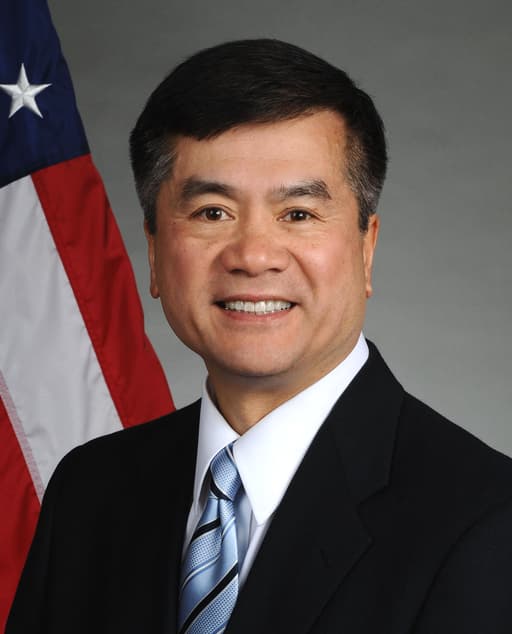
Gary Locke
PERSON
American politician

Gaullist
PERSON
Name reference in documents

George Parker
PERSON
Midwifery academic in New Zealand
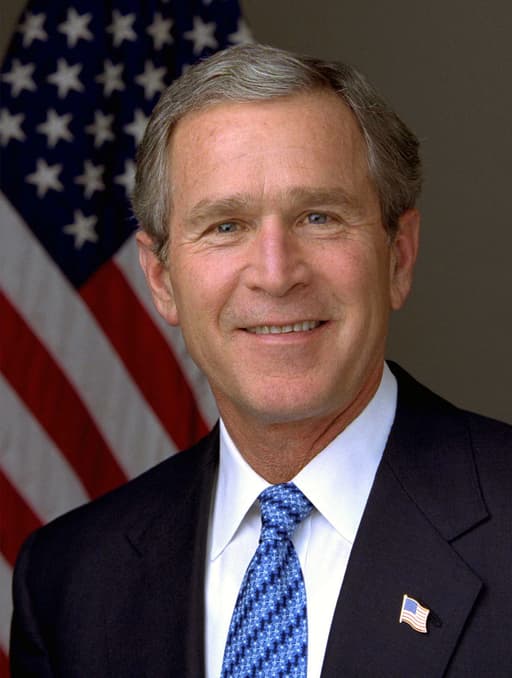
George W.
PERSON
President of the United States from 2001 to 2009

George W. Bush
PERSON • 2 mentions
President of the United States from 2001 to 2009
Gertz
PERSON
Surname reference in Epstein-related documents

Ghislaine Maxwell
PERSON
British socialite and sex trafficker, daughter of Robert Maxwell, accomplice of Jeffrey Epstein

Ginger Gibson
PERSON
Name reference in documents

Godement
PERSON
French mathematician (1921-2016)
Goh Chok Tong
PERSON
2nd Prime Minister of Singapore from 1990 to 2004
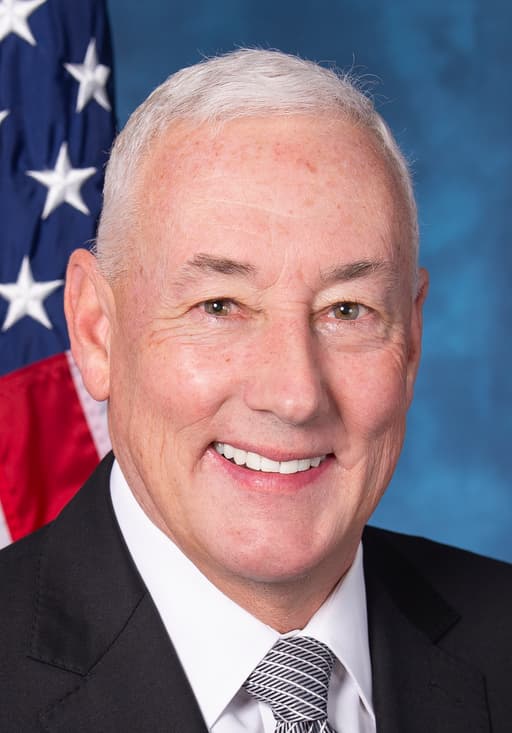
Greg Pence
PERSON
American businessman and politician (born 1956)

Greg Sheridan
PERSON
Australian journalist
GM
Grigorij MeseZnikov
PERSON
Name reference in documents
GR
Gruchow
PERSON
Name reference in documents
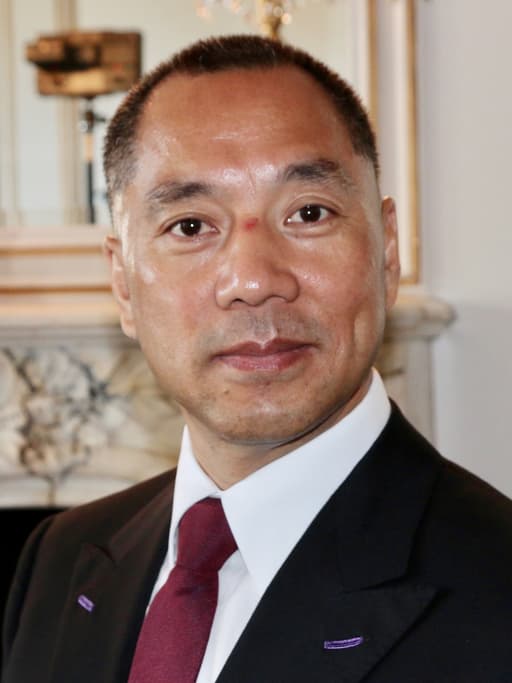
Guo Wengui
PERSON
Chinese businessman
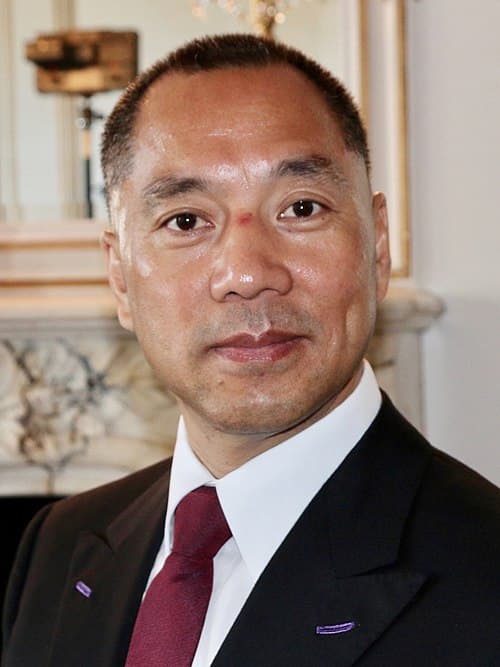
Guo Wengui Kicks
PERSON
Name reference in documents

Guo Zhaojin
PERSON
Name reference in documents
HA
Haiming
PERSON
Qing dynasty person CBDB = 57652
Han Zheng
PERSON
Vice President of the People's Republic of China
Handelsblatt
PERSON
Name reference in documents

Hannas
PERSON
Name reference in documents

Hastie
PERSON
Name reference in documents
He Qinglian
PERSON
Chinese economist

Helmut Schmidt
PERSON
Chancellor of West Germany (1974–1982)
HE
Henny
PERSON
Name reference in documents
Henry Kissinger
PERSON
American politician and diplomat (1923–2023)
Hillary Clinton
PERSON • 2 mentions
American politician and diplomat (born 1947)
HO
Hoppe
PERSON
Name reference in documents
Howard Dean
PERSON
American politician (born 1948)

Hu Guosheng
PERSON
Name reference in documents
Hu Jintao
PERSON
Former General Secretary of the Chinese Communist Party

Huang
PERSON
Ambiguous surname reference in Epstein documents
HJ
Huang Jing’s
PERSON
Name reference in documents
Huang Kunming
PERSON
Chinese politician

Huang Youyi
PERSON
Name reference in documents
Isaac, Mike
PERSON
Name reference in documents

Isabel Hilton
PERSON
British journalist and broadcaster
Israel Hernandez
PERSON
American presidential advisor
JK
Jacek Kucharezyk
PERSON
Name reference in documents
Jack Ma
PERSON
Chinese businessman
JS
Jack Stubbs
PERSON
Set decorator (1913-1997)
JB
James Bradshaw
PERSON
British actor
James K.
PERSON
Name reference in documents

James Kynge
PERSON
British journalist, author, research director
JM
James Massola
PERSON
Australian journalist and author
James Mulvenon
PERSON
Name reference in documents
JP
James Peck
PERSON
American activist and pacifist (1914–1993)

James Su
PERSON
Colombian association football player
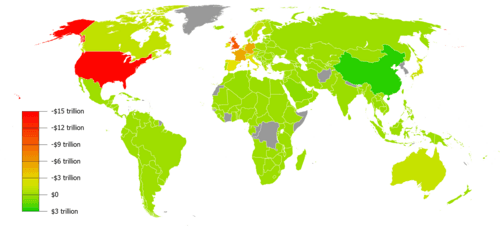
Jamil Anderlini
PERSON
Asia Editor - Financial Times
JG
Jan Gaspers
PERSON
Name reference in documents
Jean-Pierre Raffarin
PERSON
94th Prime Minister of France
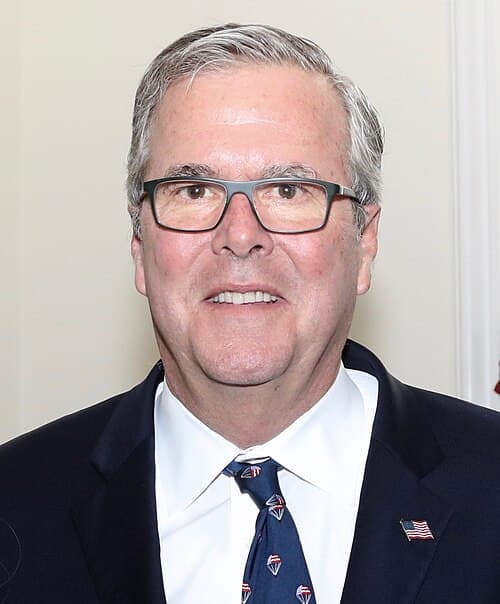
Jeb Bush
PERSON
Governor of Florida from 1999 to 2007
Jermyn Chow
PERSON
Name reference in documents
JJ
Jeuonen jo
PERSON
Name reference in documents
JI
Jiang
PERSON • 2 mentions
Surname reference in Epstein-related documents
JA
JO ANSIUIIN
PERSON
Name reference in documents
JA
Jo Awapeoy
PERSON
Name reference in documents
JS
Joanna Smith
PERSON
American singer
Joe Biden
PERSON • 3 mentions
46th President of the United States (2021–2025)
Joe Kaeser
PERSON
German businessman
John Adams
PERSON
Person referenced in documents

John Shiffman
PERSON
Name reference in documents
JC
Juan Pablo Cardenal
PERSON
Journalist and writer about China
JU
Jullien
PERSON
Name reference in documents
Justin Trudeau
PERSON • 3 mentions
23rd prime minister of Canada from 2015 to 2025
Keith Alexander
PERSON
United States Army general and former head of the National Security Agency
KB
Keith Bradsher
PERSON
American journalist

Kevin Rudd
PERSON • 2 mentions
26th Prime Minister of Australia
KS
Klaus Stratman
PERSON
Journalist
Koh Gui
PERSON
Name reference in documents
KO
Kokas
PERSON
Name reference in documents
Kristin Shi-Kupfer
PERSON
Researcher in the field of digital humanities

Kubota
PERSON
Surname or name fragment in documents
KU
Kundun
PERSON
Name reference in documents
KY
Kynge
PERSON
Name reference in documents

lan Bailey
PERSON
Name reference in documents
Laurent Fabius
PERSON
87th Prime Minister of France

Le Yucheng
PERSON
Vice-Minister of Foreign Affairs of the People's Republic of China - Ministry of Foreign Affairs of the People's Republic of China
Lee Hsien Loong
PERSON
3rd Prime Minister of Singapore from 2004 to 2024
Lee Kuan Yew
PERSON
1st Prime Minister of the Republic of Singapore (1923–2015)
LP
Lee Kuan Yew School of Public
PERSON
Name reference in documents

Lee, Fang
PERSON
Name reference in documents
LE
Levesque
PERSON
Name reference in documents
Li Keqiang
PERSON
Premier of the People's Republic of China from 2013 to 2023
Li Xiannian
PERSON
3rd President of the People's Republic of China (1909-1992)
LX
Li Xiaolin
PERSON
Daughter of Li Peng
LK
Lily Kuo
PERSON
Name reference in documents
Lin Jie
PERSON
Name reference in documents

Linda Frum
PERSON
Canadian politician
LI
Lingling
PERSON
Name reference in documents
LM
Liu Meng
PERSON
Chinese field hockey player
LQ
Liu Qi
PERSON
Ph.D. Carleton University 2010
LX
Liu Xia
PERSON
Name reference in documents

Liu Xiaobo
PERSON
Chinese literary critic, writer, professor, and human rights activist (1955–2017)
LP
Lucrezia Poggetti
PERSON
Name reference in documents
LH
Lucy Hornby
PERSON
Name reference in documents
Luo Yuan
PERSON
Chinese general
MR
MAE RIA
PERSON
Name reference in documents

Maggie Haberman
PERSON
American journalist (born 1973)
Malcolm Turnbull
PERSON
Person referenced in documents
Malcolm Turnbull’s
PERSON
Name reference in documents
Mao Zedong
PERSON • 3 mentions
1st chairman of the Chinese Communist Party and founder of the People's Republic of China (1893–1976)
MO
Mareike Ohlberg
PERSON
German sinologist

Mark Zuckerberg
PERSON • 2 mentions
American Internet entrepreneur
MA
Markay
PERSON
Surname or name fragment in documents
MA
Martina
PERSON
First name reference to multiple individuals in the documents
MN
Matt Nippert
PERSON
New Zealand investigative journalist

Matthew Garrahan
PERSON
British journalist
MW
Matthew Winkler
PERSON
American murder victim (1974-2006)

McKenzie
PERSON
Surname reference in Epstein-related documents
ME
Measures
PERSON
Surname or name fragment in documents

Meide
PERSON
Name reference in documents
Meng Jianzhu
PERSON
Chinese politician

Michael Jackson
PERSON • 2 mentions
American singer, songwriter, record producer, and dancer (1958–2009)
Michael S.
PERSON
Pathologist

Michel Aglietta
PERSON
French economist

Michelle Ye Hee
PERSON
American journalist

Miedema
PERSON
Name reference in documents
Mike Pence
PERSON
Vice President of the United States from 2017 to 2021
MO
Mozur
PERSON
Surname reference in documents

Mulan to Kung Fu Panda
PERSON
Name reference in documents

Naomi Campbell
PERSON
English supermodel

Nectar Gan
PERSON
Name reference in documents
Neil Bush
PERSON
American businessman and investor
Newt Gingrich
PERSON • 2 mentions
American politician, anti-sharia law activist and author (born 1943)
Nick McKenzie
PERSON
Name reference in documents

Nick Surgey
PERSON
American journalist
Nicolas Sarkozy
PERSON • 2 mentions
23rd president of the French Republic from 2007 to 2012
NZ
Niu Zhengming
PERSON
Name reference in documents

Palmer
PERSON
Surname reference in Epstein-related documents
PH
Paul Hutcheon
PERSON
Scottish journalist
Peter Hartcher
PERSON
Australian journalist

Peter Wang
PERSON
American actor and director
PF
Petti Fong
PERSON
Name reference in documents
PW
Philip Wen
PERSON
Name reference in documents
PR
Philipp Roessler
PERSON
Name reference in documents

Philippe Barret
PERSON
French official and writer
PD
Pil RAAB RHP DRUASER
PERSON
Name reference in documents
Primrose Riordan
PERSON
Name reference in documents

Prince Andrew
PERSON
Third child of Queen Elizabeth II and Prince Philip, Duke of Edinburgh (born 1960)
Prince Charles
PERSON
King of the United Kingdom and other Commonwealth realms since 2022 (born 1948)
QI
Qinglian
PERSON
Name reference in documents
RP
Rachelle Peterson
PERSON
Name reference in documents
Randall Schriver
PERSON
Former U.S. government official
Raymond Barre
PERSON
85th Prime Minister of France (1924-2007)
Richard Fadden
PERSON
Canadian politician
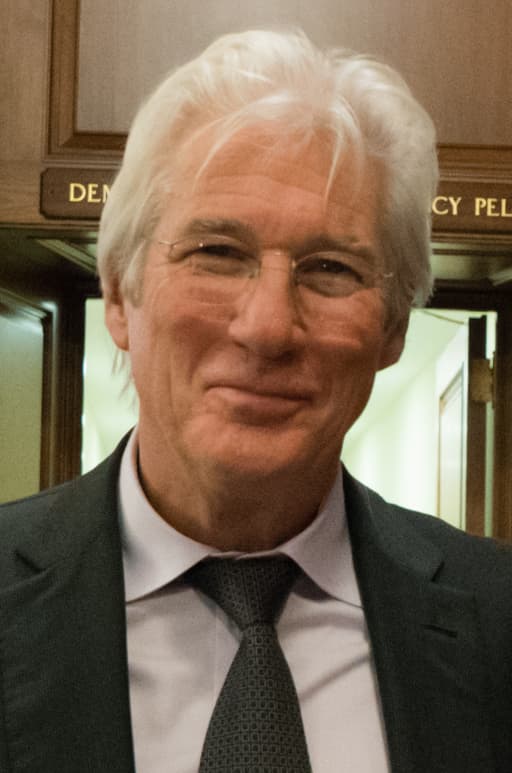
Richard Gere
PERSON
Person referenced in documents
RT
Rob Taylor
PERSON
American football player
RF
Robert Fife
PERSON
Canadian journalist
Robert Gates
PERSON
CIA director, U.S. Secretary of Defense, and university president

Robert Skebo Sr.
PERSON
Name reference in documents

Rosenberg
PERSON
Ambiguous surname - refers to multiple people in Epstein documents
Roy Jones Hit
PERSON
Name reference in documents
Sally
PERSON
American actress

Sam Dastyari
PERSON
Australian politician and union official

Samantha Power
PERSON
Irish-American academic, author and diplomat

Sarah Boesveld
PERSON
Name reference in documents
SC
Sarah Cook
PERSON
Canadian art historian (born 1974)

Sasha Gong
PERSON
Chinese American journalist
Scott Morrison
PERSON
Prime Minister of Australia from 2018 to 2022

Scott Shane
PERSON
American journalist and writer

Sherry Fei
PERSON
Name reference in documents
SB
Shey BRaEX
PERSON
Name reference in documents

Sigmar Gabriel
PERSON
German politician (SPD)
Simon Benson
PERSON
British conceptual artist (born 1956)
SD
Simon Denyer
PERSON
Journalist
SL
Simon Leys
PERSON
Belgian-Australian writer, sinologist and essayist

Slefo
PERSON
Name reference in documents
SS
Stephan Scheur
PERSON
Dr. rer. nat. Universität Osnabrück 2014

Stephen Hawking
PERSON
British theoretical physicist, cosmologist and author (1942–2018)

Stephen Morgan
PERSON
UK Member of Parliament (born 1981)
Steve Tsang
PERSON
Hong Kong-born historian and political scientist (born 1959)
Steve Wynn
PERSON
American businessman

Steven Chase
PERSON
Researcher, University of Pittsburgh

Stubbs
PERSON
Surname reference in Epstein-related documents
Sun Chunlan
PERSON
Chinese politician
SM
Sydney Morning
PERSON
Name reference in documents

Tan Xiandong
PERSON
Name reference in documents

Tatiana
PERSON
First name reference to multiple individuals in Epstein-related documents

Terry Glavin
PERSON
Canadian journalist

The Dalai Lama
PERSON • 2 mentions
Tibetan spiritual leader, referenced in Epstein scheduling and contact documents
TH
The-Woolf-Inquiry-Report-An-
PERSON
Name reference in documents

Theresa
PERSON
Ambiguous first name - refers to multiple people in Epstein documents
TH
Thilo
PERSON
Name reference in documents

Thorsten Benner
PERSON
Name reference in documents
TB
Tom Blackwell
PERSON
American photographer (1938–2020)
Tom Hancock
PERSON
American politician (1948-2016)

Tom Phillips
PERSON
American professional wrestling announcer

Tripp Mickle
PERSON
American journalist and author
Troianovski
PERSON
Soviet-born American journalist
TS
Tsang
PERSON
Surname or name fragment in documents

Valéry Giscard
PERSON
Name reference in documents
VA
Vasselier
PERSON
Name reference in documents

Veiled Threat
PERSON
Name reference in documents

Vicky Ward
PERSON
British investigative journalist

Virginia Giuffre
PERSON
Advocate for sex trafficking victims (1983–2025)
Vladimir Lenin
PERSON
Founding leader of the Soviet Union from 1922 to 1924 (1870–1924)
VO
Vozella
PERSON
Name reference in documents
Wai Xuan
PERSON
Name reference in documents
Wang Huning
PERSON
Chairman of the Chinese People's Political Consultative Conference
Wang Qishan
PERSON
10th Vice President of the People's Republic of China from 2018 to 2023
WW
Wang Wenliang
PERSON
Wuyue person CBDB = 19904
Wang Yang
PERSON
9th Chairman of Chinese People's Political Consultative Conference
Ward Elcock
PERSON
Director of the Canadian Security Intelligence Service

Wayne Lin
PERSON
Name reference in documents

Weinraub
PERSON
American filmmaker, conceptual artist and former CEO
WE
Weisskopf
PERSON
Name reference in documents
WI
Wiggers
PERSON
Name reference in documents
Wilbur Ross
PERSON • 2 mentions
United States 39th Secretary of Commerce

Woody Allen
PERSON
American filmmaker, actor and comedian (born 1935)
Wu Jianmin
PERSON
Chinese diplomat (1939–2016)
Xi Jinping
PERSON • 3 mentions
General Secretary of the Chinese Communist Party since 2012

Xiao Xu
PERSON
Name reference in documents
Xie Yining
PERSON
Name reference in documents
XI
Xiong
PERSON
Surname or name fragment in documents

Xu Chen
PERSON
Name reference in documents
YA
Yafei
PERSON
Surname or name fragment in documents
YJ
Yang Jian
PERSON
Name reference in documents
Yang Jiechi
PERSON
Politburo member of the Chinese Communist Party
Yang Xiuping
PERSON
Name reference in documents
Yoko Kubota
PERSON
Name reference in documents
YO
Youyi
PERSON
Name reference in documents
Yu Pun-hoi
PERSON
Hong Kong businessman
YU
Yudhijit
PERSON
Name reference in documents
ZD
Zeigt Deutschen
PERSON
Name reference in documents
ZH
Zhang
PERSON • 2 mentions
Surname reference in documents

Zhang Chi
PERSON
Chinese footballer
ZL
Zhang Lin
PERSON
Chinese swimmer
ZD
Zhao Dong
PERSON
Name reference in documents
ZH
Zhaozhi
PERSON
Name reference in documents
Zheng Yide
PERSON
Name reference in documents

Zoe Wood
PERSON
Name reference in documents
-London-School-of-Economics
ORGANIZATION
Organization referenced in documents
“Beijing Builds Its Influence
ORGANIZATION
Organization referenced in documents
a Source of News
ORGANIZATION
Organization referenced in documents
a Vector of Influence
ORGANIZATION
Organization referenced in documents
Academia and Civil Society
ORGANIZATION
Organization referenced in documents
Adeisneaing
ORGANIZATION
Organization referenced in documents
Advisory Committee
ORGANIZATION
Organization referenced in documents
AgBank
ORGANIZATION
Organization referenced in documents

Airbus
ORGANIZATION
European aircraft manufacturer, subsidiary of Airbus SE
Al China Center
ORGANIZATION
Organization referenced in documents
Alibaba
ORGANIZATION
Chinese multinational technology company
All America Chinese Youth Federation
ORGANIZATION
Organization referenced in documents
Allanalysis
ORGANIZATION
Organization referenced in documents
America-China Enterprise Chamber of Commerce (Fil
ORGANIZATION
Organization referenced in documents
American Chinese National Chamber of Commerce
ORGANIZATION
Organization referenced in documents
American Firms
ORGANIZATION
Organization referenced in documents
American Fujianese Business Association
ORGANIZATION
Organization referenced in documents
American One Belt
ORGANIZATION
Organization referenced in documents
American Pacific International Capital
ORGANIZATION
Organization referenced in documents
American Shandong Chamber of Commerce
ORGANIZATION
Organization referenced in documents
American-Chinese Commerce Development Association
ORGANIZATION
Organization referenced in documents

Amnesty International
ORGANIZATION
Non-governmental organization based in the United Kingdom
an Overseas Chinese Service Center
ORGANIZATION
Organization referenced in documents
Aqunsasg
ORGANIZATION
Organization referenced in documents
Arbitral Tribunal
ORGANIZATION
Organization referenced in documents
Areva
ORGANIZATION
Multinational group based in France specializing in nuclear and renewable energy

ASEAN
ORGANIZATION
Organization referenced in documents
Australian Parliament’s
ORGANIZATION
Organization referenced in documents
Australian Strategic Policy Institute
ORGANIZATION
Organization referenced in documents
AZUMI S BAZ
ORGANIZATION
Organization referenced in documents
Baidu
ORGANIZATION
Chinese web services company
Bank of China USA
ORGANIZATION
Organization referenced in documents
Beijing Chamber of Commerce
ORGANIZATION
Organization referenced in documents
Beijing Overseas Chinese Affairs Council
ORGANIZATION
Organization referenced in documents
Bia WMS
ORGANIZATION
Organization referenced in documents
Big Projects
ORGANIZATION
Organization referenced in documents
Blocking Huawei
ORGANIZATION
Organization referenced in documents
Bloomberg Boxes
ORGANIZATION
Organization referenced in documents
Bloomberg Businessweek
ORGANIZATION
Organization referenced in documents

Bloomberg L.P.
ORGANIZATION
American privately held financial, software, data, and media company
Box-Office Results Offset US
ORGANIZATION
Organization referenced in documents
BRAAEREWRAKREAEARNWRDM
ORGANIZATION
Organization referenced in documents
British Conservative Party Activist Barred
ORGANIZATION
Organization referenced in documents
British Telecom
ORGANIZATION
Organization referenced in documents
BURBS AR
ORGANIZATION
Organization referenced in documents
BYD Motors
ORGANIZATION
Organization referenced in documents
California-Hebei Chamber of Commerce
ORGANIZATION
Organization referenced in documents
Cambridge University Press Censorship ‘
ORGANIZATION
Organization referenced in documents
Canadian Press
ORGANIZATION
Organization referenced in documents
Canadian Security Intelligence Service
ORGANIZATION
Organization referenced in documents
Cause Investment Group
ORGANIZATION
Organization referenced in documents
CCP Central Committee
ORGANIZATION
Organization referenced in documents
CCPPNR China Council for Promotion of Peaceful National Reunification
ORGANIZATION
Organization referenced in documents
Center for International Media Assistance
ORGANIZATION
Non-governmental Organization based in Washington, DC
CFIUS
ORGANIZATION
Organization referenced in documents
CGTN China Global Television Network
ORGANIZATION
Organization referenced in documents
Chamber Zhejiang Chamber of Commerce USA
ORGANIZATION
Organization referenced in documents
Chatham House’s
ORGANIZATION
Organization referenced in documents
Chicago Tribune
ORGANIZATION
Major daily newspaper based in Chicago, Illinois, United States
China Construction Bank
ORGANIZATION
Organization referenced in documents
China Daily’s
ORGANIZATION
Organization referenced in documents
China Democracy & Rule of Law Publishing House
ORGANIZATION
Organization referenced in documents
China Enterprise Council
ORGANIZATION
Organization referenced in documents
China Europe International Business School
ORGANIZATION
Organization referenced in documents
China Foundation for International Strategic Studies
ORGANIZATION
Organization referenced in documents
China General Nuclear Power
ORGANIZATION
Organization referenced in documents
China Infrastructure Fund
ORGANIZATION
Organization referenced in documents
China Inquiry
ORGANIZATION
Organization referenced in documents
China Institute of International Studies
ORGANIZATION
Organization referenced in documents
China Journalism Yearbook
ORGANIZATION
Organization referenced in documents
China News
ORGANIZATION
Organization referenced in documents
China Threatens US Airlines
ORGANIZATION
Organization referenced in documents
China Tightens Party Control of Foreign University Ventures
ORGANIZATION
Organization referenced in documents
China Watch
ORGANIZATION
Organization referenced in documents
Chinese Academy
ORGANIZATION
Organization referenced in documents
Chinese Communist Party International
ORGANIZATION
Organization referenced in documents
Chinese Companies Operating
ORGANIZATION
Organization referenced in documents
Chinese State-Owned
ORGANIZATION
Organization referenced in documents
Chinese Students
ORGANIZATION
Organization referenced in documents
Chinese United Front
ORGANIZATION
Organization referenced in documents
CICIR China Institutes of Contemporary International Relations
ORGANIZATION
Organization referenced in documents
cICWS China Institute of Contemporary World Studies
ORGANIZATION
Organization referenced in documents
CIISS China Institute of International and Strategic Studies
ORGANIZATION
Organization referenced in documents
Civil Society
ORGANIZATION
Organization referenced in documents

Clinton Foundation
ORGANIZATION
Non-profit organization in the USA
CMC Central Military Commission
ORGANIZATION
Organization referenced in documents
Comité France-Chine of MEDEF
ORGANIZATION
Organization referenced in documents
Commissariat
ORGANIZATION
Organization referenced in documents
Communist Party Extends Reach
ORGANIZATION
Organization referenced in documents
Communist Party More
ORGANIZATION
Organization referenced in documents
Confucius Institutes
ORGANIZATION
Organization referenced in documents
Congressional Research Service
ORGANIZATION
United States federal agency
Controlled Information at Universities
ORGANIZATION
Organization referenced in documents
Council Information Office
ORGANIZATION
Organization referenced in documents
CPIFA Chinese People’s Institute of Foreign Affairs
ORGANIZATION
Organization referenced in documents
CPPCC
ORGANIZATION
Organization referenced in documents
Crack Unit
ORGANIZATION
Organization referenced in documents
Create Censorship Tool to Get Back
ORGANIZATION
Organization referenced in documents
CRI China Radio International
ORGANIZATION
Organization referenced in documents
CSC PhD
ORGANIZATION
Organization referenced in documents
CSCPA China Strategic Culture Promotion Association
ORGANIZATION
Organization referenced in documents
CSSA Cambridge
ORGANIZATION
Organization referenced in documents
Cultural Odyssey
ORGANIZATION
Organization referenced in documents
Customs Enforcement
ORGANIZATION
U.S. Immigration and Customs Enforcement
Cyber-Security
ORGANIZATION
Organization referenced in documents
Cyberespionage
ORGANIZATION
Organization referenced in documents
Dacheng
ORGANIZATION
Organization referenced in documents

Daimler
ORGANIZATION
German automotive manufacturer
Dalian
ORGANIZATION
City in northeastern China
Dalian Wanda
ORGANIZATION • 2 mentions
Organization referenced in documents
Dark Money Group
ORGANIZATION
Organization referenced in documents
Delta
ORGANIZATION
Major American airline

Dentons
ORGANIZATION
International law firm

Denyer
ORGANIZATION
Organization referenced in documents
Department of Home Affairs
ORGANIZATION
Organization referenced in documents
Department of Justice
ORGANIZATION • 4 mentions
United States Department of Justice, federal executive department responsible for law enforcement
Department of Public Diplomacy
ORGANIZATION
Organization referenced in documents
Digital Journalism
ORGANIZATION
Organization referenced in documents

DIRECTV
ORGANIZATION
Telecommunications company

Division of Labor
ORGANIZATION
Organization referenced in documents
Doghouse After Location Gaffes
ORGANIZATION
Organization referenced in documents

DreamWorks
ORGANIZATION
American film studio
Eastern US-Shenzhen Chamber of Commerce
ORGANIZATION
Organization referenced in documents
eau Seu
ORGANIZATION
Organization referenced in documents
El SPS
ORGANIZATION
Organization referenced in documents
Emerging Markets Are Closing the Gap
ORGANIZATION
Organization referenced in documents
EU-China Relations
ORGANIZATION
Organization referenced in documents

European Council on Foreign Relations
ORGANIZATION
Organization referenced in documents
European Parliament
ORGANIZATION
American funk band most prominent during the 1970s
External Propaganda Office
ORGANIZATION
Organization referenced in documents
Fairfax Media
ORGANIZATION
Organization referenced in documents
FAO Foreign Affairs Office
ORGANIZATION
Organization referenced in documents
Federal Register
ORGANIZATION
Official journal of the U.S. Federal Government
FL AG HR
ORGANIZATION
Organization referenced in documents
Fondation
ORGANIZATION
Organization referenced in documents
Fondation France-Amérique
ORGANIZATION
Organization referenced in documents
Foreign Affairs
ORGANIZATION
American magazine and website on international relations
Foreign Office of the United Kingdom
ORGANIZATION
Organization referenced in documents
Foreign Power Grab ‘
ORGANIZATION
Organization referenced in documents
France-China Foundation
ORGANIZATION
Organization referenced in documents
FRR SEF PERM PABAD
ORGANIZATION
Organization referenced in documents

Fulbright
ORGANIZATION
American educational grant program
G Network
ORGANIZATION
Organization referenced in documents
GE Warns
ORGANIZATION
Organization referenced in documents
General Accounting Office
ORGANIZATION
Organization referenced in documents

General Electric
ORGANIZATION
American multinational conglomerate
General Motors
ORGANIZATION
American multinational automotive company
Glavin
ORGANIZATION
Organization referenced in documents
Global Academic Censorship Crisis
ORGANIZATION
Organization referenced in documents
Godement and Vasselier
ORGANIZATION
Organization referenced in documents
Golden Era
ORGANIZATION
Organization referenced in documents
Government of Singapore
ORGANIZATION
Organization referenced in documents
HAL BIRR
ORGANIZATION
Organization referenced in documents
HBA LMWEREAS
ORGANIZATION
Organization referenced in documents
HEjL7A-AM A
ORGANIZATION
Organization referenced in documents
Hinkley Point C
ORGANIZATION
Organization referenced in documents
HNA Group
ORGANIZATION
Chinese conglomerate
House of Representatives
ORGANIZATION
Lower house of the United States Congress
Huawei
ORGANIZATION
Chinese multinational technology company
Indie Turn
ORGANIZATION
Organization referenced in documents
Industrial & Commercial Bank
ORGANIZATION
Organization referenced in documents
Innovation Management
ORGANIZATION
Organization referenced in documents
Inside Radio
ORGANIZATION
Organization referenced in documents
Intelligence & Security
ORGANIZATION
Organization referenced in documents
Intelligence and Security Committee
ORGANIZATION
Organization referenced in documents

Intercept
ORGANIZATION
Organization referenced in documents
Interests of Chinese Enterprises
ORGANIZATION
Organization referenced in documents
Interference Activities
ORGANIZATION
Organization referenced in documents
International Trade Commission
ORGANIZATION
Organization referenced in documents
KASOUR
ORGANIZATION
Organization referenced in documents
King’s College London
ORGANIZATION
Organization referenced in documents
Kingstone
ORGANIZATION
Organization referenced in documents

Kuomintang
ORGANIZATION
Republic of China political party
KyLin TV
ORGANIZATION
Organization referenced in documents
Labor Party
ORGANIZATION
Former political party in the United States founded 1996
Lakeshore
ORGANIZATION
Organization referenced in documents
Launch His Social Network
ORGANIZATION
Organization referenced in documents
Liberty Times
ORGANIZATION
Organization referenced in documents
Long Game to
ORGANIZATION
Organization referenced in documents
Macao Affairs Office
ORGANIZATION
Organization referenced in documents
McMaster Closing Confucius Institute
ORGANIZATION
Organization referenced in documents
Media Group
ORGANIZATION
Organization referenced in documents
Medtronic Join Marriott
ORGANIZATION
Organization referenced in documents
Mercury Public Affairs
ORGANIZATION
Organization referenced in documents
Merics
ORGANIZATION
Organization referenced in documents
Merics/GPPI
ORGANIZATION
Organization referenced in documents
Mexican Radio to Beam Chinese Propaganda
ORGANIZATION
Organization referenced in documents
Mindef Expects Shipment
ORGANIZATION
Organization referenced in documents
Mingjing
ORGANIZATION
Organization referenced in documents
Mingjing (Mirror Media
ORGANIZATION
Organization referenced in documents
Ministry of Commerce
ORGANIZATION
Organization referenced in documents
Minnesota Daily
ORGANIZATION
Organization referenced in documents

MIT Technology Review
ORGANIZATION
Magazine
MM AAMARD BRARA MI
ORGANIZATION
Organization referenced in documents
Movies
ORGANIZATION
Organization referenced in documents
My Travel Visa
ORGANIZATION
Organization referenced in documents
National Association of Scholars
ORGANIZATION
Organization referenced in documents
National Endowment for Democracy
ORGANIZATION
Organization referenced in documents
National Post (Toronto
ORGANIZATION
Organization referenced in documents
National Technology Model Transfer Organizations
ORGANIZATION
Organization referenced in documents
New Power Audit
ORGANIZATION
Organization referenced in documents
New Security Environment
ORGANIZATION
Organization referenced in documents
New Zealand Customs
ORGANIZATION
Organization referenced in documents
Nihao Deutschland
ORGANIZATION
Organization referenced in documents
Nineteenth Party Congress
ORGANIZATION
Organization referenced in documents
Northern California Global Trade Assistance Directory
ORGANIZATION
Organization referenced in documents
Northwestern Polytechnical University
ORGANIZATION
Organization referenced in documents
Nottingham
ORGANIZATION
Organization referenced in documents

Oak Ridge National Laboratory
ORGANIZATION
Government research facility in Tennessee, United States
Open Al Research Center
ORGANIZATION
Organization referenced in documents
OpenSecrets
ORGANIZATION
Organization referenced in documents
Overseas Chinese
ORGANIZATION
Organization referenced in documents
Overseas Chinese Affairs
ORGANIZATION
Organization referenced in documents
Overseas Chinese Association
ORGANIZATION
Organization referenced in documents
Overseas United Front Work: Background and Implications
ORGANIZATION
Organization referenced in documents
Pacific Aerospace
ORGANIZATION
Organization referenced in documents

Panda
ORGANIZATION
2016 song by Desiigner
Parliament of Australia
ORGANIZATION
Organization referenced in documents
PBS Newshour
ORGANIZATION
Organization referenced in documents
Peking University
ORGANIZATION
Organization referenced in documents
People’s Daily
ORGANIZATION
Organization referenced in documents
People’s Political Consultative Conference
ORGANIZATION
Organization referenced in documents
People’s University
ORGANIZATION
Organization referenced in documents
Phoenix TV
ORGANIZATION
Organization referenced in documents
Politburo
ORGANIZATION
Executive committee of a communist party

PR Newswire
ORGANIZATION
American distributor of press releases
PRC Science Academies
ORGANIZATION
Organization referenced in documents
PREM ics & BE BX
ORGANIZATION
Organization referenced in documents
Productive Back Channels
ORGANIZATION
Organization referenced in documents
Propaganda Department
ORGANIZATION
Organization referenced in documents
Pursuit of Fugitive
ORGANIZATION
Organization referenced in documents
Qiaobao
ORGANIZATION • 2 mentions
Organization referenced in documents
Qinghua Holdings
ORGANIZATION
Organization referenced in documents

Qinghua Unigroup
ORGANIZATION
Organization referenced in documents
Radio Free Asia
ORGANIZATION
Organization referenced in documents
Random House
ORGANIZATION
American general-interest trade book publisher
Recruitment Program of Global Experts
ORGANIZATION
Organization referenced in documents
REPRERUR
ORGANIZATION
Organization referenced in documents
Reunification Association
ORGANIZATION
Organization referenced in documents
Rhodium Group
ORGANIZATION
Organization referenced in documents

Routledge
ORGANIZATION
British multinational academic publisher founded in 1836
RT America Registers
ORGANIZATION
Organization referenced in documents
Ryukyu Network
ORGANIZATION
Organization referenced in documents
SAFEA State Administration of Foreign Experts Affairs
ORGANIZATION
Organization referenced in documents
School of Contemporary Chinese Studies
ORGANIZATION
Organization referenced in documents
Science & Technology Progress
ORGANIZATION
Organization referenced in documents
Science and Technology Management Research
ORGANIZATION
Organization referenced in documents
Science and Technology of China
ORGANIZATION
Organization referenced in documents
Science Research Management
ORGANIZATION
Organization referenced in documents
Secret China Contract: Money for Nothing
ORGANIZATION
Organization referenced in documents
See Triway International
ORGANIZATION
Organization referenced in documents
Senkaku/Diaoyu Debates
ORGANIZATION
Organization referenced in documents
SEVIS
ORGANIZATION
Organization referenced in documents
Sharp Power
ORGANIZATION
Organization referenced in documents
SHBYYy
ORGANIZATION
Organization referenced in documents
Shenyang Aerospace University
ORGANIZATION
Organization referenced in documents
Shenzhen Chamber’s
ORGANIZATION
Organization referenced in documents
Shijiazhuang Daily
ORGANIZATION
Organization referenced in documents

Siemens
ORGANIZATION
German multinational conglomerate company
Singapore Ministry of Home Affairs
ORGANIZATION
Organization referenced in documents
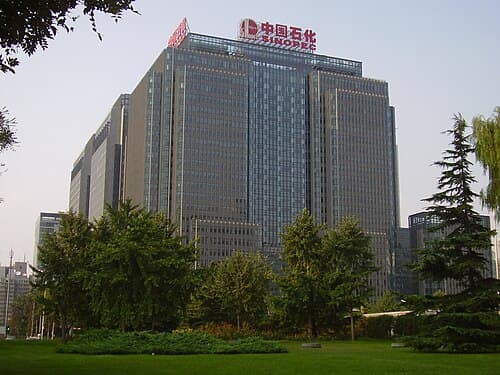
Sinopec
ORGANIZATION
Chinese oil and gas company
SKS LER
ORGANIZATION
Organization referenced in documents
Slowing China Sales and Slump in Oil Prices
ORGANIZATION
Organization referenced in documents
Social Sciences
ORGANIZATION
Organization referenced in documents
Social Sciences Journalism Institute
ORGANIZATION
Organization referenced in documents
Socialist Party
ORGANIZATION
French political party (1969–present)
Soft Power
ORGANIZATION
Organization referenced in documents
Specialty Publishing
ORGANIZATION
Organization referenced in documents
Spies
ORGANIZATION
Organization referenced in documents
Springer
ORGANIZATION
Organization referenced in documents
Springer Nature
ORGANIZATION
Organization referenced in documents
SRI S RSET MBH
ORGANIZATION
Organization referenced in documents
Standing Committee
ORGANIZATION
Organization referenced in documents
State Collection Apparatus
ORGANIZATION
Organization referenced in documents
State Security
ORGANIZATION
Organization referenced in documents
Ste MH ah ie IE eS
ORGANIZATION
Organization referenced in documents
Straits Times
ORGANIZATION
Organization referenced in documents
Taiwan Affairs Office
ORGANIZATION
Organization referenced in documents
Talents Program
ORGANIZATION
Organization referenced in documents
Territory Dispute
ORGANIZATION
Organization referenced in documents
the ‘Great Firewall’ of China
ORGANIZATION
Organization referenced in documents
the “Five Eyes
ORGANIZATION
Organization referenced in documents
The African Union Headquarters Hack
ORGANIZATION
Organization referenced in documents
the Agricultural Bank of China
ORGANIZATION
Organization referenced in documents
the American Chemistry Council
ORGANIZATION
Organization referenced in documents
the American Legislative Exchange Council
ORGANIZATION
Organization referenced in documents
the Asian Culture
ORGANIZATION
Organization referenced in documents
the Association of Southeast Asian Nations
ORGANIZATION
Organization referenced in documents
the Australian Broadcasting Corporation
ORGANIZATION
Organization referenced in documents
the Australian Security Intelligence Organization
ORGANIZATION
Organization referenced in documents
the Beijing 2008 Olympics
ORGANIZATION
Organization referenced in documents
the Broadcasting Board
ORGANIZATION
Organization referenced in documents
the Broadcasting Board of Governors
ORGANIZATION
Organization referenced in documents
the Cambridge University Press
ORGANIZATION
Organization referenced in documents
the Canadian Security Intelligence Service
ORGANIZATION
Organization referenced in documents
the CCP International Liaison Department
ORGANIZATION
Organization referenced in documents
the CCP Propaganda Department
ORGANIZATION
Organization referenced in documents
the CCP United Front Work Department
ORGANIZATION
Organization referenced in documents
the Central Committee Education
ORGANIZATION
Organization referenced in documents
the Central Committee Propaganda Department
ORGANIZATION
Organization referenced in documents
the Central Foreign Affairs Work Conference
ORGANIZATION
Organization referenced in documents
the Central United Front Work Conference
ORGANIZATION
Organization referenced in documents
the China Center for International Economic Exchanges
ORGANIZATION
Organization referenced in documents
the China Daily
ORGANIZATION
Organization referenced in documents
the China General Chamber of Commerce
ORGANIZATION
Organization referenced in documents
the China Institute
ORGANIZATION
Organization referenced in documents
the China International Publishing Group
ORGANIZATION
Organization referenced in documents
the China News Service
ORGANIZATION
Organization referenced in documents
the China News Service Overseas Center
ORGANIZATION
Organization referenced in documents
the China Scholarship Council
ORGANIZATION
Organization referenced in documents
the China-US Joint Research Center for Ecosystem and Environmental Change
ORGANIZATION
Organization referenced in documents
the Chinese Communist Party’s
ORGANIZATION
Organization referenced in documents
the Chinese Foreign Ministry
ORGANIZATION
Organization referenced in documents
the Chinese Party-State
ORGANIZATION
Organization referenced in documents
The Chinese People’s Association for Friendship with Foreign Countries
ORGANIZATION
Organization referenced in documents
the Chinese Students’ Association, China Scholarship Council
ORGANIZATION
Organization referenced in documents
the Commerce Control List
ORGANIZATION
Organization referenced in documents
the Communist Party’s
ORGANIZATION
Organization referenced in documents
the Conservative Party’s Human Rights Commission
ORGANIZATION
Organization referenced in documents
the Cyber Security Research and Development Act
ORGANIZATION
Organization referenced in documents

the Daily Telegraph
ORGANIZATION
Newspaper
The Dynamics of Chinese IP Theft
ORGANIZATION
Organization referenced in documents
the Eastern Sun
ORGANIZATION
Organization referenced in documents
the EU Commission
ORGANIZATION
Organization referenced in documents
the External Propaganda Leading Group/State
ORGANIZATION
Organization referenced in documents
The Federal Election Commission
ORGANIZATION
Organization referenced in documents
the Foreign Affairs Commission
ORGANIZATION
Organization referenced in documents
the Foreign and Commonwealth Office
ORGANIZATION
Organization referenced in documents

the Foreign Ministry
ORGANIZATION
Organization referenced in documents
the Foreign NGO Management Law
ORGANIZATION
Organization referenced in documents
the German Television News Agency
ORGANIZATION
Organization referenced in documents
the Global Times
ORGANIZATION
Organization referenced in documents
the Government Accounting Office
ORGANIZATION
Organization referenced in documents
the Hong Kong Stock Exchange
ORGANIZATION
Organization referenced in documents
the Human Rights Committee
ORGANIZATION
Organization referenced in documents
the Imperial Army’s
ORGANIZATION
Organization referenced in documents
the Imperial Pacific casino
ORGANIZATION
Organization referenced in documents
the Institut des Hautes Etudes Scientifiques
ORGANIZATION
Organization referenced in documents
the Institute of Pacific Relations
ORGANIZATION
Organization referenced in documents
the Intelligence Committee of the US House of Representatives
ORGANIZATION
Organization referenced in documents
The IP Commission Report
ORGANIZATION
Organization referenced in documents
the Joint Parliamentary Committee on
ORGANIZATION
Organization referenced in documents
the Labour Party’s
ORGANIZATION
Organization referenced in documents
The Leading Small Group for External Propaganda
ORGANIZATION
Organization referenced in documents
the Leading Small Groups
ORGANIZATION
Organization referenced in documents
the Ministry of Culture
ORGANIZATION
Organization referenced in documents
the Ministry of Education
ORGANIZATION
Organization referenced in documents
the Ministry of Foreign Affairs
ORGANIZATION
Organization referenced in documents
the Ministry of State Security
ORGANIZATION
Organization referenced in documents
the Motion Picture Association of America
ORGANIZATION
Organization referenced in documents
the National Governors Association
ORGANIZATION
Organization referenced in documents
The National Overseas Chinese Work Conference
ORGANIZATION
Organization referenced in documents
the National Party
ORGANIZATION
Organization referenced in documents
the National Propaganda Work Conference
ORGANIZATION
Organization referenced in documents

the National Security Agency
ORGANIZATION
National Security Agency
the National Security Legislation Amendment
ORGANIZATION
Organization referenced in documents
the National University of Defense Technology
ORGANIZATION
Organization referenced in documents
the National University of Singapore’s
ORGANIZATION
Organization referenced in documents
the New China Lobby: US Firms
ORGANIZATION
Organization referenced in documents
The New York Times
ORGANIZATION • 2 mentions
American daily newspaper (founded 1851)
the New Zealand Chinese Students and Scholars Association
ORGANIZATION
Organization referenced in documents
the Office of Overseas Chinese Affairs
ORGANIZATION
Organization referenced in documents
the Organizing Committee
ORGANIZATION
Organization referenced in documents
the Overseas Chinese Affairs Office
ORGANIZATION
Organization referenced in documents
the Parliamentary Select Committee for Foreign Affairs
ORGANIZATION
Organization referenced in documents
the Peaceful Reunification Association
ORGANIZATION
Organization referenced in documents
the Peaceful Reunification of China Association of New Zealand
ORGANIZATION
Organization referenced in documents
the People’s Liberation Army
ORGANIZATION
Organization referenced in documents
The Policy-Making Process
ORGANIZATION
Organization referenced in documents
the Politburo Secretariat
ORGANIZATION
Organization referenced in documents
the Politburo Standing Committee
ORGANIZATION
Organization referenced in documents
the Port of Darwin
ORGANIZATION
Organization referenced in documents
the Provincial Standing Committee
ORGANIZATION
Organization referenced in documents
the Republican Party’s
ORGANIZATION
Organization referenced in documents
the Royal Canadian Mounted Police
ORGANIZATION
Organization referenced in documents
the School of Oriental
ORGANIZATION
Organization referenced in documents
the Scottish Parliament
ORGANIZATION
Organization referenced in documents
the Second Global Chinese Broadcasting Awards
ORGANIZATION
Organization referenced in documents
the Silicon Valley Chinese Engineers Association
ORGANIZATION
Organization referenced in documents
the Singapore Government’s
ORGANIZATION
Organization referenced in documents

the State Council
ORGANIZATION
Organization referenced in documents
the State Council Information Office
ORGANIZATION
Organization referenced in documents
The State Council Information Office/External Propaganda Leading Group
ORGANIZATION
Organization referenced in documents
the State Council’s Overseas Chinese Affairs Office
ORGANIZATION
Organization referenced in documents
the Student and Exchange Visitor Information System
ORGANIZATION
Organization referenced in documents
the Tsinghua University Center
ORGANIZATION
Organization referenced in documents
the United Front’s
ORGANIZATION
Organization referenced in documents
the University of Cambridge
ORGANIZATION
Organization referenced in documents
the University of London
ORGANIZATION
Organization referenced in documents
the University of Nottingham’s
ORGANIZATION
Organization referenced in documents
the US Commerce Department
ORGANIZATION
Organization referenced in documents
the US Department of Defense
ORGANIZATION
Organization referenced in documents
the US Political System
ORGANIZATION
Organization referenced in documents
the Voice of America
ORGANIZATION
Organization referenced in documents
the Wanda America Group
ORGANIZATION
Organization referenced in documents

the Xinhua News Agency
ORGANIZATION
Organization referenced in documents
the Yale University Press
ORGANIZATION
Organization referenced in documents
Times Higher Education
ORGANIZATION
Organization referenced in documents
Triads Financial Links
ORGANIZATION
Organization referenced in documents
Triway Enterprise, Inc.
ORGANIZATION
Organization referenced in documents
TRL EWS SMA
ORGANIZATION
Organization referenced in documents
Trump Campaign
ORGANIZATION
Organization referenced in documents
Trump Phones Friends
ORGANIZATION
Organization referenced in documents
Tsinghua
ORGANIZATION
University in Beijing, China
Tsinghua University
ORGANIZATION
Public university in Beijing, China
UK Nuclear Plants, Say Reports
ORGANIZATION
Organization referenced in documents
United Front
ORGANIZATION
Organization referenced in documents
United Front Organizations
ORGANIZATION
Organization referenced in documents
United States Cyber Command
ORGANIZATION
Organization referenced in documents
University HSBC Business School Oxford Campus
ORGANIZATION
Organization referenced in documents
University Links
ORGANIZATION
Organization referenced in documents

University of California Press
ORGANIZATION
Organization referenced in documents
University of Tennessee
ORGANIZATION
Organization referenced in documents
US Airlines
ORGANIZATION
Organization referenced in documents
US Census Bureau
ORGANIZATION
Organization referenced in documents
US Chamber of Commerce
ORGANIZATION
Organization referenced in documents
US Department of Commerce Office of Inspector General
ORGANIZATION
Organization referenced in documents
US Federal Communications Commission
ORGANIZATION
Organization referenced in documents
US Immigration
ORGANIZATION
Organization referenced in documents
US Investment Banking Bonanza
ORGANIZATION
Organization referenced in documents
US-Zhejiang General Chamber of Commerce
ORGANIZATION
Organization referenced in documents
Vision Times
ORGANIZATION
Organization referenced in documents
VOA TV
ORGANIZATION
Organization referenced in documents

Vodafone
ORGANIZATION
British multinational telecommunications company
Wal-Mart Needs
ORGANIZATION
Organization referenced in documents

Walmart
ORGANIZATION
U.S. discount retailer based in Arkansas

Wanda
ORGANIZATION • 2 mentions
Entity referenced in documents
Wanhua Chemical
ORGANIZATION
Organization referenced in documents
Washington Free Beacon
ORGANIZATION
Conservative American news organization

WeChat
ORGANIZATION
Organization referenced in documents
Weibo
ORGANIZATION
Organization referenced in documents
Wenxuecheng
ORGANIZATION
Organization referenced in documents
Western TV
ORGANIZATION
Organization referenced in documents
White House Office of the Press
ORGANIZATION
Organization referenced in documents
White House Presses
ORGANIZATION
Organization referenced in documents
Wields Power with Boycott Diplomacy
ORGANIZATION
Organization referenced in documents
Wilson Center Kissinger Institute
ORGANIZATION
Organization referenced in documents
Workers’ Party
ORGANIZATION
Organization referenced in documents
Xidian University
ORGANIZATION
Organization referenced in documents
Xinhua (China
ORGANIZATION
Organization referenced in documents
Zhongguo Shehui Kexue Chubanshe
ORGANIZATION
Organization referenced in documents
ZTE Corporation
ORGANIZATION
Organization referenced in documents

Alaska
LOCATION
State of the United States of America

Albania
LOCATION
Country in southeastern Europe

Antarctica
LOCATION
Polar continent
Asia-Pacific
LOCATION
Part of the world in or near the Western Pacific Ocean; typically includes East Asia, South Asia, Southeast Asia, and Oceania
Auckland
LOCATION
City on the North Island, New Zealand
Bennelong
LOCATION
Eora interlocutor with the British in Australia and the United Kingdom
Bethany
LOCATION
Village recorded in the New Testament as the home of the siblings Mary, Martha, and Lazarus, as well as that of Simon the Leper

Cambodia
LOCATION
Country in Southeast Asia

Canberra
LOCATION • 2 mentions
Capital city of Australia

Canterbury
LOCATION
Cathedral city in Kent, England
Central Europe
LOCATION
Region of Europe
Charles De Gaulle
LOCATION
Airport in Paris, France

Charlotte
LOCATION
City in and county seat of Mecklenburg County, North Carolina, United States
China
LOCATION
Country in East Asia
Chongqing
LOCATION
Municipality of China
Congressional District
LOCATION
Location referenced in documents

Davos
LOCATION
Municipality in the canton of Graubünden, Switzerland
Dongbei
LOCATION
Location referenced in documents
Dongsheng
LOCATION
Town in Guangdong, People's Republic of China
Douwe
LOCATION
Location referenced in documents
Duisburg
LOCATION
City in North Rhine-Westphalia, Germany
East China Sea
LOCATION
Location referenced in documents
East Germany
LOCATION
Location referenced in documents

Fairfax
LOCATION
County in Virginia, United States
Falls Church
LOCATION
Independent city in Virginia, United States
Falun
LOCATION
Location referenced in documents

Fujian
LOCATION
Province of the People's Republic of China, covering the mountainous coast opposite Taiwan
Greater China
LOCATION
China plus places with cultural/commercial ties: PRC + Taiwan, sometimes Singapore

Greater Los Angeles
LOCATION
Seat of Los Angeles County, and largest city in California, United States
Guangdong
LOCATION
Province of China
Guangdong Province’s
LOCATION
Location referenced in documents
Hanban
LOCATION
PRC Ministry of Education body
Hangzhou
LOCATION
Capital of Zhejiang Province, China
Hebei province
LOCATION
Location referenced in documents

Hong Kong
LOCATION • 2 mentions
City and special administrative region of China
Hong Kong Port
LOCATION
Location referenced in documents
Hong Kong Watch
LOCATION
Location referenced in documents

Houston
LOCATION
Seat of Harris County, and largest city in State of Texas, United States
Indochina
LOCATION
Region in Southeast Asia
Jiangsu
LOCATION
Province of China
Kaiqi
LOCATION
Researcher

Kentucky
LOCATION
State of the United States of America

Knoxville
LOCATION
City and county seat of Knox County, State of Tennessee, United States
Kuala Lumpur’s
LOCATION
Location referenced in documents
Labrador
LOCATION
Location referenced in documents

Louisiana
LOCATION
State of the United States of America

Macao
LOCATION
City and special administrative region of China
Macau
LOCATION
City and special administrative region of China

Malaysia
LOCATION
Country in Southeast Asia

Marseilles
LOCATION
French commune in Bouches-du-Rhône, Provence-Alpes-Côte d'Azur; the second largest city of France
Massey
LOCATION
Location referenced in documents

Michigan
LOCATION
State of the United States of America
Nanjing
LOCATION
Capital city of Jiangsu Province, China, former capital of the Republic of China and China's Ming dynasty

New Delhi
LOCATION
Capital city of India

New South Wales
LOCATION
State of Australia

New York
LOCATION
Most populous city in the United States
New Zealand’s
LOCATION
Location referenced in documents
Newfoundland
LOCATION
Location referenced in documents
News Across
LOCATION
Location referenced in documents
Ningbo
LOCATION
Prefecture-level city in Zhejiang, China

North Korea
LOCATION
Sovereign state in East Asia

Northern California
LOCATION
Region of California, United States
Northern Ireland
LOCATION
Part of the United Kingdom situated on the island of Ireland

Norway
LOCATION
Country in Northern Europe
Okinawa
LOCATION
Location referenced in documents

Ontario
LOCATION
Province of Canada

Ottawa
LOCATION
Capital city of Canada

Philippines
LOCATION
Archipelagic country in Southeast Asia

Phoenix
LOCATION
Seat of Maricopa County, largest city in, and capital of, the State of Arizona, United States
pro-PRC
LOCATION
Location referenced in documents
pro-Tibet
LOCATION
Location referenced in documents
Qiaosu
LOCATION
Location referenced in documents
Red Corner
LOCATION
Location referenced in documents
Resist Beijing
LOCATION
Location referenced in documents
Reunion Island
LOCATION
Location referenced in documents
Ryukyus
LOCATION • 2 mentions
Genus of insects
Saipan
LOCATION
Largest island of the Northern Mariana Islands, United States of America
Seminar
LOCATION
Location referenced in documents
Senkaku
LOCATION
Group of islands in East Asia
Shenzhen
LOCATION
Sub-provincial division in China
Silicon Valley -
LOCATION
Location referenced in documents
Small States
LOCATION
Location referenced in documents
South
LOCATION
Directional region of the United States
Southeast Asia
LOCATION
South-eastern region of Asia

Strasbourg
LOCATION
Capital and largest city of Grand Est, located in the historical region of Alsace

Sydney
LOCATION
Capital city of New South Wales, Australia
the African Union
LOCATION
Location referenced in documents
the Bay Area
LOCATION
Region in the San Francisco Bay Area, California
the Macau Special Administrative Region
LOCATION
Location referenced in documents
the Republic of China
LOCATION
Location referenced in documents
the Ryukyu Islands Special Administrative Region
LOCATION
Location referenced in documents
the Senkaku/Diaoyu
LOCATION
Location referenced in documents
the Senkaku/Diaoyu Islands
LOCATION
Location referenced in documents
the South Pacific
LOCATION
Location referenced in documents
the United Kingdom of Great Britain
LOCATION
Location referenced in documents
the United Kingdom’s
LOCATION
Location referenced in documents
the Western Pacific
LOCATION
Location referenced in documents
Tibet
LOCATION
Plateau region in west China
Tokyo
LOCATION
Capital and largest city of Japan
Toronto
LOCATION
Capital and largest city of the province of Ontario, Canada

Toulouse
LOCATION
French commune and city in Haute-Garonne, Occitania
Uighur
LOCATION
Location referenced in documents

United States
LOCATION • 2 mentions
Country located primarily in North America
Uyghurs
LOCATION
Location referenced in documents

VentureBeat
LOCATION
Location referenced in documents

Vietnam
LOCATION
Country in Southeast Asia
Washington D.C.
LOCATION
Capital city of the United States of America

Washington State
LOCATION
State of the United States of America
Wayne
LOCATION
2019 American action comedy television series
Wellington
LOCATION
Capital city of New Zealand; urban area of the cities of Wellington, Lower Hutt, Upper Hutt, and Porirua
Wenzhou
LOCATION
Prefecture-level city in Zhejiang, China

West Coast
LOCATION
Directional region of the United States
Xinjiang
LOCATION
Autonomous region in China
Yanzhao Nightly/
LOCATION
Location referenced in documents
Zhejiang
LOCATION
Province of China
Statistics
Pages:100
Entities:891
Avg. OCR:93.2%
Sponsored