Back to Network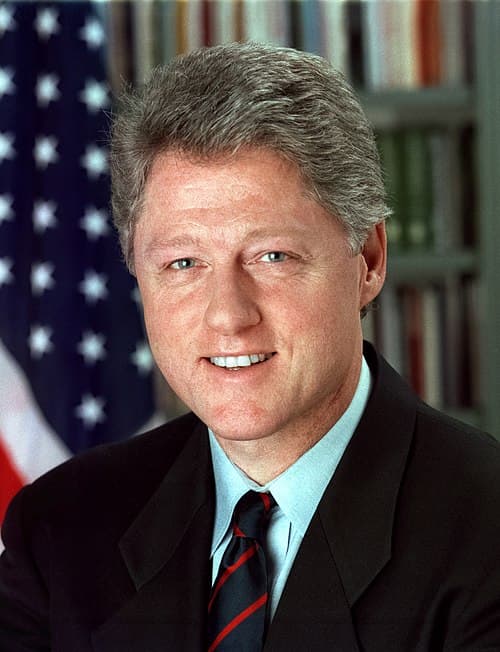



11
Shared Docs
10
Same-Page
11 / 16
Mentions
Document Mentions (11 shared documents)
3 mentions1 same-page
Page ?Same page
riencing jihadist threats in Sinai. The idea of having similar problems in Syria, where the other side of the border is the Galilee rather than the Negev, must make them nervous. But perhaps the most important losers will be Russia and China. Russia, like Iran, has suffered a significant setback in
wn in their lot with the rebellion, and Hamas broke with Assad and left town last year. Even if concerns about chemical weapons or jihadists on the Golan fail to materialize, Israel could find itself living alongside a new, Sunni-led Syrian polity that, if anything, could be even more insistent than
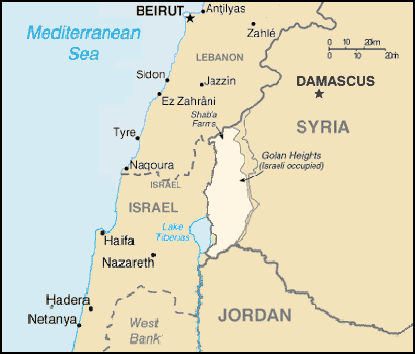
d find itself living alongside a new, Sunni-led Syrian polity that, if anything, could be even more insistent than Assad had been on recovering the Golan, occupied by Israel since the 1967 war — and which Israel has no inclination to give up. When Assad falls, those straight lines on the maps drawn i
3 mentions1 same-page
Page ?Same page
found themselves in a similar situation, mentioned as possible chiefs of staff but never chosen: Arik and Ezer Weizman. I saw Arik on his farm in the Negev. He was obviously enjoying his extraordinary political rehabilitation since the Lebanon war. His expanding girth was settled into a sofa in the livin
our position was that, assuming all our own negotiating concerns were addressed, we accepted that peace with Syria would include withdrawing from the Golan. The formula was agreed in a meeting in Israel between Rabin and the Clinton Administration’s Middle East negotiator, Dennis Ross. Rabin didn’t tell
or the promise, or maybe only the hope, of peace. It was the same problem Yitzhak had faced over the Americans’ misuse of our “pocket deposit” on the Golan. I realized that, having come this far with Oslo, neither he nor the government was likely to back away from approving the Gaza-Jericho accord. But h
3 mentions1 same-page
Page ?Same page
rrowest of margins, might determine the outcome. After the 1996 election, I’d learned of cases where Peres volunteers outside polling stations in the Negev or the north of the country had left early, in order to make sure they’d be back to Tel Aviv in time for the “moment of victory.” Now, I sent out wor
Bibi what successive Israeli leaders had learned: a deal might be possible, but only if Israel was willing to commit in advance to pulling out of the Golan. Assad told Lauder to come back to him with a detailed map setting out Bibi’s view on delineating the Israeli-Syrian border under a peace agreement.
outbursts, and they won’t do you any good.” He challenged Bibi to just “look me in the eye” and admit what he really thought about the future of the Golan. The media verdict was unanimous. Mordechai had won. Which meant I had won. Though my American and British brains’ trust had little input into our d
Sponsored
3 mentions1 same-page
Page ?Same page
found themselves in a similar situation, mentioned as possible chiefs of staff but never chosen: Arik and Ezer Weizman. I saw Arik on his farm in the Negev. He was obviously enjoying his extraordinary political rehabilitation since the Lebanon war. His expanding girth was settled into a sofa in the livin
our position was that, assuming all our own negotiating concerns were addressed, we accepted that peace with Syria would include withdrawing from the Golan. The formula was agreed in a meeting in Israel between Rabin and the Clinton Administration's Middle East negotiator, Dennis Ross. Rabin didn't tell
or the promise, or maybe only the hope, of peace. It was the same problem Yitzhak had faced over the Americans' misuse of our "pocket deposit" on the Golan. I realized that, having come this far with Oslo, neither he nor the government was likely to back away from approving the Gaza-Jericho accord But he
3 mentions1 same-page
Page ?Same page
rrowest of margins, might determine the outcome. After the 1996 election, I'd learned of cases where Peres volunteers outside polling stations in the Negev or the north of the country had left early, in order to make sure they'd be back to Tel Aviv in time for the "moment of victory." Now, I sent out wor
Bibi what successive Israeli leaders had learned: a deal might be possible, but only if Israel was willing to commit in advance to pulling out of the Golan. Assad told Lauder to come back to him with a detailed map setting out Bibi's view on delineating the Israeli-Syrian border under a peace agreement.
outbursts, and they won't do you any good." He challenged Bibi to just "look me in the eye" and admit what he really thought about the future of the Golan. The media verdict was unanimous. Mordechai had won. Which meant I had won. Though my American and British brains' trust had little input into our da
2 mentions1 same-page
Page ?Same page
listines. It is essential to understand that Israel's size and shape shifted over time. For example, Judah under the Hasmoneans did not include the Negev but did include the Golan. The general locale of Israel is fixed. Its precise borders have never been. Thus, it is perhaps better to begin with wha
ld necessarily be a clean break in those relationships: an end to the Syrian alliance with Hezbollah and Iran. Otherwise Israel would be giving the Golan, in effect, to Iran—a suicidal act. No Israeli government would do it, which suggests that negotiations with Assad would have no purpose. Assad ma
Sponsored
2 mentions1 same-page
Page ?Same page
iving a tractor. I woke up early and accompanied him into the fields of wheat, barley or rye. We also made a series of trips 130 miles south into the Negev to a moshav called Patish. It had been set up by newly arrived Moroccan Jews. Since they didn’t have the equipment or know-how to cultivate all their
Syria. The special technology unit attached to military intelligence had developed a bugging device designed to be placed on a telephone pole on the Golan. The task of installing it was given to the most decorated, and respected, commando unit in the army: Company A in Sharon’s paratroop battalion, led
2 mentions1 same-page
Page ?Same page
cross the Jordan River, in a town called Karameh. From early 1968, they had been launching hit- and-run raids, not just on the West Bank but into the Negev. Eshkol’s cabinet was initially divided on whether to attack his base in Jordan, in both an act of retaliation and a signal to King Hussein that if h
the 1967 war, before going off to university. He’d taken a bullet in the elbow while helping to rescue one of his soldiers behind Syrian lines on the Golan. “He wants to return to the army, and he’s exactly the kind of officer you want,” Bibi said. I brought Yoni in for a chat. Over the next several yea
2 mentions1 same-page
Page ?Same page
iving a tractor. I woke up early and accompanied him into the fields of wheat, barley or rye. We also made a series of trips 130 miles south into the Negev to a moshav called Patish. It had been set up by newly arrived Moroccan Jews. Since they didn’t have the equipment or know-how to cultivate all their
Syria. The special technology unit attached to military intelligence had developed a bugging device designed to be placed on a telephone pole on the Golan. The task of installing it was given to the most decorated, and respected, commando unit in the army: Company A in Sharon’s paratroop battalion, led
Sponsored
2 mentions1 same-page
Page ?Same page
cross the Jordan River, in a town called Karameh. From early 1968, they had been launching hit- and-run raids, not just on the West Bank but into the Negev. Eshkol's cabinet was initially divided on whether to attack his base in Jordan, in both an act of retaliation and a signal to King Hussein that if h
the 1967 war, before going off to university. He'd taken a bullet in the elbow while helping to rescue one of his soldiers behind Syrian lines on the Golan. "He wants to return to the army, and he's exactly the kind of officer you want," Bibi said. I brought Yoni in for a chat. Over the next several year
Sponsored
Mutual Connections (1,034)
Entities connected to both Negev and Golan
Bill Clinton
PERSON14 w/ Negev·31 w/ Golan
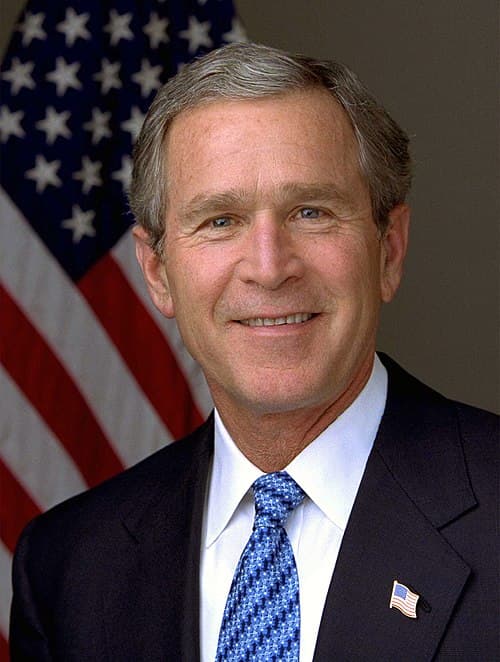
George W. Bush
PERSON17 w/ Negev·22 w/ Golan
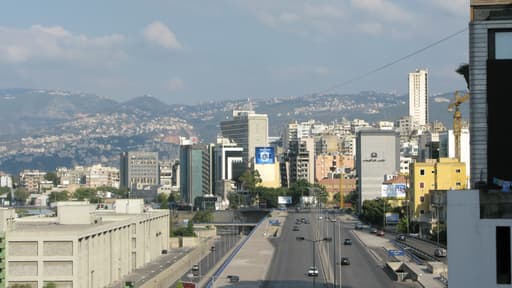
Lebanon
LOCATION16 w/ Negev·19 w/ Golan
Jeffrey Epstein
PERSON10 w/ Negev·22 w/ Golan
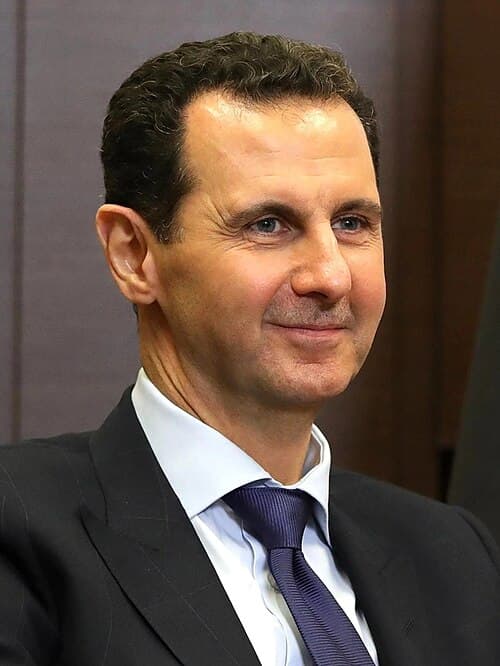
Bashar al-Assad
PERSON12 w/ Negev·18 w/ Golan
Benjamin Netanyahu
PERSON15 w/ Negev·15 w/ Golan
Jerusalem
LOCATION16 w/ Negev·14 w/ Golan
Barack Obama
PERSON14 w/ Negev·15 w/ Golan
the Golan Heights
LOCATION12 w/ Negev·16 w/ Golan
Damascus
LOCATION13 w/ Negev·15 w/ Golan
Fatah
ORGANIZATION14 w/ Negev·12 w/ Golan
United States
LOCATION12 w/ Negev·14 w/ Golan
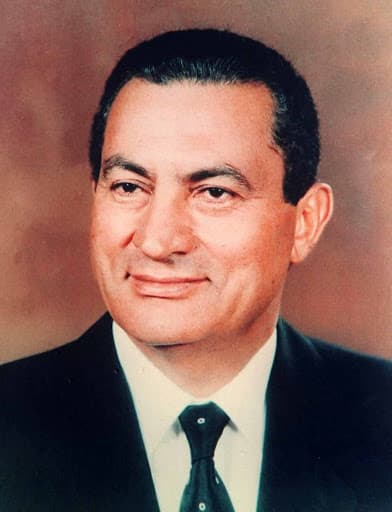
Hosni Mubarak
PERSON13 w/ Negev·12 w/ Golan
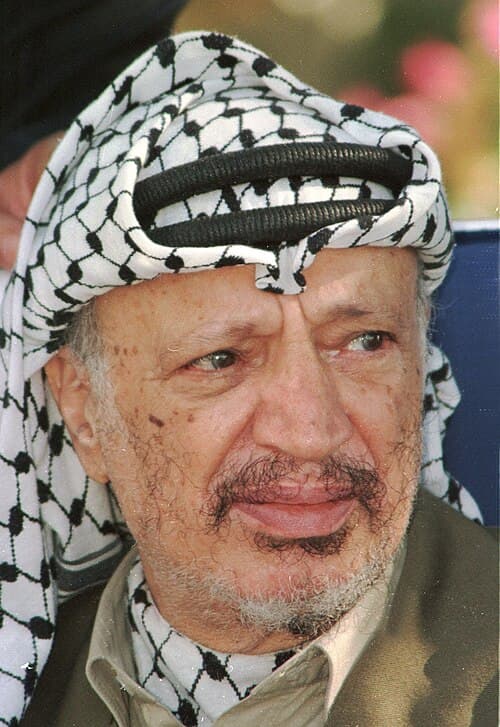
Yasser Arafat
PERSON13 w/ Negev·12 w/ Golan
Sinai
LOCATION12 w/ Negev·13 w/ Golan
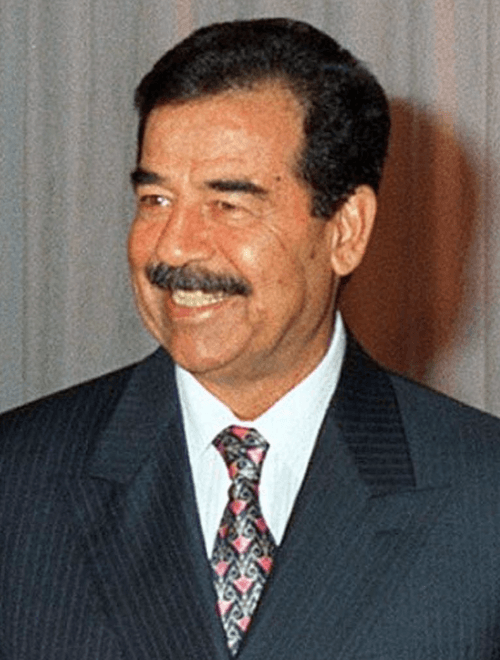
Saddam Hussein
PERSON11 w/ Negev·12 w/ Golan
Prince Andrew
PERSON2 w/ Negev·21 w/ Golan
Michael Cohen
PERSON10 w/ Negev·13 w/ Golan
Ehud Barak
PERSON11 w/ Negev·12 w/ Golan
Mediterranean
LOCATION11 w/ Negev·12 w/ Golan