Back to Network



5
Shared Docs
4
Same-Page
5 / 9
Mentions
Document Mentions (5 shared documents)
3 mentions1 same-page
Page ?Same page
ant to risk having it overshadowed by an election defeat. The wedding took place in a beautiful area of lawns and gardens called Ronit Farm, north of Herzliya. It was how weddings are meant to be, full of smiles, good food and dancing. Near the end, Shimon showed up. As he walked over to greet us, one guest
be at stake for Damascus, I certainly couldn’t see the Phalangists being able to drive them out by force. The more immediate, open question involved Arafat and the Palestinians. Our other two invasion forces had driven almost all the PLO fighters out of south Lebanon, though not without costs and casualt
s, and at the dinner held at one of King Juan Carlos’s palatial estates, and, for me, a first opportunity to meet not only Arab foreign ministers but Yasir Arafat. My first, brief encounter with Arafat began a bit embarrassingly. I’d arrived a few minutes early for the conference dinner and was led into an imp
3 mentions1 same-page
Page ?Same page
ound him, Mishmar Hasharon didn’t yet exist. Its founding core — a dozen Russian Jewish pioneers — was still working on argicultural settlements near Herzliya, north of Tel Aviv, until they found a place to start their kibbutz. But they had been joined by several young men and women who, though a year or tw
or did I doubt that President Clinton, whom I had come to view not just as a diplomatic partner but a friend, would rise to the occasion. But as for Arafat? There was simply no way of knowing. That was why I had pressed President Clinton so hard to convene the summit. That was why, despite the misgiving
deeply, and was more determined to help us end it, than any other president before him. It was a moment of truth for the leader of the Palestinians, Yasir Arafat. The Oslo Accords of 1993, groundbreaking though they were, had created a peace process, not peace. Over the past few years, that process had been l
3 mentions1 same-page
Page ?Same page
ound him, Mishmar Hasharon didn’t yet exist. Its founding core — a dozen Russian Jewish pioneers — was still working on argicultural settlements near Herzliya, north of Tel Aviv, until they found a place to start their kibbutz. But they had been joined by several young men and women who, though a year or tw
or did I doubt that President Clinton, whom I had come to view not just as a diplomatic partner but a friend, would rise to the occasion. But as for Arafat? There was simply no way of knowing. That was why I had pressed President Clinton so hard to convene the summit. That was why, despite the misgiving
deeply, and was more determined to help us end it, than any other president before him. It was a moment of truth for the leader of the Palestinians, Yasir Arafat. The Oslo Accords of 1993, groundbreaking though they were, had created a peace process, not peace. Over the past few years, that process had been l
Sponsored
3 mentions1 same-page
Page ?Same page
ant to risk having it overshadowed by an election defeat. The wedding took place in a beautiful area of lawns and gardens called Ronit Farm, north of Herzliya. It was how weddings are meant to be, full of smiles, good food and dancing. Near the end, Shimon showed up. As he walked over to greet us, one guest
be at stake for Damascus, I certainly couldn't see the Phalangists being able to drive them out by force. The more immediate, open question involved Arafat and the Palestinians. Our other two invasion forces had driven almost all the PLO fighters out of south Lebanon, though not without costs and casualt
s, and at the dinner held at one of King Juan Carlos's palatial estates, and, for me, a first opportunity to meet not only Arab foreign ministers but Yasir Arafat. My first, brief encounter with Arafat began a bit embarrassingly. I'd arrived a few minutes early for the conference dinner and was led into an impr
Page HOUSE_OVERSIGHT_023139
ement) (28 September 1995) 145 Temporary International Presence in Hebron (TIPH Agreement) (9 May 1996) 324 Declaration by PM Netanyahu and Chairman Arafat following their first meeting (4 September 1996) 327 Hebron Protocol (17 January 1997) 329 Note for the Record (17 January 1997) 336 HOUSE_OVERSIGH
Page: HOUSE_OVERSIGHT_023139 →Page HOUSE_OVERSIGHT_023167
ing was launched: multilateral unilateralism. The concept was launched at a Quartet Envoys’ working dinner at the Norwegian Ambassador’s residence in Herzliya (a suburb of Tel Aviv) by US officials William Burns and David Satterfield. The idea was for the Quartet members to collectively produce an operation
Page: HOUSE_OVERSIGHT_023167 →Sponsored
Mutual Connections (662)
Entities connected to both Herzliya and Yasser Arafat
Jerusalem
LOCATION8 w/ Herzliya·49 w/ Yasser
George W. Bush
PERSON5 w/ Herzliya·47 w/ Yasser
Fatah
ORGANIZATION5 w/ Herzliya·43 w/ Yasser
Benjamin Netanyahu
PERSON7 w/ Herzliya·39 w/ Yasser
Bill Clinton
PERSON9 w/ Herzliya·37 w/ Yasser
Barack Obama
PERSON5 w/ Herzliya·41 w/ Yasser
Lebanon
LOCATION5 w/ Herzliya·39 w/ Yasser
Mahmoud Abbas
PERSON5 w/ Herzliya·38 w/ Yasser
West Bank
LOCATION7 w/ Herzliya·35 w/ Yasser
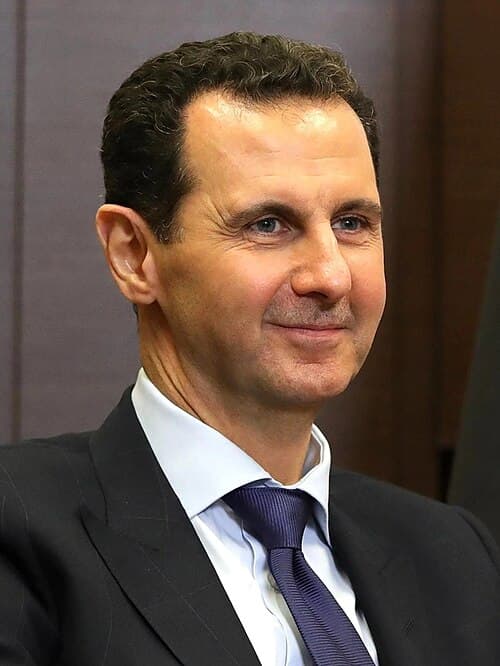
Bashar al-Assad
PERSON7 w/ Herzliya·35 w/ Yasser
United States
LOCATION4 w/ Herzliya·34 w/ Yasser
Jeffrey Epstein
PERSON5 w/ Herzliya·32 w/ Yasser
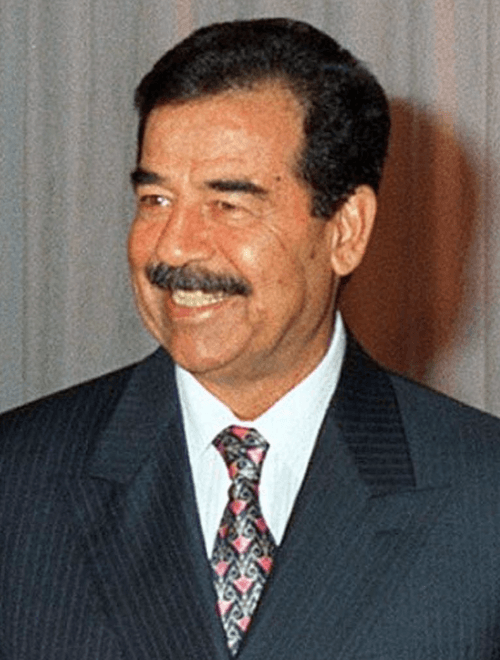
Saddam Hussein
PERSON7 w/ Herzliya·29 w/ Yasser
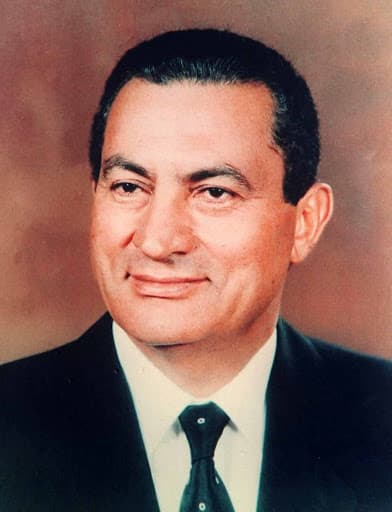
Hosni Mubarak
PERSON5 w/ Herzliya·30 w/ Yasser
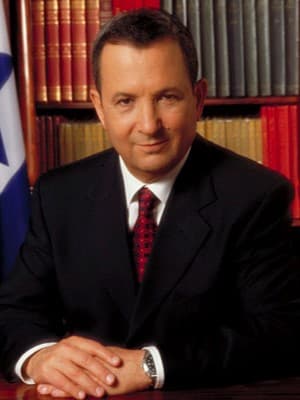
Ehud Barak
PERSON6 w/ Herzliya·28 w/ Yasser
Damascus
LOCATION5 w/ Herzliya·29 w/ Yasser
Marc Rich
PERSON4 w/ Herzliya·29 w/ Yasser
Ramallah
LOCATION3 w/ Herzliya·28 w/ Yasser
the Gaza Strip
LOCATION5 w/ Herzliya·24 w/ Yasser
Cairo
LOCATION3 w/ Herzliya·26 w/ Yasser