Back to Network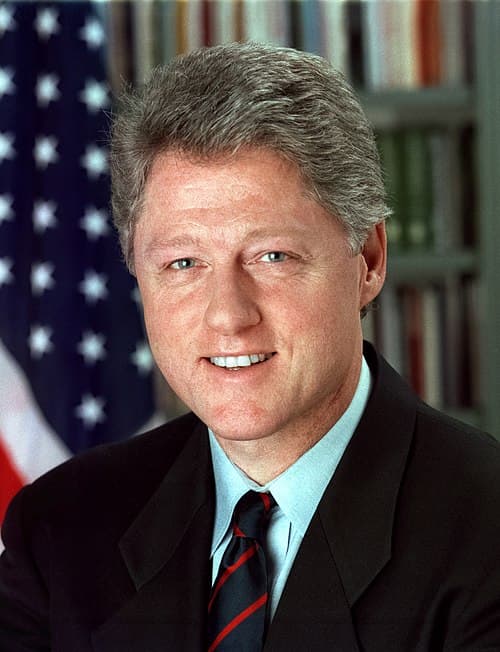



8
Shared Docs
8
Same-Page
16 / 12
Mentions
Document Mentions (8 shared documents)
5 mentions1 same-page
Page ?Same page
Amir Drori, the head of the northern command. They had set up a rooftop observation post just a few hundred yards in from where I had landed with my Sayeret Matkal team a decade earlier for the Rue Verdun operation. It overlooked a pair of Palestinian refugee camps: Sabra and, a couple of hundred yards closer to
tment to the values of an open, tolerant democracy. But in at least one important way, I approached my new role as if it was one of our operations in Sayeret Matkal, or the need to reshape our armed forces when I was chief-of-staff. My first priority was to put in place the practical foundations for a successful
ion about our enemies, and make sure it got to the commanders and field units that needed it. And while the details of many operations I approved for Sayeret Matkal and other units remain classified, we did succeed in doing that — to take just one example, by finding an entirely new way to get intelligence from i
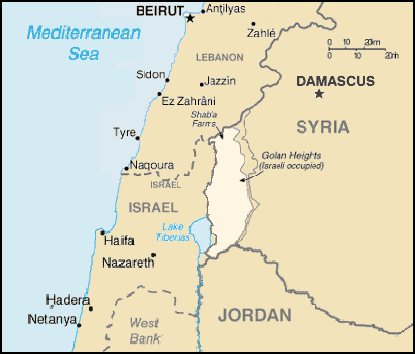
our position was that, assuming all our own negotiating concerns were addressed, we accepted that peace with Syria would include withdrawing from the Golan. The formula was agreed in a meeting in Israel between Rabin and the Clinton Administration’s Middle East negotiator, Dennis Ross. Rabin didn’t tell
or the promise, or maybe only the hope, of peace. It was the same problem Yitzhak had faced over the Americans’ misuse of our “pocket deposit” on the Golan. I realized that, having come this far with Oslo, neither he nor the government was likely to back away from approving the Gaza-Jericho accord. But h
5 mentions1 same-page
Page ?Same page
Amir Drori, the head of the northern command. They had set up a rooftop observation post just a few hundred yards in from where I had landed with my Sayeret Matkal team a decade earlier for the Rue Verdun operation. It overlooked a pair of Palestinian refugee camps: Sabra and, a couple of hundred yards closer to
tment to the values of an open, tolerant democracy. But in at least one important way, I approached my new role as if it was one of our operations in Sayeret Matkal, or the need to reshape our armed forces when I was chief-of-staff. My first priority was to put in place the practical foundations for a successful
ion about our enemies, and make sure it got to the commanders and field units that needed it. And while the details of many operations I approved for Sayeret Matkal and other units remain classified, we did succeed in doing that - to take just one example, by finding an entirely new way to get intelligence from i
our position was that, assuming all our own negotiating concerns were addressed, we accepted that peace with Syria would include withdrawing from the Golan. The formula was agreed in a meeting in Israel between Rabin and the Clinton Administration's Middle East negotiator, Dennis Ross. Rabin didn't tell
or the promise, or maybe only the hope, of peace. It was the same problem Yitzhak had faced over the Americans' misuse of our "pocket deposit" on the Golan. I realized that, having come this far with Oslo, neither he nor the government was likely to back away from approving the Gaza-Jericho accord But he
4 mentions1 same-page
Page ?Same page
he summit’s collapse. My main concern was the possibility of violence. Even before returning home, I’d phoned Shaul Mofaz and Avi Dichter, the former Sayeret Matkal officer who was now head of the Shin Bet. “Let’s hope the violence doesn’t come,” I told them. “But if it does, make sure we are ready.” Though there
eer by training, he was a reserve army general who, when I was chief of staff, had been in charge of the logistics branch of the military. I gave him Sayeret Matkal backup as well, in the person of Danny Yatom, my longtime friend and former sayeret deputy. But all that was process. Winning or losing would come d
Bibi what successive Israeli leaders had learned: a deal might be possible, but only if Israel was willing to commit in advance to pulling out of the Golan. Assad told Lauder to come back to him with a detailed map setting out Bibi’s view on delineating the Israeli-Syrian border under a peace agreement.
outbursts, and they won’t do you any good.” He challenged Bibi to just “look me in the eye” and admit what he really thought about the future of the Golan. The media verdict was unanimous. Mordechai had won. Which meant I had won. Though my American and British brains’ trust had little input into our d
Sponsored
4 mentions1 same-page
Page ?Same page
he summit's collapse. My main concern was the possibility of violence. Even before returning home, I'd phoned Shaul Mofaz and Avi Dichter, the former Sayeret Matkal officer who was now head of the Shin Bet. "Let's hope the violence doesn't come," I told them. "But if it does, make sure we are ready." Though there
eer by training, he was a reserve army general who, when I was chief of staff, had been in charge of the logistics branch of the military. I gave him Sayeret Matkal backup as well, in the person of Danny Yatom, my longtime friend and former sayeret deputy. *** But all that was process. Winning or losing would com
Bibi what successive Israeli leaders had learned: a deal might be possible, but only if Israel was willing to commit in advance to pulling out of the Golan. Assad told Lauder to come back to him with a detailed map setting out Bibi's view on delineating the Israeli-Syrian border under a peace agreement.
outbursts, and they won't do you any good." He challenged Bibi to just "look me in the eye" and admit what he really thought about the future of the Golan. The media verdict was unanimous. Mordechai had won. Which meant I had won. Though my American and British brains' trust had little input into our da
3 mentions1 same-page
Page ?Same page
advancement in Jerusalem. Though he would eventually return to Israel, he was teaching at Cornell when his sons became officers under my command in Sayeret Matkal. So there was a physical distance between father and sons. But what struck me was how large the father loomed in both of their lives. There was an al
ons within the PLO were ready to step into the breach if Arafat faltered. Israel needed to find an answer for all these threats. Uzi Yairi’s term as Sayeret Matkal commander had by now ended, but his successor was someone I knew well. Menachem Digli was the officer on whom I’d bestowed my stolen Syrian Mercedes
the 1967 war, before going off to university. He’d taken a bullet in the elbow while helping to rescue one of his soldiers behind Syrian lines on the Golan. “He wants to return to the army, and he’s exactly the kind of officer you want,” Bibi said. I brought Yoni in for a chat. Over the next several yea
3 mentions1 same-page
Page ?Same page
c advancement in Jerusalem. Though he would eventually return to Israel, he was teaching at Cornell when his sons became officers under my command in Sayeret Matkal. So there was a physical distance between father and sons. But what struck me was how large the father loomed in both of their lives. There was an al
ions within the PLO were ready to step into the breach if Arafat faltered. Israel needed to find an answer for all these threats. Uzi Yairi's term as Sayeret Matkal commander had by now ended, but his successor was someone I knew well. Menachem Digli was the officer on whom I'd bestowed my stolen Syrian Mercedes
the 1967 war, before going off to university. He'd taken a bullet in the elbow while helping to rescue one of his soldiers behind Syrian lines on the Golan. "He wants to return to the army, and he's exactly the kind of officer you want," Bibi said. I brought Yoni in for a chat. Over the next several year
Sponsored
2 mentions1 same-page
Page ?Same page
awn in Private Benjamin. The main misunderstanding, however, went deeper. The assumption appeared to be that my military achievements, especially in Sayeret Matkal, were down to a mix of brute force and raw courage. Courage, of course, was a requirement: the willingness to take risks, if the rewards for success,
Syria. The special technology unit attached to military intelligence had developed a bugging device designed to be placed on a telephone pole on the Golan. The task of installing it was given to the most decorated, and respected, commando unit in the army: Company A in Sharon’s paratroop battalion, led
2 mentions1 same-page
Page ?Same page
awn in Private Benjamin. The main misunderstanding, however, went deeper. The assumption appeared to be that my military achievements, especially in Sayeret Matkal, were down to a mix of brute force and raw courage. Courage, of course, was a requirement: the willingness to take risks, if the rewards for success,
Syria. The special technology unit attached to military intelligence had developed a bugging device designed to be placed on a telephone pole on the Golan. The task of installing it was given to the most decorated, and respected, commando unit in the army: Company A in Sharon’s paratroop battalion, led
Sponsored
Mutual Connections (937)
Entities connected to both Sayeret Matkal and Golan
Bill Clinton
PERSON9 w/ Sayeret·31 w/ Golan
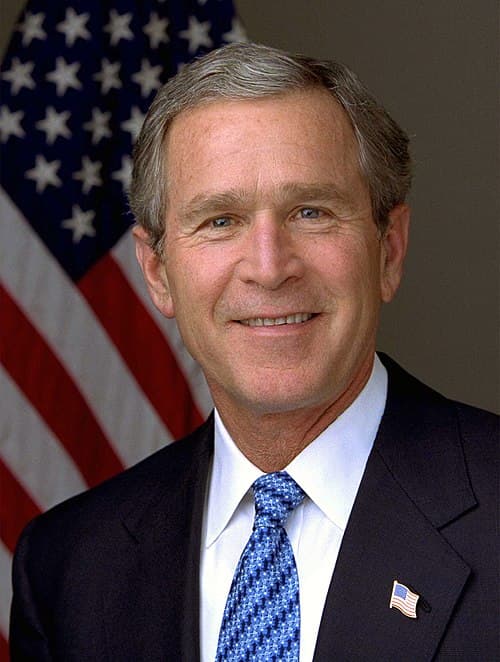
George W. Bush
PERSON9 w/ Sayeret·22 w/ Golan
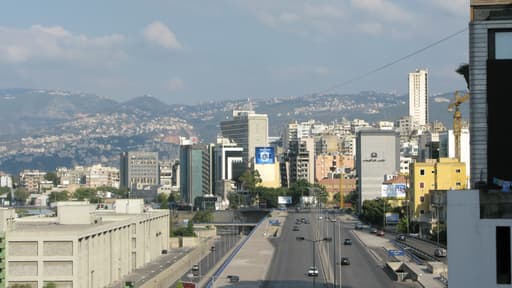
Lebanon
LOCATION11 w/ Sayeret·19 w/ Golan
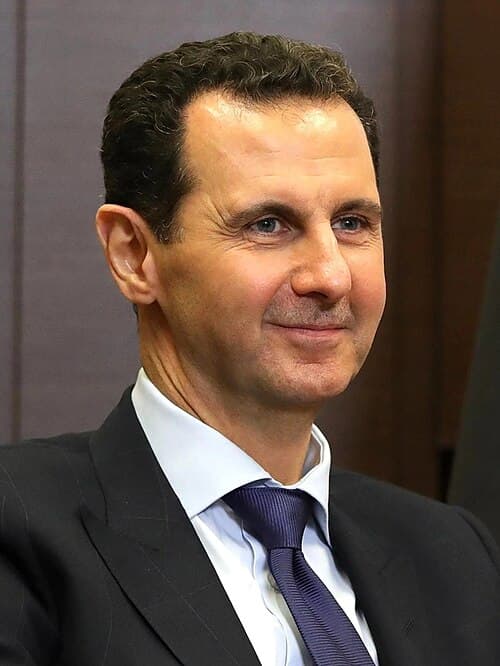
Bashar al-Assad
PERSON9 w/ Sayeret·18 w/ Golan
Benjamin Netanyahu
PERSON11 w/ Sayeret·15 w/ Golan
Jerusalem
LOCATION11 w/ Sayeret·14 w/ Golan
Damascus
LOCATION10 w/ Sayeret·15 w/ Golan
the Golan Heights
LOCATION8 w/ Sayeret·16 w/ Golan
Ehud Barak
PERSON11 w/ Sayeret·12 w/ Golan
Sinai
LOCATION10 w/ Sayeret·13 w/ Golan
Yasser Arafat
PERSON11 w/ Sayeret·12 w/ Golan
Barack Obama
PERSON7 w/ Sayeret·15 w/ Golan
Fatah
ORGANIZATION10 w/ Sayeret·12 w/ Golan
Michael Cohen
PERSON8 w/ Sayeret·13 w/ Golan
Haifa
LOCATION10 w/ Sayeret·11 w/ Golan
Likud
ORGANIZATION11 w/ Sayeret·9 w/ Golan
Knesset
ORGANIZATION11 w/ Sayeret·9 w/ Golan
United States
LOCATION6 w/ Sayeret·14 w/ Golan
Saddam Hussein
PERSON8 w/ Sayeret·12 w/ Golan
Shimon Peres
PERSON11 w/ Sayeret·8 w/ Golan