Back to Network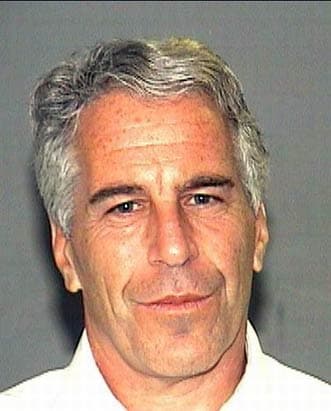


5
Shared Docs
5
Same-Page
5 / 5
Mentions
Document Mentions (5 shared documents)
2 mentions1 same-page
Page HOUSE_OVERSIGHT_012146Same page
There is no support for CEOS’s view that the courts or a jury should ultimately decide whether a “novel” construction of the law is correct. Instead, the Executive Branch itself has a non-delegable obligation not to exceed its authority; the power of other branches to check or remedy such usurpation does not legitimize
Page: HOUSE_OVERSIGHT_012146 →such usurpation does not legitimize executive action that exceeds its bounds. See Tab 12, November 2, 1994 Memorandum from Assistant Attorney General Walter Dellinger to the Hon. Abner J. Mikva, Counsel To The President, on Presidential Authority To Decline To Execute Unconstitutional Statutes, available at http://
Page: HOUSE_OVERSIGHT_012146 →2 mentions1 same-page
Page EFTA00013815Same page
here is no support for CEOS's view that the courts or a jury should ultimately decide whether a "novel" construction of the law is correct. Instead, the Executive Branch itself has a non-delegable obligation not to exceed its authority; the power of other branches to check or remedy such usurpation does not legitimi
Page: EFTA00013815 →uch usurpation does not legitimize executive action that exceeds its bounds. See Tab 12, November 2, 1994 Memorandum from Assistant Attorney General Walter Dellinger to the Hon. Abner J. Mikva, Counsel To The President, on Presidential Authority To Decline To Execute Unconstitutional Statutes, available at http:
Page: EFTA00013815 →2 mentions1 same-page
Page ?Same page
here is no support for CEOS's view that the courts or a jury should ultimately decide whether a "novel" construction of the law is correct. Instead, the Executive Branch itself has a non-delegable obligation not to exceed its authority; the power of other branches to check or remedy such usurpation does not legitimi
uch usurpation does not legitimize executive action that exceeds its bounds. See Tab 12, November 2, 1994 Memorandum from Assistant Attorney General Walter Dellinger to the Hon. Abner J. Mikva, Counsel To The President, on Presidential Authority To Decline To Execute Unconstitutional Statutes, available at http:
Sponsored
2 mentions1 same-page
Page ?Same page
here is no support for CEOS's view that the courts or a jury should ultimately decide whether a "novel" construction of the law is correct. Instead, the Executive Branch itself has a non-delegable obligation not to exceed its authority; the power of other branches to check or remedy such usurpation does not legitimi
uch usurpation does not legitimize executive action that exceeds its bounds. See Tab 12, November 2, 1994 Memorandum from Assistant Attorney General Walter Dellinger to the Hon. Abner J. Mikva, Counsel To The President, on Presidential Authority To Decline To Execute Unconstitutional Statutes, available at http:
2 mentions1 same-page
Page ?Same page
regard this provision as legally binding would impair the Executive's constitutional role and would constitute an abdication of the responsibility of the Executive Branch." Id. at 734. It should be noted that the legislation in question was pending in Congress, and the possibility that President Carter would sign the l
ch a provision, can be a valid and reasonable exercise of Presidential authority." Memorandum for Bernard N. Nussbaum, Counsel to the President, from Walter Dellinger, Assistant Attorney General, Office of Legal Counsel at 4 (Nov. 3, 1993). (Of course, the President is not obligated to announce his reservations in
Sponsored
Mutual Connections (84)
Entities connected to both the Executive Branch and Walter Dellinger
Jeffrey Epstein
PERSON32 w/ the·5 w/ Walter
United States
LOCATION26 w/ the·4 w/ Walter
LB
Leon Black
PERSON14 w/ the·2 w/ Walter
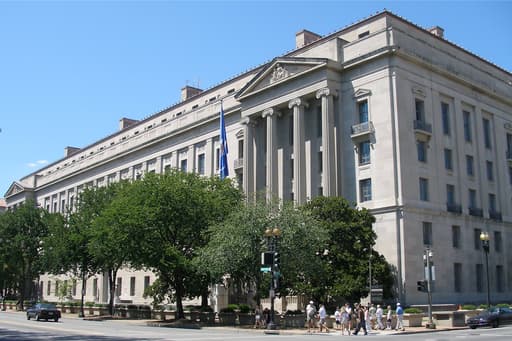
Department of Justice
ORGANIZATION13 w/ the·3 w/ Walter
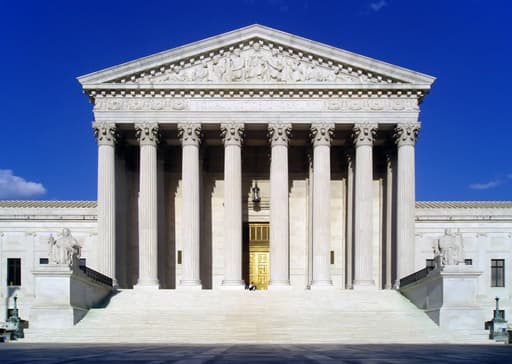
Supreme Court
ORGANIZATION11 w/ the·4 w/ Walter
BA
Batchelder
PERSON10 w/ the·4 w/ Walter
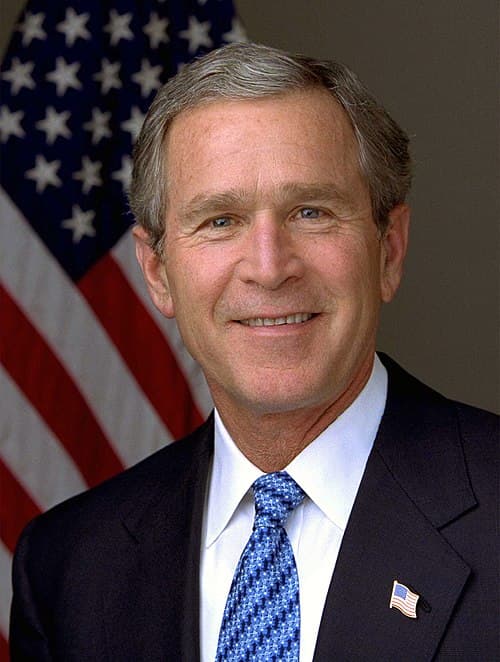
George W. Bush
PERSON11 w/ the·3 w/ Walter
Brady
PERSON12 w/ the·2 w/ Walter
the Eleventh Circuit
ORGANIZATION9 w/ the·4 w/ Walter
Julie K. Brown
PERSON9 w/ the·3 w/ Walter
A. Marie Villafana
PERSON10 w/ the·2 w/ Walter
Alexander Acosta
PERSON9 w/ the·2 w/ Walter
JD
Jane Doe
PERSON8 w/ the·2 w/ Walter
Santos
PERSON6 w/ the·4 w/ Walter
Cuellar
PERSON6 w/ the·4 w/ Walter
Kutun
PERSON5 w/ the·4 w/ Walter
MU
Murrell
PERSON5 w/ the·4 w/ Walter
Departmental
ORGANIZATION5 w/ the·4 w/ Walter
Marc Rich
PERSON7 w/ the·2 w/ Walter
Bill Clinton
PERSON7 w/ the·2 w/ Walter