Back to Network







4
Shared Docs
2
Same-Page
7 / 4
Mentions
Document Mentions (4 shared documents)
2 mentions1 same-page
Page EFTA00023905Same page
nt need do little more than to track the language of the statute charged and state the time and place (in approximate terms) of the alleged crime." United States. v. Tranzunti, 513 F.2d 1087, 1113 (2d Cir. 1975). "Rule 7(f) of the Federal Rules of Criminal Procedure permits a defendant to seek a bill of parti
Page: EFTA00023905 →pare for trial, to prevent surprise, and to interpose a plea of double jeopardy should he be prosecuted a second time for the same offense." United States v. Bortnovsky, 820 F.2d 572, 574 (2d Cir. 1987). "The purpose of a bill of particulars is to supplement the allegations in the indictment when necessar
Page: EFTA00023905 →2 mentions1 same-page
Page EFTA00029558Same page
nt need do little more than to track the language of the statute charged and state the time and place (in approximate terms) of the alleged crime." United States. v. Tramunti, 513 F.2d 1087, 1113 (2d Cir. 1975). In addition to dismissal, "Rule 7(f) of the Federal Rules of Criminal Procedure permits a defendan
Page: EFTA00029558 →ugh to inform the defendant of the charges and allow the defendant to plead double jeopardy in a later prosecution based on the same events. United States v. Stavrouiakis, 952 F.2d 686, 693 (2d Cir. 1992). "Under this test, an indictment need do little more than to track the language of the statute charge
Page: EFTA00029558 →5 mentions
Page HOUSE_OVERSIGHT_017837
fficient con- tacts with the United States as a whole but is not subject to jurisdiction in any particu- lar state, requires contacts with the United States as a whole. U.S.C.A. Const.Amend. 5; Fed.Rules Civ.Proc.Rule 4(k)(2), 28 U.S.C.A. 50. Constitutional Law ¢=305(5) The due process minimum contacts
Page: HOUSE_OVERSIGHT_017837 →has sufficient con- tacts with the United States as a whole but is not subject to jurisdiction in any particu- lar state, requires contacts with the United States as a whole. U.S.C.A. Const.Amend. 5; Fed.Rules Civ.Proc.Rule 4(k)(2), 28 U.S.C.A. 50. Constitutional Law ¢=305(5) The due process minimum co
Page: HOUSE_OVERSIGHT_017837 →Page HOUSE_OVERSIGHT_017858
t, but in the manner of a private player within it, the foreign sover- eign’s actions are ‘commercial’ within the meaning of the FSIA.” Weltover, 504 U.S. at 614, 112 S.Ct. 2160. Courts must in- quire whether the foreign state’s actions “are the type of actions by which a private party engages in trade a
Page: HOUSE_OVERSIGHT_017858 →Page HOUSE_OVERSIGHT_017859
economic, and political policy”” Marchisella v. Gov't of Japan, No. 02 Civ. 100238(DC), 2004 WL 307248, at *2 (S.D.N.Y. Feb. 17, 2004) (citing United States v. S.A. Empresa de Viacao Aerea Rio Grandense (Varig Airlines), 467 U.S. 797, 814, 104 S.Ct. 2755, 81 L.Ed.2d 660 (1984) (interpreting FTCA)). Generally
Page: HOUSE_OVERSIGHT_017859 →Sponsored
2 mentions
Page EFTA00027128
ew "This court reviews the application of the sentencing guidelines de novo and reviews the district court's findings of fact for clear error." See United States v. Garcia-Guerrero, 313 F.3d 892, 895 (5th Cir. 2002) (citation omitted). "A factual finding is not clearly erroneous as long as it is plausible in
Page: EFTA00027128 →Page EFTA00027129
does not have to subjectively know that his conduct created the risk."). These circuits consistently reject the Eight Circuit's holding in United States v. McCord, Inc., which adopts the Guideline's involuntary manslaughter definition of "reckless" as "a situation in which the defendant was aware of the
Page: EFTA00027129 →Sponsored
Mutual Connections (27)
Entities connected to both United States and States v.
Jeffrey Epstein
PERSON4,786 w/ United·5 w/ States
Ghislaine Maxwell
PERSON1,187 w/ United·3 w/ States
Bill Clinton
PERSON528 w/ United·2 w/ States
Julie K. Brown
PERSON494 w/ United·2 w/ States
George Mitchell
PERSON338 w/ United·2 w/ States
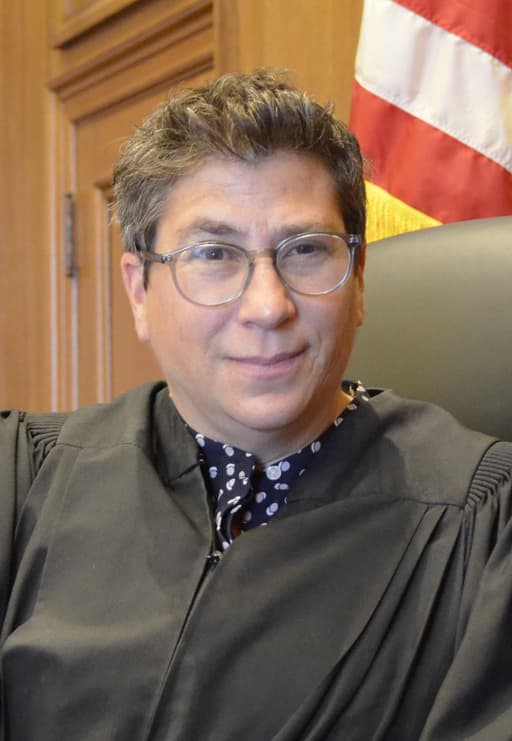
Supreme Court
ORGANIZATION304 w/ United·2 w/ States
Second Circuit
ORGANIZATION159 w/ United·4 w/ States
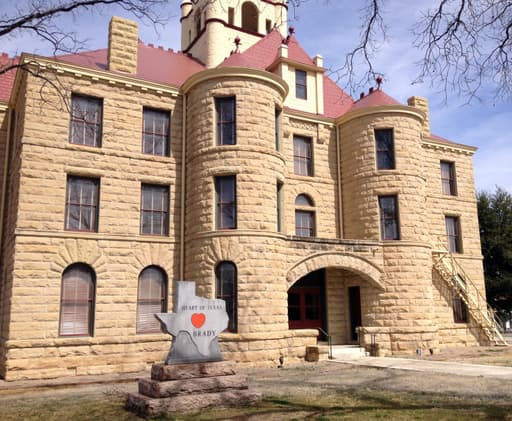
Brady
PERSON113 w/ United·3 w/ States
Hernandez
PERSON58 w/ United·2 w/ States
District Court for the Southern District of New York
ORGANIZATION56 w/ United·3 w/ States
AN
Annabi
PERSON55 w/ United·2 w/ States
SA
Salameh
PERSON50 w/ United·2 w/ States
U.S. Attorney's Office
ORGANIZATION46 w/ United·2 w/ States
Alison J. Nathan
PERSON38 w/ United·2 w/ States
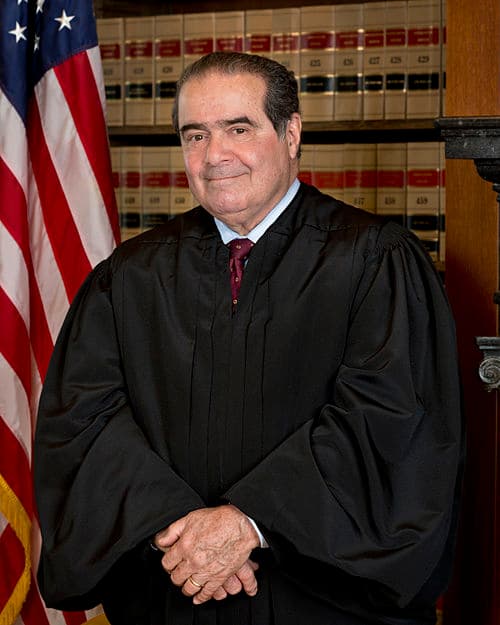
Antonin Scalia
PERSON35 w/ United·2 w/ States
Southern District of Florida
LOCATION34 w/ United·3 w/ States
Napolitano
PERSON34 w/ United·2 w/ States
Dixon
PERSON29 w/ United·2 w/ States
LA
Landgraf
PERSON29 w/ United·2 w/ States
BO
Bortnovsky
PERSON29 w/ United·2 w/ States