Back to Network












9
Shared Docs
9
Same-Page
11 / 13
Mentions
Document Mentions (9 shared documents)
4 mentions1 same-page
Page ?Same page
ecution is to the facts in this case. Importantly, we note that the CEOS review was conducted prior to the Supreme Court's very recent decisions in Santos and Cuellar, which we believe—illuminating as they do the Court's interpretive methodology when it comes to federal criminal law—powerfully demonst
AO to do so, it is not in accord with the principles of justice. Indeed, as noted, just a few weeks ago, the Supreme Court underscored this point in Santos and Cuellar. The Court made clear that prosecutorial discretion does not provide the USAO cart blanche to expand criminal statutes as they seek to
it is not in accord with the principles of justice. Indeed, as noted, just a few weeks ago, the Supreme Court underscored this point in Santos and Cuellar. The Court made clear that prosecutorial discretion does not provide the USAO cart blanche to expand criminal statutes as they seek to do here with
upreme Court decisions addressing that element. See Hansen v. Huff, 291 U.S. 559 (1934); Mortensen v. United States, 322 U.S. 369 (1944). Santos and Cuellar speak loudly and clearly against prosecutors seeing such elasticity in federal criminal statutes, including those enacted to protect important fede
3 mentions1 same-page
Page EFTA00013788Same page
criminal statute could support both a narrow or broad application of the federal criminal law, "the tie must go to the defendant." United States v. Santos, 553 U.S. and Cuellar v. United States, 553 U.S (June 2, 2008), Slip Op. at 6. 2 February 25, 2003 Trafficking in Persons National Security Presi
Page: EFTA00013788 →support both a narrow or broad application of the federal criminal law, "the tie must go to the defendant." United States v. Santos, 553 U.S. and Cuellar v. United States, 553 U.S (June 2, 2008), Slip Op. at 6. 2 February 25, 2003 Trafficking in Persons National Security Presidential Directive. EFTA
Page: EFTA00013788 →Page EFTA00013797
previously set forth herein, and as more fully explained in other submissions related to this case, the recent Supreme Court decisions in Santo and Cuellar make this attempted stretch of the law improper. EFTA00013796 --- PAGE BREAK --- ALLEN GUTHRIE MCHUGH & THOMAS, PLLC Mr. John Roth June 19, 200
Page: EFTA00013797 →3 mentions1 same-page
Page ?Same page
ecution is to the facts in this case. Importantly, we note that the CEOS review was conducted prior to the Supreme Court's very recent decisions in Santos and Cuellar, which we believe—illuminating as they do the Court's interpretive methodology when it comes to federal criminal law—powerfully demonst
A00209852 KIRKLAND & ELLIS LLP Congress to speak more clearly and keeps courts from making criminal law in Congress's stead." Slip op. at 6.I In Cuellar, the Court examined the link between the money-laundering statute's mens rea requirement and the underlying elements of the offense. After a careful
o Suprems Court decisions addressing that element. See Hansen'. Huff, 291 U.S. 559 (1934); Mortensen. United States, 322 U.S. 369 (1944). Santos and Cuellar speak loudly and clearly against prosecutors seeing such elasticity in federal criminal statutes, including those enacted to protect important fede
Sponsored
3 mentions1 same-page
Page ?Same page
criminal statute could support both a narrow or broad application of the federal criminal law, "the tie must go to the defendant." United States v. Santos, 553 U.S. and Cuellar v. United States, 553 U.S (June 2, 2008), Slip Op. at 6. 2 February 25, 2003 Trafficking in Persons National Security Presi
AO to do so, it is not in accord with the principles of justice. Indeed, as noted, just a few weeks ago, the Supreme Court underscored this point in Santos and Cuellar. The Court made clear that prosecutorial discretion does not provide the USAO cart blanche to expand criminal statutes as they seek to
it is not in accord with the principles of justice. Indeed, as noted, just a few weeks ago, the Supreme Court underscored this point in Santos and Cuellar. The Court made clear that prosecutorial discretion does not provide the USAO cart blanche to expand criminal statutes as they seek to do here with
3 mentions1 same-page
Page ?Same page
t cannot be shown that Mr. Epstein violated any of the three federal statutes identified by prosecutors. As the Supreme Court's recent decisions in Santos and Cuellar make clear, federal law may not be stretched in that manner, and the current federal investigation relies, as its foundation, on imperm
sufficient—cannot survive either a "plain language" test or the rule of lenity as they have been authoritatively construed in the recent Santos and Cuellar cases. The statute cannot be read otherwise. As the Cuellar decision makes clear, a proper interpretation of a federal criminal statute is guided "
upreme Court decisions addressing that element. See Hansen v. Huff, 291 U.S. 559 (1934); Mortensen v. United States, 322 U.S. 369 (1944). Santos and Cuellar speak loudly and clearly against prosecutors seeing such elasticity in federal criminal statutes, including those enacted to protect important fede
2 mentions1 same-page
Page HOUSE_OVERSIGHT_012131Same page
secution is to the facts in this case. Importantly, we note that the CEOS review was conducted prior to the Supreme Court’s very recent decisions in Santos and Cuellar, which we believe—illuminating as they do the Court’s interpretive methodology when it comes to federal criminal law—powerfully demonstra
Page: HOUSE_OVERSIGHT_012131 →to the facts in this case. Importantly, we note that the CEOS review was conducted prior to the Supreme Court’s very recent decisions in Santos and Cuellar, which we believe—illuminating as they do the Court’s interpretive methodology when it comes to federal criminal law—powerfully demonstrate the subst
Page: HOUSE_OVERSIGHT_012131 →Sponsored
2 mentions1 same-page
Page HOUSE_OVERSIGHT_012137Same page
secution is to the facts in this case. Importantly, we note that the CEOS review was conducted prior to the Supreme Court’s very recent decisions in Santos and Cuellar, which we believe—illuminating as they do the Court’s interpretive methodology when it comes to federal criminal law—powerfully demonstra
Page: HOUSE_OVERSIGHT_012137 →to the facts in this case. Importantly, we note that the CEOS review was conducted prior to the Supreme Court’s very recent decisions in Santos and Cuellar, which we believe—illuminating as they do the Court’s interpretive methodology when it comes to federal criminal law—powerfully demonstrate the subst
Page: HOUSE_OVERSIGHT_012137 →2 mentions1 same-page
Page EFTA00013812Same page
t cannot be shown that Mr. Epstein violated any of the three federal statutes identified by prosecutors. As the Supreme Court's recent decisions in Santos and Cuellar make clear, federal law may not be stretched in that manner, and the current federal investigation relies, as its foundation, on imperm
Page: EFTA00013812 →e shown that Mr. Epstein violated any of the three federal statutes identified by prosecutors. As the Supreme Court's recent decisions in Santos and Cuellar make clear, federal law may not be stretched in that manner, and the current federal investigation relies, as its foundation, on impermissibly elas
Page: EFTA00013812 →2 mentions1 same-page
Page EFTA00013990Same page
ecution is to the facts in this case. Importantly, we note that the CEOS review was conducted prior to the Supreme Court's very recent decisions in Santos and Cuellar, which we believe—illuminating as they do the Court's interpretive methodology when it comes to federal criminal law—powerfully demonst
Page: EFTA00013990 →to the facts in this case. Importantly, we note that the CEOS review was conducted prior to the Supreme Court's very recent decisions in Santos and Cuellar, which we believe—illuminating as they do the Court's interpretive methodology when it comes to federal criminal law—powerfully demonstrate the sub
Page: EFTA00013990 →Sponsored
Mutual Connections (149)
Entities connected to both Santos and Cuellar
Jeffrey Epstein
PERSON87 w/ Santos·10 w/ Cuellar
United States
LOCATION32 w/ Santos·5 w/ Cuellar
George W. Bush
PERSON31 w/ Santos·5 w/ Cuellar
Julie K. Brown
PERSON20 w/ Santos·4 w/ Cuellar
Marc Rich
PERSON20 w/ Santos·3 w/ Cuellar
Lesley Groff
PERSON19 w/ Santos·4 w/ Cuellar
Department of Justice
ORGANIZATION16 w/ Santos·6 w/ Cuellar
Virginia Giuffre
PERSON16 w/ Santos·5 w/ Cuellar
Bill Clinton
PERSON15 w/ Santos·5 w/ Cuellar
LB
Leon Black
PERSON16 w/ Santos·3 w/ Cuellar
JD
Jane Doe
PERSON14 w/ Santos·5 w/ Cuellar
Supreme Court
ORGANIZATION13 w/ Santos·5 w/ Cuellar
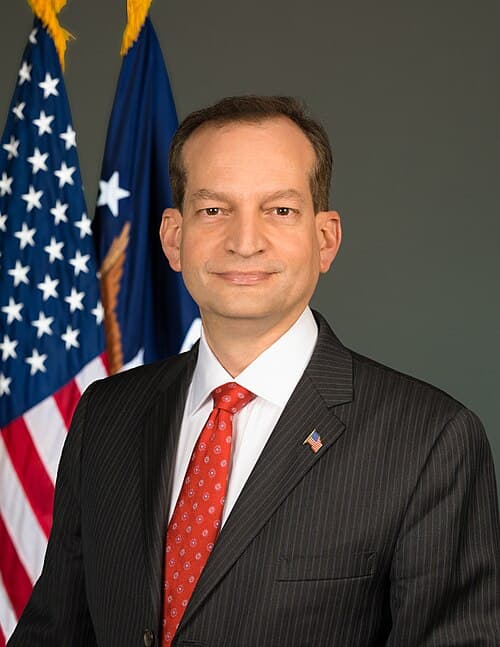
Alexander Acosta
PERSON11 w/ Santos·5 w/ Cuellar
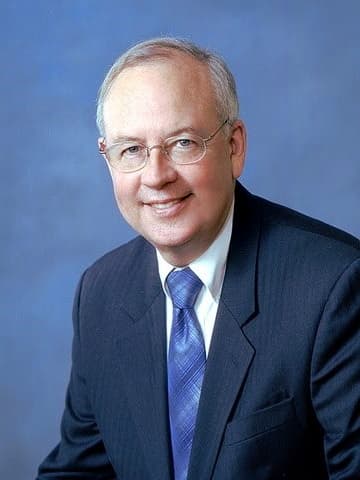
Ken Starr
PERSON12 w/ Santos·4 w/ Cuellar
the United States Supreme Court
ORGANIZATION12 w/ Santos·4 w/ Cuellar
Bailey
PERSON7 w/ Santos·8 w/ Cuellar
MC
McBoyle
PERSON11 w/ Santos·4 w/ Cuellar
the Eleventh Circuit
ORGANIZATION10 w/ Santos·5 w/ Cuellar
MU
Murrell
PERSON7 w/ Santos·7 w/ Cuellar
SA
Sanchez
PERSON10 w/ Santos·4 w/ Cuellar