Back to People & Entities


MC
McBoyle
Person
15
Total Mentions
15
Documents
231
Connected Entities
Surname reference in documents
Document Mentions (15)
HOUSE_OVERSIGHT_012135 - HOUSE_OVERSIGHT_012196
1 mentionSource: House Oversight Committee
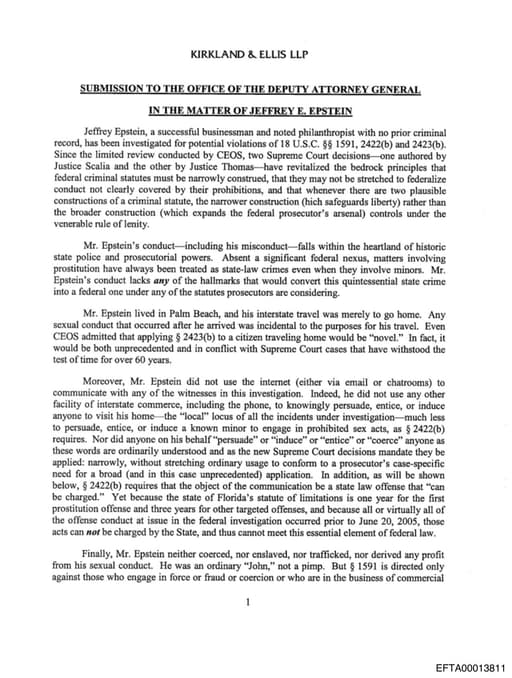
will understand, of what the law intends to do if a certain line is passed.”” Arthur Andersen LLP v. United States, 544 U.S. 696, 703 (2005) (quoting McBoyle v. United States, 283 USS. 25, 27 (1931)) (citation omitted), Two recent Supreme Court decisions dramatically underscore these principles and help t
Page: HOUSE_OVERSIGHT_012145 →1 mention
, 117 S.Ct. 1219, 137 L.Ed.2d 432 (1997) (quoting McBoyle v. United States. 283 U.S. 25, 27, 51 S.Ct. 340,
1 mention
o be interpreted in favor of the defendants subjected to them. See United States v. Gradwell, 243 U.S. 476, 485, 37 S.Ct. 407, 61 L.Ed. 857 (1917); McBoyle v. United States, 283 U.S. 25, 27, 51 S.Ct. 340, 75 L.Ed. 816 (1931); United States v. Bass, 404 U.S. 336, 347-349, 92 S.Ct. 515, 30 L.Ed.2d 488 (1
Sponsored
1 mention
will understand, of what the law intends to do if a certain line is passed!" Arthur Andersen LLP v. United States, 544 U.S. 696, 703 (2005) (quoting McBoyle v. United States, 283 U.S. 25, 27 (1931)) (citation omitted). Two recent Supreme Court decisions dramatically underscore these principles and help
Page: EFTA00013814 →EFTA00157655.pdf
1 mentionEFTA00157655
ill understand, of what the law intends to do if a certain line is passed.'" Arthur Andersen LLP v. United States, 544 U.S. 696, 703 (2005) (quoting McBoyle v. United States, 283 U.S. 25, 27 (1931)) (citation omitted). Two recent Supreme Court decisions dramatically underscore these principles and help
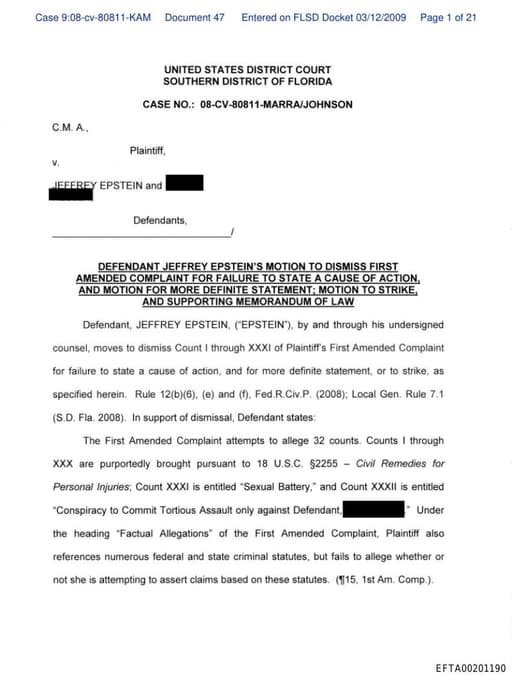
EFTA00201190.pdf
1 mentionEFTA00201190
o be interpreted in favor of the defendants subjected to them. See United States v. Gradwell, 243 U.S. 476, 485, 37 S.Ct. 407, 61 L.Ed. 857 (1917); McBoyle v. United States, 283 U.S. 25, 27, 51 S.Ct. 340, 75 L.Ed. 816 (1931); United States v. Bass, 404 U.S. 336, 347-349, 92 S.Ct. 515, 30 L.Ed.2d 488 (1
Sponsored
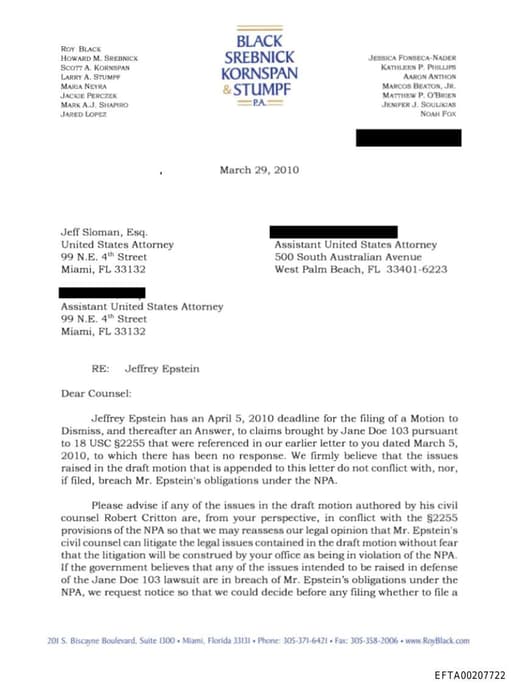
EFTA00207722.pdf
1 mentionEFTA00207722
o be interpreted in favor of the defendants subjected to them. See United States v. Gradwell, 243 U.S. 476, 485, 37 S.Ct. 4O7, 61 L.Ed. 857 (1917); McBoyle v. United States, 283 U.S. 25, 27, 51 S.Ct. 340, 75 L.Ed. 816 (1931); United States v. Bass, 404 U.S. 336, 347-349, 92 S.Ct. 515, 30 L.Ed.2d 488 (1
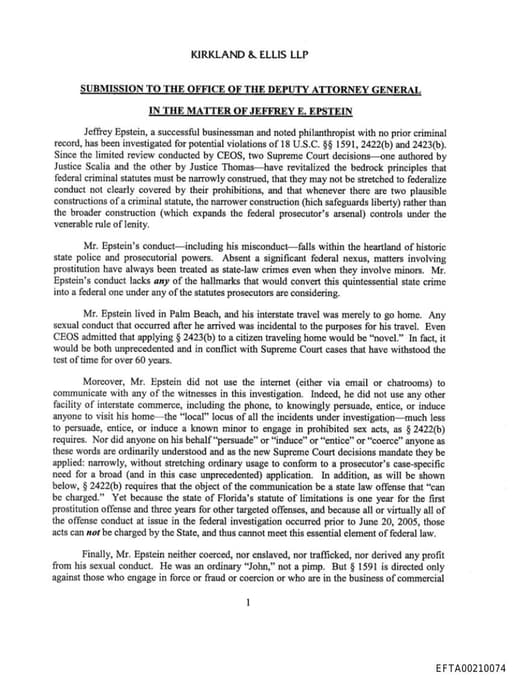
EFTA00210074.pdf
1 mentionEFTA00210074
will understand, of what the law intends to do if a certain line is passed!" Arthur Andersen LLP v. United States, 544 U.S. 696, 703 (2005) (quoting McBoyle v. United States, 283 U.S. 25, 27 (1931)) (citation omitted). Two recent Supreme Court decisions dramatically underscore these principles and help
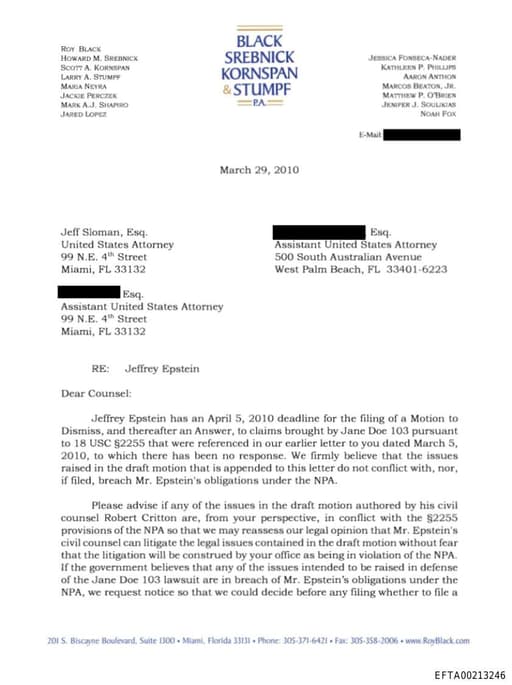
EFTA00213246.pdf
1 mentionEFTA00213246
o be interpreted in favor of the defendants subjected to them. See United States v. Gradwell, 243 U.S. 476, 485, 37 S.Ct. 4O7, 61 L.Ed. 857 (1917); McBoyle v. United States, 283 U.S. 25, 27, 51 S.Ct. 340, 75 L.Ed. 816 (1931); United States v. Bass, 404 U.S. 336, 347-349, 92 S.Ct. 515, 30 L.Ed.2d 488 (1
Sponsored
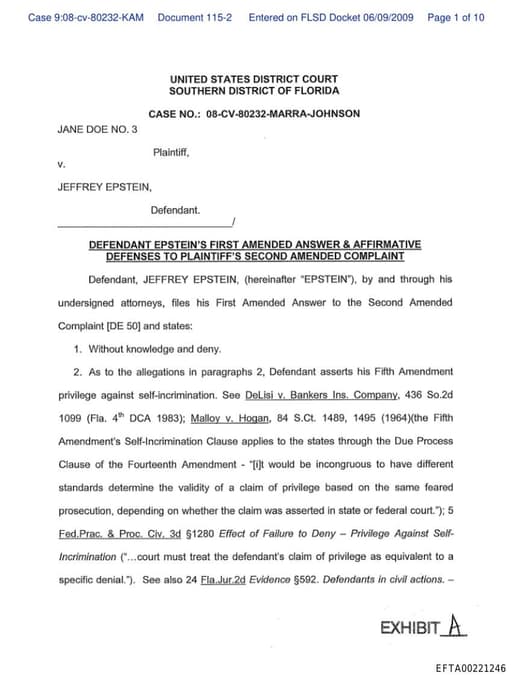
EFTA00221246.pdf
1 mentionEFTA00221246
ng fair, so far as possible the line should be clear.' " United States v. Lanier, 520 U.S. 259, 265, 117 S.Ct. 1219, 137 L.Ed.2d 432 (1997) (quoting McBoyle v. United States, 283 U.S. 25, 27, 51 S.Ct. 340, 75 L.Ed. 816 (1931)) (omission in original). The "three related manifestations of the fair warning
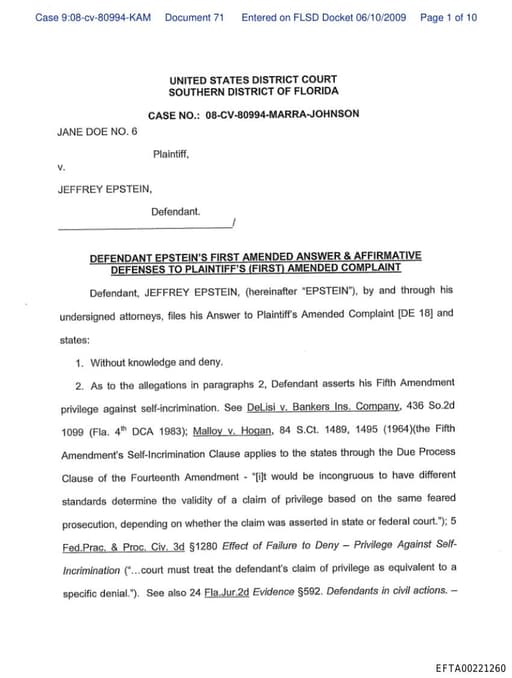
EFTA00221260.pdf
1 mentionEFTA00221260
ng fair, so far as possible the line should be clear.' " United States v. Lanier, 520 U.S. 259, 265, 117 S.Ct. 1219, 137 L.Ed.2d 432 (1997) (quoting McBoyle v. United States, 283 U.S. 25, 27, 51 S.Ct. 340, 75 L.Ed. 816 (1931)) (omission in original). The "three related manifestations of the fair warning
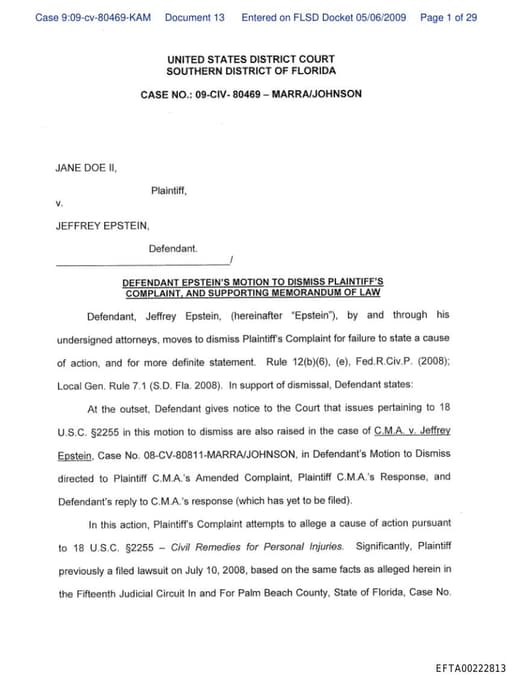
EFTA00222813.pdf
1 mentionEFTA00222813
o be interpreted in favor of the defendants subjected to them. See United States v. Gradwell, 243 U.S. 476, 485, 37 S.Ct. 407, 61 L.Ed. 857 (1917); McBoyle v. United States, 283 U.S. 25, 27, 51 S.Ct. 340, 75 L.Ed. 816 (1931); United States v. Bass, 404 U.S. 336, 347-349, 92 S.Ct. 515, 30 L.Ed.2d 488 (1
Sponsored
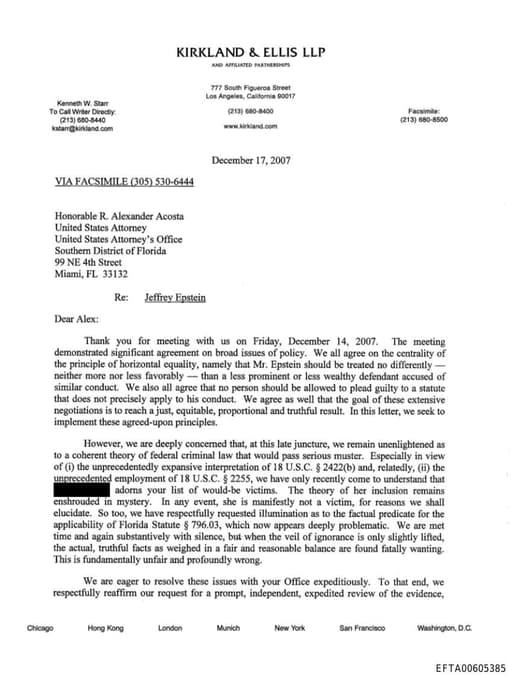
EFTA00605385.pdf
1 mentionEFTA00605385
hat a similar policy applies, or upon the speculation that, if the legislature had thought of it, very likely broader words would have been used... McBoyle v. U.S., 283 U.S. 25, 27 (1931) (Justice Holmes). There could be no federal common law crimes because criminal law has traditionally been the provin
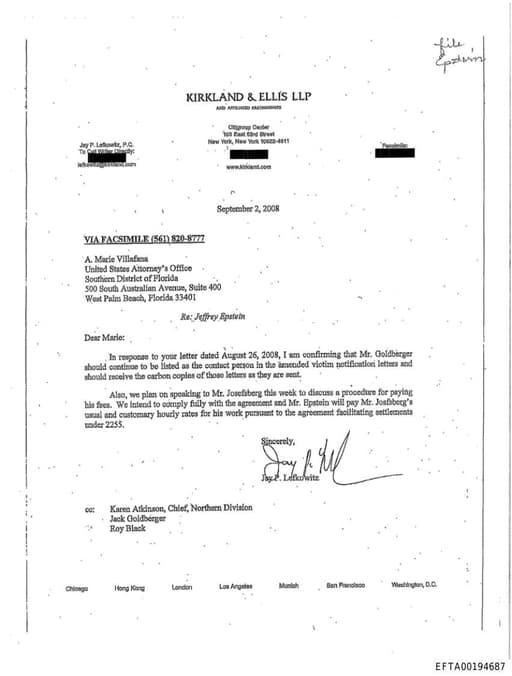
EFTA00194687.pdf (email 7: Yesterday's Letter)
1 mentionEFTA00194687_email_007
o be interpreted in favor of the defendants subjected to them. See United States I . Gradwell, 243 U.S. 476, 485, 37 5.O. 407, 61 L.Ed. 857 (1917); McBoyle . United States, 283 U.S. 25, 27, 51 S.Ct. 340, 75 L.Ed. 816 (1931); United States'. Bass, 404 U.S. 336, 347-349, 92 S.Ct. 515, 30 L.Ed.2d 488 (197
EFTA00233329.pdf
1 mentionEFTA00233329_sub_002 - EFTA00233329_200
o be interpreted in I favor of the defendants subjected to them. See United States Gradwell, 243 U.S. 476, 485, 37 S.Ct. 407, 61 L.Ed. 857 (1917); McBoyle . United States, 283 U.S. 25, 27, 51 S.Ct. 340, 75 L.Ed. 816 (1931); United States'. Bass, 404 U.S. 336, 347-349, 92 S.Ct. 515, 30 L.Ed.2d 488 (197
Sponsored
Connected Entities(20 of 231)
Jeffrey Epstein
PersonAmerican sex offender and financier (1953–2019)
15 docs15 co-mentions
United States
LocationCountry located primarily in North America
13 docs13 co-mentions
JD
Jane Doe
PersonPseudonym for anonymous victims/witnesses in Epstein legal proceedings
11 docs11 co-mentions
Santos
PersonAmbiguous surname - refers to multiple people in Epstein documents
11 docs11 co-mentions
JG
Jack Goldberger
PersonAmerican criminal defense attorney who represented Jeffrey Epstein, partner at Goldberger Weiss P.A. in West Palm Beach, Florida
10 docs10 co-mentions
Alan Dershowitz
PersonAmerican lawyer, author, and art collector (born 1938)
9 docs9 co-mentions
MP
Michael J. Pike
PersonPerson referenced in Epstein-related documents
9 docs9 co-mentions
Atterbury Goldberger & Weiss
OrganizationLaw firm based in Florida
8 docs8 co-mentions
Julie K. Brown
PersonAmerican journalist
8 docs8 co-mentions
George W. Bush
PersonPresident of the United States from 2001 to 2009
7 docs7 co-mentions
the Eleventh Circuit
OrganizationU.S. Court of Appeals for the Eleventh Circuit
7 docs7 co-mentions
Merritt
PersonSurname reference in Epstein-related documents
7 docs7 co-mentions
RC
Robert D. Critton
PersonIndividual referenced in Epstein legal documents
7 docs7 co-mentions
GR
Gradwell
PersonSurname reference in documents
7 docs7 co-mentions
HA
Harriss
PersonSurname reference in documents
7 docs7 co-mentions
CA
Castroneves
PersonBrazilian racecar driver
6 docs6 co-mentions
M.D. Pa. 2007
OrganizationOrganization referenced in documents
6 docs6 co-mentions
Virginia Giuffre
PersonAdvocate for sex trafficking victims (1983–2025)
6 docs6 co-mentions
CO
Connally
PersonSurname reference in documents
6 docs6 co-mentions
Supreme Court
OrganizationHighest court of jurisdiction in the US
6 docs6 co-mentions