DOJ-COURT-150
Document DOJ-COURT-150 is Jeffrey Epstein's First Amended Answer and Affirmative Defenses to Plaintiff's Second Amended Complaint in the case of Jane Doe No. 2 v. Jeffrey Epstein.
This legal document, filed in the Southern District of Florida on June 10, 2009, contains Jeffrey Epstein's response to a lawsuit brought against him by Jane Doe No. 2. Epstein, through his attorneys, denies some allegations and invokes his Fifth Amendment privilege against self-incrimination in response to others. The document outlines Epstein's defenses against the claims made in the Second Amended Complaint.
Key Highlights
- •Jeffrey Epstein files his First Amended Answer to Plaintiff's Second Amended Complaint.
- •The case is filed in the UNITED STATES DISTRICT COURT Southern District of Florida.
- •Epstein asserts his Fifth Amendment privilege against self-incrimination.
Frequently Asked Questions
Books for Further Reading
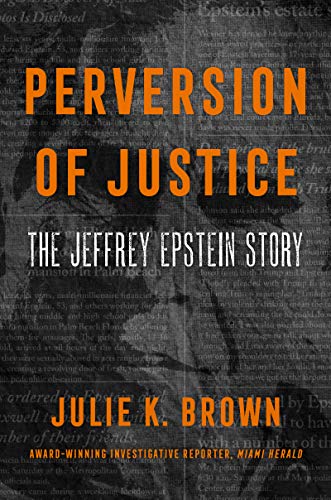
Perversion of Justice
Julie K. Brown
Investigative journalism that broke the case open

Filthy Rich
James Patterson
Bestselling account of Epstein's crimes
Glenn M. Anderson, Lyle Cook, Jack Goldberger, et al., Appellants, v. Frank M. Jordan, as Secretary of State of the State of California. U.S. Supreme ... of Record with Supporting Pleadings
Document Information
Bates Range
DOJ-COURT-150
Pages
10
Source
DOJ First Production
Original Filename
150.pdf
Document Content
Page 1 - DOJ-COURT-150_p1
Case 9:08-cv-80119-KAM Document 150 Entered on FLSD Docket 06/10/2009
Page 2 - DOJ-COURT-150_p2
Page 1 of 10 UNITED STATES DISTRICT COURT SOUTHERN DISTRICT OF FLORIDA CASE NO.: 08-CV-80119-MARRA-JOHNSON JANE DOE NO. 2 Plaintiff, V. JEFFREY EPSTEIN, Defendant. I DEFENDANT EPSTEIN'S FIRST AMENDED ANSWER & AFFIRMATIVE DEFENSES TO PLAINTIFF'S SECOND AMENDED COMPLAINT Defendant, JEFFREY EPSTEIN, (hereinafter "EPSTEIN"), by and through his undersigned attorneys, files his First Amended Answer to Plaintiff's Second Amended Complaint [DE 56) and states: 1. Without knowledge and deny. 2. As to the allegations in paragraphs 2, Defendant asserts his Fifth Amendment privilege against self-incrimination. See Delisi v. Bankers Ins. Company. 436 So.2d 1099 (Fla. 4th DCA 1983); Malloy v. Hogan, 84 S.Ct. 1489, 1495 (1964)(the Fifth Amendment's Self-Incrimination Clause applies to the states through the Due Process Clause of the Fourteenth Amendment - "[i]t would be incongruous to have different standards determine the validity of a claim of privilege based on the same feared prosecution, depending on whether the claim was asserted in state or federal court."); 5 Fed.Prac. & Proc. Civ. 3d §1280 Effect of Failure to Deny - Privilege Against Self- Incrimination (" ... court must treat the defendant's claim of privilege as equivalent to a specific denial."). See also 24 Fla.Jur.2d Evidence §592. Defendants in civil actions. - Case 9:08-cv-80119-KAM Document 150 Entered on FLSD Docket 06/10/2009
Page 3 - DOJ-COURT-150_p3
Page 2 of 10 Jane Doe No. 2 v. Epstein Page2 " ... a civil defendant who raises an affirmative defense is not precluded from asserting the privilege [against self-incrimination], because affirmative defenses do not constitute the kind of voluntary application for affirmative relief" which would prevent a plaintiff bringing a claim seeking affirmative relief from asserting the privilege. 3. As to the allegations in paragraph 3, deny. 4. As to the allegations in paragraph 4, deny. 5. As to the allegations in paragraph 5, without knowledge and deny. 6. As to the allegations in paragraphs 6, Defendant asserts his Fifth Amendment privilege against self-incrimination. See Delisi v. Bankers Ins. Company. 436 So.2d 1099 (Fla. 4th DCA 1983); Malloy v. Hogan, 84 S.Ct. 1489, 1495 (1964)(the Fifth Amendment's Self-Incrimination Clause applies to the states through the Due Process Clause of the Fourteenth Amendment - "[i]t would be incongruous to have different standards determine the validity of a claim of privilege based on the same feared prosecution, depending on whether the claim was asserted in state or federal court."); 5 Fed.Prac. & Proc. Civ. 3d §1280 Effect of Failure to Deny - Privilege Against Self- Incrimination (" ... court must treat the defendant's claim of privilege as equivalent to a specific denial."). See also 24 Fla.Jur.2d Evidence §592. Defendants in civil actions. - " ... a civil defendant who raises an affirmative defense is not precluded from asserting the privilege [against self-incrimination], because affirmative defenses do not constitute the kind of voluntary application for affirmative relief" which would prevent a plaintiff bringing a claim seeking affirmative relief from asserting the privilege. Case 9:08-cv-80119-KAM Document 150 Entered on FLSD Docket 06/10/2009
Sponsored
Page 4 - DOJ-COURT-150_p4
Page 3 of 10 Jane Doe No. 2 v. Epstein Page 3 7. As to the allegations in paragraphs 7 through 14 of Plaintiff's Second Amended Complaint, Defendant exercises his Fifth Amendment Privilege against self- incrimination. See Delisi v. Bankers Ins. Company, 436 So.2d 1099 (Fla. 4 th DCA 1983); Malloy v. Hogan, 84 S.Ct. 1489, 1495 (1964)(the Fifth Amendment's Self- Incrimination Clause applies to the states through the Due Process Clause of the Fourteenth Amendment - "[i]t would be incongruous to have different standards determine the validity of a claim of privilege based on the same feared prosecution, depending on whether the claim was asserted in state or federal court."); 5 Fed.Prac. & Proc. Civ. 3d §1280 Effect of Failure to Deny - Privilege Against Self-Incrimination (" ... court must treat the defendant's claim of privilege as equivalent to a specific denial."). See also 24 Fla.Jur.2d Evidence §592. Defendants in civil actions. - " ... a civil defendant who raises an affirmative defense is not precluded from asserting the privilege [against self-incrimination], because affirmative defenses do not constitute the kind of voluntary application for affirmative relief" which would prevent a plaintiff bringing a claim seeking affirmative relief from asserting the privilege. 8. In response to the allegations of paragraph 15, Defendant realleges and adopts his responses to paragraphs 1 through 14 of the Second Amended Complaint set forth in paragraphs 1 through 6 above herein. 9. Defendant asserts the Fifth Amendment Privilege against self-incrimination to the allegations set forth in paragraphs 16 through 21 of the Second Amended Complaint. See Delisi v. Bankers Ins. Company, 436 So.2d 1099 (Fla. 4 th DCA 1983); Malloy v. Hogan, 84 S.Ct. 1489, 1495 (1964)(the Fifth Amendment's Self-Incrimination Case 9:08-cv-80119-KAM Document 150 Entered on FLSD Docket 06/10/2009
Page 5 - DOJ-COURT-150_p5
Page 4 of 10 Jane Doe No. 2 v. Epstein Page 4 Clause applies to the states through the Due Process Clause of the Fourteenth Amendment - "[i]t would be incongruous to have different standards determine the validity of a claim of privilege based on the same feared prosecution, depending on whether the claim was asserted in state or federal court."); 5 Fed.Prac. & Proc. Civ. 3d §1280 Effect of Failure to Deny - Privilege Against Self-Incrimination (" ... court must treat the defendant's claim of privilege as equivalent to a specific denial."). See also 24 Fla.Jur.2d Evidence §592. Defendants in civil actions. - " ... a civil defendant who raises an affirmative defense is not precluded from asserting the privilege [against self- incrimination], because affirmative defenses do not constitute the kind of voluntary application for affirmative relief" which would prevent a plaintiff bringing a claim seeking affirmative relief from asserting the privilege. 10. In response to the allegations of paragraph 22, Defendant realleges and adopts his responses to paragraphs 1 through 14 of the Second Amended Complaint set forth in paragraphs 1 through 6 above herein. 11. Defendant asserts the Fifth Amendment Privilege against self-incrimination to the allegations set forth in paragraphs 23 through 27 of the Second Amended Complaint. See Delisi v. Bankers Ins. Company, 436 So.2d 1099 (Fla. 4th DCA 1983); Malloy v. Hogan, 84 S.Ct. 1489, 1495 (1964)(the Fifth Amendment's Self-Incrimination Clause applies to the states through the Due Process Clause of the Fourteenth Amendment - "[i]t would be incongruous to have different standards determine the validity of a claim of privilege based on the same feared prosecution, depending on whether the claim was asserted in state or federal court."); 5 Fed.Prac. & Proc. Civ. 3d Case 9:08-cv-80119-KAM Document 150 Entered on FLSD Docket 06/10/2009
Page 6 - DOJ-COURT-150_p6
Page 5 of 10 Jane Doe No. 2 v. Epstein Page 5 §1280 Effect of Failure to Deny - Privilege Against Self-Incrimination (" ... court must treat the defendant's claim of privilege as equivalent to a specific denial."). See also 24 Fla.Jur.2d Evidence §592. Defendants in civil actions. - " ... a civil defendant who raises an affirmative defense is not precluded from asserting the privilege [against self- incrimination], because affirmative defenses do not constitute the kind of voluntary application for affirmative relief' which would prevent a plaintiff bringing a claim seeking affirmative relief from asserting the privilege. 12. In response to the allegations of paragraph 28, Defendant realleges and adopts his responses to paragraphs 1 through 14 of the Second Amended Complaint set forth in paragraphs 1 through 6 above herein. 13. Defendant asserts the Fifth Amendment Privilege against self-incrimination to the allegations set forth in paragraphs 29 through 34 of the Second Amended Complaint. See Delisi v. Bankers Ins. Company. 436 So.2d 1099 (Fla. 4th DCA 1983); Malloy v. Hogan, 84 S.Ct. 1489, 1495 (1964)(the Fifth Amendment's Self-Incrimination Clause applies to the states through the Due Process Clause of the Fourteenth Amendment - "[i]t would be incongruous to have different standards determine the validity of a claim of privilege based on the same feared prosecution, depending on whether the claim was asserted in state or federal court."); 5 Fed.Prac. & Proc. Civ. 3d §1280 Effect of Failure to Deny - Privilege Against Self-Incrimination (" ... court must treat the defendant's claim of privilege as equivalent to a specific denial."). See also 24 Fla.Jur.2d Evidence §592. Defendants in civil actions. - " ... a civil defendant who raises an affirmative defense is not precluded from asserting the privilege [against self- Case 9:08-cv-80119-KAM Document 150 Entered on FLSD Docket 06/10/2009
Sponsored
Page 7 - DOJ-COURT-150_p7
Page 6 of 10 Jane Doe No. 2 v. Epstein Page6 incrimination], because affirmative defenses do not constitute the kind of voluntary application for affirmative relief" which would prevent a plaintiff bringing a claim seeking affirmative relief from asserting the privilege. WHEREFORE, Defendant requests that this Court deny the relief sought by Plaintiff. Affirmative Defenses 1. As to all counts, Plaintiff actually consented to and was a willing participant in the acts alleged, and therefore, her claims are barred, or her damages are required to be reduced accordingly. 2. As to all counts alleged, Plaintiff actually consented to and participated in conduct similar and/or identical to the acts alleged with other persons which were the sole or contributing cause of Plaintiff's alleged damages. 3. As to all counts, Plaintiff impliedly consented to the acts alleged by not objecting, and therefore, her claims are barred, or her damages are required to be reduced accordingly. 4. As to all counts, Defendant reasonably believed or was told that the Plaintiff had attained the age of 18 years old at the time of the alleged acts. 5. As to all counts, Plaintiff's claims are barred as she said she was 18 years or older at the time. 6. As to all counts, Plaintiff's alleged damages were caused in whole or part by events and/or circumstances completely unrelated to the incident(s) alleged in the complaint. 7. Plaintiff's claims are barred by the applicable statute of limitations. Case 9:08-cv-80119-KAM Document 150 Entered on FLSD Docket 06/10/2009
Page 8 - DOJ-COURT-150_p8
Page 7 of 10 Jane Doe No. 2 v. Epstein Page 7 8. As to Plaintiff's claims for punitive damages in Count I - "Sexual Assault & Battery," and Count II - "Intentional Infliction of Emotional Distress," such claims are subject to the limitations as set forth in §768.72, et seq., Florida Statutes. 9. As to Plaintiff's claims for punitive damages in Count I - "Sexual Assault & Battery," and Count II - "Intentional Infliction of Emotional Distress," such claims are subject to the constitutional limitations and guideposts as set forth in BMW of North America v. Gore, 116 S.Ct 1589 (1996); Philip Morris USA v. Williams, 127 S.Ct. 1057 (2007); State Farm v. Campbell, 123 S.Ct 1513 (2003); Engle v. Ligget Group. Inc., 945 So.2d 1246 (Fla. 2006). The Due Process Clause of the Fourteenth Amendment of the United States Constitution and Florida's Constitution, Art. I, §§2 and 9, prohibit the imposition of grossly excessive or arbitrary punishments 1 0.As to Plaintiff's claims for punitive damages in Count I - "Sexual Assault & Battery," and Count II - "Intentional Infliction of Emotional Distress," the determination of whether or not Defendant is liable for punitive damages is required to be bifurcated from a determination of the amount to be imposed. 11. Plaintiff has failed to state a cause of action for sexual assault and/or battery under Count I. 12.As to Count 111, Plaintiff has failed to plead a cause of action as she does not and can not show a violation of a predicate act under 18 U.S.C. §2255 (2005). 13.As to Count Ill, the version of 18 U.S.C. §2255 in effect at the time of the alleged conduct applies, and, thus, the presumptive minimum damages amount should Plaintiff prove the elements of such claim is $50,000, and not subject to any multiplier. Case 9:08-cv-80119-KAM Document 150 Entered on FLSD Docket 06/10/2009
Page 9 - DOJ-COURT-150_p9
Page 8 of 10 Jane Doe No. 2 v. Epstein Page 8 14.As to Count Ill, application of the amended version of 18 U.S.C. §2255, effective July 27, 2006, would be in violation of the legal axiom against retroactive application of an amended statute, and also in violation of such constitutional principles, including but not limited to, the "Ex Post Facto" Clause, U.S. Const. Article I, §9, cl. 3, §10, cl. 1, and procedural and substantive due process, U.S. Const. 14 th Amend., 5 th Amend. The statute in effect during the time of the alleged conduct applies. 15.As to Count 111, application of the amended version of 18 U.S.C. §2255, effective July 27, 2006, is prohibited pursuant to the vagueness doctrine and the Rule of Lenity. A criminal statute is required to give " 'fair warning ... in language that the common world will understand, of what the law intends to do if a certain line is passed. To make the warning fair, so far as possible the line should be clear.' " United States v. Lanier, 520 U.S. 259,265, 117 S.Ct. 1219, 137 L.Ed.2d 432 (1997) (quoting McBoyle v. United States. 283 U.S. 25, 27, 51 S.Ct. 340, 75 L.Ed. 816 (1931)) (omission in original). The "three related manifestations of the fair warning requirement" are: (1) the vagueness doctrine bars enforcement of a statute which either forbids or requires the doing of an act in terms so vague that men of common intelligence must necessarily guess at its meaning and differ as to its application; (2) the canon of strict construction of criminal statutes, or rule of lenity, ensures fair warning by so resolving ambiguity in a criminal statute as to apply it only to conduct clearly covered; (3) due process bars courts from applying a novel construction of a criminal statute to conduct that neither the statute nor any prior judicial decision has fairly disclosed to be within its scope. Case 9:08-cv-80119-KAM Document 150 Entered on FLSD Docket 06/10/2009
Sponsored
Page 10 - DOJ-COURT-150_p10
Page 9 of 10 Jane Doe No. 2 v. Epstein Page 9 16. The applicable version of 18 U.S.C. §2255 creates a cause of action on behalf of a "minor." Plaintiff had attained the age of majority at the time of filing this action, and accordingly, her cause of action is barred. 17. Because Plaintiff has no claim under 18 U.S.C. §2255, this Court is without subject matter jurisdiction as to all claims asserted. 18.Application of the 18 U.S.C. §2255, as amended, effective July 27, 2006, is in violation of the constitutional principles of due process, the "Ex Post Facto" clause, and the Rule of Lenity, in that in amending the term "minor" to "person" as to those who may bring a cause of action impermissibly and unconstitutionally broadened the scope of persons able to bring a §2255 claim. 19. 18 U.S.C. §2255 violates the Equal Protection Clause of the 14th Amendment under the U.S. Constitution, and thus Plaintiff's claim thereunder is barred. 20. 18 U.S.C. §2255 violates the constitutional guarantees of procedural and substantive due process. Procedural due process guarantees that a person will not be deprived of life, liberty or property without notice and opportunity to be heard. Substantive due process protects fundamental rights. Accordingly, Plaintiff's cause of action thereunder is barred. WHEREFORE Defendant requests that this Court deny the relief ught by Plaintiff. Robert D. Grit n, Jr. Attorney for efendant Epstein Case 9:08-cv-80119-KAM Document 150 Entered on FLSD Docket 06/10/2009
Entities Mentioned

Adam D. Horowitz
PERSON
American attorney specializing in sexual abuse cases, represented multiple Epstein victims
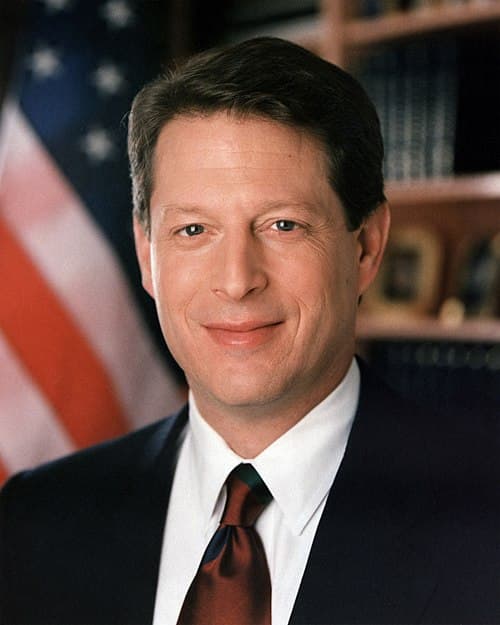
Al Gore
PERSON
Vice President of the United States from 1993 to 2001 (born 1948)

DeLisi
PERSON
Surname reference in documents
Hogan
PERSON
Ambiguous surname appearing in legal citations within Epstein court documents
JG
Jack Goldberger
PERSON • 2 mentions
American criminal defense attorney who represented Jeffrey Epstein, partner at Goldberger Weiss P.A. in West Palm Beach, Florida
JD
Jane Doe
PERSON
Pseudonym for anonymous victims/witnesses in Epstein legal proceedings

Jeffrey Epstein
PERSON • 4 mentions
American sex offender and financier (1953–2019)
JE
Jessica Engle
PERSON
Person referenced in documents
MA
Malloy
PERSON
Surname reference in Epstein-related documents
MC
McBoyle
PERSON
Surname reference in documents
MP
Michael J. Pike
PERSON
Person referenced in Epstein-related documents

Naomi Campbell
PERSON
English supermodel
RC
Robert D. Critton
PERSON
Individual referenced in Epstein legal documents
RJ
Robert D. Grit n, Jr.
PERSON
Name reference in documents
SM
Stuart S. Mermelstein
PERSON
Attorney involved in Jeffrey Epstein legal matters.
Atterbury Goldberger & Weiss
ORGANIZATION
Law firm based in Florida
Bankers Ins.
ORGANIZATION
Organization referenced in documents
BMW of North
ORGANIZATION
Organization referenced in documents
Burman Critton Luttier & Coleman LLP
ORGANIZATION
Law firm
Ligget Group.
ORGANIZATION
Organization referenced in documents
Mermelstein & Horowitz
ORGANIZATION
Law firm (Mermelstein & Horowitz)
Philip Morris USA
ORGANIZATION
Organization referenced in documents
State Farm
ORGANIZATION
Organization referenced in documents
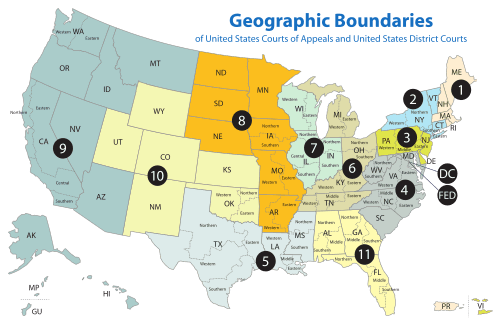
United States District Court
ORGANIZATION
U.S. federal trial court
Statistics
Pages:10
Entities:24
Sponsored