Back to People & Entities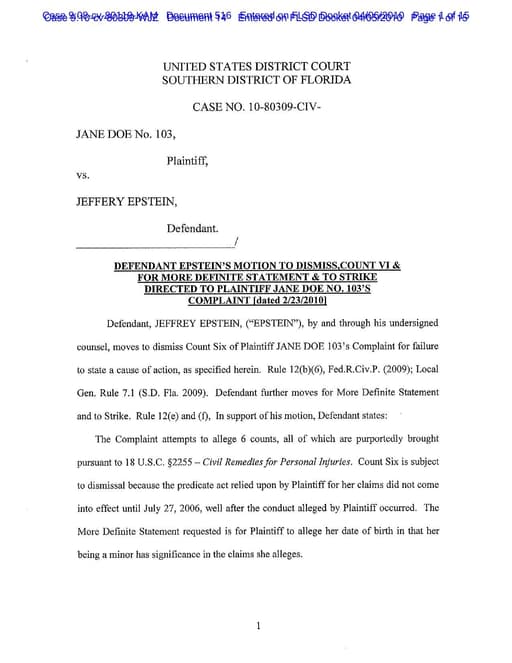









USI Film Products
Organization
31
Total Mentions
31
Documents
606
Connected Entities
American manufacturer of specialty packaging films
Document Mentions (20 of 31)
1 mention
of the alleged conduct is to apply. Landgraf v. USI Film Products, supra, at 1493, ("A statement that a statute wi
1 mention
of the alleged conduct is to apply. Landgraf v. USI Film Products, supra, at 1493, ("A statement that a statute wi
1 mention
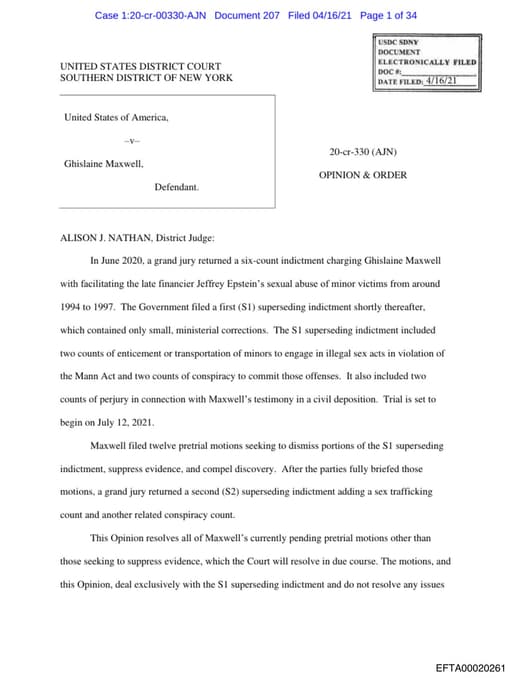
9th Cir. 2006). The Supreme Court has set out a two-step framework to determine whether a federal statute applies to past conduct. See Landgraf v. USI Film Products, 511 U.S. 244, 280 (1994). Courts look first to the language of the statute. If the statute states that it applies to past conduct, courts must so
Page: EFTA00020273 →Sponsored
1 mention
9th Cir. 2006). The Supreme Court has set out a two-step framework to determine whether a federal statute applies to past conduct. See Landgraf v. USI Film Products, 511 U.S. 244, 280 (1994). Courts look first to the language of the statute. If the statute states that it applies to past conduct, courts must so
Page: EFTA00022103 →1 mention
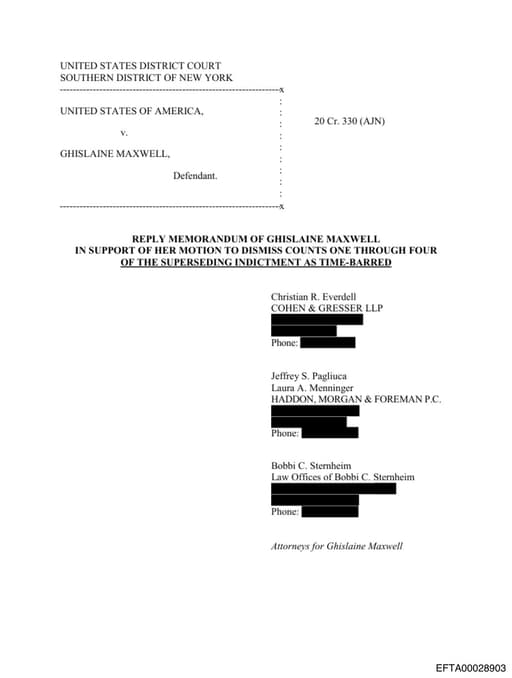
401 (2d Cir. 2004) 6, 9 Kaiser Aluminum & Chem. Corp. v. Bonjorno, 494 U.S. 827 (1990) 3 Kawashima v. Holder, 565 U.S. 478 (2012) Landgraf v. USI Film Products, 511 U.S. 244 (1994) Leocal v. Ashcroft, 11 passim 543 U.S. 1 (2004) 11 Martin v. Hadix, 527 U.S. 343 (1999) 6 Nijhawan v. Holder, 557 U.S
Page: EFTA00028905 →1 mention
9th Cir. 2006). The Supreme Court has set out a two-step framework to determine whether a federal statute applies to past conduct. See Landgraf v. USI Film Products, 511 U.S. 244, 280 (1994). Courts look first to the language of the statute. If the statute states that it applies to past conduct, courts must so
Page: EFTA00029552 →Sponsored
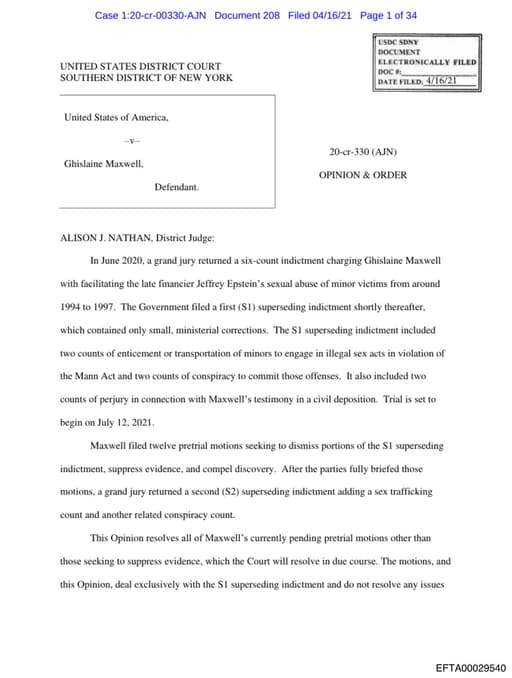
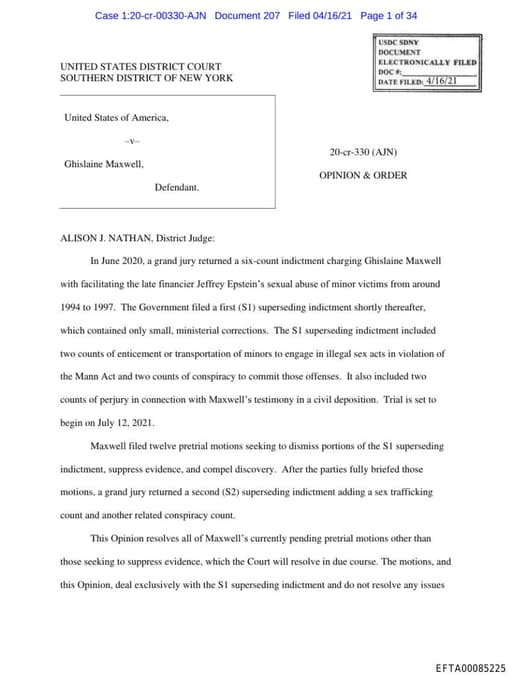
EFTA00085225.pdf
1 mentionEFTA00085225
9th Cir. 2006). The Supreme Court has set out a two-step framework to determine whether a federal statute applies to past conduct. See Landgraf v. USI Film Products, 511 U.S. 244, 280 (1994). Courts look first to the language of the statute. If the statute states that it applies to past conduct, courts must so
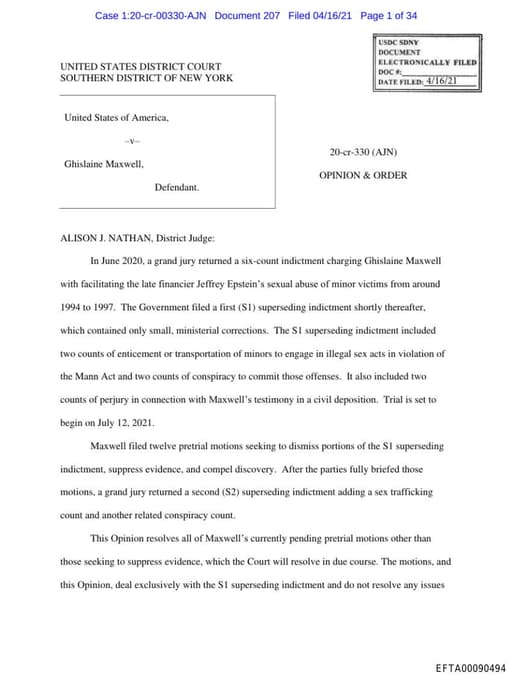
EFTA00090494.pdf
1 mentionEFTA00090494
9th Cir. 2006). The Supreme Court has set out a two-step framework to determine whether a federal statute applies to past conduct. See Landgraf v. USI Film Products, 511 U.S. 244, 280 (1994). Courts look first to the language of the statute. If the statute states that it applies to past conduct, courts must so
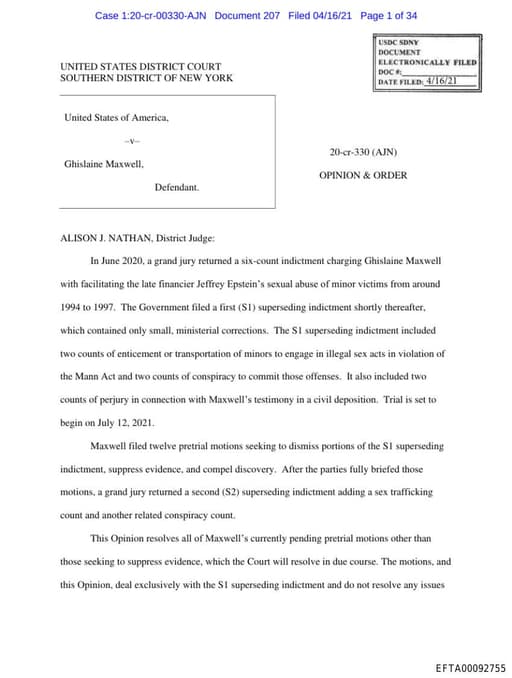
EFTA00092755.pdf
1 mentionEFTA00092755
9th Cir. 2006). The Supreme Court has set out a two-step framework to determine whether a federal statute applies to past conduct. See Landgraf v. USI Film Products, 511 U.S. 244, 280 (1994). Courts look first to the language of the statute. If the statute states that it applies to past conduct, courts must so
Sponsored
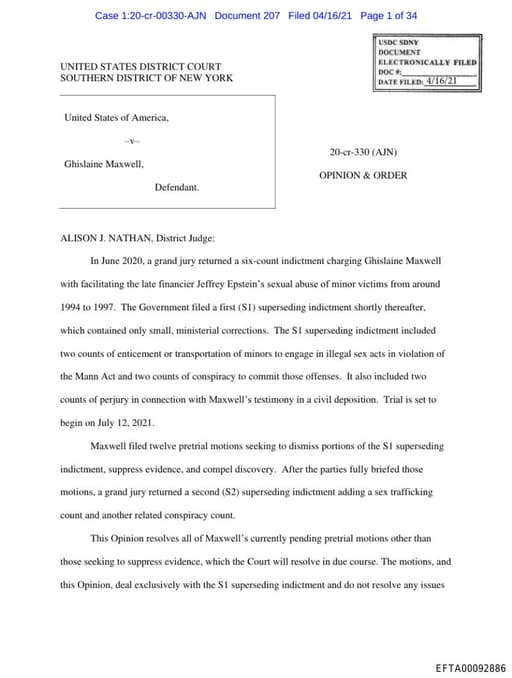
EFTA00092886.pdf
1 mentionEFTA00092886
9th Cir. 2006). The Supreme Court has set out a two-step framework to determine whether a federal statute applies to past conduct. See Landgraf v. USI Film Products, 511 U.S. 244, 280 (1994). Courts look first to the language of the statute. If the statute states that it applies to past conduct, courts must so
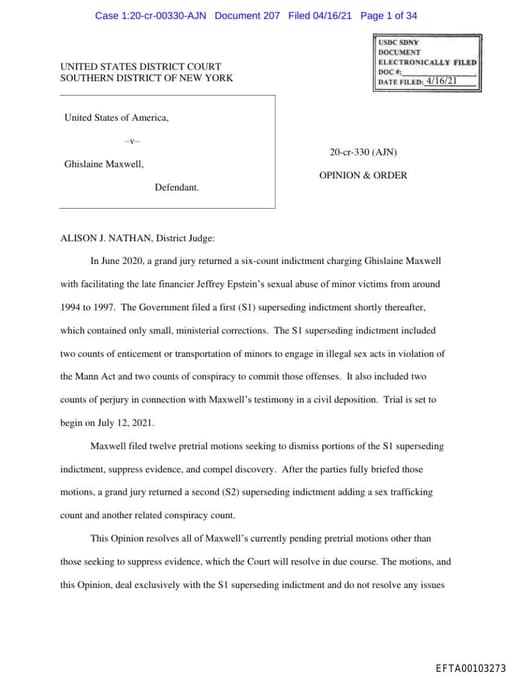
EFTA00103273.pdf
1 mentionEFTA00103273
9th Cir. 2006). The Supreme Court has set out a two-step framework to determine whether a federal statute applies to past conduct. See Landgraf v. USI Film Products, 511 U.S. 244, 280 (1994). Courts look first to the language of the statute. If the statute states that it applies to past conduct, courts must so
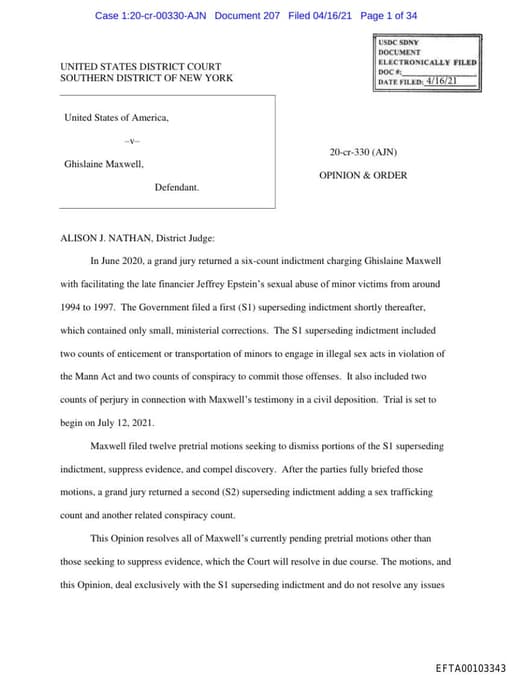
EFTA00103343.pdf
1 mentionEFTA00103343
9th Cir. 2006). The Supreme Court has set out a two-step framework to determine whether a federal statute applies to past conduct. See Landgraf v. USI Film Products, 511 U.S. 244, 280 (1994). Courts look first to the language of the statute. If the statute states that it applies to past conduct, courts must so
Sponsored
EFTA00103308.pdf
1 mentionEFTA00103308
9th Cir. 2006). The Supreme Court has set out a two-step framework to determine whether a federal statute applies to past conduct. See Landgraf v. USI Film Products, 511 U.S. 244, 280 (1994). Courts look first to the language of the statute. If the statute states that it applies to past conduct, courts must so
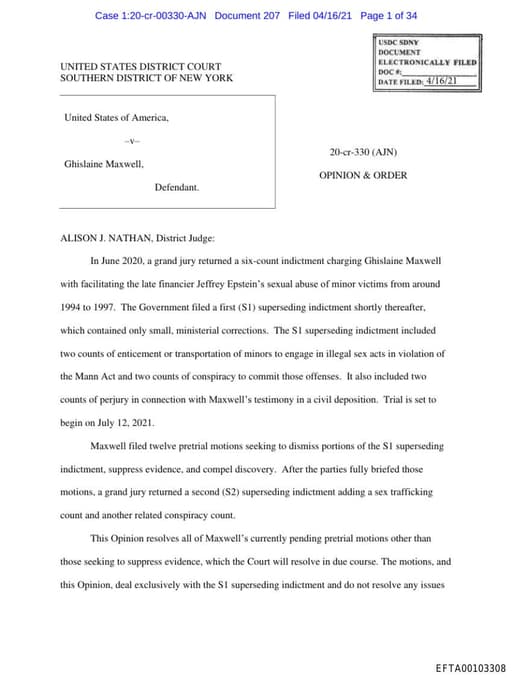
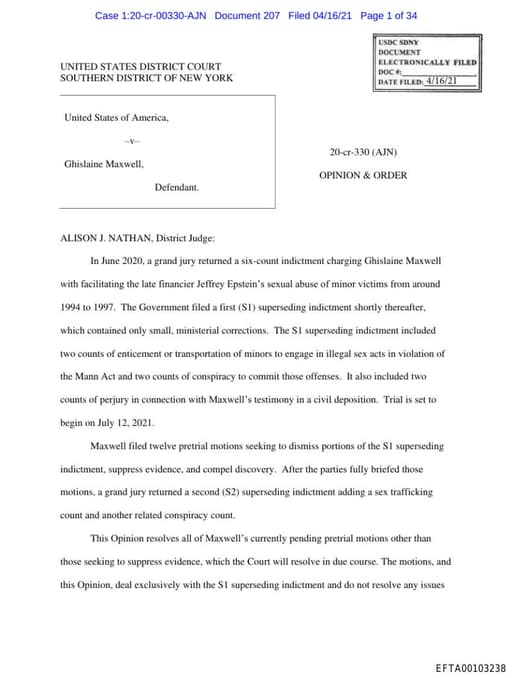
EFTA00103238.pdf
1 mentionEFTA00103238
9th Cir. 2006). The Supreme Court has set out a two-step framework to determine whether a federal statute applies to past conduct. See Landgraf v. USI Film Products, 511 U.S. 244, 280 (1994). Courts look first to the language of the statute. If the statute states that it applies to past conduct, courts must so
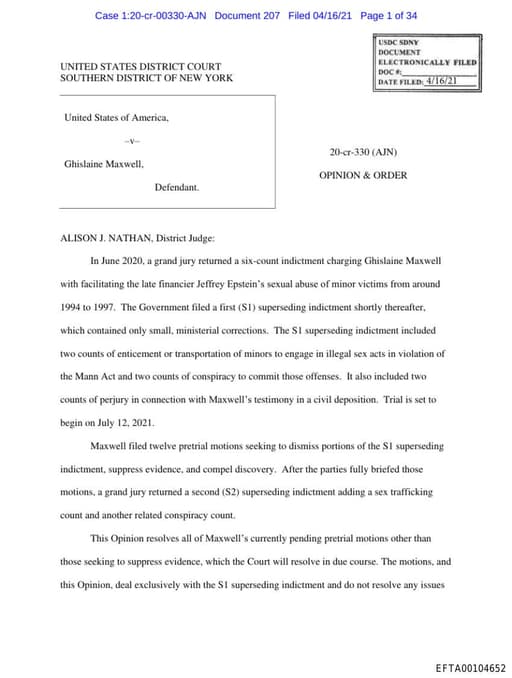
EFTA00104652.pdf
1 mentionEFTA00104652
9th Cir. 2006). The Supreme Court has set out a two-step framework to determine whether a federal statute applies to past conduct. See Landgraf v. USI Film Products, 511 U.S. 244, 280 (1994). Courts look first to the language of the statute. If the statute states that it applies to past conduct, courts must so
Sponsored
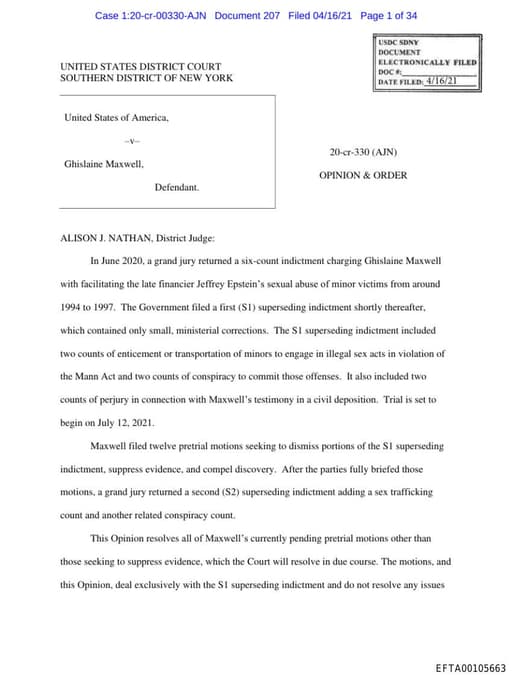
EFTA00105663.pdf
1 mentionEFTA00105663
9th Cir. 2006). The Supreme Court has set out a two-step framework to determine whether a federal statute applies to past conduct. See Landgraf v. USI Film Products, 511 U.S. 244, 280 (1994). Courts look first to the language of the statute. If the statute states that it applies to past conduct, courts must so
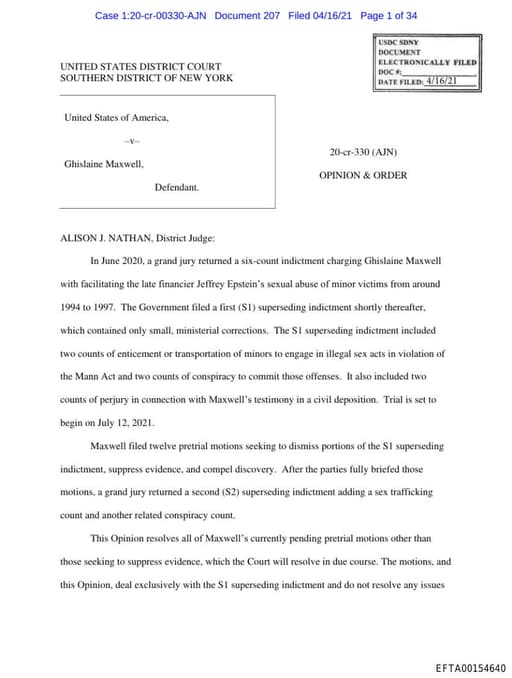
EFTA00154640.pdf
1 mentionEFTA00154640
9th Cir. 2006). The Supreme Court has set out a two-step framework to determine whether a federal statute applies to past conduct. See Landgraf v. USI Film Products, 511 U.S. 244, 280 (1994). Courts look first to the language of the statute. If the statute states that it applies to past conduct, courts must so
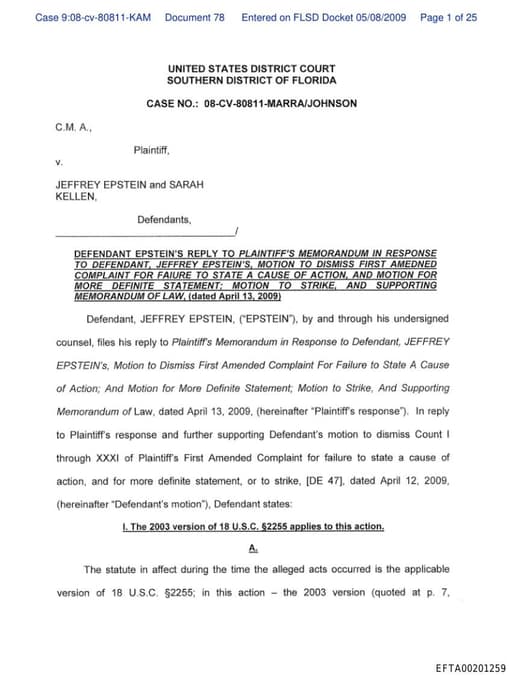
EFTA00201259.pdf
1 mentionEFTA00201259
axiom of law that "retroactivity is not favored in the law." Bowen, 488 U.S., at 208, 109 S.Ct., at 471 (1988). As eloquently stated in Landqraf v. USI Film Products, 114 S.Ct. 1483, 1497, 511 U.S. 244, 265-66 (1994): ... the presumption against retroactive legislation is deeply rooted in our jurisprudence, and
Sponsored
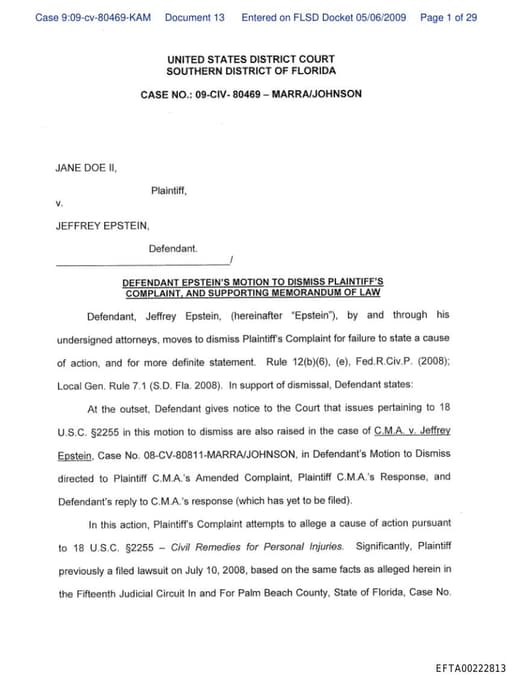
EFTA00222813.pdf
1 mentionEFTA00222813
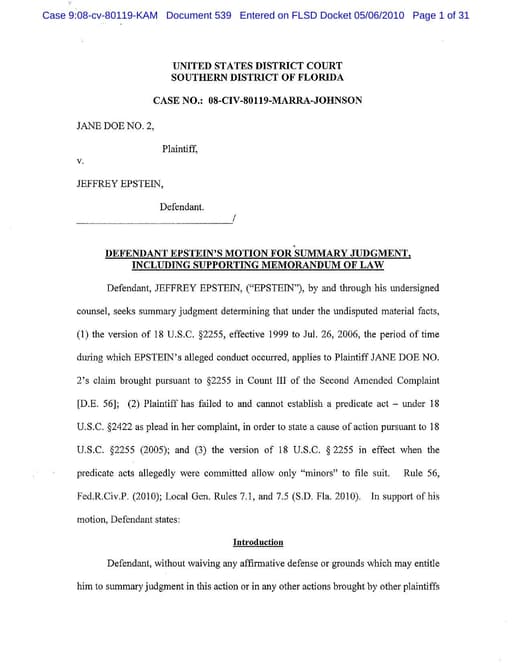
that the statute is to apply retroactively, and, accordingly, the statute in effect during the time of the alleged conduct is to apply. Landoraf v. USI Film Products, supra, at 1493, ("A statement that a statute will become effective on a certain date does not even arguably suggest that it has any application to
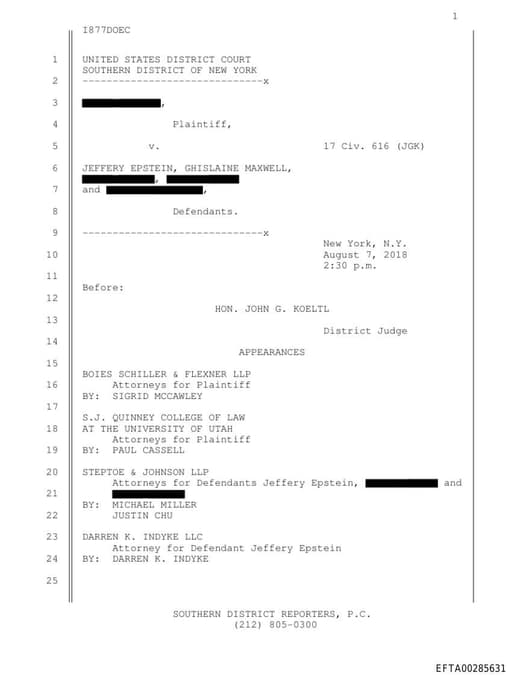
EFTA00285631.pdf
1 mentionEFTA00285631
dy occurred versus creating a new cause of action or a new civil remedy. The support for that, your Honor, is the U.S. Supreme Court in Landgraf v. USI Film Products, which I cited in my papers for a different proposition, but it's found at 511 U.S. 244. In that case, your Honor, the U.S. Supreme Court was con
Sponsored
Connected Entities(20 of 606)
Jeffrey Epstein
PersonAmerican sex offender and financier (1953–2019)
30 docs30 co-mentions
United States
LocationCountry located primarily in North America
28 docs28 co-mentions
LA
Landgraf
PersonSurname reference in Epstein-related documents
25 docs25 co-mentions
Supreme Court
OrganizationHighest court of jurisdiction in the US
23 docs23 co-mentions
FBI
OrganizationFederal Bureau of Investigation, domestic intelligence and security service of the United States
22 docs22 co-mentions
Reid Weingarten
PersonAmerican white-collar criminal defense attorney at Steptoe & Johnson, represented Jeffrey Epstein and other high-profile clients
21 docs21 co-mentions
Ghislaine Maxwell
PersonBritish socialite and sex trafficker, daughter of Robert Maxwell, accomplice of Jeffrey Epstein
21 docs21 co-mentions
SC
Schneider
PersonAmbiguous surname - refers to multiple people in Epstein documents
20 docs20 co-mentions
Leahy
PersonSurname reference in Epstein-related documents
20 docs20 co-mentions
Vernon
PersonAmbiguous name reference in legal citations and Epstein documents
20 docs20 co-mentions
WA
Walker
PersonSurname reference in Epstein documents
20 docs20 co-mentions
Eric Holder
PersonUnited States Attorney General from 2009 to 2015
20 docs20 co-mentions
Bridges
PersonSurname reference in Epstein-related documents
20 docs20 co-mentions
Hernandez
PersonAmbiguous surname - refers to multiple people in Epstein documents
19 docs19 co-mentions
RU
Russo
PersonSurname reference in Epstein-related documents
19 docs19 co-mentions
SA
Sampson
PersonSurname reference in Epstein-related documents
19 docs19 co-mentions
WE
Werner
PersonBishop of the Roman Catholic Church
19 docs19 co-mentions
NE
Nejad
PersonSurname reference in documents
19 docs19 co-mentions
CO
Collins
PersonSurname reference in Epstein documents
19 docs19 co-mentions
CH
Chacko
PersonSurname reference in Epstein-related documents
19 docs19 co-mentions