HOUSE_OVERSIGHT_019874_sub_003 - HOUSE_OVERSIGHT_020142
Document Information
Bates Range
HOUSE_OVERSIGHT_019874_sub_003 - HOUSE_OVERSIGHT_020142
Pages
69
Source
House Oversight Committee
Original Filename
Fire and Fury - Michael Wolff.pdf
Document Content
Page 201 - HOUSE_OVERSIGHT_020074
And yet, contravening all cultural and media logic, Donald Trump produced on a daily basis an astonishing, can’t-stop-following-it narrative. And this was not even because he was changing or upsetting the fundamentals of American life. In six months as president, failing to master almost any aspect of the bureaucratic process, he had, beyond placing his nominee on the Supreme Court, accomplished, practically speaking, nothing. And yet, OMG!!! There almost was no other story in America—and in much of the world. That was the radical and transformational nature of the Trump presidency: it held everybody’s attention. Inside the White House, the daily brouhaha and world’s fascination was no cause for joy. It was, in the White House staff’s bitter view, the media that turned every day into a climactic, dastardly moment. And, in a sense, this was correct: every development cannot be climactic. The fact that yesterday’s climax would soon, compared to the next climax, be piddling, rather bore out the disproportion. The media was failing to judge the relative importance of Trump events: most Trump events came to naught (arguably all of them did), and yet all were greeted with equal shock and horror. The White House staff believed that the media’s Trump coverage lacked “context’”—by this, they meant that people ought to realize that Trump was mostly just huffing and puffing. At the same time, few in the White House did not assign blame to Trump for this as well. He seemed to lack the most basic understanding that a president’s words and actions would, necessarily, be magnified to the nth power. In some convenient sense, he failed to understand this because he wanted the attention, no matter how often it disappointed him. But he also wanted it because again and again the response surprised him—and, as though every time was the first time, he could not modify his behavior. Sean Spicer caught the brunt of the daily drama, turning this otherwise reasonable, mild-mannered, process-oriented professional into a joke figure standing at the White House door. In his daily out-of-body experience, as a witness to his own humiliation and loss for words, Spicer understood after a while—although he began to understand this beginning his first day on the job when dealing with the dispute about the inaugural audience numbers—that he had “gone down a rabbit hole.” In this disorienting place, all public artifice, pretense, proportion, savvy, and self-awareness had been cast off, or— possibly another result of Trump never really intending to be president—never really figured into the state of being president. On the other hand, constant hysteria did have one unintended political virtue. If every new event canceled out every other event, like some wacky news-cycle pyramid scheme, then you always survived another day. OOK Ok Donald Trump’s sons, Don Jr., thirty-nine, and Eric, thirty-three, existed in an enforced infantile relationship to their father, a role that embarrassed them, but one that they also HOUSE_OVERSIGHT_020074
Page 202 - HOUSE_OVERSIGHT_020075
professionally embraced. The role was to be Donald Trump’s heirs and attendees. Their father took some regular pleasure in pointing out that they were in the back of the room when God handed out brains—but, then again, Trump tended to scorn anyone who might be smarter than he was. Their sister Ivanka, certainly no native genius, was the designated family smart person, her husband Jared the family’s smooth operator. That left Don and Eric to errands and admin. In fact, the brothers had grown into reasonably competent family-owned-company executives (this is not saying all that much) because their father had little or no patience for actually running his company. Of course, quite a good amount of their professional time was spent on the whims, projects, promotions, and general way of life of DJT. One benefit of their father’s run for president was that it kept him away from the office. Still, the campaign’s administration was largely their responsibility, so when the campaign went from caprice to a serious development in the Trump business and family, it caused a disruption in the family dynamic. Other people were suddenly eager to be Donald Trump’s key lieutenants. There were the outsiders, like Corey Lewandowski, the campaign manager, but there was also the insider, brother-in-law Jared. Trump, not unusually for a family-run company, made everybody compete for his favor. The company was about him; it existed because of his name, personality, and charisma, so the highest standing in the company was reserved for those who could best serve him. There wasn’t all that much competition for this role before he ran for president, but in early 2016, with the Republican Party collapsing and Trump rising, his sons faced a new professional and family situation. Their brother-In-law had been slowly drawn into the campaign, partly at his wife’s urging because her father’s lack of constraint might actually affect the Trump business if they didn’t keep an eye on him. And then he, with his brothers-in-law, was pulled in by the excitement of the campaign itself. By late spring 2016, when the nomination was all but clinched, the Trump campaign was a set of competing power centers with the knives out. Lewandowski regarded both brothers and their brother-in-law with rolling-on-the-floor contempt: not only were Don Jr. and Eric stupid, and Jared somehow both supercilious and obsequious (the butler), but nobody knew a whit about politics—indeed, there wasn’t an hour of political experience among them. As time went on, Lewandowski became particularly close to the candidate. To the family, especially to Kushner, Lewandowski was an enabler. Trump’s worst instincts flowed through Lewandowski. In early June, a little more than a month before the Republican National Convention, Jared and Ivanka decided that what was needed—for the sake of the campaign, for the sake of the Trump business—was an intervention. Making common cause with Don Jr. and Eric, Jared and Ivanka pushed for a united front to convince Trump to oust Lewandowski. Don Jr., feeling squeezed not only by Lewandowski but by Jared, too, seized the opportunity. He would push out Lewandowski HOUSE_OVERSIGHT_020075
Page 203 - HOUSE_OVERSIGHT_020076
and become his replacement—and indeed, eleven days later Lewandowski would be gone. All this was part of the background to one of the most preposterous meetings in modern politics. On June 9, 2016, Don Jr., Jared, and Paul Manafort met with a movieworthy cast of dubious characters in Trump Tower after having been promised damaging information about Hillary Clinton. Don Jr., encouraged by Jared and Ivanka, was trying to impress his father that he had the stuff to rise in the campaign. When this meeting became public thirteen months later, it would, for the Trump White House, encapsulate both the case against collusion with the Russians and the case for it. It was a case, or the lack of one, not of masterminds and subterfuge, but of senseless and benighted people so guileless and unconcerned that they enthusiastically colluded in plain sight. OOK Ok Walking into Trump Tower that June day were a well-connected lawyer from Moscow, who was a likely Russian agent; associates of the Azerbaijani Russian oligarch Aras Agalarov; a U.S. music promoter who managed Agalarov’s son, a Russian pop star; and a Russian government lobbyist in Washington. Their purpose in visiting the campaign headquarters of a presumptive major party nominee for president of the United States was to meet with three of the most highly placed people on the campaign. This meeting was preceded by an email chain addressed to multiple recipients inside the Trump campaign of almost joyful intent: the Russians were offering a dump of negative or even incriminating information about their opponent. Among the why-and-how theories of this imbecilic meeting: ¢ The Russians, in organized or freelance fashion, were trying to entrap the Trump campaign into a compromising relationship. ¢ The meeting was part of an already active cooperation on the part of the Trump campaign with the Russians to obtain and distribute damaging information about Hillary Clinton—and, indeed, within days of the Don Jr. meeting, WikiLeaks announced that it had obtained Clinton emails. Less than a month later, it started to release them. ¢ The wide-eyed Trump campaign, largely still playacting at running for president— and with no thought whatsoever of actually winning the election—was open to any and all entreaties and offers, because it had nothing to lose. Dopey Don Jr. (Fredo, as Steve Bannon would dub him, in one of his frequent Godfather borrowings) was simply trying to prove he was a player and a go-to guy. ¢ The meeting included the campaign chairman, Paul Manafort, and the campaign’s most influential voice, Jared Kushner, because: (a) a high-level conspiracy was being coordinated; (b) Manafort and Kushner, not taking the campaign very HOUSE_OVERSIGHT_020076
Sponsored
Page 204 - HOUSE_OVERSIGHT_020077
seriously, and without a thought of any consequence here, were merely entertained by the possibility of dirty tricks; (c) the three men were united in their plan to get rid of Lewandowski—with Don Jr. as the hatchet man—and, as part of this unity, Manafort and Kushner need to show up at Don Jr.’s silly meeting. Whatever the reason for the meeting, no matter which of the above scenarios most accurately describes how this comical and alarming group came together, a year later, practically nobody doubted that Don Jr. would have wanted his father to know that he seized the initiative. “The chance that Don Jr. did not walk these jumos up to his father’s office on the twenty-sixth floor is zero,” said an astonished and derisive Bannon, not long after the meeting was revealed. “The three senior guys in the campaign,” an incredulous Bannon went on, “thought it was a good idea to meet with a foreign government inside Trump Tower in the conference room on the twenty-fifth floor—with no lawyers. They didn't have any lawyers. Even if you thought that this was not treasonous, or unpatriotic, or bad shit, and I happen to think it’s all of that, you should have called the FBI immediately. Even if you didn’t think to do that, and you’re totally amoral, and you wanted that information, you do it in a Holiday Inn in Manchester, New Hampshire, with your lawyers who meet with these people and go through everything and then they verbally come and tell another lawyer in a cut-out, and if you've got something, then you figure out how to dump it down to Breitbart or something like that, or maybe some other more legitimate publication. You never see it, you never know it, because you don’t need to... . But that’s the brain trust that they had.” All of the participants would ultimately plead that the meeting was utterly inconsequential, whatever the hope for it might have been, and admit that it was hapless. But even if that was true, a year later the revelation of the meeting had three profound and probably transformational effects: First, the constant, ever repeated denials about there having been no discussion between campaign officials and the Russians connected to the Kremlin about the campaign, and, indeed, no meaningful contact between campaign officials and the Russian government, were exploded. Second, the certainty among the White House staff that Trump himself would have not only been apprised of the details of this meeting, but have met the principals, meant that the president was caught out as a liar by those whose trust he most needed. It was another inflection point between hunkered-in-the-bunker and signed-on-for-the-wild-ride, and get- me-out-of-here. Third, it was now starkly clear that everyone’s interests diverged. The fortunes of Don Jr., Paul Manafort, and Jared Kushner hung individually in the balance. Indeed, the best guess by many in the West Wing was that the details of the meeting had been leaked by HOUSE_OVERSIGHT_020077
Page 205 - HOUSE_OVERSIGHT_020078
the Kushner side, thus sacrificing Don Jr. in an attempt to deflect responsibility away from themselves. OOK Ok Even before word of the June 2016 meeting leaked out, Kushner’s legal team—largely assembled in a rush since the appointment of Mueller, the special counsel—had been piecing together a forensic picture of both the campaign’s Russian contacts and Kushner Companies’ finances and money trail. In January, ignoring almost everybody’s caution against it, Jared Kushner had entered the White House as a senior figure in the administration; now, six months later, he faced acute legal jeopardy. He had tried to keep a low profile, seeing himself as a behind-the-scenes counselor, but now his public position was not only endangering himself but the future of his family’s business. As long as he remained exposed, his family was effectively blocked from most financial sources. Without access to this market, their holdings risked becoming distress debt situations. Jared and Ivanka’s self-created fantasylike life—two ambitious, well-mannered, well- liked young people living at the top of New York’s social and financial world after having, in their version of humble fashion, accepted global power—had now, even with neither husband nor wife in office long enough to have taken any real action at all, come to the precipice of disgrace. Jail was possible. So was bankruptcy. Trump may have been talking defiantly about offering pardons, or bragging about his power to give them, but that did not solve Kushner’s business problems, nor did it provide a way to mollify Charlie Kushner, Jared’s choleric and often irrational father. What’s more, successfully navigating through the eye of the legal needle would require a careful touch and nuanced strategic approach on the part of the president—quite an unlikely development. Meanwhile, the couple blamed everyone else in the White House. They blamed Priebus for the disarray that had produced a warlike atmosphere that propelled constant and damaging leaks, they blamed Bannon for leaking, and they blamed Spicer for poorly defending their virtue and interests. They needed to defend themselves. One strategy was to get out of town (Bannon had a list of all the tense moments when the couple had taken a convenient holiday), and it happened that Trump would be attending the G20 summit Hamburg, Germany, on July 7 and 8. Jared and Ivanka accompanied the president on the trip, and while at the summit they learned that word of Don Jr.’s meeting with the Russians—and the couple kept pointedly presenting it as Don Jr.’s meeting—had leaked. Worse, they learned that the story was about to break in the New York Times. Originally, Trump’s staff was expecting details of the Don Jr. meeting to break on the website Circa. The lawyers, and spokesperson Mark Corallo, had been working to manage this news. But while in Hamburg, the president’s staff learned that the Zimes was HOUSE_OVERSIGHT_020078
Page 206 - HOUSE_OVERSIGHT_020079
developing a story that had far more details about the meeting—dquite possibly supplied by the Kushner side—which it would publish on Saturday, July 8. Advance knowledge of this article was kept from the president’s legal team for the ostensible reason that it didn’t involve the president. In Hamburg, Ivanka, knowing the news would shortly get out, was presenting her signature effort: a World Bank fund to aid women entrepreneurs in developing countries. This was another instance of what White House staffers saw as the couple’s extraordinarily off-message direction. Nowhere in the Trump campaign, nowhere on Bannon’s white boards, nowhere in the heart of this president was there an interest in women entrepreneurs in developing countries. The daughter’s agenda was singularly at odds with the father’s—or at least the agenda that had elected him. Ivanka, in the view of almost every White House staffer, profoundly misunderstood the nature of her job and had converted traditional First Lady noblesse oblige efforts into White House staff work. Shortly before boarding Air Force One for the return trip home, Ivanka—with what by now was starting to seem like an almost anarchic tone deafness—sat in for her father between Chinese president Xi Jinping and British prime minister Theresa May at the main G20 conference table. But this was mere distraction: as the president and his team huddled on the plane, the central subject was not the conference, it was how to respond to the Times story about Don Jr.’s and Jared’s Trump Tower meeting, now only hours away from breaking. En route to Washington, Sean Spicer and everybody else from the communications office was relegated to the back of the plane and excluded from the panicky discussions. Hope Hicks became the senior communications strategist, with the president, as always, her singular client. In the days following, that highest political state of being “in the room” was turned on its head. Not being in the room—in this case, the forward cabin on Air Force One—became an exalted status and get-out-of-jail-free card. “It used to hurt my feelings when I saw them running around doing things that were my job,” said Spicer. “Now I’m glad to be out of the loop.” Included in the discussion on the plane were the president, Hicks, Jared and Ivanka, and their spokesperson, Josh Raffel. Ivanka, according to the later recollection of her team, would shortly leave the meeting, take a pill, and go to sleep. Jared, in the telling of his team, might have been there, but he was “not taking a pencil to anything.” Nearby, in a small conference room watching the movie Fargo, were Dina Powell, Gary Cohn, Stephen Miller, and H. R. McMaster, all of whom would later insist that they were, however physically close to the unfolding crisis, removed from it. And, indeed, anyone “in the room” was caught in a moment that would shortly receive the special counsel’s close scrutiny, with the relevant question being whether one or more federal employees had induced other federal employees to lie. An aggrieved, unyielding, and threatening president dominated the discussion, pushing HOUSE_OVERSIGHT_020079
Sponsored
Page 207 - HOUSE_OVERSIGHT_020080
into line his daughter and her husband, Hicks, and Raffel. Kasowitz—the lawyer whose specific job was to keep Trump at arm’s length from Russian-related matters—was kept on hold on the phone for an hour and then not put through. The president insisted that the meeting in Trump Tower was purely and simply about Russian adoption policy. That’s what was discussed, period. Period. Even though it was likely, if not certain, that the Zimes had the incriminating email chain—in fact, it was quite possible that Jared and Ivanka and the lawyers knew the Times had this email chain—the president ordered that no one should let on to the more problematic discussion about Hillary Clinton. It was a real-time example of denial and cover-up. The president believed, belligerently, what he believed. Reality was what he was convinced it was—or should be. Hence the official story: there was a brief courtesy meeting in Trump Tower about adoption policy, to no result, attended by senior aides and unaffiliated Russian nationals. The crafting of this manufactured tale was a rogue operation by rookies—always the two most combustible elements of a cover-up. In Washington, Kasowitz and the legal team’s spokesperson, Mark Corallo, weren’t informed of either the Zimes article or the plan for how to respond to it until Don Jr.’s initial statement went out just before the story broke that Saturday. Over the course of next seventy-two hours or so, the senior staff found itself wholly separate from—and, once again, looking on in astonishment at—the actions of the president’s innermost circle of aides. In this, the relationship of the president and Hope Hicks, long tolerated as a quaint bond between the older man and a trustworthy young woman, began to be seen as anomalous and alarming. Completely devoted to accommodating him, she, his media facilitator, was the ultimate facilitator of unmediated behavior. His impulses and thoughts—unedited, unreviewed, unchallenged—not only passed through him, but, via Hicks, traveled out into the world without any other White House arbitration. “The problem isn’t Twitter, it’s Hope,” observed one communication staffer. On July 9, a day after publishing its first story, the Zimes noted that the Trump Tower meeting was specifically called to discuss the Russian offer of damaging material about Clinton. The next day, as the Zimes prepared to publish the full email chain, Don Jr. hurriedly dumped it himself. There followed an almost daily count of new figures—all, in their own way, peculiar and unsettling—who emerged as participants in the meeting. But the revelation of the Trump Tower meeting had another, perhaps even larger dimension. It marked the collapse of the president’s legal strategy: the demise of Steve Bannon’s Clinton-emulating firewall around the president. The lawyers, in disgust and alarm, saw, in effect, each principal becoming a witness to another principal’s potential misdeeds—all conspiring with one another to get their stories straight. The client and his family were panicking and running their own defense. Short- HOUSE_OVERSIGHT_020080
Page 208 - HOUSE_OVERSIGHT_020081
term headlines were overwhelming any sort of long-term strategy. “The worst thing you can do is lie to a prosecutor,” said one member of the legal team. The persistent Trump idea that it is not a crime to lie to the media was regarded by the legal team as at best reckless and, in itself, potentially actionable: an explicit attempt to throw sand into the investigation’s gears. Mark Corallo was instructed not to speak to the press, indeed not to even answer his phone. Later that week, Corallo, seeing no good outcome—and privately confiding that he believed the meeting on Air Force One represented a likely obstruction of justice—quit. (The Jarvanka side would put it out that Corallo was fired.) “These guys are not going to be second-guessed by the kids,” said a frustrated Bannon about the firewall team. Likewise, the Trump family, no matter its legal exposure, was not going to be run by its lawyers. Jared and Ivanka helped to coordinate a set of lurid leaks—alleging drinking, bad behavior, personal life in disarray—about Marc Kasowitz, who had advised the president to send the couple home. Shortly after the presidential party returned to Washington, Kasowitz was out. OOK Ok Blame continued to flow. The odor of a bitter new reality, if not doom, that attached to the Comey-Mueller debacle was compounded by everyone’s efforts not to be tagged by it. The sides in the White House—Jared, Ivanka, Hope Hicks, and an increasingly ambivalent Dina Powell and Gary Cohn on one side, and almost everyone else, including Priebus, Spicer, Conway, and most clearly Bannon, on the other—were most distinguished by their culpability in or distance from the Comey-Mueller calamity. It was, as the non- Jarvanka side would unceasingly point out, a calamity of their own making. Therefore it became an effort of the Jarvankas not only to achieve distance for themselves from the causes of the debacle—such involvement as they had they now cast as strictly passive involvement or just following orders—but to suggest that their adversaries were at least equally at fault. Shortly after the Don Jr. story broke, the president not unsuccessfully changed the subject by focusing the blame for the Comey-Mueller mess on Sessions, even more forcefully belittling and threatening him and suggesting that his days were numbered. Bannon, who continued to defend Sessions, and who believed that he had militantly— indeed with scathing attacks on the Jarvankas for their stupidity—walled himself off from the Comey smashup, was now suddenly getting calls from reporters with leaks that painted him as an engaged participant in the Comey decision. In a furious phone call to Hicks, Bannon blamed the leaks on her. In time, he had come to see the twenty-eight-year-old as nothing more than a hapless presidential enabler and HOUSE_OVERSIGHT_020081
Page 209 - HOUSE_OVERSIGHT_020082
poor-fish Jarvanka flunky—and he believed she had now deeply implicated herself in the entire disaster by participating in the Air Force One meeting. The next day, with more inquiries coming from reporters, he confronted Hicks inside the cabinet room, accusing her of doing Jared and Ivanka’s dirty work. The face-off quickly escalated into an existential confrontation between the two sides of the White House—two sides on a total war footing. “You dont know what you’re doing,” shouted a livid Bannon at Hicks, demanding to know who she worked for, the White House or Jared and Ivanka. “You dont know how much trouble you are in,” he screamed, telling her that if she didn’t get a lawyer he would call her father and tell him he had better get her one. “You are dumb as a stone!” Moving from the cabinet room across the open area into the president’s earshot, “a loud, scary, clearly threatening” Bannon, in the Jarvanka telling, yelled, “7 am going to fuck you and your little group!’ with a baffled president plaintively wanting to know, “What’s going on?” In the Jarvanka-side account, Hicks then ran from Bannon, hysterically sobbing and “visibly terrified.” Others in the West Wing marked this as the high point of the boiling enmity between the two sides. For the Jarvankas, Bannon’s rant was also a display that they believed they could use against him. The Jarvanka people pushed Priebus to refer the matter to the White House counsel, billing this as the most verbally abusive moment in the history of the West Wing, or at least certainly up among the most abusive episodes ever. For Bannon, this was just more Jarvanka desperation—they were the ones, not him, saddled with Comey-Mueller. They were the ones panicking and out of control. For the rest of his time in the White House, Bannon would not speak to Hicks again. HOUSE_OVERSIGHT_020082
Sponsored
Page 210 - HOUSE_OVERSIGHT_020083
20 MCMASTER AND SCARAMUCCI rump was impetuous and yet did not like to make decisions, at least not ones that "T seomed to corner him into having to analyze a problem. And no decision hounded him so much—teally from the first moment of his presidency—as what to do about Afghanistan. It was a conundrum that became a battle. It involved not only his own resistance to analytic reasoning, but the left brain/right brain divide of his White House, the split between those who argued for disruption and those who wanted to uphold the Status quo. In this, Bannon became the disruptive and unlikely White House voice for peace—or anyway a kind of peace. In Bannon’s view, only he and the not-too-resolute backbone of Donald Trump stood between consigning fifty thousand more American soldiers to hopelessness in Afghanistan. Representing the status quo—and, ideally, a surge on top of the status quo—was H. R. McMaster, who, next to Jarvanka, had become Bannon’s prime target for abuse. On this front, Bannon forged an easy bond with the president, who didn’t much hide his contempt for the Power-Point general. Bannon and the president enjoyed trash-talking McMaster together. McMaster was a protégé of David Petraeus, the former CENTCOM and Afghanistan commander who became Obama’s CIA director before resigning in a scandal involving a love affair and the mishandling of classified information. Petraeus and now McMaster represented a kind of business-as-usual approach in Afghanistan and the Middle East. A stubborn McMaster kept proposing to the president new versions of the surge, but at each pitch Trump would wave him out of the Oval Office and roll his eyes in despair and disbelief. The president’s distaste and rancor for McMaster grew on pace with the approaching need to finally make a decision on Afghanistan, a decision he continued to put off. His position on Afghanistan—a military quagmire he knew little about, other than that it was a quagmire—had always been a derisive and caustic kiss-off of the sixteen-year war. Having HOUSE_OVERSIGHT_020083
Page 211 - HOUSE_OVERSIGHT_020084
inherited it did not make his feelings warmer or inspire him to want to dwell on it further. He knew the war was cursed and, knowing that, felt no need to know more. He put the responsibility for it on two of his favorite people to blame: Bush and Obama. For Bannon, Afghanistan represented one more failure of establishment thinking. More precisely, it represented the establishment’s inability to confront failure. Curiously, McMaster had written a book on exactly this subject, a scathing critique of the unchallenged assumptions with which military leaders pursued the Vietnam War. The book was embraced by liberals and the establishment, with whom, in Bannon’s view, McMaster had become hopelessly aligned. And now—ever afraid of the unknown, intent on keeping options open, dedicated to stability, and eager to protect his establishment cred —McMaster was recommending a huge troop surge in Afghanistan. OOK Ok By early July, the pressure to make a decision was approaching the boiling point. Trump had already authorized the Pentagon to deploy the troop resources it believed were needed, but Defense Secretary Mattis refused to act without a specific authorization from the president. Trump would finally have to make the call—unless he could find a way to put it off again. Bannon’s thought was that the decision could be made for the president—a way the president liked to have decisions made—if Bannon could get rid of McMaster. That would both head off the strongest voice for more troops and also avenge Bannon’s ouster by McMaster’s hand from the NSC. With the president promising that he would make up his mind by August, and McMaster, Mattis, and Tillerson pressing for a decision as soon as possible, Bannon- inspired media began a campaign to brand McMaster as a globalist, interventionist, and all around not-our-kind-of-Trumper—and, to boot, soft on Israel. It was a scurrilous, albeit partly true, attack. McMaster was in fact talking to Petraeus often. The kicker was the suggestion that McMaster was giving inside dope to Petraeus, a pariah because of his guilty plea regarding his mishandling of classified information. It was also the case that McMaster was disliked by the president and on the point of being dismissed. It was Bannon, riding high again, enjoying himself in a moment of supreme overconfidence. Indeed, in part to prove there were other options beyond more troops or humiliating defeat—and logically there probably weren’t more options—Bannon became a sponsor of Blackwater-founder Erik Prince’s obviously self-serving idea to replace the U.S. military force with private contractors and CIA and Special Operations personnel. The notion was briefly embraced by the president, then ridiculed by the military. HOUSE_OVERSIGHT_020084
Page 212 - HOUSE_OVERSIGHT_020085
By now Bannon believed McMaster would be out by August. He was sure he had the president’s word on this. Done deal. “McMaster wants to send more troops to Afghanistan, so we’re going to send him,” said a triumphal Bannon. In Bannon’s scenario, Trump would give McMaster a fourth star and “promote” him to top military commander in Afghanistan. As with the chemical attack in Syria, it was Dina Powell—even as she made increasingly determined efforts to get herself out of the White House, either on a Sheryl Sandberg trajectory or, stopping first at a way station, as ambassador to the United Nations —who struggled to help support the least disruptive, most keep-all-options-open approach. In this, both because the approach seemed like the safest course and because it was the opposite of Bannon’s course, she readily recruited Jared and Ivanka. The solution Powell endorsed, which was designed to put the problem and the reckoning off for another year or two or three, was likely to make the United States’ position in Afghanistan even more hopeless. Instead of sending fifty or sixty thousand troops—which, at insupportable cost and the risk of national fury, might in fact win the war—the Pentagon would send some much lower number, one which would arouse little notice and merely prevent us from losing the war. In the Powell and Jarvanka view, it was the moderate, best-case, easiest-to-sell course, and it struck just the right balance between the military’s unacceptable scenarios: retreat and dishonor or many more troops. Before long, a plan to send four, five, six, or (tops) seven thousand troops became the middle-course strategy supported by the national security establishment and most everyone else save for Bannon and the president. Powell even helped design a PowerPoint deck that McMaster began using with the president: pictures of Kabul in the 1970s when it still looked something like a modern city. It could be like this again, the president was told, if we are resolute! But even with almost everyone arrayed against him, Bannon was confident he was winning. He had a united right-wing press with him, and, he believed, a fed-up, working- class Trump base—its children the likely Afghanistan fodder. Most of all, he had the president. Pissed off that he was being handed the same problem and the same options that were handed Obama, Trump continued to heap spleen and mockery on McMaster. Kushner and Powell organized a leak campaign in McMaster’s defense. Their narrative was not a pro-troops defense; instead, it was about Bannon’s leaks and his use of right- wing media to besmirch McMaster, “one of the most decorated and respected generals of his generation.” The issue was not Afghanistan, the issue was Bannon. In this narrative, it was McMaster, a figure of stability, against Bannon, a figure of disruption. It was the New York Times and the Washington Post, who came to the defense of McMaster, against Breitbart and its cronies and satellites. It was the establishment and never-Trumpers against the America-first Trumpkins. In HOUSE_OVERSIGHT_020085
Sponsored
Page 213 - HOUSE_OVERSIGHT_020086
many respects, Bannon was outgunned and outnumbered, yet he still thought he had it nailed. And when he won, not only would another grievously stupid chapter in the war in Afghanistan be avoided, but Jarvanka, and Powell, their factotum, would be further consigned to irrelevance and powerlessness. 7 OK Ok As the debate moved toward resolution, the NSC, in its role as a presenter of options rather than an advocate for them (although of course it was advocating, too), presented three: withdrawal; Erik Prince’s army of contractors; and a conventional, albeit limited, surge. Withdrawal, whatever its merits—and however much a takeover of Afghanistan by the Taliban could be delayed or mitigated—still left Donald Trump with having lost a war, an insupportable position for the president. The second option, a force of contractors and the CIA, was largely deep-sixed by the CIA. The agency had spent sixteen years successfully avoiding Afghanistan, and everyone knew that careers were not advanced in Afghanistan, they died in Afghanistan. So please keep us out of it. That left McMaster’s position, a modest surge, argued by Secretary of State Tillerson: more troops in Afghanistan, which, somehow, slightly, would be there on a different basis, somewhat, with a different mission, subtly, than that of troops sent there before. The military fully expected the president to sign off on the third option. But on July 19, at a meeting of the national security team in the situation room at the White House, Trump lost it. For two hours, he angrily railed against the mess he had been handed. He threatened to fire almost every general in the chain of command. He couldn’t fathom, he said, how it had taken so many months of study to come up with this nothing-much-different plan. He disparaged the advice that came from generals and praised the advice from enlisted men. If we have to be in Afghanistan, he demanded, why can’t we make money off it? China, he complained, has mining rights, but not the United States. (He was referring to a ten- year-old U.S.-backed deal.) This is just like the 21 Club, he said, suddenly confusing everyone with this reference to a New York restaurant, one of his favorites. In the 1980s, 21 closed for a year and hired a large number of consultants to analyze how to make the restaurant more profitable. In the end, their advice was: Get a bigger kitchen. Exactly what any waiter would have said, Trump shouted. To Bannon, the meeting was a high point of the Trump presidency to date. The generals were punting and waffling and desperately trying to save face—they were, according to Bannon, talking pure “gobbledygook” in the situation room. “Trump was standing up to them,” said a happy Bannon. “Hammering them. He left a bowel movement in the middle of their Afghan plans. Again and again, he came back to the same point: HOUSE_OVERSIGHT_020086
Page 214 - HOUSE_OVERSIGHT_020087
we're stuck and losing and nobody here has a plan to do much better than that.” Though there was still no hint of a viable alternative strategy in Afghanistan, Bannon, his Jarvanka frustration cresting, was sure he was the winner here. McMaster was toast. 7 OK Ok Later on the day of the Afghanistan briefing, Bannon heard about yet another harebrained Jarvanka scheme. They planned to hire Anthony Scaramucci, aka “the Mooch.” After Trump had clinched the nomination more than a year before, Scaramucci—a hedge funder and go-to Trump surrogate for cable business news (mostly Fox Business Channel)—had become a reliable presence at Trump Tower. But then, in the last month of the campaign, with polls predicting a humiliating Trump defeat, he was suddenly nowhere to be seen. The question “Where’s the Mooch?” seemed to be just one more indicator of the campaign’s certain and pitiless end. But on the day after the election, Steve Bannon—soon to be named chief strategist for the forty-fifth president-elect—was greeted as he arrived midmorning in Trump Tower by Anthony Scaramucci, holding a Starbucks coffee for him. Over the next three months, Scaramucci, although no longer needed as a surrogate and without anything else particularly to do, became a constant hovering—or even lurking— presence at Trump Tower. Ever unflagging, he interrupted a meeting in Kellyanne Conway’s office in early January just to make sure she knew that her husband’s firm, Wachtell, Lipton, was representing him. Having made that point, name-dropping and vastly praising the firm’s key partners, he then helped himself to a chair in Conway’s meeting and, for both Conway’s and her visitor’s benefit, offered a stirring testimonial to the uniqueness and sagacity of Donald Trump and the working-class people—speaking of which, he took the opportunity to provide a résumé of his own Long Island working-class bona fides—who had elected him. Scaramucci was hardly the only hanger-on and job seeker in the building, but his method was among the most dogged. He spent his days looking for meetings to be invited into, or visitors to engage with—this was easy because every other job seeker was looking for someone with whom to chat it up, so he soon became something like the unofficial official greeter. Whenever possible, he would grab a few minutes with any senior staffer who would not rebuff him. As he waited to be offered a high White House position, he was, he seemed personally certain, reaffirming his loyalty and team spirit and unique energy. He was so confident about his future that he made a deal to sell his hedge fund, Skybridge Capital, to HNA Group, the Chinese megaconglomerate. Political campaigns, substantially based on volunteer help, attract a range of silly, needy, and opportunistic figures. The Trump campaign perhaps scraped lower in the barrel than most. The Mooch, for one, might not have been the most peculiar volunteer in the Trump run for president, but many figured him to be among the most shameless. HOUSE_OVERSIGHT_020087
Page 215 - HOUSE_OVERSIGHT_020088
It was not just that before he became a dedicated supporter of Donald Trump, he was a dedicated naysayer, or that he had once been an Obama and Hillary Clinton supporter. The problem was that, really, nobody liked him. Even for someone in politics, he was immodest and incorrigible, and followed by a trail of self-serving and often contradictory statements made to this person about that person, which invariably made it back to whatever person was being most negatively talked about. He was not merely a shameless self-promoter; he was a proud self-promoter. He was, by his own account, a fantastic networker. (This boast was surely true, since Skybridge Capital was a fund of funds, which is less a matter of investment acumen than of knowing top fund managers and being able to invest with them.) He had paid as much as half a million dollars to have his firm’s logo appear in the movie Wall Street 2 and to buy himself a cameo part in the film. He ran a yearly conference for hedge funders at which he himself was the star. He had a television gig at Fox Business Channel. He was a famous partier every year at Davos, once exuberantly dancing alongside the son of Muammar Gaddafi. As for the presidential campaign, when signing on with Donald Trump—after he had bet big against Trump—he billed himself as a version of Trump, and he saw the two of them as a new kind of showman and communicator set to transform politics. Although his persistence and his constant on-the-spot personal lobbying might not have endeared him to anybody, it did prompt the “What to do with Scaramucci?” question, which somehow came to beg an answer. Priebus, trying to deal with the Mooch problem and dispose of him at the same time, suggested that he take a money-raising job as finance director of the RNC—an offer Scaramucci rebuffed in a blowup in Trump Tower, loudly bad-mouthing Priebus in vivid language, a mere preview of what was to come. While he wanted a job with the Trump administration, the Mooch specifically wanted one of the jobs that would give him a tax break on the sale of his business. A federal program provides for deferred payment of capital gains in the event of a sale of property to meet ethical requirements. Scaramucci needed a job that would get him a “certificate of divestiture,” which is what an envious Scaramucci knew Gary Cohn had received for the sale of his Goldman stock. A week before the inaugural he was finally offered such a job: director of the White House Office of Public Engagement and Intergovernmental Affairs. He would be the president’s representative and cheerleader before Trump-partial interest groups. But the White House ethics office balked—the sale of his business would take months to complete and he would be directly negotiating with an entity that was at least in part controlled by the Chinese government. And because Scaramucci had little support from anybody else, he was effectively blocked. It was, a resentful Scaramucci noted, one of the few instances in the Trump government when someone’s business conflicts interfered with a White House appointment. HOUSE_OVERSIGHT_020088
Sponsored
Page 216 - HOUSE_OVERSIGHT_020089
And yet with a salesman’s tenacity, the Mooch pressed on. He appointed himself a Trump ambassador without portfolio. He declared himself Trump’s man on Wall Street, even if, practically speaking, he wasn’t a Trump man and he was exiting his firm on Wall Street. He was also in constant touch with anybody from the Trump circle who was willing to be in touch with him. The “What to do with the Mooch” question persisted. Kushner, with whom Scaramucci had exercised a rare restraint during the campaign, and who had steadily heard from other New York contacts about Scaramucci’s continued loyalty, helped push the question. Priebus and others held Scaramucci at bay until June and then, as a bit of a punch line, Scaramucci was offered and, degradingly, had to accept, being named senior vice president and chief strategy officer for the U.S. Export-Import Bank, an executive branch agency Trump had long vowed to eliminate. But the Mooch was not ready to give up the fight: after yet more lobbying, he was offered, at Bannon’s instigation, the post of ambassador to the Organization for Economic Co-operation and Development. The job came with a twenty-room apartment on the Seine, a full staff, and—Bannon found this part particularly amusing—absolutely no influence or responsibilities. OOK Ok Meanwhile, another persistent question, “What to do with Spicer,” seemed to somehow have been joined to the disaster involving the bungled response to the news of the June 2016 meeting between Don Jr., Jared, and the Russians. Since the president, while traveling on Air Force One, had actually dictated Don Jr.’s response to the initial 7imes report about the meeting, the blame for this should have been laid at the feet of Trump and Hope Hicks: Trump dictated, Hicks transcribed. But because no disasters could be laid at the president’s feet, Hicks herself was spared. And, even though he had been pointedly excluded from the Trump Tower crisis, the blame for the episode was now put at Spicer’s feet, precisely because, his loyalty in doubt, he and the communications staff had to be excluded. In this, the comms team was judged to be antagonistic if not hostile to the interests of Jared and Ivanka; Spicer and his people had failed to mount an inclusive defense for them, nor had the comms team adequately defended the White House. This of course homed in on the essential and obvious point: although the junior first couple were mere staffers and not part of the institutional standing of the White House, they thought and acted as if they were part of the presidential entity. Their ire and increasing bitterness came from some of the staff’s reluctance—teally, a deep and intensifying resistance—to treat them as part and parcel of the presidency. (Once Priebus had to take Ivanka aside to make sure she understood that in her official role, she was just a staffer. Ivanka had insisted on the distinction that she was a staffer-slash-First Daughter.) Bannon was their public enemy; they expected nothing of him. But Priebus and Spicer HOUSE_OVERSIGHT_020089
Page 217 - HOUSE_OVERSIGHT_020090
they regarded as functionaries, and their job was to support the White House’s goals, which included their goals and interests. Spicer, ever ridiculed in the media for his cockamamie defense of the White House and a seeming dumb loyalty, had been judged by the president, quite from the inauguration, to be not loyal enough and not nearly as aggressive as he should be in Trump’s defense. Or, in Jared and Ivanka’s view, in his family’s defense. “What does Spicer’s forty-member comm staff actually do?” was a persistent First Family question. 7 OK Ok Almost from the beginning, the president had been interviewing potential new press secretaries. He appeared to have offered the job to various people, one of whom was Kimberly Guilfoyle, the Fox News personality and cohost of The Five. Guilfoyle, the former wife of California Democrat Gavin Newsom, was also reported to be Anthony Scaramucci’s girlfriend, a rumor he denied. Unbeknownst to the White House, Scaramucci’s personal life was in dramatic free fall. On July 9, nine months pregnant with their second child, Scaramucci’s wife filed for divorce. Guilfoyle, knowing that Spicer was on his way out but having decided not to take his job—or, according to others in the White House, never having been offered it—suggested Scaramucci, who set to work convincing Jared and Ivanka that theirs was largely a PR problem and that they were ill served by the current communications team. Scaramucci called a reporter he knew to urge that an upcoming story about Kushner’s Russian contacts be spiked. He followed up by having another mutual contact call the reporter to say that if the story was spiked it would help the Mooch get into the White House, whereupon the reporter would have special Mooch access. The Mooch then assured Jared and Ivanka that he had, in this clever way, killed the story. Now Scaramucci had their attention. We need some new thinking, the couple thought; we need somebody who is more on our side. The fact that Scaramucci was from New York, and Wall Street, and was rich, reassured them that he understood what the deal was. And that he would understand the stakes and know that an aggressive game needed to be played. On the other hand, the couple did not want to be perceived as being heavy-handed. So, after bitterly accusing Spicer of not defending them adequately, they suddenly backed off and suggested that they were just looking to add a new voice to the mix. The job of White House communications director, which had no precise purview, had been vacant since May, when Mike Dubke, whose presence at the White House had hardly registered, resigned. Scaramucci could take this job, the couple figured, and in that role he could be their ally. “He’s good on television,” Ivanka told Spicer when she explained the rationale for hiring a former hedge fund manager as White House communications director. “Maybe he HOUSE_OVERSIGHT_020090
Page 218 - HOUSE_OVERSIGHT_020091
can help us.” It was the president who, meeting with Scaramucci, was won over by the Mooch’s cringeworthy Wall Street hortatory flattery. (“I can only hope to realize a small part of your genius as a communicator, but you are my example and model” was one report of the gist of the Scaramucci supplication.) And it was Trump who then urged that Scaramucci become the true communications chief, reporting directly to the president. On July 19, Jared and Ivanka, through intermediaries, put a feeler out to Bannon: What would he think about Scaramucci’s coming on board in the comms job? So preposterous did this seem to Bannon—it was a cry of haplessness, and certain evidence that the couple had become truly desperate—that he refused to consider or even reply to the question. Now he was sure: Jarvanka was losing it. HOUSE_OVERSIGHT_020091
Sponsored
Page 219 - HOUSE_OVERSIGHT_020092
21 BANNON AND SCARAMUCCI annon’s apartment in Arlington, Virginia, a fifteen-minute drive from downtown Washington, was called the “safe house.” This seemed somehow to acknowledge his transience and to nod, with whatever irony, to the underground and even romantic nature of his politics—the roguish and joie de guerre alt-right. Bannon had decamped here from the Breitbart Embassy on A Street on Capitol Hill. It was a one-bedroom graduate-student sort of apartment, in a mixed-use building over a mega-McDonald’s—quite belying Bannon’s rumored fortune—with five or six hundred books (emphasis on popular history) stacked against the wall without benefit of shelving. His lieutenant, Alexandra Preate, also lived in the building, as did the American lawyer for Nigel Farage, the right-wing British Brexit leader who was part of the greater Breitbart circle. On the evening on Thursday, July 20, the day after the contentious meeting about Afghanistan, Bannon was hosting a small dinner—organized by Preate, with Chinese takeout. Bannon was in an expansive, almost celebratory, mood. Still, Bannon knew, just when you felt on top of the world in the Trump administration, you could probably count on getting cut down. That was the pattern and price of one-man leadership—insecure-man leadership. The other biggest guy in the room always had to be reduced in size. Many around him felt Bannon was going into another bad cycle. In his first run around the track, he’d been punished by the president for his 7ime magazine cover and for the Saturday Night Live portrayal of “President Bannon’—that cruelest of digs to Trump. Now there was a new book, The Devil's Bargain, and it claimed, often in Bannon’s own words, that Trump could not have done it without him. The president was again greatly peeved. Still, Bannon seemed to feel he had broken through. Whatever happened, he had clarity. It was such a mess inside in the White House that, if nothing else, this clarity would put him on top. His agenda was front and center, and his enemies sidelined. Jared and Ivanka were getting blown up every day and were now wholly preoccupied with protecting themselves. Dina Powell was looking for another job. McMaster had screwed himself on Afghanistan. Gary Cohn, once a killer enemy, was now desperate to be named HOUSE_OVERSIGHT_020092
Page 220 - HOUSE_OVERSIGHT_020093
Fed chairman and currying favor with Bannon—“licking my balls,” Bannon said with a quite a cackle. In return for supporting Cohn’s campaign to win the Fed job, Bannon was extracting fealty from him for the right-wing trade agenda. The geniuses were fucked. Even POTUS might be fucked. But Bannon had the vision and the discipline—he was sure he did. “I’m cracking my shit every day. The nationalist agenda, we’re fucking owning it. I'll be there for the duration.” Before the dinner, Bannon had sent around an article from the Guardian—though one of the leading English-language left-leaning newspapers, it was nevertheless Bannon’s favorite paper—about the backlash to globalization. The article, by the liberal journalist Nikil Saval, both accepted Bannon’s central populist political premise—*the competition between workers in developing and developed countries ... helped drive down wages and job security for workers in developed countries’—and elevated it to the epochal fight of our time. Davos was dead and Bannon was very much alive. “Economists who were once ardent proponents of globalization have become some of its most prominent critics,” wrote Saval. “Erstwhile supporters now concede, at least in part, that it has produced inequality, unemployment and downward pressure on wages. Nuances and criticisms that economists only used to raise in private seminars are finally coming out in the open.” “I’m starting to get tired of winning” was all that Bannon said in his email with the link to the article. Now, restless and pacing, Bannon was recounting how Trump had dumped on McMaster and, as well, savoring the rolling-on-the-floor absurdity of the geniuses’ Scaramucci gambit. But most of all he was incredulous about something else that had happened the day before. Unbeknownst to senior staff, or to the comms office—other than by way of a pro forma schedule note—the president had given a major interview to the New York Times. Jared and Ivanka, along with Hope Hicks, had set it up. The Zimes’s Maggie Haberman, Trump’s béte noire (“very mean, and not smart’) and yet his go-to journalist for some higher sort of approval, had been called in to see the president with her colleagues Peter Baker and Michael Schmidt. The result was one of the most peculiar and ill-advised interviews in presidential history, from a president who had already, several times before, achieved that milestone. In the interview, Trump had done his daughter and son-in-law’s increasingly frantic bidding. He had, even if to no clear end and without certain strategy, continued on his course of threatening the attorney general for recusing himself and opening the door to a special prosecutor. He openly pushed Sessions to resign—mocking and insulting him and daring him to try to stay. However much this seemed to advance no one’s cause, except perhaps that of the special prosecutor, Bannon’s incredulity—“Jefferson Beauregard Sessions is not going to go anywhere”—was most keenly focused on another remarkable HOUSE_OVERSIGHT_020093
Page 221 - HOUSE_OVERSIGHT_020094
passage in the interview: the president had admonished the special counsel not to cross the line into his family’s finances. “Ehhh ... ehhh ... ehhh!” screeched Bannon, making the sound of an emergency alarm. “Don’t look here! Let’s tell a prosecutor what not to look at!” Bannon then described the conversation he’d had with the president earlier that day: “I went right into him and said, “Why did you say that?’ And he says, “The Sessions thing?’ and I say, ‘No, that’s bad, but it’s another day at the office.’ I said, “Why did you say it was off limits to go after your family’s finances?’ And he says, “Well, it is ... .” I go, “Hey, they are going to determine their mandate... . You may not like it, but you just guaranteed if you want to get anybody else in [the special counsel] slot, every senator will make him swear that the first thing he’s going to do is come in and subpoena your fucking tax 299 returns. Bannon, with further disbelief, recounted the details of a recent story from the Financial Times about Felix Sater, one of the shadiest of the shady Trump-associated characters, who was closely aligned with Trump’s longtime personal lawyer, Michael Cohen (reportedly a target of the Mueller investigation), and a key follow-the-money link to Russia. Sater, “get ready for it—I know this may shock you, but wait for it’—had had major problems with the law before, “caught with a couple of guys in Boca running Russian money through a boiler room.” And, it turns out, “Brother Sater” was prosecuted by—‘wait”—Andrew Weissmann. (Mueller had recently hired Weissmann, a_high- powered Washington lawyer who headed the DOJ’s criminal fraud division.) “You’ve got the LeBron James of money laundering investigations on you, Jarvanka. My asshole just got so tight!” Bannon quite literally slapped his sides and then returned to his conversation with the president. “And he goes, ‘That’s not their mandate.’ Seriously, dude?” Preate, putting out the Chinese food on a table, said, “It wasn’t their mandate to put Arthur Andersen out of business during Enron, but that didn’t stop Andrew Weissmann”—one of the Enron prosecutors. “You realize where this is going,” Bannon continued. “This is all about money laundering. Mueller chose Weissmann first and he is a money laundering guy. Their path to fucking Trump goes right through Paul Manafort, Don Jr., and Jared Kushner ... It’s as plain as a hair on your face... . It goes through all the Kushner shit. They’re going to roll those two guys up and say play me or trade me. But ... ‘executive privilege!’ ” Bannon mimicked. “ “We’ve got executive privilege!’ There’s no executive privilege! We proved that in Watergate.” An expressive man, Bannon seemed to have suddenly exhausted himself. After a pause, he added wearily: “They’re sitting on a beach trying to stop a Category Five.” With his hands in front of him, he mimed something like a force field that would HOUSE_OVERSIGHT_020094
Sponsored
Page 222 - HOUSE_OVERSIGHT_020095
isolate him from danger. “It’s not my deal. He’s got the five geniuses around him: Jarvanka, Hope Hicks, Dina Powell, and Josh Raffel.” He threw up his hands again, this time as if to say Hands off. “I know no Russians, I don’t know nothin’ about nothin’. ’m not being a witness. I’m not hiring a lawyer. It is not going to be my ass in front of a microphone on national TV answering questions. Hope Hicks is so fucked she doesn’t even know it. They are going to lay her out. They’re going to crack Don Junior like an egg on national TV. Michael Cohen, cracked like an egg. He’—the president—‘said to me everybody would take that Don Junior meeting with the Russians. I said, ‘Everybody would not take that meeting.’ I said, ‘I’m a naval officer. ’'m not going to take a meeting with Russian nationals, and do it in headquarters, are you fucking insane?’ and he says, “But he’s a good boy.’ There were no meetings like that after I took over the campaign.” Bannon’s tone veered from ad absurdum desperation to resignation. “If he fires Mueller it just brings the impeachment quicker. Why not, let’s do it. Let’s get it on. Why not? What am I going to do? Am I going to go in and save him? He’s Donald Trump. He’s always gonna do things. He wants an unrecused attorney general. I told him if Jeff Sessions goes, Rod Rosenstein goes, and then Rachel Brand’—the associate attorney general, next in line after Rosenstein—“goes, we’ll be digging down into Obama career guys. An Obama guy will be acting attorney general. I said you’re not going to get Rudy’—Trump had again revived a wish for his loyalists Rudy Giuliani or Chris Christie to take the job—‘“because he was on the campaign and will have to recuse himself, and Chris Christie, too, so those are masturbatory fantasies, get those out of your brain. And, for anybody to get confirmed now, they are going to have to swear and ensure that things will go ahead and they won’t fire anybody, because you said yesterday—Ehhh ... ehhh ... .ehhh!—‘my family finances are off limits,’ and they’re going to demand that, whoever he is, he promises and commits to make the family finances part of this investigation. I told him as night follows day that’s a lock, so you better hope Sessions stays around.” “He was calling people in New York last night asking what he should do,” added Preate. (Almost everybody in the White House followed Trump’s thinking by tracking whom he had called the night before.) Bannon sat back and, with steam-rising frustration—almost a cartoon figure—he outlined his Clinton-like legal plan. “They went to the mattresses with amazing discipline. They ground through it.” But that was about discipline, he emphasized, and Trump, said Bannon, noting the obvious, was the least disciplined man in politics. It was clear where Mueller and his team were going, said Bannon: they would trace a money trail through Paul Manafort, Michael Flynn, Michael Cohen, and Jared Kushner and roll one or all of them on the president. It's Shakespearean, he said, enumerating the bad advice from his family circle: “It’s the HOUSE_OVERSIGHT_020095
Page 223 - HOUSE_OVERSIGHT_020096
geniuses, the same people who talked him into firing Comey, the same people on Air Force One who cut out his outside legal team, knowing the email was out there, knowing that email existed, put the statement out about Don Junior, that the meeting was all about adoptions ... the same geniuses trying to get Sessions fired. “Look, Kasowitz has known him for twenty-five years. Kasowitz has gotten him out of all kinds of jams. Kasowitz on the campaign—what did we have, a hundred women? Kasowitz took care of all of them. And now he’s out in, what, four weeks? He’s New York’s toughest lawyer. Mark Corallo, toughest motherfucker I ever met, just can’t do it.” Jared and Ivanka believe, said Bannon, that if they advocate prison reform and save DACA—the program to protect the children of illegal immigrants—the liberals will come to their defense. He digressed briefly to characterize Ivanka Trump’s legislative acumen, and her difficulty—which had become quite a White House preoccupation—in finding sponsorship for her family leave proposal. “Here’s why, I keep telling her: there’s no political constituency in it. You know how easy it is to get a bill sponsored, any schmendrick can do it. You know why your bill has no sponsorship? Because people realize how dumb it is.” In fact, said, Bannon, eyes rolling and mouth agape, it was the Jarvanka idea to try to trade off amnesty for the border wall. “If not the dumbest idea in Western civilization, it’s up there in the top three. Do these geniuses even know who we are?” Just then Bannon took a call, the caller telling him that it looked as if Scaramucci might indeed be getting the job of communications director. “Don’t fuck with me, dude,” he laughed. “Don’t fuck with me like that!” He got off the phone expressing further wonder at the fantasy world of the geniuses— and added, for good measure, an extra dollop of dripping contempt for them. “T literally do not talk to them. You know why? I’m doing my shit, and they got nothing to do with it, and I don’t care what they’re doing ... I don’t care... . ’m not going to be alone with them, I’m not going to be in a room with them. Ivanka walked into the Oval today ... [and] as soon as she walked in, I looked at her and walked right out... . I won’t be in a room ... don’t want to do it... . Hope Hicks walked in, I walked out.” “The FBI put Jared’s father in jail,” said Preate. “Don’t they understand you don’t mess 29 “Charlie Kushner,” said Bannon, smacking his head again in additional disbelief. “He’s going crazy because they’re going to get down deep in his shit about how he’s financed everything... . all the shit coming out of Israel ... and all these guys coming out of Eastern Europe ... all these Russian guys ... and guys in Kazakhstan... . And he’s frozen on 666 [Fifth Avenue]... . [If] it goes under next year, the whole thing’s cross-collateralized ... he’s wiped, he’s gone, he’s done, it’s over... . Toast.” He held his face in his hands for a moment and then looked up again. HOUSE_OVERSIGHT_020096
Page 224 - HOUSE_OVERSIGHT_020097
“I’m pretty good at coming up with solutions, I came up with a solution for his broke- dick campaign in about a day, but I don’t see this. I don’t see a plan for getting through. Now, I gave him a plan, I said you seal the Oval Office, you send those two kids home, you get rid of Hope, all these deadbeats, and you listen to your legal team—Kasowitz, and Mark Dowd, and Jay Sekulow, and Mark Corallo, these are all professionals who have done this many times. You listen to those guys and never talk about this stuff again, you just conduct yourself as commander in chief and then you can be president for eight years. If you don’t, you’re not, simple. But he’s the president, he gets a choice, and he’s clearly choosing to go down another path ... and you can’t stop him. The guy is going to call his own plays. He’s Trump... .” And then another call came, this one from Sam Nunberg. He, too, was calling about Scaramucci, and his words caused something like stupefaction in Bannon: “No fucking, fucking way.” Bannon got off the phone and said, “Jesus. Scaramucci. I can’t even respond to this. It’s Kafkaesque. Jared and Ivanka needed somebody to represent their shit. It’s madness. He’ll be on that podium for two days and he’ll be so chopped he’ll bleed out everywhere. He'll literally blow up in a week. This is why I don’t take this stuff seriously. Hiring Scaramucci? He’s not qualified to do anything. He runs a fund of funds. Do you know what a fund of funds 1s? It’s not a fund. Dude, it’s sick. We look like buffoons.” OOK Ok The ten days of Anthony Scaramucci, saw, on the first day, July 21, the resignation of Sean Spicer. Oddly, this seemed to catch everyone unawares. In a meeting with Scaramucci, Spicer, and Priebus, the president—who in his announcement of Scaramucci’s hire as communications director had promoted Scaramucci not only over Spicer, but in effect over Priebus, his chief of staff—suggested that the men ought to be able to work it out together. Spicer went back to his office, printed out his letter of resignation, and then took it back to the nonplussed president, who said again that he really wanted Spicer to be a part of things. But Spicer, surely the most mocked man in America, understood that he had been handed a gift. His White House days were over. For Scaramucci, it was now payback time. Scaramucci blamed his six humiliating months out in the cold on nobody so much as Reince Priebus—having announced his White House future, having sold his business in anticipation of it, he had come away with nothing, or at least nothing of any value. But now, in a reversal befitting a true master of the universe—befitting, actually, Trump himself—Scaramucci was in the White House, bigger, better, and grander than even he had had the gall to imagine. And Priebus was dead meat. That was the signal the president had sent Scaramucci—deal with the mess. In Trump’s HOUSE_OVERSIGHT_020097
Sponsored
Page 225 - HOUSE_OVERSIGHT_020098
view, the problems in his tenure so far were just problems about the team. If the team went, the problems went. So Scaramucci had his marching orders. The fact that the president had been saying the same stuff about his rotten team from the first day, that this riff had been a constant from the campaign on, that he would often say he wanted everybody to go and then turn around and say he didnt want everybody to go—all that rather went over Scaramucci’s head. Scaramucci began taunting Priebus publicly, and inside the West Wing he adopted a tough-guy attitude about Bannon—‘T won’t take his bullshit.” Trump seemed delighted with this behavior, which led Scaramucci to feel that the president was urging him on. Jared and Ivanka were pleased, too; they believed they had scored with Scaramucci and were confident that he would defend them against Bannon and the rest. Bannon and Priebus remained not just disbelieving but barely able not to crack up. For both men, Scaramucci was either a hallucinatory episode—they wondered whether they ought to just shut their eyes while it passed—or some further march into madness. 7 OK Ok Even as measured against other trying weeks in the Trump White House, the week of July 24 was a head-slammer. First, it opened the next episode in what had become a comic- opera effort to repeal Obamacare in the Senate. As in the House, this had become much less about health care than a struggle both among Republicans in Congress and between the Republican leadership and the White House. The signature stand for the Republican Party had now become the symbol of its civil war. On that Monday, the president’s son-in-law appeared at the microphones in front of the West Wing to preview his statement to Senate investigators about the Trump campaign’s connections to Russia. Having almost never spoken before in public, he now denied culpability in the Russian mess by claiming feckless naiveté; speaking in a reedy, self- pitying voice, he portrayed himself as a Candide-like figure who had become disillusioned by a harsh world. And that evening, the president traveled to West Virginia to deliver a speech before the Boy Scouts of America. Once more, his speech was tonally at odds with time, place, and good sense. It prompted an immediate apology from the Boy Scouts to its members, their parents, and the country at large. The quick trip did not seem to improve Trump’s mood: the next morning, seething, the president again publicly attacked his attorney general and —for good measure and no evident reason—tweeted his ban of transgender people in the military. (The president had been presented with four different options related to the military’s transgender policy. The presentation was meant to frame an ongoing discussion, but ten minutes after receiving the discussion points, and without further consultation, Trump tweeted his transgender ban.) The following day, Wednesday, Scaramucci learned that one of his financial disclosure HOUSE_OVERSIGHT_020098
Page 226 - HOUSE_OVERSIGHT_020099
forms seemed to have been leaked; assuming he’d been sabotaged by his enemies, Scaramucci blamed Priebus directly, implicitly accusing him of a felony. In fact, Scaramucci’s financial form was a public document available to all. That afternoon, Priebus told the president that he understood he should resign and they should start talking about his replacement. Then, that evening, there was a small dinner in the White House, with various current and former Fox News people, including Kimberly Guilfoyle, in attendance—and this was leaked. Drinking more than usual, trying desperately to contain the details of the meltdown of his personal life (being linked to Guilfoyle wasn’t going to help his negotiation with his wife), and wired by events beyond his own circuits’ capacity, Scaramucci called a reporter at the New Yorker magazine and unloaded. The resulting article was surreal—so naked in its pain and fury, that for almost twenty- four hours nobody seemed to be able to quite acknowledge that he had committed public suicide. The article quoted Scaramucci speaking bluntly about the chief of staff: “Reince Priebus—if you want to leak something—he’ll be asked to resign very shortly.” Saying that he had taken his new job “to serve the country” and that he was “not trying to build my brand,” Scaramucci also took on Steve Bannon: “I’m not Steve Bannon. I’m not trying to suck my own cock.” (In fact, Bannon learned about the piece when fact-checkers from the magazine called him for comment about Scaramucci’s accusation that he sucked his own cock.) Scaramucci, who had in effect publicly fired Priebus, was behaving so bizarrely that it wasn’t at all clear who would be the last man standing. Priebus, on the verge of being fired for so long, realized that he might have agreed to resign too soon. He might have gotten the chance to fire Scaramucci! On Friday, as health care repeal cratered in the Senate, Priebus joined the president on board Air Force One for a trip to New York for a speech. As it happened, so did Scaramucci, who, avoiding the New Yorker fallout, had said he’d gone to New York to visit his mother but in fact had been hiding out at the Trump Hotel in Washington. Now here he was, with his bags (he would indeed now stay in New York and visit his mother), behaving as though nothing had happened. On the way back from the trip, Priebus and the president talked on the plane and discussed the timing of his departure, with the president urging him to do it the right way and to take his time. “You tell me what works for you,” said Trump. “Let’s make it good.” Minutes later, Priebus stepped onto the tarmac and an alert on his phone said the president had just tweeted that there was a new chief of staff, Department of Homeland Security chief John Kelly, and that Priebus was out. The Trump presidency was six months old, but the question of who might replace Priebus had been a topic of discussion almost from day one. Among the string of HOUSE_OVERSIGHT_020099
Page 227 - HOUSE_OVERSIGHT_020100
candidates were Powell and Cohn, the Jarvanka favorites; OMB director Mick Mulvaney, one of the Bannon picks; and Kelly. In fact, Kelly—who would soon abjectly apologize to Priebus for the basic lack of courtesy in the way his dismissal was handled—had not been consulted about his appointment. The president’s tweet was the first he knew of it. But indeed there was no time to waste. Now the paramount issue before the Trump government was that somebody would have to fire Scaramucci. Since Scaramucci had effectively gotten rid of Priebus—the person who logically should have fired him—the new chief of staff was needed, more or less immediately, to get rid of the Mooch. And six days later, just hours after he was sworn in, Kelly fired Scaramucci. Chastened themselves, the junior first couple, the geniuses of the Scaramucci hire, panicked that they would, deservedly, catch the blame for one of the most ludicrous if not catastrophic hires in modern White House history. Now they rushed to say how firmly they supported the decision to get rid of Scaramucci. “So I punch you in the face,” Sean Spicer noted from the sidelines, “and then say, ‘Oh my god, we’ve got to get you to a hospital!’ ” HOUSE_OVERSIGHT_020100
Sponsored
Page 228 - HOUSE_OVERSIGHT_020101
22 GENERAL KELLY n August 4, the president and key members of the West Wing left for Trump’s golf () club in Bedminster. The new chief of staff, General Kelly, was in tow, but the president’s chief strategist, Steve Bannon, had been left behind. Trump was grouchy about the planned seventeen-day trip, bothered by how diligently his golf dates were being clocked by the media. So this was now dubbed a “working” trip—another piece of Trump vanity that drew shrugs, eye rolling, and head shaking from a staff that had been charged with planning events that looked like work even as they were instructed to leave yawning expanses of time for golf. During the president’s absence, the West Wing would be renovated—Trump, the hotelier and decorator, was “disgusted” by its condition. The president did not want to move over to the nearby Executive Office Building, where the West Wing business would temporarily be conducted—and where Steve Bannon sat waiting for his call to go to Bedminster. He was about to leave for Bedminster, Bannon kept telling everyone, but no invitation came. Bannon, who claimed credit for bringing Kelly into the administration in the first place, was unsure where he stood with the new chief. Indeed, the president himself was unsure about where he himself stood; he kept asking people if Kelly liked him. More generally, Bannon wasn’t entirely clear what Kelly was doing, other than his duty. Where exactly did the new chief of staff fit in Trumpworld? While Kelly stood somewhere right of center on the political spectrum and had been a willing tough immigration enforcer at Homeland Security, he was not anywhere near so right as Bannon or Trump. “He’s not hardcore” was Bannon’s regretful appraisal. At the same time, Kelly was certainly not close in any way to the New York liberals in the White House. But politics was not his purview. As director of Homeland Security he had watched the chaos in the White House with disgust and thought about quitting. Now he had agreed to try to tame it. He was sixty-seven, resolute, stern, and grim. “Does he ever smile?” asked Trump, who had already begun to think that he had somehow been tricked into the hire. HOUSE_OVERSIGHT_020101
Page 229 - HOUSE_OVERSIGHT_020102
Some Trumpers, particularly those with over-the-transom access to the president, believed that he had been tricked into some form of very-much-not-Trump submission. Roger Stone, one of those people whose calls Kelly was now shielding the president from, spread the dark scenario that Mattis, McMaster, and Kelly had agreed that no military action would ever be taken unless the three were in accord—and that at least one of them would always remain in Washington if the others were away. After Kelly dispatched Scaramucci, his two immediate issues, now on the table in Bedminster, were the president’s relatives and Steve Bannon. One side or the other obviously had to go. Or perhaps both should go. It was far from clear whether a White House chief of staff who saw his function as establishing command process and enforcing organizational hierarchy—directing a decision funnel to the commander in chief—could operate effectively or even exist in a White House where the commander in chief’s children had special access and overriding influence. As much as the president’s daughter and son-in-law were now offering slavish regard for the new command principals, they would, surely, by habit and temperament, override Kelly’s control of the West Wing. Not only did they have obvious special influence with the president, but important members of the staff saw them as having this juice, and hence believed that they were the true north of West Wing advancement and power. Curiously, for all their callowness, Jared and Ivanka had become quite a fearsome presence, as feared by others as the two of them feared Bannon. What’s more, they had become quite accomplished infighters and leakers—they had front-room and back-channel power—although, with great woundedness, they insisted, incredibly, that they never leaked. “If they hear someone talking about them, because they are so careful about their image and have crafted this whole persona—it’s like anyone who tries to pierce it or say something against it is like a big problem,” said one senior staffer. “They get very upset and will come after you.” On the other hand, while “the kids” might make Kelly’s job all but impossible, keeping Bannon on board didn’t make a lot of sense, either. Whatever his gifts, he was a hopeless plotter and malcontent, bound to do an end run around any organization. Besides, as the Bedminster hiatus—working or otherwise—began, Bannon was once more on the president’s shit list. The president continued to stew about The Devil’s Bargain, the book by Joshua Green that gave Bannon credit for the election. Then, too, while the president tended to side with Bannon against McMaster, the campaign to defend McMaster, supported by Jared and Ivanka, was having an effect. Murdoch, enlisted by Jared to help defend McMaster, was personally lobbying the president for Bannon’s head. Bannonites felt they had to defend Bannon against an impulsive move by the president: so now, not only did they brand McMaster as weak on Israel, they persuaded Sheldon Adelson to lobby Trump—Bannon, HOUSE_OVERSIGHT_020102
Page 230 - HOUSE_OVERSIGHT_020103
Adelson told the president, was the only person he trusted on Israel in the White House. Adelson’s billions and implacability always impressed Trump, and his endorsement, Bannon believed, significantly strengthened his hand. But overriding the management of the harrowing West Wing dysfunction, Kelly’s success—or even relevance, as he was informed by almost anyone who was in a position to offer him an opinion—depended on his rising to the central challenge of his job, which was how to manage Trump. Or, actually, how to live with not managing him. His desires, needs, and impulses had to exist—necessarily had to exist—outside the organizational structure. Trump was the one variable that, in management terms, simply could not be controlled. He was like a recalcitrant two-year-old. If you tried to control him, it would only have the opposite effect. In this, then, the manager had to most firmly manage his own expectations. In an early meeting with the president, General Kelly had Jared and Ivanka on his agenda—how the president saw their role; what he thought was working and not working about it; how he envisioned it going forward. It was all intended to be a politic way of opening a discussion about getting them out. But the president was, Kelly soon learned, delighted with all aspects of their performance in the West Wing. Maybe at some point Jared would become secretary of state—that was the only change the president seemed to foresee. The most Kelly could do was to get the president to acknowledge that the couple should be part of a greater organizational discipline in the West Wing and should not so readily jump the line. This, at least, was something that the general could try to enforce. At a dinner in Bedminster—the president dining with his daughter and son-in-law—the First Family were confused when Kelly showed up at the meal and joined them. This, they shortly came to understand, was neither an attempt at pleasant socializing nor an instance of unwarranted over-familiarity. It was enforcement: Jared and Ivanka needed to go through him to talk to the president. But Trump had made clear his feeling that the roles played by the kids in his administration needed only minor adjustment, and this now presented a significant problem for Bannon. Bannon really had believed that Kelly would find a way to send Jarvanka home. How could he not? Indeed, Bannon had convinced himself that they represented the largest danger to Trump. They would take the president down. As much, Bannon believed that he could not remain in the White House if they did. Beyond Trump’s current irritation with Bannon, which many believed was just the usual constant of Trump resentment and complaint, Bannonites felt that their leader had, at least policywise, gained the upper hand. Jarvanka was marginalized; the Republican leadership, after health care, was discredited; the Cohn-Mnuchin tax plan was a hash. Through one window, the future looked almost rosy for Bannon. Sam Nunberg, the former Trump loyalist who was now wholly a Bannon loyalist, believed that Bannon would stay HOUSE_OVERSIGHT_020103
Sponsored
Page 231 - HOUSE_OVERSIGHT_020104
in the White House for two years and then leave to run Trump’s reelection campaign. “If you can get this idiot elected twice,” Nunberg marveled, you would achieve something like immortality in politics. But through another window, Bannon couldn’t possibly remain in place. He seemed to have moved into a heightened state that allowed him to see just how ridiculous the White House had become. He could barely hold his tongue—indeed, he couldn’t hold it. Pressed, he could not see the future of the Trump administration. And, while many Bannonites argued the case for Jarvanka ineffectiveness and irrelevance—just ignore them, they said —Bannon, with mounting ferocity and pubic venom, could abide them less and less every day. Bannon, continuing to wait for his call to join the president in Bedminster, decided that he would force the situation and offered his resignation to Kelly. But this was in fact a game of chicken: he wanted to stay. On the other hand, he wanted Jarvanka to go. And that became an effective ultimatum. 7 OK Ok At lunch on August 8, in the Clubhouse at Bedminster—amid Trumpish chandeliers, golf trophies, and tournament plaques—the president was flanked by Tom Price, the secretary of health and human services, and his wife, Melania. Kellyanne Conway was at the lunch; so were Kushner and several others. This was one of the “make-work” events—over lunch, there was a discussion of the opioid crisis, which was then followed by a statement from the president and a brief round of questions from reporters. While reading the statement in a monotone, Trump kept his head down, propping it on his elbows. After taking some humdrum questions about opioids, he was suddenly asked about North Korea, and, quite as though in stop-action animation, he seemed to come alive. North Korea had been a heavy-on-detail, short-on-answers problem that that he believed was the product of lesser minds and weaker resolve—and that he had trouble paying attention to. What’s more, he had increasingly personalized his antagonism with North Korean leader Kim Jong-un, referring to him often with derogatory epithets. His staff had not prepared him for this, but, in apparent relief that he could digress from the opioid discussion, as well as sudden satisfaction at the opportunity to address this nagging problem, he ventured out, in language that he’d repeated often in private—as he repeated everything often—to the precipice of an international crisis. “North Korea best not make any more threats to the United States. They will be met with the fire and the fury like the world has never seen. He has been very threatening beyond a normal state, and as I said they will be met with fire and fury and frankly power, the likes of which this world has never seen before. Thank you.” 7 OK Ok HOUSE_OVERSIGHT_020104
Page 232 - HOUSE_OVERSIGHT_020105
North Korea, a situation the president had been consistently advised to downplay, now became the central subject of the rest of the week—with most senior staff occupied not so much by the topic itself, but by how to respond to the president, who was threatening to “blow” again. Against this background, almost no one paid attention to the announcement by the Trump supporter and American neo-Nazi Richard Spencer that he was organizing a protest at the University of Virginia, in Charlottesville, over the removal of a statue of Robert E. Lee. “Unite the Right,” the theme of the rally called for Saturday, August 12, was explicitly designed to link Trump’s politics with white nationalism. On August 11, with the president in Bedminster continuing to threaten North Korea— and also, inexplicably to almost everyone on his staff, threatening military intervention in Venezuela—Spencer called for an evening protest. At 8:45 p.m.—with the president in for the night in Bedminster—about 250 young men dressed in khaki pants and polo shirts, quite a Trump style of dress, began an organized parade across the UVA campus while carrying kerosene torches. Parade monitors with headsets directed the scene. At a signal, the marchers began chanting official movement slogans: “Blood and soil!” “You will not replace us!” “Jews will not replace us!” Soon, at the center of campus, near a statue of UVA’s founder, Thomas Jefferson, Spencer’s group was met by a counterprotest. With virtually no police presence, the first of the weekend’s melees and injuries ensued. Beginning again at eight o’clock the next morning, the park near the Lee statue became the battleground of a suddenly surging white racist movement, with clubs, shields, mace, pistols, and automatic rifles (Virginia is an “open carry” state)—a movement seemingly, and to liberal horror, born out of the Trump campaign and election, as in fact Richard Spencer intended it to seem. Opposing the demonstrators was a hardened, militant left called to the barricades. You could hardly have better set an end-times scene, no matter the limited numbers of protesters. Much of the morning involved a series of charges and countercharges—a _ rocks-and-bottles combat, with a seemingly hands-off police force standing by. In Bedminster, there was still little awareness of the unfolding events in Charlottesville. But then, at about one o’clock in the afternoon, James Alex Fields Jr., a twenty-year-old would-be Nazi, plunged his Dodge Charger into a group of counterprotesters, killing thirty-two-year-old Heather Heyer and injuring a score of others. In a tweet hurriedly composed by his staff, the president declared: “We ALL must be united & condemn all that hate stands for. There is no place for this kind of violence in America. Lets come together as one!” Otherwise, however, it was largely business as usual for the president—Charlottesville was a mere distraction, and indeed, the staff’s goal was to keep him off North Korea. The HOUSE_OVERSIGHT_020105
Page 233 - HOUSE_OVERSIGHT_020106
main event in Bedminster that day was the ceremonial signing of an act extending the funding of a program that let veterans obtain medical care outside VA hospitals. The signing was held in a big ballroom at the Clubhouse two hours after Alex Field’s attack. During the signing, Trump took a moment to condemn the “hatred, bigotry, and violence on many sides” in Charlottesville. Almost immediately, the president came under attack for the distinction he had appeared to refuse to draw between avowed racists and the other side. As Richard Spencer had correctly understood, the president’s sympathies were muddled. However easy and obvious it was to condemn white racists—even self- styled neo-Nazis—he instinctively resisted. It wasn’t until the next morning that the White House finally tried to clarify Trump’s position with a formal statement: “The President said very strongly in his statement yesterday that he condemns all forms of violence, bigotry, and hatred. Of course that includes white supremacists, KKK neo-Nazi and all extremist groups. He called for national unity and bringing all Americans together.” But in fact he hadn’t condemned white supremacists, KKK, and neo-Nazis—and he continued to be stubborn about not doing it. In a call to Bannon, Trump sought help making his case: “Where does this all end? Are they going to take down the Washington Monument, Mount Rushmore, Mount Vernon?” Bannon—still not receiving his summons to Bedminster—urged this to be the line: the president should condemn violence and misfits and also defend history (even with Trump’s weak grasp of it). Stressing the literal issue of monuments would bedevil the left and comfort the right. But Jared and Ivanka, with Kelly backing them, urged presidential behavior. Their plan was to have Trump return to the White House and address the issue with a forceful censure of hate groups and racial politics—exactly the unambiguous sort of position Richard Spencer had strategically bet Trump would not willingly take. Bannon, understanding these same currents in Trump, lobbied Kelly and told him that the Jarvanka approach would backfire: Jt will be clear his heart’s not in it, said Bannon. The president arrived shortly before eleven o’clock on Monday morning at a White House under construction and a wall of shouted questions about Charlottesville: “Do you condemn the actions of neo-Nazis? Do you condemn the actions of white supremacists?” Some ninety minutes later he stood in the Diplomatic Reception Room, his eyes locked on to the teleprompter, and delivered a six-minute statement. Before getting to the point: “Our economy is now strong. The stock market continues to hit record highs, unemployment is at a sixteen-year low, and businesses are more optimistic than ever before. Companies are moving back to the United States and bringing many thousands of jobs with them. We have already created over one million jobs since I took office.” HOUSE_OVERSIGHT_020106
Sponsored
Page 234 - HOUSE_OVERSIGHT_020107
And only then: “We must love each other, show affection for each other and unite together in condemnation of hatred, bigotry and violence... . We must rediscover the bonds of love and loyalty that bring us together as Americans... . Racism is evil. And those who cause violence in its name are criminals and thugs including the KKK, neo- Nazis, white supremacists, and other hate groups that are repugnant to everything we hold dear as Americans.” It was a reluctant mini-grovel. It was something of a restaging of the take-it-back birther speech about Obama during the campaign: much distraction and obfuscation, then a mumbled acknowledgment. Similarly, he looked here, trying to tow the accepted line on Charlottesville, like a kid called on the carpet. Resentful and petulant, he was clearly reading forced lines. And in fact he got little credit for these presidential-style remarks, with reporters shouting questions about why it had taken him so long to address the issue. As he got back on Marine One to head to Andrews Air Force Base and on to JFK and then into Manhattan and Trump Tower, his mood was dark and I-told-you-so. Privately, he kept trying to rationalize why someone would be a member of the KK K—that is, they might not actually believe what the KKK believed, and the KKK probably does not believe what it used to believe, and, anyway, who really knows what the KKK believes now? In fact, he said, his own father was accused of being involved with the KK K—not true. (In fact, yes, true.) The next day, Tuesday, August 15, the White House had a news conference scheduled at Trump Tower. Bannon urged Kelly to cancel it. It was a nothing conference anyway. Its premise was about infrastructure—about undoing an environmental regulation that could help get projects started faster—but it was really just another effort to show that Trump was working and not just on a holiday. So why bother? What’s more, Bannon told Kelly, he could see the signs: the arrow on the Trump pressure cooker was climbing, and before long he’d blow. The news conference went ahead anyway. Standing at the lectern in the lobby of Trump Tower, the president stayed on script for mere minutes. Defensive and self- justifying, he staked out a contrition-is-bunk, the-fault-lies-everywhere-else position and then dug in deep. He went on without an evident ability to adjust his emotions to political circumstance or, really, even to make an effort to save himself. It was yet one more example, among his many now, of the comic-absurd, movielike politician who just says whatever is on his mind. Unmediated. Crazylike. “What about the alt-left that came charging at the, as you say, altright? Do they have any semblance of guilt? What about the fact they came charging with clubs in their hands? As far as I’m concerned that was a horrible, horrible day... . I think there’s blame on both sides. I have no doubt about it, you don’t have any doubt about it. If you reported it accurately, you would see.” HOUSE_OVERSIGHT_020107
Page 235 - HOUSE_OVERSIGHT_020108
Steve Bannon, still waiting in his temporary office in the EOB, thought, OA my god, there he goes. I told you so. OOK Ok Outside of the portion of the electorate that, as Trump once claimed, would let him shoot someone on Fifth Avenue, the civilized world was pretty much universally aghast. Everybody came to a dumbfounded moral attention. Anybody in any position of responsibility remotely tied to some idea of establishment respectability had to disavow him. Every CEO of a public company who had associated him- or herself with the Trump White House now needed to cut the ties. The overriding issue might not even be what unreconstructed sentiments he actually seemed to hold in his heart—Bannon averred that Trump was not in fact anti-Semitic, but on the other count he wasn’t sure—but that he flat- out couldn’t control himself. In the wake of the immolating news conference, all eyes were suddenly on Kelly—this was his baptism of Trump fire. Spicer, Priebus, Cohn, Powell, Bannon, Tillerson, Mattis, Mnuchin—virtually the entire senior staff and cabinet of the Trump presidency, past and present, had traveled through the stages of adventure, challenge, frustration, battle, self- justification, and doubt, before finally having to confront the very real likelihood that the president they worked for—whose presidency they bore some official responsibility for— didn’t have the wherewithal to adequately function in his job. Now, after less than two weeks on the job, it was Kelly’s turn to stand at that precipice. The debate, as Bannon put it, was not about whether the president’s situation was bad, but whether it was Twenty-Fifth-Amendment bad. OOK Ok To Bannon, if not to Trump, the linchpin of Trumpism was China. The story of the next generation, he believed, had been written, and it was about war with China. Commercial war, trade war, cultural war, diplomatic war—it would be an all-encompassing war that few in the United States now understood needed to be fought, and that almost nobody was prepared to fight. Bannon had compiled a list of “China hawks” that crossed political lines, going from the Breitbart gang, to former New Republic editor Peter Beinart—who regarded Bannon only with scorn—and orthodox liberal-progressive stalwart Robert Kuttner, the editor of the small, public policy magazine American Prospect. On Wednesday, August 16, the day after the president’s news conference in Trump Tower, Bannon, out of the blue, called Kuttner from his EOB office to talk China. By this point, Bannon was all but convinced that he was on the way out of the White House. He had received no invitation to join the president in Bedminster, a withering sign. That day, he had learned of the appointment of Hope Hicks as interim communications director—a Jarvanka victory. Meanwhile, the steady whisper from the Jarvanka side HOUSE_OVERSIGHT_020108
Page 236 - HOUSE_OVERSIGHT_020109
continued about his certain demise; it had become a constant background noise. He was still not sure he would be fired, yet Bannon, in only the second on-the-record interview he had given since the Trump victory, called Kuttner and in effect sealed his fate. He would later maintain that the conversation was not on the record. But this was the Bannon method, in which he merely tempted fate. If Trump was helplessly Trump in his most recent news conference, Bannon was helplessly Bannon in his chat with Kuttner. He tried to prop up what he made sound like a weak Trump on China. He corrected, in mocking fashion, the president’s bluster on North Korea—‘“ten million people in Seoul” will die, he declared. And he insulted his internal enemies—“they’re wetting themselves.” If Trump was incapable of sounding like a president, Bannon had matched him: he was incapable of sounding like a presidential aide. OOK Ok That evening, a group of Bannonites gathered near the White House for dinner. The dinner was called for the bar at the Hay-Adams hotel, but Arthur Schwartz, a Bannonite PR man, got into an altercation with the Hay-Adams bartender about switching the television from CNN to Fox, where his client, Blackstone’s Stephen Schwarzman, the chairman of one of the president’s business councils, was shortly to appear. The business council was hemorrhaging its CEO members after the president’s Charlottesville news conference, and Trump, in a tweet, had announced that he was disbanding it. (Schwarzman had advised the president that the council was collapsing and that the president ought to at least make it look as if shutting it down was his decision.) Schwartz, in high dudgeon, announced that he was checking out of the Hay-Adams and moving to the Trump Hotel. He also insisted that the dinner be moved two blocks away to Joe’s, an outpost of Miami’s Joe’s Stone Crab. Matthew Boyle, the Washington political editor of Breitbart News, was swept into Schwartz’s furious departure, with Schwartz upbraiding the twenty-nine-year-old for lighting a cigarette. “I don’t know anyone who smokes,” he sniffed. Although Schwartz was firmly in the Bannon camp, this seemed to be a general dig at the Breitbart people for being low-class. Both dedicated Bannonites debated the effect of Bannon’s interview, which had caught everybody in the Bannon universe off guard. Neither man could understand why he would have given an interview. Was Bannon finished? No, no, no, argued Schwartz. He might have been a few weeks ago when Murdoch had ganged up with McMaster and gone to the president and pressed him to dump Bannon. But then Sheldon had fixed it, Schwartz said. “Steve stayed home when Abbas came,” said Schwartz. “He wasn’t going to breathe HOUSE_OVERSIGHT_020109
Sponsored
Page 237 - HOUSE_OVERSIGHT_020110
the air that a terrorist breathed.” This was the precise line Schwartz would hand out to reporters in the coming days in a further effort to establish Bannon’s right-wing virtue. Alexandra Preate, Bannon’s lieutenant, arrived at Joe’s out of breath. Seconds later, Jason Miller, another PR man in the Bannon fold, arrived. During the transition, Miller had been slated to be the communications director, but then it had come out that Miller had had a relationship with another staff member who announced in a tweet she was pregnant by Miller—as was also, at this point, Miller’s wife. Miller, who had lost his promised White House job but continued serving as an outside Trump and Bannon voice, was now, with the recent birth of the child—with the recent birth of both of his children by different women—facing another wave of difficult press. Still, even he was obsessively focused on what Bannon’s interview might mean. By now the table was buzzing with speculation. How would the president react? How would Kelly react? Was this curtains? For a group of people in touch with Bannon on an almost moment-by-moment basis, it was remarkable that nobody seemed to understand that, forcibly or otherwise, he would surely be moving out of the White House. On the contrary, the damaging interview was, by consensus, converted into a brilliant strategic move. Bannon was not going anywhere —not least because there was no Trump without Bannon. It was an excited dinner, a revved-up occasion involving a passionate group of people all attached to the man who they believed was the most compelling figure in Washington. They saw him as some sort of irreducible element: Bannon was Bannon was Bannon. As the evening went on, Matt Boyle got in a furious text-message fight with Jonathan Swan, a White House reporter who had written a story about Bannon being on the losing side in the Bannon-McMaster showdown. Soon almost every well-connected reporter in the city was checking in with somebody at the table. When a text came in, the recipient would hold up his or her phone if it showed a notable reporter’s name. At one point, Bannon texted Schwartz some talking points. Could it be that this was just one more day in the endless Trump drama? Schwartz, who seemed to regard Trump’s stupidity as a political given, offered a vigorous analysis of why Trump could not do without Bannon. Then, seeking more proof of his theory, Schwartz said he was texting Sam Nunberg, generally regarded as the man who understood Trump’s whims and impulses best, and who had sagely predicted Bannon’s survival at each doubtful moment in the past months. “Nunberg always knows,” said Schwartz. HOUSE_OVERSIGHT_020110
Page 238 - HOUSE_OVERSIGHT_020111
Seconds later, Schwartz looked up. His eyes widened and for a moment he went silent. Then he said: “Nunberg says Bannon’s dead.” And, indeed, unbeknownst to the Bannonites, even those closest to him, Bannon was at that moment finalizing his exit with Kelly. By the next day, he would be packing up his little office, and on Monday, when Trump would return to a refurbished West Wing—a paint job, new furniture, and new rugs, its look tilting toward the Trump Hotel—Steve Bannon would be back on Capitol Hill at the Breitbart Embassy, still, he was confident, the chief strategist for the Trump revolution. HOUSE_OVERSIGHT_020111
Page 239 - HOUSE_OVERSIGHT_020112
EPILOGUE: BANNON AND TRUMP n a sweltering morning in October 2017, the man who had more or less single- handedly brought about the U.S. withdrawal from the Paris climate accord, stood on the steps of the Breitbart town house and said, with a hearty laugh, “I guess global warming is real.” Steve Bannon had lost twenty pounds since his exit from the White House six weeks before—he was on a crash all-sushi diet. “That building,” said his friend David Bossie, speaking about all White Houses but especially the Trump White House, “takes perfectly healthy people and turns them into old, unhealthy people.” But Bannon, who Bossie had declared on virtual life support during his final days in the West Wing, was again, by his own description, “on fire.” He had moved out of the Arlington “safe house” and reestablished himself back at the Breitbart Embassy, turning it into a headquarters for the next stage of the Trump movement, which might not include Trump at all. Asked about Trump’s leadership of the nationalist-populist movement, Bannon registered a not inconsiderable change in the country’s political landscape: “I am the leader of the national-populist movement.” One cause of Bannon’s boast and new resolve was that Trump, for no reason that Bannon could quite divine, had embraced Mitch McConnell’s establishment candidate in the recent Republican run-off in Alabama rather than support the nat-pop choice for the Senate seat vacated by now attorney general Jeff Sessions. After all, McConnell and the president were barely on speaking terms. From his August “working holiday” in Bedminster, the president’s staff had tried to organize a makeup meeting with McConnell, but McConnell’s staff had sent back word that it wouldn’t be possible because the Senate leader would be getting a haircut. But the president—ever hurt and confused by his inability to get along with the congressional leadership, and then, conversely, enraged by their refusal to get along with him—had gone all-in for the McConnell-backed Luther Strange, who had run against Bannon’s candidate, the right-wing firebrand Roy Moore. (Even by Alabama standards, Moore was far right: he had been removed as chief justice of the Alabama Supreme Court HOUSE_OVERSIGHT_020112
Sponsored
Page 240 - HOUSE_OVERSIGHT_020113
for defying a federal court order to take down a monument of the Ten Commandments in the Alabama judicial building.) For Bannon, the president’s political thinking had been obtuse at best. He was unlikely to get anything from McConnell—and indeed Trump had demanded nothing for his support for Luther Strange, which came via an unplanned tweet in August. Strange’s prospects were not only dim, but he was likely to lose in a humiliating fashion. Roy Moore was the clear candidate of the Trump base—and he was Bannon’s candidate. Hence, that would be the contest: Trump against Bannon. In fact, the president really didn’t have to support anyone—no one would have complained if he’d stayed neutral in a primary race. Or, he could have tacitly supported Strange and not doubled down with more and more insistent tweets. For Bannon, this episode was not only about the president’s continuing and curious confusion about what he represented, but about his mercurial, intemperate, and often cockamamie motivations. Against all political logic, Trump had supported Luther Strange, he told Bannon, because “Luther’s my friend.” “He said it like a nine-year-old,” said Bannon, recoiling, and noting that there was no universe in which Trump and Strange were actually friends. For every member of the White House senior staff this would be the lasting conundrum of dealing with President Trump: the “why” of his often baffling behavior. “The president fundamentally wants to be liked” was Katie Walsh’s analysis. “He just fundamentally needs to be liked so badly that it’s always ... everything is a struggle for him.” This translated into a constant need to win something—anything. Equally important, it was essential that he /ook like a winner. Of course, trying to win without consideration, plan, or clear goals had, in the course of the administration’s first nine months, resulted in almost nothing but losses. At the same time, confounding all political logic, that lack of a plan, that impulsivity, that apparent joie de guerre, had helped create the disruptiveness that seemed to so joyously shatter the status quo for so many. But now, Bannon thought, that novelty was finally wearing off. For Bannon, the Strange-Moore race had been a test of the Trump cult of personality. Certainly Trump continued to believe that people were following him, that he was the movement—and that his support was worth 8 to 10 points in any race. Bannon had decided to test this thesis and to do it as dramatically as possible. All told, the Senate Republican leadership and others spent $32 million on Strange’s campaign, while Moore’s campaign spent $2 million. Trump, though aware of Strange’s deep polling deficit, had agreed to extend his support in a personal trip. But his appearance in Huntsville, Alabama, on September 22, HOUSE_OVERSIGHT_020113
Page 241 - HOUSE_OVERSIGHT_020114
before a Trump-size crowd, was a political flatliner. It was a full-on Trump speech, ninety minutes of rambling and improvisation—the wall would be built (now it was a see- through wall), Russian interference in the U.S. election was a hoax, he would fire anybody on his cabinet who supported Moore. But, while his base turned out en masse, still drawn to Trump the novelty, his cheerleading for Luther Strange drew at best a muted response. As the crowd became restless, the event threatened to become a hopeless embarrassment. Reading his audience and desperate to find a way out, Trump suddenly threw out a line about Colin Kaepernick taking to his knee while the national anthem played at a National Football League game. The line got a standing ovation. The president thereupon promptly abandoned Luther Strange for the rest of the speech. Likewise, for the next week he continued to whip the NFL. Pay no attention to Strange’s resounding defeat five days after the event in Huntsville. Ignore the size and scale of Trump’s rejection and the Moore- Bannon triumph, with its hint of new disruptions to come. Now Trump had a new topic, and a winning one: the Knee. OOK Ok The fundamental premise of nearly everybody who joined the Trump White House was, This can work. We can help make this work. Now, only three-quarters of the way through just the first year of Trump’s term, there was literally not one member of the senior staff who could any longer be confident of that premise. Arguably—and on many days indubitably—most members of the senior staff believed that the sole upside of being part of the Trump White House was to help prevent worse from happening. In early October, Secretary of State Rex Tillerson’s fate was sealed—if his obvious ambivalence toward the president had not already sealed it—by the revelation that he had called the president “a fucking moron.” This—insulting Donald Trump’s intelligence—was both the thing you could not do and the thing—drawing there-but-for-the-grace-of-God guffaws across the senior staff—that everybody was guilty of. Everyone, in his or her own way, struggled to express the baldly obvious fact that the president did not know enough, did not know what he didn’t know, did not particularly care, and, to boot, was confident if not serene in his unquestioned certitudes. There was now a fair amount of back-of-the-classroom giggling about who had called Trump what. For Steve Mnuchin and Reince Priebus, he was an “idiot.” For Gary Cohn, he was “dumb as shit.” For H. R. McMaster he was a “dope.” The list went on. Tillerson would merely become yet another example of a subordinate who believed that his own abilities could somehow compensate for Trump’s failings. Aligned with Tillerson were the three generals, Mattis, McMasters, and Kelly, each seeing themselves as representing maturity, stability, and restraint. And each, of course, was resented by Trump for it. The suggestion that any or all of these men might be more focused and even tempered than Trump himself was cause for sulking and tantrums on the HOUSE_OVERSIGHT_020114
Page 242 - HOUSE_OVERSIGHT_020115
president’s part. The daily discussion among senior staffers, those still there and those now gone—all of whom had written off Tillerson’s future in the Trump administration—was how long General Kelly would last as chief of staff. There was something of a virtual office pool, and the joke was that Reince Priebus was likely to be Trump’s longest-serving chief of staff. Kelly’s distaste for the president was open knowledge—in his every word and gesture he condescended to Trump—the president’s distaste for Kelly even more so. It was sport for the president to defy Kelly, who had become the one thing in his life he had never been able to abide: a disapproving and censorious father figure. OOK Ok There really were no illusions at 1600 Pennsylvania Avenue. Kelly’s long-suffering antipathy toward the president was rivaled only by his scorn for the president’s family —“Kushner,” he pronounced, was “insubordinate.” Cohn’s derisive contempt for Kushner as well as the president was even greater. In return, the president heaped more abuse on Cohn—the former president of Goldman Sachs was now a “complete idiot, dumber than dumb.” In fact, the president had also stopped defending his own family, wondering when they would “take the hint and go home.” But, of course, this was still politics: those who could overcome shame or disbelief— and, despite all Trumpian coarseness and absurdity, suck up to him and humor him— might achieve unique political advantage. As it happened, few could. By October, however, many on the president’s staff took particular notice of one of the few remaining Trump opportunists: Nikki Haley, the UN ambassador. Haley—“as ambitious as Lucifer,” in the characterization of one member of the senior staff—had concluded that Trump’s tenure would last, at best, a single term, and that she, with requisite submission, could be his heir apparent. Haley had courted and befriended Ivanka, and Ivanka had brought her into the family circle, where she had become a particular focus of Trump’s attention, and he of hers. Haley, as had become increasingly evident to the wider foreign policy and national security team, was the family’s pick for secretary of state after Rex Tillerson’s inevitable resignation. (Likewise, in this shuffle, Dina Powell would replace Haley at the UN.) The president had been spending a notable amount of private time with Haley on Air Force One and was seen to be grooming her for a national political future. Haley, who was much more of a traditional Republican, one with a pronounced moderate streak—a type increasingly known as a Jarvanka Republican—was, evident to many, being mentored in Trumpian ways. The danger here, offered one senior Trumper, “is that she is so much smarter than him.” What now existed, even before the end of the president’s first year, was an effective power vacuum. The president, in his failure to move beyond daily chaos, had hardly HOUSE_OVERSIGHT_020115
Sponsored
Page 243 - HOUSE_OVERSIGHT_020116
seized the day. But, as sure as politics, someone would. In that sense, the Trumpian and Republican future was already moving beyond this White House. There was Bannon, working from the outside and trying to take over the Trump movement. There was the Republican leadership in Congress, trying to stymie Trumpism—if not slay it. There was John McCain, doing his best to embarrass it. There was the special counsel’s office, pursuing the president and many of those around him. The stakes were very clear to Bannon. Haley, quite an un-Trumpian figure, but by far the closest of any of his cabinet members to him, might, with clever political wiles, entice Trump to hand her the Trumpian revolution. Indeed, fearing Haley’s hold on the president, Bannon’s side had—the very morning that Bannon had stood on the steps of the Breitbart town house in the unseasonable October weather—gone into overdrive to push the CIA’s Mike Pompeo for State after Tillerson’s departure. This was all part of the next stage of Trumpism—to protect it from Trump. 7 OK Ok General Kelly was conscientiously and grimly trying to purge the West Wing chaos. He had begun by compartmentalizing the sources and nature of the chaos. The overriding source, of course, was the president’s own eruptions, which Kelly could not control and had resigned himself to accepting. As for the ancillary chaos, much of it had been calmed by the elimination of Bannon, Priebus, Scaramucci, and Spicer, with the effect of making it quite a Jarvanka-controlled West Wing. Now, nine months in, the administration faced the additional problem that it was very hard to hire anyone of stature to replace the senior people who had departed. And the stature of those who remained seemed to be more diminutive by the week. Hope Hicks, at twenty-eight, and Stephen Miller, at thirty-two, both of whom had begun as effective interns on the campaign, were now among the seniormost figures in the White House. Hicks had assumed command of the communications operation, and Miller had effectively replaced Bannon as the senior political strategist. After the Scaramucci fiasco, and the realization that the position of communications director would be vastly harder to fill, Hicks was assigned the job as the “interim” director. She was given the interim title partly because it seemed implausible that she was qualified to run an already battered messaging operation, and partly because if she was given the permanent job everyone would assume that the president was effectively calling the daily shots. But by the middle of September, interim was quietly converted to permanent. In the larger media and political world, Miller—who Bannon referred to as “my typist’ —was a figure of ever increasing incredulity. He could hardly be taken out in public without engaging in some screwball, if not screeching, fit of denunciation and grievance. HOUSE_OVERSIGHT_020116
Page 244 - HOUSE_OVERSIGHT_020117
He was the de facto crafter of policy and speeches, and yet up until now he had largely only taken dictation. Most problematic of all, Hicks and Miller, along with everyone on the Jarvanka side, were now directly connected to actions involved in the Russian investigation or efforts to spin it, deflect it, or, indeed, cover it up. Miller and Hicks had drafted—or at least typed— Kushner’s version of the first letter written at Bedminster to fire Comey. Hicks had joined with Kushner and his wife to draft on Air Force One the Trump-directed press release about Don Jr. and Kushner’s meeting with the Russians in Trump Tower. In its way, this had become the defining issue for the White House staff: who had been in what inopportune room. And even beyond the general chaos, the constant legal danger formed part of the high barrier to getting people to come work in the West Wing. Kushner and his wife—now largely regarded as a time bomb inside the White House— were spending considerable time on their own defense and battling a sense of mounting paranoia, not least about what members of the senior staff who had already exited the West Wing might now say about them. Kushner, in the middle of October, would, curiously, add to his legal team Charles Harder, the libel lawyer who had defended both Hulk Hogan in his libel suit against Gawker, the Internet gossip site, and Melania Trump in her suit against the Daily Mail. The implied threat to media and to critics was clear. Talk about Jared Kushner at your peril. It also likely meant that Donald Trump was yet managing the White House’s legal defense, slotting in his favorite “tough guy” lawyers. Beyond Donald Trump’s own daily antics, here was the consuming issue of the White House: the ongoing investigation directed by Robert Mueller. The father, the daughter, the son-in-law, his father, the extended family exposure, the prosecutor, the retainers looking to save their own skins, the staffers who Trump had rewarded with the back of his hand— it all threatened, in Bannon’s view, to make Shakespeare look like Dr. Seuss. Everyone waited for the dominoes to fall, and to see how the president, in his fury, might react and change the game again. 7 OK Ok Steve Bannon was telling people he thought there was a 33.3 percent chance that the Mueller investigation would lead to the impeachment of the president, a 33.3 percent chance that Trump would resign, perhaps in the wake of a threat by the cabinet to act on the Twenty-Fifth Amendment (by which the cabinet can remove the president in the event of his incapacitation), and a 33.3 percent chance that he would limp to the end of his term. In any event, there would certainly not be a second term, or even an attempt at one. “He’s not going to make it,” said Bannon at the Breitbart Embassy. “He’s lost his stuff.” Less volubly, Bannon was telling people something else: he, Steve Bannon, was going HOUSE_OVERSIGHT_020117
Page 245 - HOUSE_OVERSIGHT_020118
to run for president in 2020. The locution, “If I were president ...” was turning into, “When I am president ...” The top Trump donors from 2016 were in his camp, Bannon claimed: Sheldon Adelson, the Mercers, Bernie Marcus, and Peter Thiel. In short order, and as though he had been preparing for this move for some time, Bannon had left the White House and quickly thrown together a rump campaign organization. The heretofore behind-the-scenes Bannon was methodically meeting with every conservative leader in the country—doing his best, as he put it, to “kiss the ass and pay homage to all the gray-beards.” And he was keynoting a list of must-attend conservative events. “Why is Steve speaking? I didn’t know he spoke,” the president remarked with puzzlement and rising worry to aides. Trump had been upstaged in other ways as well. He had been scheduled for a major 60 Minutes interview in September, but this was abruptly canceled after Bannon’s 60 Minutes interview with Charlie Rose on September 11. The president’s advisers felt he shouldn’t put himself in a position where he would be compared with Bannon. The worry among staffers—all of them concerned that Trump’s rambling and his alarming repetitions (the same sentences delivered with the same expressions minutes apart) had significantly increased, and that his ability to stay focused, never great, had notably declined—was that he was likely to suffer by such a comparison. Instead, the interview with Trump was offered to Sean Hannity—with a preview of the questions. Bannon was also taking the Breitbart opposition research group—the same forensic accountant types who had put together the damning Clinton Cash revelations—and focusing it on what he characterized as the “political elites.” This was a catchall list of enemies that included as many Republicans as Democrats. Most of all, Bannon was focused on fielding candidates for 2018. While the president had repeatedly threatened to support primary challenges against his enemies, in the end, with his aggressive head start, it was Bannon who would be leading these challenges. It was Bannon spreading fear in the Republican Party, not Trump. Indeed, Bannon was willing to pick outré if not whacky candidates—including former Staten Island congressman Michael Grimm, who had done a stint in federal prison—to demonstrate, as he had demonstrated with Trump, the scale, artfulness, and menace of Bannon-style politics. Although the Republicans in the 2018 congressional races were looking, according to Bannon’s numbers, at a 15-point deficit, it was Bannon’s belief that the more extreme the right-wing challenge appeared, the more likely the Democrats would field left-wing nutters even less electable than right-wing nutters. The disruption had just begun. Trump, in Bannon’s view, was a chapter, or even a detour, in the Trump revolution, which had always been about weaknesses in the two major parties. The Trump presidency HOUSE_OVERSIGHT_020118
Sponsored
Page 246 - HOUSE_OVERSIGHT_020119
—however long it lasted—had created the opening that would provide the true outsiders their opportunity. Trump was just the beginning. Standing on the Breitbart steps that October morning, Bannon smiled and said: “It’s going to be wild as shit.” HOUSE_OVERSIGHT_020119
Page 247 - HOUSE_OVERSIGHT_020120
ACKNOWLEDGMENTS I am grateful to Janice Min and Matthew Belloni at the Hollywood Reporter, who, eighteen months ago, got me up one morning to jump on a plane in New York and that evening interview the unlikely candidate in Los Angeles. My publisher, Stephen Rubin, and editor, John Sterling, at Henry Holt have not only generously supported this book but shepherded it with enthusiasm and care on an almost daily basis. My agent, Andrew Wylie, made this book happen, as usual, virtually overnight. Michael Jackson at Two Cities TV, Peter Benedek at UTA, and my lawyers, Kevin Morris and Alex Kohner, have patiently pushed this project forward. A libel reading can be like a visit to the dentist. But in my long experience, no libel lawyer is more nuanced, sensitive, and strategic than Eric Rayman. Once again, almost a pleasure. Many friends, colleagues, and generous people in the greater media and political world have made this a smarter book, among them Mike Allen, Jonathan Swan, John Homans, Franklin Foer, Jack Shafer, Tammy Haddad, Leela de Kretser, Stevan Keane, Matt Stone, Edward Jay Epstein, Simon Dumenco, Tucker Carlson, Joe Scarborough, Piers Morgan, Juleanna Glover, Niki Christoff, Dylan Jones, Michael Ledeen, Mike Murphy, Tim Miller, Larry McCarthy, Benjamin Ginsberg, Al From, Kathy Ruemmler, Matthew Hiltzik, Lisa Dallos, Mike Rogers, Joanna Coles, Steve Hilton, Michael Schrage, Matt Cooper, Jim Impoco, Michael Feldman, Scott McConnell, and Mehreen Maluk. My appreciation to fact-checkers Danit Lidor, Christina Goulding, and Joanne Gerber. My greatest thanks to Victoria Floethe, for her support, patience, and insights, and for her good grace in letting this book take such a demanding place in our lives. HOUSE_OVERSIGHT_020120
Page 248 - HOUSE_OVERSIGHT_020121
INDEX Abbas, Mahmoud, 231, 299 Abe, Shinzo, 106 Abraham Lincoln, USS, 182 Abramovich, Roman, 80 Adelson, Sheldon, 6, 141-43, 178, 289, 309 Afghanistan, 42, 263-68, 275-76 Agalarov, Aras, 254 Agenda, The (Woodward), 116 Ailes, Beth, 1, 4, 223-24 Ailes, Roger, 1-8, 11, 24, 26, 57, 59-60, 147, 164, 178-79, 195-98, 210, 212, 222-23 Alabama, 301-3 Al Shayrat airfield strike, 193-94 alt-right, 59, 116, 121, 128-29, 137-38, 174, 180, 296 American Prospect, 297 Anbang Insurance Group, 211 anti-Semitism, 140-44, 296 Anton, Michael, 105-6, 185, 229 Apprentice, The (TV show), 30, 76, 92, 109, 200 Arif, Tevfik, 100 Armey, Dick, 81 Arthur Andersen, 278 Art of the Deal, The (Trump and Schwartz), 22 Assad, Bashar al-, 183, 190 Atlantic City, 30, 99, 210 Atwater, Lee, 57 Australia, 78 Ayers, Nick, 240 Azerbaijan, 254 Bahrain, 231 Baier, Bret, 159-60 Baker, James, 27, 34 HOUSE_OVERSIGHT_020121
Sponsored
Page 249 - HOUSE_OVERSIGHT_020122
Baker, Peter, 277 Bannon, Steve, 185, 209, 247 Afghanistan and, 263-68 agenda of, in White House, 115-21, 275-77 agenda of, post-firing, 301-10 alt-right and, 137-38 background of, 55-60 campaign and, 3, 12-13, 17-18, 55, 86, 112-13, 201 Charlottesville and, 294-96 China and, 7-8, 297 Cohn and, 144, 146, 186 Comey firing and, 169-70, 211-15, 217-18, 232-33, 245-46, 261 CPAC and, 126-34 eve of inauguration and, 4-10 first weeks of presidency and, 52-55, 60-65, 67-70 Flynn and, 95, 103, 106 immigration and, 61-65, 77, 113 inauguration and, 42-43, 148 influence of, 70, 85, 108-10, 188 isolationism of, 227 Israel and, 140-43 Ivanka and, 146-48, 186-87, 211, 218-19, 221, 257 Jarvanka vs., 140, 174-82, 235-39, 243, 257, 261-62, 272, 274, 277, 280-81, 289-91 Kelly and, 287-91, 294-97 Kushner and, 69-70, 72, 77, 87, 110, 132, 134, 140-48 Kuttner call and firing of, 297-300, 307 media and, 38, 90-91, 93, 195-97, 206-9, 222 NSC and, 103, 176, 190-92 Obamacare and, 165-67, 170-72, 175 Paris Climate Accord and, 238-39 Pence and, 124 Priebus and, 33-34, 110 role of, in early presidency, 31-35 Russia investigation and, 7, 95, 97, 101, 154-55, 157, 170, 211, 233-46, 254-55, 257, 260-62, 278-81, 308 Ryan and, 161-63 Saudi Arabia and, 229-30 Scaramucci and, 268, 271, 274, 277, 281-85 Sessions and, 155, 241-42, 277-78 Syria and, 190-94 Trump on, 122-23 HOUSE_OVERSIGHT_020122
Page 250 - HOUSE_OVERSIGHT_020123
Trump pressured to fire, 173-82 Trump’s personality and, 21, 23, 35, 45, 47-48, 148-49, 158 Trump’s Times interview and, 277—78 White House appointments and, 4, 36, 86-87, 89, 189, 285 Barra, Mary, 88 Barrack, Tom, 27-29, 33, 42, 85, 233, 240 Bartiromo, Maria, 205 Bass, Edward, 56 Bayrock Group, 100-102 Bedminster Golf Club, 165, 213-14, 216, 287-94, 297, 302, 307 Beinart, Peter, 297 Benghazi, 97 Berkowitz, Avi, 143 Berlusconi, Silvio, 100 Berman, Mark, 78 Best and the Brightest, The (Halberstam), 53-54 Bezos, Jeff, 35 Biosphere 2, 56 Blackstone Group, 35, 78, 87, 298 Blackwater, 265 Blair, Tony, 156-58, 228 Blankfein, Lloyd, 144 Bloomberg, Michael, 117 Boehner, John, 26, 161 Boeing, 88 Bolton, John, 4-5, 189 border wall, 77-78, 228, 280, 303 Bossie, David, 58, 144, 177, 234, 237, 301 Bowles, Erskine, 27 Boyle, Matthew, 298-300 Boy Scouts of America, 284 Brady, Tom, 50 Brand, Rachel, 279 Breitbart, Andrew, 58-59 Breitbart News, 2, 32, 58-59, 62, 121, 126-29, 138, 160-62, 167, 179-80, 196, 207-8, 237, 266, 275, 297-98, 309 Brennan, John, 6, 41 Brexit, 5 Britain, 70, 157 Brooks, Mel, 15 Bryan, William Jennings, 45 HOUSE_OVERSIGHT_020123
Page 251 - HOUSE_OVERSIGHT_020124
Brzezinski, Mika, 66-69, 121, 176, 247-49 Brzezinski, Zbigniew, 66 Buckley, William F., 127 Bush, Billy, 10, 13-14, 34, 86, 96, 161 Bush, George H. W., 26, 27, 34, 126 Bush, George W., 16, 27, 44, 82, 90, 126, 128, 138, 182, 184, 199, 205, 225, 227, 264 Bush, Jeb, 21, 56, 138 business councils, 35, 87-88, 239, 298 Camp David, 84 Canada, 107, 228 Card, Andrew, 27 Carlson, Tucker, 140, 205 Carter, Arthur, 74-75 Carter, Graydon, 74, 199 Carter, Jimmy, 27, 66 Caslen, Robert L., Jr, 189 Celebrity Apprentice (TV show), 22 Central Intelligence Agency (CIA), 6, 17, 42, 48-51, 65, 102, 104, 263, 265, 267 Charlottesville rally, 292-96, 298 chemical weapons, 183-84, 190-93, 265 Cheney, Dick, 27 China, 6-8, 39, 100, 193-94, 211, 226, 228, 258, 267, 269-70, 297 Chopra, Deepak, 80 Christie, Chris, 16, 24-25, 30-31, 210, 242, 279 Christoff, Niki, 78 Churchill, Winston, 50 Circa news website, 159, 257 Clapper, James, 41, 214-15 Clinton, Bill, 23, 27, 54, 58, 90, 116, 123, 128, 158, 225, 228 impeachment of, 201, 233, 280 Clinton, Hillary, 3, 11-12, 18, 35, 69, 76, 87, 94, 97, 112, 134, 141, 144, 164, 204, 206, 233, 253, 269 Comey and, 169, 213, 216, 220, 245 Russian hacking of emails, 254, 259-60 Clinton Cash (Schweizer), 309 CNBC, 143, 207 CNN, 37, 39, 92, 159, 237, 298 Cohen, Michael, 278-80 Cohn, Gary, 89, 143-46, 170-71, 176, 186-87, 190, 229, 235, 258, 261, 270, 276, 285, 290, 296, 304—5 Cohn, Roy, 73, 141 Collins, Gail, 92 HOUSE_OVERSIGHT_020124
Sponsored
Page 252 - HOUSE_OVERSIGHT_020125
Comey, James, 6, 11, 168-70, 211-20, 223-24, 229, 232-33, 237, 242-45, 261-62, 280, 307 Commerce Department, 133 Conservative Political Action Conference (CPAC), 126-39 Conway, George, 201-2 Conway, Kellyanne, 9-10, 12, 18, 20, 33, 37, 39, 43, 45, 48, 60, 64, 81, 84, 86-87, 91, 93, 96-97, 107, 109, 112, 122, 127, 129, 132, 134, 146, 170, 175-76, 185, 188, 198-203, 205, 207, 209, 261, 269, 291 Corallo, Mark, 238, 257, 259-60, 280-81 Corker, Bob, 43 Corzine, Jon, 56, 144 Coulter, Ann, 29, 128, 138, 201, 205 Couric, Katie, 203 Cruz, Ted, 12, 201 DACA, 280 Daily Mail, 15, 308 Daley, Bill, 27 Davis, Lanny, 233, 238 Dean, John, 212-13 Defense Intelligence Agency, 101 Democratic National Committee (DNC), 101 Democratic Party, 37, 97, 212, 310 Deripaska, Oleg, 17, 101, 240 Devils Bargain, The (Green), 276, 289 DeVos, Betsy, 21, 129 DeYoung, Karen, 105-6 Dickerson, John, 209 Digital Entertainment Network, 56 Director of National Intelligence, 86, 214 Disney, 42, 88 Dowd, Mark, 281 Dubai, 39 Dubke, Mike, 208, 273 Duke, David, 141 Dunford, Joseph, 182 Egypt, 6, 81, 227, 231 elections of 2008, 62, 111 of 2016, 18, 101-2, 309 of 2017, 301-2 of 2018, 171, 309-10 of 2020, 308-9 HOUSE_OVERSIGHT_020125
Page 253 - HOUSE_OVERSIGHT_020126
Emanuel, Rahm, 27 Enron, 278 environmental regulation, 182, 295 Epstein, Edward Jay, 102 Epstein, Jeffrey, 28 Europe, 5, 142 European Union, 99 executive orders (EOs), 120, 133 climate change, 182 immigration and travel ban, 61-65, 68, 70, 78, 95, 113, 117 executive privilege, 245, 278 Export-Import Bank, 271 Facebook, 21 Farage, Nigel, 275 Federal Bureau of Investigation (FBI, 6, 11, 42, 96, 98, 101—2, 156, 159, 168-70, 210-20, 235, 244-46, 255, 281 Federalist Society, 86 Federal Reserve, 276 Fields, James Alex, Jr., 293 Financial Times, 278 First Amendment, 136 Five, The (TV show), 273 Florida, 60 Flynn, Michael, 4, 16-17, 95-96, 101-7, 154-55, 172, 176, 188-89, 191, 210, 220-21, 225, 227, 244, 280 Foer, Franklin, 99-102 Ford, Gerald, 27, 90 Foreign Intelligence Surveillance (FISA) Court, 95 Fourth Amendment, 16 Fox Business Channel, 205, 268, 270 Fox News, 1-3, 8, 24, 127-28, 140, 159, 195-97, 205, 217, 223, 237, 272, 284, 298 Franken, Al, 151-52 Freedom Caucus, 161, 171 Fusion GPS, 37, 99 G20 summit, 257 Gaddafi, Muammar, 270 Gamergate, 59 Gawker, 308 Gaza, 6 Gazprom, 101 Geffen, David, 12, 178 General Electric (GE), 88 HOUSE_OVERSIGHT_020126
Page 254 - HOUSE_OVERSIGHT_020127
General Motors, 88 Georgia (post-Soviet), 226 Gingrich, Newt, 177 Giuliani, Rudy, 16, 30, 86-87, 210, 242, 279 Glover, Juleanna, 78 Glover Park Group, 203 Goldman Sachs, 55—56, 81-82, 119, 143-49, 174, 179, 184, 270, 305 Goldman Sachs Foundation, 82 Goldwater, Barry, 127 Gore, Al, 123 Gorka, Sebastian, 129 Gorsuch, Neil, 85-87, 133 Grimm, Michael, 310 Guardian, 276 Guilfoyle, Kimberly, 223, 272-73, 284 H-1B visas, 36 Haberman, Maggie, 91-92, 206-7, 277 Hagin, Joe, 186, 229 Hahn, Julia, 236 Haig, Alexander, 27 Halberstam, David, 53-55 Haldeman, H. R., 27 Haley, Nikki, 305-6 Hall, Jerry, 19 Halperin, Mark, 217 Hamad bin Isa Al Khalifa, king of Bahrain, 231 Hanley, Allie, 127, 139 Hannity, Sean, 68, 195-96, 222-24, 309 Harder, Charles, 308 Haspel, Gina, 157 Health and Human Services Department (HHS), 166 Hemingway, Mark, 38 Heritage Foundation, 162 Heyer, Heather, 293 Hicks, Hope, 13, 26, 109, 150-54, 158, 160, 185, 188, 198-201, 203-9, 213, 216-17, 229, 235, 247, 258-59, 261-62, 271, 277, 279, 281, 297, 307 Hiltzik, Matthew, 203-4, 207 Hitler, Adolf, 127 HNA Group, 269 Hogan, Hulk, 22, 308 HOUSE_OVERSIGHT_020127
Sponsored
Page 255 - HOUSE_OVERSIGHT_020128
Homeland Security Department, 63, 86, 133, 218, 285, 288 Hoover, J. Edgar, 219 Hubbell, Webster, 97 Hull, Cordell, 105 Hussein, Saddam, 27 Hutchison, Kay Bailey, 81 IBM, 88 Icahn, Carl, 20, 141, 211 Iger, Bob, 88, 238 immigration and travel ban, 36, 62-65, 68, 70, 78, 95, 113, 116-17, 138, 288 infrastructure, 224, 295 Ingraham, Laura, 201, 205, 222 intelligence community, 6-7, 41-42, 98, 101-2, 104, 153, 159, 219 Internet Gaming Entertainment (IGE), 56-57 In the Face of Evil (documentary), 58 Iran, 4, 191, 225-27 Traq, 42, 49, 128, 138, 182 ISIS, 7, 49, 219 isolationism, 118, 174, 184, 191, 227 Israel, 4, 6, 140-43, 211, 219, 227, 230, 265, 281, 289 Jackson, Andrew, 44, 67, 158 Jackson, Michael, 28, 42 Japan, 39, 106 Jarrett, Valerie, 129 Jefferson, Thomas, 293 Jerusalem, 6 Jews, 73, 140-45, 157, 293 John Birch Society, 127 Johnson, Boris, 70 Johnson, Jamie, 79-80 Johnson, Lyndon B., 6-7, 53, 66, 158, 167 Johnson, Woody, 12 Jones, Paula, 201 Jordan, 6 Jordan, Hamilton, 27 Jordan, Vernon, 78 Justice Department (DOJ), 94-96, 98, 105, 151, 154-56, 168-69, 210, 216-17, 242 Kaepernick, Colin, 303 Kalanick, Travis, 88 Kaplan, Peter, 74-76 HOUSE_OVERSIGHT_020128
Page 256 - HOUSE_OVERSIGHT_020129
Kasowitz, Marc, 238, 259-60, 280-81 Kazakhstan, 281 Keaton, Alex P., 128 Kelly, John, 4, 63, 109, 188, 218, 285, 287-91, 294-97, 299-300, 304-7 Kennedy, John F., 53, 84 Kent, Phil, 92 Khan Sheikhoun chemical attack, 183-84, 188-93 Kim Jong-un, 293 King, Martin Luther, Jr., 50-51 Kirk, Russell, 127 Kislyak, Sergey, 95, 106, 151, 154-55, 218, 236 Kissinger, Henry, 41, 77, 142, 145, 193, 226-28 Koch brothers, 178 Kudlow, Larry, 143, 207 Ku Klux Klan (KKK), 294-95 Kurtz, Howard, 217 Kushner, Charlie, 17, 31, 72, 210-11, 257, 281 Kushner, Jared background of, 28, 71-76, 80-81 Bannon and, 8, 12, 52-53, 68, 110, 115, 132-34, 140, 14547, 154, 173-74, 176, 179-82, 187, 191, 207-8, 235-36, 238-39, 243, 245-47, 274, 276, 281, 289, 291, 297 business affairs of, 17-18, 102, 211, 256, 281 business council and, 35, 87-88 Charlottesville rally and, 294 China and, 193, 211, 228 Christie and, 31 Comey and, 168—70, 210-14, 216-18, 232, 243, 245, 280, 307 CPAC and, 132-34 electoral victory and, 10, 12, 18-19, 45, 60, 103, 112 intelligence community and, 41-42, 48, 156-57 Kelly and, 288-91, 294, 305-6 McMaster and, 176, 189, 192-93, 235, 266, 289 media and, 68-69, 76, 146, 202-3, 207, 277-79 Mexico and, 77-78 Middle East and, 70, 140-43, 145, 157, 182, 192, 194, 211, 266, 268 Murdoch and, 73, 156, 179 Obamacare and, 72, 166-68 Office of American Innovation and, 181, 207 policy and, 115-25, 226, 228 role of, in White House, 29-30, 40-41, 64, 69-72, 77, 93, 109, 172, 285 HOUSE_OVERSIGHT_020129
Page 257 - HOUSE_OVERSIGHT_020130
Russia and, 24, 106, 154-56, 170, 236, 239, 253-58, 261, 271, 273, 278, 280, 283-84, 307-8 Saudi Arabia and, 225-29 Trump’s speech to Congress and, 149-51 White House staff and, 33, 110, 121, 140, 143-49, 186, 253, 268, 271-74, 282-83, 286 Kushner, Josh, 69, 166 Kushner Companies, 256 Kuttner, Robert, 297-98 labor unions, 67-68 Ledeen, Michael, 104 Lee, Robert E., 293 Lefrak, Richard, 27 Le Pen, Marine, 100 Lewandowski, Corey, 11-13, 17, 26, 28-29, 204, 234, 237-38, 252-53, 255 Lewinsky, Monica, 233 Libya, 6, 42 Lighthizer, Robert, 133 Limbaugh, Rush, 128, 222 Lowe, Rob, 42 Luntz, Frank, 201 Manafort, Paul, 12, 17, 28, 101, 210, 240, 253-56, 278, 280 Manhattan, Inc., 74 Manigault, Omarosa, 109 Mar-a-Lago, 4, 69, 99, 106, 159, 189, 193-94, 210, 228, 248-49 Marcus, Bernie, 309 Mattis, James, 4, 21, 103, 109, 188, 264-65, 288, 296, 304-5 May, Theresa, 258 McCain, John, 112, 306 McCarthy, Joe, 73 McConnell, Mitch, 32, 117, 301-2 McCormick, John, 167 McGahn, Don, 95, 212-14, 217 McLaughlin, John, 10 McMaster, H. R., 109, 176, 185, 188-93, 211, 235, 258, 263-68, 276-77, 288-89, 298-99, 304-5 McNerney, Jim, 88 Meadows, Mark, 161, 163, 171 Medicare, 165 Melton, Carol, 78 Mensch, Louise, 160 Mercer, Rebekah, 12, 58-59, 121, 127, 135, 139, 177-80, 201, 208, 309 Mercer, Robert, 12, 58-59, 112, 177-80, 201, 309 HOUSE_OVERSIGHT_020130
Sponsored
Page 258 - HOUSE_OVERSIGHT_020131
Mexico, 39, 62, 77, 93, 228 Middle East, 29, 70, 140, 145, 157, 190, 211, 224-33, 242, 264 Mighty Ducks, The (TV show), 56 military contractors, 265, 267 Miller, Jason, 234, 237-38, 299 Miller, Stephen, 61, 64-65, 89, 133, 148, 209, 213, 229, 258, 307 Mnuchin, Steve, 13, 133, 290, 296, 304 Mohammed bin Nayef, crown prince of Saudi Arabia (MBN), 228, 231 Mohammed bin Salman, crown prince of Saudi Arabia (MBS), 224-31 Moore, Roy, 302-4 Morgan, Piers, 22 Morning Joe (TV show), 32, 66-67, 121, 189, 247-48 MSNBC, 66, 106, 247 Ms. Universe contest, 38-39 Mueller, Robert, 220-21, 223, 229-30, 232-33, 238-41, 243, 256, 258, 261-62, 277-80, 306, 308 Mulvaney, Mick, 116, 171, 185, 285 Murdoch, Chloe, 156 Murdoch, Grace, 156 Murdoch, Rupert, 2, 8, 19-20, 32, 36, 60-61, 73-74, 80-81, 93, 121, 147, 156-57, 178-79, 195-98, 223, 289, 298 Murdoch, Wendi, 19, 80, 156 Murphy, Mike, 56 Musk, Elon, 35, 78, 88, 238 National Economic Council, 89, 143-44 National Environment Policy Act (1970), 182 National Football League, 303-4 nationalists, 133-34, 138, 174, 276, 293, 301-2 National Policy Institute, 127 National Republican Senatorial Committee, 112 National Security Advisor Brzezinski as, 66 Flynn as, 4, 17, 95, 101-7, 191 McMaster as, 176, 188-89 Rice as, 6, 41 National Security Agency (NSA), 102, 223 National Security Council (NSC), 42, 103, 105, 176, 185-86, 190-91, 193, 265, 267 Navarro, Peter, 133 Nazi Germany, 7 NBC, 66, 92 neoconservatives, 4, 128, 227 neo-Nazis, 137, 292-95 HOUSE_OVERSIGHT_020131
Page 259 - HOUSE_OVERSIGHT_020132
Netanyahu, Benjamin, 6, 142, 231 New Republic, 98, 297 Newsom, Gavin, 272 New Yorker, 37, 56, 151, 154, 215, 284-85 New York magazine, 74 New York Observer, 72-76, 141 New York Post, 15, 74, 113, 207 New York Times, 37, 51, 90-92, 96, 151-53, 196, 205, 207, 211, 236, 237, 257, 259-60, 266, 271, 277 Nixon, Richard M., 2, 8, 26-27, 41, 54, 90, 93, 212-13, 222 Nooyi, Indra, 88-89 North American Free Trade Agreement (NAFTA), 77 North Atlantic Treaty Organization (NATO), 99 North Korea, 291-93, 297 Nunberg, Sam, 11, 13, 16, 22, 144, 237-38, 248, 282, 291, 300 Nunes, Devin, 170 Obama, Barack, 27, 35-36, 41-45, 54, 61-63, 67, 90, 101, 104, 128, 164, 187, 215, 250, 269, 295 birth certificate and, 62, 295 DOJ and, 94-96, 210, 279 executive orders and, 61 farewell speech, 36 Flynn and, 101 immigration and, 63 Middle East and, 6-7, 42, 183, 190, 225, 227, 231, 263-66 Russia and, 95, 151-54, 156 Trump inauguration and, 43-44 White House Correspondents’ Dinner and, 198 wiretapping and, 157-60 Obamacare repeal and replace, 72, 116-17, 164-67, 170-71, 175, 224, 283, 285, 290 Office of American Innovation, 180-81, 207 Office of Management and Budget (OMB), 116, 185, 285 O’Neill, Tip, 167 opioid crisis, 291 O’Reilly, Bill, 195-96, 222 Organization for Economic Co-Operation and Development, 271 Oscar insurance company, 72 Osnos, Evan, 154 Page, Carter, 101 Palestinians, 227, 230-32 Panetta, Leon, 27 Paris Climate Accord, 182, 238-39, 301 HOUSE_OVERSIGHT_020132
Page 260 - HOUSE_OVERSIGHT_020133
PayPal, 21 Pelosi, Nancy, 78 Pefia Nieto, Enrique, 77-78, 228 Pence, Karen, 124, 209 Pence, Mike, 92, 95, 106-7, 123-24, 171, 209, 218, 240 Pentagon, 7, 55 Perelman, Ronald, 73, 141 Perlmutter, Ike, 141 Petraeus, David, 263-64 Pierce, Brock, 56-57 Planned Parenthood, 117 Playbook, 171 Podesta, John, 27 Politico, 171 Pompeo, Mike, 49, 51, 157, 306 populists, 6, 24, 31, 100, 113, 118, 142, 174-75, 177, 276, 301 Powell, Dina, 81-82, 145-46, 176-77, 184-88, 190, 192-94, 229, 235-36, 258, 261, 265-67, 276, 279, 285, 296, 306 Preate, Alexandra, 1, 32, 130, 207-8, 238, 249, 275, 278-79, 299 Pre-Election Presidential Transition Act (2010), 24 Price, Tom, 165-66, 171, 291 Priebus, Reince, 77, 86, 144, 146, 150, 166, 171-73, 176, 203, 205, 207, 209, 229, 238, 257, 296, 304 business councils and, 89 campaign and, 9-10, 13, 18, 112-13 chief of staff appointment and, 26, 32-34, 60, 64-65, 67-70, 109-10, 117-24, 243-44, 305 CPAC and, 127, 130-34 Flynn and, 95, 106 inauguration and, 45, 52 Obama wiretapping story and, 159-60 resignation of, 282-85, 307 Russia investigation and, 171, 211-14, 216-17, 232-34, 261-62 Scaramucci and, 270-72, 282-85 Prince, Erik, 265, 267 Private Eye magazine, 74 Producers, The (film), 15-16 Pruitt, Scott, 21 Putin, Vladimir, 7, 8, 24, 37-38, 99-102, 153, 155 Qatar, 230-31 Raffel, Josh, 142, 207, 258-59, 279 Reagan, Ronald, 26, 27, 34, 58, 90, 126—27, 144, 201, 222 Remnick, David, 154 HOUSE_OVERSIGHT_020133
Sponsored
Page 261 - HOUSE_OVERSIGHT_020134
Renaissance Technologies, 58 Republican National Committee (RNC), 10-11, 13, 26, 28, 30, 32-33, 52, 112, 119, 172, 205 Republican National Convention, 21, 26, 28, 253 Republican Party, 2, 18, 30, 40-41, 81, 86, 98, 111-12, 117-21, 128, 161-67, 171-72, 201, 290, 303 fracturing of, 179-80, 253, 283, 306, 309-10 Rhodes, Ben, 41, 154, 159, 185, 215 Rice, Susan, 7, 41, 153 Rometty, Ginni, 88 Rose, Charlie, 309 Rosen, Hillary, 78 Rosenstein, Rod, 212, 214, 216-21, 279 Ross, Wilbur, 78, 133, 229-30 Roth, Steven, 27, 141 Rove, Karl, 57, 238 Rumsfeld, Donald, 27 Russia, 24, 37-39, 92, 151-56, 160, 190-91, 236-46, 273, 303, 307-8 Bannon on, 6—7, 238-40, 278-83 Comey and, 168-70, 210-20, 242, 244-45 Don Jr. Trump Tower meeting and, 253-61, 271-72, 307 Foer’s theories on, 99-102 Flynn and, 17, 95, 102-7, 154-56 investigations begun, 41, 94-107 Kushner and, 41-42, 80, 102, 154-56, 168-70, 210-14, 218, 226, 236-37, 245-46, 254-56, 273, 278, 281, 283-84, 307-8 money trail and, 278-83 Mueller appointed special counsel, 220-21, 223, 229-30, 232-33, 238, 239, 241, 243, 261-62, 278-80 Obama wiretapping story and, 157-60 sanctions and, 105—7, 226 Sessions and, 151-52, 155-56, 245-46 Syria and, 190-91, 226 Steele dossier and, 37-39, 92-93, 102, 151, 156 Russian oligarchs, 17, 81, 100-101, 254 Ryan, Paul, 32, 117-21, 159-67, 170-72, 224 Sandberg, Sheryl, 187, 236 Sanders, Bernie, 5 Sanders, Sarah Huckabee, 229 Sater, Felix, 100-101, 278 Saturday Night Live (TV show), 89, 91, 93, 208, 276 Saudi Arabia, 6, 224-32, 236 Saval, Nikil, 276 HOUSE_OVERSIGHT_020134
Page 262 - HOUSE_OVERSIGHT_020135
Scaramucci, Anthony, 268-74, 277, 281-86, 288, 307 Scarborough, Joe, 32, 47, 66-69, 81, 121, 147, 176, 247-49 Scavino, Dan, 229 Schiller, Keith, 217, 229 Schlapp, Matt, 127, 129, 131-33 Schlapp, Mercedes, 129 Schmidt, Michael, 277 Schwartz, Arthur, 249, 298-300 Schwartz, Tony, 22 Schwarzman, Stephen, 35, 78, 87-88, 298 Secret Service, 84 Seinfeld (TV series), 56 Sekulow, Jay, 281 Sessions, Jeff, 4, 59, 61-62, 64, 94, 138, 151-52, 155-56, 170, 212, 214, 216-18, 220, 241-42, 245-46, 261, 277, 279- 80, 302 Sinclair organization, 159 Sisi, Abdel Fattah el-, 231 60 Minutes (TV show), 309 666 Fifth Avenue, 211, 281 Skybridge Capital, 269-70 Slate, 98-99 Slovenia, 15 Smith, Justin, 78 Snowden, Edward, 42, 95 Soros, George, 178 Special Operations, 265 Spencer, Richard, 127, 129-30, 137-39, 292-94 Spicer, Sean, 10, 47-48, 64, 91, 96, 122, 132, 160, 205-7, 211, 217-18, 223, 229, 251-52, 257-58, 261, 272-73, 282, 286, 296, 307 Spy magazine, 74 Starr, Ken, 233 State Department, 63, 86, 228-29, 231 Steele, Christopher, 37, 99 Steele dossier, 37-39, 92-93, 102, 151, 156 steel industry, 67-68 Steinmetz, Benny, 211 Stone, Roger, 13, 17, 55, 288 Strange, Luther, 302-4 Strategic and Policy Forum, 87-89 Suzy magazine, 15 Swan, Jonathan, 299 HOUSE_OVERSIGHT_020135
Page 263 - HOUSE_OVERSIGHT_020136
Syria, 42, 183-84, 188-93, 219, 226, 265 Taliban, 267 tax reform, 87, 167, 224, 290 Tea Party, 5, 18, 26, 33, 58-59, 128, 161-63 Thiel, Peter, 21, 222, 309 Thrush, Glenn, 91, 277 Tillerson, Rex, 4, 21, 86, 211, 225, 229, 265, 267, 296, 304-6 Time magazine, 50, 56, 93, 130, 147, 276 Time Warner, 78, 92 trade, 116, 174, 276 transgender ban, 284 Treasury Department, 133 Trotta, Liz, 223 Trudeau, Justin, 107, 228 Truman, Harry, 61 Trump, Barron, 14 Trump, Don, Jr., 17-18, 27, 204, 252-61, 271, 278-79, 307 Trump, Donald Abe meeting at Mar-a-Lago and, 106 Afghanistan and, 263-68 Ailes on, 2-8 Ailes’s funeral and, 222-24 Alabama GOP Senate run-off, 301-4 Apprentice and, 30, 76 Bannon and, 1-8, 31-32, 35, 52-53, 59-65, 93, 122, 146-47, 158, 187, 190-91, 232-37, 289, 301, 308-10 Bannon firing and, 173-83, 298-300 Billy Bush tape and, 13-14, 34 business and finances of, 17-18, 36-37, 39, 99, 100, 102, 240, 252-53, 277-79 business councils and, 87-89, 298 cabinet appointments and, 4—5, 86 campaign and, 3, 12-18, 59-60, 66-67, 99, 101, 112, 114, 134, 157, 201-4 Canada and, 228 chaotic leadership style of, 108-24 Charlottesville and, 293-96, 298 China and, 193-95, 228, 297-98 Comey and, 168-69, 210-20, 224, 232-33, 242, 244-46 Congress and, 116-18 Conway and, 146-47, 200-203 CPAC and, 126-39 DOJ and, 155-56, 168-69 HOUSE_OVERSIGHT_020136
Sponsored
Page 264 - HOUSE_OVERSIGHT_020137
electoral victory of, 3, 9-20, 24, 34-39 executive orders and, 61-65, 120 fake news and, 39, 48, 135-36, 152, 168, 215, 237 Flynn and, 103-4, 106-7 foreign policy and, 184, 226-28 future of presidency of, 308-10 Gorsuch nomination and, 85-87 Haley and, 305-6 Hannity interview and, 309 Harrisburg trip and, 209 immigration and, 61-65, 68, 117 inauguration and, 1, 40-44, 47-51, 251 information and influences on, 70-71, 108-9, 113-16, 188, 192-93 intelligence briefings and, 115 intelligence community and, 41-42 Israel and, 231 Ivanka and, 69-71, 79-80, 181, 187, 237, 252, 257-58, 290 Jews and, 140-44 Kelly as chief of staff and, 285-91, 294-97, 304-7 Kislyak meeting in Oval Office and, 218-19 Kushner and, 40, 69-73, 93, 122, 126, 142, 145, 179, 181-82, 211, 252-53, 290 McMaster and, 188-90, 193, 289 Melania and, 14-15, 43 Mercers and, 178-80 Mexico and, 77-78, 228 Murdoch and, 19-20, 60-61 New York Times interview of, 277 NFL controversy and, 303-4 nightly phone calls and, 85, 92, 121-23, 158, 188, 210, 215, 230, 279 normalizing influences on, 138, 179, 183-88 North Korea and, 106, 291-93, 298 Obamacare and, 164—71, 175, 224, 283 Obama wiretapping accusation and, 157—60 O’Reilly and, 196-97 pardon power and, 256 Paris Climate Accord and, 238-39 Pence and, 123 media and, 34-35, 39, 46-47, 51, 74-76, 89-93, 96-99, 195-209, 215, 224, 247-51, 260 Mueller investigation and, 220-21, 223, 229-30, 232-33, 238-41, 243, 256, 258, 261-62, 277-80, 306, 308 personality and behavior of, 21-24, 35, 54-55, 70-73, 83, 114, 158, 232, 242-31, 248, 303 HOUSE_OVERSIGHT_020137
Page 265 - HOUSE_OVERSIGHT_020138
phone calls with foreign leaders, 78 political style of, 45-48, 249-51 popular vote and, 34 press secretary and, 110, 205-6, 272-74 Priebus as chief of staff and, 26-34, 109-10, 122, 146, 187, 243, 285 Republican Party and, 112, 163 right wing and, 196-97, 222-23, 237 Russia and, 24, 37-39, 41, 95-107, 151-54, 168, 190-91, 212, 218-21, 236-42, 244-45, 253-62, 271-72, 278-79, 283, 303, 307-8 Saudi Arabia and, 224-32 Scaramucci and, 269-71, 273-74, 282-84 Scarborough and Brzezinski and, 66-69, 247-49 Sessions and, 155—56, 241-42, 245, 277, 284 sexual harassment and, 23, 238 sons and, 252-53 speaking style of, 135-37 speech at Huntsville for Strange, 303-4 speech to Boy Scouts, 284 speech to CIA, 48-51, 65 speech to joint session of Congress, 147-50 staff doubts about, 186, 232-33, 242-43, 304-5 staff infighting and, 122-23 Syria and, 183-84, 188-93 tax reform and, 224 tax returns and, 18, 278 television and, 113, 150, 188, 197 transition and, 24-36, 103, 110, 112, 144 White House Correspondents’ dinner and, 198-99, 208-9 White House living quarters and, 70, 83-85, 90-92 women as confidants of, 199-200 Yates and, 94-96, 98, 214-16 Trump, Eric, 17, 27, 252-53 Trump, Freddy (brother), 72 Trump, Fred (father), 72, 90, 295 Trump, Ivanka, 13, 15, 17-19, 64 Afghanistan and, 266-68 background of, 73, 75, 78-81, 141, 179 Bannon and, 145, 147, 174, 176, 179-81, 187, 208, 235-39, 243, 261-62, 267, 274, 276, 280-81, 289, 291, 297 Charlottesville rally and, 294 China dinner and, 194 HOUSE_OVERSIGHT_020138
Page 266 - HOUSE_OVERSIGHT_020139
Christie and, 31 Comey and, 170, 210-13, 216-17, 233, 237, 245, 261-62 Haley and, 305 Kelly and, 288-90, 306 media and, 156, 202-3, 207, 272-73, 277-79 Obamacare and, 166 Paris Climate Accord and, 239 Powell and, 81-82, 140, 145-46, 186-88 Russia and, 239, 256-58, 261-62, 273, 307-8 Saudi Arabia and, 229, 231 Syria and, 190, 192 White House role of, 68-71, 78-81, 118-19, 181, 187, 200, 252, 285 White House staff and, 124, 146-48, 202-3, 268, 272-73, 282-83, 286, 289 Trump, Melania, 14-15, 18, 29, 43-44, 84, 229, 231, 291, 308 Trump International Hotels, 43, 200-201, 298, 300 Trump SoHo, 210 Trump Tower, 25, 35-37, 60, 83-84, 100, 108 Don Jr. meeting with Russians at, 253-61, 271-72, 307 Kislyak meeting with Kushner and Flynn at, 154 surveillance of, 158-59 Turkey, 104, 226 Twenty-Fifth Amendment, 297, 308 Uber, 78, 88 Ukraine, 101, 226, 240 U.S. Congress, 41, 61, 98, 120, 147-49, 152, 163, 165, 166, 216-17, 238-39, 244, 306, 310 U .S. Constitution, 16 U.S. House of Representatives Budget Committee, 162 Intelligence Committee, 168, 170 Obamacare repeal and, 161-62, 171-72 Ways and Means Committee, 162 US. Senate, 59, 94 Judiciary Committee, Crime and Terrorism Subcommittee, 214-15 Foreign Relations Committee, 43 Intelligence Committee, 242, 244-45 Obamacare and, 283, 285 US Steel, 67 U.S. Supreme Court, 85-86, 251 University of Virginia, “Unite the Right” rally at, 293-94 unmasking, 96, 160 Vanity Fair, 74, 75, 199 HOUSE_OVERSIGHT_020139
Sponsored
Page 267 - HOUSE_OVERSIGHT_020140
Venezuela, 293 Vietnam War, 53, 264 Vogue, 35 Wachtell, Lipton, Rosen & Katz, 201, 269 Walker, Scott, 33 Wall Street 2 (film), 270 Walsh, Katie, 10, 18, 52, 64, 110-17, 119-25, 144, 161, 163, 168, 171-72, 181-82, 187, 239, 303 Washington Post, 35, 37, 56, 78, 95-97, 105-6, 151-52, 155, 206, 211, 236, 237, 266 Washington Times, 129 Watergate scandal, 212-13, 278 Weekly Standard, 38 Weinstein, Harvey, 203 Weissmann, Andrew, 278 Welch, Jack, 88 West Bank, 6 White House communications director Dubke as, 208 Hicks as, 297, 307 Scaramuccci as, 273-74, 281-86 White House Correspondents’ Dinner, 198-99, 208 White House ethics office, 270 White House Office of Public Engagement and Intergovernmental Affairs, 270-71 white supremacy, 127, 138, 293-96 Whitewater affair, 58, 97 WikiLeaks, 153, 254 Wintour, Anna, 35-36 Wirthlin, Richard, 201 Women Who Work (Ivanka Trump), 79 Woodward, Bob, 54, 116 World Bank, 257 World Wrestling Entertainment, 22 Wynn, Steve, 30 Xi Jinping, 193, 228, 258 Yaffa, Joshua, 154 Yahoo! News, 37 Yanukovych, Viktor, 101 Yates, Sally, 94-96, 98, 104, 214-16 Yemen, 6 Yiannopoulos, Milo, 128-28, 138 Zhukova, Dasha, 80 HOUSE_OVERSIGHT_020140
Page 268 - HOUSE_OVERSIGHT_020141
Zucker, Jeff, 92 HOUSE_OVERSIGHT_020141
Page 269 - HOUSE_OVERSIGHT_020142
ABOUT THE AUTHOR MICHAEL WOLFF has received numerous awards for his work, including two National Magazine Awards. He has been a regular columnist for Vanity Fair, New York, The Hollywood Reporter, British GQ, USA Today, and The Guardian. He is the author of six prior books, including the bestselling Burn Rate and The Man Who Owns the News. He lives in Manhattan and has four children. HOUSE_OVERSIGHT_020142
Entities Mentioned
Abdel Fattah
PERSON
Person referenced in documents
Abraham Lincoln
PERSON • 2 mentions
President of the United States from 1861 to 1865 (1809–1865)
Adolf
PERSON
Name reference in documents
Adolf Hitler
PERSON
Dictator of Germany from 1933 to 1945, main instigator of World War II and leader of the Holocaust (1889–1945)
AG
Agalarov
PERSON
Name reference in documents
Ailes
PERSON
Surname reference in documents
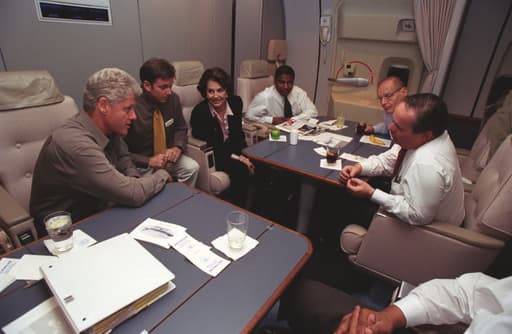
Al From
PERSON
American political strategist (born 1943)
Al Gore
PERSON
Vice President of the United States from 1993 to 2001 (born 1948)
AH
Alan S. Halperin
PERSON
Attorney who represented Epstein estate and appeared in Elysium (Leon Black) family office meetings
AK
Alex Kohner
PERSON
Name reference in documents
AP
Alex P.
PERSON
British physiologist
AP
Alexandra Preate
PERSON
Name reference in documents

Allie
PERSON
Canadian professional wrestler
AN
Anthony
PERSON
Primarily refers to Anthony Barrett, property manager for Epstein buildings at 301 East 66th Street, with some references to other Anthonys
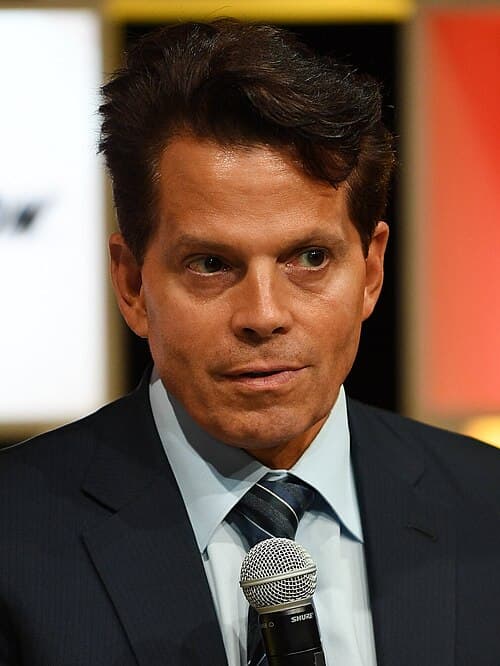
Anthony Scaramucci
PERSON • 3 mentions
American financier and political figure (born 1964)
AR
Armey
PERSON
Name reference in documents
Arthur Schwartz
PERSON
American film producer and composer (1900–1984)
Atwater
PERSON
Name reference in documents
AY
Ayers
PERSON
Surname reference in documents
BA
Bannonites
PERSON
Surname or name fragment in documents
Barack Obama
PERSON
President of the United States from 2009 to 2017

Barron
PERSON
Ambiguous surname - refers to John Barron and Barron's financial publication
Barry Diller
PERSON
American businessman
BA
Bartiromo
PERSON
Surname reference in documents
Bashar al-Assad
PERSON • 2 mentions
President of Syria from 2000 to 2024
Benjamin Ginsberg
PERSON
American political scientist
Benjamin Netanyahu
PERSON
Prime Minister of Israel (1996–1999; 2009–2021; since 2022)
BE
Benny
PERSON
First name reference in Epstein documents
BE
Berkowitz
PERSON
Surname reference in documents
Bernie Marcus
PERSON
United States Senator from Vermont since 2007
Bernie Sanders
PERSON • 2 mentions
United States Senator from Vermont since 2007
BE
Betsy
PERSON
First name reference to multiple individuals in Epstein-related documents
Bill Clinton
PERSON
President of the United States from 1993 to 2001 (born 1946)
BI
Billy
PERSON
Ambiguous first name - refers to multiple people in Epstein documents
Billy Bush
PERSON
American radio and television host (born 1971)
Bob Dylan
PERSON
American singer-songwriter (born 1941)
Boehner
PERSON
53rd Speaker of the U.S. House of Representatives from 2011 to 2015
Boris Nikolic
PERSON
American immunologist, biotech investor, and former chief science and technology advisor to Bill Gates
BO
Bossie
PERSON
Surname reference in documents
BO
Bowles
PERSON
Surname reference in documents
BS
Boy Scouts
PERSON
Person referenced in documents
Bradley Cooper
PERSON
American actor
Bradley Edwards
PERSON
American attorney who represented Epstein victims, author of Relentless Pursuit
Brady
PERSON
Surname reference in Epstein documents
Brock Pierce
PERSON
Entrepreneur, former child actor

Brooks
PERSON
Ambiguous surname - refers to David Brooks, Alonzo Brooks, Rodney Brooks in various contexts
Brzezinski
PERSON
Surname or name fragment in documents

Buckley
PERSON
Surname reference in Epstein-related documents
Candide
PERSON
Surname or name fragment in documents
CA
Carol
PERSON
First name reference to multiple individuals in Epstein documents
Charlie Kushner
PERSON
Name reference in documents
Charlie Rose
PERSON
American TV interviewer and journalist (born 1942)

Chloe
PERSON
First name reference to multiple individuals in Epstein-related documents
Chris Christie
PERSON • 2 mentions
55th Governor of New Jersey and former U.S. Attorney for the District of New Jersey
Chris Tucker
PERSON
American actor and comedian
Christina Goulding
PERSON
Name reference in documents
CS
Christopher Steele
PERSON • 2 mentions
Former British intelligence officer
CC
Clinton Cash
PERSON
Name reference in documents
CO
Colin
PERSON
Ambiguous first name reference to multiple individuals in Epstein documents

Colin Kaepernick
PERSON
American football player (born 1987)
CO
Collins
PERSON
Surname reference in Epstein documents
Condoleezza Rice
PERSON
American diplomat and political scientist (born 1954)

Conway
PERSON • 2 mentions
Refers to Kellyanne Conway (White House advisor) in news coverage within Epstein-related DOJ documents
CO
Corallo
PERSON
Name reference in documents
CO
Corey
PERSON
Ambiguous first name - appears in political advisor context and various Epstein documents
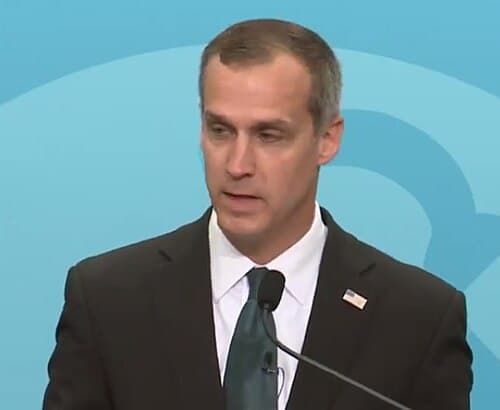
Corey Lewandowski
PERSON
American political operative and commentator
Corzine
PERSON
Surname or name fragment in documents
Coulter
PERSON
Surname reference in documents
CW
Courtney Wild
PERSON
American victim/survivor of Jeffrey Epstein who led legal battle for victims' rights
Cynthia Nixon
PERSON
American actress and politician

Daley
PERSON
Surname reference in Epstein-related documents
DL
Danit Lidor
PERSON
Name reference in documents
DA
Dasha
PERSON
Russian first name reference in Epstein documents
David Boies
PERSON • 2 mentions
American lawyer and chairman
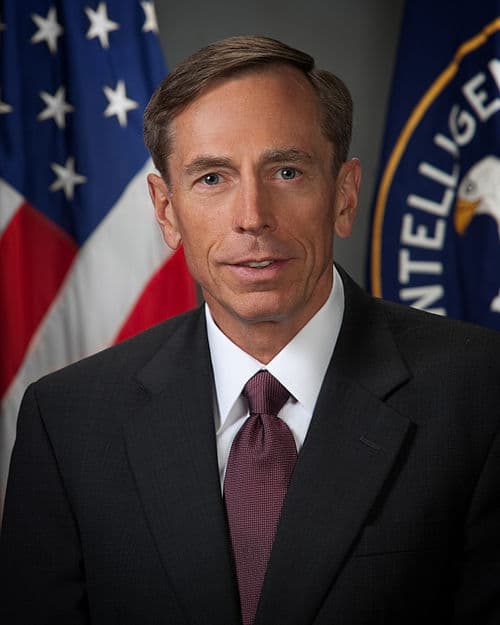
David Petraeus
PERSON
U.S. Army general and public official (born 1952)
Deepak Chopra
PERSON
Indian-born American author and alternative-medicine advocate, physician and public speaker

Deripaska
PERSON
Russian businessman
Devin
PERSON
American pornographic actress
DeYoung
PERSON
Surname reference in documents
Dick Cheney
PERSON
Vice President of the United States from 2001 to 2009

Dickerson
PERSON
Surname reference in documents
Dina Powell
PERSON
Egyptian-American diplomat and banker
DJ
Don Junior
PERSON
Name reference in documents
Donald Rumsfeld
PERSON
American politician and diplomat (1932–2021)
Donald Trump
PERSON • 8 mentions
President of the United States (2017–2021, 2025–present)
Donald Trump Jr.
PERSON
American businessman and reality television personality (born 1977)
Dubke
PERSON
Name reference in documents
DU
Dunford
PERSON
Surname or name fragment in documents
DJ
Dylan Jones
PERSON
British editor
Edward Jay
PERSON
American historian (1975-)
Edward Jay Epstein
PERSON
American journalist
Edward Snowden
PERSON
American whistleblower and former NSA contractor (born 1983)
Elon Musk
PERSON • 2 mentions
Businessman and entrepreneur (born 1971)
EN
Enrique
PERSON
First name reference to multiple individuals in Epstein-related documents
ER
Eric Rayman
PERSON
Person referenced in documents
Eric Schmidt
PERSON
Software engineer, businessman, former Google CEO

Eric Trump
PERSON
American businessman and reality television personality (born 1984)
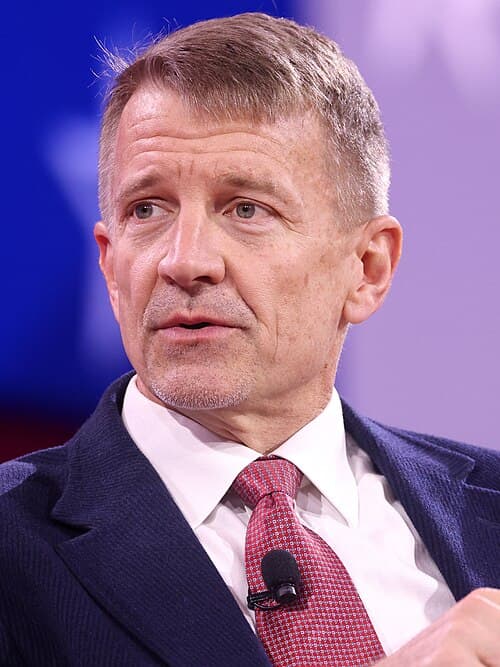
Erik Prince
PERSON
American businessman, former US Navy SEAL officer and the founder of the private military company Blackwater
Erskine
PERSON
Surname or name fragment in documents
FE
Felix
PERSON
Surname reference in Epstein-related documents
FS
Felix Sater
PERSON
Real estate developer associated with Donald Trump

Franken
PERSON
Surname or name fragment in documents
Franklin Foer
PERSON
American journalist
FO
FREDDY IVAN OCHOA
PERSON
Person referenced in documents

Fredo
PERSON
British rapper
Gary Cohn
PERSON
American businessman & politician (born 1960)
GA
Gavin
PERSON
First name reference to multiple individuals in Epstein-related documents
Gavin Newsom
PERSON
40th governor of California since 2019
Geoffrey S. Berman
PERSON
Former U.S. Attorney for the Southern District of New York who oversaw the 2019 federal indictment of Jeffrey Epstein
George H. W.
PERSON
Name reference in documents
George Mitchell
PERSON
Former U.S. Senator from Maine and special envoy, connected to Epstein through flight logs and social events
George Soros
PERSON
Hungarian-American investor and philanthropist (born 1930)

George W. Bush
PERSON • 2 mentions
President of the United States from 2001 to 2009
GE
Gerald
PERSON
First name reference to multiple individuals in Epstein-related documents
GI
Ginni
PERSON
Name reference in documents
GL
Glover
PERSON
Surname reference in documents
Goldwater
PERSON
Surname or name fragment in documents
Gorka
PERSON
Surname or name fragment in documents
Grace
PERSON
Short Christian prayer said before or after eating; artistic theme
GR
Grimm
PERSON
Surname or name fragment in documents
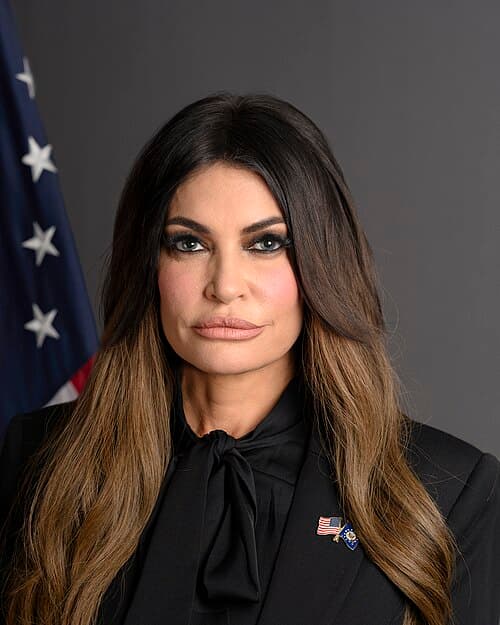
Guilfoyle
PERSON
Name reference in documents
H. R.
PERSON
Name reference in documents
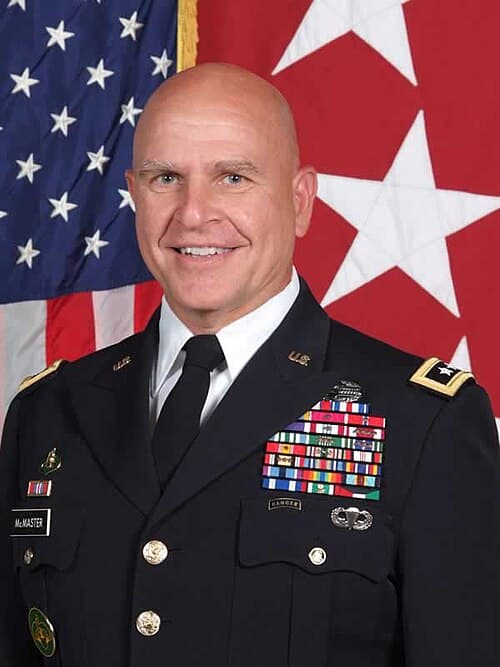
H. R. McMaster
PERSON
Name reference in documents
HK
Hamad bin Isa Al Khalifa
PERSON • 2 mentions
Person referenced in documents
Harvey Weinstein
PERSON • 2 mentions
American film producer and sex offender (born 1952)
HD
Heather deManbey
PERSON
Person referenced in Epstein-related documents

Heather Heyer
PERSON
American paralegal, activist and murder victim
Hemingway
PERSON
Surname reference in Epstein-related documents
Henry Kissinger
PERSON
American politician and diplomat (1923–2023)
HI
Hicks
PERSON • 2 mentions
Ambiguous surname - appears in Epstein emails and news coverage contexts
Hillary Clinton
PERSON • 2 mentions
American politician and diplomat (born 1947)

Hope Hicks
PERSON
American public relations executive and political advisor (born 1988)
HU
Hubbell
PERSON
Surname reference in Epstein-related documents
Hulk Hogan
PERSON
American professional wrestler, actor and television personality (1953–2025)
HU
Hutchison
PERSON
Surname or name fragment in documents

Icahn
PERSON
Refers to Carl Icahn, billionaire activist investor, referenced in SEC whistleblower complaints about financial fraud networks
Indra
PERSON
Surname reference in documents

Ivanka Trump
PERSON • 2 mentions
American businesswoman, socialite and political advisior (born 1981)
JE
J. Edgar
PERSON
Name reference in documents
JS
Jack Shafer
PERSON
American journalist

James Alex Fields Jr.
PERSON
Name reference in documents
James Alex, Jr.
PERSON
Name reference in documents
James Baker
PERSON
American lawyer and statesman (born 1930)
James Clapper
PERSON
US government official (born 1941)
James Comey
PERSON
American lawyer and 7th director of the Federal Bureau of Investigation (born 1960)

Janice Min
PERSON
American journalist, magazine editor, columnist, talk-show host, author
Jared Kushner
PERSON • 3 mentions
American businessman and real estate investor (born 1981)
Jarrett
PERSON
Surname reference in documents
JA
Jarvanka
PERSON
Name reference in documents
JA
Jarvankas
PERSON
Name reference in documents
JA
Jason
PERSON
First name reference to multiple individuals in Epstein documents
Jason Miller
PERSON
American mixed martial arts fighter
Jay Sekulow
PERSON
American attorney (born 1956)
Jeff Bezos
PERSON
American business magnate (born 1964)
Jeff Sessions
PERSON • 2 mentions
American politician and lawyer (born 1946)

Jeffrey Epstein
PERSON • 2 mentions
American sex offender and financier (1953–2019)
Jesus Christ
PERSON
Central figure of Christianity (6 or 4 BC – AD 30 or 33)
JI
Jimmy
PERSON
First name reference to multiple individuals in Epstein documents
Joanna Coles
PERSON
British editor

Joanne Gerber
PERSON
Name reference in documents
Joe Biden
PERSON
46th President of the United States (2021–2025)
Joe Scarborough
PERSON
American television host and politician
John Brennan
PERSON
Director of the Central Intelligence Agency from 2013 to 2017
John F.
PERSON
President of the United States from 1961 to 1963 (1917–1963)
John F. Kennedy
PERSON • 2 mentions
President of the United States from 1961 to 1963 (1917–1963)
John Homans
PERSON
Name reference in documents
John Kelly
PERSON
Former White House Chief of Staff and Former United States Marine Corps General
John McCain
PERSON • 2 mentions
American politician, military officer, and presidential candidate (1936–2018)
John Sterling
PERSON
Sports broadcaster
JA
joie de guerre alt-right
PERSON
Name reference in documents
Jonathan Swan
PERSON
Australian journalist

Josh Raffel
PERSON
Person referenced in documents
Joshua
PERSON
Primarily refers to Joshua Cooper Ramo in Epstein correspondence
JG
Joshua Green
PERSON
American journalist
JU
Juleanna
PERSON
American political consultant and lobbyist
JG
Juleanna Glover
PERSON
American political consultant and lobbyist
JU
Julia
PERSON
First name reference to multiple individuals including young women sent to Epstein by associates, and Julia Koch (wife of David Koch)
Justin Trudeau
PERSON • 2 mentions
23rd prime minister of Canada from 2015 to 2025
KA
Karen
PERSON • 2 mentions
Primarily refers to Karen Gordon, New Zealand property manager at Epstein's Zorro Ranch
KA
Kasowitz
PERSON
Surname or name fragment in documents
Kathryn Ruemmler
PERSON
American lawyer; White House Counsel under Obama (2011-2014), former General Counsel at Goldman Sachs
KA
Katie
PERSON
First name reference to multiple individuals in Epstein documents
Katie Couric
PERSON
American journalist, presenter, producer, and author
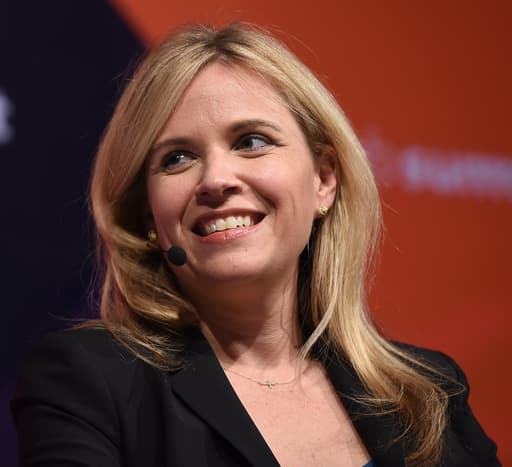
Katie Walsh
PERSON
Name reference in documents
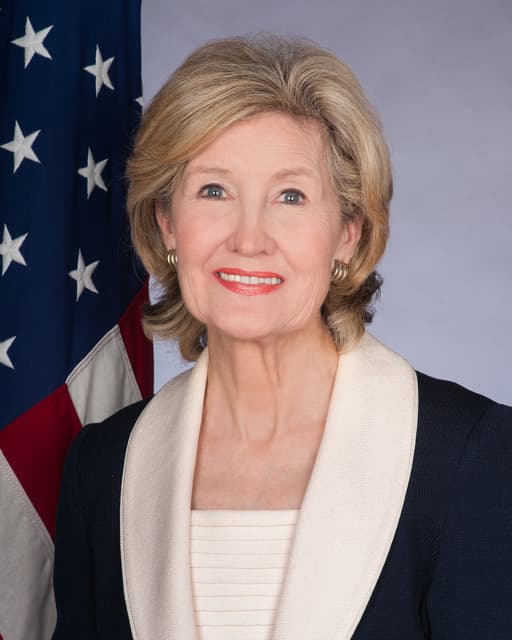
Kay Bailey
PERSON
American politician (born 1943)

Keith
PERSON
First name reference to multiple individuals in Epstein documents
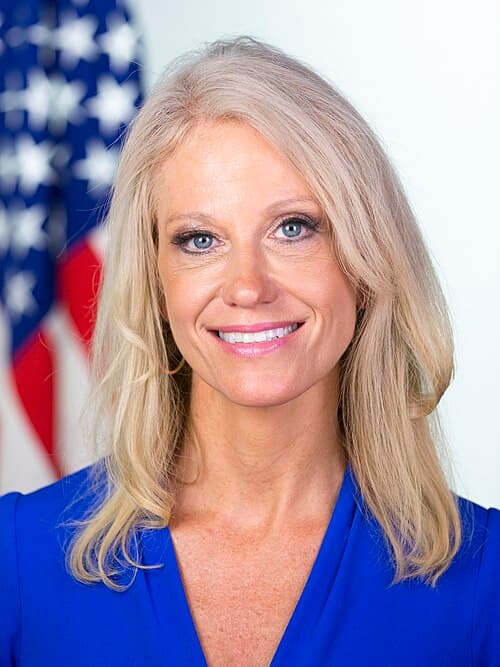
Kellyanne
PERSON
Researcher
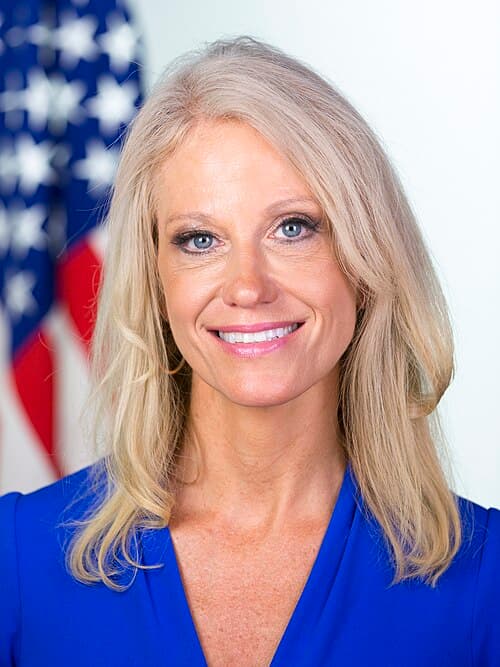
Kellyanne Conway
PERSON
Senior Counselor to the President of the United States from 2017 to 2020
Ken Starr
PERSON
American judge and educational administrator (1946–2022)
Kim Jong-un
PERSON
General Secretary of the Workers' Party of Korea and 3rd Supreme leader of North Korea
KI
Kimberly
PERSON
First name reference to multiple individuals in Epstein documents
Kimberly Guilfoyle
PERSON
American attorney and political campaign advisor (born 1969)
KN
KKK neo-Nazi
PERSON
Name reference in documents
KU
Kurtz
PERSON
Surname reference in documents
KU
Kuttner
PERSON • 2 mentions
Name reference in documents
Lanny
PERSON
First name reference to multiple individuals
LM
Larry McCarthy
PERSON
Name reference in documents
LeBron James
PERSON
American basketball player (born 1984)
Leela de Kretser
PERSON
Global Breaking News Editor - Thomson Reuters
LE
Lefrak
PERSON
Name reference in documents
Leon Panetta
PERSON
American politician, Secretary of Defense 2011–2013
Lewandowski
PERSON
Surname reference in documents
Lighthizer
PERSON
Surname reference in documents
Limbaugh
PERSON
American political commentator (1951–2021)
Lloyd
PERSON
Surname reference in Epstein-related documents
Lloyd Blankfein
PERSON
American business executive
LO
Louise
PERSON
Ambiguous first name reference to multiple individuals in Epstein documents

Lucifer
PERSON
Surname reference in documents
LU
Luther
PERSON
First name reference to multiple individuals in the documents
Luther Strange
PERSON
Alabama lawyer and politician

Lyndon B.
PERSON
Name reference in documents
MA
Maggie
PERSON
First name reference to multiple individuals in Epstein-related documents

Maggie Haberman
PERSON
American journalist (born 1973)
Mahmoud
PERSON
First name reference to multiple individuals in Epstein-related documents
Manigault
PERSON
Name reference in documents
MK
Marc Kasowitz
PERSON
American lawyer
Marc Rich
PERSON
American commodities trader (1934–2013)
MF
Maria Farmer
PERSON
American visual artist
Marine Le Pen
PERSON
French politician (born 1968)
MC
Mark Corallo
PERSON
American political consultant
MD
Mark Dowd
PERSON
Researcher
Martin Luther
PERSON
Name reference in Epstein documents, likely referring to Martin Luther King Jr.
Matt Cooper
PERSON
Irish Journalist, author, television presenter and radio presenter.

Matt Stone
PERSON
American actor, animator and filmmaker (born 1971)
MB
Matthew Belloni
PERSON
American journalist and podcaster
MB
Matthew Boyle
PERSON
US philosopher and professor
Matthew Hiltzik
PERSON
American publicist
Mattis
PERSON
Reference to James Mattis, former U.S. Secretary of Defense

McCormick
PERSON
Surname reference in Epstein-related documents
MC
McMasters
PERSON
Name reference in documents
McNerney
PERSON
Name reference in documents
MM
Mehreen Maluk
PERSON
Name reference in documents
Melania Trump
PERSON • 2 mentions
First Lady of the United States (2017–2021; since 2025)

Melton
PERSON
Surname reference in documents
ME
Mercer
PERSON
Surname reference in Epstein-related documents
ME
Mercers
PERSON
Name reference in documents
Michael Cohen
PERSON • 2 mentions
American former attorney and former Republican official
Michael Feldman
PERSON
American actor
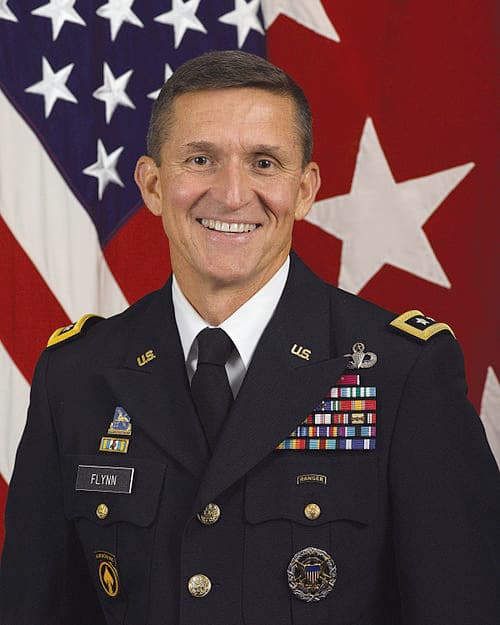
Michael Flynn
PERSON • 2 mentions
U.S. Army general and former U.S. National Security Advisor (born 1958)
Michael Grimm
PERSON
American politician (born 1970)
Michael Jackson
PERSON • 2 mentions
American singer, songwriter, record producer, and dancer (1958–2009)
Michael Ledeen
PERSON
American historian and foreign policy analyst
Michael Schmidt
PERSON
American poet

Michael Schrage
PERSON
Name reference in documents
Michael Wolff
PERSON • 2 mentions
American author, essayist, and journalist
Mick Mulvaney
PERSON
Former Director of the Office of Management and Budget and White House Chief of Staff
Mike Allen
PERSON
American editor and writer of speculative fiction and poetry
Mike Dubke
PERSON
American entrepreneur and political aide who had been the White House Communications Director for U.S. President Donald Trump from March 6, 2017 to May 2017
MM
Mike Murphy
PERSON
Irish presenter
Mike Pence
PERSON
Vice President of the United States from 2017 to 2021
Mike Pompeo
PERSON
American politician (born 1963) and former United States Secretary of State (2018–2021)
Mike Rogers
PERSON
American politician (born 1963)
Mitch McConnell
PERSON • 2 mentions
American politician and lawyer (born 1942)
Mohammed bin Nayef
PERSON
Former Saudi crown prince
Mohammed bin Salman
PERSON • 3 mentions
Saudi crown prince (born 1985)

Monica
PERSON
First name reference to multiple individuals in Epstein documents
Monica Lewinsky
PERSON
American activist and writer (born 1973)
MO
Mooch
PERSON • 2 mentions
Surname reference in documents
Muammar
PERSON
Surname reference in documents
Muammar Gaddafi
PERSON • 2 mentions
Leader of Libya from 1969 to 2011
NA
Nancy
PERSON
First name reference to multiple individuals in Epstein documents
Nancy Pelosi
PERSON
American politician (born 1940)
Navarro
PERSON
American economist and author, Trump advisor (born 1949)
neo-Nazis
PERSON
Surname or name fragment in documents
Newt Gingrich
PERSON
American politician, anti-sharia law activist and author (born 1943)
Nigel
PERSON
First name reference to multiple individuals in the documents
Nigel Farage
PERSON • 2 mentions
British right-wing politician (born 1964)

Niki Christoff
PERSON
American lawyer
NI
Nikil
PERSON
Name reference in documents
Nikil Saval
PERSON
American writer and politician

Nikki
PERSON
First name reference to multiple individuals in Epstein-related documents
Oliver Stone
PERSON
American film director, screenwriter, and producer (born 1946)
Omarosa
PERSON
Name reference in documents
Oscar
PERSON
First name reference in Epstein documents
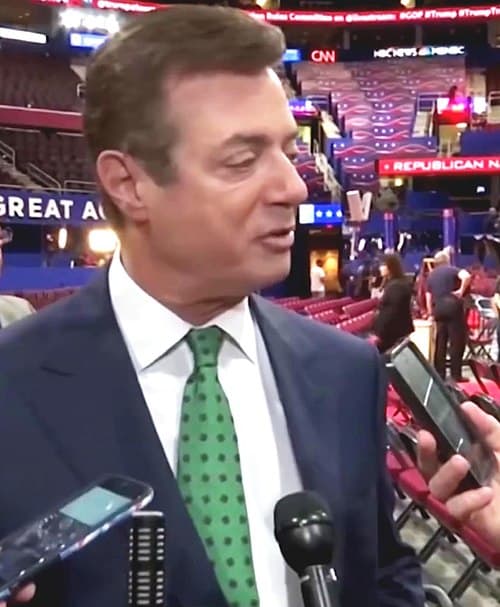
Paul Manafort
PERSON
American political consultant
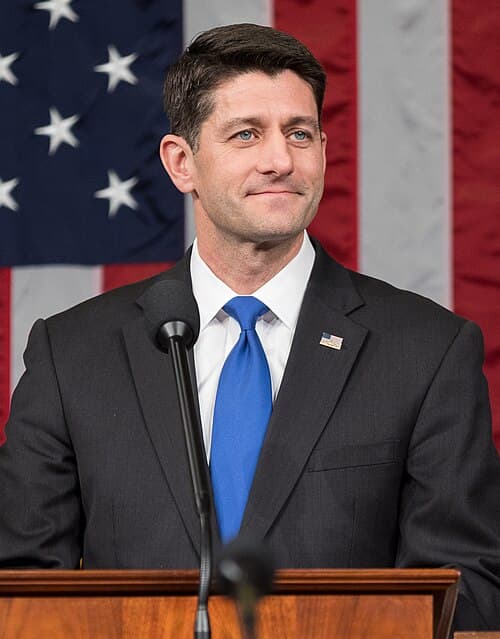
Paul Ryan
PERSON
Speaker of the United States House of Representatives from 2015 to 2019
PA
Paula
PERSON
First name reference to multiple individuals in Epstein documents
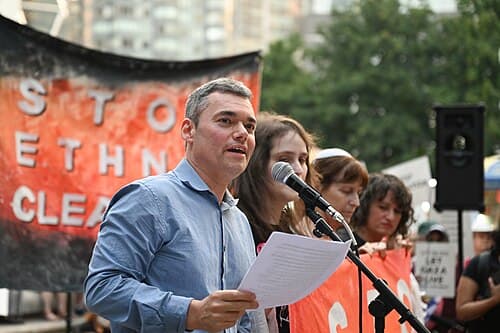
Peter Beinart
PERSON
American journalist

Peter Benedek
PERSON
Name reference in documents
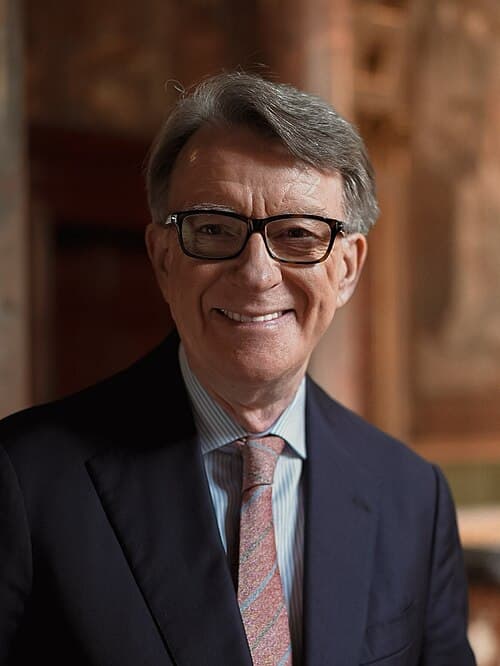
Peter Mandelson
PERSON
British politician and life peer (born 1953)
Peter Thiel
PERSON • 2 mentions
German-American entrepreneur and venture capitalist (born 1967)

Petraeus
PERSON
New Zealand progamer
Piers Morgan
PERSON
British journalist and television host (born 1965)

Policy Forum
PERSON
Person referenced in documents
PR
Preate
PERSON
Name reference in documents
Prince Andrew
PERSON
Third child of Queen Elizabeth II and Prince Philip, Duke of Edinburgh (born 1960)
Prince Charles
PERSON
King of the United Kingdom and other Commonwealth realms since 2022 (born 1948)
Rachel
PERSON
Biblical matriarch
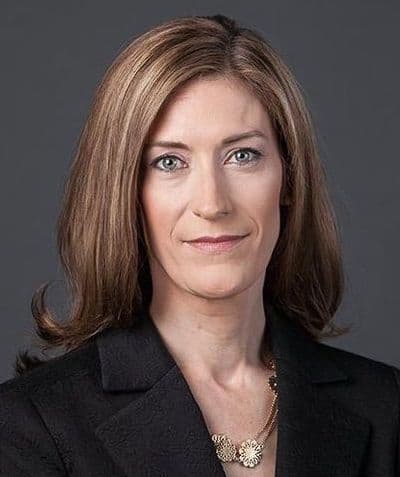
Rachel Brand’—the
PERSON
Name reference in documents
RA
Raffel
PERSON
Surname or name fragment in documents
Rahm Emanuel
PERSON
American politician (born 1959)
RE
Rebekah
PERSON
First name reference to multiple individuals in Epstein-related documents
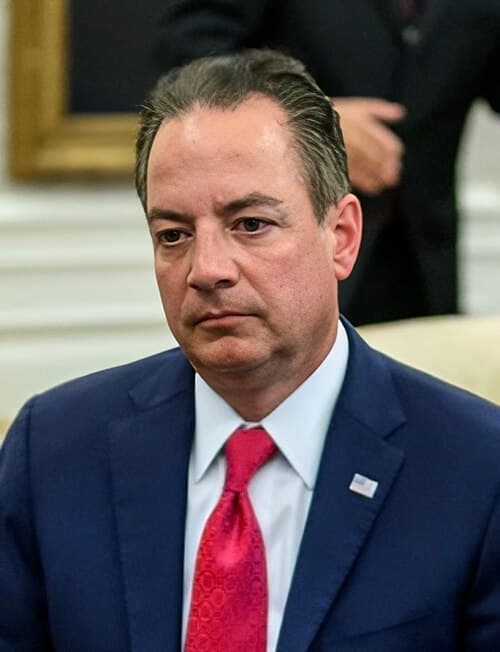
Reince
PERSON
Chairman of the Republican National Committee from 2011 to 2017
Reince Priebus
PERSON • 2 mentions
Chairman of the Republican National Committee from 2011 to 2017
Remnick
PERSON
American journalist, writer and editor (born 1958)
Rex Tillerson
PERSON • 3 mentions
69th United States Secretary of State
Rhodes
PERSON
Ambiguous surname reference in Epstein documents

Richard M.
PERSON
American software freedom activist, short story writer and computer programmer, founder of the GNU project
Richard Spencer
PERSON
Former United States Secretary of the Navy
Robert E.
PERSON
Indian choreographer
Robert Kuttner
PERSON
American journalist
RJ
Robert L., Jr
PERSON
Indian choreographer
Robert Mueller
PERSON • 2 mentions
Sixth director of the FBI; American attorney
Rod Rosenstein
PERSON • 2 mentions
American lawyer
Roger
PERSON
First name reference to multiple individuals in Epstein documents
Roger Stone
PERSON
American political consultant and lobbyist (born 1952)
RO
Roman
PERSON
Ambiguous first name - Roman Chukov, Roman Polanski, also Times New Roman font references
RO
Ronald
PERSON
First name reference to multiple individuals in Epstein documents
Ronald Reagan
PERSON
President of the United States from 1981 to 1989 and actor (1911–2004)
RO
Rosen
PERSON
Ambiguous surname - refers to Jeffrey Rosen (Acting AG), Ira Rosen (producer), and others
Roy Moore
PERSON
American jurist and politician (born 1947)
Rudy Giuliani
PERSON • 3 mentions
American attorney and politician (born 1944)
RU
Rupert
PERSON
Primarily refers to Rupert Sheldrake (biologist), also Rupert Murdoch and Rupert Adams in Epstein documents
Rupert Murdoch
PERSON
Australian-American business magnate (born 1931)
Saddam Hussein
PERSON • 2 mentions
Iraqi president, army officer and Baathist politician (1937–2006)
Sally
PERSON
American actress
SN
Sam Nunberg
PERSON
American political operative
Samantha Power
PERSON
Irish-American academic, author and diplomat
Sandberg
PERSON
Surname reference in documents
Sarah Huckabee
PERSON
Name reference in documents
SA
Sater
PERSON • 2 mentions
Refers to Felix Sater, Trump Organization associate referenced in financial fraud documents
SA
Saval
PERSON
Name reference in documents
Scarborough
PERSON
NER artifact - Scarborough media measurement company referenced in DOJ Bulletin Intelligence methodology

Scarlett Johansson
PERSON
American actress (born 1984)
SC
Scavino
PERSON
Name reference in documents
SC
Schwartz
PERSON • 2 mentions
Ambiguous surname - Schwartz/Linda Grable, CFO Alan Schwartz, and others
SM
Scott McConnell
PERSON
Name reference in documents
Sean Hannity
PERSON • 2 mentions
American television host and political commentator (born 1961)
Sean Spicer
PERSON • 3 mentions
American political strategist and former White House Press Secretary and Communications Director for President Donald Trump
Sebastian
PERSON
American stand-up comedian and actor
Sergey Brin
PERSON
American billionaire businessman (born 1973)
Seuss
PERSON
American children's author and cartoonist (1904–1991)
SH
Sheldon
PERSON
First name reference to multiple individuals in Epstein-related documents
Sheldon Adelson
PERSON
American businessman (1933–2021)
Sheryl
PERSON • 2 mentions
American musician (born 1962)
SH
Shinzo
PERSON
Name reference in documents
Shinzo Abe
PERSON
Prime Minister of Japan from 2006–2007 and 2012–2020 (1954–2022)
Simon Dumenco
PERSON
Name reference in documents
Spencer
PERSON
Town in Worcester County, Massachusetts, United States
Stephen Hawking
PERSON
British theoretical physicist, cosmologist and author (1942–2018)
Stephen Miller
PERSON
American political advisor and Trump administration official (born 1985)
SR
Stephen Rubin
PERSON
British businessman
Stephen Schwarzman
PERSON
American businessman and investor
SK
Stevan Keane
PERSON
Name reference in documents
Steve Bannon
PERSON • 2 mentions
American media executive & political strategist (born 1953)
Steve Hilton
PERSON
British political advisor and television host (born 1969)
Steve Schwarzman
PERSON
American businessman and investor
Steven Mnuchin
PERSON • 2 mentions
United States Secretary of the Treasury from 2017 to 2021
Tammy Haddad
PERSON
Name reference in documents
TE
Tevfik
PERSON
Name reference in documents
Theresa
PERSON
Ambiguous first name - refers to multiple people in Epstein documents
Theresa May
PERSON
Prime Minister of the United Kingdom from 2016 to 2019
Thomas Jefferson
PERSON • 2 mentions
President of the United States from 1801 to 1809
Tim Miller
PERSON
American film director
Tom Barrack
PERSON
American private equity investor, founder of Colony Capital, longtime Epstein associate
Tom Price
PERSON
Person referenced in documents
Tony Blair
PERSON
Prime Minister of the United Kingdom from 1997 to 2007
TR
Travis
PERSON
First name reference to multiple individuals in Epstein-related documents
Truman
PERSON
Surname reference in Epstein-related documents
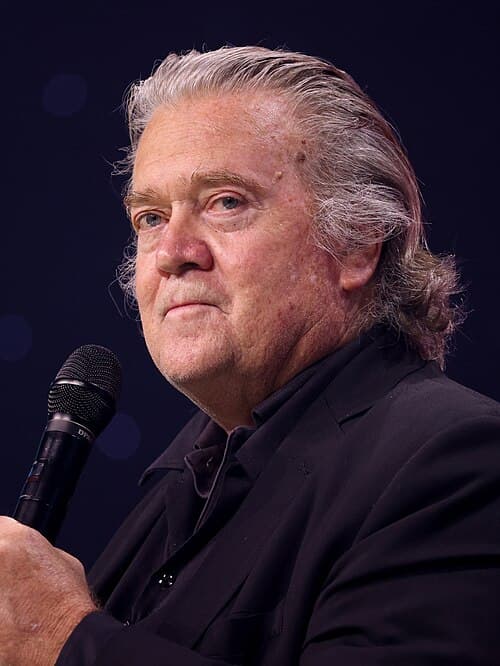
Trump—Bannon
PERSON
Name reference in documents
TR
Trumpkins
PERSON
Name reference in documents
Tucker Carlson
PERSON • 2 mentions
American conservative political commentator (born 1969)
VA
Valerie
PERSON
First name reference to multiple individuals in Epstein documents

Vernon
PERSON
Ambiguous name reference in legal citations and Epstein documents
Victoria Floethe
PERSON
Name reference in documents
Viktor
PERSON
Canadian professional wrestler
Virginia Giuffre
PERSON
Advocate for sex trafficking victims (1983–2025)
Vladimir Putin
PERSON • 2 mentions
2nd and 4th President of Russia (2000-2008, 2012-present), 7th and 11th Prime Minister of Russia (1999-2000, 2008-2012), Director of the Federal Security Service (1998-1999) and Deputy Mayor of Saint Petersburg (1994-1996)
WE
Webster
PERSON
Ambiguous surname reference in Epstein documents
WE
Weissmann
PERSON
Researcher
Welch
PERSON
Surname reference in Epstein-related documents
WE
Wendi
PERSON
First name reference to multiple individuals in Epstein-related documents
WI
Wilbur
PERSON
First name reference to multiple individuals in the documents
Wilbur Ross
PERSON
United States 39th Secretary of Commerce
William F.
PERSON
American public intellectual, conservative author and political commentator (1925–2008)
William Jennings
PERSON
Senior lecturer in French in New Zealand
William Shakespeare
PERSON
English playwright and poet (1564–1616)
Winston
PERSON
City in and the county seat of Forsyth County, North Carolina, United States
Winston Churchill
PERSON
British statesman, soldier and writer (1874–1965)
WI
Wirthlin
PERSON
Name reference in documents
WO
Woodward
PERSON
Surname reference in Epstein-related documents
Woody Allen
PERSON • 2 mentions
American filmmaker, actor and comedian (born 1935)
Xi Jinping
PERSON • 3 mentions
General Secretary of the Chinese Communist Party since 2012
YA
Yaffa
PERSON
Name reference in documents

Yates
PERSON
Surname reference in Epstein-related documents
Yiannopoulos
PERSON
Name reference in documents
ZB
Zbigniew
PERSON
Name reference in documents
ZH
Zhukova
PERSON
Surname or name fragment in documents
American Prospect
ORGANIZATION
Organization referenced in documents
Anbang Insurance Group
ORGANIZATION
Organization referenced in documents
Andrews Air Force Base
ORGANIZATION
Organization referenced in documents
Arthur Andersen
ORGANIZATION
Former holding company
Bannonite PR
ORGANIZATION
Organization referenced in documents
Bayrock Group
ORGANIZATION
Organization referenced in documents
Bedminster Golf Club
ORGANIZATION
Organization referenced in documents
Beinart
ORGANIZATION
Organization referenced in documents
béte noire
ORGANIZATION
Organization referenced in documents

Blackstone
ORGANIZATION
Canadian television series

Blackstone Group
ORGANIZATION
American alternative investment company

Blackwater
ORGANIZATION
American private military company

Bloomberg L.P.
ORGANIZATION
American privately held financial, software, data, and media company
Boy Scouts of America
ORGANIZATION
Organization referenced in documents

Capitol Hill
ORGANIZATION • 2 mentions
Neighborhood in Washington, D.C., USA

CENTCOM
ORGANIZATION
Organization referenced in documents

Central Intelligence Agency
ORGANIZATION
Organization referenced in documents
Clubhouse
ORGANIZATION
Organization referenced in documents
Comey-Mueller
ORGANIZATION
Organization referenced in documents
Crime and Terrorism Subcommittee
ORGANIZATION
Organization referenced in documents

Deepak
ORGANIZATION
Refers to Deepak Chopra, Indian-American author and alternative medicine advocate who corresponded with Jeffrey Epstein

Defense Intelligence Agency
ORGANIZATION
Organization referenced in documents
Democratic National Committee
ORGANIZATION
Organization referenced in documents
Democratic Party
ORGANIZATION
Organization referenced in documents

Development
ORGANIZATION
Scientific journal
Digital Entertainment Network
ORGANIZATION
Organization referenced in documents
Dodge
ORGANIZATION
US automotive company

Enron
ORGANIZATION
American energy company
Export-Import Bank
ORGANIZATION
Organization referenced in documents

Fargo
ORGANIZATION
Organization referenced in documents
Federalist Society
ORGANIZATION
American conservative organization
Financial Times
ORGANIZATION
London-based daily newspaper
First Family
ORGANIZATION
Organization referenced in documents
Foreign Relations Committee
ORGANIZATION
Organization referenced in documents
Fox Business Channel
ORGANIZATION
TV channel focused on business news
Gamergate
ORGANIZATION
Organization referenced in documents

Gawker
ORGANIZATION
Blog on celebrities and media, created 2002
Gazprom
ORGANIZATION
Russian oil and gas company

General Electric
ORGANIZATION
American multinational conglomerate
General Motors
ORGANIZATION
American multinational automotive company
Glover Park Group
ORGANIZATION
Organization referenced in documents
Goldman Sachs Foundation
ORGANIZATION
Organization referenced in documents
GOP
ORGANIZATION
American political party
Health and Human Services Department
ORGANIZATION
Organization referenced in documents

Henry Holt
ORGANIZATION
Organization referenced in documents
Heritage Foundation
ORGANIZATION
Organization referenced in documents
Hicks, Jared and Ivanka
ORGANIZATION
Organization referenced in documents
HNA Group
ORGANIZATION
Chinese conglomerate

Homeland Security
ORGANIZATION
U.S. Department of Homeland Security
Homeland Security Department
ORGANIZATION
Organization referenced in documents
House of Representatives Budget Committee
ORGANIZATION
Organization referenced in documents
Intelligence Committee
ORGANIZATION
Organization referenced in documents
Intergovernmental Affairs
ORGANIZATION
Organization referenced in documents
Internet Gaming Entertainment
ORGANIZATION
Organization referenced in documents
Joe’s Stone Crab
ORGANIZATION
Organization referenced in documents
Judiciary Committee
ORGANIZATION
Government legislative body
Kaepernick
ORGANIZATION
Organization referenced in documents
Kremlin
ORGANIZATION
Fortified complex in Moscow, Russia
Kushner Companies
ORGANIZATION
Organization referenced in documents
Ledeen
ORGANIZATION
Organization referenced in documents
Luntz, Frank
ORGANIZATION
Organization referenced in documents
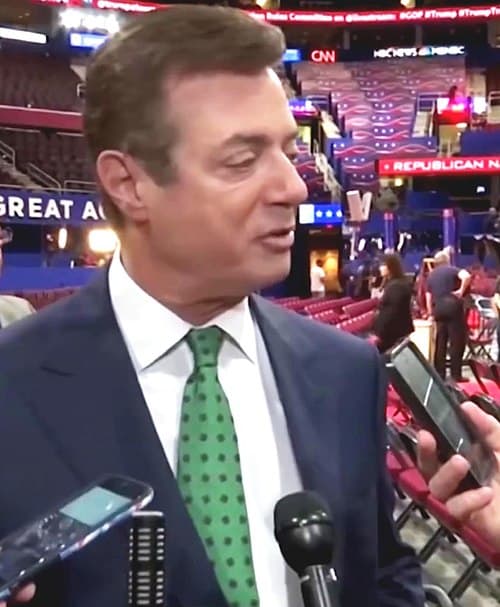
Manafort
ORGANIZATION • 2 mentions
Organization referenced in documents
Marine
ORGANIZATION
Form of figurative art that portrays or draws its main inspiration from the sea
McGahn
ORGANIZATION
Organization referenced in documents
NAFTA
ORGANIZATION
North American Free Trade Agreement
National Economic Council
ORGANIZATION
Financial and public policy development institution of the Government of Bangladesh
National Intelligence
ORGANIZATION
Intelligence concerning the goals and capabilities of nations or alliances
National Policy Institute
ORGANIZATION
Organization referenced in documents
National Republican Senatorial Committee
ORGANIZATION
Organization referenced in documents

National Security Agency
ORGANIZATION
Organization referenced in documents
National Security Council
ORGANIZATION
National Security Council

New Republic
ORGANIZATION
Fictional state in the "Star Wars" universe
NFL
ORGANIZATION
Professional American football league
Nikki Haley
ORGANIZATION
American politician and diplomat (born 1972)
Nooyi
ORGANIZATION
Indian-American business executive and former CEO of PepsiCo

North American Free Trade Agreement
ORGANIZATION
Organization referenced in documents
Nunberg
ORGANIZATION • 2 mentions
Organization referenced in documents
Office of American Innovation
ORGANIZATION
Organization referenced in documents
Office of Management and Budget
ORGANIZATION
Agency that prepares and evaluates the President of the United States' annual budget to Congress
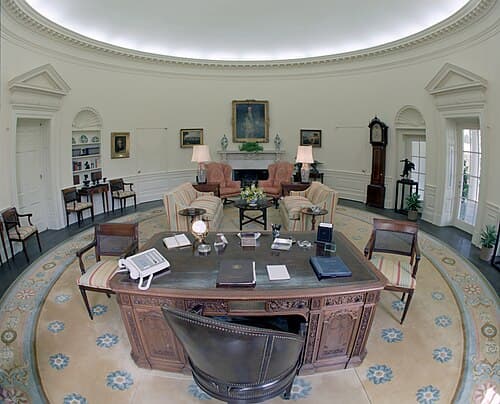
Oval Office
ORGANIZATION
Office of the President of the United States in the White House
Parenthood
ORGANIZATION
Organization referenced in documents
Renaissance Technologies
ORGANIZATION
Organization referenced in documents
Schweizer
ORGANIZATION
Organization referenced in documents
Skybridge Capital
ORGANIZATION
Organization referenced in documents
Special Operations
ORGANIZATION
Organization referenced in documents

Starbucks
ORGANIZATION
American multinational coffee company

State Department
ORGANIZATION
Executive department of the U.S. federal government
State Tillerson
ORGANIZATION
Organization referenced in documents
Tea Party
ORGANIZATION
Organization referenced in documents
the 21 Club
ORGANIZATION
Organization referenced in documents
the Alabama Supreme Court
ORGANIZATION
Organization referenced in documents
the Boy Scouts
ORGANIZATION
Organization referenced in documents
the Breitbart Embassy
ORGANIZATION
Organization referenced in documents
the Hay-Adams
ORGANIZATION
Organization referenced in documents
the KK K
ORGANIZATION
Organization referenced in documents
The Man Who Owns the News
ORGANIZATION
Organization referenced in documents
the Organization for Economic Co-operation and
ORGANIZATION
Organization referenced in documents
the Power-Point
ORGANIZATION
Organization referenced in documents
the Strange-Moore
ORGANIZATION
Organization referenced in documents
the Trump Hotel
ORGANIZATION
Organization referenced in documents
the U.S. Export-Import Bank
ORGANIZATION
Organization referenced in documents

the University of Virginia
ORGANIZATION
University in Virginia
Time Warner
ORGANIZATION
Former American cable telecommunications company
Trotta
ORGANIZATION
Organization referenced in documents
Trump International Hotels
ORGANIZATION
Organization referenced in documents
Trump SoHo
ORGANIZATION
Organization referenced in documents
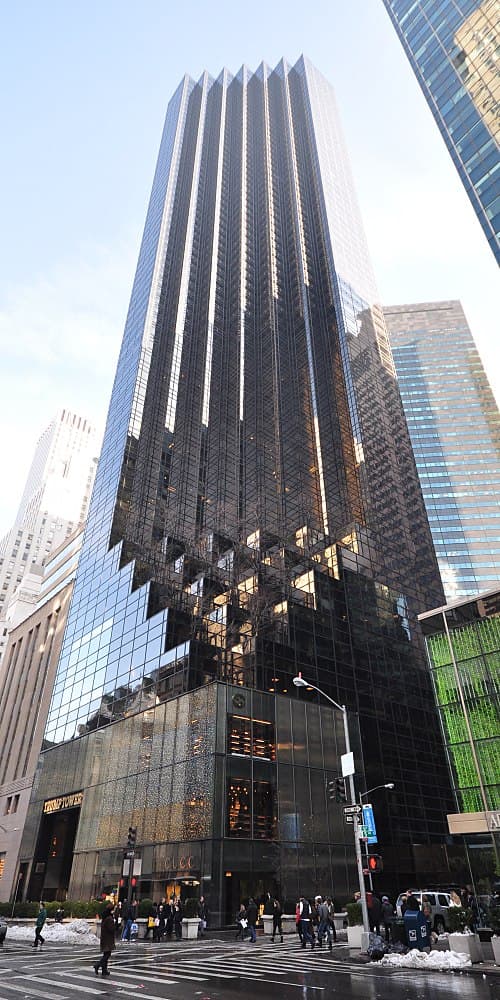
Trump Tower
ORGANIZATION
Skyscraper in Manhattan, New York
Trumpworld
ORGANIZATION
Organization referenced in documents
Two Cities TV
ORGANIZATION
Organization referenced in documents
united &
ORGANIZATION
Organization referenced in documents
US Steel
ORGANIZATION
Organization referenced in documents

USA Today
ORGANIZATION
American national daily newspaper

Wachtell, Lipton
ORGANIZATION
Law firm
Wachtell, Lipton, Rosen & Katz
ORGANIZATION
Organization referenced in documents

Washington Times
ORGANIZATION
American broadsheet newspaper published in Washington, D.C.
Ways and Means Committee
ORGANIZATION
Government body charged with reviewing and making recommendations for government budgets
West Wing
ORGANIZATION • 2 mentions
Organization referenced in documents
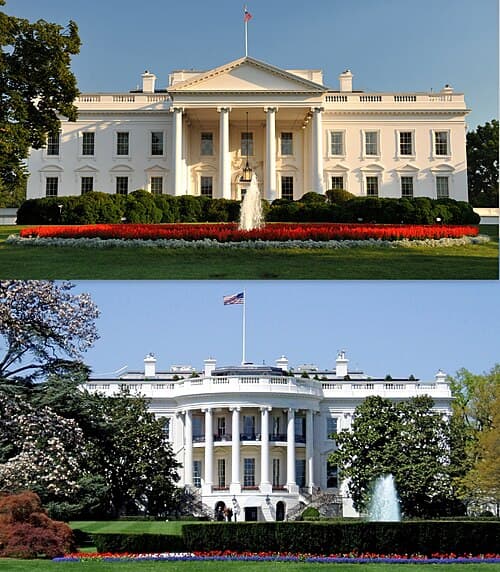
White House
ORGANIZATION • 2 mentions
Official residence and office of the President of the United States

WikiLeaks
ORGANIZATION
Organization that publishes leaks provided by anonymous sources
World Wrestling Entertainment
ORGANIZATION
Organization referenced in documents
Zimes
ORGANIZATION • 2 mentions
Organization referenced in documents
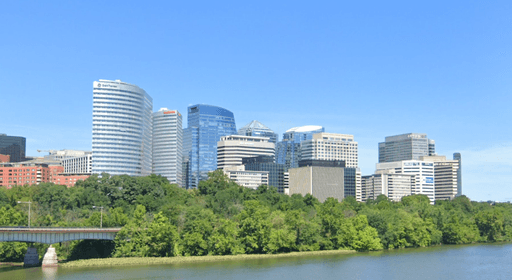
Arlington
LOCATION
County in Virginia, United States; part of Washington metropolitan area
Atlantic City
LOCATION
City in Atlantic County, New Jersey, United States

Bahrain
LOCATION
Country in the Persian Gulf

Bedminster
LOCATION
Township in New Jersey, United States

Charlottesville
LOCATION
Independent city in Virginia, United States
Circa
LOCATION
Location referenced in documents
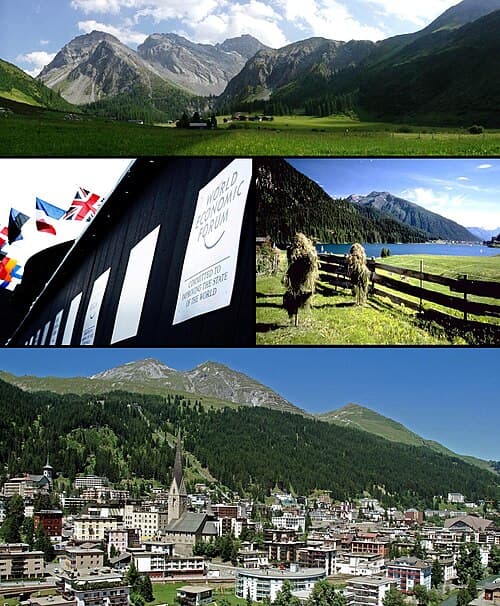
Davos
LOCATION • 2 mentions
Municipality in the canton of Graubünden, Switzerland
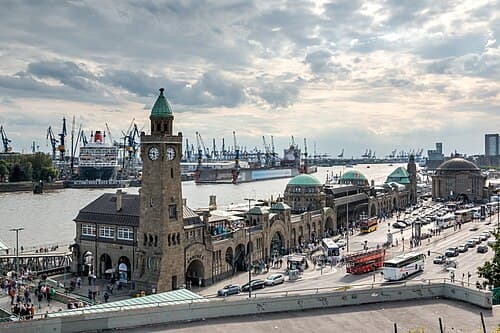
Hamburg
LOCATION
City and state in the North of Germany
Harrisburg
LOCATION
City in and county seat of Dauphin County, Pennsylvania, United States and Pennsylvania federated state capital city

Huntsville
LOCATION
County seat of Madison County, Alabama, United States
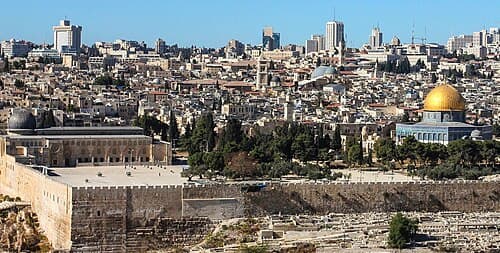
Jerusalem
LOCATION
City in the Middle East, holy to the three Abrahamic religions
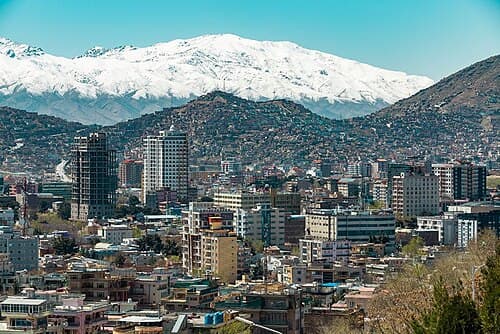
Kabul
LOCATION
Capital and the largest city of Afghanistan

Kazakhstan
LOCATION
Sovereign state in Eastern Europe and Central Asia
Khan Sheikhoun
LOCATION
Location referenced in documents
Long Island
LOCATION
Island in New York, United States of America
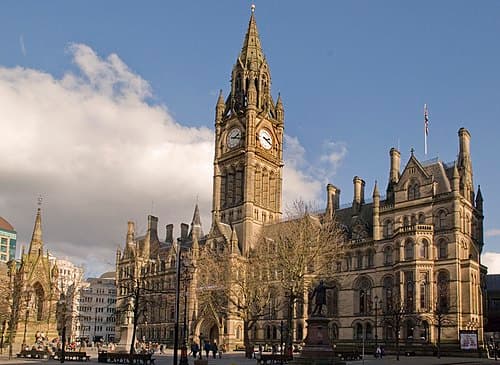
Manchester
LOCATION
City in Greater Manchester, England
Mount Rushmore
LOCATION
Mountain in South Dakota featuring a sculpture of four US presidents
Mount Vernon
LOCATION
Plantation estate of George Washington, in Fairfax County, Virginia, United States
New Hampshire
LOCATION
State of the United States of America
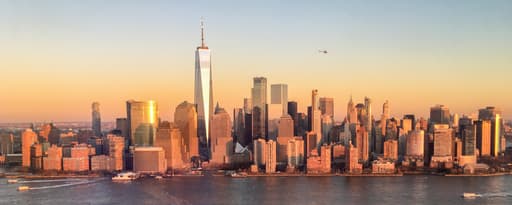
New York City
LOCATION
Most populous city in the United States
North Korea
LOCATION
Sovereign state in East Asia
president—‘said
LOCATION
Location referenced in documents
Seine
LOCATION
River in France
Seoul
LOCATION
Capital and largest city of South Korea
Staten Island
LOCATION
Borough of New York City, New York, United States of America
Venezuela
LOCATION
Country in South America
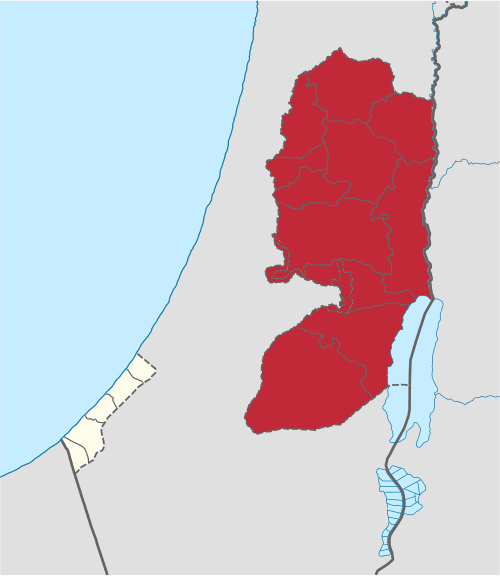
West Bank
LOCATION
Territory in the Middle East

Yemen
LOCATION
Country in West Asia
Statistics
Pages:69
Entities:537
Avg. OCR:94.2%
Sponsored