EFTA01475956_sub_003 - EFTA01475956_298
Document Information
Bates Range
EFTA01475956_sub_003 - EFTA01475956_298
Pages
98
Original Filename
EFTA01475956.pdf
Document Content
Page 201 - EFTA01475956_201
8 December 2015 World Outlook 2016: Managing with less liquidity Figure 16: Large cap* miner net debt to EBITDA Ratio 0.0 0.5 1.0 1.5 2.0 2.5 3.0 The cycle starts to turn The miners respond by cutting capex and costs which offsets commodity price weakness ...the risk in 2016e is that commodity prices continue to weaken, . our base case assumes some asset sales for select producers. ...but not enough to offset the speed of commodity price declines in 2015 Figure 17: Glencore 1Y CDS spread bps 200 400 600 800 1000 1200 0 2011 2012 2013 Base case 2014 2015E 2016E Risk case Note: *Mkt cap weighted BHPB, Rio, Barrick, Freeport, Alcoa, Norilsk, Alcoa, Glencore, Southern Copper, Anglo American and Vale Source: Deutsche Bank Research, Company reports, Source: Deutsche Bank Research, Bloomberg Finance LP 2017E Glencore 1Y CDS spread Grant Sporre, (44) 20 754 58170 Michael Hsueh, (44) 20 754 78015 EFTA01476156
Page 202 - EFTA01475956_202
Page 66 Deutsche Bank AG/London Dec-2014 Feb-2015 Apr-2015 Jun-2015 Aug-2015 Oct-2015 EFTA01476157
Page 203 - EFTA01475956_203
8 December 2015 World Outlook 2016: Managing with less liquidity Global Asset Allocation: The case for normalization Key themes and catalysts for 2016: After a record rise in the dollar, 2015 saw unusually negative US data surprises that were second only to 2008. Five and a half of the first six months saw a prolonged and sustained period of negative surprises as the lagged impacts of the record rise in the dollar combined with a second severe winter and port strikes. Following a brief period of positive surprises, the August equity market correction saw sentiment indicators fall sharply and another two months of negative surprises ensued. Macro data surprises were worse only in 2008. 2016 should see normal data surprise cycles, with a warmer winter an upside risk. The sharpest nine-month rise in the dollar against the major currencies was responsible directly for the sharp move down in manufacturing and indirectly through the collapse in oil prices on energy-related capex. The divergence between manufacturing and resilient services has been closely tied to the pace of dollar appreciation and should begin to anniversary out with the former catching back up to the much larger latter sector. Underlying (private) US growth has been much stronger than headline GDP growth rates and it has been resilient. Headline GDP growth in the US (2.0%) has been lowered by the shrinking government sector. With the peak in fiscal drag passed, we expect headline growth to lift towards private GDP growth (3.0%) if not higher given expenditure multipliers. The US recovery has also been resilient in the face of a variety of large shocks in recent years with, for example, the labor market remaining in its 2.4% ar recovery channel. Financial repression is reducing growth: rate normalization to raise incomes and lower the savings rate. The traditional view that low rates represent stimulus focuses on the cost of household (HH) liabilities, but the asset side is much bigger (Are Low Rates Raising The Savings Rate?, Oct 2015). Of $100 trn of HH assets, cash alone is $10 trn and lower rates mean lower interest income of $360 bn (2% of GDP) before multipliers. Lowering the return on savings also raises the savings rate (1 pp of GDP). Corporate cash holdings are 3x short-term debt so earnings should also rise with rates, especially for the Financials. EM growth re-normalization is advanced: the question is whether it will be a soft or hard landing. The multi-year outperformance of EM during 2001-2010 represented a confluence of four circumstantial factors: slack following late 1990s crises; dollar down cycle encouraged capital inflows and credit boom; dollar down cycle meant oil and commodity up cycle; interaction meant appreciating exchange rates, which checked inflation and lengthened the cycle; each factor went into reverse in 2010-2011 and looks to have a little further to run. Our baseline view has been that the EM growth spread or advantage will revert to its historical range, and we are almost there (When Will EM Stop De-rating?, Oct 2013). While EM growth has been slowing since EFTA01476158
Sponsored
Page 204 - EFTA01475956_204
the peak in 2010, the pace of deceleration slowed beginning in 2012 with the end of the European financial crisis. Our baseline view is that the pickup in developed markets growth, combined with the fact that EM FX has overshot the decline in relative growth, will see a soft landing in EM. The relatively typical global economic recovery continues at trend-like global GDP growth rates. Despite the angst and narrative of how weak global growth has been, 2015 marked the fourth year running of trend-like global GDP growth. Using market exchange rate weights, growth has actually been rising since 2012 and should move at above trend next year. Asynchronous global recoveries are typical. We view the current global recovery as being like the 1990s when asynchronization was the norm; not like the unusually synchronized 2003-07 recovery, which was the exception. Deutsche Bank AG/London Fig. 1: Big neg. surprises this year... Average Annual MAPI -0.15 -0.10 -0.05 0.00 0.05 0.10 0.15 -0.15 -0.10 -0.05 0.00 0.05 0.10 0.15 Source: Bloomberg Finance LP, Deutsche Bank Research Fig. 2: ... reflected dollar's rise % yoy -20 -15 -10 -5 0 5 10 15 20 1997 2001 2005 Recession USD TWI, inverted axis (lhs) Mfg minus Services PMI (rhs) Index pts Flat EFTA01476159
Page 205 - EFTA01475956_205
USD Correl = -41% 2009 2013 -10 -8 -6 -4 -2 0 2 4 6 8 2017 Source: Markit, Bloomberg Finance LP, Deutsche Bank Research Fig. 3: Pvt. vs. headline growth Recession Private Index 102 107 112 117 122 127 97 Source: BEA, Deutsche Bank Research Total US Real GDP (01 2004 = 100) 3.0% growth 2.0% Govt Index -2.2% 102 107 112 117 122 127 97 Dec-03 Dec-05 Dec-07 Dec-09 Dec-11 Dec-13 Dec-15 Fig. 4: EM growth normalization EM minus DM: Real GDP Growth (IMF data and forecasts) -1 0 1 2 EFTA01476160
Page 206 - EFTA01475956_206
3 4 5 6 7 % yoy 2011 forecast 2012 forecast 2013 forecast 2014 forecast Consensus 2015 forecast % yoy 2015 -1 0 1 2 3 4 5 6 7 Source: IMF, Deutsche Bank Research Page 67 1976 1979 1982 1985 1988 1991 1994 1997 2000 2003 2006 2009 2012 2015 2018 2008 2015 2006 2004 2010 2011 2012 2001 2000 2003 2007 EFTA01476161
Sponsored
Page 207 - EFTA01475956_207
2013 2005 2014 2002 1998 2009 1999 1997 EFTA01476162
Page 208 - EFTA01475956_208
8 December 2015 World Outlook 2016: Managing with less liquidity The goods-services divide suggests the Fed and ECB are misdiagnosing underlying inflation: low goods inflation is a global phenomenon that reflects the dollar up and commodity down cycles, which are accelerated by monetary policy divergence; services inflation is running much stronger and rising. Core goods inflation (25% weight in the US; 38% weight in Europe) consistently runs well below core services inflation. In the US, core goods inflation has been running slightly negative for three years, while core services a much stronger 2.5% for the last four years and recently moved to a new cycle high. In the Euro area, core goods inflation is running higher than in the US reflecting the depreciation of the euro, while core services has been moving up and is running at 1.4%. Core goods inflation in the US is strongly correlated with import price inflation. Zero or slightly negative core goods inflation in the US can also be thought of as foreign inflation less the dollar's appreciation. Core services inflation in the US has moved up over the last three months and has a fair degree of catch up to do with the decline in unemployment relative to the NAIRU and rental vacancies. The dollar up cycle should have 10% to go medium term, but speed breakers are now in place to slow the pace. The US trade-weighted dollar rose 23% during Jun 2014-Mar 2015, the fastest pace ever with about three years of appreciation in a typical dollar up cycle packed into nine months. The rapid appreciation erected two speed breakers which should slow the pace: lower core goods inflation prompted the Fed to push out rate guidance in April (marking a top in the dollar for next seven months); the drag on US growth and earnings has seen a big reallocation ($-150bn) out of US equities into Europe. Historically turns in productivity are led by the dollar: typical lag implies we are at the cusp. Historically, over the post-World War II period, productivity has grown at a trend rate of 2.1% per year, with long multi-year cycles in the level of productivity around this trend. The current level is near the bottom of the trend channel, a level last seen in 1995. Incentives matter: the dollar looks to have been an important driver of productivity historically. There has been a relatively strong correlation between the lagged level of the trade weighted dollar and productivity. The average lag looks to have been about three years. Cyclical asset allocation: large over-allocation to fixed income at the expense of equities persists. Around recessions, flows overweight bonds over equities. EFTA01476163
Page 209 - EFTA01475956_209
Asset allocation re-normalizes around Fed hiking cycles. This time various QEs, calendar guidance and Twist prompted investors to put even more money into bonds long after the recession. Despite equity inflows resuming in 2013 (especially after the taper) cumulative overweight in bonds is still $748bn and underweight in equities $1.4 trn. Each episode of rising rates over the last five years saw robust reallocations from bonds to equities. The cross asset rates minder: Rate normalization cycles have long been associated with significant price losses on the 10y. Previous rate hiking cycles each saw long-lived capital losses on the 10y, averaging -11%. We estimate that a catch back up of market expectations to the Fed's guidance is worth +150bps in the lOy implying a significant potential re-pricing. The current divergence two years ahead is comparable with historical experience near turning points in rate cycles. Figure 5: Trend like global growth % yoy -1 0 1 2 3 4 5 6 World real GDP growth (IMF data) Average (3.6%) % yoy 1990s asynchronous global growth 2015 -1 0 1 2 3 4 5 6 Weights using PPP exchange rates Source: IMF, Deutsche Bank Research Figure 6: Dollar cycle has 10% to go Index 100 110 120 130 60 70 EFTA01476164
Sponsored
Page 210 - EFTA01475956_210
80 90 1974 1982 1990 1998 2006 2014 Source: Bloomberg Finance LP, Deutsche Bank Research Index USDTWI PPP Implied 20% Band 100 110 120 130 60 70 80 90 Figure 7: Dollar leads productivity USD TWI (dev from PPP implied, 12q lead, lhs) US Nonfarm Productivity (dev from trend) (rhs) 10 20 30 40 -30 -20 -10 0 10 Correl (since 1982): 51% -10 -8 -6 -4 -2 0 2 4 6 8 Source: BLS, Deutsche Bank Research Figure 8: Over allocation to bonds Cumulative bond flows Rising yields 400 EFTA01476165
Page 211 - EFTA01475956_211
800 1200 1600 2000 2400 0 USD bin Bond flows USD750bn above normal USD bin 400 800 1200 1600 2000 2400 0 Source: ICI, Deutsche Bank Research Page 68 Deutsche Bank AG/London 1984 1988 1992 1996 2000 2004 2008 2012 2016 1973 1977 1981 1985 1989 1993 1997 2001 2005 2009 2013 2017 1975 1979 1983 1987 1991 1995 1999 2003 2007 EFTA01476166
Page 212 - EFTA01475956_212
2011 2015 2019 EFTA01476167
Sponsored
Page 213 - EFTA01475956_213
8 December 2015 World Outlook 2016: Managing with less liquidity There is plenty of room for the terminal rate to go up and for the bond risk premium to turn positive. Starting in late 2012, the Fed began lowering its "long run" policy rate in sync with its forecast of lower long-run real GDP growth, from 2.5% to 2%, which corresponds to average headline GDP growth in this recovery. But with the drag from the government shrinking since early 2014 and private sector GDP growth running at 3%, underlying headline growth has already moved up to 2.4%. As the government sector begins to cease being a drag, headline real GDP growth should lift to 3% and the terminal rate to 4.5% (3+2-0.5). With the bond risk premium (BRP) an unprecedented negative through the Fed's calendar rate guidance, it turned positive around the taper but is back to around zero. We look at the BRP relative to the lOy as this normalizes for prevailing duration. Historically, the BRP ranged from 0% to 40% of the lOy yield, averaging 22%. That would be as additional 44 bps on the current 10y, about what the Fed seems to be assuming. The BRP has also been historically correlated with the US current account deficit as much of it was financed by the foreign official sector, which bought Treasuries for Official Reserves. The present current account deficit points to 25% of the lOy yield, so similar (55bps) but slightly higher BRP. Credit spreads tighten with higher rates but over-allocations keep fixed income vulnerable: HY over HG. It is generally assumed that higher rates mean wider credit spreads, i.e., that the beta of credit spreads to the lOy yield is positive; the betas of both HG and HY spreads to the lOy have in fact always been negative (Credit After The Taper Reset, August 2013). HG has been the largest recipient of inflows in fixed income and with spread compression (beta less than 1) insufficient to offset the impact of higher rates, negative total returns leave them vulnerable to outflows. HY much less so. The equity risk premium is at a 70-year high; it is perfectly negatively correlated with the lOy yield. The equity risk premium (the equity discount rate less Treasury yields) is a very hefty 8% (Cycles in the Equity Discount Rate and Risk Premium, Apr 2015). Prior to this cycle, the last time it was this high was in the 1950s post-World War II recovery period. It remains 3pp wider than it was pre-financial crisis. The equity risk premium has historically been strongly negatively correlated with the lOy Treasury yield. With a beta around -1, a rise in the lOy yield should see the equity risk premium shrink by a commensurate amount. Indeed a 3 percentage point rise in lOy yields that shrunk the equity risk premium by a commensurate amount in line with the historical pattern would take it back down only to where it was prior to the financial crisis, i e., equities look to be priced for significantly higher yields and then some. EFTA01476168
Page 214 - EFTA01475956_214
The dollar cycle is years ahead of the rates cycle. As US rate increases get closer and the ECB keeps rates on hold or even cuts further, rate differentials move in favor of the dollar; but the euro is two years ahead of rates and will therefore remain vulnerable to reversals. Positioning has been moving long the dollar. At 92% of April highs, there looks to be only modest room for the market to go longer. The next phase of the dollar up cycle looks to be closer to the typical 5% a year pace: (i) euro rates selloff has further to go; (ii) in the face of rapid dollar appreciation the Fed already pushed out rate hikes once marking a trough in the euro for the next six months and will likely do it again. Oil will continue to be pressured by a rising dollar but unlike 2014 it looks close to fair value. Across the oil and commodities complex, prices have been driven predominantly (average 81%) by global activity (slack) and the US dollar (Trading The Commodity Underperformance Cycle, Apr 2013). But as a practical matter, they have been driven almost entirely by the dollar and valuation, as global growth has varied little over the last few years. Oil prices are now close to fair value (Closing Our Short In Oil, Dec 2014) and risk-reward argues for being modestly underweight on a rising dollar. Industrial metals, especially Copper still looks expensive. Deutsche Bank AG/London Figure 9: Hiking cycles and 10Y Fed Rate Cycles and lOy Treasury Price Changes Hiking Cycle 1958-59 1961-66 1972-74 1976-80 1980 1983-84 1994-95 2004-06 Average Median Hiking Cycle duration (months) 16 64 26 37 4 EFTA01476169
Page 215 - EFTA01475956_215
16 12 24 25 20 Fed Rate at Trough 0.5 0.5 3.5 4.8 9.5 8.5 3.0 1.0 Fed Rate at Peak 4.0 6.0 13.0 14.0 20.0 11.5 6.0 5.3 -3m to +12m return -11.9 -1.9 -5.6 -0.9 -23.9 -10.2 -12.0 -1.5 -8.5 -7.9 Source: Bloomberg Finance LP, Deutsche Bank Research lOy treasury price chg during the hiking cycle -10.4 -9.6 -10.4 -23.1 -9.6 -12.5 EFTA01476170
Sponsored
Page 216 - EFTA01475956_216
-10.4 -3.1 -11.1 -10.4 Figure 10: Credit spreads and rates bps -2.00 -1.75 -1.50 -1.25 -1.00 -0.75 -0.50 -0.25 0.00 0.25 3m Beta of Corp Spreads to lOy Rising yields HG bps HY -2.00 -1.75 -1.50 -1.25 -1.00 -0.75 -0.50 -0.25 0.00 0.25 Source: Factset, ML index, Deutsche Bank Research Figure 11: Equity risk premium negatively correlated with rates 0 2 4 6 8 10 12 14 lOy yield, inverted axis (lhs) Equity Risk Premium, over lOy (rhs) pp 11 ERP (over 10y) = 10.48 - 0.874 * lOy yield Adj R-Sq: 77.9% Correl EFTA01476171
Page 217 - EFTA01475956_217
Since 1933: -88% Since 1980: -92% 1933 1947 1961 1975 1989 2003 2017 Source: Bloomberg Finance LP, Deutsche Bank Research -3 -1 1 3 5 7 9 Figure 12: Euro is far ahead of rates EURUSD Fitted 1.0 1.1 1.2 1.3 1.4 1.5 1.6 At FOMC exp of Fed rates At mkt pricing of Fed EURUSD = 1.35 + 0.06*(EUR-US 12m rate diff) + 0.014*(EMU PE (rel to US) R-sq = 52%; Smpl: 11/2004-5/2014 1.0 1.1 1.2 1.3 1.4 1.5 1.6 Source: Bloomberg Finance LP, Deutsche Bank Research Page 69 2003 2005 2007 2009 2011 2013 2015 2017 1990 1992 1994 1996 EFTA01476172
Page 218 - EFTA01475956_218
1998 2000 2002 2004 2006 2008 2010 2012 2014 2016 EFTA01476173
Sponsored
Page 219 - EFTA01475956_219
8 December 2015 World Outlook 2016: Managing with less liquidity The ghosts of EM crises past: equity over-allocation to EM has been completely unwound; EM FX to have overshot the relative growth slowdown; waiting for the Fed. Past EM crises occurred when US dollar up cycles (3/4 of the way through) coincided with US rate hiking cycles. Key difference now is that EM FX has already depreciated. EM growth normalization explains well the underperformance of EM equities and fall of EM FX. EM absolute growth is now back to the middle of its historical range while relative growth is still a bit high. In terms of allocations, the equity over allocation to EM has been completely unwound. Bond allocations are lower but the potential for more downside on a broader unwind of fixed income over allocations remains. EM FX has overshot. We would look to go long EM once US rates re-price for the rate hiking cycle. Asset allocation and trades: Overweight equities; underweight bonds, cash and commodities, long the Dollar Within equities, we would overweight the US and Japan, neutral Europe, underweight EM (until Fed re-pricing). IIExpect mid-cycle price gains for US equities (+13%) on solid demandsupply, strong underlying earnings growth as dollar drag recedes, valuations slightly below fair value; similar appreciation in Europe but higher risk as the largest consensus overweight and relative valuations at the expensive end; more in Japan (+18%) as steep valuation discount dissipates; less in EM (6%) as relative growth slows further and higher US rates and dollar pressures spreads. IIWe look for higher lOy yields (+75bps) as markets gradually move toward pricing in Fed's path of rate normalization. A higher terminal rate and risk premium could mean additional pressure in the future. We are underweight duration and prefer HY over HG for larger spread ompression as rates rise. 1 Trades: The Fed to move faster: steepeners at the short end (EDZ7 — EDZ6) It's all about inflation: Short Euribor Dec 2018 futures Equity recoveries from 10%+ corrections are strong: Long S&P 500 March 2016 risk reversals As rates catch up to the dollar: Long Financials short Energy Excessive defensive premium to erode: short Consumer Staples EFTA01476174
Page 220 - EFTA01475956_220
Long US-centric dollar beneficiary stocks Stay short copper: supply to add to overvaluation pressure. Figure 13: Oil near fair value Real log Oil Price = 19.6 -3.50*(Ln USDTWI) + 1.89* (World Output Gap) Sample: 1999-2013 R-Sq: 82% USD/bbl 110 130 150 10 30 50 70 90 Fair Value Brent Oil Price WTI Oil Price USD/bbl 110 130 150 10 30 50 70 90 Source: Bloomberg Finance LP, Deutsche Bank Research Figure 14: EM equity over allocation has been reversed 100 200 300 400 500 600 700 -300 -200 -100 0 2004 2006 2008 2010 2012 2014 2016 Source: EPFR Global, Deutsche Bank Research EM minus DM equity flows (Cumulative since 2004) USD bln USD bln 100 200 300 400 500 600 EFTA01476175
Page 221 - EFTA01475956_221
700 -300 -200 -100 0 Figure 15: EM FX has overshot EM relative growth and FX -2 -1 0 1 2 3 4 5 6 7 8 2002 pp Index 102 107 112 IMF Projection 2005 EM minus US growth (lhs) EM FX index (rhs) 2008 2011 67 72 77 82 87 92 97 2014 2017 Source: National statistical organizations, Deutsche Bank Research Binky Chadha, (1) 212 250 4776 Parag Thatte, (1) 212 250 6605 Rajat Dua, (1) 212 250 2946 Page 70 Deutsche Bank AG/London Oct-2000 Oct-2002 Oct-2004 Oct-2006 Oct-2008 EFTA01476176
Sponsored
Page 222 - EFTA01475956_222
Oct-2010 Oct-2012 Oct-2014 Oct-2016 EFTA01476177
Page 223 - EFTA01475956_223
8 December 2015 World Outlook 2016: Managing with less liquidity Geopolitics: The EU's geopolitical crisis eclipses its economic crisis The EU is challenged to its south by the collapse of the security cordon built laboriously over four decades along the southern Mediterranean and to its southeast by the collapse and sectarian civil wars of Syria and Iraq. Both of these are the sources of the radical Islamist terror and the mass migrations that are now threatening the EU' s internal cohesion. To its east, it is challenged by Russia' s response to its efforts to form an association with Ukraine. The war in Syria is becoming an ever-greater can of worms. In addition to the mutually competing interests of the many factions battling the Assad regime and each other, four key outside countries and their coalition partners-- Russia, France, the US, and Turkey—now have air forces in action also with mutually competing objectives, regardless of their formal coalition alignments. In response to the massacre in Paris, France has fully committed its most powerful conventional forces to this decade' s " War on Terror" . This sudden attack and response may help to cut through the knot of contradictions that have threatened the EU geopolitically and economically, for example by finally dethroning the abrasive fiscal constraints via force majeure. More likely, in our view: the EU will become even more absorbed in the conflicting tactics and strategies in Syria that have so tied up the other major participants. The EU's basis is geopolitical European unification has always been about geopolitics. The drive for European internal unity started as a geopolitical solution to end the intraEurope warfare that arguably had continued since the fall of Rome—and it has evolved over 65 years at an accelerating pace. It began with the European Coal and Steel Community, an accord between especially Germany and France on the allocation of these vital resources. Then in sequence came the European Economic Community, the Schengen Agreement, the European Community, and the European Union along with the euro area. This political and institutional evolution has coincided with an historically long peace in Western Europe. The geopolitical freeze imposed by US and Soviet occupation during the Cold War delivered the first 45 years of peace. But for the last 25 years, it has proceeded under its own momentum, albeit under the US security umbrella. At its base, the euro itself initially was about internal geopolitics: German reunification in 1989 finally completed German's grand strategy in effect since the Adenauer government. It could have created a thoroughly dominant Germany that once again might become overbearing and politically destabilizing. The euro was the way to harness Germany to the interests of EFTA01476178
Page 224 - EFTA01475956_224
the larger Union to make its potential strength less threatening. Aside from its economic aspects, the euro also was to be a device to accelerate the arrival of the federal European state. Economists did then and still do believe that a currency without an over-arching state would be unstable. But even this flaw strengthened the rationale for its creation: the euro would force the completion of unification. It would lock in members and compel centralization of key financial decision-making and regulation. It was " Irreversible" and so therefore was the path to a super-state. But the incomplete nature of the EU state system was the ultimate source of the euro economic and political crisis. A perceived unwillingness to do what it took via fiscal transfers to hold the system together has driven a not-quite standard balance-of-payments crisis from 2010 through 20012 and again in 2015. Deutsche Bank AG/London Page 71 EFTA01476179
Sponsored
Page 225 - EFTA01475956_225
8 December 2015 World Outlook 2016: Managing with less liquidity The existential crisis for the euro arose from the realization that the "irreversibilty" of the system was simply an authoritative incantation and not a well-underpinned objective reality. Even during 2010-2011 in a benign geopolitical environment, the perceived cost—both economic and geopolitical —to the system of a break-up was simply too great. So institutions were created and means were found via the bailout programs to hold the system together. But Greece stayed in depression, and this brought intra-EU politics to a boil. The recently agreed third Greek Program forced Greece to stay in at least for the time being. Good-bye to the geopolitical respite Since the 2011-12 phase of the Greek and euro area crisis, Europe (and the US) has lost control of the south shore of the Mediterranean. Iraq and Syria have disintegrated, the result of a major intensification of the Sunni-Shia conflict. This was followed by the tightening of the Russia-Iran-Syria-Iraq alignment that threatens to surround the Sunni oil producers, underlined by last year' spread of the war to Yemen. The EU' s expansive effort to pull Ukraine into its sphere has been resisted by Russian military force, and there is Russian pushback for the retaliatory sanctions along the length of its frontiers with the EU. All this is occurring at the moment of new US reluctance to put itself in the middle of these distant fights. Afghanistan is also crumbling as the US backs away from its post-9/11 advance into central Asia. Evidently, the US is consciously reducing the dependability of its generalized security umbrella or at least creating that impression. This is consistent with former US Defense Secretary Robert Gates' 2011 valedictory warning: the lack of military funding in most of the EU in accordance with NATO guidelines is leading to a decline of will to continue US support for NATO in the post-Cold War generation and the current administration. Now huge waves of mass migration from Africa, the Middle East, and even Central Asia have beset the EU, and we believe they will not stop without direct and forceful EU intervention to stabilize these troubled regions. This has generated a bit more German dominance within the EU and added centrifugal tendencies in the eastern EU to those in the UK. Unilateral closing of frontiers is undermining the Schengen Agreement, and the Eastern European members are nullifying the European Council' s qualified majority mandate under the Lisbon Treaty to accept refugee quotas. These accelerating external and internal threats will likely push the "petty" economic disputes of the euro crisis to the back burner and the geopolitical EFTA01476180
Page 226 - EFTA01475956_226
dimension to the forefront. After the collapse of the Soviet Union, the unification of Germany, and the securing of oil in the Gulf War, external geopolitical threats to Europe disappeared for 20 years. In this geopolitical vacuum of a weak Russia, the EU took the opportunity to expand rapidly to the east while centralizing itself internally. The quasi-confederate European Community morphed into not quite a federal European Union, which morphed into a sort of Imperial Union showing interest in Ukraine. But now the geopolitical free ride is over. The US, at least until 2017, will likely not provide much of an umbrella. And the still-incomplete Union now has to develop policy through a security lens. The Eastern European states emerged from World War II with fairly uniform national populations and cultures due to the horrors and ethnic cleansings during and after the war. This is likewise partly true of the successor states to the former Yugoslavia. They all signed on enthusiastically to the European project in expectation of sharing the bounty of European prosperity, governance institutions, culture, and democracy, with an added bit of Page 72 Deutsche Bank AG/London EFTA01476181
Page 227 - EFTA01475956_227
8 December 2015 World Outlook 2016: Managing with less liquidity protection from any future resurgence of Russia. These benefits were all delivered, but their national cultures are now threatened from the inside by the unexpectedly accelerating progressive trends in European culture and even more by the requirement to absorb the extra-European culture of mass migration. This is bound to advance the power of nationalist forces that have always been skeptical of adhering too tightly to the European project. Bringing stability to its surroundings is vital to the stability of the EU. Otherwise, the migration crisis will continue to threaten its disintegration. To enlist Russia to shift more weight against ISIS, as France wishes, a deal might be done at Ukraine' s expense and at the price of locking Russian bases in Syria and allowing the Assad regime to survive. However, to gain this tactical enhancement, the EU and especially France would have to sacrifice strategic objectives in Ukraine and Syria. The alternative is to keep Russia at a distance and to take punitive action against ISIS with more EU airpower, which would be about equal to the US and Russian air forces already there. The introduction of the long-range S-400 missile defense system effectively makes Russia the air traffic controller in the region, so the air war now can be pursued only with Russian assent. This is unlikely to shorten the Syrian civil war and may prolong it. But showing it a continued hostile face incentivizes Russia to continue those policies that collaterally have driven the refugee waves that threaten EU political cohesion. Finally, Turkey, a main supporter of anti-Assad forces via logistical flows, is the main refuge and transit point for refugees from the region. The EU is currently desperately negotiating with Turkey to plug the flow with offers of cash and visa-less travel for Turks to the EU. A strategic EU compromise with Russia that leaves the Assad regime in place might sacrifice any Turkish interest in stemming the refugee flow. Any EU rapprochement with Russia would add yet more to the insecurity of the EU's eastern European members. A can of worms, indeed. Peter Garber, (1) 917 495 0120 Deutsche Bank AG/London Page 73 EFTA01476182
Sponsored
Page 228 - EFTA01475956_228
8 December 2015 World Outlook 2016: Managing with less liquidity Key Economic Forecasts Advanced economies US Japan Euro area Germany France Italy Spain Netherlands Belgium Austria Finland Greece Portugal Ireland United Kingdom Denmark Norway Sweden Switzerland Canada Australia New Zealand EEMEA Czech Republic Egypt Hungary Israel Kazakhstan Nigeria Poland Romania Russia Saudi Arabia South Africa Turkey Ukraine United Arab Emirates Asia (ex-Japan) China Hong Kong India Indonesia Korea Malaysia Philippines Singapore Sri Lanka EFTA01476183
Page 229 - EFTA01475956_229
Taiwan Thailand Vietnam Latin America Argentina Brazil Chile Colombia Mexico Peru Venezuela G7 Advanced economies EM economies Global 2015F 2.4 0.7 1.5 1.7 1.1 0.7 3.2 1.9 1.4 0.8 0.1 -0.1 1.5 5.2 2.4 1.6 1.4 3.2 1.0 1.3 2.3 2.3 1.0 4.5 4.1 2.7 2.4 1.5 3.6 3.4 3.7 -3.7 3.3 1.3 2.9 EFTA01476184
Page 230 - EFTA01475956_230
-9.7 3.7 6.1 7.0 2.5 7.3 4.5 2.6 4.6 6.0 2.5 5.5 1.0 2.5 6.5 -0.8 1.0 -3.7 2.1 3.0 2.3 2.8 -9.7 1.9 1.9 4.0 3.1 GDP growth (% yoy) 2016F 2.1 1.5 1.6 1.9 1.4 1.4 2.8 1.4 1.3 1.4 0.8 -0.7 1.7 3.5 2.5 1.7 1.4 2.7 1.2 2.4 3.0 2.0 EFTA01476185
Sponsored
Page 231 - EFTA01475956_231
1.9 2.7 3.6 2.4 2.8 2.0 4.2 3.5 4.0 -0.7 1.4 1.1 3.1 3.0 3.0 6.1 6.7 3.0 7.5 4.5 2.8 4.2 6.0 2.5 6.0 2.4 2.5 6.7 -0.1 -0.1 -2.4 2.2 2.8 2.7 3.4 -7.6 1.9 1.9 4.4 3.3 Source: Deutsche Bank Research, National statistical authorities 2017F 2.1 0.8 1.5 1.6 1.5 1.0 2.3 1.3 1.2 EFTA01476186
Page 232 - EFTA01475956_232
1.4 1.0 1.8 1.5 3.0 2.3 1.8 2.2 2.5 1.6 2.6 3.4 2.5 2.5 3.2 4.0 3.3 3.5 3.6 5.0 3.5 3.0 0.5 1.6 1.3 3.5 3.0 2.7 6.3 6.7 4.0 7.8 5.0 3.0 5.0 5.8 2.5 7.0 2.7 2.5 7.0 2.2 3.9 1.0 2.7 3.2 3.2 4.2 -3.2 1.8 1.8 EFTA01476187
Page 233 - EFTA01475956_233
4.9 3.6 2015F 0.2 0.8 0.1 0.2 0.1 0.1 -0.6 0.3 0.6 0.8 -0.1 -1.0 0.6 0.0 0.0 0.5 2.1 0.0 -1.1 1.2 1.5 0.4 8.7 0.4 11.0 0.0 -0.5 6.4 9.0 -0.9 -0.6 15.6 2.2 4.6 7.6 48.7 4.2 2.4 1.4 3.1 4.9 6.4 0.7 2.0 1.4 -0.4 1.0 -0.3 EFTA01476188
Sponsored
Page 234 - EFTA01475956_234
-0.9 0.8 15.2 27.9 9.0 4.4 4.9 2.5 3.5 120.0 0.3 0.3 5.6 3.4 CPI inflation (% yoy) 2016F 1.9 0.7 0.9 1.2 0.8 0.8 0.7 1.0 1.7 1.7 0.9 1.0 1.1 1.5 1.1 1.4 2.4 1.0 -0.4 2.1 1.9 1.5 6.7 1.6 9.5 2.1 0.8 14.2 10.5 1.1 -0.2 9.2 2.3 6.4 7.8 EFTA01476189
Page 235 - EFTA01475956_235
15.3 2.9 2.9 1.8 4.4 5.4 4.8 1.6 2.7 3.0 1.2 4.5 1.1 0.9 5.0 18.8 37.3 8.5 3.6 6.0 3.1 3.8 175.0 1.5 1.4 5.9 4.0 2017F 2.3 2.1 1.6 1.7 1.3 1.5 1.6 1.6 1.8 1.9 1.3 1.1 1.5 2.0 1.9 1.8 2.3 1.9 0.3 2.3 2.2 1.8 5.9 EFTA01476190
Page 236 - EFTA01475956_236
2.0 9.0 2.7 1.2 6.5 9.5 1.7 2.6 7.1 2.9 6.5 7.5 9.3 3.3 2.9 1.8 3.8 5.0 5.2 2.1 2.6 3.1 1.8 5.0 1.6 1.7 5.8 19.4 23.6 6.2 3.5 3.5 3.4 3.3 250.0 2.1 2.0 5.7 4.2 Current Account (% of GDP) 2016F 2015F -2.4 3.3 3.0 8.1 -0.1 2.1 1.5 11.0 -0.8 EFTA01476191
Sponsored
Page 237 - EFTA01475956_237
2.8 0.3 -0.5 1.1 5.0 -4.3 7.5 7.5 6.0 9.0 -3.3 -4.3 -4.1 -0.7 1.6 -3.9 3.1 3.6 -3.0 -2.2 -1.1 -0.7 4.3 -5.5 -4.3 -4.8 1.0 2.1 2.6 3.3 0.6 -1.3 -2.2 8.9 2.5 2.6 20.2 -1.6 15.6 3.8 -1.6 -3.0 -2.3 -3.5 -0.7 -6.2 -2.5 -3.6 -0.3 -2.8 3.6 EFTA01476192
Page 238 - EFTA01475956_238
2.7 7.8 -0.5 1.8 1.6 11.1 -0.5 3.1 0.4 0.5 1.2 4.5 -3.1 7.0 7.0 5.7 8.0 -2.6 -4.5 -5.0 -0.7 1.2 -4.4 3.3 3.0 -3.7 -1.8 -1.6 -1.1 5.0 -4.9 -3.8 -5.2 -1.8 2.5 2.1 2.8 2.0 -1.6 -2.0 7.3 3.0 1.1 19.4 -1.4 14.0 2.7 -2.9 -2.5 -2.4 -1.8 EFTA01476193
Page 239 - EFTA01475956_239
-1.3 -5.9 -2.7 -3.3 -0.9 2017F -3.1 3.9 2.3 7.7 -0.6 1.8 1.4 11.1 -0.2 3.3 0.6 1.0 0.9 4.5 -3.0 6.5 6.5 5.5 8.0 -1.6 -4.1 -4.9 -0.4 0.7 -3.5 2.5 3.2 -1.9 -0.9 -1.8 -1.5 5.0 -3.2 -4.5 -5.1 -1.4 3.5 1.8 2.5 2.4 -2.0 -1.8 7.2 3.3 1.2 EFTA01476194
Sponsored
Page 240 - EFTA01475956_240
17.8 -1.5 12.7 2.9 -3.1 -2.4 -2.3 -1.9 -0.9 -5.1 -2.9 -2.5 0.2 Fiscal Balance (% of GDP) 2016F 2015F -2.4 -5.4 -2.2 0.3 -3.9 -2.8 -4.3 -2.0 -2.7 -2.0 -3.4 -4.1 -3.0 -2.1 -4.0 -3.0 7.5 -1.5 0.0 0.1 -2.4 0.3 -5.5 -1.9 -11.5 -2.4 -2.8 -3.2 -2.7 -2.9 -1.2 -2.7 -19.7 -3.9 -1.6 EFTA01476195
Page 241 - EFTA01475956_241
. . . . . . O . . . . ..! . . . . . . . . . . , I c) . . . . . , . . . . . . . . . F.J . . . . . N! . . . . C> 4! na i—. i—. a • na c> c> i—. • NN i—. 4! 4! 4! I- 1 na i—. 4! na 4! • na a. na i—. na LAJ LAJ LAJ 1.0 ••••1 •-J vi na i—. cm • i—. LAJ c> na LAJ • 4! na a a. NJ 1-• NJ • AA UJ 1-• lil 0 lil lil lil 0 0 NJ 01 -.-.1 t.0 UJ AA 0 lfl NJ • CI CO 0 UJ lfl CI NJ -.-.1 0 CI 0 lfl NJ UJ UJ t.0 NJ t.0 0 UJ 0 In EFTA01476196
Page 242 - EFTA01475956_242
-2.9 -2.9 -2.9 -2.1 -13.3 -3.5 -2.1 -4.0 -2.1 -3.1 -3.5 1.3 -3.8 -2.3 -0.2 -3.1 -1.6 3.3 -6.0 -1.8 -2.1 -5.0 -5.9 -6.1 -7.6 -3.2 -3.6 -3.3 -3.2 -15.8 2017F -2.1 -3.4 -1.6 0.0 -2.9 -2.1 -2.6 -1.8 -2.3 -1.2 -3.1 -1.4 -2.8 -1.3 -1.0 -2.0 6.5 -0.5 -0.5 -0.2 EFTA01476197
Sponsored
Page 243 - EFTA01475956_243
-2.1 0.9 -3.6 -1.2 -9.7 -2.0 -2.9 0.1 -2.3 -2.7 -3.0 -1.6 -10.6 -3.4 -1.7 -3.5 0.3 -3.1 -3.5 1.8 -3.7 -2.2 0.1 -2.9 -1.8 3.1 -5.5 -1.7 -2.2 -5.0 -5.0 -4.3 -6.3 -2.5 -3.3 -3.0 -2.7 -15.0 Page 74 Deutsche Bank AG/London EFTA01476198
Page 244 - EFTA01475956_244
8 December 2015 World Outlook 2016: Managing with less liquidity Key Economic Forecasts QUARTERLY GDP (% yoy) US Japan Euro area Germany France Italy United Kingdom Canada Australia EEMEA Poland Russia South Africa Turkey Asia (ex-Japan) China India Indonesia Korea Taiwan Latin America Argentina Brazil Mexico G7 Advanced economies EM economies Global Q1 2015 Q2 2015 Q3 2015 Q4 2015F Q1 2016F Q2 2016F Q3 2016F Q4 2016F Q1 2017F Q2 2017F Q3 2017F Q4 2017F 2.9 -0.8 1.2 1.1 0.9 0.1 2.7 2.1 2.1 0.2 3.6 -2.2 2.2 2.5 6.6 7.0 EFTA01476199
Page 245 - EFTA01475956_245
4.O co to • m to CO - r 0 CO 4.O CV in r•-• in OM • CO CS4 iC •-• ill 4D 4D iCt CP • in • CO CO CO 0 0 r•-• esi • esi 0 0 -tem 4.0 r•-• esi rm Lei r--• 4.0 C.- •cl- ON NV i CV 4-4 4-4 •cl- MeV 4-1 4-1 4-1 4-1 CD CV 4-1 ri i CO I 4-1 Cc) 4.0 f•••• r•-• •ct CV CD I CV I CV CV CV •ct MeV 4-I 4-I 4-I 4-I CD CV 4-4 CV I CO EFTA01476200
Sponsored
Page 246 - EFTA01475956_246
-4.1 1.0 3.1 6.4 6.9 7.4 4.7 2.6 -0.6 -1.2 0.0 -4.1 2.6 1.8 1.8 4.3 3.1 Source: Deutsche Bank Research, National statistical authorities. *Note: All aggregates are calculated on the basis of countries mentioned in this table only. 2.0 1.6 1.5 1.5 1.3 1.2 2.1 0.8 2.8 -0.8 3.4 -3.8 0.6 2.7 6.5 7.2 7.1 4.4 3.0 0.2 -1.5 0.0 -4.6 2.4 1.8 1.8 4.3 3.1 2.4 0.9 1.4 EFTA01476201
Page 247 - EFTA01475956_247
1.6 1.0 1.2 2.4 1.8 2.7 -0.2 3.1 -2.4 0.6 1.9 6.4 7.0 7.5 4.0 2.9 1.0 -1.2 -0.1 -4.3 2.6 1.9 1.9 4.5 3.3 1.9 1.4 1.5 1.4 1.4 1.4 2.4 2.4 3.2 0.8 3.1 -0.4 1.3 1.6 6.4 6.8 7.6 4.1 3.0 2.6 -0.3 -0.2 -2.5 2.7 1.8 1.8 EFTA01476202
Page 248 - EFTA01475956_248
4.8 3.4 1.9 2.0 1.6 1.6 1.5 1.5 2.6 2.6 3.0 1.2 2.9 -0.4 1.4 3.3 6.4 6.6 7.6 4.8 2.5 3.4 0.6 0.0 -0.8 2.8 1.9 1.9 4.9 3.5 2.2 1.6 1.7 1.8 1.6 1.4 2.5 2.8 3.1 1.7 3.1 0.1 1.1 4.5 6.2 6.4 7.3 5.1 2.7 2.6 1.0 EFTA01476203
Sponsored
Page 249 - EFTA01475956_249
0.1 -0.1 2.9 2.0 2.0 4.9 3.6 2.2 1.8 1.7 1.8 1.6 1.2 2.4 2.7 3.1 1.8 3.3 0.4 1.1 4.1 6.2 6.5 7.3 4.7 2.9 2.5 1.9 3.9 0.6 3.0 2.0 2.0 5.1 3.7 2.1 0.2 1.6 2.0 1.5 1.0 2.3 2.7 3.3 1.7 3.1 0.5 1.2 3.3 6.5 6.7 EFTA01476204
Page 250 - EFTA01475956_250
7.7 4.7 2.9 2.6 2.2 3.9 1.0 3.1 1.8 1.8 5.3 3.7 2.1 0.5 1.5 1.8 1.4 0.9 2.2 2.7 3.5 1.6 3.2 0.6 1.4 2.8 6.5 6.7 7.9 4.9 3.2 2.8 2.4 3.9 1.3 3.2 1.8 1.8 5.3 3.7 1.9 0.7 1.4 1.7 1.5 0.9 2.1 2.4 3.7 1.6 2.9 EFTA01476205
Page 251 - EFTA01475956_251
0.7 1.7 2.4 6.7 6.7 8.4 5.7 3.1 3.0 2.6 3.9 1.6 3.3 1.7 1.7 5.5 3.7 Deutsche Bank AG/London Page 75 EFTA01476206
Sponsored
Page 252 - EFTA01475956_252
8 December 2015 World Outlook 2016: Managing with less liquidity Key Financial Forecasts Interest Rates US Japan Euro area United Kingdom Denmark Norway Sweden Switzerland Canada Australia New Zealand EEMEA Czech Republic Hungary Israel Kazakhstan Poland Romania Russia South Africa Turkey Ukraine Asia (ex-Japan) China Hong Kong India Indonesia Korea Malaysia Philippines Singapore Sri Lanka Taiwan Thailand Vietnam Latin America Argentina* Brazil Chile Colombia Mexico Peru Venezuela* US (End of Period) 3M rate 0.83 EFTA01476207
Page 253 - EFTA01475956_253
0.15 1.08 0.15 1.33 0.15 -0.11 0.57 -0.16 1.09 -0.29 -0.82 0.72 2.31 3.04 0.29 1.35 0.10 n.a 1.62 n.a 11.80 6.52 n.a n.a n.a 0.39 7.15 n.a 1.67 3.80 2.14 1.07 n.a 0.81 1.63 n.a n.a 14.15 3.48 5.01 3.11 5.16 n.a Exchange Rates (End of Period) FX Rate (vs. US Dollar) Japan Euro area United Kingdom Denmark Norway Sweden EFTA01476208
Page 254 - EFTA01475956_254
Switzerland Canada Australia New Zealand EEMEA Czech Republic Hungary Israel Kazakhstan Poland Romania Russia South Africa Turkey Ukraine Asia (ex-Japan) China Hong Kong India Indonesia Korea Malaysia Philippines Singapore Sri Lanka Taiwan Thailand Vietnam Latin America Argentina Brazil Chile Colombia Mexico Peru Venezuela 123 1.09 1.51 6.84 8.53 8.52 1.00 1.34 0.73 0.67 24.8 287.4 3.86 307.1 3.96 EFTA01476209
Sponsored
Page 255 - EFTA01475956_255
4.12 67.8 14.4 2.88 23.73 6.40 7.75 66.84 13,833 1,167 4.22 47.2 1.40 143.2 32.82 35.91 22,425 9.73 3.10 702 3,149 16.68 3.37 6.30 127 1.01 1.42 7.39 8.91 8.74 1.13 1.38 0.66 0.56 26.8 312.9 3.97 311.7 4.14 4.36 64.4 14.6 3.07 23.45 6.40 7.75 67.50 13,850 1,200 4.58 47.9 EFTA01476210
Page 256 - EFTA01475956_256
1.42 144.0 33.50 36.60 22,800 13.50 4.00 710 3136 16.40 3.38 7.80 128 0.97 1.37 7.69 9.18 9.10 1.14 1.33 0.68 0.59 27.9 327.8 4.00 318.5 4.28 4.53 64.6 14.9 3.10 24.28 6.50 7.75 67.50 13,700 1,225 4.61 48.1 1.43 144.5 34.00 37.20 23,100 15.00 4.05 706 3183 16.30 3.42 9.75 EFTA01476211
Page 257 - EFTA01475956_257
128 0.90 1.27 8.29 Advanced economies Current Q1-2016 Q2-2016 04-2016 Current Q1-2016 02-2016 Q4-2016 1.09 134 FX Rate (vs. Euro) 1.01 10.80 9.72 1.28 1.40 0.62 0.53 28.9 355.6 4.00 329.8 4.56 4.88 66.0 15.4 3.18 25.00 6.70 7.75 68.00 13,500 1,240 4.30 47.0 1.45 145.0 35.00 37.50 23,500 17.30 4.20 710 3275 16.00 3.48 12.50 * High inflation regime and controls prevent to have a valid market reference. Source: Deutsche Bank Research, Bloomberg Finance LP, Datastream; as of Dec 07 0.72 7.46 EFTA01476212
Sponsored
Page 258 - EFTA01475956_258
9.25 9.29 1.09 1.46 1.49 1.63 27.0 313.1 4.20 334.8 4.32 4.49 73.88 15.7 3.14 25.17 6.96 8.45 72.87 14,799 1,248 4.60 51.4 1.52 156.17 35.78 39.15 24,157 10.60 4.14 765 2,869 18.18 3.67 6.87 128 0.71 7.46 9.00 8.83 1.14 1.39 1.54 1.81 27.1 316.3 4.01 314.8 4.18 4.40 65.0 EFTA01476213
Page 259 - EFTA01475956_259
14.7 3.10 23.69 6.46 7.83 68.18 13,989 1,212 4.63 48.4 1.43 145.44 33.84 36.97 23,028 13.64 4.04 717 3,168 16.56 3.42 7.88 0.97 124 0.71 7.46 8.90 8.83 1.11 1.29 1.44 1.64 27.1 317.5 3.88 308.9 4.15 4.40 62.7 14.5 3.01 23.57 6.31 7.52 65.48 13,289 1,188 4.47 46.6 1.39 140.17 EFTA01476214
Page 260 - EFTA01475956_260
32.98 36.08 22,407 14.55 3.93 684 3,087 15.81 3.31 9.46 0.90 115 0.71 7.46 9.72 8.75 1.15 1.26 1.45 1.70 26.0 320.0 3.60 296.8 4.10 4.40 59.5 13.9 2.86 22.52 6.03 6.98 61.20 12,150 1,116 3.87 42.3 1.31 130.50 31.50 33.75 21,150 15.57 3.78 639 2,948 14.40 3.13 11.25 Current 01-2016 Q2-2016 04-2016 123 EFTA01476215
Sponsored
Page 261 - EFTA01475956_261
134 186 18.0 14.5 14.5 123.5 92.1 90.4 83.1 5.0 0.4 31.0 FX Rate (vs. Yen) 127 128 181 17.2 14.3 14.5 112.4 92.0 83.6 70.9 4.7 0.4 30.7 128 124 175 16.6 13.9 14.1 112.3 96.2 86.5 75.7 4.6 0.4 29.9 128 115 162 15.4 11.9 13.2 100.0 91.4 79.5 67.7 4.4 0.4 EFTA01476216
Page 262 - EFTA01475956_262
28.1 -0.15 0.58 -0.20 1.30 -0.20 -0.80 0.55 2.13 2.67 0.30 1.35 0.10 n.a 1.70 n.a 11.00 6.70 n.a n.a n.a 0.90 6.90 n.a 1.60 3.74 1.97 1.10 n.a 0.68 1.80 n.a n.a 14.25 3.77 6.44 4.75 5.92 n.a -0.15 0.84 -0.20 1.30 -0.20 -0.80 0.60 2.13 2.67 0.30 1.35 0.10 EFTA01476217
Page 263 - EFTA01475956_263
n.a 1.70 n.a 10.50 6.80 n.a n.a n.a 1.15 6.80 n.a 1.60 3.74 3.22 1.20 n.a 0.68 1.90 n.a n.a 14.25 3.77 6.51 5.25 6.22 n.a -0.15 1.12 0.35 2.15 0.00 0.15 0.90 2.13 2.67 0.40 1.35 0.40 n.a 1.75 n.a 9.00 7.10 n.a n.a n.a 1.20 6.70 n.a 1.65 3.74 EFTA01476218
Sponsored
Page 264 - EFTA01475956_264
3.97 1.40 n.a 0.68 2.00 n.a n.a 14.25 4.26 6.48 6.00 6.62 n.a 2.27 0.32 0.69 1.93 n.a n.a n.a n.a 1.58 2.95 3.59 0.45 3.58 2.18 n.a 2.89 3.63 9.53 8.56 10.03 n.a 3.08 1.53 7.76 8.56 2.30 4.20 4.15 2.55 n.a 1.18 2.69 n.a n.a 15.58 n.a 8.47 6.27 EFTA01476219
Page 265 - EFTA01475956_265
7.04 n.a Advanced economies Current 01-2016 02-2016 04-2016 Current 01-2016 02-2016 04-2016 0.46 0.17 10Y rate 2.00 0.40 0.65 1.90 n.a n.a n.a n.a 1.80 3.00 3.50 0.70 2.90 1.80 n.a 2.60 3.70 9.70 8.70 9.80 n.a 3.00 1.60 7.60 8.00 2.20 4.25 4.10 2.55 n.a 1.25 2.75 n.a n.a 15.30 n.a 10.82 7.50 8.38 n.a 2.25 0.45 0.80 2.00 EFTA01476220
Page 266 - EFTA01475956_266
n.a n.a n.a n.a 1.90 3.00 3.50 0.80 3.00 1.80 n.a 2.70 3.80 9.40 8.80 10.00 n.a 3.00 1.70 7.50 8.00 2.70 4.30 4.30 2.75 n.a 1.45 2.95 n.a n.a 15.00 n.a 10.97 8.20 8.70 n.a Official rate 2.50 0.55 1.10 2.40 n.a n.a n.a n.a 2.55 3.00 3.50 1.00 3.30 2.00 EFTA01476221
Sponsored
Page 267 - EFTA01475956_267
n.a 2.75 4.00 8.50 9.20 10.30 n.a 3.20 1.80 7.50 8.50 2.75 4.40 4.50 2.90 n.a 1.70 3.10 n.a n.a 14.00 n.a 11.17 9.00 9.17 n.a Current 01-2016 02-2016 04-2016 0.625 0.10 0.05 0.50 0.05 0.75 0.125 0.10 0.05 0.50 0.05 0.75 -0.35 -0.75 0.50 2.00 2.75 0.05 1.35 0.10 5.50 1.50 1.75 11.00 EFTA01476222
Page 268 - EFTA01475956_268
6.25 7.50 22.00 1.50 0.50 6.75 7.50 1.50 3.25 4.00 1.07 7.50 1.75 1.50 6.50 n.a 14.25 3.25 5.50 3.00 3.50 n.a -0.35 -0.75 0.50 2.00 2.50 0.05 1.35 0.10 16.00 1.50 1.75 10.50 6.50 8.50 17.00 1.50 1.00 6.50 7.25 1.50 3.25 4.00 1.10 7.50 1.63 1.50 6.50 n.a 14.25 EFTA01476223
Page 269 - EFTA01475956_269
3.50 6.50 3.25 4.00 n.a 0.875 0.10 0.05 0.75 0.05 0.50 -0.35 -0.75 0.50 2.00 2.50 0.05 1.35 0.10 16.00 1.50 1.75 10.00 6.50 9.00 14.00 1.50 1.25 6.50 7.00 1.50 3.25 4.00 1.20 8.00 1.63 1.50 6.50 n.a 14.25 3.50 6.50 3.50 4.25 n.a 1.125 0.10 0.05 1.00 0.05 0.50 EFTA01476224
Sponsored
Page 270 - EFTA01475956_270
-0.35 -0.75 0.75 2.00 2.50 0.05 1.35 0.25 12.00 1.50 1.75 9.00 7.00 9.50 12.00 1.00 1.25 6.50 7.00 1.50 3.25 4.50 1.40 8.00 1.63 1.50 6.50 n.a 14.25 4.00 6.25 3.75 4.50 n.a 19.2 15.9 1.8 112.16 0.11 29.4 2.6 88.1 0.9 3.8 3.4 0.006 19.8 16.4 1.9 109.06 0.11 EFTA01476225
Page 271 - EFTA01475956_271
27.7 2.7 89.4 0.9 3.8 3.5 0.006 19.7 16.5 1.9 107.03 0.10 27.8 2.7 89.5 0.9 3.8 3.4 0.006 19.1 16.5 1.9 105.47 0.10 29.8 2.7 88.3 0.9 3.7 3.4 0.005 Page 76 Deutsche Bank AG/London EFTA01476226
Page 272 - EFTA01475956_272
8 December 2015 World Outlook 2016: Managing with less liquidity Long-term forecast GDP growth,96 yoy 2014 2015F 2016F 2017F 2018F 2019F 2020F Advanced economies US Japan Euro area United Kingdom Canada Australia EM economies Russia South Africa China India Indonesia Brazil 2.4 -0.1 0.9 2.9 2.5 2.6 0.6 1.5 7.3 7.1 5.0 0.1 2.4 0.7 1.5 2.4 1.3 2.3 -3.7 1.3 7.0 7.3 4.5 -3.7 2.1 1.5 1.6 2.5 2.4 3.0 -0.7 1.1 EFTA01476227
Sponsored
Page 273 - EFTA01475956_273
6.7 7.5 4.5 -2.4 2.1 0.8 1.5 2.3 2.6 3.4 0.5 1.3 6.7 7.8 5.0 1.0 2.1 1.4 1.4 2.3 2.2 4.0 1.2 2.7 6.5 8.0 6.0 1.9 GDP per head, % yoy 2014 2015F 2016F 2017F 2018F 2019F 2020F Advanced economies US Japan Euro area United Kingdom Canada Australia EM economies Russia South Africa China India Indonesia Brazil 1.6 0.1 0.6 2.4 1.4 1.2 -1.4 EFTA01476228
Page 274 - EFTA01475956_274
-0.1 6.8 5.7 3.8 -1.1 1.6 1.0 1.2 1.8 0.3 0.6 -3.8 -0.5 6.5 5.9 3.2 -4.5 1.3 1.8 1.2 1.9 1.4 1.6 -0.7 0.0 6.2 6.1 3.3 -3.2 1.3 1.2 1.0 1.7 1.7 2.0 0.6 0.3 6.2 6.4 3.8 0.3 1.3 1.9 0.9 1.7 1.3 2.5 1.3 1.7 6.0 6.6 EFTA01476229
Page 275 - EFTA01475956_275
4.3 1 2 Key official interest rate, % (eop) 2014 2015F 2016F 2017F 2018F 2019F 2020F Advanced economies US Japan Euro area United Kingdom Canada Australia EM economies Russia South Africa China India Indonesia Brazil 0.13 0.10 0.05 0.50 1.00 2.50 17.00 5.75 2.75 8.00 7.75 11.75 0.38 0.10 0.05 0.50 0.50 2.00 11.00 6.25 1.50 6.75 7.50 14.25 1.13 0.10 0.05 1.00 0.75 2.00 9.00 7.00 1.00 EFTA01476230
Sponsored
Page 276 - EFTA01475956_276
6.50 7.00 14.25 2.13 0.10 0.05 1.50 2.00 2.00 8.50 7.00 1.00 6.50 7.00 11.00 2.88 0.10 0.25 2.00 3.50 2.50 8.00 6.50 1.00 6.50 7.00 11.00 FX rate vs. USD (eop) 2014 2015F 2016F 2017F 2018F 2019F 2020F Advanced economies US Japan Euro area United Kingdom Canada Australia EM economies Russia South Africa China India Indonesia Brazil 1.00 1.00 1.05 1.47 1.35 0.69 64.35 14.30 EFTA01476231
Page 277 - EFTA01475956_277
6.40 67.00 3.90 1.00 0.90 1.27 1.40 0.62 66.04 15.40 6.70 68.00 4.20 1.00 0.85 1.15 1.40 0.60 64.74 15.70 6.70 69.00 4.37 1.00 1.00 1.27 1.30 0.65 60.39 13.20 6.70 69.00 4.53 1.00 1.10 1.34 1.20 0.70 59.15 12.80 6.70 70.00 4.69 1.00 120.64 125.00 128.00 120.00 110.00 105.00 1.21 1.56 1.16 0.82 56.26 11.58 100.00 EFTA01476232
Page 278 - EFTA01475956_278
6.10 63.33 Source: National Authorities, Deutsche Bank Research 1.15 1.40 1.20 0.70 60.35 13.30 6.70 70.00 12440 14000 13500 13000 12500 12000 12500 2.66 4.86 3.00 0.50 0.75 2.50 4.00 3.00 7.50 6.50 1.00 6.50 7.00 13.00 3.00 0.50 1.50 3.00 3.50 3.50 7.50 6.50 1.00 7.00 7.00 11.00 2.15 0.44 0.54 1.76 1.79 2.74 12.98 7.96 3.65 7.86 7.80 12.30 1.90 EFTA01476233
Sponsored
Page 279 - EFTA01475956_279
0.35 0.60 1.80 1.65 3.00 9.70 8.60 2.90 7.60 8.60 15.30 1.7 1.8 0.9 1.7 1.3 2.6 2.1 2.2 6.0 6.6 5.0 1.0 1.7 1.8 1.0 1.7 1.3 2.1 2.1 2.5 6.0 6.6 5.0 1.0 2.5 1.3 1.4 2.3 2.2 4.0 2.0 3.2 6.5 8.0 6.0 1.7 2.5 1.3 1.5 2.3 EFTA01476234
Page 280 - EFTA01475956_280
2.2 3.6 2.0 3.5 6.3 8.0 6.0 1.6 CPI inflation, % yoy 2014 2015F 2016F 2017F 2018F 2019F 1.6 2.8 0.4 1.5 1.9 2.5 7.8 6.1 2.0 6.7 6.4 6.3 0.2 0.8 0.1 0.0 1.2 1.5 15.6 4.6 1.4 4.9 6.4 9.0 1.9 0.7 0.9 1.1 2.1 1.9 9.2 6.4 1.8 5.4 4.8 8.5 2.3 2.1 1.6 1.9 2.3 2020F EFTA01476235
Page 281 - EFTA01475956_281
2.2 7.1 6.5 1.8 5.0 5.2 6.2 2.3 1.4 1.9 2.0 2.0 2.5 5.5 5.3 2.1 5.0 6.0 5.0 Population growth, % yoy 2014 2015F 2016F 2017F 2018F 2019F 2020F 0.8 -0.2 0.3 0.6 1.1 1.4 2.1 1.6 0.5 1.4 1.2 1.2 0.8 -0.3 0.3 0.6 1.0 1.7 0.0 1.8 0.5 1.4 1.7 0.8 0.8 -0.4 0.4 0.6 1.0 1.4 EFTA01476236
Sponsored
Page 282 - EFTA01475956_282
0.0 1.1 0.5 1.4 1.8 0.8 0.8 -0.4 0.5 0.6 0.9 1.4 0.0 1.0 0.4 1.4 1.5 0.7 0.8 -0.5 0.5 0.6 0.9 1.4 -0.1 1.0 0.4 1.4 1.5 0.7 10Y bond yields (eop) 2014 2015F 2016F 2017F 2018F 2019F 2.50 0.55 1.10 2.40 2.55 3.00 8.50 9.20 3.20 7.50 8.50 14.00 2.75 0.50 1.50 2.80 4.00 3.00 8.00 2020F EFTA01476237
Page 283 - EFTA01475956_283
9.30 3.30 7.50 8.50 12.05 3.00 0.60 1.80 3.20 5.50 3.00 7.50 9.00 3.50 7.80 8.00 11.77 FX rate vs EUR (eop) 2014 2015F 2016F 2017F 2018F 2019F 1.21 1.05 1.00 0.71 1.42 1.52 67.74 15.05 6.72 70.35 4.10 0.90 1.00 0.71 1.40 1.48 68.30 14.06 7.43 76.89 3.22 1.26 1.45 59.50 13.87 6.03 61.20 3.78 0.85 1.00 0.74 1.19 2020F EFTA01476238
Page 284 - EFTA01475956_284
1.42 54.86 13.31 5.70 58.65 3.71 1.00 1.00 0.79 1.30 1.54 60.39 13.20 6.70 69.00 4.53 1.10 1.00 0.82 1.32 1.57 65.00 14.07 7.37 77.00 1.15 146.70 131.25 115.20 102.00 110.00 115.50 115.00 1.00 0.78 1.00 0.82 1.38 1.64 69.37 15.29 7.71 80.50 15052 14700 12150 11050 12500 13200 14375 5.16 5.59 3.25 0.90 2.00 3.50 5.50 3.00 7.00 8.75 3.60 7.80 8.00 EFTA01476239
Sponsored
Page 285 - EFTA01475956_285
11.33 3.25 1.10 2.20 3.50 5.80 3.00 6.50 8.50 3.70 7.80 8.00 11.01 0.8 -0.5 0.5 0.6 0.9 1.4 -0.1 1.0 0.4 1.4 1.5 0.7 0.8 -0.5 0.5 0.6 0.9 1.4 -0.1 1.0 0.3 1.4 1.5 0.7 2.3 1.0 1.9 2.0 2.0 2.5 4.4 5.0 2.1 5.0 6.0 5.0 2.3 1.0 EFTA01476240
Page 286 - EFTA01475956_286
1.9 2.0 2.0 2.5 4.2 5.0 2.1 5.0 6.0 5.5 Deutsche Bank AG/London Page 77 EFTA01476241
Page 287 - EFTA01475956_287
8 December 2015 World Outlook 2016: Managing with less liquidity Contacts Name Coverage David Folkerts-Landau Michael Spencer Economics Peter Hooper Torsten Slok Joe LaVorgna Mark Wall Stefan Schneider Mikihiro Matsuoka Michael Spencer Taimur Baig Gustavo Canonero Strategy Dominic Konstam Francis Yared Oleg Melentyev Jim Reid David Bianco Sebastian Raedler Alan Ruskin George Saravelos Michael Hsueh Binky Chadha Peter Garber Global Head of Research Global Head, Macro Research Telephone +44 20 754 55502 +852 2203 8303 Email [email protected] [email protected] Global Economics Global Economics US Economist Europe Economics Germany Economics Japan Economics Asia Pacific Economics Asia Economics Latam Economics +1 212 250 7352 +1 212 250 2155 +1 212 250 7329 +44 20 754 52087 +49 69 910 31790 EFTA01476242
Sponsored
Page 288 - EFTA01475956_288
+81 3 5156 6768 +852 2203 8303 +65 6423 8681 +1 212 250 7530 [email protected] [email protected] [email protected] [email protected] [email protected] [email protected] [email protected] [email protected] [email protected] Rates Strategy Rates Strategy US Credit Strategy EU Credit Strategy US Equity Strategy EU Equity Strategy FX Strategy FX Strategy Commodities Global Asset Allocation Geopolitics +1 212 250 9753 +44 20 7545 4017 +1212 250 6779 +44 207 547 2943 +1 212 250 8169 +44 20 754 18169 +1 212 250 8646 +44 20 754 79118 +44 20 754 78015 +1 212 250 4776 (1) 917 495 0120 [email protected] [email protected] [email protected] [email protected] [email protected] [email protected] [email protected] [email protected] [email protected] [email protected] [email protected] Page 78 Deutsche Bank AG/London EFTA01476243
Page 289 - EFTA01475956_289
8 December 2015 World Outlook 2016: Managing with less liquidity Appendix 1 Important Disclosures Additional information available upon request *Prices are current as of the end of the previous trading session unless otherwise indicated and are sourced from local exchanges via Reuters, Bloomberg and other vendors . Other information is sourced from Deutsche Bank, subject companies, and other sources. For disclosures pertaining to recommendations or estimates made on securities other than the primary subject of this research, please see the most recently published company report or visit our global disclosure look-up page on our website at http://gm.db.com/- ger/disclosure/DisclosureDirectory.eqsr Analyst Certification The views expressed in this report accurately reflect the personal views of the undersigned lead analyst(s). In addition, the undersigned lead analyst(s) has not and will not receive any compensation for providing a specific recommendation or view in this report. David Folkerts-Landau/Peter Hooper/Matthew Luzzetti/- Michael Spencer/Mark Wall/Torsten Slok (a) Attribution The authors of this report wishes to acknowledge the contribution made by Kuhumita Bhattacharyya, Bagar Zaidi and Twisha Roy in preparation of this report. The author also wishes to acknowledge the contribution made by Antara Banerjee, employee of Evalueserve third party provider to Deutsche Bank of offshore research support services in preparation of this report. (b) (c) (d) Regulatory Disclosures (e) 1.Important Additional Conflict Disclosures Aside from within this report, important conflict disclosures can also be found at https://gm.db.com/equities under the "Disclosures Lookup" and "Legal" tabs. Investors are strongly encouraged to review this information before investing. (f) 2.Short-Term Trade Ideas Deutsche Bank equity research analysts sometimes have shorter-term trade ideas (known as SOLAR ideas) that are consistent or inconsistent with Deutsche Bank's existing longer term ratings. These trade ideas can be found at the SOLAR link at http://gm.db.com. Deutsche Bank AG/London Page 79 EFTA01476244
Page 290 - EFTA01475956_290
8 December 2015 World Outlook 2016: Managing with less liquidity (g) Additional Information The information and opinions in this report were prepared by Deutsche Bank AG or one of its affiliates (collectively "Deutsche Bank"). Though the information herein is believed to be reliable and has been obtained from public sources believed to be reliable, Deutsche Bank makes no representation as to its accuracy or completeness. Deutsche Bank may consider this report in deciding to trade as principal. It may also engage in transactions, for its own account or with customers, in a manner inconsistent with the views taken in this research report. Others within Deutsche Bank, including strategists, sales staff and other analysts, may take views that are inconsistent with those taken in this research report. Deutsche Bank issues a variety of research products, including fundamental analysis, equity-linked analysis, quantitative analysis and trade ideas. Recommendations contained in one type of communication may differ from recommendations contained in others, whether as a result of differing time horizons, methodologies or otherwise. Deutsche Bank and/or its affiliates may also be holding debt securities of the issuers it writes on. Analysts are paid in part based on the profitability of Deutsche Bank AG and its affiliates, which includes investment banking revenues. Opinions, estimates and projections constitute the current judgment of the author as of the date of this report. They do not necessarily reflect the opinions of Deutsche Bank and are subject to change without notice. Deutsche Bank has no obligation to update, modify or amend this report or to otherwise notify a recipient thereof if any opinion, forecast or estimate contained herein changes or subsequently becomes inaccurate. This report is provided for informational purposes only. It is not an offer or a solicitation of an offer to buy or sell any financial instruments or to participate in any particular trading strategy. Target prices are inherently imprecise and a product of the analyst's judgment. The financial instruments discussed in this report may not be suitable for all investors and investors must make their own informed investment decisions. Prices and availability of financial instruments are subject to change without notice and investment transactions can lead to losses as a result of price fluctuations and other factors. If a financial instrument is denominated in a currency other than an investor's currency, a change in exchange rates may adversely affect the investment. Past performance is not necessarily indicative of future results. Unless otherwise indicated, prices are current as of the end of the previous trading session, and are sourced from local exchanges via Reuters, Bloomberg and other vendors. Data is sourced from Deutsche Bank, subject companies, and in EFTA01476245
Sponsored
Page 291 - EFTA01475956_291
some cases, other parties. Macroeconomic fluctuations often account for most of the risks associated with exposures to instruments that promise to pay fixed or variable interest rates. For an investor who is long fixed rate instruments (thus receiving these cash flows), increases in interest rates naturally lift the discount factors applied to the expected cash flows and thus cause a loss. The longer the maturity of a certain cash flow and the higher the move in the discount factor, the higher will be the loss. Upside surprises in inflation, fiscal funding needs, and FX depreciation rates are among the most common adverse macroeconomic shocks to receivers. But counterparty exposure, issuer creditworthiness, client segmentation, regulation (including changes in assets holding limits for different types of investors), changes in tax policies, currency convertibility (which may constrain currency conversion, repatriation of profits and/or the liquidation of positions), and settlement issues related to local clearing houses are also important risk factors to be considered. The sensitivity of fixed income instruments to macroeconomic shocks may be mitigated by indexing the contracted cash flows to inflation, to FX depreciation, or to specified interest rates — these are common in emerging markets. It is important to note that the index fixings may -- by construction -- lag or mis-measure the actual move in the underlying variables they are intended to track. The choice of the proper fixing (or metric) is particularly important in swaps markets, where floating coupon rates (i.e., coupons indexed to a typically short-dated interest rate reference index) are exchanged for fixed coupons. It is also important to acknowledge that funding in a currency that differs from the currency in which coupons are denominated carries FX risk. Naturally, options on swaps (swaptions) also bear the risks typical to options in addition to the risks related to rates Derivative transactions involve numerous risks including, among others, market, counterparty default and illiquidity risk. The appropriateness or otherwise of these products for use by investors is dependent on the investors' own circumstances including their tax position, their regulatory environment and the nature of their other assets and liabilities, and as such, investors should take expert legal and financial advice before entering into any transaction similar Page 80 Deutsche Bank AG/London movements. EFTA01476246
Page 292 - EFTA01475956_292
8 December 2015 World Outlook 2016: Managing with less liquidity to or inspired by the contents of this publication. The risk of loss in futures trading and options, foreign or domestic, can be substantial. As a result of the high degree of leverage obtainable in futures and options trading, losses may be incurred that are greater than the amount of funds initially deposited. Trading in options involves risk and is not suitable for all investors. Prior to buying or selling an option investors must review the "Characteristics and Risks of Standardized Options", at http://www.optionsclearing.com/about/publications/character- risks.jsp. If you are unable to access the website please contact your Deutsche Bank representative for a copy of this important document. Participants in foreign exchange transactions may incur risks arising from several factors, including the following: ( i) exchange rates can be volatile and are subject to large fluctuations; ( ii) the value of currencies may be affected by numerous market factors, including world and national economic, political and regulatory events, events in equity and debt markets and changes in interest rates; and (iii) currencies may be subject to devaluation or government imposed exchange controls which could affect the value of the currency. Investors in securities such as ADRs, whose values are affected by the currency of an underlying security, effectively assume currency risk. Unless governing law provides otherwise, all transactions should be executed through the Deutsche Bank entity in the investor's home jurisdiction. United States: Approved and/or distributed by Deutsche Bank Securities Incorporated, a member of FINRA, NFA and SIPC. Non-U.S. analysts may not be associated persons of Deutsche Bank Securities Incorporated and therefore may not be subject to FINRA regulations concerning communications with subject company, public appearances and securities held by the analysts. Germany: Approved and/or distributed by Deutsche Bank AG, a joint stock corporation with limited liability incorporated in the Federal Republic of Germany with its principal office in Frankfurt am Main. Deutsche Bank AG is authorized under German Banking Law (competent authority: European Central Bank) and is subject to supervision by the European Central Bank and by BaFin, Germany's Federal Financial Supervisory Authority. United Kingdom: Approved and/or distributed by Deutsche Bank AG acting through its London Branch at Winchester House, 1 Great Winchester Street, London EC2N 2DB. Deutsche Bank AG in the United Kingdom is authorised by the Prudential Regulation Authority and is subject to limited regulation by the Prudential Regulation Authority and Financial EFTA01476247
Page 293 - EFTA01475956_293
Conduct Authority. Details about the extent of our authorisation and regulation are available on request. Hong Kong: Korea: Distributed Distributed in by Deutsche Bank AG, Hong Kong Branch. by Deutsche South Securities Africa: Korea Co. South Africa: Deutsche Bank AG Johannesburg is incorporated in the Federal Republic of Germany (Branch Register Number 1998/003298/10). Singapore: by Deutsche Bank AG, Singapore Branch or Deutsche Securities Asia Limited, Singapore Branch (One Raffles Quay #18-00 South Tower Singapore 048583, +65 6423 8001), which may be contacted in respect of any matters arising from, or in connection with, this report. Where this report is issued or promulgated in Singapore to a person who is not an accredited investor, expert investor or institutional investor (as defined in the applicable Singapore laws and regulations), they accept legal responsibility to such person for its contents. Japan: Approved and/or distributed by Deutsche Securities Inc.(DSI). Registration number - Registered as a financial instruments dealer by the Head of the Kanto Local Finance Bureau (Kinsho) No. 117. Member of associations: JSDA, Type II Financial Instruments Firms Association and The Financial Futures Association of Japan. Commissions and risks involved in stock transactions - for stock transactions, we charge stock commissions and consumption tax by multiplying the transaction amount by the commission rate agreed with each customer. Stock transactions can lead to losses as a result of share price fluctuations and other factors. Transactions in foreign stocks can lead to additional losses stemming from foreign exchange fluctuations. We may also charge commissions and fees for certain categories of investment advice, products and services. Recommended investment strategies, products and services carry the risk of losses to principal and other losses as a result of changes in market and/- or economic trends, and/or fluctuations in market value. Before deciding on the purchase of financial products and/or services, customers should carefully read the Deutsche Bank AG/London EFTA01476248
Sponsored
Page 294 - EFTA01475956_294
Page 81 EFTA01476249
Page 295 - EFTA01475956_295
8 December 2015 World Outlook 2016: Managing with less liquidity relevant disclosures, prospectuses and other documentation. "Moody's", "Standard & Poor's", and "Fitch" mentioned in this report are not registered credit rating agencies in Japan unless Japan or "Nippon" is specifically designated in the name of the entity. Reports on Japanese listed companies not written by analysts of DSI are written by Deutsche Bank Group's analysts with the coverage companies specified by DSI. Some of the foreign securities stated on this report are not disclosed according to the Financial Instruments and Exchange Law of Japan. Malaysia: Deutsche Bank AG and/or its affiliate(s) may maintain positions in the securities referred to herein and may from time to time offer those securities for purchase or may have an interest to purchase such securities. Deutsche Bank may engage in transactions in a manner inconsistent with the views discussed herein. Qatar: Deutsche Bank AG in the Qatar Financial Centre (registered no. 00032) is regulated by the Qatar Financial Centre Regulatory Authority. Deutsche Bank AG - QFC Branch may only undertake the financial services activities that fall within the scope of its existing QFCRA license. Principal place of business in the QFC: Qatar Financial Centre, Tower, West Bay, Level 5, PO Box 14928, Doha, Qatar. This information has been distributed by Deutsche Bank AG. Related financial products or services are only available to Business Customers, as defined by the Qatar Financial Centre Regulatory Authority. Russia: This information, interpretation and opinions submitted herein are not in the context of, and do not constitute, any appraisal or evaluation activity requiring a license in the Russian Federation. Kingdom of Saudi Arabia: Deutsche Securities Saudi Arabia LLC Company, (registered no. 07073-37) is regulated by the Capital Market Authority. Deutsche Securities Saudi Arabia may only undertake the financial services activities that fall within the scope of its existing CMA license. Principal place of business in Saudi Arabia: King Fahad Road, Al Olaya District, P.O. Box 301809, Faisaliah Tower United Arab Emirates: Deutsche Bank AG in the Dubai International Financial Centre (registered no. 00045) is regulated by the Dubai Financial Services Authority. Deutsche Bank AG - DIFC Branch may only undertake the financial services activities that fall within the scope of its existing DFSA license. Principal place of business in the DIFC: Dubai International Financial Centre, The Gate Village, Building 5, PO Box 504902, Dubai, U.A.E. This information has been distributed by Deutsche Bank AG. Related financial products or services are only available to Professional Clients, as EFTA01476250
Page 296 - EFTA01475956_296
defined by the Dubai Financial Services Authority. Australia: Retail clients should obtain a copy of a Product Disclosure Statement (PDS) relating to any financial product referred to in this report and consider the PDS before making any decision about whether to acquire the product. Please refer to Australian specific research disclosures and related https://australia.db.com/australia/content/research-information.html Australia and New Zealand: This research, and any access to it, is intended only for "wholesale clients" within the meaning of the Australian Corporations Act and New Zealand Financial Advisors Act respectively. Additional information relative to securities, other financial products or issuers discussed in this report is available upon request. This report may not be reproduced, distributed or published by any person for any purpose without Deutsche Bank's prior written Copyright @ 2015 Deutsche Bank AG consent. Please cite source when 17th Floor, 11372 Riyadh, Saudi Arabia. information at quoting. Page 82 Deutsche Bank AG/London EFTA01476251
Sponsored
Page 297 - EFTA01475956_297
David Folkerts-Landau Chief Economist and Global Head of Research Raj Hindocha Global Chief Operating Officer Research Michael Spencer Regional Head Asia Pacific Research International Locations Deutsche Bank AG Deutsche Bank Place Level 16 Corner of Hunter & Phillip Streets Sydney, NSW 2000 Australia Tel: (61) 2 8258 1234 Deutsche Bank AG London 1 Great Winchester Street London EC2N 2EQ United Kingdom Tel: (44) 20 7545 8000 Deutsche Bank AG Grote GallusstraRe 10-14 60272 Frankfurt am Main Germany Tel: (49) 69 910 00 Deutsche Bank Securities Inc. 60 Wall Street New York, NY 10005 United States of America Tel: (1) 212 250 2500 Deutsche Bank AG Filiale Hongkong International Commerce Centre, 1 Austin Road West,Kowloon, Hong Kong Tel: (852) 2203 8888 Deutsche Securities Inc. 2-11-1 Nagatacho Sanno Park Tower Chiyoda-ku, Tokyo 100-6171 Japan Tel: (81) 3 5156 6770 Marcel Cassard Global Head FICC Research & Global Macro Economics Ralf Hoffmann Regional Head Deutsche Bank Research, Germany Steve Pollard Global Head EFTA01476252
Page 298 - EFTA01475956_298
Equity Research Andreas Neubauer Regional Head Equity Research, Germany GRCM2015PROD034979 EFTA01476253
Entities Mentioned
Adenauer
PERSON
Surname or name fragment in documents

Alan Dershowitz
PERSON
American lawyer, author, and art collector (born 1938)
AR
Alan Ruskin
PERSON
Person referenced in documents
AN
Andreas Neubauer
PERSON
Person referenced in documents
BZ
Bagar Zaidi
PERSON
Name reference in documents

Bashar al-Assad
PERSON
President of Syria from 2000 to 2024
BC
Binky Chadha
PERSON
Name reference in documents
DB
David Bianco
PERSON
American music producer
DF
David Folkerts-Landau
PERSON
Person referenced in documents
DK
Dominic Konstam
PERSON
Name reference in documents
DB
Doug Band
PERSON
American presidential advisor
FT
Faisaliah Tower
PERSON
Person referenced in documents
FY
Francis Yared
PERSON
Name reference in documents
GS
George Saravelos
PERSON
Person referenced in documents
GS
Grant Sporre
PERSON
Name reference in documents
GC
Gustavo Canonero
PERSON
Name reference in documents

Harry Reid
PERSON
American politician (1939–2021)
JR
Jim Reid
PERSON
Person referenced in documents

Joe Biden
PERSON
46th President of the United States (2021–2025)
JL
Joe LaVorgna
PERSON
Person referenced in documents
KB
Kuhumita Bhattacharyya
PERSON
Name reference in documents
MC
Marcel Cassard
PERSON
Person referenced in documents
MW
Mark Wall
PERSON
Person referenced in documents
MH
Michael Hsueh
PERSON
Name reference in documents
MS
Michael Spencer
PERSON
Person referenced in documents
NA
na a a.
PERSON
Name reference in documents
NI
na i—.
PERSON
Name reference in documents
OM
Oleg Melentyev
PERSON
Name reference in documents
PT
Parag Thatte
PERSON
Name reference in documents

Peter Garber
PERSON
American economist
PH
Peter Hooper
PERSON
Person referenced in documents
PH
Peter Hooper/Matthew
PERSON
Name reference in documents
RH
Raj Hindocha
PERSON
Person referenced in documents
RD
Rajat Dua
PERSON
Name reference in documents
RH
Ralf Hoffmann
PERSON
Person referenced in documents

Robert Gates
PERSON • 2 mentions
CIA director, U.S. Secretary of Defense, and university president
SR
Sebastian Raedler
PERSON
Name reference in documents
SS
Stefan Schneider
PERSON
Name reference in documents
SP
Steve Pollard
PERSON
Person referenced in documents

Tom Barrack
PERSON
American private equity investor, founder of Colony Capital, longtime Epstein associate
TS
Torsten Slok
PERSON
Person referenced in documents
TR
Twisha Roy
PERSON
Name reference in documents

Twist
PERSON
Surname or name fragment in documents
UU
UJ UJ
PERSON
Name reference in documents
+75bps
ORGANIZATION
Organization referenced in documents

Alcoa
ORGANIZATION • 2 mentions
Organization referenced in documents
BaFin
ORGANIZATION
German Federal Financial Supervisory Authority
Beta of Corp Spreads
ORGANIZATION
Organization referenced in documents
Bloomberg Finance LP
ORGANIZATION
Bloomberg Finance LP, financial data and media company

Bloomberg L.P.
ORGANIZATION
American privately held financial, software, data, and media company
Chiyoda-ku
ORGANIZATION
Organization referenced in documents
CI CO 0
ORGANIZATION
Organization referenced in documents
Conduct Authority
ORGANIZATION
Organization referenced in documents
Consensus
ORGANIZATION
Organization referenced in documents

Datastream
ORGANIZATION
Organization referenced in documents

Deutsche Bank
ORGANIZATION • 3 mentions
German global banking and financial services company
Deutsche Bank AG - DIFC Branch
ORGANIZATION
Branch of Deutsche Bank in the Dubai International Financial Centre
Deutsche Bank AG Johannesburg
ORGANIZATION
Deutsche Bank subsidiary
Deutsche Bank AG London
ORGANIZATION
Organization referenced in documents
Deutsche Bank AG/London
ORGANIZATION
Organization referenced in documents
Deutsche Bank Securities Inc.
ORGANIZATION
Deutsche Bank Securities Inc., US broker-dealer subsidiary of Deutsche Bank AG
Deutsche Securities Inc.(DSI
ORGANIZATION
Deutsche Bank investment banking subsidiary in Japan
Deutsche Securities Saudi Arabia
ORGANIZATION
Deutsche Bank subsidiary in Saudi Arabia
Deutsche Securities Saudi Arabia LLC Company
ORGANIZATION
Deutsche Bank subsidiary in Saudi Arabia
Evalueserve third
ORGANIZATION
Organization referenced in documents

Federal Financial Supervisory Authority
ORGANIZATION
Organization referenced in documents
Global Asset Allocation
ORGANIZATION
Organization referenced in documents
Greek Program
ORGANIZATION
Organization referenced in documents
IIExpect
ORGANIZATION
Organization referenced in documents
Imperial Union
ORGANIZATION
Organization referenced in documents
lfl NJ
ORGANIZATION
Organization referenced in documents
Lisbon Treaty
ORGANIZATION
Organization referenced in documents
Mikihiro Matsuoka
ORGANIZATION
Organization referenced in documents

Moody's
ORGANIZATION
American credit rating agency
NAIRU
ORGANIZATION
Organization referenced in documents
National Authorities
ORGANIZATION
Organization referenced in documents
Nippon
ORGANIZATION
Japanese industrial conglomerate
Prudential Regulation Authority
ORGANIZATION
Organization referenced in documents
Standard & Poor's
ORGANIZATION
American credit rating agency (S&P Global)
Steel Community
ORGANIZATION
Organization referenced in documents
The Commodity Underperformance Cycle
ORGANIZATION
Organization referenced in documents
the Dubai Financial Services Authority
ORGANIZATION
Organization referenced in documents
the European Community
ORGANIZATION
Organization referenced in documents
the European Council'
ORGANIZATION
Organization referenced in documents
the Financial Instruments and Exchange Law
ORGANIZATION
Organization referenced in documents
the Kanto Local Finance Bureau
ORGANIZATION
Organization referenced in documents
the Qatar Financial Centre
ORGANIZATION
Financial center and regulatory authority in Qatar
the Schengen Agreement
ORGANIZATION
Organization referenced in documents

Tower
ORGANIZATION
Organization referenced in documents
Treasuries
ORGANIZATION
Organization referenced in documents
UJ lfl CI
ORGANIZATION
Organization referenced in documents
USD TWI
ORGANIZATION
Organization referenced in documents
USD750bn
ORGANIZATION
Organization referenced in documents

Belgium
LOCATION
Country in western Europe

Central Asia
LOCATION
Subregion of the Asian continent

Chile
LOCATION
Country in South America

Columbia University
LOCATION
Private Ivy League research university in New York City
Correl
LOCATION • 2 mentions
Location referenced in documents

Czech Republic
LOCATION
Country in Central Europe

Denmark
LOCATION
Country in Northern Europe and North America

Finland
LOCATION
Country in Northern Europe
Frankfurt
LOCATION
City in Hesse, Germany

Freeport
LOCATION
City in Freeport, Bahamas or New York

Hungary
LOCATION
Country in Central Europe

Kazakhstan
LOCATION
Sovereign state in Eastern Europe and Central Asia

Kowloon
LOCATION
Region in Hong Kong

Malaysia
LOCATION
Country in Southeast Asia
Mediterranean
LOCATION
Sea in southern Europe

New Zealand
LOCATION
Island country in the southwest Pacific Ocean

Nigeria
LOCATION
Sovereign state in West Africa
Norilsk
LOCATION
Location referenced in documents

Norway
LOCATION
Country in Northern Europe

Philippines
LOCATION
Archipelagic country in Southeast Asia

Riyadh
LOCATION
Capital and largest city of Saudi Arabia

Romania
LOCATION
Country in Southeast Europe

Sri Lanka
LOCATION
Island country in South Asia

Sydney
LOCATION
Capital city of New South Wales, Australia
Taimur Baig
LOCATION
Location referenced in documents
the Federal Republic of Germany
LOCATION
Federal Republic of Germany
the Soviet Union
LOCATION
Former country, now part of Russia and other nations
Tokyo
LOCATION
Capital and largest city of Japan
Venezuela*
LOCATION
Location referenced in documents

Vietnam
LOCATION
Country in Southeast Asia

Western Europe
LOCATION
Western part of the European continent

Yemen
LOCATION
Country in West Asia
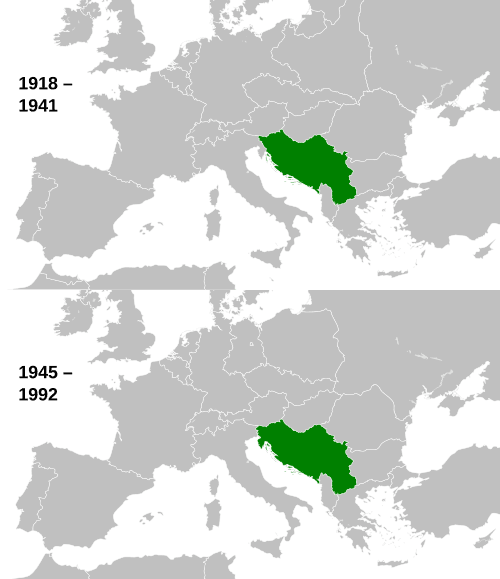
Yugoslavia
LOCATION
1918–1992 country in Southeastern Europe
Statistics
Pages:98
Entities:126
Sponsored