EFTA00093044_sub_001 - EFTA00093044_100
Document Information
Bates Range
EFTA00093044_sub_001 - EFTA00093044_100
Pages
100
Original Filename
EFTA00093044.pdf
Document Content
Page 1 - EFTA00093044_001
Case 21-770, Document 17-1, 04/01/2021. 3068296. Pagel of 31 UNITED STATES COURT OF APPEALS FOR THE SECOND CIRCUIT Thurgood NI ars ball U.S. Courthouse 40 Foley Square, New York, NY 10007 Telephone: 212-857-8500 MOTION INFORMATION STATEMENT Docket Number(s): 21-770/21-58 Caution fuse short tilcl Millman: Pretrial Release Set forth bebw precise. complete statement of relief sough: Ghislaine Maxwell requests that this Court set reasonable bail or in the alternative, remand for an evidentiary hearing. MOVING PARTY: Ghislaine Maxwell United States of America v. Ghislaine Maxwell OPPOSING PARTY: United States of America DPlaintiff ODefenchnt FlAprellantPetiimer DArpelke/Respandent MOVING ATTORNEY: David Oscar Markus OPPOSING ATTORNEY: Won. S. Shin, AUSA [name of attorney. win lynx address, phone number and e-mail] Markus/Moss PLLC United States Attorney's Office, So. Dist. of NY 40 NW Third Street, PH 1, Miami, FL 33128 1 St. Andrew's Plaza, New York, New York 10007 court- kids& Agency appealed from Alison J. Nathan, Southern District of New York Please check appropriate boxes: FOR EMERGENCY MOTIONS, MOTIONS FOR STAYS AND INJUCIlONS PENDING APPEAL: Has movant notiftdr Apositg counsel (requird by Local Rule 27.1): Oyes INo (eybi): Oppositg counsel's position on motion: jUncpposed EOpposedripon't Kmw Does counsel intend a response: Yes Oso t Know Has this request for relief been made bekrJa Has thiS relief been previously sought in this caul? Requested return date and expltnatbn of emergency: es Yes No Is oral argument on :notion requested? El Yes 0,30 (requests for oral argunrnt will not ircessart) be granted) Has argunent date of appeal been set? ❑Yes ON° If yes. enter dare: Signature of Moving Attorney. IS/ David Oscar Markus Date: 04/01/2021 Service by ECM/EU DOther [Attach proof of semi:el Form T- 1080 (rev.12-I3) EFTA00093044
Page 2 - EFTA00093044_002
Case 21-770, Document 17-1, 04/01/2021, 3068296, Page2 of 31 No. 21-770 & 21-58 In the Mufti) Sates' Court of 5Appeats for the £ieconb (Circuit UNITED STATES OF AMERICA. Appellee, v. GHISLAINE MAXWELL, Appellant. On Appeal from the United States District Court for the Southern District of New York, 20-CR-330 (MN) Appellant Ghislaine Maxwell's Motion for Pretrial Release David Oscar Markus MARKUS/MOSS PLLC 40 N.W. Third Street Penthouse One Miami, Florida 33128 EFTA00093045
Page 3 - EFTA00093044_003
Case 21-770, Document 17-1. 04/01/2021. 3068296. Page3 of 31 Appellant Ghislaine Maxwell's Motion for Pretrial Release Ghislaine Maxwell has a Constitutional right to be able to prepare effectively for trial. The conditions of her pretrial detention deprive her of that right. For over 280 days, she has been held in the equivalent of solitary confinement, in deteriorating health and mental condition from lack of sleep because she is intentionally awakened every 15 minutes by lights shined directly into her small cell, inadequate food, the constant glare of neon light, and intrusive searches, including having hands forced into her mouth in a squalid facility where COVID has run rampant. The medical literature is unanimous that such conditions produce mental deterioration, which prevents her from effective participation in trial preparation. Worse, even if Ms. Maxwell were able to be fully alert and mentally acute, she must review over 2,500,000 prosecution pages on a gutted computer, which does not have the ability to search, edit, or print. Because of the pandemic, in-person lawyer visits are risky, so Ms. Maxwell sees her trial lawyers over a video screen, where she can review one page of the discovery at a time that is projected on a wall three feet away. EFTA00093046
Sponsored
Page 4 - EFTA00093044_004
Case 21-770, Document 17-1. 04/01/2021. 3068296. Page4 of 31 These conditions would support a complaint for cruel and unusual punishment for a convicted felon. Ms. Maxwell is not one. She is innocent unless and until she is proven guilty beyond a reasonable doubt — an event which is highly unlikely given the lack of evidence against her. Despite the district court's exhortations regarding the strength of the evidence against Ms. Maxwell, the truth is that the government's so-called "evidence," though voluminous, is palpably weak. It consists of anonymous, untested hearsay accusations about events that are alleged to have occurred decades ago, accusations which only surfaced when the government faced public outrage over the inexplicable death of Jeffrey Epstein, while in their custody. The "Epstein Effect" clouded the judgment of the prosecutors into charging Ms. Maxwell because it needed a scapegoat, the Bureau of Prisons into putting Ms. Maxwell on suicide watch because Epstein died on their watch, the media into an absolute frenzy, and many other fair- minded people into viewing Ms. Maxwell as guilty even though no evidence has been presented against her. 2 EFTA00093047
Page 5 - EFTA00093044_005
Case 21-770, Document 17-1, 04/01/2021, 3068296, Page5 of 31 Notwithstanding the cries of the mob, Ms. Maxwell is presumed innocent and is entitled to defend herself. Accordingly, Ms. Maxwell moves this Court for her immediate release. Fed. R. App. P. 9; 18 U.S.C. §§3142 and 3145. * * * 3 EFTA00093048
Page 6 - EFTA00093044_006
Case 21-770, Document 17-1. 04/01/2021. 3068296. Page6 of 31 ISSUES PRESENTED 1. Whether Ms. Maxwell can effectively prepare her defense where she is being subjected to horrific conditions of detention during a global pandemic, including: • not being able to regularly see her lawyers in person to prepare for trial; • being kept awake all night to make sure she does not commit suicide even though nothing suggests she is a suicide risk; • having her every movement videotaped on multiple cameras focused on her every move; • being stuck in de facto solitary confinement without safe, in person visitation; • being forced to review millions of pages of documents on a stripped down computer without adequate hardware or software such that Ms. Maxwell cannot open tens of thousands of pages of discovery and for those she can open, only has the ability to review them one page at a time and cannot search, edit, copy, or print; • having no writing surface in her solitary cell; and • not consistently provided edible food or drinkable water. 2. Whether the trial court erred by relying on the government's proffer — which was comprised of nothing but extremely old, anonymous, unconfronted, hearsay accusations — to refuse to set reasonable bail. 4 EFTA00093049
Sponsored
Page 7 - EFTA00093044_007
Case 21-770, Document 17-1. 04/01/2021. 3068296. Page7 of 31 FACTS Ghislaine Maxwell is a 59-year-old, law-abiding United States citizen with no criminal history. In July 2020, she was living peacefully in her New Hampshire home and was in contact, through her attorneys, with the U.S. Attorney's office in the Southern District New York, which had opened an investigation into her only after the death of Jeffrey Epstein. Instead of asking her to surrender, that office had her arrested by a SWAT team and other unnecessary but intentionally showy tactics. That same day, the acting U.S. Attorney held a press conference with large charts, pausing for pictures for the media,' before Ms. Maxwell had even appeared in the Southern District of New York. Since her arrest, Ms. Maxwell has faced nightmarish conditions. See, e.g., Ex.M. Though she is a model prisoner who poses no danger to society and has done literally nothing to prompt "special" treatment, she is kept in isolation — conditions fitting for Hannibal Lecter but not a 59-year old woman who poses no threat to anyone. She is subjected to multiple invasive searches every day. Her every movement is captured on multiple video cameras. She is deprived of any real sleep by having a 1 The press conference is available online at https://tinyurl.com/bku2av7t EFTA00093050
Page 8 - EFTA00093044_008
Case 21-770, Document 17-1. 04/01/2021. 3068296. Page8 of 31 flashlight pointed into her cell every 15 minutes. For months, her food was microwaved with a plastic covering, which rendered it inedible after the plastic melted into the food.2 The water is often cloudy and is not drinkable. Because of the pandemic, it is not safe to meet with her lawyers in person, so she cannot adequately prepare for trial. She is on suicide watch for no reason. She continues to lose weight, her hair, and her ability to concentrate. It is obvious that the BOP is subjecting Ms. Maxwell to this behavior because of the death of Epstein (and subsequent fallout). But how is this permissible? Since when are the conditions for one inmate dictated by the fate of another? Perhaps never in the history of the U.S. Justice System has the public relations imperatives of the government permitted such wildly inappropriate and unconstitutional treatment of an innocent human being. It is impossible for Ms. Maxwell to participate effectively in the preparation of her defense under these conditions. The charges related to three of the anonymous accusers in the operative indictment are 25 years old, alleging actions from 1994-1997, 2 The prison has now promised to heat the food properly. 6 EFTA00093051
Page 9 - EFTA00093044_009
Case 21-770, Document 17-1. 04/01/2021. 3068296. Page9 of 31 while the just added accuser involves allegations from 2001-04.3 That the indictment exists at all is a function — solely — of the untimely death of Jeffrey Epstein and the media frenzy that followed. The indictment against Ms. Maxwell was brought only in the search for a scapegoat after the same U.S. Attorney's Office had to dismiss its case against Epstein because of his death at MCC. If there truly was any case against Ms. Maxwell, she would have been charged with Epstein in the SDNY in 2019. But she was not. She also was not charged — or even named — in the 2008 Epstein case in Florida. She would never be facing charges now if Epstein were alive. Although there have been a number of orders related to bond in this case, the district court held only one detention hearing. At that hearing the government stated that Ms. Maxwell was a flight risk and that its case was strong. But it did not proffer any actual evidence in support of its contention, or the district court's conclusion, that the weight of the evidence against Maxwell was strong. Ex.A. Instead, it pointed again and again only to the fact that the grand jury returned an 3 The government superceded the indictment on March 29, just months before the July trial, adding two counts involving a fourth anonymous accuser. 7 EFTA00093052
Sponsored
Page 10 - EFTA00093044_010
Case 21-770. Document 17-1, 04/01/2021, 3068296, Pagel 0 of 31 indictment (which is, of course, true in every criminal case) and to the nature of the charges in the abstract. The district court bought into the government's conclusory allegations, stating without support that: "Mindful of the presumption of innocence, the Court remains of the view that in light of the proffered strength and nature of the Government's case, the weight of the evidence supports detention." (emphasis added). The court fundamentally erred in relying on the government's empty assertions that its case is strong. There was no principled way for the court to reach such a conclusion without hearing any evidence and without knowing anything at all about the allegations, especially here where the case is so old and based on anonymous hearsay which the defense has never been able to confront. The government did not even proffer that these anonymous accusers even made their claims under oath. Prosecutors refuse to disclose their names, their statements, the specifics of their allegations, or anything about them. This case is anything but strong. Ms. Maxwell should be granted bail or, at the very least, the case should be remanded for an 8 EFTA00093053
Page 11 - EFTA00093044_011
Case 21-770. Document 17-1, 04/01/2021, 3068296, Pagel 1 of 31 evidentiary hearing to test whether the government's case even marginally supports detention. PROCEDURAL HISTORY A. The arrest and bail applications Ghislaine Maxwell was arrested on July 2, 2020 and since that date has been detained in jaw-droppingly appalling conditions. The government claims that Ms. Maxwell was Jeffrey Epstein's "associate" and helped him "groom" minors for sex back in the 1990s and early 2000s. Doc. 187. The indictment does not name these accusers and the government has refused to disclose their names or the specific dates that Ms. Maxwell supposedly did anything criminal. After her arrest, the government moved for detention. Ex.A. The defense responded. Ex.B. And the government replied. Ex.C. The trial judge held the arraignment and bond hearing over Zoom. Ex.D. The government did not call any of the accusers in the indictment or present any witnesses related to flight, danger, or the strength of its case. The government conceded that it was not asking for detention based on danger to the community. The court ordered Ms. Maxwell detained at the conclusion of the hearing. Ex.D. 9 EFTA00093054
Page 12 - EFTA00093044_012
Case 21-770. Document 17-1, 04/01/2021, 3068296, Page12 of 31 The court said it was detaining Ms. Maxwell, in part, because the government proffered that its "witness testimony will be corroborated by significant contemporaneous documentary evidence." Ex.D at 82. The court also pointed to Ms. Maxwell's lack of "significant family ties" in the United States, her unclear financial picture, the "circumstances of her arrest," and that although she is a U.S. citizen, she is also a citizen of France and Britain. Id. at 82-87. Ms. Maxwell filed a second motion for bail and addressed each of these concerns. Ex.E. For starters, the defense explained that none of anonymous accusers' testimony of abuse was corroborated and that it all related to Epstein, not Ms. Maxwell. In addition, Ms. Maxwell does have significant ties to the United States, her assets were thoroughly disclosed and vetted, and she is willing to waive extradition. The government responded. Ex.F. The defense replied. Ex.G. The judge again denied bail, relying, for the second time, on the "strong" evidence, even though nQ evidence was presented to the court to rely on.4 Ms. Maxwell filed a third motion for bail. Ex.I. In this application, she offered to renounce her foreign citizenship and also to have her 4 Ms. Maxwell filed a notice of appeal from this Order, which is docketed in Case No. 21-58. 10 EFTA00093055
Sponsored
Page 13 - EFTA00093044_013
Case 21-770. Document 17-1, 04/01/2021, 3068296, Page13 of 31 assets controlled and monitored by a former federal judge and former U.S. Attorney. She also cited the 12 pretrial motions she filed. "Without prejudicing the merits of any of those pending motions," the judge again denied Ms. Maxwell's motion for bail, relying in part on the "proffered strength and nature of the Government's case," even though, again, no evidence was actually submitted to or reviewed by the trial court. This appeal follows. In each of her bail requests and in separate pleadings, Ms. Maxwell has documented the Kafkaesque conditions that she is forced to endure. See, e.g., Ex.M. B. The pretrial motions Ms. Maxwell filed 12 substantial pretrial motions. Docs. 119-26; 133-48. These include motions to dismiss for violation of the statute of limitations (Does. 143-44) and for pre-indictment delay (Docs. 137-38) because the conduct is so old. And to dismiss because the government violated the non-prosecution agreement it reached with Epstein that protected any alleged co-conspirator from prosecution. Docs 141-42. The government needed 212 pages to respond to these motions. These 11 EFTA00093056
Page 14 - EFTA00093044_014
Case 21-770. Document 17-1, 04/01/2021, 3068296, Page14 of 31 motions are pending and raise significant legal bars to the prosecution of this matter. C. The proposed bail package Ghislaine Maxwell has proposed a significant, compelling, and unprecedented bail package, which gives up or puts at risk everything that she has — her British and French citizenship, all of her and her spouse's assets ($22.5 million),5 her family's livelihood, and the financial security of her closest friends and family (totaling $5 million). A security company, which will monitor and secure Ms. Maxwell at her home, will also post an unprecedented $1 million bond. Ex.E, I. Ms. Maxwell looks forward to confronting the accusers and clearing her name. She has no intention of fleeing and will be unable to do so if released on bond. This bail package demonstrates these facts in a real way, unlike the government's claims that the evidence against her is strong. Even though a guarantee of appearance is not necessary, the bail package in this case is as close to a guarantee as one can get. There is no legally permissible basis to deny bail. 5 Her spouse would retain $400,000 for living and other expenses. 12 EFTA00093057
Page 15 - EFTA00093044_015
Case 21-770, Document 17-1, 04/01/2021, 3068296, Page15 of 31 STANDARD OF REVIEW The question of whether a bail package will reasonably assure the defendant's presence is a mixed question of law and fact. United States u. Horton, 653 F. App'x 46, 47 (2d Cir. 2016). This Court reviews the district court's purely factual findings for clear error. Id. However, the district court's ultimate finding "may be subject to plenary review if it rests on a predicate finding which reflects a misperception of a legal rule applicable to the particular factor involved." Id. at 319-20 (quoting United States v. Shakur, 817 F.2d 189, 197 (2d Cir. 1987)). That is, "even if the court's finding of a historical fact relevant to that factor is not clearly erroneous, [the appellate court] may reverse if the court evinces a misunderstanding of the legal significance of that historical fact and if that misunderstanding infects the court's ultimate finding." Shakur, 817 F.2d at 197. MEMORANDUM OF LAW I. Ghislaine Maxwell should be released under §3142(i) because she cannot effectively prepare her defense under the horrific conditions she is facing. Trying to defend against exceedingly old, anonymous allegations is hard enough. Doing so while in de facto solitary confinement without 13 EFTA00093058
Sponsored
Page 16 - EFTA00093044_016
Case 21-770. Document 17-1, 04/01/2021, 3068296, Page16 of 31 the real ability to meet with your lawyers face-to-face while being kept up all night and being given inedible food makes it virtually impossible, and violates Ms. Maxwell's constitutional rights. Section 3142(i) makes clear that defendants must have the ability to consult with counsel and effectively prepare for their defense. If this is not possible in custody, release is required. United States v. Chandler, 1:19-CR-867 (PAC), 2020 WL 1528120, at *2 (S.D.N.Y. Mar. 31, 2020) (extraordinary burdens imposed by the coronavirus pandemic, in conjunction with detainee's right to prepare for his defense, constituted compelling reason to order temporary release from Metropolitan Correction Center). The COVID epidemic is still raging and conditions at MDC are unsafe.6 Ms. Maxwell's continued detention would be wrong at any point in this nation's history, even when stealing a loaf of bread was a felony. It is especially unwarranted now. "The hazards of a pandemic are immediate and dire, and still the rights of criminal defendants who are 6 Just for example, the air is not properly filtered in the small, enclosed attorney visit rooms at MDC and has been described as "a death trap" for lawyers and inmates. Ex.K, n.8. Even though the prison is technically open for legal visits, lawyers are understandably not willing to walk into a viral petri dish. 14 EFTA00093059
Page 17 - EFTA00093044_017
Case 21-770. Document 17-1, 04/01/2021, 3068296, Page17 of 31 subject to the weight of federal power are always a special concern of the judiciary." Chandler, 2020 WL 1528120, at *2; United States v. Stephens, 447 F. Supp. 3d 65-67 (S.D.N.Y. 2020) (finding that "the obstacles the current public health crisis poses to the preparation of the Defendant's defense constitute a compelling reason under 18 U.S.C. § 3142(i)"); United States v. Weigand, 20-CR-188-1 (JSR), 2020 WL 5887602, at *2 (S.D.N.Y. Oct. 5, 2020) (holding that a wealthy defendant, who the government claimed was a flight risk, would be allowed to obtain his release pending trial during the coronavirus pandemic). "The right to consult with legal counsel about being released on bond, entering a plea, negotiating and accepting a plea agreement, going to trial, testifying at trial, locating trial witnesses, and other decisions confronting the detained suspect, whose innocence is presumed, is a right inextricably linked to the legitimacy of our criminal justice system." Fed. Defs. of N.Y. v. Fed. Bureau of Prisons, 954 F.3d 118, 134 (2d Cir. 2020); see also United States v. Salerno, 481 U.S. 739, 755 (1987) ("In our society liberty is the norm, and detention prior to trial or without trial is the carefully limited exception."). 15 EFTA00093060
Page 18 - EFTA00093044_018
Case 21-770. Document 17-1, 04/01/2021, 3068296, Page18 of 31 In United States v. Clark, 448 F. Supp. 3d 1152, 1155 (D. Kan. 2020), the court emphasized that "[m]ost courts addressing a motion for temporary release under §3142(i) have done so in the context of evaluating the necessity of the defendant assisting with preparing his or her defense ... This extends to the current COVID-19 pandemic [because of] the pandemic's impact on counsel's difficulties communicating with the defendant." See, e.g., Stephens, 447 F. Supp. 3d at 65-67 (finding "the obstacles the current public health crisis poses to the preparation of the Defendant's defense constitute a compelling reason under 18 U.S.C. § 3142(i)"); United States v. Robertson, 17-Cr- 2949, Doc. 306 (D.N.M. February 6, 2021).7 The defendant in Robertson was charged with "frightening allegations" involving a shooting. He had previously violated bond. And he had a criminal record involving guns and drugs. But the court ordered him released because of his inability to prepare for trial while in custody during the pandemic: Mr. Robertson's release is necessary for the preparation of his trial defense under 18 U.S.C. § 3142(i). That section allows a judicial 7 The 10th Circuit has stayed the Robertson order while it considers the government's appeal. 16 EFTA00093061
Sponsored
Page 19 - EFTA00093044_019
Case 21-770. Document 17-1, 04/01/2021, 3068296, Page19 of 31 officer who issued an order of detention to, by subsequent order, "permit the temporary release of the person ... to the extent that the judicial officer determines such release to be necessary for preparation of the person's defense or for another compelling reason." § 3142(i). The presumption of innocence should not be paid mere lip service, the court held, and being held without the ability to see counsel face-to-face was "no way to prepare for trial." Ms. Maxwell presents a more compelling case than Robertson for temporary release under § 3142(i). Courts considering whether pretrial release is necessary have considered: "(1) [the] time and opportunity the defendant has to prepare for the trial and to participate in his defense; (2) the complexity of the case and volume of information; and (3) expense and inconvenience associated with preparing while incarcerated." Robertson, (citing United States v. Boatwright, 2020 WL 1639855, at *4 (D. Nev. Apr. 2, 2020) (unreported) (citations omitted). Trial is set for July. There is precious little time left to prepare and participate in that preparation. The discovery involves millions of pages of documents. Ms. Maxwell cannot conduct searches of these documents; she cannot print them and spread them out on a desk for review; she cannot make notes on the documents; and she cannot move 17 EFTA00093062
Page 20 - EFTA00093044_020
Case 21-770. Document 17-1, 04/01/2021, 3068296, Page20 of 31 the files around into a different order. She is stuck looking at one page at a time over a screen three feet away without a lawyer in the same room. These are textbook untenable conditions. Stephens, 447 F. Supp. 3d at 67 (explaining the importance of legal visits and ordering bail during pandemic); Weigand, 2020 WL 5887602, at *2 (ordering bail during pandemic because defendant needed ability to review the discovery in complex, document-heavy case). This is no way to prepare for a trial where the government will be asking for a sentence that will imprison her for the rest of her life. Ex.A This Court has recognized that, after a relatively short time, pretrial detention turns into prohibited, unconstitutional punishment. United States v. Jackson, 823 F.2d 4, 7 (2d Cir. 1987) ("grave due process concerns" are implicated by a seven-month period of pretrial detention); United States v. Melendez-Carrions, 790 F.2d 984, 1008 (2d Cir. 1986) (Feinberg, J. concurring) ("[G]eneral requirements of due process compel us to draw the line [of permissible pretrial detention] well short of Q eight months."). Under the current conditions, it can hardly be disputed that Ms. Maxwell is being punished, which in itself 18 EFTA00093063
Page 21 - EFTA00093044_021
Case 21-770. Document 17-1, 04/01/2021, 3068296, Page21 of 31 requires relief. Add to that the barriers she is facing to preparing her defense and this Court should order her release under 3142(i). II. The trial court erred in relying on the government's proffer—which comprised nothing but old, anonymous, unconfronted, hearsay accusations—to refuse to set reasonable bail for Ghislaine Maxwell. The government stressed the strength of its case in seeking detention, highlighting the "strength of the Government's evidence" on page 1 of its application for detention. Ex.A. For support, the government made the circular argument that the evidence is strong because of "the facts set forth in the Indictment." Id. at 5. It made the same argument in the reply. Ex.0 at 4 (arguing the case is strong because "the superseding indictment makes plain" the allegations against Ms. Maxwell). Of course, the Indictment is not evidence. See United States v. Giampino, 680 F.2d 898, 901 n. 3 (2d. Cir. 1982). Every circuit with published pattern instructions inform juries that they are not to consider the indictment as evidence. See, e.g., Third Circuit ("An indictment is simply a description of the charge(s) against a defendant. It is an accusation only. An indictment is not evidence of anything, and you should not give any weight to the fact that (name) has been indicted 19 EFTA00093064
Sponsored
Page 22 - EFTA00093044_022
Case 21-770. Document 17-1, 04/01/2021, 3068296, Page22 of 31 in making your decision in this case); Fifth Circuit: ("The indictment ... is only an accusation, nothing more. It is not proof of guilt or anything else. The defendant therefore starts out with a clean slate."); Sixth Circuit: ("The indictment ... does not even raise any suspicion of guilt."). The government did not provide one single document to the court to back up its claims that the accusers' allegations about events from 1994-97 were truthful. The government has refused to disclose even the names of these accusers. Contrary to its assertions to the lower court, its allegations are not corroborated. Ex.E at 30-33 ("[T]he discovery contains not a single contemporaneous email, text message, phone record, diary entry, police report, or recording that implicates Ms. Maxwell in the 1994-1997 conduct underlying the conspiracy charged in the indictment."). The government only made these allegations after Epstein's inexplicable death at MCC. Ms. Maxwell was not named in Epstein's indictment as a defendant or a co-conspirator. She was charged as a substitute for Epstein. Reverse engineering a charge many years later because of the main target's death is not the makings of a strong case. 20 EFTA00093065
Page 23 - EFTA00093044_023
Case 21-770. Document 17-1, 04/01/2021, 3068296, Page23 of 31 Recognizing this weakness, the Government relies on the statutory maximum penalty to argue that the case is serious and that Ms. Maxwell poses a risk of flight. But the statutory maximum is hardly relevant to determine risk of flight. In the vast majority of federal cases, the statutory maximum penalties are sky-high and are not reflective of the real potential penalties. See, e.g., 18 U.S.C. 1658(b) (statutory maximum of life imprisonment for turning off a light in a lighthouse to expose a ship to danger). Even if there were evidence to back up the four anonymous accusers, the Second Circuit "require[s] more than evidence of the commission of a serious crime and the fact of a potential long sentence to support a finding of risk of flight." United States v. Friedman, 837 F.2d 48, 49-50 (2d. Cir. 1988) (district court's finding that defendant posed a risk of flight was clearly erroneous, despite potential for "long sentence of incarceration"); Sabhnani, 493 F.3d at 65, 76-77 (reversing detention order where defendants agreed to significant physical and financial restrictions, despite the fact that they faced a "lengthy term of incarceration"). 21 EFTA00093066
Page 24 - EFTA00093044_024
Case 21-770. Document 17-1, 04/01/2021, 3068296, Page24 of 31 This is why defendants charged under the same statute in the Southern District of New York are regularly granted bond. United States v. Hussain, 18-mj-08262-UA (S.D.N.Y. Oct. 2, 2018) (defendant charged with 18 U.S.C. 2422 violations granted $100,000 personal recognizance bond with home detention, electronic monitoring, and other conditions); United States v. Buser, 17-mj-07599-UA (S.D.N.Y. Oct. 19, 2017) (defendant charged with 18 U.S.C. 2422 and 2423 violations granted $100,000 personal recognizance bond, secured by $10,000 cash, with electronic monitoring and other conditions); United States v. Acosta, 16-mj-08569-UA (S.D.N.Y Mar. 29, 2016) (denying the Government's detention application after argument and granting defendant charged with 18 U.S.C. 2422 violations $100,000 personal recognizance bond with home detention, electronic monitoring, and other conditions); United States v. McFadden, 17-mj-04708-UA (S.D.N.Y. June 22, 2017) (defendant charged with 18 U.S.C. 2422 and 2423 violations granted $250,000 personal recognizance bond, secured by property, with home detention, electronic monitoring and other conditions). 22 EFTA00093067
Sponsored
Page 25 - EFTA00093044_025
Case 21-770. Document 17-1, 04/01/2021, 3068296, Page25 of 31 The government shotguns manufactured assertions in support of the supposed flight risk. First, the ridiculous contention that she was hiding before her arrest. In fact, she was living in, and arrested in, her own home in New Hampshire. She was in touch with her lawyers and as the government has to concede, her lawyers were communicating with the government. Ex.D at 27. Despite plenty of opportunities, she had not left the United States since Epstein's arrest, and had been living in the United States for 30 years. She became a U.S. citizen. She lived and worked here for 30 years. The government knew exactly where she was. (FBI New York Assistant Director William Sweeney Jr.: "We'd been discretely keeping tabs on Maxwell's whereabouts as we worked this investigation.") The fact that she was holed up in her home because she was being relentlessly harassed by the media is not evidence of hiding from the government. In fact, one sensational tabloid put a £10,000 bounty on her. "Wanted: The Sun is offering a £10,000 reward for information on Ghislaine Maxwell," The Sun, November 20, 2019, available at: https://tinyurl.com/3vewtnx3. Anyone facing these unprecedented safety concerns from the media mob would try to keep a low profile. But a low 23 EFTA00093068
Page 26 - EFTA00093044_026
Case 21-770. Document 17-1, 04/01/2021, 3068296, Page26 of 31 profile is not flight. Ms. Maxwell could have left the United States had she wanted to flee. She did not want to do that and she did not do that. Instead, she chose to stay here and fight the bogus charges against her. This factor weighs heavily in favor of bond. The government's next argument is that she has foreign ties and significant assets. But Ms. Maxwell addressed those concerns by renouncing her British and French citizenship and by agreeing to have her and her spouse's assets (other than basic living expenses and legal fees) placed in a new account that will be monitored by a retired federal district judge and former U.S. Attorney who will have authority over them. Ex.I. Even someone with the government's imagination can't conjure up anything else Ms. Maxwell could do to show that she is serious about staying here to fight the allegations against her. She will agree to whatever condition the court orders and she will take the extraordinary step of renouncing her foreign citizenship. The government cannot explain how Ms. Maxwell could flee. She will have no assets (other than living expenses). She will have no country that will protect her. Her family and friends will be at risk. She will be heavily and 24 EFTA00093069
Page 27 - EFTA00093044_027
Case 21-770. Document 17-1, 04/01/2021, 3068296, Page27 of 31 constantly monitored. And of course, she is recognizable around the globe. The truth is that wealthy men charged with similar or more serious offenses, many of whom have foreign ties, are routinely granted bail so that they can effectively prepare for trial. Bernie Madoff. Harvey Weinstein. Bill Cosby. John Gotti. Marc Dreier. Dominique Strauss- Kahn. Ali Sadr. Adnan Khashoggi. Mahender Sabhnani. The list goes on and on. In each case, the court set reasonable conditions of bond and the defendants appeared, despite similar arguments by the government that the defendant faced serious charges or that the evidence was strong or that he had foreign ties or that he had great wealth. Ms. Maxwell is entitled to the same opportunity as male defendants to prepare her defense. Even putting aside the pandemic and the current conditions of Ms. Maxwell's confinement, pretrial detention "is an extraordinary remedy" that should be reserved for only a very "limited group of offenders." United States v. Jackson, 823 F.2d 4, 8 (2d Cir. 1987). For this reason, a judge may deny a defendant bail "only for the strongest of reasons." Hung v. United States, 439 U.S. 1326, 1329 (1978) (Brennan, 25 EFTA00093070
Sponsored
Page 28 - EFTA00093044_028
Case 21-770. Document 17-1, 04/01/2021, 3068296, Page28 of 31 J.). The Constitution's "prohibitions on the deprivation of liberty without due process and of excessive bail require careful review of pretrial detention orders to ensure that the statutory mandate [of the Bail Reform Act] has been respected." United States v. Motamedi, 767 F.2d 1403, 1405 (9th Cir. 1985) (Kennedy, J.). Because the consequence of error — the unjust deprivation of liberty from an individual who is presumed innocent — is contrary to our Constitution, "doubts regarding the propriety of release should be resolved in favor of the defendant." Id. Even where the government is able to prove that an accused is an actual flight risk, pretrial detention generally remains inappropriate. United States v. Berrios-Berrios, 791 F.2d 246, 251 (2d Cir. 1986) ("the presumption in favor of bail still applies where the defendant is found to be a risk of flight") (emphasis added). Where the only question is whether the defendant is a risk of flight, "the law still favors pre-trial release subject to the least restrictive further condition, or combination of conditions, that the court determines will reasonably assure the appearance of the person as required." Sabhnani, 493 F.3d at 75. 26 EFTA00093071
Page 29 - EFTA00093044_029
Case 21-770. Document 17-1, 04/01/2021, 3068296. Page29 of 31 The Supreme Court has explained that when "the Government has admitted that its only interest is in preventing flight, bail must be set by a court at a sum designed to ensure that goal, and no more." The government simply has not come close to satisfying its heavy burden of proving that "no conditions" exist that will reasonably assure Ms. Maxwell's presence. It has not articulated with any evidence, let alone specific and credible evidence, how Ms. Maxwell could manage to flee under the proposed bail conditions. Speculation is not permitted. United States v. Bodmer, No. 03-cr-947(SAS), 2004 WL 169790 (S.D.N.Y. Jan. 28, 2004) (where government's argument that no conditions could assure defendant's future presence was based, "in large part, on speculation," defendant was released to home confinement with GPS monitoring). We challenge the government to point to a high profile defendant who in the recent past has 1) fled and 2) gotten away with it. The reality is that defendants with far greater likelihood of conviction than Ms. Maxwell are granted bond and appear in court. Ms. Maxwell should not be treated differently. 27 EFTA00093072
Page 30 - EFTA00093044_030
Case 21-770. Document 17-1, 04/01/2021, 3068296, Page30 of 31 CONCLUSION Ms. Maxwell faces old, anonymous accusations that have never been tested. In any other case, she would have been released long ago. But because of the "Epstein effect," she is being detained and in truly unacceptable conditions. All we are asking for is a chance to defend the case. We respectfully request that Ms. Maxwell be released on reasonable conditions of bail or that the case be remanded for an evidentiary hearing. Respectfully submitted, MARKUS/MOSS PLLC 40 N.W. Third Street Penthouse One markuslaw.com By: /s/ David Oscar Markus DAVID OSCAR MARKUS Florida Bar Number 119318 28 EFTA00093073
Sponsored
Page 31 - EFTA00093044_031
Case 21-770. Document 17-1, 04/01/2021, 3068296, Page31 of 31 CERTIFICATE OF COMPLIANCE I CERTIFY that this petition complies with the type-volume limitation of FED. R. APP. P. 27. According to Microsoft Word, the numbered pages of this petition contains 5,185 words, excluding the parts of the brief exempted by Federal Rule of Appellate Procedure 27(d)(2). This petition complies with the typeface requirements of Fed. R. App. P. 32(a)(5) and the type-style requirements of Fed. R. App. P. 27 because it has been prepared in a proportionally spaced typeface using Microsoft Word in Century Schoolbook 14-point font. /s/ David Oscar Markus David Oscar Markus CERTIFICATE OF SERVICE I CERTIFY that a true and correct copy of the foregoing was e- filed this Pt day of April, 2021. /s/ David Oscar Markus David Oscar Markus 29 EFTA00093074
Page 32 - EFTA00093044_032
Case 21-770. Document 17-2, 04/01/2021, 3068296, Pagel of 351 No. 21-770 & 21-58 In the uiteD £itateg Court of ppeals for the Omit (Circuit UNITED STATES OF AMERICA, Appellee, v. GHISLAINE MAXWELL, Appellant. On Appeal from the United States District Court for the Southern District of New York, (20-CR-330 (MN) Appellant Ghislaine Maxwell's Appendix to the Motion for Pretrial Release David Oscar Markus MARKUS/MOSS PLLC 40 N.W. Third Street Penthouse One Miami, Florida 33128 Tel: (305) 379-6667 markuslaw.com EFTA00093075
Page 33 - EFTA00093044_033
Case 21-770. Document 17-2. 04'01'2021, 3068296, Paget of 351 Appendix Doc. 4 The Government's Memorandum in Support of Detention A Doc. 18 Memorandum of Ghislaine Maxwell In Opposition to the Government's Motion for Detention Doc. 22 The Government's Reply Memorandum in Support of Detention Transcript from Bail Hearing July 14, 2020 Doc. 97 Memorandum of Ghislaine Maxwell in Support of Her Renewed Motion for Bail Doc. 100 The Government's Memorandum in Support to the Defendant's Renewed Motion for Release F' Doc. 103 Reply Memorandum of Ghislaine Maxwell in Support of Her Renewed Motion for Bail Doc. 106 Opinion & Order Doc. 160 Memorandum in Support of Ghislaine Maxwell's Third Motion for Release on Bail Doc. 165 The Government's Response in Opposition to Defendant's Third Motion for Release on Bail Doc. 171 Reply Memorandum of Ghislaine Maxwell in Support of Her Third Motion for Bail Doc. 169 Order Doc. 159 Ghislaine Maxwell's Letter Regarding MDC Conditions EFTA00093076
Sponsored
Page 34 - EFTA00093044_034
Case 21-770. Document 17-2, 04/01/2021, 3068296, Page3 of 351 Doc. 306 United States v. Dashawn Robertson, Case Number 17-cr-02949-MV1, District of New Mexico Memorandum Opinion and Order Respectfully submitted, MARKUS/MOSS PLLC 40 N.W. Third Street Penthouse One markuslaw.com By: /s/ David Oscar Markus DAVID OSCAR MARKUS Florida Bar Number 119318 [email protected] CERTIFICATE OF SERVICE I CERTIFY that a true and correct copy of the foregoing was e-filed this 1st day of April, 2021. /s/ David Oscar Markus David Oscar Markus 2 EFTA00093077
Page 35 - EFTA00093044_035
Case 21-770. Document 17-2, 04/01/2021, 3068296, Page4 of 351 Exhibit A Doe. 4 The Government's Memorandum in Support of Detention EFTA00093078
Page 36 - EFTA00093044_036
CG93€1.20-Z7f0CC30040Thlit 131361IPWM5t142Ceiled$0619223120Paifieof b$10 UNITED STATES DISTRICT COURT SOUTHERN DISTRICT OF NEW YORK UNITED STATES OF AMERICA 20 Cr. 330 (AIN) GHISLAINE MAXWELL, Defendant. THE GOVERNMENT'S MEMORANDUM IN SUPPORT OF DETENTION Acting United States Attorney Southern District of New York Attorney for the United States of America Assistant United States Attorneys - Of Counsel - EFTA00093079
Sponsored
Page 37 - EFTA00093044_037
CGas 20-Z7LiDC30040Thit DINEU 04360 42 012de OCriint2OP aifjeo2 ad. 1O UNITED STATES DISTRICT COURT SOUTHERN DISTRICT OF NEW YORK UNITED STATES OF AMERICA 20 Cr. 330 (AIN) GHISLAINE MAXWELL, Defendant. x THE GOVERNMENT'S MEMORANDUM IN SUPPORT OF DETENTION For the reasons set forth herein, the Government respectfully submits that Ghislaine Maxwell, the defendant, poses an extreme risk of flight; that she will not be able to rebut the statutory presumption that no condition or combination of conditions will reasonably assure the appearance of the defendant as required, 18 U.S.C. § 3142(eX3XE); and that the Court should therefore order her detained. The charges in this case are unquestionably serious: the Indictment alleges that Ghislaine Maxwell, in partnership with Jeffrey Epstein, a serial sexual predator, exploited and abused young girls for years. As a result of her disturbing and callous conduct, Maxwell now faces the very real prospect of serving many years in prison. The strength of the Government's evidence and the substantial prison term the defendant would face upon conviction all create a strong incentive for the defendant to flee. That risk is only amplified by the defendant's extensive international ties, her citizenship in two foreign countries, her wealth, and her lack of meaningful ties to the United States. In short, Maxwell has three passports, large sums of money, extensive international connections, and absolutely no reason to stay in the United States and face the possibility of a lengthy prison sentence. 1 EFTA00093080
Page 38 - EFTA00093044_038
cGge 20-teriDdacciaatin t Otb)St142Ceiledin al° e OP al:feat ?a$ 10 BACKGROUND On June 29, 2020, a federal grand jury in the Southern District of New York returned a sealed indictment (the "Indictment") charging the defendant with one count of conspiracy to entice minors to travel to engage in illegal sex acts, in violation of 18 U.S.C. § 371; one count of enticing a minor to travel to engage in illegal sex acts, in violation of 18 U.S.C. § 2422 and 2; one count of conspiracy to transport minors to participate in illegal sex acts, in violation of 18 U.S.C. § 371; one count of transporting minors to participate in illegal sex acts, in violation of 18 U.S.C. § 2423 and 2; and two counts of perjury, in violation of 18 U.S.C. § 1623. The charges arise from a scheme to sexually abuse underage girls at Epstein's properties in New York, Florida, and New Mexico, between approximately 1994 and 1997. During that time, Maxwell had a personal and professional relationship with Epstein and was one of his closest associates. Beginning in at least 1994, the defendant enticed and groomed multiple minor girls to engage in sex acts with Epstein, through a variety of means and methods. In particular, she played a key role in Epstein's abuse of minors by helping Epstein to identify, groom, and ultimately abuse underage girls. As a part of their scheme, the defendant and Epstein enticed and caused minor victims to travel to Epstein's residences in different states, which the defendant knew and intended would result in their grooming for and subjection to sexual abuse. As the Indictment details, the defendant enticed and groomed minor girls to be abused in multiple ways. For example, she attempted to befriend certain victims by asking them about their lives, taking them to the movies or on shopping trips, and encouraging their interactions with Epstein. She put victims at ease by providing the assurance and comfort of an adult woman who seemingly approved of Epstein's behavior. Additionally, to make victims feel indebted to Epstein, 2 EFTA00093081
Page 39 - EFTA00093044_039
CCiges 2D-Z7411CC300401341 t Obeli iWit142CeiledO51292.0Peajtc4 44 10 the defendant would encourage victims to accept Epstein's offers of financial assistance, including offers to pay for travel or educational expenses. The victims were as young as 14 years old when they were groomed and abused by Maxwell and Epstein, both of whom knew that their victims were minors. The Indictment further alleges that the defendant lied under oath to conceal her crimes. In 2016, the defendant gave deposition testimony in connection with a civil lawsuit in the Southern District of New York. During the deposition, the defendant was asked questions about her role in facilitating the abuse of minors. The defendant repeatedly lied under oath when questioned about her conduct with minor girls. ARGUMENT I. Applicable Law Under the Bail Reform Act, 18 U.S.C. §§ 3141 et seq.. federal courts are empowered to order a defendant's detention pending trial upon a determination that the defendant is either a danger to the community or a risk of night. 18 U.S.C. § 3142(e). A finding of risk of flight must be supported by a preponderance of the evidence. See, e.g., United States v. Patriarca, 948 F.2d 789, 793 (1st Cir. 1991); United States v. Jackson, 823 F.2d 4, 5 (2d Cir. 1987); United States v. Chimurenga, 760 F.2d 400, 405 (2d Cir. 1985). A finding of dangerousness must be supported by clear and convincing evidence. See, e.g., United States v. Ferranti, 66 F.3d MO, 542 (2d Cir. 1995); Patriarca, 948 F.2d at 792; Chimurenga, 760 F.2d at 405. The Bail Reform Act lists four factors to be considered in the detention analysis: (I) the nature and circumstances of the crimes charged; (2) the weight of the evidence against the person; (3) the history and characteristics of the defendant, including the person's "character . . . Land] financial resources"; and (4) the seriousness of the danger posed by the defendant's release. See 3 EFTA00093082
Sponsored
Page 40 - EFTA00093044_040
Cdssei.Z11-Z7(06100dMtint tittkur9tf3t5tt4202i1effl a`4 e OP aS a5510 18 U.S.C. § 3142(g). Evidentiary rules do not apply at detention hearings, and the Government is entitled to present evidence by way of proffer, among other means. See 18 U.S.C. § 3142(f)(2); see also United States v. LaFontaine, 210 F.3d 125, 130-31 (2d Cir. 2000) (Government entitled to proceed by proffer in detention hearings). Where a judicial officer concludes after a hearing that "no condition or combination of conditions will reasonably assure the appearance of the person as required and the safety of any other person and the community, such judicial officer shall order the detention of the person before trial." 18 U.S.C. § 3142(eX1). Additionally, where, as here, a defendant is charged with committing an offense involving a minor victim under 18 U.S.C. §§ 2422 or 2423, it shall be presumed, subject to rebuttal, that no condition or combination of conditions will reasonably assure the appearance of the defendant as required and the safety of the community. 18 U.S.C. § 3142(eX3)(E). II. Discussion For the reasons set forth below, the defendant presents an extreme risk of flight, and therefore she cannot overcome the statutory presumption in favor of detention in this case. Every one of the relevant factors to be considered as to flight risk — the nature and circumstances of the offense, the strength of the evidence, and the history and characteristics of the defendant — counsel strongly in favor of detention. A. The Nature and Circumstances of the Offense and the Strength of the Evidence The "nature and circumstances" of this offense favor detention. As the Indictment alleges, the defendant committed serious crimes involving the sexual exploitation of minors. See 18 U.S.C. § 3142(gX1) (specifically enumerating "whether the offense. . . involves a minor victim" as a factor in bail applications). Indeed, the crimes of enticing and transporting minors for illegal sex 4 EFTA00093083
Page 41 - EFTA00093044_041
i:lcsee12207di000430i4A0i* 113theriteitaRallear6atee2farfaba et MO acts are so serious that both crimes carry a statutory presumption that no condition or combination of conditions will reasonably assure the appearance of the defendant as required. 18 U.S.C. § 3142 (e)(3XE). The defendant repeatedly engaged in this conduct, targeting girls as young as 14 years old, for a period of years, and involving multiple minors. These offenses carry significant penalties, and the defendant faces up to 35 years' imprisonment if convicted. The possibility of a substantial sentence is a significant factor in assessing the risk of flight. See United States v. Moscaritolo, No. 10 Cr. 4 (JL), 2010 WL 309679, at •2 (D.N.H. Jan. 26, 2010) ("IT Jhe steeper the potential sentence, the more probable the flight risk is, especially considering the strong case of the government.. .") (quoting United States v. Alindato-Pere:, 627 F. Supp. 2d 58, 66 (D.P.R. 2009)). Here, the defendant is facing a statutory maximum of decades in prison. This fact alone would provide a compelling incentive for anyone to flee from prosecution, but the incentive to flee is especially strong for this defendant, who, at age 58, faces the very real prospect of spending a substantial portion of the rest of her life in prison. The strength of the evidence in this case underscores the risk that the defendant will become a fugitive. As the facts set forth in the Indictment make plain, the evidence in this case is strong. Multiple victims have provided detailed, credible, and corroborated information against the defendant. The victims are backed up contemporaneous documents, records, witness testimony, and other evidence. For example, flight records, diary entries, business records, and other evidence corroborate the victims' account of events. This will be compelling evidence of guilt at any trial in this case, which weighs heavily in favor of detention. The passage of time between the defendant's conduct and these charges does not counsel otherwise. M an initial matter, all of the conduct is timely charged, pursuant to 18 U.S.C. § 3283, which was amended in 2003 to extend the limitations period for conduct that was timely as of the 5 EFTA00093084
Page 42 - EFTA00093044_042
Clexie122076006aaegAONt 1136thMefitithf OalleZICM2f2(FaRabb Ciff 6E110 date of the amendment,' to permit a prosecution at any point during the lifetime of the minor victim. See United States v. Chief, 438 F.3d 920, 922-25 (9th Cir. 2006) (fmding that because Congress extended the statute of limitations for sex offenses involving minors during the time the previous statute was still running, the extension was permissible); United States v. Pierre-Louis, No. 16 Cr. 541 (CM), 2018 WL 4043140, at *1 (S.D.N.Y. Aug. 9, 2018) (same). Moreover, while the conduct alleged in the Indictment may have occurred years ago, the risk of a significant term of incarceration — and thus the motive to flee — is of course only very recent. Each of these factors — the seriousness of the allegations, the strength of the evidence, and the possibility of lengthy incarceration — creates an extraordinary incentive to flee. And as further described below, the defendant has the means and money to do so. B. The Characteristics of the Defendant The history and characteristics of the defendant also strongly support detention. As an initial matter, the defendant's extensive international ties would make it exceptionally easy for her to flee and live abroad. The defendant was born in France and raised in the United Kingdom, where she attended school. Although she became a naturalized citizen of the United States in 2002, she also remains a citizen of the United Kingdom and France. Travel records from United States Customs and Border Protection ("CBP") reflect that she has engaged in frequent international travel, including at least fifteen international flights in the last three years to locations including the United Kingdom, Japan, and Qatar. In addition, CBP records reflect that, consistent with her citizenship status, the defendant appears to possess passports from the United States, France, and the United Kingdom. Prior to the amendment, the statute of limitations for sexual offenses involving minors ran until the victim reached the age of 25, and as such, all of the relevant charges in the Indictment remained timely as of the 2003 amendment described above. 6 EFTA00093085
Sponsored
Page 43 - EFTA00093044_043
cliesse1220700C4MAGNt 10eittiekeit/40111eaDIMMI'affebe d5310 In addition, the defendant appears to have access to significant financial resources that would enable her flight from prosecution. Based on the Government's investigation to date. the Government has identified more than 15 different bank accounts held by or associated with the defendant from 2016 to the present, and during that same period, the total balances of those accounts have ranged from a total of hundreds of thousands of dollars to more titan S20 million. During the same period, the defendant engaged in transfers between her accounts of hundreds of thousands of dollars at a time, including at least several such significant transfers as recently as 2019. For example. the defendant transferred $500,000 from one of her accounts to another in March 2019, and transferred more than $300,000 from one of her accounts to another in July 2019. She has also reported, including as recently as 2019, that she holds one or more foreign bank accounts containing more than a million dollars. The defendant also appears to have reaped substantial income from a 2016 property sale. In particular, in 2016, the defendant appears to have sold a New York City residence for S15 million through a limited liability company. On or about the date of the sale, amounts totaling more than S14 million were then deposited into an account for which the defendant was listed as the owner. Several days later. more than S14 million was transferred from that account into another account opened in the name of the defendant.' In short. the defendant's financial resources appear to be substantial, and her numerous accounts and substantial money movements render her total financial picture opaque and indeterminate, even upon a review of bank records available to the Government. 2 The Government additionally notes that, somewhat further back in time, in transactions occurring between 2007 and 2011, approximately more than S20 million was transferred from accounts associated with Jeffrey Epstein to accounts associated with the defendant, including amounts in the millions of dollars that were then subsequently transferred back to accounts associated with Epstein. 7 EFTA00093086
Page 44 - EFTA00093044_044
Clesee12207600641304AONt libekiftf4t0it OrlleaC67982f2(Fafrabe Of a5J10 The defendant's international connections and significant financial means would present a clear risk of flight under normal circumstances, but in this case, the risk of flight is exacerbated by the transient nature of defendant's current lifestyle. In particular, the defendant has effectively been in hiding for approximately a year, since an indictment against Epstein was unsealed in July 2019. Thereafter, the defendant — who had previously made many public appearances — stopped appearing in public entirely, instead hiding out in locations in New England. Moreover, it appears that she made intentional efforts to avoid detection, including moving locations at least twice, switching her primary phone number (which she registered under the name "G Max") and email address, and ordering packages for delivery with a different person listed on the shipping label. Most recently, the defendant appears to have been hiding on a 156-acre property acquired in an all-cash purchase in December 2019 (through a carefully anonymized LLC) in Bradford, New Hampshire, an area to which she has no other known connections. The defendant appears to have no ties that would motivate her to remain in the United States. She has no children, does not reside with any immediate family members, and does not appear to have any employment that would require her to remain in the United States. Nor does she appear to have any permanent ties to any particular location in the United States. As such, the Government respectfully submits that the defendant will not be able to meet her burden of overcoming the presumption of detention, because there are no bail conditions that could reasonably assure the defendant's continued appearance in this case. In particular, home confinement with electronic monitoring would be inadequate to mitigate the high risk that the defendant would flee, as she could easily remove a monitoring device. At best, home confinement with electronic monitoring would merely reduce her head start should she decide to flee. See United Stares v. Zinger, No. 00 Cr. 773, 2000 WL 1134364, at •1 8 EFTA00093087
Page 45 - EFTA00093044_045
C6sesel.213-Thilg240401Mt Db~t9tad420Ei1O3 tth M10 (E.D.N.Y. Aug. 4, 2000) (Gleeson, J.) (rejecting defendant's application for bail in part because home detention with electronic monitoring "at best . . . limits a fleeing defendant's head start"); United States v. Benatar, No. 02 Cr. 099, 2002 WL 31410262, at *3 (E.D.N.Y. Oct. 10, 2002) (same); see also United States v. Casteneda, No. 18 Cr. 047, 2018 WL 888744, at *9 (N.D. Cal. Feb. 2018) (same); United States v. Anderson, 384 F. Supp. 2d 32, 41 (D.D.C. 2005) (same). CONCLUSION As set forth above, the defendant is an extreme risk of flight. The Government respectfully submits that the defendant cannot meet her burden of overcoming the statutory presumption in favor of detention. There are no conditions of bail that would assure the defendant's presence in court proceedings in this case. Accordingly, any application for bail should be denied. Dated: New York, New York July 2, 2020 Respectfully submitted, Acting United States Attorney By: 9 EFTA00093088
Sponsored
Page 46 - EFTA00093044_046
Case 21-770, Document 17-2, 04/01/2021, 3068296, Page15 of 351 Exhibit B Doc. 18 Memorandum of Ghislaine Maxwell In Opposition to the Government's Motion for Detention EFTA00093089
Page 47 - EFTA00093044_047
cimil lyZ7lbifistuxtriitridcdniZAliPlOs%dV*719A)Pkje'hetffW1 UNITED STATES DISTRICT COURT SOUTHERN DISTRICT OF NEW YORK x UNITED STATES OF AMERICA, v. GHISLAINE MAXWELL, Defendant. • • • • x 20 Cr. 330 (AJN) MEMORANDUM OF GHISLAINE MAXWELL JN OPPOSITION TO THE GOVERNMENT'S MOTION FOR DETENTION Mark S. Cohen Christian R. Everdell COHEN & GRESSER LLP 800 Third Avenue New York, NY 10022 Phone: Jeffrey S. Pagliuca (pro hoc vice admission pending) Laura A. Menninger HADDON, MORGAN & FORMAN P.C. 150 East 10th Avenue Denver Colorado 80203 Phone: Attorneys for Ghislaine Maxwell EFTA00093090
Page 48 - EFTA00093044_048
cggeei%Jdfod-Asouxatiptddcdniiii91O3W4d#SPAPdgeWcfrigisl TABLE OF CONTENTS Page PRELIMINARY STATEMENT 1 ARGUMENT 5 I. The Conditions Created by the COVID-19 Pandemic Mandate the Release of Ms. Maxwell 5 II. The Government Has Not Carried Its Burden Under 18 U.S.C. § 3142. 9 A. Applicable Law 9 B. Ms. Maxwell Has Rebutted the Presumption That She Poses a Flight Risk, and the Government Has Not Carried Its Burden That No Combination of Conditions Can Be Imposed To Reasonably Assure Her Presence In Court 11 1. Ms. Maxwell's Personal History and Characteristics Demonstrate That She Is Not a Flight Risk 12 2. The Nature and Circumstances of the Charges and the Weight of the Evidence Militate in Favor of Bail 17 3. The Proposed Bail Package Is More Than Adequate to Secure Ms. Maxwell's Presence 20 CONCLUSION 22 EFTA00093091
Sponsored
Page 49 - EFTA00093044_049
cggeq WcTMANNAlittiltdcicgrrIMIPiPg4d ?ft Pdg# tet#2%51 TABLE OF AUTHORITIES Page(s) Cases Hung v. United States, 439 U.S. 1326 (1978) 16 United States v. Abdellatif El Mokadem, No. 19-CR-646 (AJN), 2020 WL 3440515 (S.D.N.Y. June 23, 2020) 17 United States v. Alindato-Perez, 627 F. Supp. 2d 58 (D.P.R. 2009) 18 United States v. Bodmer, No. 03-cr-947(SAS), 2004 WL 169790 (S.D.N.Y. Jan. 28. 2004) 16 United States v. Boustani, 932 F.3d 79 (2d Cir. 2019) 20 United States v. Carrillo-Villa, 20-MJ-3073 (SLC) 8 United States v. Chandler, I9-CR-867 (PAC), 2020 WL 1528120 (S.D.N.Y. Mar. 31, 2020) 8, 9 United States v. Conway, No. 4-11-70756 MAG(DMR), 2011 WL 3421321 (N.D. Cal. Aug. 3, 2011) 10, 18 United States v. Crowell, No. 06-CR-291E(F), 2006 WL 3541736 (W.D.N.Y. Dec. 7, 2006) 1 I United States v. Deutsch, No. 18-CR-502 (FB), 2020 WL 3577398 (E.D.N.Y. July 1, 2020) II, 18 United States v. DiGiacomo, 746 F. Supp. 1176 (D. Mass. 1990) 14 United States v. Dominguez, 783 F.2d 702 (7th Cir. 1986) 10 United States v. Dreier, 596 F. Supp. 2d 831 (S.D.N.Y. 2009) 21 United States v. English, 629 F.3d 311 (2d Cir. 2011) 10, 11 ii EFTA00093092
Page 50 - EFTA00093044_050
cQ@&€i 'Is.rafåeffiAl,figtdc7cdniii-iPl&PW4d?!»?6/92% (BåtW1190,f2%51 United States v. Epstein, 425 F. Supp. 3d 306 (S.D.N.Y. 2019) 17 United States v. Esposito, 309 F. Supp. 3d 24 (S.D.N.Y. 2018) 21 United States v. Friedman, 837 F.2d 48 (2d Cir. 1988) 13, 18 United States v. Hansen, 108 F. App'x 331 (6th Cir. 2004) 16 United States v. Hanson, 613 F. Supp. 2d 85 (D.D.C. 2009) 16 United States v. Karni, 298 F. Supp. 2d 129 (D.D.C. 2004) 16 United States v. Kashoggi, 717 F. Supp. 1048 (S.D.N.Y. 1989) 16 United States v. Mattis, No. 20-1713, 2020 WL 3536277 (2d Cir. June 30, 2020) 10 United States v. Moscaritolo, No. 10 Cr. 4 (JL), 2010 WL 309679 (D.N.H. Jan. 26, 2010) 18 United States v. Sabhnani, 493 F.3d 63 (2d Cir. 2007) 9, 10, 16, 18 United States v. Salerno, 481 U.S. 739 (1987) 9 United States v. Stephens, 15-CR-95 (AJN), 2020 WL 1295155 (S.D.N.Y. Mar. 19, 2020) 5, 6, 7, 8 United States v. Veres, No. 3:20-CR-18-J-32JBT, 2020 WL 1042051 (M.D. Fla. Mar. 4, 2020) 18 United States v. Williams-Bethea, No. 18-CR-78 (MN), 2020 WL 2848098 (S.D.N.Y. June 2, 2020) 6 Statutes 18 U.S.C. § 3142 passim iii EFTA00093093
Page 51 - EFTA00093044_051
cggeei ThOesttuAlitqltdeggniL4(P1 t?Pk8d ?ORA P9004412%51 PRELIMINARY STATEMENT Ghislaine Maxwell respectfully submits this Memorandum in Opposition to the government's July 2, 2020 Memorandum in Support of Detention ("Gov. Mem."). It is difficult to recall a recent case that has garnered more public attention than the government's prosecution of Jeffrey Epstein ("Epstein"). In July 2019, Epstein was indicted for offenses relating to sexual misconduct, amid overwhelming media attention focused on the nature of the charges and Epstein's wealth and lifestyle. On August 10, 2019, Epstein died in federal custody, and the media focus quickly shifted to our client—wrongly trying to substitute her for Epstein—even though she'd had no contact with Epstein for more than a decade, had never been charged with a crime or been found liable in any civil litigation, and has always denied any allegations of claimed misconduct. Many of these stories and online posts were threatening and harassing to our client and those close to her. But sometimes the simplest point is the most critical one: Ghislaine Maxwell is not Jeffrey Epstein. She was not named in the government's indictment of Epstein in 2019, despite the fact that the government has been investigating this case for years. Instead, the current indictment is based on allegations of conduct that allegedly occurred roughly twenty-five years ago. Ms. Maxwell vigorously denies the charges, intends to fight them, and is entitled to the presumption of innocence. Far from "hiding," she has lived in the United States since 1991, has litigated civil cases arising from her supposed ties to Epstein, and has not left the country even once since Epstein's arrest a year ago, even though she was aware of the pending, and highly publicized, criminal investigation. She should be treated like any other defendant who comes before this Court, including as to bail. Under the Bail Reform Act, case law in this Circuit and other circuits, as well as decisions of this Court, Ms. Maxwell should be released on bail, subject to the strict conditions proposed below. EFTA00093094
Sponsored
Page 52 - EFTA00093044_052
Gime, b-zifacgsgagt(rdecankAypiemd ?ffigighiPogsVcifigisl Background. Ms. Maxwell, 58, is a naturalized U.S. citizen who has resided in the United States since 1991. She is also a citizen of France, where she was born, and of the United Kingdom, where she was educated and spent her childhood and formative years. Ms. Maxwell graduated from Oxford University. She moved to the United States in 1991, and has lived in this country ever since that time. Ms. Maxwell has maintained extremely close relationships with her six siblings and her nephews and nieces. They all stood by her in the aftermath of the July 2019 indictment of Epstein and continue to stand by her now. She is especially close to two of her sisters and their children, all of whom reside in the United States. Ms. Maxwell also has numerous friends in the United States who themselves have children, and she is a godmother to many of them. Ms. Maxwell's family and friends have remained committed to her because they do not believe the allegations against her, which do not match the person they have known for decades. The Government's Position. The government has the burden of persuasion in showing that detention is warranted, and that there are no conditions or combination of conditions that will secure a defendant's appearance in court. In seeking to carry this burden, the government relies on the presumption of detention in 18 U.S.C. § 3142(e)(3)(E), and argues that Ms. Maxwell poses a flight risk because she supposedly lacks ties to the United States; is a citizen of the United Kingdom and France, as well as a citizen of the United States, and has passports for each country; has traveled internationally in the past; and has financial means. And echoing recent media stories, the government speculates that Ms. Maxwell was "hiding" from law enforcement during the pendency of the investigation, even though she has been in regular contact with the government, through counsel, since Epstein's arrest. Finally, the government argues that the nature and circumstances of the offense and the weight of the evidence warrant 2 EFTA00093095
Page 53 - EFTA00093044_053
cg§eq b- focgiSNAlitkitricicerfrail-1910 3%d#figii% Pdeje42dr2t51 detention. Importantly, in contrast with the bail position it took with Epstein, the government does not and cannot assert that Ms. Maxwell presents a danger to the community under Section 3142(g)(4). Ms. Maxwell's Response. The Court should exercise its discretion to grant bail to Ms. Maxwell, on the strict conditions proposed below (or as modified by the Court), for two compelling reasons. First, the COVID-I9 crisis and its impact on detained defendants warrants release. As this Court has noted, the COVID-19 pandemic represents an unprecedented health risk to incarcerated individuals, and COVID-19-related restrictions on attorney communications with pretrial detainees significantly impair a defendant's ability to prepare her defense. Simply put, under these circumstances, if Ms. Maxwell continues to be detained, her health will be at serious risk and she will not be able to receive a fair trial. (See infra Section I, pages 5 to 9). Second, the Court should grant bail because the government has not met its burden under the Bail Reform Act and controlling case law. The presumption relied on by the government may be rebutted, and is so here. Ms. Maxwell has strong ties to the community: she is a U.S. citizen and has lived in this country for almost 30 years; she ran a non-profit company based in the United States until the recent media frenzy about this case forced her to wind it down to protect her professional colleagues and their organizations; and she has very close ties with family members and friends in New York and the rest of the country. Nor does her conduct indicate that she is a flight risk: she has no prior criminal record; has spent years contesting civil litigation arising from her supposed ties to Epstein; and has remained in the United States from the time of Epstein's arrest until the present, with her counsel in regular contact with the government. She did not flee, but rather left the public eye, for the entirely understandable 3 EFTA00093096
Page 54 - EFTA00093044_054
cggeq ?flq?6/9A) P940643c0f2b51 purpose of protecting herself and those close to her from the crush of media and online attention and its very real harms—those close to her have suffered the loss of jobs, work opportunities, and reputational damage simply for knowing her. The government's remaining arguments— about Ms. Maxwell's passports, citizenship, travel and financial means— also fail because they would require that every defendant with multiple citizenship and financial means be denied bail, which is simply not the law. Finally, as discussed below, the government's position regarding the nature and circumstances of the offense and weight of its evidence, which relates to alleged conduct that is roughly twenty-five years old, is not persuasive and does not alter the bail analysis. (See infra Section II, pages 9 to 21). Proposed Bail Conditions. In light of the above, we propose the following bail conditions, which are consistent with those that courts in this Circuit have imposed in analogous situations: (i) a $5 million personal recognizance bond, co-signed by six financially responsible people, all of whom have strong ties to Ms. Maxwell, and secured by real property in the United Kingdom worth over $3.75 million; (ii) travel restricted to the Southern and Eastern Districts of New York; (iii) surrender of all travel documents with no new applications; (iv) strict supervision by Pretrial Services; (v) home confinement at a residence in the Southern District of New York with electronic GPS monitoring; (vi) visitors limited to Ms. Maxwell's immediate family, close friends and counsel; (vii) travel limited to Court appearances and to counsel's office, except upon application to Pretrial Services and the government; and (viii) such other terms as the Court may deem appropriate under Section 3142. The Bail Reform Act does not discard the presumption of innocence; Ms. Maxwell is entitled to that presumption here, as she is in all aspects of this case. See 18 U.S.C. § 3142(j) ("Nothing in this section [3142] shall be construed as modifying or limiting the presumption of 4 EFTA00093097
Sponsored
Page 55 - EFTA00093044_055
cg04€1 13-7G-7C0cPiesttAliqtricketniZAt(cieildd ?ffifelfit Pdijn460241351 innocence."). The government has failed to meet its burden of establishing that Ms. Maxwell presents an "actual risk of flight" and must be detained under Section 3142. The strict bail conditions outlined above are appropriate under the circumstances and are the "least restrictive" set of conditions that will "reasonably assure" Ms. Maxwell's appearance in Court, without the health and access to counsel risks inherent in the government's request that Ms. Maxwell be detained pending trial. See 18 U.S.C. § 3142 (c)(1)(B). Under the controlling legal standards, Ms. Maxwell should be released on bail. ARGUMENT There are two compelling reasons why the Court should order Ms. Maxwell's release on bail pursuant to the strict conditions she has proposed: First, Ms. Maxwell will be at significant risk of contracting COVID-19 if she is detained, and she will not be able to meaningfully participate in the preparation of her defense due to the restrictions that have been placed on attorney visits and phone calls in light of the pandemic. Second, the government has failed to carry its burden under 18 U.S.C. § 3142 that no combination of conditions can be imposed that will reasonably assure Ms. Maxwell's presence in court. 1. The Conditions Created by the COV1D-19 Pandemic Mandate the Release of pus. Maxwell. Impact of COVID-I 9 on the Prison Population. We submit that the conditions created by the COVID-I9 pandemic compel Ms. Maxwell's release pursuant to appropriate bail conditions. Four months ago, this Court held in United States v. Stephens, I 5-CR-95 (AN), 2020 WL 1295155 (S.D.N.Y. Mar. 19, 2020), that COVID-19 is an "unprecedented and extraordinarily dangerous" threat that justifies release on bail. Id. at *2. In that case, the defendant, who had no underlying medical conditions, filed an emergency motion for reconsideration of the Court's 5 EFTA00093098
Page 56 - EFTA00093044_056
cSst:26:67-60936-AutlibbNaiiiitAgs WW2efF'alitefe eF 2§1 prior detention order based in part on the risks brought on by COVID-19. At the time, COVID- 19 had only begun to take its devastating toll on New York, and there was no known outbreak in the prison population. Nevertheless, the Court noted that "inmates may be at a heightened risk of contracting COVID-19 should an outbreak develop," and, based in part on this changed circumstance, ordered the defendant released. Id. Since the Court issued its opinion in Stephens, the COVID-19 risks to inmates have increased dramatically, as there have been significant outbreaks of COVID-19 in correctional facilities. In the last month alone, the number of prison inmates known to have COVID-19 has doubled to 68,000, and prison deaths tied to COVID-19 have increased by 73 percent.' Indeed, as of July 2, 2020, nine of the ten largest known clusters of the coronavirus in the United States are in federal prisons and county jails.2 As this Court noted last month, "the `inability [of] individuals to socially distance, shared communal spaces, and limited access to hygiene products' [in correctional facilities] make community spread all but unavoidable." United States v. Williams-Bethea, No. 18-CR-78 (AJN), 2020 WL 2848098, at *5 (S.D.N.Y. June 2, 2020) (citation and internal quotation marks omitted). The risks are further enhanced by the possibility of a second wave of coronavirus cases.3 In particular, COVID-19 has begun to spread through the Metropolitan Detention Center (MDC), where Ms. Maxwell has been housed since the Bureau of Prisons (BOP) transferred her there on July 6, 2020. According to the MDC's statistics, as of April 3, 2020, two inmates and Timothy Williams, et al., Coronavirus Cases Rise Sharp& in Prisons Even as They Plateau Nationwide, N.Y. Times, available at httnslAvww.nytimes.com/2020/06/16/uskoronavirus-inmates-prisons-iails.html (last updated June 30, 2020). 2 Coronavirus in the U.S: Latest Map and Case Count, N.Y. Times, available at https://ww.w.nytimes.com/interactive/2020/uskoronavirus-us-cases.html#clusters (last updated July 2, 2020). 3 See, e.g., Audrey Cher, WHO's Chief Scientist Says There's a "Vey Real Risk" of a Second Wave of Coronavirus As Economies Reopen, CNBC, June 9, 2020, available at https://www.cnbc.com./2020/06/I0/who-says-theres-real- risk-of-second-coronavirus-wave-as-economies-reonen.html. 6 EFTA00093099
Page 57 - EFTA00093044_057
ccsistio:gizdogapivawbbUmOdiglallgli @PAW ?a/Jeff 912(51 five staff had tested positive; by June 30, 2020, those numbers had risen to 14 and 41, respectively.' The increased spread among prisons means that the COVID-19 risks that were present in the Stephens case four months ago are far more serious for Ms. Maxwell now and mandate her release. Impact of COVID-19 on the Ability to Prepare the Defense. The Stephens opinion provides yet another independent basis that, we submit, requires Ms. Maxwell's release: if she is detained, her ability to meet with her attorneys and prepare for her defense will be significantly impaired and she will not be able to meaningfully participate in the preparation of her defense. In Stephens, the Court found that this factor required the defendant's release under 18 U.S.C. § 3142(i), which provides for temporary release based on a determination that such release is "necessary for preparation of the person's defense." Stephens, 2020 WL 1295155 at *3. The Court noted that the spread of COVID-19 had compelled the BOP to suspend all in- person visits, including legal visits, except as allowed on a case-by-case basis. Id. at *3. That suspension persists to this day.s In a case such as this, which will require assessing evidence relating to events that occurred approximately twenty-five years ago, including documents and personal recollections, numerous in-person meetings between counsel and Ms. Maxwell will be critical to the preparation of the defense. The recent resurgence of the pandemic calls into question whether these meetings will ever be able to happen in advance of her trial. As in 4 See April 3, 2020 Report from the BOP regarding the Metropolitan Detention Center and Metropolitan Correctional Center ("MDC and MCC Report"), available at https://img.nyed.uscourts.gov/filesireports/bop/20200403 BOP Report.pdf and June 30, 2020 MDC and MCC Report, available at httpslAvww.nved.uscourts.gov/pub/bop/MDC MCC 20200630 071147.pdf. 5 See BOP COV1D-19 Modified Operations Plan, available at https://www.bop.gov/coronavirus/covidl9 status.isp. 7 EFTA00093100
Sponsored
Page 58 - EFTA00093044_058
Cisist:26:gdatitTIADR1Watial4aPileii driAti2e4:Pawiefiet2e1 Stephens, Ms. Maxwell's inability to meet with her attorneys while this policy is in effect constitutes a "compelling reason" requiring her release. Stephens, 2020 WL 1295155 at *3.6 Even speaking by phone with Ms. Maxwell presents daunting challenges due to COVID- 19-related protocols requiring at least 72 hours' notice to schedule a call, unless it is urgent, in which case counsel can email a request to the MDC. As counsel learned this past week, however, even an urgent call request does not mean the call will take place in the time required. At approximately 5:30 p.m. on July 6, 2020, the Court ordered us to confer with Ms. Maxwell about waiving her physical presence at the arraignment, initial appearance, and bail hearing, and ordered counsel for both sides to jointly report back by 9:00 p.m. that night with a proposed date and time for these proceedings. We promptly emailed the MDC to request an urgent call, making specific reference to the Court's Order, but were not connected with Ms. Maxwell until 9:00 p.m. There will no doubt be other orders of the Court with no guarantees we will be able to reach our client in time if she is detained.' In addition, during this past week, Ms. Maxwell has not been able to physically review documents and has had limited access to writing materials. The prohibition on in-person visits means we must read to her any documents requiring her review, and she has virtually no ability to take notes. The age of the allegations in this case compound these problems. Under the current circumstances, Ms. Maxwell cannot review 6 Since the Court issued its opinion in Stephens, numerous other courts in this District have ordered defendants released on bail, over the government's objection, due to the pandemic and its impact on the defendant's ability to prepare for trial. See, e.g., United States v. Carrillo-Villa, 20-MJ-3073 (SLC) (S.D.N.Y. Apr. 6, 2020) (releasing undocumented defendant in drug conspiracy case because of inability to meaningfully communicate with lawyer and risk of COVID-19); United States v. Hudson, 19-CR-496 (CM) (S.D.N.Y. Mar. 19, 2020) (releasing defendant in drug conspiracy, loansharking, and extortion case, whose two prior, pre-COVID-19 bail applications were denied, because of inability to prepare for upcoming trial and risk of COVID-19); United States v. Chandler, 19-CR-867 (PAC), 2020 WL 1528120, at *1 (S.D.N.Y. Mar. 31, 2020) (releasing defendant on felon in possession case, with prior manslaughter conviction, due to inability to prepare for trial due to COVID-19 restrictions). 7 The government has recently worked with the BOP to set up a standing call between counsel and Ms. Maxwell each morning until the initial appearance to facilitate attorney-client communications. While we greatly appreciate these efforts, they are a short-term patch to a persistent problem that shows no signs of abating. Nor would it be appropriate, on an ongoing basis, for the prosecutors to be involved in and dictate the date and time of our communications with our client in connection with the preparation of our defense. 8 EFTA00093101
Page 59 - EFTA00093044_059
ccsist:26:67-dogimailfiebb&?mgritcttiqgb F4ef§ si A% 1 documents and other evidence from approximately twenty-five years ago and meaningfully assist in the preparation of her defense. These restrictions are additional "compelling reasons" justifying her release. See ids II. The Government Has Not Carried Its Burden Under 18 U.S.C. § 3142, The grave concerns raised by the current COVID-19 crisis notwithstanding, Ms. Maxwell must be released because she has met her limited burden of production showing that she does not pose a flight risk, and the government has entirely failed to demonstrate that no release condition or combination of conditions exist that will reasonably assure Ms. Maxwell's presence in court. A. Applicable Law As the Supreme Court has recognized, "[i]n our society liberty is the norm, and detention prior to trial or without trial is the carefully limited exception." United States v. Salerno, 481 U.S. 739, 755 (1987). Pretrial detention is appropriate only where "no condition or combination of conditions will reasonably assure the appearance of the [defendant]." United States v. Sabhnani, 493 F.3d 63, 75 (2d Cir. 2007) (quoting 18 U.S.C. § 3142(e)). The Bail Reform Act provides that a court "shall order the pretrial release" of the defendant (18 U.S.C. § 3142(b)) (emphasis added), but may impose bail conditions if "such release will not reasonably assure the appearance" of the defendant in court. 18 U.S.C. § 3142(c). Where conditions are necessary, such release shall be "subject to the least restrictive ... set of conditions that [the court] determines will reasonably assure the appearance of the person as required." 18 U.S.C. § 3142(c)(1)(B) (emphasis added). Consequently, "[u]nder this statutory scheme, `it is only a limited group of offenders who should be denied bail pending trial.'" Sabhnani, 493 F.3d at 75 (citation and internal quotation marks omitted). See also Letter of Sean Hecker to Hon. Margo K. Brodie (July 8, 2020), Federal Defenders of New York Inc. v. Federal Bureau of Prisons, et at, No. 19 Civ. 660 (E.D.N.Y.) (Doc. No. 78) (detailing absence of in-person visitation, highly limited VTC and telephone call capacity, and issues pertaining to legal mail and legal documents). 9 EFTA00093102
Page 60 - EFTA00093044_060
ccAsc:26:giztio5)95-vogibbNalaPigis iltAti2efFailjtefl et 1 The government bears a dual burden in seeking pre-trial detention. First, the government must show "by a preponderance of the evidence that the defendant . . . presents an actual risk of flight." Sabhnani, 493 F.3d at 75 (emphasis added). If the government is able to satisfy this burden, it must then "demonstrate by a preponderance of the evidence that no condition or combination of conditions could be imposed on the defendant that would reasonably assure his presence in court." Id. In determining whether there are conditions of release that will reasonably assure the appearance of the defendant, the court must consider (1) the nature and circumstances of the offense charged; (2) the weight of the evidence against the person; (3) the history and characteristics of the person; and (4) the nature and seriousness of the danger to any person or the community that would be posed by the person's release. 18 U.S.C. § 3142(g). In this case, unlike in the Epstein case, the government does not contend that Ms. Maxwell poses any danger to the community, and therefore the fourth factor does not apply. The Bail Reform Act contains a rebuttable presumption, applicable based on certain of the crimes charged here, that no conditions will reasonably assure against flight. See 18 U.S.C. § 3142(e)(3)(E). In cases where this presumption applies, the "defendant bears a limited burden of production—not a burden of persuasion—to rebut that presumption by coming forward with evidence that [she] does not pose . . . a risk of flight." See United States v. English, 629 F.3d 311, 319 (2d Cir. 2011) (quotation omitted). This rebuttable presumption can be readily satisfied, United States v. Conway, No. 4-11-70756 MAG (DMR), 2011 WL 3421321, at *2 (N.D. Cal. Aug. 3, 2011), and "[a]ny evidence favorable to a defendant that comes within a category listed in § 3142(g) can affect the operation" of the presumption. United States v. Dominguez, 783 F.2d 702, 707 (7th Cir. 1986); see also United States v. Mattis, No. 20-1713, 10 EFTA00093103
Sponsored
Page 61 - EFTA00093044_061
cist.stI0:gdogistwoRibb&Algtiig13 49ga OA 2efPaiNq9 8O61 2020 WL 3536277, at *4-5 (2d Cir. June 30, 2020). Although the presumption "remains a factor to be considered" even after the defendant has met her burden of production, "[a]t all times ... the government retains the ultimate burden of persuasion by ... a preponderance of the evidence" that the defendant poses a flight risk that cannot be addressed by any bail conditions. English, 629 F.3d at 319 (citation and internal quotation marks omitted); see also United States v. Deutsch, No. 18-CR-502 (FB), 2020 WL 3577398, at *5 (E.D.N.Y. July 1, 2020). And regardless of the presence of the presumption or the nature of the charges alleged, "[n]othing in this section [3142] shall be construed as modifying or limiting the presumption of innocence." 18 U.S.C. § 3142(j); see also United States v. Crowell, No. 06-CR-291E(F), 2006 WL 3541736, at *3 (W.D.N.Y. Dec. 7, 2006) (those charged with crimes involving minors "continue to enjoy the presumption of innocence in setting conditions of release."). B. frls. Maxwell Has Rebutted the Presumntion That She Poses a Fli°ht Risk. and the Government Has Not Carried Its Burden That No Combination of Conditions Can Be Imposed To Reasonably. Assure Her Presence In Court The government has not carried its burden of establishing that no set of conditions will reasonably assure Ms. Maxwell's appearance in court. As set forth below, Ms. Maxwell's personal history, her family and other ties to this country, and her conduct prior to her arrest easily rebut the presumption that she presents a risk of flight. For these same reasons, the government cannot establish that the strict bail conditions she proposes, which are consistent with a number of cases in this Circuit in which courts have ordered release, will not "reasonably assure" her presence in court. Accordingly, the Court should order Ms. Maxwell released pursuant to her proposed conditions. 11 EFTA00093104
Page 62 - EFTA00093044_062
Cist.st:264?-60§1561ADFItZarigtit ?Ilia diffii 26 I:W*4 et 261 1. Ms. Maxwell's Personal History and Characteristics Demonstrate That She Is Not a Flight Risk a. Ms. Maxwell Has No Prior Criminal Record, and Has Significant Ties to the United States and the New YorkRegion Ms. Maxwell's history and characteristics do not "strongly support detention," as the government contends (Gov. Mem. at 6), but instead demonstrate that she is firmly rooted in this country and that her appearance can be reasonably assured with appropriate bail conditions. Ms. Maxwell has no criminal record, which includes the approximately twenty- five-year period from the time the conduct alleged in the indictment took place to the present. Ms. Maxwell also has significant ties to the United States. She has lived in this country for almost 30 years and became a naturalized U.S. citizen in 2002. Ms. Maxwell also has strong family ties to this country. Two of her sisters, who have agreed to co-sign her bond, live in the United States, and they have several children who are U.S.-born citizens. Ms. Maxwell is very close with her sisters and maintains regular contact with them, as well as with her nieces and nephews. Ms. Maxwell also has numerous close friends and professional colleagues who reside in this country. In sum, the United States has been Ms. Maxwell's home for decades. b. Ms. Maxwell Has Actively Litigated Civil Cases in this District and Has Not Left the United States Since Epstein's 2019Arrest Ms. Maxwell has never once attempted to "hide" from the government or her accusers, and has never shown any intent to leave the country. To the contrary, Ms. Maxwell has always vehemently denied that she was involved in illegal or improper conduct related to Epstein, and her conduct has been entirely consistent with someone who fully intends to remain in this country and fight any allegations brought against her. For example, since 2015, and continuing through today, Ms. Maxwell has actively litigated severalcivil 12 EFTA00093105
Page 63 - EFTA00093044_063
ccsvc:264?-dogisq-AoriebbZiMdicOMAls OrPfing2efPawtqf6121§1 cases related to Epstein in the Southern District of New York and has sat for depositions in those cases. Similarly, throughout the course of the criminal investigation of this case, which has been publicly reported on for nearly a year, Ms. Maxwell has remained in the United States. Indeed, on July 7, 2019, the day after Epstein's arrest, Ms. Maxwell reached out to the prosecutors in the Southern District of New York, through counsel, and maintained regular contact with them right up to the point of her arrest. The government's broad assertion that Ms. Maxwell has engaged in "frequent international travel" in the last three years (Gov. Mem. at 6) obscures the critical point: she has not left the country even once since Epstein's arrest. Ms. Maxwell's decision to remain in the United States after Epstein's arrest and subsequent death in August 2019 is particularly significant because any incentive she may have had to flee would have been even more acute at that time. Within days of Epstein's death, a steady stream of press articles began turning the public's attention to Ms. Maxwell—wrongly substituting her for Epstein—and speculating that she had become the prime target of the government's investigation.9 Adding even more fuel to this fire, several of the women claiming to be victims of Epstein's abuse began publicly calling for her immediate arrest and prosecution. Despite the increasing risk of being criminally charged, and the media firestorm that was redirected toward her after Epstein's death, and despite having ample opportunity to leave the country, Ms. Maxwell stayed in the United States for almost an entire year until she was arrested. These actions weigh heavily in favor of release. See United States v. Friedman, 9 See, e.g., Spotlight turns on Jeffrey Epstein's British socialite fixer' Ghislaine Maxwell after his suicide — but will she he prosecuted?, Daily Mail (Aug. 10, 2019), htleislAinvw.dailymail.co.uk/news/arlicle-7344765/Spodight-turns- Jeffrey-Ensteins-fixer-Ghislaine-Maxwell-suicide.html; Ghislaine Maxwell: the woman accused of helping Jeffrey Epstein groom girls, The Guardian (Aug. 12, 2019), httpslAvww.theguardian.comius-news/2019/aug/12/ghislaine- maxwell-woman-accused-ieffrev-enstein-groom-uirls- British socialite Ghislaine Maxwell in spotlight after Epstein's apparent suicide, NBC News (Aug. 12, 2019), htlus://www.nbcnews.corninews/us-newsibrilish-socialite- ghislaine-maxwell-spollight-after-epstein-s-apparent-suicide-n104111 I. 13 EFTA00093106
Sponsored
Page 64 - EFTA00093044_064
Cist.st:26:67-609361ADF4156Ziinglitql3 39ga &M FiDaWe el 261 837 F.2d 48, 49-50 (2d Cir. 1988) (overturning district court's decision that defendant posed a flight risk based in part on the ground that the defendant took "no steps" to flee jurisdiction in three-week period between execution of search warrant at home and arrest); United States v. DiGiacomo, 746 F. Supp. 1176, 1179-80 (D. Mass. 1990) (concluding defendants did not present a flight risk because each of them "for three years knew there was substantial evidence of the likely charges against them and did not attempt to flee before indictment"). 837 F.2d 48, 49-50 (2d Cir. 1988) (overturning district court's decision that defendant posed a flight risk based in part on the ground that the defendant took "no steps" to flee jurisdiction in three-week period between execution of search warrant at home and arrest); United States v. DiGiacomo, 746 F. Supp. 1176, 1179-80 (D. Mass. 1990) (concluding defendants did not present a flight risk because each of them "for three years knew there was substantial evidence of the likely charges against them and did not attempt to flee before indictment"). f Indeed, the absence of any allegation by the government that Ms. Maxwell was taking steps to leave the country at the time of her arrest is conspicuous. The government has offered no proof that she was making plans to leave the country. In fact, had the government alerted her counsel that she was about to be arrested, we would have arranged for Ms. Maxwell's prompt, voluntary surrender. Instead, the government arrested Ms. Maxwell without warning on the day before the July 4th holiday, thus ensuring that she would be in federal custody on the one-year anniversary of Epstein's arrest. c. Ms. Maxwell's Actions to Protect Herself From Intrusive Media Coverage and Death Threats Do Not Demonstrate an Intent to Flee Furthermore, the steps Ms. Maxwell took to leave the public eye after Epstein's arrest are not indicative of a risk of flight. The government notes that Ms. Maxwell dropped 14 EFTA00093107
Page 65 - EFTA00093044_065
cisistici:gridastiambb&?mAiicit3-4ga 26fPijiO4 8061 out of public view after Epstein's arrest, which the government seeks to portray as "hiding" from the law. The government further argues that she has taken several steps to avoid detection, including moving residences and switching her phone and email address. (Gov. Mem. at 8). But Ms. Maxwell did not take these steps to hide from law enforcement or evade prosecution. Instead, they were necessary measures that Ms. Maxwell was forced to 14 EFTA00093108
Page 66 - EFTA00093044_066
ccsist:26:67-doghtsworlibbZangtitcittiqga &PA 26 FP4e26 8O61 take to protect herself, her family members, her friends and colleagues, and their children, from unrelenting and intrusive media coverage, threats, and irreparable reputational harm. Ever since Epstein's arrest, Ms. Maxwell has been at the center of a crushing onslaught of press articles, television specials, and social media posts painting her in the most damning light possible and prejudging her guilt. The sheer volume of media reporting mentioning Ms. Maxwell is staggering. Since Epstein's arrest, she has been mentioned in literally thousands of media publications, news reports, and other online content. The media attention also spawned a carnival-like atmosphere of speculation about her whereabouts. In November 2019, the British tabloid, The Sun, even offered a £10,000 bounty for information about Ms. Maxwell's location. A headline reminiscent of a Wild West wanted poster read: "WANTED: The Sun is offering a 10,000 reward for information on Jeffrey Epstein pal Ghislaine Maxwell.'" And in the days leading up to her arrest, there was a deluge of media reports (all untrue) claiming that Ms. Maxwell was hiding out in an apartment in Paris to avoid questioning by the FBI.'1 She has seen helicopters flying over her home and reporters hiding in the bushes. Indeed, since Ms. Maxwell's arrest on July 2, 2020, her counsel has been flooded with hundreds of media inquiries and solicitations from members of the public. The "open season" declared on Ms. Maxwell after Epstein's death has come with an even darker cost - she has been the target of alarming physical threats, even death threats, and has had to hire security guards to ensure her safety. The media feeding frenzy, which has only intensified in recent months, has also deeply affected her family and friends. Some of Ms. Maxwell's closest friends who had nothing whatsoever to do with Epstein have lost their jobs or 10 See https://www.the-sun.cominews/74018/the-sun-is-offering-a- I 0000-reward-for-in formation-on-jeffrey-epstein- pal-ghislaine-maxwellt I I See, e.g., https://wvnv.dailymail.co.ulc/news/ article-8444B7/Jeffrey-Epsteins-fugitive-madam-Ghislaine- Maxwell-hiding-lwcury-Paris.html. 15 EFTA00093109
Sponsored
Page 67 - EFTA00093044_067
clAst:BiZzOoRspoiebacA4414104gis @PAW fPatitAe1g§1 suffered severe professional and reputational damage simply by being associated with her. Ms. Maxwell therefore did what any responsible person would do — she separated herself from everyone she cares about and removed herself from the public eye in order to keep herself and her friends out of harm's way.'2 Lacking any evidence required under the governing standard that Ms. Maxwell presents an "actual risk of flight," Sabhnani, 493 F.3d at 75, the government's flight risk argument is reduced to the following: Ms. Maxwell is a woman of means who has foreign citizenship and has traveled internationally in the past, and who now faces serious charges. But if that were sufficient, then virtually every defendant with a foreign passport and any meaningful amount of funds would need to be detained as a flight risk. See Hung v. United States 439 U.S. 1326, 1329 (1978) (to detain based on risk of flight, government must show more than "opportunities for flight," and instead must establish an "inclination on the part of [the defendant] to flee"). That is not what the Bail Reform Act requires. Indeed, courts in this Circuit and elsewhere commonly find that bail conditions can adequately address risk of flight, even where individuals have foreign citizenship and passports or otherwise substantial foreign connections, and financial means. See, e.g., Sabhnani, 493 F.3d at 66; United States v. Hansen, 108 F. App'x 331 (6th Cir. 2004); United States v. Hanson, 613 F. Supp. 2d 85 (D.D.C. 2009); United States v. Bodmer, No. 03-cr-947(SAS), 2004 WL 169790, at *24 (S.D.N.Y. Jan. 28.2004); United States v. Karni, 298 F. Supp. 2d 129 (D.D.C. 2004); United States v. Kashoggi, 717 F. Supp. 1048, 1050-52 (S.D.N.Y. 1989). Finally, the ongoing travel restrictions caused by the COVID-19 pandemic would pose a significant hurdle to Ms. Maxwell's ability to flee the United States, particularly to 12 The media spotlight has also drawn out people who claim to speak for Ms. Maxwell, and even purport to have had direct communications with her, but who, in fact, have no ties to Ms. Maxwell whatsoever. One such person has even given numerous television interviews on news shows in the United Kingdom. 16 EFTA00093110
Page 68 - EFTA00093044_068
Ciscist:26:67-609stworinbauiralicIlaggh OPM,72efPgweiff (42(51 France and the United Kingdom.13 Notably, two weeks ago, this Court recognized in United States v. Abdellatif El Mokadem, No. I 9-CR-646 (AJN), 2020 WL 3440515 (S.D.N.Y. June 23, 2020) that "concerns regarding risk of flight are mitigated by the ongoing [COVID-19] pandemic, which has understandably curtailed travel across the country, and, indeed, around the world." Id. at *1. In that case, despite finding detention to be warranted on two prior occasions, the Court concluded that the government could no longer establish flight risk and ordered the defendant released pending sentencing. Id. ("Taking account of the COVID-19 pandemic, which had not yet reached this country when the Court last considered Defendant's custody status, the balance now clearly and convincingly tips in Defendant's favor "). Consideration of this factor weighs heavily in favor of release on theproposed bail conditions here. 2. The Nature and Circumstances of the Charges and the Weight of the Evidence Militate in Favor of Bail The Defense Has Rebutted the Presumption Relating to Certain of the Charges. The government relies on the statutory presumption of detention applicable to offenses involving minor victims. (Gov. Mem. at 4-5.) But unlike the position it took with Epstein, the government does not contend that Ms. Maxwell poses any danger to the community, or that she suffers from compulsive or addictive sexual proclivities. See United States v. Epstein, 425 F. Supp. 3d 306, 314-15 (S.D.N.Y. 2019). Even according to the indictment, Ms. Maxwell's alleged participation in offenses involving minors ended in 1997. Here, the only 13 See, e,g., E. U. Formalizes Reopening, Barring Travelers From U.S., N.Y. Times, (June 30, 2020), available at https://www.nytimes.com/2020/06/30/worldieuropeku-reopening-blocks-us-travelers.html (confirming that the European Union will not open its borders to travelers from the United States, and "[growlers' country of residence, not their nationality, will be the determining factor for their ability to travel to countries in the European Union"); England Drops Its Quarantine for Most Visitors, but Not Those From the U.S., N.Y. Times (July 3, 2020), available at https://www.nytimes.com/2020/07/03/world/europerbritain-quarantine-us-coronavirus.html (confirming that England will leave mandatory 14-day quarantine restrictions in place for travelers coming from the United States). 17 EFTA00093111
Page 69 - EFTA00093044_069
cisist:giiizeoRsPoittWrn 311itit FP3w2S si applicable presumption relates to risk of flight, and, as noted, Ms. Maxwell has rebutted that presumption based on her ties to the United States, her decision to remain in this country after Epstein's arrest, and all of the other reasons discussed above. This Court should follow other courts in this Circuit and elsewhere that have found that defendants rebutted the presumption and imposed appropriately strict bail conditions in cases involving alleged offenses against minors. See Deutsch, 2020 WL 3577398, at *5-6; United States v. Veres, No. 3:20-CR-18-.1-32JBT, 2020 WL 1042051, at *34 (M.D. Fla. Mar. 4, 2020); Conway, 2011 WL 3421321, at *4-5. The Impact of the Potential Penalties Is Overstated. The government asserts that detention is warranted because of the potential for a long sentence in this case. (Gov. Mem. at 4-5.) This oversimplifies the governing standard. Although the severity of potential punishment is a relevant consideration, the Second Circuit "require[s] more than evidenceof the commission of a serious crime and the fact of a potentially long sentence to support a finding of risk of flight." Friedman, 837 F.2d at 49-50 (district court's finding that defendant posed a risk of flight was clearly erroneous, despite potential for "long sentence of incarceration"); see also Sabhnani, 493 F.3d at 65, 76-77 (reversing detention order where defendants agreed to significant physical and financial restrictions, despite the fact that they faced a "lengthy term of incarceration"). Accordingly, the asserted potential for a long sentence does not meet the government's burden of persuasion." 14 The government relies on United States v. Alindato-Perez, 627 F. Supp. 2d 58, 66 (D.P.R. 2009), cited approvingly by United States v. Moscaritolo, No. 10 Cr. 4 (JL), 2010 WL 309679, at *2 (D.N.H. Jan. 26, 2010) for the proposition that "[t]he steeper the potential sentence, the more probable the flight risk is, especially considering the strong case of the government . ..." (Gov. Mem. at 5.) But Alindato-Perez is easily distinguished on its facts from Ms. Maxwell's case. Alindato-Perez was a narcotics case that did not involve 20-year old conduct as here, but instead involved a conspiracy that "continu[ed] until the date of the indictment." 627 F. Supp. 2d at 60.61. The evidence included eleven "clearly incriminating video tapes" and testimony from various cooperating witnesses, and the defendant faced a 10-year mandatory minimum sentence. Id. at 61-64. These factors are not present in this case. 18 EFTA00093112
Sponsored
Page 70 - EFTA00093044_070
cisist:26:giztioRapoRibWmPtit Gib 49gh 01*We fiDeg si 261 Moreover, the government overstates the potential for Ms. Maxwell to spend "decades in prison" if she is convicted. (Gov. Mem. at 5.) In fact, her likely total exposure even if she were convicted on all counts is 10 years, assuming the Court were to follow the traditional practice in this District and impose concurrent sentences. Although a 10-year sentence would be significant, it is a far cry from the government's forecast, further demonstrating that the government has not met its burden of showing Ms. Maxwell is an actual risk of flight. The Government's Case Is Subject to Significant Challenges. In evaluating the strength of the government's case, we note that Ms. Maxwell intends to mount several legal challenges to the indictment, including that: (i) this prosecution is barred by Epstein's September 24, 2007 non-prosecution agreement with the Department of Justice, which covers "any potential co-conspirators of Epstein"; (ii) the conspiracy, enticement of minors, and transporting of minors charges are time-barred and otherwise legally flawed; and (iii) the two perjury charges are subject to dismissal on several legal grounds." In addition, as we understand from the face of the indictment, the government's case is based primarily on the testimony of three individuals about events that allegedly occurred roughly 25 years ago between 1994 and 1997. It is inherently more difficult to prosecute cases relating to decades-old conduct. These issues further call into question the strength of the government's case, and provide an independent basis justifying release on bail. Is The defense is also considering whether the government's comments in connection with this case conform to Local Criminal Rule 23.1, and whether to seek appropriate relief from the Court. 19 EFTA00093113
Page 71 - EFTA00093044_071
ciststioZZOoghsslowebb&?mgrlicitiqga 's• 3. The Proposed Bail Package Is More Than Adequate to Secure Ms. Maxwell's Presence For the reasons stated above, the Court should release Ms. Maxwell because the circumstances created by the COVID-19 pandemic will greatly increase her personal risk and prevent her from meaningfully participating in her defense, and because the government has not carried its burden under 18 U.S.C. § 3142. We respectfully submit that the proposed bail package represents the "least restrictive" set of conditions that will reasonably ensure Ms. Maxwell's presence in court. 18 U.S.C. § 3142 (c)(1)(B). The package includes six co-signers—Ms. Maxwell's siblings, relatives and friends—many of whom reside in the United States, and all of whom continue to support her despite the unrelenting media attacks that Ms. Maxwell and they, themselves, have suffered as a result of this case. Each of them has voluntarily agreed to assume responsibility for an extremely large bond amount of $5 million, in order to secure her appearance. The bond is also to be secured by real property in the United Kingdom worth roughly $3.75 million. The package also includes stringent travel and physical restrictions, including surrendering all passports and no new travel applications, travel restricted to the Southern and Eastern Districts of New York, and home detention with electronic GPS monitoring. Ms. Maxwell, for personal reasons, will continue to need security guards to protect her upon release. Under the circumstances, if the Court requires it, the security guards could report to Pretrial Services.' 6 16 In United States v. Boustani, 932 F.3d 79 (2d Cir. 2019), the Second Circuit curtailed the circumstances under which a court can grant pretrial release to a defendant on the condition that the defendant pays for private armed security guards. Bozeman!, nevertheless, held that a defendant may be released on such a condition if the defendant "is deemed to be a flight risk primarily because of his wealth. In other words, a defendant may be released on such a condition only where, but for his wealth, he would not have been detained." Id. (emphasis in original). We submit that a similarly situated defendant who, like Ms. Maxwell, had no prior criminal record, significant ties to the United States, and a demonstrated lack of intent to flee the country, as well as numerous, supportive co-signers, but who did 20 EFTA00093114
Page 72 - EFTA00093044_072
ccsist:26:gdogaTIADRibb&thIPtiicitiqgb dffii 2eFFsiel 6O61 Ms. Maxwell has a number of other family members and friends who, under normal circumstances, would also co-sign and secure her bond. She is not relying on them in connection with this bail application in an effort to safeguard their privacy and protect them and their families from harm. The proposed bail conditions are consistent with those approved by courts in this Circuit in other high-profile cases, and should be approved here. See, e.g., United States v. Esposito, 309 F. Supp. 3d 24, 32 (S.D.N.Y. 2018) (alleged leader of Genovese crime family who was charged with racketeering and extortion granted release subject to conditions), aff'd, 749 F. App'x 20 (2d Cir. 2018); United States v. Dreier, 596 F. Supp. 2d 831, 832 (S.D.N.Y. 2009) (Marc Dreier, accused of "colossal criminality" and alleged to be a "high flight risk," granted release subject to conditions); United States v. Madoff, 586 F. Supp. 2d 240, 243 (S.D.N.Y. 2009) (Bernie Madoff, charged with "largest Ponzi scheme ever" and alleged to be a "serious risk of flight," granted release subject to conditions). not have Ms. Maxwell's means, would be released on bail conditions. Accordingly, if the Court deems it necessary, it may impose private security guards as a condition of release. 21 EFTA00093115
Sponsored
Page 73 - EFTA00093044_073
cist.stv:26:abghtzioribb&?mgritgeiqgit &M eu• 26fege1261 CONCLUSION For the foregoing reasons, Ms. Maxwell respectfully requests that the Court order her release on bail pursuant to the conditions she has proposed. Dated: July 10, 2020 Respectfully submitted, /s/ Mark S. Cohen Mark S. Cohen Christian R. Everdell COHEN & GRESSER LLP 800 Third Avenue New York, NY 10022 Phone: Jeffrey S. Pagliuca (pro hac vice admission pending) Laura A. Menninger HADDON, MORGAN & FORMAN P.C. 150 East 10th Avenue Denver, Colorado 80203 Phone: Attorneys for Ghislaine Maxwell 22 EFTA00093116
Page 74 - EFTA00093044_074
Case 21-770. Document 17-2. 04/01/2021, 3068296. Page43 of 351 Exhibit C Doc. 22 The Government's Reply Memorandum in Support of Detention EFTA00093117
Page 75 - EFTA00093044_075
C6sisa213-MlI:13OOallilit 15ba.i 000 ZZD2Fril 07221fInagZalejeol x519 UNITED STATES DISTRICT COURT SOUTHERN DISTRICT OF NEW YORK UNITED STATES OF AMERICA GHISLAINE MAXWELL, Defendant. 20 Cr. 330 (AIN) THE GOVERNMENT'S REPLY MEMORANDUM IN SUPPORT OF DETENTION Acting United States Attorney Southern District of New York Attorney for the United States of America Assistant United States Attorneys - Of Counsel - EFTA00093118
Sponsored
Page 76 - EFTA00093044_076
C6se a 21)-Thtia24044030 t Olt& NAM Z102511 Oflafl2ElagMCjeo2 x519 UNITED STATES DISTRICT COURT SOUTHERN DISTRICT OF NEW YORK UNITED STATES OF AMERICA GHISLAINE MAXWELL, Defendant. 20 Cr. 330 (AJN) THE GOVERNMENT'S REPLY MEMORANDUM IN FURTHER SUPPORT OF DETENTION The Government respectfully submits this reply memorandum in further support of its motion for detention, dated July 2, 2020 (the "Detention Memorandum") (Dkt 4), and in response to the defendant's memorandum in opposition (the "Opposition Memorandum") (Dkt. 18). The charges against Ghislaine Maxwell arise from her essential role in sexual exploitation that caused deep and lasting harm to vulnerable victims. At the heart of this case are brave women who are victims of serious crimes that demand justice. The defendant's motion wholly fails to appreciate the driving force behind this case: the defendant's victims were sexually abused as minors as a direct result of Ghislaine Maxwell's actions, and they have carried the trauma from these events for their entire adult lives. They deserve to see her brought to justice at a trial. There will be no trial for the victims if the defendant is afforded the opportunity to flee the jurisdiction, and there is every reason to think that is exactly what she will do if she is released. For the reasons detailed in the Detention Memorandum, and as further discussed below, the defendant poses a clear risk of flight, and no conditions of bail could reasonably assure her continued appearance in this case. Among other concerns: (1) she is a citizen of a country that does not extradite its own citizens; (2) she appears to have access to considerable wealth 1 EFTA00093119
Page 77 - EFTA00093044_077
Cdsesa2D-MtKi2404a1Nit 15ettti !Mull Man 077221/2BagWeca 26 19 domestically and abroad; (3) her finances are completely opaque, as her memorandum pointedly declines to provide the Court with information about her financial resources; and (4) she appears to be skilled at living in hiding. These are glaring red flags, even before the Court considers the gravity of the charges in this case and the serious penalties the defendant faces if convicted at trial. Instead of attempting to address the risks of releasing a defendant with apparent access to extraordinary financial resources, who has the ability to live beyond the reach of extradition in France, and who has already demonstrated a willingness and ability to live in hiding, the defendant instead proposes a bail package that amounts to little more than an unsecured bond. Among other things, the proposed bail package contemplates the defendant pledging as the sole security a property that is beyond the territory and judicial reach of the United States, and which therefore is of no value as collateral. She proposes six unidentified co-signers, an unknown number of whom even reside in the United States, and none of whose assets are identified. The Court and the Government have no information whatsoever regarding whether these co-signers would be able to able to pay the proposed $5 million bond should the defendant flee — or if, of equal concern, the co-signers are themselves so wealthy that it would be no financial burden whatsoever to do so. The defendant does not identify what residence she proposes to live at in the Southern District of New York, nor does she identify any meaningful ties to the area. And most importantly, the defendant's memorandum provides the Court with no information whatsoever about her own finances or her access to the wealth of others, declining to provide the Court the very information that would inform any decision about whether a bond is even meaningful to the defendant — and which the Government submits would reveal the defendant's fmancial means to flee and live comfortably abroad for the rest of her life. 2 EFTA00093120
Page 78 - EFTA00093044_078
Cdsealt-MiDn304031.41t DItaithiA121332FhlaillniV2i3agMcjec4 o$19 Finally, the Government recognizes that the COVID-19 pandemic is - and should be - a relevant factor for the Court and the parties in this case. However, the Bureau of Prisons ("BOP") is taking very significant steps to address that concern, and the defendant has offered no reason why she should be treated any differently from the many defendants who are currently detained at the Metropolitan Detention Center ("MDC") pending trial, including defendants who have medical conditions that place them at heightened risk. Inmates at the MDC are able to assist in their own defense, especially long before trial, through established policies and procedures applicable to every pretrial detainee. This defendant should not be granted the special treatment she requests. The defendant faces a presumption of detention, she has significant assets and foreign ties, she has demonstrated her ability to evade detection, and the victims of the defendant's crimes seek her detention. Because there is no set of conditions short of incarceration that can reasonably assure the defendant's appearance, the Government urges the Court to detain her. ARGUMENT Each of the relevant factors to be considered as to flight risk — the nature and circumstances of the offense, the strength of the evidence, and the history and characteristics of the defendant — weigh strongly in favor of detention, and the defendant's proposed package would do absolutely nothing to mitigate those risks. I. The Defendant's Victims Seek Detention As the Court is aware, pursuant to the Crime Victims' Rights Act ("CVRA"), a crime victim has the right to be reasonably heard at certain public proceedings in the district court, including proceedings involving release. 18 U.S.C. § 3771(aX4). Consistent with that requirement, the Government has been in contact with victims and their counsel in connection with its application for detention. Counsel for one victim has already conveyed to the Government that 3 EFTA00093121
Sponsored
Page 79 - EFTA00093044_079
C693(1.213-Z74111133040130t 15bai 06'60Z102Pd COMI2tIagc•WeoS o$19 their client opposes bail for the defendant, and has asked the Government to convey that view to the Court. The Government also expects that one or more victims will exercise their right to be heard at the July 14, 2020 hearing in this matter, and will urge the Court not to grant bail. More generally, as noted above, the Government is deeply concerned that if the defendant is bailed, the victims will be denied justice in this case. That outcome is unacceptable to both the victims and the Government. H. The Government's Case Is Strong The defendant's motion argues, in a conclusory fashion, that the Government's case must be weak because the conduct charged occurred in the 1990s. That argument, which ignores the many specific allegations in the Indictment, could not be more wrong. As the superseding indictment (the "Indictment") makes plain, multiple victims have provided detailed, credible evidence of the defendant's criminal conduct And while that conduct did take place a number of years ago, it is unsurprising that the victims have been unable to forget the defendant's predatory conduct after all this time, as traumatic childhood experiences often leave indelible marks. The recollections of the victims bear striking resemblances that corroborate each other and provide compelling proof of the defendant's active participation in a disturbing scheme to groom and sexually abuse minor girls. In addition to compelling victim accounts, as the Government has explained, the victims' accounts are corroborated by documentary evidence and other witnesses. In particular, the victims' accounts are supported by contemporaneous documents and records, such as flight records, diary entries, and business records. The powerful testimony of these victims, who had strikingly similar experiences with Maxwell, together with documentary 4 EFTA00093122
Page 80 - EFTA00093044_080
Case 21-770, Document 17-2, 04/01/2021, 3068296, Page49 of 351 Exhibit D Transcript from Bail Hearing July 14, 2020 EFTA00093123
Page 81 - EFTA00093044_081
Case 21-770, Document 17-2, 04/01/2021, 3068296, Page50 of 351 1 k7e2MaxC kjc UNITED STATES DISTRICT COURT SOUTHERN DISTRICT OF NEW YORK x 4 5 6 7 8 9 10 11 12 13 14 15 16 17 18 19 20 21 22 23 24 25 UNITED STATES OF AMERICA, v. GHISLAINE MAXWELL, Defendant. Before: New York, N.Y. 20 Cr. 330 (AJN) x Teleconference Arraignment Bail Hearing July 14, 2020 3:05 p.m. HON. ALISON J. NATHAN, District Judge BY: APPEARANCES United States Attorney for the Southern District of New York Assistant United States Attorneys COHEN & GRESSER, LLP Attorneys for Defendant BY: MARK S. COHEN CHRISTIAN R. EVERDELL HADDON MORGAN & FOREMAN, P.C. Attorneys for Defendant BY: JEFFREY S. PAGLIUCA LAURA A. MENNINGER SOUTHERN DISTRICT REPORTERS, P.C. (212) 805-0300 EFTA00093124
Sponsored
Page 82 - EFTA00093044_082
Case 21-770, Document 17-2, 04/01/2021, 3068296. Page51 of 351 k7e2MaxC kjc THE COURT: Good afternoon, everyone. This is Judge Nathan presiding. This is United States v. Ghislaine Maxwell, 20 Cr. 4 5 6 7 8 9 10 11 12 13 14 15 16 17 18 19 20 21 22 23 24 25 330. I will take appearances from counsel, beginning with counsel for the defendant. : Good afternoon, your Honor. Mark Cohen, Cohen & Gresser, for Ms. Maxwell. Also appearing with me today is my partner Chris Everdell of Cohen & Gresser and Jeff Pagliuca and Laura Menninger of the Haddon Morgan firm. Good afternoon, your Honor. THE COURT: Good afternoon, Mr. Cohen. And for the government. : Good afternoon, your Honor. for the government. I'm joined by my colleagues ern And also, with the court's permission, we learned that the executive staff for the U.S. Attorney's office were unfortunately not able to Connecticut at the overflow dial-in so, with the court's permission, we would like to dial them in from a phone here if that's acceptable to the court. THE COURT: The last word, the overflow dial-in was not full. Just a moment and we will make sure that they can connect in. And let me say good afternoon, Ms. Maxwell, as well. THE DEFENDANT: Good afternoon, Judge. SOUTHERN DISTRICT REPORTERS, P.C. (212) 805-0300 EFTA00093125
Page 83 - EFTA00093044_083
Case 21-770, Document 17-2, 04/01/2021, 3068296. Page52 of 351 k7e2MaxC kjc 4 5 6 7 8 9 10 11 12 13 14 15 16 17 18 19 20 21 22 23 24 25 THE COURT: Ms. Maxwell, are you able to hear me and see me okay? THE DEFENDANT: Yes, thank you. THE COURT: And are you able to hear Mr. Cohen and counsel for the United States as well? THE DEFENDANT: Yes. Thank you. THE COURT: All right. If at any point you have difficulty with any of the technology, you can let someone there know right away, let me know, and we will pause the proceedings before going any further. Okay? THE DEFENDANT: Thank you, Judge. THE COURT: All right. Just a minute while we check on the call-in line. : Thank you, your Honor. (Pause) : Your Honor, apologies. We have also heard from colleagues in the office that the line is full. We have, however, been able to dial in the executive staff to a phone number here and my understanding is that they can hear and participate that way, if that's acceptable to the court. But of course we defer to the court's preference. THE COURT: We are concerned about feedback from being on a speakerphone in that room. The phone number for nonspeaking co-counsel that was provided, that line is not full, and I would assume the executive leadership of the office SOUTHERN DISTRICT REPORTERS, P.C. (212) 805-0300 EFTA00093126
Page 84 - EFTA00093044_084
Case 21-770, Document 17-2,04/01/2021, 3068296, Page53 of 351 4 k7e2MaxC kjc falls within that category, so they may call in to that number. Yes, your Honor. Thank you. We will do that. 4 5 6 7 8 9 10 11 12 13 14 15 16 17 18 19 20 21 22 23 24 25 THE COURT: All right. : Thank you, your Honor. THE COURT: All right. Thank you. Then we will go ahead and proceed. I have called the case. I have taken appearances. Counsel, let me please have oral confirmation that the court reporter is on the line. THE COURT REPORTER: Good afternoon, your Honor. Kristen Carannante. THE COURT: Good afternoon, and thank you so much. We also have on the audio line Pretrial Services Officer Leah Harmon and -- THE PRETRIAL SERVICES OFFICER: Hello, your Honor. Good afternoon. THE COURT: Good afternoon. Thank you. We are here today for the arraignment, the initial scheduling conference, and bail hearing in this matter. As everyone knows, we are in the middle of the COVID-19 pandemic. I am conducting this proceeding remotely, pursuant to the authority provided by Section 15002 of the CARES Act and the standing orders issued by our Chief Judge pursuant to that act. SOUTHERN DISTRICT REPORTERS, P.C. (212) 805-0300 EFTA00093127
Sponsored
Page 85 - EFTA00093044_085
Case 21-770, Document 17-2, 04/01/2021, 3068296. Page54 of 351 k7e2MaxC kjc I am proceeding by videoconference, which I am 4 5 6 7 8 9 10 11 12 13 14 15 16 17 18 19 20 21 22 23 24 25 accessing remotely. Defense counsel and counsel for the government are appearing remotely via videoconference and the defendant, Ms. Maxwell, is accessing this videoconference from the MDC in Brooklyn. Ms. Maxwell, I did confirm that you could hear me and see me; and, again, if at any point you have any difficulty with the technology, please let me know right away. Okay? THE DEFENDANT: Thank you, your Honor. I will do that. THE COURT: Thank you. And if at any point you would like to speak privately with Mr. Cohen, let me know that right away, and we will move you and your counsel into a private breakout room where nobody else will be able to see or hear your conversation, okay? THE DEFENDANT: Again, thank you, your Honor. I appreciate that. Thank you. THE COURT: Thank you. Mr. Cohen, likewise, should you request to speak with Ms. Maxwell privately, don't hesitate to say that. MR. COHEN: Thank you, your Honor. THE COURT: We will turn now to the waiver of physical presence. I did receive a signed waiver of physical presence form dated July 10, 2020. Mr. Cohen, could you please is describe the process by SOUTHERN DISTRICT REPORTERS, P.C. (212) 805-0300 EFTA00093128
Page 86 - EFTA00093044_086
Case 21-770, Document 17-2, 04/01/2021, 3068296. Page55 of 351 k7e2MaxC kjc which you discussed with Ms. Maxwell her right to be present and the indication of her knowing and voluntary waiver of that 4 5 6 7 8 9 10 11 12 13 14 15 16 17 18 19 20 21 22 23 24 25 right provided on this form. MR. COHEN: Yes, your Honor. We, given the press of time, we were not able to physically get the form to our client, but my partner Chris Everdell and I went through it with her, read it to her, and she gave us authorization to sign on her behalf and that's reflected on the form in the boxes where indicated, your Honor. THE COURT: Okay. Ms. Maxwell, is that an accurate account of what occurred? THE DEFENDANT: That is completely accurate, your Honor. Yes. THE COURT: And you have had the form read to you or you have it physically now at this point? THE DEFENDANT: That is correct, your Honor. THE COURT: Okay. And you have had time to discuss it with your attorney? THE DEFENDANT: I have, your Honor. Thank you. THE COURT: Okay. And do you continue to wish to waive your right to be physically present and instead to proceed today by this videoconference proceeding? THE DEFENDANT: Yes, your Honor. THE COURT: All right. I do find a knowing and voluntary waiver of the right to be physically present for this SOUTHERN DISTRICT REPORTERS, P.C. (212) 805-0300 EFTA00093129
Page 87 - EFTA00093044_087
Case 21-770, Document 17-2, 04/01/2021, 3068296. Page56 of 351 k7e2MaxC kjc arraignment, scheduling conference, and bail hearing. 4 5 6 7 8 9 10 11 12 13 14 15 16 17 18 19 20 21 22 23 24 25 Counsel, as you know, to proceed remotely today, in addition to the finding I have just made, I must also find that today's proceeding cannot be further delayed without serious harms to the interests of justice. does the government wish to be heard on that? : Yes, your Honor. The government submits that proceeding remotely in this fashion would protect the interests of the parties and the safety in view of the pandemic. We further submit that this proceeding can be conducted remotely with full participation of the parties in view of the preparation and steps everyone has taken to ensure proper participation. THE COURT: All right. Thank you. Mr. Cohen? MR. COHEN: Your Honor, we have agreed to proceed remotely as your Honor just laid out. THE COURT: Okay. I do find that today's proceeding cannot be further delayed without serious harms to the interests of justice for, among other reasons, that the defendant, who is currently detained, seeks release on bail. The final preliminary matter I will address is public access to the proceeding, which has garnered significant public interest. As I have indicated in prior orders, the court has SOUTHERN DISTRICT REPORTERS, P.C. (212) 805-0300 EFTA00093130
Sponsored
Page 88 - EFTA00093044_088
Case 21-770, Document 17-2, 04/01/2021, 3068296. Page57 of 351 k7e2MaxC kjc 4 5 6 7 8 9 10 11 12 13 14 15 16 17 18 19 20 21 22 23 24 25 arranged for a live video feed of this proceeding to be set up in the jury assembly room at the courthouse. This is the largest room available and, with appropriate social distancing, it can safely accommodate 60 people. The court has further provided a live video feed to the press room at the courthouse where additional members of the credentialed in-house press corps can watch and hear the proceeding. Additionally, the court has provided a live audio feed for members of the public. My prior order indicated that the line can accommodate 500 callers, but with thanks of the court staff, that capacity has been increased to 1,000 callers. Lastly, the court has provided through counsel a separate call-in line to ensure audio access to nonspeaking co-counsel, any alleged victims identified by the government, including those who wish to be heard on the question of pretrial detention, and any family members of the defendant. That line is operational now as well. Counsel, beginning with Mr. Cohen, any objection to these arrangements regarding public access? MR. COHEN: No, your Honor. THE COURT: : No, your Honor. THE COURT: Then I will make the following findings: First, COVID-19 constitutes a substantial, if not overriding, reason that supports the court's approach to access SOUTHERN DISTRICT REPORTERS, P.C. (212) 805-0300 EFTA00093131
Page 89 - EFTA00093044_089
Case 21-770, Document 17-2, 04/01/2021, 3068296. Page58 of 351 k7e2MaxC kjc 4 5 6 7 8 9 10 11 12 13 14 15 16 17 18 19 20 21 22 23 24 25 in this case. As the chief judge of the district has recognized in order number 20MC176, COVID-19 remains a national emergency that restricts normal operations of the courts. Conducting this proceeding in person is not safely feasible. Second, the measures taken by the court are no broader than necessary to address the challenges posed by the pandemic. Although the number of seats in the jury assembly room is limited to 60, it is necessary to do so for public and courthouse staff safety and is closely equivalent to the number of people who would be able to watch an in-court proceeding in a regular-sized courtroom. The number of people who will be able to hear the live audio of this proceeding far exceeds access under normal in-person circumstances. Lastly, given the safety and technology limitations, there are no reasonable alternatives to the measures the court has taken. Accordingly, the access provided is fully in accord with the First and Sixth Amendment public trial rights. With those preliminary matters out of the way, counsel, I propose we turn to the arraignment. am I correct that this is an arraignment on the S1 superseding indictment? : That's correct, your Honor. THE COURT: Can you explain what the difference is between the S1 and the original indictment? SOUTHERN DISTRICT REPORTERS, P.C. (212) 805-0300 EFTA00093132
Page 90 - EFTA00093044_090
Case 21-770, Document 17-2,04/01/2021, 3068296. Page59 of 351 ir k7e2MaxC kjc 4 5 6 7 8 9 10 11 12 13 14 15 16 17 18 19 20 21 22 23 24 25 : Yes, your Honor. The difference is a small ministerial correction, a reference to a civil docket number contained in the perjury counts, which are Counts Five and Six of the superseding indictment. Aside from the alteration of those docket numbers, the reference to them, there are no other changes to the indictment. THE COURT: All right. Again, I will conduct the arraignment on the S1 indictment. Ms. Maxwell, have you seen a copy of the S1 indictment in this matter? THE DEFENDANT: I saw the original indictment, your Honor. The original THE COURT: Okay. All right. Mr. Cohen, did you have an opportunity to discuss with Ms. Maxwell the ministerial change that was completed by way of the superseding indictment? MR. COHEN: Yes, yes, Judge. We have, your Honor. THE COURT: Any objection to proceeding on the arraignment of the S1 indictment, Mr. Cohen? MR. COHEN: No, your Honor. THE COURT: All right. Ms. Maxwell, have you had an opportunity to discuss the indictment in this case with your attorney? THE DEFENDANT: I have, your Honor. SOUTHERN DISTRICT REPORTERS, P.C. (212) 805-0300 EFTA00093133
Sponsored
Page 91 - EFTA00093044_091
Case 21-770, Document 17-2,04/01/2021, 3068296. Page60 of 351 1_ k7e2MaxC kjc 4 5 6 7 8 9 10 11 12 13 14 15 16 17 18 19 20 21 22 23 24 25 THE COURT: All right. (Indiscernible crosstalk) THE COURT: Go ahead. THE DEFENDANT: No. I said I have been able to discuss it, your Honor, with my attorney. THE COURT: Thank you. You are entitled to have the indictment read to you here in this open court proceeding or you can waive the public reading. Do you waive the public reading? THE DEFENDANT: I do, your Honor. I do waive THE COURT: How do you wish to -- THE DEFENDANT: -- your Honor. THE COURT: Thank you. And how do you wish to plead to the charge? THE DEFENDANT: Not guilty, your Honor. THE COURT: All right. I will enter a plea of not guilty to the indictment in this matter. Counsel, we will turn now to the scheduling conference. I would like to begin with a status update from the government. , you should include in your update a description of the status of discovery. Please describe the categories of evidence that will be produced in discovery. 1 will also ask you to indicate how you will ensure that the government will fully and timely meet all of its constitutional SOUTHERN DISTRICT REPORTERS, P.C. (212) 805-0300 EFTA00093134
Page 92 - EFTA00093044_092
Case 21-770, Document 17-2, 04/01/2021, 3068296. Page61 of 351 12 k7e2MaxC kjc and federal law disclosure obligations. 4 5 6 7 8 9 10 11 12 13 14 15 16 17 18 19 20 21 22 23 24 25 Go ahead, • : Thank you, your Honor. With respect to the items that the government anticipates will be included in discovery in this case, we expect that those materials will include, among other items, search warrant returns, copies of search warrants, subpoena returns, including business records, photographs, electronically stored information from searches conducted on electronic devices. In addition, the materials with respect to the core of the case also include prior investigative files from another investigation in the Southern District of Florida among other items. With respect to the status of discovery, the government has begun preparing an initial production and are prepared to produce a first batch of discovery as soon as a protective order is entered by the court. With respect to the status of the proposed protective order, the government sent defense counsel a proposed protective order last week. We have touched base about the status of that with defense counsel, and they conveyed that they would like to continue reviewing and discussing it with the government, which we plan to do shortly after this conference, with an eye towards submitting a proposed protective order to the court as soon as possible. Following SOUTHERN DISTRICT REPORTERS, P.C. (212) 805-0300 EFTA00093135
Page 93 - EFTA00093044_093
Case 21-770, Document 17-2, 04/01/2021, 3068296. Page62 of 351 13 k7e2MaxC kjc 4 5 6 7 8 9 10 11 12 13 14 15 16 17 18 19 20 21 22 23 24 25 the entry of that protective order, as I noted, your Honor, the government is prepared to make a substantial production of discovery. Your Honor, in advance of the conference, the government and defense counsel proposed a joint schedule for discovery, motion practice, and a proposed trial date, in particular, the date selected in that schedule with an eye towards assuring that there was sufficient time for the government to do a careful and exhaustive and thorough review of all of the materials that I just referenced to make sure that the government is complying with its discovery obligations in this case, which we take very seriously. We expect that the bulk of the relevant materials will be produced in short order, primarily by the end of this summer, with additional materials to follow primarily in a category I mentioned before, your Honor, of electronically stored information, which is subject to an ongoing privilege review which we discussed and communicated with defense counsel about. We have proposed a scheduling order again to be very thorough in our review of discovery and in files in various places where they may be located and we are taking an expansive and thoughtful approach to our obligations in this case, your Honor. THE COURT: Let me just follow up specifically, since you have referenced prior investigative files, to the extent we have seen in other matters issues with complete disclosure of SOUTHERN DISTRICT REPORTERS, P.C. (212) 805-0300 EFTA00093136
Sponsored
Page 94 - EFTA00093044_094
Case 21-770, Document 17-2, 04/01/2021, 3068296. Page63 of 351 k7e2MaxC kjc 4 5 6 7 8 9 10 11 12 13 14 15 16 17 18 19 20 21 22 23 24 25 materials, it has been in some instances due to precisely that factor. So has there been a plan developed to ensure that down the road we are not hearing that there were delays or problems with discovery as a result of the fact that part of the disclosure obligation here includes materials from other investigative files? : Yes, your Honor. The files in particular that I am referring to are the files in the possession of the F.B.I. in Florida in connection with the previous investigation of Jeffrey Epstein. The physical files themselves were shipped to New York and are at the New York F.B.I. office. They have been imaged and scanned and photographed to make sure that a comprehensive review can be conducted, and they are physically in New York so that we can have access to those files. And again, as we have heard in ongoing information, we are particularly thoughtful about those concerns given the history of this case and the volume of materials and the potential sensitivities, your Honor. THE COURT: Beyond the paper files which you have just indicated, the physical files, have you charted a path for determining whether there is any other additional information that must be disclosed? : Your Honor, just to clarify, is your question with respect to the previous investigation or -- I apologize, your Honor. I wasn't sure what you meant. SOUTHERN DISTRICT REPORTERS, P.C. (212) 805-0300 EFTA00093137
Page 95 - EFTA00093044_095
Case 21-770, Document 17-2,04/01/2021, 3068296, Page64 of 351 15 k7e2MaxC kjc THE COURT: Among other things, but, yes, I'm drilling 4 5 6 7 8 9 10 11 12 13 14 15 16 17 18 19 20 21 22 23 24 25 down specifically on that since that has been, in somewhat comparable circumstances in other matters, the source of issues related to timely disclosures. : Yes, your Honor. Our team met personally with the F.B.I. in Florida to make sure that we had the materials, and it was represented to us that the materials that the F.B.I. provided in Florida were the comprehensive set of materials. We will certainly have ongoing conversations to make sure that that is the case and if, in our review of files, we discover other materials, we will handle that with great care, and we are particularly sensitive to that concern. THE COURT: And I expect here, and in all matters, not just accepting of initial representations made regarding full disclosure, but thoughtful and critical pushing and pressing of questions and issues with respect to actively retrieving any appropriate files. Are we on the same page, : Yes, your Honor. Very much so. THE COURT: All right. Thank you. With that, why don't you go ahead and lay out the proposed schedule that you have discussed with Mr. Cohen, and then I will hear from Mr. Cohen if he has any concerns with that proposal. : Yes, your Honor. We would propose the completion of discovery, to SOUTHERN DISTRICT REPORTERS, P.C. (212) 805-0300 EFTA00093138
Page 96 - EFTA00093044_096
Case 21-770, Document 17-2, 04/01/2021, 3068296. Page65 of 351 16 k7e2MaxC kjc 4 5 6 7 8 9 10 11 12 13 14 15 16 17 18 19 20 21 22 23 24 25 include electronic materials, to be due by Monday, November 9 of this year, and following that we would propose the following motion schedule: that defense motions be due by Monday, December 21 of this year; that the government's response be due on Friday, January 22, 2021; and that replies be due on Friday, February 5, 2021. THE COURT: All right. Mr. Cohen, based on the government's description of both the quantity and quality of discovery, is that schedule that's been laid out sufficient from your perspective to do everything that you need to do? MR. COHEN: Your Honor, just two points in that regard. I think counsel for the government did not mention in the e-mail we had sent to your Honor's law clerk that August 21 would be the deadline for production of search warrant applications and the subpoena returns. I think she just failed to mention it for the record. That would also be part of the schedule. THE COURT: Thank you. , do you agree? : That's correct, your Honor. I apologize. We did include that in the e-mail to your Honor's chambers, and that is correct. And thank you, counsel, for clarifying that. MR. COHEN: Two additional points, your Honor. The trial schedule that we are agreeing to, of course subject to SOUTHERN DISTRICT REPORTERS, P.C. (212) 805-0300 EFTA00093139
Sponsored
Page 97 - EFTA00093044_097
Case 21-770, Document 17-2,04/01/2021, 3068296, Page66 of 351 17 k7e2MaxC kjc 4 5 6 7 8 9 10 11 12 13 14 15 16 17 18 19 20 21 22 23 24 25 the court's approval, assumes there will be no substantive superseding indictment. If there is one, which the government has advised us they don't believe is imminent or I assume not at all, we might have to come back to the court to address not just trial schedule but other schedule as well. And I am assuming -- we take your Honor's points about the issues on discovery, and we agree with them, particularly as to electronic discovery; and I am assuming that, as this unfolds, if we spot an issue we think needs further attention, we will be able to bring it to the court's attention. Those are my points. THE COURT: Thank you, Mr. Cohen. Let me go ahead and ask, Mr. Cohen has made a representation but I will ask if you do anticipate at this time filing any further superseding indictments adding either defendants or additional charges? : Your Honor, our investigation remains ongoing, but at this point we do not currently anticipate seeking a superseding indictment. THE COURT: All right. So with that -- and also let me ask, , just because it is next on my list, what processes the government has put in place to notify alleged victims of events and court dates pursuant to the Crime Victims Rights Act. Yes, your Honor. I am happy to give the SOUTHERN DISTRICT REPORTERS, P.C. (212) 805-0300 EFTA00093140
Page 98 - EFTA00093044_098
Case 21-770, Document 17-2,04/01/2021, 3068296, Page67 of 351 18 k7e2MaxC kjc courts details about the process we used for notification for this conference and also what we anticipate to use going forward. 4 5 6 7 8 9 10 11 12 13 14 15 16 17 18 19 20 21 22 23 24 25 So to begin with, the government notified relevant victims or their counsel immediately following the arrest of the defendant on July 2 about the fact of the arrest and the initial presentment scheduled for later that day. In advance of the initial presentment, those victims were provided the opportunity to participate through the court's protocol for appearances in New Hampshire. On July 7, the court set a date for arraignment and bail hearing on July 14, today, and by the following day from the court's order, the government had notified relevant victims or their counsel of that scheduling order and advised victims and counsel of their right to be heard in connection with the bail hearing. On that same day, the government posted to its victim services website, including a link to the indictment, as well as scheduling information relating to the hearing. On July 9, the government updated the website to include the dial-in information that the court provided. In addition, on July 8, the government sent letter notifications to individuals who have identified themselves as victims of Ghislaine Maxwell or Jeffrey Epstein that were not specifically referenced in the indictment. SOUTHERN DISTRICT REPORTERS, P.C. (212) 805-0300 EFTA00093141
Page 99 - EFTA00093044_099
Case 21-770, Document 17-2, 04/01/2021, 3068296. Page68 of 351 19 k7e2MaxC kjc 4 5 6 7 8 9 10 11 12 13 14 15 16 17 18 19 20 21 22 23 24 25 Our process going forward, as we noted in that letter to victims, is that we will use an opt-in process so we will not notify individuals who do not wish to receive additional notifications but will continue to provide ongoing information about upcoming conferences and relevant details on the government's victim services website. With respect to this specific hearing, the government has been advised by counsel to three victims of their interest in being heard in connection with today's bail proceeding. One victim's views are expressed in the government's reply memorandum; one victim has submitted a statement to the government and asked that the government read it during today's proceedings; and one victim has asked to be heard directly, and the government anticipates that she will make a statement at any time during this proceeding as necessitated by the court. THE COURT: All right. Thank you. Then, with that, returning to the schedule that you have laid out, and I thank counsel for conferring in advance, as to a proposed schedule, Mr. Cohen, let me just finalize if you agree to the proposed schedule that has been laid out by and supplemented by you? MR. COHEN: Yes, your Honor. THE COURT: All right. Thank you. And, you continue to support the proposed schedule? SOUTHERN DISTRICT REPORTERS, P.C. (212) 805-0300 EFTA00093142
Sponsored
Page 100 - EFTA00093044_100
Case 21-770, Document 17-2,04/01/2021, 3068296, Page69 of 351 20 k7e2MaxC kjc 4 5 6 7 8 9 10 11 12 13 14 15 16 17 18 19 20 21 22 23 24 25 : Yes, your Honor. THE COURT: All right. Then I will set the schedule as jointly proposed by counsel. To reiterate, I am setting let me ask, , if we are going to proceed to trial, how long of a trial does the government anticipate? : Your Honor, the government anticipates that its case in chief would take no more than two weeks. But in terms of the length of time to block out a trial date, in an abundance of caution, in view of the need for jury selection and the defense case, we would propose blocking three weeks for trial. THE COURT: All right. Thank you. With that, I will adopt the schedule. I hereby set trial to commence on July 12, 2021, with the following pretrial schedule: Initial nonelectronic disclosure generally, to include search warrant applications and subpoena returns, to be due by Friday, August 21, 20. Completion of discovery, to include electronic materials, to be due by Monday November 9, 2020. Any initial pretrial defense motions, based on the indictment or disclosure material and the like to be due by Monday, December 21, 2020. If any motions are filed, the government's response due by Friday, January 22, 2021. SOUTHERN DISTRICT REPORTERS, P.C. (212) 805-0300 EFTA00093143
Entities Mentioned
AM
Abdellatif El Mokadem
PERSON
Name reference in documents
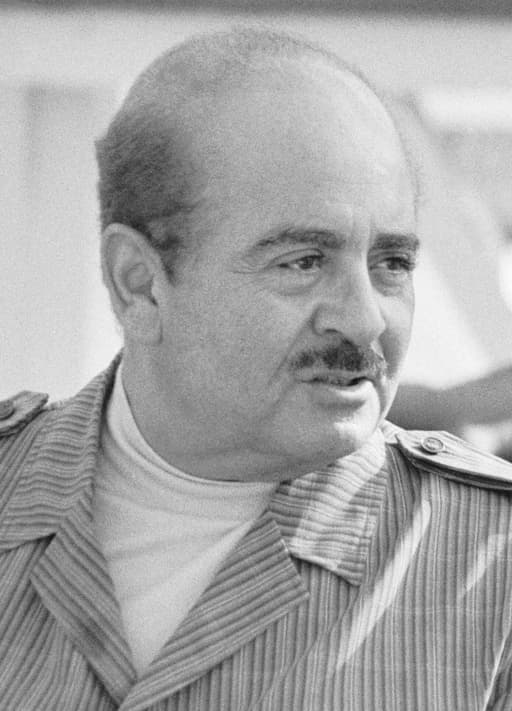
Adnan Khashoggi
PERSON
Saudi Arabian businessman (1935-2017)
Alexander Acosta
PERSON
American attorney and politician, 27th U.S. Secretary of Labor (born 1969)
AS
Ali Sadr
PERSON
Name reference in documents
Alison J. Nathan
PERSON
American federal judge who presided over the Ghislaine Maxwell criminal trial

Anderson
PERSON
Surname reference in Epstein documents
AP
Apositg
PERSON
Name reference in documents
AC
Audrey Cher
PERSON
Person referenced in documents
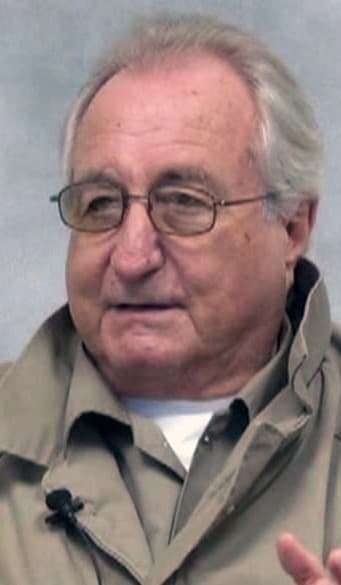
Bernie Madoff
PERSON • 2 mentions
Bernie Madoff, American financier convicted of the largest Ponzi scheme in history, frequently referenced alongside Epstein in documents
Bernie Sanders
PERSON
United States Senator from Vermont since 2007
Bill Cosby
PERSON • 2 mentions
American actor and comedian
BO
Boatwright
PERSON
Surname or name fragment in documents
BO
Bodmer
PERSON
Surname reference in documents
BO
Boustani
PERSON
Surname reference in Epstein-related documents
CA
Carrillo-Villa
PERSON
Surname or name fragment in documents
CA
Casteneda
PERSON
Surname reference in Epstein-related documents
Chandler
PERSON
Surname reference in Epstein-related documents
CE
Chris Everdell
PERSON
Person referenced in documents

Clark
PERSON
Surname reference in Epstein documents
Conway
PERSON • 2 mentions
Refers to Kellyanne Conway (White House advisor) in news coverage within Epstein-related DOJ documents
CW
Courtney Wild
PERSON
American victim/survivor of Jeffrey Epstein who led legal battle for victims' rights
CR
Crowell
PERSON
Surname reference in documents
Cynthia McFadden
PERSON
American journalist
DR
Dashawn Robertson
PERSON
Name reference in documents
DO
DAVID OSCAR
PERSON
Name reference in documents
DM
David Oscar Markus
PERSON
Person referenced in documents
DE
Deutsch
PERSON • 3 mentions
NER artifact - German word for German language, appears in Rothschild Bank email footers
DI
DiGiacomo
PERSON
Surname or name fragment in documents

Dominguez
PERSON
Portuguese painter (1906-1942)
DO
Dominique
PERSON
Ambiguous first name - refers to multiple individuals in Epstein documents

Ferranti
PERSON
Surname reference in Epstein-related documents
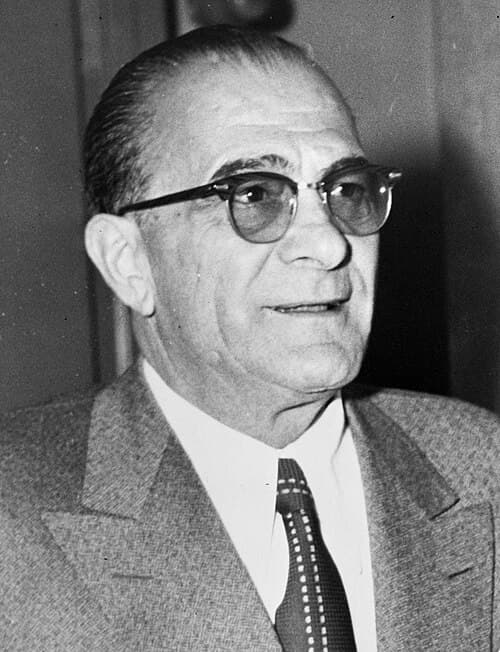
Genovese
PERSON
Surname reference in documents
George W. Bush
PERSON
President of the United States from 2001 to 2009

Ghislaine Maxwell
PERSON • 5 mentions
British socialite and sex trafficker, daughter of Robert Maxwell, accomplice of Jeffrey Epstein
GI
Giampino
PERSON
Name reference in documents
GL
Gleeson
PERSON
Surname reference in Epstein-related documents
HL
Hannibal Lecter
PERSON
Name reference in documents
HA
Hansen
PERSON
Surname reference in Epstein-related documents

Hanson
PERSON
Primarily refers to Steve Hanson, CEO of BR Guest Hospitality restaurant group and associate of Epstein
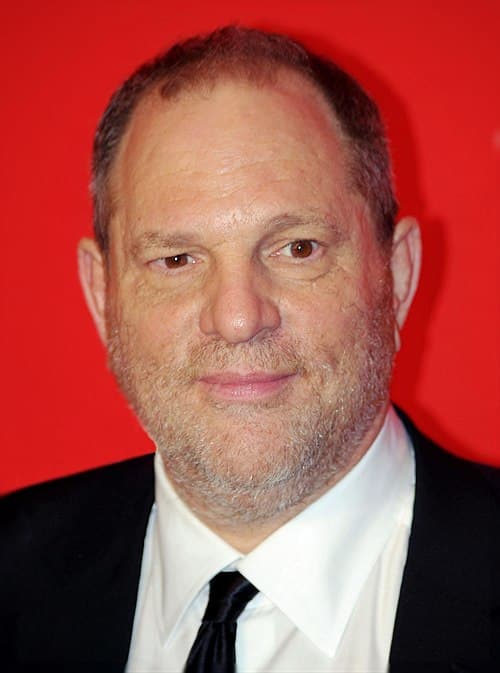
Harvey Weinstein
PERSON • 3 mentions
American film producer and sex offender (born 1952)

Hudson
PERSON
Surname reference in Epstein documents

Jeffrey Epstein
PERSON • 3 mentions
American sex offender and financier (1953–2019)
JP
Jeffrey Pagliuca
PERSON • 2 mentions
American attorney, defense lawyer for Ghislaine Maxwell during her criminal trial
John Brennan
PERSON
Director of the Central Intelligence Agency from 2013 to 2017
John F. Kennedy
PERSON
President of the United States from 1961 to 1963 (1917–1963)
John Gotti
PERSON
American crime boss (1940–2002)
KA
Karni
PERSON
Surname reference in Epstein-related documents
Kashoggi
PERSON
Surname reference in documents
KC
Kristen Carannante
PERSON
Name reference in documents
LA
LaFontaine
PERSON
Surname reference in Epstein-related documents

Larry Page
PERSON • 4 mentions
American computer scientist and Internet entrepreneur (born 1973)

LAURA A. MENNINGER
PERSON
Person referenced in documents
LH
Leah Harmon
PERSON
Name reference in documents
MS
Mahender Sabhnani
PERSON
Name reference in documents
MD
Marc Dreier
PERSON • 2 mentions
Person referenced in documents
MB
Margo K. Brodie
PERSON
Person referenced in documents
MC
Mark S. Cohen
PERSON
Attorney, represented Jeffrey Epstein in legal proceedings
MW
Martin Weinberg
PERSON
American attorney (born 1946)
Mattis
PERSON
Reference to James Mattis, former U.S. Secretary of Defense
Michael Cohen
PERSON
American former attorney and former Republican official
Michael Jackson
PERSON • 2 mentions
American singer, songwriter, record producer, and dancer (1958–2009)
MI
Millman
PERSON
Name reference in documents
MO
Moscaritolo
PERSON
Surname reference in documents
MM
Mull Man
PERSON
Name reference in documents
PA
Patriarca
PERSON
Surname reference in documents
Prince Andrew
PERSON
Third child of Queen Elizabeth II and Prince Philip, Duke of Edinburgh (born 1960)
RA
R. App
PERSON
Person referenced in documents
RE
R. Everdell
PERSON
Person referenced in documents
Richard Kahn
PERSON
Jeffrey Epstein's accountant and estate co-executor (2005-present)

Robertson
PERSON
Ambiguous surname reference in Epstein documents
SS
S. Shin
PERSON
Name reference in documents
Saddam Hussein
PERSON
Iraqi president, army officer and Baathist politician (1937–2006)
SA
Salerno
PERSON • 2 mentions
Surname reference in Epstein-related documents
SH
Sean Hecker
PERSON
Person referenced in documents
Stephen Hawking
PERSON • 2 mentions
British theoretical physicist, cosmologist and author (1942–2018)
TN
Thurgood NI
PERSON
Name reference in documents
TW
Timothy Williams
PERSON
American football player
VE
Veres
PERSON
Surname reference in documents
WE
Weigand
PERSON
Name reference in documents
07221fInagZalejeol
ORGANIZATION
Organization referenced in documents
Actively Litigated Civil Cases
ORGANIZATION
Organization referenced in documents
Alindato-Pere
ORGANIZATION
Organization referenced in documents
Alindato-Perez
ORGANIZATION
Organization referenced in documents
ALISON J. NATHAN
ORGANIZATION
U.S. federal judge (person name misclassified as organization)
Bail Conditions
ORGANIZATION
Organization referenced in documents
Barring Travelers
ORGANIZATION
Organization referenced in documents
Berrios-Berrios
ORGANIZATION
Organization referenced in documents
Cdsealt-MiDn304031.41
ORGANIZATION
Organization referenced in documents

Century
ORGANIZATION
American movie theater chain, owned by Cinemark
Cohen & Gresser LLP
ORGANIZATION
Law firm (Cohen & Gresser LLP)
Coronavirus Cases Rise Sharp
ORGANIZATION
Organization referenced in documents
DArpelke/Respandent
ORGANIZATION
Organization referenced in documents
District of New Mexico
ORGANIZATION
Organization referenced in documents
Docket Number(s
ORGANIZATION
Organization referenced in documents
DPlaintiff
ORGANIZATION
Organization referenced in documents

European Union
ORGANIZATION
Political and economic union of 27 European states
Federal Bureau of Prisons
ORGANIZATION
U.S. federal agency responsible for incarceration of federal inmates
Federal Defenders of New York Inc.
ORGANIZATION
Organization referenced in documents
Federal Rule of Appellate
ORGANIZATION
Organization referenced in documents
Fifth Circuit
ORGANIZATION
Federal appeals court
HADDON MORGAN & FOREMAN
ORGANIZATION
Organization referenced in documents
kids& Agency
ORGANIZATION
Organization referenced in documents
Letter Regarding MDC Conditions
ORGANIZATION
Organization referenced in documents
Melendez-Carrions
ORGANIZATION
Organization referenced in documents
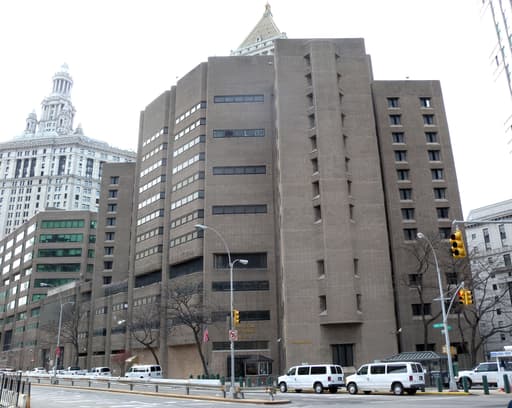
Metropolitan Correctional Center
ORGANIZATION
Metropolitan Correctional Center, New York, federal detention facility where Jeffrey Epstein died on August 10, 2019
MORGAN & FORMAN P.C.
ORGANIZATION
Organization referenced in documents
Motamedi
ORGANIZATION
Organization referenced in documents
Obeli
ORGANIZATION
Organization referenced in documents
Opinion & Order
ORGANIZATION
Organization referenced in documents
Page22
ORGANIZATION
Organization referenced in documents
Pagel 0
ORGANIZATION
Organization referenced in documents
Personal History
ORGANIZATION
Organization referenced in documents
Plateau Nationwide
ORGANIZATION
Organization referenced in documents

Plaza
ORGANIZATION
Canadian R&B singer, songwriter and producer
Second Circuit
ORGANIZATION
U.S. Court of Appeals for the Second Circuit
Shakur
ORGANIZATION
Organization referenced in documents
Sixth Circuit
ORGANIZATION
Organization referenced in documents

Southern District of New York
ORGANIZATION
Federal judicial district covering Manhattan and surrounding areas
The 10th Circuit
ORGANIZATION
Organization referenced in documents
The Conditions Created
ORGANIZATION
Organization referenced in documents
the Evidence Militate
ORGANIZATION
Organization referenced in documents
The Government's Position
ORGANIZATION
Organization referenced in documents
the Metropolitan Detention Center
ORGANIZATION
Organization referenced in documents
The New York Times
ORGANIZATION
American daily newspaper (founded 1851)
the Omit (Circuit
ORGANIZATION
Organization referenced in documents
The Proposed Bail Package
ORGANIZATION
Organization referenced in documents
the United States District Court
ORGANIZATION • 2 mentions
U.S. federal trial court with jurisdiction over federal cases
Third Circuit
ORGANIZATION
Organization referenced in documents
United States Customs and Border Protection
ORGANIZATION
Organization referenced in documents
Williams-Bethea
ORGANIZATION
Organization referenced in documents
Bozeman
LOCATION
City in Montana
Bradford
LOCATION
City in England, United Kingdom

Colorado
LOCATION
State of the United States of America

Denver
LOCATION
Consolidated city-county and capital of Colorado, United States

Foley Square
LOCATION
Street intersection in Manhattan, New York

New England
LOCATION
Region of the northeasternmost United States
the Southern District
LOCATION
Federal judicial district in New York City
the United Kingdom.13
LOCATION
Location referenced in documents
ThOesttuAlitqltdeggniL4(P1
LOCATION
Location referenced in documents

United Kingdom
LOCATION • 2 mentions
Country in north-west Europe

United States
LOCATION • 2 mentions
Country located primarily in North America
Wild West
LOCATION
Location referenced in documents
Statistics
Pages:100
Entities:142
Sponsored