EFTA00191587_sub_007 - EFTA00191587_658
Document Information
Bates Range
EFTA00191587_sub_007 - EFTA00191587_658
Pages
58
Original Filename
EFTA00191587.pdf (email 1, pages 1-658)
Document Content
Page 601 - EFTA00191587_601
UNITED STATES of America, Appellee, John T. SPURLOCK, Appellant. No. 06-3262. United States Court of Appeals, Eighth Circuit. Submitted: Jan. 10, 2007. Filed: July 30, 2007. Background: Defendant was convicted in the United States District Court for the Western District of Missouri, Gary A. Fen- ner, J., of seven counts of violating federal child exploitation statutes, and was sen- tenced to 168 months in prison. Defendant appealed. Holdings: The Court of Appeals. Colloton, Circuit Judge, held that: (1) convictions did not require proof that the intended victim was an actual mi- nor, as long as defendant believes that the victim is a minor; (2) defendant's conversations with under- cover officer were sufficient to support conviction for attempt to entice minor victims to engage in unlawful sexual activity; and (3) defendant was not entitled to sentenc- ing reduction for acceptance of respon- sibility. Affirmed. Bright, Circuit Judge, filed opinion concur- ring in part, and dissenting in part 1. Infants (3=20 Convictions for attempting to entice a minor to engage in illegal sexual activity, attempting to transfer obscene material to someone under the age of 16, and attempt- ing to travel in interstate commerce for the purpose of engaging in illicit sexual conduct do not require proof that the in- tended victim is an actual minor, as long as defendant believes that the victim is a U.S. LSPUBLOCK Cite as 495 loll (Ildi dr. 207) minor. 18 U.S.C.A. 95 1470, 2422(b), 2423(b). 1011 2. Infants Sxr.20 Defendant's conversations with under- cover officer, who defendant believed was the adult mother of two young girls, were sufficient to support conviction for attempt to entice minor victims to engage in unlaw- ful sexual activity; defendant described to the "mother" his desire to perform sex acts on her "daughters", he asked her to tell her daughters about his wishes, and to instruct the girls not to tell anyone, and he made plans with the mother to meet at a motel to have sex with the daughters. 18 U.S.C.A. § 2422(b). 3. Criminal Law 4=44 The elements of attempt are (1) intent to commit the predicate offense, and (2) conduct that is a substantial step toward its commission. 4. Sentencing and l'unishment e=0765, 963 The burden is on a defendant claiming a two-level sentencing reduction for accep- tance of responsibility to show that he clearly demonstrated acceptance of re- sponsibility. U.S.S.G. f 8E1.1(a), 18 5. Criminal Law ea1158(1) A district court's factual determina- tion about whether the defendant accepted responsibility is entitled to great defer- ence, for sentencing purposes, and the ap- pellate court will reverse it only if it is so clearly erroneous as to be without founda- tion. U.S.S.G. § 3E1.1(a), 18 U.S.C.A. 6. Sentencing and Punishment 4=765 Defendant convicted of multiple viola- tions of federal child exploitation statutes was not entitled to sentencing reduction for acceptance of responsibility; defendant did not plead guilty, he did not indicate EFTA00192187
Page 602 - EFTA00191587_602
1012 495 FEDERAL REPORTER, 3d SERIES that his defense at trial would be purely legal, he did not demonstrate contrition, and although he stipulated to a few basic facts, mostly relating to the foundation of prosecution exhibits, he did not stipulate to the content of the exhibits, or to the factu- al elements of guilt. 18 U.S.C.A. §§ 1470. 2422(b), 2423(b); U.S.S.G. § 3E1.1(a), 18 U.S.C.A. 7. Sentencing and Punishment (3.'765 Timeliness of defendant's cooperation is a relevant factor in determining eligibili- ty for a two-level sentencing reduction for acceptance of responsibility, both because untimely admissions may force the govern- ment and the court to expend resources unnecessarily, and because the timeliness of a defendant's acceptance of responsibili- ty is a measure of his true contrition and remorse for the criminal conduct. U.S.S.G. § 3E1.1(a), 18 U.S.C.A. Travis D. Poindexter, Asst. Fed. Public Defender, Kansas City, MO, argued (Ray- mond C. Conrad, Jr., Fed. Public Defend- er, on the brief), for appellant. Philip M. Koppe, Asst. U.S. Atty., Kan- sas City, MO, argued (Bradley J. Schloz- man, U.S. Atty., Katharine Fincham, Asst. U.S. Atty., on the brief), for appellee. Before COLLOTON, BRIGHT, and GRUENDER, Circuit Judges. COLLOTON, Circuit Judge. Following a bench trial, John T. Spur- lock was convicted of seven counts of vio- lating federal child exploitation statutes in connection with his attempt to entice two minors to engage in unlawful sexual activi- ty. The district court' imposed concur- rent sentences of 168 and 120 months' I. The Honorable Gary A. Fenner, United States District Judge for the Western District imprisonment. Spurlock appeals, and we affirm. I. In January 2005. Spurlock entered an Internet chat room entitled "Daughters Who Love Daddies," and made contact with a "mho identified herself as "Mary "Mary" told Spurlock she had two young daughters, thirteen- year-old "Amber" and ten-year-old "Man- dy." Unbeknownst to Spurlock, "Mary" was actually Detective Angie Wilson, an undercover agent with the FBI, and "Am- ber" and "Mandy" did not exist. Over the course of several Internet chats, Spurlock repeatedly expressed to "Mary" his desire to have sex with her and her daughters. During one online conversation, Detective Wilson, posing as "Mary," pretended to allow the girls to chat directly with Spur- lock. Spurlock described various sex acts that he wanted to perform on the girls. and instructed them to perform sex acts on one another. Still believing he was talking to the girls, Spurlock exposed himself on his webcam and began masturbating. In both online and telephone conversa- tions with "Mary," Spurlock made plans to travel from his home in Texas to Kansas City, Missouri, to have sex with her daugh- ters. On February 5, 2005, Spurlock ar- rived in Kansas City and telephoned "Mary" to inform her that he had pur- chased condoms and checked into a motel. FBI agents arrested Spurlock at the mo- tel. Spurlock admitted that he had trav- eled to Kansas City for the purpose of having sex with "Amber" and "Mandy," whom he believed to be thirteen and ten years old. of Missouri. EFTA00192188
Page 603 - EFTA00191587_603
U . S . I SPURLOCK 1013 Chg. as 495 F.3d loll Olih Cir. 2007) A grand jury returned a seven-count indictment against Spurlock. Three counts charged him with attempting to entice a person below the age of eighteen to engage in unlawful sexual activity, in violation of 18 U.S.C. § 2422(b). Two counts charged him with attempting to transfer obscene material to someone be- low the age of sixteen, in violation of 18 U.S.C. § 1470. One count charged him with travel in interstate commerce for the purpose of engaging in illicit sexual con- duct, in violation of 18 U.S.C. § 2423(6). One count sought the forfeiture of proper- ty Spurlock used in commission of the crimes. Spurlock moved to dismiss the indict- ment. He claimed that his conduct did not violate the statutes under which he was charged, because no actual minor was in- volved. The district court denied the mo- tion. Spurlock then rejected the govern- ment's offer of a conditional guilty plea, and asserted his right to go to trial. Dur- ing the bench trial, Spurlock moved twice for a judgment of acquittal, reasserting his claim that the statutes did not prohibit his conduct. Spurlock also argued for acquit- tal on the grounds that his conversations with "Mary" were not, by themselves, an attempt to entice her daughters to have sex. The district court denied Spurlock's motions and found him guilty on all counts. At sentencing, in calculating Spurlock's offense level under the advisory sentencing guidelines, the court denied Spurlock's re- quest for a two-level reduction for accep- tance of responsibility under USSG § 3E1.1(a). The court sentenced Spurlock to 168 months' imprisonment on each of the enticement and interstate travel counts, and to 120 months' imprisonment on each of the attempt to transfer obscene material counts, all to be served concur- rently. Spurlock appeals the denial of his motions for a judgment of acquittal. He also contends that the district court erred by denying him a downward adjustment for acceptance of responsibility, and that he is thus entitled to be resentenced based on a more favorable advisory guideline sentence. III Spurlock's first argument for a judgment of acquittal is that the statutes under which he was convicted did not pro- hibit his conduct. He contends that be- cause he conversed only with an undercov- er agent, and the statutes required that an actual minor must be involved, the govern- ment proved no violation of federal law. This argument is foreclosed by our deci- sions in United States v. Helder, 452 F.3d 751 (8th Cir.2006), and United States v. Hicks, 457 FM 838 (8th Cir2006). In Heftier, we concluded that an actual minor victim is not required for the crime of attempted enticement under § 242209. 452 F.3d at 756. In Hicks, we extended that reasoning to § 2423(b)'s prohibition of travel with intent to engage in illicit sexual conduct. 457 F.3d at 841. Helder and Hicks control here, and apply with equal force to the third statute under which Spurlock was convicted: attempt to know- ingly transfer obscene matter to a minor under § 1470. Spurlock's belief that the person to whom he transferred obscene matter was under the age of sixteen is sufficient to convict him of attempt., even if the recipient was actually an adult. See Helder, 452 F.3d at 755. 12] Spurlock next challenges his con- viction on Count One of the indictment. Count One alleges that independent of Spurlock's direct conversations with the girls, his conversations with "Mary" were by themselves an attempt to entice her daughters to engage in unlawful sexual activity, in violation of § 2422(b). Spur- lock argues that contact with an adult can never, by itself, be an attempt to entice a EFTA00192189
Sponsored
Page 604 - EFTA00191587_604
1014 495 FEDERAL REPORTER, 3d SERIES minor. In Spurlock's view, the statute requires direct communication with a mi- nor or a purported minor. We disagree. [31 The elements of attempt are (1) intent to commit the predicate offense, and (2) conduct that is a substantial step to- ward its commission. United States v. Blue Bird 372 FM 989, 993 (8th Cr. 2004). We conclude that Spurlock intend- ed to entice minor girls to have sex with him, and that his conversations with their purported mother were a substantial step toward that end. See United States v. Murrell, 368 F.3d 1283, 1287-88 (11th Cir. 2004); United States v. Hornaday, 392 F.3d 1306, 1310 (11th Cir.2004). Spurlock described to "Mary" his desire to perform sex acts on her daughters, provided her with suggestions about sex acts he would like the girls to perform on him, and asked her to tell the girls about his wishes. He relied on "Mary's" influence and control over her daughters, asking her to instruct the girls not to tell anyone what he planned to do to them. He made plans with "Mary" to meet at a motel in Kansas City where he would have sex with her and her daughters. He admitted at trial that he "tried to persuade those two girls through their mother to engage in sexual sett)" (Tr. at 76). Spurlock's conversations with "Mary" bear the familiar hallmarks of criminal at- tempt. They went beyond mere prepara- tion; they were necessary to the consum- mation of the crime; and they strongly corroborate Spurlock's criminal intent to entice the girls. See United States v. Jonsson, 15 F.3d 759, 761 (8th Cir.1994). We join the Eleventh Circuit in noting that 2. Spurlock's claim that his contact with "Mary" did not constitute statutory rape or statutory sodomy under Missouri law is be- side the point. Section 2422(b) prohibits an attempt knowingly to entice a minor to en- gage in "any sexual activity for which any person can be charged with a criminal of. tense." Count One of the indictment alleges "the efficacy of § 2422(b) would be eviscer- ated if a defendant could circumvent the statute simply by employing an intermedi- ary to carry out his intended objective." Murrell, 368 FM at 1287. We do not believe the statute exempts sexual preda- tors who attempt to harm a child by ex- ploiting the child's natural impulse to trust and obey her parents. Accordingly, we conclude that Spurlock attempted to entice "Amber" and "Mandy" through his conver- sations with their purported mother, and we reject his challenge to the conviction on Count One.: 14, 51 Finally, we consider Spurlock's claim that the district court erred at sen- tencing by denying him a two-level reduc- tion for acceptance of responsibility. Un- der USSG § 3E1.1(a), the burden is on a defendant to show that he "clearly demon- strateldl" acceptance of responsibility. See United States v. Thomas, 93 F.3d 479, 489 (8th Cir.1996). A district court's fac- tual determination about whether the de- fendant accepted responsibility is entitled to great deference, and we will reverse it only if it is so clearly erroneous as to be without foundation. United Slates v. Lit- tle Hawk, 449 F.3d 837, 839 (8th Cir.2006). 16] In certain "rare situations," a de- fendant may clearly demonstrate accep- tance of responsibility despite his decision to go to trial. USSG § 3E1.1, comment. (n.2). "This may occur, for example, where a defendant goes to trial to assert or preserve issues that do not relate to factual guilt (e.g., to make ... a challenge to the applicability of a statute to his con- that Spurlock's conversations with "Mary" were an attempt to entice her daughters to engage in sexual activity with him, for which Spurlock could be charged with statutory rape and statutory sodomy under Missouri law. Therefore. Spurlock's actions fall within the scope of the federal statute. EFTA00192190
Page 605 - EFTA00191587_605
US.` SPURLOCK 1015 Ott as 49S rsd loll lith Cir. 2007) duct)." it In such instances, a court should look primarily to a defendant's pre- trial statements and conduct to determine if he has accepted responsibility, id, and the timeliness of a defendant's acceptance of responsibility is a relevant factor under 3E1.1(a). Id, comment. (nn.l(h), 6). Of course, even a defendant who pleads guilty is not entitled to the downward adjustment as a matter of right, id, comment (n.3), so neither is a defendant who goes to trial to preserve issues that do not relate to factu- al guilt. Spurlock claims he went to trial only to advance a legal argument, and that the district court was required to find that his case exhibits one of the "rare situa- tions" in which a defendant who is convict- ed at trial should receive the benefit of the adjustment. We disagree. At the pretrial conference, Spurlock did not indicate that his defense at trial would be purely legal. He announced, rather, that he would rely on a defense of "general denial." (R. Doc. 42, at 3). Spurlock eventually stipulated to a few basic facts, mostly relating to the foundation for some prosecution exhibits, but he did not stipu- late to the content of the more than sixty exhibits the government introduced at tri- al, or to the factual elements of guilt. After the government presented its case- in-chief, Spurlock took the stand and ad- mitted to the factual allegations against him. (Tr. at 74-77). The district court's finding that Spurlock did not clearly demonstrate acceptance of responsibility was not without foundation. At the pretrial conference, Spurlock had an opportunity to admit the factual ele- ments of guilt and to narrow the case to purely legal issues—i.e., whether the fed- eral statutes under which he was charged require the involvement of an actual minor, and whether 18 U.S.C. § 2242(b) requires direct communication with a minor. But through his general denial, Spurlock hedged his bet. He "putt l the govern- ment to its burden of proof at trial by denying the essential factual elements of guilt," USSG § 3E1.1, comment (n.2), and preserved his right to urge an acquittal based on any shortcomings or missteps in the presentation of the government's case. See United States v. Sumner, 119 F.3d 658, 660 (8th Cir.1997) ("(Al general denial defense ... forces the government to prove every element of the crime charged.") (7) The district court found that Spur- lock's actions resulted in "considerable ef- fort and preparation on the part of the government and necessitated the govern- ment presenting its case at trial." (Tr. at 84). Timeliness is a relevant factor in determining eligibility for a two-level re- duction, both because untimely admissions may force the government and the court to expend resources unnecessarily, see Unit- ed States v. Kid, 454 F.3d 819, 824 (8th Cir.2006); United States v. Erhart, 415 FM 965, 972 (8th Cir2005), and because the timeliness of a defendant's acceptance of responsibility is a measure of his true contrition and remorse for the criminal conduct. United States v. Sierra, 188 FM 798, 804 (7th Cir.1999); United States v. Ewing, 129 FM 430, 436 (7th Cir.1997). Spurlock's last-minute admissions, made after he waited to confirm that the govern- ment was able to prove the charged of- fenses in its case-in-chief, "had little effect on the quantum of evidence the govern- ment was required to present," United States v. King, 36 FM 728, 735 (8th Cir. 1994), and did not amount to persuasive showing of contrition and remorse. See also United States v. Abfaller, 340 FM 646, 652 (8th Cir2003); United States v. Field, 110 FM 592, 594 (8th Cir.1997) (upholding denial of acceptance-of-respon- sibility adjustment where defendant "went to trial contesting the factual elements of guilt" and made "no stipulations of guilty EFTA00192191
Page 606 - EFTA00191587_606
1016 495 FEDERAL REPORTER, 3d SERIES conduct ... limiting the trial to a constitu- tional or statutory challenge'). Spurlock had an opportunity to proceed in a manner that could have qualified as a "rare situation" in which a defendant goes to trial and still earns an adjustment for acceptance of responsibility. But he bears the burden to demonstrate his entitlement to that benefit, and he failed to make an early demonstration of contrition, or to take the initiative to narrow the case to the straightforward legal issues that he now says were the only reason for a trial. We conclude that the district court did not clearly err when it denied an acceptance- of-responsibility reduction. For these reasons, the judgment of the district court is affirmed. BRIGHT, Circuit Judge, concurring in part and dissenting in part. I concur in the majority's affirmance of Spurlock's conviction. I dissent, however, from the majority's conclusion about Spur- lock's acceptance of responsibility. The district court clearly erred when finding that Spurlock did not clearly demonstrate acceptance of responsibility. The majority omits a crucial circum- stance from its opinion. Contemporane- ously with Spurlock's pre-trial proceed- ings, two other defendants faced virtually the same charges in the same district (but before a different judge) as Spurlock. See United Slates v. Helder, 452 F.3d 751 (8th Cir.2006); United States v. Hicks, 457 F.3d 838 (8th Cir.2006). Based on an ar- gument that the statute under which they were charged. 18 U.S.C. 4 2422(b), re- quired the presence of an actual minor, rather than an adult pretending to be a minor, the district court granted those de- fendants' respective motions for judgment 3. Spurlock unsuccessfully argued the issue in of acquittal after a jury trial, see Helder, 452 F.3d at 753, and dismissal of the in- dictment, see Hicks, 457 F.3d at 840. Spurlock's decision to proceed to trial was indisputably motivated by an attempt to preserve for appeal the same legal argu- ment that had worked for similar defen- dants in the same court.' The Guidelines specifically anticipate circumstances in which a defendant might require or prefer a trial in order to pre- serve certain legal issues. Commentary Note 2 to U.S. SENTENCING GUIDELINF.s MANUAL § 3E1.1 (2004) sets forth: a defendant may clearly demonstrate ac- ceptance of responsibility for his crimi- nal conduct even though he exercises his constitutional right to a trial. This may occur, for example, where a defendant goes to trial to assert and preserve is- sues that do not relate to factual guilt (e.g., to make a constitutional challenge to a statute or a challenge to the applica- bility of a statute to his conduct). In each such instance, however, a determi- nation that a defendant has accepted responsibility will be based primarily on pre-trial statements and conduct. In this case, Spurlock exercised his right to trial to preserve a challenge to the applicability of 18 U.S.C. k 2242(b) to his conduct. Thus, the court should deter- mine his acceptance of responsibility on his pre-trial statements and conduct. The PSI report indicates that Spurlock's pretrial statements and conduct undoubt- edly demonstrate his acceptance of respon- sibility. Following his arrest, Spurlock ad- mitted the wrongfulness of his conduct and confessed to all relevant conduct. Spur- lock also consented to the search of his computer and to officers' assuming his on- line presence for further investigation. Throughout his pre-trial proceedings, Spurlock conceded that he had engaged in his own case. EFTA00192192
Sponsored
Page 607 - EFTA00191587_607
AUTO-OWNERS INS. I s TRIBAL COURT OF SPIRIT LAKE Oleos F3d 1017 (56 Or. 2007) the wrongful conduct, but maintained that the statute did not apply to his conduct. Spurlock, although requesting a trial, waived his right to a jury trial and stipu- lated to some of the government's evi- dence, including chain of custody of the computer files. At trial, he did not object to the admission of the government's ex- hibits and only cross-examined one of three government witnesses. True, Spurlock put the government to some burdens at trial by his general deni- al. But the applicable note explains that the "adjustment is not intended to apply to a defendant who puts the government to its burden of proof at trial ..., is convict ed, and only then admits guilt and ex- presses remorse" U.S. SENTENCING GUIDE- LINES MANUAL § 3E1.1 cmt. n. 2 (2004) (emphasis added). Spurlock did not with- hold admission of guilt until the govern- ment had met its burden of proof. He had previously admitted his conduct, stipulated to evidence, and conveyed an appreciation for the wrongfulness of his conduct. The acceptance of responsibility reduction can- not become solely a question of how much work the government was required to do; we must ultimately focus on whether the defendant himself exhibited responsibility and remorse for his conduct, which Spur- lock did. Spurlock faced the special and rare cir- cumstances of seeing two other defendants avoid conviction on similar facts because of a statute's potential inapplicability. There is little question that Spurlock only went to trial to preserve that issue. Accordingly, I dissent from the majority in this respect and would have vacated Spurlock's sen- tence and remanded for re-sentencing with a reduction for acceptance of responsibili- ty. 1017 AUTO-OWNERS INSURANCE COMPANY, Plaintiff/Appellee, v. The TRIBAL COURT OF the SPIRIT LAKE INDIAN RESERVATION; Devils Lake Sioux Tribal Education Board, doing business as Four Winds Elementary School; Fort Totten Pub- lic School District, Defendants, Tate Topa Tribal Education Board, also known as Spirit Lake Sioux Tribal Education Board, Defendant/Appel- lent, Four Winds High School, Defendant, Tate Topa Tribal School, also known as Four Winds Elementary School, Defendant/Appellant, Vivian Lohnes, as Court-Appointed Cus- todian and Guardian of her Minor Granddaughter, Mary DeLorme, 1k- fendant. No. 06-3562. United States Court of Appeals, Eighth Circuit. Submitted: May 17, 2007. Filed: Aug. 1, 2007. Background: Insurer filed declaratory judgment action against insured Indian elementary school and education board, seeking determination of whether commer- cial general liability policy and commercial umbrella policy covered alleged sexual as- sault of student The United States Dis- trict Court for the District of North Dako- ta, Ralph R. Erickson, J., denied insured's motion to dismiss and granted insurer summary judgment. Insured appealed. Holdings: The Court of Appeals, Smith, Circuit Judge, held that: (1) court lacked diversity jurisdiction; EFTA00192193
Page 608 - EFTA00191587_608
Page 1 of 2 Wastlaw. QUERY - 3142(E) & (DETAIN! DETENTION) & PRESUMPTION & "CRIME OF VIOLENCE" & (242!) & DA(2007) DATABASES(S) - ALLFEDS I. C U.S. I. Bass, Slip Copy, 2007 WL 2416437, D.N.J., August 20, 2007(Crim. No. 07-232 (SRC).) ...defendant's motion for reconsideration of the Order dated April 5, 2007, which granted the mo- tion of the United States to detain the defendant pending trial; and the Hon. Stanley R. Chesler having referred this motion to the Undersigned; and the Court ... ...FN1. In support of his motion, the defendants argues that the Court should reconsider its April 5, 2007 Order to detain him kecause its analysis was not consistent with 18 U.S.C. § 3142(1) and the dictates of United States I... ...commit an offense identified in Section 3142(f) if released and that such a finding is necessary to order pretrial detention. Second, and relatedly, he argues that Himlcr's rationale and its re- quirement that proof of such recidivism is necessary despite the amendments to the Bail Reform Act. Third, the defendant argues that the Court should reconsider its detention decision given the absence of any allegations that he used a firearm in a violent manner, the absence of current... 2. C U.S.'. Music, Slip Copy, 2007 WL 2067057„ W.D.Ky., July 16, 2007(No. 1:07-CR-21-R.) ...the Minor was not pregnant. A one (I) count indictment was issued charging that the Defendant violated 18 U.S.C. § 2423 ; Transportation in Interstate Commerce With Intent to Engage in Criminal Sexual Activity with a Minor. After the indictment, the Minor ... ...a hearing was held before the Honorable Magistrate Judge E. Robert Goebel ("Judge Goebel"), for the purposes of arraignment and detention. At that hearing, the Court ultimately determined that the Defendant had rebutted the presumption against detention as there were conditions and combinations of conditions that would reasonably assure the appearance of the Defendant as well ...a no-contact provision not only with the Minor, but also her family and any other minor fe- males; total home detention except for supervised medical treatment or meetings with his attor- ney; electronic monitoring; travel restrictions (including turning in his passport); third... 3. 14 U.S. I. Abdullahu, 488 F.Supp.2d 433, 2007 WL 1556837„ D.N.J., May 24, 2007(No. 07-2050 (JS)•) ...Attorney , Camden, NJ, for United States of America. OPINION DENYING DEFENDANTS MOTION FOR RELEASE ON BAIL AND IN SUPPORT OF DETENTION ORDER SCHNEIDER , United States Magistrate Judge. This matter is before the Court on the request of defendant Agron Abdullahu (hereinafter "defendant") for a detention hearing pursuant to 18 U.S.C. § 3142(f) On May 14, 2007, defendant filed his "Motion for Release on Bail." [Doc. No. 10]. Pursuant to 18 U.S.C. § 3142(f) the Court held a detention hearing on May 17, 2007. For the reasons to be discussed, the Court denies defendant's Motion and finds that no ... ...this Opinion will set forth the Court's written findings of fact and a written statement of the reasons for the detention. FN1. At the conclusion of the May 17, 2007 detention hearing this C 2008 Thomson/West. No Claim to Orig. U.S. Govt. Works. https://web2.westlaw.com/print/printstream.aspx?sv=Full&prft=HTMLE&rs=WLW8.02&... 2/20/2008 EFTA00192194
Page 609 - EFTA00191587_609
Page 2 of 2 QUERY - 3142(E) & (DETAIN! DETENTION) DATABASES(S) - ALLFEDS & PRESUMPTION & "CRIME OF VIOLENCE" & (242!) & DA(2007) Court ruled from the Bench and read into the record the sum and substance of this Opinion. This written Opinion formalizes the Court's ruling. A detention Order was entered on May 17, 2007. [Doc. No. 14]. Background On May 7, 2007, this Court signed a Complaint ... ...5 , appeared before this Court for an initial appearance on May 8, 2007. On that date an Order of Temporary Detention was entered and a detention hearing was scheduled for May 11, 2007. [Doc. No. 7]. On May II, 2007, defendant's counsel requested and was granted an extension for the date of the detention hearing until May 17, 2007. Findings of Fact 2 FN2. All of the facts summarized herein were included in the government's proffer at the May 17, 2007 detention hearing which included the May 7, 2007 Complaint naming the defendant and the reports of Pre- trial Services. The proffer also... 4. C U.S. I. Capozzoli, Slip Copy, 2007 WL 129037, N.D.Ind., January 12, 2007(No. 2:06 CR 167.) ...Adam Tavitas , Merrillville, IN, for Defendant. Philip Craig Benson U.S. Attorney's Office , Hammond, IN, for Plaintiff. OPINION AND ORDER OF DETENTION ANDREW P. RO- DOVICH , United States Magistrate Judge. At the August 22, 2006 initial appearance, the gov- ernment requested that the defendant ... ...August 25, 2006, committing the defendant to a United States Medical Center for Federal Pris- oners for a mental evaluation. A detention hearing was conducted on December 21, 2006, and the court now makes the following findings of fact: 1. The defendant currently is charged in a one count indictment with a violation of 18 U.S.C. § 2422(b) If convicted, the defendant faces a mandatory minimum sentence of ten years imprisonment and a maximum sentence of life impris- onment. 2. At the detention hearing, the government proffered evidence to supplement the in- dictment and the prebond report. The defendant also proffered evidence based upon ... ...brother, the defendant has problems following directions and could not have made the trip to Lafayette. Under 18 U.S.C. § 3142(e) , a defendant may be detained as a danger to the com- munity if he is charged with a crime of violence under Section 3142(f)(1)(A) The defendant is charged with using the internet to solicit sex with someone he believed to be a 13 year old girl in violation of 18 U.S.C. § 2422(b) If this constitutes a crime of violence, there is a rebuttable pre- sumption in favor of detention. In United States'. Munro, 394 F.3d 865 (10th Cir.2005) , the defendant was charged with using the internet to solicit sex with a minor in violation of Section 2422(b) along with carrying a firearm during a crime of violence in violation of 18 U.S.C. § 924(c) The Court of Appeals concluded that the attempted sexual abuse of a minor was a crime of violence and upheld the Section 924(c) conviction. 394 F.3d at 870-871 See also United States Abad, 350... @ 2008 lliomsonfWest. No Claim to Orig. U.S. Govt. Works. https://web2.westlaw.com/print/printstrearn.aspx?sv=Full&prft=HTMLE&rs=WLW8.02&... 2/20/2008 EFTA00192195
Sponsored
Page 610 - EFTA00191587_610
Page 1 of 4 Vintlave QUERY - 3142(E) & (DETAIN! DETENTION) & PRESUMPTION & "CRIME OF VIOLENCE" & (225!) & DA(2007) DATABASES(S) - ALLFEDS U.S. Sabhnani, 493 F.3d 63, 2007 WL 1 I. 114 1965536, C.A.2 (N.Y.), July 06, 2007(Docket No. 07-2 7-cr.) ...illegal aliens. The United States District Court for the Eastern District of New York Thomas C. Platt , J., ordered defendants detained. Defendants appealed. 3 Holding: The Court of Appeals Reena Raggi , Circuit Judge, held that government had failed to show that ... ...Bail 4911 In Criminal Prosecutions 49 49 Proceedings to Admit to Bail 49 49(3) Evidence 49 49(4) k. Presumptions and Burden of Proof. When charge against federal defendant does not trigger statutory presumption that no conditions of release can adequately assure defendant's at- tendance at trial, government has burden to demonstrate by preponderance of ... ...and that no condition or combination of conditions can be imposed reasonably to assure his re- quired attendance. 18 U.S.C.A. § 3142(e) [2] 110 Criminal Law I IOXXIV Review 110XXIV(0) Questions of Fact and Findings 110 1158 In General 110 1158(1) k. In General. In general, Court of Appeals reviews district court's order of detention for clear error. 18 U.S.C.A. § 3142(e) [3] 49 Bail 4911 In Criminal Prosecutions 49 41 Right to Release on Bail 49 42 k. In General. 49... 2. C U.S. I. Megahed, 519 F.Supp.2d 1236, 2007 WL 3132418, 21 Fla. L. Weekly Fed. D 29„ M.D.Fla., October 25, 2007(No. 8:07-cr-342-T-23MAP.) ...2) fact that defendant was not charged with offense enumerated in Bail Reform Act did not pre- clude his pre-trial detention. Motion granted. West Headnotes [1] 49 Bail 4911 In Criminal Pro- secutions 49 49 Proceedings to Admit to Bail 49 49 ... ...49 Proceedings to Admit to Bail 49 49(3) Evidence 49 49(3 1) k. In General. Bail Reform Act authorizes detention in any case in which court determines after due process hearing (1) by pre- ponderance of evidence that no conditions of ... ...General. Fact that defendant was not charged with offense enumerated in Bail Reform Act did not preclude his pre-trial detention based on prospect of future crimes. 18 U.S.C.A. § 3142 Jay L. Hoffer , U.S. Attorney's Office, Tampa, FL, for Plaintiff... 3. • U.S. I. , Slip Copy, 2007 WL 3028307„ W.D.N.C., October 15, 2007(No. 1:07 cr 69-2.) ...heard before the undersigned, pursuant to a motion filed by defendant's counsel on September 25, 2007 entitled "Motion to Reconsider Detention Order" (H 225) and from the evidence offered by the defendant and the evidence offered by the Government and the arguments of counsel... ...illegal gambling business, conspiracy to commit bribery, bribery of a law enforcement officer and conspiracy to commit money laundering. A detention hearing was held for the defendant on August 3, 2007. At that time, the undersigned entered an order detaining the defendant pending further orders of the court. On August 7, 2007, the undersigned entered a written Order of Deten- tion (H 59) in which the undersigned presented in writing the reasons for the court's decision to (0 2008 Thomson/West. No Claim to Orig. U.S. Govt. Works. https://web2.westlaw.com/print/printstream.aspx?sv=Full&pri1=HTMLE&rs=WLW8.02&... 2/20/2008 EFTA00192196
Page 611 - EFTA00191587_611
Page 2 of 4 QUERY - 3142(E) & (DETAIN! DETENTION) DATABASES(S) - ALLFEDS & PRESUMPTION & "CRIME OF VIOLENCE" & (225!) & DA(2007) detain the defendant. The written detention order filed in this matter is incorporated herein by reference as if fully set forth herein. On September 25, 2007 defendant's counsel filed a motion entitled "Motion to Reconsider Detention Order" (# 225). In the motion, defendant's counsel sets forth that the defendant has been completely cooperative with the Government and that the ... ...position that the defendant did not personally initiate any attempts to obstruct justice and that the court's basis for the detention of the defendant no longer exists. Thomas Boggs, attorney for the defendant, presented a proffer of evidence to the court... 4. C U.S. I Comstock, 507 F.Supp.2d 522, 2007 WL 2588815, E.D.N.C., September 07, 2007(Nos. 5:06- C-2195BR, 5:06-HC-2202BR, 5:06-HC-2205BR, 5:06-HC-2206BR, 5:06-HC-2212BR.) ...U.S.C.A. § 4248 [3] 92 Constitutional Law 92VI Enforcement of Constitutional Provisions 92VI(C) Determination of Constitutional Questions 92VI(C)3 Presumptions and Construction as to Constitutionality 92 990 k. In General. Statutes are presumed constitutional. [4] 92 Constitu- tional Law 92XX Separation ... ...of "Receipt [by computer] of materials depicting a minor engaging in sexually explicit con- duct" in violation of 18 U.S.C. § 2252(aX2) , and to one count of forfeiture. He was sentenced to a 37-month prison term to be followed by a ... ...release based on his guilty plea to one count of possession of child pornography in violation of 18 U.S.C. § 2252(a) (5XB) and (bX2) Matherly's term of imprisonment expired on 23 November 2006, and he is currently confined at... 5. C U.S. I. Bass, Slip Copy, 2007 WL 2416437„ D.N.J., August 20, 2007(Crim. No. 07-232 (SRC).) ...defendant's motion for reconsideration of the Order dated April 5, 2007, which granted the mo- tion of the United States to detain the defendant pending trial; and the Hon. Stanley R. Chesler having referred this motion to the Undersigned; and the Court ... ...FN I. In support of his motion, the defendants argues that the Court should reconsider its April 5, 2007 Order to detain him because its analysis was not consistent with 18 U.S.C. § 3142(0 and the dictates of United States I... ...commit an offense identified in Section 3142(0 if released and that such a finding is necessary to order pretrial detention. Second, and relatedly, he argues that Himler's rationale and its re- quirement that proof of such recidivism is necessary despite the amendments to the Bail Reform Act. Third, the defendant argues that the Court should reconsider its detention decision given the absence of any allegations that he used a firearm in a violent manner, the absence of current... 6. C U.S.A Schenberger, 498 F.Supp.2d 738, 2007 WL 2230182, D.N.J., July 27, 2007(Mag. No. 07-2 7(JS).) ...No. 07-2077(JS). July 27, 2007. Background: Defendant, who was charged with receiving and distributing child pornography, requested a detention hearing. 5 Holding: The District Court Joel Schneider, United States Magistrate Judge, held that defendant was not entitled to bail... C 2008 Thomson/West. No Claim to Orig. U.S. Govt. Works. https://web2.westlaw.com/print/printstream.aspx?sv=Full&prft=HTMLE&rs=WLW8.028c... 2/20/2008 EFTA00192197
Page 612 - EFTA00191587_612
Page 3 of 4 QUERY - 3142(E) & (DETAIN! DETENTION) & PRESUMPTION & "CRIME OF VIOLENCE" & (225!) & DA(2007) DATABASES(S) - ALLFEDS ...that he was not charged with physically abusing a minor and had agreed not to use or access a computer. Detention ordered. West Headnotes [I] 49 Bail 4911 In Criminal Prosecutions 49 41 Right to Release on Bail 49 42 5 k ...Bail 4911 In Criminal Prosecutions 49 49 Proceedings to Admit to Bail 49 49(3) Evidence 49 49(4) k. Presumptions and Burden of Proof. If the government moves for detention on the basis of danger to the community, it must prove that by clear and convincing evidence, but if govern- ment or court believes detention is appropriate because there is a risk of flight, that must be proved by a preponderance of the evidence. 18 U.S.C.A. § 3142(e) [3) 49 Bail 4911 In Criminal Prosecutions 49 49 Proceedings to Admit to Bail 49 49(3) Evidence 49 49(4) k Presumptions and Burden of Proof. If probable cause exists to believe that defendant committed an offense lis- ted under statute prohibiting certain activities relating to material involving the sexual exploita- tion of minors, rebuttable presumption exists that no condition or combination of conditions will reasonably assure the safety of any other person and the appearance of the person as required; once the rebuttable presumption is established, the burden is then placed on the defendant to produce countervailing evidence that forms a basis for his... 7. U.S.'. Johnson, Slip Copy, 2007 WL 171254I„ E.D.Mich., June 13, 2007(No. 07-CR-30292.) ...I3, 2007. Janet L. Parker U.S. Attorney's Office , Bay City, MI, for Plaintiff. DECISION AND ORDER DENYING GOVERNMENTS MOTION TO DETAIN CHARLES E. BINDER, United States Magistrate Judge. The Government moves for detention pursuant to 18 U.S.C. § 3142 , but questions whether the detention hearing should be heard in this district. The Bail Reform Act does not provide explicit guidance as to whether the detention hearing should be held in the dis- trict of arrest or in the charging district. In this case, the conduct charged ... ...relevant information is available in this district, the Court finds that it is proper to consider the Government's motion to detain in this district. On the issue of detention, the Government ini- tially asserts that the presumption in favor of detention applies. The relevant statute provides that, [sjubject to rebuttal by the person, it shall be presumed that no condition or ... ...maximum term of imprisonment of ten years or more is prescribed in an offense involving a minor victim under section 2252(a) (2) of this title. 18 U.S.C. § 3142(e) The Court finds that the Government is correct-the presumption does in fact apply. As a matter of law, the Indict- ment in this case, standing alone, suffices to establish probable... 8. H U.S.'. Abdullahu, 488 F.Supp.2d 433, 2007 WL 1556837, D.N.J., May 24, 2007(No. 07-2050 (IS).) ...Attorney , Camden, NJ, for United States of America. OPINION DENYING DEFENDANTS MOTION FOR RELEASE ON BAIL AND IN SUPPORT OF DETENTION ORDER SCHNEIDER , United States Magistrate Judge. This matter is before the Court on the request of defendant Agron Abdullahu (hereinafter "defendant") for a detention hearing pursuant to 18 U.S.C. § 3142(f) On May 14, 2007, defendant filed his "Motion for Release on Bail." [Doc. No. 10]. Pursuant to 18 U.S.C. § 3142(f) the Court held a detention hearing on May 17, 2007. For the reasons to be discussed, the Court denies defendant's Motion and fords that no ... C 2008 Thomson/West. No Claim to Orig. U.S. Govt. Works. https://web2.westlaw.com/print/printstream.aspx?sv=Full&prft=HTMLE&rs=WLW8.02&... 2/20/2008 EFTA00192198
Sponsored
Page 613 - EFTA00191587_613
Page 4 of 4 QUERY - 3142(E) & (DETAIN! DETENTION) & PRESUMPTION & "CRIME OF VIOLENCE" & (225!) & DA(2007) DATA BASES(S) - A LLFEDS ...this Opinion will set forth the Court's written findings of fact and a written statement of the reasons for the detention. FNI. At the conclusion of the May 17, 2007 detention hearing this Court ruled from the Bench and read into the record the sum and substance of this Opinion. This written Opinion formalizes the Court's ruling. A detention Order was entered on May 17, 2007. [Doc. No. 14). Background On May 7, 2007, this Court signed a Complaint ... ...5 , appeared before this Court for an initial appearance on May 8, 2007. On that date an Order of Temporary Detention was entered and a detention hearing was scheduled for May 11, 2007. [Doc. No. 7). On May II, 2007, defendant's counsel requested and was granted an extension for the date of the detention hearing until May 17, 2007. Findings of Fact 2 FN2. All of the facts summarized herein were included in the government's proffer at the May 17, 2007 detention hearing which included the May 7, 2007 Complaint naming the defendant and the reports of Pre- trial Services. The proffer also... 8:32008 Thomson/West. No Claim to Orig. U.S. Govt. Works. https://web2.westlaw.cozn/print/printsveam.aspx?sv=Full&prft=HTMLE&rs=WLW8.02&... 2/20/2008 EFTA00192199
Page 614 - EFTA00191587_614
Page 1 of 6 1Mastlaw. 999 F.2d 541 999 F.2d 541, 1993 WL 280323 (C.A.6 (Tenn.)) (Cite as: 999 F.2d 541, 999 F.2d 541 (Table)) C U.S. I Scott C.A.6 (Tenn.),1993. NOTICE: THIS IS AN UNPUBLISHED OPIN- ION.(The Court's decision is referenced in a "Table of Decisions Without Reported Opinions" appear- ing in the Federal Reporter. Use Fl CTA6 Rule 28 and Fl CTA6 1OP 206 for rules regarding the cita- tion of unpublished opinions.) United States Court of Appeals, Sixth Circuit. UNITED STATES of America, Plaintiff-Appellee, v. Robert D. SCOTT, Defendant-Appellant. No. 924435. July 26, 1993. On Appeal from the United States District Court for the Western District of Tennessee, No. 91-20037,Gibbons, J. W.D.Tenn. AFFIRMED. Before GUY and BATCHELDER, Circuit Judges, and MILES, Senior District Judgefw PER CURIAM. *1 Defendant, Robert Scott, appeals his convic- tion for interstate transportation of a female minor and other females for purposes of prostitution, in- terstate transportation of a minor with intent that she engage in sexual intercourse with him, and con- spiracy. Scott contends that the Speedy Trial Act was violated both because of the time between his arrest and indictment and the time between indict- ment and trial. Scott also challenges the admission at trial of a book of sexually explicit photographs, which he alleges was irrelevant and unduly prejudi- cial. Finally, Scott argues that insufficient evidence existed to convict him of any of the counts against him. We affirm. Page I Robert Scott was a 26-year-old native of Toledo, Ohio, who, according to one of his ac- quaintances, worked as a pimp. In November of 1990, Scott encountered Betty Frey, also a resident of Toledo, who told him that she was planning to run away. Frey was born on July 14, 1973, and was considered a minor on the day that she met Scott. Frey asked Scott to take her to a small town in Michigan, where she was going to "play it off with her mom." Presumably, Frey planned to call her mother long distance and tell her that she had run away simply to worry her. Scott complied with Frey's request and took her to Michigan. Once there, the couple went to a motel and had sexual in- tercourse. At some point, Scott suggested that Frey ac- company him to Columbus, Ohio. She agreed, and ultimately the pair traveled to Columbus on November 16 with Jeanine Sheppard, Theresa Riebesehl, and codefendant Derek Maes. The group checked into a Columbus motel, where Scott and Frey again had sexual intercourse. Scott then told Frey that he did not have enough money for them to return to Toledo and he therefore needed a favor from her. Scott wanted her to make some money by prostituting herself, and he gave Frey condoms and sent her out with Sheppard and Riebesehl. The three all engaged in sexual intercourse for money, and upon her return to the motel Frey gave Scott all of the money she made. This was the first time Frey had ever engaged in prostitution. The group returned to Toledo the next day, where they stayed in an apartment with Maes and Betty Sims, Scott's live-in girlfriend. Throughout November and December of 1990, Scott sent Frey out on the streets of Toledo to engage in prostitu- tion. Often, Frey was accompanied by Ruth DeBolt, Claudia Tinsley, and codefendant Kimberly Bull. Late in December of 1990, Scott, Frey, Bull, DeBolt, and Tinsley left Toledo in Scott's auto- mobile destined for Memphis, Tennessee. Maes, C 2008 Thomson/West. No Claim to Orig. U.S. Govt. Works. https://web2.westlaw.com/print/printstream.aspx?sv=Full&prf1=HTMLE&fn=_top&mt=F... 2/21/2008 EFTA00192200
Page 615 - EFTA00191587_615
, 999 F.2d 541 999 F.2d 541, 1993 WL 280323 (C.A.6 (Tenn.)) (Cite as: 999 F.2d 541, 999 F.2d 541 (Table)) Sheppard, Riebesehl, Lisa Gonzales, and codefend- ant David Powers followed Scott in Maes' vehicle. According to the government, the purpose of this trip was for the females to make money by prosti- tuting themselves. On the trip down, the cars would stop at rest areas and truck stops and the females would attempt to prostitute themselves to truck drivers and others. Near Elizabethtown, Kentucky, the caravan stopped for the night when Scott's car broke down. Scott, Maes, and Powers left the seven women at an Elizabethtown motel while they re- turned to Toledo to retrieve another vehicle. Prior to leaving for Toledo, however, Scott and Frey once again had sexual intercourse. While in Eliza- bethtown, DeBolt, Frey, and Tinsley went to a local tavern where DeBolt made $40 on a "date" with one of the men she met. •2 When the three men returned the next day, the two carloads departed Elizabethtown for Mem- phis, Tennessee. They registered at a Days Inn Motel in Memphis at 4:15 a.m. on January 2, 1991. A motel security guard assisted four of the women with their luggage. On an elevator going up to their rooms, the guard commented that if the elevator stuck at least he would have company. One of the women retorted, "Well, you couldn't afford it." Later, codefendant Bull asked the guard whether he would like a "date," and also inquired where the "hookers hang out" in Memphis. While in the motel in Memphis, codefendant Powers asked Frey to become his prostitute. As they were talking, Bull entered the room and she and Frey began to fight. Frey sustained scratches behind her ear and a bite mark on her arm from the scuffle. Scott also attacked Frey while the group was in Memphis, but this was not the first time that he had assaulted Frey. Scott's assault of Frey in Memphis was precipitated by Frey's request for bus money so she could return home to Toledo. After Scott denied her request, Frey called her mother and told her she had been beaten and needed money for a bus ticket home. Frey's mother then called Memphis police, who descended upon the Days Page 2 of 6 Page 2 Inn. One of the items obtained by police was a photo album that contained several pictures of the parties involved in this case. The album, which was transferred to the trunk of Maes' car in Elizabeth- town, Kentucky, after Scott's car broke down, in- cluded nude photos of several of the individuals and photos of some of the individuals engaged in oral sex. Frey testified that many of the photos were taken at the Columbus, Ohio, motel where the group stayed in November, but several other photos were taken while the group traveled from Toledo to Memphis. Frey also testified that Scott had given her and the other women instructions about how to observe police vice officers. According to Frey, Scott had told them to look under the seat of customers' cars for a radio or a gun to "make sure they ain't vice." If the women found such items, they were to open the door of the car and flee. On February 12, 1991, a grand jury returned a 10-count indictment against Scott and others in which Scott was named in eight of the counts. The charges against Scott included: (1) unlawful, know- ing, and intentional transport of a minor in inter- state commerce for purposes of prostitution in viol- ation of 18 U.S.C. §§ 2422 and 2423; (2) knowing transport of a minor in interstate commerce with in- tent that she engage in sexual intercourse with Scott in violation of Tennessee Code Annotated § 39-13-506 and 18 U.S.C. § 2423; (3) knowing per- suasion of a minor to travel in interstate commerce for purposes of prostitution in violation of 18 U.S.C. § 2422 ; (4) knowing interstate transport of individuals for purposes of prostitution in violation 18 U.S.C. §§ 2421 and 2422 ; and (5) conspiracy to transport individuals in interstate commerce for purposes of prostitution. Scott was found guilty on all eight counts and sentenced to 105 months in jail. 11. C 2008 Thomson/West. No Claim to Orig. U.S. Govt. Works. https://web2.westlaw.corn/print/printstream.aspx?sv=Full&pr ft=HTMLE& fn=_top&mt=F... 2/21/2008 EFTA00192201
Sponsored
Page 616 - EFTA00191587_616
Page 3 of 6 , 999 F.2d 541 999 F.2d 541, 1993 WL 280323 (C.A.6 (Tenn.)) (Cite as: 999 F.2d 541, 999 F.2d 541 (Table)) *3 initially, Scott contends that he was neither indicted nor brought to trial within the time limit required by the Speedy Trial Act. The trial court found that any periods of delay in Scott's case were excludable under the Act. We agree. According to 18 U.S.C. § 3161(b), an indict- ment against a defendant must be filed within 30 days from the date of the defendant's arrest. In this case, Scott was arrested on January 7, 1991. On January 29, the government moved for an extension of time to indict Scott because two witnesses that the government had subpoenaed failed to appear at a grand jury proceeding on that date. Pursuant to § 3161(hX3XA),"" the district court granted the government an additional 30 days, commencing February 4, in which to obtain an indictment against Scott. The government did so on February 12, well within the additional time given it by the district court. Thus, Scott was indicted in a timely manner, and the district court did not abuse its dis- cretion in granting the government additional time to bring an indictment given the sence of essen- tial witnesses. q United States Cianciola, 920 F.2d 1295, 1301 (6th Cir.1990) analyzing Speedy Trial Act issues under an abuse of discretion stand- ard), cert. denied,501 U.S. 1219, Ill S.Ct. 2830 (1991). Moreover, Scott has failed to show that ac- tual prejudice resulted from the 36-day period between his arrest on January 7 and his indictment on February 12. See United States' Monger. 879 F.2d 218, 222 (6th Cir.), cert. denied,493 U.S. 997 (1989) (requiring actual prejudice in order to obtain reversal of district court's decision to grant an ex- cludable continuance of indictment or trial). The Speedy Trial Act also requires that a de- fendant be brought to trial within 70 days following his indictment or first appearance before the court, whichever is later. Cianciola, 920 F.2d at 1298 (citation omitted). Scott and three codefendants were indicted on February 12, but the last defendant (David Powers) did not make an initial appearance in district court until April 3, 1991. No motion for severance had been granted, and the district court Page 3 therefore determined that the 70-day period for commencement of trial began on that date. Seel8 U.S.C. § 3161(hX7) (providing for "fa] reasonable period of delay when the defendant is joined for tri- al with a codefendant as to whom the time for trial has not run and no motion for severance has been granted"). Scott's trial did not begin until October 21, 1990, over six months later. He contends that this length of time violated the commands of the Speedy Trial Act. Between January and October 1991, approxim- ately 45 pretrial motions were filed by the parties in this case. In rejecting Scott's motion to dismiss the indictment for violation of the Speedy Trial Act, the trial court considered several motions that provided a basis for excluding time. On April II, for example, Scott's codefendant Kimberly Bull moved for new counsel. The trial court granted her motion, and new counsel was appointed on April 25. This time was considered excludable pursuant to 18 U.S.C. § 3161(hX1)(F), which provides for excludable delay "resulting from any pretrial mo- tion, from the filing of the motion through the con- clusion of the hearing on, or other prompt disposi- tion of, such motion[.J" The case was then set for trial on June 17, but Bull's counsel moved for a continuance to prepare for trial, and the case was reset for July 22. This time was also excluded. Fi- nally, because at various times both the government and defense counsel moved for continuances due to their inability to locate material witnesses, the trial court moved the trial to October 21. This time was excluded pursuant to § 3161(hX3XA), which provides for excludable delay of any period "resulting from the absence or unavailability of the defendant or an essential witness." •4 No evidence exists that the trial court ab- used its discretion in granting exclusions from the speedy trial period. Defendant has argued neither that the prosecution intentionally delayed the trial nor 1 he suffered actual prejudice. See United States Williams, 711 F.2d 748 (6th Cir.) (delay during pendency of motions may under some cir- C 2008 Thomson/West. No Claim to Orig. U.S. Govt. Works. https://web2.westlaw.com/print/printstream.aspx?sv=Ful)&prft=HTMLE&fn=_top&mt=F... 2/21/2008 EFTA00192202
Page 617 - EFTA00191587_617
999 F.2d 541 999 F.2d 541, 1993 WL 280323 (C.A.6 (Tem.)) (Cite as: 999 F.2d 541, 999 F.2d 541 (Table)) cumstances constitute denial of right to speedy trial, but, absent evidence of intentional prosecutorial delay and actual prejudice to the defendant, right to speedy trial is not violated by delay while motions are pending), cert. denied464 U.S. 986 (1983). In addition, many of the pretrial motions that the trial court considered were brought by Scott or his code- fendants. Given that the trial court properly com- puted exclusions from the 70-day speedy trial peri- od, defendant was brought to trial within the time limits established by the Speedy Trial Act. Scott next contends that the trial court violated Federal Rules of Evidence 402 and 403 by allowing the admission of a photo album depicting Scott and several other individuals in various stages of un- dress and engaged in sexual activity. According to Scott, the pictures are not an element of any of the substantive crimes with which he is charged and are therefore ri relevant. Further, because some of the photos portray interracial sex, Scott argues that they are unduly prejudicial and would tend "to inflame racial and religious prejudices the jurors may har- bor." There is no question that this evidence has some relevance to the relationship among the parties. Some of the photos also showed the physic- al abuse that Betty Frey received, thereby corrobor- ating the government's theory that she had been controlled by Scott. Thus, the admission of the photo album would not violate Federal Rule of Evidence 402, because the pictures have at least some relevance to this case. The decision as to whether evidence is admiss- ible under Rule 403 is len to the sound discretion of the trial court, and the value of the evidence must be substantially outweighed by its prejudicial char- acter in order to If tify its exclusion under Rule 403. United States Castro, 908 F.2d 85, 88 (6th Cir.1990). We review this exercise of discretion "in the light most favorable to its proponent, maximiz- Page 4 of 6 Page 4 big its probative value an minimizing its prejudi- cial effect." United States I Zipkin, 729 F.2d 384, 389 (6th Cir.1984). The trial court reviewed carefully the evidence and found the photo album highly probative as to the relationship among the parties and as to their in- tent and purpose for travelling to Memphis. We agree. Although some of them were taken prior to the trip in question, the photos tend to establish that the parties knew one another intimately. That the pictures were in Scott's possession tends to estab- lish that he exerted some control over the women. One of the photos also showed one of the women lying naked on a bed with money on her stomach. As the district court noted, such evidence is relev- ant to the question of whether the women traded sex for money. *5 Scott's claim of unfair prejudice is ground- less. Several courts have upheld the admission of sexually explicit photos in cases involving viol - tions of the Mann Act. See, e.g., United States I Boyd, 610 F.2d 521 (8th Cir.197/), cert. denied,444 U.S. 1089 (1980); United States I Harris, 534 F.2d 207 (10th Cir.1975), cert. dented,429 U.S. 941 (1976). Moreover, the trial court questioned pro- spective jurors about their ability to view graphic photographs, some of which involved interracial sexual activity. The interracial nature of this case was evident when witnesses testified, and the pho- tos simply constituted more evidence of the rela- tionships among the individuals involved. The trial court did not abuse its discretion in allowing the ad- mission of the photo album. IV. Finally, Scott challenges the sufficiency of the evidence necessary to convict him. Scott argues that the government did not prove that the dominant motive of the trip was to engage in prostitution. In addition, Scott contends that the government should have been required to prove that Scott knew that Betty Frey was a minor when he transported her C 2008 Thomson'Wcst. No Claim to Orig. U.S. Govt. Works. https://web2.westlaw.com/print/printstream.aspx?sv=Full&prft=HTMLE&fn=_top&mt=F... 2/21/2008 EFTA00192203
Page 618 - EFTA00191587_618
999 F.2d 541 999 F.2d 541, 1993 WL 280323 (C.A.6 (Tem.)) (Cite as: 999 F.2d 541, 999 F.2d 541 (Table)) across state lines. Alternatively, he suggests that his lack of knowledge as to Frey's age should have been an affirmative defense to the charges regard- ing his involvement with a minor. In reviewing the sufficiency of the evidence, we must view the evidence, and all reasonable re in- nis fences from the evidence, in the light t favor- able to the government. United States Gibson, 675 F.2d 825, 829 (6th Cir.), cert. denie ,459 U.S. 972 (1982). We must affirm the conviction if "any rational trier of fact could have found the essential elements of the crime beyond a reasonable doubt." Jackson' En 443 U.S. 307, 319 (1979). To support a conviction under the Mann Act, courts have required that a dominant purpose of the interstate transportationcust be unlawful conduct. See, e.g., United States Prater, 518 F.2d 817, 819 (7th Cir.1975) ("An intention that the women or girls shall engage in the conduct outlawed by [the Act] ... must be found to exist before the conclusion of the interstate journey and must be the dominant motive of such interstate movement.") (citations omitted). Scott argues that he and the others were travelling South to escape the cold Toledo winter. However, sufficient evidence existed to allow a reasonable juror to conclude otherwise. Scott and the others had travelled previously to Columbus, Ohio, to engage in acts of prostitution. In addition, testimony at trial established that many of the wo- men solicited clients while at rest areas and truck stops. The "date" that DeBolt procured while the group was in Elizabethtown, Kentucky; the inquir- ies to the Memphis security guard about where the "hookers hang out" in Memphis; and the pictures contained in Scott's photo album all evinced Scott's intent to transport women across state lines to en- gage in prostitution. *6 Knowledge that a girl is under 18 years of age when transported interstate is not part of the proof required of the government in order to sustain a conviction under 18 U.S.C. § 2423, and Scott's ar- gument to the contrary is unavailing. The govern- ment proved, as it must, that Betty Frey was in fact Page 5 of 6 Page 5 a minor at the time of the interstate transportation by offering her testimony that she was born on July 14, 1973, and the interstate transportation occurred in late 1990 and early January of 1991. The Mann I ct does not require more. See, e.g., United States Hamilton, 456 F.2d 171, 173 (3d Cir.), cert. enied,406U.S. 947 (1972). Defendant argues that Hamilton and its pro- geny are wrongly decided, because it is unconstitu- tional to lessen the government's burden in these cases by not requiring the government to prove that the defendant knew of the victim's age. But, the le- gislature has wide latitude to declare what consti- tutes an offense against society and to define the elements. that constitute such an offense. Cf. Whalen I United States, 445 U.S. 684, 689 (1980). It does not offend due process for Congress to draft a statute that does not require the prosecution to show that a defendant believed the victim to be un- der the age of 18 when she was transported inter- state, because the law has traditionally afforded minors subs tial protection from others. See United States I Ransom, 942 F.2d 775, 777 (10th Cir.1991) (discussing 18 U.S.C. § 2241, which pro- hibits those in the maritime and territorial jurisdic- tion of the United States and in a federal prison from knowingly engaging in a sex act with another who has not attained the age of 12, and rejecting claim that due process requires government to prove defendant's intent because "from ancient times the law has afforded special protection to those deemed too young to understand the con- sequences of their actions"), cert. denied,502 U.S. 1042, 112 S.Ct. 897 (1992). Similarly, the Constitution does not require that a defendant be provided a defense of mistake of age when accused of a Mann Act violation involving a minor. Cf: id. at 776-78. Scott argues that the Equal Protection Clause is violated if he is unable to as- sert a defense of mistake, because Congress provided for such a defense when it enacted 18 U.S.C. § 2243, which criminalizes knowing en- gagement in a sexual act with another under the age C 2008 Thomson/West. No Claim to Orig. U.S. Govt. Works. https://web2.westlaw.com/print/printstream.aspx?sv=Full&prft=HTMLE&fn=_top&mt=F... 2/21/2008 EFTA00192204
Sponsored
Page 619 - EFTA00191587_619
• • 999 F.2d 541 999 F.2d 541, 1993 WL 280323 (C.A.6 (Tenn.)) (Cite as: 999 F.2d 541, 999 F.2d 541 (Table)) of 16 by those in the maritime and territorial juris- diction of the United States or in a federal prison. According to Scott, no rational basis exists for the distinction between the two statutes. Scott was convicted of transporting a minor in interstate commerce with the intent that she engage in prostitution. He was also convicted for know- ingly transporting a minor in interstate commerce with the intent that the minor would engage in sexual intercourse with him. Both of these convic- tions rested upon 18 U.S.C. § 2423, which provides: Whoever knowingly transports any individual under the age of 18 years in interstate or foreign commerce, or in any Territory or Possession of the United States, with intent that such individual en- gage in prostitution, or in any sexual activity for which any person can be charged with a criminal offense, shall be fined under this title or imprisoned not more than ten years, or both. *7 Assuming, without deciding, that Scott is sufficiently "similarly situated" to a defendant ac- cused of statutory rape of a minor under the age of 16 within the territorial or maritime jurisdiction of the United States, we find that a rational basis ex- ists for allowing the defense of mistake in 18 U.S.C. § 2243 and denying such a defense under the Mann Act. The latter Act criminalizes prostitu- tion or other criminal sexual activity that involves interstate commerce. Thus, minors in particular will often be very far from their usual support systems when transported interstate, and it is rational for Congress to want to heighten protection of such minor victims by denying Mann Act defendants the defense of mistake. Moreover, the Equal Protection Clause is not offended by gradual, increment change in the law. See, e.g., Railway Express New York, 336 U.S. 106, 110 (1949) ("It is no re- quirement of equal protection that all evils of the same gius be eradicated or none at all."); see also Dallas Stanglin, 490 U.S. 19, 26 (1990) ("(A] State does not violate the Equal Protection Clause merely because the classifications made by its laws Page 6 of 6 Page 6 are imperfect. If the classification has some 'reasonable basis,' it does not offend the Constitu- tion simply because the classification 'is not made with mathematical nicety or because in practice it results in some inequality.' ") (citations omitted). Denying Scott the defense of mistake, then, does not violate the Constitution. AFFIRMED. FN* Honorable Wendell A. Miles, United States District Court for the Western Dis- trict of Michigan, sitting by designation. FNI. That section provides in pertinent part as follows: The following periods of delay shall be ex- cluded in computing the time within which an in- formation or an indictment must be filed, or in computing the time within which the trial of any such offense must commence: (3XA) Any period of delay resulting from the absence or unavailability of the defendant or an es- sential witness. 18 U.S.C. § 3161(h). C.A.6 (Tenn.),1993. U.S. Scott 999 F.2d 541, 1993 WL 280323 (C.A.6 (Tenn.)) END OF DOCUMENT O 2008 Thomson/West. No Claim to Orig. U.S. Govt. Works. https://web2.westlaw.com/print/printstream.aspx?sv=Full&prft=HTMLE&fri=_top&mt=F... 2/21/2008 EFTA00192205
Page 620 - EFTA00191587_620
Page 1 of 6 lAtstlaw. 159 Fed.Appx. 128 159 Fed.Appx. 128, 2005 WL 3438434 (C.A.11 (Fla.)) (ate as: 159 Fed.Appx. 128) C U.S. I. Clarke C.A.I 1 (Fla.),2005. This case was not selected for publication in the Federal Reporter.Please use FIND to look at the ap- plicable circuit court rule before citing this opinion. Eleventh Circuit Rule 36-2. (FIND CTA II Rule 36-2.) United States Court of Appeals,Eleventh Circuit. UNITED STATES of America, Plaintiff-Appellee, v. CLARKE, Defendant-Appellant. No. 05-12303 Non-Argument Calendar. D.C. Docket No. 04-20656-CR-CMA. Dec. 15, 2005. Background: Defendant was convicted in the United States District Court for the Southern Dis- trict of Florida of attempting to obtain a minor to engage in a commercial sex act, attempting to travel in foreign commerce to engage in illicit sexual con- duct with another person, and attempting to induce a minor to engage in prostitution, and he appealed. Holdings: The Court of Appeals held that: (I) in order to convict defendant of attempting to induce a minor to engage in prostitution, govern- ment was not required to prove that the prostitution in question was illegal country to which defendant intended to travel; (2) trial court did not abuse its discretion in re- fusing to instruct jury regarding defense of entrap- ment by estoppel; (3) trial court did not abuse its discretion in preventing defendant from making legal arguments in opening statement; and (4) trial court did not abuse its discretion in prohibiting defendant from presenting expert psy- chiatric testimony. Pagc I Affirmed. West Headnotes 111 Prostitution 315H €=>19(1) 315H Prostitution 315Hk19 Federal Offenses 315HIc19(1) k. In General. Most Cited Cases In order to convict defendant of attempting to in- duce a minor to engage in prostitution, government was not required to prove that the prostitution in question was illegal in Costa Rica, the country to which defendant intended to travel in order to en- gage in prostitution with a minor. 18 U.S.C.A. § 2422(b). 121 Criminal Law 110 C=.772(6) 110 Criminal Law 110XX Trial 110XX(G) Instructions: Necessity, Requis- ites, and Sufficiency IIOk772 Elements and Incidents of Of- fense, and Defenses in General 110k772(6) k. Defenses in General. Most Cited Cases In prosecution for attempting to travel in foreign commerce to engage in illicit sexual conduct and attempting to induce a minor to engage in prostitu- tion, trial court did not abuse its discretion in refus- ing to instruct jury regarding defense of entrapment by estoppel; defendant did not allege that detective identified himself to defendant as law enforcement officer, defendant's reliance on statements made by detective in guise of owner of travel service that connected clients with prostitutes in Costa Rica was objectively unreasonable, and defendant pointed to no statements in record where he asked detective about legality of services provided or detective vo- lunteered that services were legal. 131 Criminal Law 110 CI704 2008 Thomson/West. No Claim to Orig. U.S. Govt. Works. https://web2.westlaw.com/print/printstream.aspx?sv=Full&prft=HTMLE&fn=_top&mt=F... 2/21/2008 EFTA00192206
Page 621 - EFTA00191587_621
• 159 Fed.Appx. 128 159 Fed.Appx. 128, 2005 WL 3438434 (C.A. 1 (Fla.)) (Cite as: 159 Fed.Appx. 128) 110 Criminal Law 110X.X Trial 110XX(E) Arguments and Conduct of Coun- sel 110k702 Scope and Effect of Opening Statement 110k704 k. For Defense. Most Cited Cases Criminal Law 110 C=730(2) 110 Criminal Law 110XX Trial 110XX(E) Arguments and Conduct of Coun- sel 110k730 Action of Court 110k730(2) k. Opening Statement. Most Cited Cases In prosecution for attempting to travel in foreign commerce to engage in illicit sexual conduct and attempting to induce a minor to engage in prostitu- tion, trial court did not abuse its discretion in limit- ing defendants opening statement to prevent de- fendant from making legal arguments; defendant re- peatedly disregarded court's ruling regarding use of legal terms such as "substantial steps" in opening argument, forcing govemmcnt to object at each in- stance, and rather than merely stating evidence that would come out at trial, defendant argued he was led to believe by undercover detective that Costa Rican government tested prostitutes for diseases. Criminal Law 110 €:=474 110 Criminal Law 110XVII Evidence 110XVII(R) Opinion Evidence 110k468 Subjects of Expert Testimony 110k474 k. Mental Condition or Capa- city. Most Cited Cases In prosecution for attempting to travel in foreign commerce to engage in illicit sexual conduct and attempting to induce a minor to engage in prostitu- tion, proposed expert psychiatric testimony describ- ing witness's assessment of defendant's depression as an explanation that provided insight into motiva- Page 2 of 6 Page 2 tions behind his actions, but not as an excuse for those actions, failed to support a legally acceptable theory demonstrating a lack of mens rea by negat- ing either knowledge or intent, and thus, trial court did not abuse its discretion in prohibiting defendant from presenting the expert testimony. •129 Anne R. Schultz, U.S. Attorney's Office, Miami, FL, for Plaintiff-Appellee. Milton Hirsch and David Oscar Marcus, Miami, FL, for Defendant-Appellant. Appeal from the United States District Court for the Southern District of Florida. Before BLACK, CARNES and PRYOR, Circuit Judges. PER CU **1 Clarke appeals his convictions for attempting to obtain a minor to engage in a com- mercial sex act, 18 U.S.C. §§ 1591(a), 1594(a), at- tempting to travel in foreign commerce to engage in illicit sexual conduct with another person, 18 U.S.C. § 2423(c), (e), and attempting to induce a minor to engage in prostitution, 18 U.S.C. § 2422(b). Clarke asserts the district court erred in its (I) interpretation of 18 U.S.C. § 2422(b) when it denied Clarke's motion for judgment of acquittal, (2) refusal to instruct the jury on the defense of en- trapment by estoppel, and (3) limitation of Clarke's opening statement and prohibition of expert psychi- atric testimony. The district court did not err, and we affirm Clarke's convictions. I. DISCUSSION A. Statutory interpretation of 18 U.S.0 § 2242(b) [1] Clarke asserts his conviction for persuading a minor to engage in prostitution "cannot stand," as he was neither charged with, nor could he have been convicted of, "engaging) in any sexual activ- ity (including prostitution) for which any *130 per- son can be charged with a crime." According to C 2008 Thomson/West. No Claim to Orig. U.S. Govt. Works. https://web2.westlaw.com/print/printstream.aspx?sv=Full&prft=HTMLE&fn=_top&mt=F... 2/21/2008 EFTA00192207
Sponsored
Page 622 - EFTA00191587_622
• 159 Fed.Appx. 128 159 Fed.Appx. 128, 2005 WL 3438434 (C.A.11 (Fla.)) (Cite as: 159 Fed.Appx. 128) Clarke, § 2422(b), as written, only makes it a crime to induce a minor to engage in any sexual activity if that sexual activity is criminal. Clarke claims the statutory construction, specifically, the lack of a comma following the word "prostitution," means the phrase "for which any person can be charged with a criminal offense" must be read to modify the prior phrase "prostitution or any sexual activ- ity." Clarke further asserts based upon this statutory construction of § 2422(6) that Congress only inten- ded to punish a person for engaging in "illegal prostitution" overseas, but "not all forms of prosti- tution." Moreover, Clarke argues, although Con- gress has the power to criminalize the conduct of a U.S. citizen who engages in conduct in a foreign country that is deemed legal in that country, Con- gress only criminalized "engaging in underage prostitution as defined and proscribed by the law of the jurisdiction in which the act of prostitution oc- curs." Accordingly, Clarke argues, the prosecution was required to, but did not, present evidence the type of prostitution in which he intended to engage was "the sort of prostitution for which any person can be charged with a crime in Costa Rica." "The interpretation of a statute is a question if law subject to de novo review." United States Murrell, 368 F.3d 1283, 1285 (11th Cir.), cert. denied,543 U.S. 960, 125 S.Ct. 439, 160 L.Ed.2d 324 (2004) (citation omitted). Subsection (b) of § 2422 states: Whoever, using the mail or any facility or means of interstate or foreign commerce ... know- ingly persuades, induces, entices, or coerces any in- dividual who has not attained the age of 18 years, to engage in prostitution or any sexual activity for which any person can be charged with a criminal offense, or attempts to do so, shall be fined under this title and imprisoned not less than 5 years and not more than 30 years. **2 Clarke cites no authority to support his contention the phrase "for which any person can be charged with a criminal offense" must be read to modify both "prostitution" and "any sexual activ- Page 3 of 6 Page 3 ity." moreover, prostitution is a form of sexual activity, and Clarke's reading results in the term "prostitution" being superfluous, which must be avoided. United States I Ballinger, 395 F.3d 1218, 1236 (11th Cir.) (en banc) (noting it is a cardinal principle of statutory construction that a statute must be construed such that no clause, sentence, or word shall be superfluous, void, or insignificant), cert. denied,-- U.S. —, 126 S.Ct. 368, 163 L.Ed.2d 77 (2005). Finally, even if Clarke were correct that the Government was required to show the prostitution in question is illegal in Costa Rica, both Agent Patterson and Detective Love testified it is illegal to engage in prostitution with a minor in Costa Rica. Accordingly, the district court did not err in its interpretation of § 2422(b). B. Jury instruction on entrapment by estoppel [2] Clarke next contends the district court erred by failing to give an entrapment by estoppel •in- struction to the jury, as he provided sufficient evid- ence for the matter to go to the jury. Clarke con- tends whether he knew Detective Richard Love was acting on behalf of the Federal Bureau of Investiga- tion is irrelevant, as the defense of entrapment by estoppel focuses on the conduct of government offi- cials, rather than on the defendant's state of mind. Clarke explains "law enforcement may not benefit from its own wrongful act," whereby a citizen is prosecuted for engaging in criminal conduct that law enforcement counseled him to undertake. Clarke asserts his reliance on Detective •131 Love was reasonable, especially since Detective Love held himself out to be "a very experienced, quali- fied, law-abiding purveyor of sex tourism." Moreover, Clarke argues, he was assured by De- tective Love the prostitutes were required to be tested for diseases once a month, and Detective Love "acknowledged that the logical and ordinary inference from his representation ... was that it was the government of Costa Rica that imposed such a requirement." Clarke further argues both Detective Love and the website assured him the sexual activ- ities being offered were "safe" and "secure." Ac- C 2008 Thomson/West. No Claim to Orig. U.S. Govt. Works. https://web2.westlaw.com/print/printstream.aspx?sv=Full&prft=HTMLE&fn=_top&mt=F... 2/21/2008 EFTA00192208
Page 623 - EFTA00191587_623
• 159 Fed.Appx. 128 159 Fed.Appx. 128, 2005 WL 3438434 (C.A.I1 (Fla.)) (Cite as: 159 Fed.Appx. 128) cording to Clarke, the representations of Detective Love and the website "told a single, consistent, co- herent story: the sex tourism being offered to [him] was legal." The denial of a requested jury instruction is viewed for an abuse of discretion. United States Trujillo. 146 F.3d 838, 846 (11th Cir.1998). "The trial court has authority to refuse to instruct the jury on a defense where the evidence used to support it, if believed, fails to esta ish a legally cognizable defense." United Stares Billue. 994 F.2d 1562, 1568 (11th. Cir.1993). To assert the defense of en- trapment by estoppel, a defendant must " 'actually rely on a point of law misrepresented by an official of the state; and such reliance must be objectively reasonable-given the identity of the official, the point of law represented, and the suits" the misrepresentation.' " United States 179 F.3d 1328, 1332 (11th Cir.1999) (citation omitted). "The defense 'focuses on the conduct of the Gov- ernment officials, not on the state of mind of the defendant.' "Id. (citation omitted). •`3 Clarke does not allege Detective Love ever identified himself to Clarke as a law enforcement officer. Clarke knew Detective Love as his alias, Richard Baxter, the owner of CRTV, who provided a travel service whereby clients were connected with prostitutes in Costa Rica. Accordingly, Clarke's reliance on statements made by Detective Love, in the guise of Richard Baxter, was object- ively unreasonable, as a reasonable person would not rely upon a pimp for legal guidance. See id. Moreover, Clarke points to no statements in the re- cord where he either asked Detective Love about the legality of the services provided by CRTV or Detective Love volunteered that CRTV's services were legal. On the contrary, Detective Love instruc- ted Clarke what Clarke was doing was not "kosher," and Clarke responded he "knew that" and figured as much. Contrary to Clarke's contentions, the terms "secure" and "safe" are not synonymous with "legal." Moreover, Detective Love's state- ments he occasionally had sex with the prostitutes Page 4 of 6 Page 4 does not indicate such behavior was legal. Further- more, as the district court noted, the only "affirmative statement" made by Detective Love, that the prostitutes were required to be tested monthly for disease, was subsequently followed in the conversation by Detective Love's statement to Clarke that the conduct in which he intended to en- gage was not kosher. Accordingly, the district court did not abuse its discretion by refusing to instruct the jury regarding the defense of entrapment by es- toppel. C. Fair trial Finally, Clarke asserts the "cumulative effect of adverse evidentiary and procedural rulings by the trial court deprived [him] of a fair trial under the 5th and 6th Amendments." According to Clarke, the district court "unfairly limited" his opening statement by (I) excluding the board he intended to use a visual aid, and (2) sustaining objections by the Government when he stated the evidence would show he had not taken any "substantial steps" and law enforcement officers led him to •132 believe the Costa Rican government tested the prostitutes for diseases. Clarke contends as a result he was pre- vented from "laying two essential building blocks" of his defense, that the evidence would show (1) he had not taken the "substantial step" to distinguish his "non-criminal" conduct from criminal attempt, and (2) law enforcement officers led him to believe the conduct he was planning was "not proscribed by criminal sanctions." Clarke further contends he was prevented from presenting testimony, which sup- ported his defense, by Dr. Haber, who would have testified Clarke (1) was not a pedophile, (2) was not sexually aroused by or attracted to prepubescent fe- males, and (3) suffers from clinical depression. We review for an abuse of discretion Clarke's claim the district court improper/ i limited his open- ing statement. See United States Burns, 298 F.3d 523, 543 (6th Cir.2002) (stating a district judge's conduct of a trial, including opening statements, is reviewed for an abuse of discretion). "A district C 2008 Thomson/West. No Claim to Orig. U.S. Govt. Works. https://web2.westlaw.com/print/printstream.aspx?sv=Full&prft—HTMLE&for_top&mt—F... 2/21/2008 EFTA00192209
Page 624 - EFTA00191587_624
Page 5 of 6 • 159 Fed.Appx. 128 159 Fed.Appx. 128, 2005 WL 3438434 (C.A.I 1 (Fla.)) (Cite as: 159 Fed.Appx. 128) court's decision regarding the admissibility of psy- chiatric evidence is generally subject to the abuj of discretion standard of review." United States Westcott, 83 F.3d 1354, 1357 (11th Cir.1996). **4 An opening statement gives counsel the opportunity to state what evidence will be presented in order to make it easier for the jurors to under- stand ! what is to follow, and is of an occasion for argument. See United States Zielie, 734 F.2d 1 1447, 1455 (11th Cir.I984 a rogated on other grounds by United States Chestang, 849 F.2d 528, 531 (I I th Cir.1988). ' e scope and extent of the defendant's opening statement rests largely the discretion of the trial court." United States Freeman, 514 F.2d 1184, 1192 (10th Cir.197 . The court "can exclude irrelevant facts and stop ar- gument if it occurs." Zielie, 734 F.2d at 1455. The Insanity Defense Reform Act provides: It is an affirmative defense to a prosecution under any Federal statute that, at the time of the commission of the acts constituting the offense, the defendant, as a result of a severe mental disease or defect, was unable to appreciate the nature and quality or the wrongfulness of his acts. Mental dis- ease or defect does not otherwise constitute a de- fense. 18 U.S.C. § 17(a). When evaluating the ad- missibility of psychiatric evidence, courts should consider the following principles: (1) "(p)sychiatric evidence of impaired volitional control or inability to reflect on the ultimate consequences of one's conduct is inadmissible whether offered to support an insanity defense or for any other purpose;" (2) "Congress intended to insure that the insanity de- fense is not improperly resurrected in the guise of showing some other affirmative defense such as that the defendant had a 'diminished responsibility' or some similarly asserted state of mind which would serve to excuse the offense;" and (3) "Congress was concerned about the danger that ex- pert psychiatric testimony regarding inherently mal- leable psychological concepts can be misused at - al to mislead or confuse the jury." United States. Page 5 Cameron, 907 F.2d 1051, 1061-62 (11th Cir.1990) (internal quotation and citation omitted) (emphasis in original). "Evidence offered as 'psychiatric evid- ence to negate specific intent' is admissible, however, when such evidence focuses on the de- fendant's specific state of mind at the time of the charged offense." Id. at 1067. "Because psychiatric evidence (1) will only rarely negate specific intent, (2) presents an inherent danger that it will distract the jury[ ) from focusing on the actual presence or absence of mens rea,*133 and (3) may easily slide into wider usage that opens up the jury to theories of defense more akin to justification, district courts must examine such psychiatric evidence carefully to ascertain whether it would, if believed, support a legally acceptable theory of lack of mens rea." Id. (internal quotations and citation omitted). As an initial matter, Clarke failed to include the board he intended to use as a visual aid in the re- cord on appeal, as required by Federal Rule of A pellate Procedure I0(bX2). See Fernandez I. United States, 941 F.2d 1488, 1493 (I 1th Cir.1991) (holding the appellant is responsible for ensuring all documents buttressing his claims appear in the record). Consequently, we are unable to determine whether the district court abused its discretion by determining Clarke could display only the left-band side during his opening statement. **5 [3] Prior to Clarke's opening statement, the court ruled he was prohibited from making legal ar- gument in his opening statement. Clarke, however, repeatedly disregarded the court's ruling regarding the use of legal terms such as "substantial steps," using such language and forcing the Government to object at each instance. In addition, rather than merely stating the evidence that would come out at trial regarding Detective Love's telling him the prostitutes were required to be tested, Clarke ar- gued he was led to believe the Costa Rican govern- ment tested the prostitutes for diseases. Contrary to Clarke's contentions, he did not have a right to make legal arguments in his opening statement. See Zielie, 734 F.2d at 1455. Moreover, a court is per- @ 2008 Thomson/West. No Claim to Orig. U.S. Govt. Works. https://web2.westlaw.com/print/printstream.aspx?sr-Full&prft=HTMLE&fn=_toP&mt=F... 2/21/2008 EFTA00192210
Sponsored
Page 625 - EFTA00191587_625
Pagc 6 of 6 • 159 Fed.Appx. 128 159 Fed.Appx. 128, 2005 WL 3438434 (C.A.I I (Fla.)) (Cite as: 159 Fed.Appx. 128) mined to stop a party from arguing during its open- (Fla.)) ing statement, as occurred in the present case. See id. Accordingly, the district court did not abuse its END OF DOCUMENT discretion by prohibiting Clarke from making legal arguments during his opening statement. [4] Clarke also claims the district court abused its discretion by prohibiting expert psychiatric testi- mony. At the hearing, Dr. Haber testified Clarke in- tended to take the actions necessary to travel to Costa Rica, and knew what he was "signing up for was not legal." Dr. Haber also testified Clarke was conscious of his actions, had the capacity for self- reflection over the course of the telephone conver- sations, and had "a requisite understanding of his actions and their consequences." Dr. Haber de- scribed her acsecsment of Clarke's depression as an explanation that provided insight into the motiva- tions behind his actions, but was not an excuse for those actions. Accordingly, even if believed, Dr. Haber's testimony failed to support a legally accept- able theory demonstrating a lack of mess rea, but, on the contrary, as she stated, only served to ex- plain Clarke's actions, rather than negate either the knowledge or intent behind those actions. See Cameron. 907 F.2d at 1067. Consequently, the dis- trict court did not abuse its discretion in prohibiting Clarke from presenting expert psychiatric testi- mony. H. CONCLUSION The district court did not err in its interpreta- tion of 18 U.S.C. § 2422(b). Additionally, the dis- trict court did not abuse its discretion when it re- fused to instruct the jury on the defense of entrap- ment by estoppel or by limiting Clarke's opening statement and prohibiting expert psychiatric testi- mony. We affirm Clarke's convictions. AFFIRMED. C.A.11 (Fla.),2005. U.S. I. Clarke 159 Fed.Appx. 128, 2005 WL 3438434 (C.A.11 C 2008 Thomson/West. No Claim to Orig. U.S. Govt. Works. Page 6 https://web2.westlaw.contrint/printstream.aspx?sv=Full&prit—HTMLE&fri=_top8unt=F... 2/21/2008 EFTA00192211
Page 626 - EFTA00191587_626
Page I of 7 Wzstlaw. Page 1 F.3d ----, 2008 WL 581218 (C.A.I1 (Fla.)) (Cite as: F.3d —) UNITFip STATES OF AMERICA, Plaintiff-Ap- pellee, DONALD J. DEVERSO, Defendant-Ap- pellant. C.A.I1,2008. UNITED STATES OF AMERICA, Plaintiff-Ap- pellee, v. DONALD J. DEVERSO, Defendant-Appellant. No. 06-16048 D.C. Docket No. 05-00034 CR- FTM-29-SPC United States Court of Appeals, Eleventh Circuit. (March 5, 2008) Appeal from the United States District Court for the Middle District of Florida Before DUBINA and KRAVITCH, Circuit Judges, and GOLDBERG,* Judge. DUBINA, Circuit Judge:DUBINA, Circuit Judge: Appellant Donald J. Deverso ("Deverso") ap- peals his convictions for possessing materials in- volving a depiction of a minor engaged in sexually explicit activity, in violation of 18 U.S.C. § 2252(aX4XB) and (bX2) (Count One); transporting materials involving a depiction of a minor engaged in sexually explicit activity, in violation of 18 U.S.C. § 2252(aX1) and (bX1) (Count Two); "1' and using a minor to engage in sexually explicit conduct outside of the United States for the purpose of producing a visual depiction of such conduct and transporting that visual depiction into the United States, in violation of 18 U.S.C. § 2251(cX2XB) and (e) (Count Three). Deverso's appeal presents three issues for review, two of which present novel questions concerning the authenticity of foreign public documents under Federal Rule of Evidence 902(3) and a mistake of age defense under 18 U.S.C. § 2251(c). After reviewing the record, read- ing the parties' briefs, and having the benefit of oral argument, we conclude that the Government prop- erly authenticated the foreign document it admitted into evidence, and Count Three does not contain a scienter element as to age. Accordingly, we affirm Deverso's convictions. I. BACKGROUND The Government presented the following evid- ence at trial. In 2004, the Department of Homeland Security ("DHS") received information regarding Deverso's foreign travel and began investigating him for possessing child pornography and traveling abroad to engage in sex with minors. DHS investig- ators interviewed Deverso's wife, Zong Yu Deverso ("Mrs.Deverso"). Mrs. Deverso turned over to in- vestigators various computer media and printouts that she surreptitiously obtained from Deverso. De- verso was in some of the pictures that depicted young girls in various stages of undress. Investigat- ors discovered that one of the girls in the pictures was Beverly Datanagan ("Beverly"). During a subsequent search of Deverso's resid- ence pursuant to a valid search warrant, investigat- ors found compact and floppy disks, computer com- ponents, and a computer. Deverso originally set up his computer in a small room or closet that the fam- ily used for a nursery. It was the only computer with intemet access, and Deverso's account was the only account that was password protected. Investig- ators reviewed the compact disks seized from De- verso's residence and discovered two disks, entitled MM Texas and Asians 7, that contained child por- nography. One of the investigators testified that he had seen some of the images on the compact disks in other child pornography investigations. One of Deverso's fellow inmates, Michael Lewis ("Lewis"), testified that Deverso admitted that he had been involved with two underage girls in Manila, Philippines, during his relationship with his "fiancee" Beverly. Lewis also stated that De- verso admitted that the disks belonged to him but that he intended to shift the blame to his son, who @ 2008 Thomson/West. No Claim to Orig. U.S. Govt. Works. https://web2.westlaw.com/print/printstream.aspx?sv=Full&prft=HTMLE&fn=_top&mt=Fe... 3/6/2008 EFTA00192212
Page 627 - EFTA00191587_627
— F.3d F.3d ----, 2008 WL 581218 (C.A.11 (Fla.)) (Cite as: — F.3d —) was living with Deverso at the time of the search. Lewis testified that Deverso commented to him "that we all have a little pedophile in us." (R. V01.6, p. 429.) Investigators also testified that they found Beverly's name on the back of one of the digital im- ages and discovered romantic email chats between Deverso and Beverly. Under Deverso's account and in a folder titled Bev, investigators found pictures of Beverly, some of which were sexually explicit. Deverso allegedly took these pictures between Oc- tober 15 and 17, 2004. Dante Orate ("Orate"), Special Agent with DHS in Manila, testified that he personally met with Beverly after authorities helped him locate her. Beverly brought a birth certificate for Orate to review. Orate requested a copy of the birth certific- ate from the National Census and Statistics Office and had it certified at the U.S. Embassy. Orate stated that the copy of the birth certificate was ex- actly the same as the birth certificate Beverly showed him at their meeting. The date of birth on the copy of the birth certificate was November 10, 1986. The Government proffered the document as evidence that Beverly was a minor at the time De- verso had sex with her, and Deverso objected on the grounds that the document was an incomplete document because it did not have a signature under the heading "Certificate of Attendant at Birth." (R. Vol.6, p. 322.) Beverly testified that her date of birth was November 10, 1986, and she was 17 when she met Deverso in October 2004. She stated that she had sex with Deverso when she was 17, and she told Deverso that she was 17. She also testified that De- verso sent her money for her 18th birthday. After the Government concluded its case- in-chief, Deverso moved for judgments of acquittal on all counts and moved for dismissal of Count Two, arguing that it was unconstitutional facially and as-applied. The district court denied the mo- tions. Page 2 of 7 Page 2 Deverso took the stand and denied having sex with Beverly in October 2004. Deverso also stated that Beverly did not tell him that she was 17; in- stead, Beverly represented herself to be 18 or 19. Deverso testified that the hotel clerk did not inquire about Beverly's age when they registered, and no one questioned her age when they purchased alco- holic drinks. Deverso stated that he sent Beverly money for her 19th, not 18th, birthday. Deverso also denied telling his fellow inmate anything about his travels or having sex with minors. He commen- ted that his testimony was the truth. During the charge conference, Deverso objec- ted to an instruction that "the defendant's awareness of the age of the minor is not an element of the of- fense," and that mistake of age is not a defense to Count Three. Instead, Deverso requested that the district court instruct the jury that mistake of age is, in fact, an affirmative defense to Count Three. The Government responded that the instruction was a correct statement of the law. The district court con- cluded that because knowledge of age is not an ele- ment of 18 U.S.C. § 2251, mistake of age is not a defense. The jury found Deverso guilty on all counts. The district court sentenced him to concurrent terms of 120 months imprisonment on Count One and 195 months imprisonment on Counts Two and Three. Deverso filed a timely notice of appeal. II. ISSUES 1. Whether the district court erred in admitting a certified copy of a birth certificate as a foreign public document pursuant to Federal Rule of Evid- ence 902(3). 2. Whether the district court abused its discre- tion in refusing to instruct the jury on mistake of age on Count Three. 3. Whether the district court erred in denying Deverso's motion for judgment of acquittal on Count One. O 2008 Thomson/West. No Claim to Orig. U.S. Govt. Works. https://web2.westlaw.com/print/printstrearn.aspx?sv=Full&prft=HTMLE&fn=_top&mt=Fe... 3/6/2008 EFTA00192213
Sponsored
Page 628 - EFTA00191587_628
Page 3 of 7 Page 3 F.3d 2008 WL 581218 (C.A.I1 (Fla.)) (Cite as: — F.3d —) III. STANDARDS OF REVIEW We review for abuse of discretion the distri t court's admission of evidence. See United Stain Maragh, 174 F.3d 1202, 1204 (11th Cir.1999). f the defendant fails to object at trial to the admission i of evidence, the court reviews the distri court's ruling for plain error only. United States Baker. 432 F.3d 1189, 1202 (11th Cir.2005). " ere an appellant has objected to a jury instruction at trial, f we review the court's decision to use that 'nstruc- tion for abuse of discretion." United States Dean. 487 F.3d 840, 847 (11th Cir.2007), petition or cert. filed,76 U.S.L.W. 3240 (U.S. Oct. 25, 2007) (No. 07-553). "We review a district court's decision to deny a motion for judgment of acquittal based on I fficiency of the evidence de novo." United States Dulcip 441 F.3d 1269, 1276 (11th Cir.2006). In determining whether the Government presented sufficient evidence, the court "must review the evidence in the light most favorable to the [G]ovenunent and draw all reasonable factual infer- ences in favor of the jury's verdict." Id. IV. DISCUSSION A. Admission of the birth certificate Deverso argues that the district court erred in admitting a copy of Beverly's birth certificate into evidence to establish that Beverly was under the age of 18 at the time of the alleged sexual en- counter. First, he claims that the birth certificate is a business record, and the Government did not lay a proper foundation for its admission. See28 U.S.C. § 1732 (governing admission of business records into evidence). Second, Deverso contends that the Gov- ernment did not authenticate the birth certificate, and the document did not bear the required indicia of reliability. He claims that while the birth certific- ate may have been attested to by an appropriate in- dividual listed in Federal Rule of Evidence 902(3), the document itself does not contain the minimum information to appear valid on its face. Deverso questions the authenticity of the document because the certificate states that it certifies that "Beverly Regidor Datanagan who was allegedly born on November 10, 1986 ... appears in the National In- dices for birth." (R. Exhibit No. 5.) Thus, Deverso argues that the document is not what the Govern- ment claims it to be-a birth certificate-but is, in- stead, a document containing an "alleged" date of birth. A review of the record indicates that Deverso objected to the admission of the document on the grounds that what purports to be a copy of the ori- ginal or certified copy of the original does not have a signature under the heading "Certificate of At- tendant at Birth." Specifically, he claimed that it was an incomplete document. (R. Vol.6, p. 322.) This trial objection is different than the objections Deverso proffers on appeal. Consequently, to ob- tain relief, Deverso must demonstrigp plain error warranting relief. See United States I Cotton. 535 U.S. 625, 631-32, 122 S.Ct. 1781, 1785 (2002) ("[B]efore an appellate court can correct an error not raised at trial, there must be (I) error, (2) that is plain, and (3) that affect(s] substantial rights ... (and) (4) ... seriously affect(s) the fairness, integ- rity, ( or public reputa' n of judicial proceed- ings."(quoting Johnson United States, 520 U.S. 461, 466-67, 117 S.Ct. 44, 1549 (1997) (internal citations and quotation marks omitted)). The Government admitted the document as a foreign public document pursuant to Federal Rule of Evidence 902(3). This rule provides, in part, that Extrinsic evidence of authenticity as a condi- tion precedent to admissibility is not required with respect to ... (3) Foreign public documents. A document purporting to be executed or attested in an official capacity by a person authorized by the laws of a foreign country to make the execution or attestation, and accompanied by a final certification as to the genuineness of the signature and official position (A) of the executing or attesting person, or (B) of any foreign official whose certificate of genuineness of signature and official position relates to the execution or attestation or is in a C 2008 Thomson/West. No Claim to Orig. U.S. Govt. Works. https://web2.westlaw.com/print/printstream.aspx?sv=Full&prft=HTMLE&fn=_top&mt—Fe... 3/6/2008 EFTA00192214
Page 629 - EFTA00191587_629
Page 4 of 7 Page 4 F.3d ----, 2008 WL 581218 (C.A.I I (Fla.)) (Cite as: — F.3d —) chain of certificates of genuineness of signature and official position relating to the execution or attesta- tion. A final certification may be made by a secret- ary of an embassy or legation, consul general, con- sul, vice consul, or consular agent of the United States, or a diplomatic or consular official of the foreign country assigned or accredited to the United States. If reasonable opportunity has been given to all parties to investigate the authenticity and accur- acy of official documents, the court may, for good cause shown, order that they be treated as pre- sumptively authentic without final certification or permit them to be evidenced by an attested sum- mary with or without fmal certification. FED. R. EVID. 902(3). There is no requirement in Rule 902(3) that di document itself be signed. See United States Squillacote, 221 F.3d 542, 562 (4th Cir.2000). "The rules are written in the alternative-foreign docu- ments may be authenticated by a certification from the official executing the document or by an offi- cial attesting to the document." Id. There are two requirements for the authentica- tion of a foreign document. "First, there must be some indication that the document is what is pur- ports to be. Thus, the proffered document must be executed by a proper official in his official capa- city, or the genuineness of the document must be attested to by a proper official official capa- city." Id.; see also United States Doyle, 130 F.3d 523, 545 (2d Cir.1997) (noting that the rule is not concerned with establishing the with of information contained in the proffered document but, instead, is concerned only with "assuring that evidence is what it purports to be"). "Second, there must be some in- dication that the official vouching for the document is who he purports to be." Squillacote, 221 F.3d at 562. Accordingly, "the rules require that one of a specified group of foreign officials must issue a fi- nal certification attesting to the genuineness of sig- nature and title of the person executing or attesting to the document, or of another official who has cer- tified the signature and position of the person ex- ecuting or attesting to the document." Id. The Government met these requirements here. The Government established that Agent Orate re- quested and obtained a copy of Beverly's birth cer- tificate from the Philippine National Census and Statistics Office and that he had the copy authentic- ated and certified at the United States Embassy in Manila. The copy of Beverly's birth certificate was accompanied by a certificate from Richard Ambrad, Embassy Coordinator with the Government of the Philippines, attesting that the copy of Beverly's birth certificate was a true copy of an official re- cord authorized by the law of the Philippines to be reported and recorded in the National Census and Statistics Office. That certification was accompan- ied by a fmal certification by Kimberly A. Russell, Vice Consul of the United States in the Philippines. Additionally, the copy of the birth certificate was stamped as a certified copy and affixed with the seal of Luzviminda N. Cruz, whom Vice Consul Russell certified was "Clerk 11, National Statistics Office, Quezon City, Republic of the Philippines." Because the Government met the requirements for self-authentication of the foreign document, it did not have to lay a foundation for admission of the document as a business record. SeeFED.R.EVID. 902, advisory committee note to para. (3) (stating that this paragraph "provides a method for extend- ing the presumption of authenticity to foreign offi- cial documents by a procedure of certification"). Furthermore, to the extent that Deverso chal- lenges the reliability of the information contained in the birth certificate, such as Beverly's date of birth and the lack of signature of the attendant at birth, that challenge goes to the weight of the evid- ence, not its admissibility on grounds of authenti- city. See, e.g., Doyle, 130 F.3d at 545 ("(T)he offi- cial does not need to attest to the truth or trustwor- thiness of the facts contained in the document; ac- curacy of its contents is the concern of other Feder- al Rules."). Deverso fails to establish that Beverly's birth certificate is not what it purports to be, espe- cially in light of Agent Orate's testimony that the @ 2008 Thomson/West. No Claim to Orig. U.S. Govt. Works. hups://web2.westlaw.comiprint/printstream.aspx?sv=Fulletprft=HTMLE&fn=_top&mt=Fe... 3/6/2008 EFTA00192215
Page 630 - EFTA00191587_630
• -- F.3d --, 2008 WL 581218 (C.A.11 (Na.)) (Cite as: — F.3d —) certified copy of the birth certificate was identical to the birth certificate that Beverly showed him upon request. Consequently, Deverso cannot show error, let alone plain error, warranting a new trial due to the district court's admission of the birth cer- tificate into evidence. B. Mistake of age jury instruction Deverso claims that the district court erred by refusing to give his mistake of age instruction as to Count Three. Deverso contends that knowledge of age is constitutionally mandated and because the Government charged that he did "knowingly" em- ploy, use, persuade, entice, or coerce a minor to en- gage in sexually explicit conduct outside of the United States for the purpose of producing a visual depiction of such conduct, he could raise mistake of age as a defense. The Government responds that the district court properly refused to give a mistake of age instruction. We agree. Pursuant to 18 U.S.C. § 2251(cX1), (ajny person who, in a circumstance described in paragraph (2), employs, uses, persuades, induces, entices, or coerces any minor to engage in, or who has a minor assist any other person to engage in, any sexually explicit conduct outside of the United States, its territories or possessions, for the purpose of producing any visual depiction of such conduct, shall be punished as provided under subsection (e). Id. Subsection (2) states that the circumstance re- ferred to in paragraph (1) is that - (A) the person intends such visual depiction to be transported to the United States, its territories or possessions, by any means, including by computer or mail; or (B) the person transports such visual depiction to the United States, its territories or possessions, by any means, including by computer or mail. 18 U.S.C. § 2251(eX2). The statute sets the age of majority at 18. 18 U.S.C. § 2256(1). Page 5 of 7 Page 5 NN, Deverso first contends that he was entitled to a mistake of age defense jury instruction because knowledge of age is an element of the offense un- der § 2251. We disagree and hold that knowledge of age As not an element of this offense. See United States I X-Citement Video, Inc., 513 U.S. 64, 76 & n.5, 115 S.Ct. 464 (1994) (concluding, although in dicta, that a mistake of age defense to 18 U.S.C. § 2251 is not constitutionally mandated and citing a Senate Conference Committee Report explaining that the deletion of the word "knowingly" from § 2251 reflected an intent to eliminate knowledge age as an element of the crime); United States Griffith. 284 F.3d 338, 349 (2d Cir.2002) (rejecting defendants' argument that the district court's charge to the jury omitting scienter of age under § 2251 was erroneous); United States' Johnson, 376 F.3d 689, 693 (7th Cir.2004) (finding that because de- fendant was charged with the attempt to manufac- ture child pornography, the Government had to prove knowledge of the minor's age; however, com- menting that if the defendant were charged with the commission of the completed offense under § 2251, tn the Government would not have to prove ow- ledge of the minor's age); United States U.S. Dist. Ct, 858 F.2d 534, 53841 (9th Cir.1988) (acknowledging that scienter as to age is not an ele- ment of 18 U.S.C. § 2251); H.R.REP. NO. 99-910, at 6 (1986), reprinted in 1986 U.S.C.C.A.N. 5952, 5956 (noting that under § 2251 the Government "need not prove that the defendant actually knew the person depicted was in fact under 18 years of age"). — Deverso also argues that he was entitled to a mistake of age jury instruction because it is consti- tutionally mandated. He relies on United States District Court, 858 F.2d at 537-43, in which the Ninth Circuit engrafted a mistake of agc defense in- to the statute after concluding that such a defense was required under the First Amendment although the statute did not have a scienter of age element. We reject Deverso's contention and hold that the Constitution does not mandate a mistake of age de- fense under § 2251. See United States' Crow, 164 O 2008 Thomson/West. No Claim to Orig. U.S. Govt. Works. https://web2.westlaw.com/print/printstream.aspx?sv=Full&prft=HTMLE&fn=_top&mt=Fe... 3/6/2008 EFTA00192216
Sponsored
Page 631 - EFTA00191587_631
Page 6 of 7 F.3d F.3d 2008 WL 581218 (C.A.I1 (Fla.)) (Cite as: — F.3d —) F.3d 229, 236 (5th Cir.1999) (finding defendant's constitutirl challenge to § 2251 meritless);cf. c Gilmour Rogerson, 117 F.3d 368, 370-73 (8th Cir.1997) (considering Iowa statute similar to § 2251 and concluding that the First Amendment does not mandate a mistake of age defense to the offense of sexual exploitation of a minor). Accord- ingly, we reject Deverso's argument that the district court erred in its jury instruction on Count Three. FN2 C. Motion for judgment of acquittal Deverso contends that the district court erred in denying his motion for judgment of acquittal on Count One, possession of materials containing child pornography. He argues that the evidence was in- sufficient to support his conviction. Having re- viewed the record, and taking the evidence in the light most favorable to the Government, see Dulcio, 441 F.3d at 1276, we conclude that the evidence was more than sufficient to support Deverso's con- viction on Count One. The evidence showed that after his arrest, De- verso admitted to another inmate that the disks be- longed to him but that he intended to put the blame on his son, and that he had had sex with underage girls while he was in the Philippines. Additionally. an investigator testified that some of the child por- nography contained on one of the disks had been found under Deverso's password-protected account on the hard drive of his computer. The investigator also stated that some of the child pornography on the disks contained the same images he had seen in other child pornography investigations. Deverso's son testified that none of the computer stuff be- longed to him and that his father's account was the only account that was password-protected. Although Deverso testified and denied any knowledge of the child pornography on the disks, the jury was free to disbelieve his testimony in light of the evidence to the contrary. Given the opportun- ity to evaluate Deverso's demeanor and credibility, the jury was entitled not only to disbelieve his testi- Page 6 mony but, in fact, to find that the o site of his testimony was true. See United States Martinez, r F.3d 371, 374-75 (11th Cir.1996); United States Brown, 53 F.3d 312, 314-15 (11th Cir.1995). us, Deverso's testimony in his own defense, coupled with the corroborative evidence of his i guilt, s ports the jury's guilty verdict. See United States Williams, 390 F.3d 1319, 1326 (11th Cir.2 ("Where some corroborative evidence of guilt exists for the charged offense ... and the de- fendant takes the stand in [his) own defense, the [d)efendant's testimony, denying guilt, may estab- lish, by itself, elements of the offense."). Accord- ingly, we conclude that the district court did not err in denying Deverso's motion for judgment of se- quins! on Count One. I. CONCLUSION For the foregoing reasons, we drum Deverso's convictions. AFFIRMED. *Honorable Richard W. Goldberg, United States Court of International Trade Judge, sitting by designation. 1. Deverso does not have a challenge with regard to the scienter instruction on Count Two because the district court gave a sci- enter jury instruction on this count. (R. Vol.8, p. 709-10.) I 2. We note, moreover, that the Govern- ment's inclusion of the word "knowingly" in the indictment was mere surplusage. Congress defines the elements of an of- fense, not the charging document. Surplus- age in an indictment may be deleted i tshout any legal error. See United States Ward, 486 F.3d 1212, 1227 (11th r.2007), cert. denied,128 S.Ct. 398 (2007). Furthermore, when the Govern- ment explained that it had charged "knowingly" to mean only that Deverso 2008 Thomson/West. No Claim to Orig. U.S. Govt. Works. hups://web2.westlaw.com/print/printstream.aspx?sv=Full&prft=HTMLE&fn=_top&mt—Fe... 3/6/2008 EFTA00192217
Page 632 - EFTA00191587_632
Page 7 of 7 Page 7 F.3d 2008 WL 581218 (C.A.11 (Fla.)) (Cite as: — F-3d —) must have "knowingly produced the im- ages, he knowingly took the pictures," De- verso did not dispute that construction of Count Three, nor did he argue that he had relied on the language of the charge in fo - mutating his defense. See United States Cancelliere, 69 F.3d 1116, 1121 (II Cir.1995) (noting exception to the general rule regarding surplusage in the indictment when a defendant rests his entire defense on an erroneously charged surplus ele- ment). C.A. 1,2008. U.S. I. Deverso F.3d 2008 WL 581218 (C.A.11 (Fla.)) END OF DOCUMENT C 2008 Thornson/West. No Claim to Orig. U.S. Govt. Works. https://web2.westlaw.com/print/printstream.aspx?sv=Full&prft=HTMLE&fn=_top&mt=Fe... 3/6/2008 EFTA00192218
Page 633 - EFTA00191587_633
FILED UNITED STATES DISTRICT COURT MIDDLE DISTRICT OF FLORIDA FORT MYERS DIVISION 05 AUG 3I PM 2: I? UNITED STATES OF AMERICA v. CASE NO. 2:S05-cr-34-FtM-29SPC 18 USC §2251(cX2)(B) DONALD J. DEVERSO 18 USC §2251(e) 18 USC § 2252(aX1) 18 USC § 2252(aX4)(B) 18 USC § 2252(bX1) 18 USC § 2252(b)(2) SECOND SUPERCEDING INDICTMENT The Grand Jury charges: COUNT ONE From a date unknown but by at least May 11, 2002, through on or about April 5, 2005, in Lee County, Florida, in the Middle District of Florida, and elsewhere, the defendant, DONALD J. DEVERSO, did knowingly possess one or more matter(s) which contain a visual depiction that had been transported in interstate and foreign commerce, and which had been produced using materials which had been transported, by any means including by computer, where the production of such visual depiction involved the use of a minor engaging in sexually explicit conduct, and such visual depiction is of such conduct. In violation of Title 18, United States Code, Sections 2252(a)(4)(8) and 2252(b)(2). EFTA00192219
Sponsored
Page 634 - EFTA00191587_634
COUNT TWO On or about October 20, 2004, in Lee County, in the Middle District of Florida, and elsewhere, the defendant, DONALD J. DEVERSO, did knowingly transport and ship in interstate and foreign commerce, by any means, including by computer, a visual depiction, the production of which involved the use of a minor engaging in sexually explicit conduct, and such visual depiction is of such conduct. In violation of Title 18, United States Code, Sections 2252(a)(1) and 2252(b)(1). COUNT THREE Between October 15, 2004, through on or about October 17, 2004, in Lee County, in the Middle District of Florida, and the Philippines, the defendant, DONALD J. DEVERSO, did knowingly employ, use, persuade, induce, entice, or coerce a minor to engage in sexually explicit conduct outside of the United States for the purpose of producing a visual depiction of such conduct, and did transport such visual depiction to the United States by any means, including by computer, and which visual depiction had actually been transported in interstate and foreign commerce and mail. In violation of Title 18, United States Code, Section 2251(c)(2)(B) and 2251(e). 2 EFTA00192220
Page 635 - EFTA00191587_635
FORFEITURE 1. The allegations contained in Counts One through Three, of this Second Superceding Indictment are hereby realleged and incorporated by reference for the purpose of alleging forfeitures pursuant to the provision of Title 18, United States Code, Section 2253. 2. The defendant, Donald J. Deverso, shall forfeit to the United States of America, any visual depiction described in section 2251, 2251A, or 2252 of this chapter, or any book, magazine, periodical, film, videotape, or other matter which contains any such visual depiction, which was produced, transported, mailed, shipped or received in violation of this chapter; any property, real or personal, constituting or traceable to gross profits or other proceeds obtained from such offense; and any property, real or personal, used or intended to be used to commit or to promote the commission of offense. 3. If any of the property described above, as a result of any act or omission of the defendant: a. cannot be located upon the exercise of due diligence; b. has been transferred or sold to, or deposited with, a third party; c. has been placed beyond the jurisdiction of the court; d. has been substantially diminished in value; or e. has been commingled with other property which cannot be divided without difficulty, 3 EFTA00192221
Page 636 - EFTA00191587_636
the United States of America shall be entitled to forfeiture of substitute property under the provision of Title 18, United States Code, Section 2253(o). A TRUE BILL, E•31-0i Date By: By: PAUL I. PEREZ United States Attorney Nolande G. Viacava Assistant United States Attorney Trial Counsel ert P. r ift Assistant Uni States Attorney Asset Forfeiture > gel* Assistant United States Attorney Chief, Fort Myers Division o loy N %Snaltal Dorald_205R01005sAf idiostat Jed:4p rms is 4 Cho 44AO inattiyy Foreperso0 EFTA00192222
Sponsored
Page 637 - EFTA00191587_637
FORM 080.34 APR 1991 UNITED STATES DISTRICT COURT Middle District of Florida Fort Myers Division THE UNITED STATES OF AMERICA vs. DONALD J. DEVERSO SECOND SS INDICTMENT Violations: Title 18, United States Code, Sections 2251(cX2)(B), 2251(e), 2252(a)(1), 2252(aX4)(B), 2252(bX1), and 2252(b)(2). A true bill Tr). -YY)ce3a-7( Fore erson Filed in open court this 31st day of August, A.D. 2005. Clerk Bail $ coo 863 525 EFTA00192223
Page 638 - EFTA00191587_638
UNITED STATES DISTRICT COURT MIDDLE DISTRICT OF FLORIDA FORT MYERS DIVISION UNITED STATES OF AMERICA v. DONALD J. DEVERSO CASE NO. 2:S05-cr-34-FtM-29SPC GOVERNMENT'S NOTICE OF INTENT TO INTRODUCE EVIDENCE UNDER FED. R. EVID. 4041b1 The United States of America, by Paul I. Perez, United States Attorney for the Middle District of Florida, notifies this Honorable Court and all counsel that it intends to introduce evidence, pursuant to Fed. R. Evid. 404(b), of other crimes, wrongs or acts the defendants committed before, during, and after the dates of the offenses alleged in the Indictment. 1. The Government will present evidence that the defendant took numerous trips to various countries to engage in sexual intercourse with minors. The defendant made these trips to Asian countries, according to passport records and statements of the defendant. 2. The Government will present evidence that the defendant had numerous e-mail "relationships" with a number of women, both of age and under age. The Government will present evidence that the defendant convinced these women and girls that they were his "fiancee. These women and girls include Chona Rama, a young Filipino girl, Beverly Datanagen, and others. The e-mail addresses include: daintygirl; jeandj2005; marychel; arbieanoba; honeygirl; toughgirl; promise of love; cudlyshane; and others. The Government will present computer print-out evidence of the e-mails EFTA00192224
Page 639 - EFTA00191587_639
from the defendant that the defendant demanded sex from the women and girls in each of these "relationships" before marriage, so that: "I can be sure the marriage is a good one". There were no real "fiances"; the defendant was married and attempting to have sex with underage women. 3. The Government will present evidence the defendant showed member(s) of his family pictures of young girls upon returning from various trips out of the country, declaring he had sex with these underage women. The defendant stated he "purchased these girls for a bachelor party I threw myself'. The defendant showed member(s) of his family a CD containing bestiality. 4. The Govemment will present evidence the defendant frequently visited on-line sites: www.Dorohilez.com; www.asianteen.orq; www.asiangirls.com; www.freesexasia.com; and www.asianexoloitedteen.com. 5. The Govemment will present evidence member(s) of the defendant's family saw him viewing child pornography in the defendant's home from January 2003 up to and including this year. The defendant showed member(s) of his family child pornography, telling member(s) of his family when abroad he could have sex with "a girl of any age". 2 EFTA00192225
Sponsored
Page 640 - EFTA00191587_640
6. The Government will present evidence the defendant maintains a storage facility in New York which contains downloaded child pornography. Respectfully submitted, PAUL I. PEREZ United States Attorney By: s/Douglas Molloy DOUGLAS MOLLOY Assistant United States Attorney Florida Bar No. 0316716 2110 First Street, Suite 3-137 Fort Myers, Florida 33901 Phone: (239) 461-2200 Fax: (239) 461-2219 E-Mail: [email protected] 3 EFTA00192226
Page 641 - EFTA00191587_641
U.S. I. Donald Deverso CASE NO. 2:S05-cr-34-FtM-29SPC CERTIFICATE OF SERVICE I hereby certify that on November 18, 2005, I electronically filed the foregoing with the Clerk of the Court by using the CM/ECF system which will send a notice of electronic filing to the following: Peter Ringsmuth [email protected] S/Douglas Molloy DOUGLAS MOLLOY Assistant United States Attorney 4 EFTA00192227
Page 642 - EFTA00191587_642
UNITED STATES DISTRICT COURT MIDDLE DISTRICT OF FLORIDA FORT MYERS DIVISION UNITED STATES OF AMERICA vs. DONALD J. DEVERSO Court's Instructions to the Jury 2:S05-cr-34-FtM-29SPC Members of the Jury: It is now my duty to instruct you on the rules of law that you must follow and apply in deciding this case. When I have finished you will go to the jury room and begin your discussions - what we call your deliberations. It will be your duty to decide whether the Government has proved beyond a reasonable doubt the specific facts necessary to find the Defendant guilty of the crimes charged in the Second Superceding Indictment. You must make your decision only on the basis of the testimony and other evidence presented here during the trial; and you must not be influenced in any way by either sympathy or prejudice for or against the Defendant or the Government. You must also follow the law as I explain it to you whether you agree with that law or not; and you must follow all EFTA00192228
Sponsored
Page 643 - EFTA00191587_643
of my instructions as a whole. You may not single out, or disregard, any of the Court's instructions on the law. The Second Superceding Indictment or formal charge against any Defendant is not evidence of guilt. Indeed, every Defendant is presumed by the law to be innocent. The law does not require a Defendant to prove innocence or to produce any evidence at all. The Government has the burden of proving a Defendant guilty beyond a reasonable doubt, and if it fails to do so you must find that Defendant not guilty. Thus, while the Government's burden of proof is a strict or heavy burden, it is not necessary that a Defendant's guilt be proved beyond all possible doubt. It is only required that the Government's proof exclude any "reasonable doubt" concerning the Defendant's guilt. A "reasonable doubt" is a real doubt, based upon reason and common sense after careful and impartial consideration of all the evidence in the case. Proof beyond a reasonable doubt, therefore, is proof of such a convincing character that you would be willing to rely and act upon it without hesitation in the most important of your own affairs. If you are convinced that the Defendant has EFTA00192229
Page 644 - EFTA00191587_644
been proved guilty beyond a reasonable doubt, say so. If you are not convinced, say so. As I said earlier, you must consider only the evidence that I have admitted in the case. The term "evidence" includes the testimony of the witnesses and the exhibits admitted in the record. Remember that anything the lawyers say is not evidence in the case. It is your own recollection and interpretation of the evidence that controls. What the lawyers say is not binding upon you. Also, you should not assume from anything I may have said that I have any opinion concerning any of the issues in this case. Except for my instructions to you on the law, you should disregard anything I may have said during the trial in arriving at your own decision concerning the facts. In considering the evidence you may make deductions and reach conclusions which reason and common sense lead you to make; and you should not be concerned about whether the evidence is direct or circumstantial. "Direct evidence" is the testimony of one who asserts actual knowledge of a fact, such as an eye witness. "Circumstantial evidence" is proof of a chain of facts and circumstances tending to prove, or disprove, any fact in dispute. The law makes no distinction between the EFTA00192230
Page 645 - EFTA00191587_645
weight you may give to either direct or circumstantial evidence. Now, in saying that you must consider all of the evidence, I do not mean that you must accept all of the evidence as true or accurate. You should decide whether you believe what each witness had to say, and how important that testimony was. In making that decision you may believe or disbelieve any witness, in whole or in part. Also, the number of witnesses testifying concerning any particular dispute is not controlling. In deciding whether you believe or do not believe any witness I suggest that you ask yourself a few questions: Did the witness impress you as one who was telling the truth? Did the witness have any particular reason not to tell the truth? Did the witness have a personal interest in the outcome of the case? Did the witness seem to have a good memory? Did the witness have the opportunity and ability to observe accurately the things he or she testified about? Did the witness appear to understand the questions clearly and answer them directly? Did the witness's testimony differ from other testimony or other evidence? EFTA00192231
Sponsored
Page 646 - EFTA00191587_646
The fact that a witness has been convicted of a felony offense, or a crime involving dishonesty or false statement, is another factor you may consider in deciding whether you believe that witness. You should also ask yourself whether there was evidence tending to prove that the witness testified falsely concerning some important fact; or, whether there was evidence that at some other time the witness said or did something, or failed to say or do something, which was different from the testimony the witness gave before you during the trial. You should keep in mind, of course, that a simple mistake by a witness does not necessarily mean that the witness was not telling the truth as he or she remembers it, because people naturally tend to forget some things or remember other things inaccurately. So, if a witness has made a misstatement, you need to consider whether it was simply an innocent lapse of memory or an intentional falsehood; and the significance of that may depend on whether it has to do with an important fact or with only an unimportant detail. A Defendant has a right not to testify. If a Defendant does testify, however, you should decide in the same way as that of any other witness whether you believe the Defendant's testimony. -s- EFTA00192232
Page 647 - EFTA00191587_647
The testimony of some witnesses must be considered with more caution than the testimony of other witnesses. In this case the Government called as one of its witnesses a person with whom the Government has entered into a plea agreement providing for the possibility of a lesser sentence than the witness would otherwise be exposed to. Such plea bargaining, as it's called, has been approved as lawful and proper, and is expressly provided for in the rules of this Court. However, a witness who hopes to gain more favorable treatment may have a reason to make a false statement because the witness wants to strike a good bargain with the Government. So, while a witness of that kind may be entirely truthful when testifying, you should consider such testimony with more caution than the testimony of other witnesses. When knowledge of a technical subject matter might be helpful to the jury, a person having special training or experience in that technical field is permitted to state an opinion concerning those technical matters. Merely because such a witness has expressed an opinion, however, does not mean that you must accept that opinion. The same as with any other witness, it is up to you to decide whether to rely upon it. In this case you have been -6- EFTA00192233
Page 648 - EFTA00191587_648
permitted to take notes during the course of the trial, and most of you - perhaps all of you - have taken advantage of that opportunity and have made notes from time to time. You will have your notes available to you during your deliberations, but you should make use of them only as an aid to your memory. In other words, you should not give your notes any precedence over your independent recollection of the evidence or the lack of evidence; and neither should you be unduly influenced by the notes of other jurors. I emphasize that notes are not entitled to any greater weight than the memory or impression of each juror as to what the testimony may have been. Count One of the Second Superceding indictment charges that the Defendant did knowingly possess one or more matters containing child pornography which had been transported in interstate or foreign commerce, including by computer. Title 18, United States Code, Section 2252(a)(4)(B), makes it a Federal crime or offense for any person to knowingly possess child pornography that has been transported in interstate or foreign commerce, including by computer. -7- EFTA00192234
Sponsored
Page 649 - EFTA00191587_649
The Defendant can be found guilty of that offense only if all of the following facts are proved beyond a reasonable doubt: First: That the Defendant knowingly possessed matters which the Defendant knew contained a visual depiction of a minor engaged in sexually explicit conduct; Second: That the Defendant knew the visual depiction contained in the matters was of a minor engaged in sexually explicit conduct; Third: The Defendant knew that production of such a visual depiction involved use of a minor in sexually explicit conduct; and Fourth: That the visual depiction had been transported in interstate or foreign commerce. The term "interstate or foreign commerce" means the movement of property from one state to another state or from one state to another country. The term "State" includes a State of the United States, the District of Columbia, and any commonwealth, territory, or possession of the United States. It is not necessary for the Government to prove that the Defendant knew that the alleged child pornography had moved in interstate or foreign commerce, only that it had so moved. The term "computer" means an electronic, magnetic, optical, electrochemical, or other high speed data processing device performing logical, arithmetic, or storage functions, and includes any data storage facility or communications facility directly related to or operating in conjunction with such device, but such -8- EFTA00192235
Page 650 - EFTA00191587_650
term does not include an automated typewriter or typesetter, a portable hand-held calculator, or other similar device. The term "child pornography" means any visual depiction, including any photograph, film, video, picture, or computer image or picture, whether made or produced by electronic, mechanical, or other means, of sexually explicit conduct where the production of such visual depiction involves the use of a minor engaging in sexually explicit conduct. The term "minor" means any person under the age of eighteen (18) years. The term "visual depiction" includes data stored on computer disk or by electronic means which is capable of conversion into a visual image. The term "sexually explicit conduct" means actual or simulated: (a) sexual intercourse, including genital-genital, oral-genital, anal-genital, or oral-anal contact, whether between persons of the same or opposite sex; or (b) lascivious exhibition of the genitals or pubic area of any person. Regarding the last type of sexually explicit conduct "lascivious exhibition" - not every exposure of the genitals or pubic area constitutes a lascivious exhibition. In determining whether a visual depiction constitutes a lascivious exhibition, you should consider the context and setting in which the genitalia or EFTA00192236
Page 651 - EFTA00191587_651
pubic area is being displayed. You may consider the overall content of the material. You may also consider such factors as whether the focal point of the visual depiction is on the minor's genitalia or pubic area, or whether there is some other focal point. You may consider whether the setting of the depiction is such as to make it appear to be sexually inviting or suggestive; for example, in a location or in a pose associated with sexual activity. In addition you may consider whether the minor appears to be displayed in an unnatural pose or in inappropriate attire. You may also consider whether the minor is partially clothed or nude. You may consider whether the depiction appears to convey sexual coyness or an apparent willingness to engage in sexual activity, and whether the depiction appears to have been designed to elicit a sexual response in the viewer. Of course, a visual depiction need not involve all of these factors to be a lascivious exhibition. Count Two of the Second Superceding Indictment charges that the Defendant did knowingly transport or ship in interstate and foreign commerce, by any means, including by computer, material involving the sexual exploitation of minors. Title 18, United States Code, Section 2252(a) (1), makes it a Federal crime or offense for any person to knowingly transport or ship any visual depiction in interstate or foreign commerce, by any means including -lc- EFTA00192237
Sponsored
Page 652 - EFTA00191587_652
by computer, if the production of such visual depiction involved the use of a minor engaging in sexually explicit conduct and the visual depiction is of such conduct. The Defendant can be found guilty of that offense only if all of the following facts are proved beyond a reasonable doubt: First: That the Defendant knowingly transported or shipped a visual depiction in interstate or foreign commerce by any means, including by computer; Second: That the production of such visual depiction involved the use of a minor engaging in sexually explicit conduct; Third: That such visual depiction is of a minor engaged in sexually explicit conduct; and Fourth: That the Defendant knew that at least one of the performers in such visual depiction was a minor and knew that the visual depiction was of such minor engaged in sexually explicit conduct. The terms "interstate or foreign commerce," "computer," "sexually explicit conduct," "visual depiction", and "minor" have been defined to you earlier and apply to Count Two. Count Three of the Second Superceding Indictment charges that the Defendant did knowingly employ, use, persuade, induce, entice, or coerce a minor to engage in sexually explicit conduct outside of the United States for the purpose of producing child pornography material, and did knowingly transport such material to the United States in interstate and foreign commerce by any means, including EFTA00192238
Page 653 - EFTA00191587_653
by computer. Title 18, United States Code, Section 2251(c)(2)(b), makes it a Federal crime or offense for any person to knowingly employ, use, persuade, induce, entice or coerce a minor to engage in sexually explicit conduct outside of the United States for the purpose of producing a visual depiction of such conduct, and transport such visual depiction to the United States by any means, including by computer, and which visual depiction had actually been transported in interstate or foreign commerce or mail. The Defendant can be found guilty of that offense only if all of the following facts are proved beyond a reasonable doubt: First: That the Defendant knowingly employed, used, persuaded, induced, enticed, or coerced a minor to take part in sexually explicit conduct for the purpose of producing a visual depiction of such conduct; Second: That such visual depiction is of a minor engaged in sexually explicit conduct; Third: That such production was made outside the United States; and Fourth: That the Defendant knowingly transported such visual depiction to the United States, its territories or possessions, by any means, including by computer or mail. The Government need not prove that the Defendant knew that the minor was under 18 years old. A person "uses" a minor to produce child pornography if the minor serves as the subject of photography. The term "induce" means to stimulate the occurrence of or to cause. -12- EFTA00192239
Page 654 - EFTA00191587_654
The terms "sexually explicit conduct," "visual depiction," and "minor" have been described to you earlier and apply to Count Three. The term "transportation" simply means to send or carry something from one place to another. Transportation can be accomplished in any of a variety of ways, either directly because a person personally carries an item or indirectly because a person makes use of a third party, such as a commercial shipper or through the use of the mails. The transportation must, however, involve the movement of the materials into the United States. As I mentioned above, this transportation can be accomplished by any means, including by a computer. Images transmitted or received over the Internet to the United States would constitute transportation to the United States within the meaning of this statute. The law recognizes several kinds of possession. A person may have actual possession or constructive possession. A person may also have sole possession or joint possession. A person who knowingly has direct physical control of something is then in actual possession of it. A person who is not in actual possession, but who has both the power and the intention to later take control over -:3- EFTA00192240
Sponsored
Page 655 - EFTA00191587_655
something either alone or together with someone else, is in constructive possession of it. If one person alone has possession of something, that possession is sole. If two or more persons share possession, such possession is joint. Whenever the word "possession" has been used in these instructions it includes constructive as well as actual possession, and also joint as well as sole possession. You will note that the Second Superceding Indictment charges that the offenses were committed "in or about" and "on or about" certain dates. The Government does not have to prove with certainty the exact date of the alleged offense. It is sufficient if the Government proves beyond a reasonable doubt that the offense was committed on a date reasonably near the date alleged. The word "knowingly," as that term is used in the Second Superceding Indictment or in these instructions, means that the act was done voluntarily and intentionally and not because of mistake or accident. In these charges, the Court has reviewed the pertinent parts of federal law which are alleged to have been violated. EFTA00192241
Page 656 - EFTA00191587_656
Where a statute specifies several alternative ways in which an offense may be committed, the Second Superceding Indictment may allege the several ways in the conjunctive, that is, by using the word "and." However, if only one of the alternatives is proved beyond a reasonable doubt, that is sufficient for conviction, so long as the jury agrees unanimously as to that alternative. A separate crime or offense is charged in each count of the Second Superceding Indictment. Each charge, and the evidence pertaining to it, should be considered separately. The fact that you may find the Defendant guilty or not guilty as to one of the offenses charged should not affect your verdict as to any other offense charged. I caution you, members of the Jury, that you are here to determine from the evidence in this case whether the Defendant is guilty or not guilty. The Defendant is on trial only for those specific offenses alleged in the Second Superceding Indictment. Also, the question of punishment should never be considered by the jury in any way in deciding the case. If the -15- EFTA00192242
Page 657 - EFTA00191587_657
Defendant is convicted the matter of punishment is for the Judge alone to determine later. Any verdict you reach in the jury room, whether guilty or not guilty, must be unanimous. In other words, to return a verdict you must all agree. Your deliberations will be secret; you will never have to explain your verdict to anyone. it is your duty as jurors to discuss the case with one another in an effort to reach agreement if you can do so. Each of you must decide the case for yourself, but only after full consideration of the evidence with the other members of the jury. While you are discussing the case do not hesitate to reexamine your own opinion and change your mind if you become convinced that you were wrong. But do not give up your honest beliefs solely because the others think differently or merely to get the case over with. Remember, that in a very real way you are judges - judges of the facts. Your only interest is to seek the truth from the evidence in the case. When you go to the jury room you should first select one of your members to act as your foreperson. The foreperson will EFTA00192243
Sponsored
Page 658 - EFTA00191587_658
preside over your deliberations and will speak for you here in court. A form of verdict has been prepared for your convenience. [Explain verdict] You will take the verdict form to the jury room and when you have reached unanimous agreement you will have your foreperson fill in the verdict form, date and sign it, and then return to the courtroom. If you should desire to communicate with me at any time, please write down your message or question and pass the note to the court security officer who will bring it to my attention. I will then respond as promptly as possible, either in writing or by having you returned to the courtroom so that I can address you orally. I caution you, however, with regard to any message or question you might send, that you should not tell me your numerical division at the time. - 1 7 - EFTA00192244
Entities Mentioned
„W
„ W.D.N.C.
PERSON
Name reference in documents
AB
Abfaller
PERSON
Name reference in documents
AT
Adam Tavitas
PERSON
Name reference in documents
AA
Agron Abdullahu
PERSON
Name reference in documents
Alberto Gonzales
PERSON
80th United States Attorney General
AW
Angie Wilson
PERSON
Name reference in documents
AS
Anne R. Schultz
PERSON
Name reference in documents
BF
Betty Frey
PERSON
Name reference in documents
BS
Betty Sims
PERSON
Name reference in documents
BD
Beverly Datanagan
PERSON
Name reference in documents
Bill Burns
PERSON
American diplomat, former Director of the CIA (2021-2025), former Deputy Secretary of State

Birth
PERSON
NER artifact: Common word misidentified as person name
BS
Bradley J. Schloz-
PERSON
Name reference in documents

Castro
PERSON
Chilean city
CB
CHARLES E. BINDER
PERSON
Name reference in documents
CR
Chona Rama
PERSON
Name reference in documents
CL
Clarke
PERSON
Ambiguous surname reference in Epstein documents
CT
Claudia Tinsley
PERSON
Name reference in documents
CO
Colloton
PERSON
Name reference in documents
DO
Dante Orate
PERSON
Name reference in documents

David Cameron
PERSON
British politician (born 1966)
DM
David Oscar Marcus
PERSON
Name reference in documents
DP
David Powers
PERSON
Name reference in documents
DE
DeBolt
PERSON • 2 mentions
Name reference in documents
DM
Derek Maes
PERSON
Name reference in documents
DE
Deverso
PERSON • 3 mentions
Name reference in documents
DJ
District Judgefw
PERSON
Name reference in documents
DD
DONALD J. DEVERSO
PERSON
Name reference in documents

Donald Trump
PERSON • 2 mentions
President of the United States (2017–2021, 2025–present)
DB
Doug Band
PERSON
American presidential advisor
DM
Douglas Molloy
PERSON
Name reference in documents

Doyle
PERSON
First name reference to multiple individuals in Epstein-related documents
EG
E. Robert Goebel
PERSON
Name reference in documents
FI
Fernandez I.
PERSON
Name reference in documents
FE
Fore erson
PERSON
Name reference in documents
FR
Freeman
PERSON
Ambiguous surname - refers to multiple people in Epstein documents
George W. Bush
PERSON
President of the United States from 2001 to 2009
GI
Gibson
PERSON
American guitar manufacturer
Glenn Dubin
PERSON
American businessman
Griffith
PERSON
Surname reference in Epstein-related documents
HA
Haber
PERSON
Surname reference in Epstein-related documents

Hammond
PERSON
Ambiguous surname reference in Epstein documents
HE
Helder
PERSON • 2 mentions
Surname reference in documents
HI
Hicks
PERSON
Ambiguous surname - appears in Epstein emails and news coverage contexts
HI
Himler
PERSON
Name reference in documents
IA
I. Abdullahu
PERSON
Name reference in documents
ID
I. Deverso
PERSON
Name reference in documents
ID
I. Donald Deverso
PERSON
Name reference in documents
IS
III Spurlock's
PERSON
Name reference in documents
JG
Jack Goldberger
PERSON
American criminal defense attorney who represented Jeffrey Epstein, partner at Goldberger Weiss P.A. in West Palm Beach, Florida
James Baker
PERSON
American lawyer and statesman (born 1930)
James Patterson
PERSON
American author
JP
Janet L. Parker
PERSON
Name reference in documents
JS
Jeanine Sheppard
PERSON
Name reference in documents
JS
John T. Spur-
PERSON
Name reference in documents
JS
John T. SPURLOCK
PERSON
Name reference in documents

Julie K. Brown
PERSON
American journalist
KD
k. Defenses
PERSON
Name reference in documents
KP
k. Presumptions
PERSON
Name reference in documents
KF
Katharine Fincham
PERSON
Name reference in documents
KR
Kimberly A. Russell
PERSON
Name reference in documents
KB
Kimberly Bull
PERSON
Name reference in documents
LB
Leon Black
PERSON
American billionaire businessman (born 1951)
LG
Lisa Gonzales
PERSON
Name reference in documents
LC
Luzviminda N. Cruz
PERSON
Name reference in documents

Mandy
PERSON
American actress and singer (born 1984)
MA
Mann Act
PERSON
Person referenced in documents
Martinez
PERSON
Ambiguous surname - refers to multiple people in Epstein documents
MD
Mary DeLorme
PERSON
Name reference in documents

Michael Douglas
PERSON
American retired actor, producer and activist (born 1944)
Michael Jackson
PERSON
American singer, songwriter, record producer, and dancer (1958–2009)
MH
Milton Hirsch
PERSON
Name reference in documents
MU
Murrell
PERSON
Surname reference in Epstein-related documents
NV
Nolande G. Viacava
PERSON
Name reference in documents
OC
Olih Cir
PERSON
Name reference in documents
PP
PAUL I. PEREZ
PERSON
Name reference in documents
PR
Peter Ringsmuth
PERSON
Name reference in documents
PB
Philip Craig Benson
PERSON
Name reference in documents
PK
Philip M. Koppe
PERSON
Name reference in documents
PR
Prater
PERSON
Surname reference in documents

Prince Andrew
PERSON
Third child of Queen Elizabeth II and Prince Philip, Duke of Edinburgh (born 1960)
Prince Charles
PERSON
King of the United Kingdom and other Commonwealth realms since 2022 (born 1948)
PR
Proof
PERSON
American rapper (1973–2006)
RD
R. Doc
PERSON
Name reference in documents
RE
R. EVID
PERSON
Person referenced in documents
RE
Ralph R. Erickson
PERSON
Name reference in documents
RR
Reena Raggi
PERSON
Name reference in documents
RA
Richard Ambrad
PERSON
Name reference in documents
RB
Richard Baxter
PERSON
Name reference in documents
RL
Richard Love
PERSON
Person referenced in documents
RG
Richard W. Goldberg
PERSON
Name reference in documents
RI
Riebesehl
PERSON
Name reference in documents
RS
Robert D. SCOTT
PERSON
Name reference in documents
RD
Ruth DeBolt
PERSON
Name reference in documents

Samantha Power
PERSON
Irish-American academic, author and diplomat

Scarlett Johansson
PERSON
American actress (born 1984)
SC
SCHNEIDER
PERSON
Name reference from legal documents or records

Sheppard
PERSON
Surname reference in documents
SC
Slip Copy
PERSON
Person referenced in documents
SP
Spurlock
PERSON
Surname or name fragment in documents
SC
Stanley R. Chesler
PERSON
Name reference in documents
SU
Sumner
PERSON
Surname reference in documents
TB
Thomas Boggs
PERSON
Name reference in documents
TI
Tinsley
PERSON
Name reference in documents
TP
Travis D. Poindexter
PERSON
Name reference in documents
TR
Trujillo
PERSON
Surname or name fragment in documents
TS
ty Spurlock
PERSON
Name reference in documents
UA
U.S. Atty
PERSON • 2 mentions
Person referenced in documents

Vicky Ward
PERSON
British investigative journalist
VL
Vivian Lohnes
PERSON
Name reference in documents
WM
Wendell A. Miles
PERSON
Name reference in documents
ZD
Zong Yu Deverso
PERSON
Name reference in documents
Abdullahu
ORGANIZATION
Organization referenced in documents
Action of Court
ORGANIZATION
Organization referenced in documents
BATCHELDER
ORGANIZATION
Organization referenced in documents
Bench
ORGANIZATION
Organization referenced in documents
Blue Bird 372 FM
ORGANIZATION
Organization referenced in documents
Bright, Circuit
ORGANIZATION
Organization referenced in documents
C. Fair
ORGANIZATION
Organization referenced in documents
C.A. 1
ORGANIZATION
Organization referenced in documents
CARNES
ORGANIZATION
Organization referenced in documents
Circuit Judges
ORGANIZATION
Organization referenced in documents
CLARKE
ORGANIZATION
Organization referenced in documents
Court-Appointed
ORGANIZATION
Organization referenced in documents
Criminal Law
ORGANIZATION
Organization referenced in documents
Dulcio
ORGANIZATION
Organization referenced in documents
Elementary School
ORGANIZATION
Organization referenced in documents
Federal Rule
ORGANIZATION
Organization referenced in documents
Federal Rule of A
ORGANIZATION
Organization referenced in documents
Federal Rule of Evid-
ORGANIZATION
Organization referenced in documents
Federal Rule of Evidence 902(3
ORGANIZATION
Organization referenced in documents
Fort Myers Division
ORGANIZATION
Organization referenced in documents
Four Winds Elementary School
ORGANIZATION
Organization referenced in documents
Goebel
ORGANIZATION
Organization referenced in documents
GRUENDER
ORGANIZATION
Organization referenced in documents
Himlcr
ORGANIZATION
Organization referenced in documents
Hornaday
ORGANIZATION
Organization referenced in documents
HTMLE& fn=_top&mt
ORGANIZATION
Organization referenced in documents
I. C
ORGANIZATION
Organization referenced in documents
I. Clarke
ORGANIZATION
Organization referenced in documents
Ildi dr. 207
ORGANIZATION
Organization referenced in documents
jeandj2005
ORGANIZATION
Organization referenced in documents
KRAVITCH
ORGANIZATION
Organization referenced in documents
LLFEDS
ORGANIZATION
Organization referenced in documents
Ninth Circuit
ORGANIZATION
U.S. federal appeals court
Office , Bay City
ORGANIZATION
Organization referenced in documents
Opinion
ORGANIZATION
Local newspaper in Bolivia
Plaintiff-Appellee
ORGANIZATION
Organization referenced in documents
Railway Express
ORGANIZATION
Organization referenced in documents
S/Douglas Molloy
ORGANIZATION
Organization referenced in documents
Scott, Frey
ORGANIZATION
Organization referenced in documents
SECOND SUPERCEDING
ORGANIZATION
Organization referenced in documents
Senate Conference Committee Report
ORGANIZATION
Organization referenced in documents

Sierra
ORGANIZATION
Entity referenced in documents
Sixth Circuit
ORGANIZATION
Organization referenced in documents
Squillacote
ORGANIZATION
Organization referenced in documents
Stanglin
ORGANIZATION
Organization referenced in documents
STATES OF AMERICA
ORGANIZATION
Organization referenced in documents
Statistics Office
ORGANIZATION
Organization referenced in documents
Tate Topa Tribal Education Board
ORGANIZATION
Organization referenced in documents
Tate Topa Tribal School
ORGANIZATION
Organization referenced in documents
Temporary Detention
ORGANIZATION
Organization referenced in documents
The Court of Appeals
ORGANIZATION
Federal appeals court
the Eleventh Circuit
ORGANIZATION
U.S. Court of Appeals for the Eleventh Circuit
The Insanity Defense Reform Act
ORGANIZATION
Organization referenced in documents
the National Census
ORGANIZATION
Organization referenced in documents
the National Census and Statistics Office
ORGANIZATION
Organization referenced in documents
the Philippine National Census
ORGANIZATION
Organization referenced in documents
The Second Superceding Indictment
ORGANIZATION
Organization referenced in documents
The TRIBAL COURT
ORGANIZATION
Organization referenced in documents

the U.S. Embassy
ORGANIZATION
Organization referenced in documents
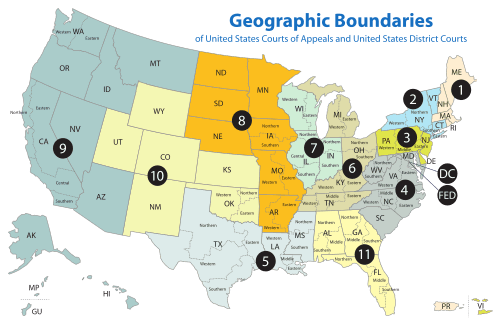
the United States District Court
ORGANIZATION • 2 mentions
U.S. federal trial court with jurisdiction over federal cases
the United States Embassy
ORGANIZATION
Organization referenced in documents
Transportation in Interstate Commerce With Intent to
ORGANIZATION
Organization referenced in documents
Trial Counsel
ORGANIZATION
Organization referenced in documents
U.S. Govt
ORGANIZATION
Organization referenced in documents
U.S.A Schenberger
ORGANIZATION
Organization referenced in documents
United States Court of Appeals
ORGANIZATION
U.S. appeals court
United States Medical Center for Federal
ORGANIZATION
Organization referenced in documents
Westcott
ORGANIZATION
Organization referenced in documents
Winds High School
ORGANIZATION
Organization referenced in documents
B. Mistake
LOCATION
Location referenced in documents
Beverly
LOCATION
City in California or Massachusetts

Camden
LOCATION
City in and county seat of Camden County, New Jersey, United States
Chestang
LOCATION
Location referenced in documents
Cir.1975
LOCATION
Location referenced in documents

Columbus
LOCATION
Capital city of Ohio, United States of America
Comstock
LOCATION
Location referenced in documents
D.N.J.
LOCATION
Location referenced in documents

Dallas
LOCATION
City in the state of Texas, United States
E.D.N.C.
LOCATION
Location referenced in documents
Elizabethtown
LOCATION
Location referenced in documents
Fort Totten
LOCATION
Location referenced in documents
Ill S.Ct
LOCATION
Location referenced in documents

Kansas City
LOCATION
City in Missouri, United States, that is one of two county seats of Jackson County and the largest city in Missouri

Kentucky
LOCATION
State of the United States of America
Lafayette
LOCATION
City in and the county seat of Tippecanoe County, Indiana, United States
Manila
LOCATION
Capital city of the Philippines
Matherly
LOCATION
Location referenced in documents

Memphis
LOCATION
City in and county seat of Shelby County, Tennessee, United States
Merrillville
LOCATION
Location referenced in documents

Michigan
LOCATION
State of the United States of America

Philippines
LOCATION
Archipelagic country in Southeast Asia
Quezon City
LOCATION
Location referenced in documents
sas City
LOCATION
Location referenced in documents
School District
LOCATION
Location referenced in documents
See United States I Cotton
LOCATION
Location referenced in documents
See United States' Crow
LOCATION
Location referenced in documents

South
LOCATION
Directional region of the United States
Southern District
LOCATION
Federal judicial district in New York City
Spirit Lake
LOCATION
Location referenced in documents

Tampa
LOCATION
City in Florida, United States
the District of Columbia
LOCATION
Federal district, capital of the United States
the District of North
LOCATION
Location referenced in documents
the Eastern District
LOCATION
Federal judicial district
the Middle District
LOCATION
Federal judicial district
Toledo
LOCATION
County seat of Lucas County, Ohio, United States

United States
LOCATION • 2 mentions
Country located primarily in North America
United States Doyle
LOCATION
Location referenced in documents
Zipkin
LOCATION
Location referenced in documents
Statistics
Pages:58
Entities:220
Sponsored