HOUSE_OVERSIGHT_010486 - HOUSE_OVERSIGHT_010559
Document Information
Bates Range
HOUSE_OVERSIGHT_010486 - HOUSE_OVERSIGHT_010559
Pages
74
Source
House Oversight
Date
September 28, 2016
Original Filename
James Patterson 3_4.pdf
File Size
17.64 MB
Document Content
Page 1 - HOUSE_OVERSIGHT_010486
-TERSON = Epstein’s Palm Beach property, 358 El Brillo Way (© Chris Bott / 1 don't see what it adds to the q Splash News / Corbis) ” ‘py. estigation had taken place, that 3ut, at that time, no criminal “irs had been launched. And in the rumors of Epstein's dealings 1 to be just that—rumors. s, his editors, and his One of the photographs captured on video during the Palm Beach Police Department search warrant walk-through of Epstein’s El Brillo Way residence (Palm Beach Police Department) his lawyer ing odd and disturbing happened -n in Times Square. to the office early. He swiped his button, and arrived in wenty-first floor. the elevator ion area on the t ct time to review Ward's story. s said to © n’s town house — which i residence in New York City at the F >, amid the flurry of menservants | ne white gloves, you feel e Xanadu,” she'd : put a high-walled; o boundarie t with ra | Jeffrey Epstein’s 1969 high school yearbook photo (Lafayette High School, Brooklyn, New York, 1969) and pristi ieone’s privat person’s home, that seems to have n ed not with paintings bu d eyeballs; these, the ow d from England, where mes a marble foyer, W ic n Dubuffet.. but tb d it. In any q pak BER aa me ner telh nporte rs. Next co > manner of Jea visitors who painte 4 petirey Epstein, Coney Island circa 1969 (Anonymous) HOUSE_OVERSIGHT_010486
Page 2 - HOUSE_OVERSIGHT_010487
Leslie Wexner, photographed at his home in New York City, 1989 (© Lynn Goldsmith) (Lto R) Jeffrey Epstein, Ghislaine Maxwell, and Tony Randall, who presided over a November 1991 YIVO Institute event at the Plaza Hotel to honor the late Robert Maxwell (Marina Garnier) | (Lto R) Deborah j, Blohm, Jeffrey Epstein, Ghislaine Maxwell, and Gwendolyn Beck attend a reception at Mar-a-Lago, 1995. (Davidoff Studios) Jeffrey Epstein, Donald Ss se Trump, and (newly signed j=. 5 Trump Model) Ingrid Seynhaeve, attending the © Victoria’s Secret Angels | party at Laura Belle club §& in New York City on April 8, 1997 (Marina Garnier) HOUSE_OVERSIGHT_010487
Page 3 - HOUSE_OVERSIGHT_010488
-xner, photographed ne in New York City, Lynn Goldsmith) Virginia Roberts, age fifteen; photo reportedly taken by Jeffrey Epstein in New York City (Virginia fam Roberts Affidavit, US District Southern Court of Florida) | | . (L to R) Prince Andrew, Virginia Roberts, and Ghislaine Maxwell: photo reportedly taken by Epstein with Roberts's camera in Maxwell's London town house. Roberts was seventeen years old at this time. (Virginia Roberts Affidavit, US District Southern Court of Florida) (Lto R) Deborah * Blohm, Jeffrey Epstein, Ghislaine Maxwell, and Gwendolyn Beck attend a reception at Mar-a-Lago, 1995. (Davidoff Studios) Virginia Roberts, age seventeen; photo reportedly taken by Jeffrey Epstein at Zorro Ranch, his New Mexico property, in winter (Virginia Roberts Affidavit, US District Southern Court of Florida) | Jeffrey Epstein with Professor ) Alan Dershowitz in Cambridge, | MA, September 8, 2004 (© Rick Friedman / Corbis) HOUSE_OVERSIGHT_010488
Page 4 - HOUSE_OVERSIGHT_010489
On the day the police investigation began, Epstein was photographed with Ghislaine Maxwell in New York City at the 2005 Wall Street concert series benefiting Wall Street Rising, at Cipriani in New York City, March 15, 2005. (Joe Shildhorn / Patrick McMullen) Jeffrey Epstein, photographed with Adrianna Ross, attend- ing the launch of Radar magazine held at the Hotel QT in New York City, May j 2005 (Neil Rasmus / Patrick- 1 McMullan.com / Sipa Press) <a te 2008 Palm Beach County Sheriff's Office booking photo of Jeffrey Epstein (Palm Beach County Sheriff's Office) The Stockade, where Epstein | served his sentence, photo; here in 2006, was located at Of + Fairgrounds Road in West F® Beach, Florida. At the time; ™ used as a minimum- and security facility housing ¥ Bi: juveniles, as well as mass ® ona work-release progral <3 Aerial Photos) HOUSE_OVERSIGHT_010489
Page 5 - HOUSE_OVERSIGHT_010490
Epstein pleaded guilty to state solicitation charges and served — thirteen months of an eighteen- month sentence, with liberal work-release privileges, in a solitary cell at the Palm Beach | igation raphed rw York concert am ps Rising County Stockade similar to the March one pictured here. (Courtesy CDC Special Management, Palm Beach Sheriff's Office) ‘Patrick Mullen) Epstein and lawyer at the West Palm Beach courthouse in June 2008 to enter a plea nearly two years after being charged (Uma Sanghvi / The Palm Beach Post / ZUMAPRESS.com) Jeffrey Epstein, photographed with Adrianna Ross, attend- ing the launch of Radar magazine held at the Hotel QT in New York City, May § 2005 (Neil Rasmus / Patrick- | McMullan.com / Sipa Press) Gani ra Pach i tte ; a ' Jeffrey Epstein’s entry in the National Sex Offender Registry (National Sex Offender Registry) [f's Office ‘in (Palm | ff's Office) = The Stockade, where Epsteit cB 3 es ; served his sentence, photograp ey ae] : “ Epstein’s Little Saint James here in 2006, was located aw island, U.S. Virgin Islands: a Fairgrounds Road in West Pa fi > Aes Y : privately owned cay (nicknamed Beach, Florida. At the time, 1 toate a var 7-4 Little Saint Jeff's) whose owner used as a minimum- and mee™ i locals affectionately refer to security facility housing wo ee as Richie Rich (© Chris Bott / juveniles, as well as male im _ Splash News / Corbis) E ona work-release program Aerial Photos) o- HOUSE_OVERSIGHT_010490
Page 6 - HOUSE_OVERSIGHT_010491
Epstein’s Gulfstream, | photographed on Little Be Saint James island in « the U.S. Virgin Islands, © January 2015 (© Chris § Bott / Splash News / Corbis) == Epstein’s longtime pilot, Larry Visoski, % was at the controls as Epstein’s Gulfstream left Teterboro Airportin New Jersey, January 2016. (Jae Donni When Prince Andrew and Epstein were seen | strolling together through New York’s Central Park in 2011, shortly after Epstein's release from jail, the duke was forced to quit his role as the British government's global trade envoy. (Jae Donnelly / News of the World) Stephen Hawking, photograp in March 2006 aboard an A\ submarine that was custom-filtet > by Epstein to accommodate is | wheelchair. Hawking was att id % the conference “Confronting *a workshop to explore questions in physics and cos! sponsored by the J. Epstein ¥ Foundation and the Center {0% Education and Research i | and Astrophysics (CERCA Western Reserve University) Carlton, St. Thomas, USVI. CERCA, Case Western Unive HOUSE_OVERSIGHT_010491
Page 7 - HOUSE_OVERSIGHT_010492
Epstein’s longtime pilot, Larry Visoski, i (9 was at the controls as Epstein's 3} Gulfstream left Teterboro Airport in New Jersey, January 2016. (Jae Donnelly) q reseen © central } release & juit his iltrade #4 World) — Stephen Hawking, photographed in March 2006 aboard an Atlantls ‘submarine that was custom-fitted ¢ by Epstein to accommodate his 4 Sol wheelchair. Hawking was atten: / 88 the conference “Confronting Grav “a workshop to explore fundamen questions in physics and cost sponsored by the J. Epstem Vig Foundation and the Center for Education and Research if C @ and Astrophysics (CERCA) al # Western Reserve Univers Carlton, St. Thomas, USVI: a CERCA, Case Western Universtiy 4 Nadia Marcinkova, Michele Tagliani, Sarah Kellen, and Teala Pavies, photographed at the New | York Academy of Art’s Tribeca Ball, April 14, 2004 (Rob Rich / A framed photo of Florida governor Charlie Crist and Scott Rothstein in Rothstein's office in Fort Lauderdale, autographed by Charlie Crist: Scott-— You are amazing! Charlie Crist (Carline Jean © Sun Sentinel / ZUMA- PRESS.com) Epstein’s current residence, the J storied building formerly known § as the Herbert N. Straus Mansion, on East 71st Street just off Central Be Park, was acquired by Leslie ji Wexner in 1989. (Laura Hanifin) Epstein, a longtime benefactor, with an unidentified friend, attended the W 2014 New York Academy of Art’s Tribeca Ball, presented by Van Cleef & Arpels, at the New York Academy of Art on April 7, 2014, in New York City. (Billy Farrell / BFAnyc.com) SocietyAllure.com) HOUSE_OVERSIGHT_010492
Page 8 - HOUSE_OVERSIGHT_010493
Sarah (formerly Kellen/ Kensington) and husband, NASCAR driver Brian Vickers, arrive on the red carpet at the 141st running of the Kentucky Derby | at Churchill Downs in Louisville, | ; Kentucky. (Jeff Moreland / Icon | The j guests a’ ture ofa KE Sportswire via AP Images) Mort Zu Microso: ~~. Goad, flight!< among Ne Peery al several c oo ee ius | scientist She'd ha Nadia Marcinkova and Larry with Var Visoski, Epstein’s personal informat pilot, in what appears to be the cockpit of a Gulfstream to form | G-Il (YouTube) Inth Wha artist, hi Michael and Janet Reiter at the Palm swipe hi Beach Police Foundation Policemen's ter saw a Ball at Mar-a-Lago, January 2012 (Debbie Schatz / Palm Beach The Daily News / ZUMAPRESS.com) It wa his office Epstein « nal char include when he Retired Palm Beach police detective Joe Recarey, She'd November 2013 (Meghan one of he ‘On dock McCarthy / Palm Beach Daily News / ZUMAPRESS.com) © HOUSE_OVERSIGHT_010493
Page 9 - HOUSE_OVERSIGHT_010494
nerly Kellen/ Fittuy Ricu 3) and husband, | lriver Brian Vickers, guests are like pygmies next to the nearby twice-life-size sculp- he red carpet at the 14I1st | . aie ‘the Kentucky Derby ture of a naked African warrior. 1 Downs in Louisville, The journalist had confirmed that several prominent names — land / Icon | a el Mort Zuckerman, the famous real estate mogul and publisher; VI | 4 Microsoft executive Nathan Myhrvold: and Donald Trump 4 among them—had dined at the residence. She'd interviewed att Gana iin 7 ie several of Epstein’s friends and ex-friends: Nobel Prize-winning gant e ea a i scientists, financiers who worked with Epstein at Bear Stearns. | (i She'd handled Steven Hoffenberg with aplomb. And, working with Vanity Fair's editors, she'd figured out ways to slip even more information between the lines, in ways that would allow readers to form their own questions about Epstein’s finances. In that respect, she'd fulfilled her original assignment perfectly. What Carter needed to figure out was what to do with the artist, her sister, and their mother’s story. But before he could swipe his key card to let himself into the magazine’s offices, Car- ter saw a man standing in the reception area. Michael and Janet Reiter at the Palm Beach Police Foundation Policemen's Ball at Mar-a-Lago, January 2012 (Debbie Schatz / Palm Beach Daily News / ZUMAPRESS.com) The man was motionless. He'd been waiting for Carter. It was Jeffrey Epstein. Nonplussed, Carter invited him into his office. r * Epstein denied the claims involving underage women. No crimi- nal charges had been filed. And so Vanity Fair decided not to _ include the claims in Ward’s article. But, according to Ward, ; when her editor Doug Stumpf called her, she cried. lice She'd worked so hard on the piece, gotten so stressed out that ri "one of her twins had begun to grow more slowly than the other. iaily On doctor’s orders; she’d been put on bed rest. HOUSE_OVERSIGHT_010494
Page 10 - HOUSE_OVERSIGHT_010495
James PATTERSON “Why?” she asked when she got to speak to Carter directly. “He’s sensitive about the young women. And we still get to run most of the piece.” In her notebook, Ward wrote down the rest of what Carter had said: “I believe him,” he told her. “I’m Canadian.” But the piece that came out, in the March issue, still created a sensation. It was called “The Talented Mr. Epstein” in a sly refer- ence to Patricia Highsmith’s celebrated suspense novel The Tal- ented Mr. Ripley. The film adaptation, by Anthony Minghella, was still fresh in the minds of Vanity Fair’s readers. For Graydon Carter, just posing the question Is Epstein some sort of scam artist, like Ripley? had been question enough. And throughout the wouldn't miss as they drew their own conclusions about Epstein’s life story. It came through clearly in the first line of the last paragraph of Ward's 7,500-word “Many people comment there is something innocent, piece, there were ironies readers story: almost childlike about Jeffrey Epstein.” In context, the word innocent was rather ironic—so much so that it almost became its own opposite. Todd Meister: June 20: arry Cipriani, on tion. The restaura post of Harry’s Bar outpost in Venice. Locate: its a theme restaurant—1 hedge-fund manager name wealthy man—Jeffrey Ep father, Epstein’s sometime “Tve known Jeffrey sir » let me tell you what I kr | everybody else says. First q and here’s why —he has ni - that for him.” __ Meister knows how to it _the son of a superrich fathe HOUSE_OVERSIGHT_010495
Page 11 - HOUSE_OVERSIGHT_010496
TTERSON zot to speak to Carter directly. ing women. And we still get to te down the rest of what Carter | her. “I’m Canadian.” in the March issue, still created a lented Mr. Epstein” in a sly refer- lebrated suspense novel The Tal- ition, by Anthony Minghella, was nity Fair’s readers. For Graydon Is Epstein some sort of scam artist, n enough. And throughout the ers wouldn't miss as they drew ystein’s life story. It came through t paragraph of Ward's 7,500-word it there is something innocent, ipstein.” nt was rather ironic—so much so »pposite. 152 CHAPTER 39 Todd Meister: June 2015 arry Cipriani, on Fifth Avenue, is a New York institu- tion. The restaurant began its life as an American out- post of Harry’s Bar—which was itself a famous American outpost in Venice. Located inside the Sherry-Netherland hotel, its a theme restaurant—the theme being money. And today, a hedge-fund manager named Todd Meister is talking about a very ’ wealthy man—Jeffrey Epstein—whom he knows through his 7 father, Epstein’s sometime friend Bob Meister. . “I've known Jeffrey since I was nineteen,” Meister says. “So | let me tell you what 1 know—whatever everyone knows and 7 everybody else says. First off, he’s no billionaire. Second off — : and here's why —he has no clue how to invest. He has people do ‘that for him.” 1 Meister knows how to invest. He does it for other people and, as e son of a superrich father, for himself. He also knows about the 153 HOUSE_OVERSIGHT_010496
Page 12 - HOUSE_OVERSIGHT_010497
James PATTERSON good life. Parties in Vegas; weekends in the Hamptons; affairs with beautiful women that end up getting splashed all over the tabloids. It makes sense that, once upon a time, he and Epstein would have gotten along. “As for the girls,” Meister says, “that was just business. He'd seat them strategically at client dinners. When he went to the movies, he'd take three or four girls with him. They'd take turns massaging his back, arms, and legs.” According to Meister, Epstein used to boast that he “liked to go into insane asylums because he liked to fuck crazy women.” “Who knows if it’s true?” Meister adds. “But Tm telling you, he used to say it.” From time to time, Epstein’s friends and acquaintances would see sides of Epstein that he’d grown much less shy about sharing. Epstein encouraged Alan Dershowitz to invest with a prominent hedge-fund managet named Orin Kramer. Dershowitz did, and he made a lot of money at first. But in 2008, the fund Dershowitz had invested in lost a substantial amount. Afterward, according to a for- mer associate of Epstein’s, Epstein appeared in Kramer's midtown Manhattan office. There, sources say, he told Kramer: “It’s very much in your interest to make Alan Dershowitz whole.” Epstein’s intervention worked, and Dershowitz recovered his money. To people who'd known Epstein back in the 1980s, this kind of q behavior was out of character. But the thing about Epstein was 4 that you never could figure him out. One minute he was charming. ; 154 Fittr The most charming man you'd threat, and bluster. Somethin, numbers: this many parties, t connection to Victoria’s Secret, Throw in the modeling ag you plug in the parties. The sce But the thing is, Eyes Wide Shi Epstein, getting on that plan moment in Caddyshack —the « out from his hole in the golf Epstein was like the mole in a; a matter of time before he'd be to ask yourself was, are peopl als? Or are their morals like shed (along with all the other everyday working people have. Eyes Wide Shut world? Todd Meister, who was marri: heiress Samantha Boardman editorial director James Trumz loud: “How does a yutz like Epste At Harry Cipriani, the ques HOUSE_OVERSIGHT_010497
Page 13 - HOUSE_OVERSIGHT_010498
TERSON ds in the Hamptons; affairs with ig splashed all over the tabloids. ma time, he and Epstein would rs, “that was just business. He'd dinners. When he went to the itls with him. They'd take turns 22S . n used to boast that he “liked to he liked to fuck crazy women.” eister adds. “But I’m telling you, -iends and acquaintances would ywn much less shy about sharing. showitz to invest with a prominent n Kramer. Dershowitz did, and he in 2008, the fund Dershowitz had sunt. Afterward, according to a for- sin appeared in Kramer's midtown say, he told Kramer: “Its very much { xshowitz whole.” ced. and Dershowitz recovered his 3 ig in back in the 1980s, this kind off - But the thing about Epstein wé | “a oe 1 out. One minute he was charmt 3 i ‘3 r Fittuy Ricu The most charming man you'd ever meet. The next he was snarl, threat, and bluster. Something didn’t add up. So you'd run the numbers: this many parties, that many women. Even with the connection to Victoria's Secret, the women didn’t add up, either. Throw in the modeling agency, it makes more sense. Then you plug in the parties. The scene brings Eyes Wide Shut to mind. But the thing is, Eyes Wide Shut only works in the shadows. For Epstein, getting on that plane with Clinton was more like a moment in Caddyshack—the one in which the groundhog peeks out from his hole in the golf course. From there on in, Jeffrey Epstein was like the mole in a game of whack-a-mole. It was only a matter of time before he'd be caught. But the question you had to ask yourself was, are people like Epstein born without mor- als? Or are their morals like snakeskin—just something they shed (along with all the other basic, day-to-day concerns that everyday working people have) as they make their way into that Eyes Wide Shut world? Todd Meister, who was married to Nicky Hilton and stole the heiress Samantha Boardman away from Condé Nast’s former editorial director James Truman, should know. He wonders out "loud: “How does a yutz like Epstein get beautiful women?” At Harry Cipriani, the question lingers in the air. HOUSE_OVERSIGHT_010498
Page 14 - HOUSE_OVERSIGHT_010499
a PART IV The Investigation HOUSE_OVERSIGHT_010499
Page 15 - HOUSE_OVERSIGHT_010500
CHAPTER 40 Michael Reiter: January 2006 s far as Michael Reiter’s concerned, the case that his team has built against Epstein—slowly, meticulously, over the course of an entire year—is airtight. Even now, Detective Recarey’s finding new pieces of evidence. And already Reiter’s _ been laying the groundwork with prosecutors. State attorney | Barry Krischer has a reputation for toughness. He’s known, | nationally, for his prosecution of juvenile offenders. And Reiter’s | been keeping him abreast of the investigation. With Jeffrey q Epstein, it’s not simply a matter of seeing him punished. It’s a 1 Matter of getting a sexual predator off the streets of Palm Beach. _ Krischer assures the chief that he’s taking this case very "Seriously. = The State attorney's office will have Reiter’s back at every ‘turn, ‘I told him that we had an investigation that was very serious 159 HOUSE_OVERSIGHT_010500
Page 16 - HOUSE_OVERSIGHT_010501
JAMES PATTERSON that involved a very noteworthy person and that involved a num- ber of underage females,” Reiter would say in his deposition for the suit that was later settled by Epstein. “That it was of a sexual nature. 1 was concerned that we had not reached all of the vic- tims, and we hadn't, I’m sure, at this point. I told him that I felt like the suspect would probably become aware of the investiga- tion at some point and that we should probably expect some con- tact from...Mr. Epstein’s lawyers. And I told him that I wanted to keep him very well informed on this and that I hoped that he would do the same. And that we would have to have more con- tact in making sure it was handled responsibly, intelligently, and appropriately as it moved forward.” Reiter would say that Epstein’s name did not seem to ring a bell with the state attorney. But shortly afterward, the chief became aware that in certain powerful circles his investigation was being looked upon unfavorably. “I had many people-related conversations...on the cocktail-party circuit that suggested we approach this in a way that wasn't necessary,” he would say. Michael Reiter was a good cop. A good man. But he was about to discover that when it came to men with the power and influ- ence Epstein wielded, fairness under the law was a relative, mal- leable concept. _=pstein ever asked the wom: Detective Recarey: Feb: or months, Joe Reca been brought to Epsi and car-rental records according to a source withi: would identify forty-seven on El Brillo Way. Recarey interviewed or David Rogers, as well as Eps He also spoke to a woman v It turned out that Epste actual Swedish deep-tissue 1 | for him and his friends, ti _ them. Did anything untoward HOUSE_OVERSIGHT_010501
Page 17 - HOUSE_OVERSIGHT_010502
ATTERSON ‘person and that involved a num- 1 would say in his deposition for y Epstein. “That it was of a sexual ve had not reached all of the vic- at this point. I told him that I felt ly become aware of the investiga- should probably expect some con- ers. And I told him that I wanted don this and that I hoped that he we would have to have more cone dled responsibly, intelligently, and vard.” tein’s name did not seem to ring a But shortly afterward, the chief 1 powerful circles his investigation yorably. “I had many people-related tail-party circuit that suggested we vast necessary,” he would say. cop. A good man. But he was about ie to men with the power and influ- ss under the law was a relative, mal- ; CHAPTER 41 Detective Recarey: February 2006 or months, Joe Recarey’s been interviewing girls who'd been brought to Epstein’s house, subpoenaing telephone and car-rental records, conducting surveillance. Ultimatel according to a source within the Palm Beach PD, the evatnmenr would identify forty-seven underage girls who'd been molested 4 on El Brillo Way. Recarey i i ey interviewed one of Epstein’s pilots, a man named avid Rogers, as well as Epstein’s houseman, Alfredo Rodriguez " Healso s : poke to a woman who really was a massage therapist It i turned out that Epstein paid just one hundred dollars for "act = Swedish es prissile massages that the therapist provided q im and his friends, the lawyer Alan Dershowitz among ; them. me «Di i eB anything untoward ever happen? Recarey asked. Had pstein ever asked the woman to rub his chest? | 161 HOUSE_OVERSIGHT_010502
Page 18 - HOUSE_OVERSIGHT_010503
James PATTERSON No, she told him. She wasn't Epstein’s type. The girls she'd seen at his house were very thin and beautiful and did not have tattoos. This massage therapist had several tattoos that were vis- ible, and on quite a few occasions Epstein and Ghislaine Max- well had made negative comments about them. According to a Palm Beach Police Department Incident Report filed by Recarey on July 25, 2006, the detective had also heard from Mary’s father, who said that a private eye had been to his house, photographing his family and chasing visitors away. Mary’s dad had gotten the license plate — Florida E79-4EG. Recarey traced it back to one Ivan Robles of West Palm Beach. Robles turned out to be a licensed private investigator. Recarey informed the state’s attorney’s office. Alison also contacted Recarey and told him that she'd been approached by someone who was in touch with Epstein. Alison had been told that she'd receive money if she would refuse to cooperate with the police. Those who help him will be compensated, she was told, according to Detective Recarey’s incident report. “And those who hurt him will be dealt with.” Recarey reassured the girl and told her that tampering witha witness in a case like this was a serious, arrestable offense. Then he told an assistant state attorney. The detective was leaving no i undotted and no t uncrossed. ty But he did wonder if the state attorney's office itself had 3 become part of the problem. 162 D Barry Krischer: April tate attorney Barry |] before taking his post in and around Palm 1992 and 1996, he had run and 2004. During the cou 1970 with a three-year sti Brooklyn, he received a nt from the Legal Aid Society with the juvenile justice sy protection team; the Peace nor Jeb Bush, for his work: time achievement award fi _ Member of the National D: _ Was not necessarily averse In 2003, he launched an in HOUSE_OVERSIGHT_010503
Page 19 - HOUSE_OVERSIGHT_010504
TERSON Epstein’s type. The girls she'd and beautiful and did not have ad several tattoos that were vis- 1s Epstein and Ghislaine Max- -s about them. lice Department Incident Report 6, the detective had also heard it a private eye had been to his CHAPTER 42 and chasing visitors away. ense plate — Florida E79-4EG. [van Robles of West Palm Beach. d private investigator. attorney’s office. Barry Krischer: April 2006 2y and told him that she'd been ts in touch with Epstein. Alison > money if she would refuse to tate attorney Barry Krischer was an elected official, but patore taking his post, he'd been a lawyer in private seaside in and around Palm Beach. Elected twice to his office. in 1992 and 1996, he had run unopposed for state attorney in 2000 and 2004. During the course of his long career, which began in 1970 with a three-year stint in the district attorney's office in Brooklyn, he received a number of awards: the pro bono award ; aa the Legal Aid Society of Palm Beach County for his service j with the juvenile justice system and for his work with the child 1 protection team; the Peace at Home award, presented by Gover- _ i for his work with victims of family violence: a life- : q chievement award from the Florida Bar. He was a board oo of the National District Attorneys Association. And he 4 Sos necessarily ais to going after the rich and powerful. ; 3, he launched an investigation into Rush Limbaugh’s use be compensated, she was told, incident report. “And those who id told her that tampering witha serious, arrestable offense. ite attorney. )iundotted and no t uncrossed. state attorney’s office itself had q 163 HOUSE_OVERSIGHT_010504
Page 20 - HOUSE_OVERSIGHT_010505
JaMES PATTERSON of, and means of obtaining, oxycodone and hydrocodone. (A few years after Limbaugh's arrest, which coincided with Chief Reit- er’s investigation into Jeffrey Epstein, the talk-show host settled with prosecutors, agreed to submit to random drug testing, and gave up his firearms permit.) Krischer himself, however, had been accused of sexual misconduct. In October of 1992, Jodi Bergeron, a legal secretary who'd worked for Krischer, filed a sexual harassment lawsuit against him in the Palm Beach County circuit court. That suit was dismissed, but a few s later, the woman took Krischer to federal court, accusing month him of making unwanted advances and demanding recompense for battery, negligence, invasion of privacy, and emotional distress. Krischer had placed his hands, violently, inside her blouse, the woman said. He’d forcibly fondled her breasts, forcibly kissed her, and rubbed her shoulders while brushing her buttocks with his hands and knees, all while accompanying the gestures with verbal advances. When she declined those advances, the woman claimed, Krischer fired her. Krischer denied the allegations. At the time, he was making his frst run for the state attorney's office. The charges were politically motivated, he said. Members of a local chapter of NOW—the National Organization for Women—had stood by the lawyer, cit- violence, among his other virtues. ing his efforts to stop domestic her for the work his office “I am here to support Barry Krisc did in my daughter's case,” one woman said during a took place in front of the courthouse. the maximum sentence, a life sentence.” The second lawsuit had also been dismissed—a 164 rally that — ; “Her murderer received fer Krischer's ~ iz i former law firm agreed sand dollars in legal fees Now Chief Reiter and De their own questions abc wanted to charge Epsteii behavior and four cour minor—felony charges behind bars in the case c Kellen would be charged This was not.the plaa for Jeffrey Epstein. In cases involving tk attorneys tend to have s But instead of granting I the police that he would asked to consider a broac Ina case such as Epste ing in and of itself. But v only required in capital cas may also be called in c involving crimes committ wasn't a public official, an cerned, the only controver that Epstein was rich an B.B. vs. Epstein, Chief Reit ; €cutor had to make sure t able doubt. And Krischer | 4 of the young women whot HOUSE_OVERSIGHT_010505
Page 21 - HOUSE_OVERSIGHT_010506
[TERSON odone and hydrocodone. (A few hich coincided with Chief Reit- stein, the talk-show host settled nit to random drug testing, and had been accused of sexual ron, a legal secretary who'd worked sment lawsuit against him in the That suit was dismissed, but a few ‘rischer to federal court, accusing es and demanding recompense for ivacy, and emotional distress. nds, violently, inside her blouse, mdled her breasts, forcibly kissed while brushing her buttocks with accompanying the gestures with advances, the woman claimed, ms. At the time, he was making his 3 office. The charges were politically _ of a local chapter of NOW —the 4 xen—had stood by the lawyer, cit — violence, among his other virtues. -y Krischer for the work his office xe woman said during a rally that arthouse. “Her murderer received | sentence.” o been dismissed —alter Krischers 164 Fittyy Ricu former law firm agreed to pay Bergeron’s attorney seven thou- sand dollars in legal fees. Now Chief Reiter and Detective Recarey were beginning to have their own questions about Barry Krischer. The Palm Beach PD wanted to charge Epstein with one count of lewd and lascivious behavior and four counts of unlawful sexual activity with a minor—felony charges that would have amounted to years behind bars in the case of a conviction. Wendy Dobbs and Sarah Kellen would be charged as accomplices. This was not the plan that Krischer seemed to have in mind for Jeffrey Epstein. In cases involving the sexual abuse of minors, prosecuting attorneys tend to have suspects arrested, then push for a trial. But instead of granting his approval for an arrest, Krischer told the police that he would convene a grand jury, which would be asked to consider a broad range of charges. Ina case such as Epstein’s, this was highly unusual. Not damn- ing in and of itself. But very strange. In Florida, grand juries are | only required in capital cases. At the state attorney’s discretion, they may also be called in controversial cases—for instance, cases _ involving crimes committed by public officials. But Jeffrey Epstein " wasn't a public official, and as far as the Palm Beach PD was con- _ cerned, the only controversial thing about the case they'd built was 4 that Epstein was rich and well connected. In his deposition for 4 B.B. vs. Epstein, Chief Reiter rel ayed Krischer’s concerns: the pros- "ecutor had to make sure that his case was solid, beyond a reason- able doubt. And Krischer did have his doubts about the credibility of the young women who'd be called to. testify against Epstein. 165 HOUSE_OVERSIGHT_010506
Page 22 - HOUSE_OVERSIGHT_010507
James PATTERSON Even so, Reiter was beginning to wonder if Krischer was stacking the deck in Epstein's favor—if, thanks to the sway prosecutors have over grand juries, assembling such a jury wasn't an excellent way to let Epstein off with the lightest pun- ishment possible. Another unusual thing: the way Barry Krischer and the law- yers working for him ignored Chief Reiter's multiple phone calls as well as Detective Recarey’s— even though the police had been hearing from Epstein’s own lawyers. “(Krischer] and I had an excellent relationship,” Chief Reiter said in his deposition. “I was the speaker at his swearing-in cere- mony. And that he wouldn't return my phone calls—I mean, it was Clear to me by his actions that he could not objectively look at this case.” In the incident report he ended up writing, Detective Recarey remembered a phone call that he received from Guy Fronstin, one of the lawyers representing Epstein. It was a message Epstein wanted to send, something central to the case that demanded explanation. The whole shit show swirling around him was just a misunderstanding—a misrepresentation— of Epstein’s actual interests and intentions. Fronstin says Mr. Epstein is very passionate about massages, Detective Recarey would write. And: Mr. Epstein had donated over $100,000 to the Ballet of Florida for massages. And: The massages are therapeutic and spiritually sound for q him. That is why he has had so many massages. 166 Palm Beach Police Depar by Detective Joseph Reca On April 13 and April 14, : eral occasions with ASA | Weiss and ASA [Lanna] B victims needed to report for were left on their voicemai hours of 9:00 am and 11:30 Weiss and ASA Belohlavek call as I had not heard from the time and date of the Gra At approximately 12:3¢ ney’s Office and Located AS their offices. I entered ASA . me that she was going to rei an offer was made to the I HOUSE_OVERSIGHT_010507
Page 23 - HOUSE_OVERSIGHT_010508
C[TERSON ing to wonder if Krischer was favor—if, thanks to the sway uries, assembling such a jury ystein off with the lightest pun- way Barry Krischer and the law- lief Reiter’s multiple phone calls even though the police had been 7exs. ellent relationship,” Chief Reiter : speaker at his swearing-in cere- urn my phone calls—I mean, it hat he could not objectively look d up writing, Detective Recarey he received from Guy Fronstin, Epstein. ated to send, something central to tion. The whole shit show swirling -standing—a misrepresentation— itentions. ; very passionate about massages, ted over $100,000 to the Ballet of 3 rapeutic and spiritually sound for ~ nany massages. 166 CHAPTER 43 Palm Beach Police Department Incident Report Filed by Detective Joseph Recarey: July 25, 2006 On April 13 and April 14, 2006, I attempted contact on sey- eral occasions with ASA [assistant state attorney Daliah] Weiss and ASA [Lanna] Belohlavek to ascertain when the victims needed to report for Grand Jury testimony. Messages were left on their voicemail. On April 17, 2006, during the hours of 9:00 am and 11:30 am I again left messages for ASA Weiss and ASA Belohlavek for either of them to return my call as I had not heard from the State Attorney’s Office as to the time and date of the Grand Jury. At approximately 12:30 pm, I went to the State Attor- ney’s Office and Located ASA Weiss and ASA Belohlavek in their offices. I entered ASA Belohlavek’s office who informed me that she was going to return my call. She explained that an offer was made to the Defense, Atty Guy Fronstin and 167 HOUSE_OVERSIGHT_010508
Page 24 - HOUSE_OVERSIGHT_010509
JAMES PATTERSON Atty Alan Dershowitz. The offer is I count of Agg Assault with intent to commit a felony, five years probation, with adjudication withheld. Epstein would have to submit to psy- chiatric/sexual evaluation and no unsupervised visits with minors. When asked about all the other victims, ASA Belohlavek stated that was the only offer made as to one vic- tim, [Mary]. ASA Belohlavek|’s] cell phone rang and went to voice mail. She checked her voice mail and played the mes- sage on speaker. The caller identified himself as Atty Guy Fronstin and acknowledged the deal made between them. Fronstin stated in the message, he spoke with his client, Jef- frey Epstein, and would agree to this deal. Fronstin asked to call off the grand jury as they would accept this deal. Belohlavek stated a probable cause would be needed to book Epstein in the county Jail and would let me know as to when it was needed. I explained my disapproval of the deal and not being consulted prior to the deal being offered. However I expressed that was only my opinion and the final approval would come from the Chief of Police. She explained to have Chief Reiter call Barry Krischer about the deal. I left the area and returned to the police station where I briefed the Chief about the deal offered. I checked my voice mail messages and discovered a mes- sage from [the] stepmother for the victim [Mary]. She was calling because the State Attorney's Office still had not returned any of her calls as to when they are needed for this case. I then called ASA Belohlavek’s office and left messages for her to call the victims on this case and explain to them what the State Attorney’s Office had done. 168 » “Yeah.” Michael Reiter: May 2( plea offer? Chief Reiter is o sands of hours of we evidence. But instead of goii see Epstein get off with a and a psych exam. Why? Alan Dershowitz has pre Pieces of evidence —printot In her “About Me” colu Mary has written “Ass and e Under “Ever drank” ant Under “Ever shoplifted”: Under “Ever skinny dipp HOUSE_OVERSIGHT_010509
Page 25 - HOUSE_OVERSIGHT_010510
TERSON er is 1 count of Agg Assault y, five years probation, with would have to submit to psy- no unsupervised visits with all the other victims, ASA only offer made as to one vic- ] cell phone rang and went to ice mail and played the mes- lentified himself as Atty Guy ie deal made between them. , he spoke with his client, Jef- to this deal. Fronstin asked to hey would accept this deal. ause would be needed to book would let me know as to when lisapproval of the deal and not deal being offered. However I pinion and the final approval ° Police. She explained to have cher about the deal. I left the ice station where I briefed the ressages and discovered a mes- or the victim [Mary]. She was ttorney’s Office still had not ) when they are needed for this lavek’s office and left messages this case and explain to them ice had done. 168 ee 4 Mary has written “Ass and eyes.” “Yeah.” CHAPTER 44 Michael Reiter: May 2006 plea offer? ue Reiter is outraged. His team has logged thou- san , a “ s of hours of work. They’ve assembled mountains of ence. i i i ce. But instead of going to trial, the state attorney wants to see Epstei i pstein get off with a misdemeanor, five years of probatio and a psych exam. ° Why? Alan i Dershowitz has presented the prosecutors with his own ieces i p of evidence — printouts from the victims’ Myspace pages In h ec ” er “About Me” column, under “Best physical feature,” Under “ » te Ever drank” and “Ever smoked pot,” she’s written Under “Ever shoplifted”: “Lots,” Under “Ever skinny dipped”: “Yeah.” 169 HOUSE_OVERSIGHT_010510
Page 26 - HOUSE_OVERSIGHT_010511
James PATTERSON Under “[Do] you wanna lose your virginity”: “I already lost it.” s has been caught with drugs and arrested. g from Victoria's Secret. From the s look like compromised rue, wouldn't that One of the victim, She’s also been caught stealin state attorney’s perspective, these girl women. And if what they say about Epstein is t make them prostitutes? As witnesses, they wo Epstein's side were exceptionally strong. Alan Dershowitz had represented Clau was acquitted of the murder of his wife, Sunny. on O. J. Simpson's team when the former the murders of his ex-wife, Nicole ald Lyle Goldman. And ither one had had uld be weak, while the lawyers on s von Bulow, the Brit- ish socialite who Dershowitz had been football star was acquitted of Brown Simpson and Nicole’s friend Ron n Balow and Simpson had been, ne rich as vo t Epstein was willing and able to deplo the resources tha y in his own defense. Neither of them had been intim: As far as Reiter was concerned, none of ght that the girls he’d molested were ei, d lied to him—it didn’t matter under Flor- ed that in Epstein’s case exceptions more concerned with each ate friends with his lawyer. that mattered. Even if Epstein thou ghteen years old—even if they ha ida law. The chief grew worri were being made, and he grew even red call that he made to the state att the Palm Beach PD asked the state attorney’s office nt for Jeffrey Epstein. r took the extraordinary step of emanding that he recuse unretu orney’s office. On May 1, to issue an arrest warta That same day, Chief Reite writing Barry Krischer a letter all but d himself from the case. 170 TOWN OF POLICE D ANATIONAL AND STATE ACCT PERSONAL AND CONFIDENTIAL Mr, Barty E Krischer, St Office of the State pid wali: Fifteenth Judicial Circuit 401 North Dine Highway West Palm Beach, FL 33401 Oear Mr. Krischer, Please find enclosed the probable c; resulting from the Patm Beach Police Depa Kellen and Haley Rooson The submissio Assistant State Atloney Lanna @gioniaved Beach Police Department's presentation fc know that you agree that it is our public interest by discharging our ohio Drier observation to you that | continue to fin unusual {119 regrettable that! am forced recent telephone calls fo you and those of have been unanswered and messages ren Afer giving this much th fh though’ and consider pa that your office's handling of this icient ists , ee reason exists to require your dis Sir Mic Ch MSRont M5 Squth Cousty Raat + Palm Resch, Figces W4EO ta) + ¢ HOUSE_OVERSIGHT_010511
Page 27 - HOUSE_OVERSIGHT_010512
TERSON yur virginity”: “I already lost it.” r aught with drugs and arrested. ‘om Victoria’s Secret. From the e girls look like compromised ut Epstein is true, wouldn't that e weak, while the lawyers on strong. nted Claus von Bulow, the Brit- f the murder of his wife, Sunny. mpson’s team when the former > murders of his ex-wife, Nicole ond Ronald Lyle Goldman. And had been, neither one had had villing and able to deploy in his timate friends with his lawyer. :d, none of that mattered. Even if d molested were eighteen years m-— it didn’t matter under Flor- that in Epstein’s case exceptions 4 even more concerned with each a | the state attorney’s office. D asked the state attorney's office © ffrey Epstein. ig r took the extraordinary step of all but demanding that he recuse” TOWN OF PALM BEACH POLICE DEPARTMENT ANATIONAL AND STATE ACCREDITED LAW ENFORCEMENT AGENCY May 1, 2006 PERSONAL AND CONFIDENTIAL Mr, Barry E Krischer, State A Office of the State Attornay nomney Fifleanth Judiclal Circuit 401 North Dixie Highway West Palm Beach, FL 33401 Dear Mr. Krischer, Please find enclosed the Probable cause affi resultung from th 2 affidavits and case filin ges icolen and Haley a ae Department's investigation ct later: een oe = Assistant State Altorngy Lanna vatican of these documents are both in wane A Hohiewek’s = Beach Police Department's presentation nol oe them and fo serve as the Palm ! know that you agree that i y at it's Our Shared re plese “ if esponsibility to seek | cfc lm cherie duties with fairness wd barelorce sy ie omen ne pula cr . continue to fine your office's treatment of these c sae aeeiiskctont ote on = ! en forcad to communicate in this manner coon on i ind those of tha le, ive to i ne have been unanswered and messages remain mecha eileen eee a fer giving this much | Qe yi AR h thought and considerati ™ je : F ni ns , ration, P must y 9@ yOu 10 examine the unusual hake t = your oun handling of this matter 1aS taken and cor sider 7 good ane sufficient reason existe to reguiré your disquali tion from the prosecution fs fication from thi ros it of these 2ases Sincerely, Micheal S. Reiter Chief of Police MSRent MS Sou asd . MIN Conty Raat + Pair Reach Fiomus 1248 ddas + (65)) WYE-SR) « Fan (450; 8968 0" aew palrsesrhasiice con F South ¢ $4t; palm deachpg ice ce HOUSE_OVERSIGHT_010512
Page 28 - HOUSE_OVERSIGHT_010513
Fit Q: Can you tell us why? A: Well, I felt the handling- way the state attorney’s off unusual. I knew that M about this case. I felt tha } felt that the appropriate 7. governed the assignment CHAPTER 45 a that his action met the st from the statute in here. / wouldn't return my phone The detective attempt state attorney’s office, Lar Videotaped Deposition of Michael Reiter in B.B. vs. 4 nounce that. --and she w« a a civil lawsuit against J effrey Epstein: : x the letter in hope that he v Eps a3 2008 4 realize that his objectivity November 25, case and ask the governor like that was necessary for Q: At some point you sent a letter to state attorney Barry al a had been submitted to Aus . her. Let me show you what we'll mark as exhibit 3. Let 7 Q: Could you tell us, explain ischer. Be - Pare: Rriee ou a chance to read through this letter again to help tivity may be lacking in r me give y a om other words, what evidenc refresh your recollection. B: a a 4 you felt made it potentially A: I’ve i 1 int, in May of 2006, I'm assuming based on what q A: Well...when I first told h oe a ; before that you had had some conversations with | q that it was a serious case, | you to a her directly. .. by phone —correct?— prior to this land] that the suspect was Barry Krische 4 a it. And we were— it was i letter. i : meeting that he and I we F . d by phone. ji 8 . d conversations in person an . _ 4 ok ‘But nonetheless in May—May 1, 2006—you felt ie 4 a Known him to be a victim. : ay. 4 © of children. Well. I know tl ite this letter; is that correct? i ia need to write t : Statute that addresses tho A: Yes. ; q 172 1 ( HOUSE_OVERSIGHT_010513
Page 29 - HOUSE_OVERSIGHT_010514
Fittuy Ricu Q: Can you tell us why? A: Well, I felt the handling —and just continued to feel that the way the state attorney’s office handled this case was extremely unusual. I knew that Mr. Krischer was making decisions about this case. I felt that his objectivity was lacking, and I felt that the appropriate way, after reading the statute that CHAPTER A5 governed the assignment of cases to other circuits—I felt that his action met the standard. I used some of the words 4 q from the statute in here. And I attempted to call him, and he : wouldn't return my phone calls. i The detective attempted to contact—his contact in the 7 4 state attorney’s office, Lanna Belohlavek, however you pro- Michael Reiter in B.B. vs. 4 4 nounce that...and she wouldn’t return his calls. So I wrote rainst J effrey Epstein: e. the letter in hope that he would think about his situation and realize that his objectivity was insufficient to prosecute the case and ask the governor to appoint someone else. And I felt like that was necessary for a fair prosecution of our case that a letter to state attorney Barry a 4 had been submitted to him. a what we'll mark as exhibit 3. Let 7 ' Q Could you tell us, explain to us, why you felt that his objec- ad through this letter again to help — 4g j tivity may be lacking in regards to this prosecution...? In other words, what evidence did you see here, uncover, that you felt made it potentially nonobjective? 1006, I'm assuming based on what 3 | A: Well... when | first told him about the case, and I realized u had had some conversations with — that it was a serious case, [that] there were multiple victims, by phone—correct? —prior to this” [and] that the suspect was very well known, I told him about Y j _ it. And we were— it was in person. I talked to him after a a _ Meeting that he and I were both involved in. And I had rson and by phone. known him to be a victim advocate and to protect the rights | May—May 1, 2006—you felt the is that correct? | of children. Well, I know that he even wrote a portion of the _ Statute that addresses those issues. And when I told him HOUSE_OVERSIGHT_010514
Page 30 - HOUSE_OVERSIGHT_010515
JAMES PATTERSON originally, he said, “Let's go for it; this is an adult male in his fifties who’s had sexual contact with children of the ages of the victims.” He said this is somebody who we have to stop. And whatever we need, he said, in the state attorney’s office, we have a unit that’s equipped to investigate and prosecute these kinds of cases. And I didn’t have too many facts early on when I talked with him, but I knew that there were multi- ple victims and to our detectives they were believable. So when time went on and Mr. Epstein became aware of the investigation and his lawyers contacted the state attorney's office, they told me that. And from that point on, and I believe it was Mr. Dershow- itz initially, the tone and tenor of the discussions of this case with Mr. Krischer changed completely. [At] one point he sug- gested that we write [Epstein] a notice to appear, which would be for a misdemeanor. He just completely changed from not only our first conversation about this[ —when] he didn’t know the name Jeffrey Epstein—till when he had been informed on Mr. Epstein’s reputation and his wealth, and I just thought that very unusual. | feel like I know him or knew him very well, the state attorney, and I just felt like he could not objectively make decisions about this case: that is why I wrote it. 174 Detective Recarey: May hief Reiter’s letter to tl effect. Krischer did not arrest warrant was issued. A1 tive Recarey received a telep ney Daliah Weiss, who advis the Epstein case. Weiss had been the perfe. member of the special victir and crimes against children, p ing rape, aggravated child al added another lawyer, a man 4 Goldberger his attorney of re Goldberger was friendly 1 _ Slate of Goldberger’s was mar HOUSE_OVERSIGHT_010515
Page 31 - HOUSE_OVERSIGHT_010516
TTERSON ‘or it; this is an adult male in his -act with children of the ages of somebody who we have to stop. aid, in the state attorney's office, yed to investigate and prosecute | didn’t have too many facts early sut I knew that there were multi- P sctives they were believable. So iE CHAPTER 46 r. Epstein became aware of the id . ts contacted the state attorney's | and I believe it was Mr. Dershow- ior of the discussions of this case completely. [At] one point he sug- tein] a notice to appear, which ior. He just completely changed versation about this[ —when] he frey Epstein—till when he had Detective Recarey: May 2006 hief Reiter's letter to the state attorney had no perceptible effect. Krischer did not recuse himself from the case. No tein’s reputation and his wealth, arrest warrant was issued. And on the afternoon of May 3, D ) y 3, Detec- tive Recarey received a telephone call from assistant state attor- hey Daliah Weiss, who advised him that she had been taken off | the Epstein case. “unusual. 4 or knew him very well, the state F -e he could not objectively make q hat is why I wrote it. 4 Weiss had been the perfect person to prosecute Epstein. As a | member of the special victims unit, she focused on sex fins j and crimes against children, prosecuting high-profile cases involv- " ing rape, aggravated child abuse, and neglect. But Epstein had _ added another lawyer, a man named Jack Goldberger, and made "Goldberger his attorney of record. Goldberger was friendly with Barry Krischer—and an asso- 3 ate of Goldberger’s was married to Daliah Weiss. HOUSE_OVERSIGHT_010516
Page 32 - HOUSE_OVERSIGHT_010517
James PATTERSON if Epstein’s legal team had wanted to remove Weiss from the case, this would have been a good way to do it. Nine days later, Detective Recarey met with ASA Lanna Belohlavek, who told him that her boss, Barry Krischer, had asked her again to take the case to the grand jury. Recarey told Belohlavek that he had already requested arrest warrants for Epstein, Sarah Kel- len, and Wendy Dobbs. The Palm Beach PD had finished its investi- gation months earlier, he said, and had been waiting since then for the case to move forward. He asked her once more to issue the war- rants. Once again Belohlavek declined, saying that the original offer her office had made to Epstein’s old lawyer had been resubmitted to the new lawyer. When Epstein’s reply came, she would call. While waiting for that call, Recarey received several calls from Mary’s father, who told him that he was being followed by a green Chevrolet Monte Carlo—tailed so aggressively that other vehicles were being run off the road. Recarey ran the plates and found that the Chevy was registered to one Zachary Bechard of Jupiter, Florida. Bechard was a licensed private eye. “A funny thing happened in Palm Beach,” says Tim Malloy, who was working as a TV newscaster in South Florida at the time. “This would have been right around the time that Michael Reiter sent his letter asking Barry Krischer to recuse himself from the case. I didn’t even know what Epstein looked like, really, at the time. We had pictures taken by the British tabloids, ; where the link to Prince Andrew first broke. But we didn’t have ~ too many of them. What we did have was a contact in the hangat 4 where Epstein kept his 727. 176 Fit “I don’t know how much y national Airport. It’s the kind valet parking, and waiting low you'll see in Manhattan. It’s z Saudi princes, heads of state. F vacy. You can bring limousine. out Epstein was very secretive : want anyone to know the tail n “But our contact didn’t like how young the girls around Ep had the 727’s tail number, an someone I won't say too mucl flight plan for a certain trip hi going to land at the airport. A) the station's traffic helicopter a hundred feet a quarter mile sou “Our cameraman had a tele tight shot, on video, of Epstein did get the shot: Epstein, with flipped up over his neck, about that was waiting for him. “Then he saw our helicopter “I was doing a live voice-ove first video anyone had on him 1 run back onto the plane. The: break, my producer told me 1 Epstein wants us to stop taking | talk to you’ “The cameraman kept rolli q Out, got into a car with tinted w: li HOUSE_OVERSIGHT_010517
Page 33 - HOUSE_OVERSIGHT_010518
rTERSON anted to remove Weiss from the d way to do it. Recarey met with ASA Lanna r boss, Barry Krischer, had asked and jury. Recarey told Belohlavek st warrants for Epstein, Sarah Kel- Beach PD had finished its investi- d had been waiting since then for -d her once more to issue the war- ined, saying that the original offer ld lawyer had been resubmitted to »ply came, she would call. , Recarey received several calls a that he was being followed bya -tailed so aggressively that other road. Recarey ran the plates and tered to one Zachary Bechard of ate eye. Im Beach,” says Tim Malloy, who 7 + in South Florida at the time. ht around the time that Michael q iarry Krischer to recuse himself j know what Epstein looked like, © ures taken by the British tabloids, ew first broke. But we didn’t haved 1 have was a contact in the hangar 4 a 4) a fl ay Firtuy Ricu “I don’t know how much you know about Palm Beach Inter- national Airport. It’s the kind of place that has private hangars, valet parking, and waiting lounges that look as chic as anything youll see in Manhattan. It’s an airport for the rich, basically. Saudi princes, heads of state. Powerful men who value their pri- vacy. You can bring limousines onto the tarmac. And we found out Epstein was very secretive about his dealings there. He didn’t want anyone to know the tail numbers on his planes. “But our contact didn't like Epstein. And he was horrified by how young the girls around Epstein were. So thanks to him, we had the 727’s tail number, and thanks to one other source— someone | won't say too much about here—we had Epstein’s flight plan for a certain trip he was making. We knew he was going to land at the airport. And so our producer climbed into the station’s traffic helicopter and told the pilot to hover at five hundred feet a quarter mile south of the field. “Our cameraman had a telephoto lens. The idea was to get a tight shot, on video, of Epstein deplaning. And for a moment we did get the shot: Epstein, with the collar of his cashmere coat flipped up over his neck, about to run down the steps into a cart that was waiting for him. “Then he saw our helicopter, with the station’s markings. “I was doing a live voice-over on Epstein’s arrival. It was the q first video anyone had on him up to that point. But Epstein had _ tun back onto the plane. Then, during the next commercial _ break, my producer told me through my headpiece: ‘Jeffrey 4 Epstein wants us to stop taking his picture. In fact, he wants to talk to you. q “The cameraman kept rolling. And eventually Epstein got out, got into a car with tinted windows, and was driven over the 177 HOUSE_OVERSIGHT_010518
Page 34 - HOUSE_OVERSIGHT_010519
James PaTTERSON bridge to his home in Palm Beach. So in a sense we failed to get the story. But the fact that Epstein would call a news program from his plane and command them to order the program's traffic helicopter away—that says something about the man’s arro- gance. And maybe his temper.” E 1 Mary: July 2006 n June 29, assistant s Detective Recarey thi would be going to a ~# convened for July 19. On July 12, Recarey spok that she still hadn’t heard fr | too, was odd, since Recarey upon to testify. By! - She was back in Palm Bez _ out-of-state relatives. 4 All in all, it had been a ve _ “What ‘has happened to ' father would say. [ Mary had been sent to z gher it was the wrong place at 178 HOUSE_OVERSIGHT_010519
Page 35 - HOUSE_OVERSIGHT_010520
TTERSON h. So in a sense we failed to get ein would call a news program om to order the program's traffic nething about the man’s arro- CHAPTER 47 Mary: July 2006 n June 29, assistant state attorney Lanna Belohlavek told Detective Recarey that despite his protestations, the case would be going to a grand jury after all. One had been convened for July 19. On July 12, Recarey spoke with Mary’s stepmother, who said » that she still hadn’t heard from the state attorney’s office. This, | too, was odd, since Recarey knew that Mary would be called q upon to testify. ___ She was back in Palm Beach now, after months of living with j out-of-state relatives. All in all, it had been a very tough year for Mary. ___-What has happened to my daughter’s life is criminal,” her 1 ather would say. Mary had been sent to a school for troubled children. For her it was the wrong place at the worst time in her life. She had " 179 178 HOUSE_OVERSIGHT_010520
Page 36 - HOUSE_OVERSIGHT_010521
JAMES PATTERSON gotten into more fights there, growing depressed and withdrawn from her sister and parents. Helplessly, her parents watched her spiral out of control. As they neared the end of their rope, they sent her out of state. But after the move, Mary had fallen apart completely. She used drugs, fell in with a bad crowd, ran away from her relatives, and shacked up with a gang of drug dealers. When the gang was busted by local police, the dealers blamed Mary for snitching and put out the word that they wanted her dead. “We had to move her again,” Mary’s father explained. “We finally got her into therapy — she’s still seeing the therapist. And worst of all, she developed HPV. She’s already had to have a seri- ous operation.” Mary’s troubles didn't end there. On June 28, she was brought in front of the grand jury. She hadn't been briefed by the state attorney —she hadn't even met the prosecutors —and she had no idea what she would be asked. Almost immediately, she found that she was being treated more like a criminal than like a witness or victim. “The prosecutor produced a printout of our daughter's Myspace page,” Mary's father recalls. “Mary was stunned. She began to cry. The prosecutor accused her of all sort of things; it was like she was working for Epstein. “All this time, we knew that we were being watched. Creepy 4 guys. Private investigators from Miami. They would follow us, 4 scaring the hell out of my wife and Mary’s sister. My car was vane a dalized. It was like living in hell.” By this point, Epstein’s defense dream team included Jack 4 Goldberger, Alan Dershowitz, and Gerald Lefcourt. All of them ; had excellent track records. Dershowitz and Lefcourt were tWO" 180 of America’s most famous celebrity lawyer— Ken Sta had had Bill Clinton impeac team. As far as Mary’s parents walked into an ambush. Eve playing defense on the side ond girl— Alison, who cla never testified in court at al HOUSE_OVERSIGHT_010521
Page 37 - HOUSE_OVERSIGHT_010522
Fittuy Ricu TERSON wing depressed and withdrawn of America’s most famous lawyers, and before lon h lessly, her parents watched her | celebrity lawyer— Ken Starr, the former solicitor ner is a . i 3 a wed the end of their rope, they had had Bill Clinton impeached for perjury —would & s w ° ie move, Mary had fallen apart | team. Join Epstein’s in with a bad crowd, ran away As far as Mary’s parents were concerned, their daughter had tp with a gang of drug dealers. | walked into an ambush. Everyone in the courtroom seemed to b ‘local police, the dealers blamed a playing defense on the side of Jeffrey Epstein. And as for th see the word that they wanted her 1 ond girl—Alison, who claimed that she had been raped : ts —she » never testified in court at all. ” Mary’s father explained. “We e’s still seeing the therapist. And She’s already had to have a seri- a EB ere. On June 28, she was brought hadn't been briefed by the state - the prosecutors—and she had d. yund that she was being treated | witness or victim. | a printout of our daughter's q recalls. “Mary was stunned. She ccused her of all sort of things; it 7 stein. 4 tt we were being watched. Creepy 3 m Miami. They would follow us, and Mary’s sister. My car was vane | IL.” 4 ofense dream team included Jac . and Gerald Lefcourt. All of the a Yershowitz and Lefcourt weté two HOUSE_OVERSIGHT_010522
Page 38 - HOUSE_OVERSIGHT_010523
CHAPTER 48 Michael Reiter: July 2006 n July 28, the grand jury reached a verdict that floored the Palm Beach PD. The original plea deal that Krischer had offered to Epstein had been bad enough. Now the grand jury was recom- mending that Epstein be charged with just one felony count of solicitation of prostitution. There was no mention of underage girls. The original accusation —four felony counts of unlawful sex acts with minors and one felony count of lewd and lascivious molestation — had simply evaporated. It wasn’t enough to send Epstein to prison. Epstein was allowed to surrender on a Sunday, when no one ~ j would know he'd been arraigned. A few hours later, he was a released on three thousand dollars bail. The Palm Beach PD was not even notified. 182 Once again, Chief Reite took the extraordinary ste prosecutor's office. At the time, the federal Florida was a Republican Reiter recalls being presen and remembers Acosta’s dec be the prosecution, to the who takes advantage of th sex crimes. Disgusted with I recalls thinking he’d found | In Acosta, the chief saw from confronting a man w connections. But it turned out that Ac Starr’s high-powered multir And while Acosta had a ster clerking for future Supreme only argued two cases befor At the time, Reiter did not one had to look much more se Reiter’s actions did not nece hot in every corner of the coi “I had individuals sugge: 4 the investigation and my ref q was more horsepower than | had other individuals sugge Probably fits,” Reiter said in ] HOUSE_OVERSIGHT_010523
Page 39 - HOUSE_OVERSIGHT_010524
Fittuy Ricu Once again, Chief Reiter was outraged. So much so that he took the extraordinary step of calling the FBI and the federal prosecutor's office. At the time, the federal prosecutor of the Southern District of Florida was a Republican named R. Alexander Acosta. Chief Reiter recalls being present at Acosta’s swearing-in ceremony CHAPTER 48 and remembers Acosta’s declaration that one of his goals would } be the prosecution, to the fullest extent of the law, of anyone who takes advantage of the weak—especially perpetrators of sex crimes. Disgusted with Krischer’s laissez-faire attitude, Reiter recalls thinking he’d found his man. In Acosta, the chief saw a prosecutor who wouldn't shy away from confronting a man with Jeffrey Epstein’s resources and connections. But it turned out that Acosta had worked under Ken Starr at ry reached a verdict that floored Starr’s high-powered multinational law firm, Kirkland & Ellis. And while Acosta had a sterling résumé, which included a stint leal that Krischer had offered to clerking for future Supreme Court justice Samuel Alito, he had Now the grand jury was recom- FF only argued two cases before a judge. zed with just one felony count of 4 At the time, Reiter did not know this. All he knew was that some- one had to look much more seriously into Jeffrey Epstein’s crimes. of underage girls. The original 7 s of unlawful sex acts with minors q and lascivious molestation — hadi ; Reiter’s actions did not necessarily make him a hero—at least, : hot in every corner of the community he served. ystein to prison. : ' “Thad individuals suggest that the department’s approach to ‘render on a Sunday, when no one | gned. A few hours later, he was” llars bail. yt even notified. the i investigation and my referral of the investigation to the FBI Was more horsepower than the investigation deserved. And I /had other individuals suggest that—yeah, the term ‘back off ‘probably fits,” Reiter said in his deposition for B.B. vs. Epstein. 183 HOUSE_OVERSIGHT_010524
Page 40 - HOUSE_OVERSIGHT_010525
JaMES PATTERSON “| had people in the community in Palm Beach who either made comments directly to me or to others who relayed them to me that I didn't need to take the tack in the investigation that we did, which is [to] completely investigate it and then refer it tothe FBI after the state case was resolved,” Reiter said in the deposition. “I had one individual who came to see me a couple of times about this.” According to the chief, the individual in question was a prominent Palm Beach politician. “He said this wasn’t necessary; this was a case that was really very minor,” Reiter recalled. “The victims had lifestyles that don’t make them—shouldn’t make them believable to the police department.” “I told him that those kinds of suggestions to me were improper and he should stop,” said Reiter. “That he had taken a couple of steps down the road toward something that could eventually constitute a crime. We talked several times. Early on it didn't end favorably. You know, this is an individual [whom] I had to interact with in my official capacity and in his official capacity as well.” The Palm Beach politician wasn't the only one to pressure the police chief. “I received comments from a variety of different viewpoints. . .in some cases I had people tell me, hey, he's a Palm Beacher, why are you investigating a Palm Beacher?” Reiter would say when deposed. “I had people that said it was an unfa- vorable career move for me to ask the state attorney to remove ~ himself from the case and to refer it to the FBI....1 had plenty of 7 people that told me that that was a mistake.” Reiter didn't back off. To have done so would have been 4 a betrayal—not only of the victims but also of his vocation and the community he had sworn he would serve. 184 2 ar Fit: “My responsibility was to Beach and preserve their con: department for all,” Reiter sai particularly under the crimin the nature of our system, be t But along with handing t attorney, Reiter took another letters—on Palm Beach PD | victims in the case. He delivered the letters by HOUSE_OVERSIGHT_010525
Page 41 - HOUSE_OVERSIGHT_010526
IT'TERSON Firtuy Ricu y in Palm Beach who either made “My responsibility was to protect everyone that lives in Pal ers who relayed them to me that I Beach and preserve their constitutional rights and be de, lice nvestigation that we did, which is department for all,” Reiter said. “And I think that under ‘he ww then refer it tothe FBI after the particularly under the criminal laws, that all people hav: : - aid in the deposition. “I had one the nature of our system, be treated exactly alike : ee couple of times about this.” But along with handing the case off to the FBI and the U : individual in question was a | attorney, Reiter took another unusual step. He wrote =e m letters—on Pa y; this was a case that was really / victims in the _ OE SEEMS Tae The victims had lifestyles that ; ’ He delivered the letters by hand. ike them believable to the police ids of suggestions to me were said Reiter. “That he had taken a 1 toward something that could Ve talked several times. Early on w, this is an individual [whom] I icial capacity and in his official wasn't the only one to pressure iments from a variety of different j ad people tell me, hey, he’s a Palm 4 gating a Palm Beacher?” Reiter ‘ d people that said it was an unfa- ; ask the state attorney to remove 3 fer it to the FBI....1 had plenty of” as a mistake.” : vave done so would have been a ims but also of his vocation an@ ie would serve. 184 HOUSE_OVERSIGHT_010526
Page 42 - HOUSE_OVERSIGHT_010527
TOWN OF PALM BEACH POLICE DEPARTMENT ANATIONAL AND STATE ACCREDITED LAW ENFORCEMENT AS ENCY July 24, 2006 HAND DELIVERED | Dear Mr Your daughter @SBBEB was the victim of a crime which has been investigated by the Patm Reach Police Deparment and subsequently referred far prosecution lo the Paim Beach County State Attorney's Office. You may be aware that Jeffrey Epstein was indicted on charges of solicitation for prostitution by a State of Fionda grand jury last week and turned himself in at the Palm Beach County jail on July 23, 2006. While I do not spee% for them, it ig my understanding that is the full context in which Ihe Paim Beach County Stele Attornay's Office intands to address the cha‘ges that involved the crime in which your 5 daughter was victim. Piease know that if is the role and responsibility of law enforcement to investigate crime A effr E t . and to refer aparopriate charges to the prosecutor for consideration, | delieve that the a J ff € Stéin: i Paim Beach Police Department has acted competently and responsibly in carrying out this a y P. in. Sep tem, ‘ole. Should you have'any questions concerning the state prosecution of this matter, they are bést addressed by the Palm Beach County State Atomeys Office ido not feel that justice has been sufficiently served by the indictment that has been | issued. Therefore, please know that his malter has been referred to the Federal Bureau : 4 them in their investigation of potential violations of federal jaw. z. # dle school principal Fees Piaase feel free to contact me at (561) 833-5460 should you have any questions a Sincerely, : = x be sentenced to the m | Mirhanh (ice, Feats in prison, with ten ye | Griefof Poles 7H ingguilty to one charge of s —_ e Blake’s crime? He sent se q 4 __ ton Beach police officer who + S48 Seuch County Bone = Palsy Bench Fierge 13489-4493 ~ (551) #285460 + Pen ($51) 193-8700 » wear pelmbeacrpelice tan # ; a 4 boy. But in a sense, Blake v tenced to life. The case was a treatment regular Florida foll _ with a minor. But nothing a _ 4nd the plea deal he mana extraordinary. 7 Epstein had bought himse q assembled. His connections et HOUSE_OVERSIGHT_010527
Page 43 - HOUSE_OVERSIGHT_010528
LM BEACH ARTMENT D LAW ENFORCEMENT AGENCY 4, 2006 which t en investigated by the Palm ty ea 4 the Paim Beach vare that Jeffrey Epstein was indicted on of Florida grand jury last week and lurned 23, 2006.’ White 1 do not speak for them, in which the Paim Beach County State es that involved the crime in which your of law enforcement to investigate crime hor for consideration. | believe thal the atentiy and responsibly in carrying out {nis ihe state prosecution of this matter, ihey State Altomey's Office been served by the indictment that has has been referted to the Federal Bureau pral law have occurred, In the event thal Palm Beach Police Deparment will assist of federal law. O should you have any questions aly, 1S Reiter if Police 29.5460 + Fun (S57) 873-0700 + ware pelmbeactpciiece Com | CHAPTER 49 Jeffrey Epstein: September 2007 n the winter of 2013, Scott Blake, a forty-seven-year-old mid- dle school principal from Palm Beach Gardens, Florida, would be sentenced to the minimum mandatory sentence—ten years in prison, with ten years of probation on top—for plead- ing guilty to one charge of soliciting sex with a minor. Blake’s crime? He sent sexually charged messages to a Boyn- ton Beach police officer who was pretending to be a fifteen-year-old _ boy. But in a sense, Blake was lucky: he could have been sen- " tenced to life. The case was an interesting example of the kind of j treatment regular Florida folks could expect just for soliciting sex _ With a minor. But nothing about Jeffrey Epstein was regular— _and the plea deal he managed to strike in 2007 was simply "extraordinary, Epstein had bought himself one of the best defense teams ever embled. His connections and contributions to Democratic a 187 HOUSE_OVERSIGHT_010528
Page 44 - HOUSE_OVERSIGHT_010529
James PATTERSON causes had made him a player on that side of the political aisle. He had a famous Republican, Bill Clinton’s nemesis, Ken Starr, work- ing the other side. And just to make sure they'd covered the bases, Epstein’s team also recruited Roy Black—the lawyer who'd cleared William Kennedy Smith of rape and kept Rush Limbaugh out of prison for his alleged illegal drug use—and Jay Lefkowitz, a defense attorney who'd worked with US attorney R. Alexander Acosta at Ken Starr's law firm. And so in September, the US attorney's office reached a for- mal agreement with Epstein’s team: the United States would defer federal prosecution in favor of prosecution by the state of Florida. A non-prosecution agreement (NPA) was drafted; among other things, it assured Epstein that he would not be prosecuted in the Southern District of Florida for felony offenses involving the sexual abuse of underage girls. (By that point, thirty known victims had been discovered.) Instead it allowed him to plead guilty to state felony offenses for solicitation of prostitution and the procurement of minors for prostitution. The NPA established a procedure that allowed Epstein’s victims to sue him in civil court and took the extraordinary step of ensuring that “any potential co-conspirators” of Epstein’s would be immune from prosecution. “In consideration of Epstein’s agreement to plead guilty and to provide compensation in the manner described above, if Epstein successfully fulfills all of the terms and conditions of this agreement, the United States also agrees that it will not © institute any criminal charges against any potential co-conspira- tors of Epstein,” the agreement stated, mentioning Sarah Kellen © and Nadia Marcinkova by name. 188 Fint “The parties anticipate tha part of any public record,” { United States receives a Freed any compulsory process comm ment, it will provide notice disclosure.” Remarkably, despite assur feds, none of the victims was ; this NPA. If Epstein did not sign the count indictment and a decade team of lawyers had gotten him ted all the teeth in South Florid: For all his protestations of ir in the world to agree to an NPA. On September 24, 2007, Eps Once again, none of the notified. 189 HOUSE_OVERSIGHT_010529
Page 45 - HOUSE_OVERSIGHT_010530
‘TERSON that side of the political aisle. He nton’s nemesis, Ken Starr, work- ke sure they'd covered the bases, Roy Black—the lawyer who'd of rape and kept Rush Limbaugh il drug use—and Jay Lefkowitz, _with US attorney R. Alexander 5 attorney’s office reached a for- team: the United States would or of prosecution by the state of nt (NPA) was drafted; among that he would not be prosecuted ida for felony offenses involving rls. (By that point, thirty known Instead it allowed him to plead yr solicitation of prostitution and rostitution. The NPA established ein’s victims to sue him in civil lary step of ensuring that “any 4 ipstein’s would be immune from n’s agreement to plead guilty and — the manner described above, if 4 | of the terms and conditions of i ates also agrees that it will not © against any potential co-conspita | t stated, mentioning Sarah Kellen le. Fittuy Ricw The parties anticipate that this agreement will not be made part of any public record,” the document concludes. “If the United States receives a Freedom of Information Act request or any compulsory process commanding the disclosure of the agree- ment, it will provide notice to Epstein before making that disclosure.” Remarkably, despite assurances they'd received from the feds, none of the victims was consulted prior to the drafting of this NPA. If Epstein did not sign the agreement, he faced a fifty-seven- count indictment and a decade or more in prison. But Epstein’s team of lawyers had gotten him a deal so sweet it could have rot- ted all the teeth in South Florida. For all his protestations of innocence, there was every reason in the world to agree to an NPA. On September 24, 2007, Epstein did sign it. Once again, none of the victims had been consulted or notified. HOUSE_OVERSIGHT_010530
Page 46 - HOUSE_OVERSIGHT_010531
CHAPTER 50 Jane Doe: February 2008 s a result of the non-prosecution agreement, a fifty-three- count indictment that federal prosecutors had prepared against Jeffrey Epstein—one that claimed he'd abused dozens of underage women—never was filed. But as far as lawyers representing Epstein’s victims were con- d, the fact that those victims were not consulted about the The “government cerne non-prosecution agreement was inexcusable. deliberately kept crime victims ‘in the dark’ into a plea arrangement designed to prevent the victims from raising any objections,” they would argue, in documents filed on February 10, 2016. For nine months, the lawyers cl the time that the NPA was signed, on Septembe Krischer’s office, “doing Epstein’s bidding, [ NPA’s existence from vic so that it could enter 7 aimed, from a r 24, 2007, a had] concealed the 7 tim|[s]” and continued to do so until the q moment that Epstein had finally did June 30, 2008. In the interim, accordi were only told, “This case i A lawsuit that Bradley ‘ Fort Lauderdale, filed in fi Rights Act, or CVRA (title which states that “victims ing the right to be heard ir be precluded from court pr fairly.” According to him, pros« of the victims. Edwards, y knew that this suit against monetary recovery of any : also knew that if the goven entered into a contract thai rights of Epstein’s victims, have been improper in anc remedy would have been tc while it is difficult to know contract is overturned, one could prosecute Epstein fo statute of limitations on tho At the time of this wr through the courts. It has q Bleak House —the Charles I » *8So massive and so comple _ €veryone involved into the n HOUSE_OVERSIGHT_010531
Page 47 - HOUSE_OVERSIGHT_010532
CHAPTER 50 secution agreement, a fifty-three- sderal prosecutors had prepared —one that claimed he'd abused iever was filed. mting Epstein’s victims were con- ims were not consulted about the ~ : is inexcusable. The “government j ‘in the dark’ so that it could enter q ned to prevent the victims from ~ a ould argue, in documents filed on a onths, the lawyers claimed, from : signed, on September 24, 2007, 5 in’s bidding, [had] concealed the | ” and continued to do so until the Firtay Ricw moment that Epstein had to plead guilty in court, which he finally did June 30, 2008. . In the interim, according to their lawyers, Epstein’s victims were only told, “This case is currently under investigation.” A lawsuit that Bradley Edwards, a victims’ rights attorney in Fort Lauderdale, filed in July of 2008 cited the Crime Victims’ Rights Act, or CVRA (title 18, section 3771, of the US Code), which states that “victims of federal crimes have rights, includ- ing the right to be heard in court, and most particularly, not to be precluded from court proceedings, and the right to be treated fairly.” According to him, prosecutors had violated the CVRA rights of the victims. Edwards, who said he was working pro bono, knew that this suit against the government would not allow for monetary recovery of any sort (including lawyers’ fees). But he also knew that if the government, urged by Jeffrey Epstein, had entered into a contract that improperly or illegally violated the rights of Epstein’s victims, then that contract, by nature, would have been improper in and of itself—in which case, the only temedy would have been to have the contract invalidated. And while it is difficult to know what, exactly, would happen if the contract is overturned, one possibility is that the government could prosecute Epstein for crimes against his victims, if the | Statute of limitations on those crimes has not expired. At the time of this writing, that case is winding its way _ through the courts. It has all the earmarks of a modern-day | Bleak House—the Charles Dickens novel about a legal case that “iS so massive and so complex that it drags on forever and drags | everyone involved into the mire. HOUSE_OVERSIGHT_010532
Page 48 - HOUSE_OVERSIGHT_010533
James PATTERSON In the meantime, Epstein began to settle out of court with his victims. In Februar Jane Doe #2 brought a fifty-million-dollar lawsuit against Epstein. At the time of their meeting, she claimed, Epstein was fifty-two years old. She was a teenager, and her complaint, which was made public, gave the rest of the world an early glimpse of what the inner workings of his secret world, looked like y of 2008, a Virginia woman who went by the alias Epstein, and from a victim’s perspective. “Epstein is a financier and money manager wi aires,” the lawsuit alleged. th a secret cli- entele limited exclusively to billion “He is himself a man of tremendous wealth, power and influ- ence. He maintains his principal home in New York and also owns residences in New Mexico, St. Thomas and Palm Beach, FL. The allegations herein concern Epstein’s conduct while at his lavish estate in Palm Beach.” The complaint continued: Upon information and belief, Epstein has a sexual preference and obsession for underage minor girls. He engaged in a plan and scheme in which he gained access to primarily economi- cally disadvantaged minor girls in his home, sexually assaulted these girls, and then gave them money. In or about 2004-2005, Jane Doe, then approximately 16 years old, fell into Epstein’s trap and became one of his victims. Upon information and belief, Jeffrey Epstein carried out his schemes and assaulted girls in Florida, New York, and on his private Island, known as Little St. James, in St. Thomas. Epstein’s scheme involved the use of young girls to recruit 192 F- underage girls. (Upon inf who brought Jane Doe to of Epstein, and will ther plaint.) Under Epstein’s ostensibly to give a weal compensation in his Pal would be contacted when Palm Beach residence or Epstein or someone on hi to bring one or more un recruiter, upon informatic economically disadvantag Palm Beach County who being offered— generally session—and who were p to authorities or have cre conduct were made. Thi Epstein’s plan. Epstein’s plan reflected Upon arrival at Epstein’s would be introduced to Sar gathered the girl’s persona and telephone number. Ms up a flight of stairs to a be table in addition to other graphs of nude women lin bedroom. The girl would tl with Epstein, who would b then remove his towel and and direct the girl to remov HOUSE_OVERSIGHT_010533
Page 49 - HOUSE_OVERSIGHT_010534
TERSON to settle out of court with his a woman who went by the alias 1-dollar lawsuit against Epstein. 1e claimed, Epstein was fifty-two ind her complaint, which was world an early glimpse of what of his secret world, looked like loney manager with a secret cli- llionaires,” the lawsuit alleged. adous wealth, power and influ- al home in New York and also o, St. Thomas and Palm Beach, sn Epstein’s conduct while at his e complaint continued: Epstein has a sexual preference inor girls. He engaged ina plan d access to primarily economi- girls in his home, sexually n gave them money. In or about ipproximately 16 years old, fell ie one of his victims. slief, Jeffrey Epstein carried out rls in Florida, New York, and on Little St. James, in St. Thomas. 1 the use of young girls to recruit : 192 Firtuy Ricw underage girls. (Upon information and belief, the young girl who brought Jane Doe to Epstein was herself a minor victim of Epstein, and will therefore not be named in this Com- plaint.) Under Epstein’s plan, underage girls were recruited ostensibly to give a wealthy man a massage for monetary compensation in his Palm Beach mansion. The recruiter would be contacted when Epstein was planning to be at his Palm Beach residence or soon after he had arrived there. Epstein or someone on his behalf would direct the recruiter to bring one or more underage girls to the residence. The recruiter, upon information and belief, generally sought out economically disadvantaged underaged girls from western Palm Beach County who would be enticed by the money being offered—generally $200 to $300 per “massage” session —and who were perceived as less likely to complain to authorities or have credibility if allegations of improper conduct were made. This was an important element of Epstein’s plan. Epstein’s plan reflected a particular pattern and method. Upon arrival at Epstein’s mansion, the underaged victim would be introduced to Sarah Kellen, Epstein’s assistant, who gathered the girl’s personal information, including her name and telephone number. Ms. Kellen would then bring the girl up a flight of stairs to a bedroom that contained a massage table in addition to other furnishings. There were photo- graphs of nude women lining the stairway hall and in the bedroom. The girl would then find herself alone in the room with Epstein, who would be wearing only a towel. He would then remove his towel and lie naked on the massage table, and direct the girl to remove her clothes. Epstein would then 193 HOUSE_OVERSIGHT_010534
Page 50 - HOUSE_OVERSIGHT_010535
James PaTTERSON perform one or more lewd, lascivious and sexual acts, including masturbation and touching the girl’s vagina. Consistent with the foregoing plan and scheme, Jane Doe was recruited to give Epstein a massage for monetary com- pensation. Jane was brought to Epstein’s mansion in Palm Beach. Once at the mansion, Jane was introduced to Sarah Kellen, who led her up the flight of stairs to the room with the massage table. In this room, Epstein told Jane to take off her clothes and give him a massage. Jane kept her panties and bra on and complied with Epstein’s instructions. Epstein wore only a towel around his waste [sic]. After a short period of time, Epstein removed the towel and rolled over exposing his penis. Epstein began to masturbate and he sexually assaulted Jane. - After Epstein had completed the assault, Jane was then able to get dressed, leave the room and go back down the stairs. Jane was paid $200 by Epstein. The young girl who recruited Jane was paid $100 by Epstein for bringing Jane to him. As a result of this encounter with Epstein, Jane experi- enced confusion, shame, humiliation and embarrassment, and has suffered severe psychological and emotional injuries. Jeffrey Epstein: June 30, 2 n June 30, 2008, more Officer Pagan’s investig; age girls, Jeffrey Epst County jail. A few days earlier, Epstein New York Times. At the time, k (the line having long since blu Saint Jeff's. “I respect the legal process by this.” He'd spent years fighting | _ then the federal government, in j would have seen him emerge { 4 battle had aged him. Mellowed I 4 all but boasted to a journalist fr HOUSE_OVERSIGHT_010535
Page 51 - HOUSE_OVERSIGHT_010536
[TERSON lascivious and sexual acts, aching the girl’s vagina. ng plan and scheme, Jane Doe 1 massage for monetary com- to Epstein’s mansion in Palm lane was introduced to Sarah t of stairs to the room with the pstein told Jane to take off her ge. Jane kept her panties and ipstein’s instructions. Epstein vaste [sic]. After a short period owel and rolled over exposing masturbate and he sexually ted the assault, Jane was then room and go back down the y Epstein. The young girl who by Epstein for bringing Jane to iter with Epstein, Jane experi- ation and embarrassment, and cal and emotional injuries. | CHAPTER SI Jeffrey Epstein: June 30, 2008 n June 30, 2008, more than three years after the start of Officer Pagan’s investigation into his dealings with under- age girls, Jeffrey Epstein reported to the Palm Beach County jail. q A few days earlier, Epstein had taken a phone call from the 1 a... - Times. At the time, he'd been working, or vacationing the line having long since blurred), at hi is com Besinjrrs pound on Little I respect the legal process,” Epstein had said. “I will abide . _ by this.” : q He'd spent years fighting the charges—fighting the state, = the federal government, in an effort to avoid a sentence that | .. have seen him emerge from prison an old man. But the attle had aged him. Mellowed him, even. Months earlier, he had 2 c b ut boasted to a journalist from New York magazine i HOUSE_OVERSIGHT_010536
Page 52 - HOUSE_OVERSIGHT_010537
JaMES PATTERSON “Ips the Icarus story, someone who flies too close to the sun,” that journalist said in reference to “the agony” of Epstein’s legal “ordeal.” “Did Icarus like massages?” Epstein responded. But after Epstein’s indictment, there were no more boasts. For the most part, he kept silent in public and retreated into his Eyes Wide Shut world. And when the New York Times did manage to get him to speak on the record, he spoke like a chastened man. Sitting on his patio down on Little St. James, Epstein likened himself to the shipwrecked Gulliver after he washes ashore on Lilliput. “Gulliver’s playfulness had unintended consequences,” he said. On the eve of his departure, he had a few more things to say: “That is what happens with wealth. There are unexpected burdens as well as benefits. ...” “Your body can be confined, but not your mind....” “I am not blameless...” Outside of the agreement he'd signed with the prosecutor's office, this was the closest Epstein had come to admitting his guilt. But strange details were sprinkled throughout the story. He had formed a “board of directors of friends” who would coun- sel him on his behavior. And, seemingly for the first time, he'd hired a full-time masseur—a man. Readers of the New York Times might have wondered: Epstein was going to jail for eighteen months. What need would he have ~ 2 for a full-time masseur? The story’s last line hinted at the answer: in preparation for 3 incarceration, Epstein had set up an e-mail alert. From then on, his automatic reply would read “On vacation.” ~ HOUSE_OVERSIGHT_010537
Page 53 - HOUSE_OVERSIGHT_010538
TERSON who flies too close to the sun,” o “the agony” of Epstein’s legal pstein responded. | it, there were no more boasts. | in public and retreated into his | the New York Times did manage 4 Pp A RT V he spoke like a chastened man. Little St. James, Epstein likened 7 I ‘ t Nncarceration liver after he washes ashore on intended consequences,” he said. ie had a few more things to say: wealth. There are unexpected but not your mind... ." “d signed with the prosecutor's tein had come to admitting his sprinkled throughout the story. -ors of friends” who would coun- E eemingly for the first time, hed | an. q es might have wondered: Epstein © ynths. What need would he have 4 at the answer: in preparation for” p an e-mail alert. @ -reply would read “On vacation. © HOUSE_OVERSIGHT_010538
Page 54 - HOUSE_OVERSIGHT_010539
CHAPTER 52 Jeffrey Epstein: June 30, 2008 he Palm Beach County Main Detention Center is on the west side of Lake Worth Lagoon, which separates West 4 Palm Beach from the island of Palm Beach. Epstein’s _ home on El Brillo Way is five miles to the east. Mary’s high ' school is several miles to the west. Its fitting, somehow, that this jail—which is the jail Epstein "ends up in, after turning himself in to the local sheriff—lies in | between the two points. a The detention center’s inmates, their families, and their law- J yers call it the Gun Club, a reference not only to the jail’s address, on Gun Club Road, but also to its population of hustlers, bur- a ts, drug dealers, rapists, and murderers. There’s the occa- sional hooker as well. And, from time to time, Haitian refugees re lodged there. There are three thousand inmates in all. HOUSE_OVERSIGHT_010539
Page 55 - HOUSE_OVERSIGHT_010540
James PATTERSON Some wait a year before making their way to the courthouse, their date with the public defender, and an appearance before the judge. Some get out much sooner, if only they can make bail. But there’s no bail without money — or at least collateral—and, of course, being without money is often what lands people in jail in the first place. Jeffrey Epstein could have posted bail for every single inmate 4 in the Gun Club. But that’s just one of the ways in which Epstein is unlike his fellow inmates. He’s an admitted pedophile now. Even a famous one. And, famously, pedophiles tend to fare poorly in jail. Luckily for Epstein, Ric Bradshaw, the sheriff in charge of local jails, transfers Epstein to the infirmary, where he spends exactly one night before being transferred seven miles up the 4 a road to a much smaller, safer location: the Palm Beach County i Central Detention Center—or, as it’s known, the Stockade. (at geet aie Sheriff Ric Bradshaw: June ur job,” says Ric Brads] “I’s not somewhere we'd put a serial killer,” Ric Bradshaw says. killed him” Most of the residents here are addicts who take part in drug Sheriff Bradshaw c education programs, prostitutes, petty criminals, and drunks. | Western. Imposingly tall "a It’s a far safer place for Epstein to be, and, unlike other inmates 4 mustache, and slow, me: (except, of course, those being held in solitary), he'll end up with _ old-school law officer— his own cell, even his own wing, which he has to himself = era ; patrolling the streets of Tombst ‘ He’s been a lawman for forty-fc | been spent as the head of the co a talk to the media, and today, as q he’s clearly uncomfortable, fidgel 3 But here in his wood-panele geun Club, Bradshaw remembers 4 “We have a thousand sexua > “When he arrived here, he Epstein’s allowed to pay for a security guard, who sits outside the cell and keeps watch. And he's allowed any number of visitors. For a convicted felon, it’s an extraordinary benefits package. — But according to Sheriff Bradshaw, who also oversees the Stock: q ade, Epstein is incredulous over the treatment he is receiving. 4 “He was astonished that he had to go to prison at all,” Brae | shaw remembers. “Let's just say he didn't think he belonged there.” 200 20; HOUSE_OVERSIGHT_010540
Page 56 - HOUSE_OVERSIGHT_010541
\TTERSON cing their way to the courthouse, nder, and an appearance before yoner, if only they can make bail. iey — or at least collateral—and, -is often what lands people in jail sosted bail for every single inmate | | CHAPTER 53 ays in which Epstein is unlike his 7 pedophile now. Even a famousone. 9 tend to fare poorly in jail. wadshaw, the sheriff in charge of o the infirmary, where he spends ig transferred seven miles up the location: the Palm Beach County t, as its known, the Stockade. ita serial killer,” Ric Bradshaw says. ~ » are addicts who take part in drug a minals, and drunks. 3 Sheriff Ric Bradshaw: June 2015 ur job,” s i 4 i - 7 “5 Ric Bradshaw, “was to make sure nobody L Sheriff Bradshaw could have stepped off the set of a q Western. Imposingly tall, with his cowboy hat, Kurt Russell : mustache, and slow, southern drawl, he looks exactly like a ‘ old-school law officer—the kind you once would have fo 4 patrolling the streets of Tombstone, Deadwood, or Dodge ets * been a lawman for forty-four years, alisven of iach — a spent as the head of the county’s jails. As a rule, he doesn’t a 4 a media, and today, as he talks about Jeffrey Epstein, ‘ y uncomfortable, fidgety, and ill disposed. a in his wood-paneled office on the first floor of the , Bradshaw remembers Epstein quite well. ites, petty cri in to be, and, unlike other inmates a g held in solitary), he'll end up with 4 1 wing, which he has to himself. security guard, who sits outside the © 2s allowed any number of visitors: 4 an extraordinary benefits package. ” -adshaw, who also oversees the Stock . er the treatment he is receiving, ‘he had to go to prison at all.” B ad a i : __ We have a thousand sexual predators in the county,” he hink he belonged there.” Ey. “When he arrived here, he was one of them. He definitel : itely i ' 201 HOUSE_OVERSIGHT_010541
Page 57 - HOUSE_OVERSIGHT_010542
James PATTERSON Fi fit the category we have to ensure the general population is not met a suave short-haired ge going to take their anger out on.” French accent. Although he understands that Epstein is a sex offender That would be Jean-Luc F and has a sense of the scope of his alleged crimes, Bradshaw’s ! For the duration of Jeffre also aware that the actual conviction was for a “low-level felony.” | the Stockade, Brunel’s taken At the request of Epstein’s attorneys—a request that is con- i Brillo Way. firmed by a court order—Epstein is quickly granted “work release.” What it means in practice is that six days a week, for up to sixteen —sixteen! —hours each day, Epstein is allowed to leave the Stockade to be driven by a designated driver in a car ear- marked especially for him to any one of three places: his lawyer Jack Goldberger’s office in downtown West Palm Beach, the - Palm Beach office of a science foundation that he’s established, and his house on El Brillo Way. Despite the ankle bracelet he wears, it could be argued that as a fabulously rich prisoner with two of his own jets parked nearby, at the Palm Beach International Airport, Epstein might have posed a flight risk. Instead, every day of the week save one, he’s allowed to go to his lawyer's, to go to his office, or simply to go home. ’ { Did the deputy in charge of Epstein go to the house on El a Brillo Way? 4 Ric Bradshaw considers the question. “Yes,” he says, “he did.” | Did the deputy go inside the house? 4 “Yes, he did.” ; If so, the deputy might have encountered Nadia Marcinkova,” who was staying on El Brillo Way at the time. He may also have” HOUSE_OVERSIGHT_010542
Page 58 - HOUSE_OVERSIGHT_010543
2%, TTERSON Fittuy Ricw sure the general population is not met a suave short-haired gentleman wh 1.” French accent. who spoke with a distinct that Epstein is a sex offender That would be Jean-Luc Brunel of his alleged crimes, Bradshaw's For the duration of Jeffrey - se | riction was for a “low-level felony.” | the Stockade, Brunel's taken u ° _ _— half stay—in ttorneys—a request that is con- Brillo Way. P residence in the house on El pstein is quickly granted “work is that six days a week, for up to ch day, Epstein is allowed to leave ‘a designated driver in a car ear- £ any one of three places: his lawyer lowntown West Palm Beach, the 3 e foundation that he’s established, ly. t he wears, it could be argued that - with two of his own jets parked ternational Airport, Epstein might 7 week save one, he’s allowed to go to a e, or simply to go home. E e of Epstein go to the house on E BD he question. the house? ave encountered Nadia Marcinkova: ) Way at the time. He may also : 4 } a ‘al HOUSE_OVERSIGHT_010543
Page 59 - HOUSE_OVERSIGHT_010544
CHAPTER 54 Jeffrey Epstein: June 30, 2008-July 21, 2009 ccording to Sheriff Ric Bradshaw, the treatment Jeffrey Epstein received in the Stockade was not preferential. By 3 some measures, he isn’t wrong. In 2010, millionaire polo mogul John Goodman killed a young man while driving drunk. He was convicted but was allowed to spend two years under house arrest while his appeal was being tried. 4 Like Epstein, Goodman was allowed visitors. But Goodmans i visitor list was nothing like Jeffrey Epstein’s. : | Nadia Marcinkova is said to have visited Epstein in jail more 2 than seventy times. E Epstein’s assistant Sarah Kellen also visited Epstein in the Stockade. q A Russian mixed martial artist named Igor “Houdini” Zino- viev was another visitor, as was a disbarred lawyer and finam at 204 Fi fraudster named Arnold Pr had been commuted by Bill left office. Sheriff Bradshaw wants conjugal. But even US attorney Aco: agreement with the governmi ment was highly irregular. “Epstein appears to have while in jail,” Acosta would . eral public. “Although the ter are a matter appropriately lef eral authorities, without dot while in state custody under And, of course, Epstein’s ; by taxpayers. HOUSE_OVERSIGHT_010544
Page 60 - HOUSE_OVERSIGHT_010545
CHAPTER 54 1008-July 21, 2009 c Bradshaw, the treatment Jeffrey > Stockade was not preferential. By | t wrong. o mogul John Gooduati killed a jrunk. He was convicted but was M2) ail Ey under house arrest while his appea vas allowed visitors. But Goodmams ; effrey Epstein's. { i to have visited Epstein in jail more 1 Kellen also visited Epstein h j il artist named Igor “Houdini” Zit was a disbarred lawyer and finan@ i a Fittuy Ricw fraudster named Arnold Prosperi, whose own prison sentence had been commuted by Bill Clinton on the day before Clinton left office. Sheriff Bradshaw wants to be clear: none of these visits was conjugal. But even US attorney Acosta, who negotiated Epstein’s unusual agreement with the government, would say that Epstein’s arrange- ment was highly irregular. “Epstein appears to have received highly unusual treatment while in jail,” Acosta would say in a letter addressed to the gen- eral public. “Although the terms of confinement in a state prison are a matter appropriately left to the state of Florida and not fed- eral authorities, without doubt, the treatment that he received while in state custody undermined the purpose of a jail sentence.” And, of course, Epstein’s stay at the Stockade was subsidized by taxpayers. HOUSE_OVERSIGHT_010545
Page 61 - HOUSE_OVERSIGHT_010546
Fr school females to provic massages. Police sought resulted in a term of im reports, however, in 200i to concerns regarding thi f to charge Epstein only ER 53 ' assault with no intent tc CHAPT = would have resulted in 1 register as a sexual offer underage victims. Local police were dis 4 q ney’s conclusions, and re R. Alexander Acosta’s letter to the general public, Federal authorities recei M h 20. 2011 a engaged in additional inve arc 3 7 the quality of the evidenc: at trial. With a federal c: considerations. First, a hom it may concern: ; ; Tow Y requires that the crime be Iserved as U. S. Attorney for the Southern District of Florida em an interstate nexus. Secoi e . : | fi m 2005 through 2009. Over the past weeks, I have read ; charged by the state, the fe TO ! : | uch regarding Mr. Jeffrey Epstein. Some appears true, = 2 extent, to back-stop state ¢ ome appears distorted. I thought it appropriate to provide = 4 is no miscarriage of justice , . i ice Depart- erally that which has alre d, with two caveats: (i) under Justice some backgroun - ment guidelines, I cannot discuss privileged internal com- munications among department attorneys and (ii) Ino longer ; q a have access to the original documents, and as the matter Is 4 additional considerations, 4 the state charge was insuf After considering the q now nearly 4 years old, the precision of memory is reduced. | 3 The Epstein matter was originally presented to the 3 1 the prosecutors and age Palm Beach County State Attorney. Palm Beach Police | Mr. Epstein’s attorney, Roy alm J alleged that Epstein unlawfully hired underage high- Ret known for his.she 206 HOUSE_OVERSIGHT_010546
Page 62 - HOUSE_OVERSIGHT_010547
Fittuy RicH school females to provide him sexually lewd and erotic massages. Police sought felony charges that would have resulted in a term of imprisonment. According to press reports, however, in 2006 the State Attorney, in part due to concerns regarding the quality of the evidence, agreed to charge Epstein only with one count of aggravated R 55 assault with no intent to commit a felony. That charge CHAPTE - would have resulted in no jail time, no requirement to cE 4 register as a sexual offender and no restitution for the i : underage victims. 7 Local police were dissatisfied with the State Attor- ney’s conclusions, and requested a federal investigation. er to the general public, Federal authorities received the State’s evidence and engaged in additional investigation. Prosecutors weighed the quality of the evidence and the likelihood for success at trial. With a federal case, there were two additional considerations. First, a federal criminal prosecution requires that the crime be more than local; it must have - the Southern District of Florida an interstate nexus. Second, as the matter was initially ' Over the past weeks, I have read ey Epstein. Some appears true, thought it appropriate to provide 9 caveats: (i) under Justice Depart discuss privileged internal com- ment attorneys and (ii) Ino longer | documents, and as the matter is precision of memory is reduced. was originally presented to the | te Attorney. Palm Beach Police | ‘lawfully hired underage bighe charged by the state, the federal responsibility is, to some extent, to back-stop state authorities to ensure that there is no miscarriage of justice, and not to also prosecute fed- erally that which has already been charged at the state level. After considering the quality of the evidence and the additional considerations, prosecutors concluded that ft the state charge was insufficient. In early summer 2007, | the prosecutors and agents in this case met with ‘ Mr. Epstein’s attorney, Roy Black. Mr. Black is perhaps p Pest known for his successful defense of William 206 HOUSE_OVERSIGHT_010547
Page 63 - HOUSE_OVERSIGHT_010548
James PATTERSON Kennedy Smith. The prosecutors presented Epstein a choice: plead to more serious state felony charges (that would result in 2 years’ imprisonment, registration as a sexual offender, and restitution for the victims) or else prepare for a federal felony trial. What followed was a year-long assault on the prose- cution and the prosecutors. I use the word assault inten- tionally, as the defense in this case was more aggressive than any which I, or the prosecutors in my office, had previously encountered. Mr. Epstein hired an army of legal superstars: Harvard Professor Alan Dershowitz, for- mer Judge and then Pepperdine Law Dean Kenneth Starr, former Deputy Assistant to the President and then Kirk- land & Ellis Partner Jay Lefkowitz, and several others, including prosecutors who had formerly worked in the US. Attorney’s Office and in the Child Exploitation and Obscenity Section of the Justice Department. Defense attorneys next requested a meeting with me to challenge the prosecution and the terms previously presented by the prosecutors in their meeting with Mr. Black. The prosecution team and 1 met with defense counsel in Fall 2007, and I reaffirmed the office’s position: two years, registration and restitution, or trial. Over the next several months, the defense team pre- sented argument after argument claiming that felony criminal proceedings against Epstein were unsupported by the evidence and lacked a basis in law, and that the office’s insistence on jail-time was motivated by a zeal to overcharge a man merely because he is wealthy. They bolstered their arguments with legal opinions from 208 Fu well-known legal expert team warned me that the good man to serve time - book if we continued tc office systematically con: ment, and when we di appealed to Washington. . The defense strategy : Defense counsel investiga their families, looking for provide a basis for disqual ecutor is an effective (th eliminating the individua and thus most qualified to lihood for success. Defens: least two prosecutors. | rejected, these arguments. Despite the army of att the terms first presented meeting. On June 30, 2008 appeal to Washington D.C guilty in state court. He w: onment, register as a sexua restitution to the victims. Some may feel that the | tougher. Evidence that has encourage that view. Many out, filing detailed statemen ages. Physical evidence has these additional statements 2 HOUSE_OVERSIGHT_010548
Page 64 - HOUSE_OVERSIGHT_010549
ATTERSON ecutors presented Epstein a jus state felony charges (that prisonment, registration as a ation for the victims) or else trial. 2ar-long assault on the prose- _Luse the word assault inten- this case was more aggressive prosecutors in my office, had fr. Epstein hired an army of ‘rofessor Alan Dershowitz, for- ‘dine Law Dean Kenneth Starr, 5 the President and then Kirk- _efkowitz, and several others, o had formerly worked in the in the Child Exploitation and Justice Department. Defense | meeting with me to challenge terms previously presented by meeting with Mr. Black. The let with defense counsel in Fall he office’s position: two years, n, or trial. months, the defense team pre- irgument claiming that felony tinst Epstein were unsupported ced a basis in law, and that the 4 time was motivated by a zeal to = ly because he is wealthy. They 4 nts with legal opinions frou 208 Fittuy Ricu well-known legal experts. One member of the defense team warned me that the office’s excess zeal in forcing a good man to serve time in jail might be the subject of a book if we continued to proceed with the matter. My office systematically considered and rejected each argu- ment, and when we did, my office’s decisions were appealed to Washington. As to the warning, I ignored it. The defense strategy was not limited to legal issues. Defense counsel investigated individual prosecutors and their families, looking for personal peccadilloes that may provide a basis for disqualification. Disqualifying a pros- ecutor is an effective (though rarely used) strategy, as eliminating the individuals most familiar with the facts and thus most qualified to take a case to trial harms like- lihood for success. Defense counsel tried to disqualify at least two prosecutors. I carefully reviewed, and then rejected, these arguments. Despite the army of attorneys, the office held firm to the terms first presented to Mr. Black in the original meeting. On June 30, 2008, after yet another last minute appeal to Washington D.C. was rejected, Epstein pled guilty in state court. He was to serve 18 months impris- onment, register as a sexual offender for life, and provide restitution to the victims. Some may feel that the prosecution should have been tougher. Evidence that has come to light since 2007 may encourage that view. Many victims have since spoken out, filing detailed statements in civil cases seeking dam- _ ges. Physical evidence has since been discovered. Had _ these additional statements and evidence been known, 209 HOUSE_OVERSIGHT_010549
Page 65 - HOUSE_OVERSIGHT_010550
JAMES PATTERSON the outcome may have been different. But they were not known to us at the time. A prosecution decision must be based on admissible facts known at the time. In cases of this type, those are unusually difficult because victims are frightened and often decline to testify or if they do speak, they give con- tradictory statements. Our judgment in this case, based on the evidence known at the time, was that it was better to have a billionaire serve time in jail, register as a sex offender, and pay his victims restitution than risk a trial with a reduced likelihood of success. I supported that judgment then, and based on the state law as it then stood and the evidence known at the time, I would support that judgment again. Epstein’s treatment, while in state custody, likewise may encourage the view that the office should have been tougher. Although the terms of confinement in a state prison are a matter appropriately left to the State of Flor- ida, and not federal authorities, without doubt, the treat- ment that he received while in state custody undermined the purpose of a jail sentence. Some may also believe that the prosecution should have been tougher in retaliation for the defense’s tactics. The defense, arguably, often failed to negotiate in good faith. They would obtain concessions as part of a negotia- tion and agree to proceed, only to change their minds, and appeal the office’s position to Washington. The inves- tigations into the family lives of individual prosecutors were, in my opinion, uncalled for, as were the accusations of bias and/or misconduct against individual prosecutors: 210 y At times, some prosecut trial, and at times I felt t right in the first meetin spective of defense tacti tional right to a defense right should not be puni: sel’s exercise of their ri; Washington D.C. Prosect frustration and anger wi their judgment. After the-plea, I reca One was from the FBI Spx to offer congratulations. meetings regarding this c of the defense, and he cal holding firm against the 1 itz, Lefkowitz and Starr. received calls or commun itz, Lefkowitz and Starr. | als previously, from my Kirkland & Ellis in the m peace. | agreed to talk ani Epstein pled guilty, as I tk tors battle defense attorne) have tried, yet I confess tk fully in this case. The bottom line is this: served time in jail and is m He has been required to pay restitution clearly cannot c HOUSE_OVERSIGHT_010550
Page 66 - HOUSE_OVERSIGHT_010551
'‘ATTERSON a different. But they were not must be based on admissible 1 cases of this type, those are e victims are frightened and ‘ they do speak, they give con- ‘judgment in this case, based -he time, was that it was better time in jail, register as a sex ms restitution than risk a trial 1 of success. 1 supported that on the state law as it then stood - the time, I would support that hile in state custody, likewise hat the office should have been rms of confinement in a state priately left to the State of Flor- rities, without doubt, the treat- le in state custody undermined nce. ve that the prosecution should iliation for the defense’s tactics. ften failed to negotiate in good j concessions as part of a negotla- d, only to change their minds, q sition to Washington. The inves a lives of individual prosecutors | alled for, as were the accusallo t against individual prosecute 210 Fittay Ricw At times, some prosecutors felt that we should just go to trial, and at times I felt that frustration myself. What was right in the first meeting, however, remained right irre- spective of defense tactics. Individuals have a constitu- tional right to a defense. The aggressive exercise of that right should not be punished, nor should a defense coun- sel’s exercise of their right to appeal a U.S Attorney to Washington D.C. Prosecutors must be careful not to allow frustration and anger with defense counsel to influence their judgment. After the plea, I recall receiving several phone calls. One was from the FBI Special Agent-In-Charge. He called to offer congratulations. He had been at many of the meetings regarding this case. He was aware of the tactics of the defense, and he called to praise our prosecutors for holding firm against the likes of Messrs. Black, Dershow- itz, Lefkowitz and Starr. It was a proud moment. | also received calls or communications from Messrs. Dershow- itz, Lefkowitz and Starr. I had known all three individu- als previously, from my time in law school and at Kirkland & Ellis in the mid 90s. They all sought to make peace. I agreed to talk and meet with each of them after Epstein pled guilty, as I think it important that prosecu- tors battle defense attorneys in a case and then move on. I have tried, yet I confess that this has been difficult to do fully in this case. The bottom line is this: Mr. Jeffrey Epstein, a billionaire, 7 Served time in jail and is now a registered sexual offender. _ He has been required to pay his victims restitution, though » festitution clearly cannot compensate for the crime. And 211 HOUSE_OVERSIGHT_010551
Page 67 - HOUSE_OVERSIGHT_010552
James PATTERSON we know much more today about his crimes because vic- tims have come forward to speak out. Some may disagree with prosecutorial judgments made in this case, but those individuals are not the ones who at the time reviewed the evidence available for trial and assessed the likelihood of success. ‘Respectfully, , R. Alexander Acosta a Former U.S. Attorney - Southern District of Florida i HOUSE_OVERSIGHT_010552
Page 68 - HOUSE_OVERSIGHT_010553
PATTERSON 7; about his crimes because vic- speak out. Some may disagree vents made in this case, but it the ones who at the time ‘lable for trial and assessed the - Respectfully, R. Alexander Acosta | a Aftermath Former U.S. Attorney Southern District of Florida HOUSE_OVERSIGHT_010553
Page 69 - HOUSE_OVERSIGHT_010554
| CHAPTER 56 Jeffrey Epstein: July 2009 effrey Epstein walks out of the Stockade on July 21, 2009, having served less than thirteen months of his eighteen-month : sentence. One of the concessions his lawyers have gotten while working out his plea-deal guarantees is that the media not _ be alerted to the time and day of his departure. _ But from now on, Epstein, who is fifty-six, will carry the mark of a level 3 sex offender—level 1 being the lowest, and " level 3 indicating the highest possible risk of a future criminal “act of a sexual nature. Wherever he goes, he will be forced to reg- “ister as such. _ Every ninety days, Epstein will have to check in with the authorities. Every year, the New York City Police Department Will take his mug shot. And for a full year, Epstein will be under House arrest in Palm Beach. | This last prohibition doesn’t stop him from flying, with court HOUSE_OVERSIGHT_010554
Page 70 - HOUSE_OVERSIGHT_010555
James PATTERSON approval, on his own planes to New York and to Little Saint Jeff's, where the locals have taken to referring to Epstein’s 727 as the Lolita Express. There are other restrictions, of course, that Epstein is sup- posed to abide by. He has to provide the state of Florida with a list of all the motor vehicles, boats, and airplanes he owns. The full list includes two Escalades, six Suburbans, two Ford F-150s, two Harley-Davidsons, a Land Rover, a Hummer H2, a thirty- four-foot JVC boat, and a thirty-five-foot Donzi powerboat. Three of his five planes turn out to be registered to a com- pany called Air Ghislaine, Inc. As a registered sex offender, Epstein is legally obliged to undergo psychiatric treatment. This is a restriction he'll get around by having his own psychologist submit a report to law enforcement officers. Epstein is also prohibited from accessing pornography on the Internet and using social networking for sexual purposes. For Jeffrey Epstein, there will be no Bangbros, Tinder, or Swingles.com. There will be lawsuits. Six weeks before probation ends, he settles with seven women = 4 who sue him in civil court. But Epstein can easily afford the set 4 a tlement payments. He won't be going back to jail, and in regard to further prosecution for any criminal actions, his troubles are behind him. Not everyone who’s spent time in his company will be 50 lucky. ) Manager. No one wanted tc Alfredo Rodriguez: Aug pstein’s houseman, Al prison sentence. In a sworn statem maid, Lupita, who had comy up after Epstein’s “massage: lic, had cried as she describe Rodriguez was fired by 1 q after seeing a strange car—z As it turned out, the ca _ Masseuses. On his way out of the he _ of Epstein’s papers, which he 4 by Chief Reiter's investigator, For years, Rodriguez trie: HOUSE_OVERSIGHT_010555
Page 71 - HOUSE_OVERSIGHT_010556
'‘ATTERSON New York and to Little Saint Jeff's, referring to Epstein’s 727 as the s, of course, that Epstein is sup- rovide the state of Florida with a oats, and airplanes he owns. The _ six Suburbans, two Ford F-150s, | CHAPTER 57 | Rover, a Hummer H2, a thirty- i a five-foot Donzi powerboat. rn out to be registered to a com- ler, Epstein is legally obliged to it. This is a restriction he'll get Alfredo Rodriguez: August 2009 ychologist submit a report to law from accessing pornography on etworking for sexual purposes. 3 will be no Bangbros, Tinder, or a pstein’s houseman, Alfredo Rodriguez, also ends up witha prison sentence. In a sworn statement, Rodriguez talks about Epstein’s | maid, Lupita, who had complained to him about having to clean P up after Epstein’s “massages.” Lupita, who was a devout Catho- ' lic, had cried as she described the stained towel and sex toys. Rodriguez was fired by Epstein, he says, when he called 911 after seeing a strange car—a “beater” —in Epstein’s driveway. As it turned out, the car had belonged to one of Epstein’s “Masseuses. ends, he settles with seven women ” it Epstein can easily afford the seta e going back to jail, and in regard - criminal actions, his troubles are : time in his company will Be $8 On his way out of the house on El Brillo Way, he took some of Epstein’s papers, which he failed to produce when questioned By Chief Reiter’s investigators. " | For years, Rodriguez tried and failed to find work asa house » Hager. No one wanted to hire someone who'd worked for i Fs) HOUSE_OVERSIGHT_010556
Page 72 - HOUSE_OVERSIGHT_010557
JaMEs PATTERSON Jeffrey Epstein. Finally, desperately, he tried to sell the informa- tion he'd stolen. The papers named underage girls and the places where Epstein had taken them. The list included locations in Califor- nia, Paris, New Mexico, New York, and Michigan. The papers also included the names, addresses, and phone numbers of famous individuals —Henry Kissinger, Mick Jagger, Dustin Hoff- : F man, Ralph Fiennes, David Koch, Ted Kennedy, Donald Trump, | j Bill Richardson, Bill Clinton, and former Israeli prime minister 4 Ehud Barak among them. S) 4 This was intriguing, if not at all damning. Epstein made a i E habit of collecting such information for future use. But informa- 4 : i tion pertaining to the girls would have bolstered the state's case against Jeffrey Epstein, and by withholding it from the Palm Beach PD and the FBI, Rodriguez had committed a crime. In his defense, Rodriguez would say that the papers were an “insurance policy.” Without them, he believed, Epstein would have made him “disappear.” But now Rodriguez needed the money. And so a few weeks 2 after Epstein’s release from the Stockade, he approached a lawyer d who was representing some of Epstein’s masseuses. He had the “holy grail,” he insisted. A “golden nugget.” The names of hun- a dreds of girls, he said, who had been abused by Epstein. 4 The lawyer told Rodriguez in no uncertain terms that he was | obliged to turn whatever he had over to the authorities. By | demanding money for the information, Rodriguez was commit: = ting another crime. According to a sworn statement by Christina Pryor, a special | agent with the FBI, Rodriguez “persisted that he would only turty over the information in his possession in exchange for $50,000." 218 Fit: Two months later, on Octobe: who insisted once more on hy lawyer told him that an associ What the lawyer knew anc the associate in question was. the FBI. A few days later, on} guez and sets up a meeting, wl “During the meeting, Roc book and several sheets of lega ten notes,” Special Agent Pryo continues: Rodriguez explained that he his former employer's resid 2004 to 2005 and that the bo working for his former emp detail the information within ant information to the UCE. I he had previously lied to the. about the $50,000, took posse counting it. Rodriguez was then detai: Proceedings, Title 18, U.S. Co tioned. After Miranda warning Rodriguez waived his rights a those rights, Rodriguez admit and book in his possession an to local law enforcement or th HOUSE_OVERSIGHT_010557
Page 73 - HOUSE_OVERSIGHT_010558
2ATTERSON ately, he tried to sell the informa- rage girls and the places where list included locations in Califor- York, and Michigan. The papers ldresses, and phone numbers of tissinger, Mick Jagger, Dustin Hoff- och, Ted Kennedy, Donald Trump, and former Israeli prime minister yt at all damning. Epstein made a nation for future use. But informa- ould have bolstered the state's case by withholding it from the Palm ruez had committed a crime. would say that the papers were an them, he believed, Epstein would ed the money. And so a few weeks 4 1e Stockade, he approached a lawyer © of Epstein’s masseuses. He had the | golden nugget.” The names of hun ad been abused by Epstein. >z in no uncertain terms that he was ie had over to the authorities. By iformation, Rodriguez was commis itement by Christina Pryor, 4 SPé ia z “persisted that he would only t : ossession in exchange for $50; 000" i 218 Fittuy Ricu Two months later, on October 28, the lawyer called Rodriguez, who insisted once more on being paid for the information. The lawyer told him that an associate would be in touch. What the lawyer knew and Rodriguez did not know was that the associate in question was an undercover employee (UCE) of the FBI. A few days later, on November 2, the UCE calls Rodri- guez and sets up a meeting, which takes place the following day. “During the meeting, Rodriguez produced a small bound book and several sheets of legal pad paper containing handwrit- ten notes,” Special Agent Pryor would say in her statement. She continues: Rodriguez explained that he had taken the bound book from his former employer’s residence while employed there in 2004 to 2005 and that the book had been created by persons working for his former employer. Rodriguez discussed in detail the information within the book and identified import- ant information to the UCE. In addition, Rodriguez admitted he had previously lied to the FBI. Rodriguez asked the UCE about the $50,000, took possession of the money, and began counting it. Rodriguez was then detained for Obstruction of Official Proceedings, Title 18, U.S. Code, Section 1512(0), and ques- tioned. After Miranda warnings were administered by agents, Rodriguez waived his rights and signed a written waiver of 4 those rights. Rodriguez admitted that he had the documents | and book in his possession and had never turned them over _ t0 local law enforcement or the FBI. In addition, Rodriguez 219 HOUSE_OVERSIGHT_010558
Page 74 - HOUSE_OVERSIGHT_010559
James PATTERSON advised he had witnessed nude girls whom he believed were | underage at the pool area of his former employer’s home, knew that his former employer was engaging in sexual con- tact with underage girls, and had viewed pornographic 1 images of underage girls on computers in his employer’s a home. Rodriguez was then released from custody for further ; : q investigation. The items that Rodriguez had attempted to sell to the UCE for $50,000.00 were reviewed by an agent familiar with the underlying criminal investigation. As Rodriguez had described, the items contained information material to the underlying investigation that would have been extremely use- ful in investigati[ng] and prosecuting the case, including the Fs Prince Andrew: 2011 names and contact information of material witnesses and : : additional victims. Had those items been produced in response to the inquiries of the state law enforcement officers 4 q rince Andrew also fares or the FBI Special Agents, their contents would have been Er § imprisonment. presented to the federal grand jury. 3 ee 4 _ Ghislaine Maxwell introduced: Following his release, Alfredo Rodriguez was arrested again. 3 __ time in the 1990s. In 2000, Eps He appeared in court on June 18, 2010, facing charges of cor- . 4 Castle to celebrate the queen’s t ruptly concealing records and documents. Dressed in a blue a 4 flew to Sandringham, the queer jumpsuit and shackles, he apologized for his crimes and asked q 1 a party Prince Andrew threw for the court to be merciful. 3 y The prince had also visited He received a sentence of eighteen months. j 7 Palm Beach as well as in New It was the same punishment that Jeffrey Epstein had gotten 4 ; Roberts made in her 2015 decla for his crimes. But unlike Epstein, Alfredo Rodriguez served isi 4 asked her to give the prince wi time in a federal prison and did not ask for, or receive, permis | back with the details sion to go on work release. i _ According to the Guardian : tied together at Windsor Castle, HOUSE_OVERSIGHT_010559
Entities Mentioned
.R
.rshowitz
PERSON
AB
a Palm Beacher
PERSON

Adriana Ross
PERSON
Hungarian pornographic performer
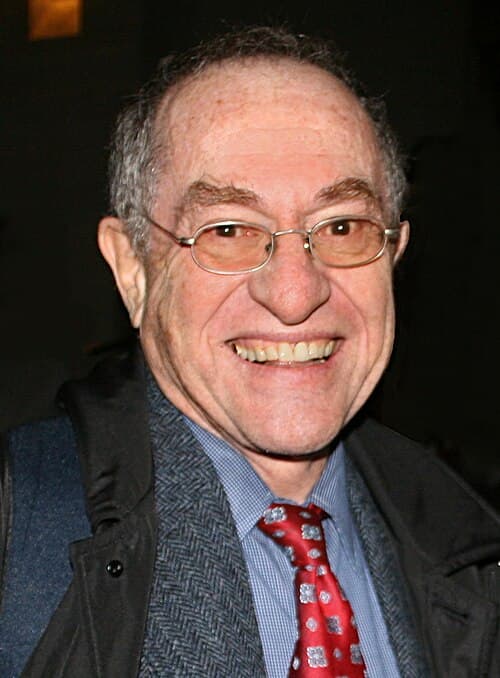
Alan Dershowitz
PERSON • 3 mentions
American lawyer, author, and art collector (born 1938)
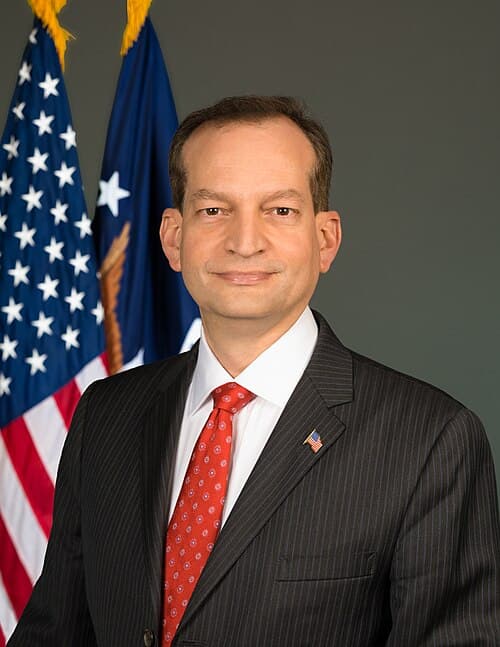
Alexander Acosta
PERSON • 2 mentions
American attorney and politician

Alfredo Rodriguez
PERSON • 2 mentions
Venezuelan baseball player
AL
Alison
PERSON
Female given name
AM
Anthony Minghella
PERSON
British film director, playwright and screenwriter (1954-2008)
AP
Arnold Pr
PERSON
British QC and judge
AP
Arnold Prosperi
PERSON
Artist
PERSON
AI
att Gana iin
PERSON
Atty Guy
PERSON
BA
Baily
PERSON
B4
Barry a 4
PERSON
American television comedy series
Barry al
PERSON
American singer

Barry Krischer
PERSON • 2 mentions
BE
Beacher
PERSON
American librarian, director for Acquisitions and Bibliographic Access at the Library of Congress
BE
Bechard
PERSON
Family name
BE
Bergeron
PERSON
Family name
Bill Clinton
PERSON • 2 mentions
President of the United States from 1993 to 2001 (born 1946)
Bill Richardson
PERSON
Governor of New Mexico from 2003 to 2011
BF
Billy Farrell
PERSON
Association football player
BL
Blake
PERSON
BL
Blohm
PERSON
Family name
BM
Bob Meister
PERSON
BL
Bradley ‘ Fort Lauderdale
PERSON
Bradley Edwards
PERSON
BR
Bradshaw
PERSON
Family name

Brian Vickers
PERSON
American motor racing driver
BS
Brown Simpson
PERSON
CJ
Carline Jean
PERSON
Cather
PERSON
Charles Dickens
PERSON
Charlie Crist
PERSON
United States Representative from 2017 to 2022
C3
charmt 3
PERSON
CB
Chris Bott
PERSON
Unisex given name
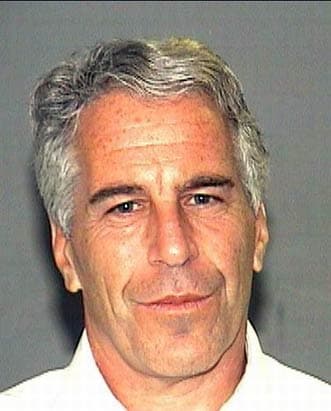
Christina Pryor
PERSON
Female given name
Claus von Bulow
PERSON
British socialite (1926–2019)
DW
Daliah Weiss
PERSON
David Koch
PERSON
American billionaire heir and businessman (1940–2019)
DR
David Rogers
PERSON
Film editor, television director, producer

Debbie Schatz
PERSON
Female given name
Deborah
PERSON
Fourth judge of Israel
DE
Depart
PERSON
DR
Diana Ross
PERSON
DS
Donald Ss se
PERSON
Male given name

Donald Trump
PERSON • 2 mentions
President of the United States (2017–2021, 2025–present)
DO
Dorne
PERSON
DS
Doug Stumpf
PERSON
Ehud Barak
PERSON • 2 mentions
10th Prime Minister of Israel
ES
Eyes Wide Shi
PERSON
FR
Firtuy Ricu
PERSON
FI
Fischer
PERSON
FR
Fitrtuy Ricw
PERSON
FI
Fittr
PERSON
Family name
FR
Fittuy Ricw
PERSON
FR
Freedman
PERSON
American physicist
FR
Fronstin
PERSON
GP
Gani ra Pach
PERSON
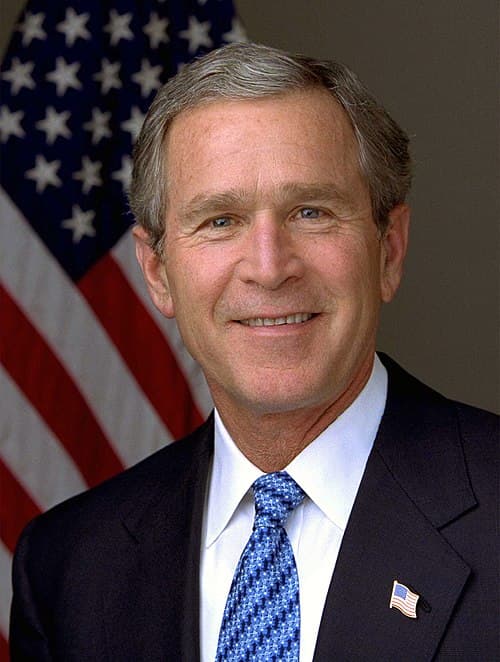
George W. Bush
PERSON
President of the United States from 2001 to 2009
GL
Gerald Lefcourt
PERSON • 2 mentions
American lawyer

Ghislaine Maxwell
PERSON • 3 mentions
British socialite and sex trafficker, daughter of Robert Maxwell, accomplice of Jeffrey Epstein
GL
Glover
PERSON
GO
Goodmams
PERSON
GO
Goodmans
PERSON
Canadian corporate law firm
Gulliver
PERSON
GF
Guy Fronstin
PERSON
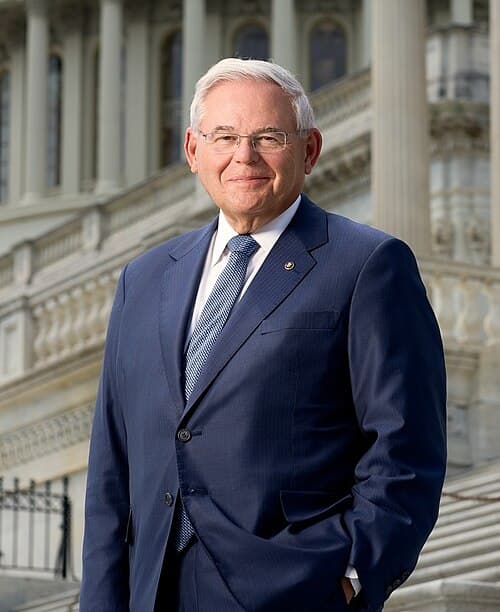
Gwendolyn Beck
PERSON
HA
Hager
PERSON
Family name
HR
Haley Robson
PERSON
HC
Harry Cipriani
PERSON
HA
hed | an
PERSON
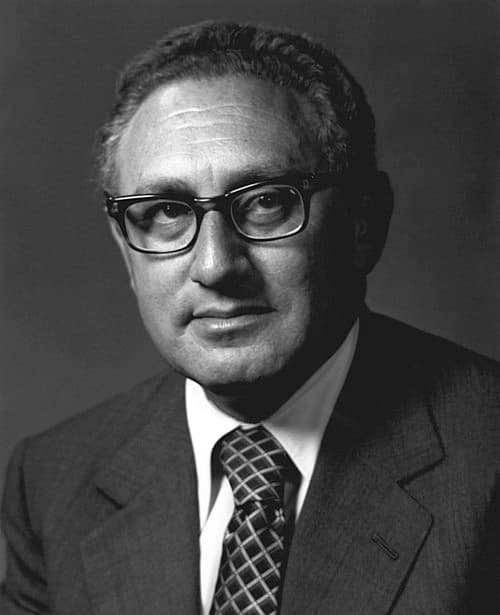
Henry Kissinger
PERSON • 2 mentions
American politician and diplomat (1923–2023)
HO
Hohiewek
PERSON

Honey
PERSON
IZ
Igor “Houdini” Zino
PERSON
IZ
Igor “Houdini” Zit
PERSON
IN
Ingrid
PERSON
Female given name

Irene
PERSON
South Korean singer
IR
Ivan Robles
PERSON

Jack Goldberger
PERSON • 2 mentions
Family name
Jae Donnelly
PERSON
Family name

Jae Donni
PERSON
James Patterson
PERSON • 2 mentions
American author
JT
James Truman
PERSON
American chronobiologist
Jane Doe
PERSON
JR
Janet Reiter
PERSON
Jay Lefkowitz
PERSON • 2 mentions
American lawyer
Jean-Luc Brunel
PERSON • 3 mentions
University in London, UK
JF
Jean-Luc F
PERSON
French politician
Jeb Bush
PERSON
Governor of Florida from 1999 to 2007
Jeff Moreland
PERSON
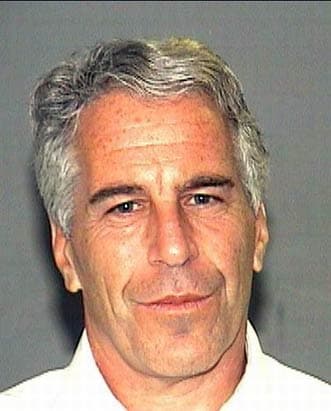
Jeffrey Epstein
PERSON • 12 mentions
American sex offender and financier (1953–2019)
Jodi Bergeron
PERSON
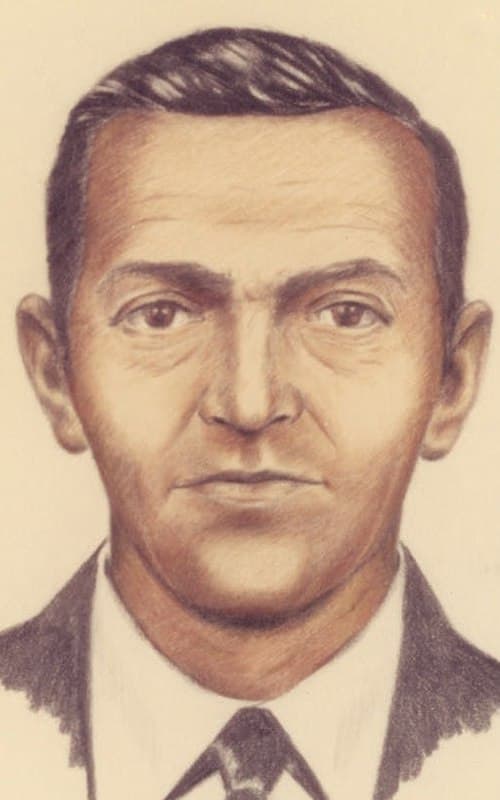
Joe Reca
PERSON
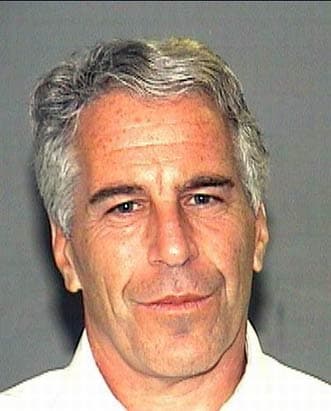
Joe Recarey
PERSON • 4 mentions
JS
Joe Shildhorn
PERSON
John F. Kennedy
PERSON
President of the United States from 1961 to 1963 (1917–1963)
John Goodman
PERSON
American actor
JG
John Gooduati
PERSON
Ken Starr
PERSON • 4 mentions
American judge and educational administrator (1946–2022)
KR
Kramer
PERSON
Main character on the TV show Seinfeld
Kurt Russell
PERSON
American actor (born 1951)
Lana Belohlavek
PERSON
LA
Lanna
PERSON
Indianized state centered in present-day Northern Thailand from the 13th to 18th centuries
LB
LANNA BELOHKLAVEK
PERSON
LB
Lanna] Belohlavek
PERSON
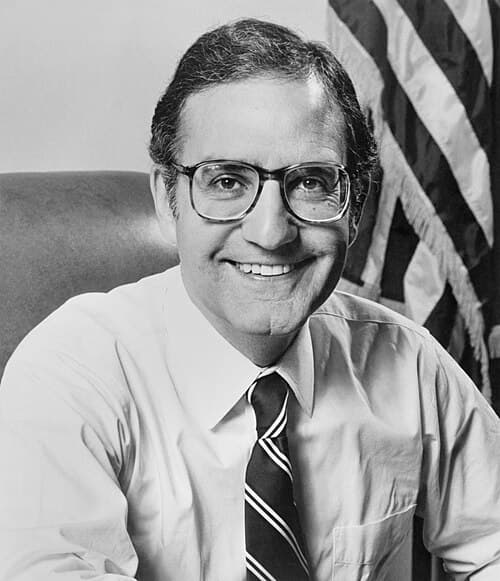
Larry Visoski
PERSON • 2 mentions
Laura Hanifin
PERSON
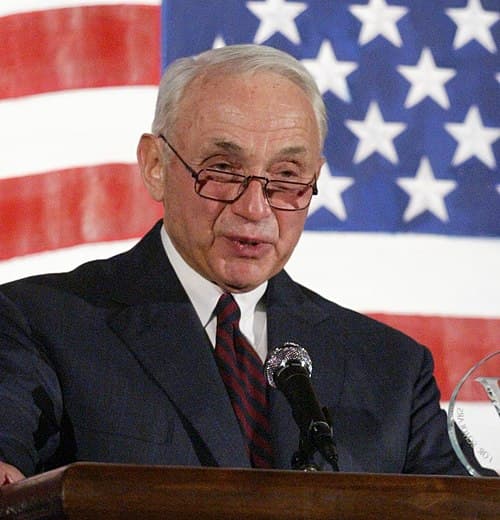
Les Wexner
PERSON • 2 mentions
American billionaire, chairman and CEO of the L Brands
Leslie ji
PERSON
Ph.D. Universidad de Chile 2014
Limbaugh
PERSON
American political commentator (1951–2021)
lriver Brian Vickers
PERSON
American motor racing driver
Lupita
PERSON
Mexican actress (1910-2016)
LG
Lynn Goldsmith
PERSON
American photographer, musician and film director born in 1948
MR
Marc Rich
PERSON
American commodities trader (1934–2013)
MG
Marina Garnier
PERSON
MR
May hief Reiter’s
PERSON
MC
McCartney
PERSON
Meghan
PERSON
ME
Meister
PERSON
Profession
MK
Michael q iarry Krischer
PERSON
MR
Michael Reiter
PERSON
MR
Micheal S. Reiter
PERSON
Mick Jagger
PERSON • 2 mentions
British singer and songwriter; vocalist of The Rolling Stones
MZ
Mort Zu
PERSON
Discworld novel by Terry Pratchett
Mort Zuckerman
PERSON • 2 mentions
Discworld novel by Terry Pratchett
n Balow
PERSON
Nadia Marcinkova
PERSON • 3 mentions
Commercial pilot and flying instructor

Nathan Myhrvold
PERSON • 2 mentions
Former CTO at Microsoft

Neil Rasmus
PERSON
Finnish rock band

Nicky Hilton
PERSON
American socialite (born 1983)
NI
Nicole
PERSON
2019 film directed by Marc Lawrence
NG
Nicole ald Lyle Goldman
PERSON
NG
Nicole ond Ronald Lyle Goldman
PERSON
nor Jeb Bush
PERSON
Governor of Florida from 1999 to 2007
Orin Kramer
PERSON
American financier

Pacer
PERSON
Pagan
PERSON
Family name
Patricia Highsmith’s
PERSON
American novelist and short story writer (1921–1995)
PA
Patrickson
PERSON

Pavies
PERSON
PI
Piaase
PERSON
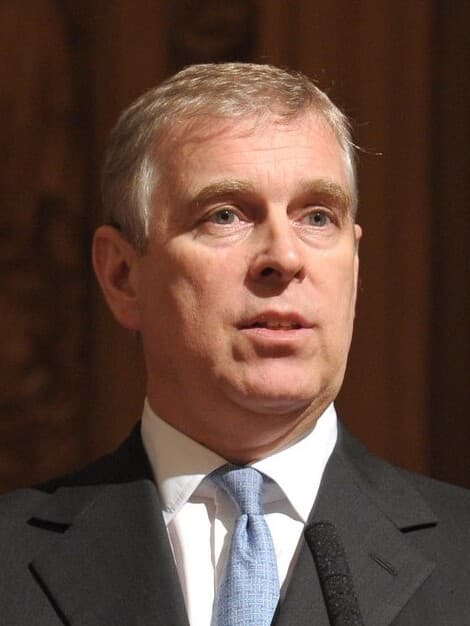
Prince Andrew
PERSON
Third child of Queen Elizabeth II and Prince Philip, Duke of Edinburgh (born 1960)
Pryor
PERSON
R. Alexander
PERSON
Researcher ORCID ID = 0000-0001-6410-2899
Ralph Fiennes
PERSON
English actor, director and producer (born 1962)
R"
ri "one
PERSON
Ric Bradshaw
PERSON
American law enforcement officer (born 1948)
RR
Richie Rich
PERSON
RI
Ripley
PERSON
Character in the Alien franchise
R/
Rob Rich /
PERSON
RO
Robles
PERSON
RJ
Roy alm J
PERSON
RB
Roy Black
PERSON
American lawyer (1945–2025)
Rush Limbaugh
PERSON
American political commentator (1951–2021)
SB
s von Bulow
PERSON
Samantha Boardman
PERSON
Female given name
Samuel Alito
PERSON
Associate Justice of the Supreme Court of the United States since 2006
SA
Sanghvi
PERSON
Family name

Sarah Kellen
PERSON • 3 mentions

Scott Blake
PERSON
American new media artist
SR
Scott Rothstein
PERSON • 2 mentions
American criminal

Septembe
PERSON
Ninth month in the Julian and Gregorian calendars
SE
Seynhaeve
PERSON
Family name
SI
Simpson
PERSON
Family name
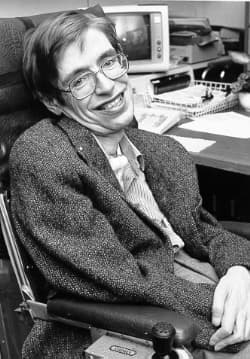
Stephen Hawking
PERSON • 2 mentions
British theoretical physicist, cosmologist and author (1942–2018)
Steven Hoffenberg
PERSON • 2 mentions
American fraudster
SU
Sumpson
PERSON
TA
Tagliani
PERSON
Family name
TE
Teala
PERSON
Ted Kennedy
PERSON
United States Senator from Massachusetts from 1962 to 2009
Tim Malloy
PERSON
New Zealand rural general practitioner
TI
Tistein
PERSON

Todd Meister
PERSON
Tony Randall
PERSON
American actor (1920-2004)
ue Reiter
PERSON
Type of heavy cavalry that wore a cuiras and was typically armed with pistols and a sword
Virginia Giuffre
PERSON • 2 mentions
Advocate for sex trafficking victims (1983–2025)
WE
Weiss
PERSON
Family name
WD
Wendy Dobbs
PERSON
William Kennedy Smith
PERSON
American physician; younger son of Jean Kennedy Smith and Stephen Edward Smith
Winston Churchill
PERSON
British statesman, soldier and writer (1874–1965)
Zachary Bechard
PERSON
Air Ghislaine, Inc.
ORGANIZATION
AP Images
ORGANIZATION
arry Cipriani
ORGANIZATION
ASA Belohlavek|’s
ORGANIZATION
ASA Belohlavic
ORGANIZATION
ASA Lanna
ORGANIZATION
ASA Weiss
ORGANIZATION

Atlantis
ORGANIZATION
Mythological large island in Plato's dialogues
Bangbros
ORGANIZATION
American pornographic film studio
Beach Police Foundation
ORGANIZATION
Bleak House
ORGANIZATION

Case Western Reserve University
ORGANIZATION
Private university in Ohio, United States
Case Western Universtiy
ORGANIZATION
CDC Special Management
ORGANIZATION

Chevrolet
ORGANIZATION
American automobile division of GM
Chevy
ORGANIZATION

Cipriani
ORGANIZATION
International luxury restaurant and club operator based in Luxembourg

Condé Nast’s
ORGANIZATION
American mass media company

Corbis
ORGANIZATION
Stock photo licensing company.
DAILY &
ORGANIZATION

Davidoff Studios
ORGANIZATION
Tobacco goods brand
Democratic
ORGANIZATION
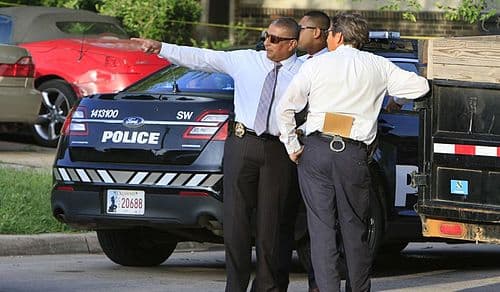
Detective
ORGANIZATION
District Southern Court
ORGANIZATION
District Southern Court of Florida
ORGANIZATION
Dodge
ORGANIZATION
US automotive company

Donzi
ORGANIZATION
Fittyy Ricu
ORGANIZATION
geun Club
ORGANIZATION
Harry’s Bar
ORGANIZATION

Hummer
ORGANIZATION
American car brand
Jeffrey Epstein VI Foundation
ORGANIZATION
Private foundation
Kellen/ Kensington
ORGANIZATION
Kirkland & Ellis
ORGANIZATION
City in King County, Washington, United States
Lafayette High
ORGANIZATION
School located in the Bath Beach section of Brooklyn, New York City, New York
Laura Belle
ORGANIZATION
Magazine
ORGANIZATION
English post-punk band
Mary’s high
ORGANIZATION
Myspace
ORGANIZATION
American social networking website

NASCAR
ORGANIZATION

News of the World
ORGANIZATION
nity Fair’s
ORGANIZATION
Office of the State
ORGANIZATION

Palm Beach Police Department
ORGANIZATION • 5 mentions
Police agency

Pepperdine Law
ORGANIZATION
Journal
Ps Office
ORGANIZATION

Radar
ORGANIZATION
Original song written and composed by The Clutch, Bloodshy & Avant, and Henrik Jonback; recorded by Britney Spears
Sarah Kel-
ORGANIZATION
Sherry-Netherland
ORGANIZATION
Sipa Press
ORGANIZATION
Press agency
Slate
ORGANIZATION
U.S.-based online magazine

Splash News
ORGANIZATION
American entertainment news and photography agency
State A
ORGANIZATION

Stockade
ORGANIZATION • 2 mentions
Software
Stuck
ORGANIZATION

Sun Sentinel
ORGANIZATION
American newspaper (2000-)
Sunny
ORGANIZATION
British radio presenter
Swingles.com
ORGANIZATION
the 1 a... - Times
ORGANIZATION
the Ballet of 3
ORGANIZATION
the Center {0% Education and Research i | and Astrophysics
ORGANIZATION
the Center for Education and Research if C @ and Astrophysics
ORGANIZATION
the Child Exploitation and Justice Department
ORGANIZATION
the Child Exploitation and Obscenity Section
ORGANIZATION
the FBI Spx
ORGANIZATION
the Federal Bureau
ORGANIZATION
the Fifteenth Judicial Circuit
ORGANIZATION
the Florida Bar
ORGANIZATION

the Gun Club
ORGANIZATION
the J. Epstem Vig
ORGANIZATION
the Legal Aid Society
ORGANIZATION
the Legal Aid Society of Palm Beach County
ORGANIZATION
the National D
ORGANIZATION
the National District Attorneys Association
ORGANIZATION
the National Organization for Women
ORGANIZATION
the New York Academy of the Arts
ORGANIZATION
the New York City Police Department
ORGANIZATION

the Palm
ORGANIZATION
the Palm Beach County State Atomeys Office
ORGANIZATION
the Palm Beach County State Attorney's Office
ORGANIZATION

The Palm Beach Post
ORGANIZATION
Daily newspaper in West Palm Beach, Florida

the Police Department
ORGANIZATION
the State Attorney s Office
ORGANIZATION

the State Attorney's Office
ORGANIZATION

the State Attorney’s Office
ORGANIZATION
Tinder
ORGANIZATION
Social network and dating platform
ttorney’s Office
ORGANIZATION

Victoria's Secret
ORGANIZATION
American retailer of lingerie
Western Reserve Univers
ORGANIZATION

YIVO Institute
ORGANIZATION
April
LOCATION
Beach
LOCATION
Beach County
LOCATION
Boynton Beach
LOCATION
City in Palm Beach County, Florida, United States
Central fs
LOCATION
Milan Metro station
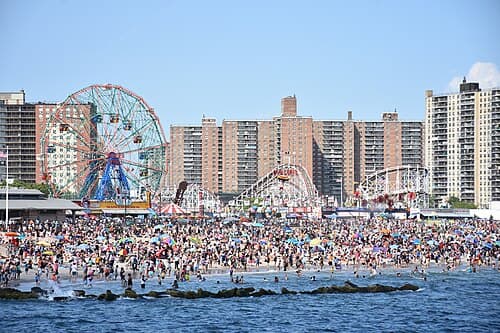
Coney Island
LOCATION
Coastal neighborhood in Brooklyn, New York City, New York, USA
Deadwood
LOCATION

Florida
LOCATION
State of the United States of America
Hamptons
LOCATION
Seaside group of towns, villages and hamlets in Long Island, New York
i Beach
LOCATION
Jeffrey Epst
LOCATION

Kentucky
LOCATION
State of the United States of America
Lake Worth Lagoon
LOCATION
Lake of the United States of America
Lilliput
LOCATION
Little Be
LOCATION

Louisville
LOCATION
County seat of Jefferson County, Kentucky, United States

Michigan
LOCATION
State of the United States of America

New York City
LOCATION
Most populous city in the United States

New York’s
LOCATION
Palm Beach
LOCATION
Town in Palm Beach County, Florida, United States
Palm Beach Gardens
LOCATION
City in Palm Beach County, Florida, United States
Palm Bez
LOCATION
Palm swipe
LOCATION
Palmas
LOCATION
Municipality of Tocantins state, Brazil
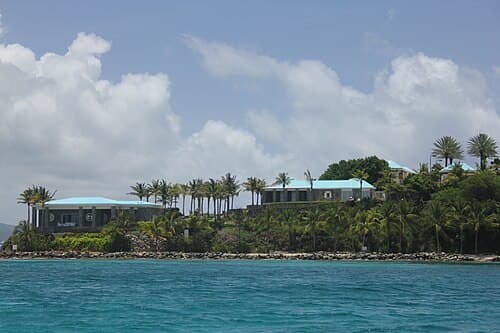
Saint James
LOCATION
One of the Twelve Apostles of Jesus
Sandringham
LOCATION
Village and civil parish in Norfolk, UK
Seuch County
LOCATION
South Florida
LOCATION
Region of the U.S. state of Florida
Southern District of Florida
LOCATION
the Paim Beach
LOCATION
the Paim Beach County
LOCATION
the Southern District of Florida
LOCATION
the Southern District of New
LOCATION
Tombst
LOCATION
Stele or marker, usually stone, that is placed over a grave
Tombstone
LOCATION
U.S. Virgin Islands
LOCATION
Unincorporated territory of the United States of America

United States
LOCATION • 2 mentions
Country located primarily in North America
Vegas
LOCATION
City of Clark County, and largest city in state of Nevada, United States
Venice
LOCATION
Capital city of Veneto, Italy
Washington, D.C.
LOCATION
Capital city of the United States of America
West Pa fi
LOCATION
Statistics
Pages:74
Entities:315
Avg. OCR:89.6%