Back to Network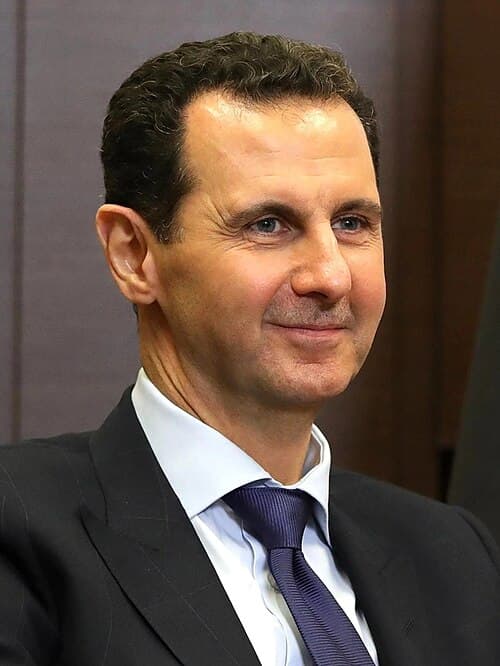

5
Shared Docs
5
Same-Page
5 / 5
Mentions
Document Mentions (5 shared documents)
2 mentions1 same-page
Page ?Same page
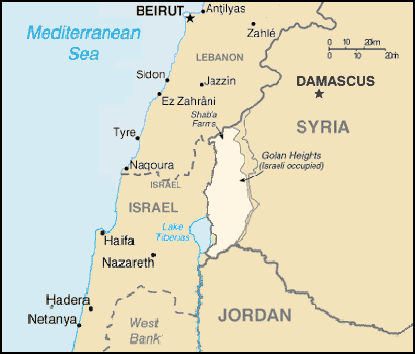
ldiers crossed the border on an intelligence mission. It had happened in 1954, and it ended in a failure even more serious than Rotem. The target was the Golan Heights, inside Syria. The special technology unit attached to military intelligence had developed a bugging device designed to be placed on a telephone pole
attacks after one of its planes had been hijacked to Algiers in the summer of 1968. It was also the same kind of plane — a Sabena flight, hijacked to Tel Aviv’s Ben-Gurion Airport — which I stormed, before sunrise, four years later with a force of nearly two dozen Matkal commandos. The shooting was over withi
2 mentions1 same-page
Page ?Same page
urprise attacks by Syria and Egypt — armies we’d not just defeated, but humiliated, six years earlier — had pinned down and pushed back our forces on the Golan Heights and in the Sinai. Without any advance call-up, many reservists were only now reaching the front lines. As hundreds of people pressed for seats on th
the war, he was reassigned as an operational officer in military intelligence in the kirya. He was still at his desk when Fatah terrorists landed on Tel Aviv’s seafront a little before midnight on March 4, 1975. They were spotted by a police patrol, which opened fire. The Fatah men ran from the beach, firing
2 mentions1 same-page
Page ?Same page
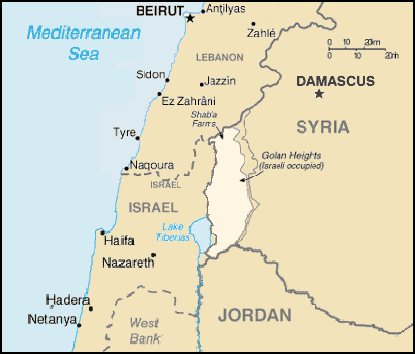
ade with him. The substance in any agreement, though politically difficult, was also more straightforward. We knew what Assad wanted: the recovery of the Golan Heights, in return for the absolute minimum level of political normalization with Israel. We knew what we wanted: security guarantees and assurances regardin
. He, like all of us who had campaigned for him, knew what was at stake for the country. It had been barely six months since Rabin was gunned down in Tel Aviv’s main square, by a fellow Israeli riding a tide of hatred so blinkered that it could paint Yitzhak — who had worked all his life to create, defend and
Sponsored
2 mentions1 same-page
Page ?Same page
so wanted my assessment about whether the army could work out arrangements to safeguard the country’s security if we handed back most, if not all, of the Golan Heights. If so, what kind of security arrangements, with what timeline? We met through the summer, as the 301 HOUSE_OVERSIGHT_011772 / BARAK / 16 talks wi
he most terror, and death: at bus stations, on buses, in shopping centers, restaurants and cafés. Over a 12-month period, beginning with a bombing of Tel Aviv’s main bus station at the beginning of January 2003, they murdered 145 men, women and children. It would not be until two years’ later, with the West B
2 mentions1 same-page
Page ?Same page
ldiers crossed the border on an intelligence mission. It had happened in 1954, and it ended in a failure even more serious than Rotem. The target was the Golan Heights, inside Syria. The special technology unit attached to military intelligence had developed a bugging device designed to be placed on a telephone pole
attacks after one of its planes had been hijacked to Algiers in the summer of 1968. It was also the same kind of plane — a Sabena flight, hijacked to Tel Aviv’s Ben-Gurion Airport — which I stormed, before sunrise, four years later with a force of nearly two dozen Matkal commandos. The shooting was over withi
Sponsored
Mutual Connections (414)
Entities connected to both the Golan Heights and Tel Aviv’s
Bashar al-Assad
PERSON29 w/ the·4 w/ Tel
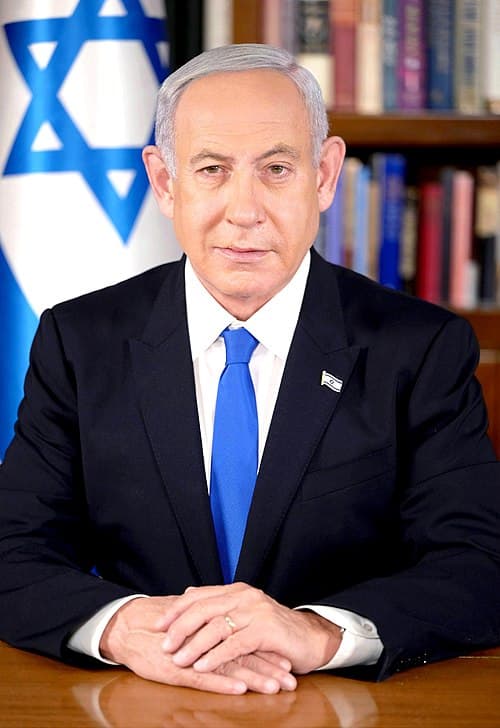
Benjamin Netanyahu
PERSON27 w/ the·5 w/ Tel
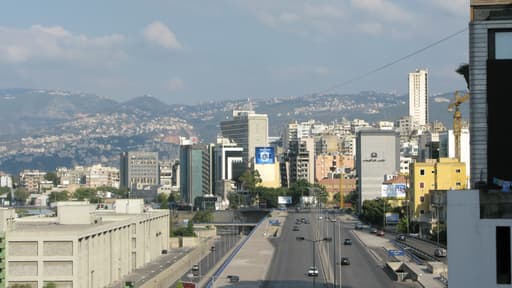
Lebanon
LOCATION26 w/ the·5 w/ Tel
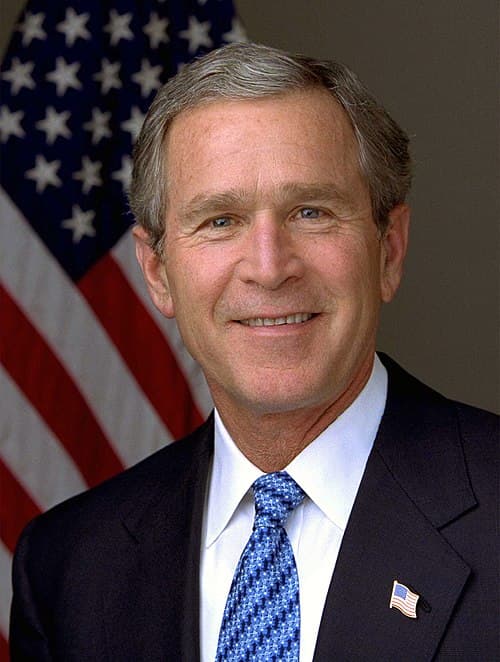
George W. Bush
PERSON26 w/ the·3 w/ Tel
Jerusalem
LOCATION24 w/ the·5 w/ Tel
Barack Obama
PERSON26 w/ the·3 w/ Tel
Damascus
LOCATION23 w/ the·5 w/ Tel
Bill Clinton
PERSON24 w/ the·4 w/ Tel
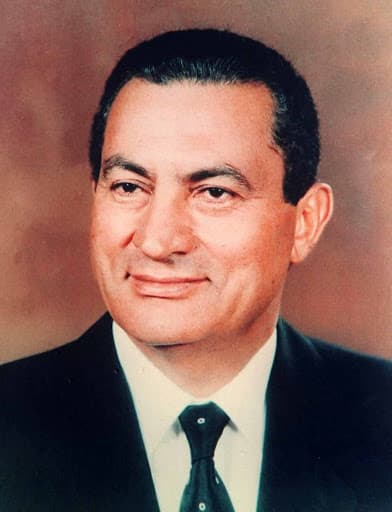
Hosni Mubarak
PERSON23 w/ the·4 w/ Tel
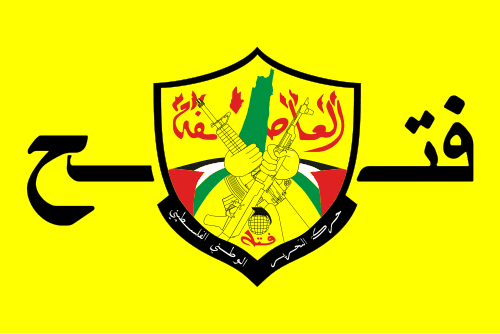
Fatah
ORGANIZATION20 w/ the·5 w/ Tel
Sinai
LOCATION20 w/ the·5 w/ Tel
United States
LOCATION20 w/ the·2 w/ Tel
Mediterranean
LOCATION17 w/ the·4 w/ Tel
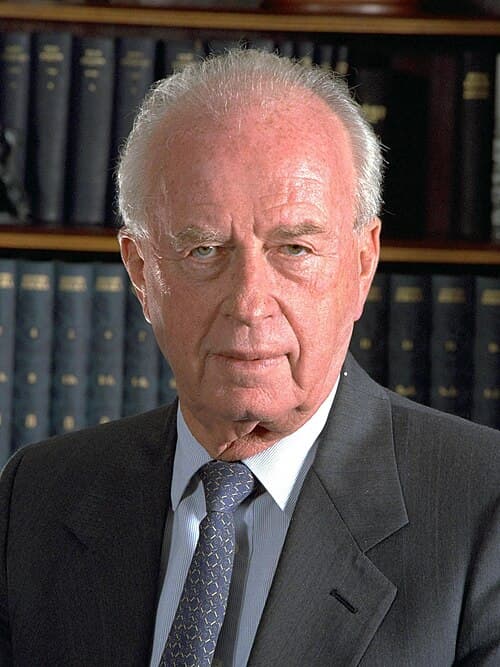
Yitzhak Rabin
PERSON16 w/ the·5 w/ Tel
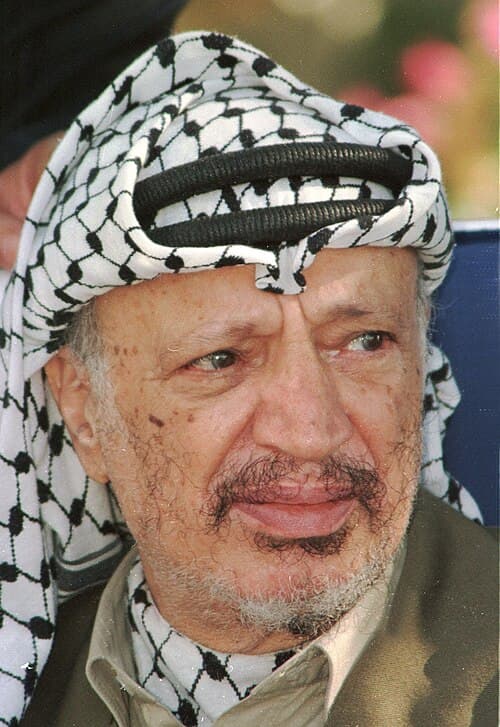
Yasser Arafat
PERSON16 w/ the·5 w/ Tel
Golan
LOCATION16 w/ the·5 w/ Tel
Saddam Hussein
PERSON16 w/ the·4 w/ Tel
Ehud Barak
PERSON15 w/ the·5 w/ Tel
Michael Cohen
PERSON15 w/ the·5 w/ Tel
the West Bank
LOCATION14 w/ the·5 w/ Tel