Back to Network













8
Shared Docs
8
Same-Page
8 / 8
Mentions
Document Mentions (8 shared documents)
2 mentions1 same-page
Page ?Same page
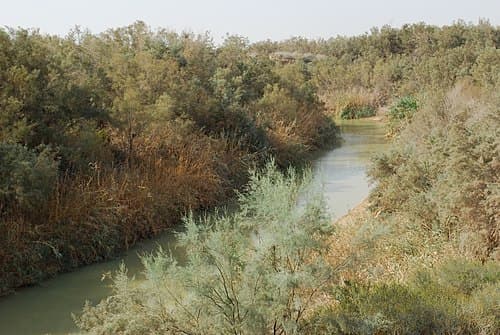
IGHT_011557 Tension began building in the north in the spring of 1967, initially set off by Syrian efforts to divert water from the upper reaches of the Jordan River, an important water source for Israel was well. In a series of exchanges, Syrian troops on the Golan fired on Israeli tractors in the demilitarized z
r, Hafez al-Assad, a few months earlier. Yet these three dedicated men — Gili, who was by training a lawyer; Shlomo, an academic; and Danny, a former Mossad chief — had just been through dozens of hours of intricately detailed talks with each of Arafat’s top negotiators at Camp David, not to mention the d
2 mentions1 same-page
Page ?Same page
assignment was to block the southern entrance to Karameh as the Israeli armored force advanced. But we got bogged down in mud as we made our way from the Jordan River. By the time we arrived, hundreds of Arafat’s men had already fled the area. Arafat, too, had escaped, on the back of a motorcycle. By the time the
ne of it, however, could alter the reply I got from Ahrahle a couple of hours later. “We decided to send Zvika,” he said. Zvika Zamir was the head of Mossad, and he would be going only as an observer. Any operation against the terrorists would still be in the hands of German units. The German police’s bu
2 mentions1 same-page
Page ?Same page
f fire in the late 1950s were provoked by Israel.” I didn’t respond directly, though I did note it was the Syrians who had tried to divert water from the Jordan River in the early fifties. “You did it first,” he retorted. So it continued. Only later did we learn that while Muallem had sent back a generally encourag
diplomacy in the hopes of reducing one of the obvious risks in such an attack: a conflict with Jordan, which we’d have to overfly to reach Iraq. The Mossad had a unit called 7evel, a kind of shadow foreign ministry for states with which we had no formal relations but with which, in both side’s interests,
Sponsored
2 mentions1 same-page
Page ?Same page
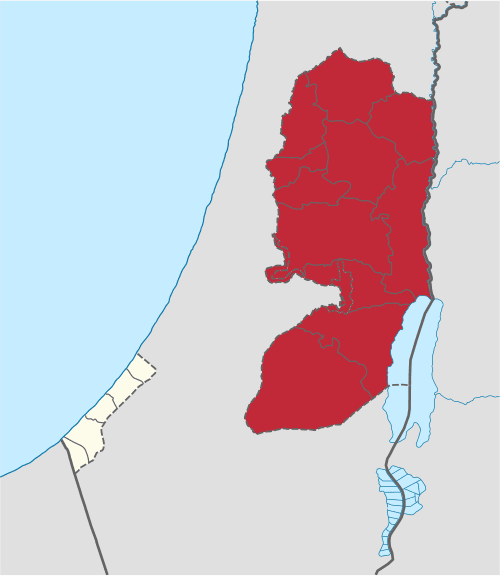
st Jerusalem, I expected to be able to retain Israeli sovereignty over the city. The third principle was that there would be “no foreign army west of the Jordan River.” In other words, if we did hand back at least the major part of the West Bank, it would be demilitarized and we would have security control over the
. The first of about a half-dozen meetings came a few days later at the Prime Minister’s residence in Jerusalem. Then, we shifted venue, meeting at a Mossad-owned villa north of Tel Aviv. I brought along Bougie Herzog, a bright young lawyer, and Labor Party member, who was working in the same law firm and
2 mentions1 same-page
Page ?Same page
IGHT_027934 Tension began building in the north in the spring of 1967, initially set off by Syrian efforts to divert water from the upper reaches of the Jordan River, an important water source for Israel was well. In a series of exchanges, Syrian troops on the Golan fired on Israeli tractors in the demilitarized z
r, Hafez al-Assad, a few months earlier. Yet these three dedicated men — Gili, who was by training a lawyer; Shlomo, an academic; and Danny, a former Mossad chief — had just been through dozens of hours of intricately detailed talks with each of Arafat’s top negotiators at Camp David, not to mention the d
2 mentions1 same-page
Page ?Same page
assignment was to block the southern entrance to Karameh as the Israeli armored force advanced. But we got bogged down in mud as we made our way from the Jordan River. By the time we arrived, hundreds of Arafat's men had already fled the area. Arafat, too, had escaped, on the back of a motorcycle. By the time the f
ne of it, however, could alter the reply I got from Ahrahle a couple of hours later. "We decided to send Zvika," he said. Zvika Zamir was the head of Mossad, and he would be going only as an observer. Any operation against the terrorists would still be in the hands of German units. The German police's bun
Sponsored
2 mentions1 same-page
Page ?Same page
f fire in the late 1950s were provoked by Israel." I didn't respond directly, though I did note it was the Syrians who had tried to divert water from the Jordan River in the early fifties. "You did it first," he retorted. So it continued. Only later did we learn that while Muallem had sent back a generally encourag
diplomacy in the hopes of reducing one of the obvious risks in such an attack: a conflict with Jordan, which we'd have to overfly to reach Iraq. The Mossad had a unit called Tevel, a kind of shadow foreign ministry for states with which we had no formal relations but with which, in both side's interests,
2 mentions1 same-page
Page ?Same page
st Jerusalem, I expected to be able to retain Israeli sovereignty over the city. The third principle was that there would be "no foreign army west of the Jordan River." In other words, if we did hand back at least the major part of the West Bank, it would be demilitarized and we would have security control over the
. The first of about a half-dozen meetings came a few days later at the Prime Minister's residence in Jerusalem. Then, we shifted venue, meeting at a Mossad-owned villa north of Tel Aviv. I brought along Bougie Herzog, a bright young lawyer, and Labor Party member, who was working in the same law firm and
Sponsored
Mutual Connections (1,025)
Entities connected to both the Jordan River and Mossad
Benjamin Netanyahu
PERSON23 w/ the·46 w/ Mossad
Barack Obama
PERSON20 w/ the·43 w/ Mossad
Jeffrey Epstein
PERSON4 w/ the·58 w/ Mossad
Bill Clinton
PERSON14 w/ the·44 w/ Mossad
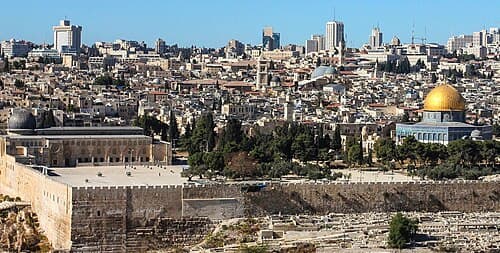
Jerusalem
LOCATION20 w/ the·37 w/ Mossad
George W. Bush
PERSON21 w/ the·34 w/ Mossad
United States
LOCATION15 w/ the·37 w/ Mossad
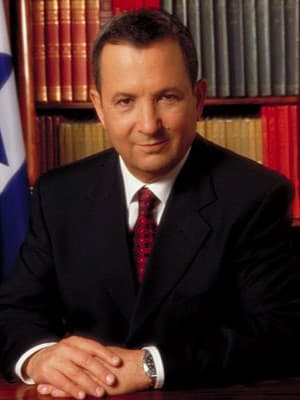
Ehud Barak
PERSON13 w/ the·37 w/ Mossad
Marc Rich
PERSON10 w/ the·37 w/ Mossad
Lebanon
LOCATION20 w/ the·26 w/ Mossad
Bashar al-Assad
PERSON19 w/ the·25 w/ Mossad
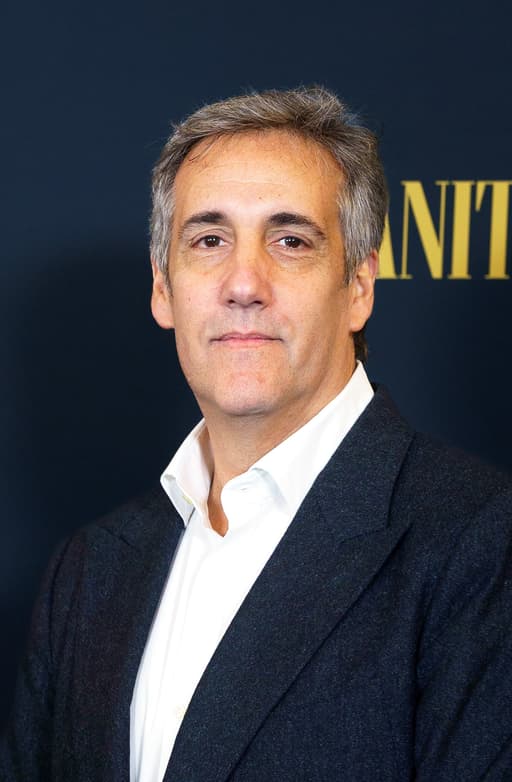
Michael Cohen
PERSON10 w/ the·29 w/ Mossad
Tehran
LOCATION12 w/ the·25 w/ Mossad
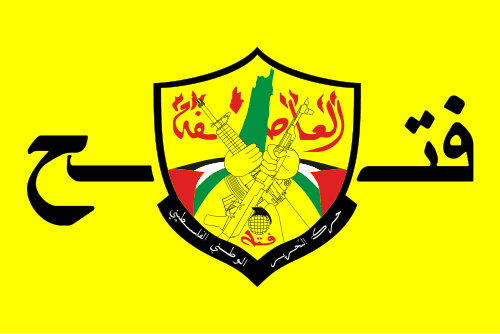
Fatah
ORGANIZATION18 w/ the·17 w/ Mossad
Saddam Hussein
PERSON10 w/ the·25 w/ Mossad
Hosni Mubarak
PERSON15 w/ the·19 w/ Mossad
West Bank
LOCATION15 w/ the·18 w/ Mossad
Middle East
LOCATION12 w/ the·20 w/ Mossad
Damascus
LOCATION15 w/ the·17 w/ Mossad
LB
Leon Black
PERSON4 w/ the·28 w/ Mossad