Back to Network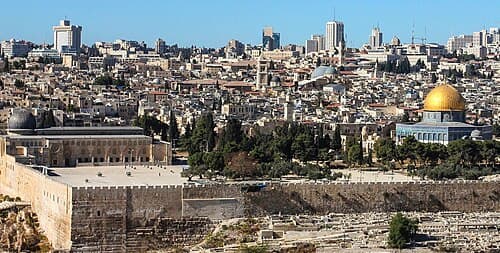





7
Shared Docs
6
Same-Page
7 / 12
Mentions
Document Mentions (7 shared documents)
3 mentions1 same-page
Page ?Same page
journalist Ron Pundak. Three PLO officials were there, led by Arafat’s closest economic aide, Abu Ala’a. Though both of the Israelis were friends of Yossi Beilin, a protégé of Peres and our deputy foreign minister, even Peres didn’t know about the meeting until Yossi told him the following day. Rabin knew an h
be at stake for Damascus, I certainly couldn’t see the Phalangists being able to drive them out by force. The more immediate, open question involved Arafat and the Palestinians. Our other two invasion forces had driven almost all the PLO fighters out of south Lebanon, though not without costs and casualt
s, and at the dinner held at one of King Juan Carlos’s palatial estates, and, for me, a first opportunity to meet not only Arab foreign ministers but Yasir Arafat. My first, brief encounter with Arafat began a bit embarrassingly. I’d arrived a few minutes early for the conference dinner and was led into an imp
3 mentions1 same-page
Page ?Same page
e city of Jerusalem. I was not opposed to the Palestinians calling Jerusalem the capital of their state. But even in follow-up talks after Oslo, when Yossi Beilin and Abu Mazen had explored avenues toward a possible resolution of the Jerusalem question, the maximum understanding was that Israel might expand the
test prospect of movement on Oslo. In October, Bibi did finally try to seize the initiative. He wrapping up the redeployment details in a summit with Arafat and Clinton and Arafat in Wye River. But as soon as he got back home, he started backtracking, rather than risk facing down his right-wing critics in
attraction in getting a deal with Syria first: it would increase our negotiating leverage with the Palestinians. That would certainly not be lost on Yasir Arafat — one reason that I realized the importance of an early meeting with him, to convey my commitment to keeping the Oslo process alive, and, if possible
3 mentions1 same-page
Page ?Same page
e city of Jerusalem. I was not opposed to the Palestinians calling Jerusalem the capital of their state. But even in follow-up talks after Oslo, when Yossi Beilin and Abu Mazen had explored avenues toward a possible resolution of the Jerusalem question, the maximum understanding was that Israel might expand the
test prospect of movement on Oslo. In October, Bibi did finally try to seize the initiative. He wrapping up the redeployment details in a summit with Arafat and Clinton and Arafat in Wye River. But as soon as he got back home, he started backtracking, rather than risk facing down his right-wing critics in
54 Chapter Twenty-One President Clinton and I met the next morning. My aim was to persuade him that the time had come for a make-or-break summit with Yasir Arafat. I suspected it would not be easy to convince him, and it wasn't. But I made the argument that if we were to have any hope of moving Oslo forward, we
Sponsored
3 mentions1 same-page
Page ?Same page
rsight of officials on both sides. He thus formed enduring relationships with various senior figures and policymakers, including Israeli politician Yossi Beilin who would play a key role in the future secret negotiations. After returning to Norway, Juul worked for the Foreign Ministry and Rod-Larsen returned
onday at New York City's Lincoln Center, brings to life the largely unknown drama of the secret back-channel negotiations that resulted in PLO chief Yasser Arafat and Israeli Prime Minister Yitzhak Rabin shaking hands over the first peace agreement between Israelis and Palestinians. While many memories of tha
first peace agreement between Israelis and Palestinians. While many memories of that momentous day, and of the famous agreement, focus on Rabin and Arafat and on the personal and political chasms they and their colleagues had to cross while forging it — the play focuses on other people: those who toil
3 mentions1 same-page
Page ?Same page
journalist Ron Pundak. Three PLO officials were there, led by Arafat's closest economic aide, Abu Ala'a. Though both of the Israelis were friends of Yossi Beilin, a protégé of Peres and our deputy foreign minister, even Peres didn't know about the meeting until Yossi told him the following day. Rabin knew an h
be at stake for Damascus, I certainly couldn't see the Phalangists being able to drive them out by force. The more immediate, open question involved Arafat and the Palestinians. Our other two invasion forces had driven almost all the PLO fighters out of south Lebanon, though not without costs and casualt
s, and at the dinner held at one of King Juan Carlos's palatial estates, and, for me, a first opportunity to meet not only Arab foreign ministers but Yasir Arafat. My first, brief encounter with Arafat began a bit embarrassingly. I'd arrived a few minutes early for the conference dinner and was led into an impr
2 mentions1 same-page
Page ?Same page
would be discussed at an international conference. Finally, the final peace agreement would be signed. Some weeks after the roadmap was proposed, Yossi Beilin, one of the Israeli negotiators of the Oslo accords and former Palestinian Information Minister Yasser Abed Rabbo agreed upon an unofficial plan in
vely implementing the peace agreements. In 1998, US President Bill Clinton invited Israeli Prime Minister Banjamin Netanyahu and Palestinian leader Yasser Arafat to sign an agreement to implement the procedures outlined in the Oslo Accords. After days of intense debate, the agreement was signed. However, li
Sponsored
Page HOUSE_OVERSIGHT_023139
ement) (28 September 1995) 145 Temporary International Presence in Hebron (TIPH Agreement) (9 May 1996) 324 Declaration by PM Netanyahu and Chairman Arafat following their first meeting (4 September 1996) 327 Hebron Protocol (17 January 1997) 329 Note for the Record (17 January 1997) 336 HOUSE_OVERSIGH
Page: HOUSE_OVERSIGHT_023139 →Page HOUSE_OVERSIGHT_023162
uent talks between the parties. In 1992, as the director of the Norwegian research institute Fafo, I initiated, together with then member of Knesset Yossi Beilin, secret talks between him and local Palestinian leader Faisal Husseini, at the American Colony Hotel in Jerusalem. These talks, which were facilitate
Page: HOUSE_OVERSIGHT_023162 →Sponsored
Mutual Connections (531)
Entities connected to both Yossi Beilin and Yasser Arafat
Jerusalem
LOCATION11 w/ Yossi·49 w/ Yasser
George W. Bush
PERSON8 w/ Yossi·47 w/ Yasser
Fatah
ORGANIZATION8 w/ Yossi·43 w/ Yasser
Benjamin Netanyahu
PERSON10 w/ Yossi·39 w/ Yasser
Barack Obama
PERSON8 w/ Yossi·41 w/ Yasser
Lebanon
LOCATION8 w/ Yossi·39 w/ Yasser
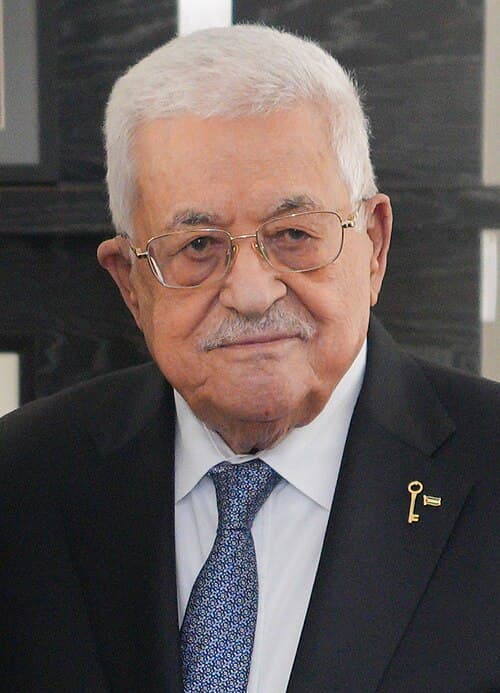
Mahmoud Abbas
PERSON8 w/ Yossi·38 w/ Yasser
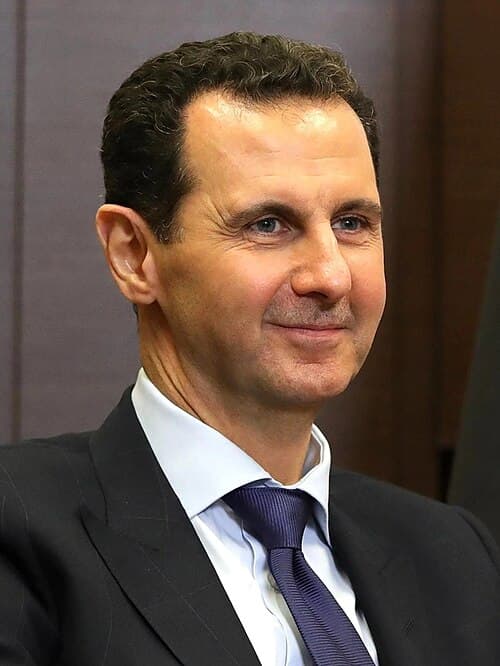
Bashar al-Assad
PERSON10 w/ Yossi·35 w/ Yasser
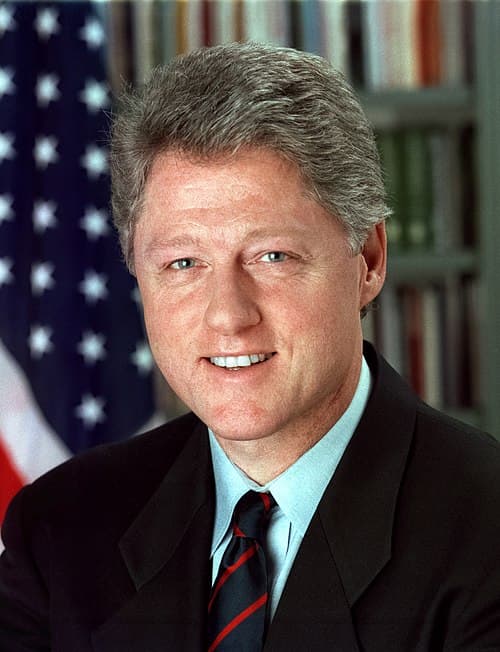
Bill Clinton
PERSON8 w/ Yossi·37 w/ Yasser
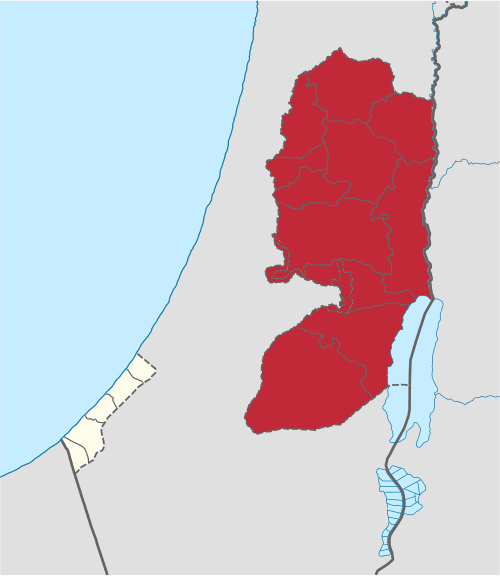
West Bank
LOCATION8 w/ Yossi·35 w/ Yasser
United States
LOCATION8 w/ Yossi·34 w/ Yasser
Jeffrey Epstein
PERSON5 w/ Yossi·32 w/ Yasser
Ehud Barak
PERSON9 w/ Yossi·28 w/ Yasser
Damascus
LOCATION8 w/ Yossi·29 w/ Yasser
Hosni Mubarak
PERSON6 w/ Yossi·30 w/ Yasser
Ramallah
LOCATION8 w/ Yossi·28 w/ Yasser
Saddam Hussein
PERSON3 w/ Yossi·29 w/ Yasser
the West Bank
LOCATION8 w/ Yossi·23 w/ Yasser
Cairo
LOCATION5 w/ Yossi·26 w/ Yasser
Tunisia
LOCATION7 w/ Yossi·24 w/ Yasser