Back to Network

8
Shared Docs
8
Same-Page
8 / 8
Mentions
Document Mentions (8 shared documents)
2 mentions1 same-page
Page ?Same page
ver the Atlantic, the mood on board was sober. Huddling with the inner core of my negotiating team — my policy co-ordinator Gilad Sher, security aide Danny Yatom and Foreign Minister Shlomo Ben-Ami — I could see that the way the summit ended had hit them hard. It was probably true, as all three often reminded
iving a tractor. I woke up early and accompanied him into the fields of wheat, barley or rye. We also made a series of trips 130 miles south into the Negev to a moshav called Patish. It had been set up by newly arrived Moroccan Jews. Since they didn’t have the equipment or know-how to cultivate all their
2 mentions1 same-page
Page ?Same page
mission on the road from Suez to Cairo. Giora Zorea, who, like me, had come up through the unit and was one of our most experienced team leaders. And Danny Yatom. Born not far from Mishmar Hasharon, but a city boy, from Netanya, he was smart, level-headed and a sure-handed organizer, and with whom I’d somehow
cross the Jordan River, in a town called Karameh. From early 1968, they had been launching hit- and-run raids, not just on the West Bank but into the Negev. Eshkol’s cabinet was initially divided on whether to attack his base in Jordan, in both an act of retaliation and a signal to King Hussein that if h
2 mentions1 same-page
Page ?Same page
Uri Saguy, the head of military intelligence; Gadi Zohar, in charge of civil administration for the West Bank and Gaza; my own former sayeret deputy, Danny Yatom, who was head of the central command; and Rabin’s military aide, Kuti Mor. Also included were longtime political and media aide Eitan Haber, and anot
found themselves in a similar situation, mentioned as possible chiefs of staff but never chosen: Arik and Ezer Weizman. I saw Arik on his farm in the Negev. He was obviously enjoying his extraordinary political rehabilitation since the Lebanon war. His expanding girth was settled into a sofa in the livin
Sponsored
2 mentions1 same-page
Page ?Same page
ho, when I was chief of staff, had been in charge of the logistics branch of the military. I gave him Sayeret Matkal backup as well, in the person of Danny Yatom, my longtime friend and former sayeret deputy. But all that was process. Winning or losing would come down to how our message, our ability to forge
rrowest of margins, might determine the outcome. After the 1996 election, I’d learned of cases where Peres volunteers outside polling stations in the Negev or the north of the country had left early, in order to make sure they’d be back to Tel Aviv in time for the “moment of victory.” Now, I sent out wor
2 mentions1 same-page
Page ?Same page
ver the Atlantic, the mood on board was sober. Huddling with the inner core of my negotiating team — my policy co-ordinator Gilad Sher, security aide Danny Yatom and Foreign Minister Shlomo Ben-Ami — I could see that the way the summit ended had hit them hard. It was probably true, as all three often reminded
iving a tractor. I woke up early and accompanied him into the fields of wheat, barley or rye. We also made a series of trips 130 miles south into the Negev to a moshav called Patish. It had been set up by newly arrived Moroccan Jews. Since they didn’t have the equipment or know-how to cultivate all their
2 mentions1 same-page
Page ?Same page
mission on the road from Suez to Cairo. Giora Zorea, who, like me, had come up through the unit and was one of our most experienced team leaders. And Danny Yatom. Born not far from Mishmar Hasharon, but a city boy, from Netanya, he was smart, level-headed and a sure-handed organizer, and with whom I'd somehow
cross the Jordan River, in a town called Karameh. From early 1968, they had been launching hit- and-run raids, not just on the West Bank but into the Negev. Eshkol's cabinet was initially divided on whether to attack his base in Jordan, in both an act of retaliation and a signal to King Hussein that if h
Sponsored
2 mentions1 same-page
Page ?Same page
Uri Saguy, the head of military intelligence; Gadi Zohar, in charge of civil administration for the West Bank and Gaza; my own former sayeret deputy, Danny Yatom, who was head of the central command; and Rabin's military aide, Kuti Mor. Also included were longtime political and media aide Eitan Haber, and anot
found themselves in a similar situation, mentioned as possible chiefs of staff but never chosen: Arik and Ezer Weizman. I saw Arik on his farm in the Negev. He was obviously enjoying his extraordinary political rehabilitation since the Lebanon war. His expanding girth was settled into a sofa in the livin
2 mentions1 same-page
Page ?Same page
ho, when I was chief of staff, had been in charge of the logistics branch of the military. I gave him Sayeret Matkal backup as well, in the person of Danny Yatom, my longtime friend and former sayeret deputy. *** But all that was process. Winning or losing would come down to how our message, our ability to for
rrowest of margins, might determine the outcome. After the 1996 election, I'd learned of cases where Peres volunteers outside polling stations in the Negev or the north of the country had left early, in order to make sure they'd be back to Tel Aviv in time for the "moment of victory." Now, I sent out wor
Sponsored
Mutual Connections (931)
Entities connected to both Danny Yatom and Negev
Jerusalem
LOCATION8 w/ Danny·16 w/ Negev
Lebanon
LOCATION8 w/ Danny·16 w/ Negev
Benjamin Netanyahu
PERSON8 w/ Danny·15 w/ Negev
George W. Bush
PERSON6 w/ Danny·17 w/ Negev
the West Bank
LOCATION8 w/ Danny·14 w/ Negev
Fatah
ORGANIZATION8 w/ Danny·14 w/ Negev
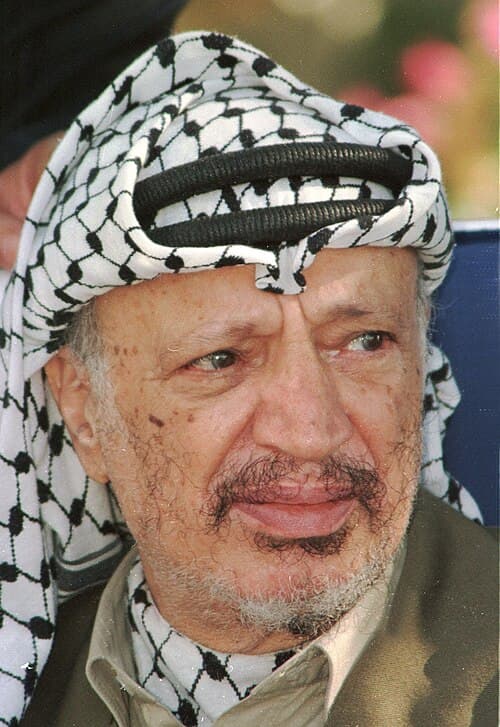
Yasser Arafat
PERSON8 w/ Danny·13 w/ Negev
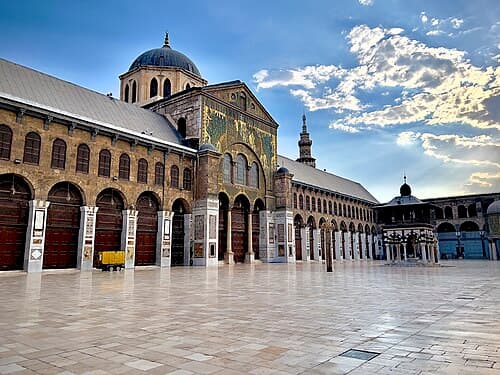
Damascus
LOCATION8 w/ Danny·13 w/ Negev
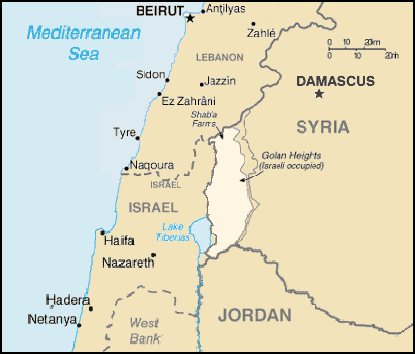
the Golan Heights
LOCATION8 w/ Danny·12 w/ Negev
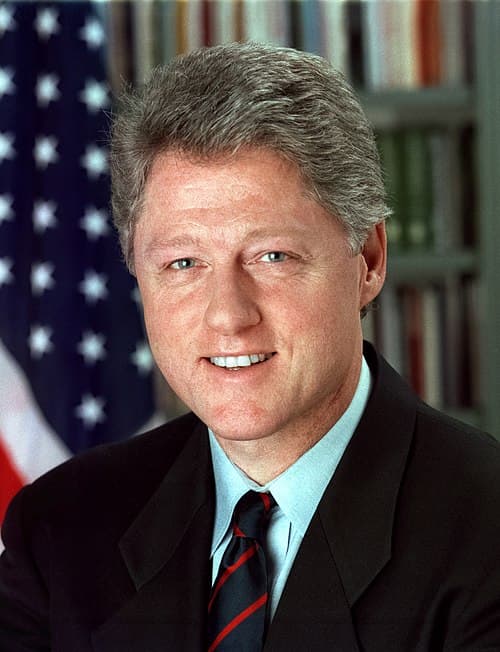
Bill Clinton
PERSON6 w/ Danny·14 w/ Negev
Sinai
LOCATION8 w/ Danny·12 w/ Negev
Knesset
ORGANIZATION8 w/ Danny·12 w/ Negev
the Jordan River
LOCATION8 w/ Danny·12 w/ Negev
Haifa
LOCATION8 w/ Danny·11 w/ Negev
Golan
LOCATION8 w/ Danny·11 w/ Negev
Yitzhak Rabin
PERSON7 w/ Danny·12 w/ Negev
Hosni Mubarak
PERSON6 w/ Danny·13 w/ Negev
Ehud Barak
PERSON8 w/ Danny·11 w/ Negev
West Bank
LOCATION6 w/ Danny·12 w/ Negev
Bashar al-Assad
PERSON6 w/ Danny·12 w/ Negev