Back to Network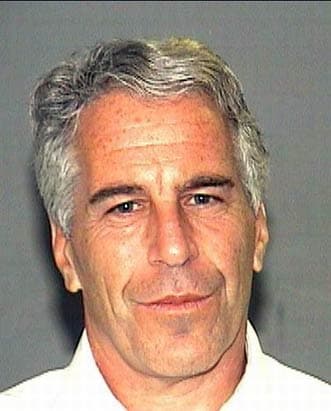



9
Shared Docs
9
Same-Page
10 / 9
Mentions
Document Mentions (9 shared documents)
3 mentions1 same-page
Page ?Same page
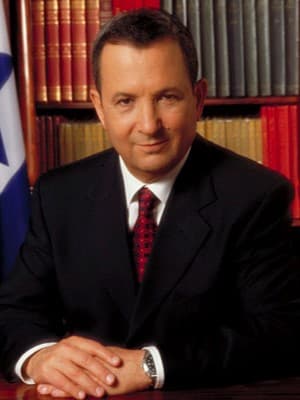
plenty of cause for frustration. The case against Barak usually starts with his abandonment of Labor -- even though other Israeli leaders (such as Sharon and Olmert) have ditched their parties and not suffered for it. It then moves on to his strategic blunders -- although here, too, he is hardly alon
en it works, it's brilliant. When it fails, it collapses horribly" -- as did Barak's grand peace overtures, his decision as prime minister to spurn Sharon's offer and seek early elections, and his move to split Labor. Barak's history also reveals a profound lack of concern for ideological consistency
hic time bomb facing the Jewish state. Israel, he said, is heading into "a historic tragedy" in the West Bank: "The painful reality is that between the Jordan River and the sea, we have 12 million people: 7.5 [million] Israelis and 4.5 million Palestinians. If over this ground, there is only one sovereign, call
2 mentions1 same-page
Page ?Same page
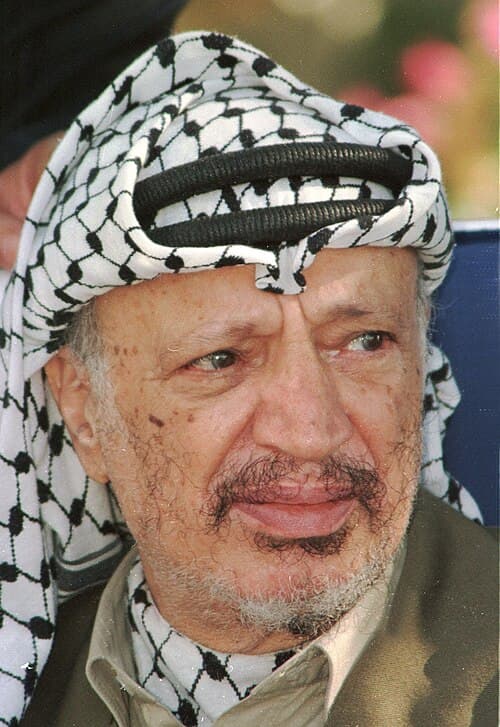
decade later, the idea would suddenly resurface. In my first meeting, as a newly promoted Major General, with our then Defence Minister Ariel Sharon, Sharon turned to me and the army’s Chief of Staff, Rafael Eitan, and said: “Tell me. Why the hell is Arafat still alive?” He looked first at Raful, then at
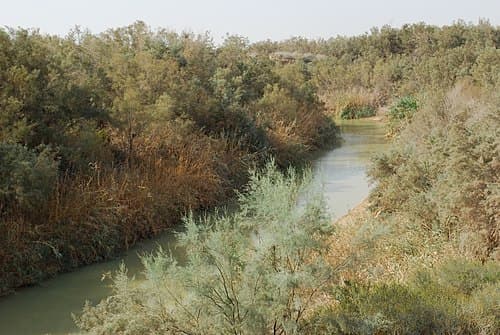
IGHT_011557 Tension began building in the north in the spring of 1967, initially set off by Syrian efforts to divert water from the upper reaches of the Jordan River, an important water source for Israel was well. In a series of exchanges, Syrian troops on the Golan fired on Israeli tractors in the demilitarized z
2 mentions1 same-page
Page ?Same page
7. So during the last, decisive 10 days of the war, I would witness first-hand the tension among our top commanders in the Sinai, especially between Sharon and Gorodish, since Arik wasted few opportunities to suggest, rightly but not always helpfully, that his successor was woefully out of his depth. I w
assignment was to block the southern entrance to Karameh as the Israeli armored force advanced. But we got bogged down in mud as we made our way from the Jordan River. By the time we arrived, hundreds of Arafat’s men had already fled the area. Arafat, too, had escaped, on the back of a motorcycle. By the time the
Sponsored
2 mentions1 same-page
Page ?Same page
med to agree. Notably, Yitzhak Rabin. He was no longer in government, nor even in charge of Labor. But he had always had a soft spot for Arik, as did Sharon for him. With uneasiness, questions and outright criticism of the siege building both internationally and inside Israel, Arik got Rabin to helicopter
f fire in the late 1950s were provoked by Israel.” I didn’t respond directly, though I did note it was the Syrians who had tried to divert water from the Jordan River in the early fifties. “You did it first,” he retorted. So it continued. Only later did we learn that while Muallem had sent back a generally encourag
2 mentions1 same-page
Page ?Same page
ons be imposed, and Shlomo agreed. The first was that the visit not occur on a Friday, when the mosques would be full of worshipers; the second, that Sharon not set foot in either of the mosques on the Haram. Our chief of police informed Sharon that if he didn’t accept the conditions, we’d deny him permis
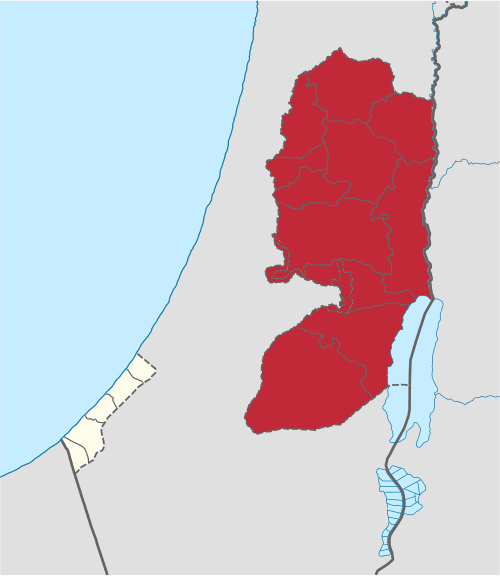
st Jerusalem, I expected to be able to retain Israeli sovereignty over the city. The third principle was that there would be “no foreign army west of the Jordan River.” In other words, if we did hand back at least the major part of the West Bank, it would be demilitarized and we would have security control over the
2 mentions1 same-page
Page ?Same page
decade later, the idea would suddenly resurface. In my first meeting, as a newly promoted Major General, with our then Defence Minister Ariel Sharon, Sharon turned to me and the army’s Chief of Staff, Rafael Eitan, and said: “Tell me. Why the hell is Arafat still alive?” He looked first at Raful, then at
IGHT_027934 Tension began building in the north in the spring of 1967, initially set off by Syrian efforts to divert water from the upper reaches of the Jordan River, an important water source for Israel was well. In a series of exchanges, Syrian troops on the Golan fired on Israeli tractors in the demilitarized z
Sponsored
2 mentions1 same-page
Page ?Same page
67. So during the last, decisive 10 days of the war, I would witness first-hand the tension among our top commanders in the Sinai, especially between Sharon and Gorodish, since Arik wasted few opportunities to suggest, rightly but not always helpfully, that his successor was woefully out of his depth. I w
assignment was to block the southern entrance to Karameh as the Israeli armored force advanced. But we got bogged down in mud as we made our way from the Jordan River. By the time we arrived, hundreds of Arafat's men had already fled the area. Arafat, too, had escaped, on the back of a motorcycle. By the time the f
2 mentions1 same-page
Page ?Same page
med to agree. Notably, Yitzhak Rabin. He was no longer in government, nor even in charge of Labor. But he had always had a soft spot for Arik, as did Sharon for him. With uneasiness, questions and outright criticism of the siege building both internationally and inside Israel, Arik got Rabin to helicopter
f fire in the late 1950s were provoked by Israel." I didn't respond directly, though I did note it was the Syrians who had tried to divert water from the Jordan River in the early fifties. "You did it first," he retorted. So it continued. Only later did we learn that while Muallem had sent back a generally encourag
2 mentions1 same-page
Page ?Same page
ons be imposed, and Shlomo agreed. The first was that the visit not occur on a Friday, when the mosques would be full of worshipers; the second, that Sharon not set foot in either of the mosques on the Haram. Our chief of police informed Sharon that if he didn't accept the conditions, we'd deny him permis
st Jerusalem, I expected to be able to retain Israeli sovereignty over the city. The third principle was that there would be "no foreign army west of the Jordan River." In other words, if we did hand back at least the major part of the West Bank, it would be demilitarized and we would have security control over the
Sponsored
Mutual Connections (995)
Entities connected to both Sharon and the Jordan River
Jeffrey Epstein
PERSON91 w/ Sharon·4 w/ the
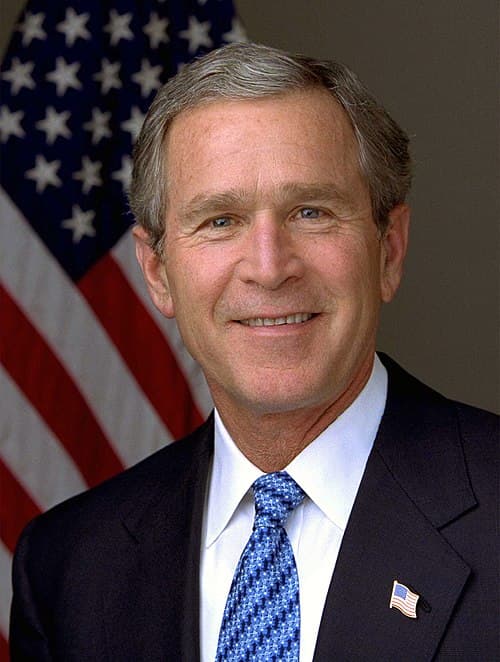
George W. Bush
PERSON32 w/ Sharon·21 w/ the
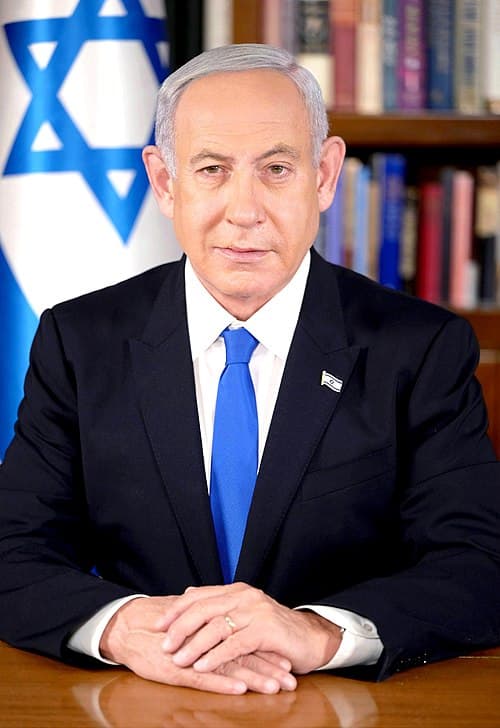
Benjamin Netanyahu
PERSON20 w/ Sharon·23 w/ the
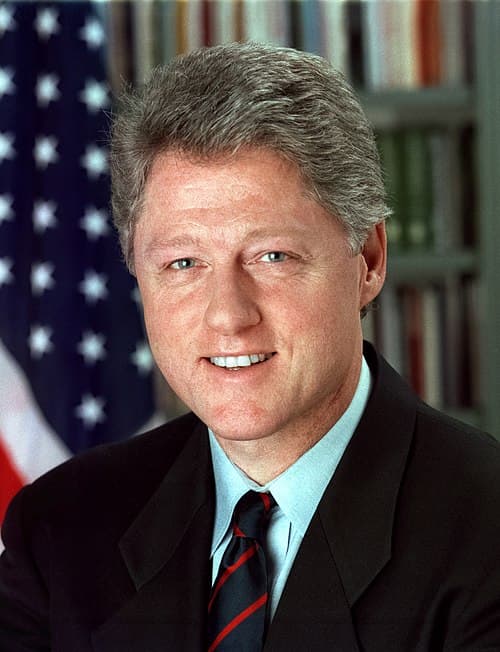
Bill Clinton
PERSON26 w/ Sharon·14 w/ the
Marc Rich
PERSON29 w/ Sharon·10 w/ the
Jerusalem
LOCATION18 w/ Sharon·20 w/ the
Chris Christie
PERSON35 w/ Sharon·3 w/ the
Barack Obama
PERSON17 w/ Sharon·20 w/ the
Lebanon
LOCATION16 w/ Sharon·20 w/ the
United States
LOCATION21 w/ Sharon·15 w/ the
Fatah
ORGANIZATION16 w/ Sharon·18 w/ the
Ehud Barak
PERSON20 w/ Sharon·13 w/ the
Bashar al-Assad
PERSON12 w/ Sharon·19 w/ the
Yasser Arafat
PERSON15 w/ Sharon·15 w/ the
Damascus
LOCATION14 w/ Sharon·15 w/ the
West Bank
LOCATION13 w/ Sharon·15 w/ the
Hosni Mubarak
PERSON11 w/ Sharon·15 w/ the
the West Bank
LOCATION12 w/ Sharon·14 w/ the
LB
Leon Black
PERSON22 w/ Sharon·4 w/ the
Shimon Peres
PERSON13 w/ Sharon·13 w/ the