Back to Network





5
Shared Docs
5
Same-Page
6 / 5
Mentions
Document Mentions (5 shared documents)
3 mentions1 same-page
Page ?Same page
plenty of cause for frustration. The case against Barak usually starts with his abandonment of Labor -- even though other Israeli leaders (such as Sharon and Olmert) have ditched their parties and not suffered for it. It then moves on to his strategic blunders -- although here, too, he is hardly alon
en it works, it's brilliant. When it fails, it collapses horribly" -- as did Barak's grand peace overtures, his decision as prime minister to spurn Sharon's offer and seek early elections, and his move to split Labor. Barak's history also reveals a profound lack of concern for ideological consistency
entral Tel Aviv, "I am a man of action -- I never hesitate to take action." "I follow, and am very committed to, the tradition of Yitzhak Rabin and David Ben-Gurion [Israel's founding father]," he said, pointing to their portraits on his office wall, "because their approach was to always be open-eyed and wholly
2 mentions1 same-page
Page ?Same page
decade later, the idea would suddenly resurface. In my first meeting, as a newly promoted Major General, with our then Defence Minister Ariel Sharon, Sharon turned to me and the army’s Chief of Staff, Rafael Eitan, and said: “Tell me. Why the hell is Arafat still alive?” He looked first at Raful, then at
on our doorstep. Keeping that strength, developing it and modernizng it, are obviously critically important. But as Israel’s founding Prime Minister, David Ben-Gurion, used to say, the success of Zionism, and of the Israeli state, required two things: strength and “righteousness.” He didn’t mean the word in purely
2 mentions1 same-page
Page ?Same page
7. So during the last, decisive 10 days of the war, I would witness first-hand the tension among our top commanders in the Sinai, especially between Sharon and Gorodish, since Arik wasted few opportunities to suggest, rightly but not always helpfully, that his successor was woefully out of his depth. I w
the first sign that June 27, 1976 would be any different came shortly after noon. It was an urgent message from Lod Airport, now renamed in honor of David Ben-Gurion, who passed away after the 1973 war. Radio contact had been lost with Air France Flight 139 from Tel Aviv to Paris, shortly after a stopover in Athen
Sponsored
2 mentions1 same-page
Page ?Same page
decade later, the idea would suddenly resurface. In my first meeting, as a newly promoted Major General, with our then Defence Minister Ariel Sharon, Sharon turned to me and the army’s Chief of Staff, Rafael Eitan, and said: “Tell me. Why the hell is Arafat still alive?” He looked first at Raful, then at
on our doorstep. Keeping that strength, developing it and modernizng it, are obviously critically important. But as Israel’s founding Prime Minister, David Ben-Gurion, used to say, the success of Zionism, and of the Israeli state, required two things: strength and “righteousness.” He didn’t mean the word in purely
2 mentions1 same-page
Page ?Same page
67. So during the last, decisive 10 days of the war, I would witness first-hand the tension among our top commanders in the Sinai, especially between Sharon and Gorodish, since Arik wasted few opportunities to suggest, rightly but not always helpfully, that his successor was woefully out of his depth. I w
the first sign that June 27, 1976 would be any different came shortly after noon. It was an urgent message from Lod Airport, now renamed in honor of David Ben-Gurion, who passed away after the 1973 war. Radio contact had been lost with Air France Flight 139 from Tel Aviv to Paris, shortly after a stopover in Athen
Sponsored
Mutual Connections (692)
Entities connected to both Sharon and David Ben-Gurion
Jeffrey Epstein
PERSON91 w/ Sharon·10 w/ David
George W. Bush
PERSON32 w/ Sharon·16 w/ David
Benjamin Netanyahu
PERSON20 w/ Sharon·25 w/ David
Marc Rich
PERSON29 w/ Sharon·11 w/ David
Bill Clinton
PERSON26 w/ Sharon·12 w/ David
Lebanon
LOCATION16 w/ Sharon·21 w/ David
Barack Obama
PERSON17 w/ Sharon·20 w/ David
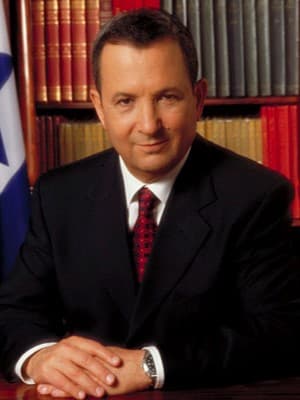
Ehud Barak
PERSON20 w/ Sharon·17 w/ David
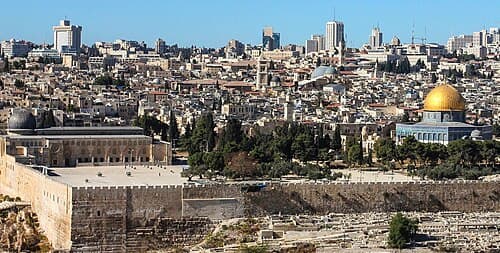
Jerusalem
LOCATION18 w/ Sharon·17 w/ David
United States
LOCATION21 w/ Sharon·13 w/ David
Fatah
ORGANIZATION16 w/ Sharon·14 w/ David
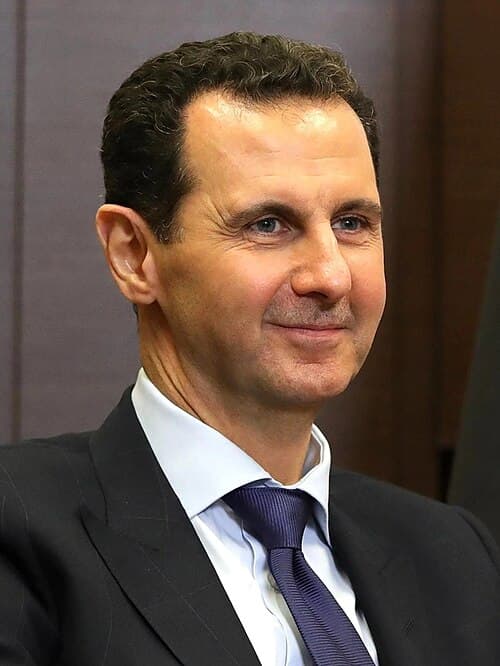
Bashar al-Assad
PERSON12 w/ Sharon·17 w/ David
LB
Leon Black
PERSON22 w/ Sharon·6 w/ David
Richard Kahn
PERSON26 w/ Sharon·2 w/ David
Damascus
LOCATION14 w/ Sharon·13 w/ David
Yasser Arafat
PERSON15 w/ Sharon·12 w/ David
Shimon Peres
PERSON13 w/ Sharon·13 w/ David
Saddam Hussein
PERSON9 w/ Sharon·17 w/ David
the West Bank
LOCATION12 w/ Sharon·13 w/ David
West Bank
LOCATION13 w/ Sharon·12 w/ David