Back to Network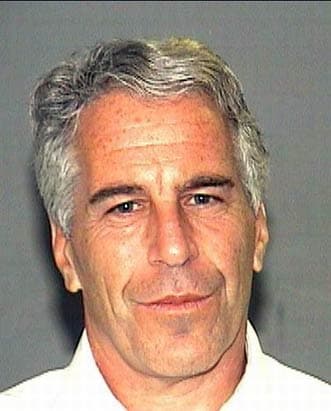

9
Shared Docs
8
Same-Page
9 / 9
Mentions
Document Mentions (9 shared documents)
2 mentions1 same-page
Page ?Same page
was intolerable." After six days of war, a cease-fire was agreed. However, at that time our troops had not yet succeeded in surrounding Beirut. So Sharon broke the cease-fire to cut the vital Beirut-Damascus highway. The present crisis in the "peace process" was caused by the Israeli government's br
ian Liberation Organization and the Prime Minister of the State of Israel exchanged letters of mutual recognition. Yasser Arafat recognized Israel, Yitzhak Rabin recognized the PLO as the representative of the Palestinian people. Today's younger generation (on both sides) cannot realize the huge significanc
2 mentions1 same-page
Page ?Same page
decade later, the idea would suddenly resurface. In my first meeting, as a newly promoted Major General, with our then Defence Minister Ariel Sharon, Sharon turned to me and the army’s Chief of Staff, Rafael Eitan, and said: “Tell me. Why the hell is Arafat still alive?” He looked first at Raful, then at
a motorcycle. It would be nearly three decades before the two of us actually met — shortly after the assassination of my longtime comrade and friend Yitzhak Rabin, when I had become Foreign Minister under Shimon Peres. But in the intervening years, Arafat was rarely off of my radar. By the early 1970s, he and h
2 mentions1 same-page
Page ?Same page
7. So during the last, decisive 10 days of the war, I would witness first-hand the tension among our top commanders in the Sinai, especially between Sharon and Gorodish, since Arik wasted few opportunities to suggest, rightly but not always helpfully, that his successor was woefully out of his depth. I w
ing replacements who were sufficiently experienced, but did not bear responsibility for the errors of the war. For Prime Minister, the choice fell on Yitzhak Rabin. He had strong military credentials, of course. But he had left the army and entered politics, and had been out of Israel for several years as Israel
Sponsored
2 mentions1 same-page
Page ?Same page
med to agree. Notably, Yitzhak Rabin. He was no longer in government, nor even in charge of Labor. But he had always had a soft spot for Arik, as did Sharon for him. With uneasiness, questions and outright criticism of the siege building both internationally and inside Israel, Arik got Rabin to helicopter
uld stay put. On that, I thought Ank was probably right. Other Israeli generals with far more experience, and weight, also seemed to agree. Notably, Yitzhak Rabin. He was no longer in government, nor even in charge of Labor. But he had always had a soft spot for Arik, as did Sharon for him. With uneasiness, que
2 mentions1 same-page
Page ?Same page
ons be imposed, and Shlomo agreed. The first was that the visit not occur on a Friday, when the mosques would be full of worshipers; the second, that Sharon not set foot in either of the mosques on the Haram. Our chief of police informed Sharon that if he didn’t accept the conditions, we’d deny him permis
share Labor’s vision of a socially just and democratic Israel. Especially after seeing far-right rabbis egg on the fanaticism that ultimately killed Yitzhak Rabin, I felt strongly that we needed to separate organized religion from our day-to-day politics. But I’d been raised with a deeper respect for our Jewish
2 mentions1 same-page
Page ?Same page
decade later, the idea would suddenly resurface. In my first meeting, as a newly promoted Major General, with our then Defence Minister Ariel Sharon, Sharon turned to me and the army’s Chief of Staff, Rafael Eitan, and said: “Tell me. Why the hell is Arafat still alive?” He looked first at Raful, then at
a motorcycle. It would be nearly three decades before the two of us actually met — shortly after the assassination of my longtime comrade and friend Yitzhak Rabin, when I had become Foreign Minister under Shimon Peres. But in the intervening years, Arafat was rarely off of my radar. By the early 1970s, he and h
Sponsored
2 mentions1 same-page
Page ?Same page
67. So during the last, decisive 10 days of the war, I would witness first-hand the tension among our top commanders in the Sinai, especially between Sharon and Gorodish, since Arik wasted few opportunities to suggest, rightly but not always helpfully, that his successor was woefully out of his depth. I w
ing replacements who were sufficiently experienced, but did not bear responsibility for the errors of the war. For Prime Minister, the choice fell on Yitzhak Rabin. He had strong military credentials, of course. But he had left the army and entered politics, and had been out of Israel for several years as Israel
2 mentions1 same-page
Page ?Same page
med to agree. Notably, Yitzhak Rabin. He was no longer in government, nor even in charge of Labor. But he had always had a soft spot for Arik, as did Sharon for him. With uneasiness, questions and outright criticism of the siege building both internationally and inside Israel, Arik got Rabin to helicopter
uld stay put. On that, I thought Arik was probably right. Other Israeli generals with far more experience, and weight, also seemed to agree. Notably, Yitzhak Rabin. He was no longer in government, nor even in charge of Labor. But he had always had a soft spot for Arik, as did Sharon for him. With uneasiness, que
Page HOUSE_OVERSIGHT_023140
r 1998) 356 Sharm el-Sheikh Memorandum (4 September 1999) 358 Protocol Concerning Safe Passage between West Bank and Gaza Strip (5 October 1999) 363 Sharon Address at Fourth Herzliya Conference (18 December 2003) 371 Exchange of Letters between PM Sharon and President Bush (14 April 2004) 376 Disengage
Page: HOUSE_OVERSIGHT_023140 →Page HOUSE_OVERSIGHT_023154
ordanian delegation. UN General Assembly Resolution 46/86 (Zionism-Racism). Formal dissolution of the USSR. Israeli Labor Party wins the elections. Yitzhak Rabin becomes Prime Minister. Secret Israeli-PLO talks begin in Oslo, and develop into full-scale official negotiations in May that year. Secret signing
Page: HOUSE_OVERSIGHT_023154 →Sponsored
Mutual Connections (926)
Entities connected to both Sharon and Yitzhak Rabin
Jeffrey Epstein
PERSON91 w/ Sharon·11 w/ Yitzhak
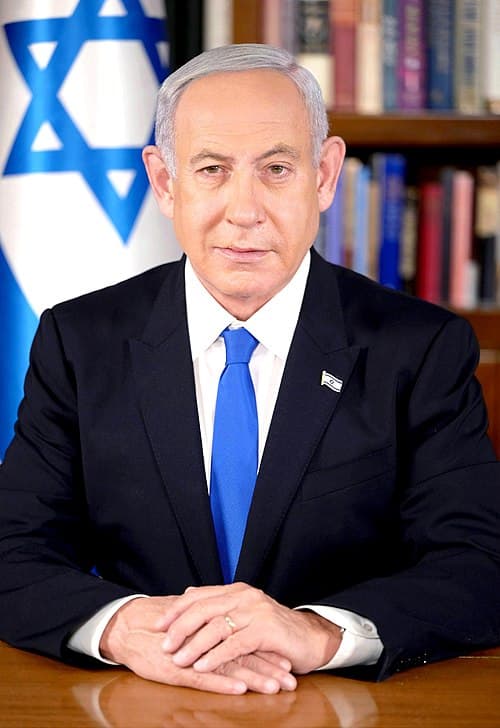
Benjamin Netanyahu
PERSON20 w/ Sharon·32 w/ Yitzhak
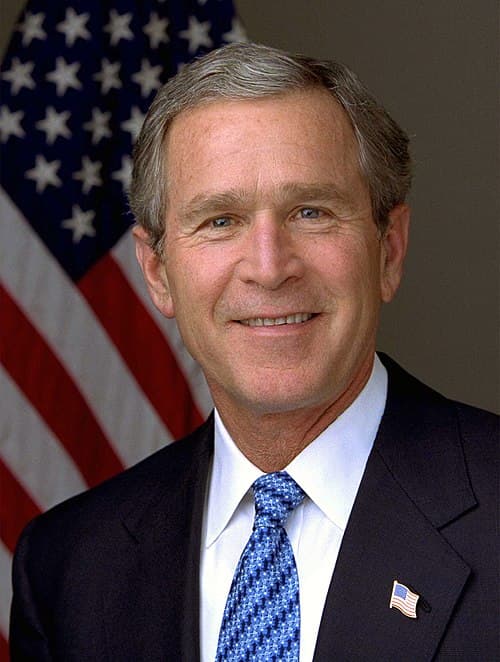
George W. Bush
PERSON32 w/ Sharon·20 w/ Yitzhak
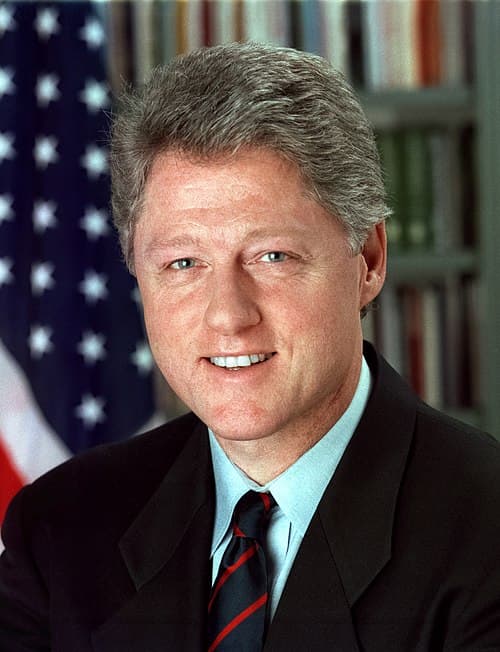
Bill Clinton
PERSON26 w/ Sharon·23 w/ Yitzhak
Jerusalem
LOCATION18 w/ Sharon·26 w/ Yitzhak
United States
LOCATION21 w/ Sharon·22 w/ Yitzhak
Barack Obama
PERSON17 w/ Sharon·25 w/ Yitzhak
Lebanon
LOCATION16 w/ Sharon·25 w/ Yitzhak
Ehud Barak
PERSON20 w/ Sharon·19 w/ Yitzhak
Marc Rich
PERSON29 w/ Sharon·9 w/ Yitzhak
Yasser Arafat
PERSON15 w/ Sharon·23 w/ Yitzhak
Chris Christie
PERSON35 w/ Sharon·3 w/ Yitzhak
Fatah
ORGANIZATION16 w/ Sharon·22 w/ Yitzhak
Bashar al-Assad
PERSON12 w/ Sharon·24 w/ Yitzhak
Damascus
LOCATION14 w/ Sharon·22 w/ Yitzhak
Shimon Peres
PERSON13 w/ Sharon·20 w/ Yitzhak
Rabin
PERSON10 w/ Sharon·22 w/ Yitzhak
Hosni Mubarak
PERSON11 w/ Sharon·20 w/ Yitzhak
West Bank
LOCATION13 w/ Sharon·17 w/ Yitzhak
LB
Leon Black
PERSON22 w/ Sharon·7 w/ Yitzhak