Back to Network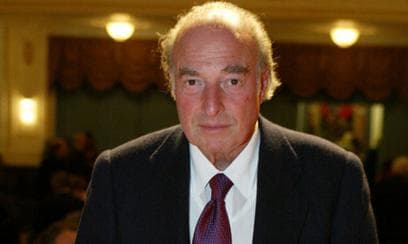
5
Shared Docs
5
Same-Page
5 / 5
Mentions
Document Mentions (5 shared documents)
2 mentions1 same-page
Page ?Same page
of many of Western civilization's most prominent contributors to philosophy, theology, mathematics, science, music, poetry, and literature, such as Aristotle, Shakespeare, Descartes, and Einstein. In line with the views of the program's founders— who complained of "vocational interests" that "clutter" othe
lization's most prominent contributors to philosophy, theology, mathematics, science, music, poetry, and literature, such as Aristotle, Shakespeare, Descartes, and Einstein. In line with the views of the program's founders— who complained of "vocational interests" that "clutter" other colleges' curricula—"J
2 mentions1 same-page
Page ?Same page
nt of the student council and captain of the debate team. Reading became my passion: literature (Dostoyevski, Shakespeare, Bellow); philosophy (Kant, Aristotle, Plato, Neitsche; history ( ) and politics ( ). Lloved arguing with my professors. One of my favorites was John Hope Franklin, the first African Amer
o us, and how we reacted to our experiences. Ideology is complex. Its causes are multifaceted and rarely subject to quantification. The philosopher, Descartes, who famously said, “I think therefore I am” got it backwards. I am—I was, I will be—therefore I think what I think. The ability to think is inborn—a
2 mentions1 same-page
Page ?Same page
and decision making, they are the best learners in the universe. Much of the process of turning data into theories happens before we are five. Since Aristotle and Plato, there have been two basic ways of addressing the problem of how we know what we know, and they are still the main approaches in machine le
it allowed us to make sense of the world around us, to plan ahead, and thus cope with all sorts of unexpected things in order to survive. However, as Descartes stated, we humans define our very existence by our ability to think. So it is not surprising that, in an anthropomorphic way, our fears about AI refl
Sponsored
2 mentions1 same-page
Page ?Same page
and decision making, they are the best learners in the universe. Much of the process of turning data into theories happens before we are five. Since Aristotle and Plato, there have been two basic ways of addressing the problem of how we know what we know, and they are still the main approaches in machine le
it allowed us to make sense of the world around us, to plan ahead, and thus cope with all sorts of unexpected things in order to survive. However, as Descartes stated, we humans define our very existence by our ability to think. So it is not surprising that, in an anthropomorphic way, our fears about AI refl
2 mentions1 same-page
Page ?Same page
in the same sense as Galileo, if by this term one describes those who tear down the dictates of the authorities who came before, as Galileo had for Aristotle. Einstein did just the opposite. He knew that rules that had been established on the basis of experiment could not easily be tossed aside, and it w
is motivation, but because of what he discovered. Newton was convinced that light was made of particles, which he re- ferred to as corpuscles, while Descartes, and later Newton's nemesis Robert Hooke, and still later the Dutch scientist Christiaan Huygens, all claimed that light was a wave. One of the key
Sponsored
Mutual Connections (440)
Entities connected to both Aristotle and Descartes
Marc Rich
PERSON13 w/ Aristotle·12 w/ Descartes
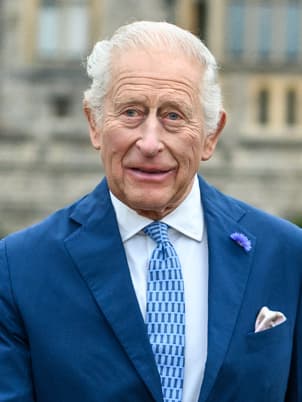
Prince Charles
PERSON14 w/ Aristotle·9 w/ Descartes
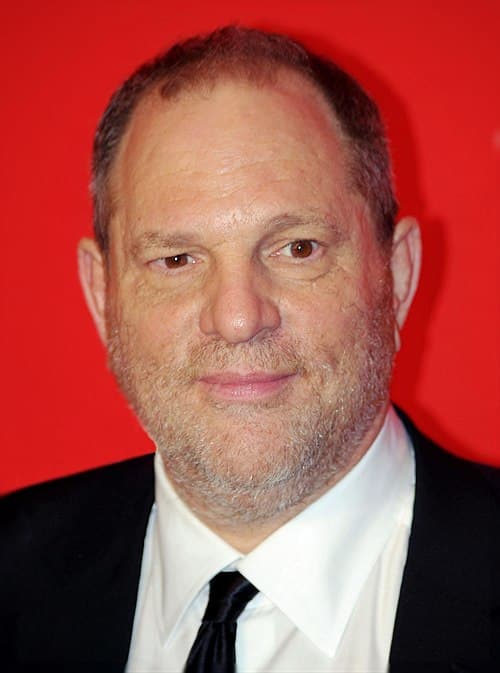
Harvey Weinstein
PERSON11 w/ Aristotle·8 w/ Descartes
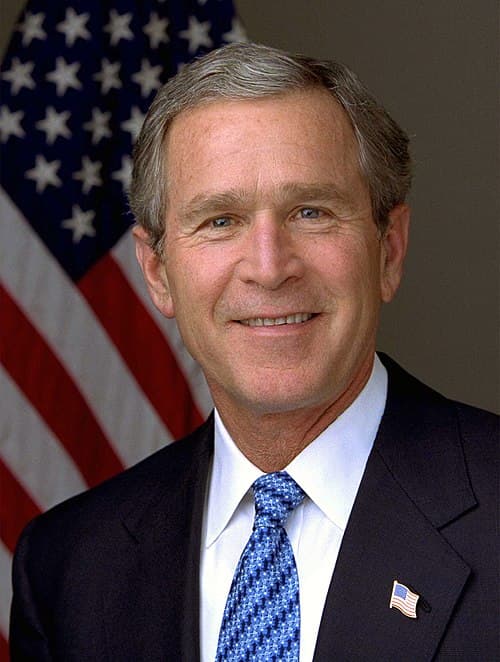
George W. Bush
PERSON13 w/ Aristotle·6 w/ Descartes
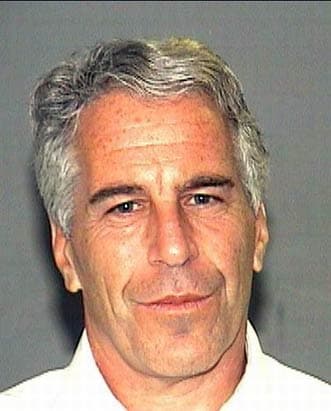
Jeffrey Epstein
PERSON10 w/ Aristotle·9 w/ Descartes
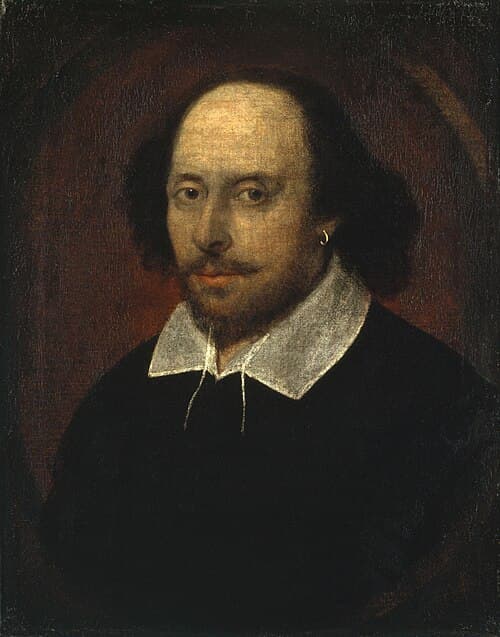
William Shakespeare
PERSON10 w/ Aristotle·8 w/ Descartes
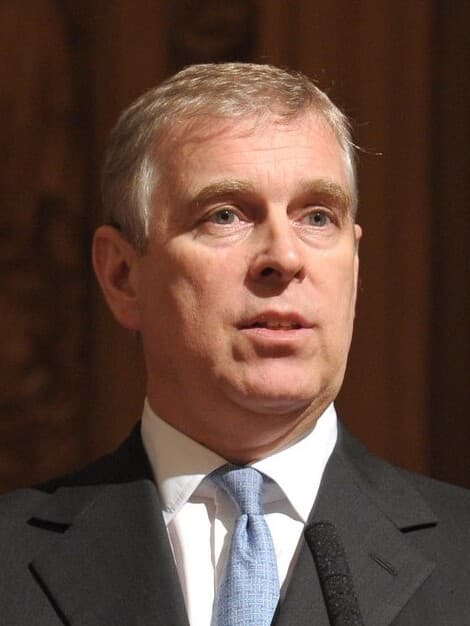
Prince Andrew
PERSON11 w/ Aristotle·7 w/ Descartes
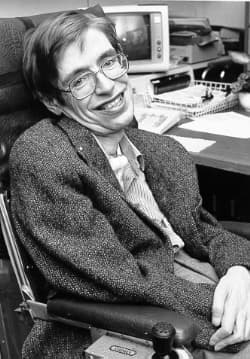
Stephen Hawking
PERSON13 w/ Aristotle·5 w/ Descartes
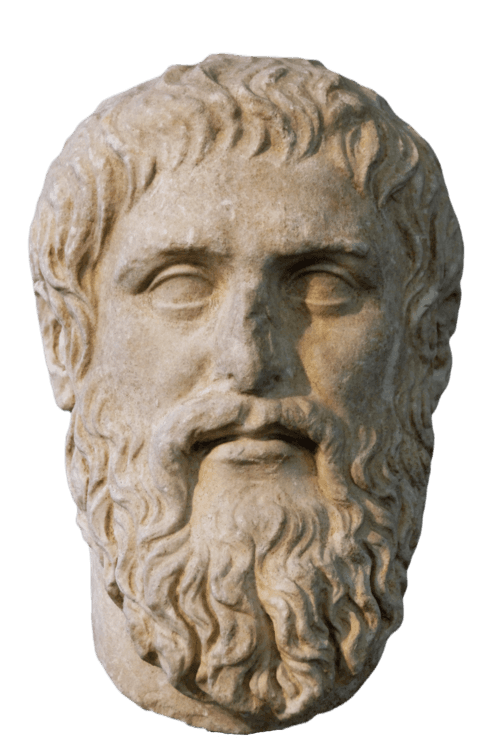
Plato
PERSON11 w/ Aristotle·6 w/ Descartes
Alan Dershowitz
PERSON12 w/ Aristotle·5 w/ Descartes
DB
Doug Band
PERSON9 w/ Aristotle·8 w/ Descartes
LB
Leon Black
PERSON10 w/ Aristotle·6 w/ Descartes
Julie K. Brown
PERSON10 w/ Aristotle·6 w/ Descartes
Samantha Power
PERSON9 w/ Aristotle·7 w/ Descartes
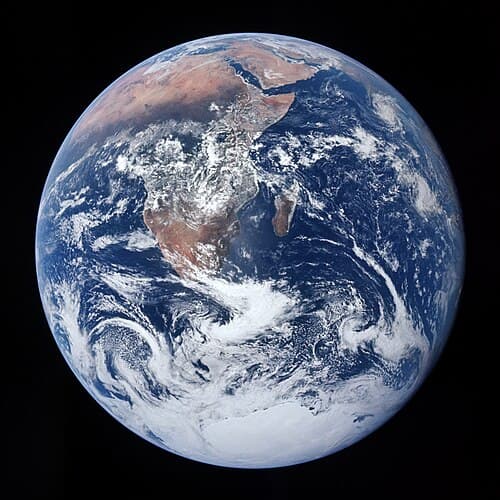
Earth
LOCATION11 w/ Aristotle·4 w/ Descartes
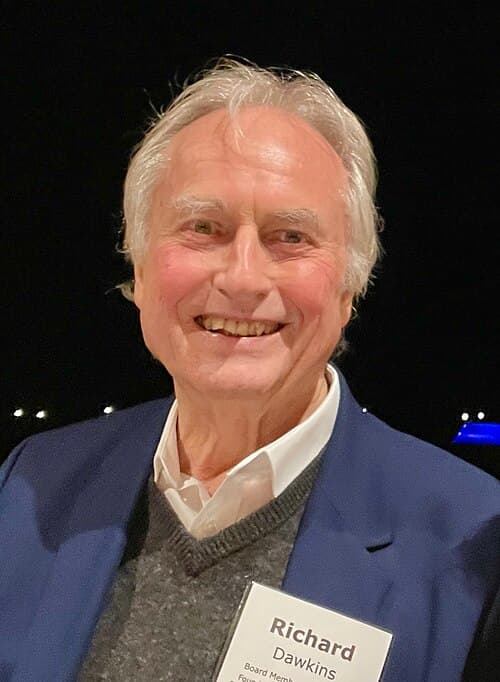
Richard Dawkins
PERSON10 w/ Aristotle·5 w/ Descartes
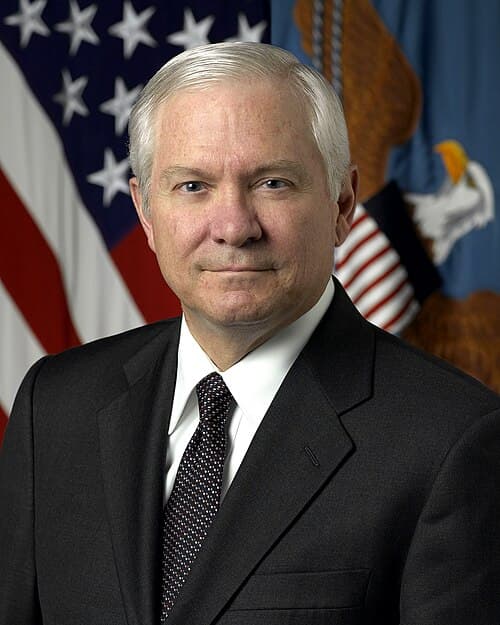
Robert Gates
PERSON8 w/ Aristotle·6 w/ Descartes
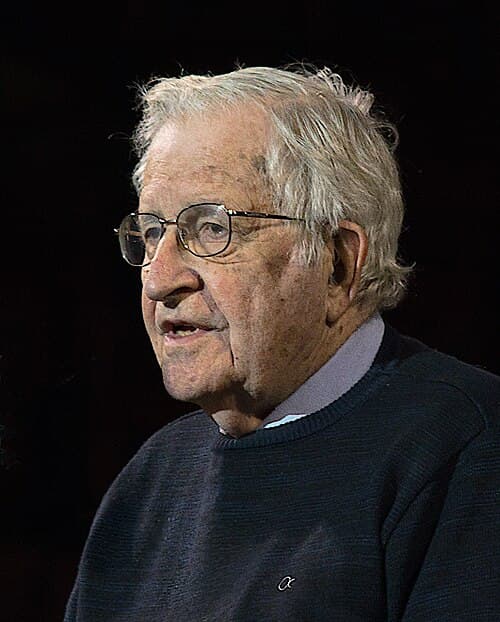
Noam Chomsky
PERSON6 w/ Aristotle·8 w/ Descartes
John F. Kennedy
PERSON6 w/ Aristotle·7 w/ Descartes
Barack Obama
PERSON10 w/ Aristotle·3 w/ Descartes