Back to Network









3
Shared Docs
3
Same-Page
5 / 3
Mentions
Document Mentions (3 shared documents)
3 mentions1 same-page
Page ?Same page
vailable for business to borrow and invest. But business lacked the “animal spirits” to take such a risk ina slump. We saw the same story after 2008. Keynes’ proposal was for government to do the borrowing and investing instead. That’s part of the “fiscal policy” I described in Chapter 1. Here we tend to
saving is invested, as I use the word, but finds different returns. Saving under the mattress is investment at zero return, and drops output just as Keynes said. Investment at the current average return keeps output unchanged. That’s what Keynes meant. But investment at lower returns lowers output, and c
which I accept but prefer to rephrase. I have traced Keynes’ argument and language on these points because | think it is now generally accepted by Keynesian and anti-Keynesian and neo-Keynesian schools alike. That’s why I think my own interpretation differs from a general Chapter 4 Mill’s Idea 1/11/16 5
3 mentions1 same-page
Page ?Same page
d their market value in return, as if on the books of a firm. Chapter 6: Parallels with the Firm 2/4/16 21 HOUSE_OVERSIGHT_011055 Marshall’s pupil Keynes was thoroughly a marginalist, as are economists in general today and as am I. One of the features of his General Theory of 1936 was a kind of double-
t the human capital of children. But Farr deserves credit for pointing out that human capital in general capitalizes pay less invested consumption. Keynes’ teacher Alfred Marshall agreed with Farr in 1990’. As I read this passage, Marshall interpreted maintenance consumption as investment. So did B. F.
ans. (I call myself a free market Democrat, whether or not that’s a contradiction in terms.) Freshwater views tend to oppose intervention, but accept Keynesian basic definitions and equations such as the Y =] +C doctrine and the distinction between “attempted saving” and investment. It is these I question.
2 mentions1 same-page
Page ?Same page
the players know that it is the Old Maid which is circulating, or that when the music stops some of the players will find themselves unseated." 3M Keynes [Keynes 1936] The following is a brief review of current research and emerging ideas within the field of liquidity. This section is something of a
persistent 'anomalies' as anomalies, ignoring raw data while retreating into the comforts of intellectual hypothesis, whether this be neoclassical, Keynesian, Marxian, behavioural or other. Even in areas such as post-Keynesian or behavioural economics, were data collection has become something of a fetish
Sponsored
Mutual Connections (51)
Entities connected to both Keynes and Keynesian
George W. Bush
PERSON19 w/ Keynes·2 w/ Keynesian
Marc Rich
PERSON18 w/ Keynes·3 w/ Keynesian
Prince Charles
PERSON13 w/ Keynes·2 w/ Keynesian
Alan Dershowitz
PERSON12 w/ Keynes·2 w/ Keynesian
Harvey Weinstein
PERSON11 w/ Keynes·3 w/ Keynesian
Ghislaine Maxwell
PERSON11 w/ Keynes·2 w/ Keynesian
CW
Courtney Wild
PERSON7 w/ Keynes·2 w/ Keynesian
William Shakespeare
PERSON6 w/ Keynes·2 w/ Keynesian
Ricardo
PERSON4 w/ Keynes·3 w/ Keynesian
FI
Fisher
PERSON5 w/ Keynes·2 w/ Keynesian
Malthus
PERSON4 w/ Keynes·3 w/ Keynesian
SC
Schultz
PERSON4 w/ Keynes·2 w/ Keynesian
Sraffa
PERSON4 w/ Keynes·2 w/ Keynesian
Thomas Piketty
PERSON4 w/ Keynes·2 w/ Keynesian
Milton Friedman
PERSON4 w/ Keynes·2 w/ Keynesian
Mincer
PERSON3 w/ Keynes·2 w/ Keynesian
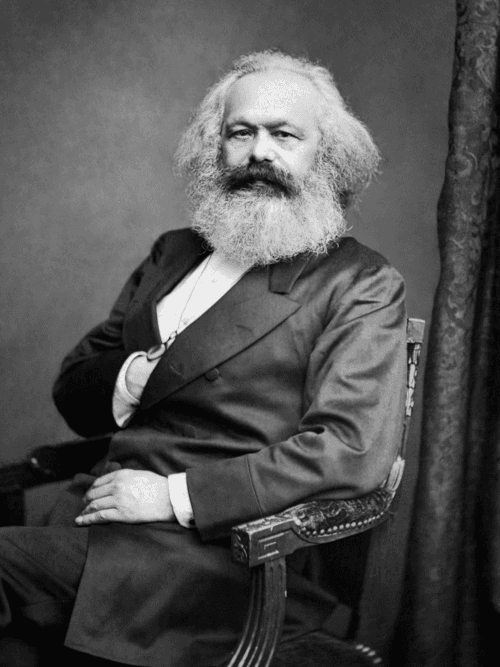
Karl Marx
PERSON3 w/ Keynes·2 w/ Keynesian
Jevons
PERSON3 w/ Keynes·2 w/ Keynesian
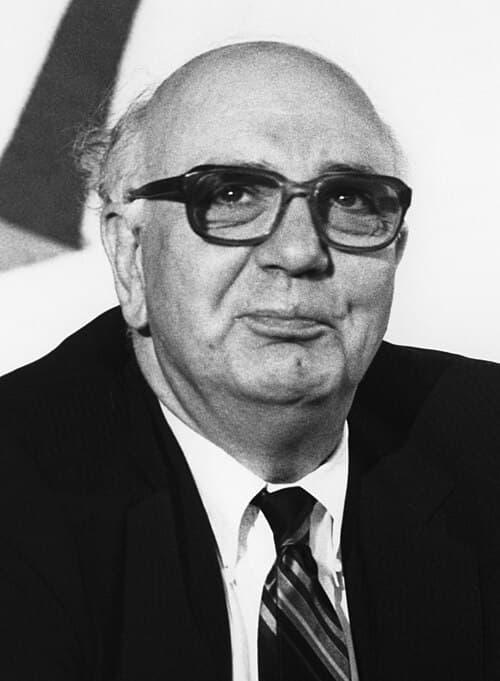
Paul Volcker
PERSON3 w/ Keynes·2 w/ Keynesian
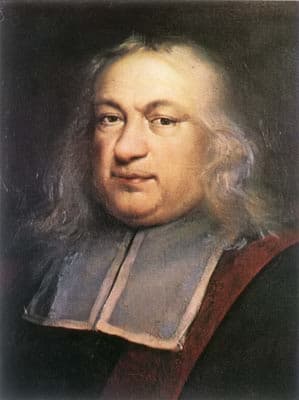
Fermat
PERSON3 w/ Keynes·2 w/ Keynesian