Back to Network











6
Shared Docs
6
Same-Page
12 / 6
Mentions
Document Mentions (6 shared documents)
3 mentions1 same-page
Page ?Same page
ssment report. Then, we’d join Motta’s operations meeting with the general staff, often attended by the man who’d followed Dayan as defense minister, Shimon Peres. The analysis of military intelligence included separate teams for Egypt and Syria, Jordan and Lebanon, Iraq and other neighboring states, as well a
chute assault off the Israeli coast in Haifa later in the day, but if that went well, it seemed the only practical alternative. Motta and I went met Peres around 8:30am. Shimon had no first-hand military experience, having played a political role alongside Ben-Gurion from Israel’s early years. So he was
s, flanked by Talik. Across from them was Manno Shaked, the officer who had phoned me to tell me about the Sabena hijacking and who had now succeeded Raful Eitan as katzhar, overall chief of the infantry and paratroopers. Beside him were the two Mossad officers with whom I’d had most of my dealings about Beiru
3 mentions1 same-page
Page ?Same page
July. Just as the trauma of the 1973 war had helped Begin end Likud’s three decades in opposition, the polls and the pundits were now suggesting that Shimon Peres might bring Labor back to power. There was no prospect he’d win an outright majority in the 120-seat Knesset. No one had ever done that, not even Ben
ng being used as our military headquarters in the south Lebanese city of Tyre, killing more than 60 people. Yet the election ended up as a near-tie. Peres did lead Labor back into top spot for the first time since Begin’s victory in 1977. But he got only 44 seats, to the Likud’s 41. After weeks of horse
ys later, it was ratified by the government. There was only one vote against, from a former chief of staff who was now Shamir’s Agriculture Minister: Raful Eitan. I was one of rare instances in all my years in the army when I took a step back, appreciating a moment which felt special. It was not only, or even
3 mentions1 same-page
Page ?Same page
e on a unity government. To my amusement, if not altogether to my surprise, I got word that Bibi was putting out separate political feelers to Shimon Peres. But before long, it became clear there was a specific political motivation behind his approaching me. It was indeed the peace process. But it wasn’t
Israel... A short time ago, I spoke with Prime Minister Netanyahu and thanked him for his service to the State of Israel.” Then — with both Leah and Shimon Peres at my side — I paid tribute to “that one special person who had a unique role in our reaching this moment — somebody who was my commander and guide,
ber one occasion when an air force general laid out the details of a planned helicopter-borne mission into Lebanon. I added a few remarks in summary. Raful Eitan and Arik Sharon were both ministers. Within seconds, they were peppering the general and me with questions. Why were the aircraft taking one route no
Sponsored
3 mentions1 same-page
Page ?Same page
ssment report. Then, we'd join Motta's operations meeting with the general staff, often attended by the man who'd followed Dayan as defense minister, Shimon Peres. The analysis of military intelligence included separate teams for Egypt and Syria, Jordan and Lebanon, Iraq and other neighboring states, as well as
achute assault off the Israeli coast in Haifa later in the day, but if that went well, it seemed the only practical alternative. Motta and I went met Peres around 8:30am. Shimon had no first-hand military experience, having played a political role alongside Ben-Gurion from Israel's early years. So he was
s, flanked by Talik. Across from them was Manno Shaked, the officer who had phoned me to tell me about the Sabena hijacking and who had now succeeded Raful Eitan as katzhar, overall chief of the infantry and paratroopers. Beside him were the two Mossad officers with whom I'd had most of my dealings about Beiru
3 mentions1 same-page
Page ?Same page
July. Just as the trauma of the 1973 war had helped Begin end Likud's three decades in opposition, the polls and the pundits were now suggesting that Shimon Peres might bring Labor back to power. There was no prospect he'd win an outright majority in the 120-seat Knesset. No one had ever done that, not even Ben
ing being used as our military headquarters in the south Lebanese city of Tyre, killing more than 60 people. Yet the election ended up as a near-tie. Peres did lead Labor back into top spot for the first time since Begin's victory in 1977. But he got only 44 seats, to the Likud's 41. After weeks of horse
ys later, it was ratified by the government. There was only one vote against, from a former chief of staff who was now Shamir's Agriculture Minister: Raful Eitan. I was one of rare instances in all my years in the army when I took a step back, appreciating a moment which felt special. It was not only, or even
3 mentions1 same-page
Page ?Same page
e on a unity government. To my amusement, if not altogether to my surprise, I got word that Bibi was putting out separate political feelers to Shimon Peres. But before long, it became clear there was a specific political motivation behind his approaching me. It was indeed the peace process. But it wasn't
Israel... A short time ago, I spoke with Prime Minister Netanyahu and thanked him for his service to the State of Israel." Then - with both Leah and Shimon Peres at my side - I paid tribute to "that one special person who had a unique role in our reaching this moment - somebody who was my commander and guide,
ber one occasion when an air force general laid out the details of a planned helicopter-borne mission into Lebanon. I added a few remarks in summary. Raful Eitan and Arik Sharon were both ministers. Within seconds, they were peppering the general and me with questions. Why were the aircraft taking one route no
Sponsored
Mutual Connections (704)
Entities connected to both Shimon Peres and Raful Eitan
George W. Bush
PERSON60 w/ Shimon·6 w/ Raful
United States
LOCATION48 w/ Shimon·4 w/ Raful
Benjamin Netanyahu
PERSON41 w/ Shimon·6 w/ Raful
Barack Obama
PERSON38 w/ Shimon·2 w/ Raful
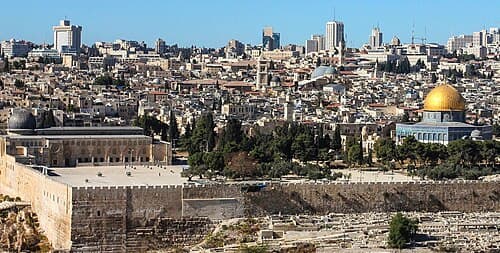
Jerusalem
LOCATION32 w/ Shimon·6 w/ Raful
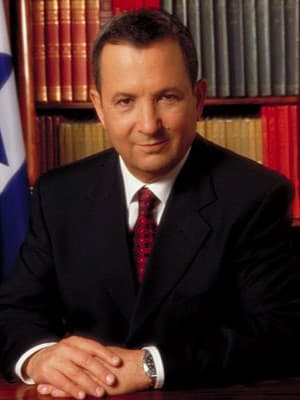
Ehud Barak
PERSON31 w/ Shimon·6 w/ Raful
Lebanon
LOCATION29 w/ Shimon·6 w/ Raful
Bashar al-Assad
PERSON30 w/ Shimon·4 w/ Raful
Bill Clinton
PERSON29 w/ Shimon·4 w/ Raful
Hosni Mubarak
PERSON29 w/ Shimon·4 w/ Raful
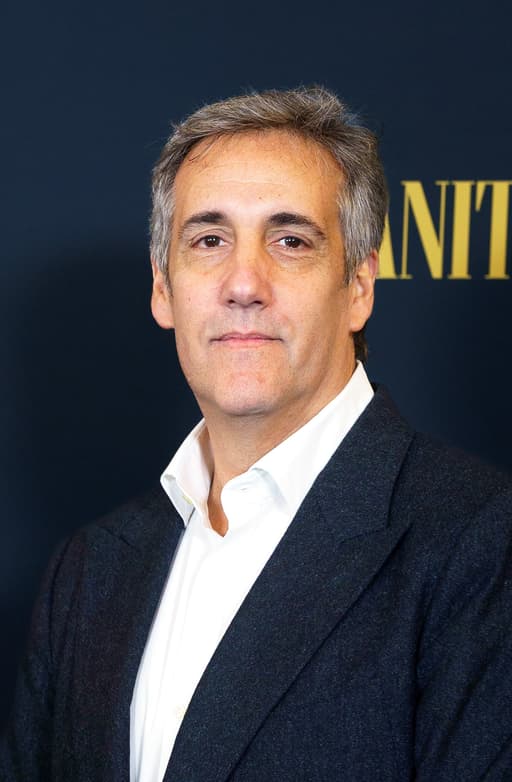
Michael Cohen
PERSON24 w/ Shimon·6 w/ Raful
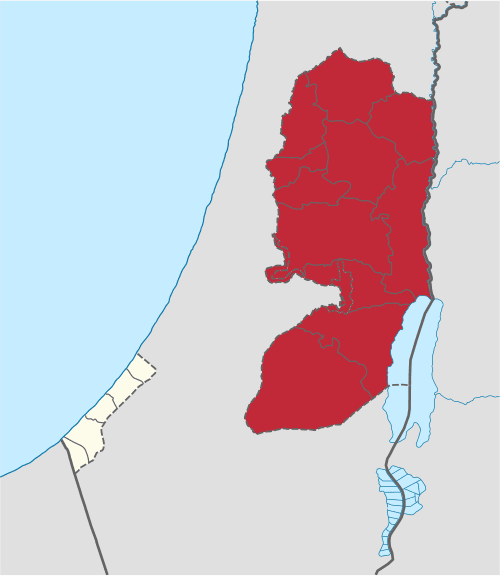
West Bank
LOCATION26 w/ Shimon·4 w/ Raful
Saddam Hussein
PERSON25 w/ Shimon·4 w/ Raful
Yasser Arafat
PERSON22 w/ Shimon·6 w/ Raful
Rabin
PERSON22 w/ Shimon·5 w/ Raful
Damascus
LOCATION20 w/ Shimon·6 w/ Raful
Cairo
LOCATION24 w/ Shimon·2 w/ Raful
the West Bank
LOCATION20 w/ Shimon·6 w/ Raful
Likud
ORGANIZATION20 w/ Shimon·6 w/ Raful
Sinai
LOCATION19 w/ Shimon·6 w/ Raful