Back to Network










4
Shared Docs
4
Same-Page
4 / 4
Mentions
Document Mentions (4 shared documents)
2 mentions1 same-page
Page ?Same page
d rules often part company. Yet, we all assume math- ematics is free of such uncertainty. Let me tell you this is not so. The brilliant mathematician Kurt Gédel proved see eee this when he was just 22, and his proof a es says something fundamental about the 4 rs /, : nature of knowledge. a has The story of h
, or even a physicist, could grasp! That thing is a Turing Machine. We will examine this next. HOUSE_OVERSIGHT_015898 Chapter 10 TURING’S MACHINE Alan Turing HOUSE_OVERSIGHT_015899 ‘A computer would deserve to be called intelligent if it could deceive a human into believing that it was human.” Alan Turi
2 mentions1 same-page
Page ?Same page
in Your Hand Number Quiz 1 Number Quiz 2 Donate a Random Number Which Number is Random Smallpox Virus Smallpox Child Chapter 9 Donald Rumsfeld Kurt Gédel, any Likeness is Accidental IAF Rule 164 PM Amazon Listing for PM 1+1 =2, PM (1) 1+1 = 2, PM (2) Konigsberg’s Bridges Peano Portrait Beer Mug, Ta
In the nearly hundred years of investigation since Wallas proposed this theorem, we have not moved much further forward in understanding creativity. Alan Turing described his thoughts on the science behind creativity in a short piece he wrote about decision making: “When making a decision of minor importance
2 mentions1 same-page
Page ?Same page
g to it. What was constraining to cybernetics was the presumption of an analogy of structure between the controller and the controlled. By the 1930s, Kurt Gédel, Alonzo Church, and Alan Turing had all described universal systems of computation, in which the computation required no structural analogy to functi
- reproducing systems. As an abstraction of life, he modeled a machine that can communicate a computation that constructs itself. And the final thing Alan Turing, who is credited with the theoretical framework for computer science, studied was how the instructions in genes can give rise to physical forms. Thes
Sponsored
Mutual Connections (402)
Entities connected to both Kurt Gédel and Alan Turing
Alan Dershowitz
PERSON4 w/ Kurt·34 w/ Alan
Stephen Hawking
PERSON4 w/ Kurt·27 w/ Alan
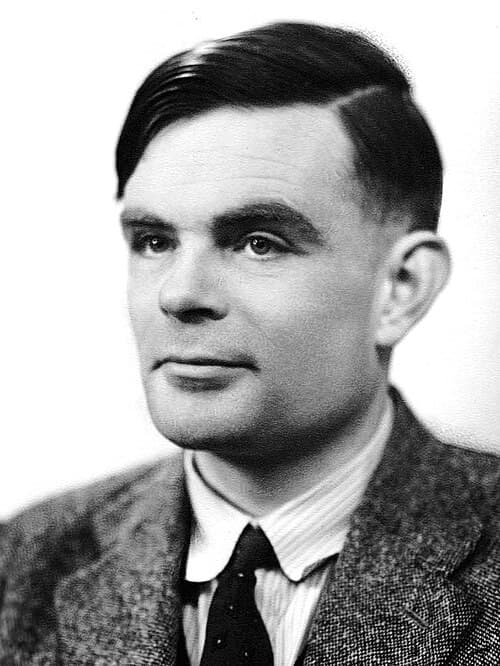
Turing
PERSON4 w/ Kurt·17 w/ Alan
George W. Bush
PERSON4 w/ Kurt·13 w/ Alan
Eric Trump
PERSON4 w/ Kurt·13 w/ Alan
Samantha Power
PERSON3 w/ Kurt·14 w/ Alan
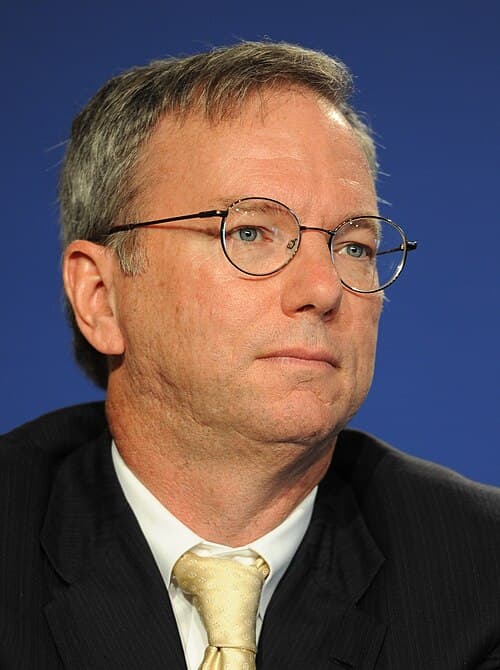
Eric Schmidt
PERSON3 w/ Kurt·13 w/ Alan
Prince Charles
PERSON2 w/ Kurt·14 w/ Alan
Prince Andrew
PERSON4 w/ Kurt·12 w/ Alan
Harvey Weinstein
PERSON4 w/ Kurt·12 w/ Alan
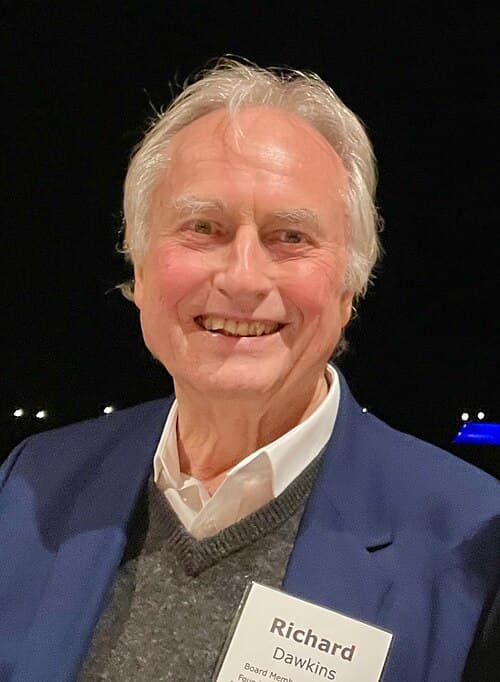
Richard Dawkins
PERSON3 w/ Kurt·12 w/ Alan
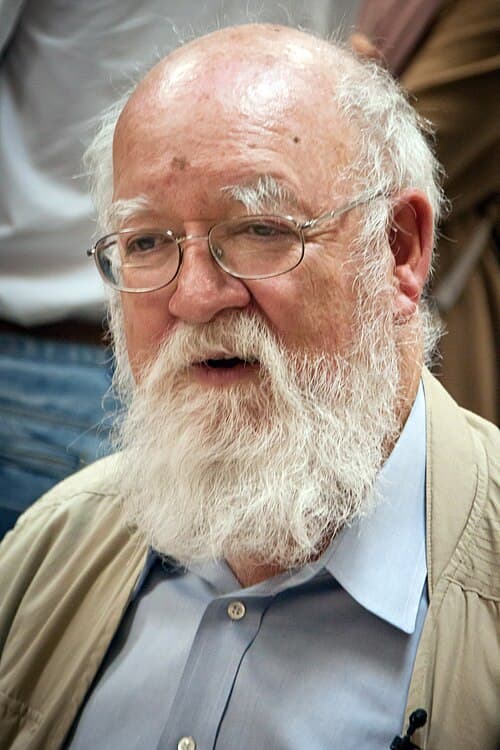
Daniel Dennett
PERSON4 w/ Kurt·10 w/ Alan
Marc Rich
PERSON3 w/ Kurt·10 w/ Alan
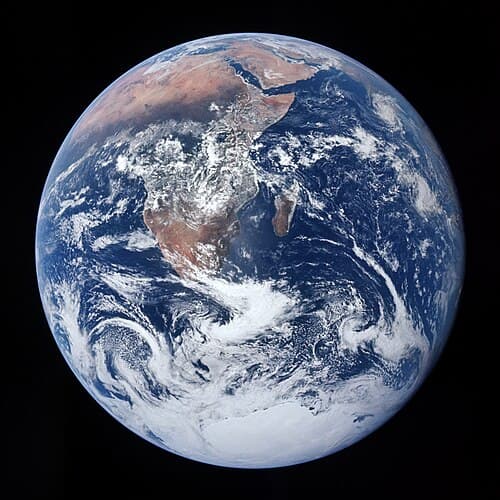
Earth
LOCATION3 w/ Kurt·10 w/ Alan
Quantum
ORGANIZATION4 w/ Kurt·9 w/ Alan
Penrose
PERSON2 w/ Kurt·11 w/ Alan
LB
Leon Black
PERSON4 w/ Kurt·9 w/ Alan
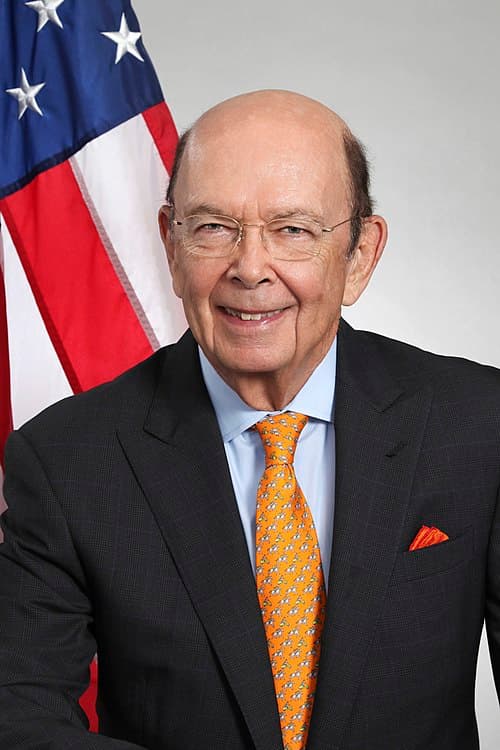
Wilbur Ross
PERSON3 w/ Kurt·9 w/ Alan
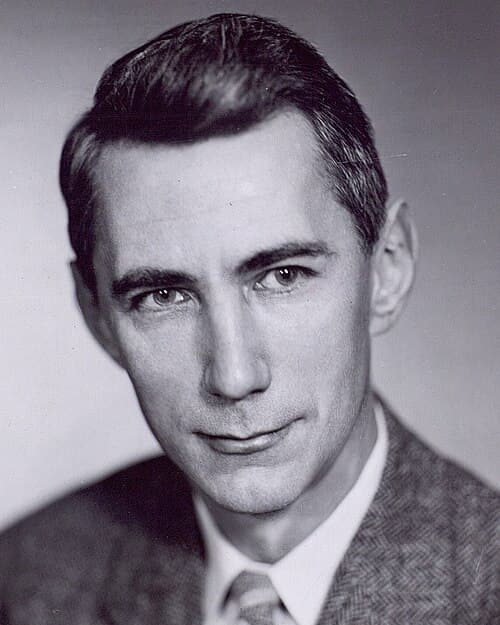
Claude Shannon
PERSON4 w/ Kurt·8 w/ Alan
Michael Douglas
PERSON2 w/ Kurt·9 w/ Alan