HOUSE_OVERSIGHT_025978 - HOUSE_OVERSIGHT_026004
No Subject
Document Information
Bates Range
HOUSE_OVERSIGHT_025978 - HOUSE_OVERSIGHT_026004
Pages
27
Source
House Oversight
Date
August 9, 2016
Original Filename
GEVI 08.09.2016.pdf
File Size
1.36 MB
Document Content
Page 1 - HOUSE_OVERSIGHT_025978
Global Equity Volatility Insights BankofAmerica Understanding when risk parity risk Merrill Lynch increases 09 August 2016 Corrected US Equity Derivatives Global Quantifying the (bond-equity correlation) risks to risk parity Last week’s sharp sell-off in JGBs renewed concerns of forced selling by risk parity funds. While the drawdowns in US Treasuries, US equities, and ultimately risk parity portfolios were small and short-lived, the latent risk remains worth monitoring, as (i} leverage is still near max levels across a variety of risk parity parametrizations, (ii) bond Global Equity Derivatives Rsch allocations are historically elevated, and (iii) markets continue to be sceptical of a 2016 MMAR Fed hike. Hence we provide a simple scenario tool to help investors assess what relative Set iey here moves in bonds and equities could catalyse significant deleveraging by rules-based risk MLPF&S parity funds running vol target overlays. For example, a -2% daily decline in the S&P Ur ah Say 500 coupled with a -0.6% fall in 10y Treasury prices (poor diversification) could trigger a Laine 25% deleveraging (of unlevered notional) today, whereas a -4% SPX drop and +1% bond MLPF&S rally (good diversification) would generate no selling pressure, underscoring the critical nleiselss erie PelMiseom role played by bond-equity correlation in governing the severity of risk parity unwinds. SSH peiets MLPF&S Europe [email protected] Buy the seasonal oil dip via bullish X-market risk reversals Steet Selling rich USO (WTI tracker) 3M 25d puts to fund cheaper SXEP (European Oil & Gas ee equity) calls is historically attractive. Indeed the number (>2) of long SXEP calls per short ; ; dis >> , we is n 5 ason Galazidis USO put is in the 90" %-ile since 2008. The trade leverages both our commodity Equity-Linked Analys strategists’ ‘buy the dip’ view and our equity strategists’ bullish outlook on the Oil & Gas en ee : . [email protected] sector, which has been the worst performing over the last 1M. Moreover, the average festul Guna ss payoff of being long SXEP 3M 25d calls would have been >2x greater than USO 3M 25d Equi elated Analys calls (owing to more frequent positive returns), when sized for the same upfront cost. LSS clea aa i Abhinandan Deb >> Asia Eauity-Linked Ana ysl Own NKY Sep/Oct calendar call at vol hit YTD low level going into the Sep BO) MEO ‘ : [email protected] Post the Jul-16 Bo) and the announcement of a ¥28.1tn fiscal stimulus package, NKY and Senianin Bowler USDJPY 1M vols have dropped to near YTD low levels, both USDJPY and NKY 2M-1M Equity Linked Analys MLPF&S term structures are historically steep, pricing in a slow summer. Our strategists believe Hera inBewleraisamieant Sep-16 Bo)’s will likely create uncertainty, however, NKY Sep-Oct ATM fwd vol currently trades at the low end of its trading range going into Bo)’s YTD. Plus, our analysis See Team Page for Full List of Contributors >> Employed by a non-US affiliate of MLPF&S and is not registered/qualified as a research analyst under the FINRA rules. Refer to "Other Important Disclosures" for information on certain BofA Merrill Lynch entities that take responsibility for this report in particular jurisdictions. BofA Merrill Lynch does and seeks to do business with issuers covered in its research reports. As a result, investors should be aware that the firm may have a conflict of interest that could affect the objectivity of this report. Investors should consider this report as only a single factor in making their investment decision. Refer to important disclosures on page 25 to 26. Analyst Certification on page 23. 11657850 5 2 suggests a further squeeze in yield will likely be positive for the NKY. We recommend Table 1: 3M volatility (weekly changes) 2 buying 1x NKY Oct 17500 call vs. selling 0.65x Sep 17250 call. Implied Realized Trade update: Closing the NKY Aug/Sep put calendar trade at 0.28% premium S8&P500 19 (07 13.2(-0.1 3 ; ; ; oo ; ESTX50 92(06) 27.704) 3 Korean auto-callable issuance slightly rose while NKY Uridashi issuance fell in July FTSE 26(-07 18.9 (0.1) 2 DAX 78(-1.1 24.6 (-0.1 8 NKY 21.7 (-1.1 27.2 (-12 z HSI 75(0.6) 17.2(-05 - KOSPI 2.6 (-0.4 12.9 (0.5) 2 EEM US 88 (08) 22.1(-09 & TOP40 19.4 (03) 18.1 (0.4 RDX 28.2 (-1.6 25.8 (-0.6 e IBOV 217(00) 21 7(07 = ISE30 29.9 (-0.1 27.7 (-04 5 Source: BofA Merrill Lynch Global Research HOUSE_OVERSIGHT_025978
Page 2 - HOUSE_OVERSIGHT_025979
ric erti—“(‘(‘Cststsi‘(‘“CSC:C*CWSCOC LUDO OLE BofAML GFSI™ X-Asset Risk Landscape GFSI makes new YTD lows as BoE & NFP boost risk assets The GFSI declined to a new YTD low of 0.18 as of 5-Aug, a level not seen since Nov-15. With the BoE surprising to the upside in terms of cutting rates, re-starting QE and guiding towards more accommodative policy down the line, as well as better than expected US non-farm payrolls, risk assets globally got a boost. « Credit experienced the biggest decline in stress across assets: Chart 3 shows that credit (followed by equities) experienced the biggest weekly stress decline. Indeed, Chart 5 and Chart 6 show that sovereign risk as measured by IG & sub-IG foreign sovereign bond spreads experienced the most significant weekly declines in stress versus their history in the GFSI. - Europe continues to be most stressed region: Chart 4 shows that Europe is the most stressed region in the GFSI, despite the stress declines last week. US- related stresses which were already relatively lower vs the other regions, were more resilient. Indeed the only significant move higher in regional stress was in USD Libor-OlS spreads (Chart 5), which our Rates strategists view as driven by the anticipation of US money market mutual fund reform in October. Chart 1: Latest* stress across GFSI sub-components 40 a2 ; 3.0 4 2 _Red shaded area highlights components in Bearish > Skew Green shaded area highlights components in —- © A ‘ n : Bullish territo 2 2.0 = x Flow ry £ : ” 10 7) % 0.0 rip T Ses -2.0 4 ‘ : —— >anrravrvseqagoext es z2B25Q0 ao 2z=2eraB 3S ~SoEBP eoereoezeeaotsease BR TTB ESR SESE ESRRH SESS RRSEASSSESARSSSSSSERSEGZES artuUr wm PHF HHHHPPMWSPCHLCU DI ASeeSUSZoeerawowet seu oro BSNS FEE ENDS SS ZS ELLY HO BER EP BERNE EL®RAMnSHREXZ SLED ESD SpPosg8 B8Foseeslaecrozoerggseegsezrrtzaogo 2a-~9090FO0 7D, B53 t5075> wo ax 2>90S3 % BS a?%a9%sg xX 8 56a a) ° SP Oo Oo Ww 65282 [om] 2p, H¥ ON EA EFaFt=Reanaetatisetrna Su fF Of 6B oO 5 O 2 nNnnmrroegetgqge Sesux PF SSePnrwsnz=~Rrsesgsr> xvoV@®asSzesRK cstseetEerl@gePpESE ArzrOoSBPEDBFEY SER 075 =#@sgeEgrPtz6e5Re =sS8eS8'tSEZFouvFeg n eaeEeoe > co uu eggs = Oo oy oo a0 #0 => vo cs - ow 2 wv a) = ro) = £ = Ss = ox £€Oo 2 Oo ow Ye g 2 Qw = 2 ef Ss £ = ==ts6~ S> = C& Source: BofA Merrill Lynch Global Research. *Latest as of 05-Aug-16 Chart 2: Change** in stress across GFSI sub-components. The biggest moves were declines in stress; led by credit. Notably stress in GBP vol declined post BoE _ 06 40 2 : 2 & ote & 02 cos O02 Fi a 28 = 06 3s 99 e-v. 7 cs] aed = T o > 1.0 ; ; = Qor>- Brana godoaoseete zs eoerorwwvs a oor mees SseseaerPeFaoaosao ec eevee SFB ESRB EGS Ee BAe eT See SHS SaaS eESSsSssGBsunEsSs ES oeXeDRBHWPD BE ebtwrtroOsuwuntr aA dS ~A zepo ae OPuURFXa aga AFA a%GSZ atau 29P BGS MSENDSHEBSEPVSEDARLYHNSE SRE SGEEELY HSVPEEEZSC EEN E®2 eB E> ®5H QR OFORZOLESFP 5S rFPAR FROG SABE =os6 82 SBSP=ZSEHR=ABES 2a 5 SY ov 8S Pe ad OBOose Ls QantLEVPXESuUSzFE Er GCE PA SSS ee@2sSePFetseS oer recaleacf SSESPTSseaRe sss ezesaPRZlae 20 2 -—- 8 28 Cc > = © 5 = SE Veg fen) = © e . 5S 2 c DES SOO ENG S at esssses8 ses ~S42g°% 8-358 SP £ a GS} = =) oO ao] = a aera wi a Panag ee a oe 2 iad E>F OOUTDS50 5 in 3 og € 3 € §22S°8ao 8 g 3° eB Oo = S = ? Rel 8 Ww oo a) oo o) a = Source: BofA Merrill Lynch Global Research. **Latest as of 05-Aug-16. Change vs 1 week prior (29-Jul-16). 2 Global Equity Volatility Insights | 09 August 2016 Bankof America “2 Merrill Lynch HOUSE_OVERSIGHT_025979
Page 3 - HOUSE_OVERSIGHT_025980
The GESI Risk Allocator favours being underweight risk assets given the distribution of stresses within the GFSI. The percentages of Bullish, Bearish and Neutral GFSI components (as used in the Risk Allocator) were 8.7%, 13.0% & 78.3%, respectively as of 5-Aug. The Risk Allocator (using Bull, Bear & Neutral weights of 2, 0, 1) suggests reducing the underweight position to 4.3% UW from last week’s 17.4% UW. Chart 3: Stress across assets (Rates & FX are the most stressed asset classes — credit stress declined the most last week 0.6 0.5 0.4 0.3 0.2 0.1 0.0 of 0.01 0.01 0.05 -~0.2 0.12 Commodities Rates FX Equities Credit m Latest stress (05-Aug-16) | © Change in stress Source: BofA Merrill Lynch Global Research. 1wk change (22-Jul-16 to 29-Jul-16). Chart 5: Top 10 movers in stress (1-week abs chg %-ile vs history*) Chart 4: Stress across regions (Europe is the most stressed region in the GFSI while EM is the least stressed) am Stress fall Stress rise 100% 99% = 100% 95% 93% 90% 80% 10% 60% 85% 81% 80% 79% 779% 69% %-ile of abs chg in stress vs history* 50% S -— & oO > Ss a Qa aa aa00950 eo - o@. e275 ADas5S a o 5 AD = mao x = SS € ro no cau = ga = Oo =~22 ee ce @o=—~ f= + E€w 5 3 Siu Ff = = rep) o oO e228 fg 2 a iS 8 LESH £ w a 4 §& 2 2 OO 3 4 . - 8 S35 Source: BofA Merrill Lynch Global Research. * %-ile of weekly move in stress vs all historical weekly moves (earliest 3-Jan-00). Bar colours represent rise (red) or fall (green) in stress. 1wk change (22-Jul- 16 to 29-Jul-16). 0.1 0.1 0.0 -0.11 -0.11 0.11 US Japan Europe EM mLatest stress (05-Aug-16) | = Change in stress Source: BofA Merrill Lynch Global Research. Iwk change (22-Jul-16 to 29-Jul-16). Chart 6: Global volatility & credit spread stress in the GFSI 0.4 mLatest stress (05-Aug-16) = Change in stress 0.2 0.04 0.01 0.0 — 0.2 0.4 0.6 -0.8 -1.0 -1.2 HY CDS IG CDS FX Vol Equity Vol Sovrn risk i} > n 2 o a Commodity Vol Source: BofA Merrill Lynch Global Research. Iwk change (22-Jul-16 to 29-Jul-16). Bankof America Merrill Lynch Global Equity Volatility Insights | 09 August 2016 3 HOUSE_OVERSIGHT_025980
Page 4 - HOUSE_OVERSIGHT_025981
Volatility in the US Quantifying the (bond-equity correl) risks to risk parity Last week’s sharp sell-off in JGBs (Chart 7) following the Bo)’s decision not to cut rates renewed investor fears of forced selling by risk parity funds. However, the spill-over into US Treasuries was relatively muted (Chart 7), and coupled with a small and fleeting drawdown in US equities, risk parity portfolio volatility failed to rise materially (Chart 8). Consequently, risk parity funds were likely forced to unwind little to none of their leverage last week and remain near max leverage levels (Chart 9). For this very reason, the latent risk in this corner of the quant fund space remains worth monitoring. Furthermore, as we noted post-Brexit, fixed income allocations within risk parity funds are historically elevated today. And with federal-funds futures markets implying a ~25% chance of a Sep rate hike and less than a 50% probability of a Dec hike, bond markets may be surprised by a 2016 Fed hike. Chart 7: Last week’s sharp sell-off in JGBs did Chart 8: Consequently, risk parity portfolio Chart 9: Hence risk parity funds did not de- not spill-over into US Treasuries volatility remained quite muted lever materially and remain highly levered 104 108 10% 4 4 9% 03 06 8% 102 104 i 6% 101 102 5% 4% 100 100 3% : 2% Dec-12 Dec-13 Dec-14 Dec-15 99 98 Aug- Aug- Aug- Aug- Aug- Jan-16 —— Apr-16 Jul-16 12 13 14 15 16 ——LOW Vol Target (6%) & Lvg (1.5x) a =——=MEDIUM Vol Target (8%) & Lvg (2x) spall STS dake ren ——=Historical volatility of unlevered risk 40y UST futures total return (right) parity portfolio HIGH Vol Target (10%) & Lvg (3x) Source: BofA Merrill Lynch Global Research. Daily data from 4- Source: BofA Merrill Lynch Global Research. Equity, fixed income, Source: BofA Merrill Lynch Global Research. Daily data from 31- Jan-16 through 5-Aug-16. and commodity components within the hypothetical risk parity Dec-12 through 27-Jun-16. Equity, fixed income, and commodity investment are represented by the S&P500, 10-Year US Treasury components within the hypothetical risk parity investment are Bonds, and the S&P GSCI Index respectively. Risk parity represented by the S&P500, 10-Year US Treasury Bonds, and the allocations are determined and rebalanced monthly using prior S&P GSCI Index, respectively. Risk parity allocations are 12-month realized volatility and correlations. Historical volatility determined and rebalanced monthly using prior 12-month calculated using EWMA with a lambda equal to 0.94. realized volatility and correlations. Monitoring relative equity/bond moves for potential risk parity deleveraging It is intuitive to think that rising volatility corresponds to an increase in model-driven selling pressure from risk parity strategies. However, what’s less appreciated in our view is the impact on risk parity allocations as a result of the re/ative dynamics between component volatilities and correlation. For example, through the close on the Monday post-Brexit (27-Jun-16}, S&P 500 volatility rose from 9.6% two days prior to 17.9% (increase of 1.9x) while 10-Year US Treasury Futures return volatility rose 4.3% to 6.6% (increase of 1.5x). Despite these outsized vol moves, in a recent report we showed that owing to the diversification (increasingly negative correlation) between equities and bonds, unlevered risk parity portfolio volatility remained stable and hence, target vol overlays were less likely to be subject to model-driven selling. Given low levels of realized volatility across asset classes, it’s also intuitive to expect continued elevated levels of leverage in risk parity products. To the extent that the leverage is via vol control overlays, there are reasonable concerns on the potential market impact should these model-driven investments be forced to simultaneously deleverage. To that end, we provide a simple scenario tool (Chart 10) to help investors assess what relative moves in the S&P 500 and 10-year US Treasury futures could catalyze significant deleveraging by rules-based, vol-controlled risk parity funds. BankofAmerica <2” 4 Global Equity Volatility Insights | O09 August 2016 Merrill Lynch HOUSE_OVERSIGHT_025981
Page 5 - HOUSE_OVERSIGHT_025982
Importantly, this scenario tool is a function of (1) current unlevered risk parity volatility, (2) current risk parity component weights, and (3} the maximum leverage of the target volatility overlay. For simplicity, we used only a two asset risk parity portfolio of equity and fixed income applied to the S&P 500 and 10-Year US Treasury Futures. Chart 10: Current theoretical deleveraging amounts (of unlevered notional) for an equity/fixed income risk parity portfolio with an 8% target volatility overlay and 2x max leverage cap Assumes a trailing unlevered volatility of 3.1%, unlevered equity and fixed income weights of 22% and 78% respectively, and leverage at a maximum of 2.0 times 5% 3 Ne se nN ae _ © Poss 1 as © Pos Taper Tantrum fe aS ce PS Daily 10-year USD Treasury Futures Total Return oO xf du aS én 3s 5% 4% 3% -2% -1% 0% 1% 2% 3% 4% 5% Daily S&P 500 Total Return m>50% Delever 50% to25% Delever 25% to 0% Delever No Delever Source: BofA Merrill Lynch Global Research. Data as of 5-Aug-16. Equity and fixed income components within the theoretical risk parity investment are represented by S&P 500 total return and 10-Year US Treasury Futures total return. Risk parity allocations are determined monthly and rebalanced using prior 12-month realized volatility. Unlevered portfolio volatility for determining target volatility leverage measured using EWMA with lambda equal to 0.94. For example, last Friday 10-Year US Treasury futures declined about 60bps. Had the S&P 500 declined 2.0%, we would have expected about 25% of the unlevered notional of a model 8% vol-targeted, 2.0x max leverage risk parity portfolio to deleverage. The S&P 500 was in fact up 86bps on a total return basis which according to the tool falls in the region of no deleveraging. Also, to put recent events in perspective, we plotted on the scenario tool the respective moves in the S&P 500 and 10-Year US Treasury futures during the Taper Tantrum (19- Jun-2013), the Aug-15 risk flare (24-Aug-15), and post-Brexit (24-Jun-2016). Note, for an accurate assessment through those events, we would also need to reconfigure the scenario tool for the respective unlevered risk parity volatility and risk parity component weights on those dates. However, with current measures for both, the tool does estimate current deleveraging flows should we see similar equity and bond moves today. Interestingly, equity/bond moves through the Aug-15 risk flare would not cause a deleveraging today. The reason is bonds have increased in allocation since last August (78% vs. 66%), and hence the portfolio is more resilient towards equity market declines (but consequently also more sensitive to fixed income declines). The scenario tool also underscores impact on risk parity leverage as a result of the relative dynamics between component volatility and correlation. For example, the first and third quadrants (upper right and lower left sections) are dominated by scenarios of greater than 50% deleveraging. On the other hand, the second and fourth quadrants Bankof America <> ; re Merrill Lynch Global Equity Volatility Insights | 09 August 2016 5 HOUSE_OVERSIGHT_025982
Page 6 - HOUSE_OVERSIGHT_025983
have episodes of more benign model-driven deleveraging. In each quadrant exists examples of simultaneously increasing equity and bond volatility (that is, high absolute equity and bond daily returns). However, in the first and third quadrant, equity and bond moves are in the same direction, which would likely be an example of increasing correlation. On the other hand, in the second and fourth quadrant equity and bond moves are in opposite directions and hence correlation is subject to a decrease. The main takeaway here is the most risk of model driven deleveraging from vol controlled risk parity funds comes when Both volatility and correlation of the underlying components rise together. eg ios Bankof America 6 Global Equity Volatility Insights | O09 August 2016 Merrill Lynch HOUSE_OVERSIGHT_025983
Page 7 - HOUSE_OVERSIGHT_025984
Week in review & notable trends (US) US equities at new all-time highs on upbeat employment report Both the S&P500 and NASDAQ finished the week higher marking fresh all-time highs as the July nonfarm payrolls and average hourly earnings came in better-than-expected. As a result, VIX fell to its lowest levels since Jul-14 and the SPX ly vs. 1m ATMf implied vol spread rose to its highest level in almost four years on lower short dated vol. Across other asset classes, the USD finished with gains against other major currencies, while Treasury yields rose across the curve, which partly explained the outperformance (underperformance) in Financials (Utilities) (i.e., +1.7% and -2.7%, respectively). Most companies (86% as of 5-Aug) in the SPX have reported Q2 results and the blended (actual + estimated) yoy earnings decline for Q2-2016 now stands at -3.5%, less than the expected decline of -5.5% as of 30-Jun. Analysts expect CY16 earnings decline of - 0.3% which would mark the first time SPX has reported two consecutive years of earnings decline since 2008. Earnings growth is now expected to resume in Q4-16. Chart 11: The SPX vol term-structure steepened materially on lower shorter dated implied vol with the lyr-1m ATMf implied vol spread reaching its highest level in almost 4 years 30% 29% 20% 15% 10% 5% 0% 5% oD Wo e = =< ———SPX tyr ATMf implied N oO Ey = <t = mmm Spread A-B ——SPX 1m ATMf implied vol (B) Source: BofA Merrill Lynch Global Research. Daily data from 8-Aug-12 to 8-Aug-16. Nov-12 Feb-13 Aug-13 Nov-13 Feb-14 May-14 Aug-14 Nov-14 Feb-15 Nov-15 Feb-16 May-16 Aug-16 <= ol (A) Chart 12: Near multi-year flat call skew on Biotech (IBB) makes long call spreads an attractive option strategy to initiate or replace long positions to lock-in profits from the recent strong rally 55% 20.0% 50% 17.5% 45% 40% - D A 15.0% 35% -§ 45th %-ile . in ee 12.5% 59, 10.0% 20% 7.5% 15% 5.0% 10% . es 2.5% 0% 0.0% 2011 2012 2013 2014 2015 2016 mmm 5-day MA of spread A - B (RHS) BB 1M ATM implied vol (A) ——— == |BB 1M 110 implied vol (B) Source: BofA Merrill Lynch Global Research. Daily data from 5-Aug-11 to 5-Aug-16. With SPX rallying on a stronger-than-expected July jobs report, SPX implied vol took a further leg down, especially in the shorter end of the vol curve. Indeed, SPX 1m ATMf implied vol ended the week at 9.1 vol pts, within striking distance of its 2- year lows. On the other hand, longer dated ATMf implied vols did not fall nearly as much causing a material steepening in the vol term structure. For instance, the lyr-1m implied vol spread reached its highest level since 27-Sep-12 (6.4 vol pts). Since its peak in Jul-15, the Biotech sector (NBI Index) has been on one of its worst runs in decades, underperforming the broad market benchmark (SPX) by a whopping ~30% on a total return basis. However, more recently the sector has regained some lost ground on solid large-cap earnings reports (i.e., +13.2% since 1-Jul, 9.3% above the SPX). While short-dated implied vol has dropped considerably as a consequence of the recent rally, it still remains supported on a 5-yr basis. Also, upside vol has been richening vs. ATM vol, with the 1m IBB ATM-110 implied vol spread reaching its lowest level in five years on 4-Aug and finishing the week at 1.2 vol pts (3 5-yr %-ile). Investors with a constructive view on the sector who are concerned about a reversal of the recent gains should consider replacing or initiating long position via short dated ATM calls partially financed by expensive OTM calls. Bankof America Merrill Lynch Global Equity Volatility Insights | 09 August 2016 7 HOUSE_OVERSIGHT_025984
Page 8 - HOUSE_OVERSIGHT_025985
Chart 13: The 2016 election move implied by the VIX term structure is, in our estimate’, approx. 1.4%... ---0--- Interpolated Oct future (level where Sep/Oct/Nov Fly = 0) —2e— Expected Oct future based on median level of ~1M/2M/3M fly em=@=—= \//X futures (adjusted for holidays) Excess vol vs 6.6 median levels Implied daily move on election day = 1.4% vs. a typical realized Bf "election day" move of 1.5% (see 19 Chart 14) 46 “Sept6 Oct 16 Novi6 Source: BofA Merrill Lynch Global Research. Daily data from 2-Jun-09 to 5-Aug-16. *Day count adjustment = we adjust the VIX futures curve to reflect the Trade-Day/252 day-count convention and use SQRT ((30/365*252/T}) as the adjustment factor to convert to the common day-count convention used in variance swaps. Term-structure adjustment = we add the median level of the day- count adjusted generic 1m/2m/3m fly (ie. -0.5x Sep fut. +1xOct fut. -0.5x Nov fut) to take into account the usual VIX term structure. Chart 14: ..which is notably very close to the typical SPX daily realized move post-elections since 1928 6.0% 5.0% 4.0% Implied move around 2016 “ election day (see Chart 13) 3.0% 2.0% 1.0% 0.0% ONO OCOTAONOOGAON CODA OA COA ON CO VROFY TO OSGSORN SSOARDSGOTS Prerrrrrrrrrrrrrrrrrr,rrr,rr,rs, ooooooco ooocooooooocoeocCoCoono ) 42aza2za2e22222222222 22222222 BDOAMOANRNTHAMON NH KDAMDONR ANH D mam Abs. post election day SPX realized move ====Average from 1928 to 2012 Source: BofA Merrill Lynch Global Research. Data from Nov-28 to Aug-16. Using the VIX term structure in the Sep/Oct/Nov buckets and adjusting for term structure/day convention (see footnote to Chart 13), we estimate the option markets’ implied move over a single day in the Oct-Nov period (which encompasses the US election on 8-Nov). Our estimated implied move is 1.4% which is notably very close to the typical 1-day post-election day SPX realized move over past election cycles (1.5% since 1928) (see Chart 14). Importantly, there is a larger-than-typical variation in the distribution of all daily post-election SPX returns (34.0 vol pts vs. 18.4 vol pts for daily SPX returns since Jan-1928), with the largest and the fourth largest daily post-election SPX returns since 1928 occurring in the last two election cycles alone (see Chart 14). Hence, investors who believe this /s not your typical election (to quote President Obama at the latest Democratic National Convention) may still find that option markets are currently pricing too little of a move. However, as we have recently argued the debate about whether a Trump win would be good or bad for markets coupled with the inability to exactly pinpoint real risks are likely headwinds to a sizeable market shock. 8 Global Equity Volatility Insights | O09 August 2016 BankofAmerica <2” Merrill Lynch HOUSE_OVERSIGHT_025985
Page 9 - HOUSE_OVERSIGHT_025986
Table 2: Current S&P500 volatility and correlation measures relative to the prior two year of historical daily data 1-week change Over 2-year historical period 5-Aug-16 29-Jul-16 Change raking Minimum 25% Median 75% Maximum 1-month ATM implied volatility 91% 9.9% -0.8% 0.1% 9.0% 11.2% 12.7% 15.4% 31.8% 1-year ATM implied volatility 15.4% 16.0% -0.6% 13.1% 14.4% 15.8% 16.5% 17.6% 22.5% 1-week intraday realized volatility 8.6% 9.9% -1.3% 11.5% 6.1% 10.1% 12.1% 164% 53.7% 1-year minus 1-month term structure 6.4% 6.1% 0.3% 100.0% -12.0% 2.1% 3.7% 46% 6.4% 3-month 90 minus 110 skew 9.5% 9.6% -0.1% 3.1% 91% 11.1% 11.5% 11.9% 13.8% 1-year top 50 implied correlation 50.31 55.08 ATT 3.3% 48 38 53.81 95.57 97.90 67.89 3-month top 50 realized correlation 4771 51.08 -3.38 14.9% 25.85 33.29 39.89 47.7 60.41 VIX 1-month ATMf implied vol 82.6% 88.8% 6.2% 40.3% 62.1% TTA% 86.1% 98.1% 162.2% VIX 1-month 110 minus 90 skew 20.0% 22.2% 2.2% 39.7% 9.3% 17.9% 20.9% 23.9% 30.3% Source: BofA Merrill Lynch Global Research Bank of America Global Equity Volatility Insights |09 August 2016 9 Merrill Lynch HOUSE_OVERSIGHT_025986
Page 10 - HOUSE_OVERSIGHT_025987
Volatility in Europe Buy the seasonal oil dip via bullish X-market risk reversals Levered X-market risk reversal: Sell 1x USO 3M 25d (~88% strike) puts to fully fund 2.1x SXEP (Oil & Gas equity) 25d (~106% strike) calls (indic.) Alternative (unlevered) implementation: Sell USO 25d puts to fund fully fund closer to the money SXEP calls The seasonal sell-off in oil presents a ‘buy the dip’ opportunity according to our commodity strategists, who expect prices to rebound to $55/bbl by year end. In fact current levels of ~$40 are close to the summer floor ($39) they had previously suggested. BofAML strategists have turned bullish Oil & Gas equities given more CB (BoE) easing, attractive div yields and exposure to the EM recovery narrative. Moreover, Oil & Gas has been the worst performing Stoxx 600 sector over the last 1M, suggesting it has ample scope to rally if it is to catch up to the broader equity market (Chart 15). USO (Oil ETF) puts are rich vs. SXEP (European Oil & Gas equity) calls: The number of long SXEP 25d calls that can be fully funded by selling 1 short USO 25d put is near historical highs (90" percentile since ’08, Chart 16). In contrast, both SXEP and USO risk reversals are only modestly more attractive than their historical medians. SXEP calls would have offered better value than USO calls at current levels in terms of average historical payoffs as well as the frequency of positive returns (when sized for the same upfront cost, Chart 17). Note that an unlevered implementation of the trade allows for early participation in any potential SXEP rally (as the SXEP call strike is near the money) while providing a ~12% buffer before incurring losses (at expiry) on the short USO leg (Chart 18). CSPP has purchased an outsized proportion of Energy corporate bonds and this has yet to feed through to equities according to our credit strategists (Chart 19): The number of Energy corporate bonds bought by the ECB is approx. 45% of the total eligible amount — the 3“ highest proportion across all European sectors. Potential USO losses may be dampened if the recent $/Oil correlation persists: Since mid-2015 oil drawdowns have largely coincided with USD weakening (Chart 20). Chart 15: SXEP (Oil & Gas equity) has been the worst performing Stoxx 600 sector over the last IM 20% 15% 10% 5% 1M Sector Performance SXXP return 0% [ cient | ae | 5% 14 SSESEESSSESESSSSS AGI oO >< pul Source: BofA Merrill Lynch Global Research. Data from 7-Jul-16 to 5-Aug-16. Chart 16: The leverage provided by the X-market risk reversal (long SXEP call / short USO put) is attractive from a historical standpoint —_ 7 90% 80% 70% 60% 50% SXEP call vs. SXEP call USO call vs. put vs. put m# of long 3M 25d calls per short 3M 25d put percentile of ratio (rhs)* Source: BofA Merrill Lynch Global Research. Data as of 5-Aug-16, using indicative mid prices. *Percentiles since Jan-08. 10 Global Equity Volatility Insights | O09 August 2016 BankofAmerica <2” Merrill Lynch HOUSE_OVERSIGHT_025987
Page 11 - HOUSE_OVERSIGHT_025988
Chart 17: SXEP calls would have generated a higher average payoff and more frequent positive returns vs. USO calls (when sized for an upfront cost equal to the current price of the USO 3M 25d put) Avg Payoff Freq of >0 2.1x SXEP 3M 25d calls: 2.9% 27% 1.3x USO 3M 25d calls: 1.4% 10% 60% 50% 40% 30% 20% 10% 0% 08 09 ‘10 M412 13 141516 SXEP Call Payoff = USO Call Payoff Source: BofA Merrill Lynch Global Research. Data from 1-Jan-16 to 5-Aug-1 6. Backtesting is hypothetical in nature and reflects application of the screen prior to its introduction. It is not intended to be indicative of future performance. Chart 19: Number of bonds purchased by the ECB in their CSPP programme by sector Chart 18: Selling the USO 25d put (~8.7 strike as of 5-Aug) to buy the SXEP 42d call (~280 strike as of 5-Aug) for ~0 provides early upside participation and a ~12% downside buffer on the short USO put leg 300 290 280 270 260 290 240 13 Long SXEP call strike (unlevered implementation) 12 Short USO put strike|_ 9 230 220 7 oo oOo O OO 0 0 0O© 0 © © OO © © © © BEESSEEEEEEESS35 SXEP ——US0 (rhs) Source: BofA Merrill Lynch Global Research. Data from 1-Jan-16 to 5-Aug-16. Backtesting is hypothetical in nature and reflects application of the screen prior to its introduction. It is not intended to be indicative of future performance. Chart 20: Oil drawdowns have recently coincided with $ weakening 25% 15% 440 mw # Bonds Purchased 55% 135 m% of Eligible _. z ° 400 ni 45% - “ | Mb 35% 60 1 0 ! H Source: BofA Merrill Lynch Global Research. Negative correlation would have helped dampen potential USD losses on the short USO put leg 70% 50% 30% 10% 10% 1 i I -30% “ener ‘o7 = '08 09 10 11 12— 13 14 15 16 USO vs. EURUSD correlation* Conditional on USO down Source: BofA Merrill Lynch Global Research. Data from 18-Apr-07 to 5-Aug-16. Bankof America Merrill Lynch Global Equity Volatility Insights |O9 August 2016 =-11 HOUSE_OVERSIGHT_025988
Page 12 - HOUSE_OVERSIGHT_025989
Week in review (Europe) The FTSE100 reached 13 months highs last week as the BOE exceeded market expectations by announcing a 25 bp rate cut (its first rate cut in 7yrs}, a further £60bn of QE purchases (vs forecasted £50 bn) while also hinting at more potential stimulus in the autumn. Unsurprisingly, GBPUSD fell further on the back of this. The better-than- expected US nonfarm payrolls that beat all surveyed forecasts helped drive US markets to new all-time closing highs also helped European equities rebound from a mid-week trough. As a result, the V2X has retraced close to its 11 month lows as foreseeable catalysts are behind us for a potentially quieter end to the summer. « Long dated ESTX50 var term structure is historically elevated; vol term structure is not: The dislocation of 3y var convexity (var strike/ATMf volatility) vs that of ly, which in itself is near extremes, is particularly striking - European issuance of ESTX50-linked structured products picked up in July: We estimate issuance of ~€120Mn/day in July, which compares to €5Mn daily issuance in June and €55Mn daily issuance in 1H16 (excluding June). - The current vega outstanding in SX5E-linked products is €143Mnh, which is in its 97" percentile since Jan-14 (when our records begin}. Moreover, this could rise to as much as €169Mn if the SX5E rallied to 3280. Long-dated ESTX50 var term structure is steep; vol term structure is not Despite a significantly steep longer dated ESTX50 variance term structure (vs its average since 2008), the volatility term structure is nearly flat. As a result, the level of ESTX50 long dated variance is historically elevated vs the level of long dated vol. The dislocation of 3y var convexity (varswap strike/ATMf vol ratio) vs 1y var convexity (which in itself is near its historic highs) is particularly striking. Chart 21: Longer dated ESTX50 variance term structure is significantly Chart 22: ESTX50 variance convexity (varswap strike/ATMf vol ratio) is elevated vs long term average — the extreme steepness is not mirrored near extremes — the dislocation of 3y var convexity vs that of ly, which in the ATMf volatility term structure in itself is near extremes, is particularly striking 30% 1.40 7 99.7 percentile 28% 1.35 mwmmee er ee Se Se ee oe 26% e 1. 96.1 percentile 7 24% ; tN a ae 20 22% 445 20% 1.10 18% 1.05 1.00 ==O= = vol surface - Current === var surface - Current ; ; ; ; m= SX5E 1y var convexity = =="SX5E 3y var convexity === vol surface - Avg since 2008 ==@== var surface - Avg since 2008 Source: BofA Merrill Lynch Global Research. Data: 02-Jan-08 to 5-Aug-16. Current represents Source: BofA Merrill Lynch Global Research. Data: 02-Jan-08 to 5-Aug-16. snapshot as of 5-Aug-16 Structured product Jul update: EU issuance picked up; Korean issuance lagged We estimate issuance of ESTX50-linked structured products in Europe was ~€120Mn/day in July, much higher than the €5Mn daily issuance in June and €55Mn daily issuance in 1H16 (excluding June). This compares to ~€20Mn daily issuance in July out of Korea. eg ios Bankof America 12 Global Equity Volatility Insights | O09 August 2016 Merrill Lynch HOUSE_OVERSIGHT_025989
Page 13 - HOUSE_OVERSIGHT_025990
Chart 23: European issuance of ESTX50-linked products rose to €9.9bn Chart 24: Issuance of ESTX50-linked structured products in Korea was in so far in 2016 (vs €7.2bn as of 4-Jul) line with the 2016 issuance trend n bn mKorea mEurope £52016 annualised , . ah m Issuance of SX5E structured products in South Korea Total , 30 annualised 20 Rapid growth of SXSE Issuance slowed expected: 20.5 products in Korean 25 & down due to structured market * China sell-off and . . 7 . . 7 ve on new local 20 regulations * e of 4 10 0.5 i 5 0.0 astatrwrwrwr Ts Ow WO WM WM HO OO OO © 0 ee ee 463 ¢e eugase ei sag 2013 2014 2015 2016 SSSSZSSESEFSSIESES Source: BofA Merrill Lynch Global Research. Data as of 4-Aug-16 Source: BofA Merrill Lynch Global Research. Data as of 31-Jul-16 Current vega outstanding near at least 2.5y high as European Issuance picks up We estimate the current vega outstanding in SX5E-linked products (issued in Europe and Korea) sums up to €143Mnh, which is in its 97" percentile since Jan-14 (when our records begin). Moreover, this could rise to as much as €169Mn if the SX5E rallies to 3280 (assuming no net SX5E-linked issuance', Chart 25, 26 and Chart 27). Chart 25: We estimate the current vega outstanding in SX5E-linked Chart 26: The ESTX50 vega outstanding due to structured products structured products is EUR 83Mn (European issuance) and EUR60Mn issuance could rise to EUR168Mnh, assuming no new net issuance (Korean issuance) ; Max vega: ——= Vega (Aggregated issuance) ome Vega (Korean issuance) 480 EUR168mn at ~3220 120 7 Max vega: === Vega (European issuance) 460 | spot level 400 4 EUR111mn at ~3400 spot level = 120 = 80 = ce 100 m= 60 in 380 5 — A s, 60 od > Max vega: > 40 > 20 EUR61mn at ~3000 20 0 spot level 0 -20 “20 aoa Beeseseseeeeeeesee SSese se see seseeseseese se sese ese 8 ANNNN HO YM YO OMT tT FT TF YH en vr oaoagoagagyteaesogaq#4#rtegseas ANANKNN HHO MOOT St TF HB SXS5E spot level SXSE spot level Source: BofA Merrill Lynch Global Research. Data as of 4-Aug-16 Source: BofA Merrill Lynch Global Research. Data as of 4-Aug-16 ‘i.e. notional of newly issued structured products = notional of expiring structured products Bankof America <> ; re Merrill Lynch Global Equity Volatility Insights |09 August 2016 13 HOUSE_OVERSIGHT_025990
Page 14 - HOUSE_OVERSIGHT_025991
Chart 27: The current vega outstanding in the ESTX50-linked structured products is EUR 143mn, which is in the 97" percentile since 3-Jan-14 EUR Mn SX5E structured products vega notional 160 7 ane nnnens Current SX5E structured products vega notional outstanding 44g. prceretntetteneettnntee eee ween eeeeeeee eee ena ne 97th percentile 120 100 80 60 > + > as > s+ wo Ww Ww Ke} WwW WwW io) io) oO io) 353525323 8 88223 Source: BofA Merrill Lynch Global Research. Data as of 4-Aug-16 Table 3: Volatility measures of major equity indices in the EMEA region (data as of 05-Aug-16) Equity 3Mth ATM implied volatility 10D realised volatility {2Mth-3Mth ATM i-vol spread 3Mth 90-110 skew index Weekly Weekly Weekly Weekly Weekly Current change 2Yrpercentile Current change 2Yrpercentile Current change 2Yrpercentile Current change 2Yrpercentile return ESTX50 19.2% -0.6% 31% 16.6% 5.6% 29% 1.0% 0.2% 87% 8.4% 0.1% 79% 0.6% FTSE 12.6% 0.7% 21% 10.9% 5.2% 29% 3.4% 0.5% 100% 7.5% 0.0% 10% 1.0% DAX 17.8% -1.1% 19% 13.6% 2.9% 11% 1.8% 0.4% 96% 8.6% 0.4% 78% 0.3% CAC 18.5% 0.7% 30% 15.4% 5.3% 27% 0.9% 0.3% 88% 8.6% 0.3% 86% 0.7% SMI 13.8% -1.2% 25% 14.5% 3.6% 51% 1.7% 0.6% 100% 7.6% 0.8% 57% 0.8% RDXUSD 28.2% -1.6% 6% 19.5% 9.2% 8% 1.1% 0.3% 89% 6.0% 0.1% 15% 1.7% TOP40 19.4% 0.3% 59% 11.1% 2.1% 19% 2.3% 0.1% 91% 8.7% 0.2% 63% -1.2% ISE30 29.9% 0.1% 96% 25.2% -21.6% 76% -0,9% 0.0% 7% 6.3% 0.1% 77% 1.0% Source: BofA Merrill Lynch Global Research European volatility: Sector snapshot Table 4: Volatility measures and indicative option prices for major European sector indices (data as of 05-Aug-16) Bearish — <<<< ---------------------encnnncnccneennccnennncnnnnns >>>> Bullish 3Mth 90%-110% risk Equity 3Mth ATM implied volatility Real vol* 3Mth 95%-85% put spread** 3Mth 100%-110% call spread reversal™™ index Current Current Current price Weekly Max price Weekly Max price™* Weekly Weekly 2Yr (%of change 2Yr payout (%of change 2Yr payout (%of change 2Yr Weekly Current change %-ile Current spot) (bps) %-ile ratio spot) (bps) %-ile ratio spot) (bps) %-ile — return SX3P (Fd&Bv) 13.0% 27% 6% 12.9% 0.9% 27 15%) = NT 2.5% -18 19% 39 0.5% 33 = 20% = -0.5% SX6P (Utils) 164% -10% 32% 20.6% 1.2% -10 31% 83 3.0% -11 45% = 3.3 -0.6% 0 22% = -1.1% SX7E (Banks) 33.5% -23% 16% 48.0% 2.6% -13. 82% 3.9 40% 1 1% 25 0.5% 0 37% = -1.8% SX7P (Banks) 28.2% -28% 15% 39.8% 2.2% -T 1% 46 3.8% 7 11% = 27 -0.5% 7 35% 0.0% SXAP (Auto) 25.5% -1.1% 56% 33.4% 2.0% -T 52% 49 3.7% 8 64% 27 0.6% 3 21% 0.6% SXDP (Health) 15.3% 05% 24% 12.7% 1% 5 27% 9.1 2.8% -T 35% 3.5 0.4% 3 16% -0.9% SXEP (Oil&Gas) 23.5% 04% 44% 23.6% 9% -2 44% 54 3.6% 4 44% 2.8 -0.6% 3 28% -0.4% SXIP (Insur) 23.6% 04% 86% 31.7% 8% -2 84% 5.6 3.6% 3 88% 28 0.6% 2 15% 0.8% SXKP (Telecom) 224% = -0.2% 81% 234% 1% -1 15% 5.9 3.6% -2 8i% 8 §=—2.8 0.7% 1 T% 0.5% SXNP (Indust) 21.5% 0.0% 67% 21.9% 1% 0 M% 58 3.4% 0 66% 29 0.4% 1 T4A% = 0.2% SXPP (Basic) 32.4% -1.6% 538% 29.7% 2.5% -T 53% 3.9 3.9% 5 59% 25 0.4% 2 8% 1.3% SXQP (Prsnl&HH Gds) 154% 0.0% 33% 16.9% 0% 0 25% 97 2.8% -| 34% 3.5 0.5% 1 17% 0.0% SXRP (Retail) 22.1% -0.1% 90% 234% 1% 0 89% 5.9 3.5% -{ 94% 28 0.6% 1 1% 0.5% SXTP (Trvl&Lsre) 19.9% 01% 55% 26.9% 1% -1 65% 6.0 3.2% -1 53% 3.1 0.2% -1 69% 04% Source: BofA Merrill Lynch Global Research *Real vol = EWMA (Exponentially Weighted Moving Average) volatility, which measures historical price volatility but assigns greater importance to recent returns. Sigma(t)*2 = 0.94*Sigma(t- 1)’2+(1-0.94)*r(t}*2, where r(t) is the return on day t. “Indicative mid prices; strikes as % of forward ***Negative values indicate that the bullish risk reversal takes in a credit. BankofAmerica <2” 14 Global Equity Volatility Insights | O09 August 2016 Merrill Lynch HOUSE_OVERSIGHT_025991
Page 15 - HOUSE_OVERSIGHT_025992
Volatility in Asia Own NKY calendar call going into the uncertainty Sep BO) Trade update: Closing the NKY Aug/Sep put calendar trade opened on 25-Jul The short NKY Aug16 15500 put vs. long NKY Sep16 15500-14500 put spread trade was opened on 25-Jul at 0.24% premium and was closed at 0.28% premium on 8-Aug as we are approaching the Aug16 expiry. In addition, the Sep-16 NKY put spread has already carried well by selling the inflated BO) risk premium even with the spot being largely unchanged. NKY & USDJPY 1Mth vols are down to YTD low: Pricing in a slow summer With the Japanese government announcing a ¥28.1tn fiscal stimulus package last week, the Abe administration has laid out both its new monetary and fiscal policies. In the short-term, there are few catalysts and both NKY and USDJPY 1Mth implied volatilities have retraced materially. VNKY is at 21.5 and USDJPY 1M ATM vol is at 9.8%, near their YTD low levels. USDJPY 2M-1M term structure at its steepest & NKY’s in its 98" %-ile since ‘11 FX has been the main driver in the current Macro world. Chart 29 shows that the USDJPY 2-month minus 1-month term structure is at its highs since 2011. The Sep BO) meeting is expected to be held on 21-Sep so USDJPY 1-month options do not cover the event. Notably, the NKY term structure is also very steep at 1.5%, which is in its 98" percentile since 2011. The NKY term structure was at its steep at 2.5% in Dec-13. Chart 28: Japanese equity volatility has dropped to YTD lows; USDJPY Chart 29: USDJPY 2M-1M ATM term structure (1.7%) is at its 5-year high short-dated vol also retraced to near YTD low levels while the NKY 2M-1M term structure (1.5%) is at its 98" percentile 55% 17% 2% a gee ara a i an a ce 50% 16% . 15% 1% 40% 13% 0% 9 12% 35% 1 4 1% 30% | On 2% 25% 9% en 20% 8% 3% S 3 @ 3 cy s 3 > teoaeceo dct eo tc BRo eEHKSOA SE SS sf = «= = * = SSSSSSSSFSSSSEFZES VNKY USDJPY 1M ATM vol (RHS) USDJPY 2Mth Minus 1Mth ATM Vol == == Current Level (1.7%) Source: BofA Merrill Lynch Global Research. Daily data from 5-Jan-16 to 5-Aug-16 Source: BofA Merrill Lynch Global Research. BofAML: Bo) plans for Sep16 ‘comprehensive assessment’ create uncertainty The BO)’s decision in keeping “QE” or interest rate unchanged in July highlighted the BO)’s limits in expanding JGB purchases and digging deeper into negative interest rate territory. More importantly, the central bank announced it will conduct a comprehensive assessment of its policy at its Sep meeting. By giving guidance for the next meeting, the Bo} has inevitably focused market attention on possible changes to the monetary policy framework. Significant monetary easing, including helicopter money, cannot be ruled out, but the more likely scenario is that the Bo) makes current monetary policy, which is fixed on achieving 2% inflation target in a short period of time, more ‘flexible’. Market expectation for the Sep BO) in terms of fwd vol is the near its lows YTD With NKY Sep ATM vol at 17.8% and Oct ATM at 20%, the NKY Sep-Oct ATM forward vol is at 21.8%, which is at the low end of the trading range going into BO) events this year (Chart 30}. We think there is value in owning forward vol via calendar options. Bankof America Merrill Lynch Global Equity Volatility Insights |O9 August 2016 15 HOUSE_OVERSIGHT_025992
Page 16 - HOUSE_OVERSIGHT_025993
A further squeeze in US and Japanese yields is most positive Japan in Asia The strong US NFP print and the large Japan fiscal plan catalysed a global selloff in bonds. Chart 31 shows that NKY is the most sensitive Asian market to rising USD & JPY yield since 2010 with a correlation of 31%. Buy 1x NKY Oct 17500 call, short 0.65x Sep 17250 call: Gamma neutral, long vol Given the low market expectation in the BO) and a potential rally in Japanese equities on the back of further yield squeeze and rising BO) expectation next month, we like owning 1x NKY Oct 17500 call vs. selling 0.65x of Sep 17250 call have a positive 9% delta, 8bps of vega and flat gamma & Indicative pricing (As of 8-Aug-16, Ref: 16650) Buy 1x NKY Oct 17500 call: Sell 0.65x NKY Sep 17250 call: Net Chart 30: Current NKY Sep-Oct ATM volatility is cheap relatively to implied volatility going into previous BO) meetings in 2016 for 0.7% (¥116). The trade will theta initially. 1.13% (¥187) (iv: 19.2, delta: 24%, gamma: 3.8%} 0.66% (¥110)} (iv: 16.9, delta: 23%, gamma: 5.9%) 0.70% (¥116) (delta: +9, vega: 0.08%) Chart 31: The Nikkei is the most sensitive to rising USD and JPY rates among Asian indices 9 — i 40% “ha — ach boa : ee) Correlation of Index vs. 10Yr USD & JPY Rates 3, 40, 1 a= Jul16BOU Current SepOct Vol 30% (¢] 35% 30% 29% Front Month ATM Vol before BOJ 20% -16 -15 -14 -13 -12 -11 -10 -9 -8 -7 6 -5 -4 -3 -2 Number of Trading Days before BOJ Source: BofA Merrill Lynch Global Research 17.0% 17.2% 20% 16.5% 10% 0% -1.7% “10% ----6:5% NIFTY KOSPI2 HSCEl TWSE HSI AS51 NKY “1 m Correlation of Index vs. 10Yr USD & JPY Rates Source: BofA Merrill Lynch Global Research. Weekly correlation since 2010 Chart 32: Mark-to-Market of the long 1x NKY Oct 17500 call, short NKY Sep 17250 call structure 400 300 200 100 Mark-to-Market in Yen Q Q Q Ww 5100 5200 5300 5400 5500 5600 5700 5800 5900 6000 6100 6200 6300 6400 6500 6600 6700 6800 6900 7000 7100 7200 7300 7400 7500 7600 7700 7800 7900 8000 8100 8200 8300 8400 8500 8600 8700 8800 8900 9000 Source: BofA Merrill Lynch Global Research Assume volatility stays constant Buy NKY Oct 17500C, Short 0.65x Sep 17250 (At Inception) Buy NKY Oct 17500C, Short Oo 65x Sep 17250C (1day Before Sep expiry) 16 Global Equity Volatility Insights | O09 August 2016 BankofAmerica <2” Merrill Lynch HOUSE_OVERSIGHT_025993
Page 17 - HOUSE_OVERSIGHT_025994
Week in review & notable trends (Asia) The MSCI Asia-Pac USD Index inched down 48bps in an eventful week in terms of macro news, with equities gains offset by USD strength. Following the monetary policy changes announced during the Bo), the Abe Cabinet approved a fiscal stimulus package totalling ¥28.1tn last week. However, the Nikkei fell 190bps and the yen advanced another 32bps over the week. The Korean government submitted a KRW28tn fiscal package proposal to the Congress, which our economists believe should sustain growth near term; the KOSPI2 was little changed (adding 35bps). The RBA cut rates by 25bps as our economists expected, but Australian stocks declined with the ASX 200 dropping 117bps. Elsewhere in Asia, the HSI, HSCEI, TWSE and Nifty rallied 1.2%, 1.9% 1.2% and 0.5%, respectively. Japanese equity implied volatility dropped to YTD lows « Last week, most major Asian implied vols edged down as underlying indices rallied; ASX 200 vol increased slightly despite the rate cut « — NKY vol saw a larger decline, with 3M ATM vol dropping 1.1 vol pts to 21.7% mainly due to diminished uncertainty as the fiscal package rolled out « Most Asian skews flattened and term structures steepened, especially the Nikkei term structure (spread between lyr and 1M ATM vols), which increased 3.0 vol pts and turned positive NKY Uridashi issuance continues to fall as existing ones haven’t knocked-out Despite the falling NKY and relatively high implied volatility, Japanese Uridashi issuance has further retraced as most existing products have not knocked-out. In Jul-16, there was $450mn Uridashi products issued which are NKY linked. We estimate that the peak of vega profile is around the current spot. Chart 33: In Jul-16, there was $450mn Uridashi products issued which are NKY linked Chart 34: At current NKY levels, the estimated total vega of the NKY- linked Uridashi products is ~US62mn, near the peak of the vega profile 16 22,000 44 mae New NKY Linked Uridashi issuance 21,000 = 0 Uridashi NKY outstanding vega — === NKY Index es g 1.2 20,000 3 go W-----5 es 1.0 19,000 & 50 2 08 t: 18,000 5 > 40 f= j @ 06 ij "7,000 = 3S 30 a PY 4 8 Outstanding vega for Uridashi ~ 04 4 J 6,000 2 2 20 products 02 4uny All 15,000 S10 is “USS62mn iin 44,000 z 0 —t — WwW WwW WwW io) oO = Qo Qo Qo Qo can] Qo Qo Qo Qo Qo 1 7 i: 1 a OQ OQ OQ OQ OQ OQ OQ OQ fa] fa] D oO = D oO = fo?) Ww Qo. Qo. oO oO oO oO ao oO oO oO ES} ® = 3 ® = 3 ie) + Lo © NY (oe) ro) Oo = N oi oO oi oO ft N N N NKY Source: BofA Merrill Lynch Global Research. Source: BofA Merrill Lynch Global Research. Bankof America Merrill Lynch Global Equity Volatility Insights |09 August 2016 17 HOUSE_OVERSIGHT_025994
Page 18 - HOUSE_OVERSIGHT_025995
Chart 35: issuance of Korean structured products ticked up in Jul-16, but stays relatively low as majority of the products still haven’t knocked out 3,500 -mmmmm KOSPI2 mann HSCEI 9000 3.000 Mmmm SX5E me SPX 8000 =@=— Total issuance (RHS) -_ 7000 6000 5000 = Qa 4000 B 3000 2000 1000 0 mo wW WwW WM WM Mm OO O OO O O © SEPESSREREEEE Source: BofA Merrill Lynch Global Research. Chart 36: We estimate that structured product Issuers are currently long USS$23mn of KOSPI2 vega 80 KOSPI2 Autocall Vega Outstanding Profile 70 60 50 40 30 20 10 Estimate KOSPI2 outstanding vega (US$mn) Q — o2ea90 0 YK oS S ~~ - A Source: BofA Merrill Lynch Global Research. Q Oo Oo CaO 0 CO N OO TF WO OO bh OO DOD OD N NN N OO KOSPI2 Spot Level Table 5: Volatility measures of major Asian indices (data as of 5-Aug-16) Korean structured product issuance increased to US$1.9bn in July: KOSPI2-linked products dominated Korean auto-callable product issuance ticked up last month, with a total of USS 1.9bn notional issued, vs. USS 1.6bn total issuance in June. Looking at individual underlyings, KOSPI2-linked products (currently US$578mn) saw the largest increase. KOSPI2-linked issuance hence took over SX5E-linked issuance (currently USS$436mn), which was relatively unchanged compared to June. HSCEl-linked issuance (currently USS 69mn) further declined whereas HSl-linked issuance (currently USS 262mn) increased again. SPX-linked issuance grew to USS 281mn. KOSPI2 outstanding vega: US$23mn HSCEI outstanding vega: USS74mn Chart 37: We estimate that structured product Issuers are currently long USS74mn of HSCEI vega 100 90 80 70 60 50 40 30 20 10 HSCEI Autocall Vega Outstanding Profile Estimate HSCEI outstanding vega (US$mn) 6500 7000 7500 8000 8500 9000 9500 0000 0500 1000 1500 2000 2500 3000 HSCEI Spot Level Source: BofA Merrill Lynch Global Research. 3Mth ATM Implied Volatility 10D Realized Volatility {2Mth-1Mth ATM Vol Spread 3Mth 90-110 Skew Spread Equity Market Weekly 4Yr Weekly 4Yr Weekly 4Yr Weekly 4Yr Weekly Current change _ percentile Current change _ percentile Current change __ percentile Current change percentile return HSl 17.5% -0.6% 57.2% 157% 49% 56.4% 2.2% 0.3% 52.0% 5.4% 0.2% 82.8% 1.2% HSCEI 20.8% -0.5% 30.4% 174% 6.6% 38.1% 3.3% 0.2% 88.9% 42% 0.7% 17.5% 1.9% NKY 21.7% -1.1% 473% 19.2% 20% 46.2% 1.2% 3.0% 67.5% 5.1% -0.3% 15.9% -1.9% KOSPI2 12.6% 04% 154% 124% 711% 57.5% 3.9% 0.5% 15.6% 5.2% 0.7% 80.5% 0.3% ASX 200 14.3% 0.5% 60.1% 9.9% 47% 34.0% 2.1% 0.1% 64.2% 11% 0.0% 55.6% -1.2% NIFTY 14.2% 0.2% 6.3% 118% 29% 32.6% 2.6% 0.7% 38.4% 5.8% 0.6% 14.0% 0.5% TWSE 14.6% 0.3% 63.1% 10.2% 20% 37.2% 0.7% 1.0% 16.8% 41% 0.5% 63.5% 1.2% Source: BofA Merrill Lynch Global Research 18 Global Equity Volatility Insights | 09 August 2016 (pertain HOUSE_OVERSIGHT_025995
Page 19 - HOUSE_OVERSIGHT_025996
TWSE 3M 25d-Call IV over SPX is near its 4-year highs Table 6 lists Asian index pairs with the highest IV ratio vs. their 4-year histories. For instance, the ratio of TWSE 3M 25d-Call vol over SPX is near its 4-year highs. Chart 38: The ratio of TWSE 3M 25d-Call IV over SPX is near its 4-yr Table 6: Index pairs‘ with the highest implied vol ratio vs. their histories highs (Daily data from 1-Jan-11 through 5-Aug-16) (data as of 5-Aug-16) ——IWSE 3M 25¢-Call vol -—=SPX 3M 25d-Call vol - ——=Vol ratio Index A Index B AIB Implied — Ratio 4-yr 409% (Implied vol} — (Implied Vol} Volratio —_ percentile ° 3M ATM TWSE (14.6%) SPX (11.8% 23 97% 35% 6M ATM SXBE (20.0%) SPX (13.7% 46 96% 12M ATM SX5E (20.2%) SPX (15.4% 31 98% 30% s 5 3M 25d-Put TWSE (17.1%) = SPX (15.5% 10 97% 3 20% 6M 25d-Put TWSE (17.8%) SPX (17.9% 0.99 93% 220% 12M 25d-Put SXDE (24.2%) — SPX (19.9% 22 96% 15% 4 3M 25d-Call TWSE (13.9%) SPX (9.9%) A 97% 6M 25d-Call SX5E (17.5%) SPX (11.3% 54 97% 10% 12M 25d-Call SX5E (18.2%) SPX (12.8% A? 98% 5% Source: BofA Merrill Lynch Global Research —- re rE NNNmMmMOmMmtttnNMnMono * Index universe includes the ASX200, HSCEI, HSI, KOSPI2, NIFTY, NKY, TWSE, SPX and SX5E & = a & 3 a & 3 a & = a & 3 a & > * mid level implied vol PF SnNrS NFS MWFSEMWFEBSE NOE Source: BofA Merrill Lynch Global Research. Daily data from 71-Jan-11 through 5-Aug-16 Bankof America Merrill Lynch Global Equity Volatility Insights | O09 August 2016 HOUSE_OVERSIGHT_025996 19
Page 20 - HOUSE_OVERSIGHT_025997
Summary of Open Trades (08-Aug-16) Table 7: Summary of open trades as of 08-Aug-16 Trade Description Long SX5E vs short SPX Dec18 var swap Long NKY vs short SPX Dec18 var swap Long SX5E vs short SPX Dec18 put vs put Long 3M 25d EFA put vs short 3M 25d UKX put Buy CMB Sep16 105-115% call spread Buy ICBC Sep16 105-115% call spread Buy BOC Sep16 105-115% call spread Long 0.5x V2X Oct16 future, long 0.5x V2X Nov16 future, short V2X Jan-17 future Buy a 6M ATM worst-of call on XLP & GLD Buy a 6M ATM worstof {SPX put, GLD call} Buy Oct16 110%f calls on VIE FP, Al FP, IBE SQ, STAN LN and MUV2 GY Buy an Oct16 110%F call on an equally weighted basket (quanto EUR) Buy TLS 25-Aug16 95% puts Buy CSL 25-Aug-16 95% puts Buy Newcrest 25-Aug-16 105/115% call spreads Buy BHP 25-Aug-16 105/115% call spreads Replace T long position via 3M ATM calls Replace LOW long position via 3M ATM calls Replace RTN long position via 3M ATM calls Replace CRM long position via 3M ATM calls Replace CRM long position via 3M ATM calls Overlay long WBA long position with 3M ATM calls Buy a 6M ATM best-of put on SPX & TLT Buy a 1Y ATM worst-of call on SPX & TLT Buy XLF Sep 24 strike call Buy XLU Sep 51 strike put Buy a 6M ATM worstof {XLF call, XLU put} Sell 1x SX7E 1M 25d call to fully finance 1.85x SX5E 1M 25d calls Short VIX Oct 15 put vs. long VIX Nov 19/26 call spread Buy HSCEI Aug16 9400 call, Short Oct16 10000 call 1-Aug- Open Date d-Jul-16 d-Jul-16 d-Jul-16 d-Jul-16 d-Jul-16 d-Jul-16 d-Jul-16 1-Jul- 1-Jul- 8-Jul- (= Co ¢ = 20-Jul- 20-Jul- 20-J 25-Jul- oO fa Gre ac ceic oo ec cle Sas T TOT TT TOT OT OT TT TT (= 1-Aug- T DPF AXADDWAHWDDW WDD BWDDDWDODOD DH for] 6 aD DOD MD Open Level 6.1 vols 5.7 vols 0.00% 0.00% 2.32% 2.12% 2.10% 0.25 vols 1.05% 1.60% 2.37% 0.81% 1.05% 1.09% 2.64% 2.22% 2.12% 3.90% 3.16% 416% 2.32% 404% 0.8% 0.9% A% 3% 35% 0.0% 0.45 0.00% Trade Value 5.2 vols 4.9 vols -0.62% 0.16% 3.01% 417% 3.79% -0.28 vols 0.48% 1.01% 2.37% 0.69% 1.67% 0.72% 1.90% 1.26% 2.50% 3.66% 3.45% 3.50% 1.26% 249% 0.49% 0.83% 1.9% 2.5% 2.31% 0.28% $0.125 0.04% Expected Trade Term Dec-18 expiry 3 months Sep-16 SQ expiry Oct-16 expiry 6 months 6 months Oct-16 expiry Oct-16 expiry 25-Aug-16 3 months 3 months 6 months 1 year Sep-16 expiry 6 months 1 month Oct VIX expiry Aug-16 expiry Rationale Investors should re-assess attractiveness of popular and (typically) technically motivated longer-dated RV vol trades, given environment of structurally higher political & economic risks and increasingly limited policy options FTSE 3M 25d put vol near 7hr highs vs. vol on EFA Continuous Southbound inflow benefit financials sector and narrow AH premium Hedge further Brexit fallout, Italian bank & referendum risk Cheaply construct risk-limited “uber-barbell” portfolio Low-cost macro hedge for US equity portfolios Add exposure via inexpensive upside on single names where positioning appears particularly bearish and stocks have underperformed vs. their sectors To hedge potential earning downside surprise To hedge potential earnings upside surprises Our analysts expect positive and impactful catalysts in Q3-2016; recent strong performance and depressed short dated implied vol favor stock replacement via calls to reduce downside risk, maintain upside and lock in profits Position for accelerated upside returns ahead of closing the Rite Aid acquisition Cheap hedge against a bond tantrum Cheap equity upside in a bond / equity melt-up Record outperformance of Utilities vs. Financials + FMS positioning + central bank catalysts = potential for cyclicals / defensives mean reversion SX7E 1M 25d call / SX5E 1M 25d call price ratio is in the 100‘ 2-yr percentile Sell VIX Oct puts to leverage likely floor in vol ahead of US elections and cheapen shallow hedges Short-term bullish China trade with term structure at its steepest in 4yrs Source: BofA Merrill Lynch Global Research. Prices reflective of most recently available data which may be delayed in some cases. “Trade Value” represents current valuation of trades initiated on the “Open Date”. Summary of Closed Trades (08-Aug-16) Table 8: Summary of closed trades as of 08-Aug-16 Trade Description Buy NKY Aug-16 105%-110% call spreads & sell 90% puts Replace FB long positions via Oct-16 ATM calls Replace AMZN long positions via Oct-16 ATM calls Buy AAPL Oct-16 ATM protective puts Buy 1.5x 5-Aug-16 2950-3000 strangles by selling 1x 19-Aug-16 2950-3000 strangles Sell NKY Aug16 15500 puts, Buy Sep16 15500- 14500 put spreads Open Date 11-Jul- 25-Jul- 25-Jul- 25-Jul- 25-Jul- 25-Jul- fon] Om D fon] 6 Open Level 0.26% 5.9% 5.5% 46% 0.00% 0.24% Close Level 1.23% 6.1% 6.3% 1.2% -1.12% 0.28% Close Date 25-Jul-16 1-Aug-16 1-Aug-16 1-Aug-16 5-Aug-16 Aug-16 expiry & Sep-16 expiry Rationale Take profit as the hurdle to surprise on the upside is high following a 5.8% NKY rally Take profit as Facebook rallied on better-than expected Q2 results Take profit as Amazon rallied on better-than expected Q2 results Remove protection as worries around disappointing Q4 guidance faded post earnings The BoJ, Fed & EU bank stress tests could move mkts sharply in the near term Unwinding before the Aug16 expiry; The NKY Sep put spread has carried well Source: BofA Merrill Lynch Global Research. Prices reflective of most recently available data which may be delayed in some cases. “Trade Value” represents current valuation of trades initiated on the “Open Date”. 20 Global Equity Volatility Insights | 09 August 2016 BankofAmerica <2” Merrill Lynch HOUSE_OVERSIGHT_025997
Page 21 - HOUSE_OVERSIGHT_025998
eC“ eC “(SC CUO Volatility in Numbers (05-Aug-16) Table 9: Statistics on implied, realised, skew and term structure for 3-month and 12-month vols (developed markets) 3-month {2-month $&P500 ESTX50 FTSE DAX NKY HSI KOSPI S&P500 ESTX50 FTSE DAX NKY HSI KOSPI Implied 11.9% 19.2% 12.6% 17.8% 21.7% 17.5% 12.6% 154% 20.2% 15.9% 196% 211% 18.6% 15.0% %atile (2yr) 44% 30.2% 20.2% 19.0% 51.5% 30.4% 18.1% 13.1% 46.0% 46.2% 33.7% 53.2% 343% 244% Week Change -0.7% -0.6% -0.7% -11% -1.1% -0.6% -0.4% -0.6% -0.4% -0.2% -0.7% -0.7% -0.2% -0.2% ‘Mth Change 2.5% 5.2% 5% 58% 19% 18% 5% 1.6% 2.6% 1.9% 28% 1.0% 0.5% 0.2% Realised 13.1% 275% 189% 244% 27.0% 173% 128% 170% 261% 205% 256% 294% 219% 143% %atile (2yr) 45.0% 19.9% 69.6% 68.9% 69.1% 42.2% 65.9% 95.6% 943% 96.4% 958% 984% 138% 96.7% Week Change -0.1% 04% 0.2% -0.1% -1.2% -0.3% 0.6% 0.0% -0.2% 0.1% 0.0% 0.1% -0.1% 0.1% ‘AMthChange 04% 09% AM 9% ATA 8% 2% 1% 1% 02% AH 1% Imp-real spread -1.2% 8.3% 64% 6.6% -5.3% 0.2% -0.3% -1.6% -5.9% 46% 6.0% 83% 3.3% 0.8% Spread %tile (2yr) 19.8% 3.1% 8.3% 48% 22.5% 37.9% 18.1% 0.2% 0.0% 0.0% 0.0% 0.0% 95% 0.8% Week Change -0.6% -0.9% -0.9% -10% 0.2% -0.3% -1.0% -0.6% -0.2% -0.3% -0.7% -0.8% -0.1% -0.3% (MthChange 21% AO AT SH 0.8% 01% 18% 1AM 28% 1B 2% 12H 1% 0.1% 90-110 skew 9.5% 84% 15% 8.6% 5.1% 54% 5.2% %atile (2yr) 3.3% 18.5% 94% 176% 53.4% 69.2% 64.2% Week Change 0.2% -0.1% 0.0% 04% 0.2% -0.2% 0.7% Mth Change -2.6% -0.4% 3.2% -0.5% -1.2% -1.3% -0.6% 10-day realised 12M - 3M term vol spread $&P500 ESTX50 FTSE DAX NKY HSI KOSPI S$&P500 ESTX50 FTSE DAX NKY HSI KOSPI Current Level 6.0% 15.7% 10.5% 13.3% 18.6% 14.9% 11.9% 3.5% 1.0% 3.4% 1.8% -0.5% 1.1% 24% %atile (2yr) 11% 22.0% 24.1% 93% 45.6% 36.7% 52 8% 98.3% 86.6% 100.0% 96.0% 508% 692% 72.2% 1Week Change 16% 5.2% 4.9% 24% 2.1% 4.5% 6.8% 0.1% 0.2% 0.5% 0.4% 0.4% 0.5% 0.3% 1Mth Change -20.0% 371% = -23.2% -30.1% -26.1% -6.7% -5 3% 0.9% 2.5% 3.2% 2.9% 0.9% 1.3% 0.3% Cash index Current Level 218287 2973.71 6,793.47 10,367.21 1625445 2214609 252.36 1Wk Change 0.43% -0.57% 1.03% 0.29% -1.90% 1.16% 0.35% 1Mth Change 452% 5.12% 3.79% 8.76% 3.13% 6.72% 2.21% Source: BofA Merrill Lynch Global Research Table 10: Statistics on implied, realised, skew and term structure for 3-month and 12-month vols (emerging markets) 3-month {2-month EEM US IBOV RDXUSD TOP40 EEM US IBOV RDXUSD TOP40 Implied 18.8% 21.7% 28.2% 19.4% 21.2% 23.5% 29.3% 21.8% Stile (2yr) 34.5% 24% 5.5% 59.1% 40.7% 22.0% 16.4% 80.2% Wk Change -0.8% 0.0% -1.6% 0.3% -0.9% -0.1% -1.3% 0.4% ‘Mth Change Le eee, 3.6% —— 3.0% ee 3.8% —_— 2.3% a 2.2% a “1.9% en 3.3% a “1.0% = Realised 22.1% 21.8% 25.7% 17.9% 24.3% 27.7% 36.2% 20.4% Stile (2yr) 65.9% 272% 20.8% 47 5% 94.8% 94.0% 45.7% 94.0% Wk Change -0.8% -0.5% 0.6% 04% 0.1% 0.0% 0.2% -0.1% ‘Mth Change pone “1.5% aoa 44% aoe 42% aoe 0.3% oon 0.6% aoe 0.2% poe 04% poe 0.6% a Imp-real spread 3.2% 0.1% 2.6% 1.5% 3.1% 43% 6.9% 14% Spread %tile (2yr) 12.9% 442% 524% 51.1% 02% 0.0% 0.0% 16. 6% Wk Change -0.1% 0.5% -1.0% 0.7% -0.9% 0.0% -1.1% 0.6% ‘Mth Change 24% 1% 0% 20% “16% AT% 29% 04% 90-110 skew 7.8% 5 3% 6.0% a Stile (2yr) 63.8% 48.5% 14.8% 62.6% Wk Change 0.3% 0.0% -0.1% -0.2% Mth Change 0.0% -0.5% -0.8% -0.6% Bankof America “> Global Equity Volatility Insights |09 August 2016 21 Merrill Lynch HOUSE_OVERSIGHT_025998
Page 22 - HOUSE_OVERSIGHT_025999
Table 10: Statistics on implied, realised, skew and term structure for 3-month and 12-month vols (emerging markets) 10-day realised 12M - 3M term vol spread EEM US IBOV RDXUSD TOP40 EEM US IBOV RDXUSD TOP40 Current Level 10.4% 13.2% 18.5% 11.0% 24% 18% 11% 2.3% %atile (2yr) 4.2% 3.4% 5.3% 16.6% 14.1% 98.3% 88.1% 90.0% 1Wk Change -0.5% 24% 6.2% 2.3% -0.1% -0.1% 0.3% 0.1% 1Mth Change -31.3% -15.2% 88% -19.6% 15% 11% 0.5% 1.3% Cash index Current Level 36.62 57,661.14 1,090.44 45 385.74 1Wk Change 1.15% 0.62% 1.72% -1.16% 1Mth Change 786% 11.22% 144% 0.12% Source: BofA Merrill Lynch Global Research 22 Global Equity Volatility Insights | 09 August 2016 (pertain HOUSE_OVERSIGHT_025999
Page 23 - HOUSE_OVERSIGHT_026000
Analyst Certification |, Benjamin Bowler, hereby certify that the views expressed in this research report accurately reflect my personal views about the subject securities and issuers. | also certify that no part of my compensation was, is, or will be, directly or indirectly, related to the specific recommendations or view expressed in this research report. Bankof America <> ; re Merrill Lynch Global Equity Volatility Insights |09 August 2016 23 HOUSE_OVERSIGHT_026000
Page 24 - HOUSE_OVERSIGHT_026001
Options Risk Statement Potential Risk at Expiry & Options Limited Duration Risk Unlike owning or shorting a stock, employing any listed options strategy is by definition governed by a finite duration. The most severe risks associated with general options trading are total loss of capital invested and delivery/assignment risk, all of which can occur in a short period. Investor suitability The use of standardized options and other related derivatives instruments are considered unsuitable for many investors. Investors considering such strategies are encouraged to become familiar with the "Characteristics and Risks of Standardized Options" (an OCC authored white paper on options risks). U.S. investors should consult with a FINRA Registered Options Principal. For detailed information regarding the risks involved with investing in listed options: http://Awww.theocc.com/about/publications/character-risks.jsp BankofAmerica <2” 24 Global Equity Volatility Insights | O09 August 2016 Merrill Lynch HOUSE_OVERSIGHT_026001
Page 25 - HOUSE_OVERSIGHT_026002
Disclosures Important Disclosures FUNDAMENTAL EQUITY OPINION KEY: Opinions include a Volatility Risk Rating, an Investment Rating and an Income Rating. VOLATILITY RISK RATINGS, indicators of potential price fluctuation, are: A - Low, B - Medium and C - High. INVESTMENT RATINGS reflect the analyst’s assessment of a stock’s: (i) absolute total return potential and (ii) attractiveness for investment relative to other stocks within its Coverage Cluster (defined below). There are three investment ratings: 1 - Buy stocks are expected to have a total return of at least 10% and are the most attractive stocks in the coverage cluster; 2 - Neutral stocks are expected to remain flat or increase in value and are less attractive than Buy rated stocks and 3 - Underperform stocks are the least attractive stocks in a coverage cluster. Analysts assign investment ratings considering, among other things, the 0-12 month total return expectation for a stock and the firm’s guidelines for ratings dispersions (shown in the table below). The current price objective for a stock should be referenced to better understand the total return expectation at any given time. The price objective reflects the analyst’s view of the potential price appreciation (depreciation). Investment rating Total return expectation (within 12-month period of date of initial rating) Ratings dispersion guidelines for coverage cluster* Buy = 10% < 10% Neutral 20% = 30% Underperform NIA = 20% *Ratings dispersions may vary from time to time where BofA Merrill Lynch Research believes it better reflects the investment prospects of stocks in a Coverage Cluster. INCOME RATINGS, indicators of potential cash dividends, are: 7 - same/higher (dividend considered to be secure), 8 - same/lower (dividend not considered to be secure) and 9 - pays no cash dividend. Coverage Cluster is comprised of stocks covered by a single analyst or two or more analysts sharing a common industry, sector, region or other classification(s). A stock's coverage cluster is included in the most recent BofA Merrill Lynch report referencing the stock. Price charts for the securities referenced in this research report are available at http://pricecharts.baml.com, or call 1-800-MERRILL to have them mailed. One or more analysts responsible for covering the securities in this report owns options on the financial instrument BofA Merrill Lynch Research Personnel (including the analyst(s) responsible for this report) receive compensation based upon, among other factors, the overall profitability of Bank of America Corporation, including profits derived from investment banking. The analyst(s) responsible for this report may also receive compensation based upon, among other factors, the overall profitability of the Bank’s sales and trading businesses relating to the class of securities or financial instruments for which such analyst is responsible. Other Important Disclosures Prices are indicative and for information purposes only. Except as otherwise stated in the report, for the purpose of any recommendation in relation to: (i) an equity security, the price referenced is the publicly traded price of the security as of close of business on the day prior to the date of the report or, if the report is published during intraday trading, the price referenced is indicative of the traded price as of the date and time of the report; or (ii) a debt security (including equity preferred and CDS), prices are indicative as of the date and time of the report and are from various sources including Bank of America Merrill Lynch trading desks. The date and time of completion of the production of any recommendation in this report shall be the date and time of dissemination of this report as recorded electronically on the platform in which the report was accessed. Officers of MLPF&S or one or more of its affiliates (other than research analysts) may have a financial interest in securities of the issuer(s) or in related investments. BofA Merrill Lynch Global Research policies relating to conflicts of interest are described at http://go.bofa.com/coi. "BofA Merrill Lynch" includes Merrill Lynch, Pierce, Fenner & Smith Incorporated (‘MLPF&S’) and its affiliates. Investors should contact their BofA Merrill Lynch representative or Merrill Lynch Global Wealth Management financial advisor if they have questions concerning this report. "BofA Merrill Lynch" and "Merrill Lynch" are each global brands for BofA Merrill Lynch Global Research. Information relating to Non-US affiliates of BofA Merrill Lynch and Distribution of Affiliate Research Reports: LPF&S distributes, or may in the future distribute, research reports of the following non-US affiliates in the US (short name: legal name, regulator): Merrill Lynch (South Africa): Merrill Lynch South Africa (Pty) Ltd., regulated by The Financial Service Board; MLI (UK): Merrill Lynch International, regulated by the Financial Conduct Authority (FCA) and the Prudential Regulation Authority PRA); Merrill Lynch (Australia): Merrill Lynch Equities (Australia) Limited, regulated by the Australian Securities and Investments Commission; Merrill Lynch (Hong Kong}: Merrill Lynch (Asia Pacific) Limited, regulated by the Hong Kong Securities and Futures Commission (HKSFC) and the Hong Kong Monetary Authority (HKMA); Merrill Lynch (Singapore): Merrill Lynch (Singapore) Pte Ltd, regulated by the Monetary Authority of Singapore (MAS); Merrill Lynch (Canada): Merrill Lynch Canada Inc, regulated by the Investment Industry Regulatory Organization of Canada; errill Lynch (Mexico): Merrill Lynch Mexico, SA de CV, Casa de Bolsa, regulated by the Comisién Nacional Bancaria y de Valores; Merrill Lynch (Argentina): Merrill Lynch Argentina SA, regulated by Comisién Nacional de Valores; Merrill Lynch Japan): Merrill Lynch Japan Securities Co, Ltd. regulated by the Financial Services Agency; Merrill Lynch (Seoul): Merrill Lynch International ncorporated (Seoul Branch) regulated by the Financial Supervisory Service; Merrill Lynch (Taiwan): Merrill Lynch Securities (Taiwan) Ltd., regulated by the Securities and Futures Bureau; DSP errill Lynch (India): DSP Merrill Lynch Limited, regulated by the Securities and Exchange Board of India; PT Merrill Lynch (Indonesia): PT Merrill Lynch Indonesia, regulated by Otoritas Jasa Keuangan (OJK); Merrill Lynch (Israel): Merrill Lynch Israel Limited, regulated by Israel Securities Authority; Merrill Lynch (Russia): O00 Merrill Lynch Securities, Moscow, regulated by the Central Bank of the Russian Federation; Merrill Lynch (Turkey I.B.}: Merrill Lynch Yatirim Bank AS., regulated by the Capital Markets Board of Turkey; Merrill Lynch (Turkey Broker}: Merrill Lynch Menkul Degerler AS., regulated by the Capital Markets Board of Turkey; Merrill Lynch (DIFC): Merrill Lynch Intemational (DIFC Branch), regulated by the Dubai Financial Services Authority (DFSA); Merrill Lynch (Spain): Merrill Lynch Capital Markets Espana, S.AS.V., regulated by Comisién Nacional del Mercado De Valores; Merrill Lynch (Brazil}: Bank of America Merrill Lynch Banco Multiplo S.A, regulated by Comissao de Valores Mobiliarios; Merrill Lynch KSA Company, Merrill Lynch Kingdom of Saudi Arabia Company, regulated by the Capital Market Authority. This information: has been approved for publication and is distributed in the United Kingdom (UK) to professional clients and eligible counterparties (as each is defined in the rules of the FCA and the PRA) by MLI (UK) and Bank of America Merrill Lynch International Limited, which are authorized by the PRA and regulated by the FCA and the PRA, and is distributed in the UK to retail clients (as defined in the rules of the FCA and the PRA) by Merrill Lynch International Bank Limited, London Branch, which is authorized by the Central Bank of Ireland and subject to limited regulation by the FCA and PRA - details about the extent of our regulation by the FCA and PRA are available from us on request; has been considered and distributed in Japan by Merrill Lynch (Japan), a registered securities dealer under the Financial Instruments and Exchange Act in Japan; is distributed in Hong Kong by Merrill Lynch (Hong Kong), which is regulated by HKSFC and HKMA; is issued and distributed in Taiwan by Merrill Lynch (Taiwan); is issued and distributed in India by DSP Merrill Lynch (India); and is issued and distributed in Singapore to institutional investors and/or accredited investors (each as defined under the Financial Advisers Regulations} by Merrill Lynch International Bank Limited (Merchant Bank) (MLIBLMB) and Merrill Lynch (Singapore) (Company Registration Nos F 06872E and 198602883D respectively). MLIBLMB and Merrill Lynch (Singapore) are regulated by MAS. Bank of America N.A., Australian Branch (ARBN 064 874 531), AFS License 412901 (BANA Australia) and Merrill Lynch Equities (Australia) Limited (ABN 65 006 276 795), AFS License 235132 (MLEA) distribute this report in Australia only to ‘Wholesale’ clients as defined by s.761G of the Corporations Act 2001. With the exception of BANA Australia, neither MLEA nor any of its affiliates involved in preparing this research report is an Authorised Deposit-Taking Institution under the Banking Act 1959 nor regulated by the Australian Prudential Regulation Authority. No approval is required for publication or distribution of this report in Brazil and its local distribution is by Merrill Lynch (Brazil) in accordance with applicable regulations. Merrill Lynch (DIFC is authorized and regulated by the DFSA. Research reports prepared and issued by Merrill Lynch (DIFC) are done so in accordance with the requirements of the DFSA conduct of business rules. Bank of America Merrill Lynch Intemational Limited, Frankfurt Branch (BAMLI Frankfurt) distributes this report in Germany and is regulated by BaFin. This research report has been prepared and issued by MLPF&S and/or one or more of its non-US affiliates. MLPF&S is the distributor of this research report in the US and accepts ful responsibility for research reports of its non-US affiliates distributed to MLPF&S clients in the US. Any US person receiving this research report and wishing to effect any transaction in any security discussed in the report should do so through MLPF&S and not such foreign affiliates. Hong Kong recipients of this research report should contact Merrill Lynch (Asia Pacific) Limited in Bankof America <> ; re Merrill Lynch Global Equity Volatility Insights |O9 August 2016 25 HOUSE_OVERSIGHT_026002
Page 26 - HOUSE_OVERSIGHT_026003
respect of any matters relating to dealing in securities or provision of specific advice on securities. Singapore reci pore) Pte Ltd in respect of any ma Limited (Merchant Bank) and/o his report may be used or reproduced or quoted ina financial advice regarding the a hat statements regarding futu General Investment Related Disclosures: Taiwan Readers: Neither the information nor any opinion expressed herein constitutes This research report provides general information on other financial instrument or any derivative related to such securities or instruments (e personal investment advice and it does not take into account r Merrill Lynch (Singa ppropriateness of investing in ny manner whatsoever in Taiwan by the press or any other p ly. Neither the information nor any opinion expressed consti inancial instruments and re prospects may not be realized. Any decision to purchase or subscribe for securities in any o an offer or a solicitation o utes an offer or an invitation implementing investmen security or the information in the prospectus or other offering document issued in connection with such offering, and not on this report. Securities and other financial instruments discussed in this re deposits or other obligations 0 among others, market risk, counterparty default risk and liquid instruments may be difficult to income from such secu lose their entire principal inves This report may contain a shor short-term price impact on the reflects both a longer term be more or less positive than a Futures and options are not disclosure documents. BofA Merri action may executing any short idea contai Foreign currency rates of excha including ADRs, e UK Readers: The located outside o | Lynch is aware tha protections pr ota appropria fectively assume currency risk. by the U.K. regulatory regime, including the Financial Services Scheme, co not a any insured depository institution (including, Bank o ment. Past performance is not necessarily a guide to -term equity | return expectation and attractiveness for investmen stock's fundamental equity rating. the implemen ned in this report. nge may adversely affect ovided h Global Researc| port, or recommended, oft any, may fluctuate and that price or value of such uture performance. Levels a racing idea or recommendation, which highlights a specific near-term cata securities of the issuer. Short-term trading ideas and recommendations are dif port may depend upon an in he value, price or income of any security or financial ins ered or sold by Merrill Lynch, are not e for all investors. lyst or even relative to other stocks within i e for all investors. Such financial instruments may expire worthless. Before investing in futures or options, clients must receive the a nvestment strategies explained in this report may not be appropriate at all times. Costs o ation of the ideas expressed in this re be limited by regulations prohibiting or restricting "shortselling’ in many jurisdictions. Investors are urged suc an offer to transact in any securities or o erson without the express written consen .2., options, futures, warrants, and contracts for differences). TI he specific investment objectives, financial situation and the particular needs of any specific strategies discussed or recommended in fering must be based solely on insured by the Federal Deposi America, N.A}. Investments in general anc, derivatives, in particular, involve numerous risks, including, ity risk. No security, financial instrument or derivative is suitab value or sell and reliable information about the value or risks related to the securi rities and other financial instruments, i y or financial instrument may be di securities and instruments may rise or fal nd basis for taxation may change. impacting the issuer or the market that is an erent from and do not affect a stock's fundamental equity rating, which s Coverage Cluster. Short-term trading ideas and recommendations may rument mentioned in this report. Investors in such secuti pply in general to business coordinated by BofA Merri MLPF&S or one o the United Kingdom. BofA Merrill Lyne its affiliates is a regular issuer of traded financial instru h policies relating to conflicts of interest are described at http://go.bo pients of this research report should contact Merrill Lynch International Bank ters arising from, or in connection with, this research report. her financial instrument. No part of of BofA Merrill Lynch. to make an offer, to buy or sell any securities or his report is not intended to provide person. Investors should seek his report and should understand existing public information on such nsurance Corporation and are not In some cases, securities and other financial ficult to obtain. Investors should note that and, in some cases, investors may icipated to have a ppropriate risk h strategies do not include commission or margin expenses. vestor's ability to "short" securities or other financial instruments and that such o seek advice regarding the applicability of such regu ations prior to ies and instruments, I Lynch entities a.com/col. ments linked to securities that may have been recommended in this report. MLPF&S or one of its affiliates may, at any time, hold a trading position (long or short) in the securities and financial BofA Merrill Lynch, throug with, and reach different c me recipient of this report. In the event that the recip therewith MLPF&S may be deemed beyond the delivery of this report (unless otherwise agreed 5 transactions, including transactions i hods of the persons who prepared them, and BofA Merri h business units other than Bo onclusions from, the information presented in ient received this report pursuant to a contract pecifically in nany securities mentioned in this report. Copyright and General Information regarding Research Reports: Copyright 2016 Bank of America Cor iOcustom®, iQdatabase® are registered service marks of Ban retransmitted or disclosed simultaneously to interna review of this research report consti (including any investmen Materials p BofA Merri research re should any Bo on pub | Lynch Global ports. To t consult their ow! A Merrill Lynch en ic information. Fac =) professionals in other busi This re securi Globa repor' Any in seek tax advice based The information herein (o may contain links to third- contai any affiliation with BofA ies. None of M Research policy pro containing suc ormation relating to the tax s or manner, without als by BofA , in whole or in part, or in any form and client websites and other por recommendations, estimates or price targets) without repared by BofA Merrill Lynch Global Research personnel are based on information known to, professionals in other business areas of BofA Merri Research and certain business groups. As a resul he extent this report discusses any legal proceeding or issues, it has not been prepared as nor is it intended to express any legal conclusion, opinion or advice. Investors egal advisers as to issues of law relating to the subject matter of this report. BofA Merrill Lynch Glo , BofA ity and/or its directors, officers and employees may be § and views presented in this material that rela her than disclosure information relating to BofA Merril es is not part o h. Access to any errill Lyne e to any such ness areas of BofA Merrill Lynch in connection with the legal proceedings or matters relevant to such proceedings. port has been prepared independently of any issuer of securities mentioned herein and not in connection with any proposed offering of securities or as agent of LPF&S, any of i instruments discussed in this report. ‘A Merrill Lynch Global Research, may have issued and may in the future issue trading ideas or recommenda his report. Such ideas or recommendations reflect the different time | Lynch is under no obligation to ensure that such other trading ideas or recommendations are brought between the recipient and MLPF&S for the provision of research services for a separate fee, o be acting as an investment adviser, such status relates, if at all, solely to the person with whom MLPF&S writing by MLPF&S). MLPF&S is and continues to act solely as a broker-dealer in connection poration. All rights reserved. iQmethod, iQmethod 2.0, iQprofile, iQtoolkit, iQworks are service marks of Ban of America Corporation. This research report is prepared for the use of BofA Merri Lynch. BofA Merril errill Lynch and are not publicly-available materials. Any unautl utes your agreement not to redistribute, retransmi he express written consent of BofA Merril , or disclose to others the contents, first obtaining expressed permission from public information. Facts and views presen errill Lynch does not disclose certain client relationsh plaintiffs, defendants, co-defendants or co-plaintiffs wi proceedings have not been reviewed by, discuss s affiliates or their research analysts has any authority whatsoever to make any representation or warranty on behalf of the issuer(s}. Bo hibits research personnel from disclosing a recommendation, investment rating, or investment thesis for review by an issuer prior to the pub h rating, recommendation or investment thesis. atus of financial instruments discussed herein is not intended to provide tax advice or to be used by anyone to provide tax advice. on their particular circumstances from an independent tax professional. Lynch and its affiliates) was obtained from various sources and we do not guarantee its accuracy. This report party websites. BofA Merrill Lynch is not responsible for the content of any third-party website or any linked content contained in a third-par' ned on such third-party websi this report and is not incorporated by reference into this report. The inclusion of a link in this report does not imply any third-party website is at your own risk, and you should always review the terms and privacy policies at third-party opinions, conclusion, or information con an authorized officer of BofA Merrill Lynch. ed in this material | Lynch, including investment banking personnel. BofA Merrill jons that are inconsistent rames, assumptions, views and analytical ‘0 the attention of any and in connection ly and does not extend with the execution of any has contracted direct of America Corporation. iQanalytics®, | Lynch clients and may not be redistributed, Lynch Global Research reports are distributed use or disclosure is prohibited. Receipt and ained in this report horized have not been reviewed by, and may not reflect Lynch has established information barriers between ips with, or compensation received from, such issuers in bal Research personnel’s knowledge of legal proceedings in which h or involving issuers mentioned in this report is based ed with, and may not reflect information known to, any issuer of any A Merrill Lynch ication of a research nvestors are urged to bsite. Content endorsement by or es before y we websi submitting any personal in Certain outstanding reports ma recent research report rela In some cases, an issuer may be classified as Restric its security and/or financia financial instruments} nor shou solicit purchases of securities o ormation to them. BofA instruments) to be suspended or withdrawn and shou errill Lynch is not responsib y contain discussions and/or investment opinions ld the analyses or opinion(s} be considered a solici r financial instrumen e for such terms and privacy policies and expressly disclaims any liability for them. relating to securities, financial instruments and/or issuers that are no longer curren ing to an issuer prior to making an investment decision. ed or may be Under Review or Extended Review. In each case, investors should consider any investment opinion relating to such issuer (or dnot rely on the analyses and investment opinion(s} pertaining to such issuer (or i ation of any kind. Sales persons and financial advisors affiliated with MLPF&S or any of its affiliates may not s that are Restricted or Under Review and may only solicit securities under Extended Review in accordance with . Always refer to the most 5 securities and/or irm policies. Neither BofA Merrill Lynch nor any officer or employee of BofA Merrill Lynch accepts any liability whatsoever for any direct, indirect or consequential damages or losses arising from any use of this report or its contents. 26 Global Equity Volat ility Insights | 09 August 2016 BankofAmerica <2” Merrill Lynch HOUSE_OVERSIGHT_026003
Page 27 - HOUSE_OVERSIGHT_026004
Research Analysts Benjamin Bowler Equity-Linked Analyst MLPF&S +1 415 676 3595 [email protected] William Chan, CFA >> Equity-Linked Analyst Merrill Lynch (Hong Kong) +852 3508 3921 [email protected] Clovis Couasnon >> Equity-Linked Analyst MLI (UK) +44 20 7995 0303 [email protected] Abhinandan Deb >> Equity-Linked Analyst MLI (UK) +44 20 7995 7148 [email protected] Jason Galazidis >> Equity-Linked Analyst MLI (UK) +44 20 7996 5713 [email protected] Anshul Gupta >> Equity-Linked Analyst MLI (UK) +44 20 7996 7062 aguptal [email protected] Chintan Kotecha Equity-Linked Analyst MLPF&S +1 646 855 5478 [email protected] Stefano Pascale Equity-Linked Analyst MLPF&S +1 646 855 2631 [email protected] Nitin Saksena Equity-Linked Analyst MLPF&S +1 646 855 5480 [email protected] >> Employed by a non-US affiliate of MLPF&S and is not registered/qualified as a research analyst under the FINRA rules. Refer to “Other Important Disclosures’ for information on certain BofA Merrill Lynch entities that take responsibility for this report in particular jurisdictions. Bankof America <> ; re Merrill Lynch Global Equity Volatility Insights |09 August 2016 27 HOUSE_OVERSIGHT_026004
Entities Mentioned
AD
Abhinandan Deb
PERSON

Barack Obama
PERSON • 2 mentions
President of the United States from 2009 to 2017

Benjamin Bowler
PERSON
Biblical character

Donald Trump
PERSON
President of the United States (2017–2021, 2025–present)
JG
Jason Galazidis
PERSON
KD
KDAMDONR ANH D
PERSON
MR
Marc Rich
PERSON
American commodities trader (1934–2013)
RA
Rite Aid
PERSON

William Chan
PERSON
Hong Kong singer
6M ATM SXBE
ORGANIZATION
Al FP
ORGANIZATION
America Corporation
ORGANIZATION

Analys
ORGANIZATION
Peer-reviewed scientific journal
Asia Eauity-Linked Ana
ORGANIZATION
Australian Prudential Regulation Authority
ORGANIZATION
Regulatory body for the Australian financial sector
BaFin
ORGANIZATION
bal Research
ORGANIZATION

BANA Australia
ORGANIZATION
Country in Oceania
Bank o
ORGANIZATION

Bank of America
ORGANIZATION • 2 mentions
American multinational banking and financial services corporation
Bank of America Global Equity Volatility Insights
ORGANIZATION
Bank of America Merrill Lynch Banco Multiplo S.A
ORGANIZATION
Bank of America Merrill Lynch International Limited
ORGANIZATION
Biotech
ORGANIZATION
Use of living systems and organisms to develop or make useful products
BofA Merrill
ORGANIZATION
BofA Merrill Lynch Glo
ORGANIZATION
BofA Merrill Lynch Global Research
ORGANIZATION

BofAML
ORGANIZATION
Casa de Bolsa
ORGANIZATION
CMB Sep16
ORGANIZATION

Comisién Nacional de Valores
ORGANIZATION
Uruguayan football club based in Montevideo, Uruguay
Comisién Nacional del Mercado De Valores
ORGANIZATION

Comissao de Valores Mobiliarios
ORGANIZATION
Fund under the custody of the Brazilian National Archives
Delever
ORGANIZATION
DSP Merrill Lynch Limited
ORGANIZATION
European Issuance
ORGANIZATION
European Oil & Gas equity
ORGANIZATION
Expiry & Options
ORGANIZATION
Novel by Robert Sheckley
Global Equity Volatility Insights
ORGANIZATION
HSCEl
ORGANIZATION
I Lynch
ORGANIZATION
IBE SQ
ORGANIZATION
Insur
ORGANIZATION
iOcustom
ORGANIZATION
iQdatabase
ORGANIZATION
iQmethod
ORGANIZATION
iQprofile
ORGANIZATION
iQtoolkit
ORGANIZATION

iQworks
ORGANIZATION

Israel Securities Authority
ORGANIZATION
National securities regulator of Israel
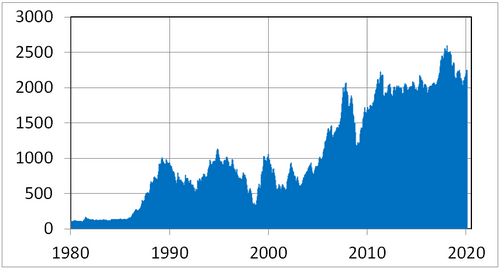
KOSPI2
ORGANIZATION
Lynch Global
ORGANIZATION
British media company
Merchant Bank
ORGANIZATION
Deals in commercial loans and investment

Merrill Lynch
ORGANIZATION • 4 mentions
American investing and wealth management division of Bank of America
Merrill Lynch (Singapore)
ORGANIZATION
Merrill Lynch Argentina SA
ORGANIZATION
Merrill Lynch Canada Inc
ORGANIZATION
Merrill Lynch Capital Markets Espana, S.AS.V.
ORGANIZATION
Merrill Lynch Equities (Australia) Limited
ORGANIZATION
Merrill Lynch Global Equity Volatility Insights
ORGANIZATION

Merrill Lynch Global Wealth Management
ORGANIZATION
Investment management and financial planning service
Merrill Lynch International
ORGANIZATION
Merrill Lynch International Bank Limited
ORGANIZATION
Merrill Lynch Israel Limited
ORGANIZATION
Merrill Lynch Japan Securities Co, Ltd.
ORGANIZATION
Merrill Lynch KSA Company
ORGANIZATION
Merrill Lynch Mexico
ORGANIZATION
Merrill Lynch Securities (Taiwan) Ltd.
ORGANIZATION
Merrill Lynch Yatirim Bank AS
ORGANIZATION
MUV2 GY
ORGANIZATION

Nasdaq
ORGANIZATION
American fully electronic stock exchange

Newcrest
ORGANIZATION
Australian based mining company
Oil &
ORGANIZATION
Oil & Gas
ORGANIZATION
Otoritas Jasa
ORGANIZATION
Pierce, Fenner & Smith Incorporated
ORGANIZATION
Prsnl&HH Gds)
ORGANIZATION
PT Merrill Lynch Indonesia
ORGANIZATION

Restric
ORGANIZATION
S&P GSCI Index
ORGANIZATION
S&P500
ORGANIZATION
SA de CV
ORGANIZATION
Senianin Bowler
ORGANIZATION
STAN LN
ORGANIZATION
Steet
ORGANIZATION
Stoxx
ORGANIZATION
the Abe Cabinet
ORGANIZATION
the Australian Securities and Investments Commission
ORGANIZATION
the Bo)’s
ORGANIZATION
the Capital Market Authority
ORGANIZATION
the Capital Markets Board of Turkey
ORGANIZATION
the Central Bank of Ireland
ORGANIZATION
the Comisién Nacional Bancaria y de Valores
ORGANIZATION
the Dubai Financial Services Authority
ORGANIZATION
The Financial Service Board
ORGANIZATION

the Financial Services Agency
ORGANIZATION
the Financial Supervisory Service
ORGANIZATION
the Hong Kong Monetary Authority
ORGANIZATION
the Hong Kong Securities and Futures Commission
ORGANIZATION
the Investment Industry Regulatory Organization of Canada
ORGANIZATION
the Monetary Authority of Singapore
ORGANIZATION
the Oil & Gas en ee
ORGANIZATION
the Securities and Exchange Board of India
ORGANIZATION
the Securities and Futures Bureau
ORGANIZATION
Turkey Broker
ORGANIZATION

U.S. Treasury
ORGANIZATION
Museum in Munich
Uridashi
ORGANIZATION
US Treasury Futures
ORGANIZATION
Utilities
ORGANIZATION
VIE FP
ORGANIZATION

Frankfurt
LOCATION
City in Hesse, Germany

Seoul
LOCATION
Capital and largest city of South Korea

United Kingdom
LOCATION
Country in north-west Europe
Statistics
Pages:27
Entities:113
Avg. OCR:87.1%