Back to Network














8
Shared Docs
8
Same-Page
8 / 8
Mentions
Document Mentions (8 shared documents)
2 mentions1 same-page
Page ?Same page
e travelled to Jerusalem, the capital of a country which neither Egypt nor any other Arab country even recognized. He met Begin, and he addressed the Knesset with a call for peace. It is impossible to convey to Israelis who did not live through the birth of the state, and our tumultuous early decades, the
become public. But mostly because of what I witnessed in the heart of Tel Aviv the night before the election, when I joined one of my top officers, a Likudnik, at Begin’s final campaign rally. Shimon still had a narrow lead in the polls. I hadn’t been at his closing rally, the previous evening. But like th
2 mentions1 same-page
Page ?Same page
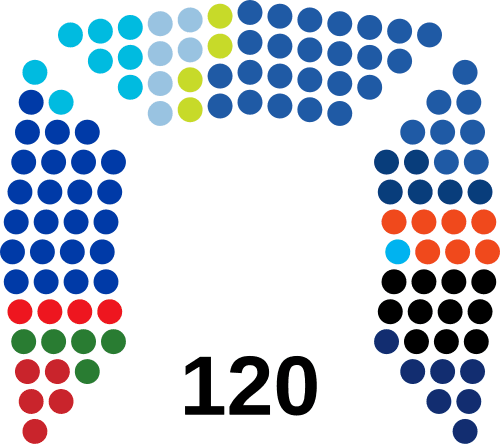
he pundits were now suggesting that Shimon Peres might bring Labor back to power. There was no prospect he’d win an outright majority in the 120-seat Knesset. No one had ever done that, not even Ben-Gurion in his political heyday. From 1948, Israel’s political landscape had been populated by at least a doz
lier, imagining me as a Labor leader going head-to-head in a future election against Bibi Netanyahu for the Likud. Yossi was assumed to be more of a Likudnik, and a few weeks before Dan left office, I learned how Misha had rebutted the suggestion I was politically unfit to lead the armed forces. He was vis
2 mentions1 same-page
Page ?Same page
quitting. He said it would be a waste of time to stay in the cabinet if it was going to bring the peace process to a halt. I warned Bibi, both in the Knesset and in a series of speeches, about the alternative on the Palestinian side if those who wanted a negotiated peace had nothing but stalemate to show f
or me, was especially important. I knew he was as determined as I was to try to get a peace agreement with the Palestinians. But he was also a former Likudnik, and a native Jerusalemite. “I’m against any concessions when it comes to Israeli sovereignty,” he said. “Any attempt to divide Jerusalem would be a
Sponsored
2 mentions1 same-page
Page ?Same page
he years, initially when I was in the kirya and both he and another rising Likud politician to whom I became closer, Dan Meridor, were members of the Knesset’s defense committee. But from the day I returned to the Israeli government in June 2007, there was growing tension between us over dealing with the S
s a disappointment. We went down six seats, to 13. The big gainer was a far-right, stridently anti-Arab party called Yisrael Beitenu, led by a former Likudnik named Avigdor Lieberman. Tzipi’s attempt to form a coalition became less a political process than a contest between rival stalls in a Middle Eastern
2 mentions1 same-page
Page ?Same page
e travelled to Jerusalem, the capital of a country which neither Egypt nor any other Arab country even recognized. He met Begin, and he addressed the Knesset with a call for peace. It is impossible to convey to Israelis who did not live through the birth of the state, and our tumultuous early decades, the
become public. But mostly because of what I witnessed in the heart of Tel Aviv the night before the election, when I joined one of my top officers, a Likudnik, at Begin's final campaign rally. Shimon still had a narrow lead in the polls. I hadn't been at his closing rally, the previous evening. But like the
2 mentions1 same-page
Page ?Same page
he pundits were now suggesting that Shimon Peres might bring Labor back to power. There was no prospect he'd win an outright majority in the 120-seat Knesset. No one had ever done that, not even Ben-Gurion in his political heyday. From 1948, Israel's political landscape had been populated by at least a doz
arlier, imagining me as a Labor leader going head-to-head in a future election against Bibi Netanyahu for the Likud Yossi was assumed to be more of a Likudnik, and a few weeks before Dan left office, I learned how Misha had rebutted the suggestion I was politically unfit to lead the armed forces. He was vis
Sponsored
2 mentions1 same-page
Page ?Same page
quitting. He said it would be a waste of time to stay in the cabinet if it was going to bring the peace process to a halt. I warned Bibi, both in the Knesset and in a series of speeches, about the alternative on the Palestinian side if those who wanted a negotiated peace had nothing but stalemate to show f
or me, was especially important. I knew he was as determined as I was to try to get a peace agreement with the Palestinians. But he was also a former Likudnik, and a native Jerusalemite. "I'm against any concessions when it comes to Israeli sovereignty," he said. "Any attempt to divide Jerusalem would be a
2 mentions1 same-page
Page ?Same page
he years, initially when I was in the kirya and both he and another rising Likud politician to whom I became closer, Dan Meridor, were members of the Knesset's defense committee. But from the day I returned to the Israeli government in June 2007, there was growing tension between us over dealing with the S
s a disappointment. We went down six seats, to 13. The big gainer was a far-right, stridently anti-Arab party called Yisrael Beitenu, led by a former Likudnik named A vigdor Lieberman. Tzipi's attempt to form a coalition became less a political process than a contest between rival stalls in a Middle Eastern
Sponsored
Mutual Connections (752)
Entities connected to both Knesset and Likudnik
Benjamin Netanyahu
PERSON53 w/ Knesset·9 w/ Likudnik
George W. Bush
PERSON41 w/ Knesset·9 w/ Likudnik
Barack Obama
PERSON45 w/ Knesset·5 w/ Likudnik
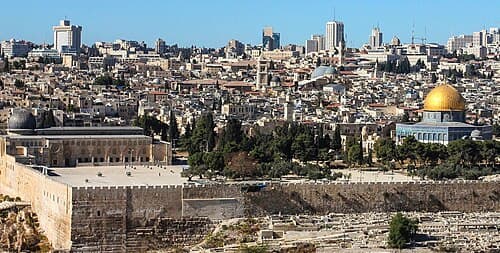
Jerusalem
LOCATION42 w/ Knesset·8 w/ Likudnik
Bashar al-Assad
PERSON36 w/ Knesset·7 w/ Likudnik
Lebanon
LOCATION32 w/ Knesset·9 w/ Likudnik
Bill Clinton
PERSON33 w/ Knesset·7 w/ Likudnik
United States
LOCATION34 w/ Knesset·6 w/ Likudnik
Likud
ORGANIZATION27 w/ Knesset·8 w/ Likudnik
Damascus
LOCATION24 w/ Knesset·9 w/ Likudnik
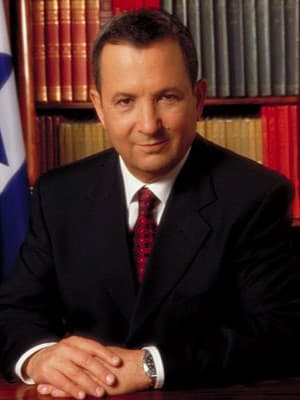
Ehud Barak
PERSON24 w/ Knesset·8 w/ Likudnik
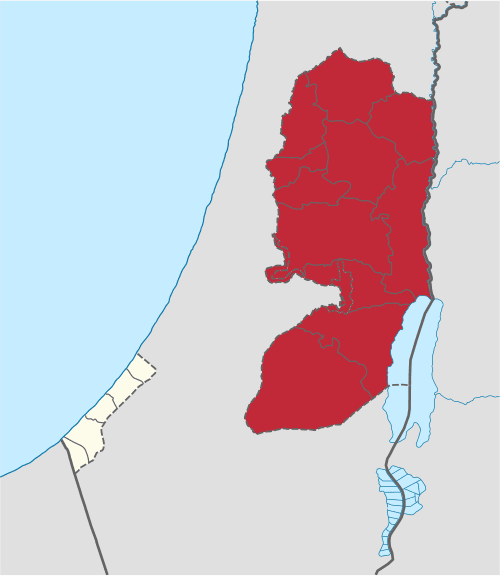
the West Bank
LOCATION23 w/ Knesset·9 w/ Likudnik
West Bank
LOCATION25 w/ Knesset·6 w/ Likudnik
Saddam Hussein
PERSON23 w/ Knesset·7 w/ Likudnik
Cairo
LOCATION24 w/ Knesset·5 w/ Likudnik
Sinai
LOCATION21 w/ Knesset·8 w/ Likudnik
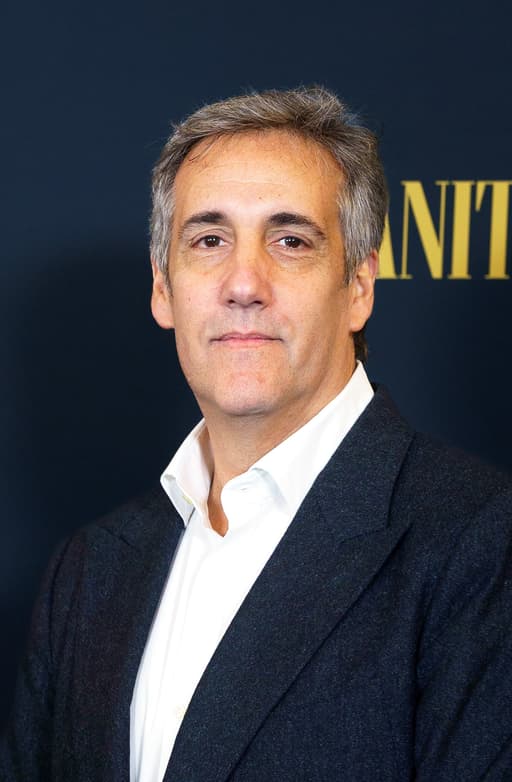
Michael Cohen
PERSON22 w/ Knesset·6 w/ Likudnik
Fatah
ORGANIZATION20 w/ Knesset·8 w/ Likudnik
Hosni Mubarak
PERSON22 w/ Knesset·5 w/ Likudnik
Mossad
ORGANIZATION18 w/ Knesset·8 w/ Likudnik