Back to Network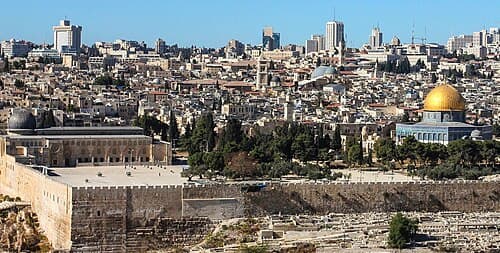

7
Shared Docs
6
Same-Page
7 / 11
Mentions
Document Mentions (7 shared documents)
3 mentions1 same-page
Page ?Same page
he spring of 1986, we faced our first major test on the ground. In a pre- Passover event organized by Gush Emunim, some 10,000 settlers streamed into Hebron, a city sacred not only to Jews but Muslims as well as the burial place of Hebrew patriarchs and matriarchs. Peace Now activists had planned a counte
HOUSE_OVERSIGHT_011754 votes: one for a party list and one for a directly elected Prime Minister. This would be a personal test, an opportunity for Shimon to build on the still-tenuous achievement of Oslo and finally secure the endorsement of the Israeli people. It seemed, for a while, I might even hav
had made Foreign Minister, Shimon Peres. Though the two men had grown to respect each another over the years, Rabin neither trusted, nor much liked, Shimon. In fact, though Peres’s support inside Labor had secured him the foreign ministry, Rabin had stipulated that all peace talks would remain under his
3 mentions1 same-page
Page ?Same page
attention to was the opinion polls. Briefly, in late 1977, I did pull ahead, during the period leading up to Bibi’s agreement to pull out of most of Hebron. But for much of 1998, I was running behind, and questions about my leadership surfaced publicly by the summer. The media commentators spoke of the n
’d agree on a unity government. To my amusement, if not altogether to my surprise, I got word that Bibi was putting out separate political feelers to Shimon Peres. But before long, it became clear there was a specific political motivation behind his approaching me. It was indeed the peace process. But it
And while I did make a brief attempt to return as party leader later in the year, when it was clear I wasn’t going to win, I threw my support behind Shimon and against the other challenger, the longtime labor- union leader Amir Peretz, who was running on a platform to take Labor out of Sharon’s governmen
3 mentions1 same-page
Page ?Same page
he spring of 1986, we faced our first major test on the ground. In a pre- Passover event organized by Gush Emunim, some 10,000 settlers streamed into Hebron, a city sacred not only to Jews but Muslims as well as the burial place of Hebrew patriarchs and matriarchs. Peace Now activists had planned a counte
HOUSE_OVERSIGHT_028131 votes: one for a party list and one for a directly elected Prime Minister. This would be a personal test, an opportunity for Shimon to build on the still-tenuous achievement of Oslo and finally secure the endorsement of the Israeli people. It seemed, for a while, I might even have
had made Foreign Minister, Shimon Peres. Though the two men had grown to respect each another over the years, Rabin neither trusted, nor much liked, Shimon. In fact, though Peres's support inside Labor had secured him the foreign ministry, Rabin had stipulated that all peace talks would remain under his
Sponsored
3 mentions1 same-page
Page ?Same page
attention to was the opinion polls. Briefly, in late 1977, I did pull ahead, during the period leading up to Bibi's agreement to pull out of most of Hebron. But for much of 1998, I was running behind, and questions about my leadership surfaced publicly by the summer. The media commentators spoke of the n
'd agree on a unity government. To my amusement, if not altogether to my surprise, I got word that Bibi was putting out separate political feelers to Shimon Peres. But before long, it became clear there was a specific political motivation behind his approaching me. It was indeed the peace process. But it
GHT_028163 / BARAK / 30 I'd tried not to pay too much attention to newspaper polls during the campaign, perhaps because even the "good" ones, to use Shimon's phrase, had me with just a narrow lead, with Yitzhik Mordechai's 10 or 11 percent still likely to prevent outright victory in the first round. But
2 mentions1 same-page
Page ?Same page
twice, during his first term as Prime Minister. He had agreed to give the 411 HOUSE_OVERSIGHT_011882 / BARAK / 126 Palestinians control of most of Hebron, and accepted further withdrawals under the Wye River agreement. But amid predictable protests from the right, he had promptly retreated from his Wye
I told a television interviewer that the government had every right to respond and was doing so effectively. Olmert phoned to thank me. When he, like Shimon, asked what I thought the government should do next, I was straightforward: “Do your best to bring things to an end as soon as you can.” I said that
2 mentions1 same-page
Page ?Same page
twice, during his first term as Prime Minister. He had agreed to give the 411 HOUSE _OVERSIGHT_028259 / BARAK / 126 Palestinians control of most of Hebron, and accepted further withdrawals under the Wye River agreement. But amid predictable protests from the right, he had promptly retreated from his Wye
I told a television interviewer that the government had every right to respond and was doing so effectively. Olmert phoned to thank me. When he, like Shimon, asked what I thought the government should do next, I was straightforward: "Do your best to bring things to an end as soon as you can." I said that
Sponsored
Page HOUSE_OVERSIGHT_023149
lestine PLC Palestinian Legislative Council PLO Palestine Liberation Organization SLA South Lebanon Army TIPH Temporary International Presence in Hebron UN United Nations UNDOF United Nations Disengagement Observation Force UNEF United Nations Emergency Force UNGA United Nations General Assembly U
Page: HOUSE_OVERSIGHT_023149 →Page HOUSE_OVERSIGHT_023155
Casablanca Declaration. 30 November 1994 Establishment of the LACC. 10 December 1994 Official ceremony to present Nobel Peace Prize to Yizhak Rabin, Shimon Peres, and Yasir Arafat. 28 September 1995 — Israeli-Palestinian Interim Agreement on the West Bank and Gaza Strip: Oslo II. 31 October 1995 Beilin-
Page: HOUSE_OVERSIGHT_023155 →Sponsored
Mutual Connections (595)
Entities connected to both Hebron and Shimon
Jerusalem
LOCATION33 w/ Hebron·9 w/ Shimon
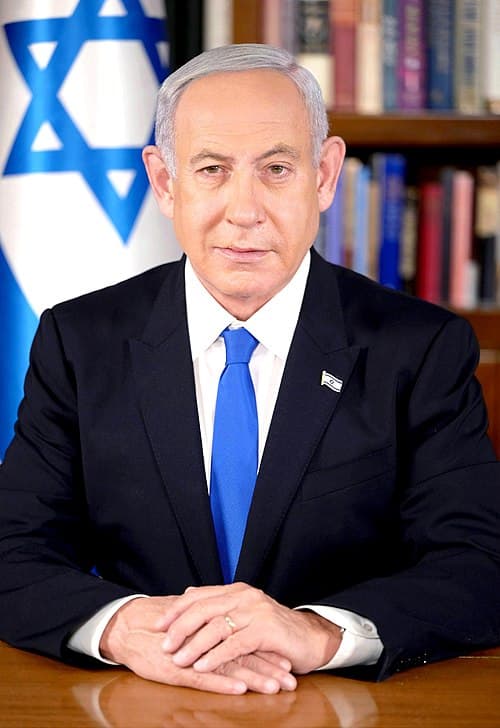
Benjamin Netanyahu
PERSON21 w/ Hebron·11 w/ Shimon
Fatah
ORGANIZATION20 w/ Hebron·11 w/ Shimon
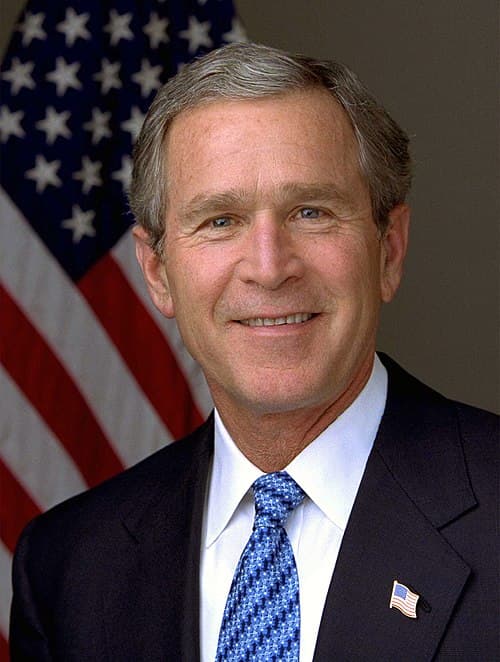
George W. Bush
PERSON18 w/ Hebron·12 w/ Shimon
West Bank
LOCATION21 w/ Hebron·9 w/ Shimon
Lebanon
LOCATION17 w/ Hebron·11 w/ Shimon
the West Bank
LOCATION19 w/ Hebron·8 w/ Shimon
Ehud Barak
PERSON15 w/ Hebron·11 w/ Shimon
Ramallah
LOCATION16 w/ Hebron·9 w/ Shimon
Shimon Peres
PERSON12 w/ Hebron·12 w/ Shimon
Yasser Arafat
PERSON12 w/ Hebron·11 w/ Shimon
Bill Clinton
PERSON16 w/ Hebron·7 w/ Shimon
Sinai
LOCATION13 w/ Hebron·9 w/ Shimon
United States
LOCATION11 w/ Hebron·10 w/ Shimon
Bashar al-Assad
PERSON14 w/ Hebron·7 w/ Shimon
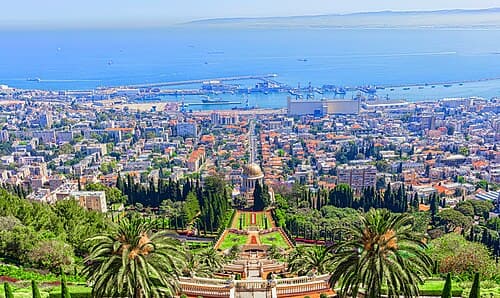
Haifa
LOCATION12 w/ Hebron·9 w/ Shimon
Likud
ORGANIZATION9 w/ Hebron·11 w/ Shimon
the Gaza Strip
LOCATION15 w/ Hebron·5 w/ Shimon
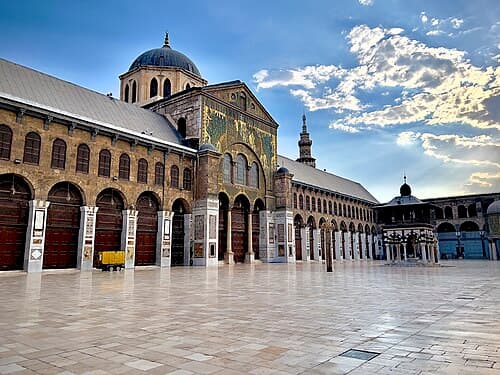
Damascus
LOCATION11 w/ Hebron·9 w/ Shimon
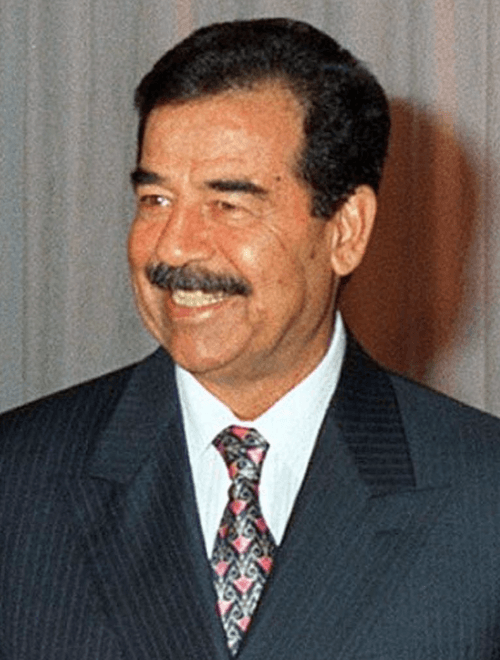
Saddam Hussein
PERSON10 w/ Hebron·9 w/ Shimon