Back to Network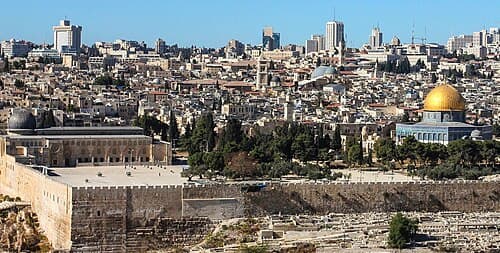



6
Shared Docs
6
Same-Page
10 / 6
Mentions
Document Mentions (6 shared documents)
3 mentions1 same-page
Page ?Same page
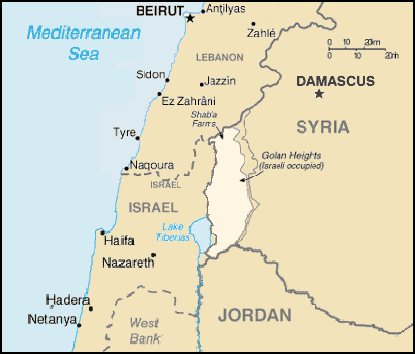
our position was that, assuming all our own negotiating concerns were addressed, we accepted that peace with Syria would include withdrawing from the Golan. The formula was agreed in a meeting in Israel between Rabin and the Clinton Administration’s Middle East negotiator, Dennis Ross. Rabin didn’t tell
or the promise, or maybe only the hope, of peace. It was the same problem Yitzhak had faced over the Americans’ misuse of our “pocket deposit” on the Golan. I realized that, having come this far with Oslo, neither he nor the government was likely to back away from approving the Gaza-Jericho accord. But h
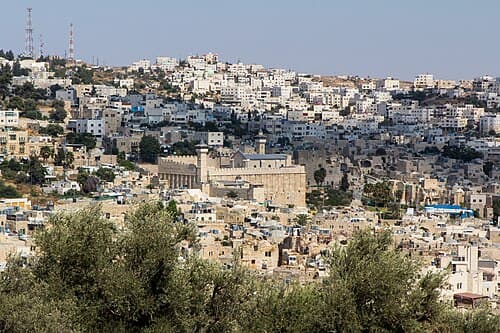
he spring of 1986, we faced our first major test on the ground. In a pre- Passover event organized by Gush Emunim, some 10,000 settlers streamed into Hebron, a city sacred not only to Jews but Muslims as well as the burial place of Hebrew patriarchs and matriarchs. Peace Now activists had planned a counte
3 mentions1 same-page
Page ?Same page
Bibi what successive Israeli leaders had learned: a deal might be possible, but only if Israel was willing to commit in advance to pulling out of the Golan. Assad told Lauder to come back to him with a detailed map setting out Bibi’s view on delineating the Israeli-Syrian border under a peace agreement.
outbursts, and they won’t do you any good.” He challenged Bibi to just “look me in the eye” and admit what he really thought about the future of the Golan. The media verdict was unanimous. Mordechai had won. Which meant I had won. Though my American and British brains’ trust had little input into our d
attention to was the opinion polls. Briefly, in late 1977, I did pull ahead, during the period leading up to Bibi’s agreement to pull out of most of Hebron. But for much of 1998, I was running behind, and questions about my leadership surfaced publicly by the summer. The media commentators spoke of the n
3 mentions1 same-page
Page ?Same page
our position was that, assuming all our own negotiating concerns were addressed, we accepted that peace with Syria would include withdrawing from the Golan. The formula was agreed in a meeting in Israel between Rabin and the Clinton Administration's Middle East negotiator, Dennis Ross. Rabin didn't tell
or the promise, or maybe only the hope, of peace. It was the same problem Yitzhak had faced over the Americans' misuse of our "pocket deposit" on the Golan. I realized that, having come this far with Oslo, neither he nor the government was likely to back away from approving the Gaza-Jericho accord But he
he spring of 1986, we faced our first major test on the ground. In a pre- Passover event organized by Gush Emunim, some 10,000 settlers streamed into Hebron, a city sacred not only to Jews but Muslims as well as the burial place of Hebrew patriarchs and matriarchs. Peace Now activists had planned a counte
Sponsored
3 mentions1 same-page
Page ?Same page
Bibi what successive Israeli leaders had learned: a deal might be possible, but only if Israel was willing to commit in advance to pulling out of the Golan. Assad told Lauder to come back to him with a detailed map setting out Bibi's view on delineating the Israeli-Syrian border under a peace agreement.
outbursts, and they won't do you any good." He challenged Bibi to just "look me in the eye" and admit what he really thought about the future of the Golan. The media verdict was unanimous. Mordechai had won. Which meant I had won. Though my American and British brains' trust had little input into our da
attention to was the opinion polls. Briefly, in late 1977, I did pull ahead, during the period leading up to Bibi's agreement to pull out of most of Hebron. But for much of 1998, I was running behind, and questions about my leadership surfaced publicly by the summer. The media commentators spoke of the n
2 mentions1 same-page
Page ?Same page
Syria. The special technology unit attached to military intelligence had developed a bugging device designed to be placed on a telephone pole on the Golan. The task of installing it was given to the most decorated, and respected, commando unit in the army: Company A in Sharon’s paratroop battalion, led
less true of the biblical sites of Judaea and Samaria — the West Bank of the Jordan river. 92 HOUSE_OVERSIGHT_011563 Places like Bet El, Shiloh, or Hebron. They represented the historic wellspring not just of the state we’d created, but of Jewish civilization, our heritage, our moral and ethical foundat
2 mentions1 same-page
Page ?Same page
Syria. The special technology unit attached to military intelligence had developed a bugging device designed to be placed on a telephone pole on the Golan. The task of installing it was given to the most decorated, and respected, commando unit in the army: Company A in Sharon’s paratroop battalion, led
less true of the biblical sites of Judaea and Samaria - the West Bank of the Jordan river. 92 HOUSE_OVERSIGHT_027940 Places like Bet El, Shiloh, or Hebron. They represented the historic wellspring not just of the state we'd created, but of Jewish civilization, our heritage, our moral and ethical foundat
Sponsored
Mutual Connections (823)
Entities connected to both Golan and Hebron
Jerusalem
LOCATION14 w/ Golan·33 w/ Hebron
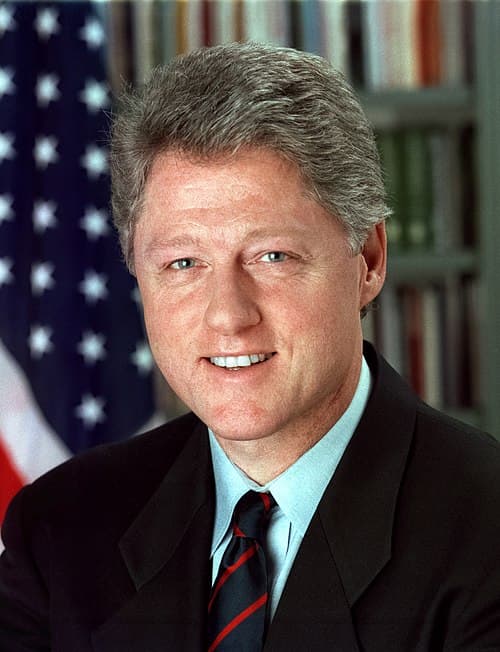
Bill Clinton
PERSON31 w/ Golan·16 w/ Hebron
George W. Bush
PERSON22 w/ Golan·18 w/ Hebron
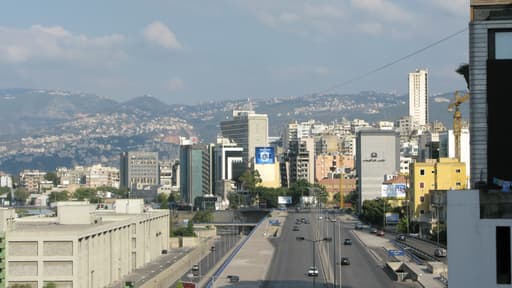
Lebanon
LOCATION19 w/ Golan·17 w/ Hebron
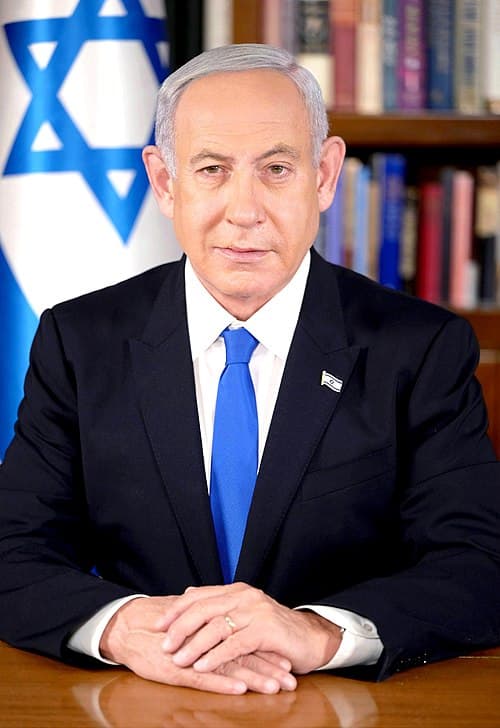
Benjamin Netanyahu
PERSON15 w/ Golan·21 w/ Hebron
Fatah
ORGANIZATION12 w/ Golan·20 w/ Hebron
Bashar al-Assad
PERSON18 w/ Golan·14 w/ Hebron
West Bank
LOCATION9 w/ Golan·21 w/ Hebron
Jeffrey Epstein
PERSON22 w/ Golan·7 w/ Hebron
Prince Andrew
PERSON21 w/ Golan·7 w/ Hebron
Ehud Barak
PERSON12 w/ Golan·15 w/ Hebron
the West Bank
LOCATION8 w/ Golan·19 w/ Hebron
Barack Obama
PERSON15 w/ Golan·12 w/ Hebron
the Golan Heights
LOCATION16 w/ Golan·10 w/ Hebron
Damascus
LOCATION15 w/ Golan·11 w/ Hebron
Sinai
LOCATION13 w/ Golan·13 w/ Hebron
United States
LOCATION14 w/ Golan·11 w/ Hebron
Yasser Arafat
PERSON12 w/ Golan·12 w/ Hebron
Haifa
LOCATION11 w/ Golan·12 w/ Hebron
Ramallah
LOCATION6 w/ Golan·16 w/ Hebron