Back to Network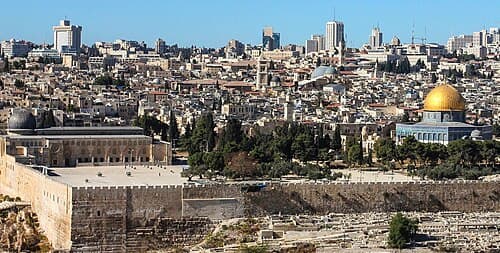

5
Shared Docs
5
Same-Page
5 / 5
Mentions
Document Mentions (5 shared documents)
2 mentions1 same-page
Page ?Same page
iving a tractor. I woke up early and accompanied him into the fields of wheat, barley or rye. We also made a series of trips 130 miles south into the Negev to a moshav called Patish. It had been set up by newly arrived Moroccan Jews. Since they didn’t have the equipment or know-how to cultivate all their
attacks after one of its planes had been hijacked to Algiers in the summer of 1968. It was also the same kind of plane — a Sabena flight, hijacked to Tel Aviv’s Ben-Gurion Airport — which I stormed, before sunrise, four years later with a force of nearly two dozen Matkal commandos. The shooting was over withi
2 mentions1 same-page
Page ?Same page
cross the Jordan River, in a town called Karameh. From early 1968, they had been launching hit- and-run raids, not just on the West Bank but into the Negev. Eshkol’s cabinet was initially divided on whether to attack his base in Jordan, in both an act of retaliation and a signal to King Hussein that if h
the war, he was reassigned as an operational officer in military intelligence in the kirya. He was still at his desk when Fatah terrorists landed on Tel Aviv’s seafront a little before midnight on March 4, 1975. They were spotted by a police patrol, which opened fire. The Fatah men ran from the beach, firing
2 mentions1 same-page
Page ?Same page
found themselves in a similar situation, mentioned as possible chiefs of staff but never chosen: Arik and Ezer Weizman. I saw Arik on his farm in the Negev. He was obviously enjoying his extraordinary political rehabilitation since the Lebanon war. His expanding girth was settled into a sofa in the livin
. He, like all of us who had campaigned for him, knew what was at stake for the country. It had been barely six months since Rabin was gunned down in Tel Aviv’s main square, by a fellow Israeli riding a tide of hatred so blinkered that it could paint Yitzhak — who had worked all his life to create, defend and
Sponsored
2 mentions1 same-page
Page ?Same page
rrowest of margins, might determine the outcome. After the 1996 election, I’d learned of cases where Peres volunteers outside polling stations in the Negev or the north of the country had left early, in order to make sure they’d be back to Tel Aviv in time for the “moment of victory.” Now, I sent out wor
he most terror, and death: at bus stations, on buses, in shopping centers, restaurants and cafés. Over a 12-month period, beginning with a bombing of Tel Aviv’s main bus station at the beginning of January 2003, they murdered 145 men, women and children. It would not be until two years’ later, with the West B
2 mentions1 same-page
Page ?Same page
iving a tractor. I woke up early and accompanied him into the fields of wheat, barley or rye. We also made a series of trips 130 miles south into the Negev to a moshav called Patish. It had been set up by newly arrived Moroccan Jews. Since they didn’t have the equipment or know-how to cultivate all their
attacks after one of its planes had been hijacked to Algiers in the summer of 1968. It was also the same kind of plane — a Sabena flight, hijacked to Tel Aviv’s Ben-Gurion Airport — which I stormed, before sunrise, four years later with a force of nearly two dozen Matkal commandos. The shooting was over withi
Sponsored
Mutual Connections (414)
Entities connected to both Negev and Tel Aviv’s
Jerusalem
LOCATION16 w/ Negev·5 w/ Tel
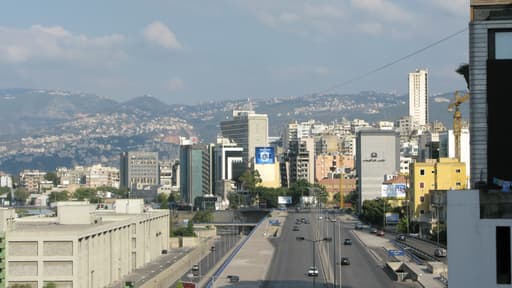
Lebanon
LOCATION16 w/ Negev·5 w/ Tel
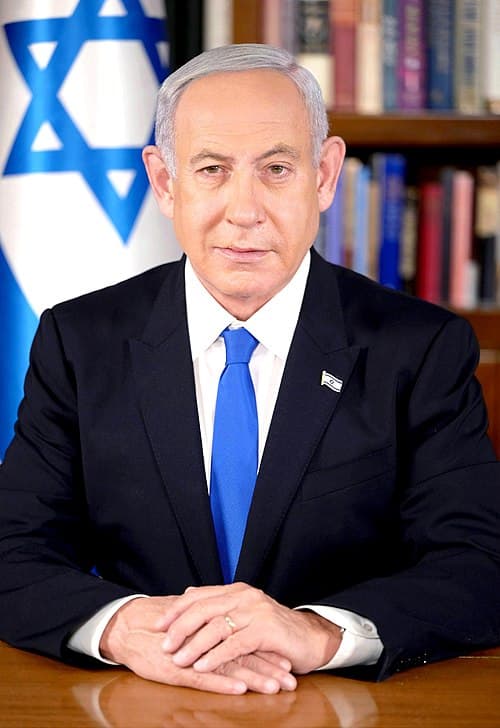
Benjamin Netanyahu
PERSON15 w/ Negev·5 w/ Tel
George W. Bush
PERSON17 w/ Negev·3 w/ Tel
the West Bank
LOCATION14 w/ Negev·5 w/ Tel
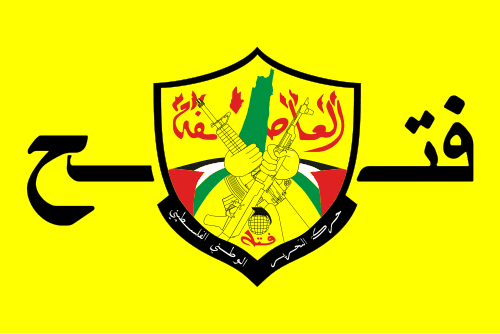
Fatah
ORGANIZATION14 w/ Negev·5 w/ Tel
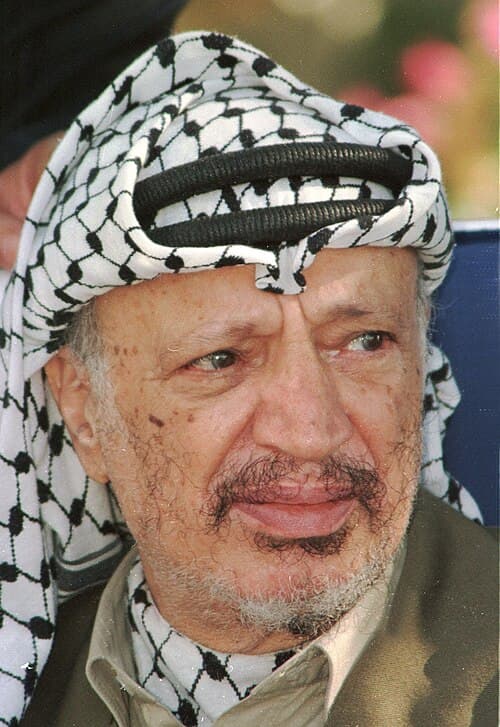
Yasser Arafat
PERSON13 w/ Negev·5 w/ Tel
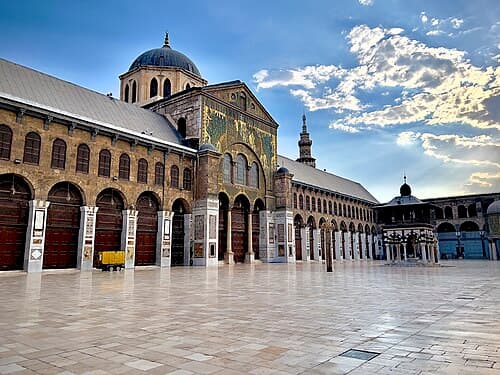
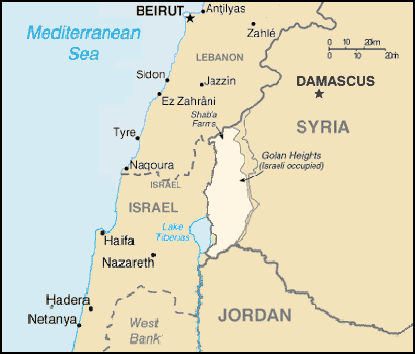
Damascus
LOCATION13 w/ Negev·5 w/ Tel
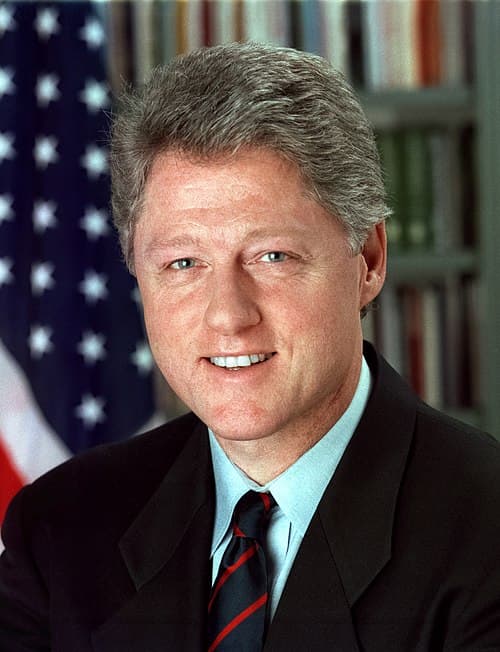
Bill Clinton
PERSON14 w/ Negev·4 w/ Tel
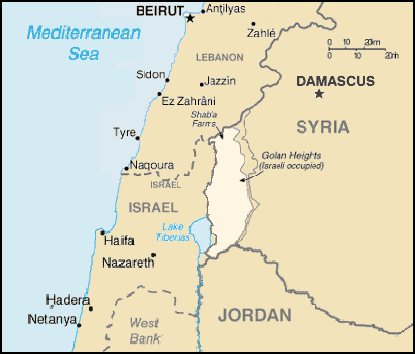
the Golan Heights
LOCATION12 w/ Negev·5 w/ Tel
Barack Obama
PERSON14 w/ Negev·3 w/ Tel
the Jordan River
LOCATION12 w/ Negev·5 w/ Tel
Yitzhak Rabin
PERSON12 w/ Negev·5 w/ Tel
Sinai
LOCATION12 w/ Negev·5 w/ Tel
Hosni Mubarak
PERSON13 w/ Negev·4 w/ Tel
Knesset
ORGANIZATION12 w/ Negev·5 w/ Tel
Bashar al-Assad
PERSON12 w/ Negev·4 w/ Tel
Golan
LOCATION11 w/ Negev·5 w/ Tel
Ehud Barak
PERSON11 w/ Negev·5 w/ Tel
Haifa
LOCATION11 w/ Negev·5 w/ Tel