Back to Network





5
Shared Docs
3
Same-Page
5 / 5
Mentions
Document Mentions (5 shared documents)
2 mentions1 same-page
Page ?Same page
Conflagration in the Middle East The Greater Middle East has not been more dangerous since the darkest days of the Cold War. Today instability from Tunisia to Pakistan means there's a real possibility of crises spreading rapidly -- and connecting up with each other. Syria, already now a proxy conflict
self-obsessed Omar Bongo, who had spent the previous 41 years running oil-rich Gabon as his personal estate. In the last year, North Korean enigma Kim Jong Il and Ethiopian strongman Meles Zenawi both died unexpectedly. The two had 38 years of leadership experience between them. More Refugees, Fewer Migr
2 mentions1 same-page
Page ?Same page
e through offspring: sons who had not risen through the military or other bureaucracies, and thus had no legitimacy. Marcus Aurelius was one thing; Tunisia's Zine el- Abidine Ben Ali, Egypt's Hosni Mubarak and Syria's Bashar al- Assad, quite another. Certainly, the Arab Spring has proved much: that ther
lways preferable to hard ones, even if the process takes some time. A moral argument can be made that monsters like Muammar el-Qaddafi in Libya and Kim Jong-il in North Korea should be overthrown any way they can, as fast as we can, regardless of the risk of short-term chaos. But that reasoning quickly lo
2 mentions1 same-page
Page ?Same page
ual income to start a firm in Syria and Yemen (assuming anyone would want to), just over twice the average globally. In a few Arab countries, like Tunisia, some notorious personifications of crony capitalism have fallen foul of political change but the practice has by no means ended. The weakness of
ture. Since the primary outlines of the agreement were actually negotiated during U.S.-DPRK bilateral talks held in July and October 2011 prior to Kim Jong-il's death, the agreement itself provides limited insight into how North Korea's new leadership makes decisions aside from reinforcing the North Korean
Sponsored
Page HOUSE_OVERSIGHT_023501
ndestine programs—as if the US nuclear arsenal poses the same danger to international peace and security as do the nuclear arsenals of the regimes of Kim Jong-il or the [ranian clerics. The goal of zero nuclear weapons, often referred to by its sponsors as a “moral imperative,” inevitably delegitimizes and un
Page: HOUSE_OVERSIGHT_023501 →Page HOUSE_OVERSIGHT_023508
Qaeda’s irrelevance in the Sunni Arab world, the heart of its supposed constituency. In countries where autocrats have been toppled (as in Egypt and Tunisia), we must help shape the new political and social environment; in nondemocratic, allied states (like the region’s monarchies), we need to accelerate
Page: HOUSE_OVERSIGHT_023508 →Page HOUSE_OVERSIGHT_032194
ule through offspring: sons who had not risen through the military or other bureaucracies, and thus had no legitimacy. Marcus Aurelius was one thing; Tunisia's Zine el- Abidine Ben Ali, Egypt's Hosni Mubarak and Syria's Bashar al- Assad, quite another. Certainly, the Arab Spring has proved much: that there
Page: HOUSE_OVERSIGHT_032194 →Page HOUSE_OVERSIGHT_032195
always preferable to hard ones, even if the process takes some time. A moral argument can be made that monsters like Muammar el-Qaddafi in Libya and Kim Jong-il in North Korea should be overthrown any way they can, as fast as we can, regardless of the risk of short-term chaos. But that reasoning quickly loses
Page: HOUSE_OVERSIGHT_032195 →Sponsored
Mutual Connections (161)
Entities connected to both Tunisia and Kim Jong-il
Barack Obama
PERSON120 w/ Tunisia·7 w/ Kim
Bashar al-Assad
PERSON112 w/ Tunisia·3 w/ Kim
United States
LOCATION97 w/ Tunisia·4 w/ Kim
Lebanon
LOCATION95 w/ Tunisia·2 w/ Kim
George W. Bush
PERSON84 w/ Tunisia·8 w/ Kim
Hosni Mubarak
PERSON89 w/ Tunisia·2 w/ Kim
Yemen
LOCATION82 w/ Tunisia·5 w/ Kim
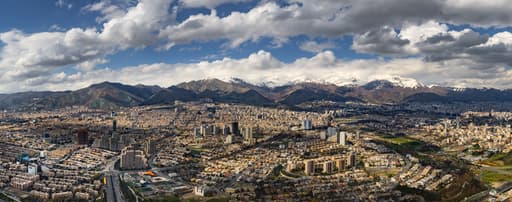
Tehran
LOCATION77 w/ Tunisia·6 w/ Kim
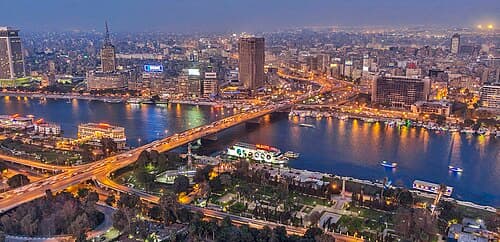
Cairo
LOCATION78 w/ Tunisia·2 w/ Kim
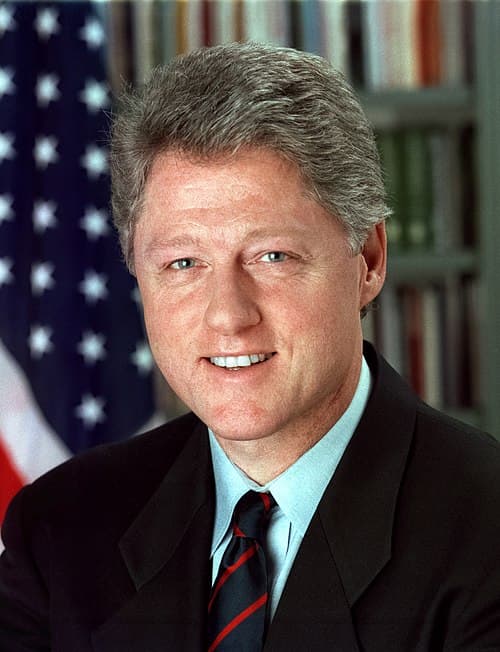
Bill Clinton
PERSON76 w/ Tunisia·4 w/ Kim
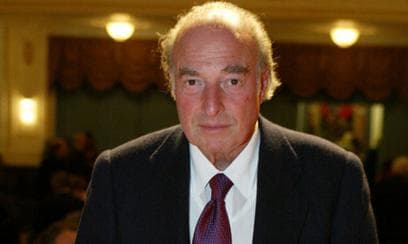
Marc Rich
PERSON73 w/ Tunisia·6 w/ Kim
Morocco
LOCATION67 w/ Tunisia·3 w/ Kim
Saddam Hussein
PERSON65 w/ Tunisia·4 w/ Kim
Middle East
LOCATION64 w/ Tunisia·4 w/ Kim
Terje Rod-Larsen
PERSON64 w/ Tunisia·2 w/ Kim
Fatah
ORGANIZATION56 w/ Tunisia·3 w/ Kim
Hillary Clinton
PERSON56 w/ Tunisia·2 w/ Kim
Jerusalem
LOCATION50 w/ Tunisia·3 w/ Kim
Mahmoud Abbas
PERSON49 w/ Tunisia·3 w/ Kim
Sudan
LOCATION35 w/ Tunisia·3 w/ Kim