Back to Network

7
Shared Docs
7
Same-Page
7 / 7
Mentions
Document Mentions (7 shared documents)
2 mentions1 same-page
Page ?Same page
ry day. It was intolerable." After six days of war, a cease-fire was agreed. However, at that time our troops had not yet succeeded in surrounding Beirut. So Sharon broke the cease-fire to cut the vital Beirut-Damascus highway. The present crisis in the "peace process" was caused by the Israeli gove
henever it thought that the national interest demanded it. As a soldier in the 1948 war, I took part in the great offensive to open the way to the Negev, which had been cut off by the Egyptian army. This was done in violation of the cease-fire arranged by the UN. We used a simple ruse for putting th
2 mentions1 same-page
Page ?Same page
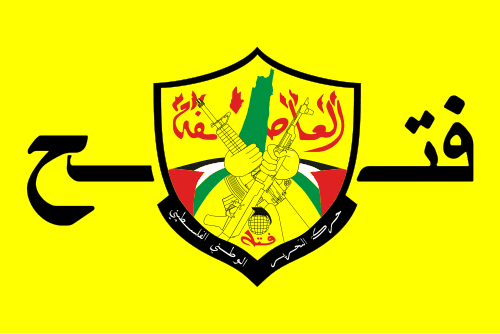
ted plan — a raid by helicopter into a Fatah-dominated area in southeastern Lebanon, during one of Arafat’s intermittent, morale-boosting visits from Beirut — to assassinate him. My immediate superior, the army’s head of operations, was all for our doing it. But the chief of military intelligence said no.
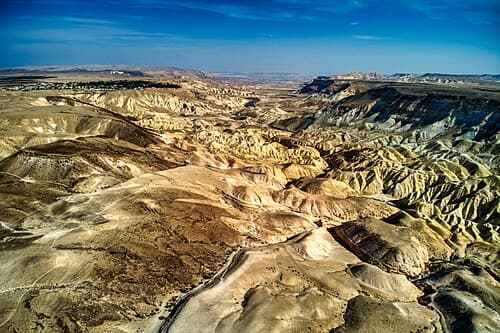
iving a tractor. I woke up early and accompanied him into the fields of wheat, barley or rye. We also made a series of trips 130 miles south into the Negev to a moshav called Patish. It had been set up by newly arrived Moroccan Jews. Since they didn’t have the equipment or know-how to cultivate all their
2 mentions1 same-page
Page ?Same page
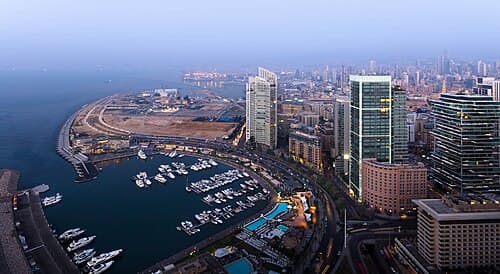
te within a state” and deliberately weakening his government. Now, they were doing much the same in Lebanon. Their headquarters buildings in southern Beirut were spawning hiyackings or terror attacks. From bases in southern Lebanon, the Palestinians were also firing Katyusha rockets into Israel. One of t
cross the Jordan River, in a town called Karameh. From early 1968, they had been launching hit- and-run raids, not just on the West Bank but into the Negev. Eshkol’s cabinet was initially divided on whether to attack his base in Jordan, in both an act of retaliation and a signal to King Hussein that if h
Sponsored
2 mentions1 same-page
Page ?Same page
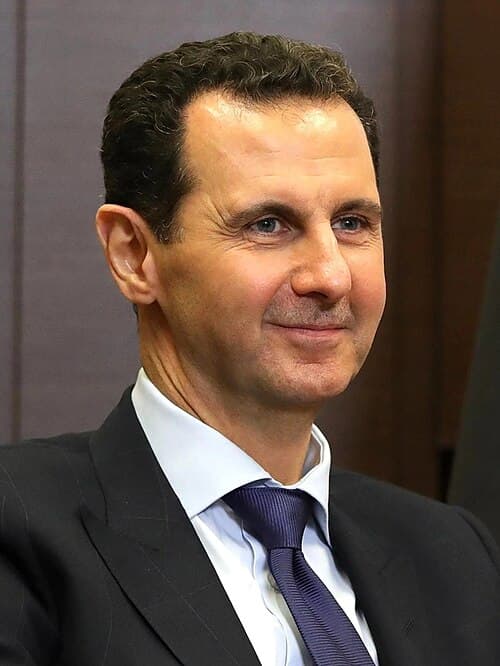
d itself in a fierce firefight with the Syrians, and lost eleven men. We were now just three hours from the cease-fire. We did advance nearer to the Beirut-Damascus road. An hour before noon, our dedicated anti-tank unit destroyed 20 of Assad’s top-tier tanks, Soviet-made T-72s. Under different circumsta
found themselves in a similar situation, mentioned as possible chiefs of staff but never chosen: Arik and Ezer Weizman. I saw Arik on his farm in the Negev. He was obviously enjoying his extraordinary political rehabilitation since the Lebanon war. His expanding girth was settled into a sofa in the livin
2 mentions1 same-page
Page ?Same page
ted plan — a raid by helicopter into a Fatah-dominated area in southeastern Lebanon, during one of Arafat’s intermittent, morale-boosting visits from Beirut — to assassinate him. My immediate superior, the army’s head of operations, was all for our doing it. But the chief of military intelligence said no.
iving a tractor. I woke up early and accompanied him into the fields of wheat, barley or rye. We also made a series of trips 130 miles south into the Negev to a moshav called Patish. It had been set up by newly arrived Moroccan Jews. Since they didn’t have the equipment or know-how to cultivate all their
2 mentions1 same-page
Page ?Same page
te within a state" and deliberately weakening his government. Now, they were doing much the same in Lebanon. Their headquarters buildings in southern Beirut were spawning hijackings or terror attacks. From bases in southern Lebanon, the Palestinians were also firing Katyusha rockets into Israel. One of th
cross the Jordan River, in a town called Karameh. From early 1968, they had been launching hit- and-run raids, not just on the West Bank but into the Negev. Eshkol's cabinet was initially divided on whether to attack his base in Jordan, in both an act of retaliation and a signal to King Hussein that if h
Sponsored
2 mentions1 same-page
Page ?Same page
nd itself in a fierce firefight with the Syrians, and lost eleven men. We were now just three hours from the cease-fire. We did advance nearer to the Beirut-Damascus road. An hour before noon, our dedicated anti-tank unit destroyed 20 of Assad's top-tier tanks, Soviet-made T-72s. Under different circumsta
found themselves in a similar situation, mentioned as possible chiefs of staff but never chosen: Arik and Ezer Weizman. I saw Arik on his farm in the Negev. He was obviously enjoying his extraordinary political rehabilitation since the Lebanon war. His expanding girth was settled into a sofa in the livin
Sponsored
Mutual Connections (899)
Entities connected to both Beirut and Negev
Jeffrey Epstein
PERSON87 w/ Beirut·10 w/ Negev
Lebanon
LOCATION77 w/ Beirut·16 w/ Negev
Barack Obama
PERSON62 w/ Beirut·14 w/ Negev
George W. Bush
PERSON50 w/ Beirut·17 w/ Negev
United States
LOCATION52 w/ Beirut·12 w/ Negev
Benjamin Netanyahu
PERSON47 w/ Beirut·15 w/ Negev
Bashar al-Assad
PERSON48 w/ Beirut·12 w/ Negev
Damascus
LOCATION44 w/ Beirut·13 w/ Negev
Bill Clinton
PERSON41 w/ Beirut·14 w/ Negev
Tehran
LOCATION44 w/ Beirut·5 w/ Negev
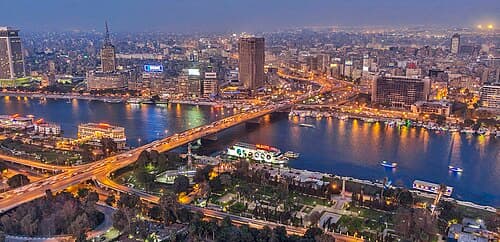
Cairo
LOCATION41 w/ Beirut·7 w/ Negev
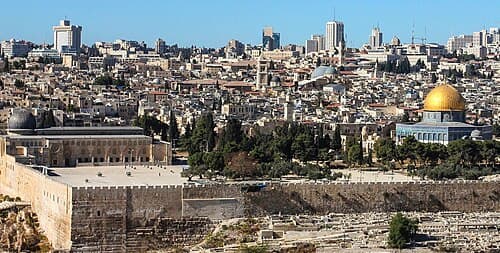
Jerusalem
LOCATION32 w/ Beirut·16 w/ Negev
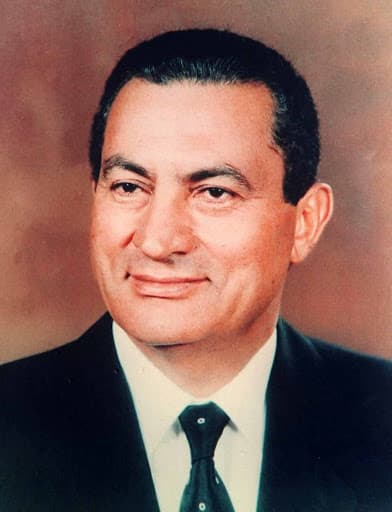
Hosni Mubarak
PERSON32 w/ Beirut·13 w/ Negev
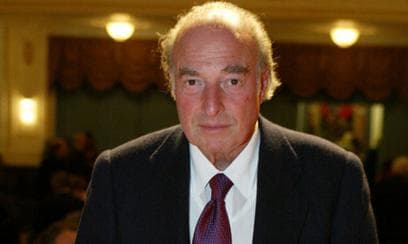
Marc Rich
PERSON34 w/ Beirut·11 w/ Negev
Middle East
LOCATION34 w/ Beirut·8 w/ Negev
Vladimir Putin
PERSON37 w/ Beirut·2 w/ Negev
LB
Leon Black
PERSON34 w/ Beirut·5 w/ Negev
Department of Justice
ORGANIZATION35 w/ Beirut·3 w/ Negev
Michael Cohen
PERSON28 w/ Beirut·10 w/ Negev
Fatah
ORGANIZATION24 w/ Beirut·14 w/ Negev