Back to Network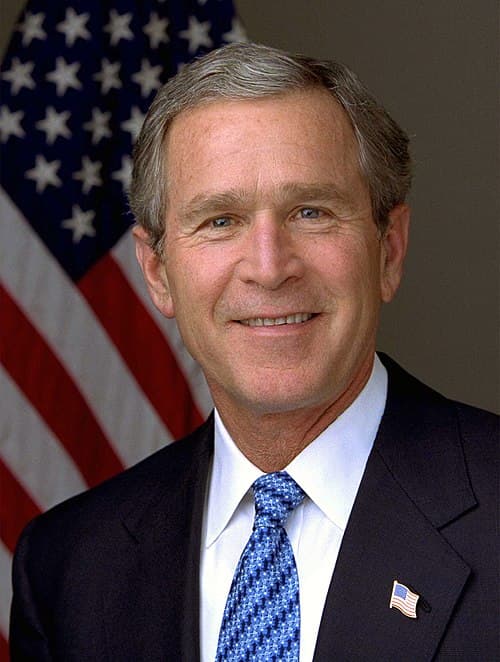
5
Shared Docs
5
Same-Page
5 / 5
Mentions
Document Mentions (5 shared documents)
2 mentions1 same-page
Page ?Same page
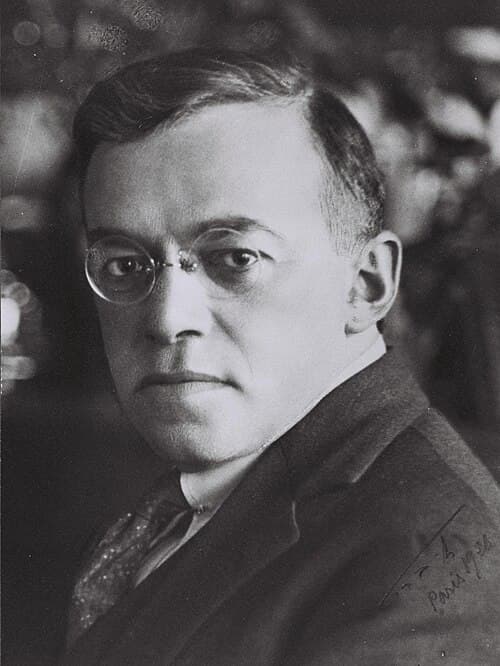
ny way). If Menachem Begin altogether escapes Judis' notice, his mentor, Vladimir Ze'ev Jabotinsky, comes in for more than his share of criticism. Jabotinsky's defense in the 1920s of a militant "iron wall" policy, which rested on the assumption that "the Jews would succeed in gaining Palestine only by d
on of Palestine into two partially self-governing provinces—one Jewish and one Arab— with a British-controlled central government. Jerusalem and the Negev would be under the direct jurisdiction of the British Mandatory power, which would maintain control over defense, foreign affairs, taxation, and i
2 mentions1 same-page
Page ?Same page
h history, he could not find a place on the faculty at Hebrew University. He was convinced, perhaps with some reason, that his outspoken advocacy for Jabotinsky’s Zionism in a country defined by Ben-Gurion’s had frozen him out. He left to pursue his academic career in America, where both Yoni and Bibi spent m
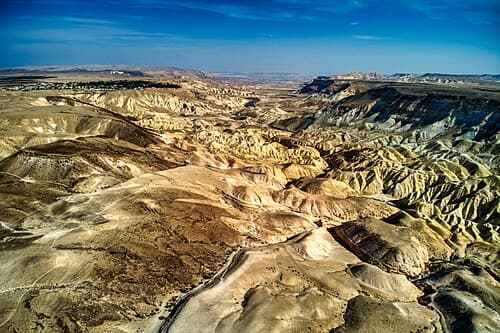
cross the Jordan River, in a town called Karameh. From early 1968, they had been launching hit- and-run raids, not just on the West Bank but into the Negev. Eshkol’s cabinet was initially divided on whether to attack his base in Jordan, in both an act of retaliation and a signal to King Hussein that if h
2 mentions1 same-page
Page ?Same page
o Palestine in 1948 and joining the Irgun. In fact, it was with Misha’s personal backing that one of my former Sayeret Matkal officers — the son of a Jabotinsky acolyte — had recently taken his first steps into the political limelight. After a two-year stint as Israel’s number-two diplomat in Washington, Bibi
found themselves in a similar situation, mentioned as possible chiefs of staff but never chosen: Arik and Ezer Weizman. I saw Arik on his farm in the Negev. He was obviously enjoying his extraordinary political rehabilitation since the Lebanon war. His expanding girth was settled into a sofa in the livin
Sponsored
2 mentions1 same-page
Page ?Same page
h history, he could not find a place on the faculty at Hebrew University. He was convinced, perhaps with some reason, that his outspoken advocacy for Jabotinsky's Zionism in a country defined by Ben-Gurion's had frozen him out. He left to pursue his academic career in America, where both Yoni and Bibi spent m
cross the Jordan River, in a town called Karameh. From early 1968, they had been launching hit- and-run raids, not just on the West Bank but into the Negev. Eshkol's cabinet was initially divided on whether to attack his base in Jordan, in both an act of retaliation and a signal to King Hussein that if h
2 mentions1 same-page
Page ?Same page
o Palestine in 1948 and joining the Irgun. In fact, it was with Misha's personal backing that one of my former Sayeret Matkal officers - the son of a Jabotinsky acolyte - had recently taken his first steps into the political limelight. After a two-year stint as Israel's number-two diplomat in Washington, Bibi
found themselves in a similar situation, mentioned as possible chiefs of staff but never chosen: Arik and Ezer Weizman. I saw Arik on his farm in the Negev. He was obviously enjoying his extraordinary political rehabilitation since the Lebanon war. His expanding girth was settled into a sofa in the livin
Sponsored
Mutual Connections (553)
Entities connected to both Jabotinsky and Negev
George W. Bush
PERSON5 w/ Jabotinsky·17 w/ Negev
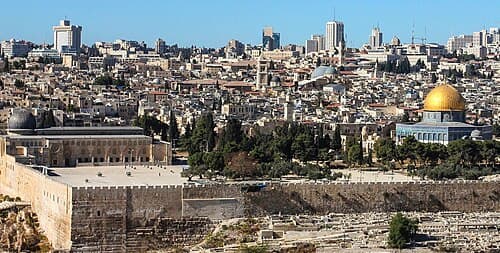
Jerusalem
LOCATION5 w/ Jabotinsky·16 w/ Negev
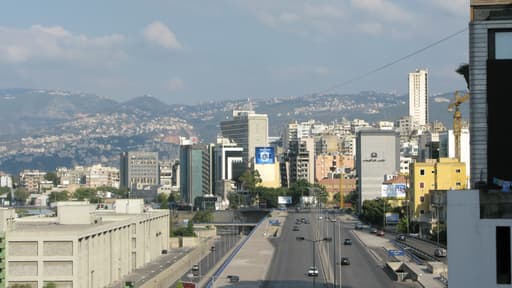
Lebanon
LOCATION5 w/ Jabotinsky·16 w/ Negev
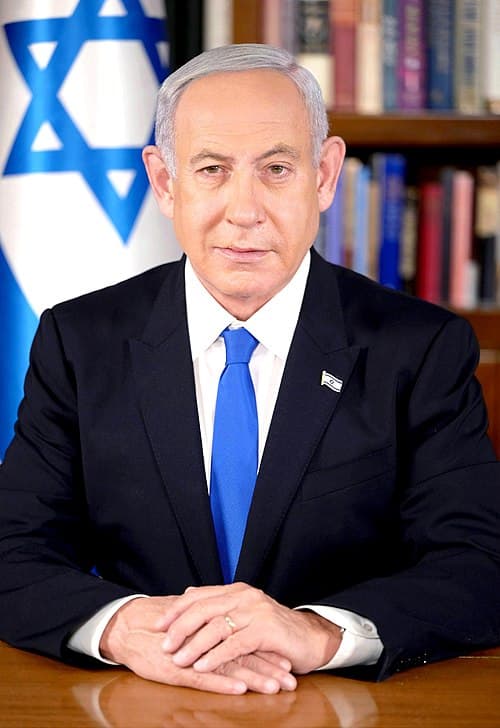
Benjamin Netanyahu
PERSON5 w/ Jabotinsky·15 w/ Negev
the West Bank
LOCATION5 w/ Jabotinsky·14 w/ Negev
Fatah
ORGANIZATION5 w/ Jabotinsky·14 w/ Negev
Hosni Mubarak
PERSON5 w/ Jabotinsky·13 w/ Negev
Yasser Arafat
PERSON5 w/ Jabotinsky·13 w/ Negev
Damascus
LOCATION4 w/ Jabotinsky·13 w/ Negev
Yitzhak Rabin
PERSON5 w/ Jabotinsky·12 w/ Negev
Saddam Hussein
PERSON6 w/ Jabotinsky·11 w/ Negev
Haifa
LOCATION5 w/ Jabotinsky·11 w/ Negev
Sinai
LOCATION4 w/ Jabotinsky·12 w/ Negev
the Golan Heights
LOCATION4 w/ Jabotinsky·12 w/ Negev
Ehud Barak
PERSON5 w/ Jabotinsky·11 w/ Negev
Bill Clinton
PERSON2 w/ Jabotinsky·14 w/ Negev
the Jordan River
LOCATION4 w/ Jabotinsky·12 w/ Negev
Knesset
ORGANIZATION4 w/ Jabotinsky·12 w/ Negev
Golan
LOCATION4 w/ Jabotinsky·11 w/ Negev
the Soviet Union
LOCATION5 w/ Jabotinsky·10 w/ Negev