Back to Network





9
Shared Docs
9
Same-Page
9 / 13
Mentions
Document Mentions (9 shared documents)
3 mentions1 same-page
Page ?Same page
med to agree. Notably, Yitzhak Rabin. He was no longer in government, nor even in charge of Labor. But he had always had a soft spot for Arik, as did Sharon for him. With uneasiness, questions and outright criticism of the siege building both internationally and inside Israel, Arik got Rabin to helicopter
our position was that, assuming all our own negotiating concerns were addressed, we accepted that peace with Syria would include withdrawing from the Golan. The formula was agreed in a meeting in Israel between Rabin and the Clinton Administration’s Middle East negotiator, Dennis Ross. Rabin didn’t tell
or the promise, or maybe only the hope, of peace. It was the same problem Yitzhak had faced over the Americans’ misuse of our “pocket deposit” on the Golan. I realized that, having come this far with Oslo, neither he nor the government was likely to back away from approving the Gaza-Jericho accord. But h
3 mentions1 same-page
Page ?Same page
ons be imposed, and Shlomo agreed. The first was that the visit not occur on a Friday, when the mosques would be full of worshipers; the second, that Sharon not set foot in either of the mosques on the Haram. Our chief of police informed Sharon that if he didn’t accept the conditions, we’d deny him permis
Bibi what successive Israeli leaders had learned: a deal might be possible, but only if Israel was willing to commit in advance to pulling out of the Golan. Assad told Lauder to come back to him with a detailed map setting out Bibi’s view on delineating the Israeli-Syrian border under a peace agreement.
outbursts, and they won’t do you any good.” He challenged Bibi to just “look me in the eye” and admit what he really thought about the future of the Golan. The media verdict was unanimous. Mordechai had won. Which meant I had won. Though my American and British brains’ trust had little input into our d
3 mentions1 same-page
Page ?Same page
med to agree. Notably, Yitzhak Rabin. He was no longer in government, nor even in charge of Labor. But he had always had a soft spot for Arik, as did Sharon for him. With uneasiness, questions and outright criticism of the siege building both internationally and inside Israel, Arik got Rabin to helicopter
our position was that, assuming all our own negotiating concerns were addressed, we accepted that peace with Syria would include withdrawing from the Golan. The formula was agreed in a meeting in Israel between Rabin and the Clinton Administration's Middle East negotiator, Dennis Ross. Rabin didn't tell
or the promise, or maybe only the hope, of peace. It was the same problem Yitzhak had faced over the Americans' misuse of our "pocket deposit" on the Golan. I realized that, having come this far with Oslo, neither he nor the government was likely to back away from approving the Gaza-Jericho accord But he
Sponsored
3 mentions1 same-page
Page ?Same page
ons be imposed, and Shlomo agreed. The first was that the visit not occur on a Friday, when the mosques would be full of worshipers; the second, that Sharon not set foot in either of the mosques on the Haram. Our chief of police informed Sharon that if he didn't accept the conditions, we'd deny him permis
Bibi what successive Israeli leaders had learned: a deal might be possible, but only if Israel was willing to commit in advance to pulling out of the Golan. Assad told Lauder to come back to him with a detailed map setting out Bibi's view on delineating the Israeli-Syrian border under a peace agreement.
outbursts, and they won't do you any good." He challenged Bibi to just "look me in the eye" and admit what he really thought about the future of the Golan. The media verdict was unanimous. Mordechai had won. Which meant I had won. Though my American and British brains' trust had little input into our da
2 mentions1 same-page
Page ?Same page
wed as a military burden rather than as an Israeli asset. After a grueling political battle that extended through 2004 and half of 2005, a resolute Sharon carried out his plan to remove Israeli settlements and military bases from Gaza in August 2005, breaking up his own Likud party over it. This poli
em but divided over what to do with its newfound gains. Israel withdrew from the Sinai in 1982 and from Gaza in 2007, and no one is discussing the Golan these days due to Syria's internal crisis. But the future of Jerusalem and the West Bank remains a matter of intense international -- including Ame
2 mentions1 same-page
Page ?Same page
decade later, the idea would suddenly resurface. In my first meeting, as a newly promoted Major General, with our then Defence Minister Ariel Sharon, Sharon turned to me and the army’s Chief of Staff, Rafael Eitan, and said: “Tell me. Why the hell is Arafat still alive?” He looked first at Raful, then at
Syria. The special technology unit attached to military intelligence had developed a bugging device designed to be placed on a telephone pole on the Golan. The task of installing it was given to the most decorated, and respected, commando unit in the army: Company A in Sharon’s paratroop battalion, led
Sponsored
2 mentions1 same-page
Page ?Same page
7. So during the last, decisive 10 days of the war, I would witness first-hand the tension among our top commanders in the Sinai, especially between Sharon and Gorodish, since Arik wasted few opportunities to suggest, rightly but not always helpfully, that his successor was woefully out of his depth. I w
the 1967 war, before going off to university. He’d taken a bullet in the elbow while helping to rescue one of his soldiers behind Syrian lines on the Golan. “He wants to return to the army, and he’s exactly the kind of officer you want,” Bibi said. I brought Yoni in for a chat. Over the next several yea
2 mentions1 same-page
Page ?Same page
decade later, the idea would suddenly resurface. In my first meeting, as a newly promoted Major General, with our then Defence Minister Ariel Sharon, Sharon turned to me and the army’s Chief of Staff, Rafael Eitan, and said: “Tell me. Why the hell is Arafat still alive?” He looked first at Raful, then at
Syria. The special technology unit attached to military intelligence had developed a bugging device designed to be placed on a telephone pole on the Golan. The task of installing it was given to the most decorated, and respected, commando unit in the army: Company A in Sharon’s paratroop battalion, led
2 mentions1 same-page
Page ?Same page
67. So during the last, decisive 10 days of the war, I would witness first-hand the tension among our top commanders in the Sinai, especially between Sharon and Gorodish, since Arik wasted few opportunities to suggest, rightly but not always helpfully, that his successor was woefully out of his depth. I w
the 1967 war, before going off to university. He'd taken a bullet in the elbow while helping to rescue one of his soldiers behind Syrian lines on the Golan. "He wants to return to the army, and he's exactly the kind of officer you want," Bibi said. I brought Yoni in for a chat. Over the next several year
Sponsored
Mutual Connections (1,060)
Entities connected to both Sharon and Golan
Jeffrey Epstein
PERSON91 w/ Sharon·22 w/ Golan
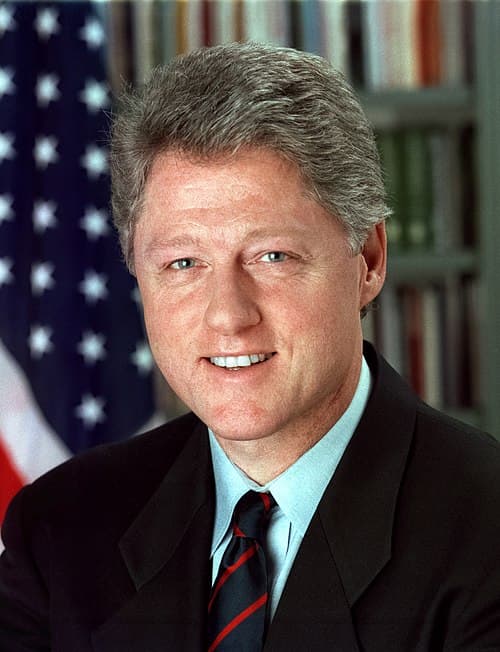
Bill Clinton
PERSON26 w/ Sharon·31 w/ Golan
George W. Bush
PERSON32 w/ Sharon·22 w/ Golan
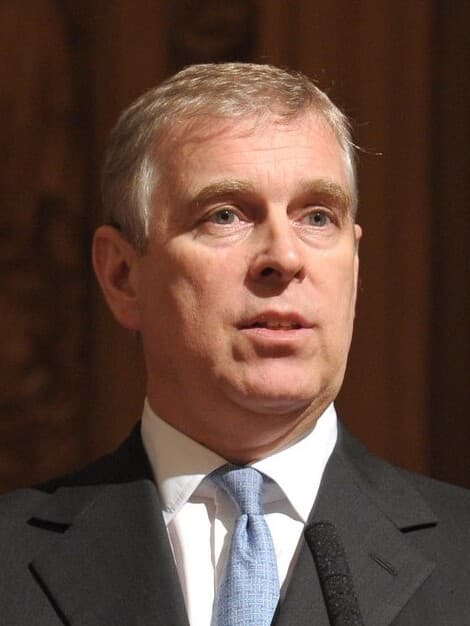
Prince Andrew
PERSON22 w/ Sharon·21 w/ Golan
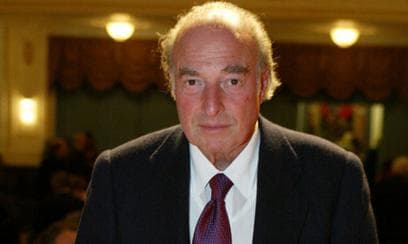
Marc Rich
PERSON29 w/ Sharon·11 w/ Golan
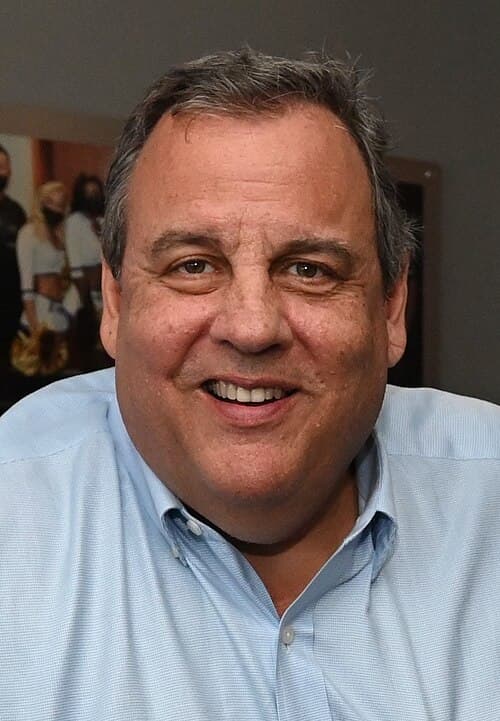
Chris Christie
PERSON35 w/ Sharon·2 w/ Golan
United States
LOCATION21 w/ Sharon·14 w/ Golan
Benjamin Netanyahu
PERSON20 w/ Sharon·15 w/ Golan
Lebanon
LOCATION16 w/ Sharon·19 w/ Golan
Barack Obama
PERSON17 w/ Sharon·15 w/ Golan
Jerusalem
LOCATION18 w/ Sharon·14 w/ Golan
Ehud Barak
PERSON20 w/ Sharon·12 w/ Golan
LB
Leon Black
PERSON22 w/ Sharon·8 w/ Golan
Bashar al-Assad
PERSON12 w/ Sharon·18 w/ Golan
Damascus
LOCATION14 w/ Sharon·15 w/ Golan
Alfredo Rodriguez
PERSON11 w/ Sharon·17 w/ Golan
John F. Kennedy
PERSON16 w/ Sharon·12 w/ Golan
Ghislaine Maxwell
PERSON23 w/ Sharon·5 w/ Golan
Fatah
ORGANIZATION16 w/ Sharon·12 w/ Golan
Richard Kahn
PERSON26 w/ Sharon·2 w/ Golan