Back to Network


9
Shared Docs
9
Same-Page
9 / 9
Mentions
Document Mentions (9 shared documents)
2 mentions1 same-page
Page ?Same page
was intolerable." After six days of war, a cease-fire was agreed. However, at that time our troops had not yet succeeded in surrounding Beirut. So Sharon broke the cease-fire to cut the vital Beirut-Damascus highway. The present crisis in the "peace process" was caused by the Israeli government's br
henever it thought that the national interest demanded it. As a soldier in the 1948 war, I took part in the great offensive to open the way to the Negev, which had been cut off by the Egyptian army. This was done in violation of the cease-fire arranged by the UN. We used a simple ruse for putting th
2 mentions1 same-page
Page ?Same page
decade later, the idea would suddenly resurface. In my first meeting, as a newly promoted Major General, with our then Defence Minister Ariel Sharon, Sharon turned to me and the army’s Chief of Staff, Rafael Eitan, and said: “Tell me. Why the hell is Arafat still alive?” He looked first at Raful, then at
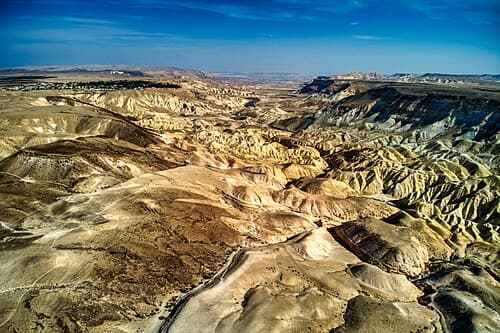
iving a tractor. I woke up early and accompanied him into the fields of wheat, barley or rye. We also made a series of trips 130 miles south into the Negev to a moshav called Patish. It had been set up by newly arrived Moroccan Jews. Since they didn’t have the equipment or know-how to cultivate all their
2 mentions1 same-page
Page ?Same page
7. So during the last, decisive 10 days of the war, I would witness first-hand the tension among our top commanders in the Sinai, especially between Sharon and Gorodish, since Arik wasted few opportunities to suggest, rightly but not always helpfully, that his successor was woefully out of his depth. I w
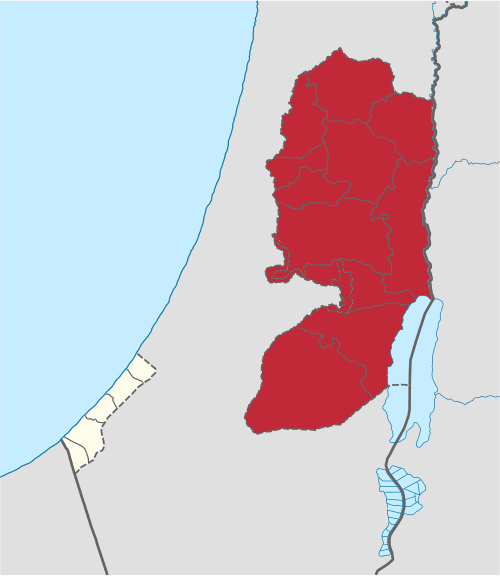
cross the Jordan River, in a town called Karameh. From early 1968, they had been launching hit- and-run raids, not just on the West Bank but into the Negev. Eshkol’s cabinet was initially divided on whether to attack his base in Jordan, in both an act of retaliation and a signal to King Hussein that if h
Sponsored
2 mentions1 same-page
Page ?Same page
med to agree. Notably, Yitzhak Rabin. He was no longer in government, nor even in charge of Labor. But he had always had a soft spot for Arik, as did Sharon for him. With uneasiness, questions and outright criticism of the siege building both internationally and inside Israel, Arik got Rabin to helicopter
found themselves in a similar situation, mentioned as possible chiefs of staff but never chosen: Arik and Ezer Weizman. I saw Arik on his farm in the Negev. He was obviously enjoying his extraordinary political rehabilitation since the Lebanon war. His expanding girth was settled into a sofa in the livin
2 mentions1 same-page
Page ?Same page
ons be imposed, and Shlomo agreed. The first was that the visit not occur on a Friday, when the mosques would be full of worshipers; the second, that Sharon not set foot in either of the mosques on the Haram. Our chief of police informed Sharon that if he didn’t accept the conditions, we’d deny him permis
rrowest of margins, might determine the outcome. After the 1996 election, I’d learned of cases where Peres volunteers outside polling stations in the Negev or the north of the country had left early, in order to make sure they’d be back to Tel Aviv in time for the “moment of victory.” Now, I sent out wor
2 mentions1 same-page
Page ?Same page
decade later, the idea would suddenly resurface. In my first meeting, as a newly promoted Major General, with our then Defence Minister Ariel Sharon, Sharon turned to me and the army’s Chief of Staff, Rafael Eitan, and said: “Tell me. Why the hell is Arafat still alive?” He looked first at Raful, then at
iving a tractor. I woke up early and accompanied him into the fields of wheat, barley or rye. We also made a series of trips 130 miles south into the Negev to a moshav called Patish. It had been set up by newly arrived Moroccan Jews. Since they didn’t have the equipment or know-how to cultivate all their
Sponsored
2 mentions1 same-page
Page ?Same page
67. So during the last, decisive 10 days of the war, I would witness first-hand the tension among our top commanders in the Sinai, especially between Sharon and Gorodish, since Arik wasted few opportunities to suggest, rightly but not always helpfully, that his successor was woefully out of his depth. I w
cross the Jordan River, in a town called Karameh. From early 1968, they had been launching hit- and-run raids, not just on the West Bank but into the Negev. Eshkol's cabinet was initially divided on whether to attack his base in Jordan, in both an act of retaliation and a signal to King Hussein that if h
2 mentions1 same-page
Page ?Same page
med to agree. Notably, Yitzhak Rabin. He was no longer in government, nor even in charge of Labor. But he had always had a soft spot for Arik, as did Sharon for him. With uneasiness, questions and outright criticism of the siege building both internationally and inside Israel, Arik got Rabin to helicopter
found themselves in a similar situation, mentioned as possible chiefs of staff but never chosen: Arik and Ezer Weizman. I saw Arik on his farm in the Negev. He was obviously enjoying his extraordinary political rehabilitation since the Lebanon war. His expanding girth was settled into a sofa in the livin
2 mentions1 same-page
Page ?Same page
ons be imposed, and Shlomo agreed. The first was that the visit not occur on a Friday, when the mosques would be full of worshipers; the second, that Sharon not set foot in either of the mosques on the Haram. Our chief of police informed Sharon that if he didn't accept the conditions, we'd deny him permis
rrowest of margins, might determine the outcome. After the 1996 election, I'd learned of cases where Peres volunteers outside polling stations in the Negev or the north of the country had left early, in order to make sure they'd be back to Tel Aviv in time for the "moment of victory." Now, I sent out wor
Sponsored
Mutual Connections (989)
Entities connected to both Sharon and Negev
Jeffrey Epstein
PERSON91 w/ Sharon·10 w/ Negev
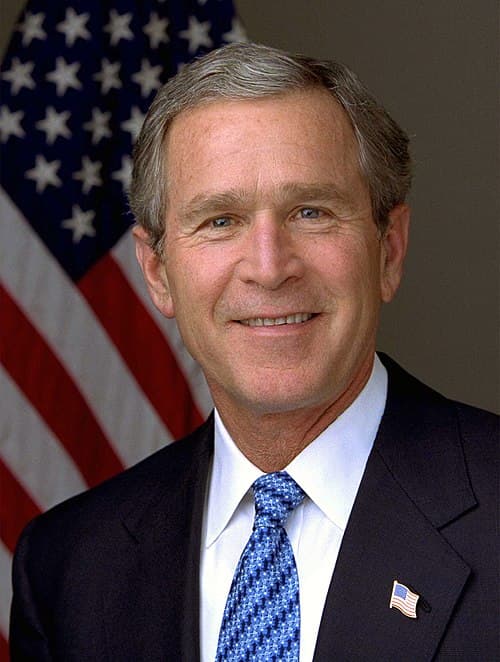
George W. Bush
PERSON32 w/ Sharon·17 w/ Negev
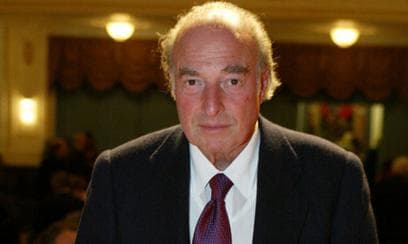
Marc Rich
PERSON29 w/ Sharon·11 w/ Negev
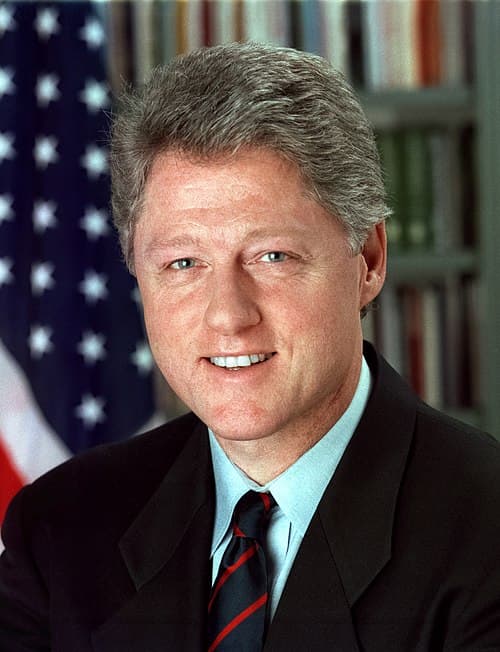
Bill Clinton
PERSON26 w/ Sharon·14 w/ Negev
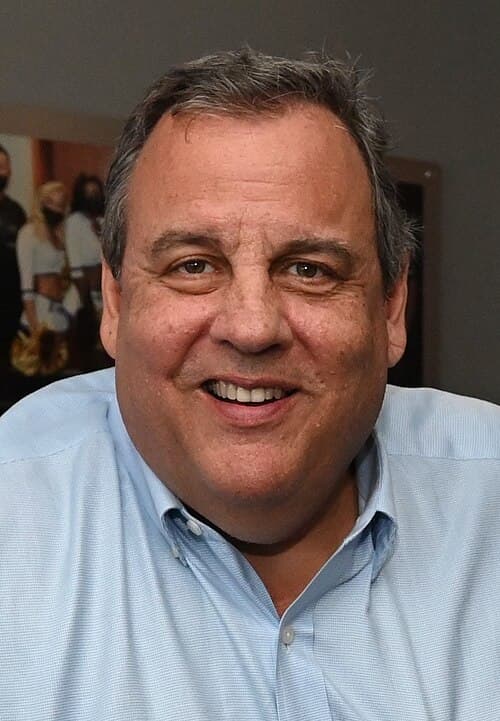
Chris Christie
PERSON35 w/ Sharon·2 w/ Negev
Benjamin Netanyahu
PERSON20 w/ Sharon·15 w/ Negev
Jerusalem
LOCATION18 w/ Sharon·16 w/ Negev
United States
LOCATION21 w/ Sharon·12 w/ Negev
Lebanon
LOCATION16 w/ Sharon·16 w/ Negev
Ehud Barak
PERSON20 w/ Sharon·11 w/ Negev
Barack Obama
PERSON17 w/ Sharon·14 w/ Negev
Fatah
ORGANIZATION16 w/ Sharon·14 w/ Negev
Yasser Arafat
PERSON15 w/ Sharon·13 w/ Negev
LB
Leon Black
PERSON22 w/ Sharon·5 w/ Negev
Damascus
LOCATION14 w/ Sharon·13 w/ Negev
the West Bank
LOCATION12 w/ Sharon·14 w/ Negev
Ghislaine Maxwell
PERSON23 w/ Sharon·3 w/ Negev
West Bank
LOCATION13 w/ Sharon·12 w/ Negev
Sinai
LOCATION12 w/ Sharon·12 w/ Negev
Hosni Mubarak
PERSON11 w/ Sharon·13 w/ Negev