Back to Network








9
Shared Docs
9
Same-Page
10 / 17
Mentions
Document Mentions (9 shared documents)
4 mentions1 same-page
Page ?Same page
med to agree. Notably, Yitzhak Rabin. He was no longer in government, nor even in charge of Labor. But he had always had a soft spot for Arik, as did Sharon for him. With uneasiness, questions and outright criticism of the siege building both internationally and inside Israel, Arik got Rabin to helicopter
Amir Drori, the head of the northern command. They had set up a rooftop observation post just a few hundred yards in from where I had landed with my Sayeret Matkal team a decade earlier for the Rue Verdun operation. It overlooked a pair of Palestinian refugee camps: Sabra and, a couple of hundred yards closer to
tment to the values of an open, tolerant democracy. But in at least one important way, I approached my new role as if it was one of our operations in Sayeret Matkal, or the need to reshape our armed forces when I was chief-of-staff. My first priority was to put in place the practical foundations for a successful
ion about our enemies, and make sure it got to the commanders and field units that needed it. And while the details of many operations I approved for Sayeret Matkal and other units remain classified, we did succeed in doing that — to take just one example, by finding an entirely new way to get intelligence from i
4 mentions1 same-page
Page ?Same page
med to agree. Notably, Yitzhak Rabin. He was no longer in government, nor even in charge of Labor. But he had always had a soft spot for Arik, as did Sharon for him. With uneasiness, questions and outright criticism of the siege building both internationally and inside Israel, Arik got Rabin to helicopter
Amir Drori, the head of the northern command. They had set up a rooftop observation post just a few hundred yards in from where I had landed with my Sayeret Matkal team a decade earlier for the Rue Verdun operation. It overlooked a pair of Palestinian refugee camps: Sabra and, a couple of hundred yards closer to
tment to the values of an open, tolerant democracy. But in at least one important way, I approached my new role as if it was one of our operations in Sayeret Matkal, or the need to reshape our armed forces when I was chief-of-staff. My first priority was to put in place the practical foundations for a successful
ion about our enemies, and make sure it got to the commanders and field units that needed it. And while the details of many operations I approved for Sayeret Matkal and other units remain classified, we did succeed in doing that - to take just one example, by finding an entirely new way to get intelligence from i
3 mentions1 same-page
Page ?Same page
plenty of cause for frustration. The case against Barak usually starts with his abandonment of Labor -- even though other Israeli leaders (such as Sharon and Olmert) have ditched their parties and not suffered for it. It then moves on to his strategic blunders -- although here, too, he is hardly alon
en it works, it's brilliant. When it fails, it collapses horribly" -- as did Barak's grand peace overtures, his decision as prime minister to spurn Sharon's offer and seek early elections, and his move to split Labor. Barak's history also reveals a profound lack of concern for ideological consistency
being called back into service," says Shlomo Avineri, a veteran Israeli analyst. Amir Mizroch, an Israeli journalist and blogger, calls it "a truly Sayeret Matkal-like operation -- uncanny, unpredictable, with little or no chance of success, but if pulled off, extremely brilliant." Mizroch explains: "By exiti
Sponsored
3 mentions1 same-page
Page ?Same page
7. So during the last, decisive 10 days of the war, I would witness first-hand the tension among our top commanders in the Sinai, especially between Sharon and Gorodish, since Arik wasted few opportunities to suggest, rightly but not always helpfully, that his successor was woefully out of his depth. I w
advancement in Jerusalem. Though he would eventually return to Israel, he was teaching at Cornell when his sons became officers under my command in Sayeret Matkal. So there was a physical distance between father and sons. But what struck me was how large the father loomed in both of their lives. There was an al
ons within the PLO were ready to step into the breach if Arafat faltered. Israel needed to find an answer for all these threats. Uzi Yairi’s term as Sayeret Matkal commander had by now ended, but his successor was someone I knew well. Menachem Digli was the officer on whom I’d bestowed my stolen Syrian Mercedes
3 mentions1 same-page
Page ?Same page
ons be imposed, and Shlomo agreed. The first was that the visit not occur on a Friday, when the mosques would be full of worshipers; the second, that Sharon not set foot in either of the mosques on the Haram. Our chief of police informed Sharon that if he didn’t accept the conditions, we’d deny him permis
he summit’s collapse. My main concern was the possibility of violence. Even before returning home, I’d phoned Shaul Mofaz and Avi Dichter, the former Sayeret Matkal officer who was now head of the Shin Bet. “Let’s hope the violence doesn’t come,” I told them. “But if it does, make sure we are ready.” Though there
eer by training, he was a reserve army general who, when I was chief of staff, had been in charge of the logistics branch of the military. I gave him Sayeret Matkal backup as well, in the person of Danny Yatom, my longtime friend and former sayeret deputy. But all that was process. Winning or losing would come d
3 mentions1 same-page
Page ?Same page
67. So during the last, decisive 10 days of the war, I would witness first-hand the tension among our top commanders in the Sinai, especially between Sharon and Gorodish, since Arik wasted few opportunities to suggest, rightly but not always helpfully, that his successor was woefully out of his depth. I w
c advancement in Jerusalem. Though he would eventually return to Israel, he was teaching at Cornell when his sons became officers under my command in Sayeret Matkal. So there was a physical distance between father and sons. But what struck me was how large the father loomed in both of their lives. There was an al
ions within the PLO were ready to step into the breach if Arafat faltered. Israel needed to find an answer for all these threats. Uzi Yairi's term as Sayeret Matkal commander had by now ended, but his successor was someone I knew well. Menachem Digli was the officer on whom I'd bestowed my stolen Syrian Mercedes
Sponsored
3 mentions1 same-page
Page ?Same page
ons be imposed, and Shlomo agreed. The first was that the visit not occur on a Friday, when the mosques would be full of worshipers; the second, that Sharon not set foot in either of the mosques on the Haram. Our chief of police informed Sharon that if he didn't accept the conditions, we'd deny him permis
he summit's collapse. My main concern was the possibility of violence. Even before returning home, I'd phoned Shaul Mofaz and Avi Dichter, the former Sayeret Matkal officer who was now head of the Shin Bet. "Let's hope the violence doesn't come," I told them. "But if it does, make sure we are ready." Though there
eer by training, he was a reserve army general who, when I was chief of staff, had been in charge of the logistics branch of the military. I gave him Sayeret Matkal backup as well, in the person of Danny Yatom, my longtime friend and former sayeret deputy. *** But all that was process. Winning or losing would com
2 mentions1 same-page
Page ?Same page
decade later, the idea would suddenly resurface. In my first meeting, as a newly promoted Major General, with our then Defence Minister Ariel Sharon, Sharon turned to me and the army’s Chief of Staff, Rafael Eitan, and said: “Tell me. Why the hell is Arafat still alive?” He looked first at Raful, then at
awn in Private Benjamin. The main misunderstanding, however, went deeper. The assumption appeared to be that my military achievements, especially in Sayeret Matkal, were down to a mix of brute force and raw courage. Courage, of course, was a requirement: the willingness to take risks, if the rewards for success,
2 mentions1 same-page
Page ?Same page
decade later, the idea would suddenly resurface. In my first meeting, as a newly promoted Major General, with our then Defence Minister Ariel Sharon, Sharon turned to me and the army’s Chief of Staff, Rafael Eitan, and said: “Tell me. Why the hell is Arafat still alive?” He looked first at Raful, then at
awn in Private Benjamin. The main misunderstanding, however, went deeper. The assumption appeared to be that my military achievements, especially in Sayeret Matkal, were down to a mix of brute force and raw courage. Courage, of course, was a requirement: the willingness to take risks, if the rewards for success,
Sponsored
Mutual Connections (940)
Entities connected to both Sharon and Sayeret Matkal
George W. Bush
PERSON32 w/ Sharon·9 w/ Sayeret
Chris Christie
PERSON35 w/ Sharon·2 w/ Sayeret
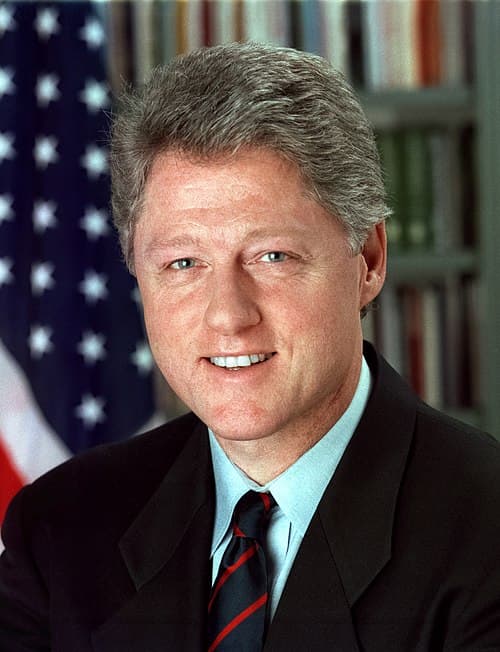
Bill Clinton
PERSON26 w/ Sharon·9 w/ Sayeret
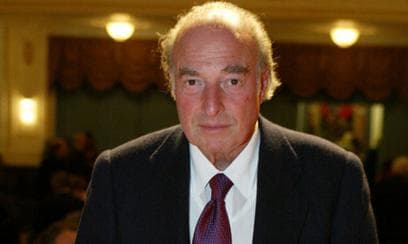
Marc Rich
PERSON29 w/ Sharon·2 w/ Sayeret
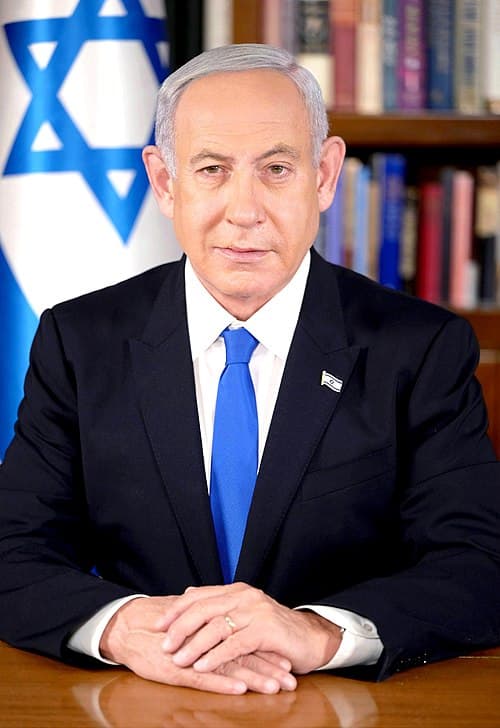
Benjamin Netanyahu
PERSON20 w/ Sharon·11 w/ Sayeret
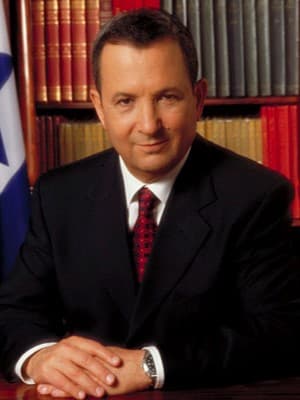
Ehud Barak
PERSON20 w/ Sharon·11 w/ Sayeret
Jerusalem
LOCATION18 w/ Sharon·11 w/ Sayeret
Lebanon
LOCATION16 w/ Sharon·11 w/ Sayeret
United States
LOCATION21 w/ Sharon·6 w/ Sayeret
Yasser Arafat
PERSON15 w/ Sharon·11 w/ Sayeret
LB
Leon Black
PERSON22 w/ Sharon·4 w/ Sayeret
Fatah
ORGANIZATION16 w/ Sharon·10 w/ Sayeret
Barack Obama
PERSON17 w/ Sharon·7 w/ Sayeret
Likud
ORGANIZATION13 w/ Sharon·11 w/ Sayeret
Shimon Peres
PERSON13 w/ Sharon·11 w/ Sayeret
Damascus
LOCATION14 w/ Sharon·10 w/ Sayeret
the West Bank
LOCATION12 w/ Sharon·11 w/ Sayeret
Mossad
ORGANIZATION13 w/ Sharon·10 w/ Sayeret
Knesset
ORGANIZATION11 w/ Sharon·11 w/ Sayeret
West Bank
LOCATION13 w/ Sharon·9 w/ Sayeret