Back to Network




4
Shared Docs
4
Same-Page
4 / 4
Mentions
Document Mentions (4 shared documents)
2 mentions1 same-page
Page ?Same page
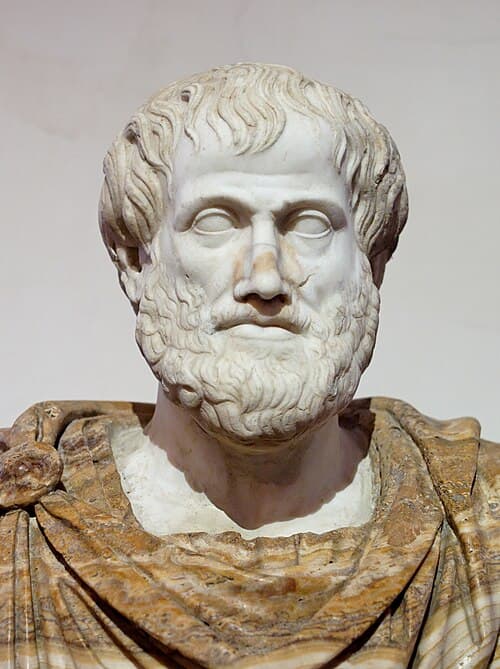
illness and creativity went hand in hand. This link is not surprising. The archetype of the mad genius dates back to at least classical times, when Aristotle noted, "Those who have been eminent in philosophy, politics, poetry, and the arts have all had tendencies toward melancholia." This pattern is a re
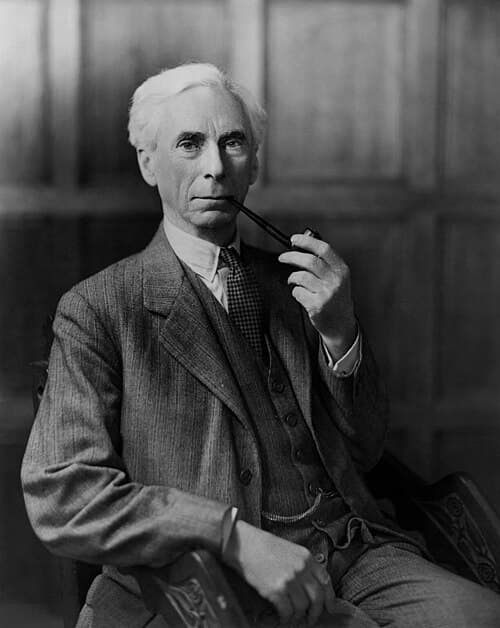
detached from his EFTA00669755 audience and from reality, culminating in the near-psychotic neologisms and loose associations of Finnegans Wake.) Bertrand Russell, a philosopher whose work I admired, had multiple family members who suffered from schizophrenia. Einstein had a son with schizophrenia, and he hi
2 mentions1 same-page
Page ?Same page
friends. Logical Beginnings The formal study of logic began in 3848c with the publication ofa treatise called the Organon by the Greek philosopher Aristotle. A student of Plato, Aristotle taught many of the famous leaders of his time, including Alexander The Great. Ancient Greece was not some idyllic thin
lf and if the barber does not shave himself, then the barber must shave himself. You might think this paradox an oddity but, using this simple idea, Bertrand Russell changed the course of mathematical history and it is the fundamental paradox used to show computers are Turing limited. The Russell Paradox In the l
2 mentions1 same-page
Page ?Same page
pic principle 322 Anti-Ballistic Missile Treaty 79 Antikythera 15 Apple 56, 68, 224, 306 Arab world democracy 82 Arafat, Yasser 81, 82 Archimedes 343 Aristotle 149 ARM 224 ARNN 280 art being appreciated 142 creativity and 304 Artamene 129 Art of Fugue 259 ASCII 203 Asimov, Isaac 4 Association of Computer M
.pdf. Vitiello, Giuseppe. My Double Unveiled: The Dissipative Quantum Model of Brain. John Benjamins Publishing, 2001. Whitehead, Alfred North, and Bertrand Russell. Principia Mathematica - Volume One: 1. Rough Draft Printing, 2009. Winston, Robert. The Human Mind and How to Make the Most of It. New edition. Cha
Sponsored
2 mentions1 same-page
Page ?Same page
lly his paraphrase and generalization of Darwin’s, is not quite a truism because it carries the hypothesis that “potential” has an empirical meaning. Aristotle’s idea that potency precedes and explains act is called causality. Adam Smith’s friend and fellow Scotsman David Hume scarcely doubted causality, but
be economist hat for my wannabe biologist one. Herbert Spencer called those fields the same at bottom. I never read Spencer, and know him mostly from Bertrand Russell’s books on the history of philosophy. Spencer rates a subchapter there. Yet he was an autodidact with less training in either field than mine. He even
Sponsored
Mutual Connections (248)
Entities connected to both Aristotle and Bertrand Russell
George W. Bush
PERSON13 w/ Aristotle·10 w/ Bertrand
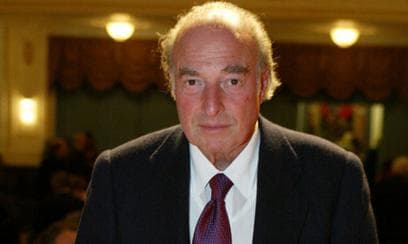
Marc Rich
PERSON13 w/ Aristotle·9 w/ Bertrand
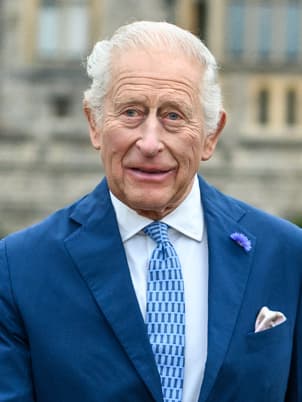
Prince Charles
PERSON14 w/ Aristotle·7 w/ Bertrand
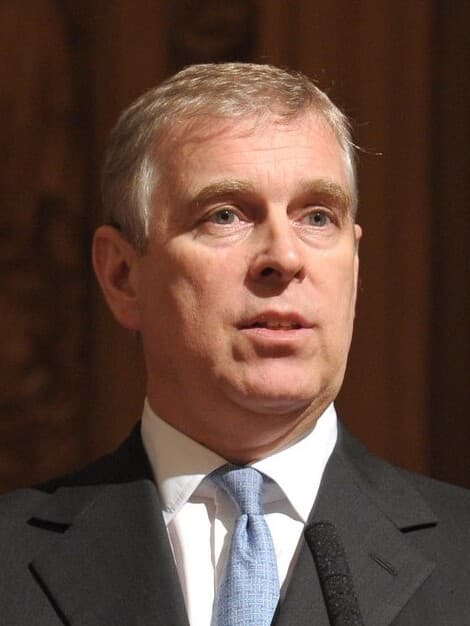
Prince Andrew
PERSON11 w/ Aristotle·9 w/ Bertrand
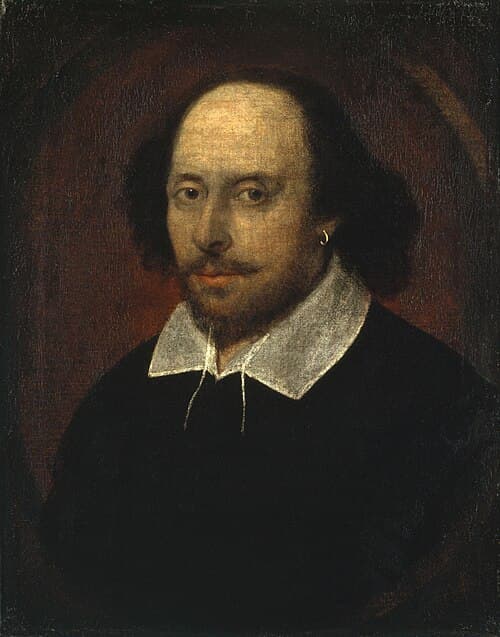
William Shakespeare
PERSON10 w/ Aristotle·10 w/ Bertrand
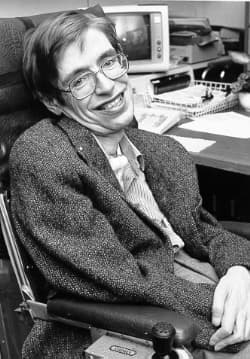
Stephen Hawking
PERSON13 w/ Aristotle·6 w/ Bertrand
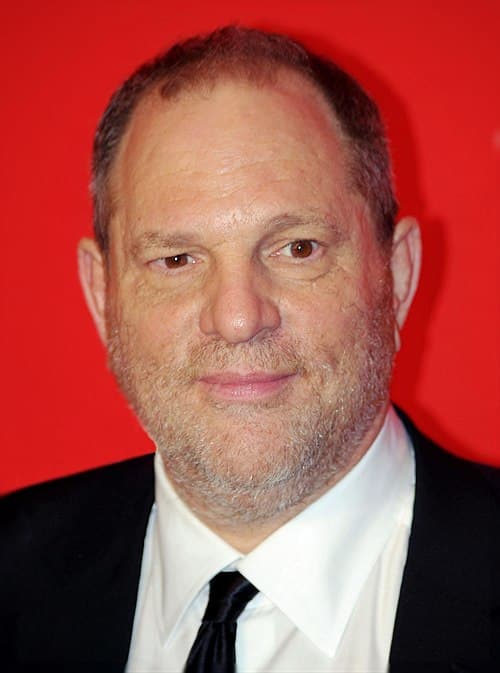
Harvey Weinstein
PERSON11 w/ Aristotle·7 w/ Bertrand
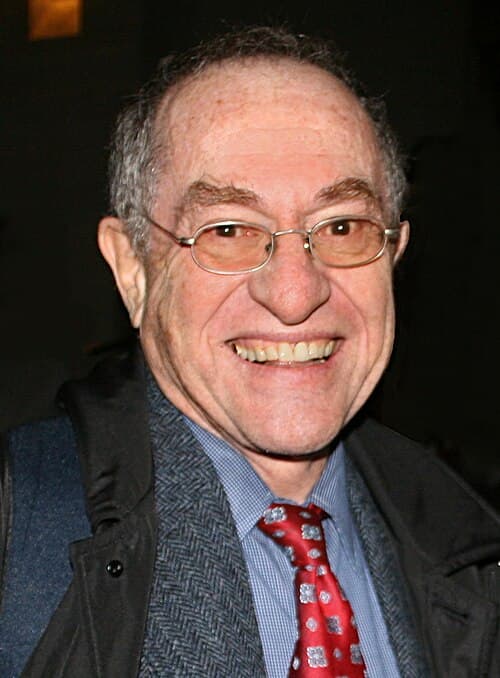
Alan Dershowitz
PERSON12 w/ Aristotle·6 w/ Bertrand
Earth
LOCATION11 w/ Aristotle·5 w/ Bertrand
Julie K. Brown
PERSON10 w/ Aristotle·6 w/ Bertrand
LB
Leon Black
PERSON10 w/ Aristotle·5 w/ Bertrand
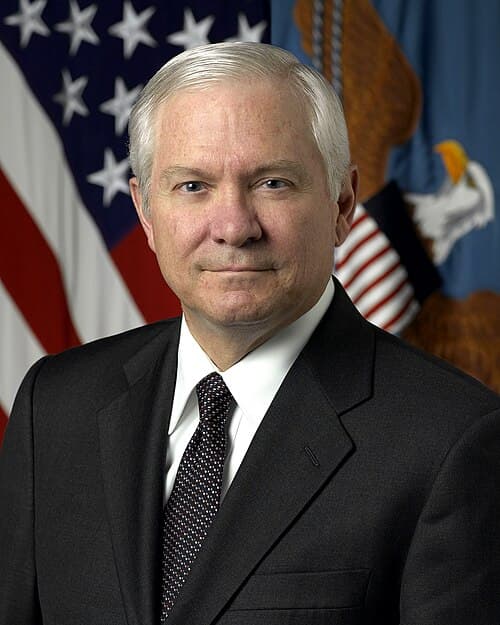
Robert Gates
PERSON8 w/ Aristotle·6 w/ Bertrand
Jeffrey Epstein
PERSON10 w/ Aristotle·4 w/ Bertrand
Plato
PERSON11 w/ Aristotle·3 w/ Bertrand
DB
Doug Band
PERSON9 w/ Aristotle·5 w/ Bertrand
Barack Obama
PERSON10 w/ Aristotle·3 w/ Bertrand
ET
Emmy Taylor
PERSON7 w/ Aristotle·6 w/ Bertrand
Samantha Power
PERSON9 w/ Aristotle·4 w/ Bertrand
University of Oxford
ORGANIZATION7 w/ Aristotle·5 w/ Bertrand
Oliver Stone
PERSON7 w/ Aristotle·5 w/ Bertrand