Back to Network





6
Shared Docs
6
Same-Page
6 / 6
Mentions
Document Mentions (6 shared documents)
2 mentions1 same-page
Page ?Same page
Aldous Huxley to our seminar. He also brought us Alan Watts and several lecturers from the Jung Institu
he polychromatic properties of light like a talisman. In his essay called Newton, the Man, the early 20" Century Cambridge Don and economic theorist, John Maynard Keynes, said that the Newton of the chapel followed “...certain mystic clues which God had laid about the world to allow a sort of philosopher’s trea
2 mentions1 same-page
Page ?Same page
rt phone or 3D goggles, the British mathematician Alan Turing anticipated their arrival when he dreamed
tually the entire world was pulled into the fire. “In the autumn of 1919, in which I write, we are at the dead season of our fortunes,” the economist John Maynard Keynes wrote after the Paris Peace Conference settled The Great War, dimly aware that an even deader season lay somewhere in the future in the form o
2 mentions1 same-page
Page ?Same page
of the best early members of the New Caste - like Alan Kay or John Seeley Brown- but also a series of fu
ine power. Looking back on his formative years, before Europe was ground up in the First World War, the powerfully brilliant and sensitive economist John Maynard Keynes bitterly recalled the iron certainty of his set of friends and their confident, diffident arrogance: “We were not aware that civilization was
Sponsored
2 mentions1 same-page
Page ?Same page
d Atoms. He is the author of FAB, co-author (with Alan Gershenfeld & Joel Cutcher-Gershenfeld) of Design
ovement of goods is largely automated, as are many services. What’s left for humans to do? In 1930—long before the advent of computers, let alone AI—John Maynard Keynes wrote, in an essay called “Economic Possibilities for our Grandchildren,” that as a result of improvements in productivity, society could prod
2 mentions1 same-page
Page ?Same page
d Atoms. He is the author of FAB, co-author (with Alan Gershenfeld & Joel Cutcher-Gershenfeld) of Design
ovement of goods is largely automated, as are many services. What’s left for humans to do? In 1930—long before the advent of computers, let alone AI—John Maynard Keynes wrote, in an essay called “Economic Possibilities for our Grandchildren,” that as a result of improvements in productivity, society could prod
2 mentions1 same-page
Page ?Same page
ould certainly have escaped detection. The actor Alan Alda once turned the tables on conventional wisdo
assical laws of motion and laid the basis for his theory of gravity, both of which form the foundation of much of modern physics. Never- theless, as John Maynard Keynes pointed out: Newton was not the first of the age of reason, he was the last of the magicians, the last of the Babylonians and Sumerians, the
Sponsored
Mutual Connections (495)
Entities connected to both Alan Dershowitz and John Maynard
Jeffrey Epstein
PERSON5,935 w/ Alan·4 w/ John
LB
Leon Black
PERSON1,236 w/ Alan·4 w/ John
Marc Rich
PERSON1,198 w/ Alan·7 w/ John
Prince Andrew
PERSON982 w/ Alan·5 w/ John
Ghislaine Maxwell
PERSON966 w/ Alan·3 w/ John
United States
LOCATION875 w/ Alan·4 w/ John
George W. Bush
PERSON865 w/ Alan·8 w/ John
Donald Trump
PERSON675 w/ Alan·4 w/ John
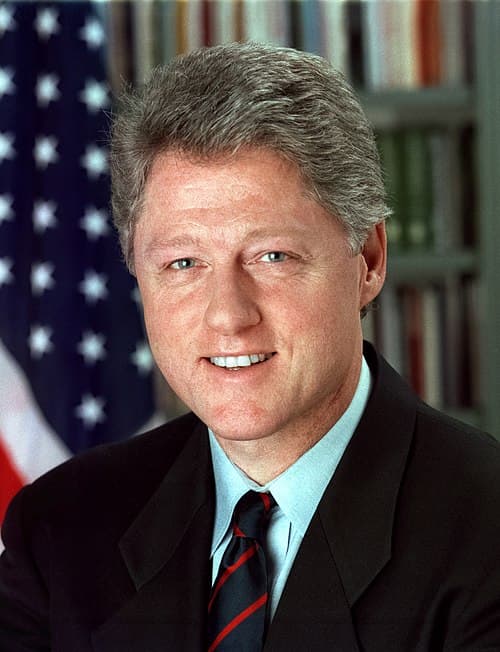
Bill Clinton
PERSON629 w/ Alan·2 w/ John
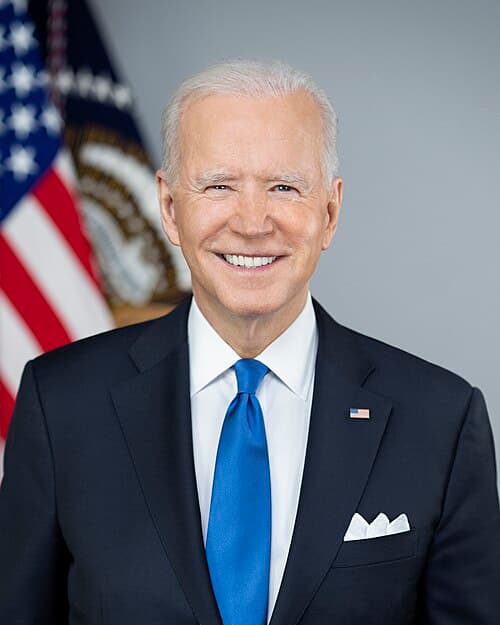
Joe Biden
PERSON479 w/ Alan·2 w/ John
Virginia Giuffre
PERSON457 w/ Alan·2 w/ John
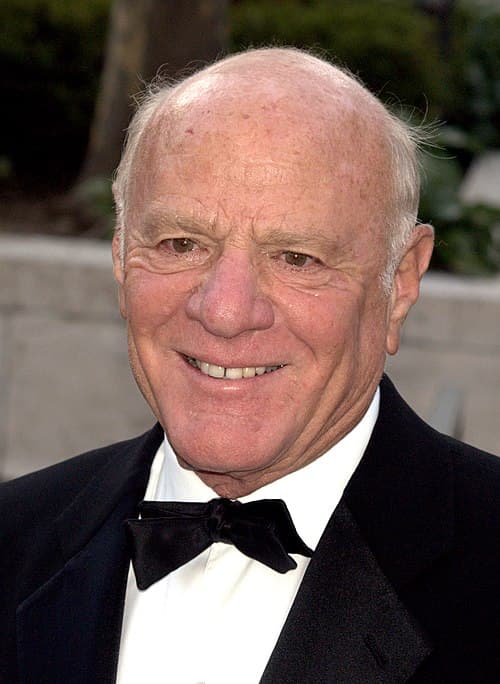
Barry Diller
PERSON423 w/ Alan·4 w/ John
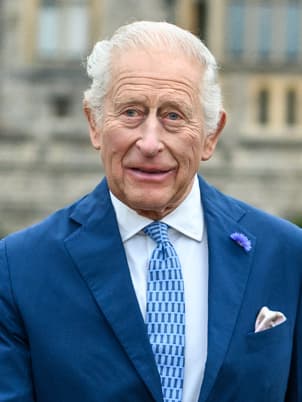
Prince Charles
PERSON405 w/ Alan·4 w/ John
Julie K. Brown
PERSON384 w/ Alan·6 w/ John
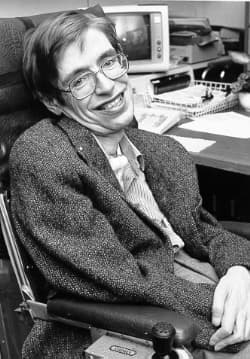
Stephen Hawking
PERSON372 w/ Alan·5 w/ John
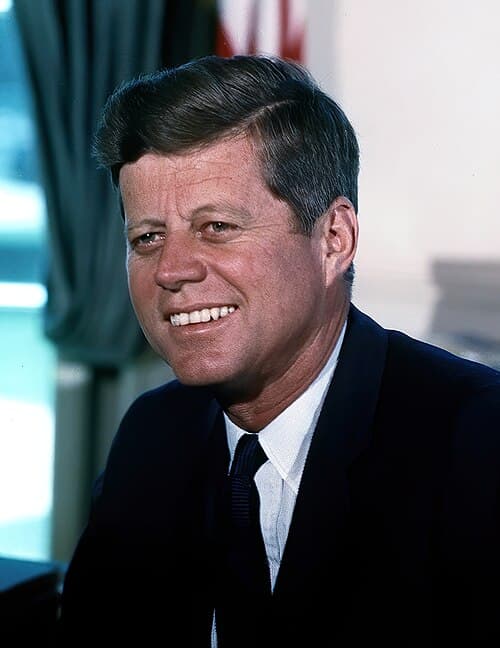
John F. Kennedy
PERSON334 w/ Alan·3 w/ John
Eric Trump
PERSON319 w/ Alan·6 w/ John
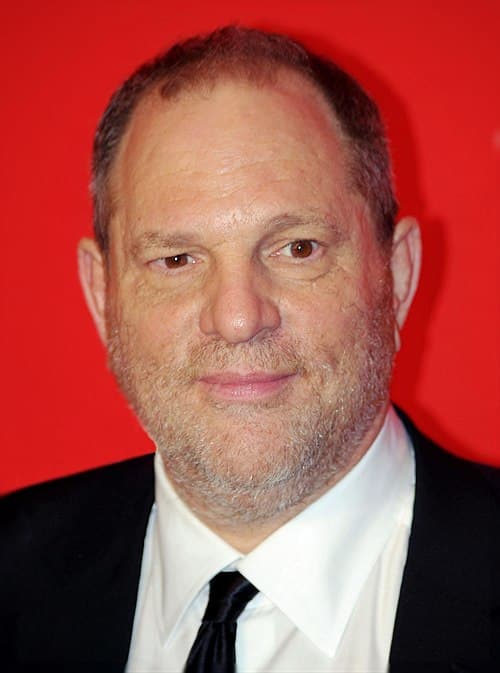
Harvey Weinstein
PERSON272 w/ Alan·5 w/ John
Robert Gates
PERSON254 w/ Alan·3 w/ John
Wilbur Ross
PERSON251 w/ Alan·2 w/ John